Your One-Stop Wire Mesh Fence Supplier | POLYMETAL
SEO Overview: What Buyers Really Pay For in Temporary Noise Barriers
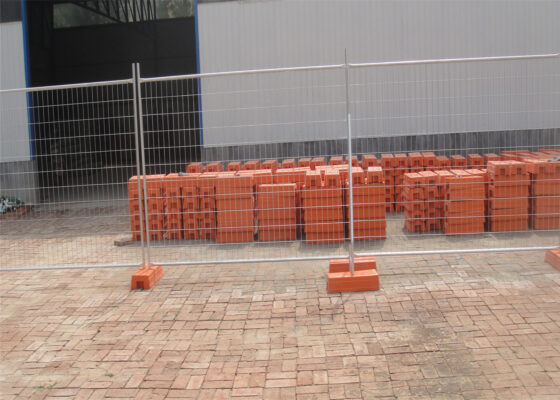
“Cheap” temporary noise barriers become expensive when dB performance drops due to leakage and poor installation behavior. Professional temporary noise barriers are controlled by measurable data: barrier area coverage, layer mass (kg/m²), sealing method at joints, attachment spacing, wind-load behavior, fire rating level, waterproofing integrity, and how the product folds and stacks without permanent creasing. These details decide whether the site stays working or gets forced into costly changes. For projects that also need fast perimeter control for people and vehicle movement during noisy works, add temporary crowd control barriers to keep access routes organized while the acoustic line stays intact.
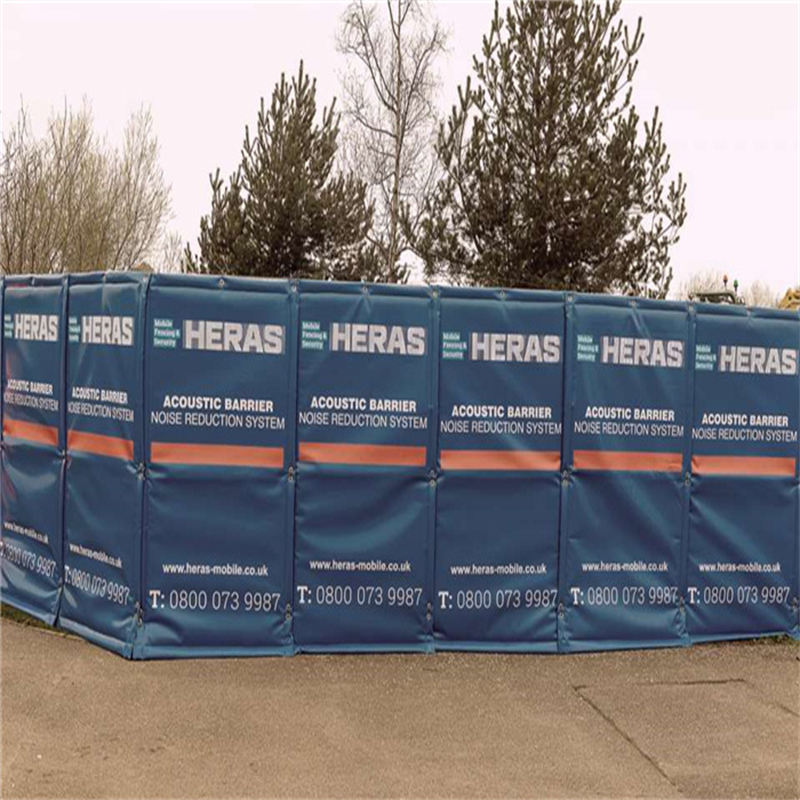
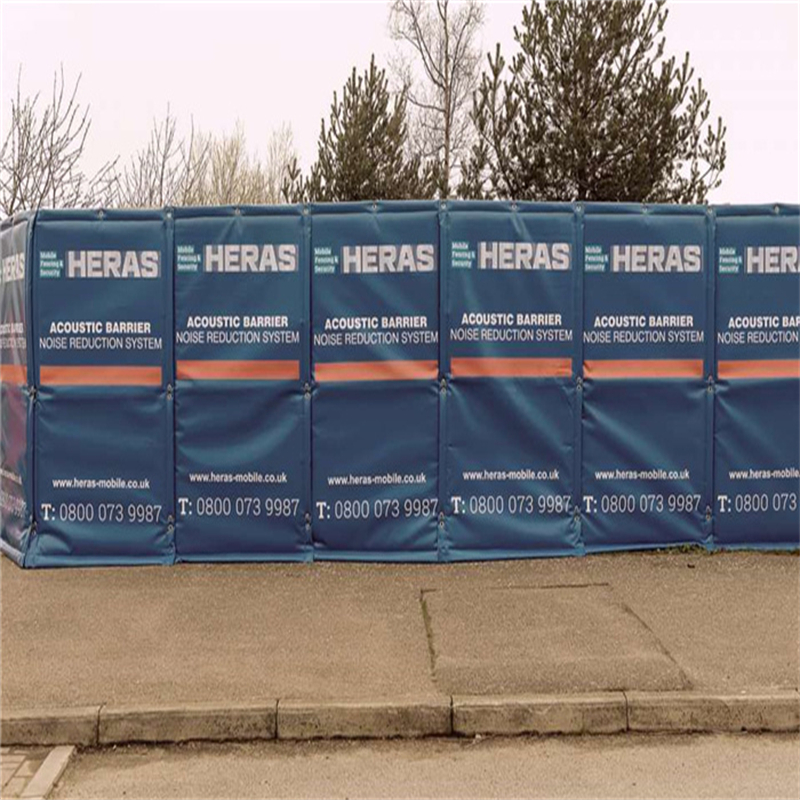
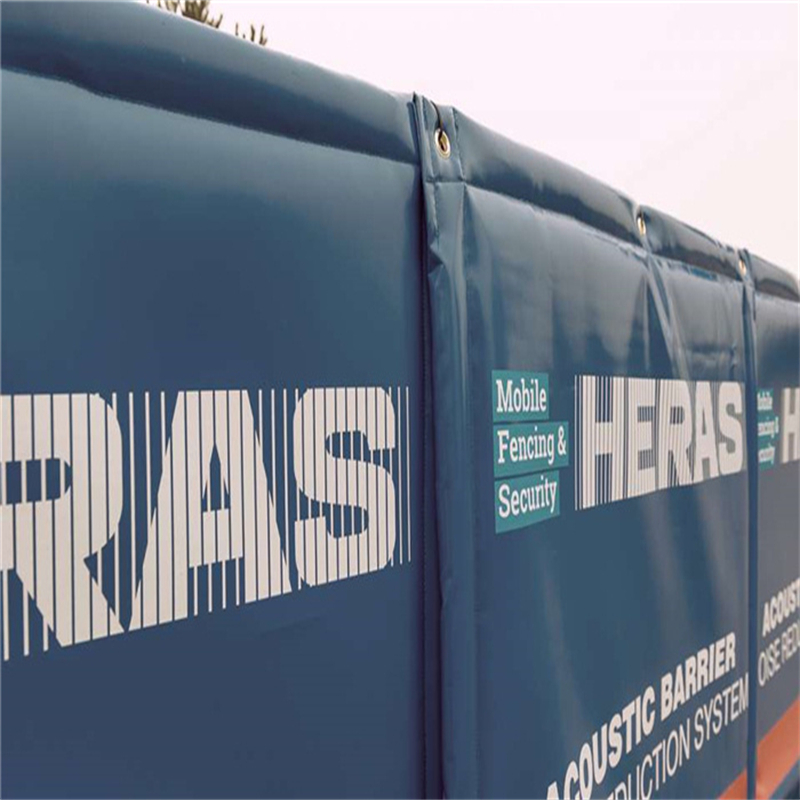
Product Description (POLYMETAL Temporary Noise Barriers)
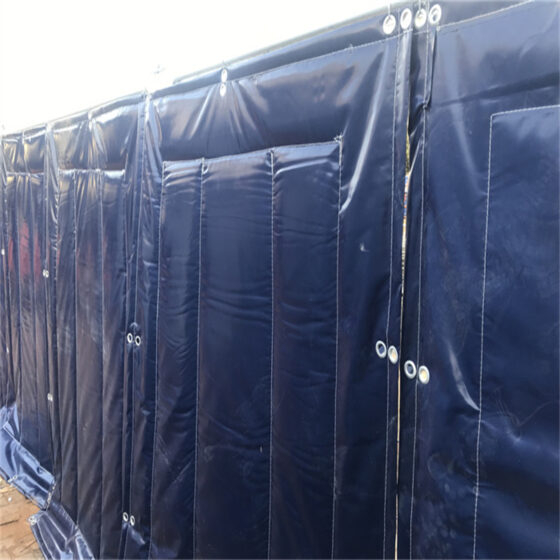
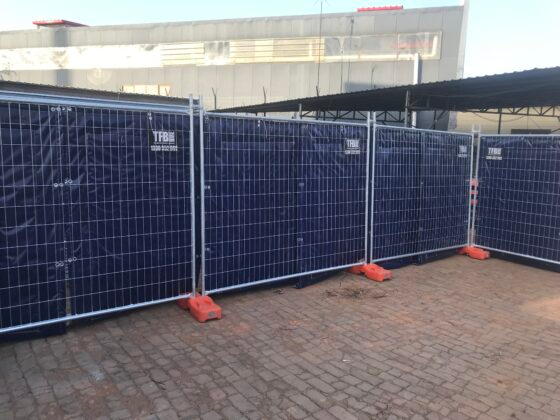
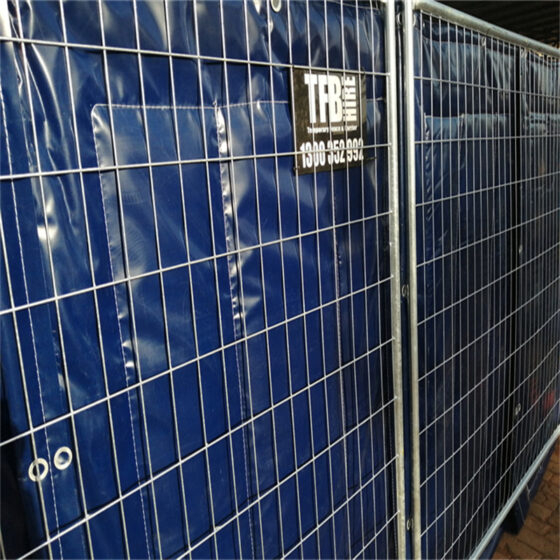
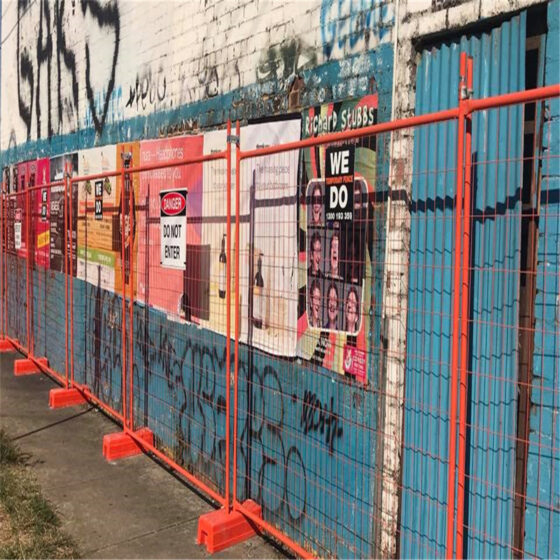
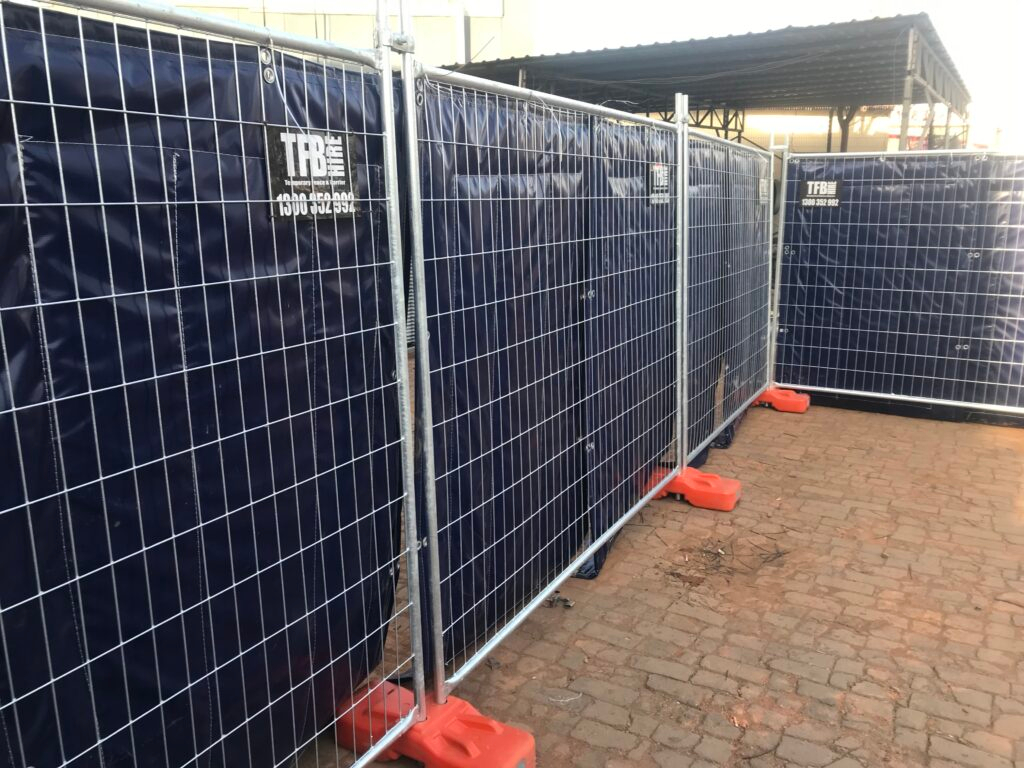
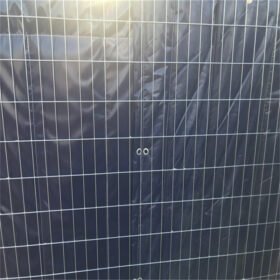
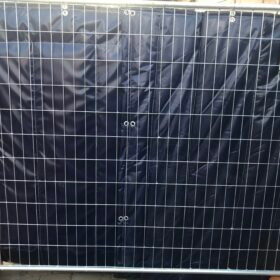
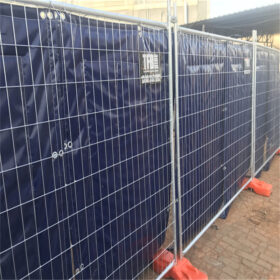
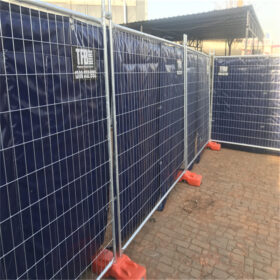
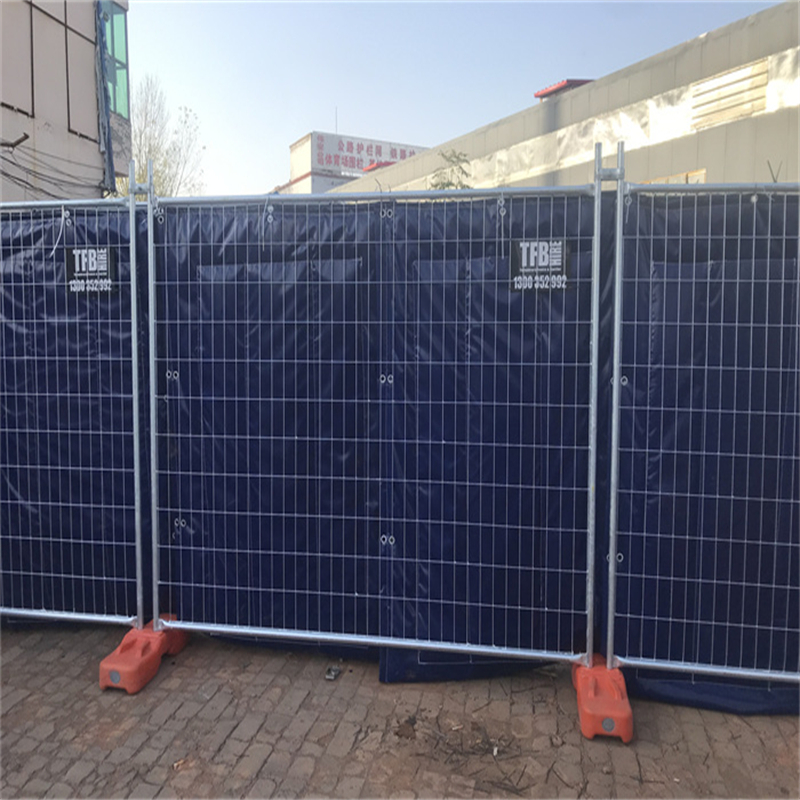
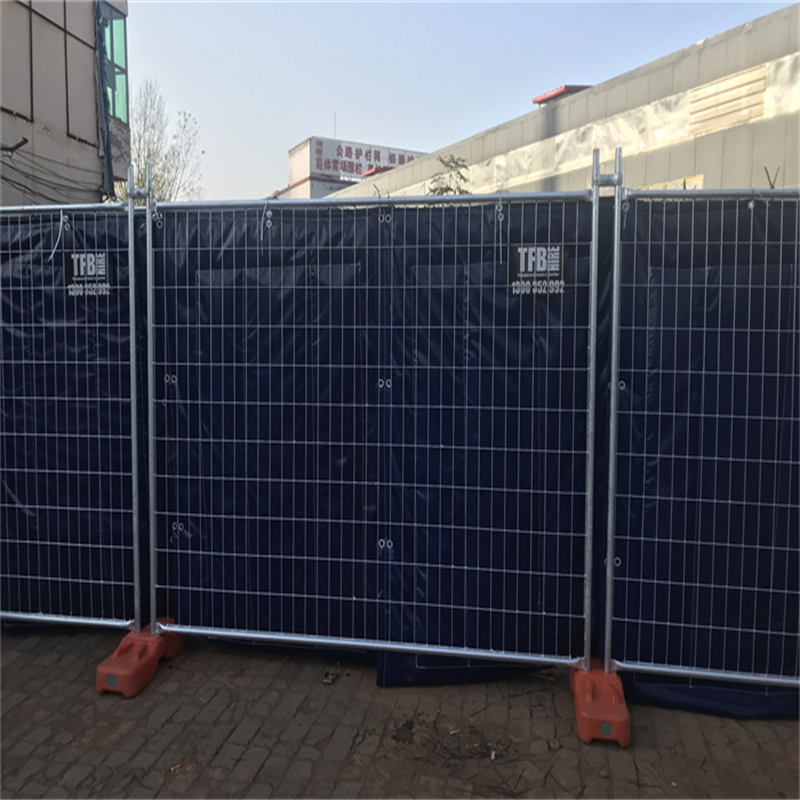
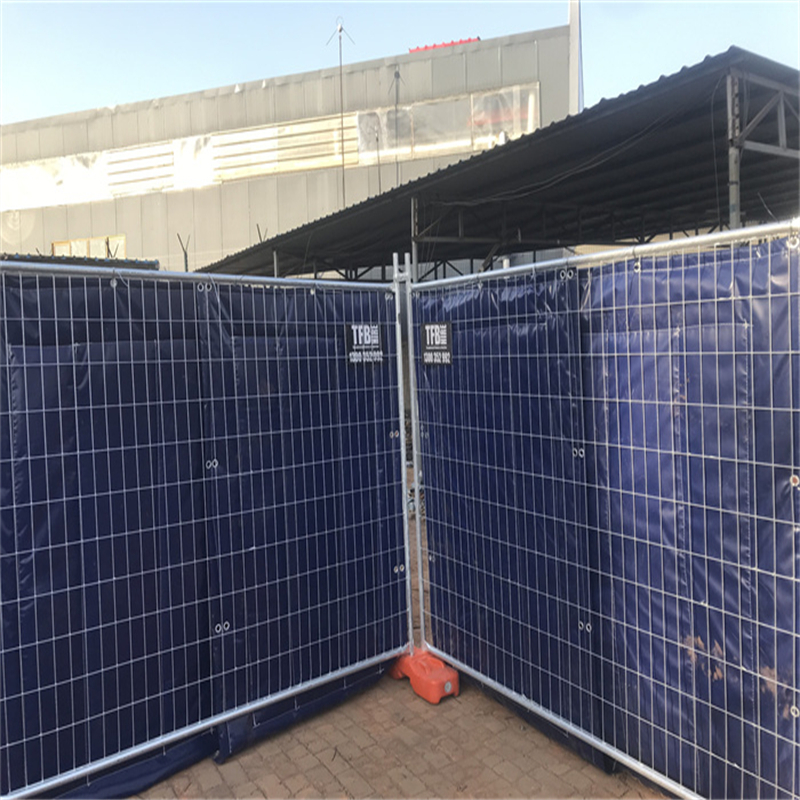
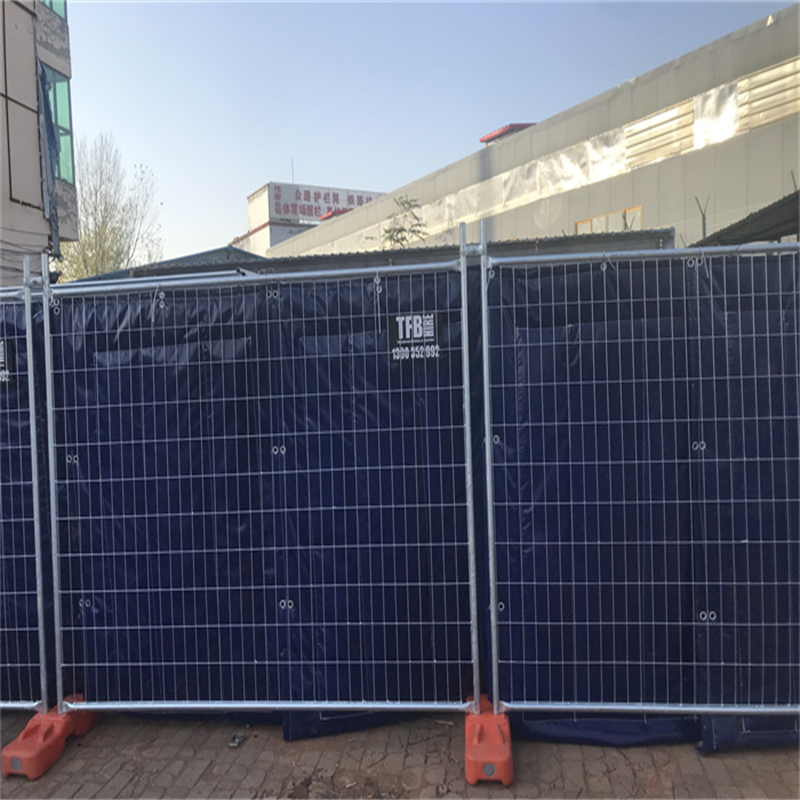
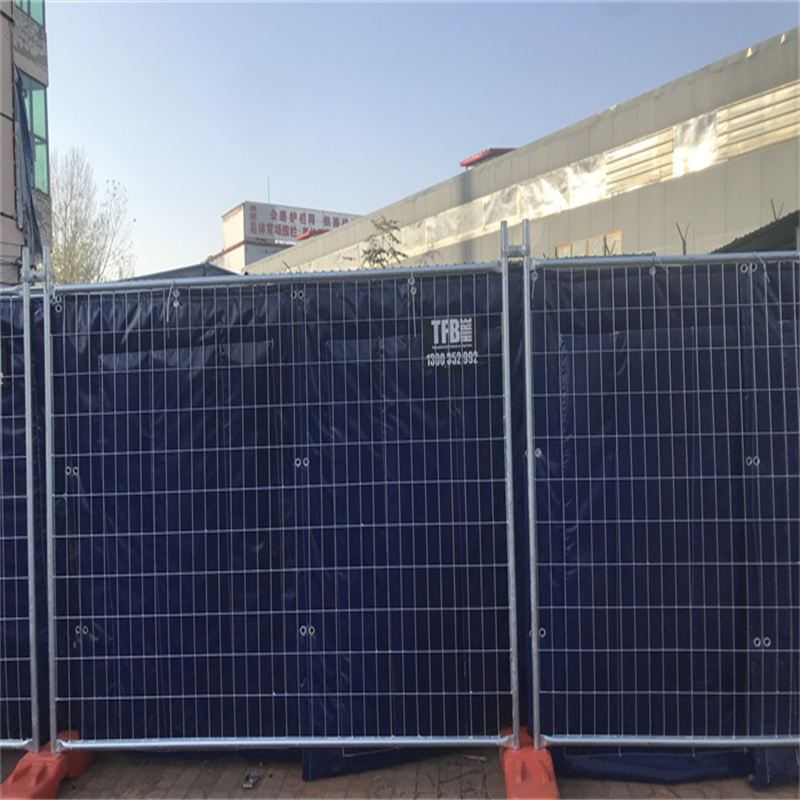
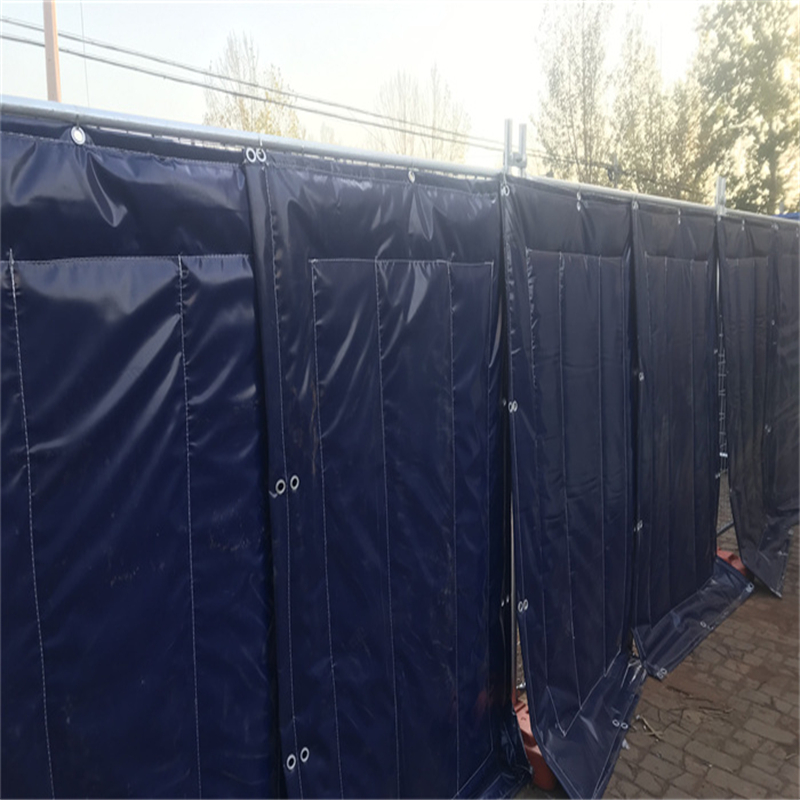
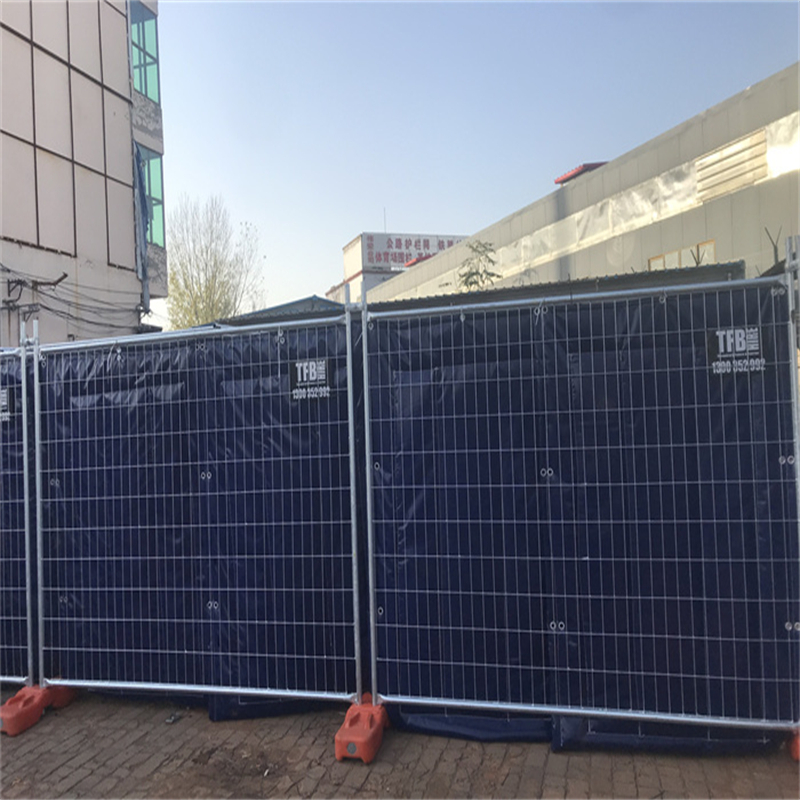
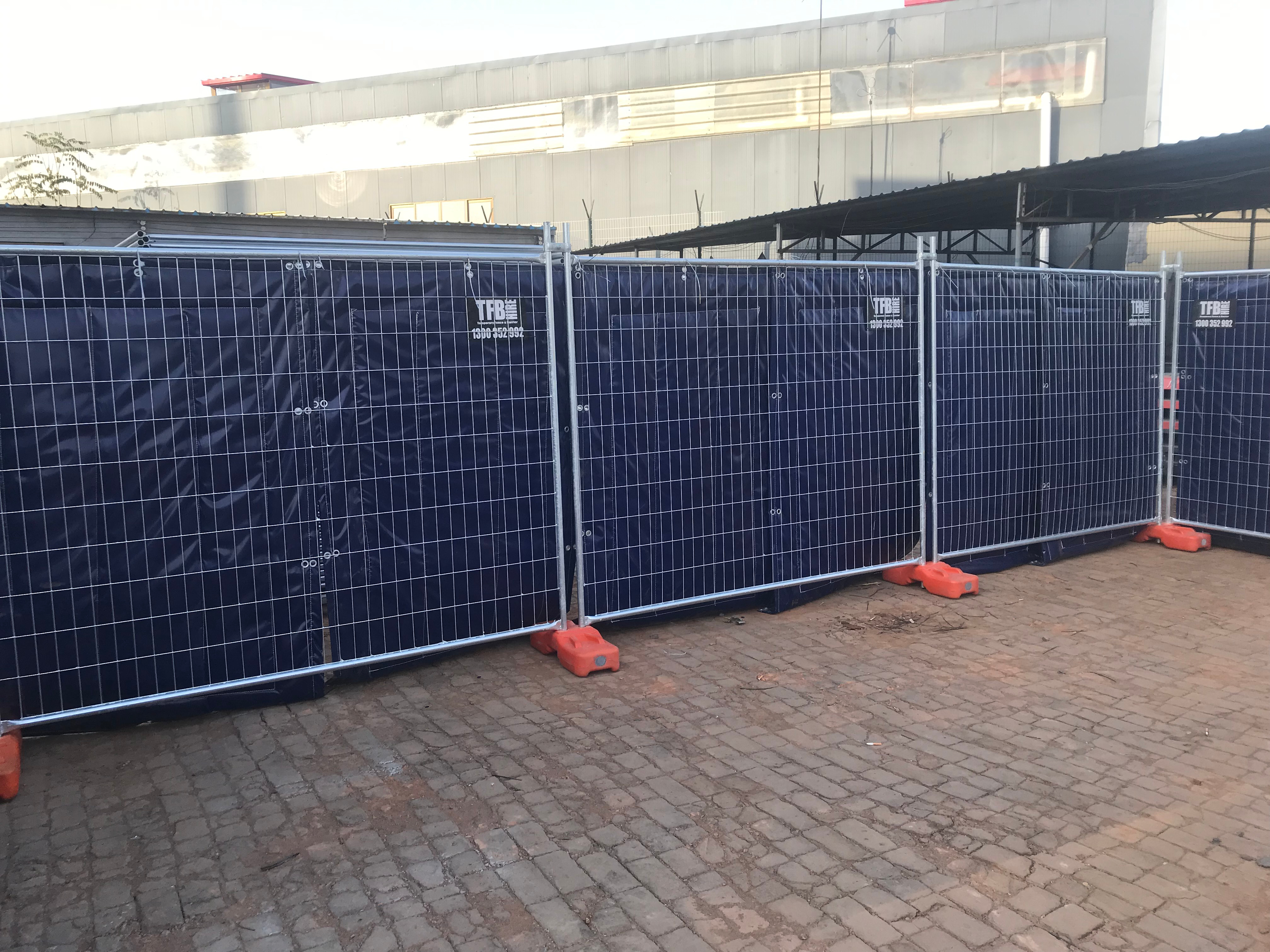
Temporary noise barriers are more realistic for a project because contractors have limited time and changing site conditions. This product is designed to be installed on temporary fencing and/or any other mounting points available. They don’t need to be cut or shaped—just hung up or cable-tied—delivering instant temporary acoustic barriers for highways, construction perimeters, and work zones near residents. POLYMETAL provides a variety of temporary noise barriers to improve and protect your working environment, including bespoke noise control barriers in the shape, size, or colour you require. The system is a simple and fast route to improving working conditions by reducing noise exposure for workers and limiting noise impact for surrounding communities.
After deploying POLYMETAL temporary noise barriers, noise pollution can be reduced significantly, safeguarding employees from hearing impairment risk and reducing the possibility of stop-work pressure caused by repeated complaints.
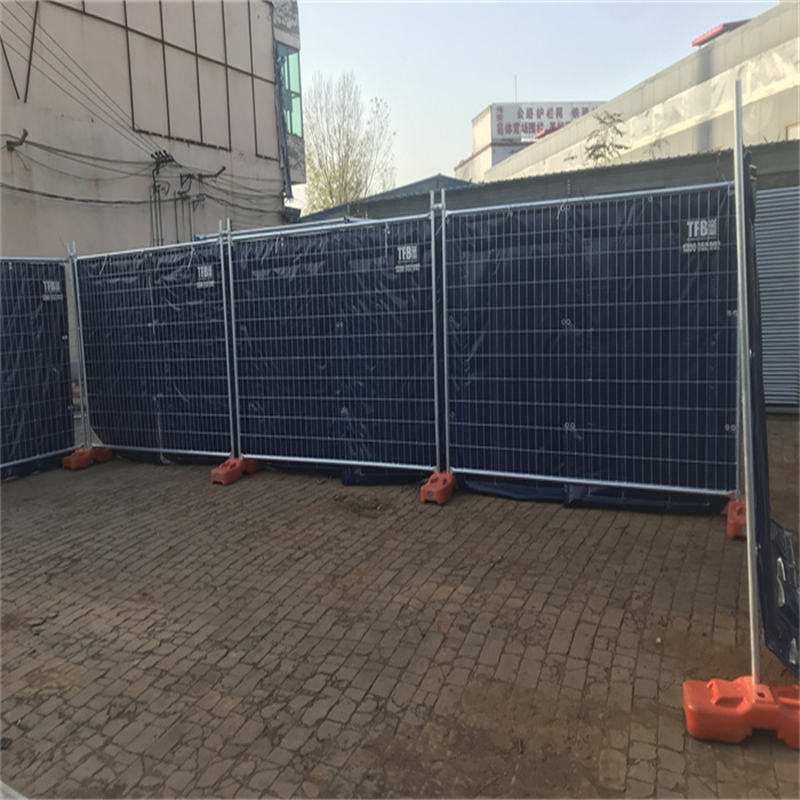
Advantages (Why POLYMETAL Systems Deploy Fast)
A temporary noise barrier must behave well on site, not just test well on paper. POLYMETAL focuses on lightweight, foldable transport behavior, stable edges, and waterproof integrity so the barrier can be redeployed without losing its acoustic outcome.
Specifications (Data-First Control for Procurement)
Temporary noise barriers performance is controlled by specification, not promises. Lock the build layers, mass per area, waterproofing method, edge reinforcement, attachment spacing, and overlap/seal method—then you control your real-world dB outcome and reduce rework.
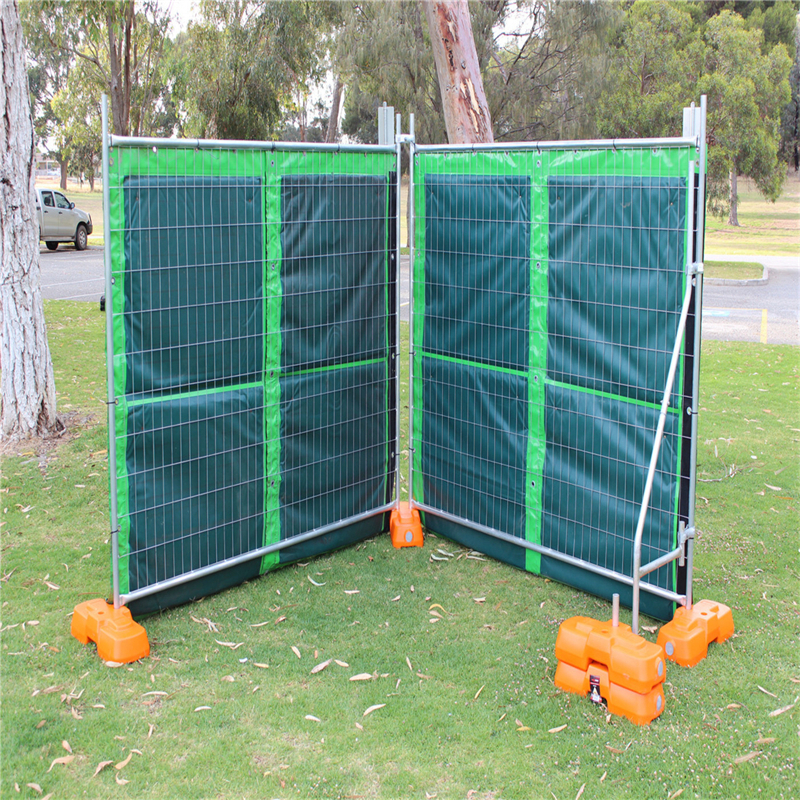
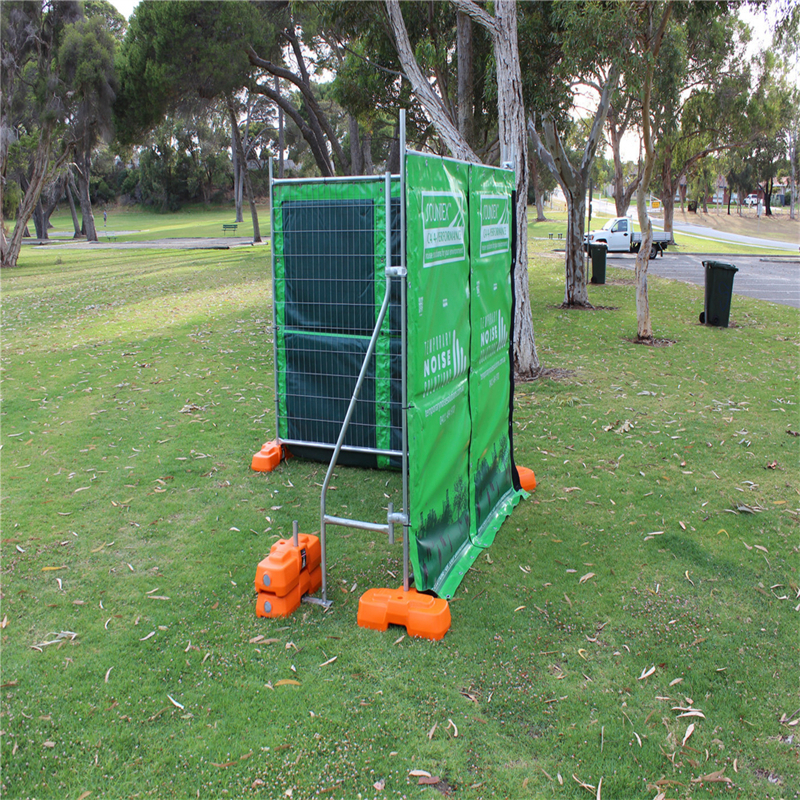
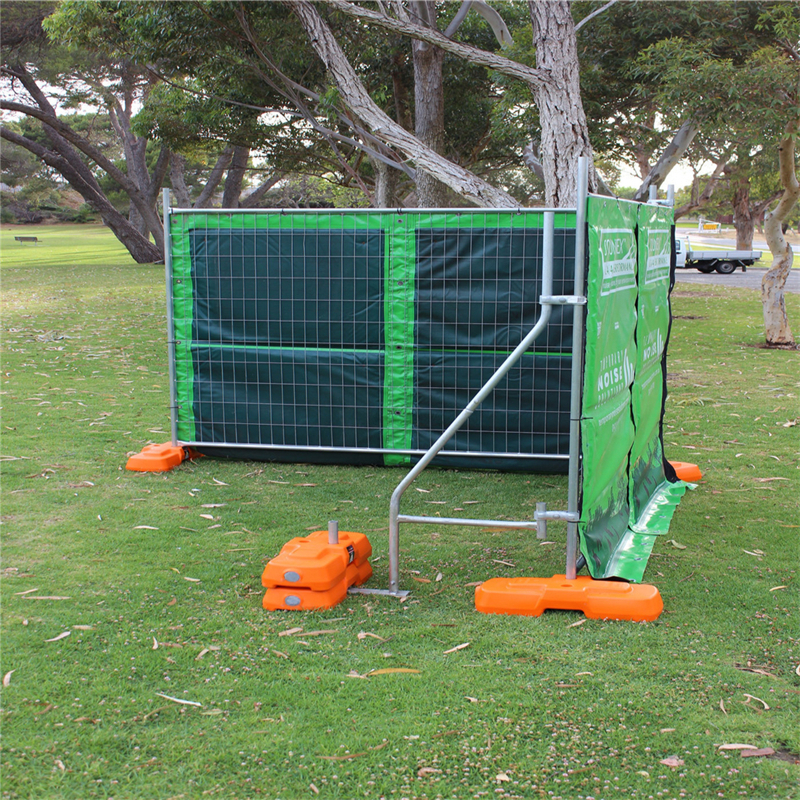
Table 1 — Standard Temporary Acoustic Barrier Layer Build (Core Spec)
| Layer | Material / Construction | Role |
|---|---|---|
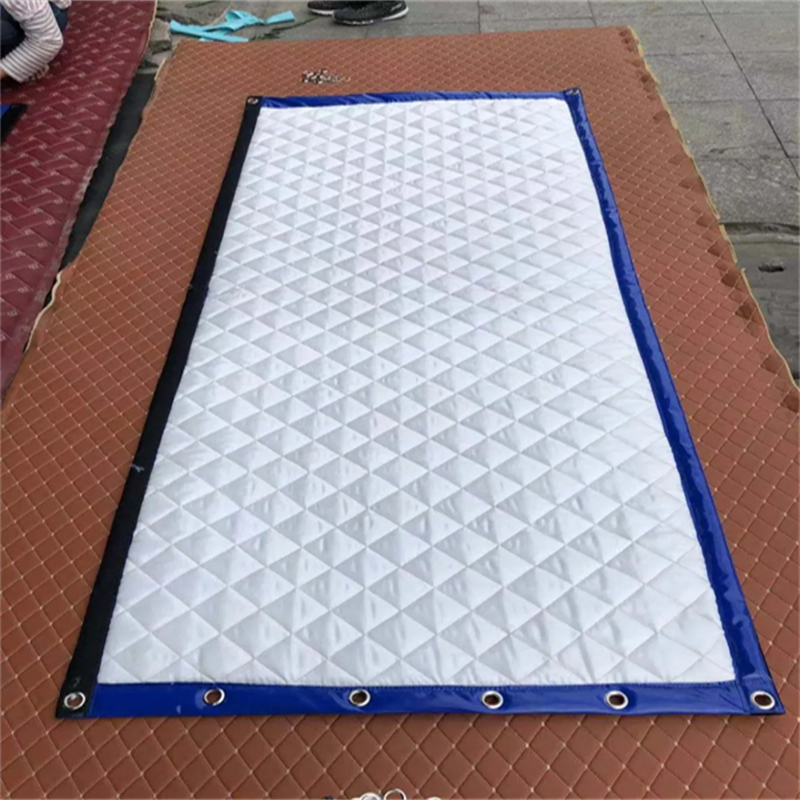
| 1 Layer | Optimal materials of PVC acoustic membrane (high strength) | Indispensable mass barrier layer |
| 2 Layer | Sound insulation felt made of EPDM (Ethylene Propylene Diene Monomer) | Indispensable insulation + damping |
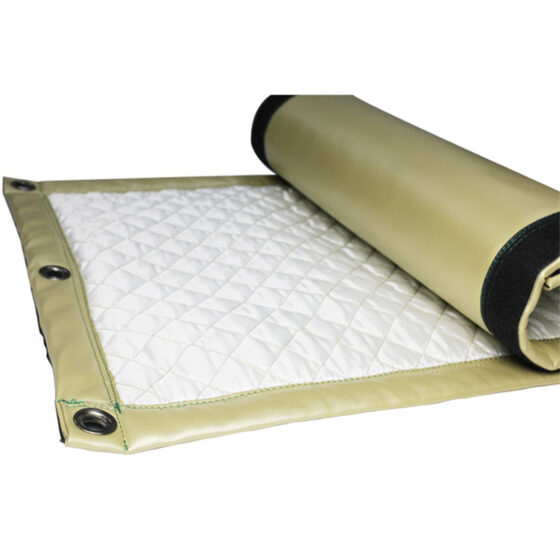
| 3 Layer | Absorb acoustic wool made in non-woven cloth | Indispensable absorption layer |
| 4 Layer | Waterproof lining | Indispensable moisture control + durability |
| EPDM systems available with excellent sound insulation and absorption performance: 25dB / 30dB / 40dB portable noise barriers fence control. All materials are high-standard waterproof and medium-standard fireproof. | ||
Table 2 — Dimensions, Mass, Performance & Site Controls
| Specification Item | POLYMETAL Options | Why It Matters (Outcome Control) |
|---|---|---|
| Installation method | Hang on temporary fence / mounting points; cable tie or fasteners | Speed of deployment and ability to reposition |
| Cutting / shaping | No cutting required (standard panels) | Reduces labour, reduces edge leakage errors |
| Waterproofing | 100% waterproof lining + sealed edges | Prevents saturation that increases weight and damages layers |
| Fire behavior | Medium-standard fireproof (project options available) | Controls compliance risk in public work zones |
| Flexibility & tenacity | High flexibility for folding/stacking | Prevents cracking/creases that become acoustic leaks |
| Mass per area | Mass loaded vinyl option: 5.4 kg/m² | Higher mass generally improves low-frequency blocking |
| dB package | 25dB / 30dB / 40dB systems | Matches site sensitivity and complaint risk profile |
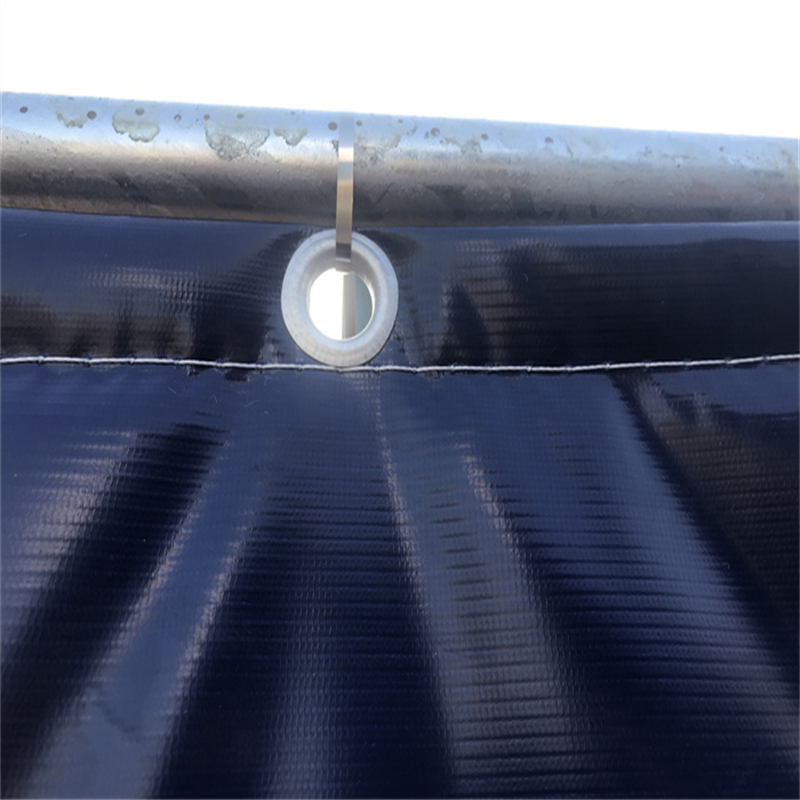
| Edge reinforcement | Reinforced hems + grommets | Stops tearing at tie points under wind load |
| Overlap / joint control | Overlap + sealing plan | Stops sound leaks that destroy “lab dB” performance on site |
| Attachment spacing | Dense tie spacing options | Controls flap noise and “sail” behavior in wind |
| Colour options | Custom colour available | Site aesthetics + client branding alignment |
| Shape options | Custom shape/size available | Fits irregular boundaries without dangerous gaps |
Table 3 — Application Packages & Site Risk Matching (10+ Use-Cases)
| Application | Typical Site Need | Recommended Barrier Strategy |
|---|---|---|
| Highway works | Fast deployment, strong wind behavior | 30–40dB package + dense attachment spacing + overlap sealing |
| Residential boundary | Complaint risk, night work sensitivity | 40dB package + full perimeter coverage + sealed joints |
| Urban construction | Tight access, frequent moves | Foldable light-duty panels + quick ties + reinforced hems |
| Rail corridor works | Vibration + wind | High tenacity build + extra grommets + anti-flap plan |
| Demolition zones | Dust + debris + noise | Noise barrier + dust management + sealed overlaps |
| Night maintenance | Lower tolerance for impact noise | 40dB package + extended length + minimized gaps |
| Plant rooms / generators | Continuous source noise | Mass-loaded vinyl + absorption layer + enclosure sealing |
| Events setup zones | Short-term install, clean appearance | Custom colour + branded panels + tidy edge finish |
| Factory boundary | Longer duration temporary control | Durable waterproof build + stable stacking packing |
| Bridge works | High exposure wind and height work | Extra tie points + reinforced corners + anti-sail plan |
| School adjacency | High sensitivity daytime control | 30–40dB package + continuous line + strict gap control |
Top 10 Procurement Traps for Temporary Noise Barriers (Especially #7)
The fastest way to lose money is to buy temporary noise barriers as “a fabric sheet.” A buyer must judge measurable control: layer build, mass, edge reinforcement, tie-point design, overlap sealing, and wind behavior. These 10 items function as a practical guide for avoiding late-stage failure.
Trap #1 — Risk: Buying by “dB number” without a sealing plan
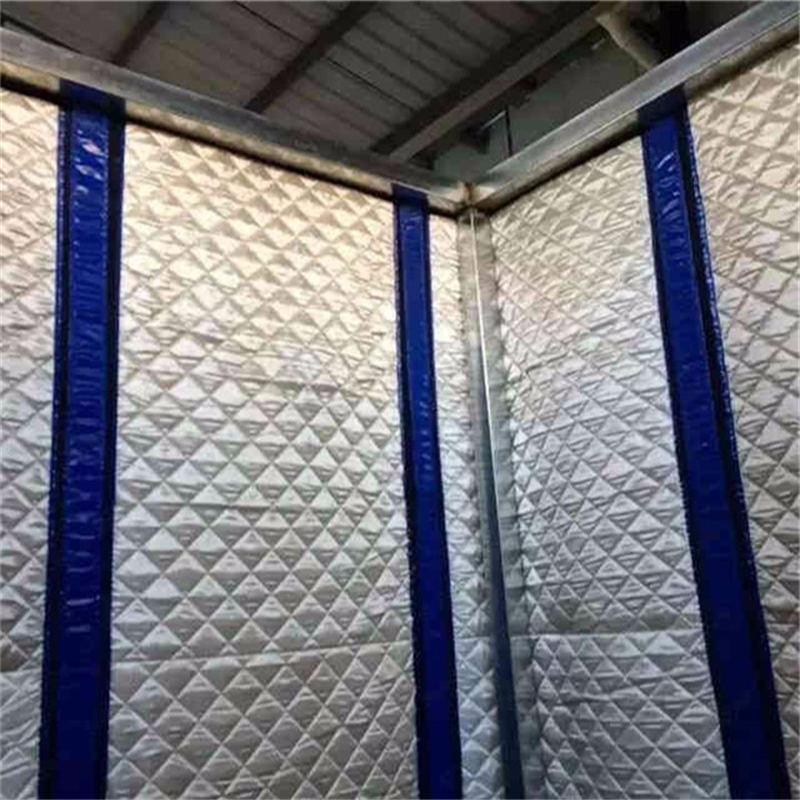
If sound leaks through gaps at overlaps, posts, or ground clearance, the measured dB claim becomes a fantasy. Temporary noise barriers succeed when joints are controlled.
Trap #2 — Problem: Using low-mass barriers that fail on low-frequency noise
Low-frequency sources like generators and heavy equipment push through light materials. Mass-loaded layers help, but only when installed correctly.
Trap #3 — Warning: Weak hems and grommets that tear in wind
Wind load turns the barrier into a sail. Without reinforced edges and disciplined tie spacing, tearing becomes inevitable and creates immediate leakage.
Trap #4 — Damage: Letting panels crease permanently during transport
Poor packing and rough handling create fold lines that become long-term leak paths and weak points. Transport behavior is part of performance.
Trap #5 — Oversight: Ignoring ground clearance and bottom sealing
A small continuous gap at the bottom can destroy the whole noise control outcome. Bottom sealing is a hidden lever.
Trap #6 — Defect: Choosing “water resistant” instead of truly waterproof
Saturation increases weight, stresses ties, and degrades layers. Waterproof control is not optional on real sites.
Trap #7 — Loophole: Not writing the “no-gap, no-flap rule” into the purchase order
This is where projects lose money. If the PO does not lock (1) overlap length and sealing method, (2) tie-point spacing, (3) reinforced hems and grommets, (4) bottom gap control, and (5) wind-load stability expectations, you risk a barrier that looks fine at first hang but fails after the first windy day. That failure triggers complaints, urgent rework, added labour, and schedule loss—exactly when the job is under pressure.
Trap #8 — Misstep: Ordering the wrong dB package for the site sensitivity
A 25dB setup may be adequate on one site and a crisis on another. Match package to the complaint and compliance risk.
Trap #9 — Cost: Saving on ties and attachments, then paying labour twice
Loose barriers flap, leak, and tear. A little more fastening discipline saves big rework costs.
Trap #10 — Checklist: Skipping receiving inspection before installation
Verify layer build, check hems and grommets, confirm waterproof lining, confirm dimensions, and ensure packing did not crease panels. Fixing defects on the ground is always more expensive.
Applications
POLYMETAL temporary noise barriers are used to improve relations with surrounding areas, reduce construction noise complaints, improve the working environment, and help manage dust and debris in work zones. Common deployments include highways, urban construction boundaries, demolition zones, rail work corridors, and generator/plant noise control.
Benefits
The primary benefit is controlled performance under real site conditions: fast installation, consistent acoustic build, waterproof durability, and stable behavior under wind and handling. When temporary noise barriers are specified correctly, noise pollution reduces significantly, helping protect workers and reducing the risk of work stoppage driven by complaints.
Packing
POLYMETAL packs temporary noise barriers to survive real logistics: folded and stacked cleanly to reduce permanent creasing, separated by protective layers, moisture-protected wrapping, and palletized or cased depending on risk. Clear labels on each bundle reduce installation sorting time and prevent wrong-panel placement.
Standards
Temporary noise barriers procurement commonly references waterproof integrity, fire behavior level, material safety (non-poisonous and non-irritant composites), and performance targets such as 25dB / 30dB / 40dB control packages. Project-specific compliance requirements should be written directly into the purchase order as measurable acceptance rules. For sites that also need a durable, corrosion-resistant perimeter upgrade or façade-style infill, you can pair the noise-control line with stainless steel ferrule rope mesh as a compatible architectural mesh option.
FAQs
Do temporary noise barriers need to be cut or shaped on site?
No. POLYMETAL panels are designed to be hung on temporary fencing or mounting points without cutting or shaping, using cable ties or fasteners.
What are the available noise control levels?
Common performance packages include 25dB, 30dB, and 40dB portable noise barriers fence control, depending on the site sensitivity profile.
What is the standard barrier build?
A standard build uses a PVC acoustic membrane, EPDM insulation felt, an absorb acoustic wool layer in non-woven cloth, and a waterproof lining.
Why do barriers fail after installation?
Failures usually come from gaps at overlaps, weak tie points, wind flap, water saturation, and poor packing that creases the barrier—these create leaks that destroy real-world performance.
What must be written in the purchase order?
At minimum: layer build, mass per area, waterproofing requirement, tie-point spacing, hem and grommet reinforcement, overlap/seal method, and the Trap #7 no-gap, no-flap rule.