Your One-Stop Wire Mesh Fence Supplier | POLYMETAL
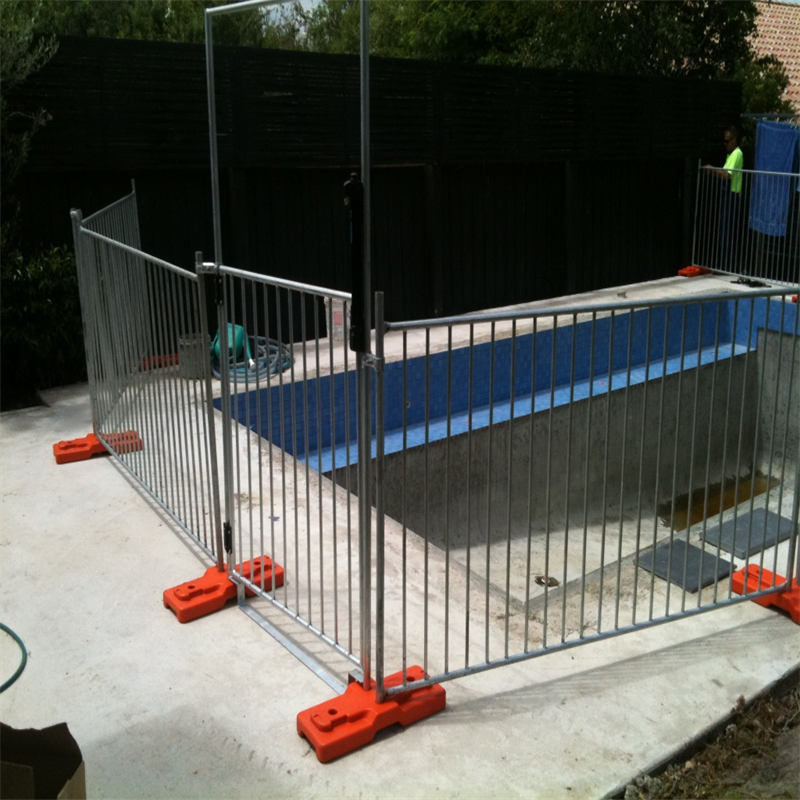
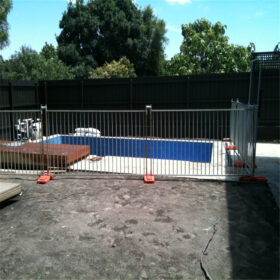
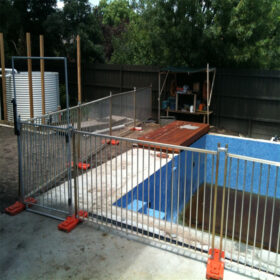
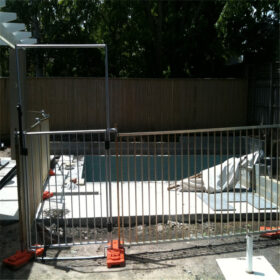
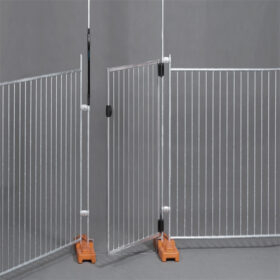
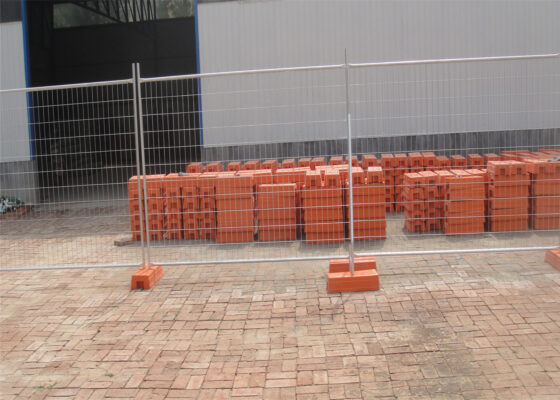
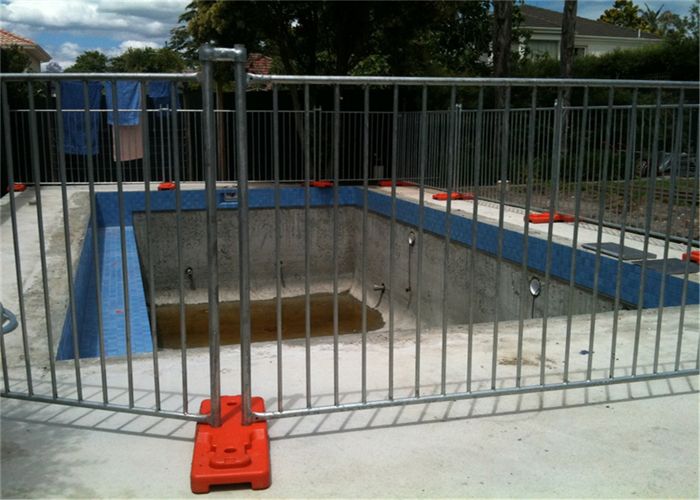
Temporary pool fencing for sale is not a “nice-to-have” product. It is a risk-control product that protects people, schedules, and budgets at the same time. When you buy temporary pool fencing, you are really buying three outcomes: safe access control, predictable installation, and reduced exposure to compliance rework. POLYMETAL provides a steel temporary pool fence solution built for residential and light commercial environments, with a clean ornamental appearance that suits modern neighbourhoods.
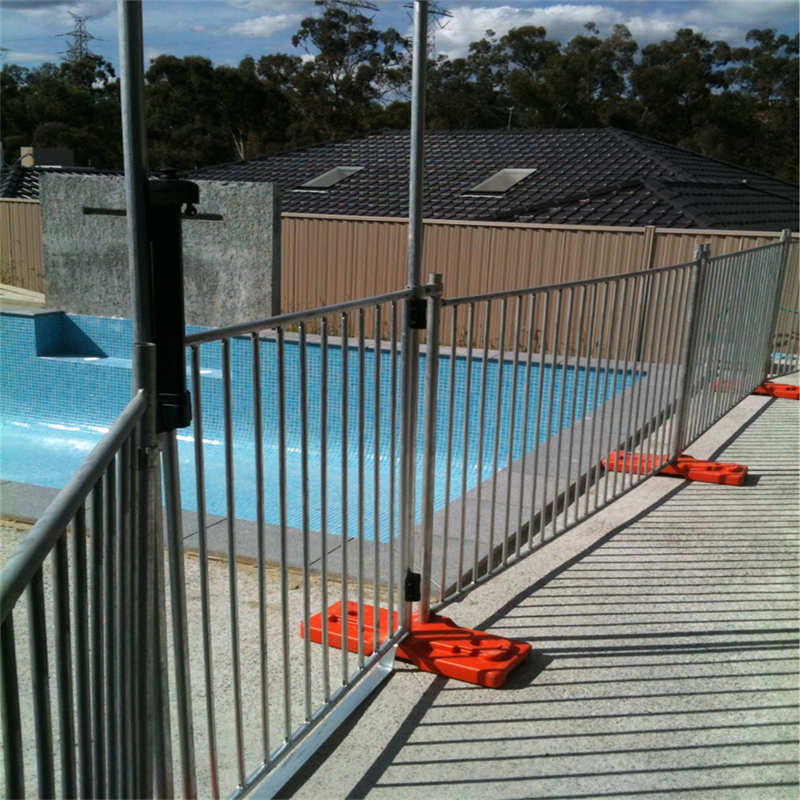
Why POLYMETAL Focuses on Steel
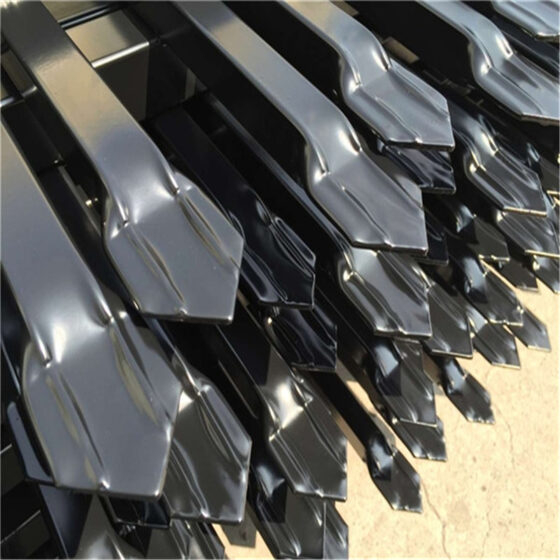
Steel systems are chosen for rigidity and stability, especially when panels are moved, reused, and exposed to outdoor conditions. A steel pool fence can deliver a wrought-iron style appearance without the ongoing maintenance burden of old-fashioned wrought iron. It also avoids the visual clutter that some aluminium systems create through exposed screws or rivets.
When Temporary Pool Fencing Is Commonly Needed
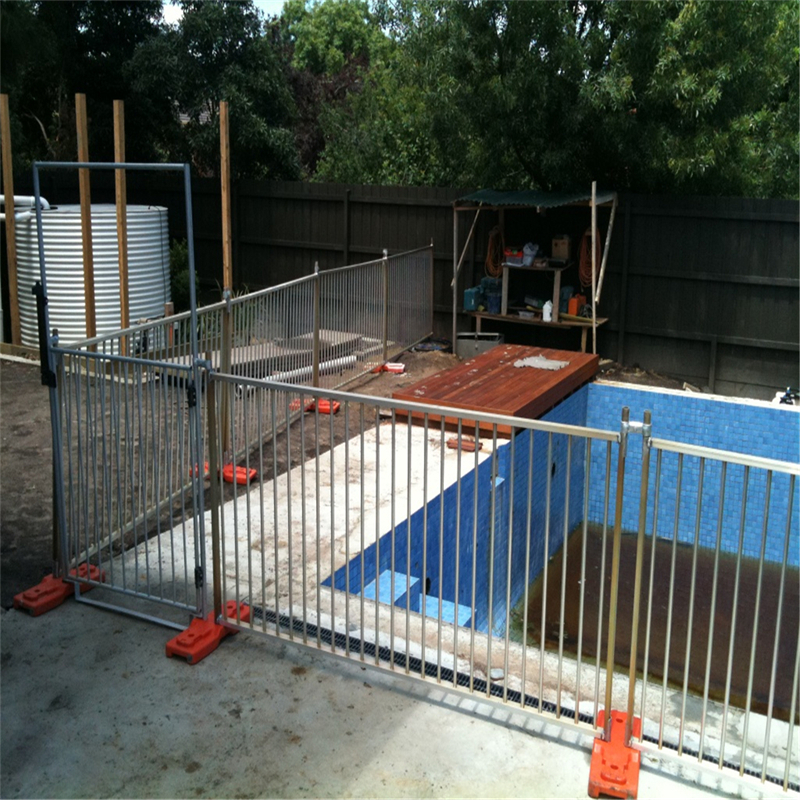
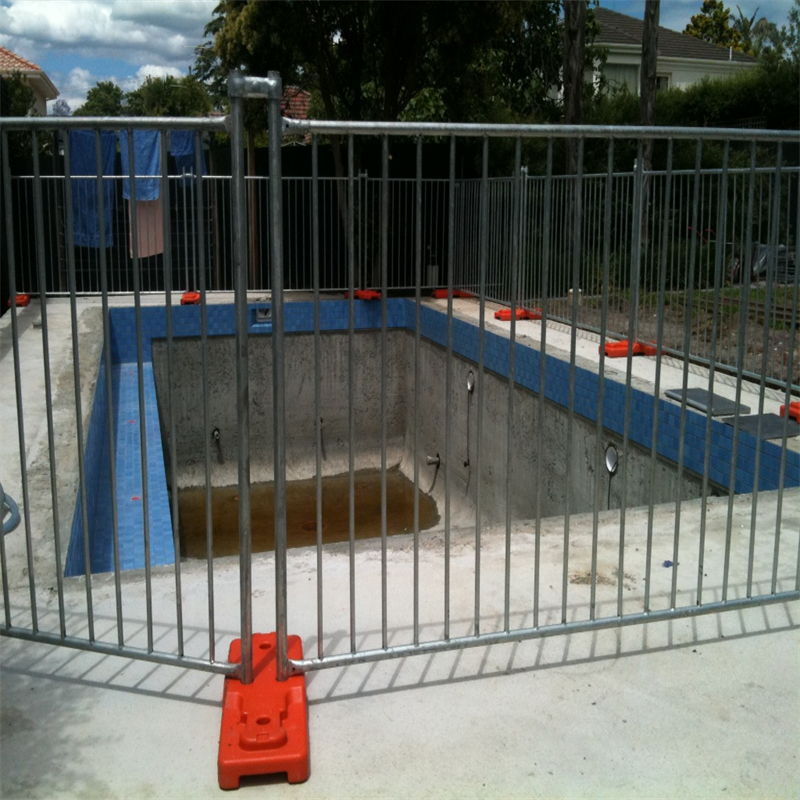
Temporary pool fencing for sale is commonly used when a pool is being built, renovated, or serviced, or when the permanent barrier is not ready but a safety boundary is required. It is also used in staged property upgrades where multiple trades need controlled access while protecting household safety expectations.
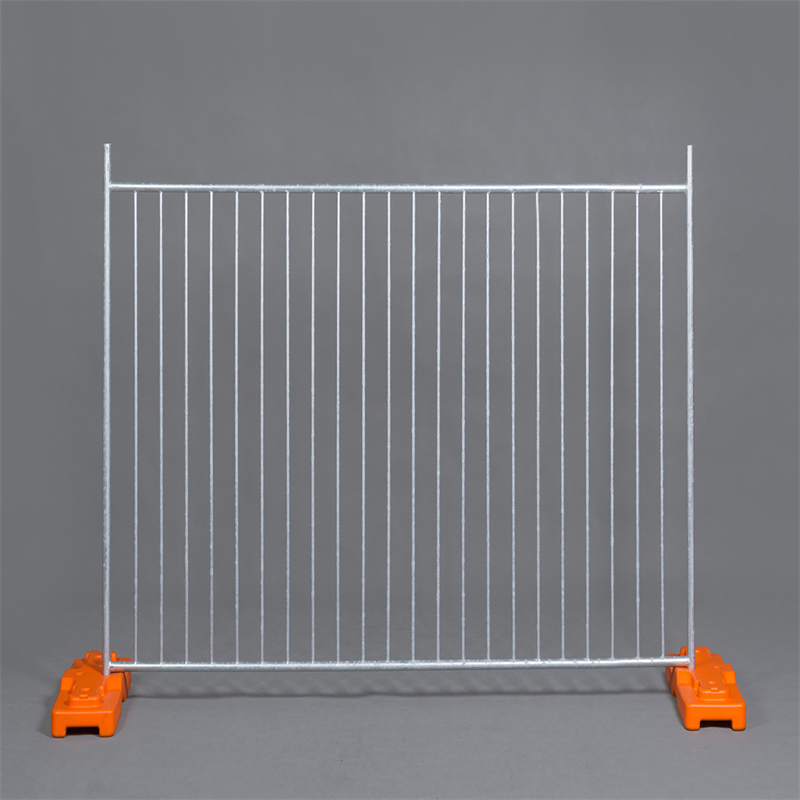
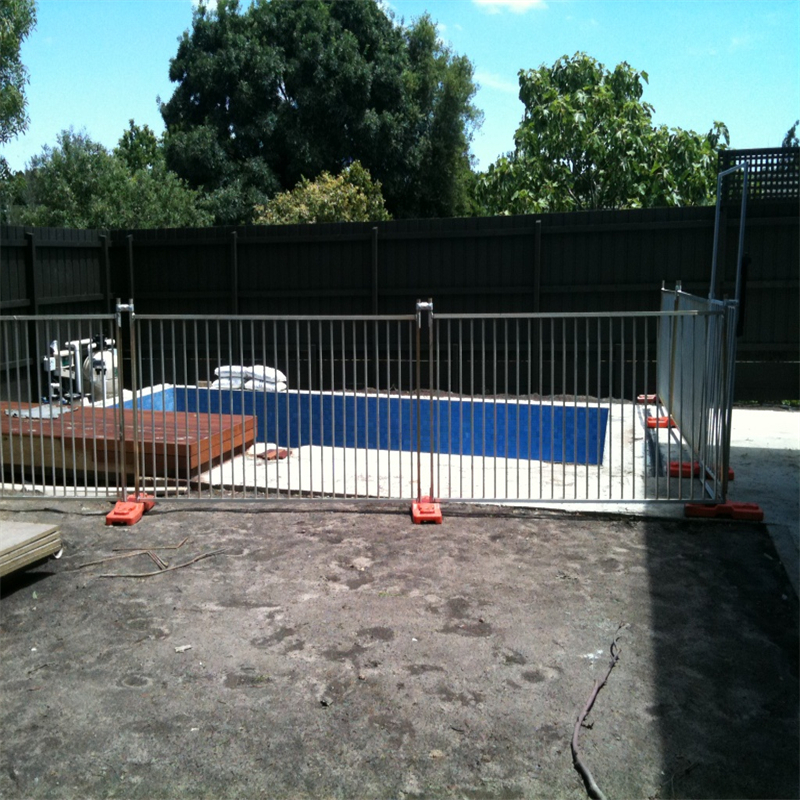
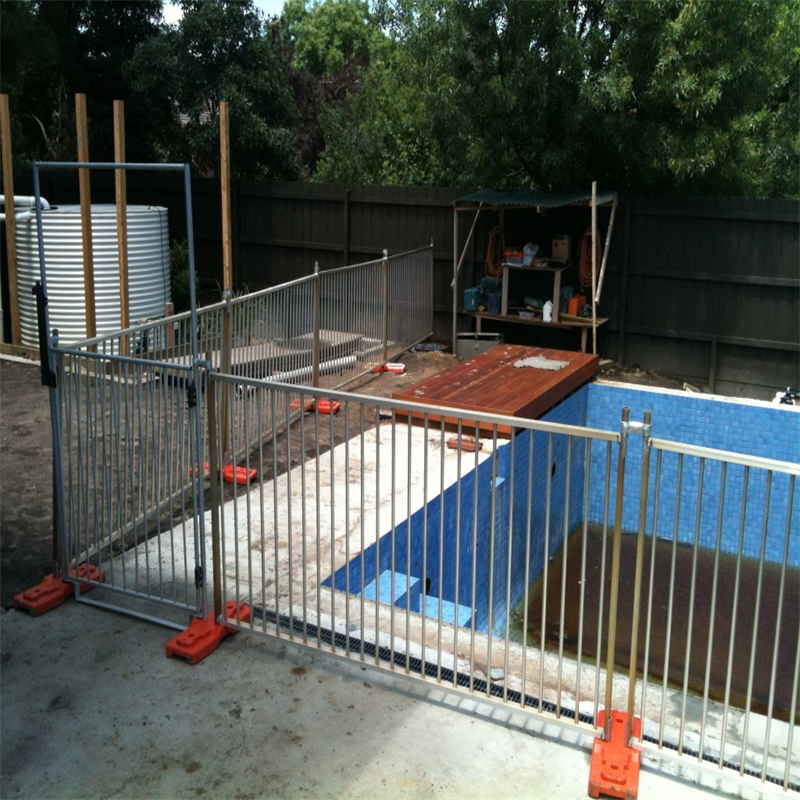
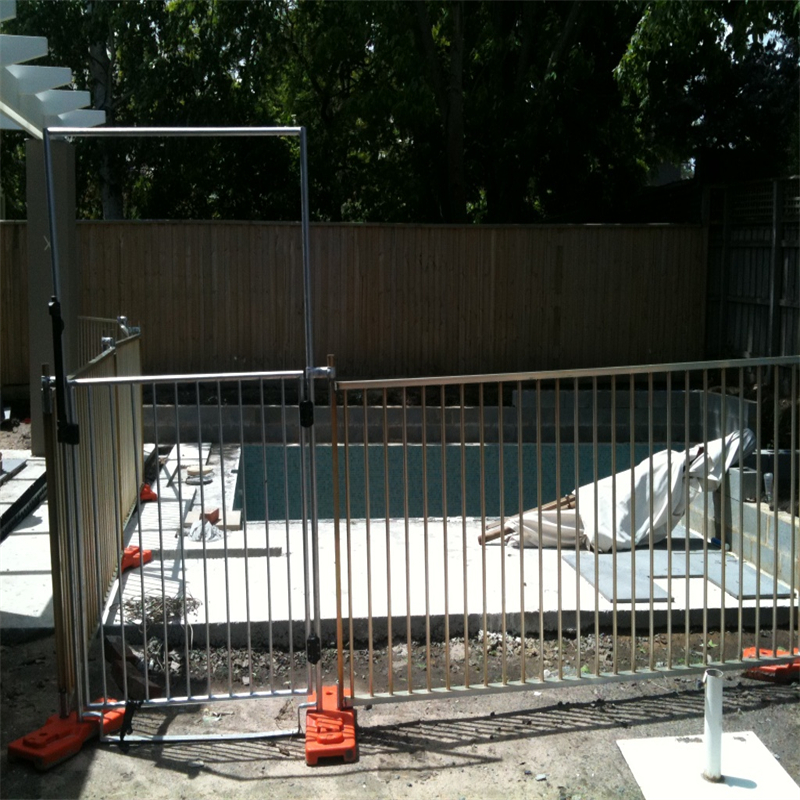
POLYMETAL Product Description
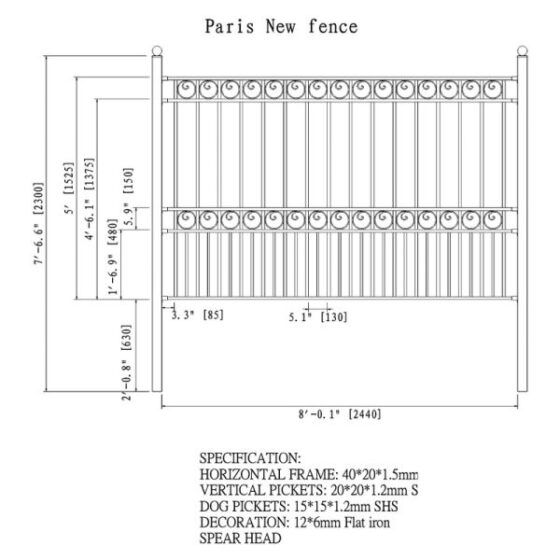
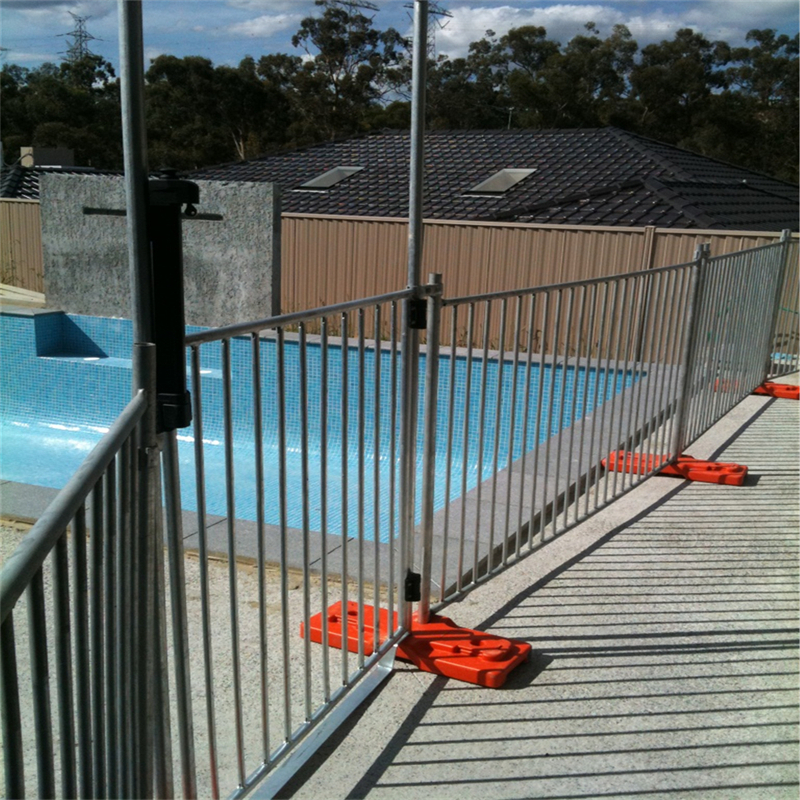
POLYMETAL temporary pool fencing for sale is designed to deliver a high-quality steel barrier solution with a tidy “good neighbour” profile. The rail design helps the fence follow changes in elevation while maintaining security under the fence line, which is important on sites where ground levels are not perfectly even. The system aims to be visually consistent and structurally dependable, supporting both safety performance and a professional finish.
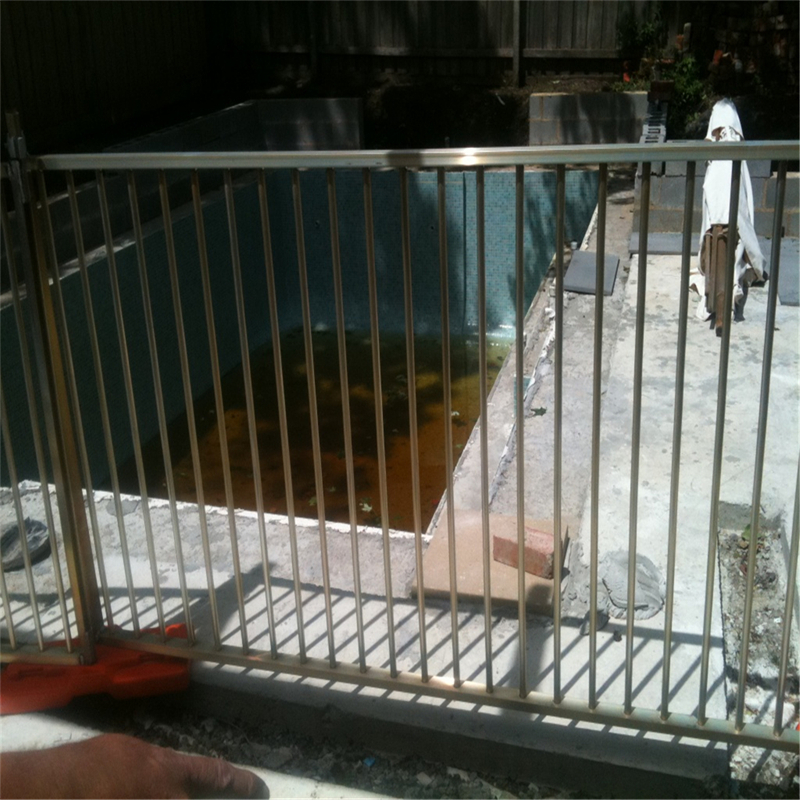
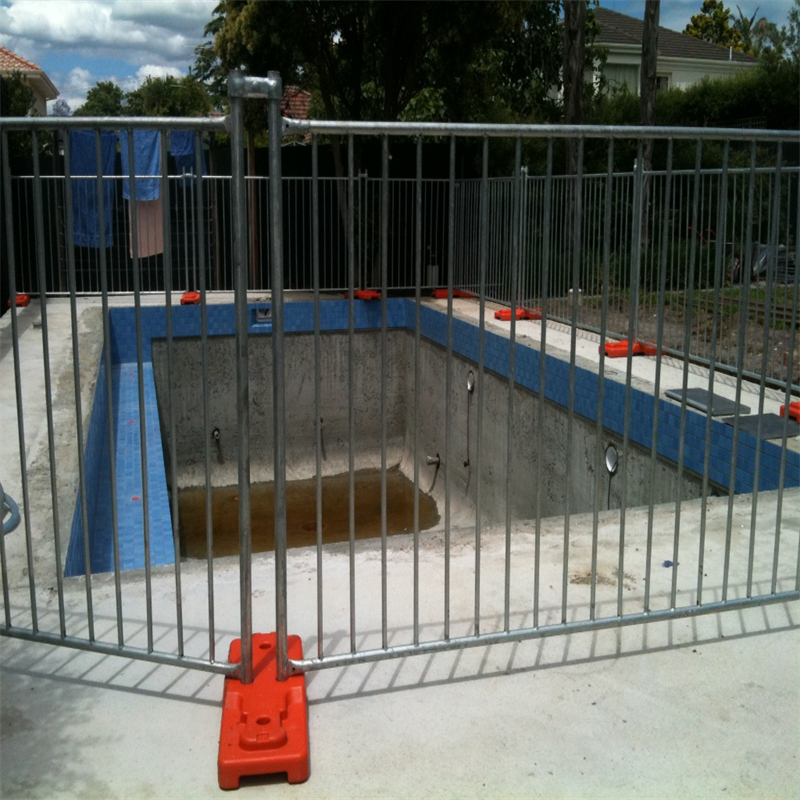
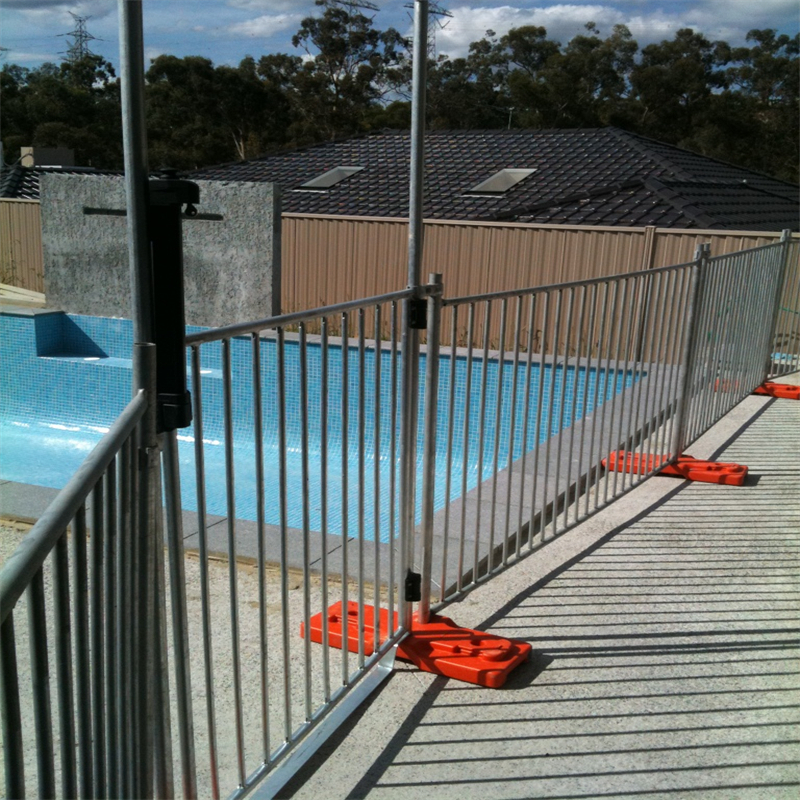
Appearance Without High Maintenance
The system is designed to offer a wrought-iron look without the heavy maintenance requirements typically associated with traditional wrought iron. This helps property owners and contractors keep a premium appearance while controlling ongoing effort and cost.
Practicality for Real Sites
Temporary pool fences are handled, transported, and reinstalled. A practical system is one that remains stable at joins, keeps consistent spacing, and supports reliable gate operation in day-to-day use.
Specifications
Table 1 – Temporary Pool Fence Panels
| POLYMETAL Product Code | Panel Height (mm) | Panel Width (mm) | Frame / Rails (size) | Frame Wall (mm) | Upright / Infill (size) | Upright Wall (mm) | Upright Spacing (mm) | Finish / Coating | Weight (kg) | Compliance claim |
|---|---|---|---|---|---|---|---|---|---|---|
| PTF-PF-1250-2000-01 | 1250 | 2000 | 25×25 SHS | 1.2 | 20 mm OD pickets | 1.0 | 89 | Hot-dip galvanised (approx. 42 microns) | 18.5 | Certified to AS 4687 (temporary swimming pool fencing) |
| PTF-PF-1350-2300-01 | 1350 | 2300 | 32 mm OD pipe (top/bottom and perimeter) | 1.0 | 14 mm OD vertical pickets | 0.9 | 95 | Hot-dip galvanised after welding | 15.0 | Certificate required for compliance confirmation |
| PTF-PF-1250-2300-01 | 1250 | 2300 | 32 mm OD pipe | 1.2 | 16 mm OD vertical bars | 1.0 | 95 | Hot-dip galvanised steel | 17.6 | Certificate required for compliance confirmation |
| PTF-PF-1350-2300-02 | 1350 | 2300 | Side frame: 32 mm OD; top/bottom rails: 25 mm OD | 1.2 | 14 mm OD verticals | 0.9 | 95 | Hot-dip galvanised | 15.2 | Notes compliance to AS 1926.1-2007 |
| PTF-PF-1350-2300-03 | 1350 | 2300 | 32 mm OD pipe (perimeter) | 1.6 | 14 mm OD vertical pickets | 1.0 | 89 | Galvanised | 20.0 | Certificate required for compliance confirmation |
Table 2 – Temporary Pool Self-Closing Gate
| POLYMETAL Product Code | Gate Height (mm) | Gate Width (mm) | Gate Frame Tubes | Frame Wall (mm) | Infill (size) | Infill Wall (mm) | Infill Spacing (mm) | Finish / Coating | Weight (kg) | Compliance claim |
|---|---|---|---|---|---|---|---|---|---|---|
| PTF-PG-2000-1050-01 | 2000 | 1050 | Outer 40×40 SHS; inner 25×25 SHS | Outer 1.6; inner 1.2 | 20 mm OD pickets | 1.0 | 89 | Hot-dip galvanised (approx. 42 microns) | 23.5 | Certified to AS 4687 (temporary swimming pool fencing) |
Manufacturing Process
Temporary pool fencing for sale must handle repeated handling, transport, and reinstall cycles. A controlled manufacturing workflow helps keep geometry consistent and surfaces durable.
Punching and Alignment
Pipe punching is done to keep hole spacing uniform so the fence aligns cleanly during assembly and maintains repeatable dimensions across multiple panels.
Welding Strength and Appearance
Panels are welded to create strong joints while keeping weld marks controlled, so the finished fence remains tidy and professional looking.
Polishing and Edge Safety
Edges are smoothed so cut surfaces are flat and safe to handle, reducing sharp edges and improving the overall finish appearance.
Shot Blasting and Surface Prep
Shot blasting cleans and prepares the surface, improving coating adhesion and helping finishes last longer outdoors.
Powder Coating
Powder coating is applied to professional standards using modern coating technology to improve durability and appearance consistency.
Applications
Temporary pool fencing for sale is used to control access during pool construction, renovations, repairs, and maintenance. It is also used when a permanent barrier is not yet installed but a safe boundary is required. Light commercial sites use temporary pool fencing for staged works, compliance upgrades, and controlled-access programs.
Residential Projects
Homeowners use temporary pool fencing during pool upgrades, landscaping, or when renovating areas that temporarily remove existing barriers.
Light Commercial Sites
Property managers and contractors use temporary pool fencing to keep worksites controlled while maintaining a clean visual profile for tenants and visitors.
Benefits
Temporary pool fencing for sale provides safety protection while reducing project disruption. The steel construction improves rigidity and helps panels resist bending and deformation through repeated use. Modular panels make installation and relocation faster, supporting staged construction plans. A clean ornamental appearance supports street-facing aesthetics, which matters on residential sites.
Reduced Rework Risk
When a system holds alignment and spacing reliably, it helps reduce the risk of costly adjustments and re-inspections.
Faster Deployment
Modular panel sizing makes planning easier and speeds up setup, especially for contractors doing repeated installs.
Cleaner Neighbour Profile
A wrought-iron style appearance supports a premium look without the maintenance burden of traditional wrought iron.
Packing and Delivery
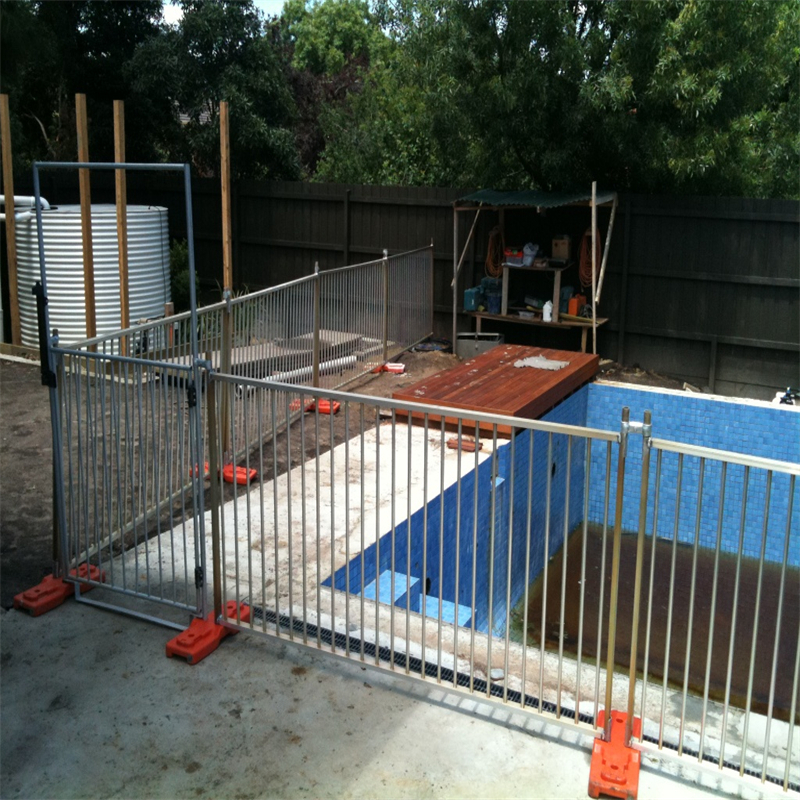
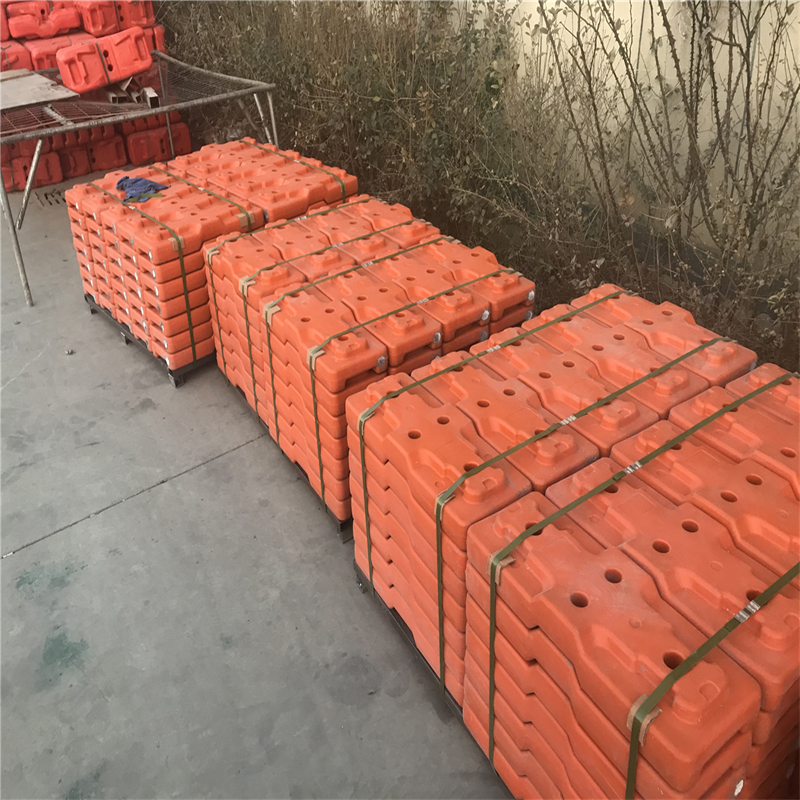
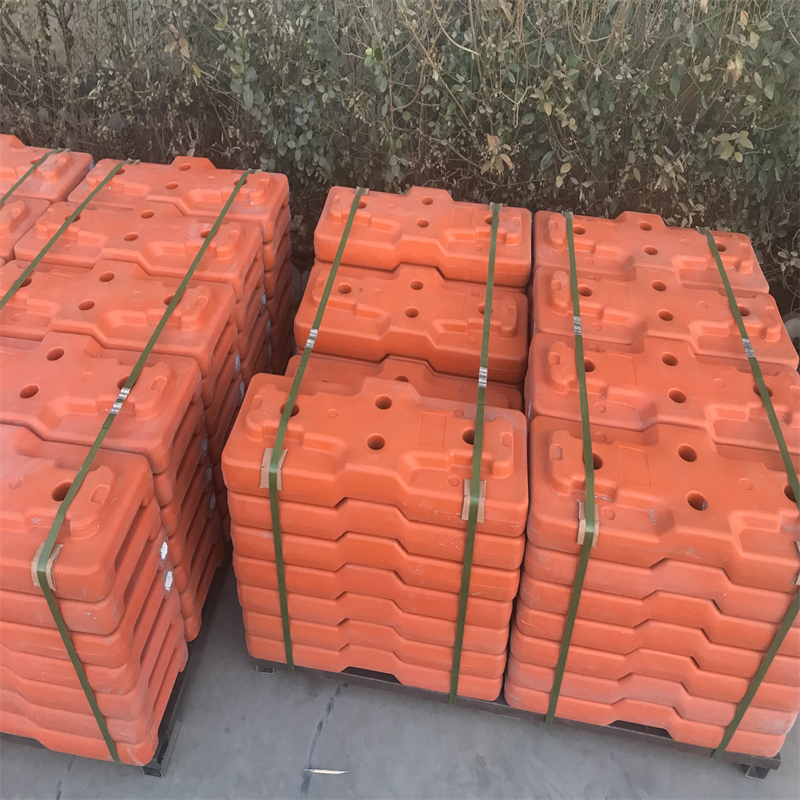
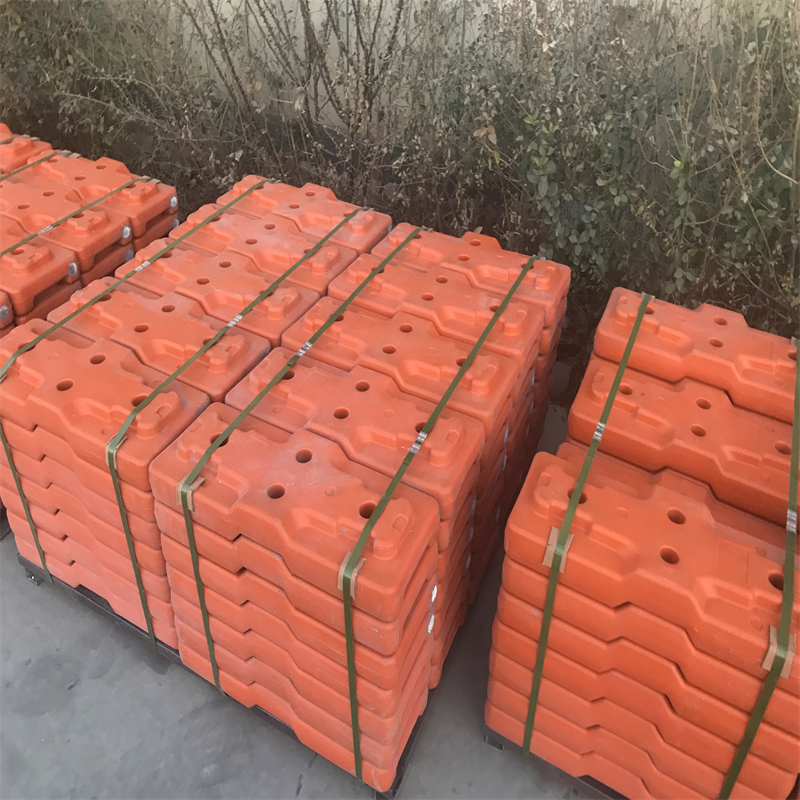
Temporary pool fencing for sale is packed to protect the finish and prevent transit damage. Panels are wrapped with air bubble film and palletised using wood or metal pallets. Posts are wrapped with a protective plastic film bag with caps protected and then palletised. Accessories are packed in cartons. Delivery lead times depend on quantity and stock availability, with standard orders commonly dispatched after deposit receipt according to the agreed schedule.
Packaging Details
Fence panels are protected with bubble film and secured on pallets to reduce rubbing, scratching, and bending during shipment.
Delivery Timing
Delivery timing depends on stock and quantity. If goods are in stock, dispatch is quicker; if not, production lead time applies.
Standards and Compliance
Temporary pool fencing for sale should be treated as a compliance product, not a generic construction fence. Documentation should match the intended application for temporary pool fencing. Gate function should be self-closing and self-latching, and the installed configuration should satisfy local requirements relating to openings, clearances, and climb resistance.
Compliance Evidence
Always request the supplier’s certificate or test evidence relevant to temporary pool fencing, especially when a project involves inspection sign-off, and if you want practical installation and stability guidance that helps reduce rework risk, you can also read this reference article:Temp Fence Blocks: 7 Powerful Tips.
Top 22 High-Impact Items for Temporary Pool Fencing for Sale
Trap #1: Buying a “site fence” and assuming it is pool-safe
A general temporary fence may look strong but still fail pool expectations due to opening sizes, climbability, and gate performance.
Risk #2: Skipping documentation until inspection day
If evidence is missing, inspections can fail or be delayed, causing rebooking fees and schedule blowouts.
Warning #3: Treating height as the only requirement
Failures often happen at gaps under the fence, between uprights, or around gates, not just at overall height.
Data #4: Ignoring base stability on uneven surfaces
If bases move, gaps open. Gaps create safety exposure and can trigger immediate rectification.
Defect #5: Choosing panels that deform after transport and reuse
Bent frames create misalignment and can prevent the system from holding consistent spacing.
Flaw #6: Underestimating corrosion exposure near pools
Pool splash and outdoor exposure can accelerate corrosion, especially if finish selection is poor.
Cost #7: Using gates that do not reliably self-latch
A gate that bounces open creates the fastest path to expensive rectification.
Pitfall #8: Mixing brands without compatibility checks
Small differences in height, clamps, or spacing can create openings you did not plan for.
Detail #9: Creating climb points with hardware placement
Wrong hinge or latch geometry can accidentally create footholds or access to the latch.
Tip #10: Treating panel joints as “not important”
Panel joins are where gaps appear when clamps loosen or alignment drifts.
Truth #11: “Looks solid” is not a measurement
Compliance depends on measurable openings and reliable operation, not visual judgement.
Point #12: Forgetting wind exposure
Wind can shift bases and open gaps, turning a “pass” into a “fail” overnight.
Insight #13: Ground levels change after landscaping
A fence that was fine can become noncompliant after soil moves or paving is installed.
Lesson #14: Trades prop gates open for convenience
If the gate stays open, the barrier stops working and your risk increases immediately.
Checklist #15: Not checking panel straightness before install
One bent panel can push the whole run out of line and create an end gap.
Myth #16: One clamp is always enough
Insufficient clamping can cause twisting and movement that opens gaps over time.
Downside #17: Opening-size rules that quietly destroy compliance
If any opening is too large under the garrison fence, between uprights, or around the gate, the whole barrier can fail, triggering urgent rework, rebooking, and financial loss.
Signal #18: A gate must latch from real-world positions
A gate that works only in ideal alignment can fail on site due to slope, wind, and wear.
Hazard #19: Nearby objects can become ladders
Bins, BBQs, pot plants, and retaining walls can create climb assistance if placed too close.
Problem #20: No final walk-through after installation
A single loose clamp can cause failure. A quick perimeter check prevents expensive surprises.
Bonus #21: Choosing a finish that does not match the project duration
Wrong finish selection can cause early corrosion and an ugly appearance much sooner than expected.
Guide #22: Writing a purchase order without compliance language
If the PO does not specify key requirements and evidence, disputes and rework become more likely.
FAQs
Q: Are you a trading company or a manufacturer?
A: We are a factory.
Q: How long is your delivery time?
A: Typically 5–7 days if the goods are in stock, or 30–40 days if the goods are not in stock, depending on quantity.
Q: Do you provide samples? Is it free or extra?
A: Samples can be offered free of charge, but freight costs are not included.
Q: What are your payment terms?
A: Payment ≤ 1000 USD: 100% in advance. Payment ≥ 1000 USD: 30% T/T in advance, balance before shipment. Other terms can be discussed.