Your One-Stop Wire Mesh Fence Supplier | POLYMETAL
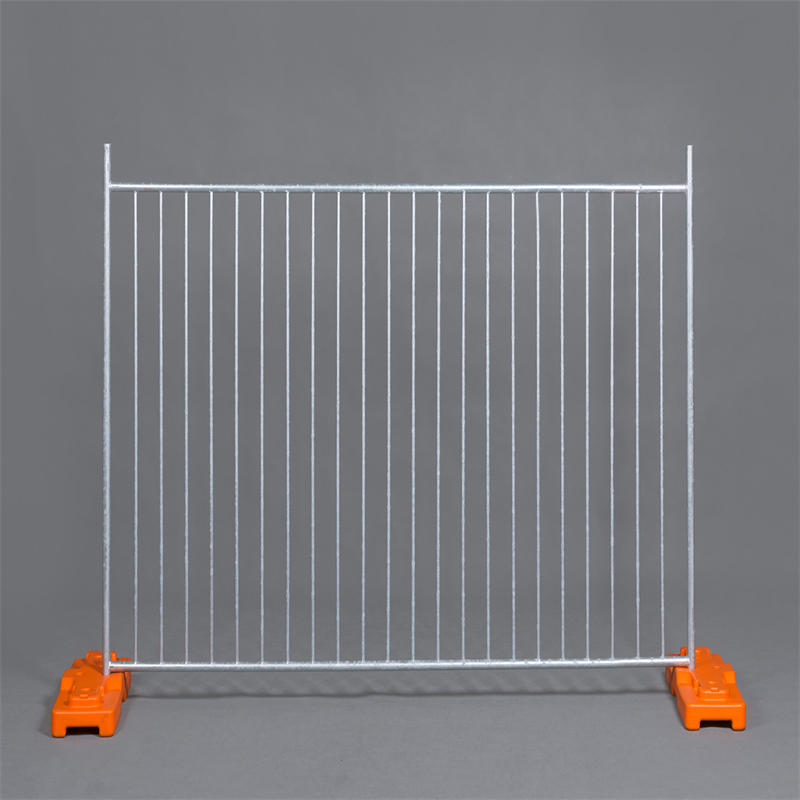
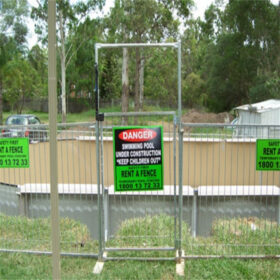
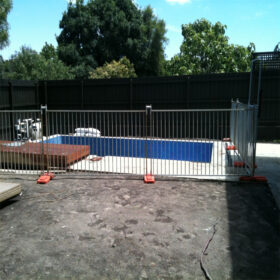
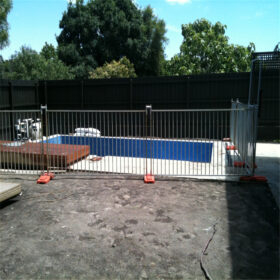
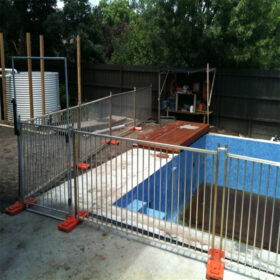
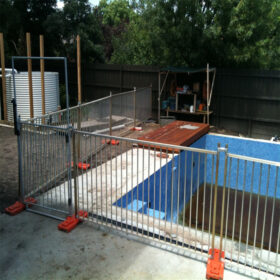
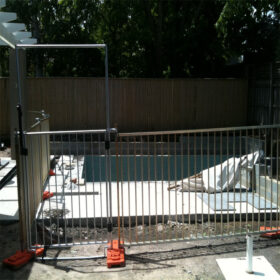
Temporary Pool Fencing Melbourne is not a “nice-to-have” product. It is a safety barrier that protects children, protects schedules, and protects budgets at the same time. When you buy temporary pool fencing, you are buying controlled access around a high-risk area, predictable installation across uneven ground, and fewer surprises when people expect the site to “look compliant” every day.
Melbourne Local vs China Supply: Why Big Orders Change the Decision
If your quantity is large enough, importing temporary pool fencing from China can reduce unit cost and allow you to standardise panel specs across multiple projects. Melbourne local supply can be ideal for urgent timeframes and smaller quantities. The real risk is not “where you buy”—it is buying the wrong geometry (height, spacing, gate function, base thickness) and paying twice through rework.
POLYMETAL Product Description
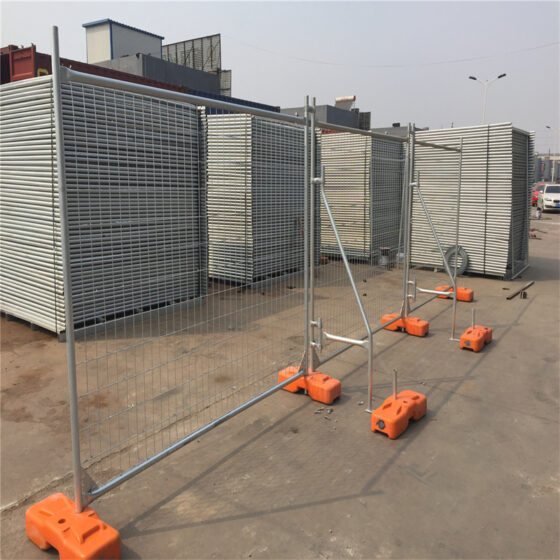
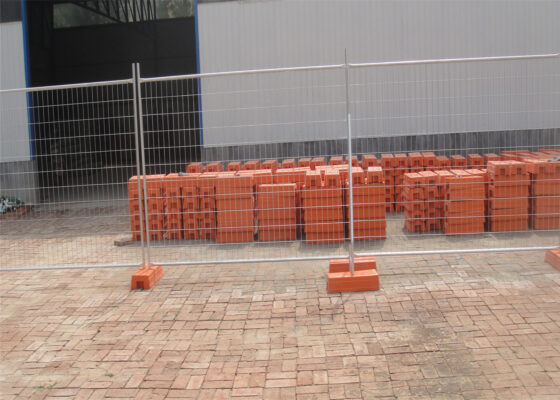
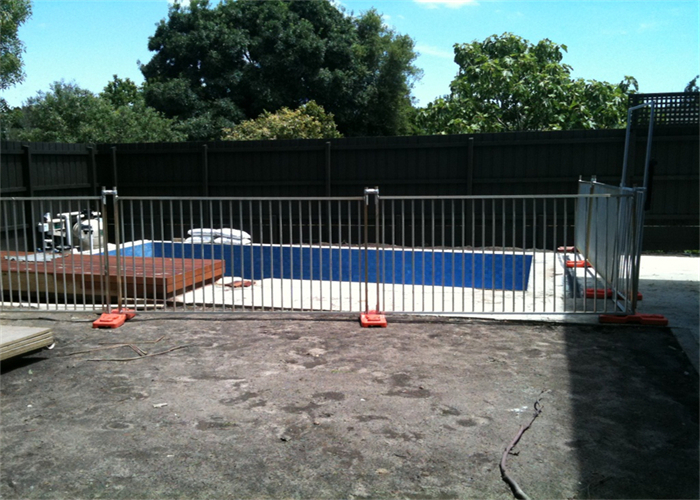
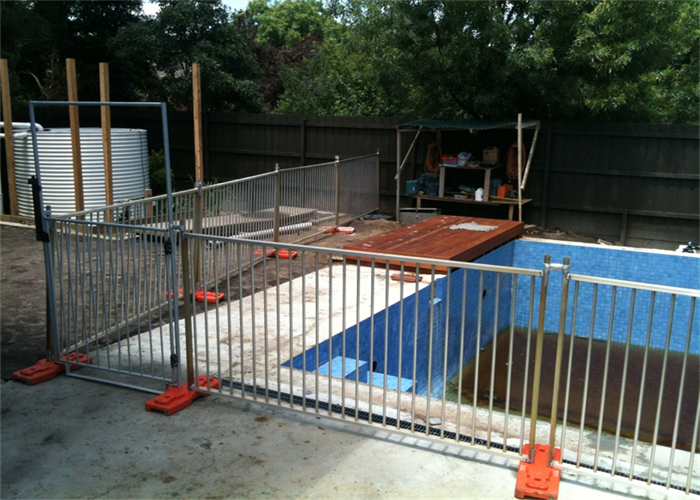
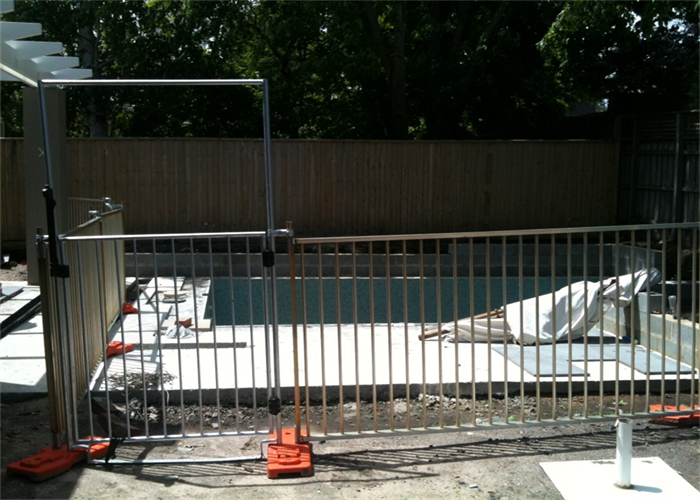
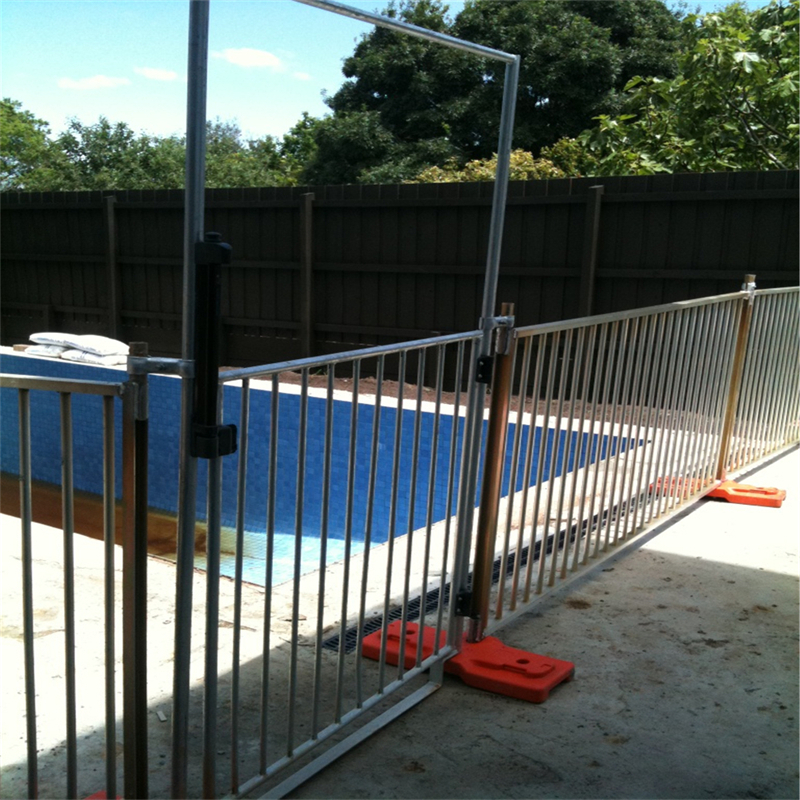
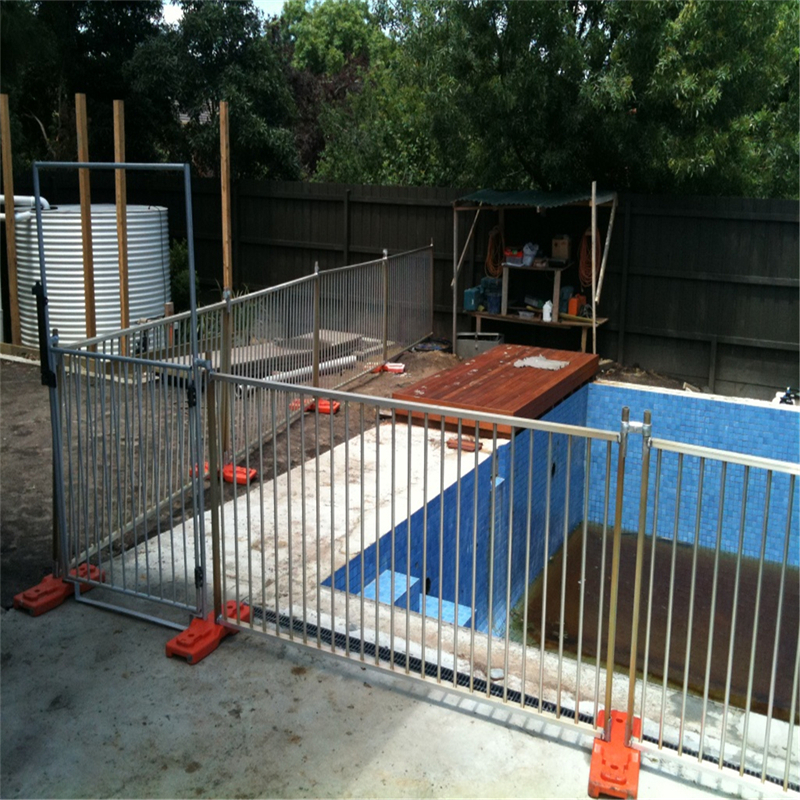
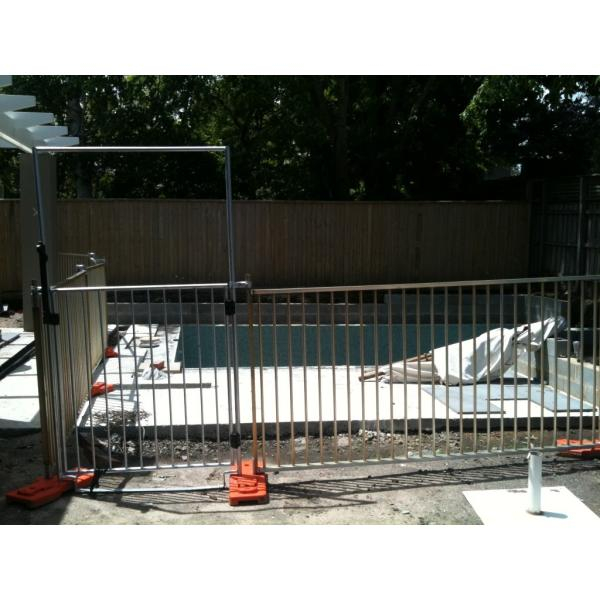
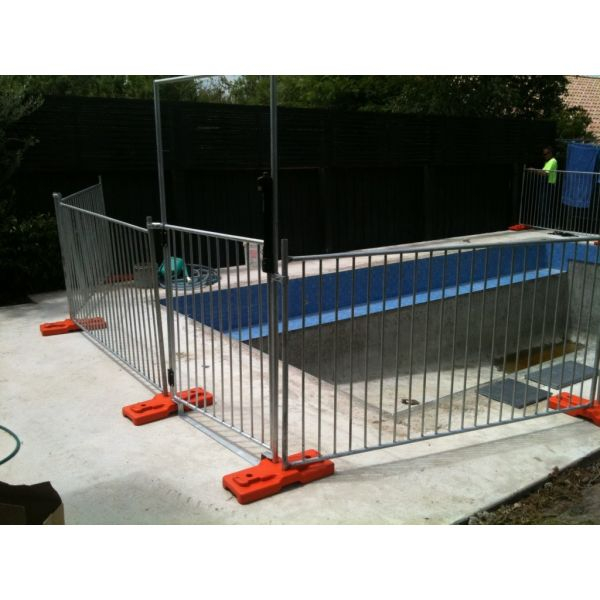
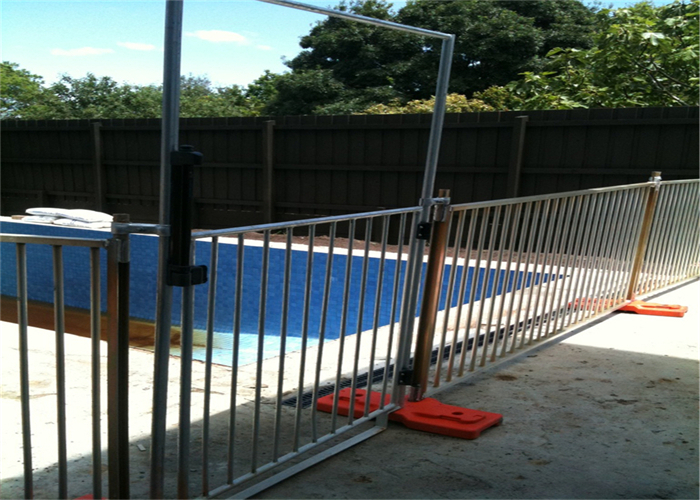
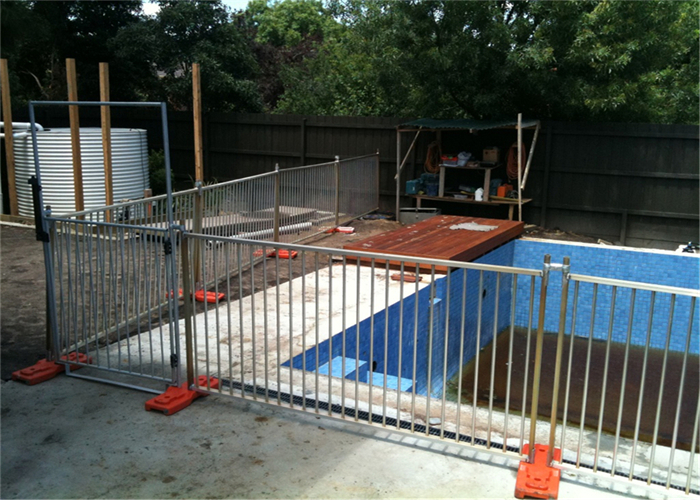
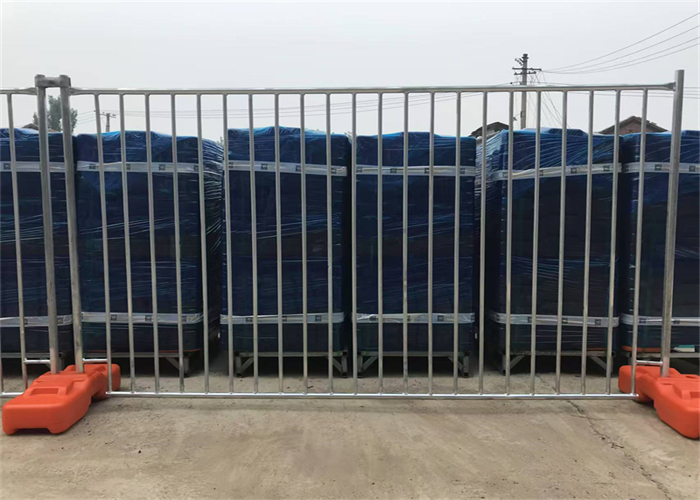
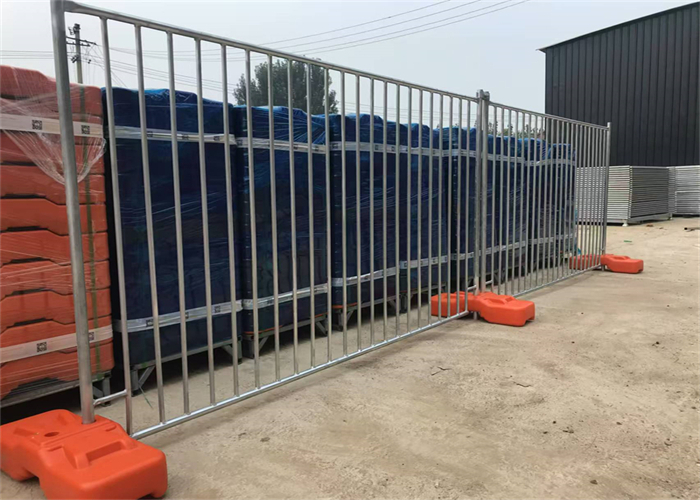
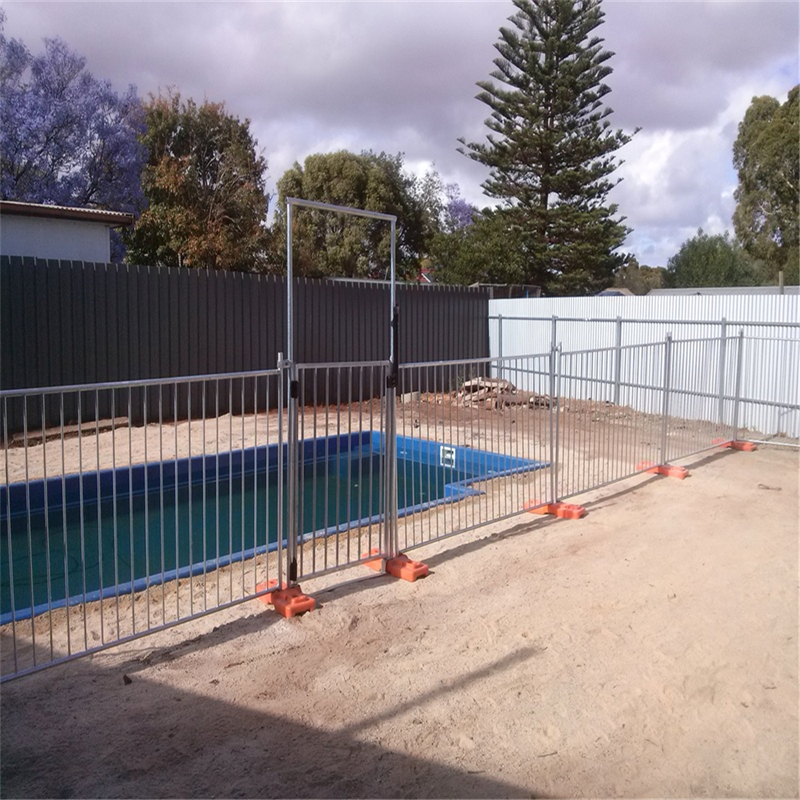
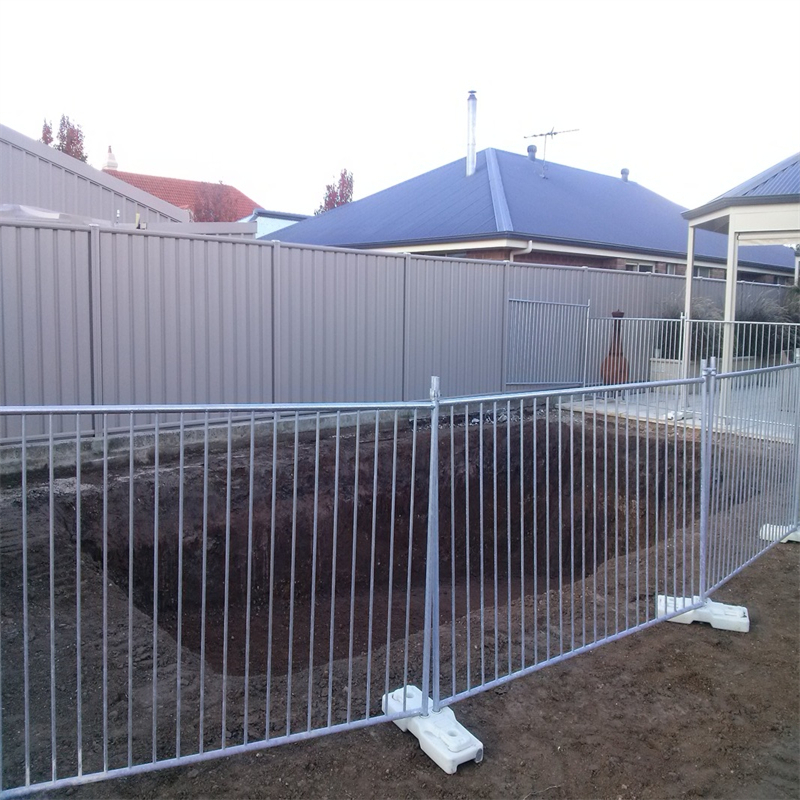
POLYMETAL Temporary Pool Fencing Melbourne is engineered as a modular steel panel system that creates a clear safety boundary around swimming pools during construction, renovation, or short-term access control. The fence uses low carbon steel pipe with hot-dip galvanised or powder-coated finishes to support outdoor durability and a clean “good neighbour” visual line, and many projects specify Q235 steel as a common base material standard for dependable fabrication. Self-closing gate options add an extra level of safety by reducing the chance of a gate being left open.
Why Temporary Pool Fencing Must Be “Site-Real”
A pool site is never perfect: levels change, trades move materials, and bases get nudged. A practical temporary pool fence is one that stays aligned, holds consistent picket spacing, and keeps gate operation reliable under daily use.
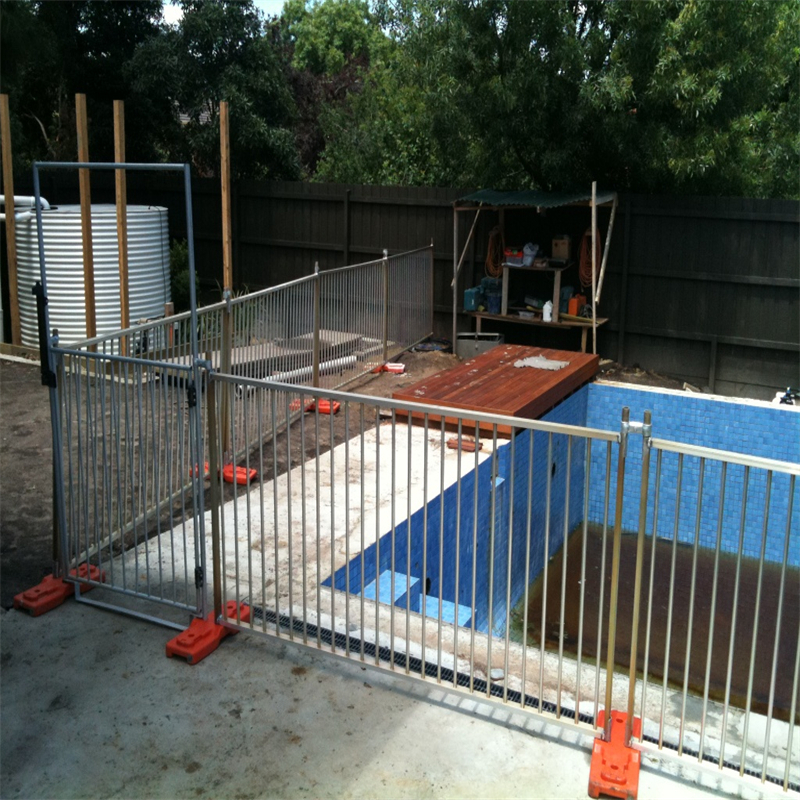
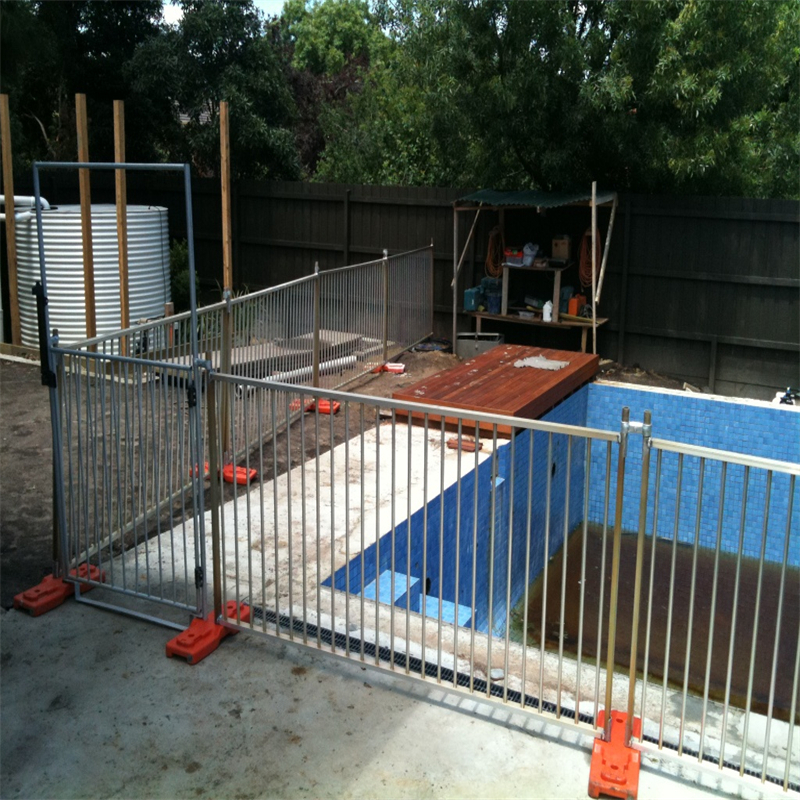
SPECIFICATIONS MELBOURNE TEMPORARY POOL FENCING
| Material | Low carbon steel pipe; hot-dipped galvanised pipe |
| Heights (mm) | 1100 / 1200 / 1300 / 1400 / 1500 |
| Lengths (mm) | 1500 / 2000 / 2100 / 2200 / 2500 |
| Frame OD (mm) | 20 / 25 / 32 / 38 / 42 / 48 |
| Frame wall options (mm) | 1.0 / 1.5 / 2.0 / 2.5 / 3.0 |
| Infill pickets OD (mm) | 12 / 14 / 16 / 20 / 25 |
| Infill wall (mm) | 1.5 |
| Picket spacing (mm) | 60 / 100 / 120 |
| Finish | Hot-dipped galvanised / Powder coating |
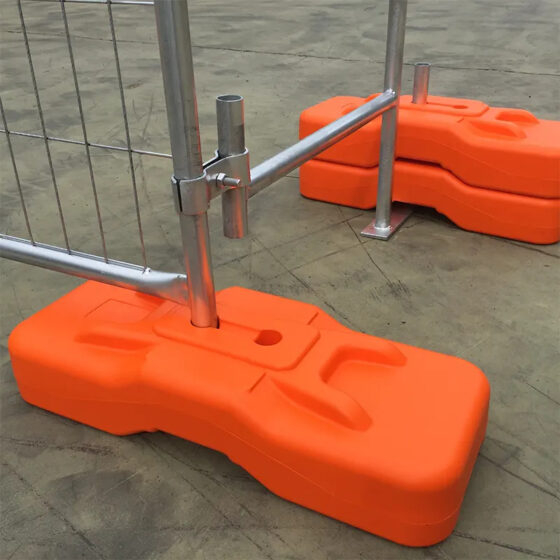
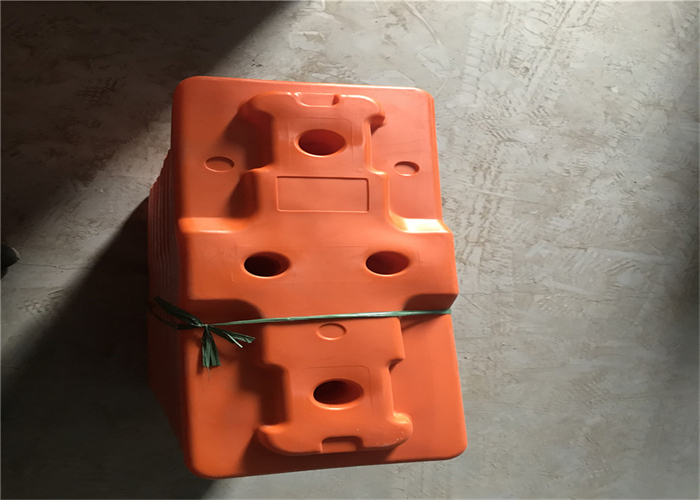
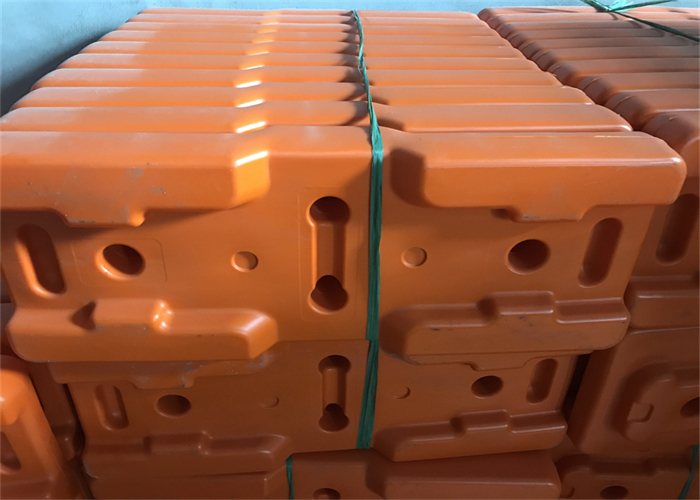
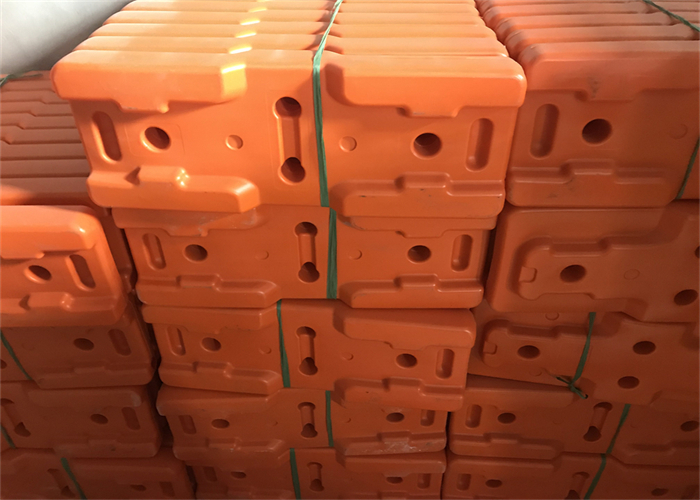
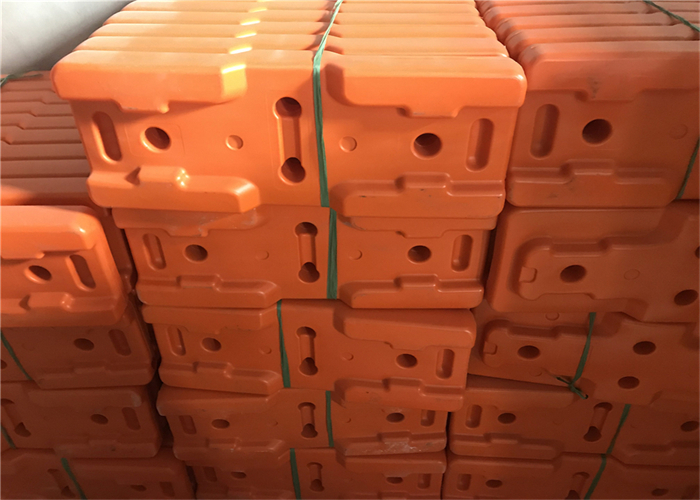
| Feet | Welded flat feet 500×70×8mm; plastic concrete feet 620×230×90mm; removable feet |
| Logo plate: 200×100×2.5mm | |
| Minimum zinc thickness (HDG): 42 microns | |
| Colour: Yellow / White / Black / as required | |
| Process: iron tube → cut → punch → polish → weld → polish → hot galvanised / PVC painted | |
PHOTO
 |  |
Specifications
Table 1 – POLYMETAL Temporary Pool Fence Panel Specs (Melbourne Common Builds)
| POLYMETAL Model | Panel Height (mm) | Panel Width (mm) | Frame OD × Wall | Infill OD × Wall | Picket Spacing (mm) | Finish | Feet Option | Logo Plate | Notes |
|---|---|---|---|---|---|---|---|---|---|
| PM-TPF-MEL-1100-2100 | 1100 | 2100 | 25×1.2 | 12×1.5 | 100 | HDG | Plastic 620×230×90 | 200×100×2.5 | Compact site layout |
| PM-TPF-MEL-1100-2200 | 1100 | 2200 | 32×1.2 | 14×1.5 | 100 | HDG | Welded 500×70×8 | 200×100×2.5 | Stiffer perimeter feel |
| PM-TPF-MEL-1200-2000 | 1200 | 2000 | 32×1.5 | 16×1.5 | 100 | Powder | Plastic 620×230×90 | 200×100×2.5 | High-visibility finish |
| PM-TPF-MEL-1200-2400 | 1200 | 2400 | 38×1.5 | 14×1.5 | 100 | HDG | Welded 500×70×8 | 200×100×2.5 | Long run stability |
| PM-TPF-MEL-1250-2400 | 1250 | 2400 | 38×1.5 | 16×1.5 | 100 | HDG | Plastic 620×230×90 | 200×100×2.5 | Common Melbourne format |
| PM-TPF-MEL-1300-2200 | 1300 | 2200 | 32×1.5 | 16×1.5 | 120 | Powder | Plastic 620×230×90 | 200×100×2.5 | Faster visual openness |
| PM-TPF-MEL-1400-2400 | 1400 | 2400 | 42×1.5 | 20×1.5 | 100 | HDG | Removable Feet | 200×100×2.5 | Higher site control |
| PM-TPF-MEL-1450-2400 | 1450 | 2400 | 42×1.5 | 16×1.5 | 100 | Powder | Plastic 620×230×90 | 200×100×2.5 | Premium look line |
| PM-TPF-MEL-1500-2500 | 1500 | 2500 | 48×2.0 | 20×1.5 | 100 | HDG | Welded 500×70×8 | 200×100×2.5 | Heavier-duty perimeter |
| PM-TPF-MEL-1500-2200 | 1500 | 2200 | 42×1.5 | 25×1.5 | 120 | Powder | Removable Feet | 200×100×2.5 | Strong visual presence |
Table 2 – POLYMETAL Self-Closing Gate Specs (Melbourne Common Builds)
| POLYMETAL Model | Gate Height (mm) | Gate Width (mm) | Gate Frame OD × Wall | Infill OD × Wall | Infill Spacing (mm) | Closer | Latch | Finish | Notes |
|---|---|---|---|---|---|---|---|---|---|
| PM-TPG-MEL-1200-900 | 1200 | 900 | 38×1.5 | 16×1.5 | 100 | Self-close | Self-latch | HDG | Compact access point |
| PM-TPG-MEL-1200-1000 | 1200 | 1000 | 42×1.5 | 16×1.5 | 100 | Self-close | Self-latch | Powder | Popular width |
| PM-TPG-MEL-1250-900 | 1250 | 900 | 38×1.5 | 14×1.5 | 100 | Self-close | Self-latch | HDG | Common with 1250 panels |
| PM-TPG-MEL-1250-1000 | 1250 | 1000 | 42×1.5 | 16×1.5 | 100 | Self-close | Self-latch | Powder | Balanced line + access |
| PM-TPG-MEL-1300-1000 | 1300 | 1000 | 42×1.5 | 20×1.5 | 100 | Self-close | Self-latch | HDG | More “site control” feel |
| PM-TPG-MEL-1400-1000 | 1400 | 1000 | 48×2.0 | 16×1.5 | 100 | Self-close | Self-latch | HDG | Heavier frame for load zones |
| PM-TPG-MEL-1450-1000 | 1450 | 1000 | 48×2.0 | 20×1.5 | 100 | Self-close | Self-latch | Powder | Premium finish sites |
| PM-TPG-MEL-1500-1000 | 1500 | 1000 | 48×2.0 | 20×1.5 | 100 | Self-close | Self-latch | HDG | Higher risk-control boundary |
| PM-TPG-MEL-1500-1100 | 1500 | 1100 | 48×2.0 | 25×1.5 | 120 | Self-close | Self-latch | Powder | Wider access needs |
| PM-TPG-MEL-1500-900 | 1500 | 900 | 42×1.5 | 16×1.5 | 100 | Self-close | Self-latch | HDG | Narrow walkway control |
Table 3 – POLYMETAL Feet / Bases (Melbourne Site Handling Options)
| Base Model | Type | Size (mm) | Thickness / Profile | Weight | Material | Colour | Use Case | Handling | Notes |
|---|---|---|---|---|---|---|---|---|---|
| PM-BASE-WF-500 | Welded Flat Feet | 500×70 | 8mm | Steel | Steel | HDG / Powder | Stable straight runs | Fixed to panel | Fast setup |
| PM-BASE-PC-620 | Plastic Concrete Feet | 620×230×90 | <100mm profile | 15kg | HDPE + UV | Orange / Blue / Green | Contractor access | Lift & place | Common in AU |
| PM-BASE-RM-01 | Removable Feet | — | Low profile | Site dependent | Steel + polymer | As required | Staged works | Quick removal | For frequent access |
| PM-BASE-PC-620-LOGO | Plastic Base + Logo | 620×230×90 | <100mm profile | 15kg | HDPE + UV | Orange | Branding on site | Standard | Logo option |
| PM-BASE-PC-620-BLK | Plastic Concrete Feet | 620×230×90 | <100mm profile | 15kg | HDPE + UV | Black | Premium visual sites | Standard | Cleaner look |
| PM-BASE-PC-620-WHT | Plastic Concrete Feet | 620×230×90 | <100mm profile | 15kg | HDPE + UV | White | High-visibility projects | Standard | Easy perimeter check |
| PM-BASE-WF-500-HV | Welded Flat Feet | 500×70 | 8mm | Steel | Steel | Yellow | Traffic-adjacent zones | Fixed | Visibility emphasis |
| PM-BASE-PC-620-GRN | Plastic Concrete Feet | 620×230×90 | <100mm profile | 15kg | HDPE + UV | Green | Residential streets | Standard | Blends with landscape |
| PM-BASE-RM-02 | Removable Feet | — | Low profile | Site dependent | Steel + polymer | As required | Machinery access windows | Fast | Short-term openings |
| PM-BASE-PC-620-UV+ | Plastic Concrete Feet | 620×230×90 | <100mm profile | 15kg | HDPE + UV added | Mixed | Long outdoor exposure | Standard | UV focus |
Table 4 – Materials, Pipes, and Finish Options (Melbourne Supply Program)
| Option ID | Frame Material | Frame OD (mm) | Frame Wall (mm) | Infill OD (mm) | Infill Wall (mm) | Zinc / Galv | Powder Thickness | Colour | Typical Use |
|---|---|---|---|---|---|---|---|---|---|
| PM-FIN-01 | Low carbon steel | 25 | 1.0 | 12 | 1.5 | HDG 42μm | — | Silver | Budget builds |
| PM-FIN-02 | Low carbon steel | 32 | 1.2 | 14 | 1.5 | HDG 42μm | — | Silver | Common panels |
| PM-FIN-03 | Low carbon steel | 38 | 1.5 | 16 | 1.5 | HDG 42μm | — | Silver | Long runs |
| PM-FIN-04 | Low carbon steel | 42 | 1.5 | 16 | 1.5 | HDG 42μm | — | Silver | Heavier boundary |
| PM-FIN-05 | Low carbon steel | 32 | 1.2 | 14 | 1.5 | HDG base | 100μm+ | Black | Premium sites |
| PM-FIN-06 | Low carbon steel | 38 | 1.5 | 16 | 1.5 | HDG base | 100μm+ | White | High visibility |
| PM-FIN-07 | Low carbon steel | 42 | 1.5 | 20 | 1.5 | HDG base | 100μm+ | Yellow | Traffic-adjacent |
| PM-FIN-08 | Hot-dipped galvanised pipe | 32 | 1.5 | 16 | 1.5 | HDG 42μm | — | Silver | Durability priority |
| PM-FIN-09 | Hot-dipped galvanised pipe | 38 | 1.5 | 20 | 1.5 | HDG 42μm | — | Silver | Gate-adjacent bays |
| PM-FIN-10 | Low carbon steel | 48 | 2.0 | 25 | 1.5 | HDG base | 100μm+ | Black | Heavy “heft” zones |
Table 5 – Accessories, Compliance, and Order Control (Stops Rework)
| Spec Item | Standard Option | Size / Detail | Material | Finish | Quantity Rule | Install Note | Packing | Label | Why It Matters |
|---|---|---|---|---|---|---|---|---|---|
| Logo Plate | Standard | 200×100×2.5mm | Steel | HDG / Powder | 1 per panel | Fix to frame | Wrapped | Panel ID | Site identification |
| Clamp / Join Set | Standard | Join hardware | Steel | Galv | 2 per joint | Even tension | Carton | Accessory box | Stops seam gaps |
| M8 Bolts | Standard | M8 | Steel | Galv | As required | Tighten evenly | Carton | Accessory box | Stops movement |
| Post / Upright | Optional | Pipe pillars | Steel | HDG / Powder | Per layout | Line control | Bundled | Height group | Keeps run straight |
| Post Caps | Standard | Fit OD | Plastic | — | 1 per post | Press fit | Carton | Accessory box | Stops water ingress |
| Self-Closing Hinge | Gate set | Gate hardware | Steel | Galv | 1 set per gate | Correct alignment | Carton | Gate kit | Gate safety function |
| Self-Latch | Gate set | Latch hardware | Steel | Galv | 1 per gate | Test close | Carton | Gate kit | Stops “left open” risk |
| Flat Feet | Option | 500×70×8mm | Steel | HDG / Powder | 2 per panel | Stable base | Fixed | Panel ID | Stability + speed |
| Plastic Bases | Option | 620×230×90mm | HDPE + UV | — | 2 per panel | Low profile | Pallet | Base type | Access-friendly |
| Compliance Marking | Document set | Specification record | — | — | 1 per order | Keep on site | Document pouch | Order number | Reduces rework fights |
Applications Temporary Pool Fencing Melbourne
Temporary Pool Fencing Melbourne is commonly used for pool construction, renovations, resurfacing, landscaping works that remove permanent barriers, staged property upgrades, and any period where children or visitors could access a pool area without a controlled boundary. It is also used where multiple trades require safe access management around a hazard zone, and for projects that need compatible site-perimeter solutions you can also reference Australian temporary fencing options that share similar installation logic and access control components.
Benefits
The biggest benefit of Temporary Pool Fencing Melbourne is predictable risk control. A repeatable panel system allows fast setup and consistent spacing, while galvanised or powder-coated finishes support outdoor durability. A professional fence line also reduces the “temporary chaos” look that can trigger complaints on residential streets.
Why Self-Closing Gates Change the Risk Level
A fence line can be perfect, but one gate left open destroys the whole safety outcome. Self-closing and self-latching gate behaviour is the easiest upgrade that prevents the most common failure mode: human convenience.
Packing
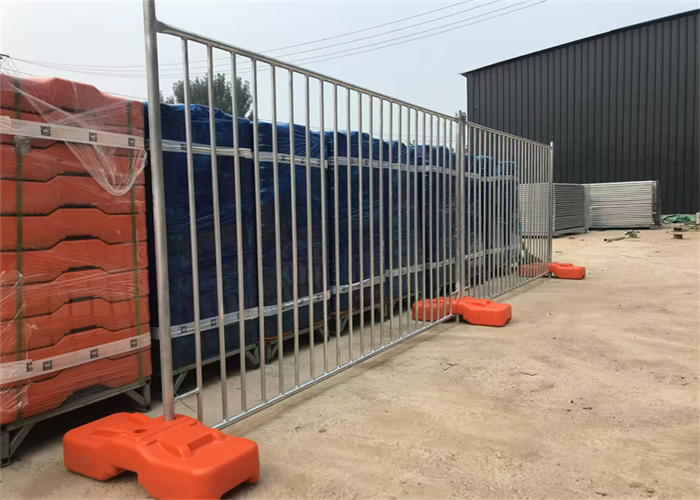
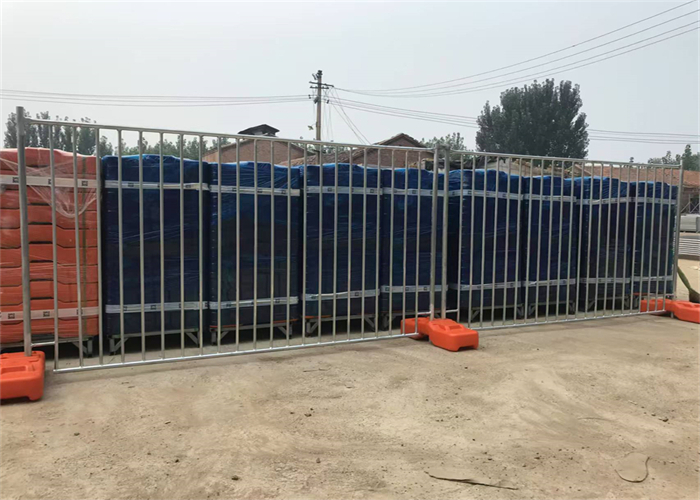
POLYMETAL packs Temporary Pool Fencing Melbourne panels to reduce transit damage and make site counting easier. Panels are wrapped with protective film and palletised. Posts are bundled and labelled by height group. Accessories are packed in cartons so installers do not lose critical small parts on day one.
Packing Detail Temporary Pool Fencing Melbourne
Fence panels: bubble film + wood/metal pallet. Posts: plastic film bag + pallet. Accessories: carton. Bases: palletised by type (plastic or welded feet) and labelled for quick unloading.
Standard and Compliance
Temporary Pool Fencing Melbourne is a compliance-sensitive category, not a generic construction fence. The system is commonly produced to meet pool safety expectations including controlled openings, stable base profiles, and gate behaviour that helps prevent accidental access.
Top 22 High-Risk Items for Temporary Pool Fencing Melbourne
Trap #1: Buying a “temporary fence” and assuming it is pool fencing
Many fences look similar in photos, but pool fencing is judged by openings, climb factors, and gate behaviour.
Risk #2: Ordering height only, and ignoring spacing
Spacing drives safety performance. Wrong spacing creates access points where you did not expect them.
Warning #3: Choosing the wrong base height profile
Base profile affects gaps under the fence and stability when people bump the line.
Detail #4: Mixing panel lengths in one run without a layout plan
Mixed lengths can force ugly “patch bays” that create gaps and weak joins.
Fact #5: Using light frames in pressure zones
Gate bays and corners take daily load. Light frames drift first.
Problem #6: Not specifying frame wall thickness
Wall thickness changes rigidity. Without it, you may receive a different performance level than expected.
Pitfall #7: Choosing infill pickets that bend after transport
Once pickets bend, spacing becomes inconsistent and the fence looks repaired.
Fault #8: Under-specifying feet for windy areas
Wind and repeated knocks move bases. Movement opens gaps.
Hazard #9: Treating gate function as “optional”
If the gate is not reliably self-closing and self-latching, the whole barrier becomes a daily risk.
Tip #10: Standardising one spacing for a cleaner look
Uniform spacing makes the perimeter look engineered instead of temporary.
Insight #11: Ordering colour without thinking about visibility
High-visibility colours can reduce accidental knocks and make daily checks easier.
Rule #12: Keep bases consistent so the bottom line reads straight
Mixed base types can create uneven bottom gaps across the run.
Checklist #13: Confirm panel straightness before installation
One bent panel can force the entire line out of alignment.
Trend #14: Neighbour-facing sites demand cleaner temporary solutions
Residential streets punish messy fences. A clean line reduces complaints.
Defect #15: Poor weld finishing that catches hands and clothing
Rough edges create handling risk and look low quality.
Downside #16: Choosing long panels with weak joining logic
Long runs amplify small alignment errors. Join quality matters more over distance.
Loss #17: The “perfect middle bays” failure that forces visible rework
This is the expensive failure: the middle bays look perfect, but corners and the first two bays beside every gate are under-built. Those areas take the daily load, they move first, and the whole perimeter looks “repaired.” The rework cost is brutal because it is visible and disruptive.
Damage #18: Loose hardware that creates seam gaps
Loose joins turn a solid fence into a fence with predictable access points.
Loophole #19: Not controlling objects near the fence
Bins, ladders, and stacked materials become climb aids if placed too close.
Myth #20: Thinking “galvanised” means “forever”
Finish performance depends on process control and handling discipline, not just a label.
Danger #21: No final walk-around check after install
A fast perimeter check catches loose clamps and misaligned bays before problems start.
Boost #22: A written purchase specification saves the most money
When you lock height, width, frame OD, wall thickness, picket OD, spacing, base type, and gate function, the install becomes repeatable.
FAQs Temporary Pool Fencing Melbourne
Q: What are common panel heights for Temporary Pool Fencing Melbourne?
A: Common heights include 1100mm, 1200mm, 1300mm, 1400mm, and 1500mm.
Q: What are common panel lengths?
A: Common lengths include 1500mm, 2000mm, 2100mm, 2200mm, and 2500mm.
Q: What finishes are available?
A: Hot-dipped galvanised and powder coating options are available.
Q: What base types are used?
A: Welded flat feet, plastic concrete feet (620×230×90mm), and removable feet options are used depending on site needs.
Q: Why does a self-closing gate matter so much?
A: Because the most common real-world failure is a gate being left open. Self-close and self-latch behaviour reduces that risk dramatically.