Your One-Stop Wire Mesh Fence Supplier | POLYMETAL

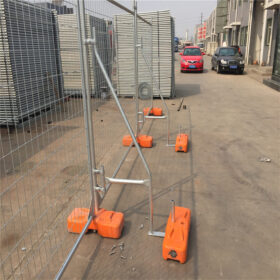


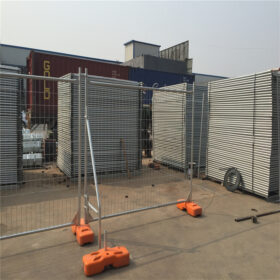
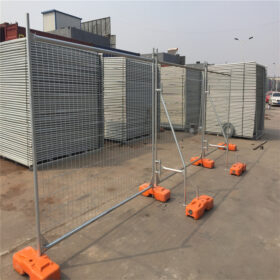
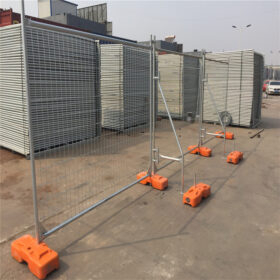
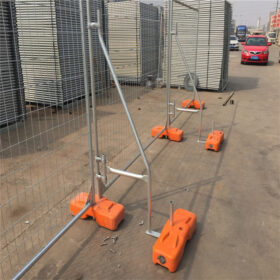
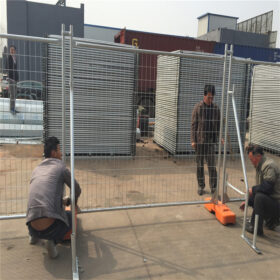
If you are sourcing temporary site fence panels for construction boundaries, residential housing projects, public events, roadworks, or safety exclusion zones, the biggest risk is not the upfront price. The real danger is buying panels that look “the same” but fail where it matters: frame tube strength, weld stability, zinc coating thickness, wind-line rigidity, base matching, and clip geometry that keeps a long fence run straight when conditions turn bad.
POLYMETAL focuses on practical, site-proven temporary site fence panels engineered for repeated handling cycles, clean alignment, and predictable system compatibility with bases, clamps, gates, and braces. When the correct specification is locked early—panel width, middle brace option, tube OD, tube wall thickness, wire diameter, mesh opening, coating level, and fastening centre distance—the fence line becomes stable and professional instead of wobbly, bent, and complaint-prone. For buyers comparing frame and mesh materials, this Q235 steel reference helps explain why consistent steel grade selection matters for weld stability, impact tolerance, and long-run alignment under repeated reuse.


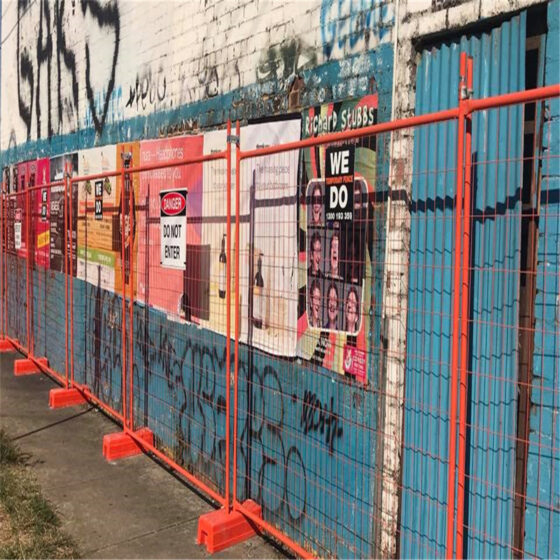
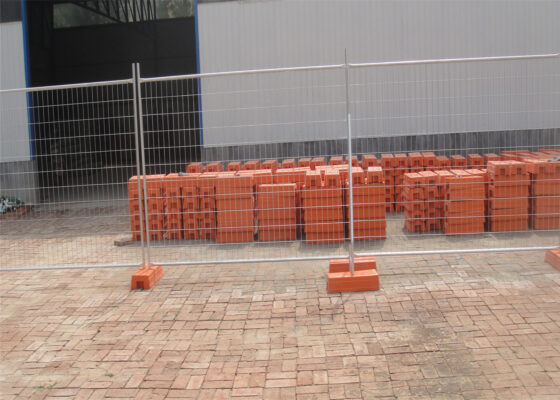
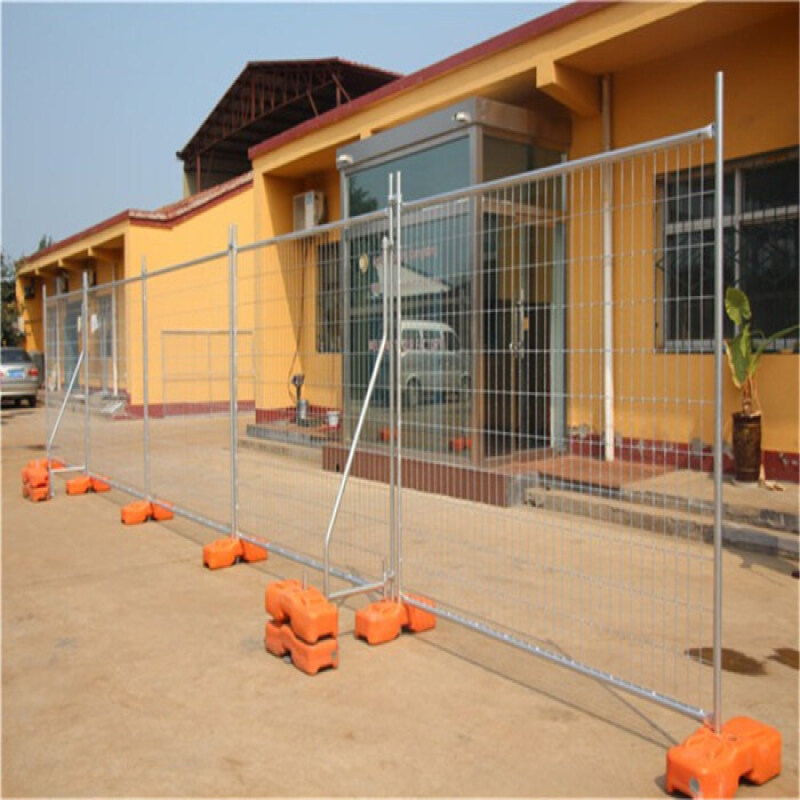
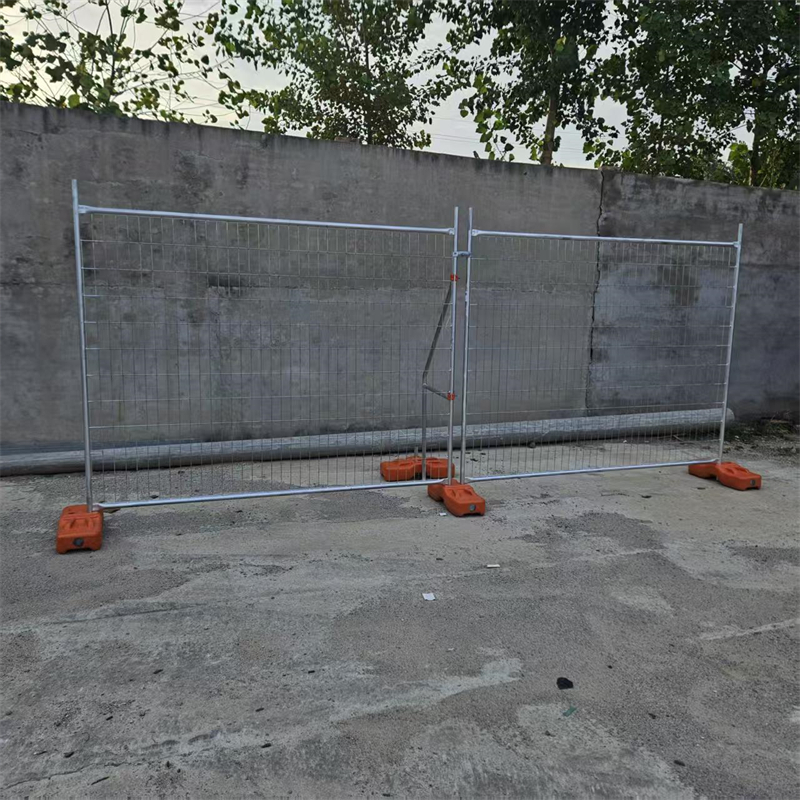
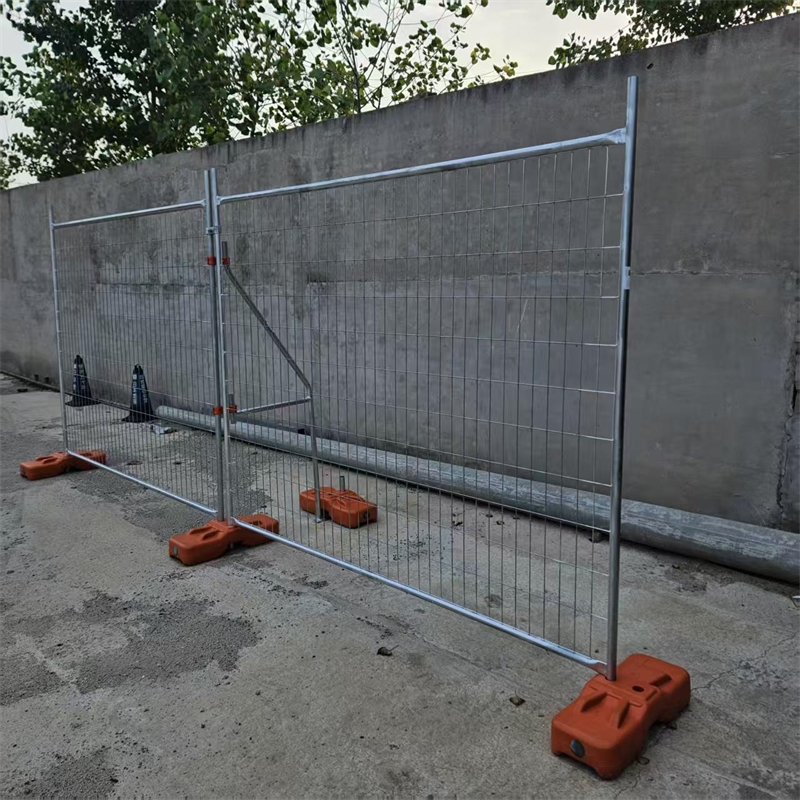
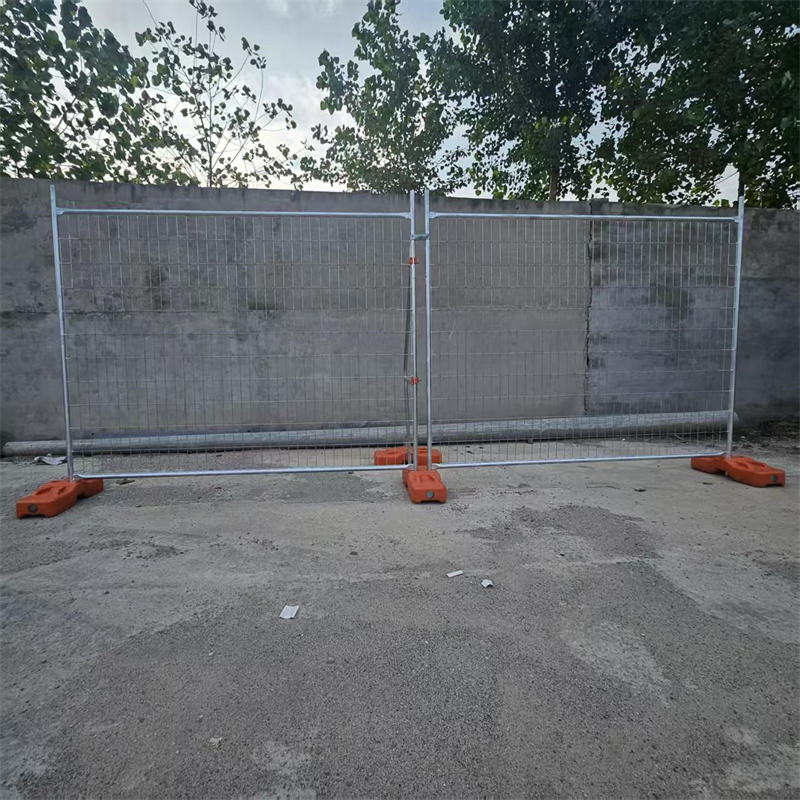
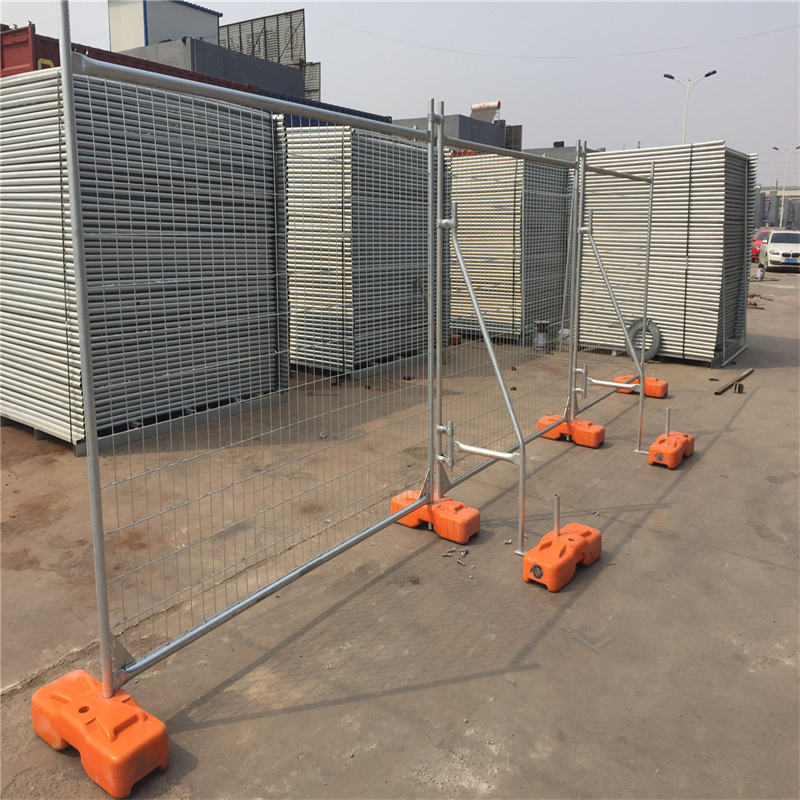
Visual Reference: temporary site fence panels

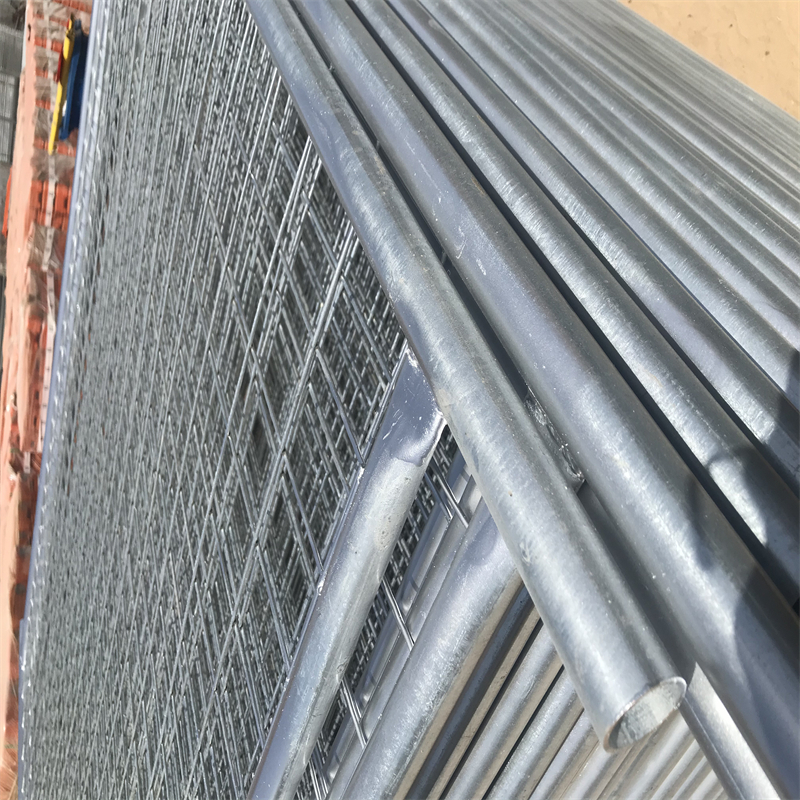

Product Description: POLYMETAL temporary site fence panels (2100mm Height System)
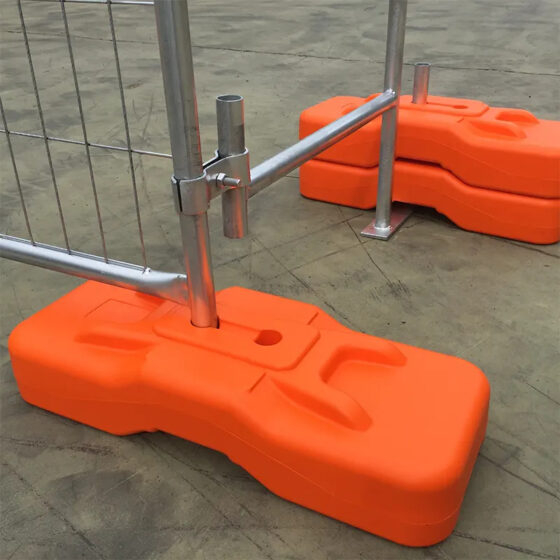
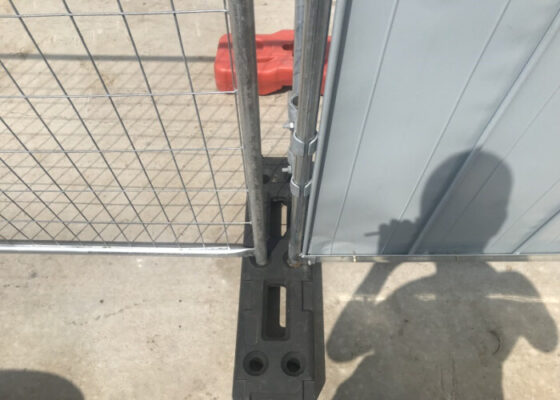
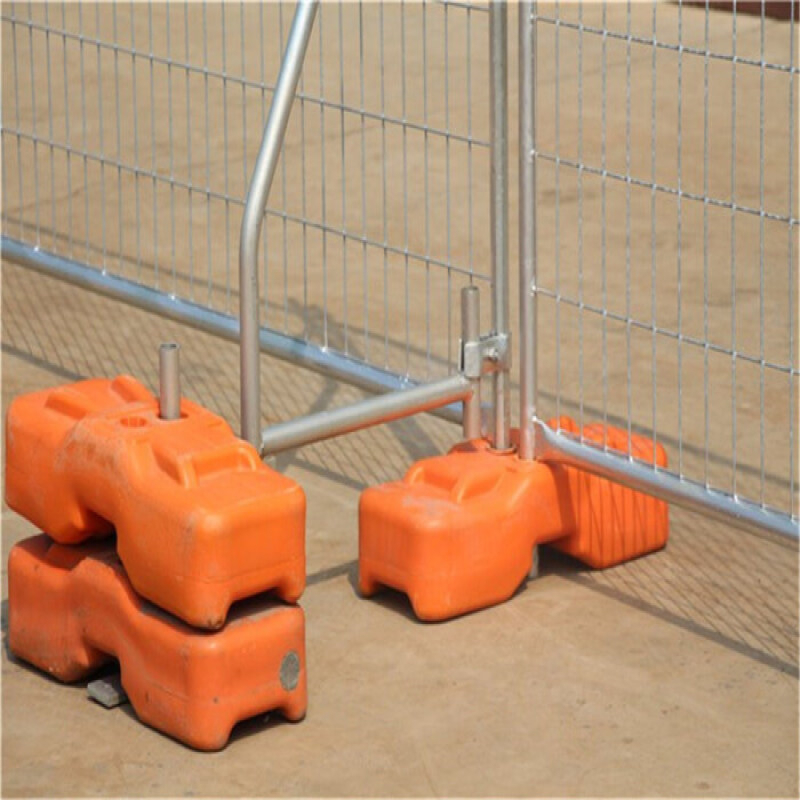
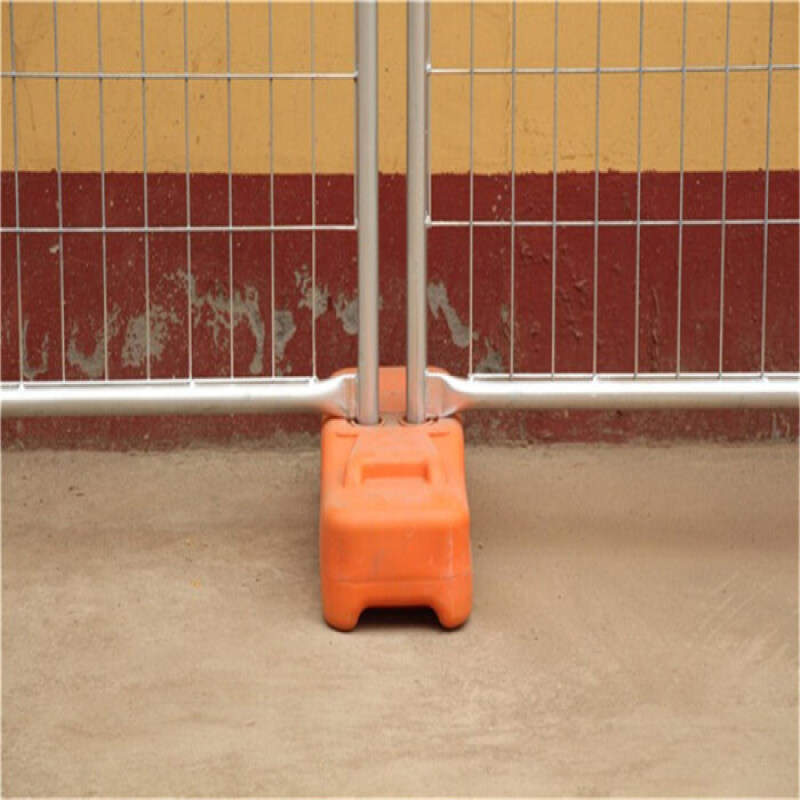
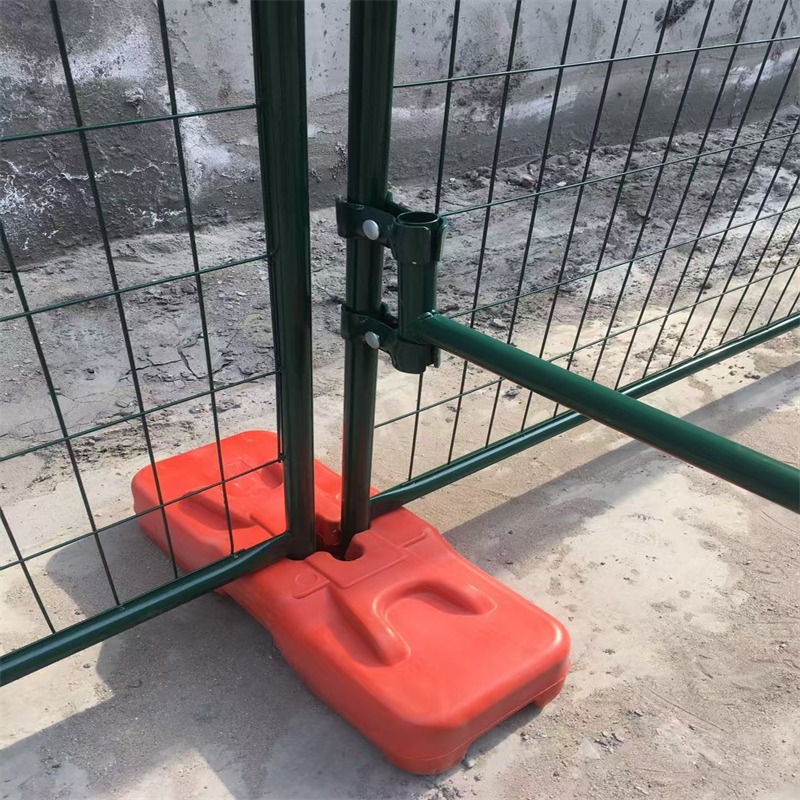
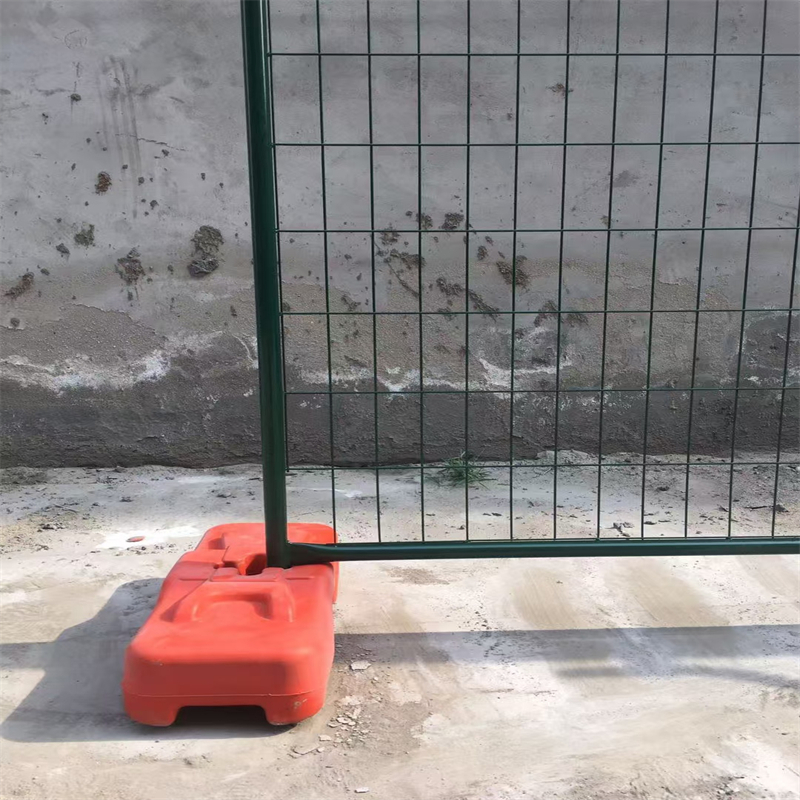
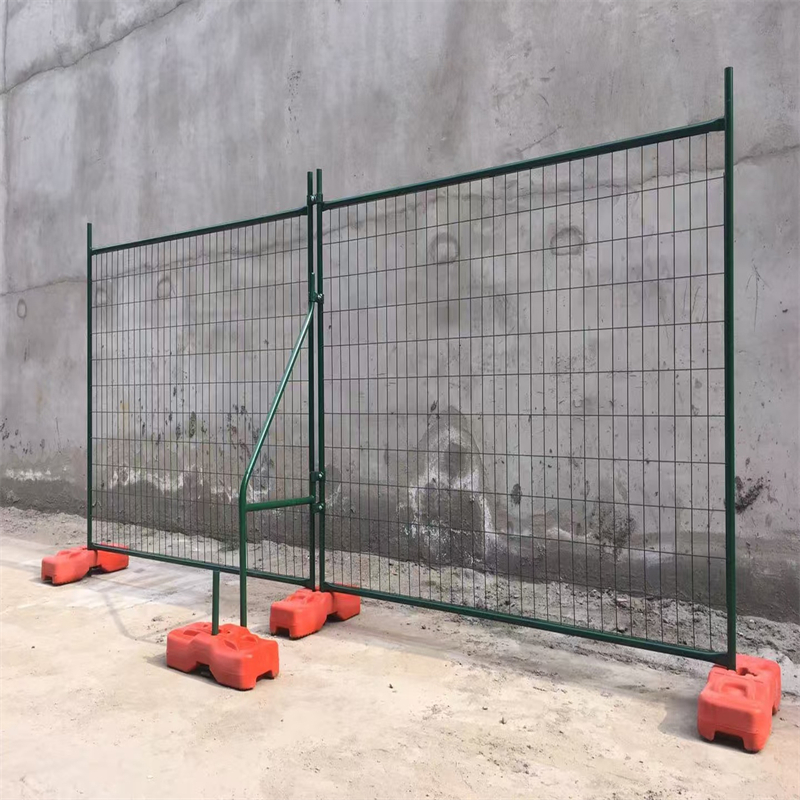
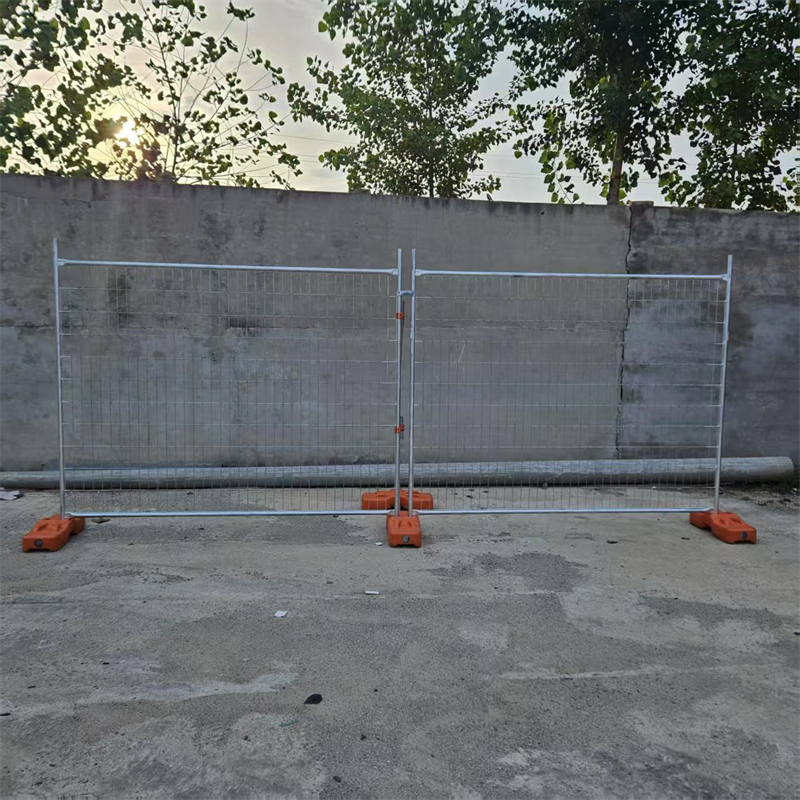
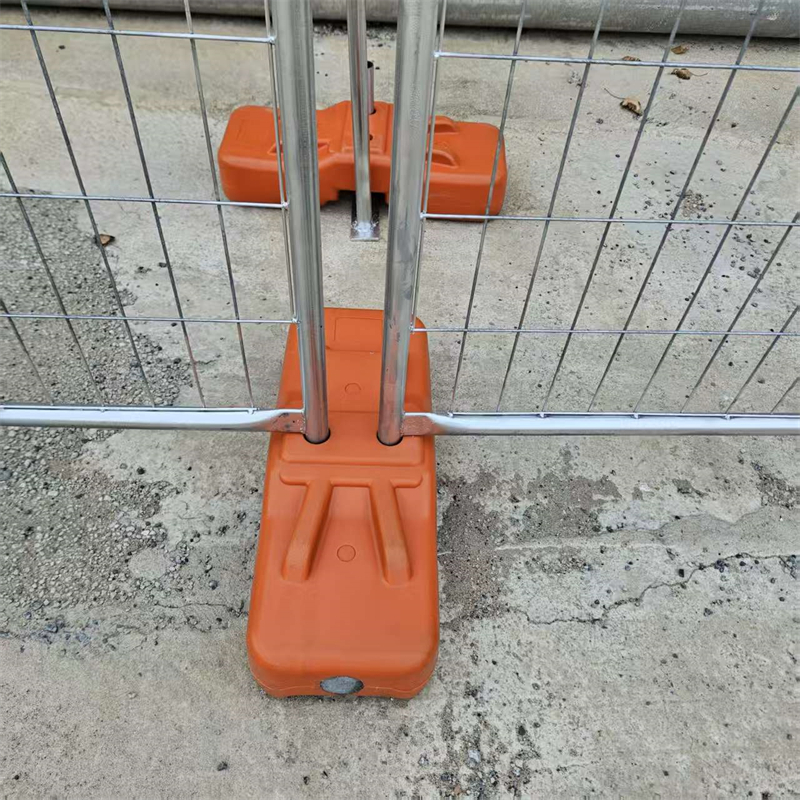
POLYMETAL temporary site fence panels are designed for fast installation and repeatable perimeter control without disturbing the surface area by digging holes or laying foundations. Panels are anchored into sturdy bases and joined with metal clips, allowing crews to build long, stable runs quickly while still keeping the system easy to reposition as the site changes.
The standard system is built around 2100mm height panels with popular widths of 2400mm, 3300mm, and 3500mm, with the wider formats available with a middle brace to reduce flex and keep the fence line true in higher wind or high-traffic zones. Frame tube options include OD32mm (common and efficient), plus heavier options such as OD38mm, OD40mm, and OD41mm for tougher handling cycles and more demanding conditions. Frame wall thickness selections cover 1.0mm, 1.2mm, 1.4mm, 1.5mm, and 2.00mm depending on the stability target.
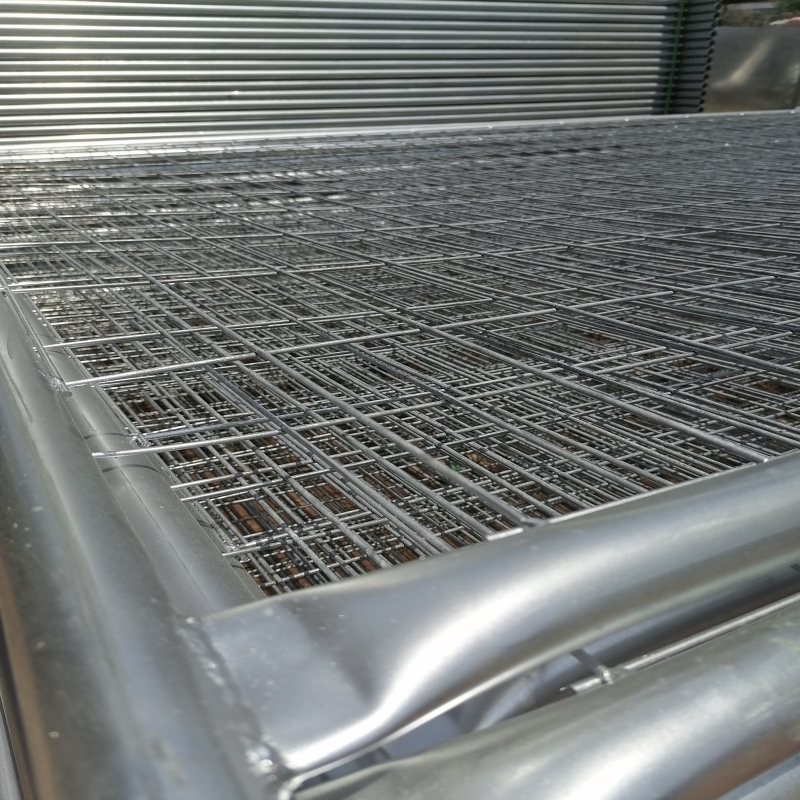
The infill mesh uses the widely adopted 60mm × 150mm opening to balance visibility and stiffness across the panel face. Wire diameter options include 2.70mm, 3.00mm, and 4.00mm to match impact resistance and reuse expectation. Surface protection is supplied as zinc coating options including 14 microns HDG (value-grade), 42 microns hot dipped galvanized (higher protection), and 100 microns hot dipped galvanized (heavy-duty protection) for harsh exposure and longer reuse cycles. With many high-visibility colour options and a practical accessory ecosystem, this system is built to keep sites controlled, safe, and operational under real-world pressure.
POLYMETAL can supply this system to be complied with AS4687-2022 by manufacturing and delivering the specified configuration (panel, base, clamp/clip geometry, and coating level) aligned to project requirements.
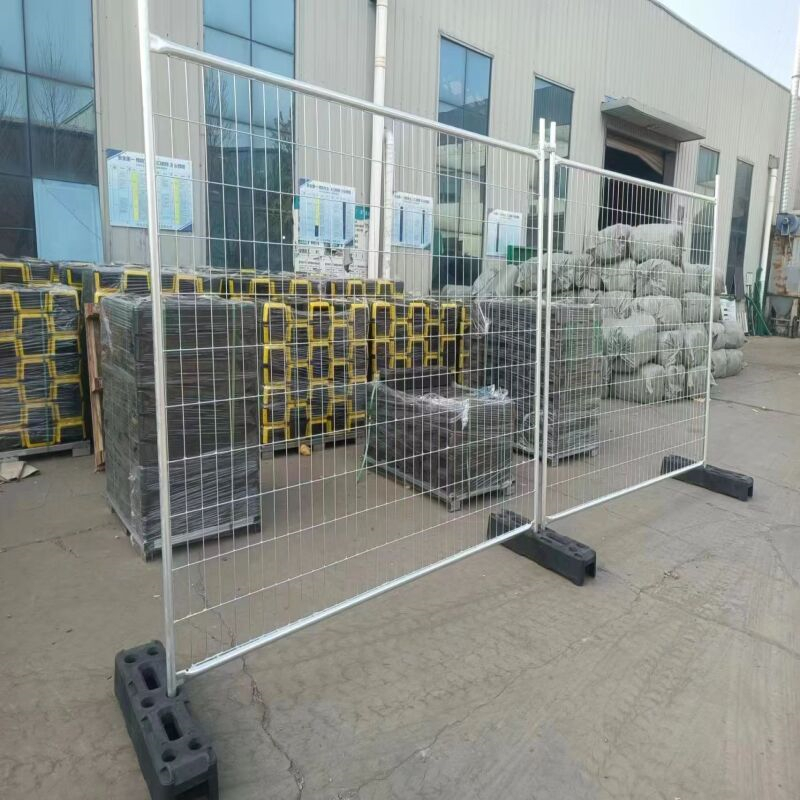
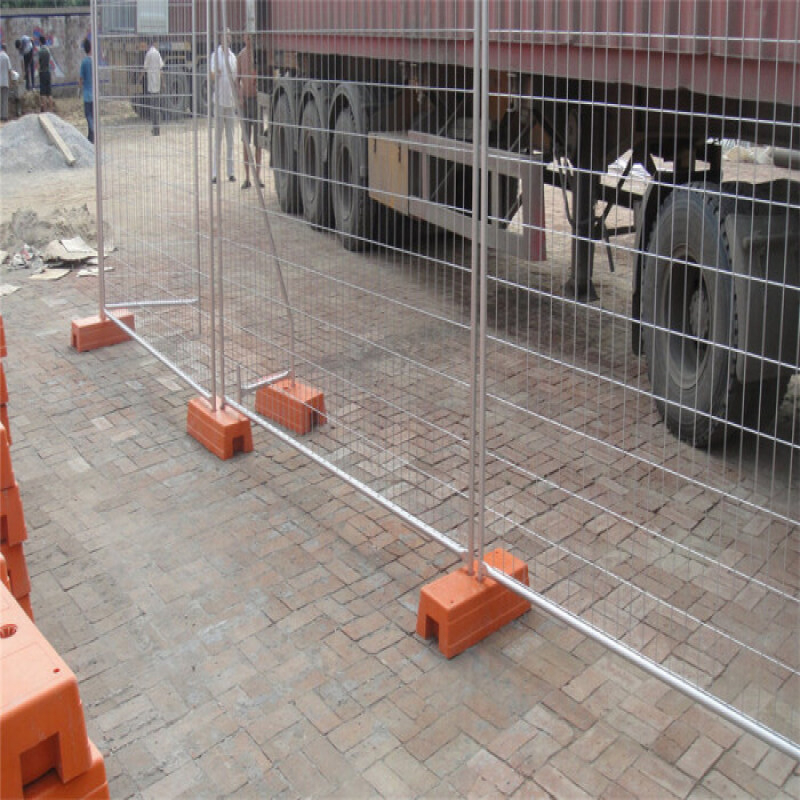
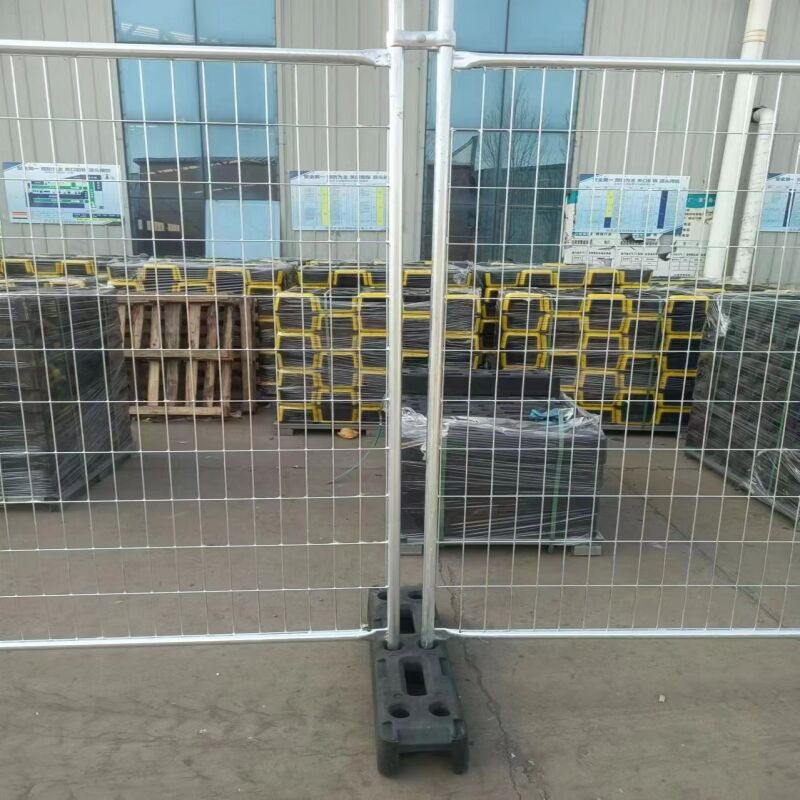
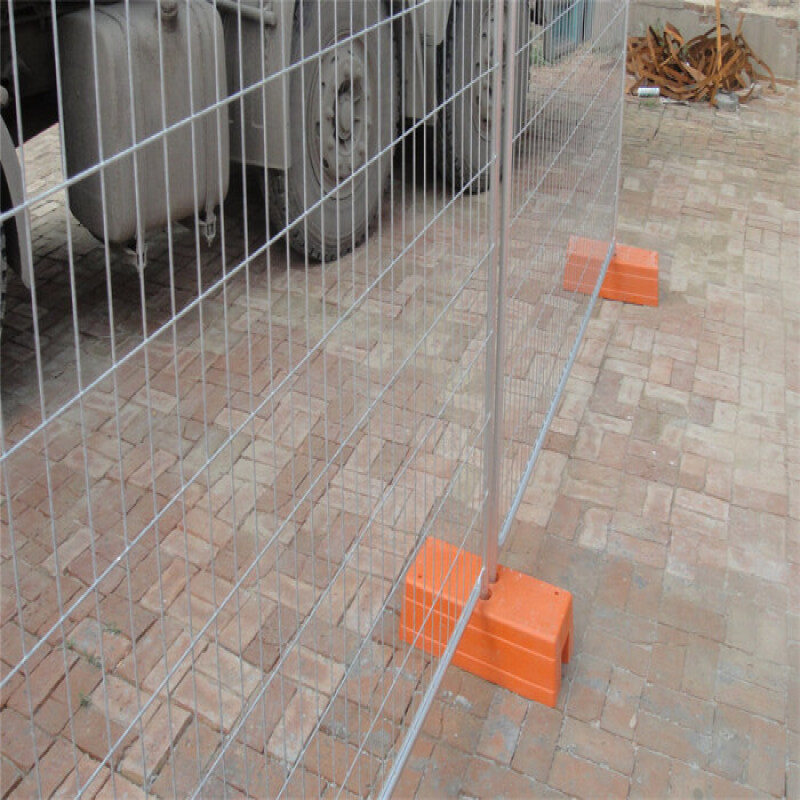
Specifications: temporary site fence panels
Table 1: POLYMETAL temporary site fence panels — Panel Formats & Wire-Count System
| Panel Height | Panel Width | Middle Brace | Mesh Opening | Wire Diameter Options | Vertical Wires | Horizontal Wires | Frame Tube OD Options | Frame Wall Options | Finish Options |
| 2100mm | 2400mm | No / Optional | 60×150mm | 2.70 / 3.00 / 4.00mm | 12 pcs | 38 pcs | OD32 / OD38 / OD40 / OD41 | 1.0–2.00mm | 14 / 42 / 100 microns HDG |
| 2100mm | 3300mm | Yes | 60×150mm | 2.70 / 3.00 / 4.00mm | 12 pcs | 53 pcs | OD32 / OD38 / OD40 / OD41 | 1.0–2.00mm | 14 / 42 / 100 microns HDG |
| 2100mm | 3500mm | Yes | 60×150mm | 2.70 / 3.00 / 4.00mm | 12 pcs | 56 pcs | OD32 / OD38 / OD40 / OD41 | 1.0–2.00mm | 14 / 42 / 100 microns HDG |
| 2100mm | 2400mm | No / Optional | 60×150mm | 3.00mm | 12 pcs | 38 pcs | OD32 | 1.2mm | 14 microns HDG |
| 2100mm | 2400mm | No / Optional | 60×150mm | 4.00mm | 12 pcs | 38 pcs | OD38 | 1.5mm | 42 microns HDG |
| 2100mm | 3300mm | Yes | 60×150mm | 4.00mm | 12 pcs | 53 pcs | OD38 | 1.5mm | 42 microns HDG |
| 2100mm | 3500mm | Yes | 60×150mm | 4.00mm | 12 pcs | 56 pcs | OD40 | 2.00mm | 100 microns HDG |
| 2100mm | 2400mm | No / Optional | 60×150mm | 2.70mm | 12 pcs | 38 pcs | OD32 | 1.0mm | 14 microns HDG |
| 2100mm | 3300mm | Yes | 60×150mm | 3.00mm | 12 pcs | 53 pcs | OD40 | 1.4mm | 42 microns HDG |
| 2100mm | 3500mm | Yes | 60×150mm | 3.00mm | 12 pcs | 56 pcs | OD41 | 1.4mm | 42 microns HDG |
Table 2: Temporary site fence panels Frame Tube OD & Wall Thickness Map (Rigidity vs Handling Cycles)
| Frame Tube OD | Wall Thickness | Best-Fit Panel Width | Middle Brace | Wire Dia Match | Typical Use | Handling Cycle | Wind-Line Stability | Recommended Finish | System Note |
| OD32mm | 1.0mm | 2400mm | Optional | 2.70–3.00mm | Short-term construction | Moderate | Medium | 14 microns | Value spec, control packing damage |
| OD32mm | 1.2mm | 2400mm | Optional | 3.00mm | Housing sites | High | Medium+ | 14 / 42 microns | Balanced stiffness vs weight |
| OD32mm | 1.4mm | 2400–3300mm | Recommended | 3.00–4.00mm | General rental fleets | High | High | 42 microns | Good reuse economics |
| OD38mm | 1.2mm | 2400–3300mm | Recommended | 3.00mm | Busy public edges | Very High | High | 42 microns | Improved dent resistance |
| OD38mm | 1.5mm | 2400–3500mm | Yes (wide) | 4.00mm | Wind-exposed runs | Very High | Very High | 42 / 100 microns | Lock base + clip centres |
| OD40mm | 1.4mm | 3300mm | Yes | 3.00–4.00mm | Long line stability | Very High | Very High | 42 microns | Brace if needed |
| OD40mm | 2.00mm | 3500mm | Yes | 4.00mm | Heavy-duty reuse | Extreme | Extreme | 100 microns | Best for harsh sites |
| OD41mm | 1.4mm | 3300–3500mm | Yes | 3.00mm | Higher push zones | Very High | Very High | 42 microns | Reduce wobble risk |
| OD41mm | 1.5mm | 3500mm | Yes | 4.00mm | Critical perimeter runs | Extreme | Extreme | 100 microns | Minimize replacement cycles |
| OD38mm | 2.00mm | 2400–3500mm | Yes (wide) | 4.00mm | High abuse sites | Extreme | Extreme | 100 microns | Best for long-life fleets |
Table 3: Temporary site fence panels Mesh & Wire Options (Performance Tuning for temporary site fence panels)
| Mesh Opening | Wire Diameter | Panel Height | Panel Width | Vertical Wires | Horizontal Wires | Face Rigidity | Anti-Push Behavior | Best Fit Sites | Notes |
| 60×150mm | 2.70mm | 2100mm | 2400mm | 12 pcs | 38 pcs | Medium | Medium | Short-term boundaries | Value wire choice |
| 60×150mm | 3.00mm | 2100mm | 2400mm | 12 pcs | 38 pcs | Medium+ | High | Housing sites | Common all-round pick |
| 60×150mm | 4.00mm | 2100mm | 2400mm | 12 pcs | 38 pcs | High | Very High | High contact edges | Stronger push resistance |
| 60×150mm | 2.70mm | 2100mm | 3300mm | 12 pcs | 53 pcs | Medium | Medium+ | Long straight runs | Brace recommended in wind |
| 60×150mm | 3.00mm | 2100mm | 3300mm | 12 pcs | 53 pcs | Medium+ | High | General construction | Balanced performance |
| 60×150mm | 4.00mm | 2100mm | 3300mm | 12 pcs | 53 pcs | High | Very High | Wind-exposed lines | Middle brace preferred |
| 60×150mm | 2.70mm | 2100mm | 3500mm | 12 pcs | 56 pcs | Medium | Medium+ | Coverage-focused runs | Use stable bases |
| 60×150mm | 3.00mm | 2100mm | 3500mm | 12 pcs | 56 pcs | Medium+ | High | Busy site perimeters | Use stronger clips |
| 60×150mm | 4.00mm | 2100mm | 3500mm | 12 pcs | 56 pcs | High | Very High | Critical boundaries | Best for tough handling |
| 60×150mm | 4.00mm | 2100mm | 2400–3500mm | 12 pcs | 38–56 pcs | High | Very High | High-risk zones | Match posts/bases carefully |
Table 4: Temporary site fence panels Bases, Feet & Fastening Centres (System Compatibility Control)
| Base Type | Base Size | Material | Suit Frame OD | Fastening Centre | Clip Style | Stability Target | Best Environment | Handling Note | System Risk Controlled |
| Blow-molding plastic feet | 600×220×150mm | HDPE | OD32–OD41 | 75mm | Metal clip | High | General outdoor | Fast install | Reduces rocking |
| Blow-molding plastic feet | 600×220×150mm | HDPE | OD32–OD41 | 80mm | Metal clip | High | General outdoor | Stable linking | Reduces misalignment |
| Blow-molding plastic feet | 600×220×150mm | HDPE | OD32–OD41 | 90mm | Metal clip | High | General outdoor | Common centre | Reduces clip fighting |
| Injection-molding plastic feet | 560×240×150mm | HDPE | OD32–OD41 | 75mm | Metal clip | High | Flat surfaces | Good footprint | Reduces sliding |
| Injection-molding plastic feet | 560×240×150mm | HDPE | OD32–OD41 | 80mm | Metal clip | High | Flat surfaces | Repeatable fit | Reduces gaps |
| Injection-molding plastic feet | 560×240×150mm | HDPE | OD32–OD41 | 90mm | Metal clip | High | Flat surfaces | Cleaner line | Reduces twist |
| Metal base | Project spec | Steel | OD32–OD41 | 80mm | Metal clip | Very High | Wind zones | Heavy duty | Improves anti-topple |
| Metal base | Project spec | Steel | OD32–OD41 | 90mm | Metal clip | Very High | Wind zones | High reuse | Reduces collapse risk |
| Plastic feet (filled) | 600×220×150mm | HDPE + fill | OD32–OD41 | 80mm | Metal clip | Very High | High traffic | Mass added | Reduces sliding |
| Plastic feet (filled) | 560×240×150mm | HDPE + fill | OD32–OD41 | 90mm | Metal clip | Very High | High traffic | Mass added | Reduces rocking |
Table 5: Temporary site fence panels Finish Options (Zinc Layer) & Exposure Matching
| Finish Option | Zinc Layer | Process | Best Fit Environment | Handling Cycle | Scratch Tolerance | Corrosion Resistance | Typical Use | Budget Level | What It Prevents |
| Value galvanized | 14 microns | HDG / zinc layer | Controlled storage | Moderate | Medium | Good | Short-term projects | Lowest | Early surface rust (basic) |
| Medium protection | 42 microns | Hot dipped galvanized | Outdoor exposure | High | Good | Very High | Rental fleets | Mid | Fast corrosion complaints |
| Heavy-duty protection | 100 microns | Hot dipped galvanized | Coastal / harsh | Very High | Good | Extreme | Critical boundaries | Highest | Premature replacement cycles |
| 14 microns (project) | 14 microns | HDG / zinc layer | Interior urban sites | High | Medium | Good | Housing builds | Low | Early staining |
| 42 microns (project) | 42 microns | Hot dipped galvanized | Long outdoor runs | Very High | Good | Very High | Civil works | Mid | Rust at weld zones |
| 100 microns (project) | 100 microns | Hot dipped galvanized | Salt spray zones | Extreme | Good | Extreme | Ports / coastal | Highest | Fast corrosion failure |
| 42 microns + care | 42 microns | HDG + handling control | Outdoor storage | Very High | Good | Very High | Rental yards | Mid | Transport damage losses |
| 14 microns + process | 14 microns | HDG + weld retreatment | Budget fleets | High | Medium | Good+ | Price-driven tenders | Low | Rust at weld points |
| 42 microns (balanced) | 42 microns | HDG | Mixed climates | Very High | Good | Very High | AU/NZ typical use | Mid | Early repaint cycles |
| 100 microns (no-fail) | 100 microns | HDG | High-risk assets | Extreme | Good | Extreme | Security-first projects | Highest | Downtime + urgent replacements |
Buying Guide: How to Choose temporary site fence panels Fast Without Bleeding Money
Start with three decisions that prevent the most expensive failures: panel width and middle brace plan, frame tube OD and wall thickness, and coating level matched to exposure. Then lock the base and clip centre distance so every panel links cleanly without “fighting” the hardware. If you choose wide panels without middle bracing, you invite sag. If you choose thin frames with heavy clips, you invite ovaling. If you choose a value coating for a harsh coastal site, you invite corrosion and replacement schedules that destroy the real cost-per-use.
Applications
Construction sites: Temporary fence panel lines to control access, protect workers, and prevent unauthorized entry.
Residential housing sites: Clean perimeter control for staged building areas and material storage.
Major public events: Temporary fencing panels paired with crowd control systems for controlled boundaries and safety separation.
Pool safety fencing: Temporary site boundaries when projects require controlled access around water areas.
Benefits Temporary site fence panels
POLYMETAL temporary site fence panels deliver fast deployment with repeatable alignment, reducing on-site improvisation that causes weak points. Correct mesh opening and wire diameter improve face rigidity, while stronger frame tube and wall thickness options improve durability through repeated lifting, stacking, and transport. Matched bases and clip centres reduce wobble and misalignment across long runs. Finish choices (14 / 42 / 100 microns) let projects control corrosion risk based on real exposure rather than hope.
Packing Temporary site fence panels
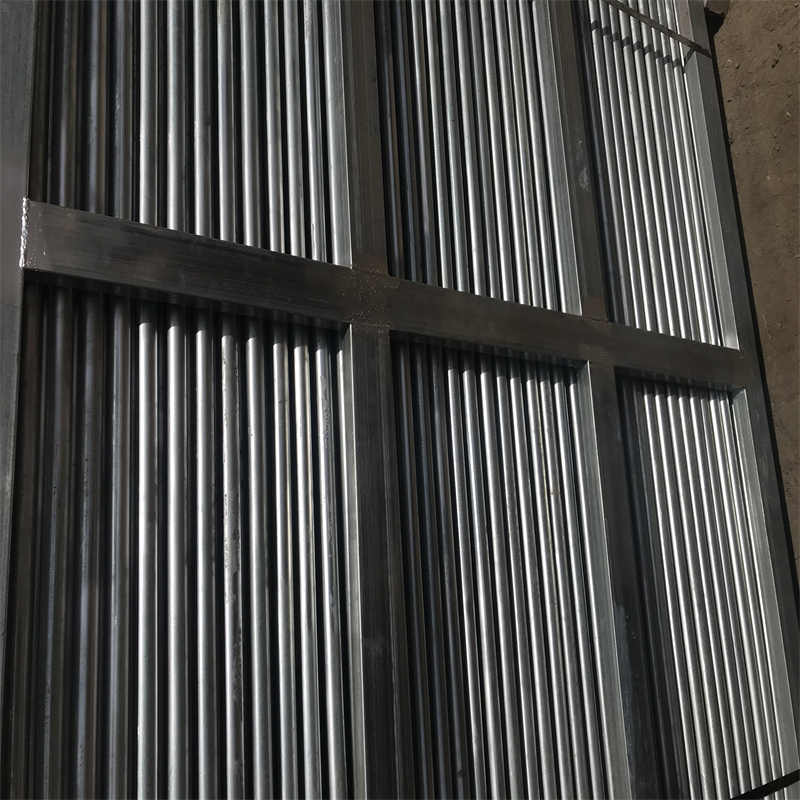
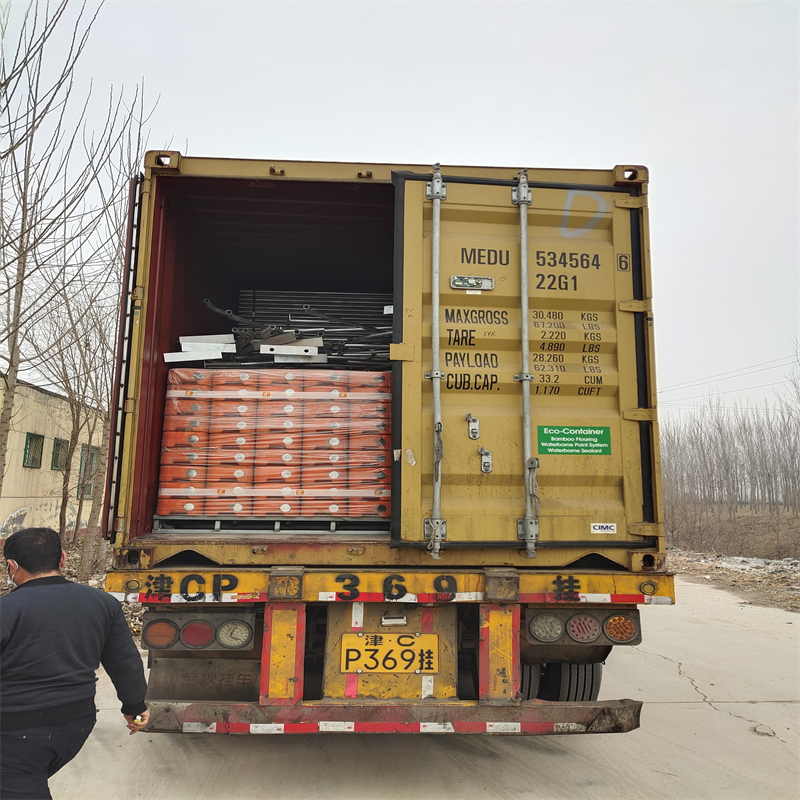
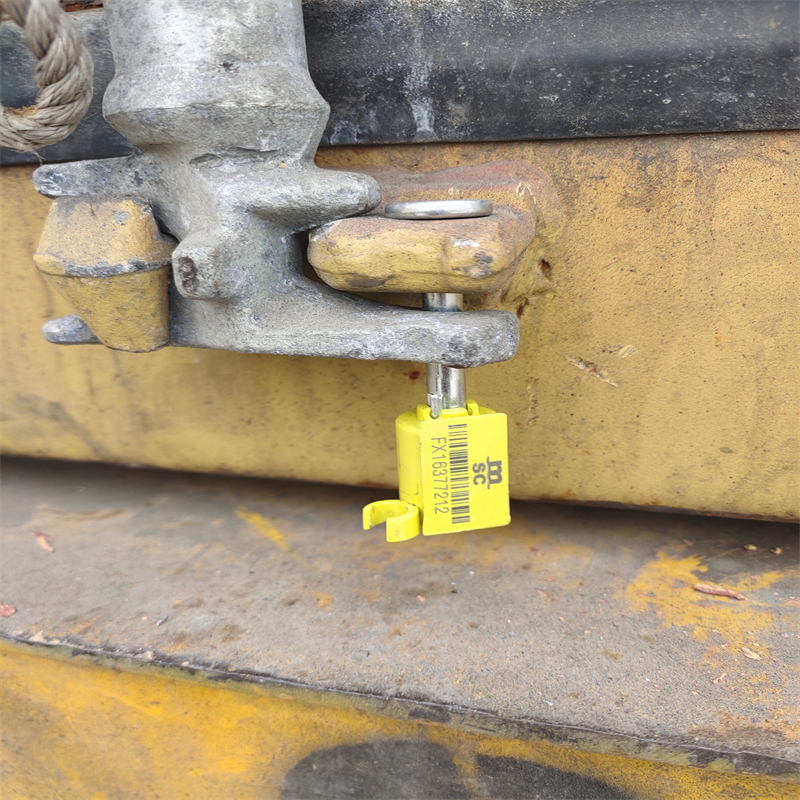
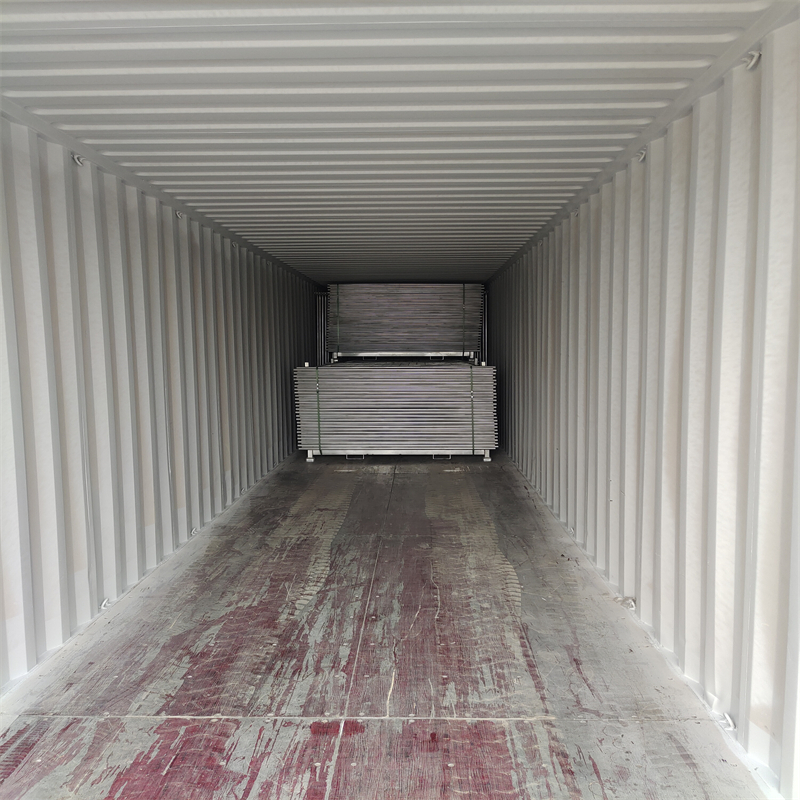
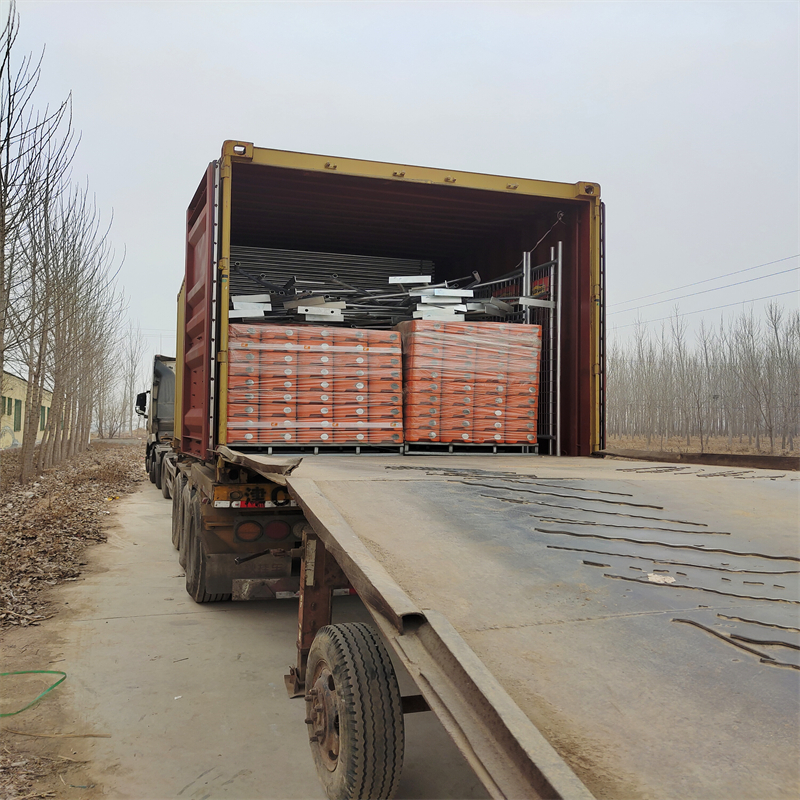
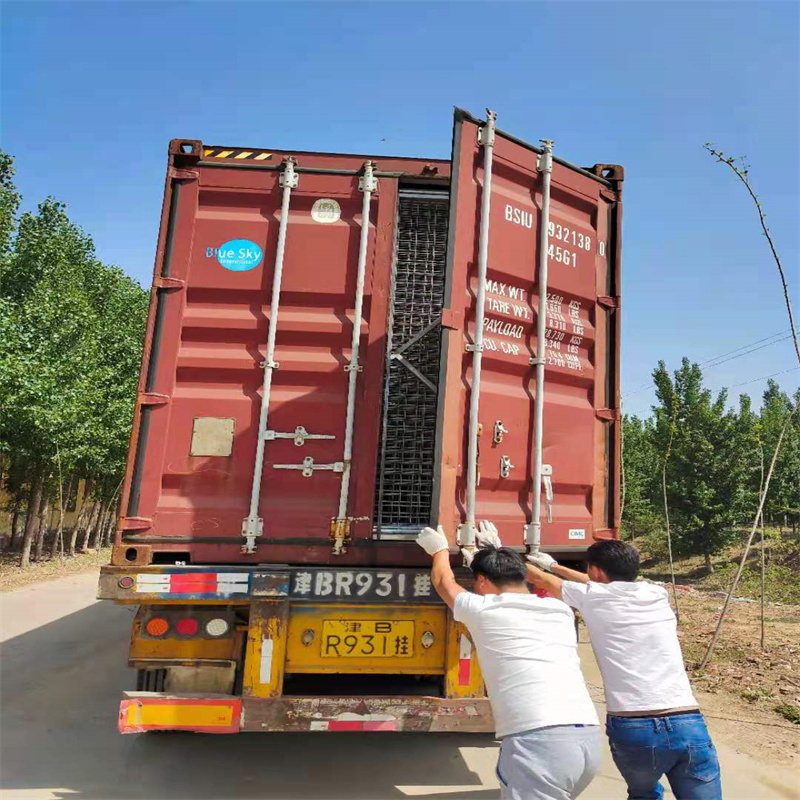
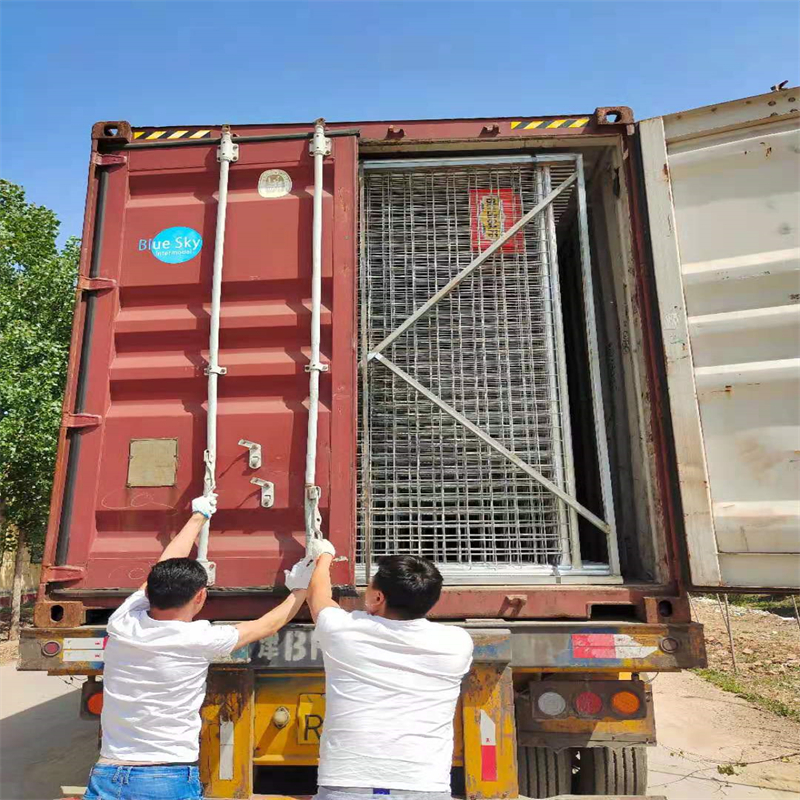
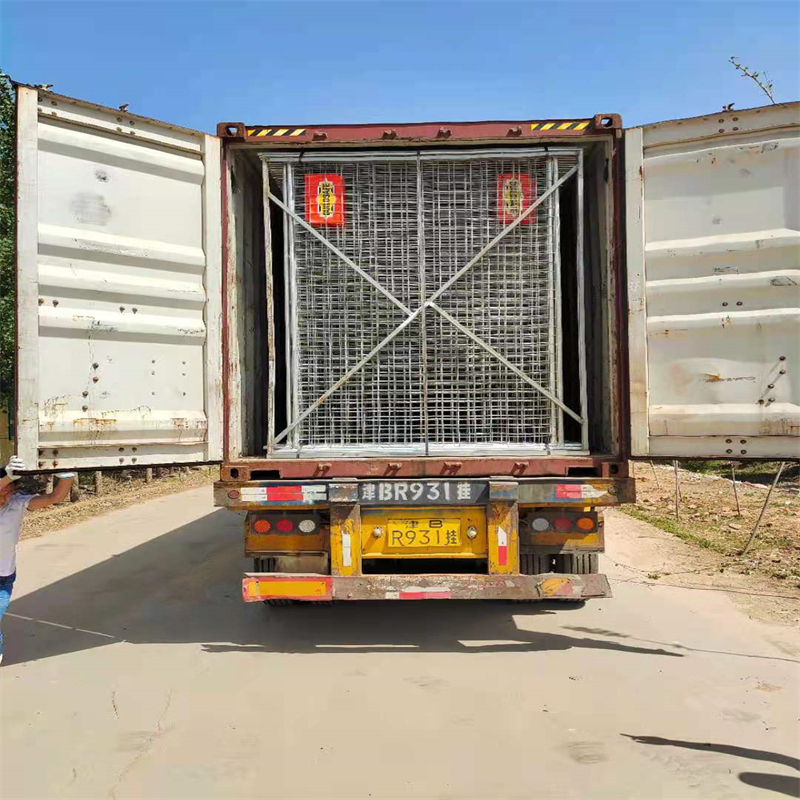
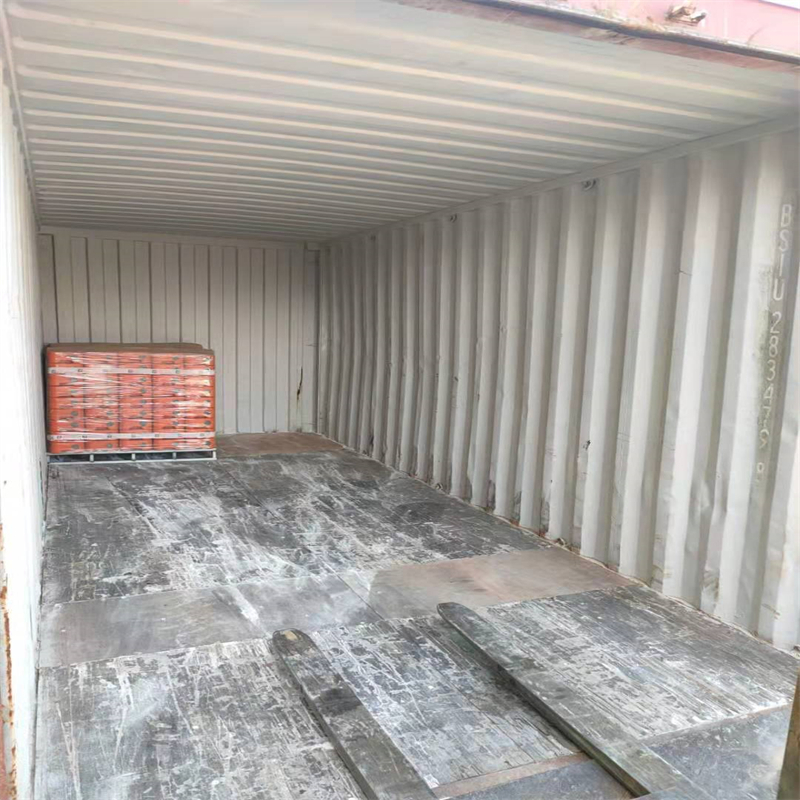
Panels are commonly palletized and protected to reduce transit rubbing and corner damage, with bases and clips packed to maintain complete sets for rapid deployment on arrival. Strong packing discipline prevents a painful hidden loss: damaged zinc or bent corners before the panels ever hit the ground.
Standard and Compliance: AS4687-2022
POLYMETAL supplies temporary site fence panels as a system that can be complied with AS4687-2022 when the correct specification is ordered and delivered (panel configuration, posts/bases, clip centres, bracing strategy, and coating target). The real win in compliance-focused projects is not a generic claim; it is the right configuration that installs cleanly and remains stable under site conditions.

Top 28 Traps When Buying temporary site fence panels (Especially #21)

Trap #1: Ordering “2100 × 2400” Without Confirming the Real System Geometry
Two panels can share the same outer dimensions but behave differently if the weld layout, tube OD, or clip centres differ. Small mismatches become big alignment problems in long runs.
Trap #2: Treating Frame Tube OD Like a Decoration
OD32mm, OD38mm, OD40mm, and OD41mm are not interchangeable under wind and handling stress. The wrong OD turns “cheap” into repeat purchase.
Trap #3: Choosing Frame Wall Thickness by Price Only
1.0mm and 2.00mm do not perform the same. Thin frames can oval under clamp pressure and start wobbling when moved frequently.
Trap #4: Ignoring the Middle Brace on Wide Panels
3300mm and 3500mm widths benefit strongly from a middle brace. Skipping it invites sag, shake, and a fence line that looks poor and fails sooner.
Trap #5: Buying “60×150” Without Confirming Wire Diameter Options
2.70mm, 3.00mm, and 4.00mm change stiffness and cut resistance. Wire choice must match the site’s real push and reuse cycle.
Trap #6: Assuming 14 Microns Will Survive Every Climate
14 microns is a value choice for controlled exposure. Harsh storage, coastal air, and long outdoor runs punish thin protection fast.
Trap #7: Not Matching Finish Level to Handling Abuse
Even good galvanizing can be ruined by bad stacking and transport abrasion. Finish level must be paired with packing discipline.
Trap #8: Under-Specifying Clips and Expecting the Line to Stay Straight
A strong panel line can fail because of weak clips that spread under vibration. Clips are not “small parts”—they control alignment.
Trap #9: Mismatching Clip Centre Distance (75/80/90mm) to the Base
If the base slot centre and clip centre do not match, installation becomes slow, twisted, and unstable.
Trap #10: Buying Bases That Slide Instead of Holding the Line
If the base slips on hard ground, the fence line opens gaps. A strong panel can’t save a weak base strategy.
Trap #11: Forgetting That Wind Turns a Fence Into a System Test
Wind loads expose every weakness: thin tubes, missing braces, weak clips, and sliding bases. If you don’t plan for it, you pay later.
Trap #12: Ignoring Weld Stability Because “It Looks Fine”
Weak welds often fail after vibration, transport, and first-season stress—not on day one.
Trap #13: Overlooking Corner Planning and End-Run Stability
Corners and ends carry higher loads. If the system is not reinforced, the fence line loosens where it matters most.
Trap #14: Buying Panels Without Checking Compatibility With Gates and Stays
Temporary fencing is a system. If gates and stays do not fit later, you trigger rework and ugly improvisation.
Trap #15: Choosing 3500mm Width to “Save Panels” Without a Stability Plan
Wider panels reduce panel count but demand better bracing and base control. Otherwise, the line becomes a moving wave.
Trap #16: Confusing “Electric Galvanized” With Hot Dipped Galvanized
Surface treatment definitions matter. If the protection method is not what you think, corrosion arrives early and silently.
Trap #17: Ignoring High-Visibility Needs on Active Sites
High visibility reduces accidental impact and improves boundary awareness—especially around moving equipment and pedestrians.
Trap #18: Assuming All 60×150 Mesh Is Equal
Mesh opening alone does not guarantee strength. Wire diameter, weld fusion, and frame stiffness decide performance.
Trap #19: Not Planning Container Packing and Taking Damage Before First Use
Scratched zinc and bent corners often come from poor palletizing. This is money lost before installation begins.
Trap #20: Buying “Stock” Panels That Don’t Match Your Reuse Cycle
High reuse fleets need stronger tubes and better coating. Low reuse projects can use value options without paying for overkill.
Trap #21: The Painful Loss—When a “Looks Right” Fence Fails in Wind and Triggers Shutdown
This is the trap that destroys budgets. A fence line may look fine during setup, then fail when conditions change: bases slide, clips spread, panels flex, and the line collapses in sections. The result is emergency rework, delayed site operations, safety incidents, and downtime that costs more than the entire order. If you want temporary site fence panels that don’t collapse into chaos, lock the correct frame tube OD, wall thickness, wire diameter, middle brace plan, clip centre distance, and base strategy for the real wind zone and handling cycle.
Trap #22: Under-Specifying Frame Thickness on High-Traffic Boundaries
Busy edges see repeated bumps and shifts. Thin frames dent and loosen faster, causing early replacement.
Trap #23: Skipping Spare Clips and Creating “Stop-Work” Moments
Clips are high-cycle parts. No spares means small damage becomes major downtime.
Trap #24: Mixing Different Panel Standards on One Project
Mixed tube sizes and clip centres create misalignment and weak joints. Consistency is stability.
Trap #25: Not Controlling Burrs and Sharp Edges (Worker Injury Risk)
Sharp edges create injury claims and site complaints. Clean cutting and finishing reduce risk immediately.
Trap #26: Treating Bracing as Optional in High Wind Areas
Bracing has become essential on exposed sites. Skipping it invites progressive collapse along long runs.
Trap #27: Buying Without Documentation Discipline
Projects often require clear specification sheets and packing lists. Weak documentation slows site acceptance and triggers disputes.
Trap #28: Choosing the Cheapest Option and Paying the Highest Cost-Per-Use
The cheapest panel is often the most expensive once you count damage, corrosion, rework, and downtime.
Why Choose POLYMETAL
POLYMETAL is a manufacturer since 1999. Products have been exported to more than 100 countries. With three factories, production capacity supports punctual delivery planning. Quality systems can be arranged to align with project expectations, including third-party inspection workflows such as SGS where required by buyers.



FAQs: temporary site fence panels
FAQ 1: What is the most common temporary site fence panel size?
The most commonly used format is 2100mm (H) × 2400mm (W), with 3300mm and 3500mm widths also used for faster coverage when paired with middle braces and stable bases.
FAQ 2: What mesh opening is most common?
60mm × 150mm is widely used because it balances visibility with stiffness and is common in AU/NZ market expectations.
FAQ 3: Which wire diameter should I choose?
2.70mm targets lighter duty boundaries, 3.00mm is a balanced all-round option, and 4.00mm is preferred for higher push risk, higher reuse, and stronger face rigidity.
FAQ 4: What frame tube OD should I choose?
OD32mm is common for standard jobs, while OD38mm/OD40mm/OD41mm are selected when wind demand, handling abuse, or reuse cycles increase.
FAQ 5: Which finish should I pick: 14, 42, or 100 microns?
14 microns is value-grade for controlled exposure, 42 microns is a practical upgrade for outdoor and reuse fleets, and 100 microns is heavy-duty for harsh coastal exposure and long-life programs.
FAQ 6: What base types are available?
Common options include blow-molding plastic feet (600×220×150mm) and injection-molding plastic feet (560×240×150mm), plus metal bases for heavier stability targets.
FAQ 7: What fastening centre distances are used?
Fastening centres commonly include 75mm, 80mm, and 90mm, and should be matched to the base slot and clip geometry for clean installation.
FAQ 8: Can this system be complied with AS4687-2022?
Yes. POLYMETAL can supply configurations complied with AS4687-2022 by manufacturing and delivering the specified system requirements aligned to the project scope.