Your One-Stop Wire Mesh Fence Supplier | POLYMETAL
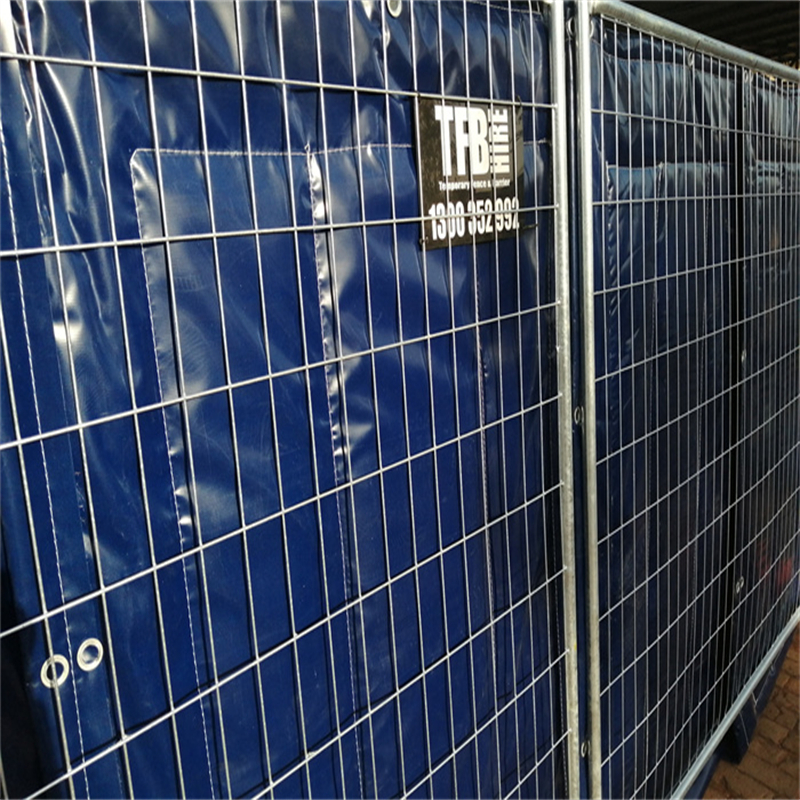
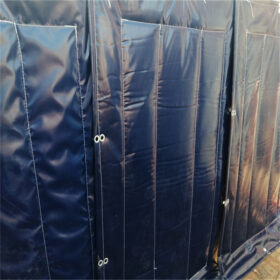
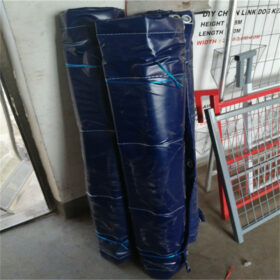
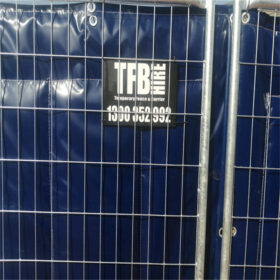
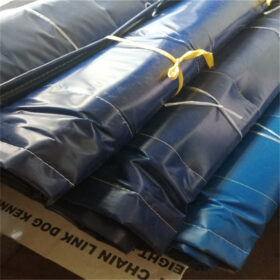
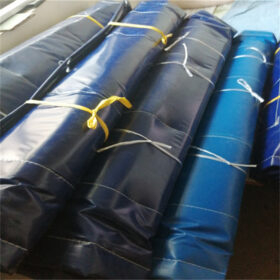
Temporary Sound Barriers are selected when projects must control unwanted noise fast—without waiting for permanent wall construction. The right barrier does two jobs at once: it blocks sound transmission to reduce spill, and it absorbs sound energy so noise is not simply reflected back into work zones.
On real sites, success is measured by one thing: whether the barrier keeps working after wind, rain, transport handling, daily repositioning, and the constant vibration of machinery.
POLYMETAL supplies Temporary Sound Barriers as controlled, repeatable modules so layer build, edge finishing, fixing points, and site-install details stay consistent.
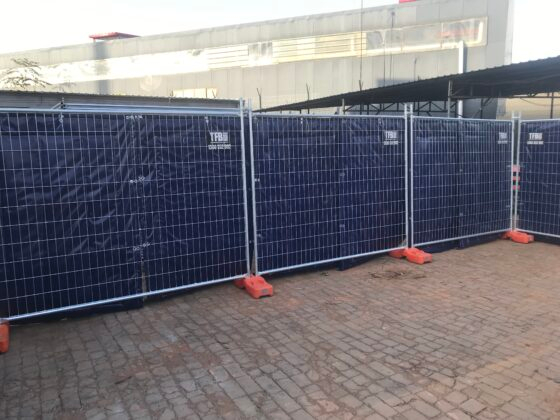
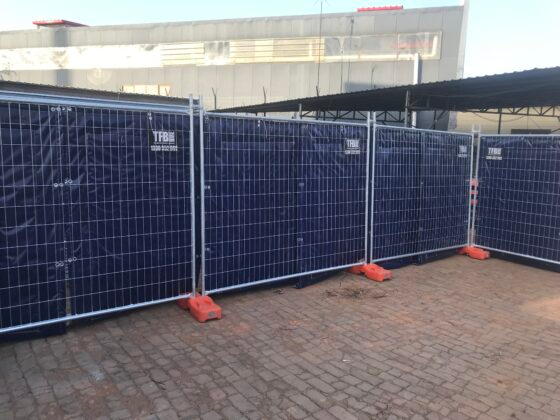
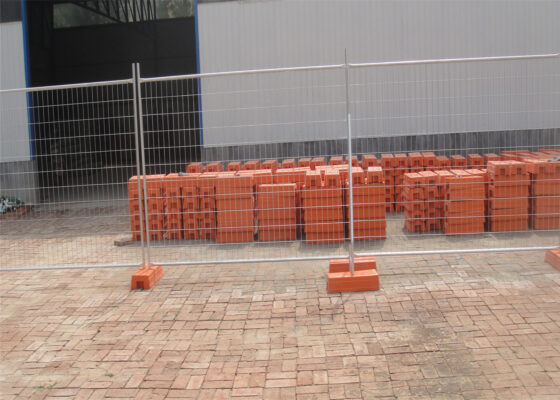
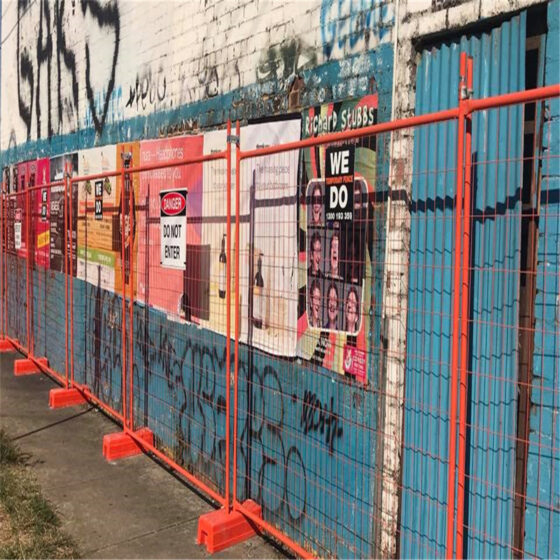
That consistency prevents the common failure pattern where barriers “look fine” in photos, then arrive with weak seams, tear at attachment points, or lose performance after weather exposure—and it pairs best with stable base support, including smart temporary fence blocks selection tips to reduce sliding and movement when barriers are installed along temporary fence lines.
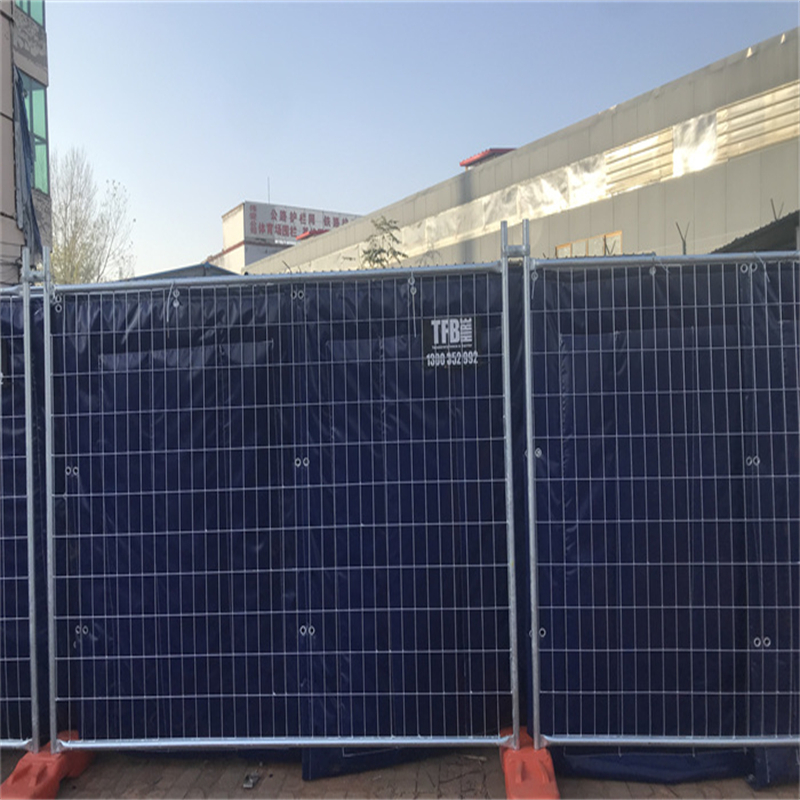
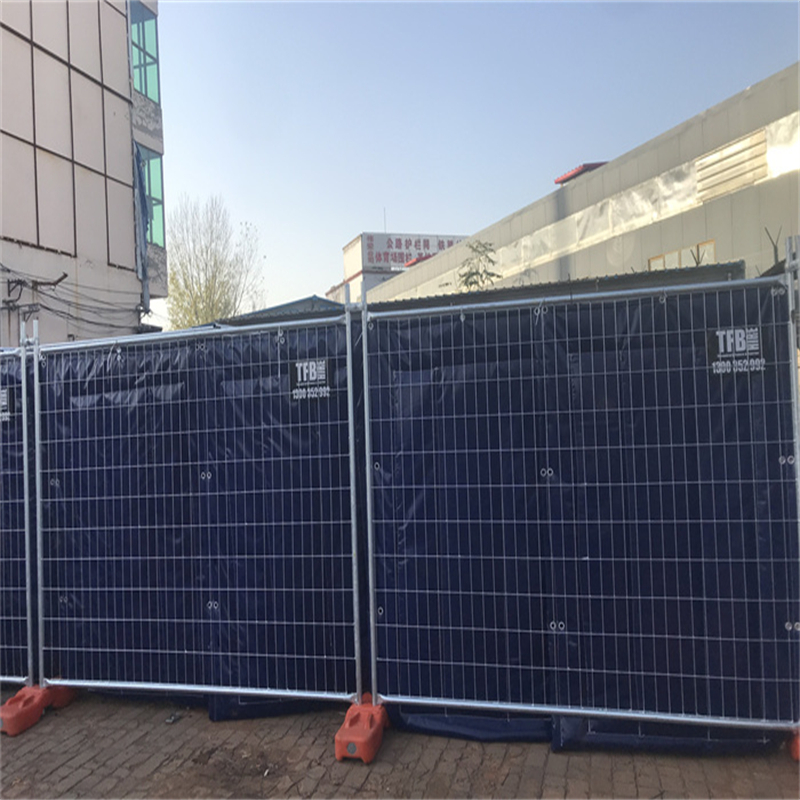
Temporary Sound Barrier 4 Layer Design
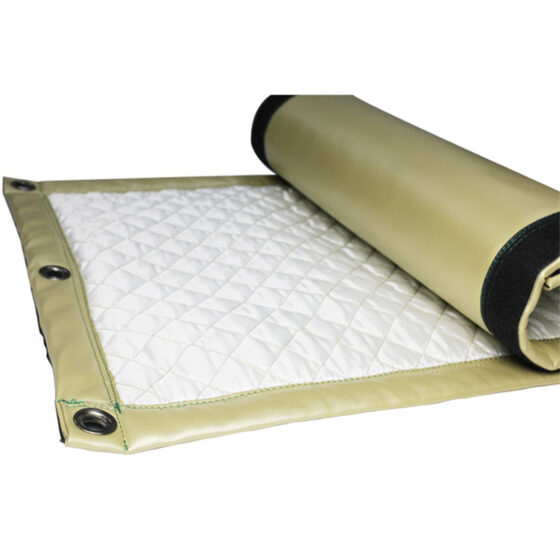
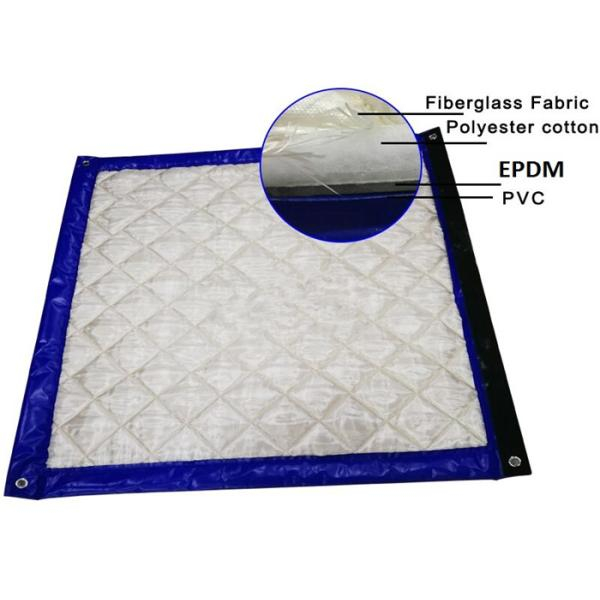
A 4-layer Temporary Sound Barrier design is built to reduce sound transmission while controlling reflection. The goal is practical site noise control that stays stable under real duty cycles—movement, moisture, dust, and repeated installation.
How the Layering Works
The outer PVC canvas acts as a tough face layer that resists abrasion and jobsite handling.
The fiberglass layer supports acoustic absorption and helps reduce reflected noise. The hydrophobic nature fabric is used to improve moisture resistance so performance does not collapse when weather turns.
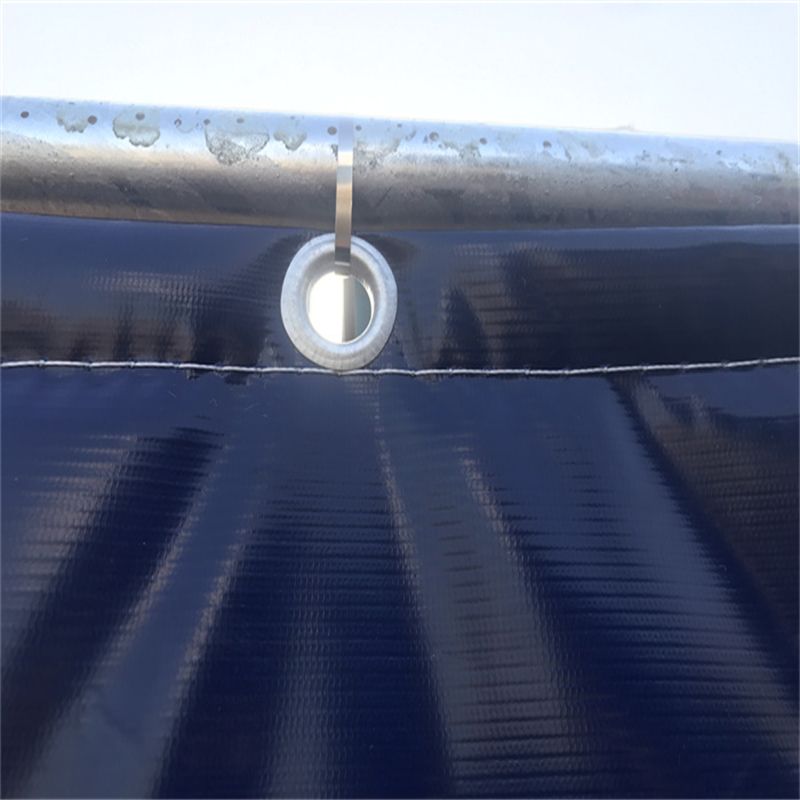
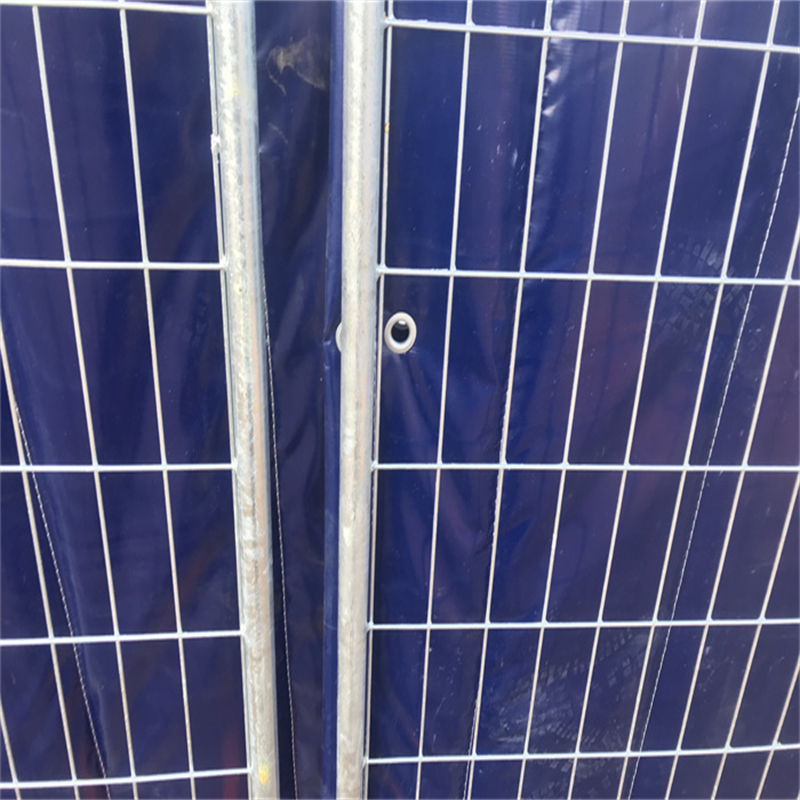
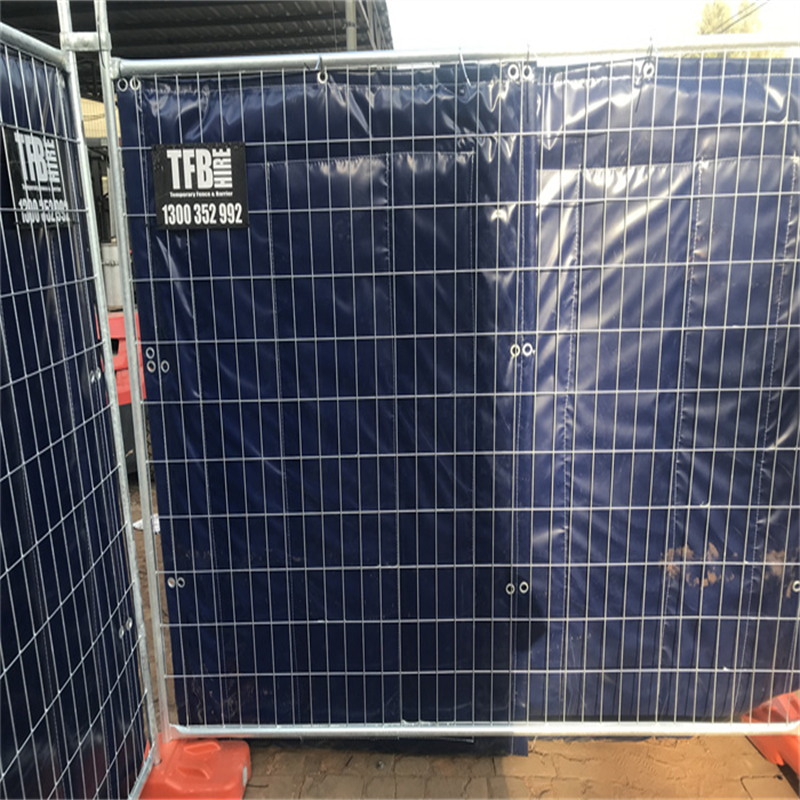
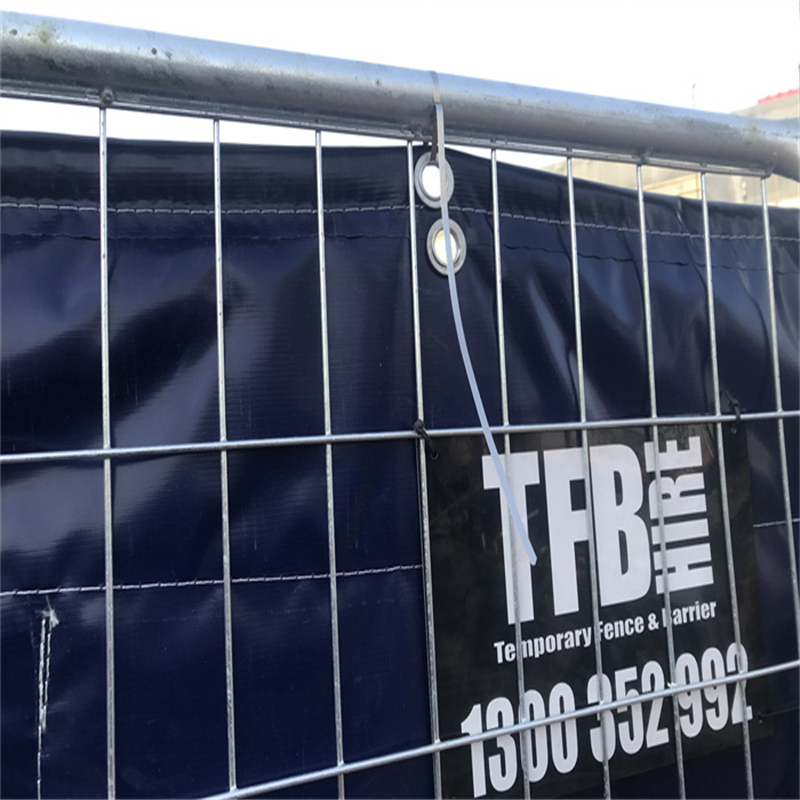
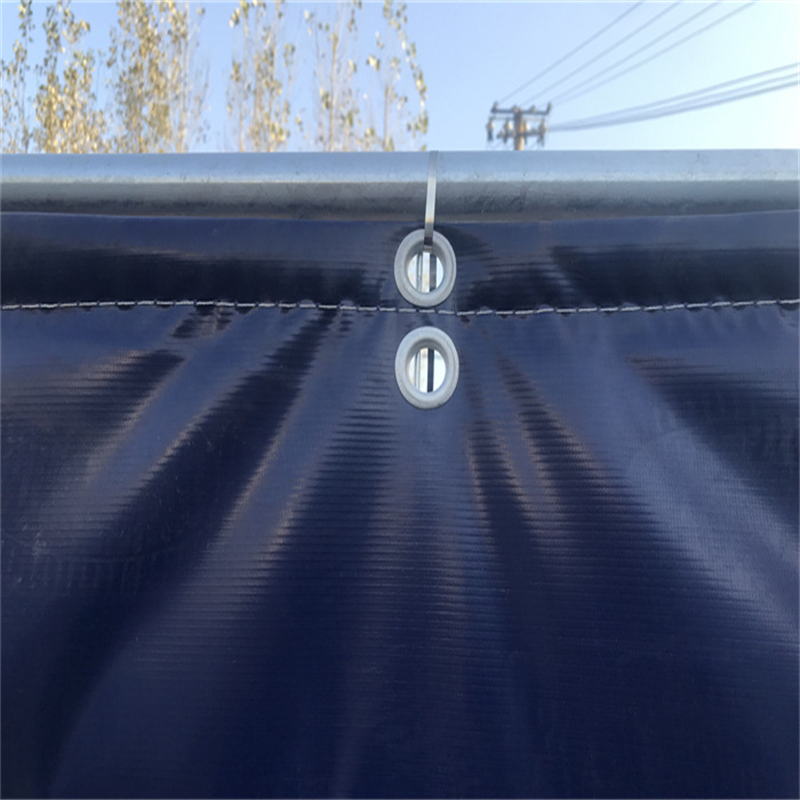
Finishing details such as aluminum holes (reinforced fixing points) and hook-and-loop “magic tape” style fastening make installation faster while protecting the barrier edges from tearing under tension.
Why Buyers Choose Temporary Sound Barriers (Privacy, Compliance, Site Control)
Privacy
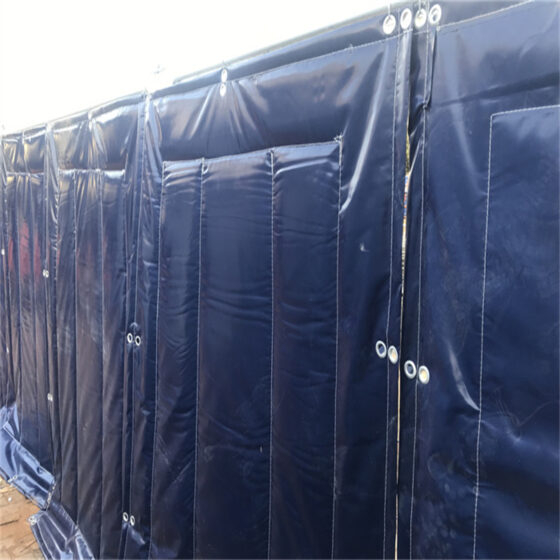
Temporary Sound Barriers are not privacy screens first; they are noise control tools. However, the barrier surface can still help reduce visual clutter on active sites, especially when hung along temporary fence lines where public exposure is high.
Noise Control
Noise control is the main reason these barriers are ordered. The best outcome is not just “less noise outside the site,” but also a better internal environment where reflected sound is reduced. That reduces complaints, limits disruption, and improves site control near sensitive boundaries.
Appearance
Industrial sites may rank appearance low, but public-facing works—commercial frontage, schools, residential edges, utilities, and events—often require a barrier solution that looks intentional and stays tidy. Clean finishing, consistent color, and straight hanging lines matter because a barrier that looks weak will be treated as weak, pushed, snagged, and damaged faster.
A key warning: many “budget” barriers are built to survive a product photo, not a project schedule. On professional sites, the barrier must survive wind load, repeat handling, wet weather, and constant tension at fixing points without tearing or losing effective coverage.
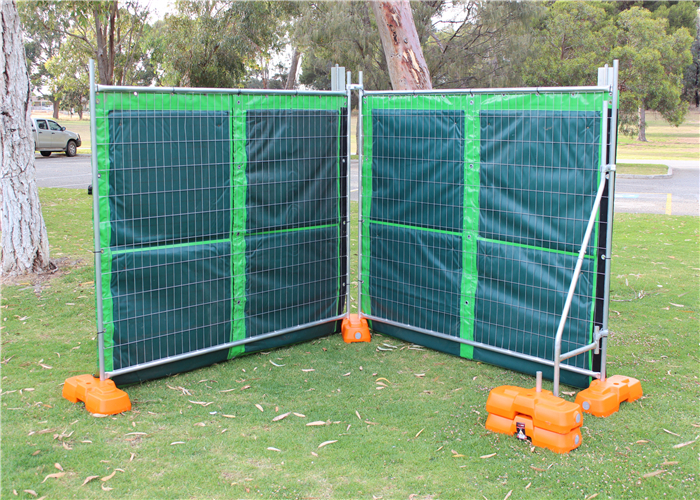
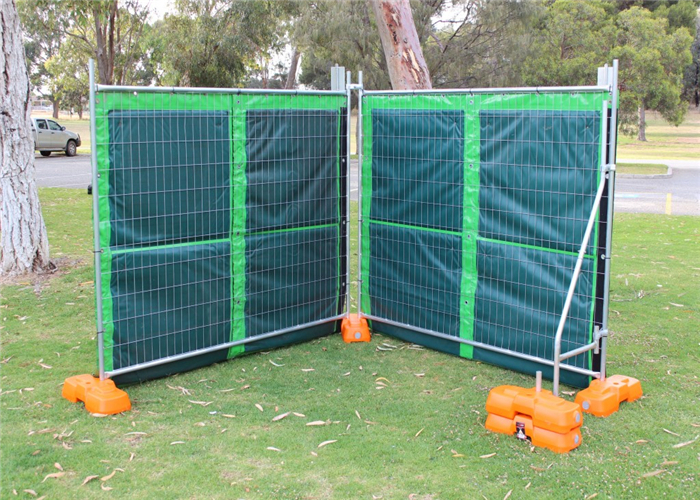
Top 10 High-Risk Traps for Temporary Sound Barriers Orders
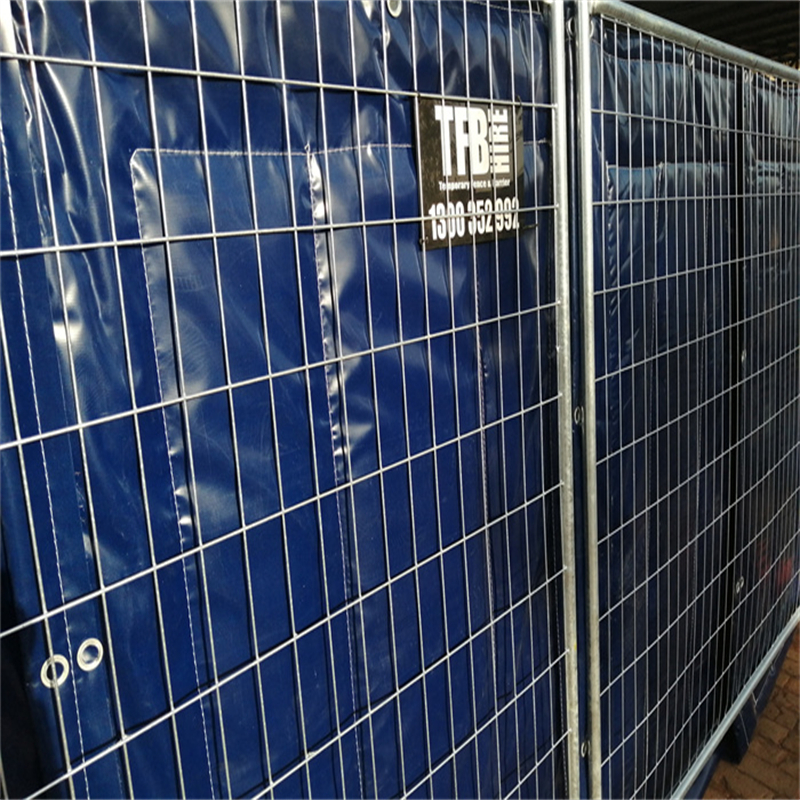
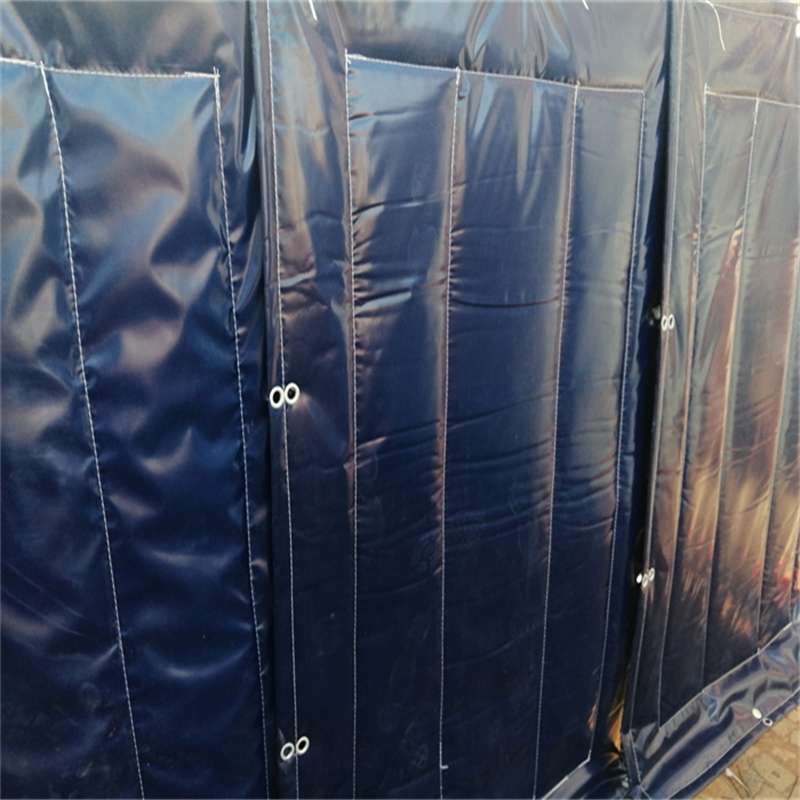
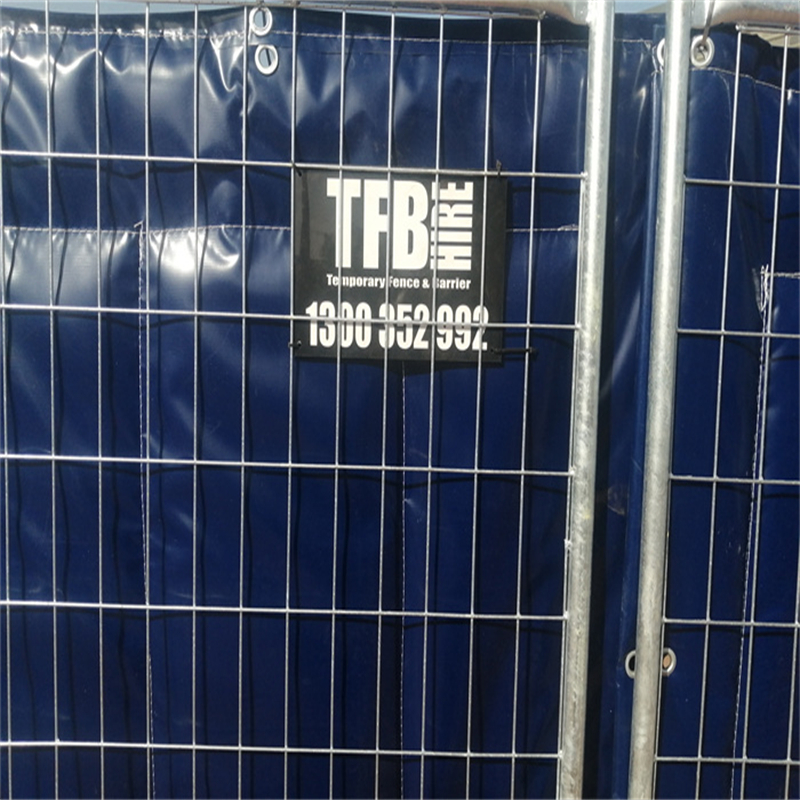
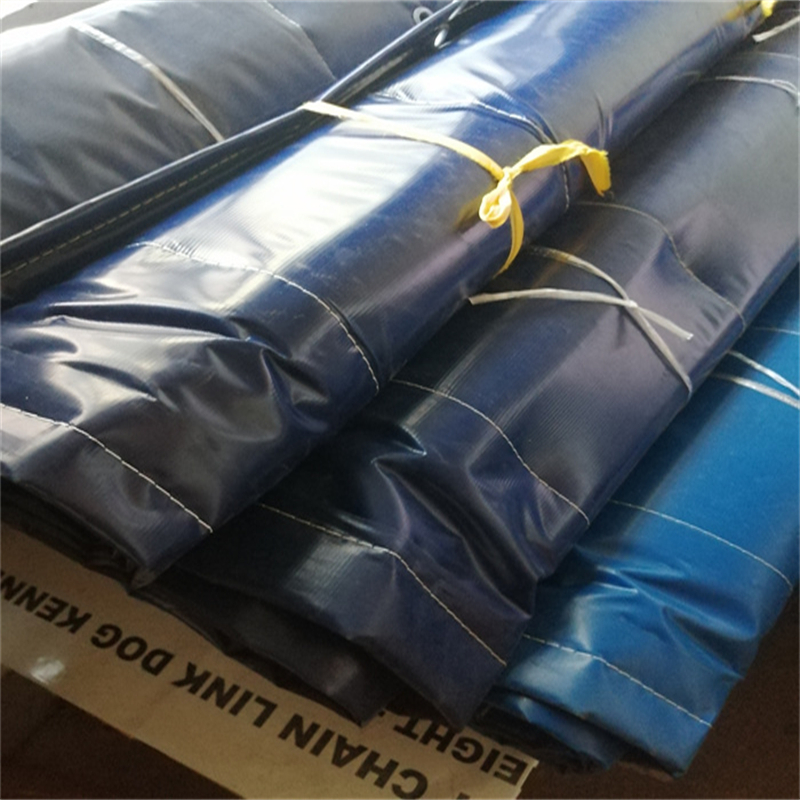
Each item below looks small on a purchase order—but becomes expensive once the site is running and complaints start. Pay special attention to #7, because that is where many buyers suffer the biggest loss.
Trap #1: Buying “sound barriers” without locking the layer structure
If the order does not specify the exact layer build, suppliers may deliver a simpler sheet that looks similar but performs differently in the field. When the wrong layer structure is delivered, noise spill stays high and the site pays twice—first for purchase, then for rework.
Trap #2: Ignoring edge finishing—then seams split under tension
Edges take the load. Weak hemming, light stitching, or inconsistent edge reinforcement causes splitting where barriers are pulled tight. Once the edge fails, the barrier becomes scrap even if the main sheet still looks intact.
Trap #3: Under-specifying fixing points—then grommets tear out
Fixing points are where barriers live or die. Reinforced aluminum holes must be spaced and installed consistently so tension is distributed. If grommets or holes are not reinforced properly, wind gusts and daily movement rip them out, causing instant downtime.
Trap #4: Treating “standard size” as universal—then coverage gaps appear
If your site needs continuous coverage, your barrier size must match your fence bays, scaffold sections, or hoarding layout. Wrong sizing creates gaps, overlaps that flap in wind, or extra folds that trap water and accelerate damage.
Trap #5: Forgetting wind exposure—then barriers become sails
Temporary Sound Barriers can behave like sails. If wind exposure is not considered, barriers can pull at fixing points, damage fence frames, or collapse sections. Proper fastening patterns and tension control protect both the barrier and the temporary fence line.
Trap #6: Choosing the wrong face material—then abrasion destroys the surface
On construction and demolition sites, barriers are scraped by materials, tools, and moving plant. If the PVC canvas face is too light or not abrasion-resistant enough, surface wear accelerates and the barrier becomes patchwork quickly.
Trap #7: Missing moisture control—then performance collapses and mold damage starts
This is the biggest loss point. If the barrier build is not moisture-aware, rain and humidity can trigger sagging, internal degradation, bad odor, or long-dry cycles that keep barriers heavy and stressed. Hydrophobic layers and proper finishing reduce water uptake and help the barrier keep working through wet conditions. When moisture is ignored, the barrier fails quietly first—then fails visibly, and replacement becomes unavoidable.
Trap #8: Installing without a tension plan—then the barrier flaps, frays, and tears
Loose installation causes flapping, and flapping destroys barriers. A proper fixing pattern, tension discipline, and consistent attachment points reduce movement, protect edges, and keep the barrier line straight.
Trap #9: Ordering color and finish without thinking about dirt and visibility
Bright colors can look clean on day one but show dirt fast; dark colors can hide grime but may increase heat absorption. The wrong choice can make the site look neglected quickly, especially in public-facing corridors and event zones.
Trap #10: Underestimating packing and handling—then barriers arrive creased, scratched, or damaged
If packing is sloppy, barriers arrive with crushed edges, damaged fixing points, and abrasion marks. That turns “new stock” into “repaired stock” before installation even starts, and early damage becomes early failure when tension and weather hit.
Product Description: POLYMETAL Temporary Sound Barriers
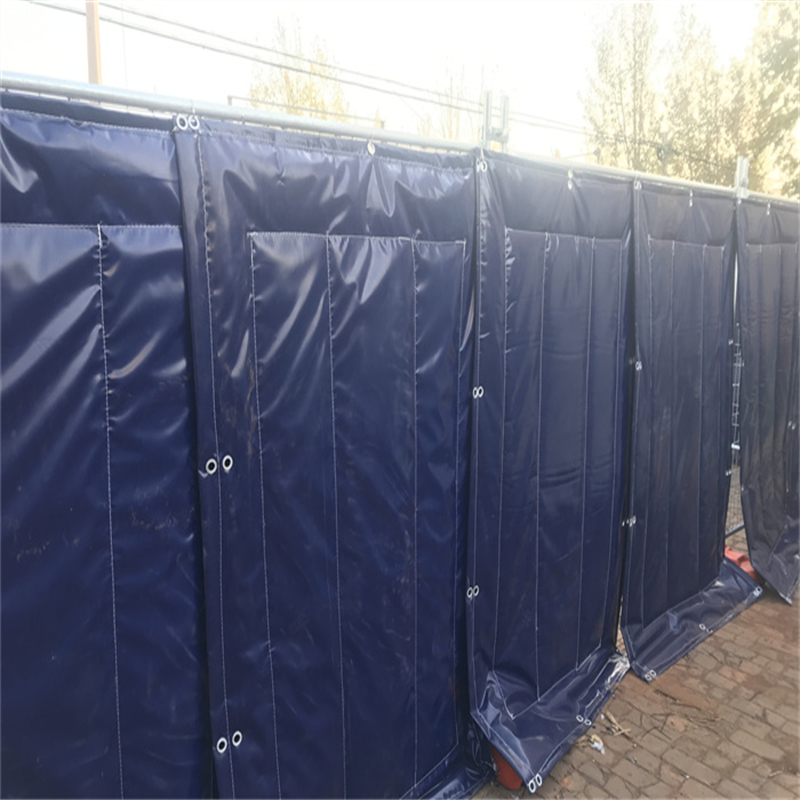
POLYMETAL Temporary Sound Barriers are designed to reduce unwanted noise from construction, demolition, industrial activity, traffic interfaces, and public events where temporary noise control is required. The barrier structure combines a durable PVC canvas face with an acoustic fiberglass layer and a hydrophobic nature fabric to support stable performance under changing site conditions.
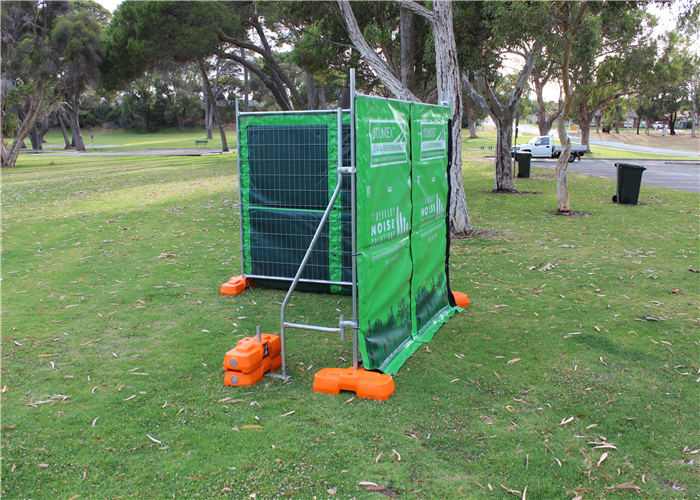
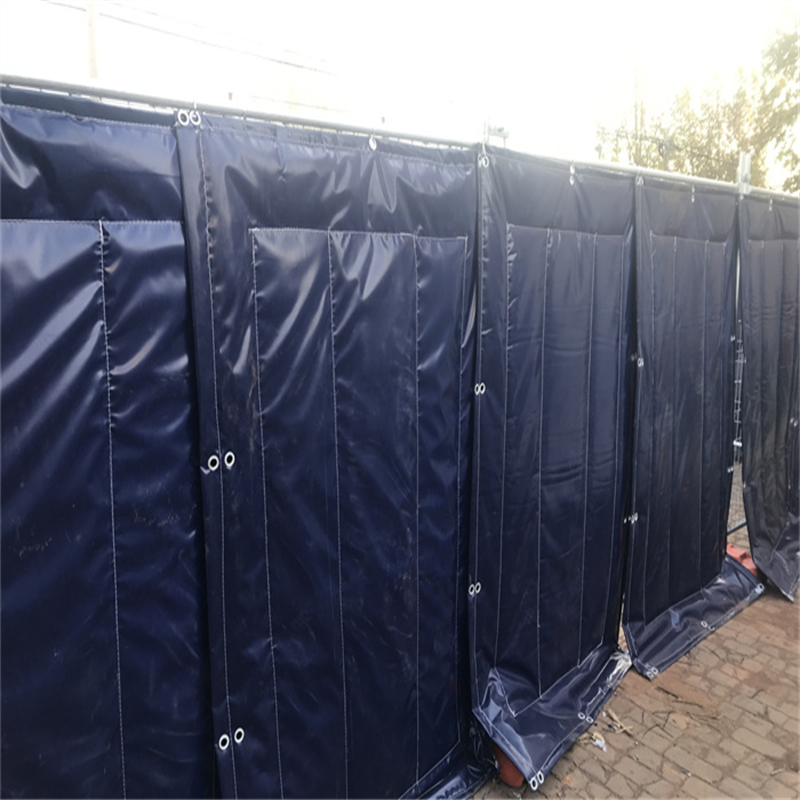
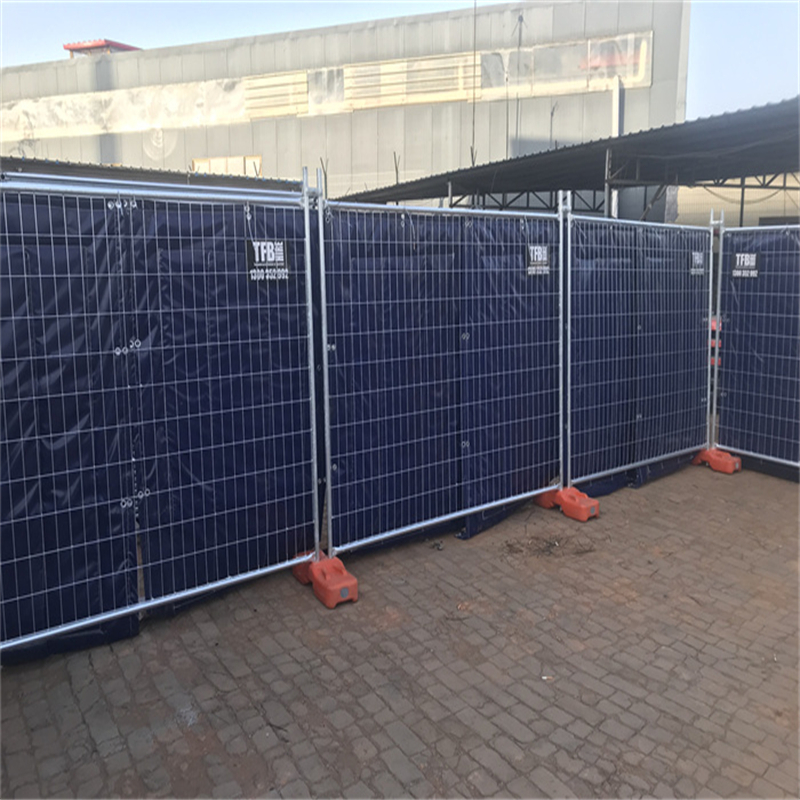
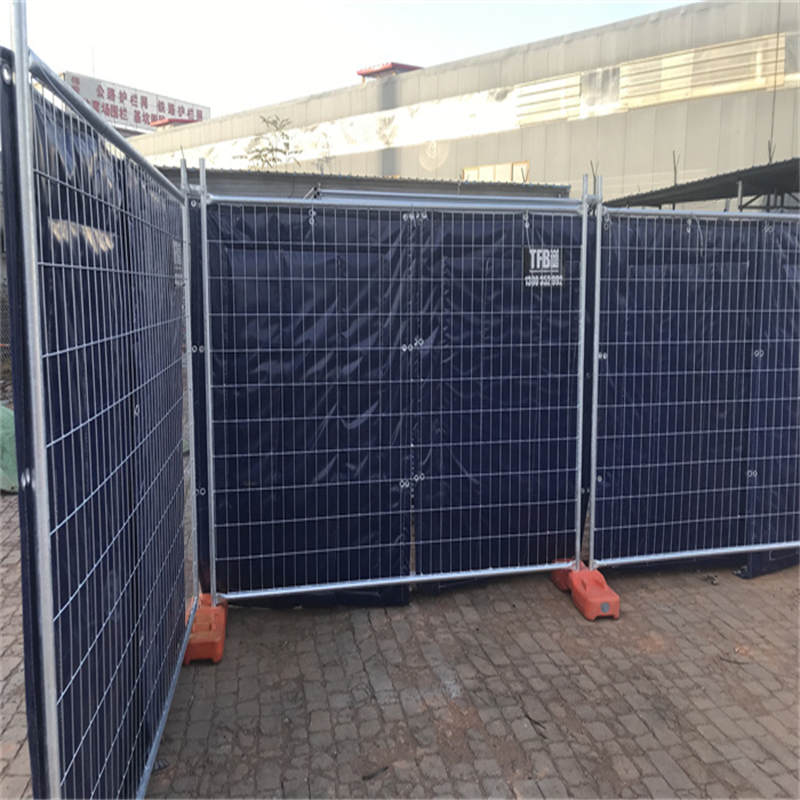
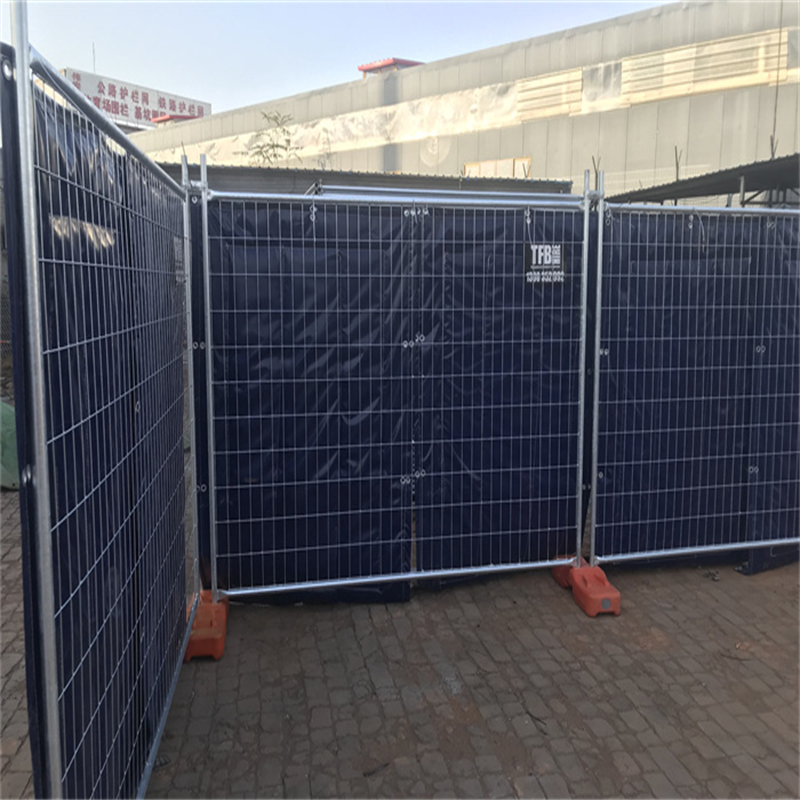
Installation features such as reinforced fixing points and fast attachment options help barriers hang straighter, resist tearing, and remain easier to reconfigure as work zones change, especially when they are deployed along site perimeters built with Australian temporary fencing for fast, modular boundary control.
When specified correctly, Temporary Sound Barriers help limit noise spill beyond the site boundary while also reducing internal reflection problems that can worsen perceived noise in active work areas.
Specifications
Table 1: Temporary Sound Barrier 4 Layer Design (Standard Builds)
| Item | PVC Canvas | Fiber Glass | Hydrophobic Nature Fabric | Installation / Notes |
|---|---|---|---|---|
| Structure | PVC Canvas | Fiber Glass | Hydrophobic Nature Fabric | 4-layer design for blocking + absorbing |
| Standard Size | 2000 × 1000 × 17mm | 2000 × 1000 × 14mm | — | Common site modules |
| Finish | PVC Canvas | Aluminum holes | Majic tape for installation | Fast setup, reinforced fixing points |
| Color | Green | Blue | White, etc. | Color options per project |
Product Image (Do Not Remove)
Applications
Temporary Sound Barriers are widely used where noise must be controlled quickly without permanent wall construction, including construction and demolition sites, utility and council maintenance zones, works staff welfare areas, rail maintenance and replacement works, and music, sports, and other public events where temporary acoustic control reduces disruption.
Benefits
Noise blocking plus absorption
A properly built Temporary Sound Barrier is designed to reduce sound transmission while also absorbing noise energy to limit reflection problems that can worsen conditions inside the site.
Faster setup with repeatable modules
Standardized sizes and consistent fixing points help crews install faster, reconfigure easier, and maintain straighter barrier lines across changing work zones.
Jobsite durability under handling
Durable face materials, reinforced fixing points, and controlled finishing help reduce tearing, edge failure, and early damage during transport, installation, and daily movement.
Weather tolerance for longer service life
Moisture-aware layers and finishing help barriers stay more stable through wet conditions, reducing sagging, stress failure at fixing points, and premature replacement risk.
Packing
POLYMETAL typically packs Temporary Sound Barriers in counted bundles with surface protection to reduce scuffing and edge damage in transit. Bundles are labeled by size (2000×1000), thickness option (14mm / 17mm), color, and fixing-point style so crews can deploy the right barriers without site sorting delays.
Accessories used for attachment are packed as counted cartons so receiving teams can verify quantities immediately on arrival.
Standards and FAQs
Standards
A professional Temporary Sound Barriers purchase specification should lock the layer structure, standard size, thickness, edge finishing method, fixing-point reinforcement (aluminum holes), attachment method (such as magic tape), and packing/labeling rules so the delivered barriers match the site’s installation plan and duty cycle.
FAQs
Q: Why do some Temporary Sound Barriers reduce noise but create worse sound inside the site?
A: If a barrier reflects sound instead of absorbing it, noise can bounce back into work zones and create secondary problems. A balanced design aims to block transmission while also absorbing energy.
Q: What causes the fastest barrier failures on active sites?
A: Weak edges and weak fixing points. When wind and daily tension pull on poor reinforcement, grommets tear out, seams split, and the barrier becomes scrap even if the face still looks usable.
Q: What is the most expensive mistake to fix after installation?
A: Moisture-related failure. Once barriers hold water, sagging and stress damage accelerate, performance drops, and replacement becomes the only practical path—especially when the schedule cannot pause.
Final Buying Reminder
If you want Temporary Sound Barriers to keep working under real site pressure, do not buy by appearance alone. Lock the layer build, lock the size and thickness, protect edges and fixing points, plan for wind and moisture exposure, and demand packing that prevents early damage.
That is how you avoid the #7 loss—moisture-driven performance collapse and replacement—after the project is already running.