Your One-Stop Wire Mesh Fence Supplier | POLYMETAL
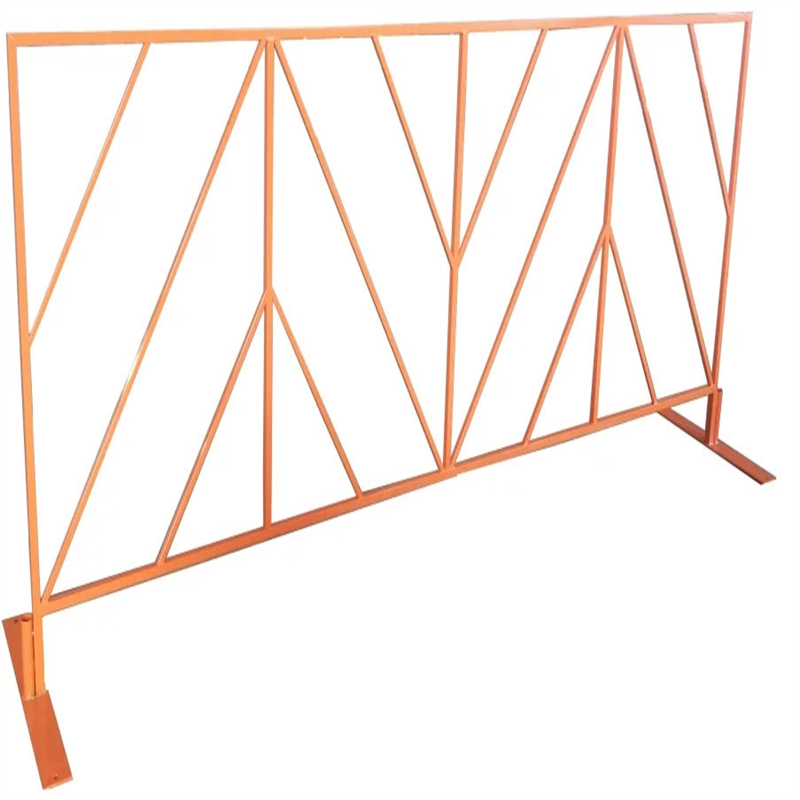
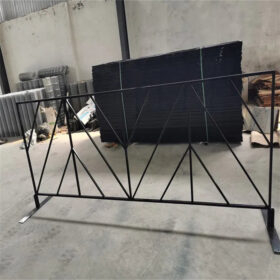
Traffic Road Barriers have become a critical part of safety planning for parades, sport events, roadworks and busy city streets. At first they just look like simple white metal panels placed in a row, but every barrier hides design choices that decide whether your event stays safe or turns into a costly liability.
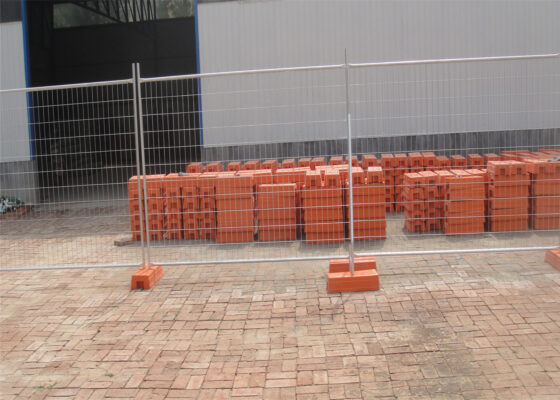
POLYMETAL designs Traffic Road Barriers specifically for demanding American-style events – stadium games, concerts, marathons, construction zones and temporary pedestrian routes. By controlling the steel grade, pipe size, panel length, foot shape and surface coating, POLYMETAL helps you avoid the hidden mistakes that only appear when the crowd surges, the wind rises or a vehicle gets too close.
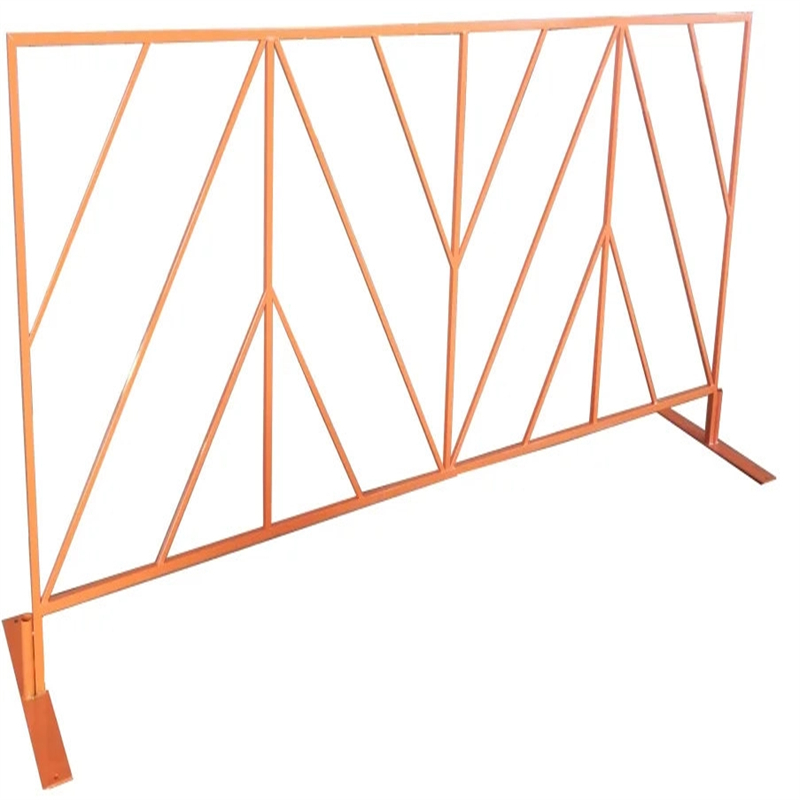
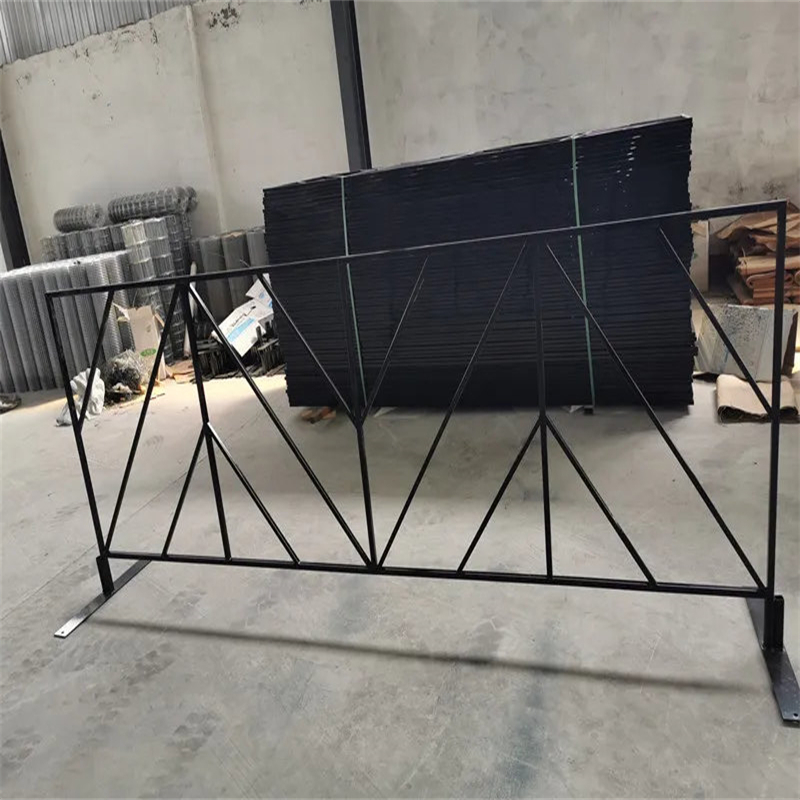
7 Hidden Risk Points POLYMETAL Reveals
- Undersized frame tubes – Frames made from thin, light steel bend when crowds press against them, twisting panels out of line and opening gaps. POLYMETAL uses 20 × 20 mm and 25 × 25 mm tubes with controlled wall thickness so every barrier stays straight and rigid.
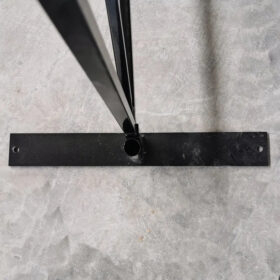
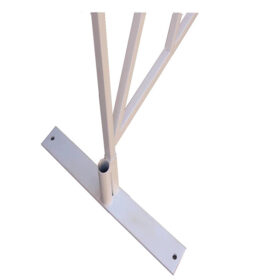
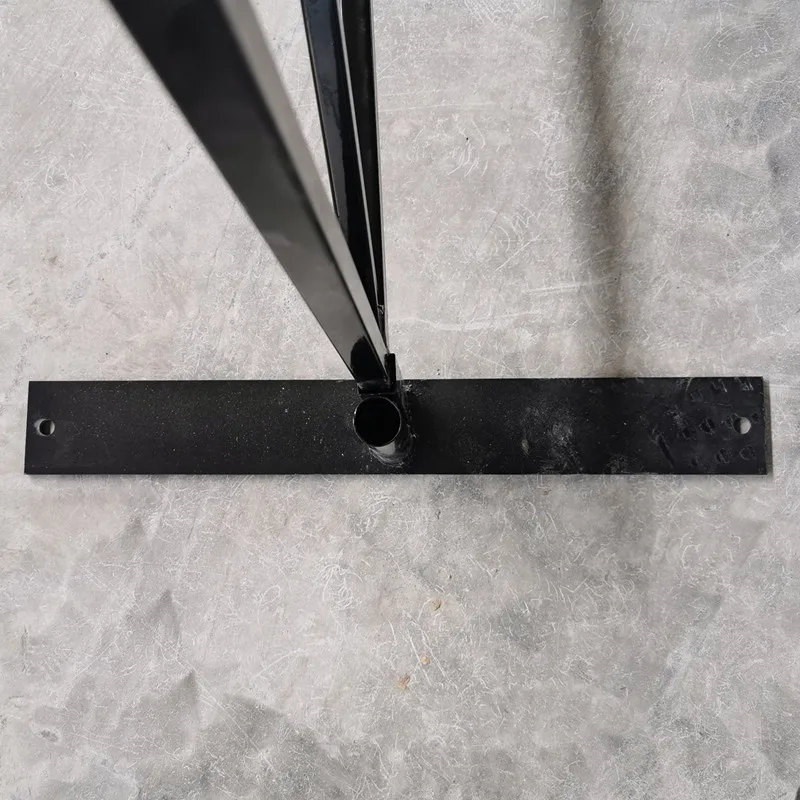
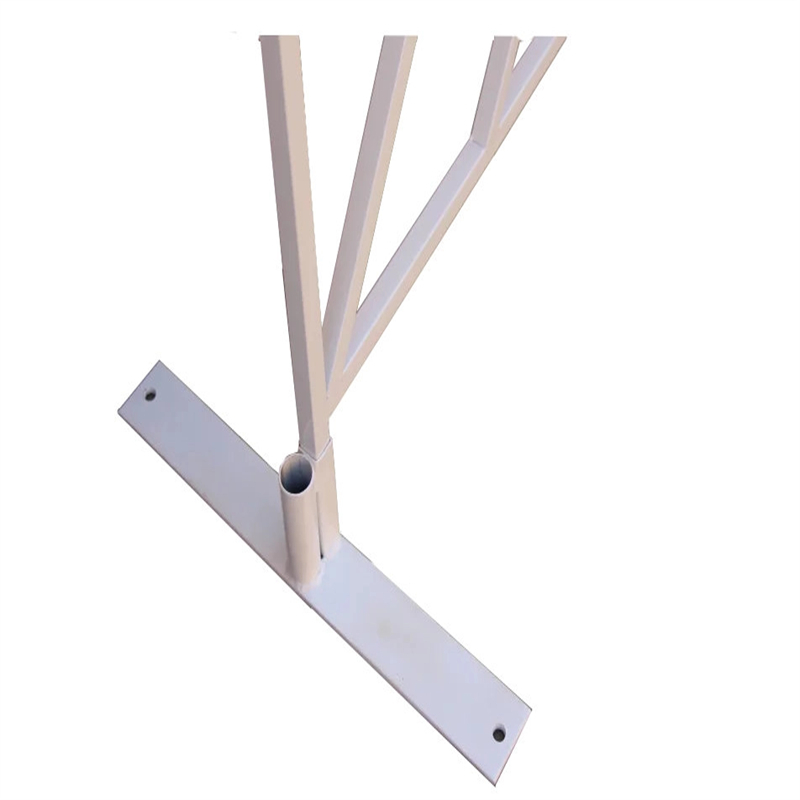
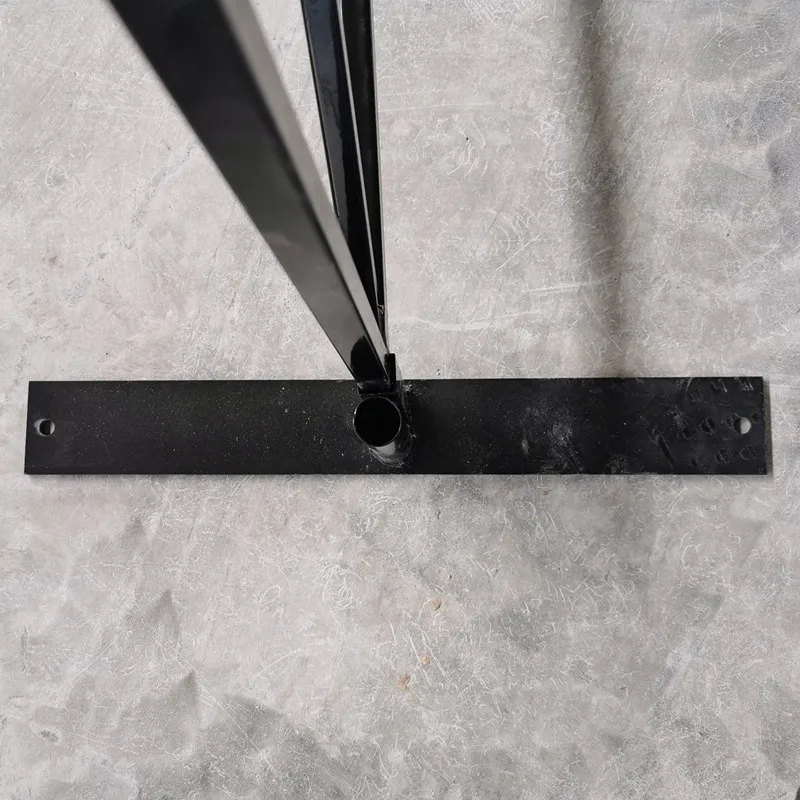
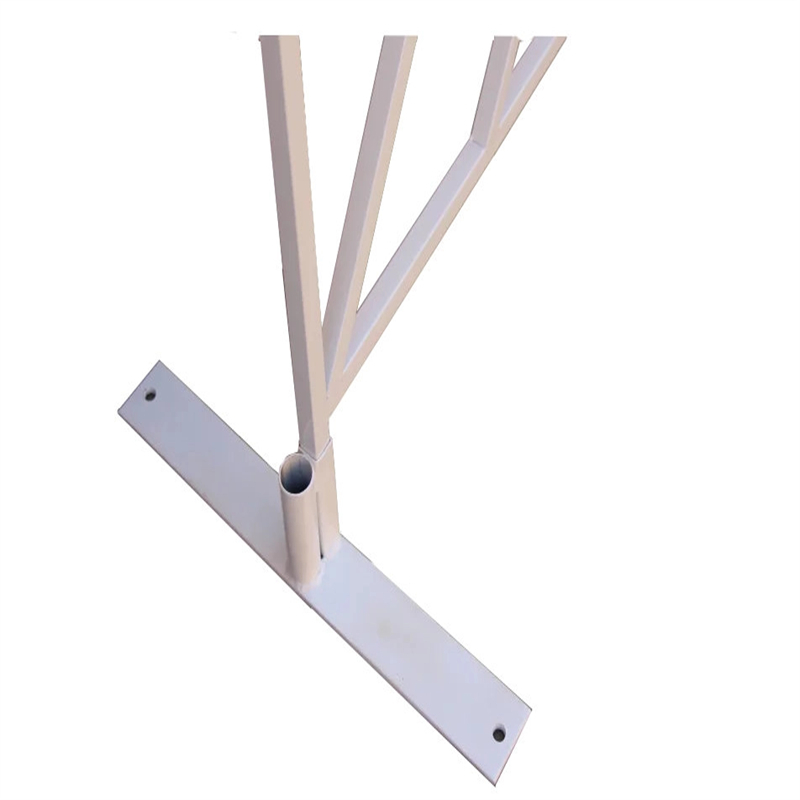
- Weak or narrow flat feet – Small or flimsy feet allow panels to rock and tip when people lean or banners catch the wind. POLYMETAL specifies wide 600 × 75 × 8 mm flat feet to spread the load and keep the barrier planted.
- Inconsistent panel length and height – Mixing different sizes creates uneven joints, trip edges and awkward transitions. POLYMETAL keeps panels around 1170 mm high and roughly 9–9.7 ft long so every section connects smoothly.
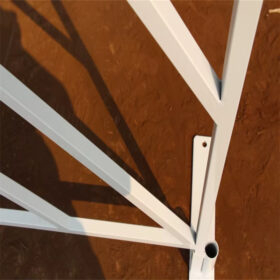
- Poor weld quality at pickets and corners – Shallow or cracked welds are hard to see during delivery but quickly become failure points after a few events. POLYMETAL fully welds the frame and infill pickets, then grinds and inspects each joint.
- Insufficient corrosion protection – Barriers that are only painted start rusting at welds and edges, weakening the structure from the inside out. POLYMETAL uses hot-dip galvanizing and polyester powder coating to seal the steel against rain, road salt and abrasion.
- Non-detachable or awkward feet – Fixed or bulky feet make stacking and transport inefficient, increasing damage and labour cost. POLYMETAL uses detachable flat feet so barriers stack tightly and move easily between venues.
- Lack of quality control and traceability – Without strict inspection, a weak batch can enter your fleet and fail in the field. POLYMETAL applies daily dimensional checks, coating tests and optional third-party inspection so every barrier meets the same standard.
These seven risk points explain why two Traffic Road Barriers that look identical in a photo can behave completely differently under real-world stress.
What Traffic Road Barriers Actually Do
A professional Traffic Road Barrier system has to do far more than simply “stand in a row”:
- Clearly separate vehicles from pedestrians
- Create a continuous, visible crowd control line
- Withstand pushing, leaning and accidental impact
- Remain stable in wind, rain and uneven ground conditions
- Install, remove and transport quickly between locations
If any of these functions is weak, the barrier line develops gaps, bottlenecks and dangerous pressure points that put people and organizers at risk.
POLYMETAL Traffic Road Barriers – Core Construction
POLYMETAL uses low-carbon steel tube to produce rigid, reusable Traffic Road Barriers that match American event and rental expectations.
| Model | Panel Height | Panel Length | Flat Feet Size (Flat Bar) | Dimension | Frame (mm) | Infill (mm) | Feet (mm) | Finish |
|---|---|---|---|---|---|---|---|---|
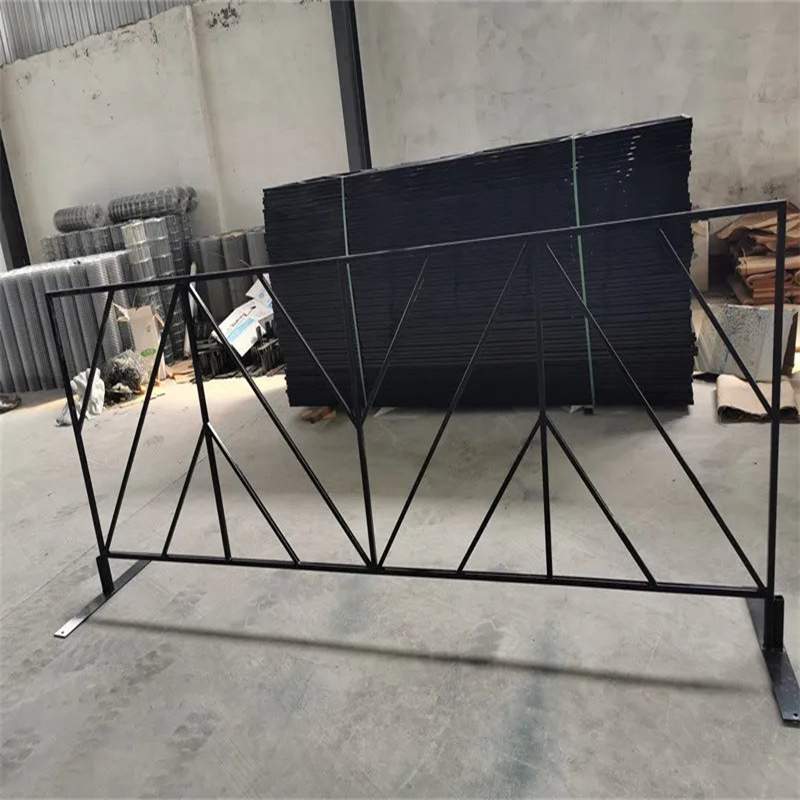
| PM-TRB-01 | 1170 mm | 2740 mm (9 ft) | 600 × 75 × 8 mm | H1.17 × 2.74 m | 20 × 20 × 1.5 | 20 × 20 × 1.2 | 600 × 75 × 8 | Hot Dipped Gal. |
| PM-TRB-02 | 1170 mm | 2900 mm (9.5 ft) | 600 × 75 × 8 mm | H1.17 × 2.90 m | 20 × 20 × 1.5 | 25 × 25 × 1.2 | 600 × 75 × 8 | Hot Dipped Gal. + Powder Coated (White) |
| PM-TRB-03 | 1170 mm | 2950 mm (9.7 ft) | 600 × 75 × 8 mm | H1.17 × 2.95 m | 25 × 25 × 1.5 | 25 × 25 × 1.2 | 600 × 75 × 8 | Powder Coated (White / Custom) |
Panels are welded into a single solid frame, then hot-dip galvanized and/or powder coated – often in clean white – to match American sports and event projects.
Manufacturing Process That Extends Service Life
To keep performance consistent from one event to the next, POLYMETAL follows a strict production workflow:
- Precision cutting – Pipes are cut to exact length to ensure every barrier matches the drawing.
- Frame and infill welding – Frames and pickets are welded into one piece for strength and rigidity.
- Polishing and edge finishing – Welds and edges are smoothed to remove sharp points and improve appearance.
- Sand blasting – The steel surface is cleaned and activated to maximise coating adhesion.
- Polyester powder coating – A tough, UV-resistant finish is applied over galvanized or pre-treated steel.
This process delivers corrosion resistance, weather resistance and a smooth surface that is easy to wash down and inspect.
Where POLYMETAL Traffic Road Barriers Are Used
Because the barriers are strong, stackable and fast to deploy, they are widely used in:
- Sport events and stadium crowd-control corridors
- Marathons, cycling races and triathlons
- Concerts, festivals and exhibitions
- Temporary pedestrian safety zones around roadworks
- Airport, station and city-centre queuing areas
- Construction site perimeter walkways and safe routes
In all of these locations, the same barrier can be used dozens or hundreds of times, so weld quality and coating durability directly affect your lifetime cost per panel.
Key Features That Protect Your Budget and Safety Record
POLYMETAL Traffic Road Barriers are engineered with practical, field-tested features:
- Long-term corrosion resistance – hot-dip galvanizing and/or polyester powder coating for outdoor service life.
- UV and weather resistance – coatings formulated to resist fading, chalking and peeling under sun and rain.
- Fast installation – light enough for two people to handle, with flat feet that slide easily under the frame.
- Easy relocation – detachable feet and stackable frames allow rapid re-configuration during events.
- Interlocking lines – panels align to create continuous, stable fence runs without obvious weak spots.
This combination reduces damage, replacement frequency and downtime between events.
Typical American Standard Traffic Road Barrier Profile
For the US market, POLYMETAL frequently supplies a standardised event and sport barrier profile:
- Height: approx. 1170 mm
- Length: 9 ft or 9.5 ft per panel
- Frame: SHS 20 × 20 mm square tube main frame
- Feet: detachable flat feet around 600 × 75 × 8 mm for stability
- Surface treatment: hot-dip galvanized tube welded and then polyester powder coated
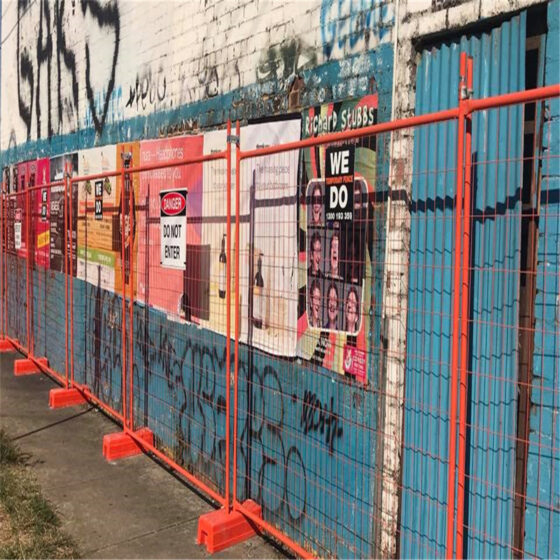
- Colour: white as the most common, with orange, green and other colours available
This profile gives organisers a familiar, compliant appearance while delivering the strength needed for repeated hire and use.
How POLYMETAL Controls Quality
To prevent the seven hidden risk points from becoming real-world accidents, POLYMETAL implements strict quality-control steps:
- Daily checks of welds, tube dimensions and panel squareness in the workshop
- Visual inspection and thickness measurement of zinc and powder-coating layers
- Test assembly of panels and flat feet to verify stability and fit
- Optional third-party inspections for projects that need independent documentation
Because every barrier is built to a consistent standard, you can expand or renew your fleet without mixing incompatible strengths or finishes.
In a world where public gatherings, concerts and sporting events are part of everyday life, effective crowd management is essential. American crowd control barriers – often called pedestrian barricades – are the tools that make this possible. They are portable, metal fences designed to guide people safely and clearly through busy spaces.
What Are American Crowd Control Barriers?
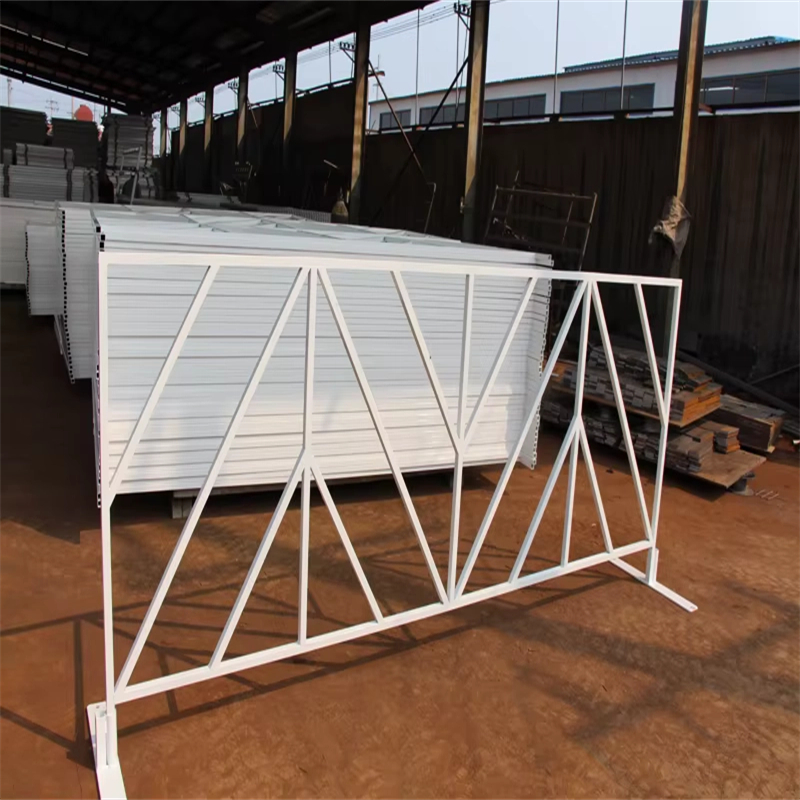
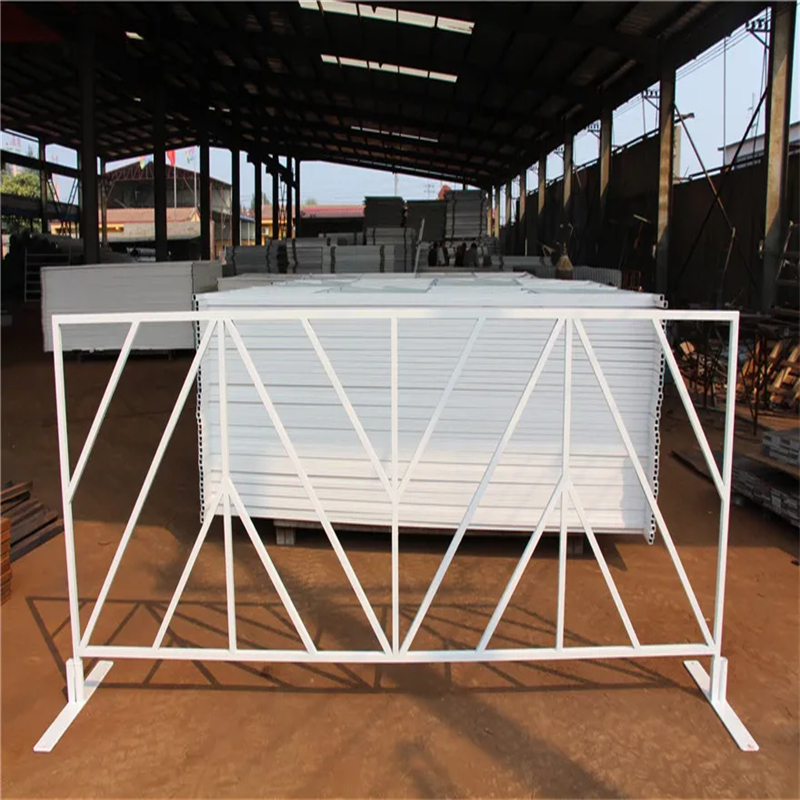
American crowd control barriers are modular, portable fences used to manage queues, protect restricted areas and keep crowds organised. They are quick to set up and move, making them ideal for temporary or changing layouts.
How American Crowd Control Barriers Are Made
1. Barrier design – Engineers first decide the height, length, frame size, foot type and colour so the barrier meets safety and visibility requirements.
2. Cutting the metal – Steel tubes are cut by machine to precise lengths for frames, infill rails and feet.
3. Forming the components – The cut tubes are bent or prepared for frames and support feet so they fit together accurately.
4. Welding the structure – Skilled welders join all pieces into a solid panel, producing a strong, rigid frame.
5. Protective coating – Panels are galvanized and/or powder coated to protect against rust and provide a clean, professional look.
6. Adding colour – Bright colours such as white, orange or custom tones make barriers easy to see and match event branding.
7. Final inspection – Each barrier is checked for sharp edges, coating defects or weak points and corrected if necessary.
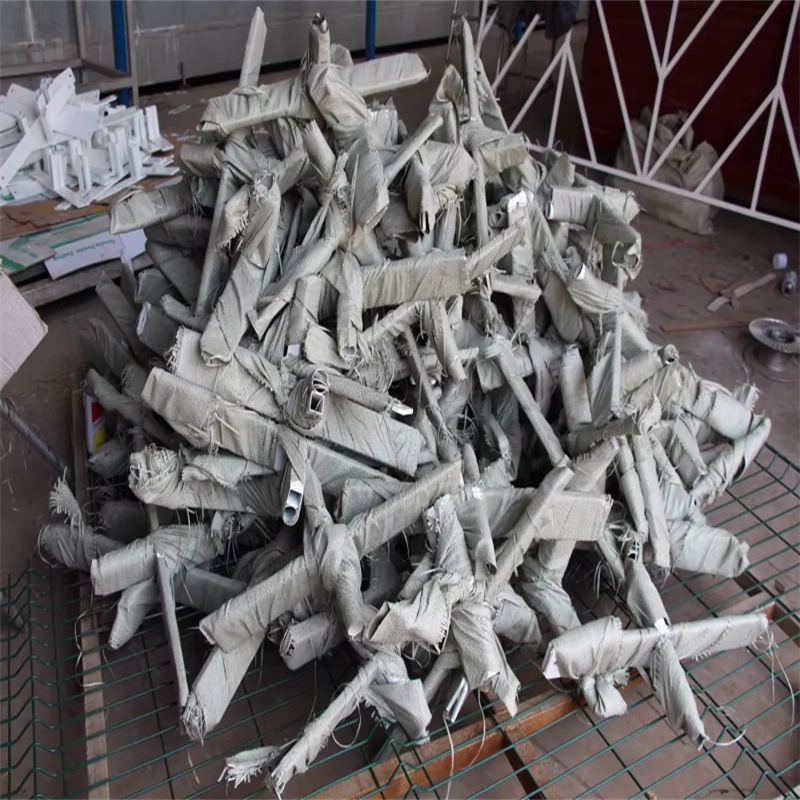
8. Packing and shipping – Finished barriers are stacked, wrapped and shipped to event sites, rental depots or contractors.
Benefits of Using American Crowd Control Barriers
- Easy handling – Designed for rapid installation and removal, ideal for temporary events.
- High durability – Built from quality steel and protective coatings to survive outdoor use and frequent transport.
- Safe for crowds – Smooth edges and stable feet reduce the risk of injuries and trips.
- Versatile deployment – Suitable for concerts, festivals, sports, parades and work zones.
- Excellent visibility – Bright colours like orange and white make routes and restricted areas very clear.
- Custom options – Available in different sizes, colours and panel types to match specific site needs.
Applications of American Crowd Control Barriers
- Concerts and festivals – Direct crowd flow, protect stages and control backstage access.
- Sporting events – Mark spectator areas, athlete lanes and emergency routes.
- Construction sites – Keep the public away from hazardous work zones.
- Public gatherings – Manage queues and crossings in busy city or transport areas.
Key Specifications
- Height: common options include 1140 mm and 1170 mm.
- Length: typically 9 ft or 9.5 ft per panel.
- Material: durable steel with square tube frame, often 20 × 20 mm.
- Feet: detachable flat feet around 600 × 75 × 8 mm (and 600 × 75 × 6 mm on some models).
- Surface treatment: hot-dipped galvanized, polyester powder-coated, or a combination of both.
- Colour: white, orange, green and other custom colours available.
Why Choosing POLYMETAL Traffic Road Barriers Reduces Your Real Risk
The wrong Traffic Road Barriers may look acceptable on day one, but every weakness in steel, welding or coating is a future hazard. A bent panel, a rusted weld, a loose foot or even a poorly fixed stainless steel mesh bag is more than just an “ugly detail” – it can become a direct threat to pedestrians, workers and your reputation.
By choosing POLYMETAL Traffic Road Barriers and understanding the 7 hidden risk points they reveal, you work with clear design rules, proven American standard sizes and a manufacturing process focused on corrosion resistance and structural strength. Whether you use simple panels or add accessories such as a stainless steel mesh bag for tools, bottles or signage, you know exactly how your barriers are built, how they are protected and how they will perform when real crowds and real weather put them to the test.
Conclusion
American crowd control barriers are indispensable tools for managing people safely at concerts, sports events, public gatherings and construction projects. Their strength, flexibility and ease of use make them an ideal choice whenever clear routes, secure perimeters and reliable crowd control are required.