Your One-Stop Wire Mesh Fence Supplier | POLYMETAL
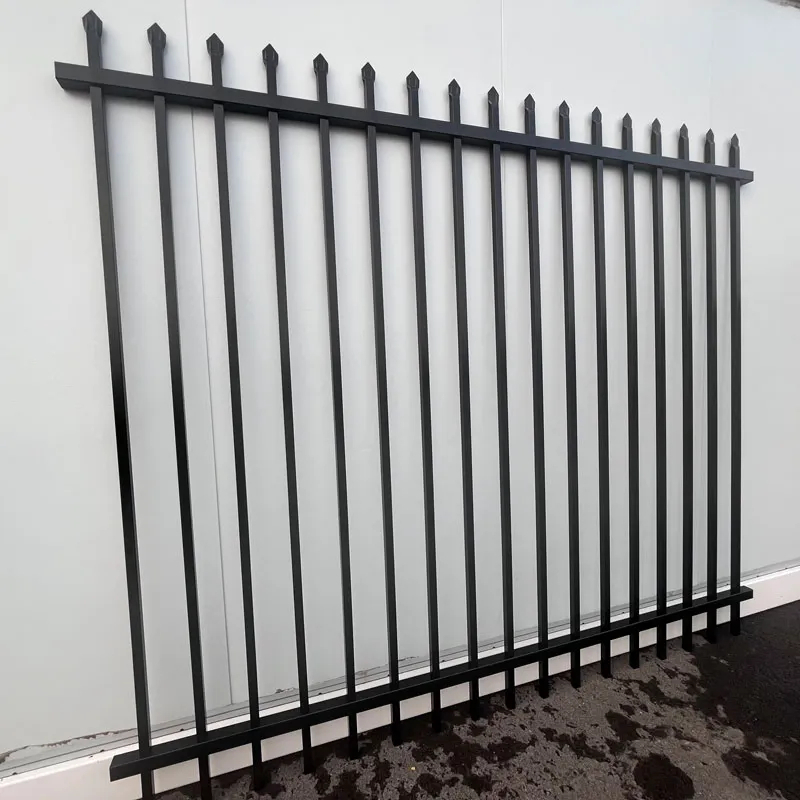


On real sites, tubular fence panels are judged after delivery: straightness over long runs, how rails resist twist during handling, whether upright spacing stays disciplined bay-to-bay, and whether coating damage shows first at welds and cut edges. The expensive surprise is that many suppliers sell tubular fence panels as a “look,” not a controlled system—so performance differences only show up when installers start chasing wavy lines, brackets don’t sit flush, posts feel under-sized for wind exposure, or picket spacing doesn’t match takeoff assumptions.
POLYMETAL manufactures tubular fence panels as repeatable modules—panel geometry, upright counts, rail sections, post options, and finish routes are built to arrive consistent so your install reads clean, secure, and professional from day one. For fixing hardware selection and compatibility, you can also reference garrison fencing brackets for common bracket styles used in tubular panel installations.
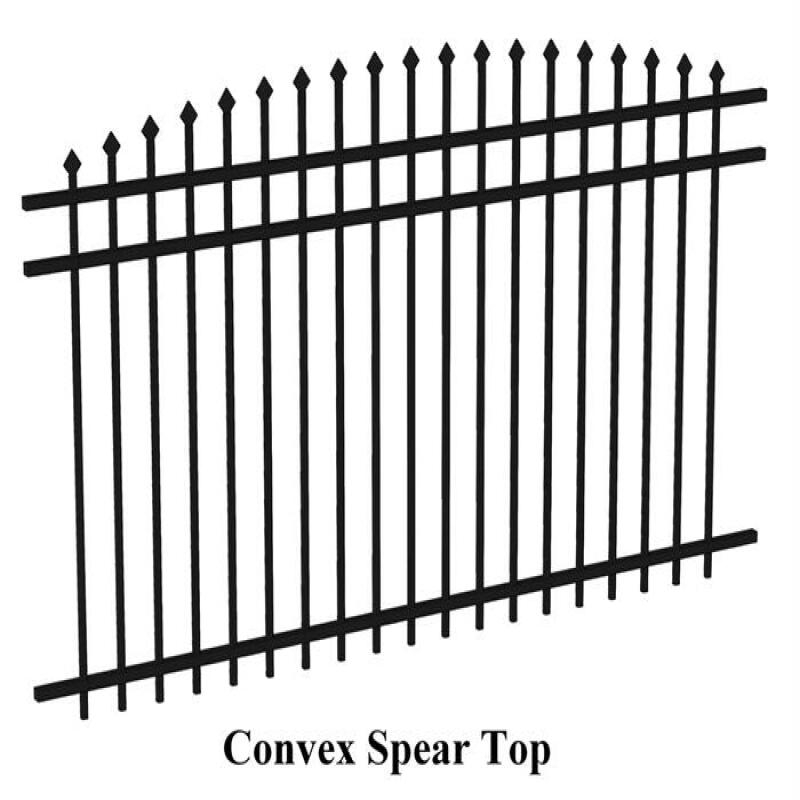
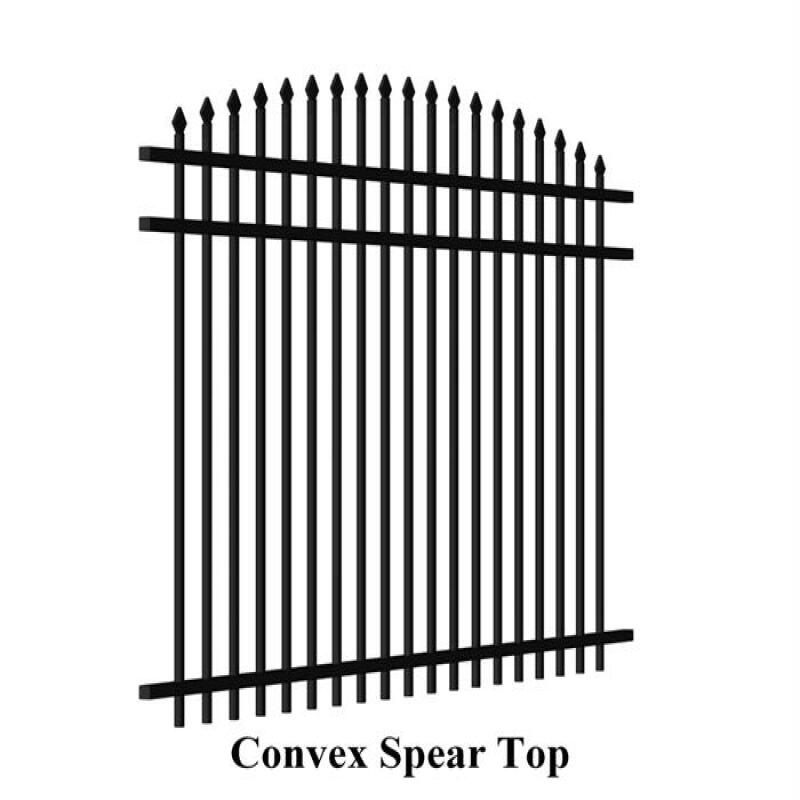
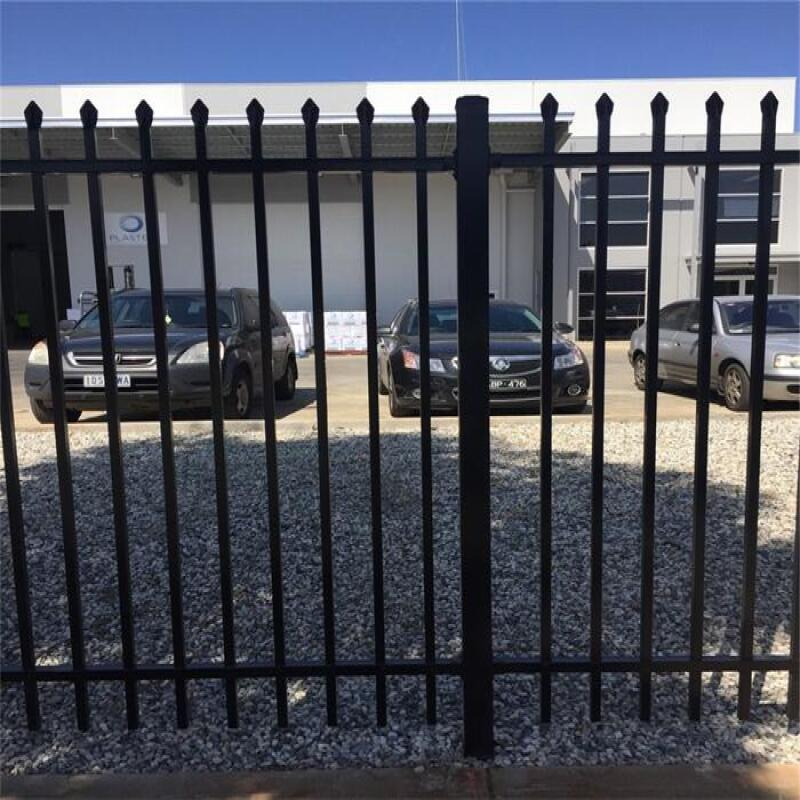
Top 10 brutal procurement traps for tubular fence panels (Especially #7)
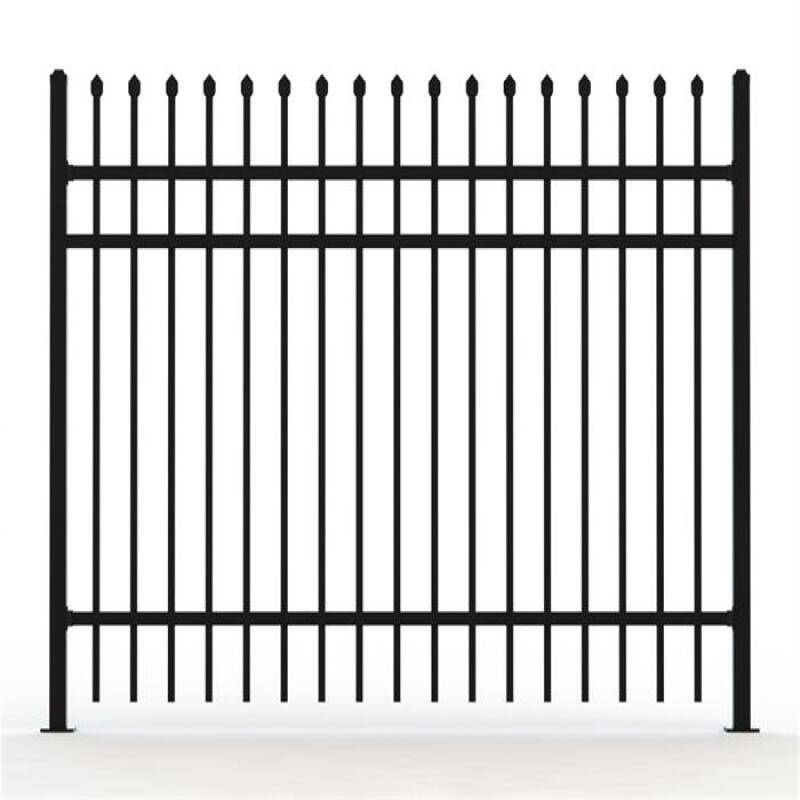
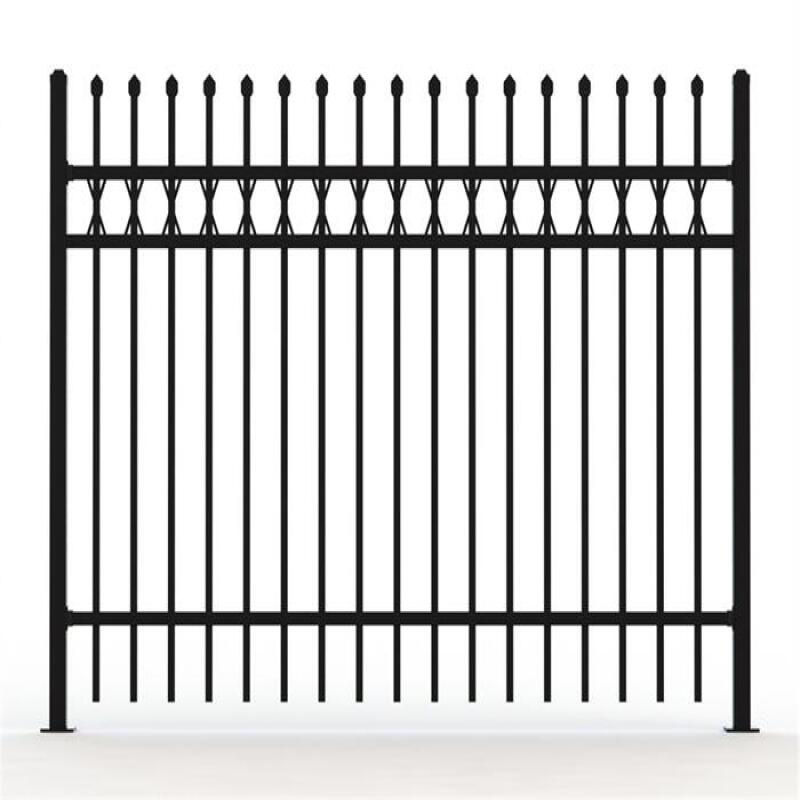

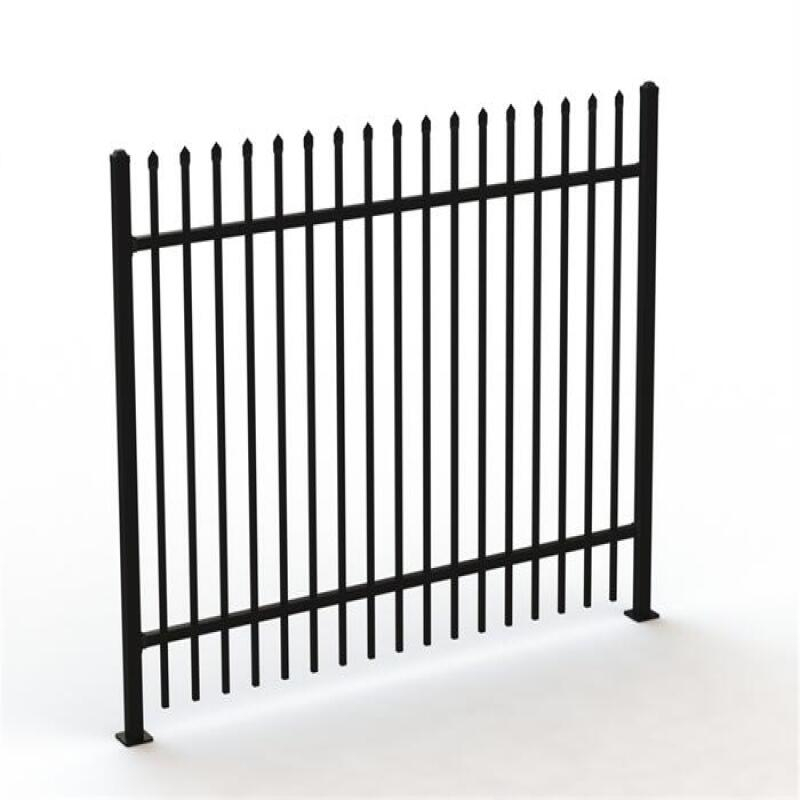
Trap #1 (Problem): Buying tubular fence panels as a “style,” not a specification
Many quotes focus on a photo and a color, but do not lock measurable controls: rail frame section, rail thickness, upright section, upright thickness, upright count, and post section. When these aren’t fixed, two “same-looking” tubular fence panels behave completely differently on site.
Risk #2 (Mistake): Choosing rail frames that twist during lifting and clamping
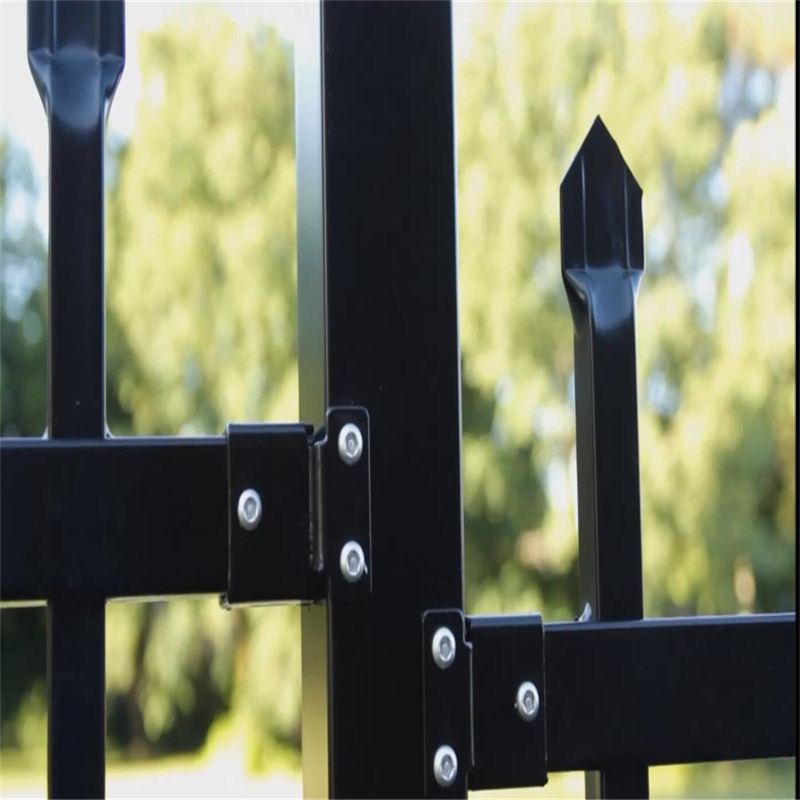
Rail frame selection (40×40, 45×45, 50×50) must match handling intensity and exposure. A rail that’s too light can rotate under clamp pressure or during lifting, creating a fence line that never visually settles straight.
Danger #3 (Defect): Under-spec uprights that dent, bow, or show heat marks early
Upright section and thickness control day-to-day survival: transport rub, site stacking, and accidental impacts. If upright wall is too thin, minor handling becomes permanent visual defects—especially obvious on street-facing tubular fence panels.
Pitfall #4 (Gap): Spacing mismatch that breaks gates, brackets, and takeoff assumptions
Upright count and spacing are not only “appearance.” If your takeoff assumes 18 uprights at 100 mm spacing but delivery arrives as 16 or 17 uprights, installers burn hours making brackets, infill, and alignment work.
Weakness #5 (Fault): Posts that do not match the panel’s load path
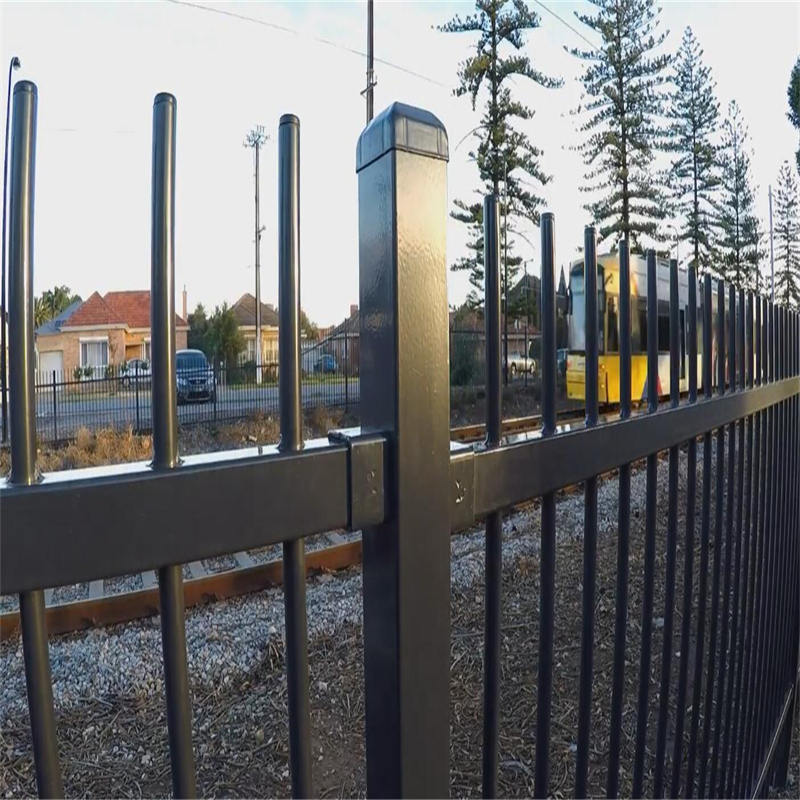
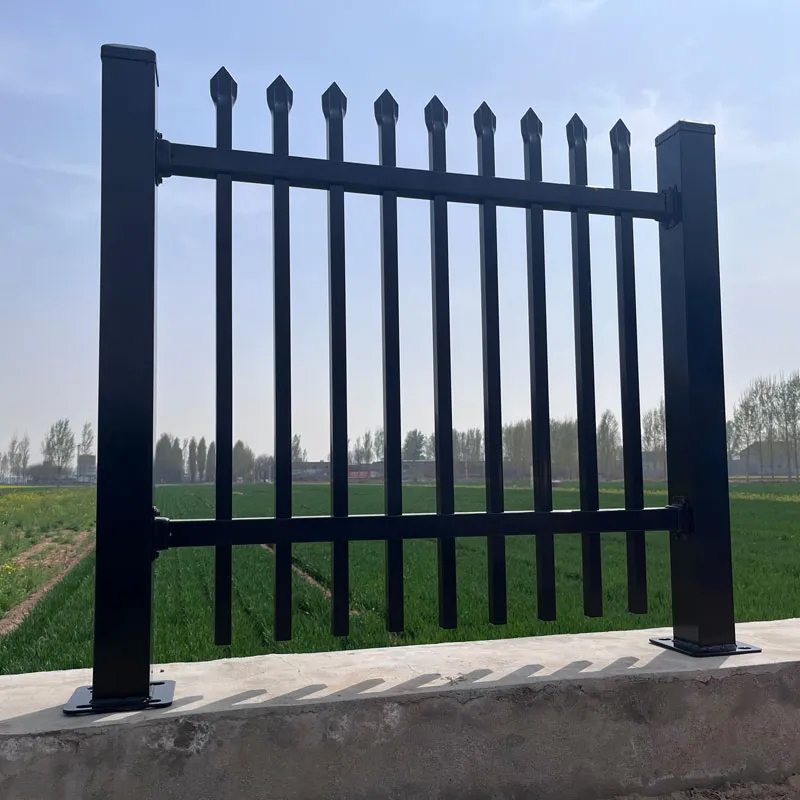
Posts are the spine. If post section and wall thickness don’t match rail stiffness and exposure, the fence can rack under wind and daily push loads. Tubular fence panels perform like a system, not a single part.
Failure #6 (Downside): Coating routes that ignore weld zones and cut-edge behavior
“Powder coated” can mean many levels of surface prep and film build. If weld cleanup and rust treatment aren’t controlled, the first cosmetic failure appears where you least want it: weld seams, corners, and contact points.
Crisis #7 (Loss): Hidden water-traps and sealing gaps that start corrosion at joints
This is the silent money-loss item. Poor drainage design, trapped moisture in rail ends, and inconsistent sealing clips can turn clean-looking tubular fence panels into a touch-up job after installation. The cost is not only repainting—it’s access time, site disruption, and reputation damage when defects show up exactly where clients stare.
Oversight #8 (Warning): Tolerance drift that creates “wandering” picket lines
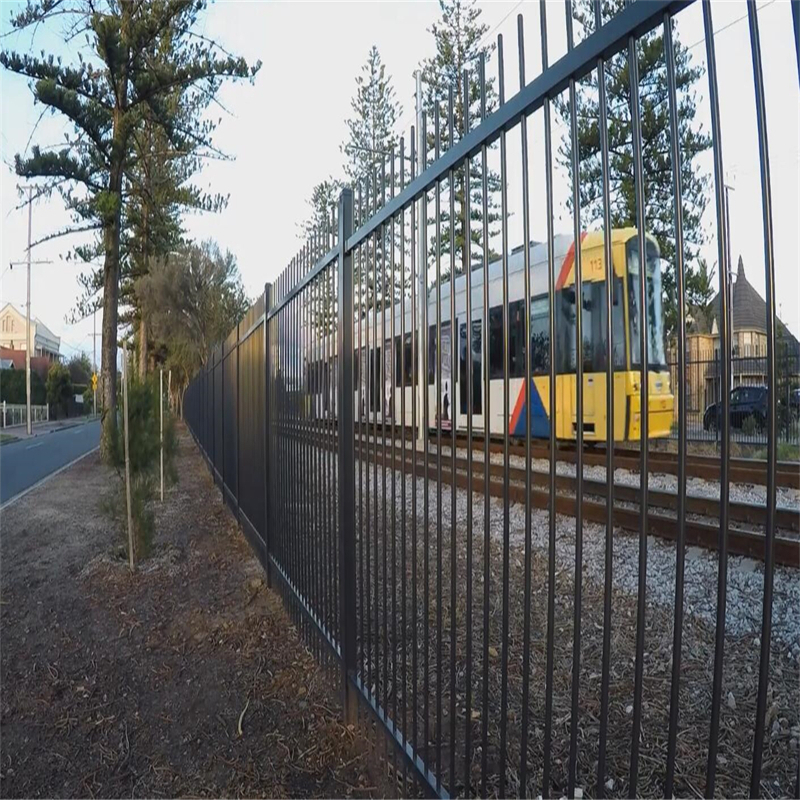
Even with correct spacing on paper, inconsistent punching and welding distortion make pickets visually drift. Over long runs, tiny errors compound into a fence line that looks cheap and forces shimming and rework.
Myth #9 (Illusion): “Salt spray pass” without traceable batch controls
Salt spray claims only matter when tied to a defined method and your batch records: material, prep route, coating route, and inspection. Otherwise “pass” is marketing language, not a deliverable.
Checklist #10 (Waste): Packing that scratches coating and bends panels in transit
Panels can be perfect at the factory and arrive scratched or bowed if stacking points, separators, and strapping aren’t controlled. Good packing protects corners, picket faces, and coating at contact points so tubular fence panels unload ready to install.
Product Description (POLYMETAL Tubular Fence Panels)
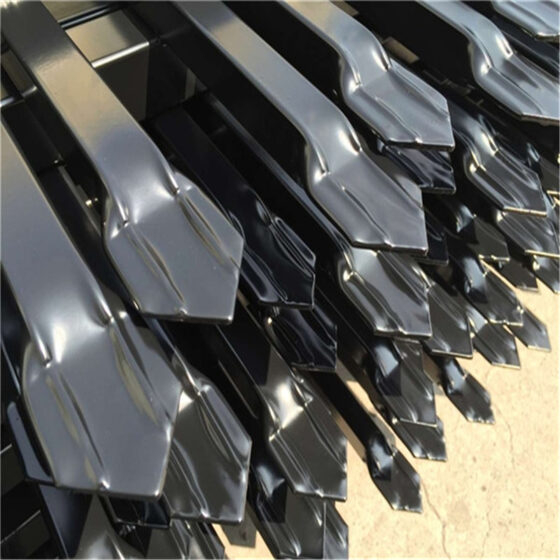
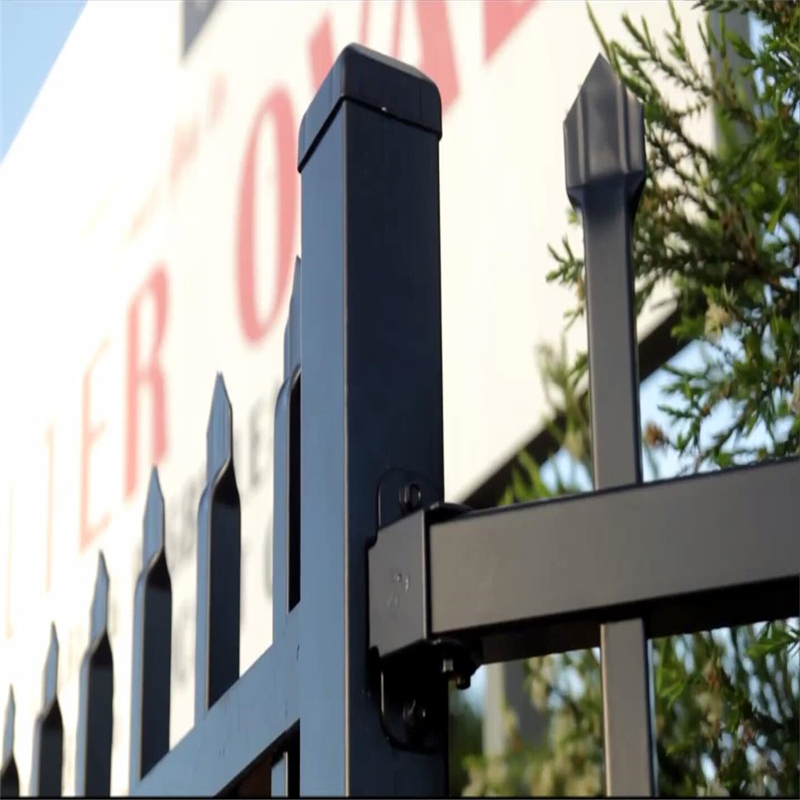
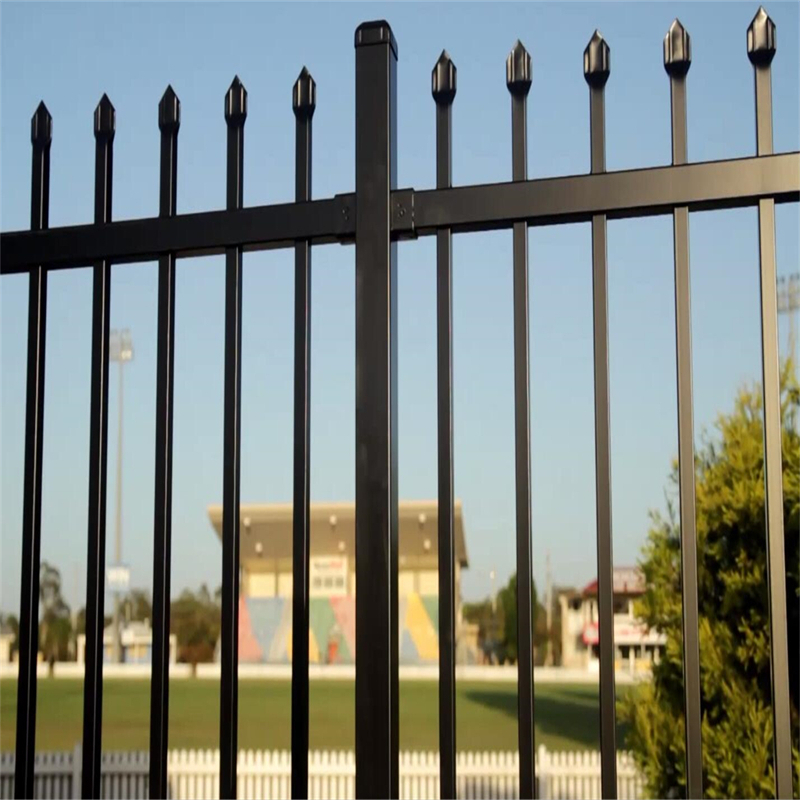
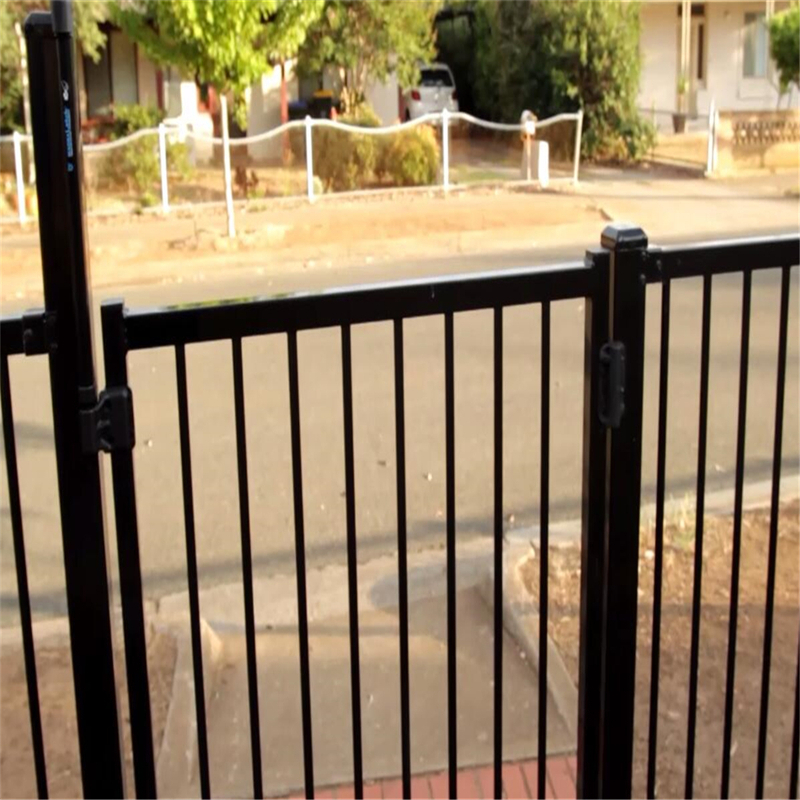
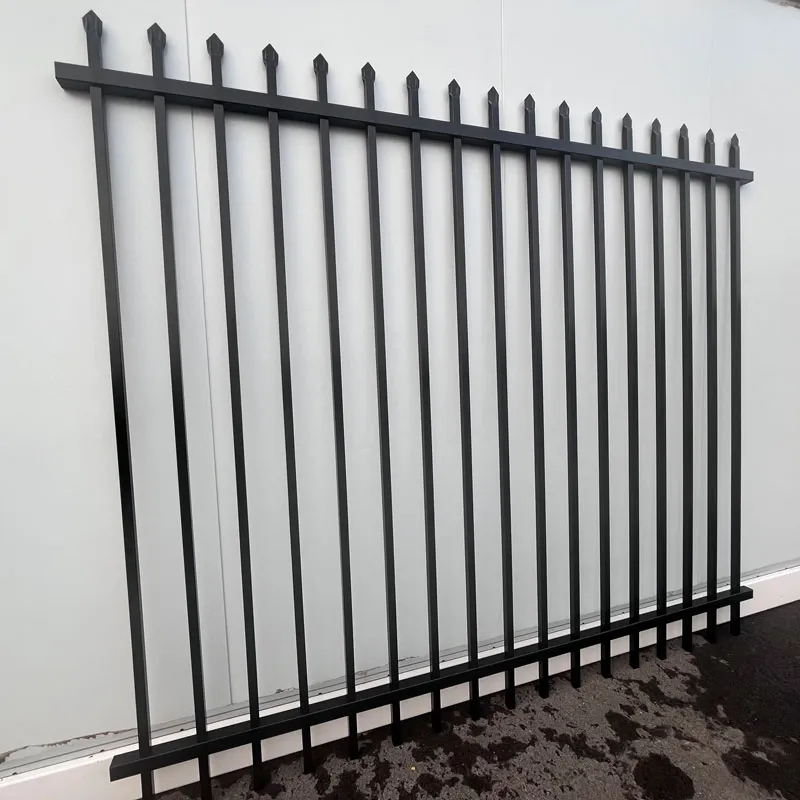
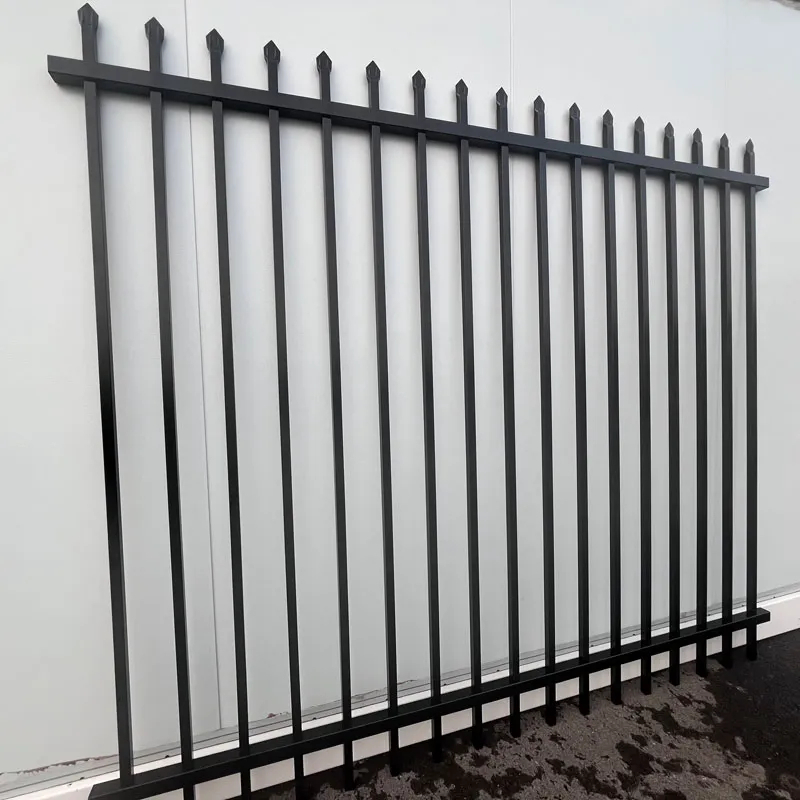
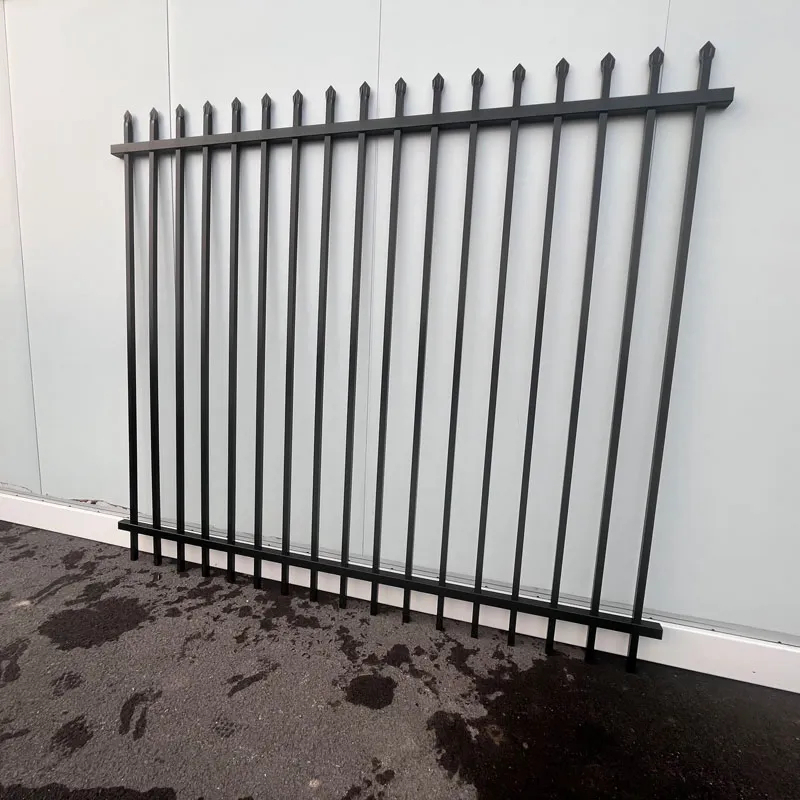
POLYMETAL tubular fence panels are welded steel fence modules designed to deliver straight lines, disciplined spacing, and repeatable appearance across long runs. Panels are built using specified rail frames and upright profiles with controlled thickness options to suit handling intensity and exposure. Finish options include hot dip galvanized and powder coated routes to support long-term appearance, with assembly details engineered for clean alignment and efficient installation on site.
Specifications (Tables)
| Fence Panel Height (mm) | Fence Panel Width (mm) | Rail Frame (mm) | Rails Thickness (mm) | Upright (mm) | Upright Thickness (mm) | Upright Number (Spacing) | Upright Spacing Option (mm) | Fence Post Height (mm) | Post Options (mm) | Post Wall Thickness (mm) |
|---|---|---|---|---|---|---|---|---|---|---|
| 1200 | 2400 | 40×40 / 45×45 / 50×50 | 1.60 / 2.00 / 2.50 / 3.00 | 16×16 / 25×25 / 30×30 | 0.80 / 1.00 / 1.20 / 2.00 | 16 pcs (115 mm) / 17 pcs (108 mm) / 18 pcs (100 mm) | 100 | 1800 | 60×60 / 65×65 / 75×75 / 80×80 / 100×100 | 1.60 / 2.00 / 2.50 |
| 1200 | 2450 | 40×40 / 45×45 / 50×50 | 1.60 / 2.00 / 2.50 / 3.00 | 16×16 / 25×25 / 30×30 | 0.80 / 1.00 / 1.20 / 2.00 | 16 pcs (115 mm) / 17 pcs (108 mm) / 18 pcs (100 mm) | 100 | 1800 | 60×60 / 65×65 / 75×75 / 80×80 / 100×100 | 1.60 / 2.00 / 2.50 |
| 1500 | 2400 | 40×40 / 45×45 / 50×50 | 1.60 / 2.00 / 2.50 / 3.00 | 16×16 / 25×25 / 30×30 | 0.80 / 1.00 / 1.20 / 2.00 | 16 pcs (115 mm) / 17 pcs (108 mm) / 18 pcs (100 mm) | 100 | 2100 | 60×60 / 65×65 / 75×75 / 80×80 / 100×100 | 1.60 / 2.00 / 2.50 |
| 1500 | 2450 | 40×40 / 45×45 / 50×50 | 1.60 / 2.00 / 2.50 / 3.00 | 16×16 / 25×25 / 30×30 | 0.80 / 1.00 / 1.20 / 2.00 | 16 pcs (115 mm) / 17 pcs (108 mm) / 18 pcs (100 mm) | 100 | 2100 | 60×60 / 65×65 / 75×75 / 80×80 / 100×100 | 1.60 / 2.00 / 2.50 |
| 1800 | 2400 | 40×40 / 45×45 / 50×50 | 1.60 / 2.00 / 2.50 / 3.00 | 16×16 / 25×25 / 30×30 | 0.80 / 1.00 / 1.20 / 2.00 | 16 pcs (115 mm) / 17 pcs (108 mm) / 18 pcs (100 mm) | 100 | 2400 | 60×60 / 65×65 / 75×75 / 80×80 / 100×100 | 1.60 / 2.00 / 2.50 |
| 1800 | 2450 | 40×40 / 45×45 / 50×50 | 1.60 / 2.00 / 2.50 / 3.00 | 16×16 / 25×25 / 30×30 | 0.80 / 1.00 / 1.20 / 2.00 | 16 pcs (115 mm) / 17 pcs (108 mm) / 18 pcs (100 mm) | 100 | 2400 | 60×60 / 65×65 / 75×75 / 80×80 / 100×100 | 1.60 / 2.00 / 2.50 |
| 2100 | 2400 | 40×40 / 45×45 / 50×50 | 1.60 / 2.00 / 2.50 / 3.00 | 16×16 / 25×25 / 30×30 | 0.80 / 1.00 / 1.20 / 2.00 | 16 pcs (115 mm) / 17 pcs (108 mm) / 18 pcs (100 mm) | 100 | 2700 | 60×60 / 65×65 / 75×75 / 80×80 / 100×100 | 1.60 / 2.00 / 2.50 |
| 2100 | 2450 | 40×40 / 45×45 / 50×50 | 1.60 / 2.00 / 2.50 / 3.00 | 16×16 / 25×25 / 30×30 | 0.80 / 1.00 / 1.20 / 2.00 | 16 pcs (115 mm) / 17 pcs (108 mm) / 18 pcs (100 mm) | 100 | 2700 | 60×60 / 65×65 / 75×75 / 80×80 / 100×100 | 1.60 / 2.00 / 2.50 |
| 2400 | 2400 | 40×40 / 45×45 / 50×50 | 1.60 / 2.00 / 2.50 / 3.00 | 16×16 / 25×25 / 30×30 | 0.80 / 1.00 / 1.20 / 2.00 | 16 pcs (115 mm) / 17 pcs (108 mm) / 18 pcs (100 mm) | 100 | 3000 | 60×60 / 65×65 / 75×75 / 80×80 / 100×100 | 1.60 / 2.00 / 2.50 |
| 2400 | 2450 | 40×40 / 45×45 / 50×50 | 1.60 / 2.00 / 2.50 / 3.00 | 16×16 / 25×25 / 30×30 | 0.80 / 1.00 / 1.20 / 2.00 | 16 pcs (115 mm) / 17 pcs (108 mm) / 18 pcs (100 mm) | 100 | 3000 | 60×60 / 65×65 / 75×75 / 80×80 / 100×100 | 1.60 / 2.00 / 2.50 |
| Post Height Rule: Fence post height = fence panel height + 600 mm | ||||||||||
Applications
Tubular fence panels are commonly used for residential boundaries, villas, gardens, schools, warehouses, municipal projects, public facilities, transport corridors, commercial compounds, stadium perimeters, and architectural screening where visibility and a clean steel profile are required.
Benefits
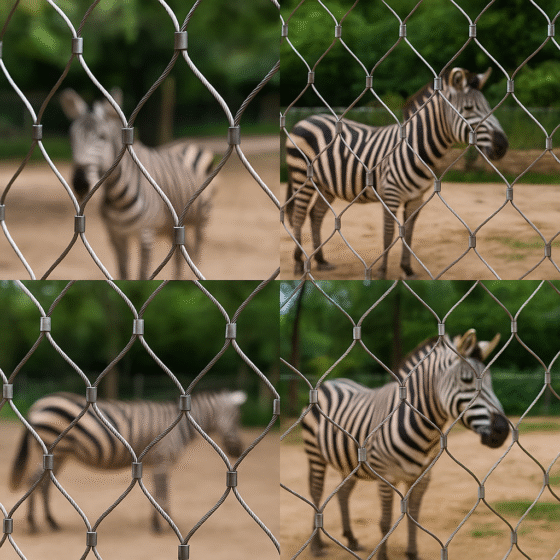
POLYMETAL tubular fence panels are built for consistent alignment across long runs, controlled upright spacing for a disciplined look, and repeatable post-and-panel pairing to reduce wobble and racking. With hot dip galvanized and powder coated finish routes, the system is designed to maintain appearance under real handling, stacking, and outdoor exposure. For premium infill or architectural security applications, you can also pair perimeter designs with hand woven stainless steel rope mesh to add high-strength transparency and long-term corrosion resistance.
Packing
Tubular fence panels are packed to protect straightness and coating integrity: controlled stacking points, separators, edge protection, and stable strapping reduce rub-through and bending. Posts are bundled by section and height, and accessories are boxed and labeled to reduce on-site sorting time.
Standard
Common references for steel fence projects include hot dip galvanizing standards, powder coating standards, and structured quality control systems. POLYMETAL production can be organized around defined inspection checkpoints for dimensions, weld consistency, coating appearance, and packing integrity to keep tubular fence panels consistent across the batch.
FAQS
Q: What are the most common panel sizes?
A: 1200–2400 mm heights with 2400 mm or 2450 mm widths are widely used, with rail and upright options selected to match exposure and handling.
Q: Which upright count should I choose?
A: 18 uprights at 100 mm spacing is commonly selected for disciplined appearance and planning consistency; 16 or 17 uprights are also available when the project targets a different look or takeoff.
Q: What finishes are available?
A: Hot dip galvanized and powder coated routes are available depending on corrosion exposure, required appearance, and project lifecycle expectations.
Q: Can you customize posts?
A: Yes. Post options include 60×60, 65×65, 75×75, 80×80, and 100×100 with wall thickness options of 1.6 mm, 2.0 mm, or 2.5 mm to match the system stiffness.
Q: What should I lock before ordering?
A: Lock rail frame, rail thickness, upright section, upright thickness, upright count/spacing, post section, post wall thickness, finish route, and packing method—so your tubular fence panels arrive consistent and install clean.