Your One-Stop Wire Mesh Fence Supplier | POLYMETAL
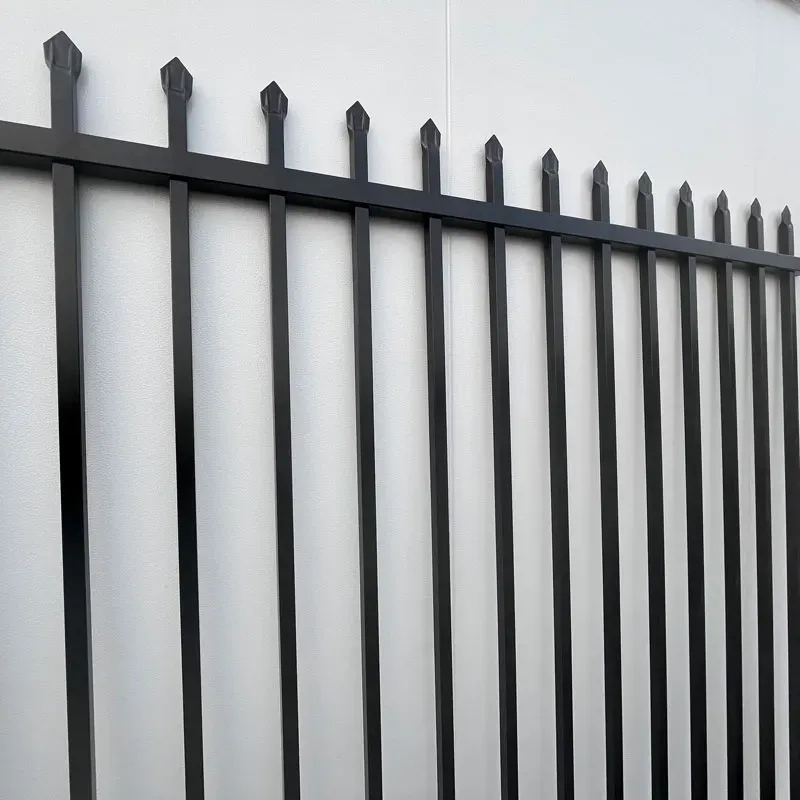
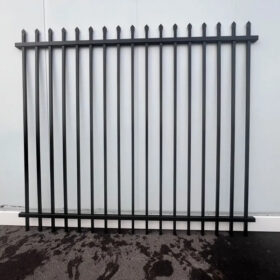
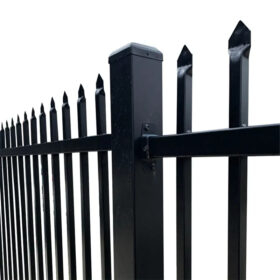
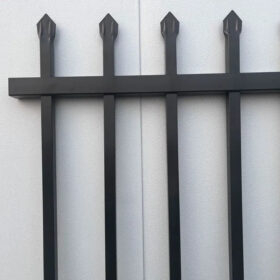
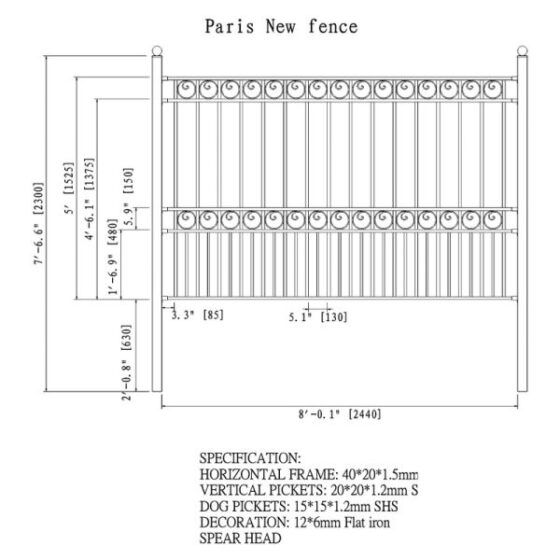
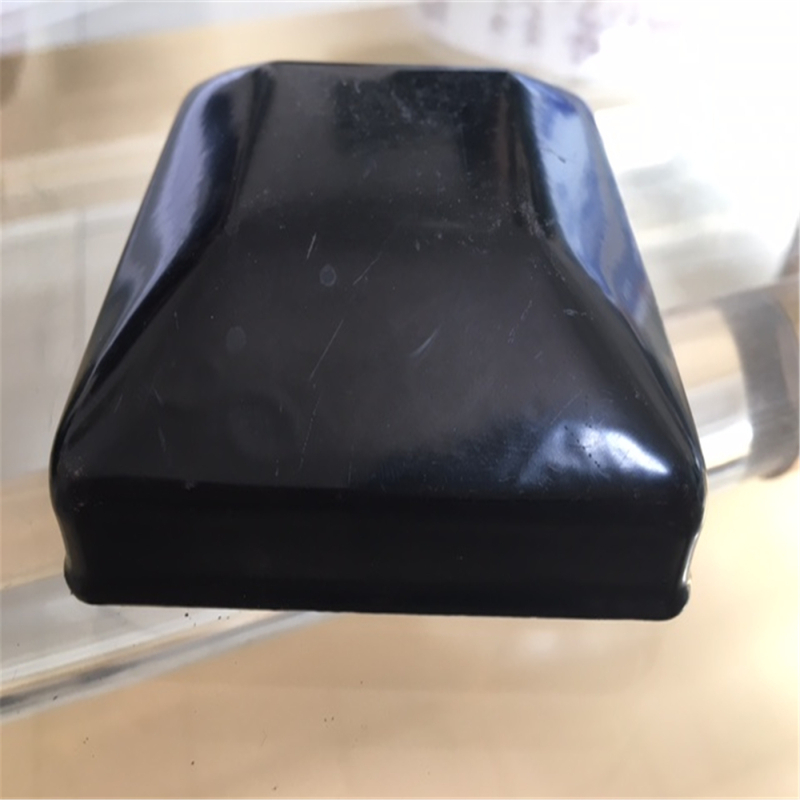
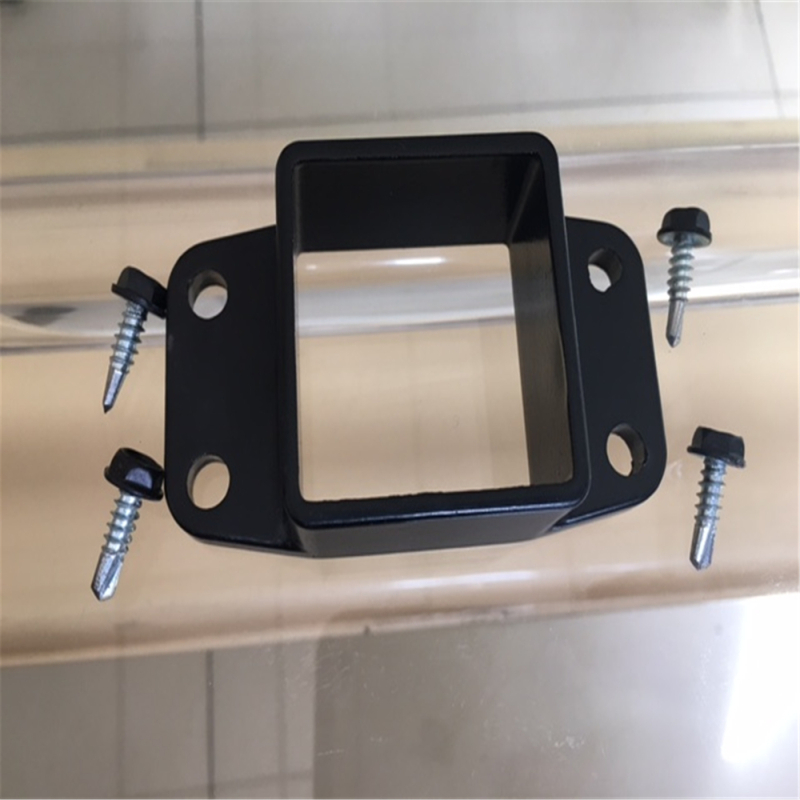
If you are sourcing tubular metal fence panels for industrial sites, commercial properties, schools, parks, public facilities, or high-density perimeters, the biggest risk is rarely the quoted price. The real danger is the panel line that looks right in photos but arrives with the wrong rail thickness, weak post pairing, inconsistent upright density, or coating that can’t survive real handling. One wrong spec can turn a straight security line into a wavy, noisy perimeter that triggers complaints, rejection, and rework when the schedule is already tight. To keep long runs straight and stop rattles at connection points, match the panel system with correct fixing hardware and brackets—see the reference here: garrison fencing brackets.
Brand Overview: POLYMETAL
POLYMETAL supplies tubular metal fence panels as a matched system—panels, posts, and accessories designed to install cleanly, align consistently, and stay stable over time. The goal is simple: reduce on-site “make-it-fit” improvisation that creates weak points, visible waves, and early failures.
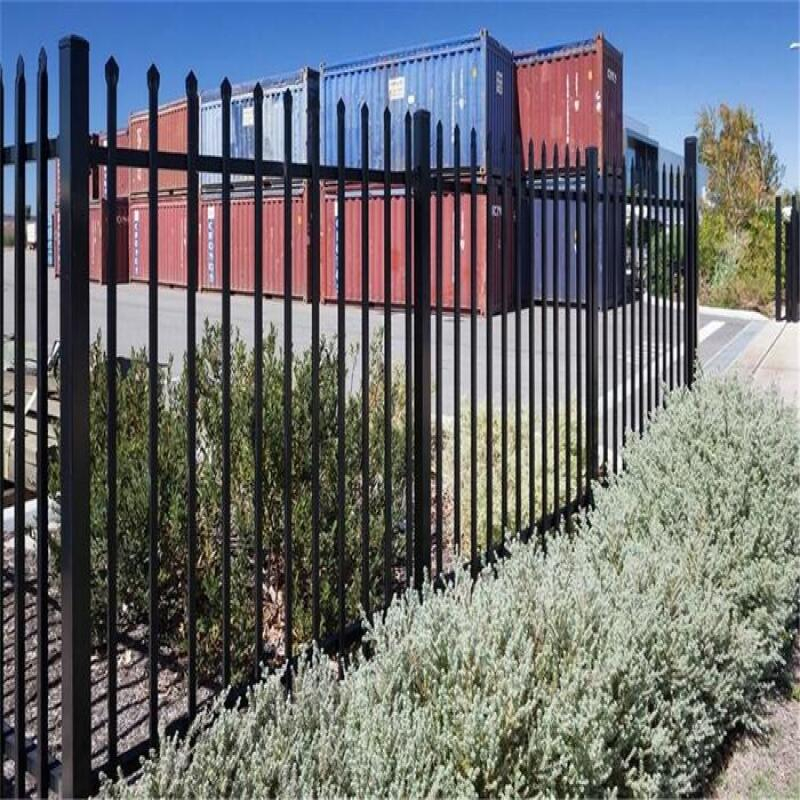
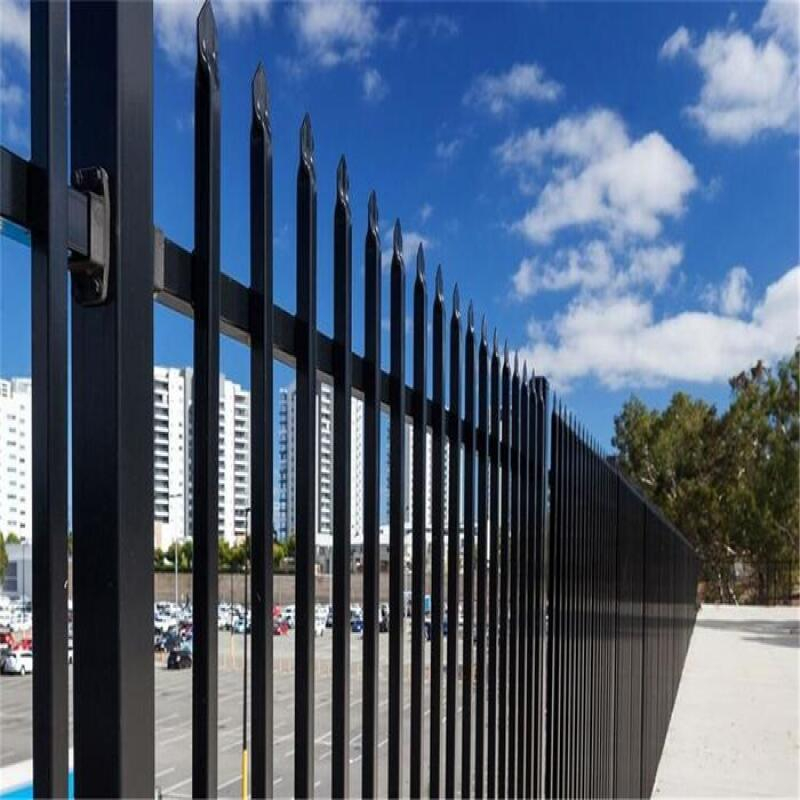
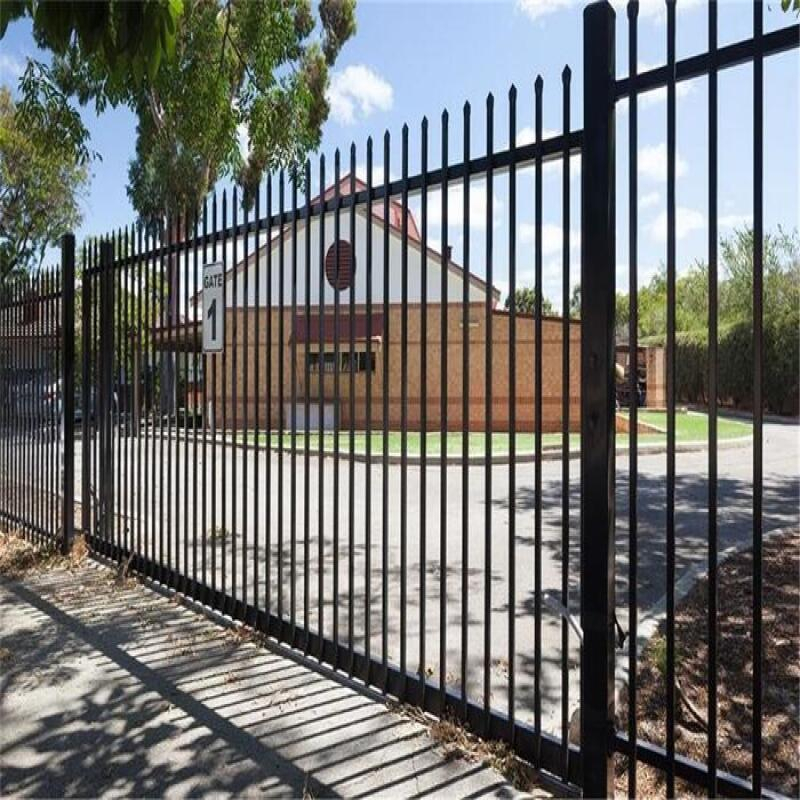
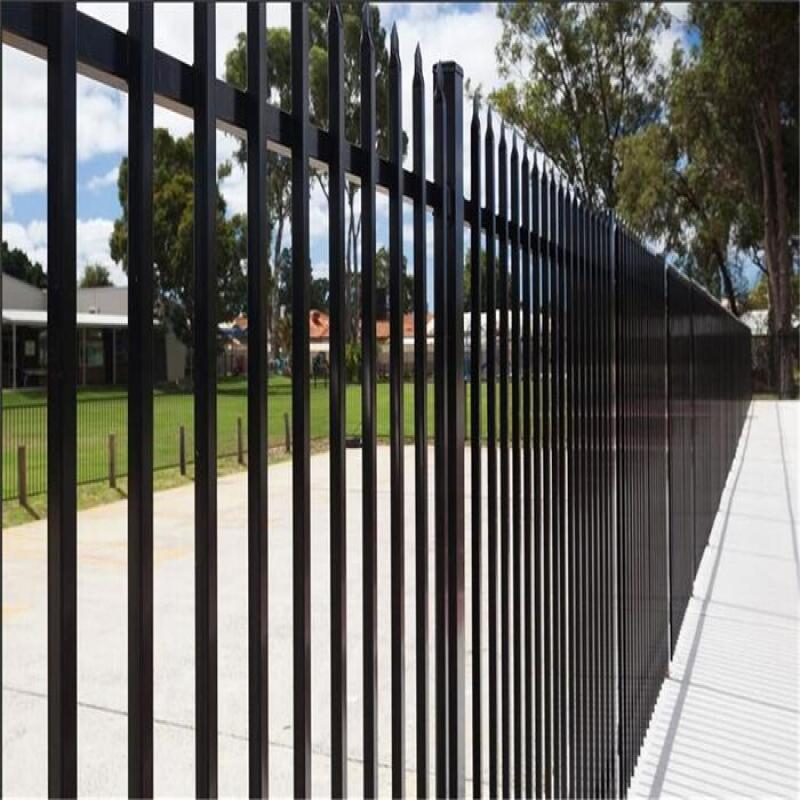
Product Description: POLYMETAL Tubular Metal Fence Panels
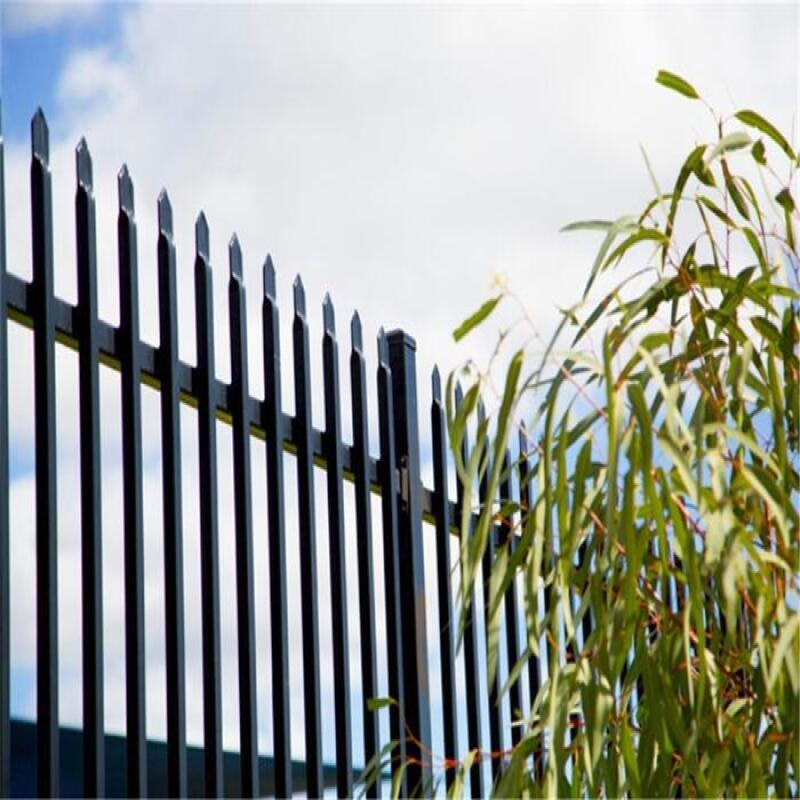
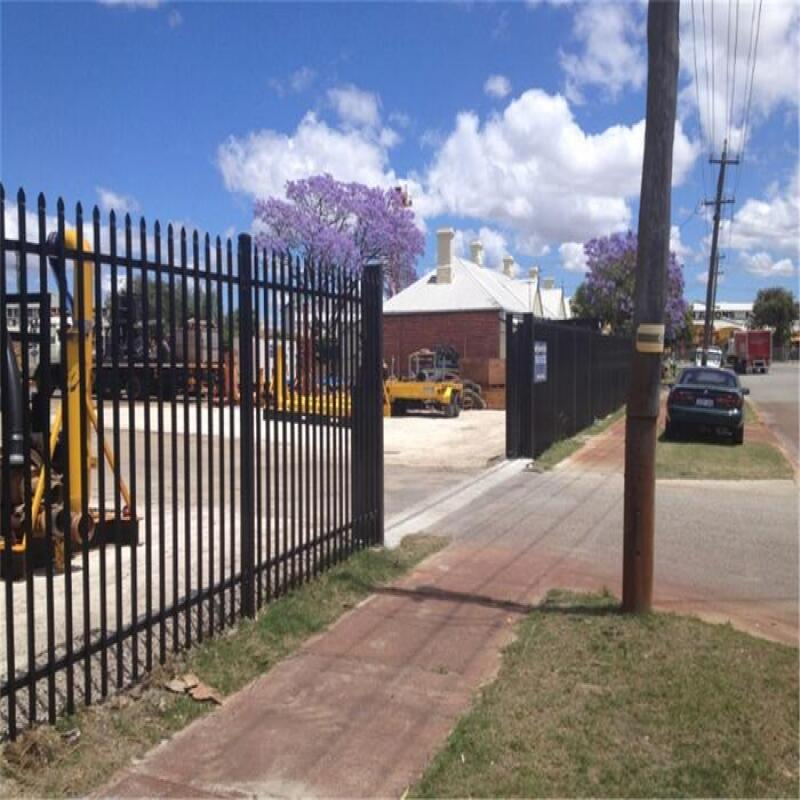
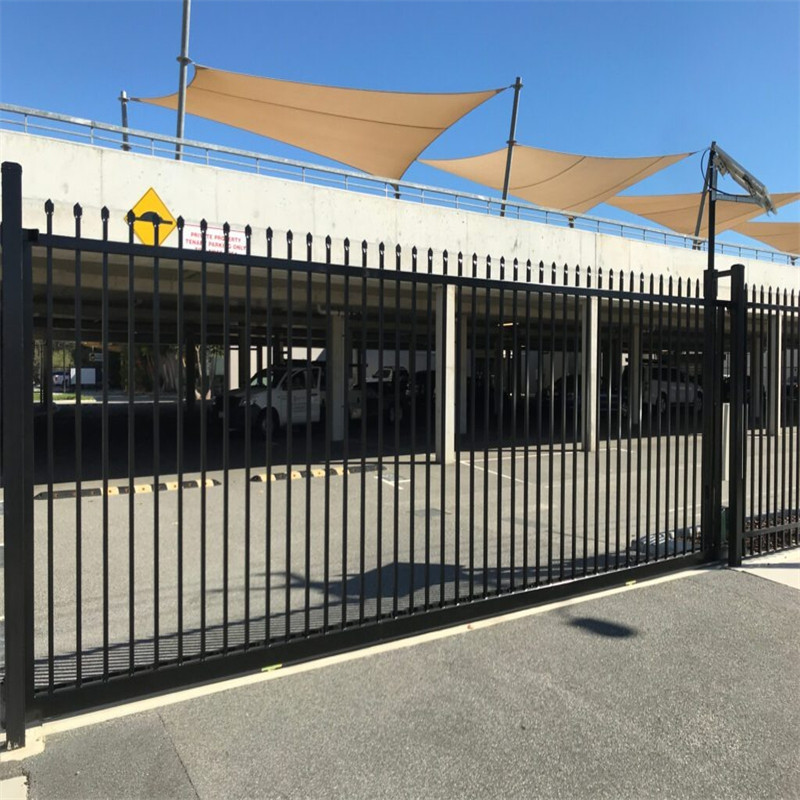
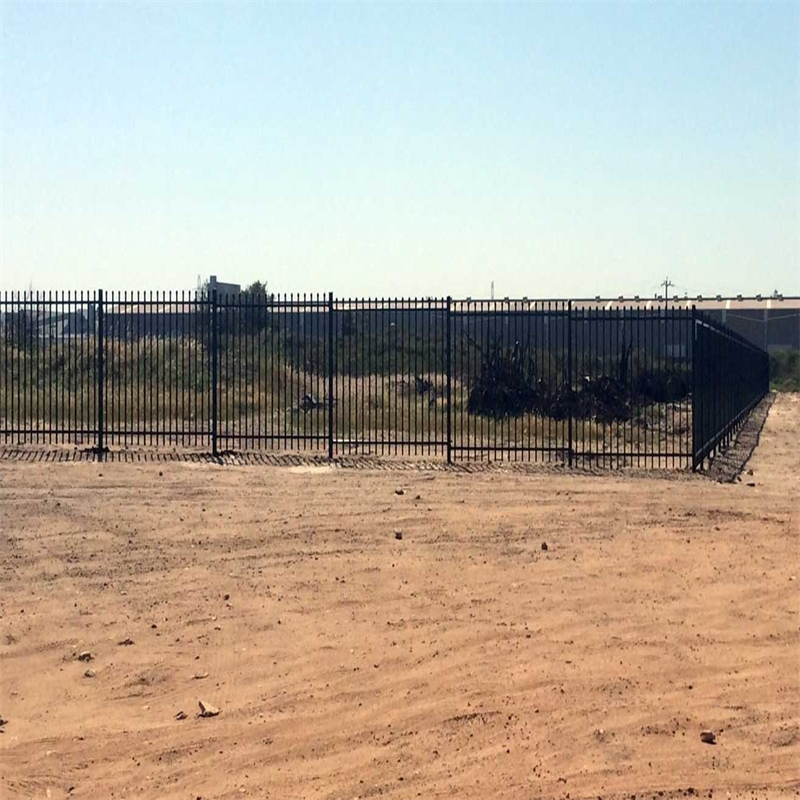
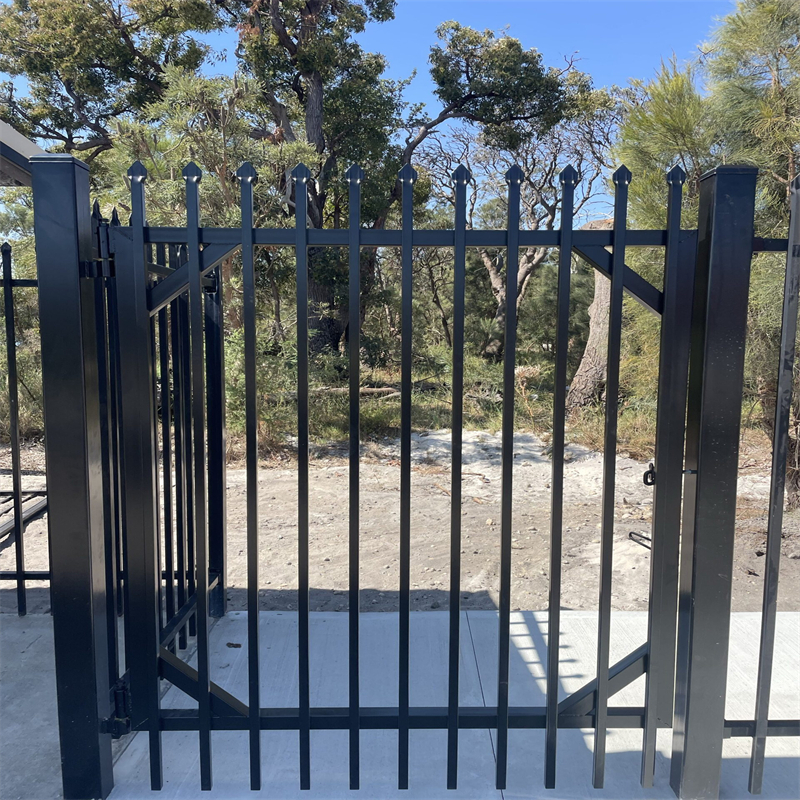
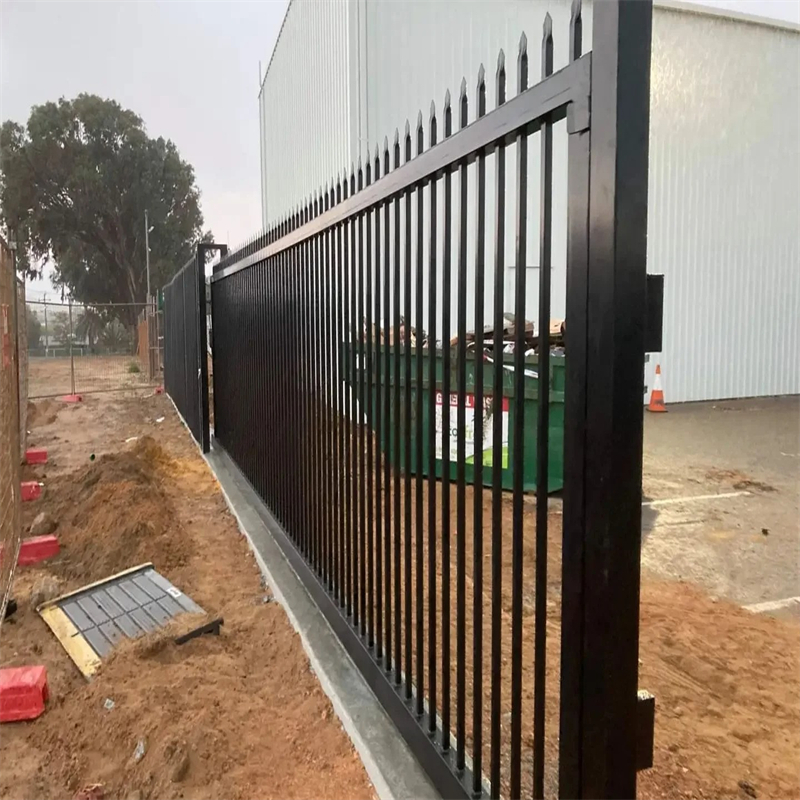
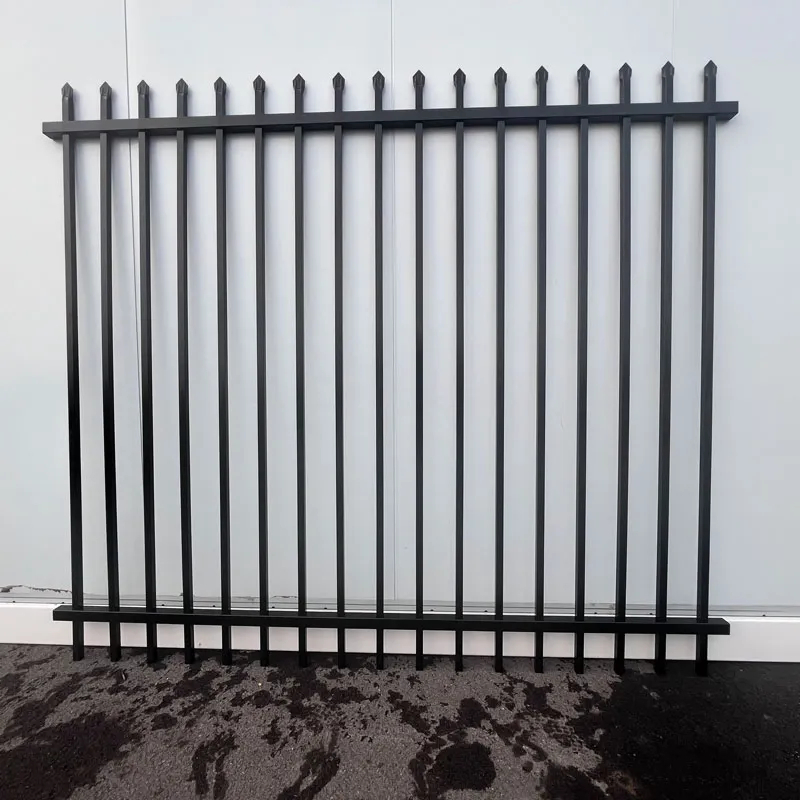
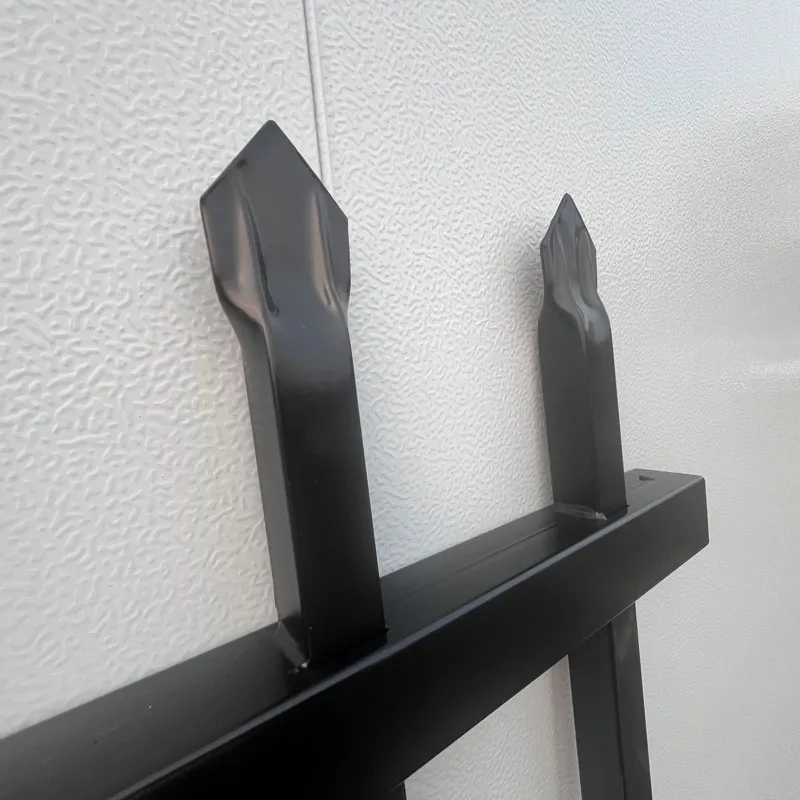
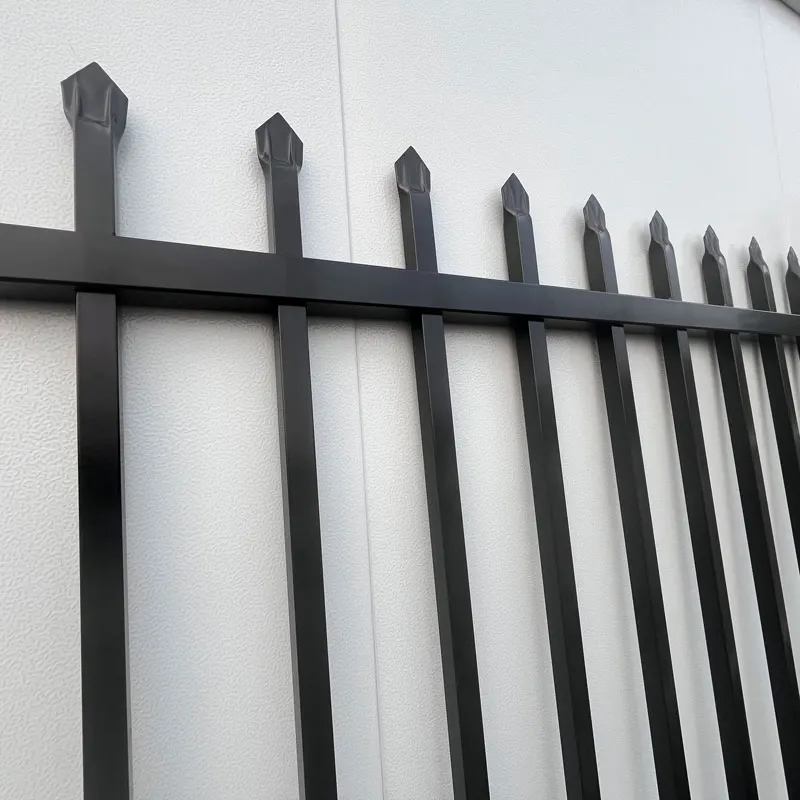
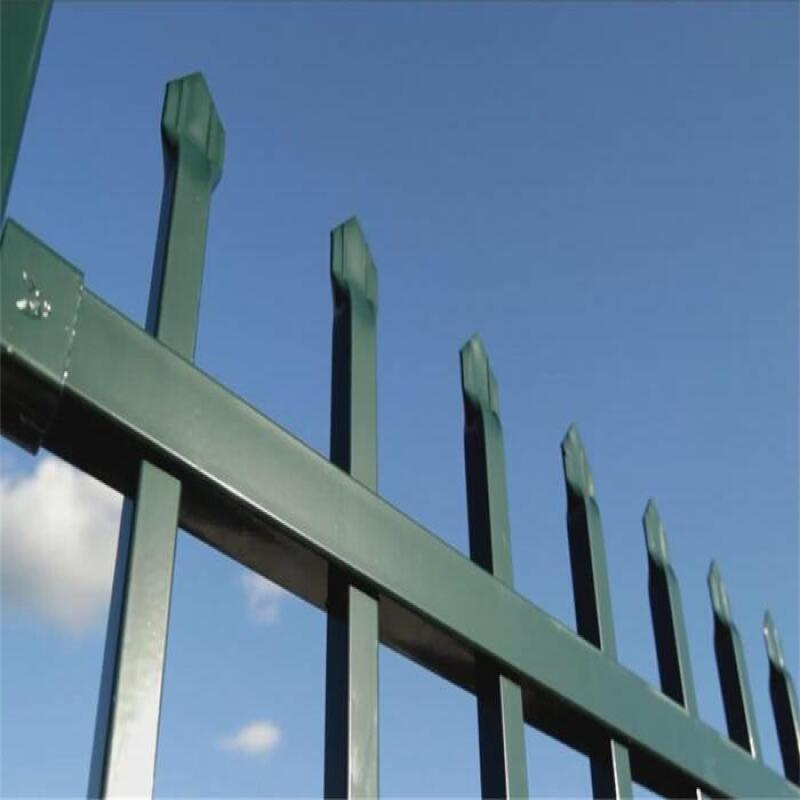
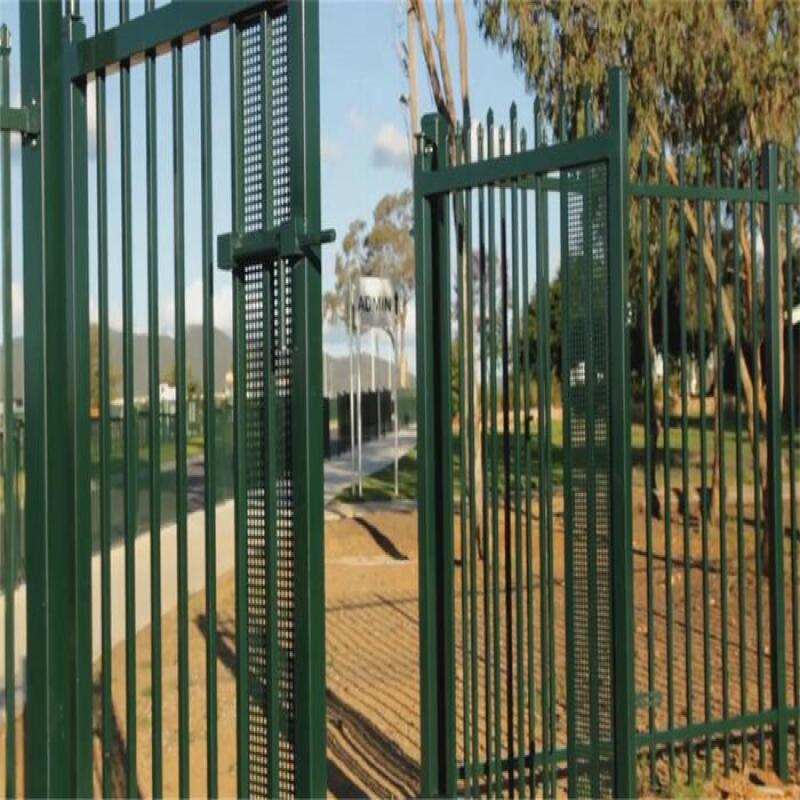
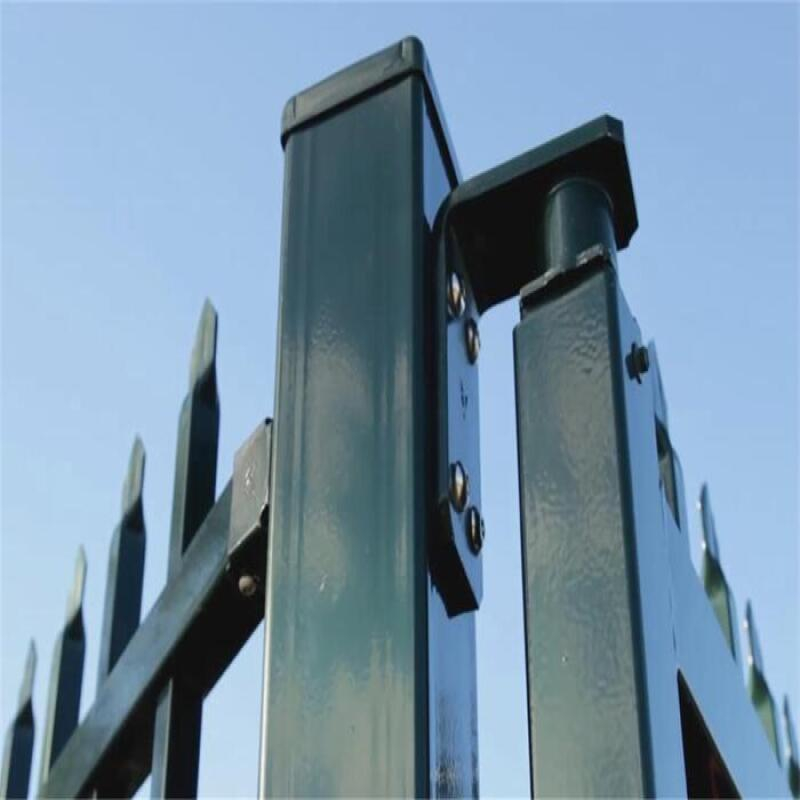
Tubular metal fence panels are popular in industrial, commercial, and high-density areas because they deliver a stronger, more attractive perimeter than conventional chain wire fencing. POLYMETAL tubular metal fence panels are manufactured from steel tubular sections and finished with galvanizing and powder coating to provide a clean, contemporary look while maintaining the rigidity needed to resist vibration, impact, and long-run alignment drift. The fence line can be supplied in standard black or a full range of RAL colours to suit architectural expectations, while still maintaining strong anti-intrusion performance.
The system supports common fence heights of 1200mm, 1500mm, 1800mm, 2100mm, and 2400mm, paired with popular widths of 2400mm and 2450mm. Rail frames are typically specified as 40×40mm, 45×45mm, or 50×50mm, while uprights can be configured using 16×16mm, 25×25mm, or 30×30mm profiles. Upright density is a major “hidden cost lever”: common builds use 16 pcs (~115mm gap), 17 pcs (~108mm gap), or 18 pcs (~100mm gap) to balance appearance, rigidity, and gap control.
Finish performance is controlled through galvanizing aligned to AS/NZS 1163 and powder coating aligned to AS/NZS 4506-1998, with a practical target of minimum 80 microns powder thickness for better scratch resistance and lower maintenance. Anti-tamper fasteners can be supplied to reduce unauthorised removal risk, and the open tubular style offers minimal wind resistance compared with solid fencing, helping the fence remain stable when correctly posted and installed. For buyers who also run mixed site systems and want to compare perimeter-control options, you can review related temporary boundary formats here: temporary site fence panels.
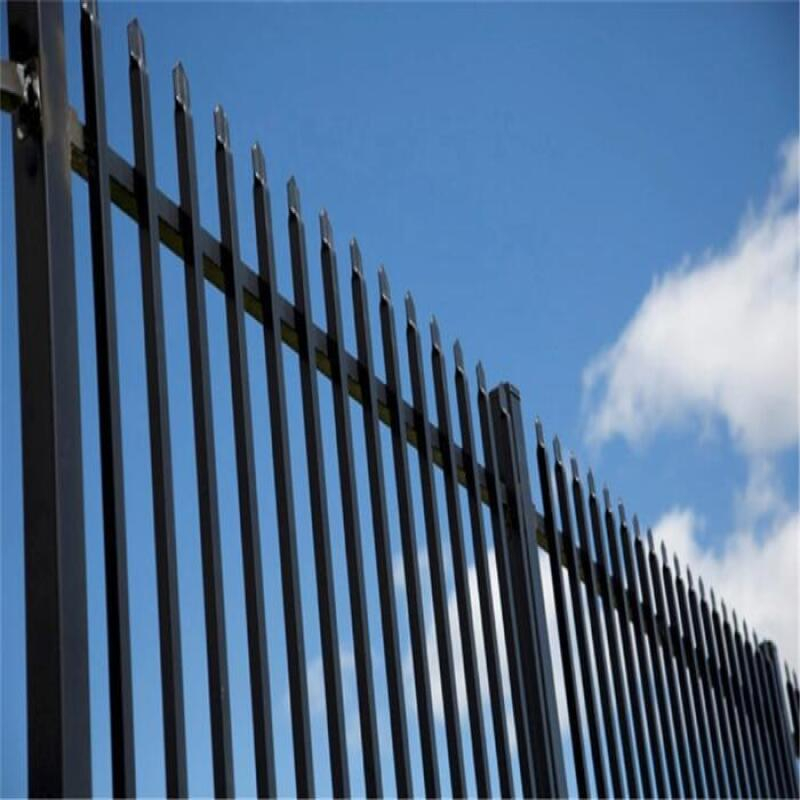
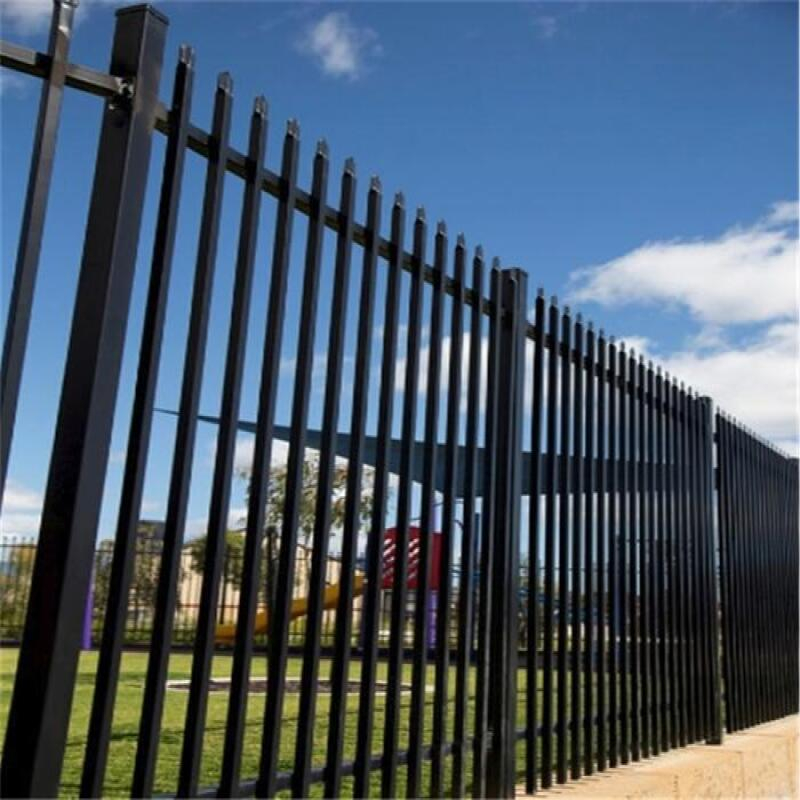
Specifications Tubular metal fence panels
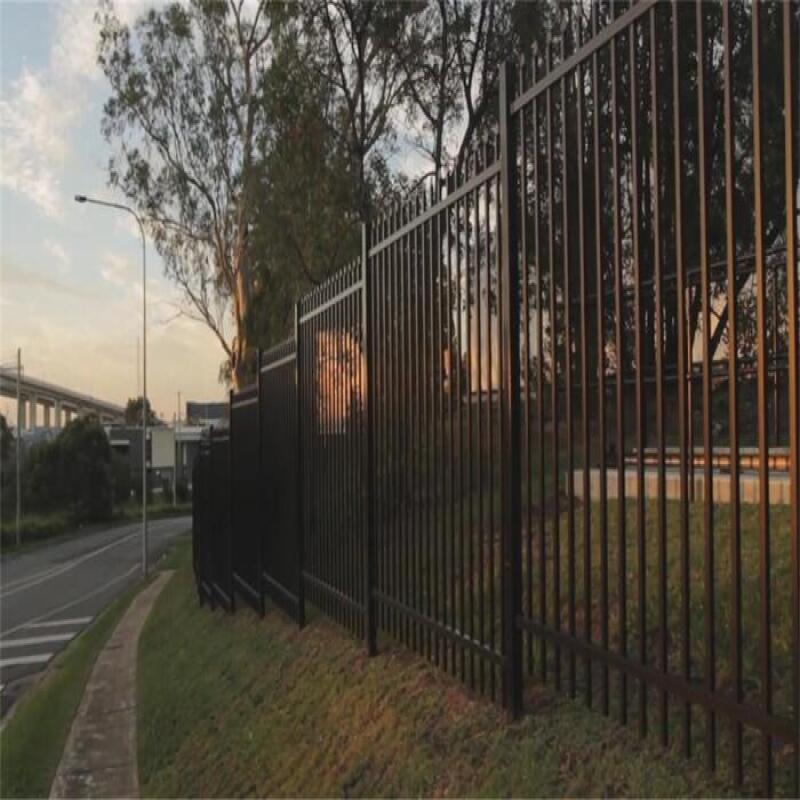
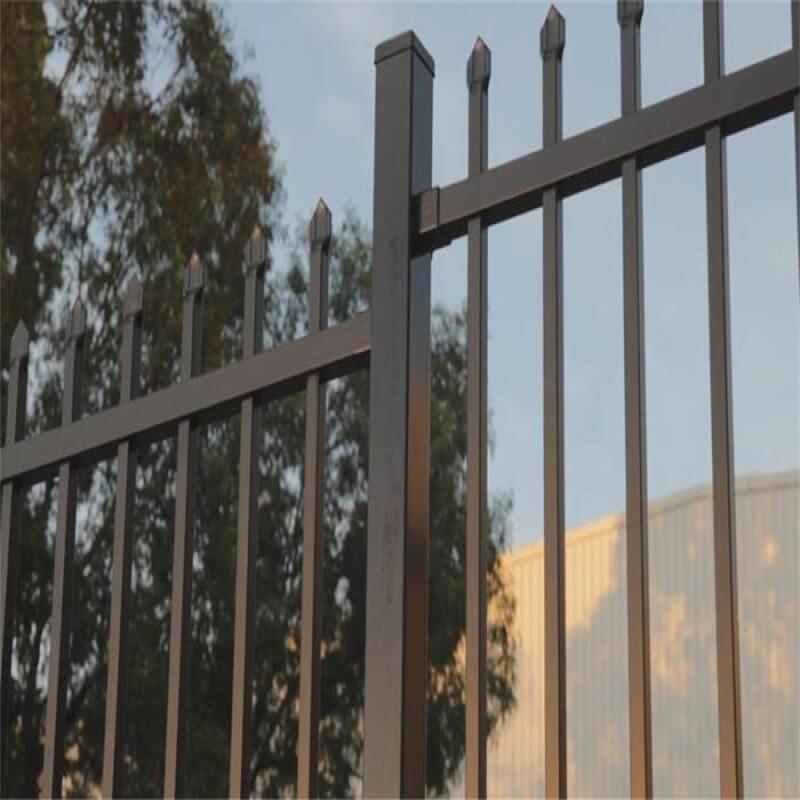
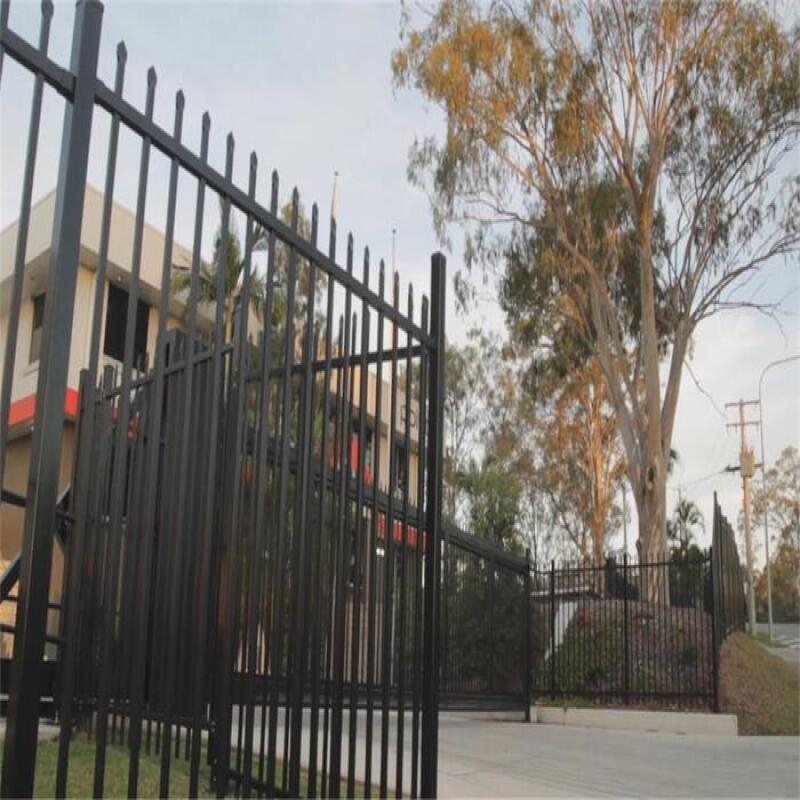
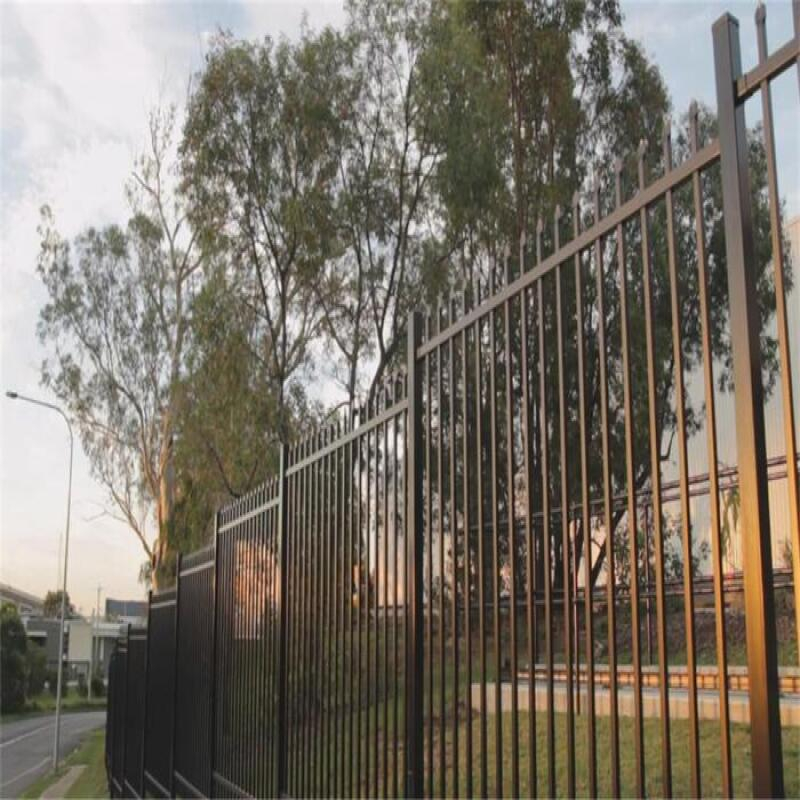
Table 1:Tubular metal fence panels Core Size Builds (2400mm / 2450mm) — Common Project Configurations
| Fence Height | Fence Width | Rail Frame | Rail Thickness | Upright | Upright Thickness | Upright Qty (Gap) | Spacing Target | Post Size | Post Wall | Post Height (Panel+600) |
|---|---|---|---|---|---|---|---|---|---|---|
| 1200mm | 2400mm | 40×40mm | 1.60mm | 16×16mm | 0.80mm | 16 pcs (115mm) | 100mm | 60×60mm | 1.60mm | 1800mm |
| 1200mm | 2450mm | 45×45mm | 2.00mm | 25×25mm | 1.00mm | 17 pcs (108mm) | 100mm | 65×65mm | 2.00mm | 1800mm |
| 1500mm | 2400mm | 40×40mm | 2.00mm | 25×25mm | 1.00mm | 18 pcs (100mm) | 100mm | 65×65mm | 2.00mm | 2100mm |
| 1500mm | 2450mm | 45×45mm | 2.50mm | 25×25mm | 1.20mm | 18 pcs (100mm) | 100mm | 75×75mm | 2.00mm | 2100mm |
| 1800mm | 2400mm | 40×40mm | 2.00mm | 25×25mm | 1.20mm | 17 pcs (108mm) | 100mm | 75×75mm | 2.00mm | 2400mm |
| 1800mm | 2450mm | 45×45mm | 2.00mm | 25×25mm | 1.20mm | 18 pcs (100mm) | 100mm | 75×75mm | 2.00mm | 2400mm |
| 1800mm | 2450mm | 50×50mm | 2.50mm | 30×30mm | 2.00mm | 18 pcs (100mm) | 100mm | 80×80mm | 2.50mm | 2400mm |
| 2100mm | 2400mm | 45×45mm | 2.50mm | 25×25mm | 1.20mm | 18 pcs (100mm) | 100mm | 80×80mm | 2.00mm | 2700mm |
| 2100mm | 2450mm | 50×50mm | 2.50mm | 30×30mm | 2.00mm | 18 pcs (100mm) | 100mm | 100×100mm | 2.00mm | 2700mm |
| 2400mm | 2450mm | 50×50mm | 3.00mm | 30×30mm | 2.00mm | 18 pcs (100mm) | 100mm | 100×100mm | 2.50mm | 3000mm |
Table 2: Rail Frame & Thickness Map (How to Prevent Flex and Long-Run “Wave Lines”)
| Fence Height | Fence Width | Rail Frame | Rail Thickness | Upright | Upright Thickness | Upright Qty (Gap) | Spacing Target | Post Size | Post Wall | Post Height (Panel+600) |
|---|---|---|---|---|---|---|---|---|---|---|
| 1200mm | 2400mm | 40×40mm | 1.60mm | 16×16mm | 0.80mm | 18 pcs (100mm) | 100mm | 60×60mm | 1.60mm | 1800mm |
| 1200mm | 2450mm | 45×45mm | 2.00mm | 25×25mm | 1.00mm | 18 pcs (100mm) | 100mm | 65×65mm | 2.00mm | 1800mm |
| 1500mm | 2400mm | 40×40mm | 2.00mm | 25×25mm | 1.00mm | 17 pcs (108mm) | 100mm | 65×65mm | 2.00mm | 2100mm |
| 1500mm | 2450mm | 45×45mm | 2.50mm | 25×25mm | 1.20mm | 17 pcs (108mm) | 100mm | 75×75mm | 2.00mm | 2100mm |
| 1800mm | 2400mm | 40×40mm | 2.50mm | 25×25mm | 1.20mm | 16 pcs (115mm) | 100mm | 75×75mm | 2.00mm | 2400mm |
| 1800mm | 2450mm | 45×45mm | 2.00mm | 25×25mm | 1.20mm | 17 pcs (108mm) | 100mm | 80×80mm | 2.00mm | 2400mm |
| 1800mm | 2450mm | 50×50mm | 2.50mm | 30×30mm | 2.00mm | 18 pcs (100mm) | 100mm | 80×80mm | 2.50mm | 2400mm |
| 2100mm | 2400mm | 50×50mm | 2.50mm | 30×30mm | 2.00mm | 18 pcs (100mm) | 100mm | 100×100mm | 2.00mm | 2700mm |
| 2100mm | 2450mm | 50×50mm | 3.00mm | 30×30mm | 2.00mm | 18 pcs (100mm) | 100mm | 100×100mm | 2.50mm | 2700mm |
| 2400mm | 2450mm | 50×50mm | 3.00mm | 30×30mm | 2.00mm | 18 pcs (100mm) | 100mm | 100×100mm | 2.50mm | 3000mm |
Table 3: Tubular metal fence panels Upright Density Control (16 / 17 / 18) — Appearance, Rigidity, Gap Discipline
| Fence Height | Fence Width | Rail Frame | Rail Thickness | Upright | Upright Thickness | Upright Qty | Gap (Approx.) | Spacing Target | Post Size | Post Height (Panel+600) |
|---|---|---|---|---|---|---|---|---|---|---|
| 1200mm | 2400mm | 40×40mm | 1.60mm | 16×16mm | 0.80mm | 16 pcs | 115mm | 100mm | 60×60mm | 1800mm |
| 1200mm | 2450mm | 45×45mm | 2.00mm | 25×25mm | 1.00mm | 17 pcs | 108mm | 100mm | 65×65mm | 1800mm |
| 1200mm | 2450mm | 45×45mm | 2.00mm | 25×25mm | 1.00mm | 18 pcs | 100mm | 100mm | 65×65mm | 1800mm |
| 1500mm | 2400mm | 40×40mm | 2.00mm | 25×25mm | 1.00mm | 16 pcs | 115mm | 100mm | 65×65mm | 2100mm |
| 1500mm | 2450mm | 45×45mm | 2.50mm | 25×25mm | 1.20mm | 17 pcs | 108mm | 100mm | 75×75mm | 2100mm |
| 1500mm | 2450mm | 45×45mm | 2.50mm | 25×25mm | 1.20mm | 18 pcs | 100mm | 100mm | 80×80mm | 2100mm |
| 1800mm | 2400mm | 40×40mm | 2.00mm | 25×25mm | 1.20mm | 16 pcs | 115mm | 100mm | 75×75mm | 2400mm |
| 1800mm | 2450mm | 45×45mm | 2.00mm | 25×25mm | 1.20mm | 17 pcs | 108mm | 100mm | 80×80mm | 2400mm |
| 1800mm | 2450mm | 50×50mm | 2.50mm | 30×30mm | 2.00mm | 18 pcs | 100mm | 100mm | 80×80mm | 2400mm |
| 2100mm | 2450mm | 50×50mm | 2.50mm | 30×30mm | 2.00mm | 18 pcs | 100mm | 100mm | 100×100mm | 2700mm |
Table 4:Tubular metal fence panels Post Strength Map (Stopping Leaning, Rattle, and “Fence-Line Drift”)
| Fence Height | Fence Width | Rail Frame | Rail Thickness | Upright | Upright Thickness | Upright Qty (Gap) | Post Size | Post Wall | Spacing Target | Post Height (Panel+600) |
|---|---|---|---|---|---|---|---|---|---|---|
| 1200mm | 2400mm | 40×40mm | 1.60mm | 16×16mm | 0.80mm | 16 pcs (115mm) | 60×60mm | 1.60mm | 100mm | 1800mm |
| 1200mm | 2450mm | 45×45mm | 2.00mm | 25×25mm | 1.00mm | 17 pcs (108mm) | 65×65mm | 2.00mm | 100mm | 1800mm |
| 1500mm | 2400mm | 40×40mm | 2.00mm | 25×25mm | 1.00mm | 18 pcs (100mm) | 65×65mm | 2.00mm | 100mm | 2100mm |
| 1500mm | 2450mm | 45×45mm | 2.50mm | 25×25mm | 1.20mm | 18 pcs (100mm) | 75×75mm | 2.00mm | 100mm | 2100mm |
| 1800mm | 2400mm | 40×40mm | 2.00mm | 25×25mm | 1.20mm | 17 pcs (108mm) | 75×75mm | 2.00mm | 100mm | 2400mm |
| 1800mm | 2450mm | 45×45mm | 2.00mm | 25×25mm | 1.20mm | 18 pcs (100mm) | 80×80mm | 2.00mm | 100mm | 2400mm |
| 1800mm | 2450mm | 50×50mm | 2.50mm | 30×30mm | 2.00mm | 18 pcs (100mm) | 80×80mm | 2.50mm | 100mm | 2400mm |
| 2100mm | 2400mm | 50×50mm | 2.50mm | 30×30mm | 2.00mm | 18 pcs (100mm) | 100×100mm | 2.00mm | 100mm | 2700mm |
| 2100mm | 2450mm | 50×50mm | 2.50mm | 30×30mm | 2.00mm | 18 pcs (100mm) | 100×100mm | 2.50mm | 100mm | 2700mm |
| 2400mm | 2450mm | 50×50mm | 3.00mm | 30×30mm | 2.00mm | 18 pcs (100mm) | 100×100mm | 2.50mm | 100mm | 3000mm |
Table 5: Finish, Treatment, and Delivery Controls (Keeping the Fence Attractive and Low-Maintenance)
| Fence Height | Fence Width | Rail Frame | Rail Thickness | Upright | Upright Thickness | Post Size | Post Wall | Post Height (Panel+600) | Galv Standard Target | Powder Coat Standard Target | Powder Thickness |
|---|---|---|---|---|---|---|---|---|---|---|---|
| 1200mm | 2400mm | 40×40mm | 1.60mm | 16×16mm | 0.80mm | 60×60mm | 1.60mm | 1800mm | AS/NZS 1163 | AS/NZS 4506-1998 | ≥80µm |
| 1200mm | 2450mm | 45×45mm | 2.00mm | 25×25mm | 1.00mm | 65×65mm | 2.00mm | 1800mm | AS/NZS 1163 | AS/NZS 4506-1998 | ≥80µm |
| 1500mm | 2400mm | 40×40mm | 2.00mm | 25×25mm | 1.00mm | 65×65mm | 2.00mm | 2100mm | AS/NZS 1163 | AS/NZS 4506-1998 | ≥80µm |
| 1500mm | 2450mm | 45×45mm | 2.50mm | 25×25mm | 1.20mm | 75×75mm | 2.00mm | 2100mm | AS/NZS 1163 | AS/NZS 4506-1998 | ≥80µm |
| 1800mm | 2400mm | 40×40mm | 2.00mm | 25×25mm | 1.20mm | 75×75mm | 2.00mm | 2400mm | AS/NZS 1163 | AS/NZS 4506-1998 | ≥80µm |
| 1800mm | 2450mm | 45×45mm | 2.00mm | 25×25mm | 1.20mm | 80×80mm | 2.00mm | 2400mm | AS/NZS 1163 | AS/NZS 4506-1998 | ≥80µm |
| 1800mm | 2450mm | 50×50mm | 2.50mm | 30×30mm | 2.00mm | 80×80mm | 2.50mm | 2400mm | AS/NZS 1163 | AS/NZS 4506-1998 | ≥80µm |
| 2100mm | 2400mm | 50×50mm | 2.50mm | 30×30mm | 2.00mm | 100×100mm | 2.00mm | 2700mm | AS/NZS 1163 | AS/NZS 4506-1998 | ≥80µm |
| 2100mm | 2450mm | 50×50mm | 2.50mm | 30×30mm | 2.00mm | 100×100mm | 2.50mm | 2700mm | AS/NZS 1163 | AS/NZS 4506-1998 | ≥80µm |
| 2400mm | 2450mm | 50×50mm | 3.00mm | 30×30mm | 2.00mm | 100×100mm | 2.50mm | 3000mm | AS/NZS 1163 | AS/NZS 4506-1998 | ≥80µm |
Applications
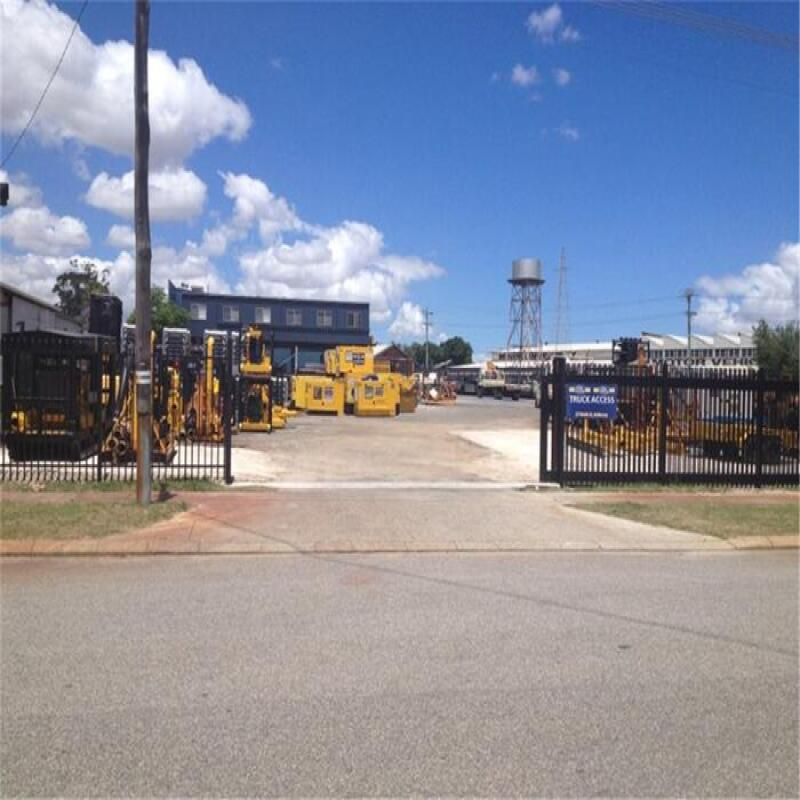
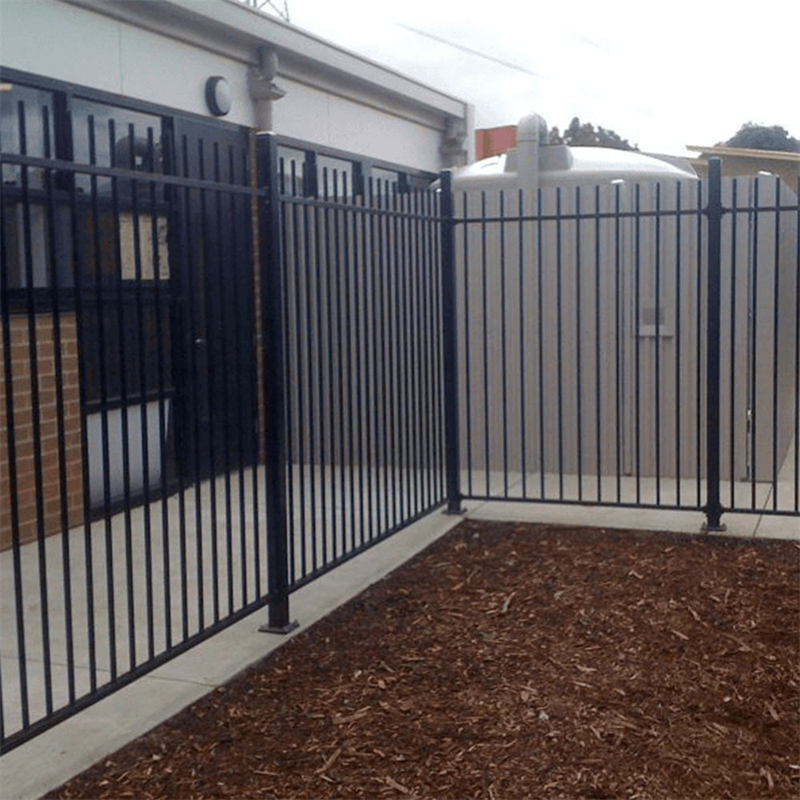
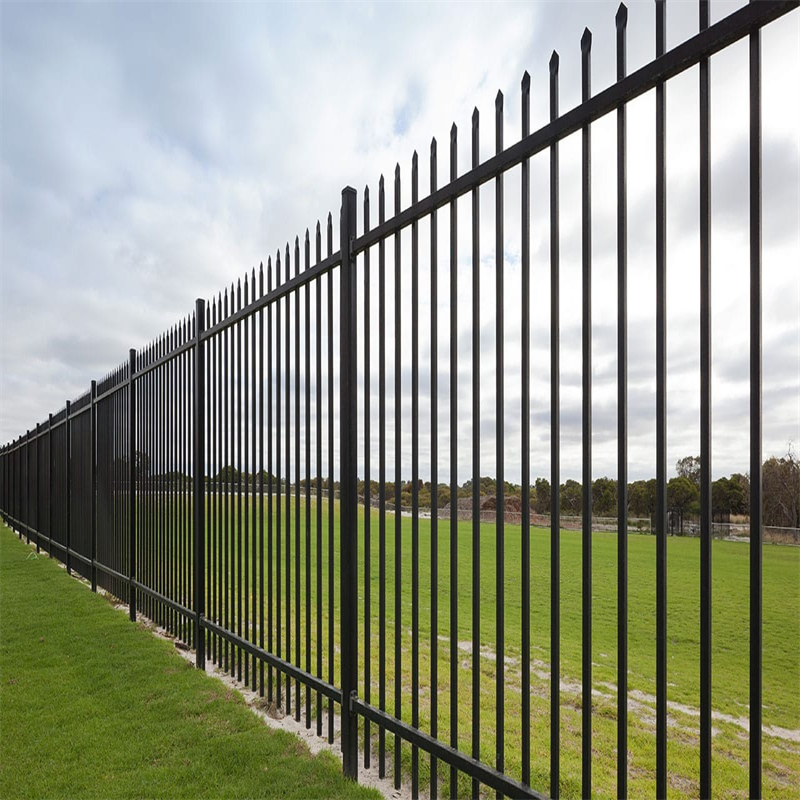
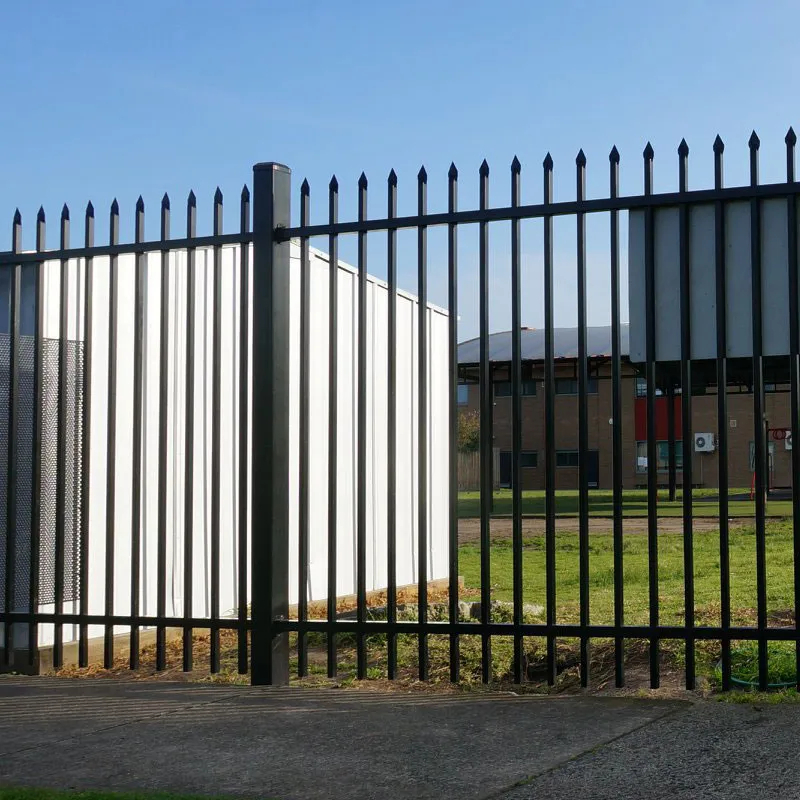
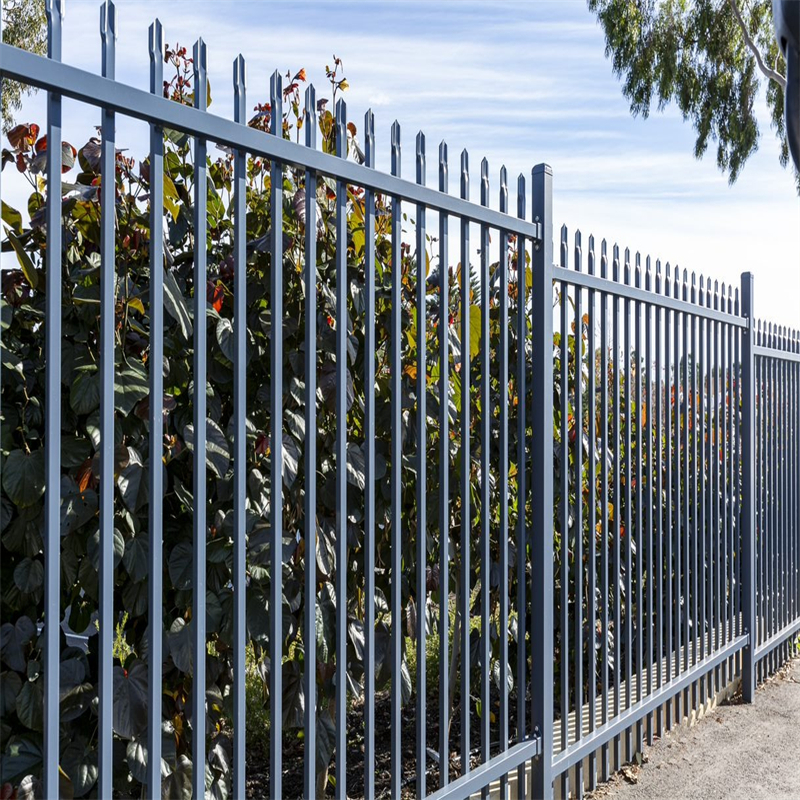
Tubular metal fence panels are commonly used for industrial and commercial sites, boundary fencing, schools and parks, public facilities, factories, villas, and construction-related perimeters where the fence must look professional while providing reliable intrusion resistance. Matching heavy-duty security gates can be supplied for controlled access points, including options for electronic control if required.
Benefits
A well-specified tubular metal fence panel system delivers a stronger “security feel,” cleaner site presentation, and lower maintenance cost than many conventional options. Correct rail size and thickness reduce flex and rattle, controlled upright density improves both appearance and gap discipline, and properly selected posts prevent leaning and wave lines across long runs. A minimum 80-micron powder coating target helps reduce scratching and chalking, keeping the fence line attractive and harder to vandalise or visually degrade.
Packing Tubular metal fence panels
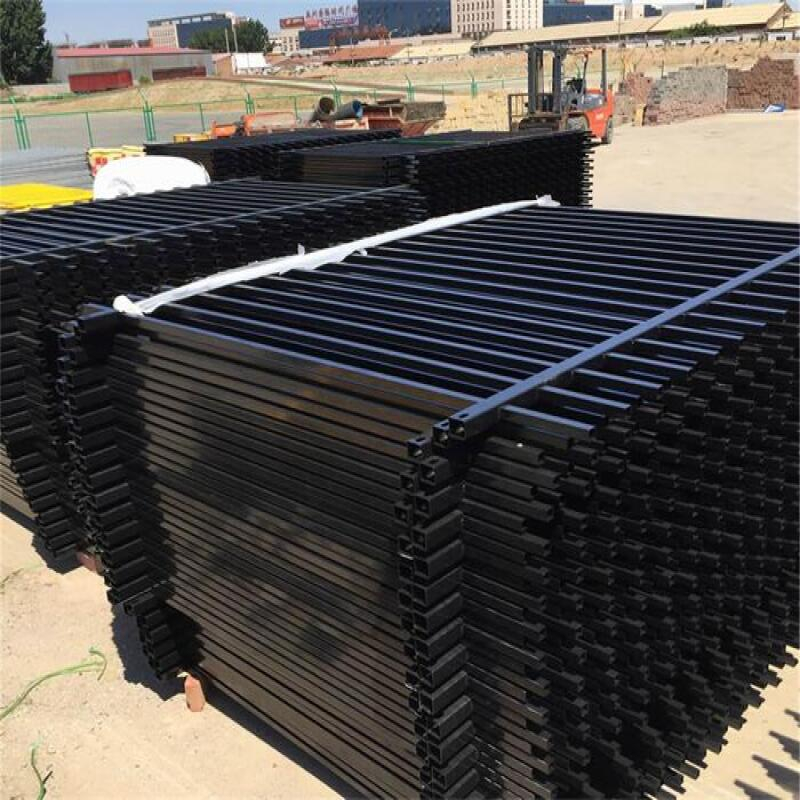
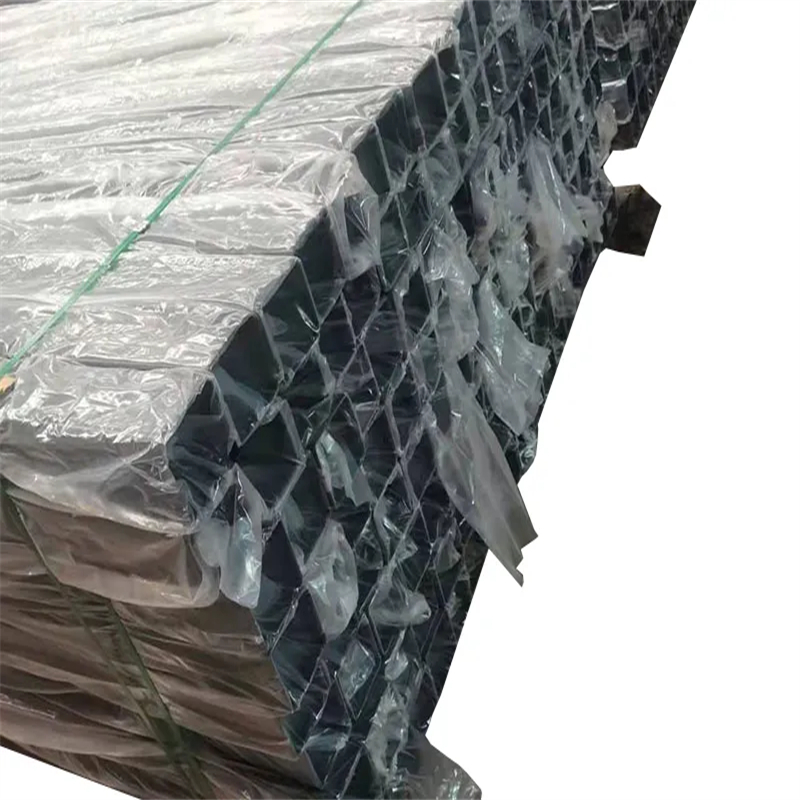
POLYMETAL packing is designed to reduce transport damage that silently destroys fence quality before installation. Panels are secured to prevent rubbing at contact points, posts are separated and protected to reduce scuffing, and accessories are organised as complete sets to prevent missing-part delays that cause on-site improvisation.
Standard and Documents
POLYMETAL tubular metal fence panels can be specified with galvanizing aligned to AS/NZS 1163 and powder coating aligned to AS/NZS 4506-1998, with a practical minimum 80-micron powder coat thickness target for durability. After shipment, a complete document set can be supplied, including packing list, commercial invoice, bill of lading copy/draft (including telex release workflow where required), and balance documents. For Australia, PKD (Packing Declaration 2016) and Certificate of Origin can be provided within 7 days after vessel departure.
Top 28 Traps for Tubular Metal Fence Panels (Especially #21)
Trap #1: Buying by “height × width” and ignoring rail thickness
Two panels can share the same outer size but behave like different products if rail thickness is lighter. Thin rails rack out of square during handling and the fence line starts to look wavy under normal contact.
Trap #2: Choosing 40×40 rails for a perimeter that needs 45×45 or 50×50
40×40 can suit lighter boundaries, but higher-density areas often require bigger rails to resist flex and vibration. Under-sized rails force installers to “fight” alignment, which damages coating and creates noisy joins.
Trap #3: Treating rail thickness as a tiny cost detail
1.60mm vs 2.00mm vs 2.50mm vs 3.00mm changes rigidity and long-run stability. If you under-spec thickness, the fence can loosen over time and feel weak even if it looks good on day one.
Trap #4: Picking upright size for appearance only
Small uprights can look neat but may vibrate and dent more easily on busy edges. Upright size must match real contact level and handling abuse, not just aesthetics.
Trap #5: Ignoring upright thickness and inviting permanent bends
Thin uprights can bend during unloading or stacking and never look straight again. A single bent picket becomes obvious across an entire frontage and triggers “cheap fence” complaints.
Trap #6: Choosing upright density without deciding the final look
16 pickets creates a more open appearance; 18 pickets is visually tighter and often feels more rigid. If you decide late, you pay twice—once for the wrong panels, again for replacements.
Trap #7: Mixing 16/17/18 picket layouts across one project
Even with the same colour, spacing differences are immediately visible. That inconsistency is a common reason for complaints on commercial and public-facing sites.
Trap #8: Calling it “100mm spacing” without locking picket count and final gap
Factories build by picket count and jig positions. If you do not lock the exact layout, “100mm” can turn into a delivered gap that looks wrong across long runs.
Trap #9: Treating post size like an accessory
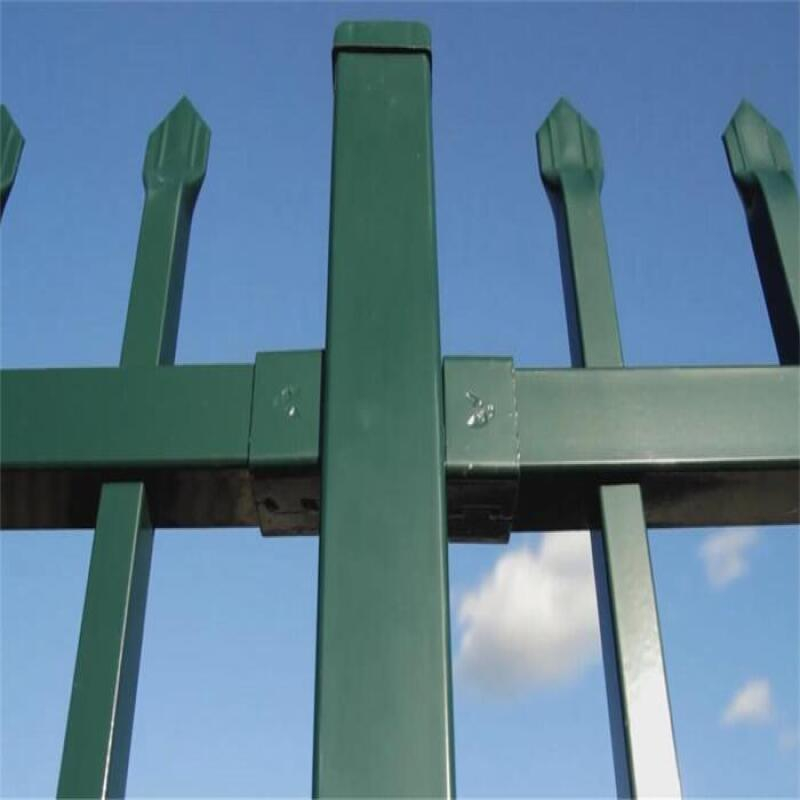
Posts are the backbone of straightness. Weak posts create drift and waves even when panels are strong, because the fence line moves bay by bay.
Trap #10: Using 60×60 posts where 75×75 or 80×80 is required
Long runs and higher fences need stiffer posts. If posts are too small, the line develops a “snake” look and installers spend time re-tightening with little improvement.
Trap #11: Under-specifying post wall thickness
1.6mm walls can twist under tension and weather cycles. 2.0mm or 2.5mm walls resist rotation and help keep panels aligned.
Trap #12: Skipping the “panel height + 600mm” post height rule
If posts are too short, embedment depth is shallow and the fence leans over time. Leaning often appears after the site settles—exactly when rework is most painful.
Trap #13: Mixing post sizes within the same run
Different post stiffness means different movement. That creates waves: some bays stay straight while others drift, and the fence looks inconsistent.
Trap #14: Forgetting corners and end posts are load points
Movement often starts at the ends and corners. If these points are not strengthened, the fence line loosens progressively across the whole perimeter.
Trap #15: Assuming welding “looks fine” without controlling weld stability
Weld issues often show up after vibration and temperature cycling, not on the pallet. Weak welds create rattles, loose uprights, and early failure points.
Trap #16: Choosing a welding style without matching it to jig control
Insert-rail and face-to-face weld styles both require consistent jigs. If jigs drift, pickets don’t line up and the fence looks uneven when installed.
Trap #17: Thinking powder coating is “all the same”
Powder quality, cure control, and thickness decide real lifespan. Cheap coating scratches during install and chalks early, turning new fences into tired-looking boundaries.
Trap #18: Ignoring surface preparation that decides adhesion
Poor pretreatment causes peeling and edge lift, especially at welds and corners. Once coating fails, corrosion starts and the fence ages fast.
Trap #19: Missing the minimum 80-micron powder thickness control
Below-target thickness scratches easily and loses visual quality quickly. On public-facing sites, that becomes a complaint and replacement trigger.
Trap #20: Choosing colour without controlling batch consistency
Even “black” varies in gloss and shade across batches. Mixed finish batches create visible lines and inconsistent appearance on long frontages.
Trap #21: The painful loss—when the installed fence fails acceptance expectations and triggers rework
This is the budget killer. The fence may look fine during early install, then posts lean, panels rattle, spacing looks inconsistent, and the line fails acceptance expectations. The result is rework, extra labour, delayed handover, and downtime that costs far more than saving a small amount per panel. The fix is strict system control: rail size and thickness, upright size/thickness/density, post size/wall/height, coating thickness, and accessories must be locked as one specification.
Trap #22: Ordering 2400mm panels where 2450mm site set-out is required
Wrong width forces ugly fixes—extra posts, filler gaps, or uneven bays. Those fixes become weak points and visual defects.
Trap #23: Ignoring site environment that punishes weak coating
Coastal air, wet ground, and frequent cleaning accelerate wear. If you don’t match finish to environment, the fence ages early and looks “old” fast.
Trap #24: Ordering different batches with small geometry changes
Small changes in rail length or picket location break system compatibility. Panels stop matching, and the fence line shows visible steps and uneven gaps.
Trap #25: Treating fasteners as standard when anti-tamper is required
If anti-tamper fasteners are not supplied where needed, unauthorised removal becomes easy. That turns a “secure look” into real security risk.
Trap #26: Buying gates without matching the panel system
Gates that don’t match height, post size, hinge logic, or finish become the first failure point. Mis-matched gates force on-site modifications that weaken the perimeter.
Trap #27: Underestimating packing and transport damage
Rub marks, scratched coating, and bent corners often happen before installation. That damage becomes immediate complaints and early replacement cost.
Trap #28: Buying panels only instead of a complete system plan
A professional fence line is panels + posts + fixings + corner strategy + finish control. Panels alone create improvisation, and improvisation creates weak points.
FAQs
FAQ 1: What heights are common for tubular metal fence panels?
Common heights include 1200mm, 1500mm, 1800mm, 2100mm, and 2400mm.
FAQ 2: What widths are common?
2400mm and 2450mm are common. The correct choice depends on site set-out and bay planning.
FAQ 3: How do I choose 40×40 vs 45×45 vs 50×50 rails?
40×40 suits lighter boundaries, 45×45 is a strong general upgrade, and 50×50 is preferred for heavier duty runs and higher straight-line expectations.
FAQ 4: How many uprights should I choose?
Common layouts are 16 pcs (~115mm), 17 pcs (~108mm), or 18 pcs (~100mm). Denser layouts look tighter and often feel more rigid.
FAQ 5: What is the post height rule?
A practical rule is post height = panel height + 600mm to support stable embedment.
FAQ 6: What post sizes are typical?
60×60, 65×65, 75×75, 80×80, and 100×100 are common, with wall thickness options like 1.6mm, 2.0mm, and 2.5mm.
FAQ 7: What powder coat thickness should I specify?
A practical minimum is 80 microns to improve durability and reduce scratches.
FAQ 8: What documents can be supplied after shipment?
Packing list, commercial invoice, bill of lading copy/draft, plus Australia documents such as PKD (Packing Declaration 2016) and Certificate of Origin within 7 days after vessel departure.