Your One-Stop Wire Mesh Fence Supplier | POLYMETAL
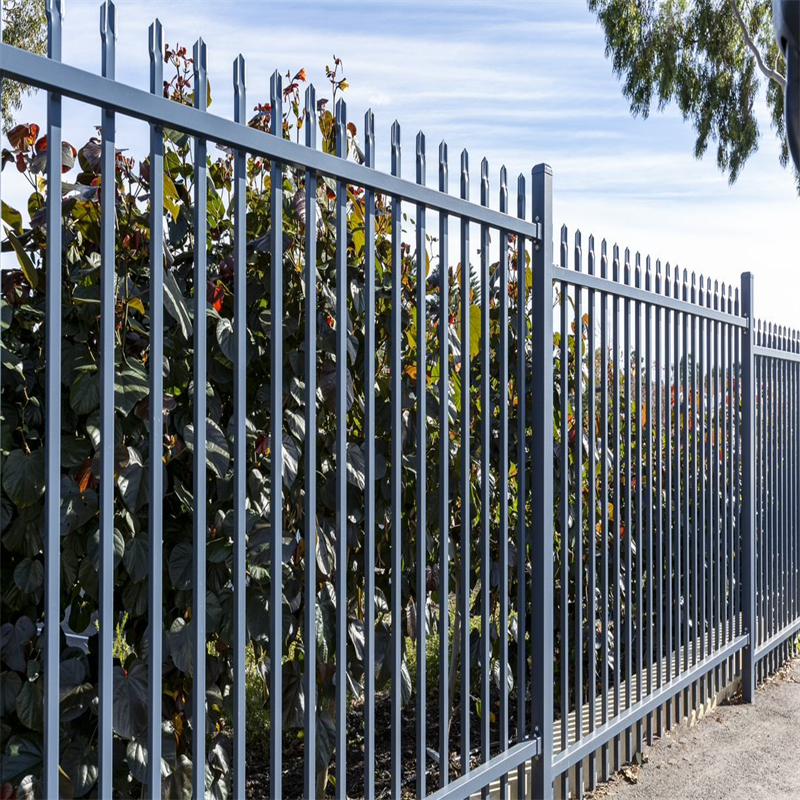

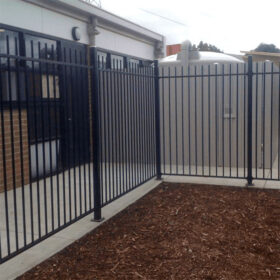
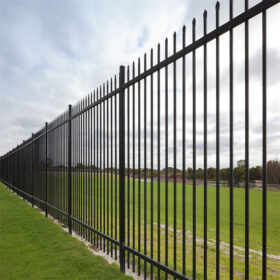
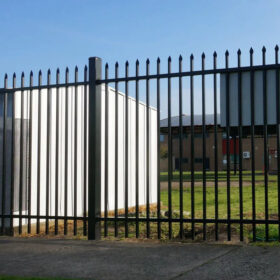
Tubular steel fencing is not judged by a brochure photo—it is judged by what happens after transport, repeated handling, wind exposure, vibration, and time. A tubular steel fence factory is not simply producing panels; it is producing repeatable geometry.
Rail frame size, upright spacing, upright count discipline, post selection, embedment allowance, and coating control decide whether your fence line stays straight or starts looking “repaired” within weeks.
POLYMETAL builds tubular steel fencing as modular systems so every rail, upright, post, and fixing works together.
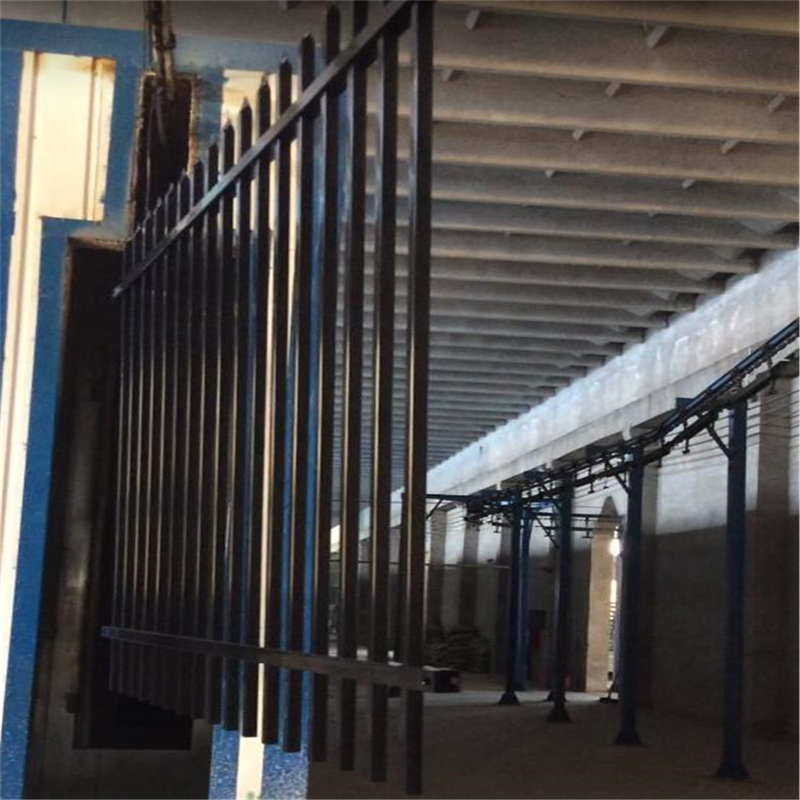
When the factory process is disciplined—accurate punching, consistent welding, careful polishing, proper blasting, controlled powder coating, and protective packing—the fence installs cleaner, aligns faster, and lasts longer with fewer surprises.
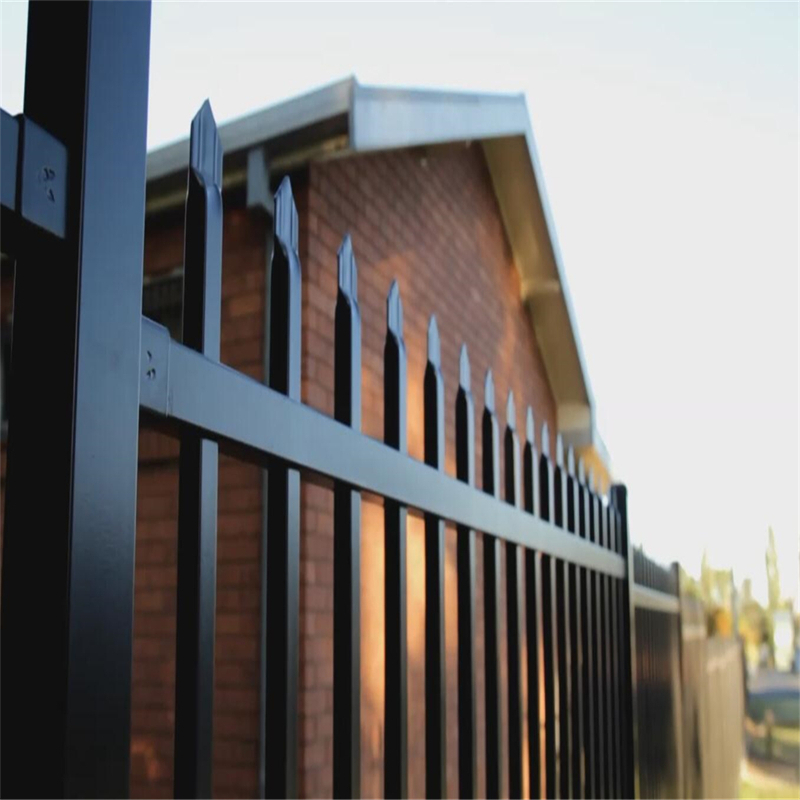
Why Buyers Choose a Real Tubular Steel Fence Factory Instead of “Any Supplier”
Projects select tubular steel panels when both strength and appearance matter. A straight line signals control.
Tight spacing signals security. A durable finish signals long life. Buyers who prioritize factory discipline reduce hidden costs: fewer damaged panels on arrival, fewer site modifications, fewer coating failures at edges, and fewer post alignment problems after storms.

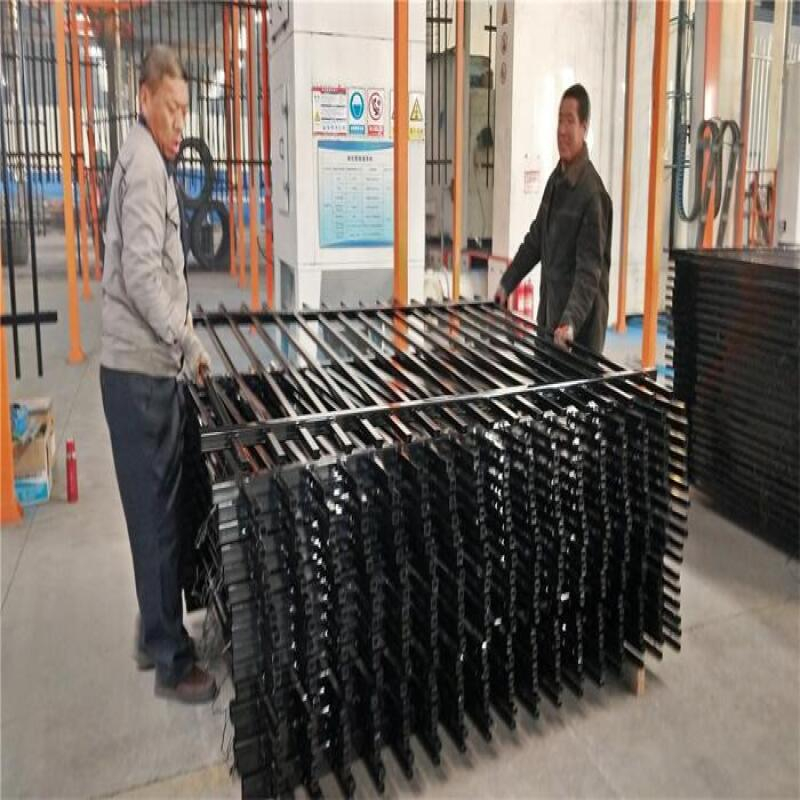
Product Description: POLYMETAL Tubular Steel Fence Factory Output
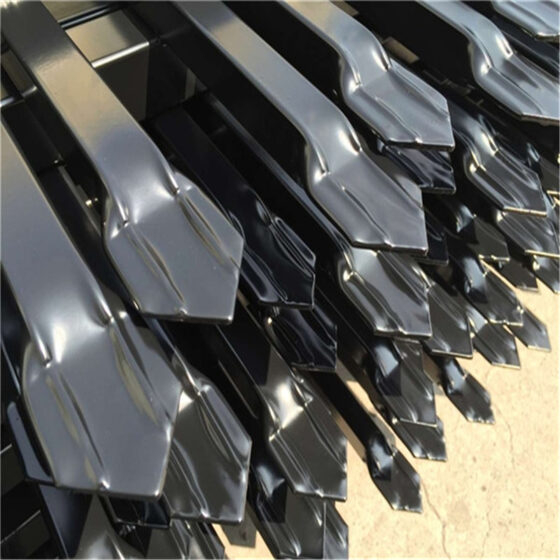
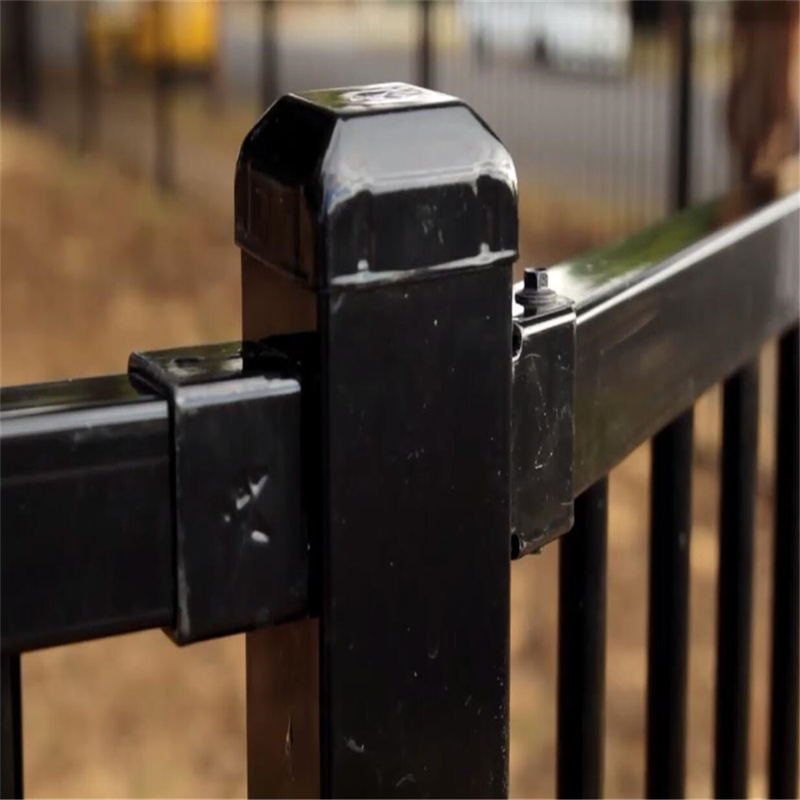
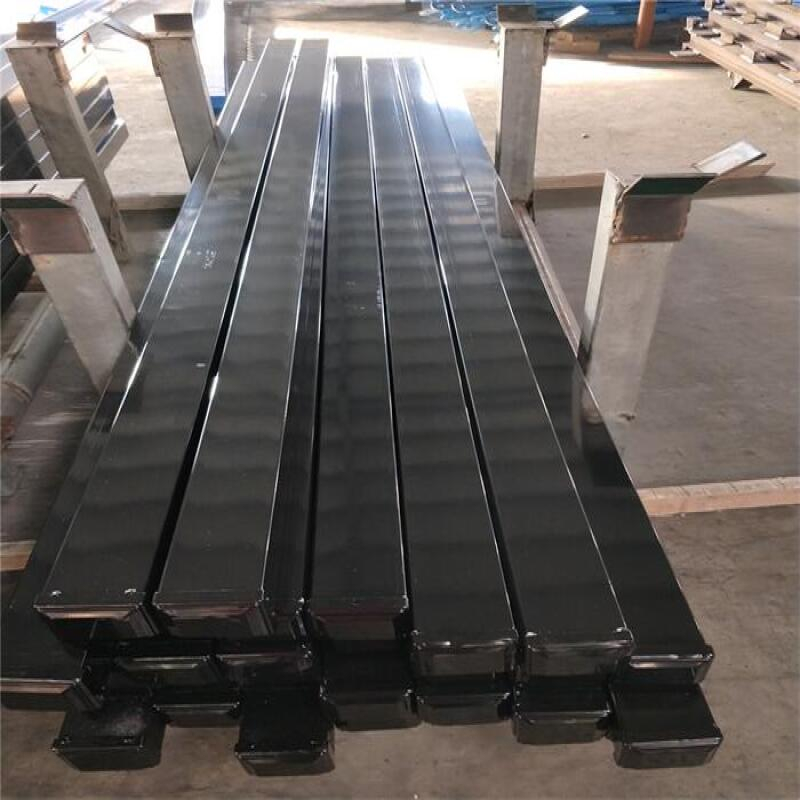
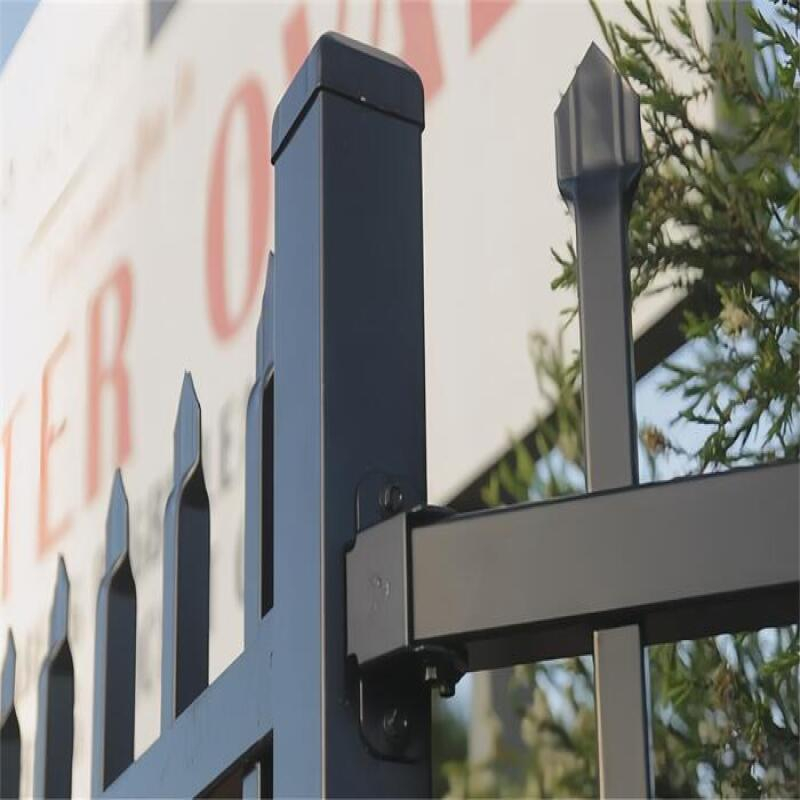
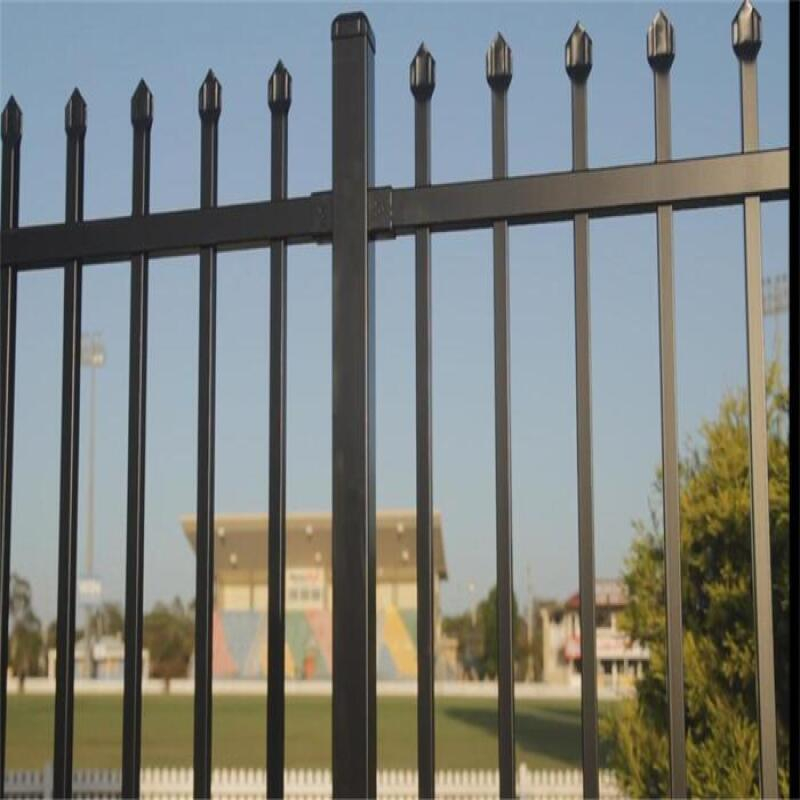
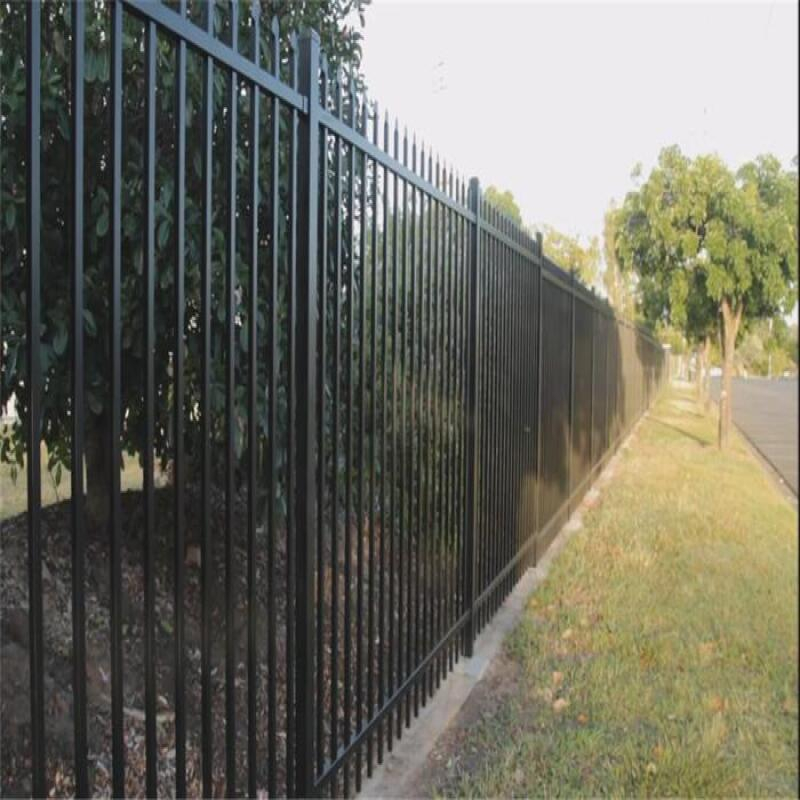
POLYMETAL manufactures tubular steel security fence panels as pre-fabricated modules designed for repeatable installation and consistent site appearance. Panels are constructed with square hollow section rails and square tubular uprights, produced with controlled spacing options to balance security and visual uniformity—especially for buyers comparing sourcing routes such as China garrison fencing for volume projects.
Rail frame options of 40×40mm, 45×45mm, and 50×50mm allow stiffness tuning by fence height and exposure, while upright options of 16×16mm, 25×25mm, and 30×30mm support different security profiles and design styles, helping customers judge true value beyond price-only comparisons like garrison fencing Bunnings vs BMP.
The factory process focuses on punching accuracy, welded joint integrity, edge finishing, surface preparation, and coating adhesion so panels resist bending during handling and remain stable under long-term use.
Pre-galvanized steel tube or hot-dip galvanized protection combined with polyester powder coating delivers a professional finish suitable for residential, commercial, and industrial boundaries.
Top 20 High-Risk Buyer Traps When Choosing a tubular steel fence factory
These issues look “small” on a quotation, but become expensive when posts are set and schedules are locked. When you select a tubular steel fence factory, pay special attention to #12, because that is where most long-term losses occur.
Trap #1: Not locking the rail frame size (then you get lighter rails) — tubular steel fence factory downgrade risk
If 40×40mm, 45×45mm, or 50×50mm rail frames are not specified, some tubular steel fence factory suppliers downgrade rails to reduce cost. Under wind and vibration, lighter rails flex and create visible wave-lines across long runs.
Trap #2: Choosing rail thickness for price, not stiffness — tubular steel fence factory stiffness gap
Rails are the panel spine. Selecting 1.60mm where 2.00–2.50mm is needed increases oil-canning, loosening fixings, and progressive alignment loss. A disciplined tubular steel fence factory will guide rail thickness to suit height and exposure, not just price.
Trap #3: Upright size mismatch that makes panels look “cheap” on day one — tubular steel fence factory consistency test
16×16mm, 25×25mm, and 30×30mm uprights behave very differently. Thin or small uprights bend first during stacking and transport. A reliable tubular steel fence factory keeps upright size and wall thickness consistent to protect the visual line.
Trap #4: Upright thickness not controlled (mixed lots in the same container) — tubular steel fence factory lot control
When upright thickness (0.80mm / 1.00mm / 1.20mm / 2.00mm) is not locked, a tubular steel fence factory may mix material lots. Installers then see inconsistent stiffness bay-to-bay, and the fence line loses uniformity.
Trap #5: Spacing treated as “approximate” (security and looks both suffer) — tubular steel fence factory discipline
Spacing discipline is everything. If the purchase spec does not lock upright number and spacing—16 pcs (115mm), 17 pcs (108mm), or 18 pcs (100mm)—a tubular steel fence factory can deliver panels that are easier to reach through, easier to climb, and visually inconsistent.
Trap #6: Punching accuracy ignored (holes drift, pickets fight the rails) — tubular steel fence factory punching quality
The punching process must keep holes equal and centered. When holes drift, uprights tilt or compress during welding, and the panel becomes “forced.” A capable tubular steel fence factory controls punching tolerance to keep every bay straight.
Trap #7: Welding that is strong but ugly (or pretty but weak) — tubular steel fence factory weld standard
A good tubular steel fence factory balances strength and appearance: strong weld penetration with small clean weld points. Poor weld control leads to brittle joints, under-fused spots, or oversized weld marks that ruin the premium look.
Trap #8: Polishing skipped (sharp edges, cut marks, and coating weak points) — tubular steel fence factory finishing
Cutting parts must be flat polished with smooth edges. Unpolished edges create coating thin spots and early rust lines—especially on panel ends and picket tips—so tubular steel fence factory finishing discipline matters.
Trap #9: Shot blasting ignored (powder adhesion fails first under impact) — tubular steel fence factory surface prep
Shot blasting improves surface smoothness and powder adhesion. Without it, powder can peel at stressed zones and at contact points created during transport and installation. A professional tubular steel fence factory treats surface prep as mandatory, not optional.
Trap #10: Powder coating sold as “standard” without process discipline — tubular steel fence factory coating control
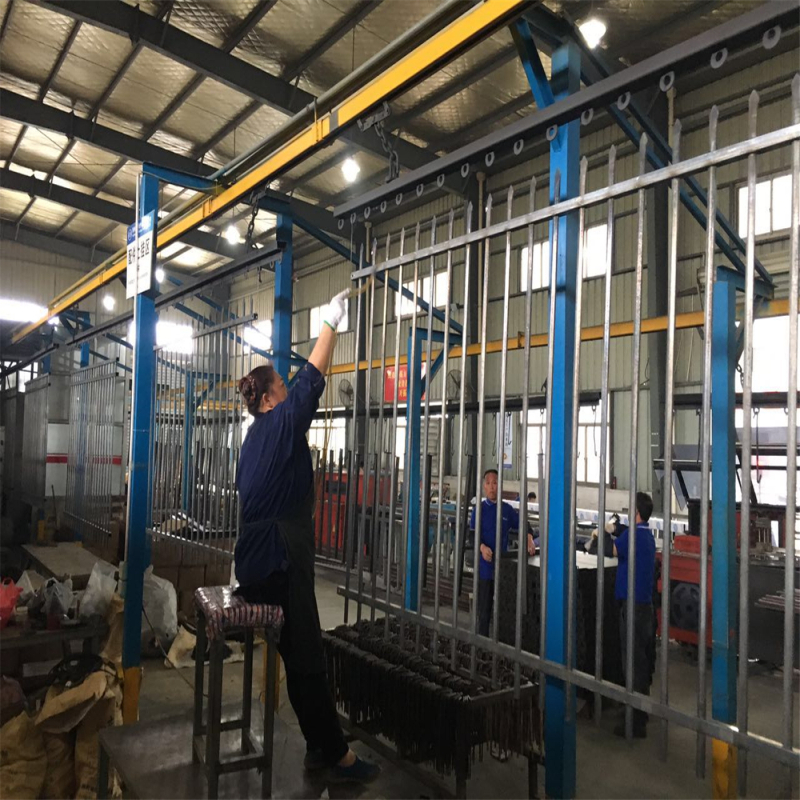
Quality powder coating is not only the powder—it’s pretreatment, curing, and film uniformity. Inconsistent curing causes soft coating, scratch sensitivity, and early chalking, so choose a tubular steel fence factory with controlled coating lines.
Trap #11: Post size chosen by appearance, not by overturning load — tubular steel fence factory engineering gap
Posts must match height and exposure. If post options (60×60, 65×65, 75×75, 80×80, 100×100mm) or wall thickness (1.6mm / 2.00mm / 2.50mm) are underspecified, posts can rotate or lean after storms. A serious tubular steel fence factory ties post selection to fence height and site exposure.
Trap #12: The “600mm rule” ignored (BIGGEST LOSS) — tubular steel fence factory embedment failure
This is where the biggest long-term losses occur. If post height is not greater than fence panel height by 600mm, embedment depth becomes insufficient. The fence acts like a lever in wind and under vibration, causing gradual lean, clamp loosening, and visible misalignment—then expensive rework because posts are already set in concrete. The best tubular steel fence factory will push this rule into drawings and packing labels to prevent site mistakes.
Trap #13: Curved top spec not written clearly (then your “curved” isn’t consistent) — tubular steel fence factory geometry risk
Curved top tubular steel security fencing requires repeatable geometry and consistent extension height above rails. If the arc/extension height and picket centres are not fixed, a tubular steel fence factory may produce inconsistent runs and the perimeter looks patched.
Trap #14: Wrong picket centres (security perception drops immediately) — tubular steel fence factory layout control
Picket centres like 125mm or spacing options around 100mm must match the panel design. A small centre change makes the fence look less secure and can create reach-through points, so tubular steel fence factory layout discipline is critical.
Trap #15: Pre-galvanised vs hot-dip galvanised confusion — tubular steel fence factory finish mismatch
Pre-galvanised tube is not the same as full hot-dip galvanising after fabrication. If your corrosion expectations are high (coastal, industrial air, chemical exposure), the tubular steel fence factory coating route must be explicit.
Trap #16: Silicon bronze welding requested but not delivered — tubular steel fence factory process deviation
If the project needs silicon bronze weld type for finishing performance or corrosion behavior at joints, it must be specified. Otherwise, the tubular steel fence factory will use standard welding, changing joint appearance and performance.
Trap #17: Mixed accessories and missing labels (site stops before it starts) — tubular steel fence factory packing discipline
When posts, panels, and accessories are not labeled by height group, rail frame group, and spacing group, installers mix parts and waste time correcting alignment. A reliable tubular steel fence factory ships counted cartons and clear labels to stop site delays.
Trap #18: Packing without separation protection (coating rub becomes rust tracks) — tubular steel fence factory transport damage
If panels are stacked without bubble film/separation protection, coating rub marks appear before installation. Those contact lines become corrosion starters after the first wet season, so tubular steel fence factory packing protection is a must.
Trap #19: “Short lead time” promised without capacity discipline — tubular steel fence factory shortcut risk
Fast delivery only works when the tubular steel fence factory controls punching, welding, blasting, coating, and packing capacity. Otherwise, shortcuts appear: skipped polishing, rushed curing, or thinner material lots.
Trap #20: Choosing “reasonable price” without defining the system — tubular steel fence factory spec gap
A reasonable price only means value if the system is defined: rail frame, rail thickness, upright size/thickness/count, post size/thickness, coating route, packing method, and inspection checks. The right tubular steel fence factory will confirm these in drawings before production.
Specifications (Commercial Duty Tubular Steel Fence Panels)
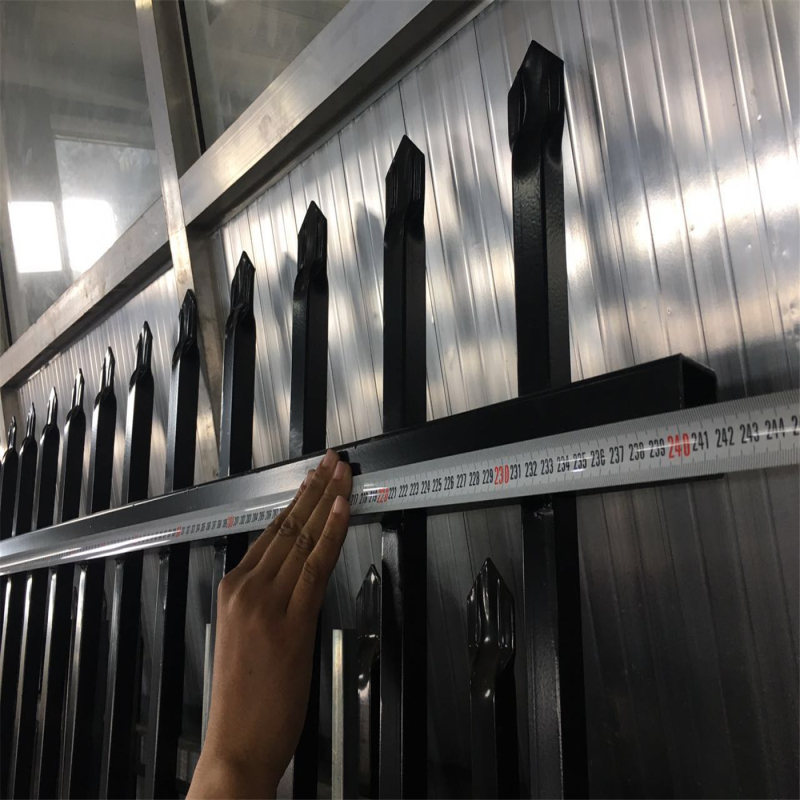
Specification Notes: Fence widths 2400mm and 2450mm. Upright options 16×16mm / 25×25mm / 30×30mm. Upright thickness 0.80mm / 1.00mm / 1.20mm / 2.00mm. Rail frames 40×40mm / 45×45mm / 50×50mm. Rail thickness 1.60mm / 2.00mm / 2.50mm / 3.00mm. Upright number 16 pcs (115mm), 17 pcs (108mm), 18 pcs (100mm). Post height rule: post height = fence panel height + 600mm.
| Fence Height (mm) | Fence Width (mm) | Rail Frame (mm) | Rail Thickness (mm) | Upright (mm) | Upright Thickness (mm) | Upright No. / Spacing | Post Option (mm) | Post Wall (mm) | Post Height (mm) |
|---|---|---|---|---|---|---|---|---|---|
| 1200 | 2400 | 40×40 | 1.60 | 16×16 | 0.80 | 18 pcs / 100mm | 60×60 | 1.60 | 1800 |
| 1200 | 2450 | 40×40 | 2.00 | 25×25 | 1.00 | 17 pcs / 108mm | 65×65 | 2.00 | 1800 |
| 1500 | 2400 | 45×45 | 2.00 | 25×25 | 1.00 | 18 pcs / 100mm | 65×65 | 2.00 | 2100 |
| 1500 | 2450 | 45×45 | 2.50 | 30×30 | 1.20 | 17 pcs / 108mm | 75×75 | 2.00 | 2100 |
| 1800 | 2400 | 45×45 | 2.50 | 25×25 | 1.20 | 18 pcs / 100mm | 75×75 | 2.50 | 2400 |
| 1800 | 2450 | 50×50 | 2.00 | 30×30 | 1.20 | 17 pcs / 108mm | 80×80 | 2.00 | 2400 |
| 2100 | 2400 | 50×50 | 2.50 | 30×30 | 1.20 | 18 pcs / 100mm | 80×80 | 2.50 | 2700 |
| 2100 | 2450 | 50×50 | 3.00 | 30×30 | 2.00 | 17 pcs / 108mm | 100×100 | 2.50 | 2700 |
| 2400 | 2400 | 50×50 | 3.00 | 30×30 | 2.00 | 18 pcs / 100mm | 100×100 | 2.50 | 3000 |
| 2400 | 2450 | 50×50 | 2.50 | 25×25 | 1.20 | 16 pcs / 115mm | 100×100 | 2.50 | 3000 |
Curved Top Tubular Steel Security Fencing (Typical Specification)
Curved top tubular steel security fencing is selected when projects want a stronger “anti-climb” visual profile while keeping a clean tubular look. The key is consistent punching, consistent picket centres, and repeatable extension height so the curved line stays uniform across long runs.
| Item | Typical Spec |
|---|---|
| Horizontal Rails | 40×40×2.0mm square hollow tube punched at 140mm centres to suit pickets |
| Vertical Pickets | 25×25×1.6mm square hollow tube extending 150mm above and below rails at 125mm centres |
| Standard Panel Height | 2400mm |
| Standard Panel Length | 2400mm |
| Fence Posts | 75×75×3.0mm × 3.0m long steel hollow tube |
| Material | Pre-galvanised steel hollow tube |
| Weld Type | Silicon Bronze (as specified) |
| Finish | Polyester powder coating, standard Black / White / Brown (custom RAL available) |
Material Ranges a Tubular Steel Fence Factory Can Produce
| Name | Length | Width | Height | Thickness |
|---|---|---|---|---|
| Square Post | 1.5m–3.0m | 50mm–80mm | 50mm–80mm | 1.0mm–3.0mm |
| Square Rail | 1.5m–3.0m | 32mm–65mm | 32mm–65mm | 0.5mm–2.0mm |
| Square Vertical Pipe | 1.5m–3.0m | 20mm–32mm | 20mm–32mm | 0.5mm–2.0mm |
| Panel | 1.0m–3.0m | 1.0m–3.0m | — | — |
| Vertical Pipe Distance | 80mm–200mm | |||
| Polyester Painting Colour | Any RAL series colour (common: RAL6005 Dark Green, RAL9005 Black) | |||
| Welded | Iron welded; Silicon Bronze (as specified) | |||
Main Manufacturing Process Inside a Tubular Steel Fence Factory
Pipe Punching: holes are equal and consistent to keep pickets aligned and reduce twist.
Panel Welding: weld points are strong but controlled, keeping the fence clean and architectural.
Polishing: edges are smoothed; cutting parts are flat polished with no cut marks.
Shot Blasting: surface is refined to improve powder adhesion and uniform coating performance.
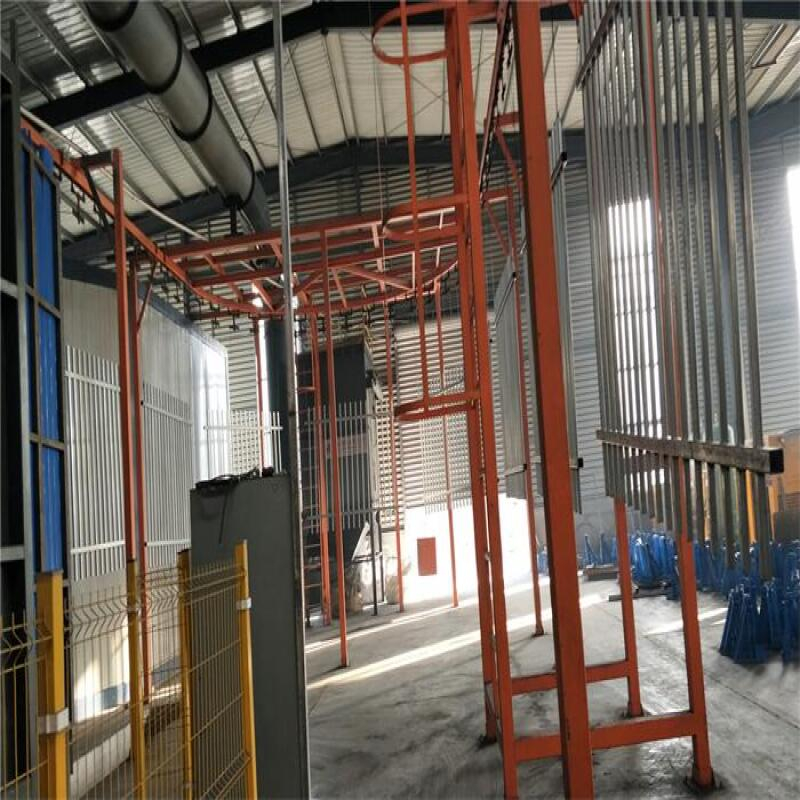
Powder Coating: polyester powder coated to exacting standards with controlled curing discipline.
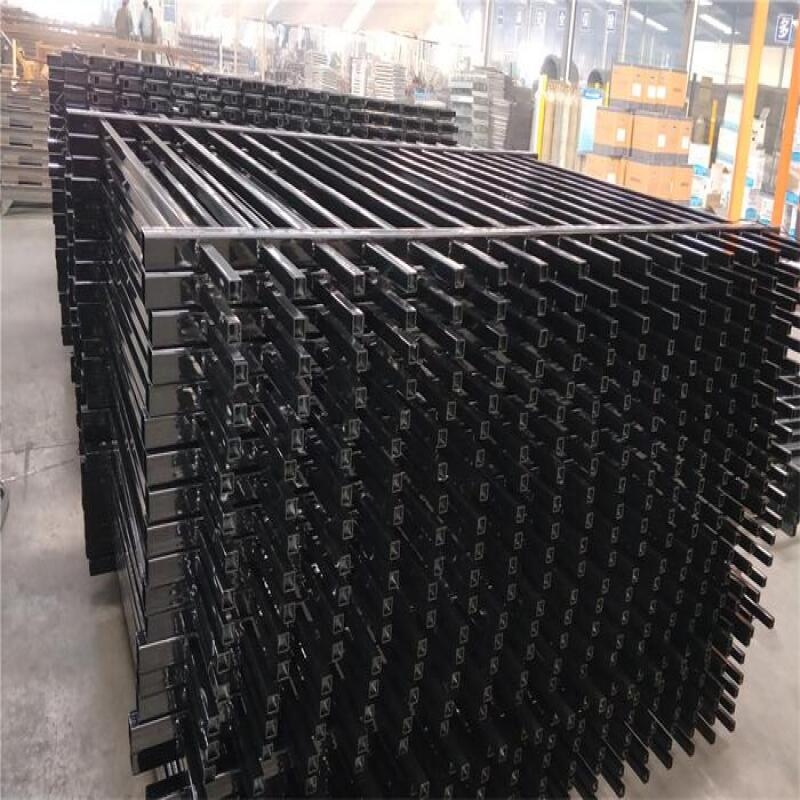
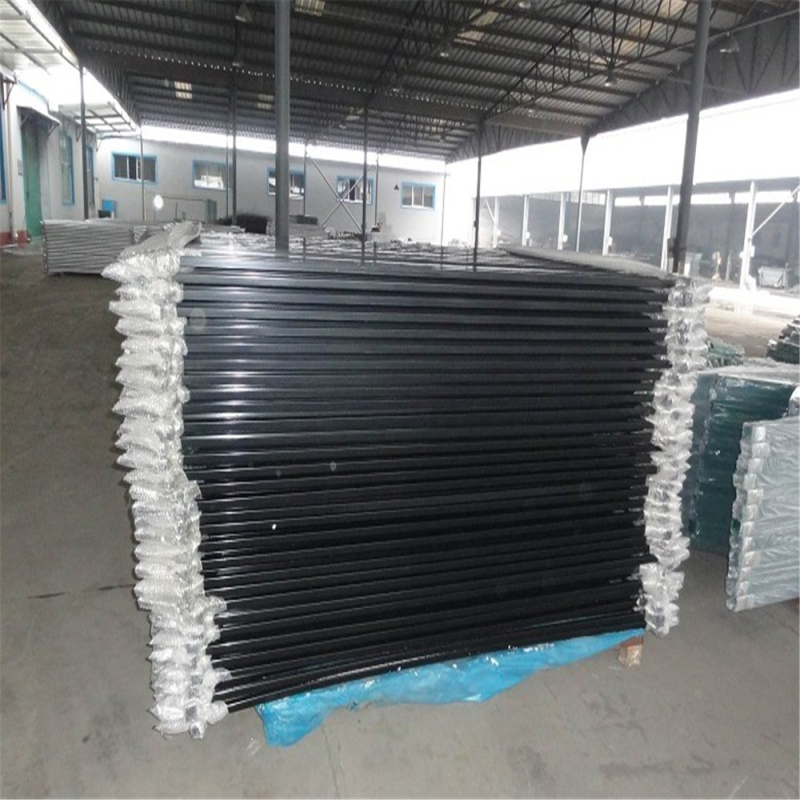
Packing: each panel is wrapped with air bubble film, then placed on iron pallets with full protection wrap to reduce rub marks and deformation.
Applications
Tubular steel fence factory panels are used for residential estates, schools, factories, warehouses, commercial frontage, hospitals, sports facilities, utilities, parking lots, rail-adjacent boundaries, and industrial yards where a durable and professional security boundary is required.
Benefits
Stays straighter over time: controlled punching, welding, and spacing discipline reduce twist and wave-lines after transport and wind exposure.
Security with a clean architectural line: tubular profiles deliver a premium look while maintaining real stiffness and boundary authority.
Long-life finish options: pre-galvanised tube or galvanising strategies plus polyester powder coating reduce corrosion risk when packing protection is correct.
Faster installation and easier replacement: modular panels install quicker and damaged bays can be swapped without rebuilding an entire run.
Packing
POLYMETAL focuses on safety packing to reduce coating damage and deformation in transit. Panels are protected with bubble film separation, stacked on iron pallets, banded for stability, and fully wrapped to prevent rub lines. Posts are bundled separately by size and wall thickness, labeled for fast receiving. Accessories are packed in counted cartons to prevent installation delays.
Standards and FAQs
Factory Quality Standard
All products go through multiple checks during production and must pass strict inspection before shipment. Quality control verifies punching consistency, weld integrity, panel geometry, surface preparation, coating performance, and packing protection so the delivered fence installs cleanly and performs long-term—supported by the same discipline used for precision stainless components such as stainless steel perforated metal mesh filter tubes and stainless steel cylindrical ultra fine filters.
FAQ
Q1: What makes a tubular steel fence factory “better” than a trading supplier?
A: Controlled punching accuracy, repeatable welding, disciplined polishing and blasting, consistent powder coating cure, and protective packing that reduces damage before installation.
Q2: What upright spacing is best for security appearance?
A: 18 pcs per panel with 100mm spacing delivers the tightest look and strongest security perception, while 17 pcs (108mm) and 16 pcs (115mm) balance weight and cost.
Q3: Why is the post height rule important?
A: Post height greater than panel height by 600mm supports embedment depth and long-term stability, reducing lean after storms and vibration.
Q4: Why do curved top panels fail on some projects?
A: Curved top systems fail when punching centres and picket extensions are inconsistent, creating uneven lines and forced installation that loosens over time.
Q5: Why do customers choose POLYMETAL?
A: Safety packing, short lead time, reasonable price, high quality, and long-life performance driven by disciplined factory production steps.