Your One-Stop Wire Mesh Fence Supplier | POLYMETAL


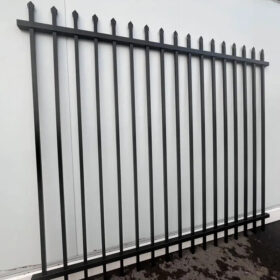

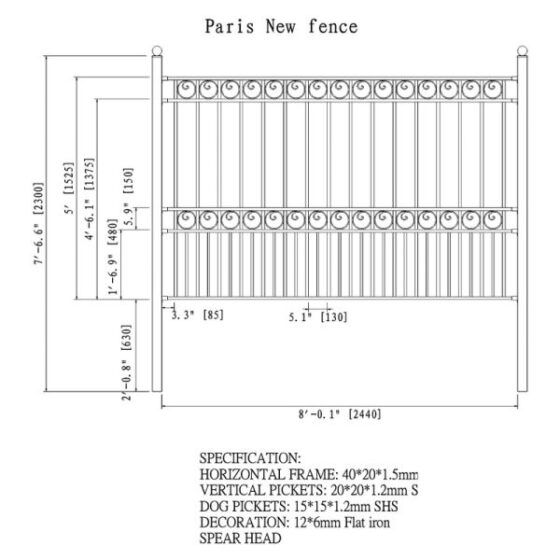
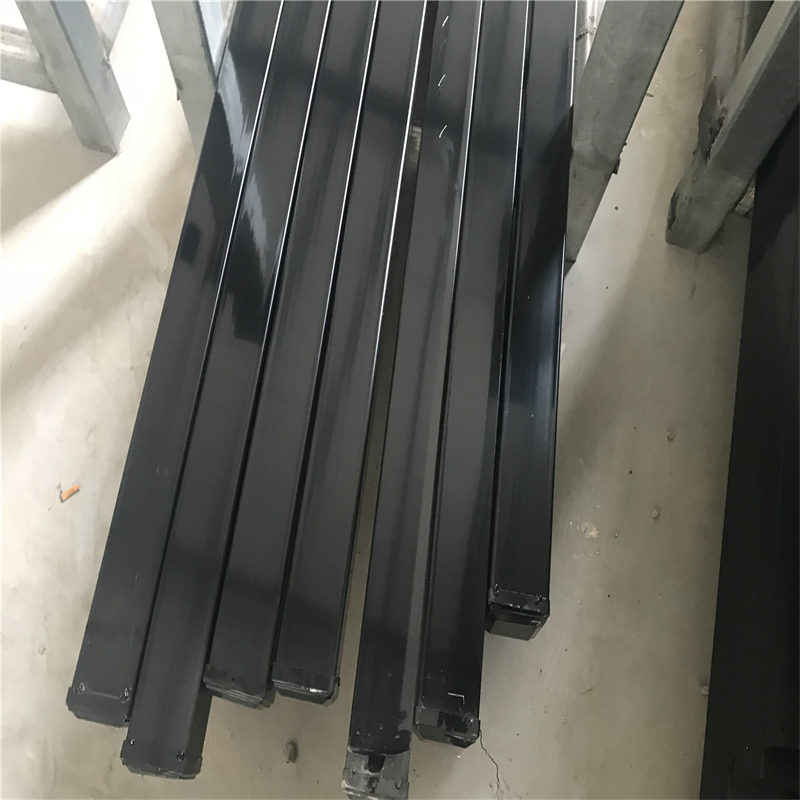
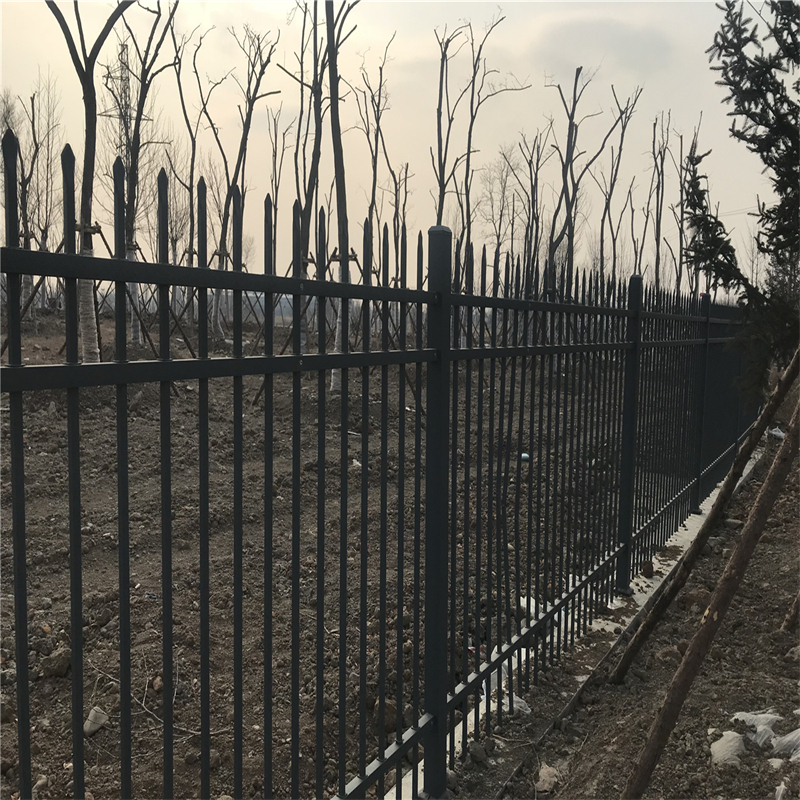
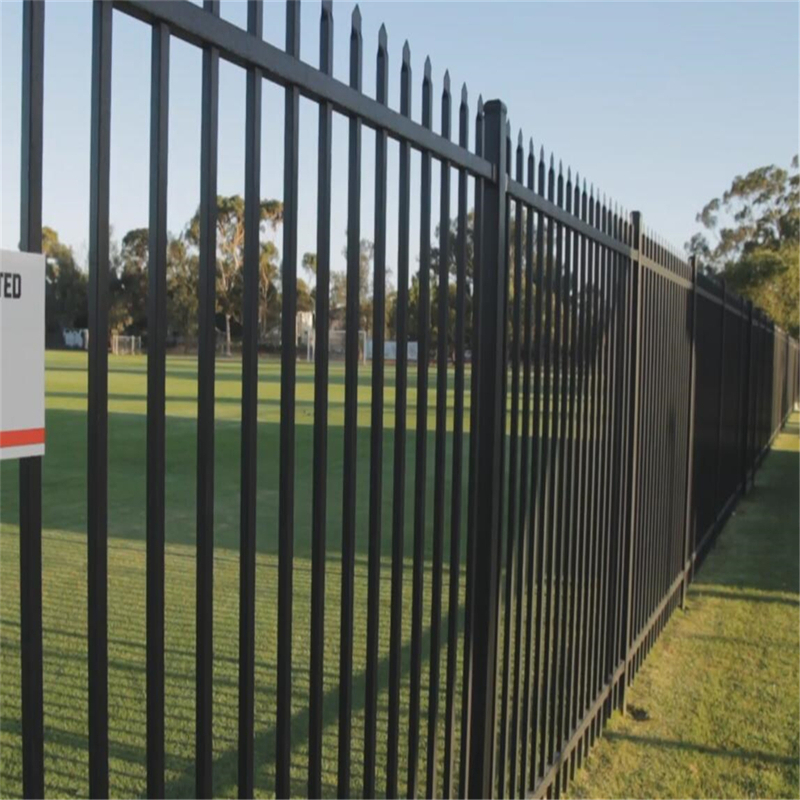
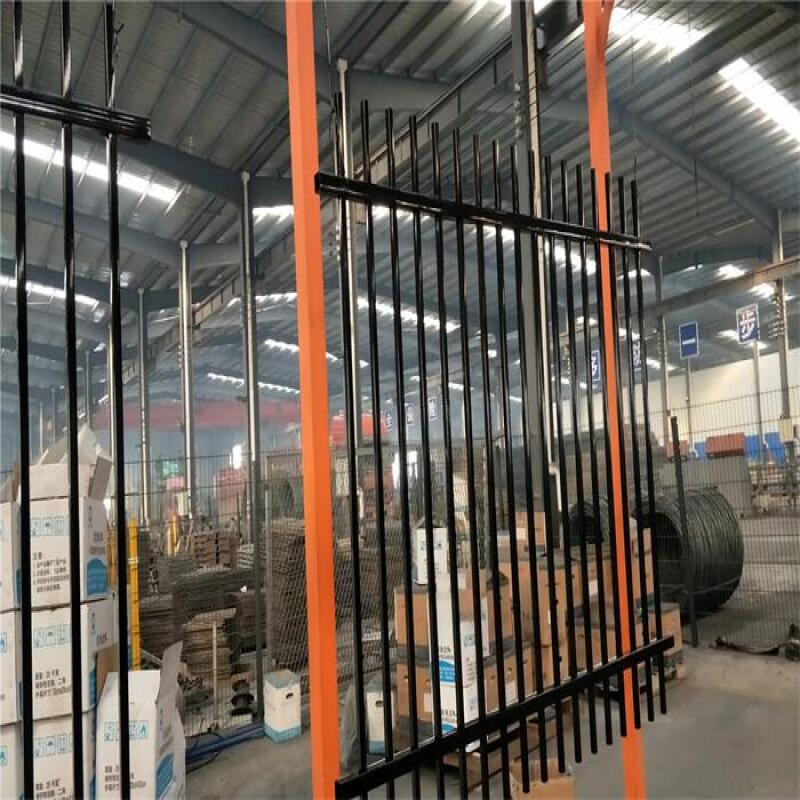
POLYMETAL tubular steel fences (also called tubular picket fences or ornamental steel fences) are designed for projects that need dependable perimeter security with a clean, architectural appearance. Panels are manufactured from hot-dipped galvanized steel tubes using high-strength pickets and rails (aluminium pickets and rails are available on request).
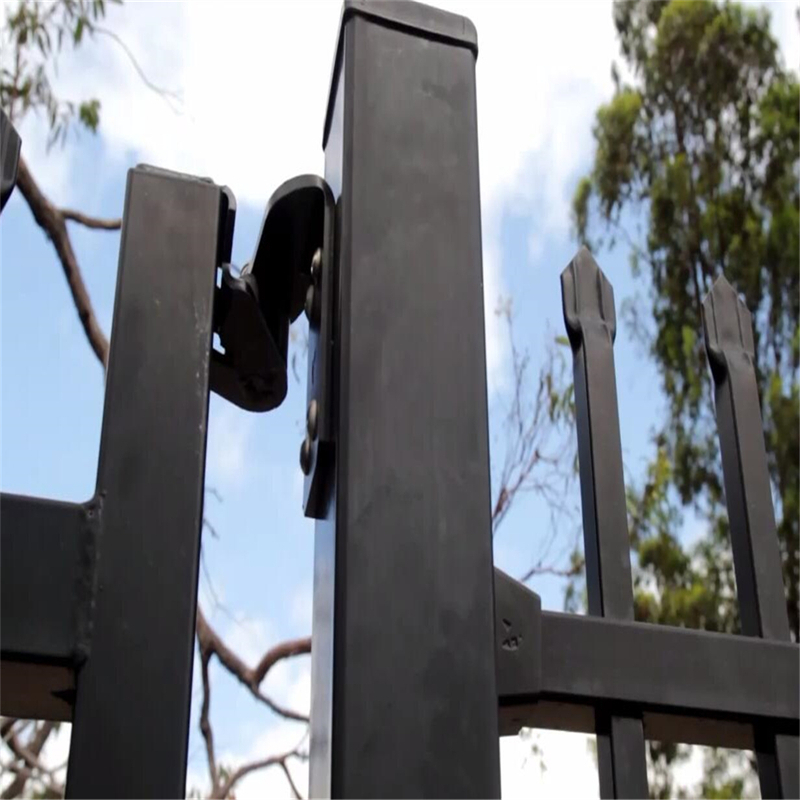
Panels connect to powder-coated square tubular steel posts through high-strength steel or aluminium brackets, allowing an assembling installation method without field welding. This improves site consistency, speeds installation, and supports repeatable maintenance and replacement.
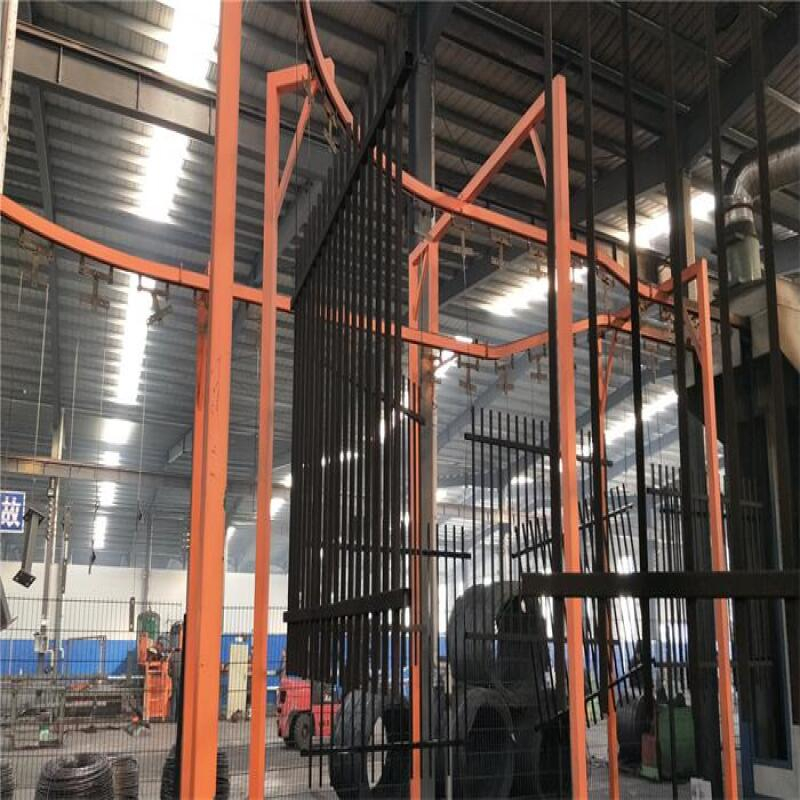
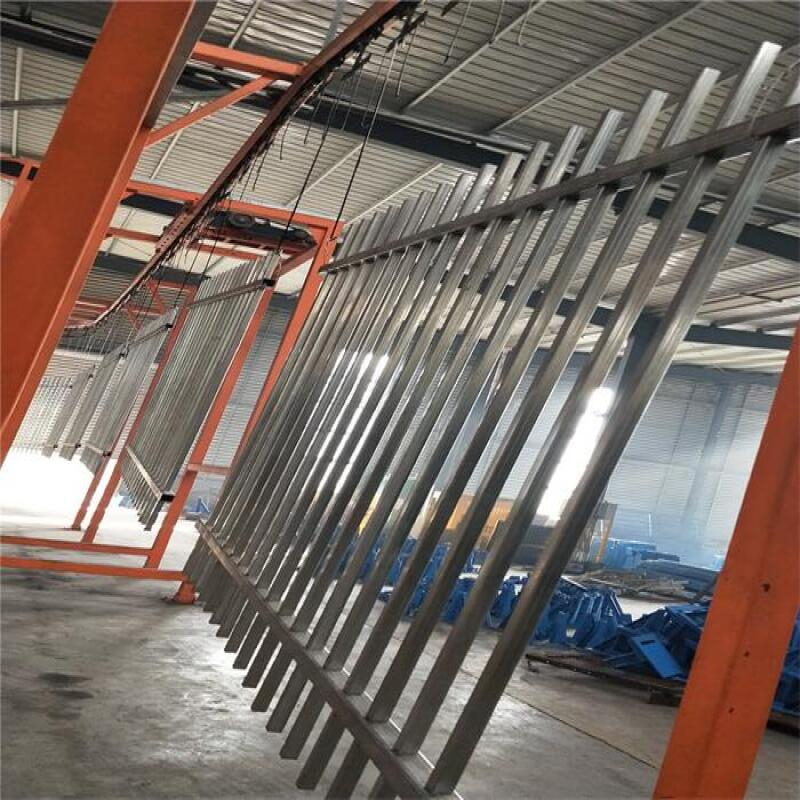
The surface protection system can be specified as a multi-stage finish such as hot dipped galvanizing followed by zinc phosphate pretreatment, zinc-rich epoxy powder coating, and a polyester color powder topcoat for durable corrosion resistance.
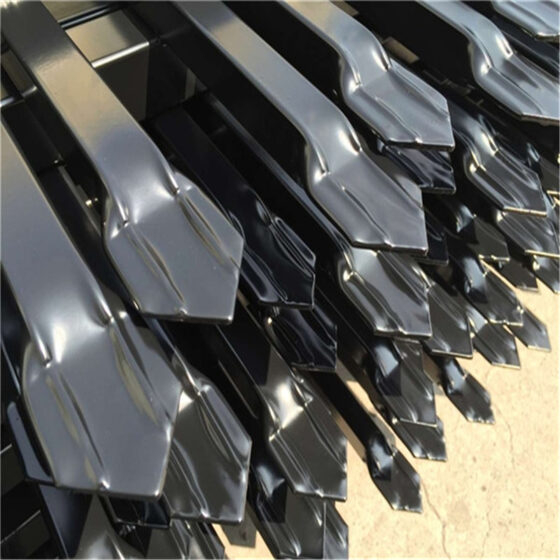
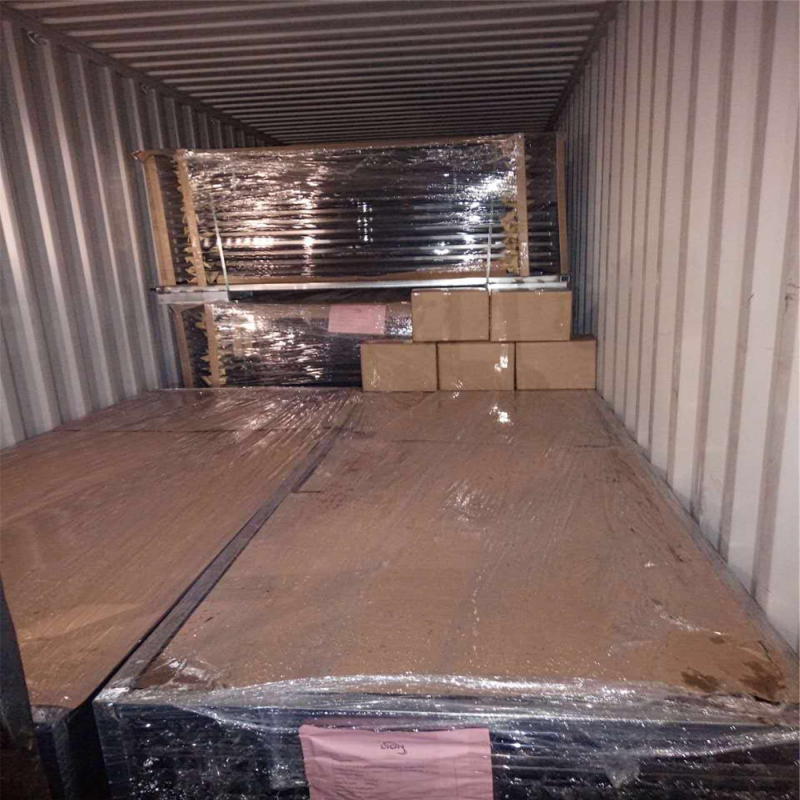
Tube section profiles can be produced in square, rectangle, flat oval, oval, round, groove, or club shape, depending on the design intent. Common accessories include security bolts and nuts, connectors, gaskets, decorative parts, post covers, baseplates, and snap springs. Typical packing uses thin film per piece, bubble film per unit inside, woven bag per unit outside, and palletized loading for safer handling and container efficiency.
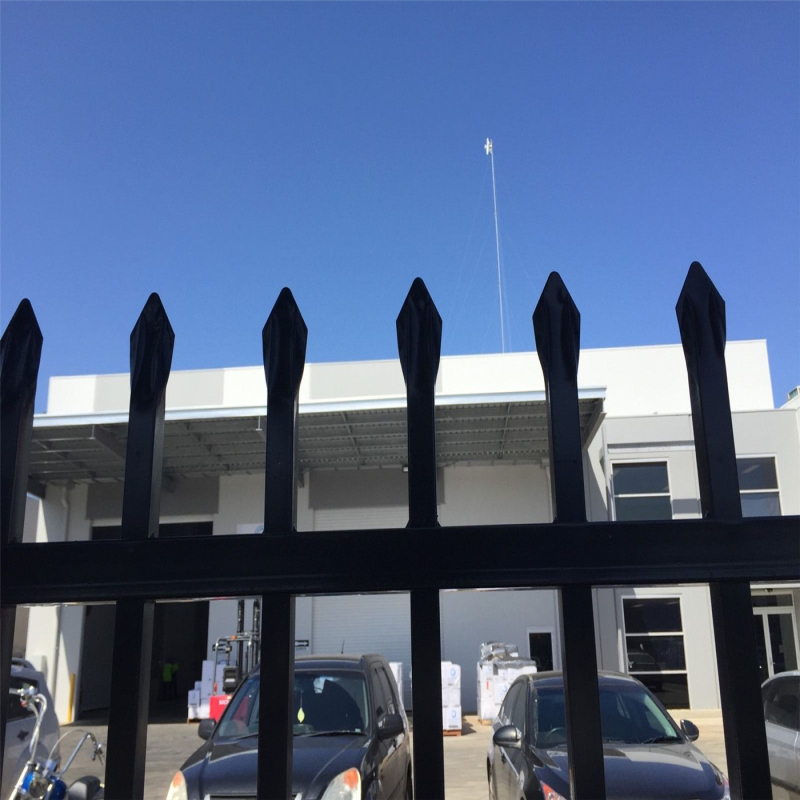
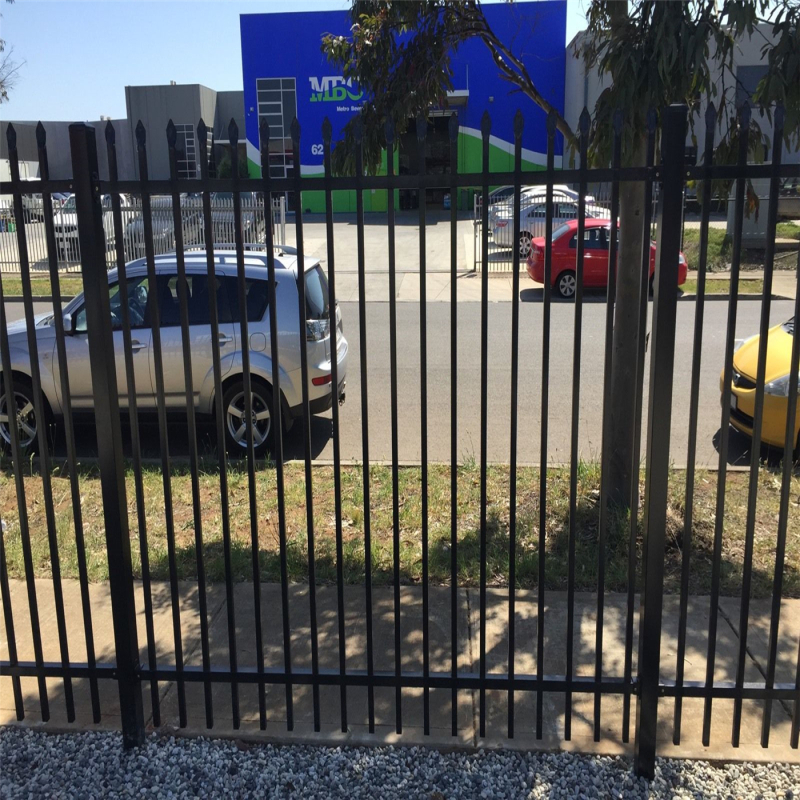
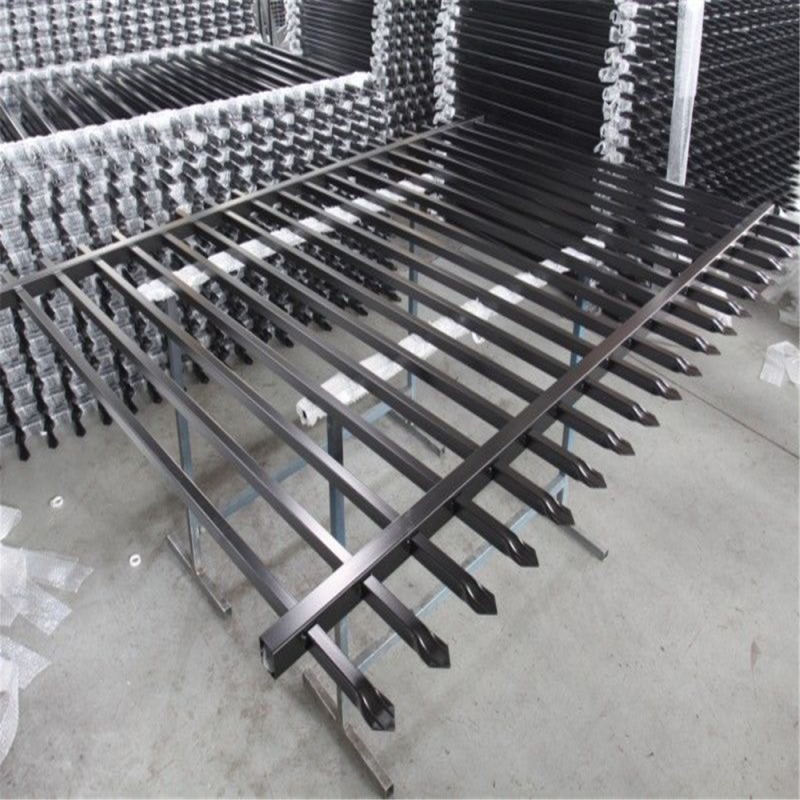
Technical Basis Used tubular steel fences
- Rail frame options: 40×40mm, 45×45mm, 50×50mm
- Upright options: 16×16mm, 25×25mm, 30×30mm
- Upright thickness: 0.80mm / 1.00mm / 1.20mm / 2.00mm
- Rail thickness: 1.60mm / 2.00mm / 2.50mm / 3.00mm
- Upright quantity & spacing: 16 pcs (≈115mm), 17 pcs (≈108mm), 18 pcs (≈100mm)
- Post options: 60×60mm / 65×65mm / 75×75mm / 80×80mm / 100×100mm
- Post wall thickness: 1.60mm / 2.00mm / 2.50mm
- Post height rule required by you: Post Height = Fence Panel Height + 600mm
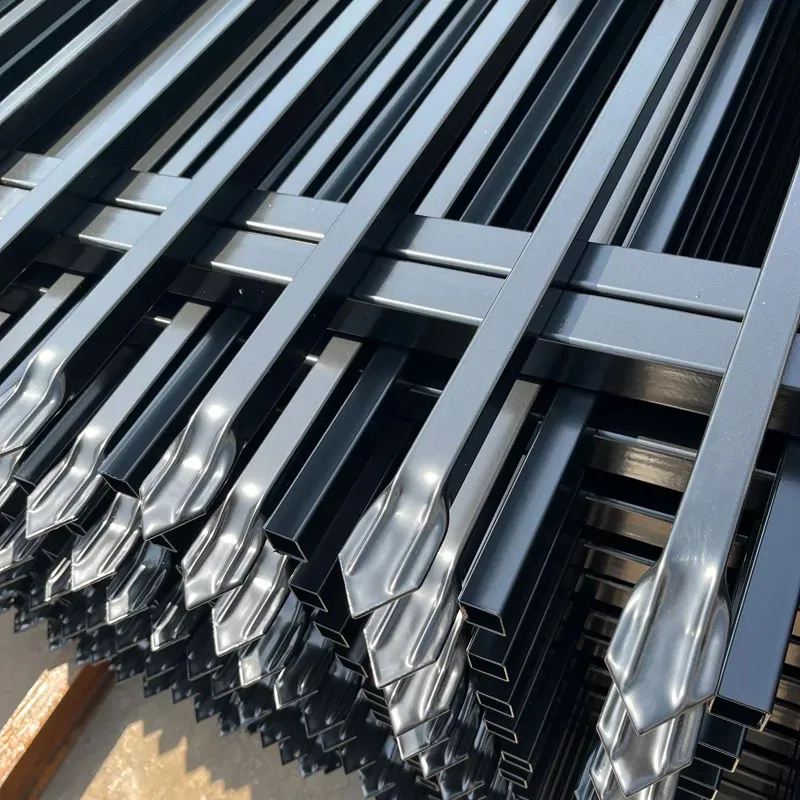


Specifications
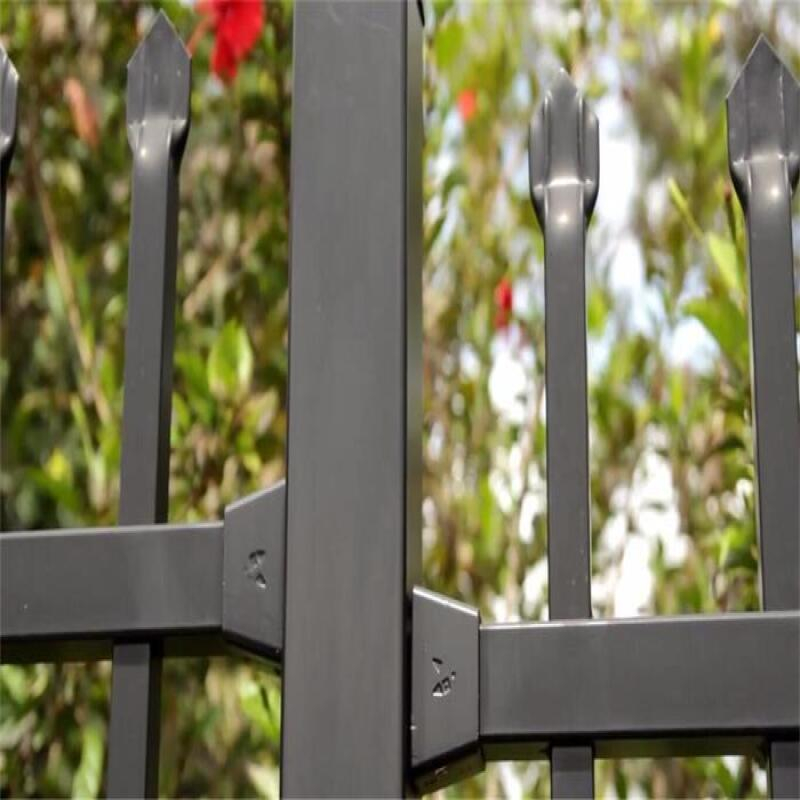
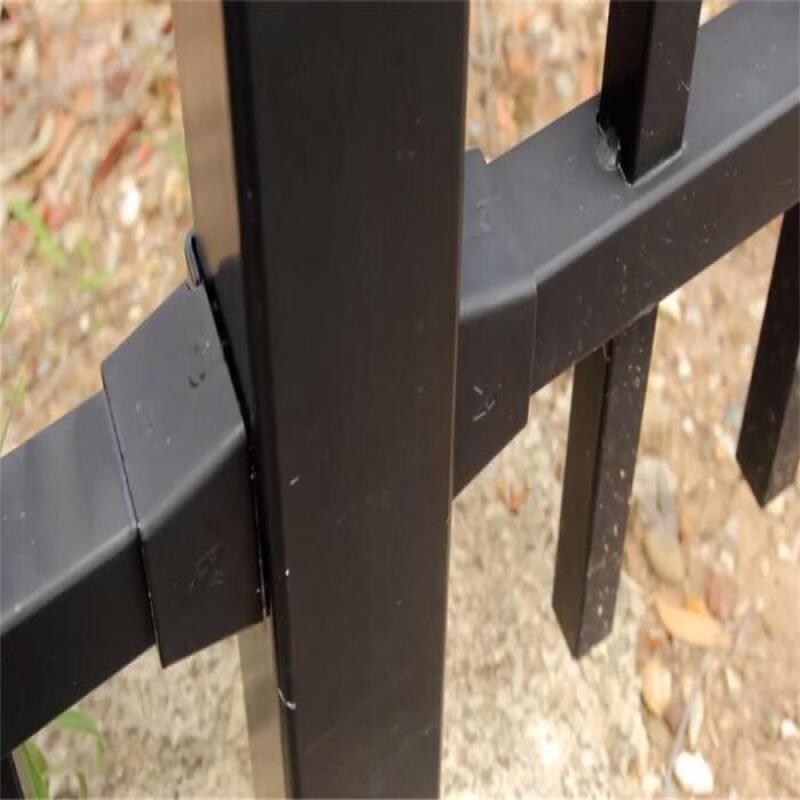
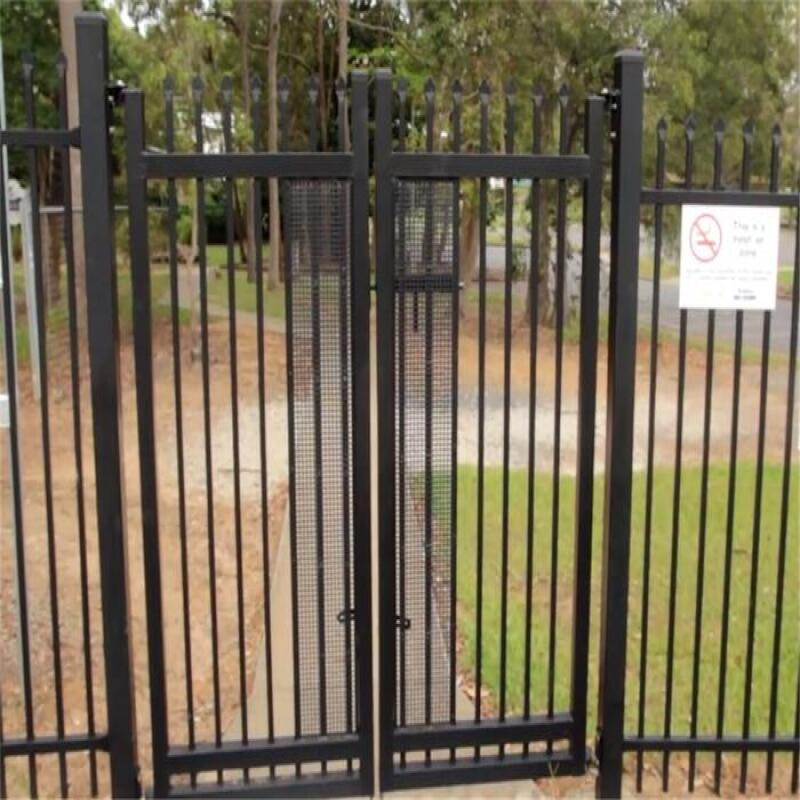
Table 1 — Standard Grade (40×40 Rail Frame)
| Spec | Fence Height (mm) | Fence Width (mm) | Rail Frame (mm) | Rail Thickness (mm) | Upright (mm) | Upright Thickness (mm) | Uprights (Qty / Spacing) | Post Size (mm) | Post Wall (mm) | Post Height (mm) |
|---|---|---|---|---|---|---|---|---|---|---|
| 1 | 1000 | 2400 | 40×40 | 1.60 | 16×16 | 0.80 | 18 pcs / 100mm | 60×60 | 1.60 | 1600 |
| 2 | 1000 | 2950 | 40×40 | 1.60 | 16×16 | 1.00 | 17 pcs / 108mm | 60×60 | 2.00 | 1600 |
| 3 | 1060 | 2400 | 40×40 | 2.00 | 25×25 | 0.80 | 18 pcs / 100mm | 65×65 | 1.60 | 1660 |
| 4 | 1100 | 2500 | 40×40 | 2.00 | 25×25 | 1.00 | 18 pcs / 100mm | 65×65 | 2.00 | 1700 |
| 5 | 1200 | 2400 | 40×40 | 2.00 | 25×25 | 1.00 | 17 pcs / 108mm | 75×75 | 2.00 | 1800 |
| 6 | 1200 | 2950 | 40×40 | 2.50 | 30×30 | 1.00 | 16 pcs / 115mm | 75×75 | 2.50 | 1800 |
| 7 | 1500 | 2400 | 40×40 | 2.50 | 25×25 | 1.20 | 17 pcs / 108mm | 80×80 | 2.00 | 2100 |
| 8 | 1500 | 2950 | 40×40 | 2.50 | 30×30 | 1.20 | 16 pcs / 115mm | 80×80 | 2.50 | 2100 |
| 9 | 1800 | 2500 | 40×40 | 3.00 | 30×30 | 1.20 | 18 pcs / 100mm | 80×80 | 2.50 | 2400 |
| 10 | 2100 | 2950 | 40×40 | 3.00 | 30×30 | 2.00 | 18 pcs / 100mm | 100×100 | 2.50 | 2700 |
Table 2 — Medium Grade (45×45 Rail Frame)
| Spec | Fence Height (mm) | Fence Width (mm) | Rail Frame (mm) | Rail Thickness (mm) | Upright (mm) | Upright Thickness (mm) | Uprights (Qty / Spacing) | Post Size (mm) | Post Wall (mm) | Post Height (mm) |
|---|---|---|---|---|---|---|---|---|---|---|
| 1 | 1000 | 2400 | 45×45 | 1.60 | 16×16 | 0.80 | 18 pcs / 100mm | 60×60 | 1.60 | 1600 |
| 2 | 1060 | 2500 | 45×45 | 2.00 | 25×25 | 0.80 | 18 pcs / 100mm | 65×65 | 1.60 | 1660 |
| 3 | 1100 | 2400 | 45×45 | 2.00 | 25×25 | 1.00 | 17 pcs / 108mm | 65×65 | 2.00 | 1700 |
| 4 | 1200 | 2500 | 45×45 | 2.00 | 25×25 | 1.00 | 18 pcs / 100mm | 75×75 | 2.00 | 1800 |
| 5 | 1500 | 2400 | 45×45 | 2.50 | 25×25 | 1.20 | 17 pcs / 108mm | 75×75 | 2.50 | 2100 |
| 6 | 1500 | 2950 | 45×45 | 2.50 | 30×30 | 1.00 | 16 pcs / 115mm | 80×80 | 2.00 | 2100 |
| 7 | 1800 | 2500 | 45×45 | 2.50 | 30×30 | 1.20 | 18 pcs / 100mm | 80×80 | 2.50 | 2400 |
| 8 | 1800 | 2950 | 45×45 | 3.00 | 30×30 | 1.20 | 16 pcs / 115mm | 100×100 | 2.50 | 2400 |
| 9 | 2100 | 2400 | 45×45 | 3.00 | 30×30 | 2.00 | 18 pcs / 100mm | 100×100 | 2.50 | 2700 |
| 10 | 2450 | 2950 | 45×45 | 3.00 | 30×30 | 2.00 | 18 pcs / 100mm | 100×100 | 2.50 | 3050 |
Table 3 — Heavy Grade (50×50 Rail Frame)
| Spec | Fence Height (mm) | Fence Width (mm) | Rail Frame (mm) | Rail Thickness (mm) | Upright (mm) | Upright Thickness (mm) | Uprights (Qty / Spacing) | Post Size (mm) | Post Wall (mm) | Post Height (mm) |
|---|---|---|---|---|---|---|---|---|---|---|
| 1 | 1000 | 2400 | 50×50 | 2.00 | 25×25 | 1.00 | 18 pcs / 100mm | 65×65 | 2.00 | 1600 |
| 2 | 1100 | 2500 | 50×50 | 2.00 | 25×25 | 1.00 | 17 pcs / 108mm | 75×75 | 2.00 | 1700 |
| 3 | 1200 | 2950 | 50×50 | 2.50 | 30×30 | 1.00 | 16 pcs / 115mm | 75×75 | 2.50 | 1800 |
| 4 | 1500 | 2400 | 50×50 | 2.50 | 30×30 | 1.20 | 17 pcs / 108mm | 80×80 | 2.00 | 2100 |
| 5 | 1500 | 2950 | 50×50 | 3.00 | 30×30 | 1.20 | 16 pcs / 115mm | 80×80 | 2.50 | 2100 |
| 6 | 1800 | 2400 | 50×50 | 3.00 | 30×30 | 1.20 | 18 pcs / 100mm | 80×80 | 2.50 | 2400 |
| 7 | 1800 | 2950 | 50×50 | 3.00 | 30×30 | 2.00 | 18 pcs / 100mm | 100×100 | 2.50 | 2400 |
| 8 | 2100 | 2500 | 50×50 | 3.00 | 30×30 | 2.00 | 17 pcs / 108mm | 100×100 | 2.50 | 2700 |
| 9 | 2400 | 2950 | 50×50 | 3.00 | 30×30 | 2.00 | 18 pcs / 100mm | 100×100 | 2.50 | 3000 |
| 10 | 2450 | 2950 | 50×50 | 3.00 | 30×30 | 2.00 | 18 pcs / 100mm | 100×100 | 2.50 | 3050 |
Table 4 — Spacing & Upright-Count Driven Options
| Spec | Fence Height (mm) | Fence Width (mm) | Rail Frame (mm) | Rail Thickness (mm) | Upright (mm) | Upright Thickness (mm) | Uprights (Qty / Spacing) | Post Size (mm) | Post Wall (mm) | Post Height (mm) |
|---|---|---|---|---|---|---|---|---|---|---|
| 1 | 1000 | 2950 | 40×40 | 2.00 | 16×16 | 1.00 | 16 pcs / 115mm | 60×60 | 2.00 | 1600 |
| 2 | 1100 | 2950 | 45×45 | 2.00 | 16×16 | 1.00 | 17 pcs / 108mm | 65×65 | 2.00 | 1700 |
| 3 | 1200 | 2400 | 45×45 | 2.00 | 25×25 | 1.00 | 18 pcs / 100mm | 75×75 | 2.00 | 1800 |
| 4 | 1500 | 2950 | 50×50 | 2.50 | 25×25 | 1.20 | 18 pcs / 100mm | 80×80 | 2.00 | 2100 |
| 5 | 1800 | 2950 | 50×50 | 3.00 | 25×25 | 1.20 | 18 pcs / 100mm | 80×80 | 2.50 | 2400 |
| 6 | 2100 | 2950 | 50×50 | 3.00 | 30×30 | 1.20 | 18 pcs / 100mm | 100×100 | 2.50 | 2700 |
| 7 | 2400 | 2400 | 50×50 | 3.00 | 30×30 | 2.00 | 17 pcs / 108mm | 100×100 | 2.50 | 3000 |
| 8 | 2450 | 2500 | 50×50 | 3.00 | 30×30 | 2.00 | 16 pcs / 115mm | 100×100 | 2.50 | 3050 |
| 9 | 1500 | 2500 | 45×45 | 2.50 | 30×30 | 1.00 | 16 pcs / 115mm | 80×80 | 2.00 | 2100 |
| 10 | 1800 | 2500 | 45×45 | 2.50 | 30×30 | 1.20 | 17 pcs / 108mm | 80×80 | 2.50 | 2400 |
Table 5 — Post-Class Options (Same Panels, Different Posts)
| Spec | Fence Height (mm) | Fence Width (mm) | Rail Frame (mm) | Rail Thickness (mm) | Upright (mm) | Upright Thickness (mm) | Uprights (Qty / Spacing) | Post Size (mm) | Post Wall (mm) | Post Height (mm) |
|---|---|---|---|---|---|---|---|---|---|---|
| 1 | 1000 | 2400 | 40×40 | 1.60 | 16×16 | 0.80 | 18 pcs / 100mm | 60×60 | 1.60 | 1600 |
| 2 | 1000 | 2400 | 40×40 | 1.60 | 16×16 | 0.80 | 18 pcs / 100mm | 65×65 | 2.00 | 1600 |
| 3 | 1200 | 2500 | 45×45 | 2.00 | 25×25 | 1.00 | 18 pcs / 100mm | 75×75 | 2.00 | 1800 |
| 4 | 1200 | 2500 | 45×45 | 2.00 | 25×25 | 1.00 | 18 pcs / 100mm | 80×80 | 2.50 | 1800 |
| 5 | 1500 | 2950 | 50×50 | 2.50 | 30×30 | 1.20 | 16 pcs / 115mm | 60×60 | 2.50 | 2100 |
| 6 | 1500 | 2950 | 50×50 | 3.00 | 30×30 | 1.20 | 16 pcs / 115mm | 65×65 | 2.50 | 2100 |
| 7 | 1800 | 2950 | 50×50 | 3.00 | 30×30 | 2.00 | 18 pcs / 100mm | 75×75 | 2.50 | 2400 |
| 8 | 2100 | 2500 | 50×50 | 3.00 | 30×30 | 2.00 | 18 pcs / 100mm | 80×80 | 2.50 | 2700 |
| 9 | 2400 | 2950 | 50×50 | 3.00 | 30×30 | 2.00 | 18 pcs / 100mm | 100×100 | 2.50 | 3000 |
| 10 | 2450 | 2950 | 50×50 | 3.00 | 30×30 | 2.00 | 18 pcs / 100mm | 100×100 | 2.50 | 3050 |
Applications tubular steel fences
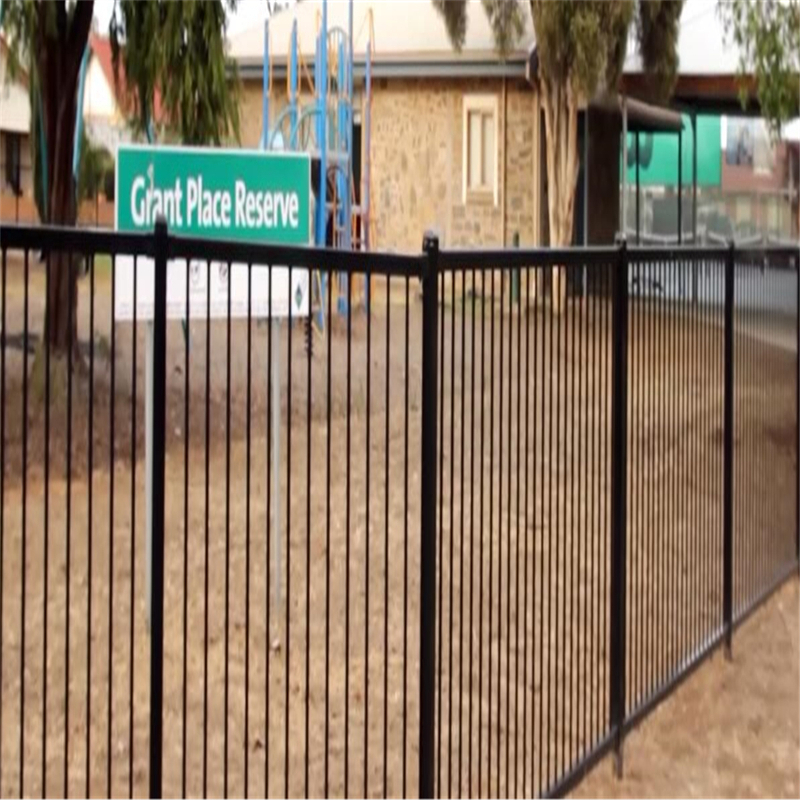
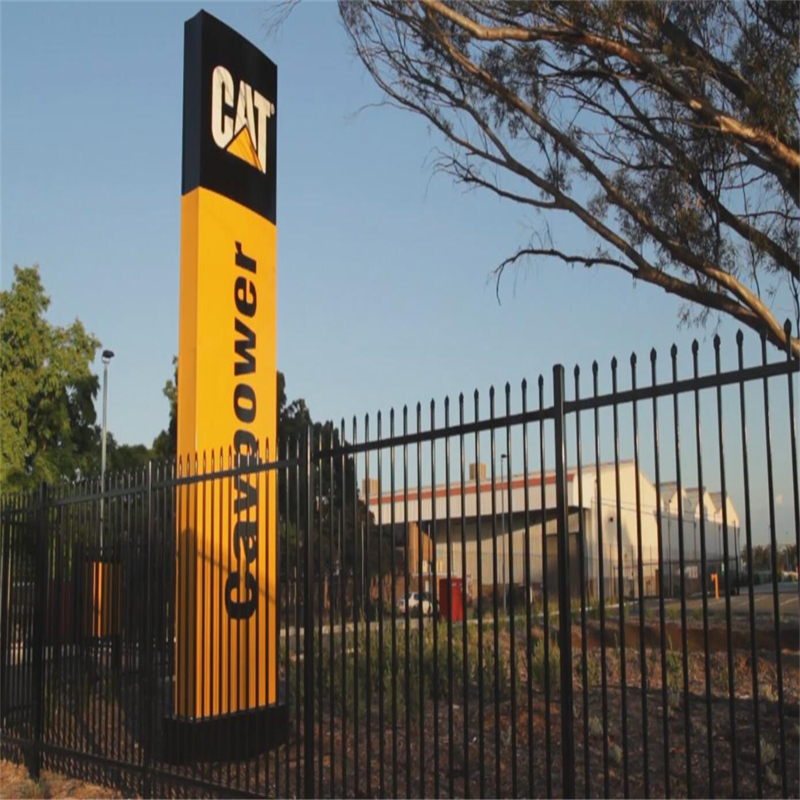
POLYMETAL tubular steel fences are commonly specified for gardens, schools, factories, warehouses, logistics yards, sports facilities, pool boundaries, residential estates, commercial sites, and industrial security projects. The system suits projects that want consistent appearance, controlled access, and a modular panel layout that installers can handle quickly without field welding.

Benefits
Tubular steel fences combine welded panel strength with a clean visual line that works in both security and architectural contexts. Buyers benefit from repeatable installation through standardized brackets and posts, while facility managers benefit from durable surface protection options that reduce maintenance burden. Contractors benefit from predictable panel sizing, consistent upright spacing, and post-class choices that match real-world site loads and long straight runs.
Packing tubular steel fences
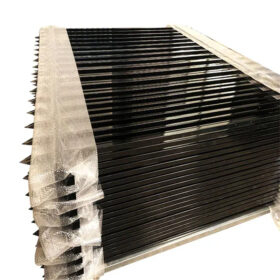
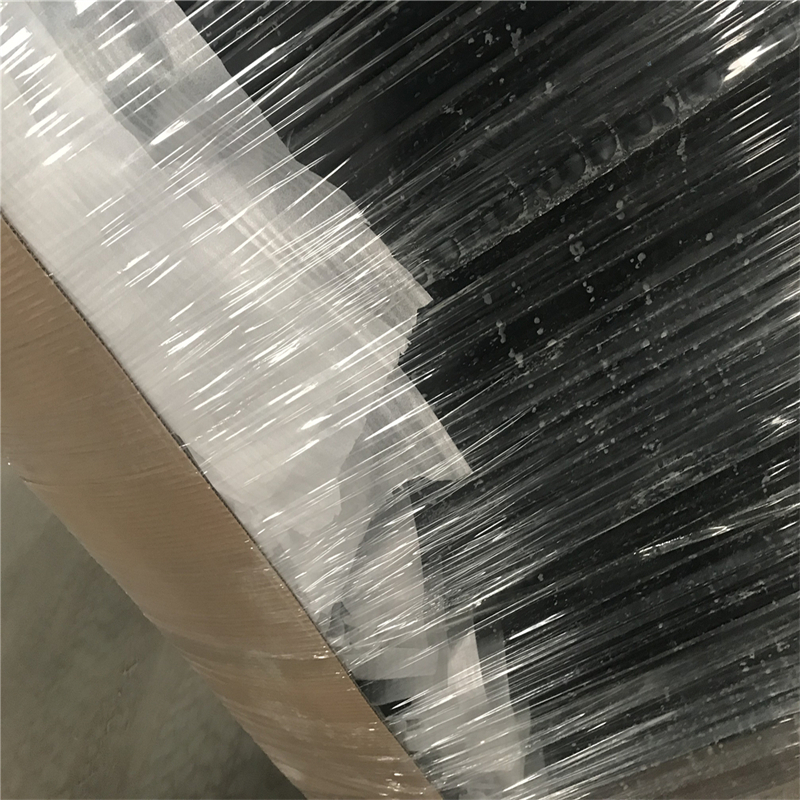
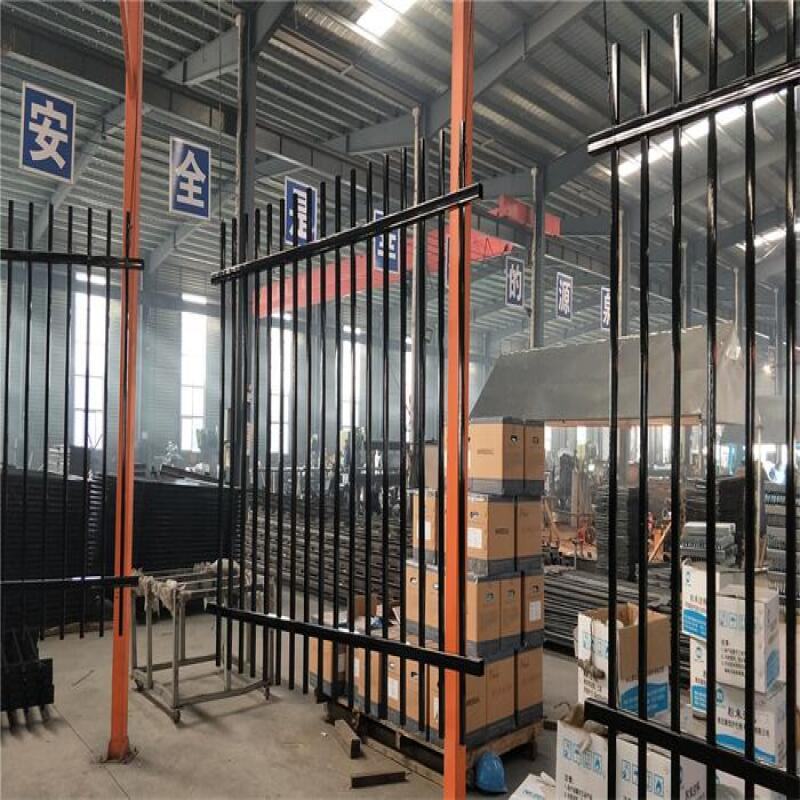
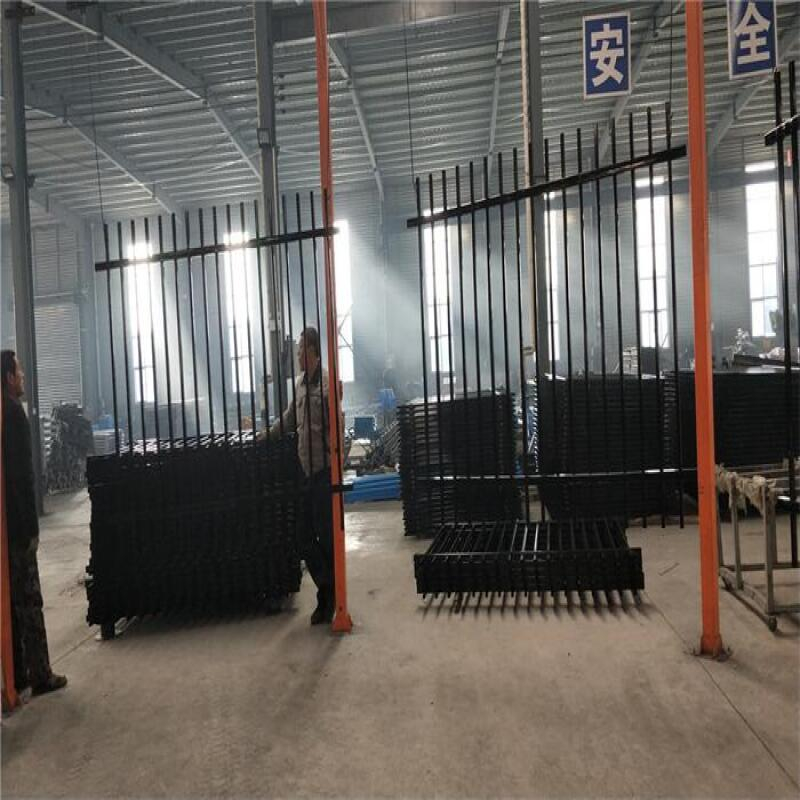
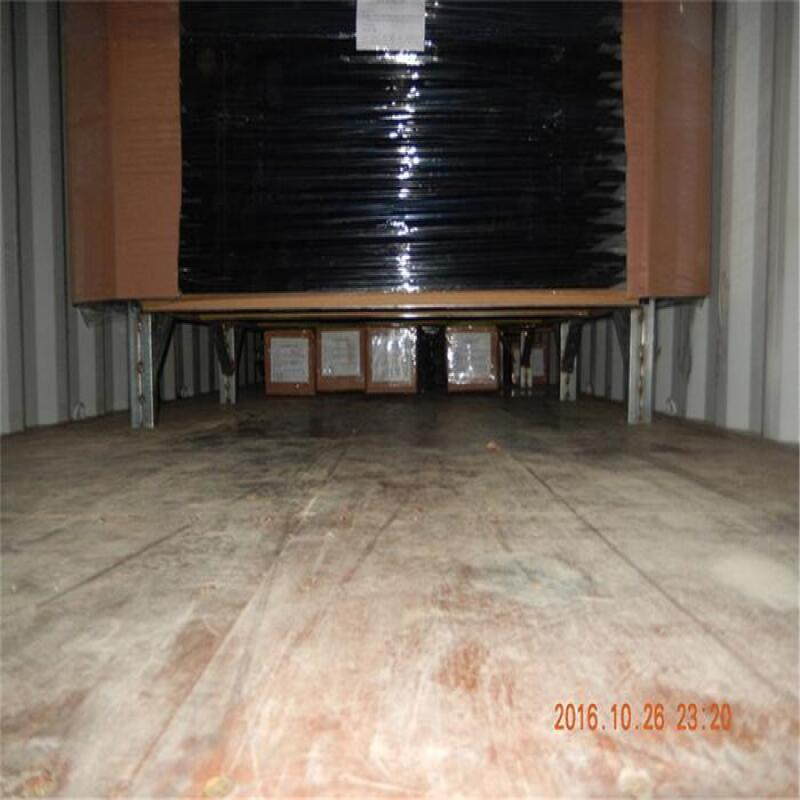
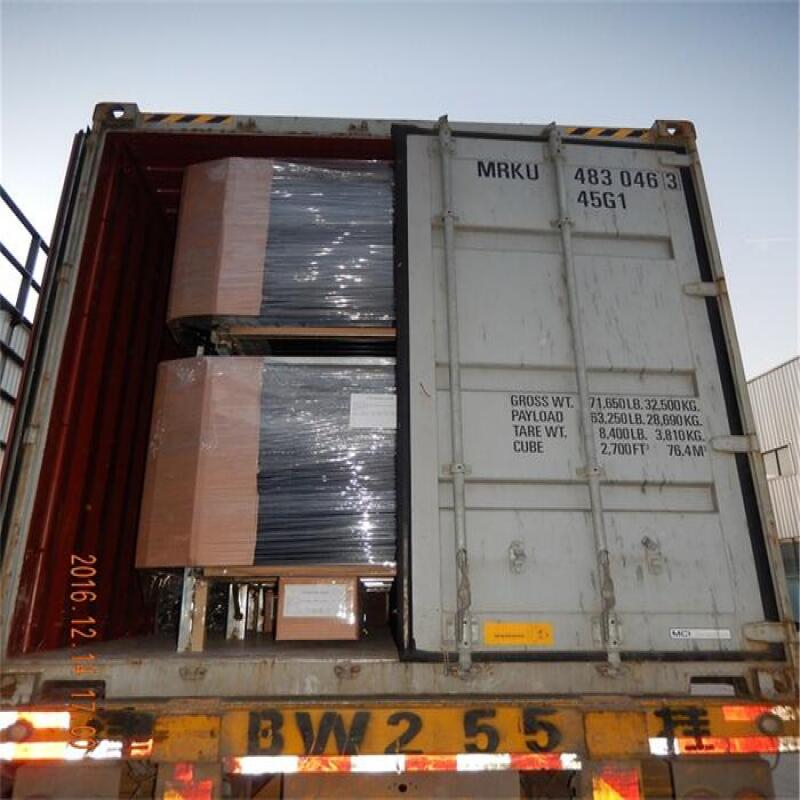
Panels are typically stacked with separation protection to reduce rubbing, wrapped with thin film per piece, then combined with bubble film inside and woven bag protection outside. Palletizing supports forklift handling and reduces site counting errors. For mixed-height projects, labeling by height group and fence run helps prevent “wrong post in the wrong place” problems and speeds on-site deployment.
Standards and Documentation
POLYMETAL commonly supports procurement documentation such as ISO9001 quality management. Where required by destination and tender documentation, RoHS and CE documentation may be provided, and ASTM-related testing documentation can be discussed based on the exact configuration, coating system, and project scope. The practical best practice is to align the document pack with your receiving checklist before dispatch to avoid delays at arrival.
Top 22 Order Traps for Tubular Steel Fences (Don’t Miss #17)
Trap 1: Ordering by height only
Height without rail/upright/post class creates mismatched strength and unstable runs.
Trap 2: Choosing rail size but forgetting rail thickness
A big tube with thin wall can underperform a smaller tube with proper thickness.
Trap 3: Mixing 40×40, 45×45, and 50×50 across one project without a plan
It complicates bracket stocking, alignment, and site troubleshooting.
Trap 4: Assuming “100mm spacing” without stating upright count
16/17/18 uprights change actual spacing and visual density.
Trap 5: Ignoring upright thickness
Thin uprights deform easier during transport and can look wavy after installation.
Trap 6: Treating posts as generic
Post size and wall thickness control wobble, bracket stress, and long-run straightness.
Trap 7: Forgetting the embedded post rule
If post height is not panel height + 600mm (or more if required), crews improvise and stability suffers.
Trap 8: Under-specifying bracket and fastener grade
Strong panels fail if brackets or bolts are weak.
Trap 9: Not defining the finish stack
“Powder coated” does not define your corrosion system.
Trap 10: Overlooking post caps and water ingress control
Water inside posts quietly accelerates corrosion.
Trap 11: Not coordinating fence and gate framing
Gate transitions expose spacing and height mistakes immediately.
Trap 12: Leaving panel width unclear (2400 vs 2500 vs 2950)
It changes post count, brackets, and labor rhythm.
Trap 13: Not stating color code and batch control
“Black” varies by batch; define color requirements.
Trap 14: Forgetting tolerance expectations for straight runs
Tolerance drift multiplies across many panels.
Trap 15: Not planning for slopes and stepping
Stepped panels and post heights must match site grade strategy.
Trap 16: Overbuilding rails but underbuilding posts
Posts are the foundation; imbalance causes wobble and rework.
Trap 17: Selecting post wall thickness without matching soil and lateral load (This is where losses happen)
When posts are too thin for the site, you pay twice: extra concrete, extra labor, post replacement, and sometimes full-line reinstallation. If you want tubular steel fences to stay straight and stable, post class must be engineered, not guessed. In the same way that overhead protection systems must be specified for real loads and real site conditions, buyers who manage multi-trade sites often review safety controls such as drop safe nets alongside perimeter planning—because the costliest failures rarely come from the panel you can see, but from the “support system” you assumed would be enough.
Trap 18: Forgetting installer-friendly packing and counting
Poorly packed bolts and brackets cause site delays and missing-part claims.
Trap 19: Skipping pre-shipment labeling photos for mixed heights
Without proof, you argue later about “what arrived.”
Trap 20: Not defining how panels are protected from rubbing during transit
Finish scuffs become claims.
Trap 21: Ignoring local code requirements
Pool safety, public edges, and site rules can force redesign after import.
Trap 22: Treating warranty as a single number
Warranty depends on coating system, exposure, and maintenance expectations.
FAQs tubular steel fences
Q1: Are tubular steel fences the same as ornamental fences?
They are often called ornamental or picket fences, and “security” depends on the rail/upright/post class and spacing.
Q2: Can the system be installed without welding on site?
Yes. POLYMETAL systems commonly use assembling installation with brackets and fasteners.
Q3: How do I choose 16, 17, or 18 uprights per panel?
Choose based on the target spacing, visual density, and security requirement; specify the upright count so spacing is not assumed.
Q4: What is the correct post height for embedded installation?
A common rule is post height = panel height + 600mm, but soil conditions and engineering requirements may require deeper embedment.
Q5: What coating system should I request?
Specify the full corrosion system (galvanizing + pretreatment + powder coating layers) instead of only “powder coated,” especially for harsh environments.
If you want, tell me your target market (residential / school / industrial) and your preferred panel width (2400 / 2500 / 2950). I can rewrite the five tables to match the exact configurations you quote most often, including matching brackets and accessory counts.