Your One-Stop Wire Mesh Fence Supplier | POLYMETAL
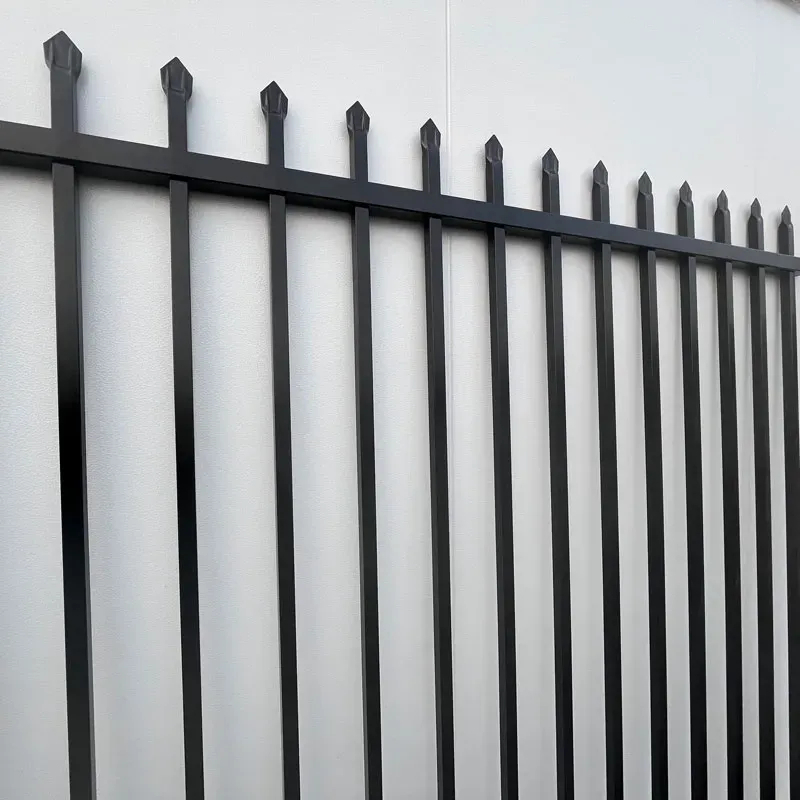
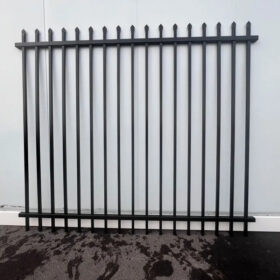
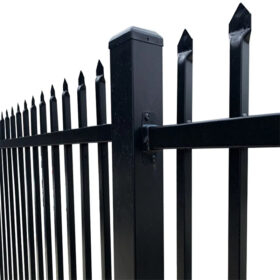
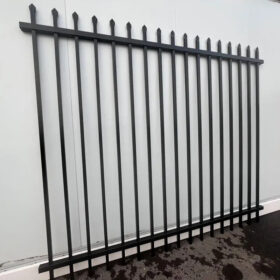
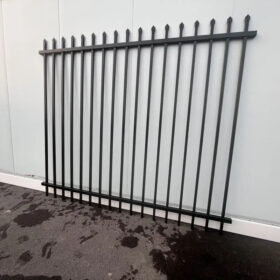
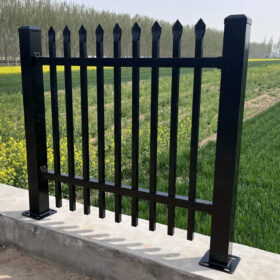
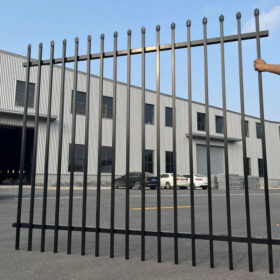
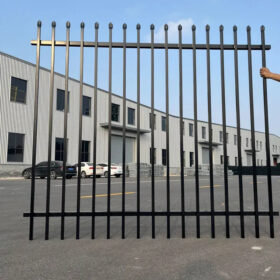
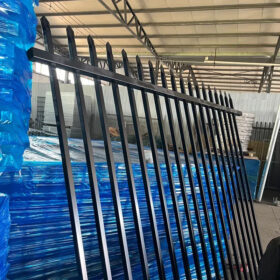
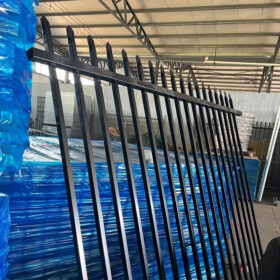
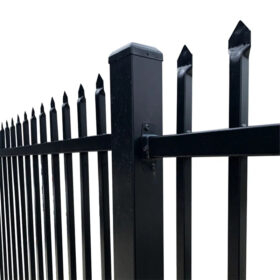
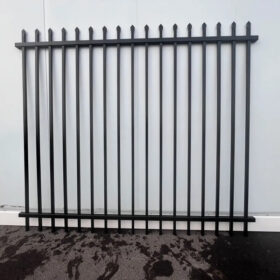
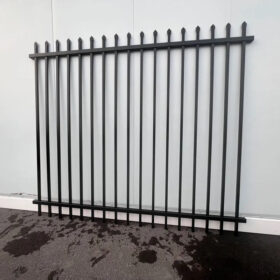
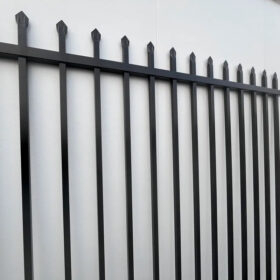
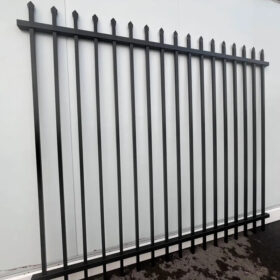
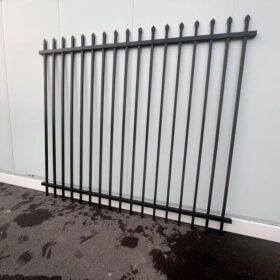
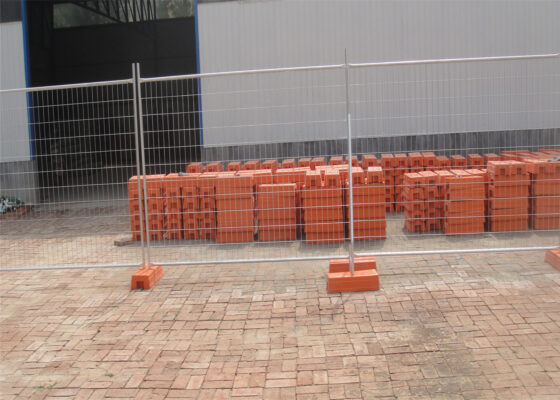
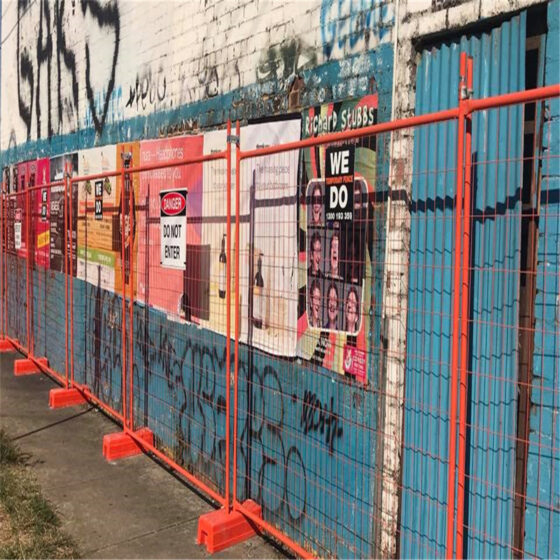
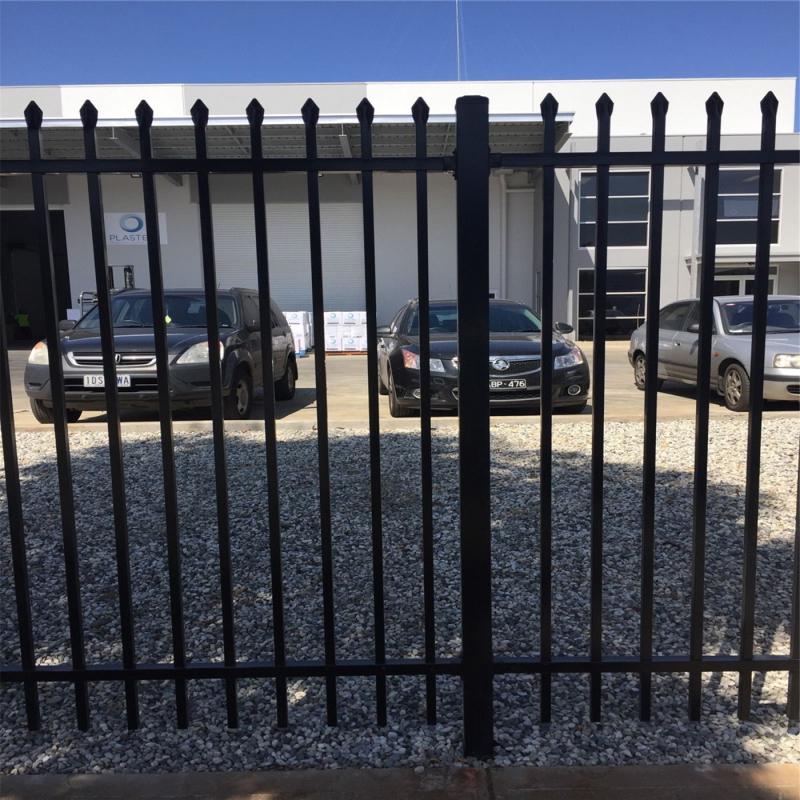
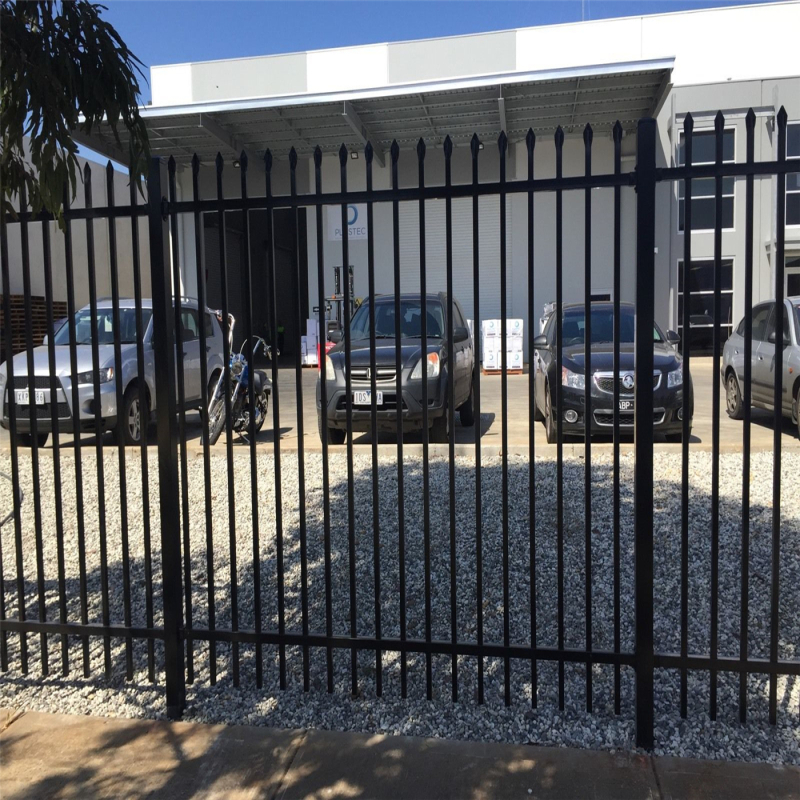
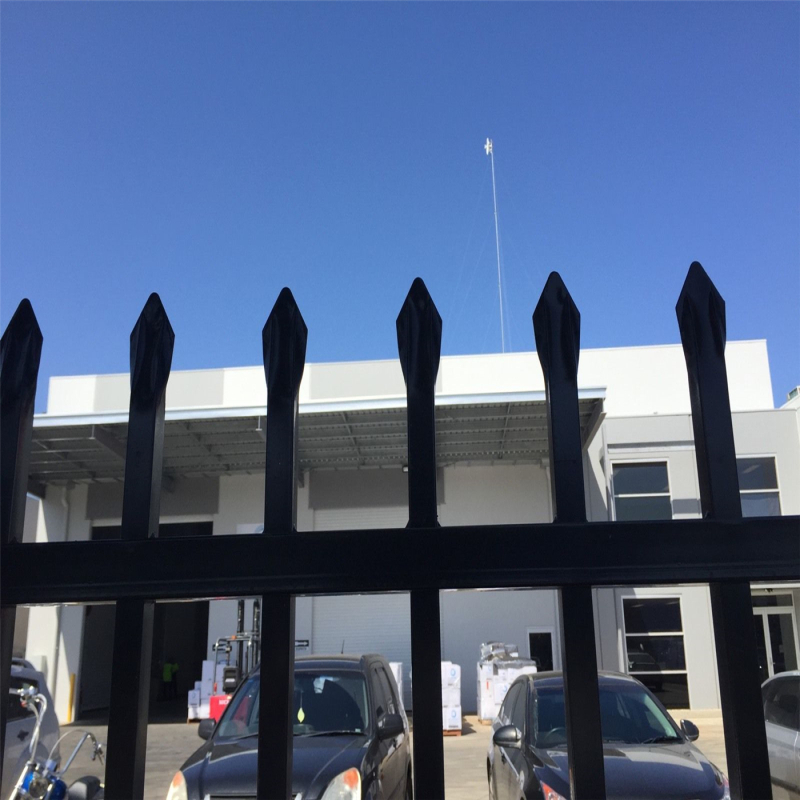
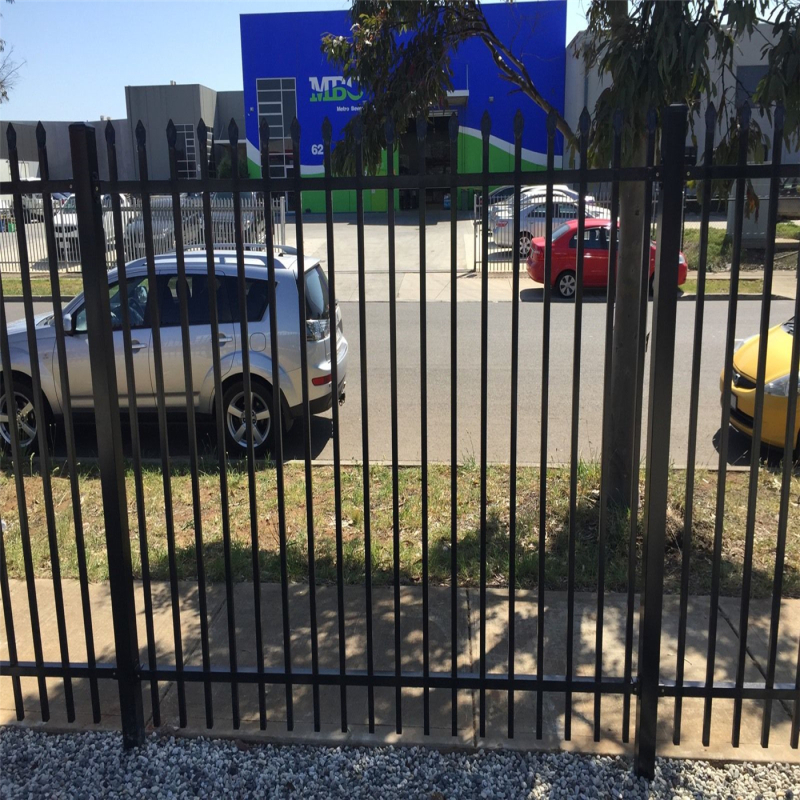
Tubular steel fencing is a rigid, pre-fabricated panel-and-post perimeter system built to create clean, straight lines around commercial sites, schools, depots, industrial yards, and higher-risk residential boundaries. In tubular steel fencing Brisbane conditions, the fence is not only dealing with daily knocks and traffic vibration—it’s also facing real weather cycles, wet-ground movement, and long-run alignment stress. For short-term site control during staged works, deliveries, or event-day access management, a galvanized crowd control fence can help keep pedestrian flow predictable while the permanent perimeter is being completed.
The hard truth is that many fences look identical on install day. But long-term performance is decided by the specifications you can’t “see” in photos: rail frame size, rail thickness, upright size/thickness, upright spacing, post section size, post wall thickness, and embedment depth discipline. When one component is under-specified, the fence doesn’t usually fail in one dramatic moment—it starts with small flex, tiny joint movement, and minor lean… then turns into repeat tightening, re-setting, and panel replacement.
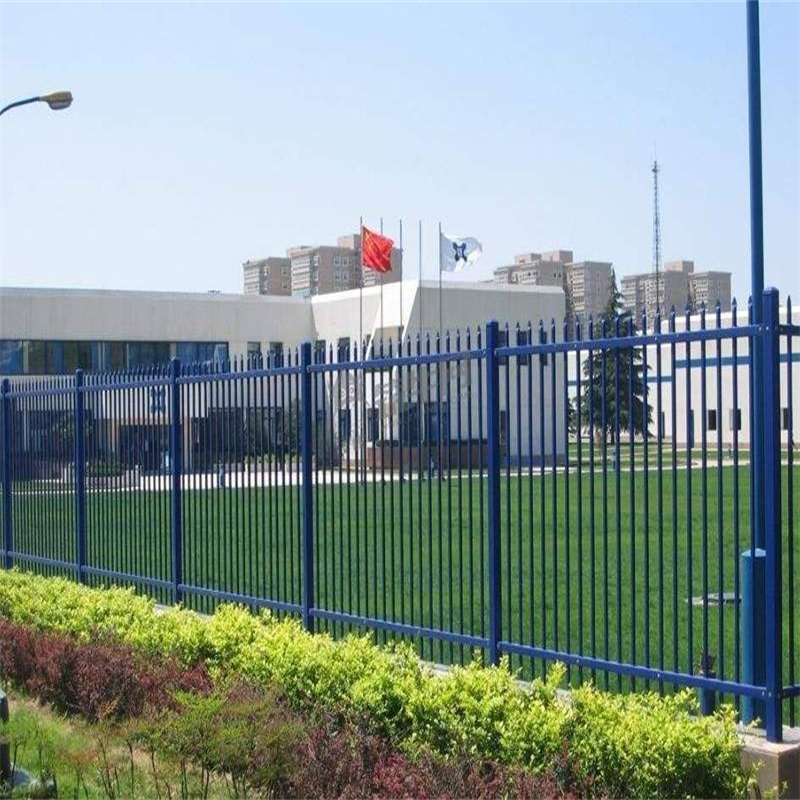
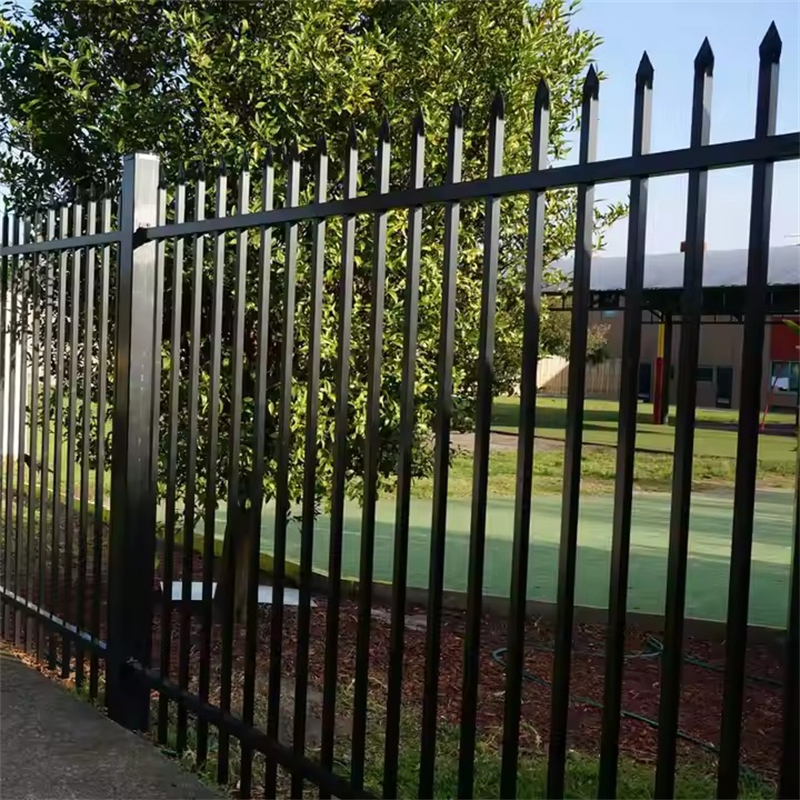
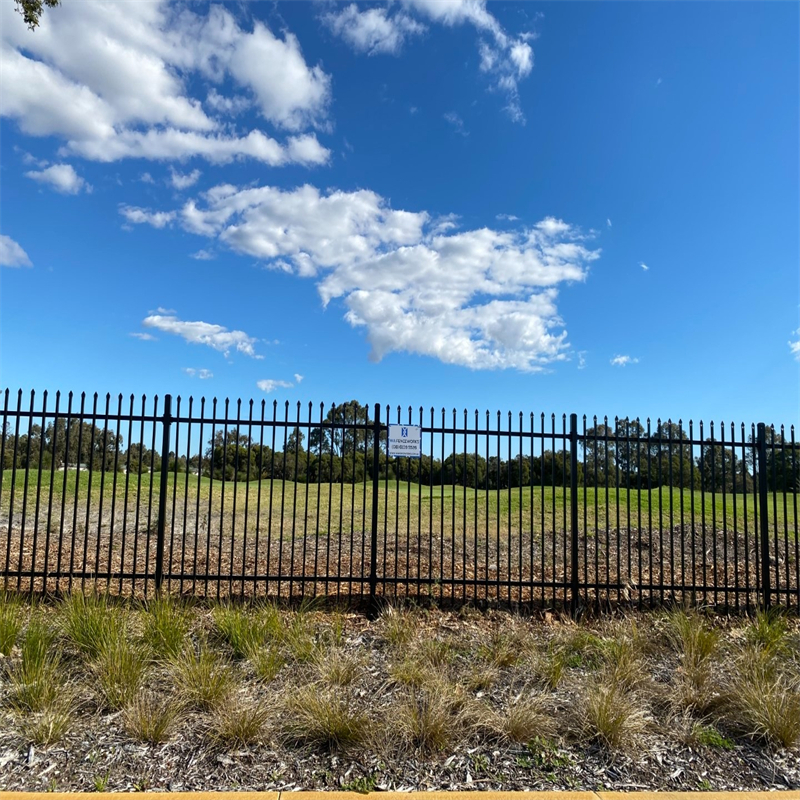
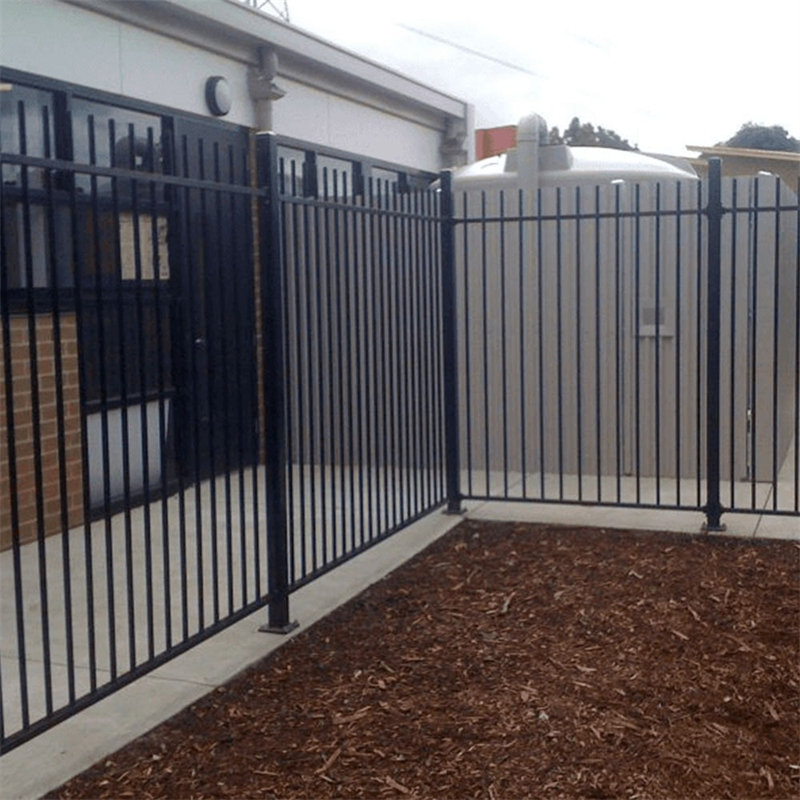
POLYMETAL Tubular Steel Fencing Brisbane Product Description
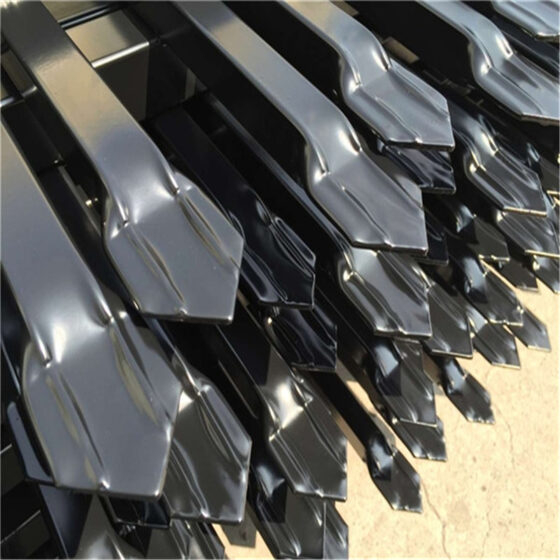
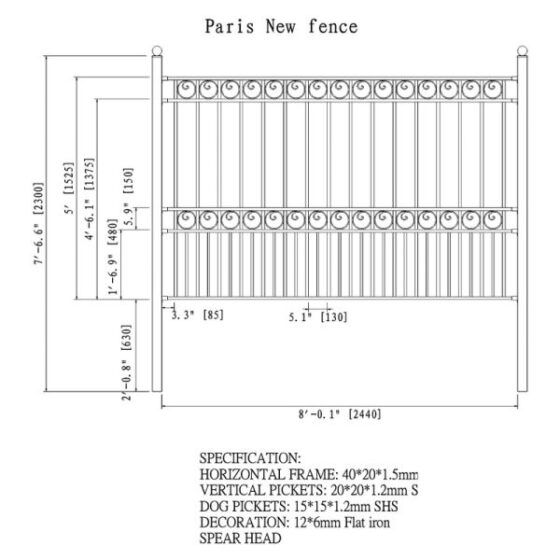
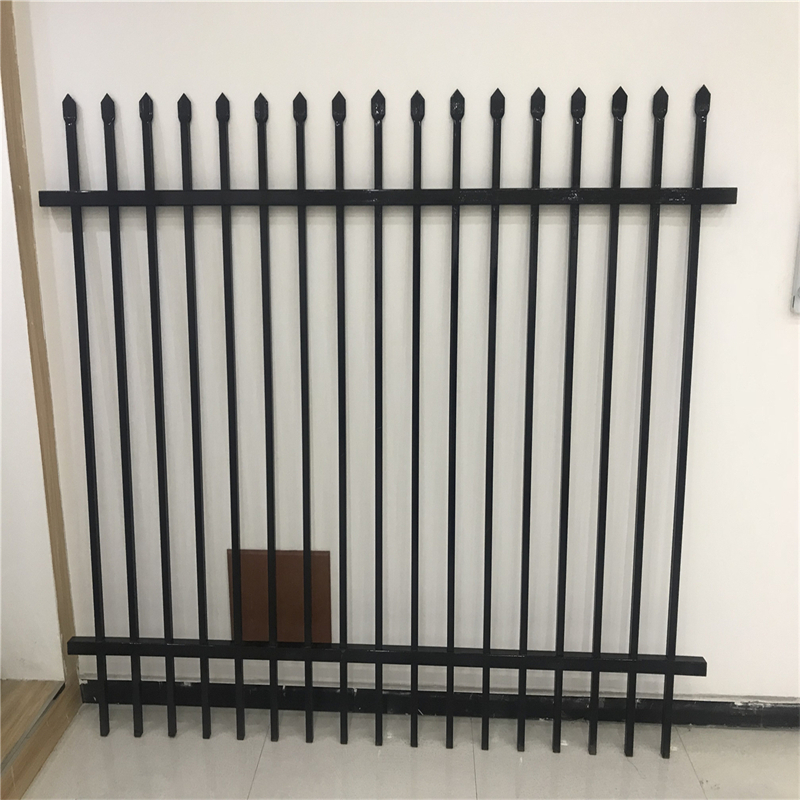
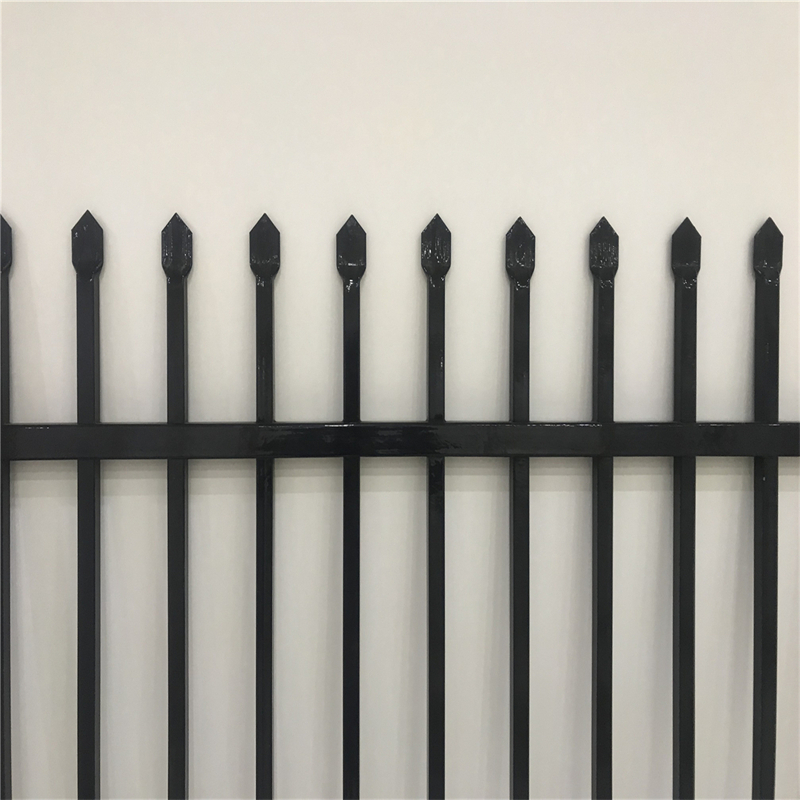
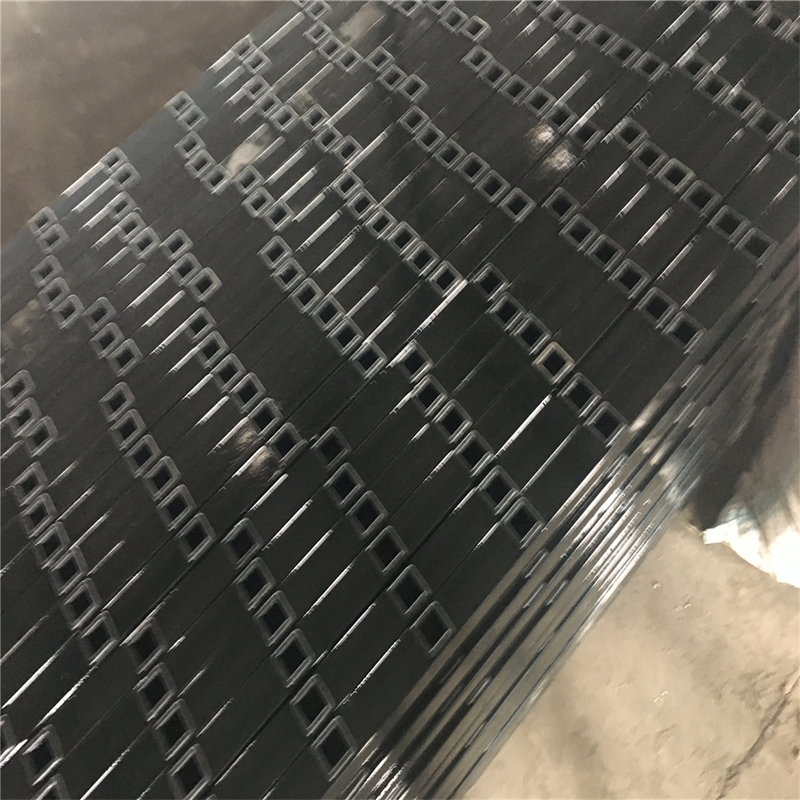
POLYMETAL tubular steel fencing is engineered as a matched system so the panel face, the fixing points, and the posts resist movement together instead of failing one-by-one under load. Rail frames are selected from 40×40mm, 45×45mm, and 50×50mm with rail thickness options from 1.60mm up to 3.00mm to match duty level and handling intensity. Uprights are available in 16×16mm, 25×25mm, and 30×30mm with thickness options from 0.80mm to 2.00mm, allowing you to tune stiffness, impact resistance, and anti-climb behavior without overbuilding where it isn’t needed. If you’re comparing perimeter styles for higher-risk sites, commercial garrison fencing is a useful benchmark for the kind of straight-line alignment and deterrent profile many industrial and commercial projects aim to achieve.
Panel widths are typically 2400mm (with 2450mm options) and heights range from 1200mm to 2400mm to match various risk profiles. Structural upright counts include 18 pcs at ~100mm spacing, 17 pcs at ~108mm spacing, or 16 pcs at ~115mm spacing for optimal rigidity, visibility, and cost. Posts come in sizes from 60×60mm to 100×100mm with wall thicknesses of 1.6mm, 2.00mm, and 2.50mm. A key installation guideline mandates that fence post height must be 600mm taller than panel height to ensure proper embedment and stability. The finish is usually galvanized steel with a powder-coated surface for corrosion resistance and aesthetic longevity.
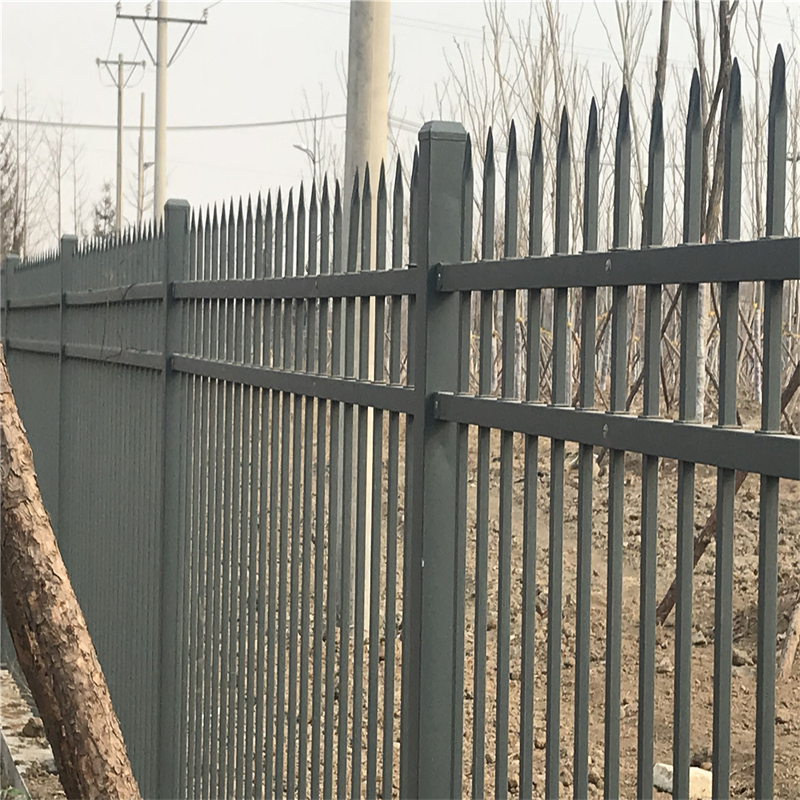
Applications for Tubular Steel Fencing in Brisbane
- Commercial boundaries and business parks
- Schools, childcare perimeters, and community facilities
- Warehouses, depots, and logistics yards
- Industrial sites and plant perimeters
- Sports grounds, councils, and public assets
- Higher-risk residential boundaries needing straight-line durability
Key Benefits Tubular Steel Fencing Brisbane
- Repeatable straightness: the fence stays aligned instead of “waving” down long runs
- Lower lifetime maintenance: less rattling, fewer loose fixings, fewer re-sets
- Controlled stiffness options: specs can be matched to exposure, traffic, and impact zones
- Cleaner appearance that lasts: premium look holds because the line stays true
- System-level security: strength is built into rails + uprights + posts + embedment together
The Top 15 Traps That Decide Whether You Save Money—or Pay Twice
Trap #1 Risk: Buying by photo instead of rail/upright/post specification
A fence that “looks strong” can still be built on thin rails or light posts that move under load.
Trap #2 Problem: Choosing height for appearance instead of boundary risk
Height should match real climb exposure and site pressure—not just aesthetics.
Trap #3 Cost: Using wide panels without upgrading posts
Wider spans increase leverage and long-run flex. Weak posts turn straight lines into waves.
Trap #4 Mistake: Picking 40×40 rails when 45×45 or 50×50 is needed
If the rail frame is under-sized, stiffness disappears first at joints and mid-span.
Trap #5 Warning: Ignoring rail thickness (thin rails bend first)
Once a rail takes a set, joints loosen and the panel starts “working” under vibration.
Trap #6 Flaw: Using 0.80mm uprights in impact zones
Pets, kids, trolleys, and daily knocks expose thin uprights fast.
Trap #7 Oversight: Choosing wider upright spacing to “save steel”
Spacing is stiffness. Wider spacing can turn a firm face into a flexible face.
Trap #8 Gap: Mixing upright thickness across one project
Soft zones appear, and soft zones fail first—then the whole run looks bad.
Trap #9 Danger: The post-height shortcut that turns straight fences into leaning rework jobs
If posts are not panel height + 600mm, embedment is compromised. The line may look perfect at install, but soil movement and wind cycles slowly shift posts. Then the panel “works” against fixings, joints rattle, clamps loosen, gaps open, and you end up re-setting posts and re-fixing panels across the run. This doesn’t create one repair—it creates repeat labour.
Trap #10 Threat: Undersizing corner and return posts
Corners multiply movement. Weak corners make the entire fence line drift.
Trap #11 Failure: Using light post walls on tall panels in exposed areas
Tall panels amplify leverage; light post walls fatigue, flex, and loosen fixings over time.
Trap #12 Pitfall: Treating “galvanized” as one finish
Coating protection at welds and cut ends determines where rust starts first.
Trap #13 Error: Using non-standard fixings that shake loose
Vibration doesn’t need “big impacts” to cause failure—tiny repeated movement is enough.
Trap #14 Waste: Poor stacking/transport that warps panels before install
A bent panel forces stressed installation and permanent alignment compromise.
Trap #15 Loss: Chasing the lowest unit price instead of lowest lifetime rework cost
The fence you “save on” becomes the fence you pay to fix—again and again.
Specifications in Tables (5 Tables, 10 Specs Each)
Table 1: POLYMETAL Tubular Steel Fencing Brisbane – Standard Series (10 Specs)
| Spec | Fence Height (mm) | Fence Width (mm) | Rail Frame (mm) | Rail Thickness (mm) | Upright (mm) | Upright Thickness (mm) | Upright Count | Upright Spacing (mm) | Post Option (mm) | Post Wall (mm) | Fence Post Height (mm) |
|---|---|---|---|---|---|---|---|---|---|---|---|
| TSB-01 | 1200 | 2400 | 40×40 | 1.60 | 16×16 | 0.80 | 18 | 100 | 60×60 | 1.60 | 1800 |
| TSB-02 | 1500 | 2400 | 40×40 | 2.00 | 25×25 | 1.00 | 17 | 108 | 65×65 | 2.00 | 2100 |
| TSB-03 | 1800 | 2400 | 45×45 | 2.00 | 25×25 | 1.00 | 18 | 100 | 75×75 | 2.00 | 2400 |
| TSB-04 | 2100 | 2400 | 45×45 | 2.50 | 30×30 | 1.20 | 17 | 108 | 80×80 | 2.50 | 2700 |
| TSB-05 | 2400 | 2400 | 50×50 | 2.50 | 30×30 | 2.00 | 18 | 100 | 100×100 | 2.50 | 3000 |
| TSB-06 | 1200 | 2450 | 40×40 | 2.00 | 25×25 | 0.80 | 16 | 115 | 60×60 | 2.00 | 1800 |
| TSB-07 | 1500 | 2450 | 45×45 | 1.60 | 16×16 | 1.00 | 18 | 100 | 65×65 | 1.60 | 2100 |
| TSB-08 | 1800 | 2450 | 45×45 | 2.50 | 25×25 | 1.20 | 17 | 108 | 80×80 | 2.00 | 2400 |
| TSB-09 | 2100 | 2450 | 50×50 | 2.00 | 30×30 | 1.20 | 16 | 115 | 80×80 | 2.50 | 2700 |
| TSB-10 | 2400 | 2450 | 50×50 | 3.00 | 30×30 | 2.00 | 18 | 100 | 100×100 | 2.50 | 3000 |
Table 2: POLYMETAL Tubular Steel Fencing Brisbane – Heavy-Duty Boundary Series (10 Specs)
| Spec | Fence Height (mm) | Fence Width (mm) | Rail Frame (mm) | Rail Thickness (mm) | Upright (mm) | Upright Thickness (mm) | Upright Count | Upright Spacing (mm) | Post Option (mm) | Post Wall (mm) | Fence Post Height (mm) |
|---|---|---|---|---|---|---|---|---|---|---|---|
| HDT-01 | 1200 | 2400 | 45×45 | 2.50 | 25×25 | 1.20 | 18 | 100 | 75×75 | 2.50 | 1800 |
| HDT-02 | 1500 | 2400 | 45×45 | 2.50 | 30×30 | 1.20 | 17 | 108 | 80×80 | 2.50 | 2100 |
| HDT-03 | 1800 | 2400 | 50×50 | 3.00 | 30×30 | 2.00 | 18 | 100 | 100×100 | 2.50 | 2400 |
| HDT-04 | 2100 | 2400 | 50×50 | 3.00 | 30×30 | 2.00 | 17 | 108 | 100×100 | 2.50 | 2700 |
| HDT-05 | 2400 | 2400 | 50×50 | 3.00 | 30×30 | 2.00 | 18 | 100 | 100×100 | 2.50 | 3000 |
| HDT-06 | 1200 | 2450 | 45×45 | 2.00 | 25×25 | 1.00 | 16 | 115 | 75×75 | 2.00 | 1800 |
| HDT-07 | 1500 | 2450 | 45×45 | 2.50 | 25×25 | 1.20 | 18 | 100 | 75×75 | 2.50 | 2100 |
| HDT-08 | 1800 | 2450 | 50×50 | 2.50 | 30×30 | 1.20 | 17 | 108 | 80×80 | 2.50 | 2400 |
| HDT-09 | 2100 | 2450 | 50×50 | 3.00 | 30×30 | 2.00 | 16 | 115 | 100×100 | 2.50 | 2700 |
| HDT-10 | 2400 | 2450 | 50×50 | 3.00 | 30×30 | 2.00 | 18 | 100 | 100×100 | 2.50 | 3000 |
Table 3: POLYMETAL Tubular Steel Fencing Brisbane – Tight-Spacing Security Series (10 Specs)
| Spec | Fence Height (mm) | Fence Width (mm) | Rail Frame (mm) | Rail Thickness (mm) | Upright (mm) | Upright Thickness (mm) | Upright Count | Upright Spacing (mm) | Post Option (mm) | Post Wall (mm) | Fence Post Height (mm) |
|---|---|---|---|---|---|---|---|---|---|---|---|
| TSS-01 | 1200 | 2400 | 45×45 | 2.00 | 25×25 | 1.00 | 18 | 100 | 65×65 | 2.00 | 1800 |
| TSS-02 | 1500 | 2400 | 45×45 | 2.50 | 25×25 | 1.20 | 18 | 100 | 75×75 | 2.00 | 2100 |
| TSS-03 | 1800 | 2400 | 45×45 | 2.50 | 30×30 | 1.20 | 18 | 100 | 80×80 | 2.50 | 2400 |
| TSS-04 | 2100 | 2400 | 50×50 | 3.00 | 30×30 | 2.00 | 18 | 100 | 100×100 | 2.50 | 2700 |
| TSS-05 | 2400 | 2400 | 50×50 | 3.00 | 30×30 | 2.00 | 18 | 100 | 100×100 | 2.50 | 3000 |
| TSS-06 | 1200 | 2450 | 45×45 | 2.00 | 25×25 | 1.00 | 18 | 100 | 65×65 | 2.00 | 1800 |
| TSS-07 | 1500 | 2450 | 45×45 | 2.50 | 25×25 | 1.20 | 18 | 100 | 75×75 | 2.00 | 2100 |
| TSS-08 | 1800 | 2450 | 50×50 | 2.50 | 30×30 | 1.20 | 18 | 100 | 80×80 | 2.50 | 2400 |
| TSS-09 | 2100 | 2450 | 50×50 | 3.00 | 30×30 | 2.00 | 18 | 100 | 100×100 | 2.50 | 2700 |
| TSS-10 | 2400 | 2450 | 50×50 | 3.00 | 30×30 | 2.00 | 18 | 100 | 100×100 | 2.50 | 3000 |
Table 4: POLYMETAL Tubular Steel Fencing Brisbane – Coastal & Corrosion-Resistant Series (10 Specs)
| Spec | Fence Height (mm) | Fence Width (mm) | Rail Frame (mm) | Rail Thickness (mm) | Upright (mm) | Upright Thickness (mm) | Upright Count | Upright Spacing (mm) | Post Option (mm) | Post Wall (mm) | Fence Post Height (mm) |
|---|---|---|---|---|---|---|---|---|---|---|---|
| CCR-01 | 1200 | 2400 | 40×40 | 2.00 | 25×25 | 1.20 | 18 | 100 | 65×65 | 2.50 | 1800 |
| CCR-02 | 1500 | 2400 | 45×45 | 2.00 | 25×25 | 1.20 | 17 | 108 | 75×75 | 2.50 | 2100 |
| CCR-03 | 1800 | 2400 | 45×45 | 2.50 | 25×25 | 1.20 | 18 | 100 | 80×80 | 2.50 | 2400 |
| CCR-04 | 2100 | 2400 | 50×50 | 2.50 | 30×30 | 2.00 | 17 | 108 | 100×100 | 2.50 | 2700 |
| CCR-05 | 2400 | 2400 | 50×50 | 3.00 | 30×30 | 2.00 | 18 | 100 | 100×100 | 2.50 | 3000 |
| CCR-06 | 1200 | 2450 | 45×45 | 2.00 | 16×16 | 1.20 | 18 | 100 | 75×75 | 2.50 | 1800 |
| CCR-07 | 1500 | 2450 | 45×45 | 2.50 | 25×25 | 1.20 | 16 | 115 | 80×80 | 2.50 | 2100 |
| CCR-08 | 1800 | 2450 | 50×50 | 2.50 | 30×30 | 1.20 | 17 | 108 | 80×80 | 2.50 | 2400 |
| CCR-09 | 2100 | 2450 | 50×50 | 3.00 | 30×30 | 2.00 | 16 | 115 | 100×100 | 2.50 | 2700 |
| CCR-10 | 2400 | 2450 | 50×50 | 3.00 | 30×30 | 2.00 | 18 | 100 | 100×100 | 2.50 | 3000 |
Table 5: POLYMETAL Tubular Steel Fencing Brisbane – Balanced Value Mix (10 Specs)
| Spec | Fence Height (mm) | Fence Width (mm) | Rail Frame (mm) | Rail Thickness (mm) | Upright (mm) | Upright Thickness (mm) | Upright Count | Upright Spacing (mm) | Post Option (mm) | Post Wall (mm) | Fence Post Height (mm) |
|---|---|---|---|---|---|---|---|---|---|---|---|
| BVM-01 | 1200 | 2400 | 40×40 | 1.60 | 25×25 | 0.80 | 17 | 108 | 60×60 | 1.60 | 1800 |
| BVM-02 | 1500 | 2400 | 40×40 | 2.00 | 25×25 | 1.00 | 16 | 115 | 65×65 | 2.00 | 2100 |
| BVM-03 | 1800 | 2400 | 45×45 | 2.00 | 25×25 | 1.20 | 17 | 108 | 75×75 | 2.00 | 2400 |
| BVM-04 | 2100 | 2400 | 45×45 | 2.50 | 30×30 | 1.20 | 16 | 115 | 80×80 | 2.50 | 2700 |
| BVM-05 | 2400 | 2400 | 50×50 | 2.50 | 30×30 | 2.00 | 17 | 108 | 100×100 | 2.50 | 3000 |
| BVM-06 | 1200 | 2450 | 40×40 | 2.00 | 16×16 | 1.00 | 18 | 100 | 60×60 | 2.00 | 1800 |
| BVM-07 | 1500 | 2450 | 45×45 | 2.00 | 16×16 | 1.20 | 17 | 108 | 65×65 | 2.00 | 2100 |
| BVM-08 | 1800 | 2450 | 45×45 | 2.50 | 25×25 | 1.20 | 16 | 115 | 80×80 | 2.50 | 2400 |
| BVM-09 | 2100 | 2450 | 50×50 | 2.50 | 30×30 | 2.00 | 17 | 108 | 80×80 | 2.50 | 2700 |
| BVM-10 | 2400 | 2450 | 50×50 | 3.00 | 30×30 | 2.00 | 18 | 100 | 100×100 | 2.50 | 3000 |
Packing Tubular Steel Fencing Brisbane
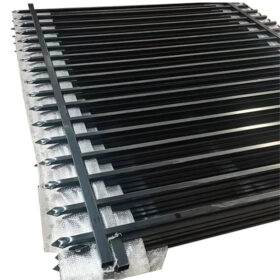
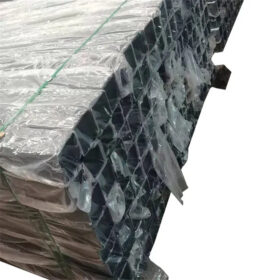
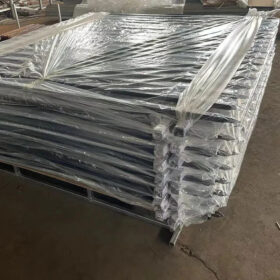
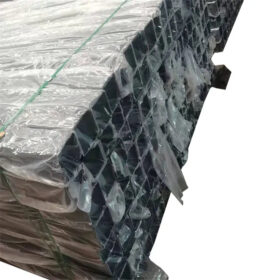
POLYMETAL tubular steel fencing panels are commonly packed on steel pallets with protective separators to reduce coating rub, with posts bundled and labelled by section size and wall thickness for fast site counting. Fixings are packed in cartons by run length (including spares) to reduce missing-hardware delays, and corner/gate-area posts are often marked as “critical posts” to prevent accidental substitution on site.
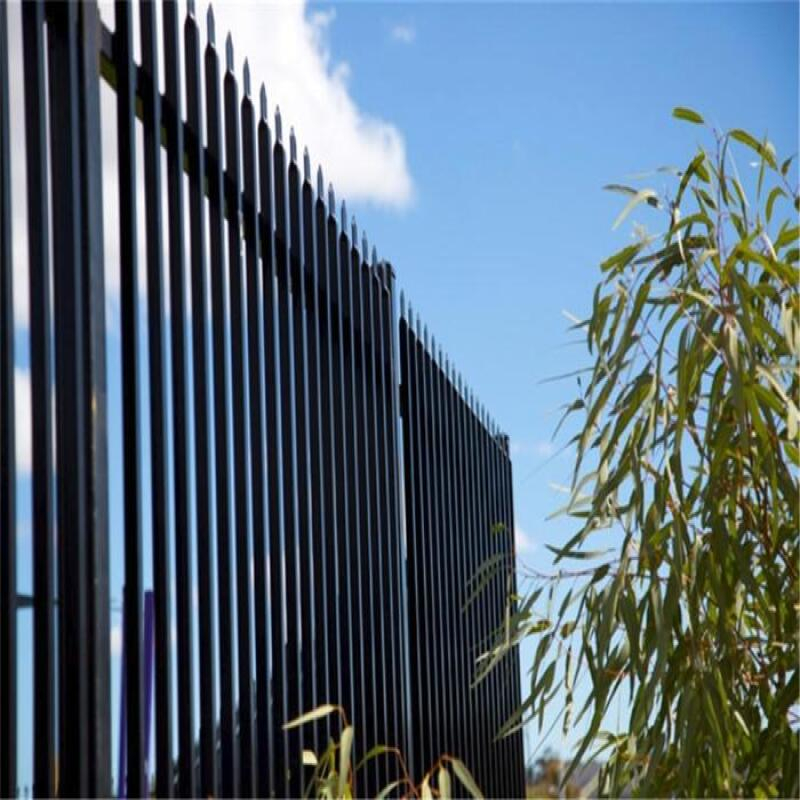
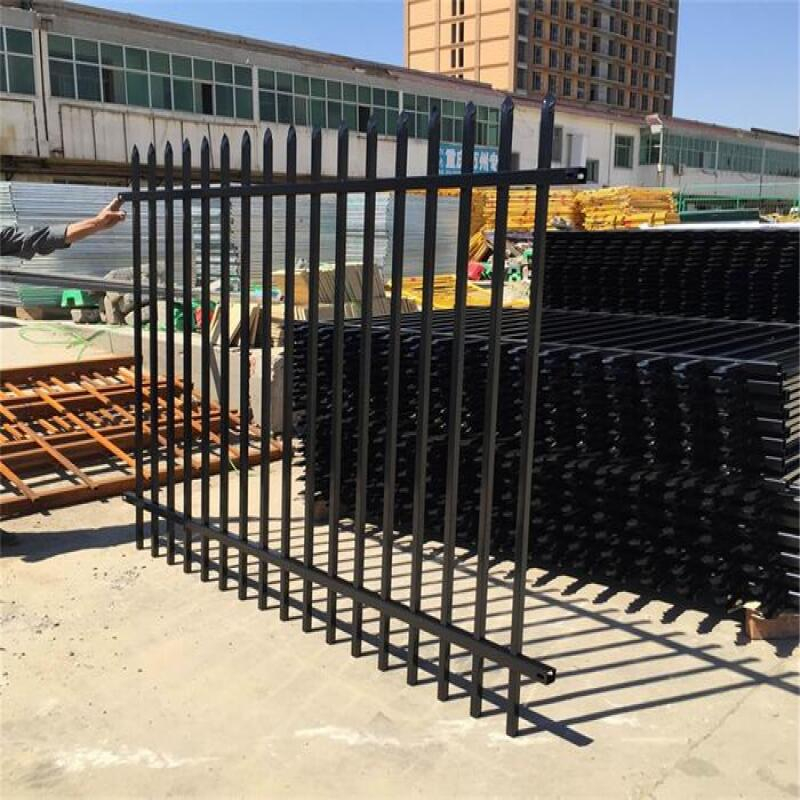
Standard Tubular Steel Fencing Brisbane
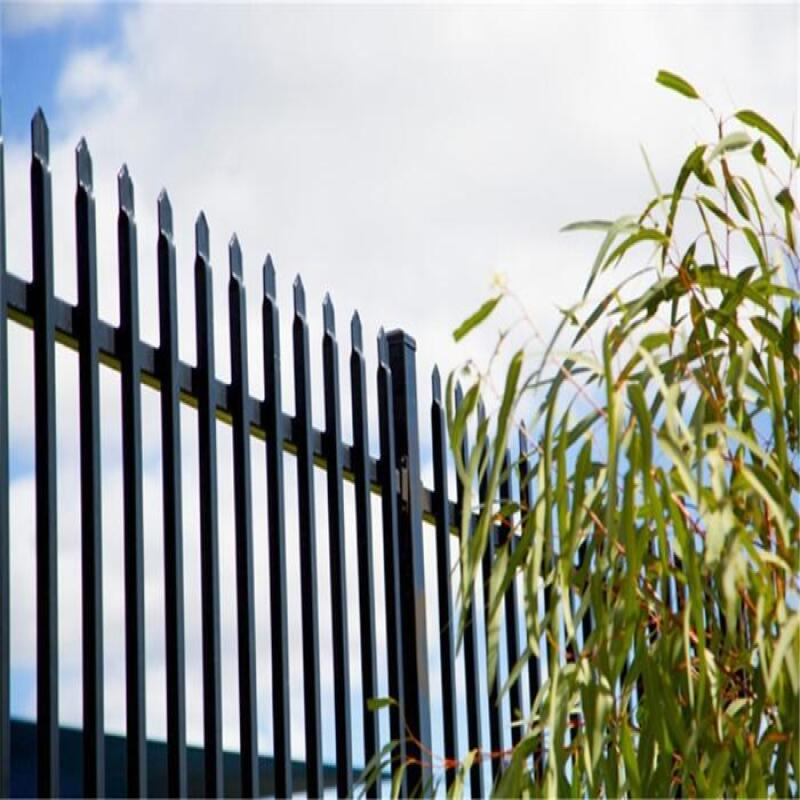
Tubular steel fencing is typically specified with consistent dimensional tolerances (panel straightness and weld consistency), coating requirements for corrosion control, and fixings suited to vibration and repeated load cycles. For Brisbane-style projects, many buyers prioritize coating durability, weld-area protection, and post embedment discipline because those are the first places long-run failures begin.
FAQs (Tubular Steel Fencing Brisbane)
What height is “normal” for tubular steel fencing Brisbane jobs?
1200mm and 1500mm are common for controlled boundaries; 1800–2400mm is used when security and climb delay matter more.
Is 2400mm or 2450mm width better?
Both work—what matters is matching width choices with post size/wall thickness so long runs don’t wave or drift.
What causes rattling joints?
Usually a system mismatch: rails too light, posts too flexible, or fixings not designed for vibration—movement becomes cumulative.
Why is “panel height + 600mm” such a big deal?
Because embedment is stability. If posts are too short, the fence can look straight early, then lean as ground and load cycles work over time.
Which spec is the safest “default”?
A balanced system: adequate rail thickness, consistent upright spacing, and post walls sized for the panel height—so no single weak link starts the failure chain.