Your One-Stop Wire Mesh Fence Supplier | POLYMETAL

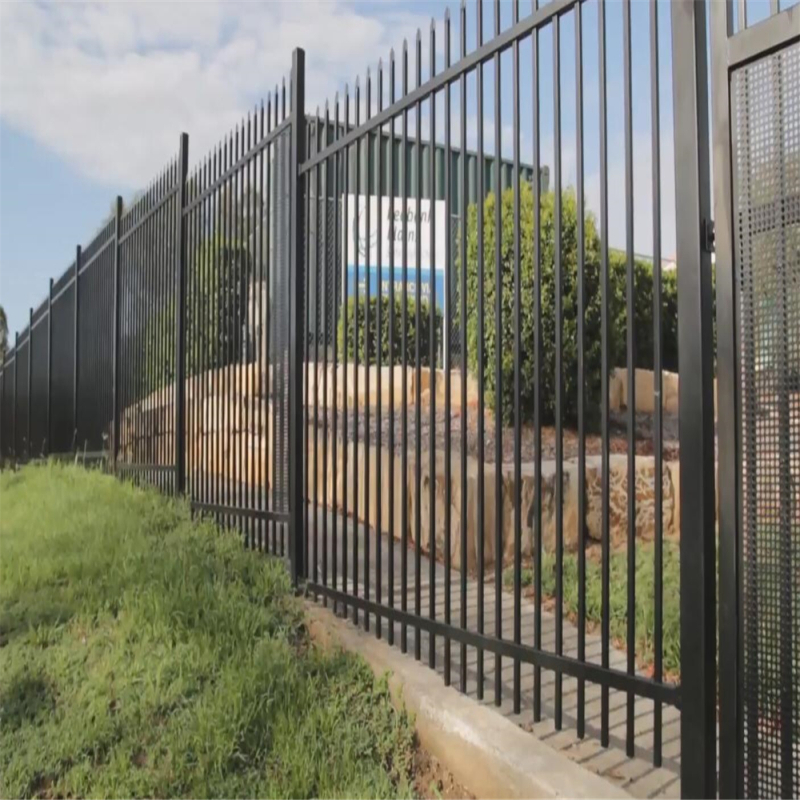
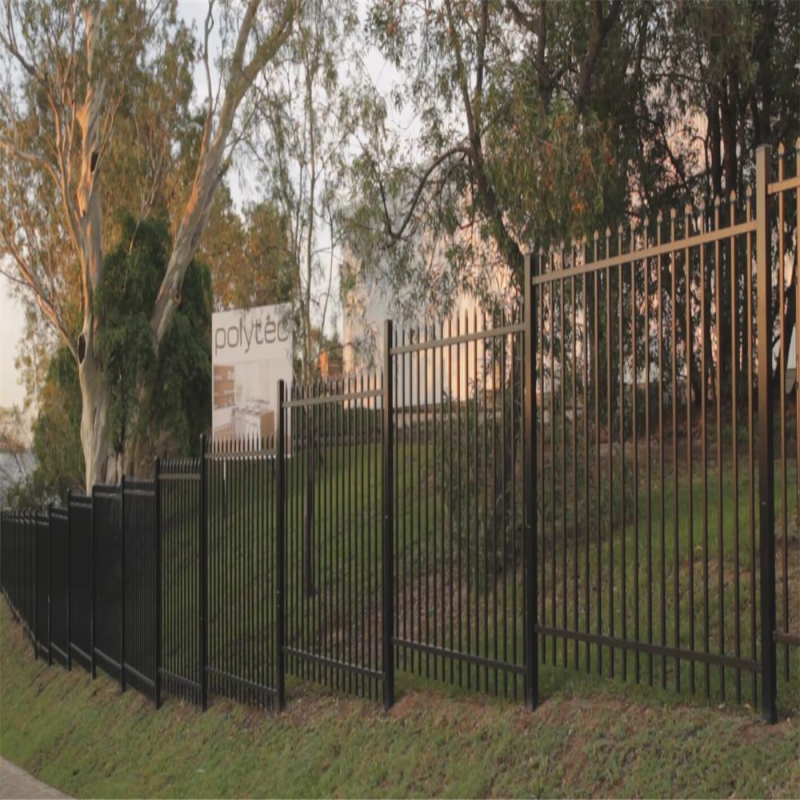
Tubular steel fencing Melbourne from POLYMETAL delivers a clean, contemporary look while quietly taking on the demanding job of security, safety and long service life. Each panel is manufactured from galvanised steel and finished with a minimum 80 microns powder coated, available in the full Interpon colour range. UV5–10 systems can be selected to give approximately 5 to 15 years UV resistance, helping your tubular steel fencing Melbourne stay sharp and vibrant instead of dull, chalky and faded.
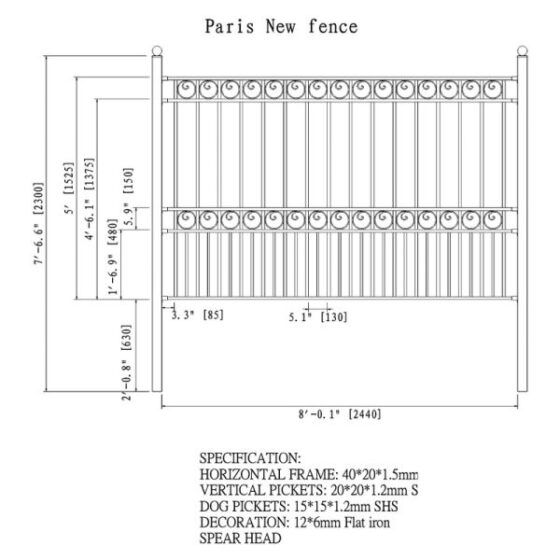
Fence heights of 1500 mm, 1800 mm, 2100 mm and 2400 mm allow tubular steel fencing Melbourne to be tailored to everything from residential boundaries through to commercial frontages and heavy-duty industrial perimeters. Vertical steel pales or pickets are welded to horizontal rails to create a rigid frame that resists twisting and impact, while still delivering a sleek, architectural appearance that suits modern Melbourne projects.
The product description, specifications, application guidance, feature outline, process explanation and packing information below build a clear profile of how tubular steel fencing Melbourne performs in the real world. Understanding these points helps you avoid hidden gaps, design flaws and installation mistakes that can turn a stylish fence into a structural issue, a safety hazard or an expensive failure.
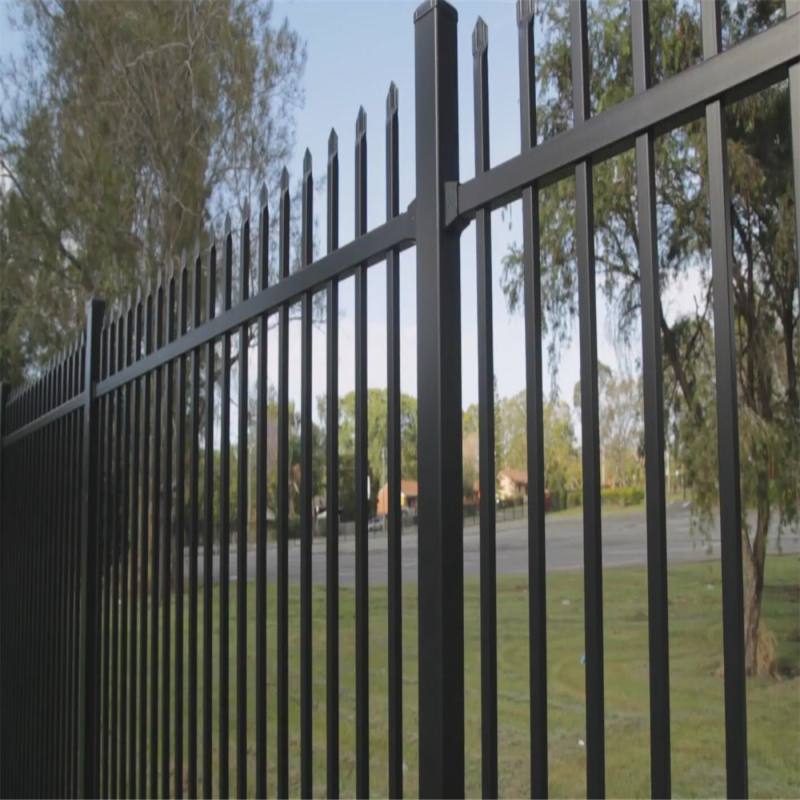
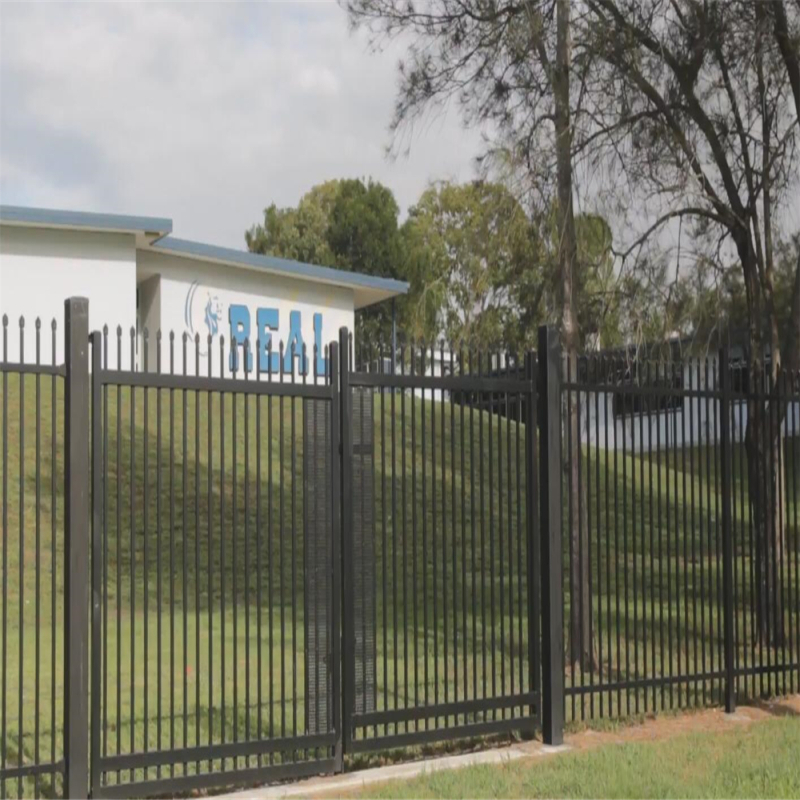
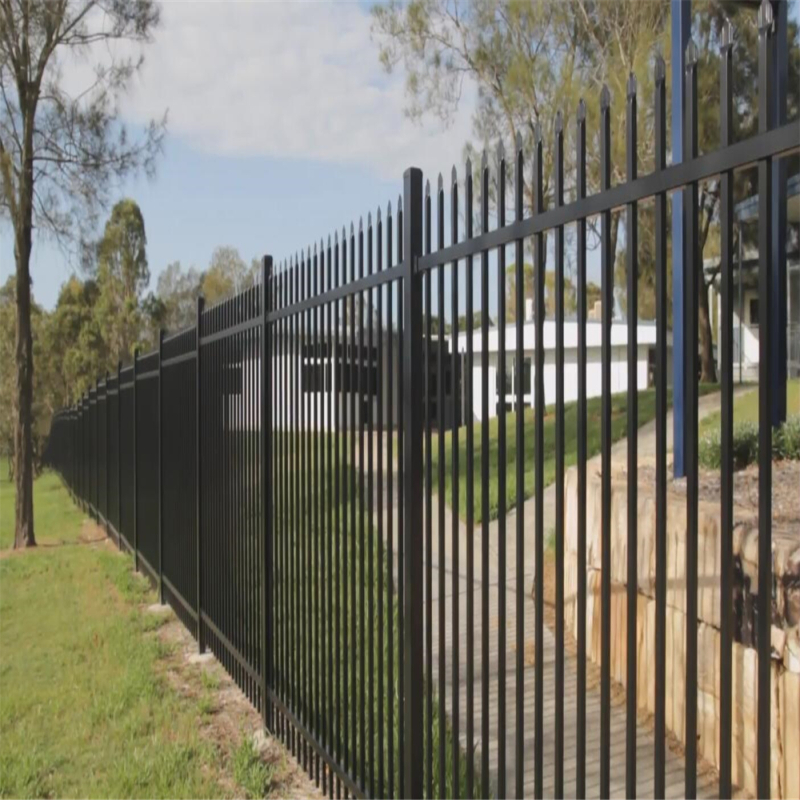
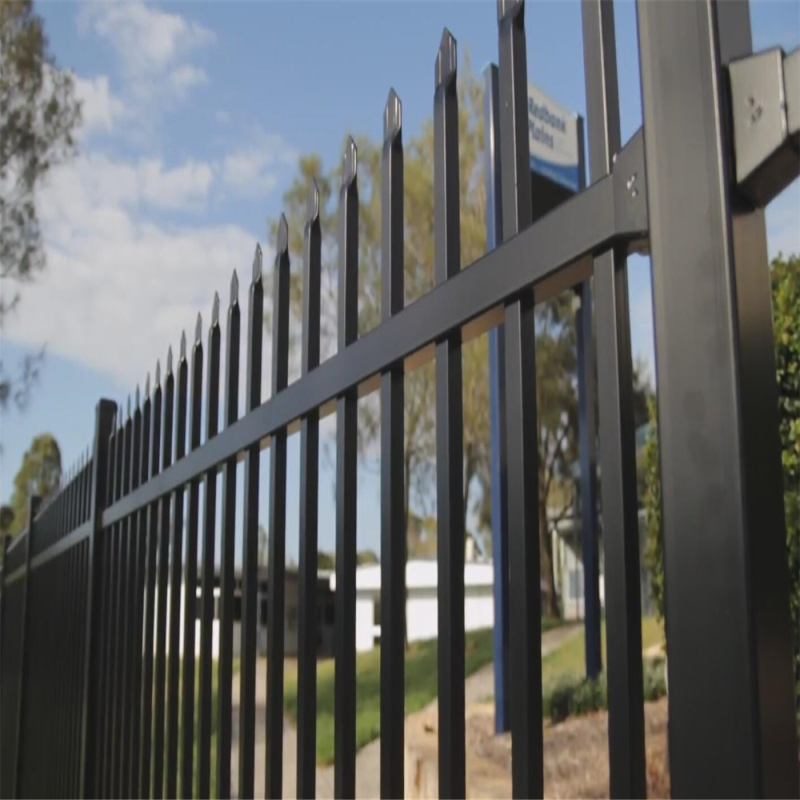
22 Critical Insights About Tubular Steel Fencing Melbourne You Must Understand
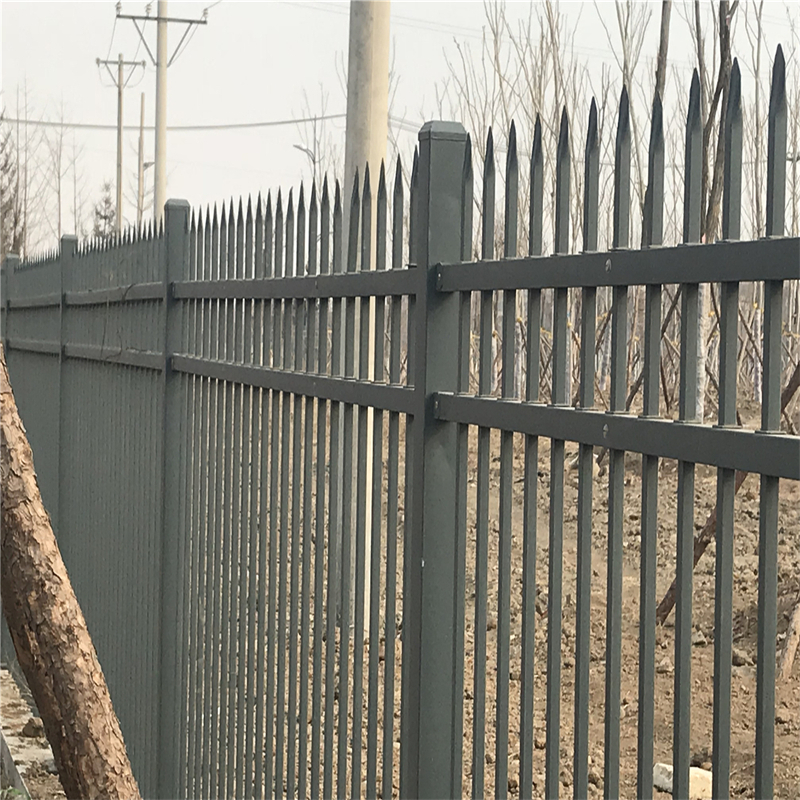
1. First detail – coating thickness as a hidden shield
The minimum 80 microns powder layer on tubular steel fencing Melbourne is more than a marketing line; it is a protective barrier that delays rust, chipping and peeling. When the coating is too thin, the fence may look fine at first, but after a few wet, windy seasons in Melbourne, bare metal and rust spots can appear, forcing you into costly repainting or full replacement of long runs.
2. Second fact – UV resistance and brutal fading in Melbourne
UV resistance in the 5–15 year range is a hard fact that controls how long the colour on tubular steel fencing Melbourne will last. Intense Australian sun punishes cheap coatings. If the UV system is under-rated for the exposure, the fence can fade, chalk and look prematurely old after only a few summers, damaging the street appeal of premium homes and commercial sites.
3. Third truth – choosing the right height for security and compliance
The simple truth is that a 1500 mm tubular steel fence does not offer the same privacy or deterrence as a 2100 mm or 2400 mm tubular steel fencing Melbourne installation. Height selection influences security, screening and, in some cases, council or safety expectations around pools, schools or critical facilities. Go too low and you effectively invite intruders and risk non-compliant boundaries.
4. Fourth point – decorative style still carries structural load
The attractive look of tubular steel fencing Melbourne can distract from the structural role of every rail and upright. If these sections are under-sized, the fence may start to rattle, bow and twist over time. It might appear acceptable in photos, but visitors and inspectors quickly sense that the fence feels flimsy and does not inspire confidence.
5. Fifth note – galvanization versus hot-dip in coastal suburbs
In many inland suburbs, standard galvanization plus powder coating is usually sufficient. However, closer to Port Phillip Bay or in polluted industrial belts, hot-dipped galvanisation beneath the powder gives tubular steel fencing Melbourne a much stronger barrier against corrosion. Choosing the wrong base treatment is a classic mistake that leads to blistering, rust outbreaks and expensive remedial work.
6. Sixth tip – square posts for straight, professional lines
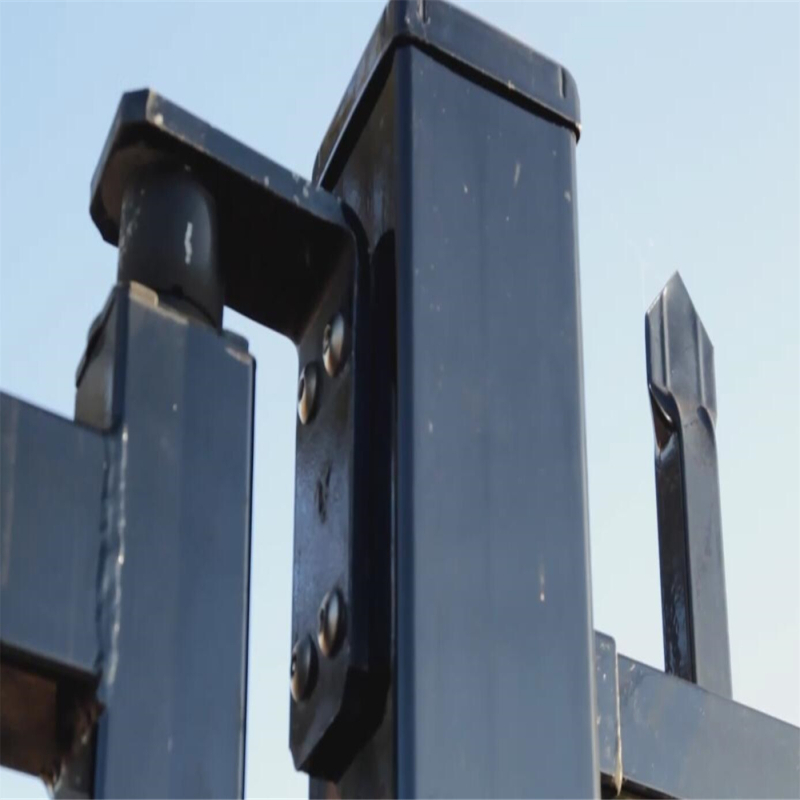
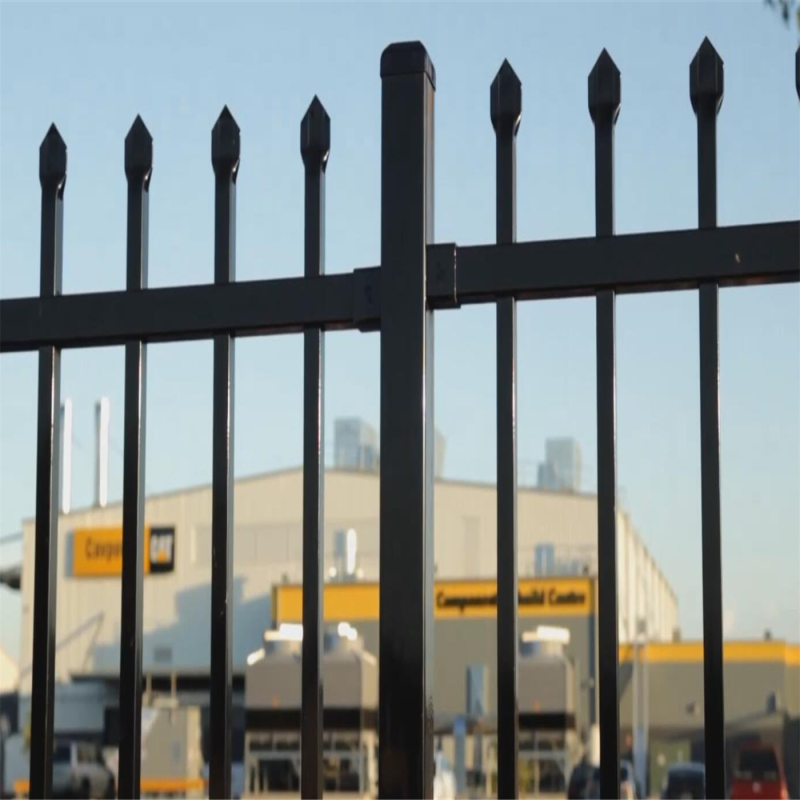
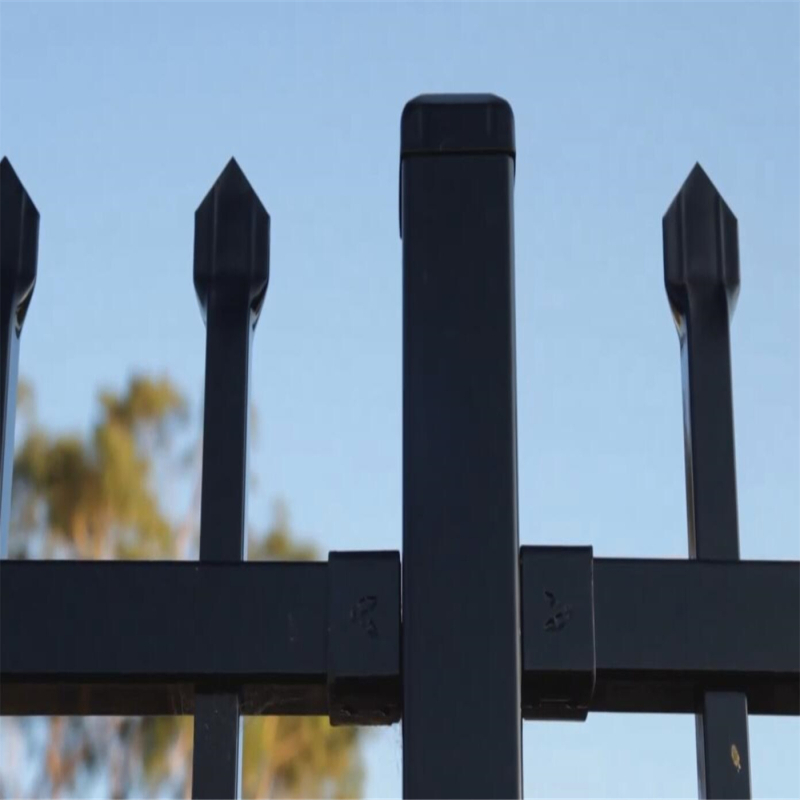
Square posts in sizes like 60 × 60, 65 × 65, 75 × 75, 80 × 80 and 100 × 100 mm make it easier to set out tubular steel fencing Melbourne on a string line and maintain straight, professional-looking runs. Cutting corners with posts that are too small may save a little money initially, but often results in a pattern of leaning fences, cracked footings and visible movement in strong winds.
7. Seventh hint – upright spacing as a critical safety gap
A 100 mm spacing between uprights is a critical safety detail in tubular steel fencing Melbourne. Increasing this distance to save on steel can create openings where children or pets can squeeze through or become trapped, leading to serious safety, liability and reputational damage. Of all the errors you could make, getting the gap wrong can be the one that causes the worst outcome.
8. Eighth idea – rail frame sizing strategy that stops sagging
Using rail frames in sizes such as 40 × 40 mm, 45 × 45 mm and 50 × 50 mm allows tubular steel fencing Melbourne to be matched to fence height and span. If the rails are too small for the panel size, the fence might look fine for a short time, but then slowly develop sagging and ripples that make new developments and estates look tired well before they should.
9. Ninth angle – wall thickness as a lifetime strength decision
Wall thickness in the range of 1.0 to 2.5 mm plays a major role in how many bumps, knocks and years of service tubular steel fencing Melbourne can handle. Thin walls deform under everyday contact from trolleys, bikes and garden work, while heavier sections resist abuse and help preserve alignment and appearance, protecting your investment instead of draining it through repeated repairs.
10. Tenth aspect – post size and footing depth stability
The combination of post size and footing depth decides whether tubular steel fencing Melbourne stays straight and solid or gradually leans, cracks and separates at the base. Using posts that are too small for fence height or soil conditions introduces a structural hazard. In reactive clays or soft ground, every storm becomes a major test of a design that may not be up to the job.
11. Eleventh element – matching fence width, panel layout and gates
Choosing between 2400 mm and 2450 mm panels affects how easily tubular steel fencing Melbourne fits a site without constant cutting and improvisation. Poor planning in panel width and gate positions wastes labour, produces awkward offcuts and creates messy joints near entrances and corners. A clean modular plan protects both your material budget and installation schedule.
12. Twelfth feature – picket tops and anti-climb performance
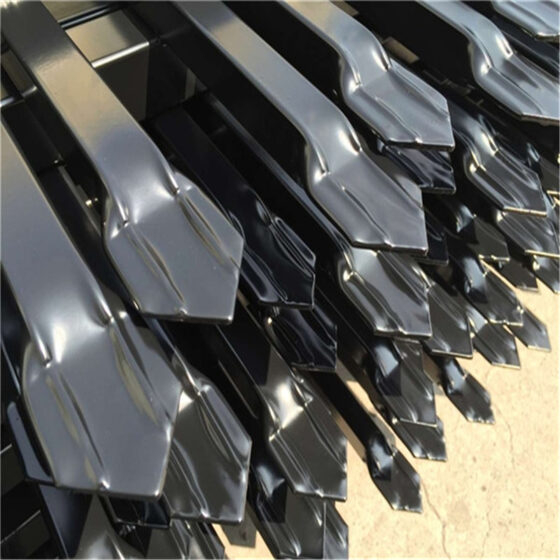
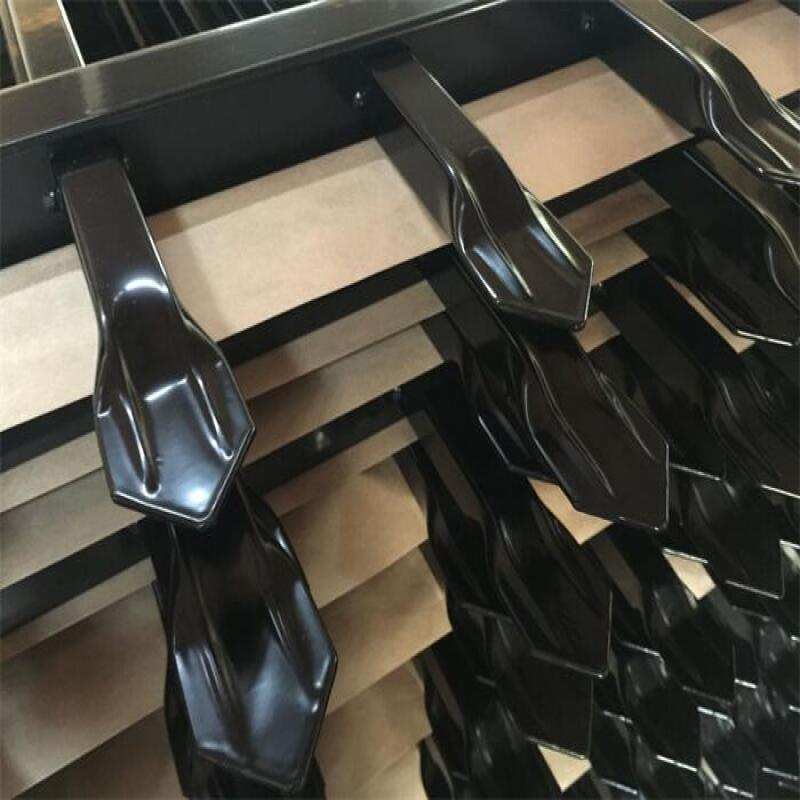
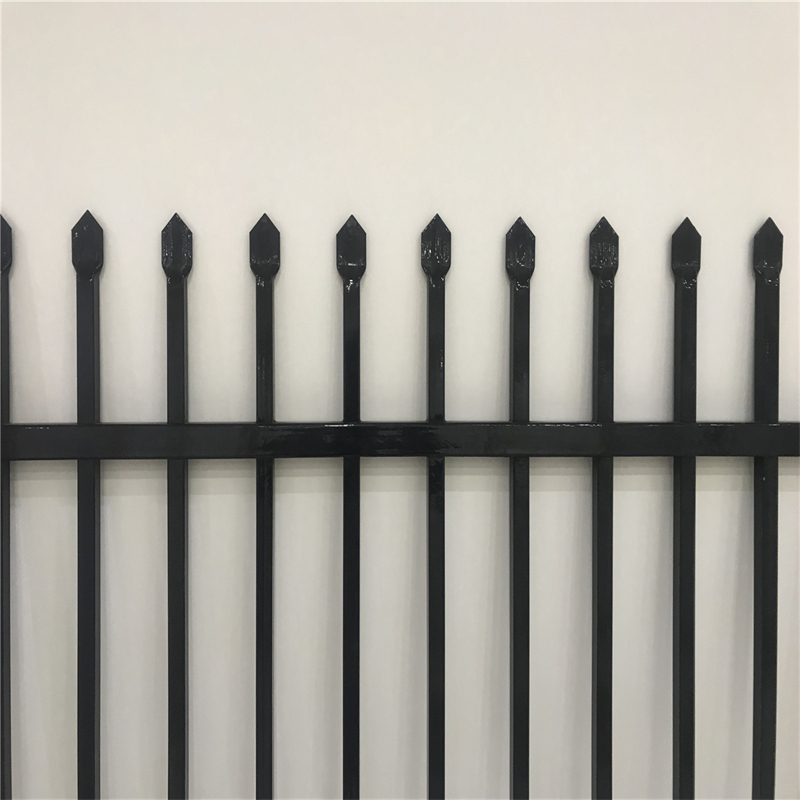
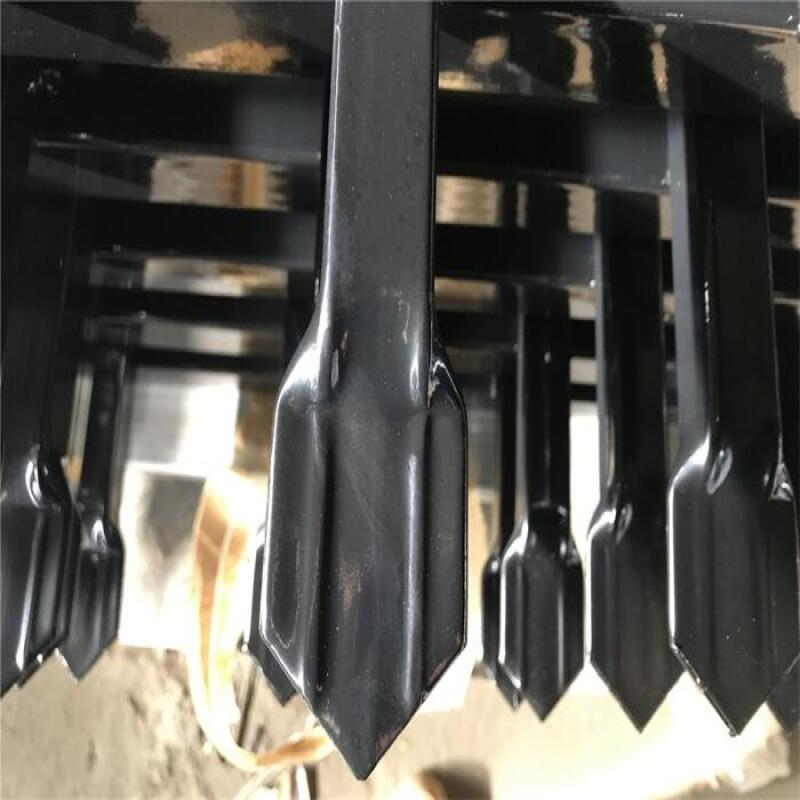
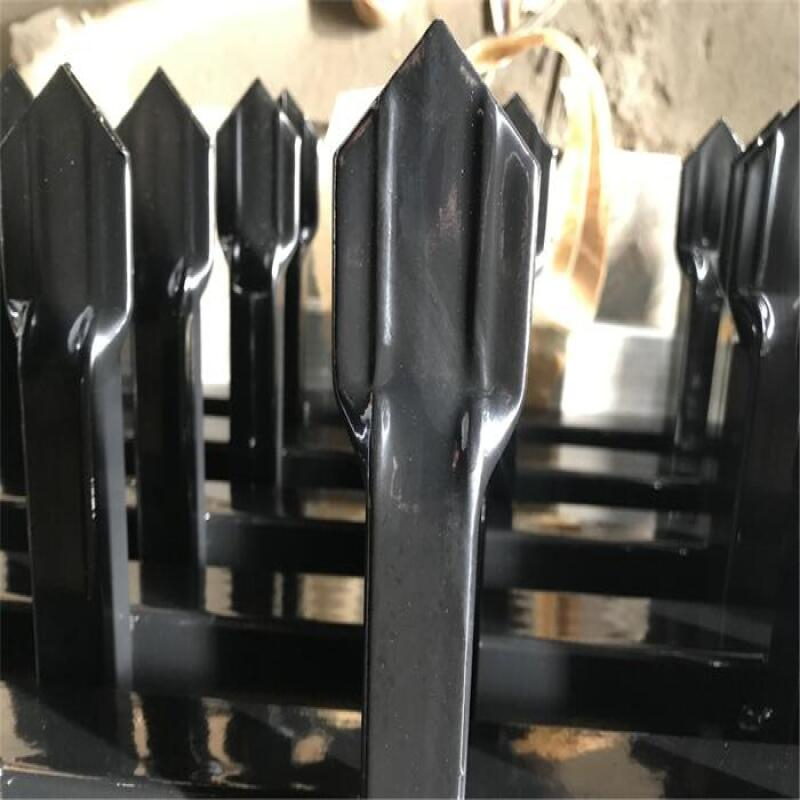
Pointed, speared or shaped tops on the pickets are a key feature that boosts the anti-climb performance of tubular steel fencing Melbourne. While flat-top designs can feel friendlier, they also offer more comfortable handholds. On exposed or higher-risk boundaries, this becomes a weakness that encourages climbing and increases the chance of unauthorised access.
13. Thirteenth trait – consistent colour and gloss across batches
A critical trait of well-managed production is consistent colour, gloss and texture across multiple batches of tubular steel fencing Melbourne. When later deliveries do not match the first stage, the overall development can look patchy and cheap. By maintaining tight control over coating and colour, POLYMETAL avoids the visual “patchwork” effect that undermines perceived quality.
14. Fourteenth view – wind loading and panel stiffness in open sites
From a structural view, tall tubular steel fencing Melbourne installed on open ridgelines or exposed estates must use rails, uprights and posts sized correctly for wind loads. Under-spec steel flexes, vibrates and eventually fails at welds, fasteners and brackets. In these locations, excessive movement is more than annoying: it is a genuine safety danger.
15. Fifteenth insight – weld quality at every junction
Weld quality is often the difference between a fence that lasts and one that fails. With tubular steel fencing Melbourne, most structural problems start at weak joints. Strong, even welds at each intersection keep the frame locked together under impact and temperature changes. Poor welds hide until they are stressed, then break and require wide-area repairs.
16. Sixteenth finding – coating adhesion on edges and corners
Field inspections repeatedly show that edges and corners of tubular steel fencing Melbourne are the first places to fail. These zones see the most abrasion, impact and water collection. High-quality powder coating with good edge coverage stops early rust and peeling. Thin or poorly applied powder here starts as a minor flaw but quickly grows into a major damage issue.
17. Seventeenth discovery – planning for gates, corners and transitions
Real-world projects demonstrate that corners, gates and level changes place higher loads on tubular steel fencing Melbourne than straight runs. These areas often need heavier posts and sometimes extra rails or bracing. Treating them like standard spans is a design error that can turn a single impact or heavy gate swing into bent steel and costly rework.
18. Eighteenth lesson – allowing for slopes, steps and uneven ground
A vital lesson is that flat panels alone do not solve sloping or stepped sites. For tubular steel fencing Melbourne on uneven ground, you must plan for raked panels, stepped sections or retaining structures. Forcing panels to follow the terrain without proper detailing creates big gaps, binding at fixings and stress in the frame, which can lead to both safety risks and visual problems.
19. Nineteenth rule – balancing aesthetics and engineering
The guiding rule for tubular steel fencing Melbourne is that design and engineering must be balanced. A fence that looks fantastic but is structurally weak will fail under load; a fence that is incredibly strong but visually heavy or clumsy can hurt property values and client satisfaction. The best outcomes come from respecting both the architect’s vision and structural requirements.
20. Twentieth principle – damage pattern during transport and handling
Many issues with tubular steel fencing Melbourne begin well before the fence is installed. Poor stacking, inadequate strapping and unprotected corners during transport lead to bent rails, twisted uprights and chipped coating. That early abuse creates corrosion points and alignment faults that will shadow the fence for the rest of its life, even after installation.
21. Twenty-first pattern – small rust spots as early warning signs
Tiny rust spots around welds, cuts and edges are an early warning pattern that tubular steel fencing Melbourne needs attention. If these signs are ignored, corrosion can creep underneath the coating, undermining the steel while the surface still appears mostly intact. By the time flaking and holes are visible, the damage is often so advanced that replacement is the only sensible option.
22. Twenty-second overview – total cost, profit and long-term payoff
The final overview is simple: well-specified tubular steel fencing Melbourne from POLYMETAL helps to reduce repainting, repair call-outs and premature replacement. Instead of a slow drain of waste and loss, you gain lasting benefit, advantage and profit. The long-term payoff is a boundary that protects assets and brand image and continues to look modern and secure year after year.
Product Description – Tubular Steel Fencing Melbourne (POLYMETAL)
Tubular steel fencing Melbourne from POLYMETAL is a welded steel panel system that combines a decorative, contemporary appearance with robust structural strength. Each fence is fabricated from galvanised steel tube and then finished with a minimum 80 microns polyester powder coat. Colours are available across the full Interpon range, enabling precise matching to architectural schemes, corporate branding or estate guidelines. UV-resistant systems from roughly 5 years up to 15 years can be selected, ensuring the fence maintains its colour and gloss in Melbourne’s demanding climate.
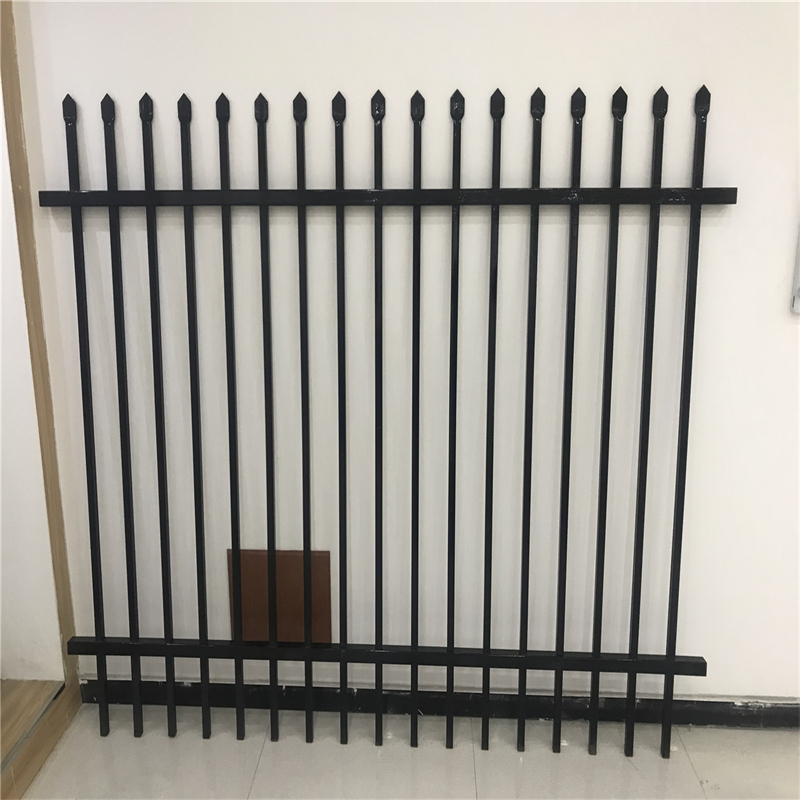
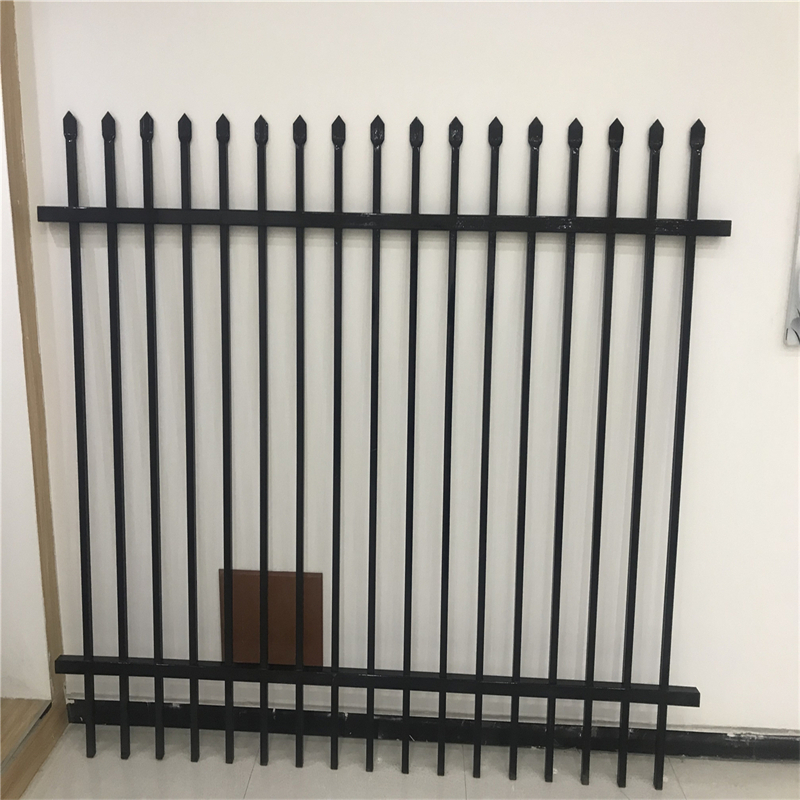
Tubular Steel Fence Coated A Minimum 80 Microns Powder Layer And Colour Available All Interpon Colour Optional UV Resistance 5 Year -15 Years Optional Various Of Size Optional 1500mm 1800mm 2100mm And 2400mm. The fence as a decorative fence uses vertical steel pales, pickets, and horizontal rails to form the fence. The surface treatment of Skyhall Picket Fence is coated by galvanization + polyester powder or hot-dipped galvanization. The fitting of the Picket Fence is a square post. Picket Fence is mainly used in the United States; it is popular in most countries and areas with its decoration function.
POLYMETAL takes this proven picket and tubular concept and configures it specifically for tubular steel fencing Melbourne, offering panel heights of 1500 mm, 1800 mm, 2100 mm and 2400 mm combined with rail frames in 40 × 40 mm, 45 × 45 mm and 50 × 50 mm sizes. Uprights or pickets are commonly 16 × 16 mm or 25 × 25 mm, with additional round or square variations available to suit design requirements. Matching square posts, caps, clips and fixings complete the system so that a light, elegant look is backed by a strong, tamper-resistant structure.
POLYMETAL Tubular Steel Fencing Specifications – Quick Overview
Table 1 – Residential Tubular Steel Fencing Profiles (Lower Heights)
| Model | Fence Height (mm) | Fence Width (mm) | Rail Frame (mm) | Upright (mm) | Upright Spacing (mm) | Post Size (mm) | Post Height (mm) |
|---|---|---|---|---|---|---|---|
| PM-RES-1200-2400-40-16 | 1200 | 2400 | 40 × 40 | 16 × 16 | 100 | 60 × 60 | 1800 |
| PM-RES-1200-2450-40-25 | 1200 | 2450 | 40 × 40 | 25 × 25 | 100 | 60 × 60 | 1800 |
| PM-RES-1200-2400-45-16 | 1200 | 2400 | 45 × 45 | 16 × 16 | 100 | 65 × 65 | 1800 |
| PM-RES-1200-2450-45-25 | 1200 | 2450 | 45 × 45 | 25 × 25 | 100 | 65 × 65 | 1800 |
| PM-RES-1500-2400-40-16 | 1500 | 2400 | 40 × 40 | 16 × 16 | 100 | 60 × 60 | 2100 |
| PM-RES-1500-2450-40-25 | 1500 | 2450 | 40 × 40 | 25 × 25 | 100 | 60 × 60 | 2100 |
| PM-RES-1500-2400-45-25 | 1500 | 2400 | 45 × 45 | 25 × 25 | 100 | 65 × 65 | 2100 |
| PM-RES-1500-2450-45-30 | 1500 | 2450 | 45 × 45 | 30 × 30 | 100 | 65 × 65 | 2100 |
| PM-RES-1500-2400-50-16 | 1500 | 2400 | 50 × 50 | 16 × 16 | 100 | 75 × 75 | 2100 |
| PM-RES-1500-2450-50-25 | 1500 | 2450 | 50 × 50 | 25 × 25 | 100 | 75 × 75 | 2100 |
Table 2 – Standard Tubular Steel Fencing Profiles (General Residential and Light Commercial)
| Model | Fence Height (mm) | Fence Width (mm) | Rail Frame (mm) | Upright (mm) | Upright Spacing (mm) | Post Size (mm) | Post Height (mm) |
|---|---|---|---|---|---|---|---|
| PM-STD-1800-2400-40-16 | 1800 | 2400 | 40 × 40 | 16 × 16 | 100 | 60 × 60 | 2400 |
| PM-STD-1800-2450-40-25 | 1800 | 2450 | 40 × 40 | 25 × 25 | 100 | 60 × 60 | 2400 |
| PM-STD-1800-2400-45-25 | 1800 | 2400 | 45 × 45 | 25 × 25 | 100 | 65 × 65 | 2400 |
| PM-STD-1800-2450-45-30 | 1800 | 2450 | 45 × 45 | 30 × 30 | 100 | 65 × 65 | 2400 |
| PM-STD-1800-2400-50-16 | 1800 | 2400 | 50 × 50 | 16 × 16 | 100 | 75 × 75 | 2400 |
| PM-STD-1800-2450-50-25 | 1800 | 2450 | 50 × 50 | 25 × 25 | 100 | 75 × 75 | 2400 |
| PM-STD-1800-2400-50-30 | 1800 | 2400 | 50 × 50 | 30 × 30 | 100 | 80 × 80 | 2600 |
| PM-STD-1800-2450-45-16 | 1800 | 2450 | 45 × 45 | 16 × 16 | 100 | 75 × 75 | 2600 |
| PM-STD-1800-2400-40-25H | 1800 | 2400 | 40 × 40 | 25 × 25 | 100 | 80 × 80 | 2600 |
| PM-STD-1800-2450-40-25H | 1800 | 2450 | 40 × 40 | 25 × 25 | 100 | 80 × 80 | 2600 |
Table 3 – Security and Industrial Tubular Steel Fencing Profiles (2100 mm Heights)
| Model | Fence Height (mm) | Fence Width (mm) | Rail Frame (mm) | Upright (mm) | Upright Spacing (mm) | Post Size (mm) | Post Height (mm) |
|---|---|---|---|---|---|---|---|
| PM-SEC-2100-2400-40-25 | 2100 | 2400 | 40 × 40 | 25 × 25 | 100 | 60 × 60 | 2700 |
| PM-SEC-2100-2450-40-30 | 2100 | 2450 | 40 × 40 | 30 × 30 | 100 | 60 × 60 | 2700 |
| PM-SEC-2100-2400-45-25 | 2100 | 2400 | 45 × 45 | 25 × 25 | 100 | 75 × 75 | 2800 |
| PM-SEC-2100-2450-45-30 | 2100 | 2450 | 45 × 45 | 30 × 30 | 100 | 75 × 75 | 2800 |
| PM-SEC-2100-2400-50-25 | 2100 | 2400 | 50 × 50 | 25 × 25 | 100 | 80 × 80 | 2800 |
| PM-SEC-2100-2450-50-30 | 2100 | 2450 | 50 × 50 | 30 × 30 | 100 | 80 × 80 | 2800 |
| PM-SEC-2100-2400-50-30H | 2100 | 2400 | 50 × 50 | 30 × 30 | 100 | 100 × 100 | 3000 |
| PM-SEC-2100-2450-50-25H | 2100 | 2450 | 50 × 50 | 25 × 25 | 100 | 100 × 100 | 3000 |
| PM-SEC-2100-2400-45-16H | 2100 | 2400 | 45 × 45 | 16 × 16 | 100 | 80 × 80 | 2900 |
| PM-SEC-2100-2450-45-25H | 2100 | 2450 | 45 × 45 | 25 × 25 | 100 | 80 × 80 | 2900 |
Table 4 – Premium Coastal and High-Exposure Tubular Steel Fencing Profiles (2400 mm Heights)
| Model | Fence Height (mm) | Fence Width (mm) | Rail Frame (mm) | Upright (mm) | Upright Spacing (mm) | Post Size (mm) | Post Height (mm) |
|---|---|---|---|---|---|---|---|
| PM-COAST-2400-2400-40-25 | 2400 | 2400 | 40 × 40 | 25 × 25 | 100 | 75 × 75 | 3000 |
| PM-COAST-2400-2450-40-30 | 2400 | 2450 | 40 × 40 | 30 × 30 | 100 | 75 × 75 | 3000 |
| PM-COAST-2400-2400-45-25 | 2400 | 2400 | 45 × 45 | 25 × 25 | 100 | 80 × 80 | 3200 |
| PM-COAST-2400-2450-45-30 | 2400 | 2450 | 45 × 45 | 30 × 30 | 100 | 80 × 80 | 3200 |
| PM-COAST-2400-2400-50-25 | 2400 | 2400 | 50 × 50 | 25 × 25 | 100 | 100 × 100 | 3400 |
| PM-COAST-2400-2450-50-30 | 2400 | 2450 | 50 × 50 | 30 × 30 | 100 | 100 × 100 | 3400 |
| PM-COAST-2400-2400-50-25H | 2400 | 2400 | 50 × 50 | 25 × 25 | 100 | 100 × 100 | 3600 |
| PM-COAST-2400-2450-50-30H | 2400 | 2450 | 50 × 50 | 30 × 30 | 100 | 100 × 100 | 3600 |
| PM-COAST-2400-2400-45-16H | 2400 | 2400 | 45 × 45 | 16 × 16 | 100 | 80 × 80 | 3400 |
| PM-COAST-2400-2450-40-25H | 2400 | 2450 | 40 × 40 | 25 × 25 | 100 | 80 × 80 | 3400 |
Application of Tubular Steel Fencing Melbourne
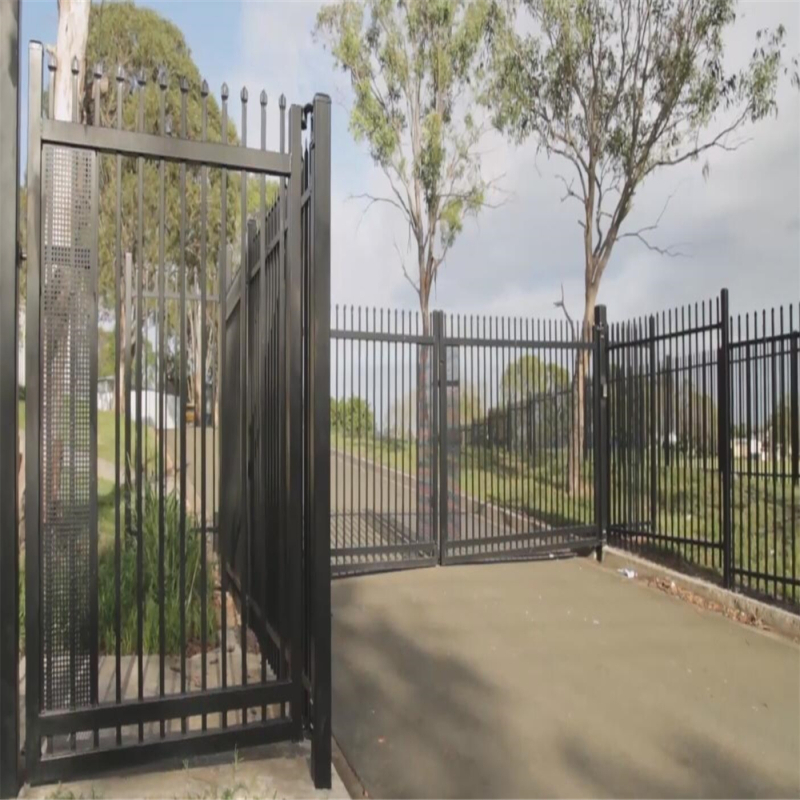
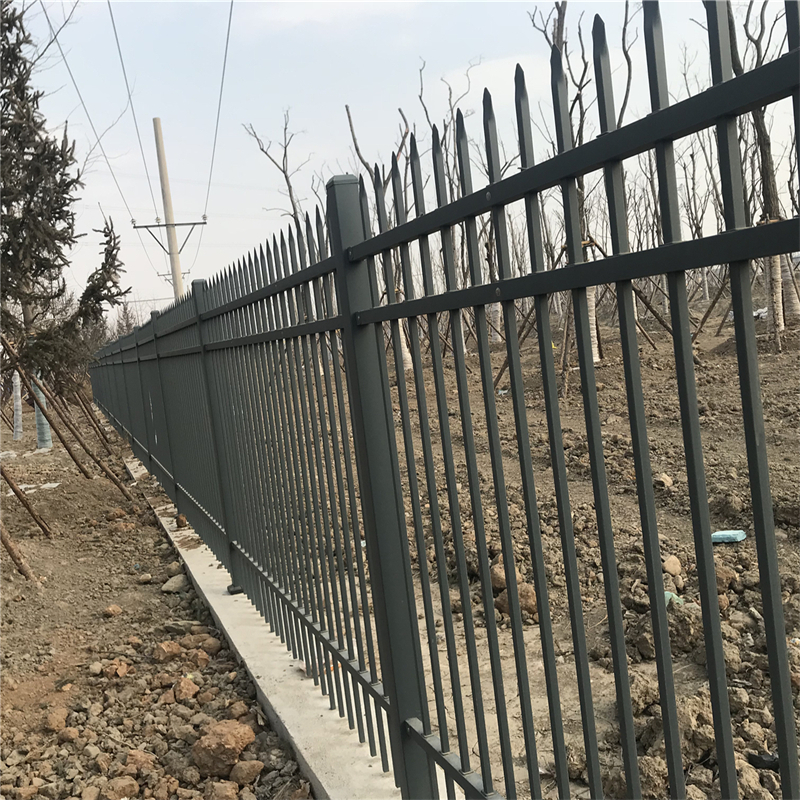
Tubular steel fencing Melbourne from POLYMETAL can be applied across a wide variety of project types. It is suitable for commercial sites such as corporate campuses, hotels, supermarkets and showrooms where presentation and security must both be strong. In residential settings, including courtyards, villas and townhouses, it provides a neat boundary line that feels open rather than oppressive. Public spaces such as parks, zoos, transport stations, lawns and community areas benefit from a durable, low-maintenance barrier that guides movement without blocking visibility. Along roads and transport corridors, including highways, rail lines and urban transit routes, tubular steel fencing Melbourne defines safe zones and discourages dangerous trespass onto critical infrastructure.
Key Features of POLYMETAL Tubular Steel Fencing
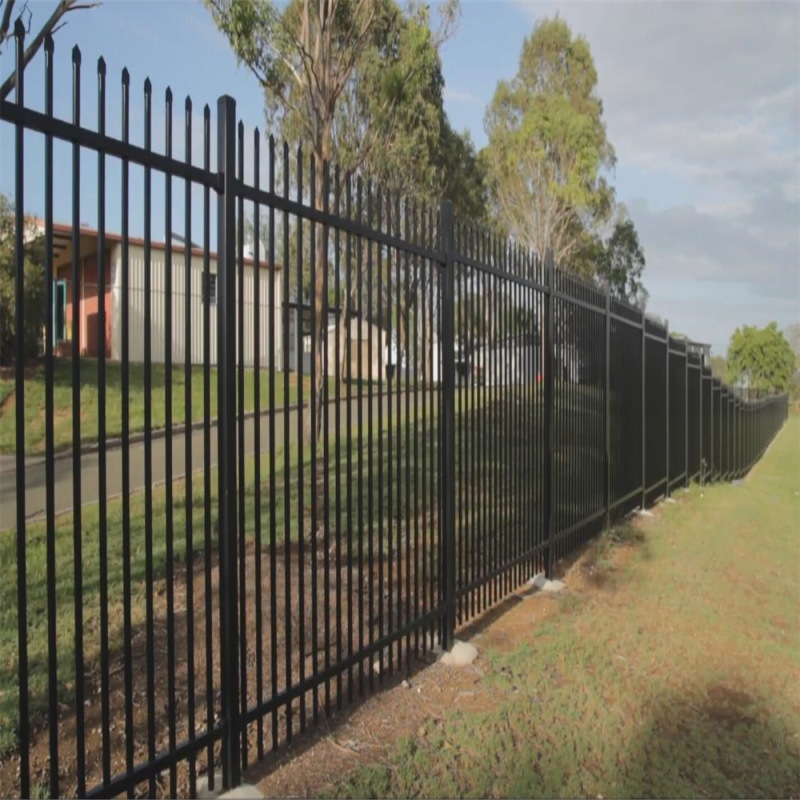
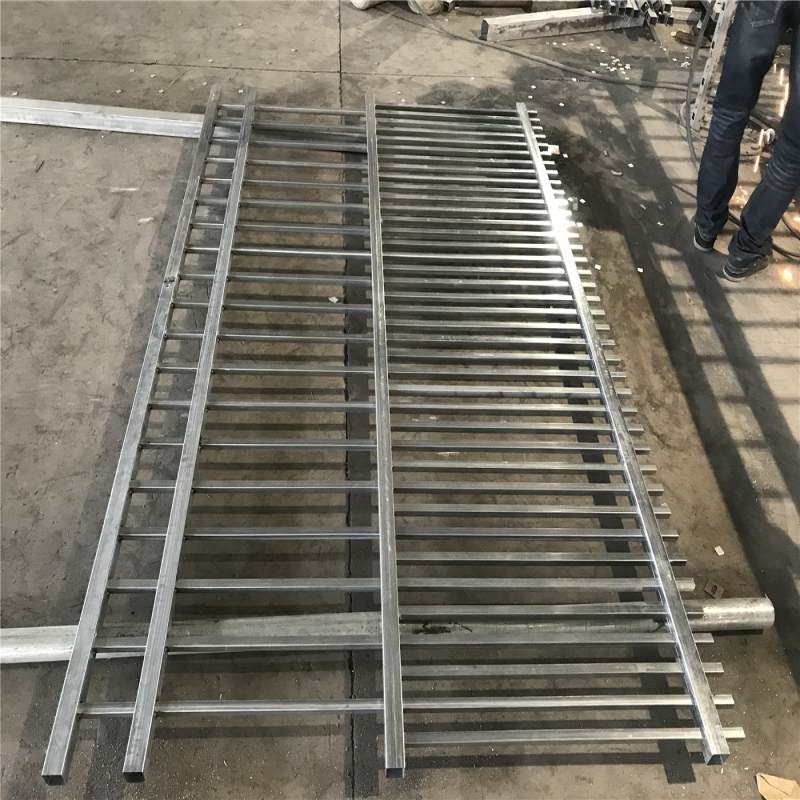
The upper edge of the tubular steel fence panels typically incorporates a picket or spear profile, delivering a strong visual line and enhancing anti-climb performance by making it harder and less comfortable to grip or sit on the top rail. Two principal configurations are available: welded pickets with rails, forming a rigid one-piece panel, and assembled pickets with rails, which give installers more flexibility for adjustments and repairs on site. Posts can be supplied with base plates for bolting to concrete or designed for in-ground installation into concrete footings, depending on project requirements. Surface finishing can be galvanisation plus powder coating or hot-dipped galvanisation plus powder for higher corrosion resistance, providing a tough protective envelope as well as the selected Interpon colour.
Production Process
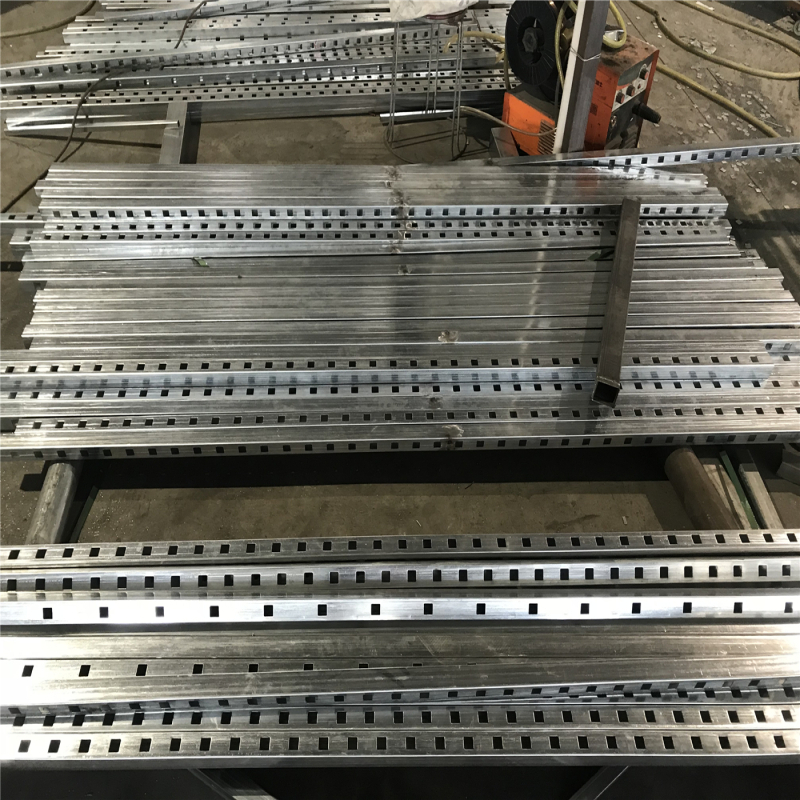
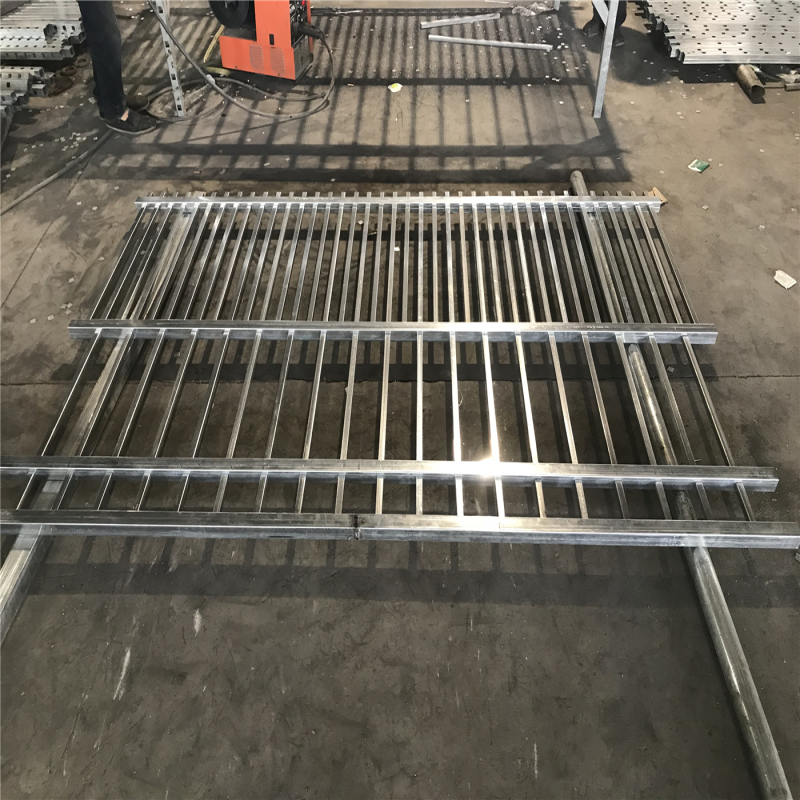
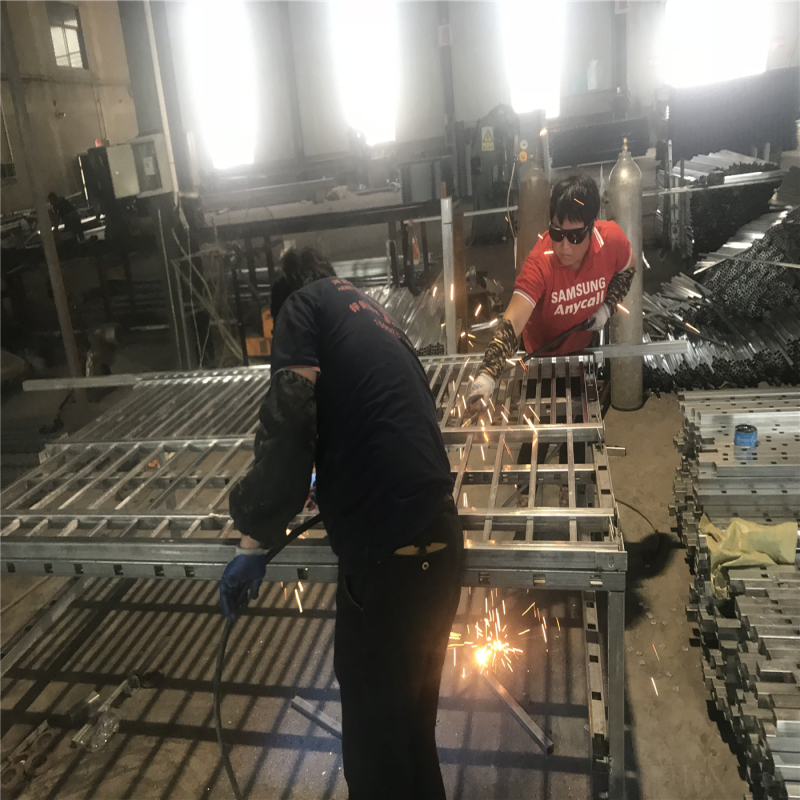
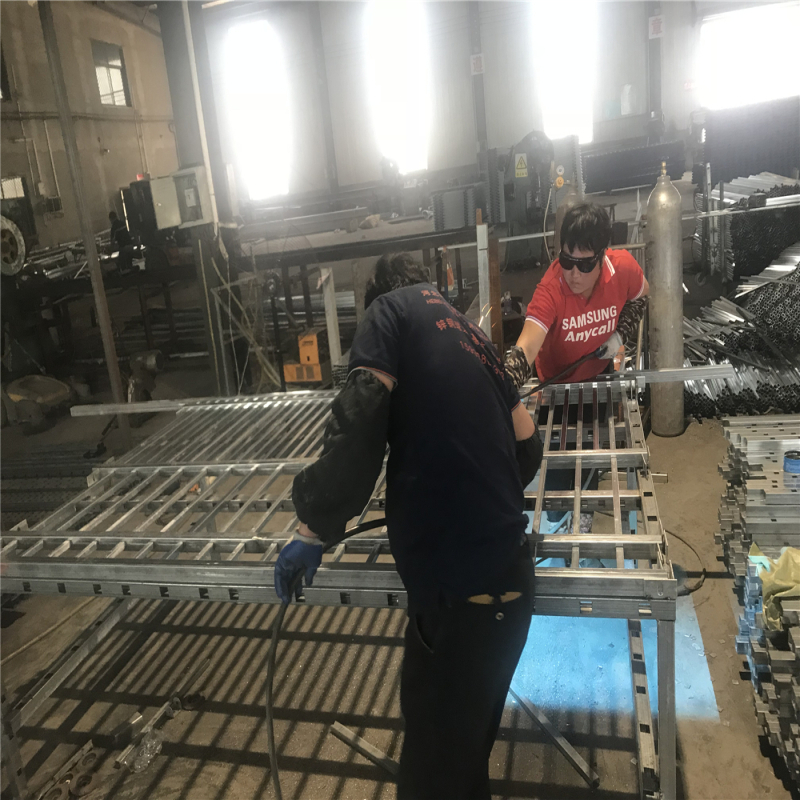
POLYMETAL applies a controlled, step-by-step production process for tubular steel fencing Melbourne to minimise defects and hidden weaknesses. For panels, the typical sequence is: purchasing raw material tube, conducting Zn/Al coating tests when required, cutting tubes to length, welding the panel frame, punching or shaping the pickets, and then applying the powder coating before loading the completed panels. For posts, the process includes cutting to length, punching holes or slots to receive rails or brackets, applying powder coating in the specified colour and finally preparing the posts for dispatch. Each stage is managed to prevent oversights that could lead to weak welds, poor coating adhesion or misaligned dimensions once the fence is installed. For higher security applications, you can also consider a Crimp top garrison security fence as a complementary solution.

Packing
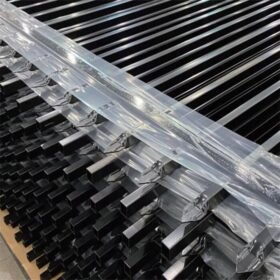
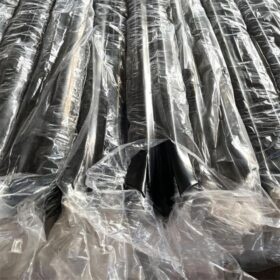
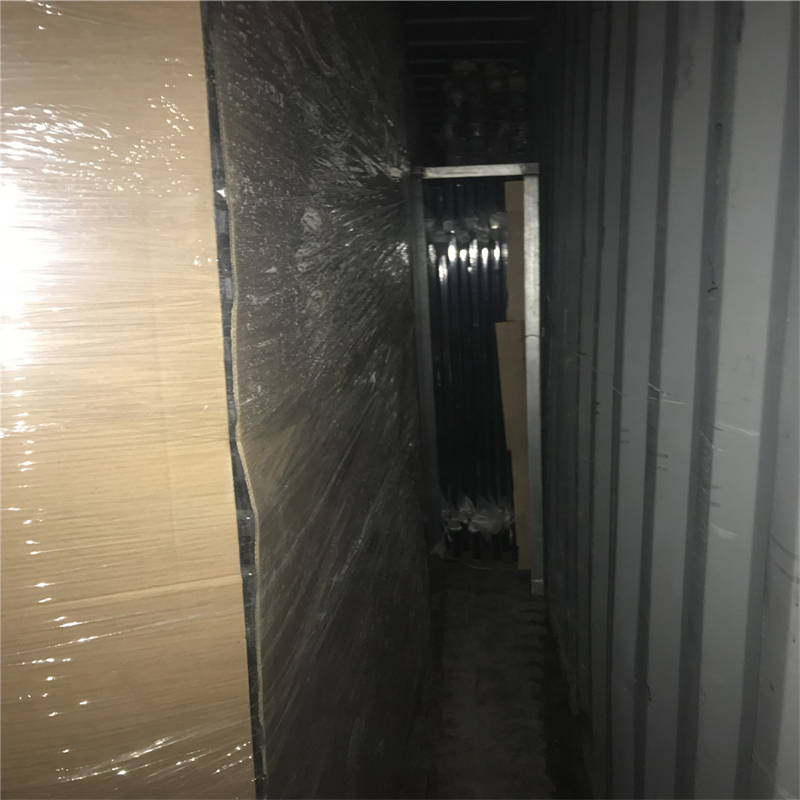
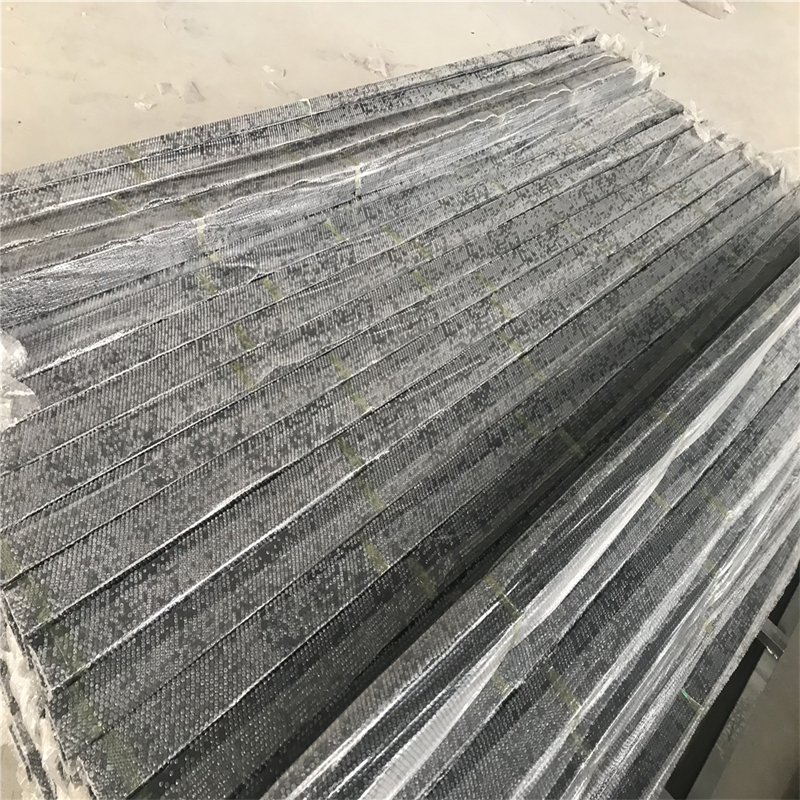
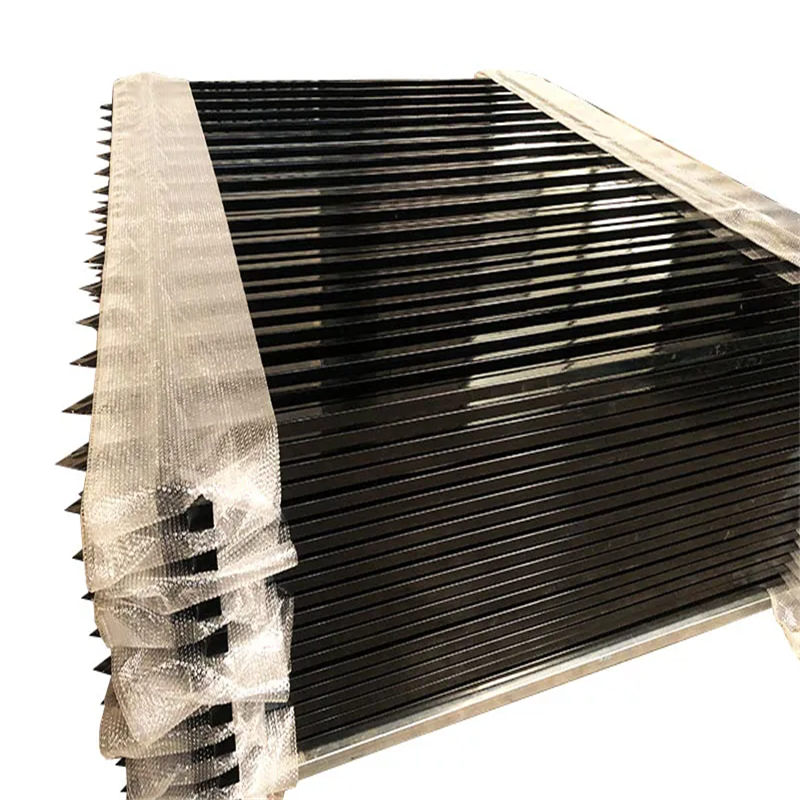
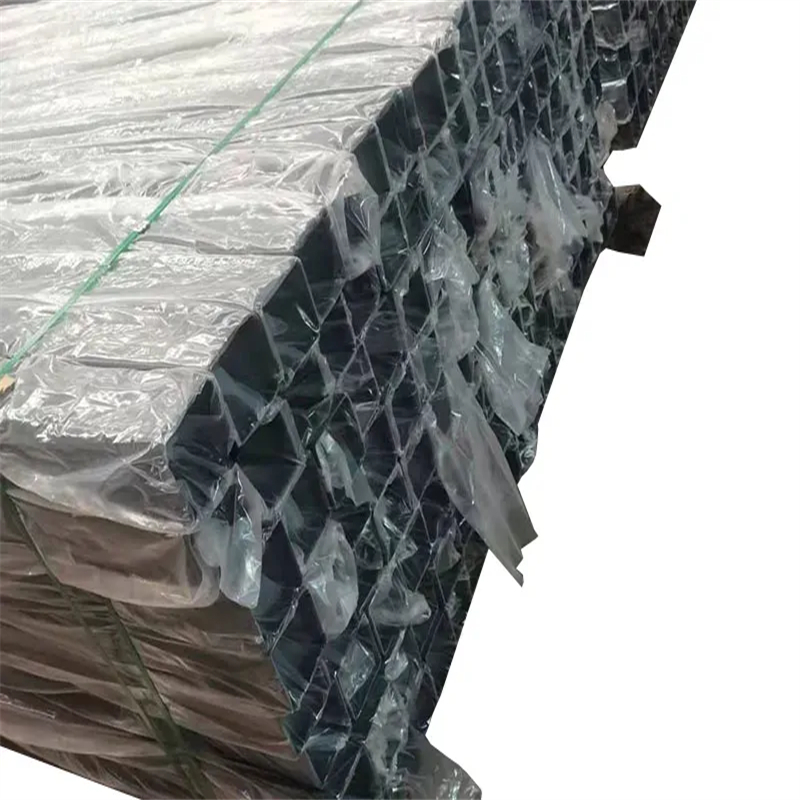
Tubular steel fencing Melbourne panels and posts are packed to minimise damage, loss and waste during transport and handling. Panels are stacked on steel or timber pallets with protective spacers to reduce rubbing and protect the coating. Posts are usually wrapped in bubble film and loaded in bulk within the container or strapped together on pallets so they remain stable. For certain shipments, both panels and posts are palletised to suit forklift handling and yard storage. All POLYMETAL garrison and tubular fence clips, caps and accessories are packed in labelled carton boxes, keeping small components together so installation crews can work efficiently without searching for missing parts.

Standards and Quality Approach
After POLYMETAL consolidated tubular steel fence production in a dedicated facility, the company built up deep experience in steel pipe fencing and developed an ambitious program for fencing design and supply into the Australian market. Tubular steel fencing Melbourne is treated as an engineered system rather than a loose collection of components. Panel heights, widths, rail frames, uprights, spacing and post sizes follow consistent rules and patterns so finished installations can meet typical Australian expectations for strength, visual quality and service life. Coating processes are controlled to prevent visible blemishes and hidden defects, and welds are monitored and tested to reduce the risk of unexpected failures.
By understanding these details, facts, truths, points, notes, tips, hints, ideas, angles, aspects and other key insights, you can specify POLYMETAL tubular steel fencing Melbourne as more than just a decorative boundary – you can turn it into a reliable, long-term security solution that protects your property, manages risk and supports stronger profits on every project.