Your One-Stop Wire Mesh Fence Supplier | POLYMETAL
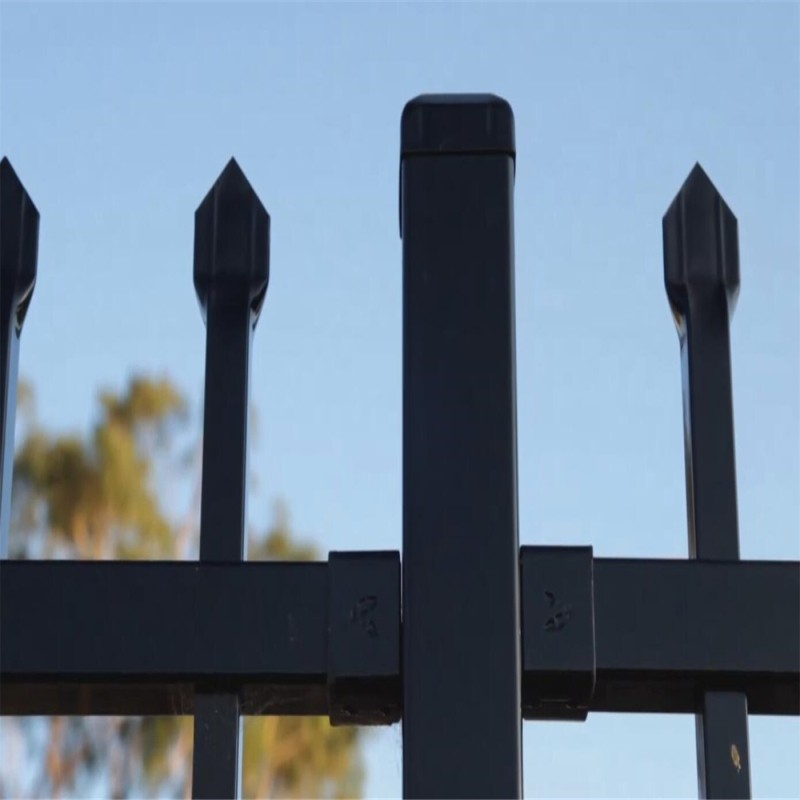
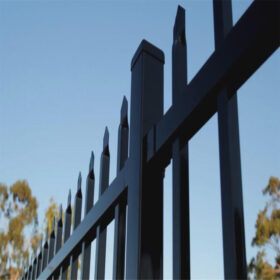
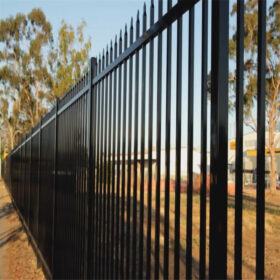

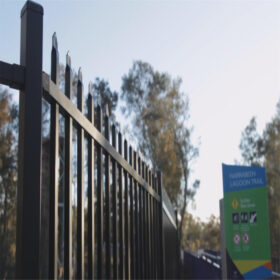

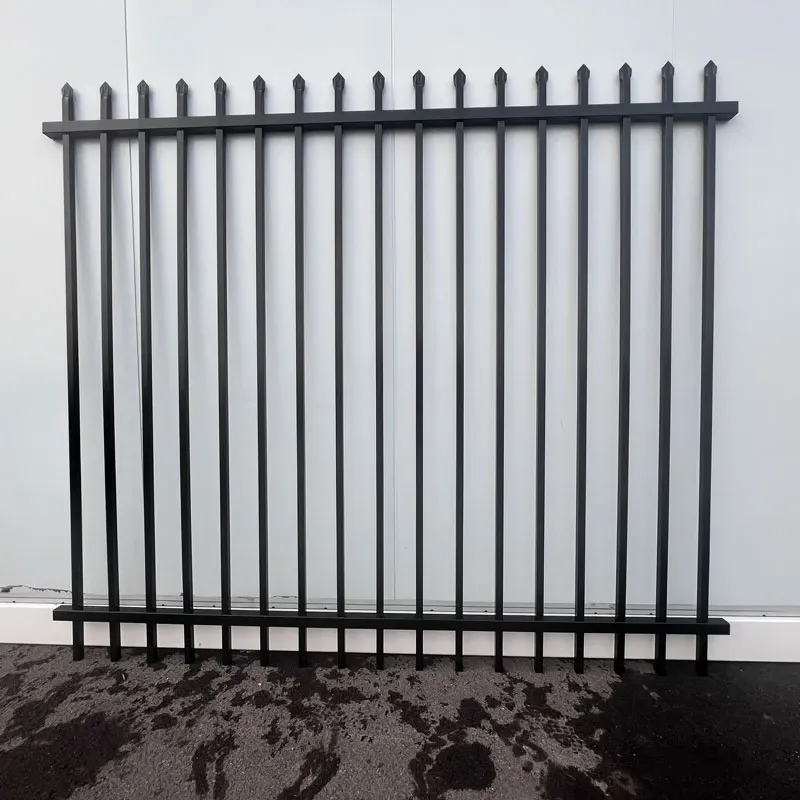
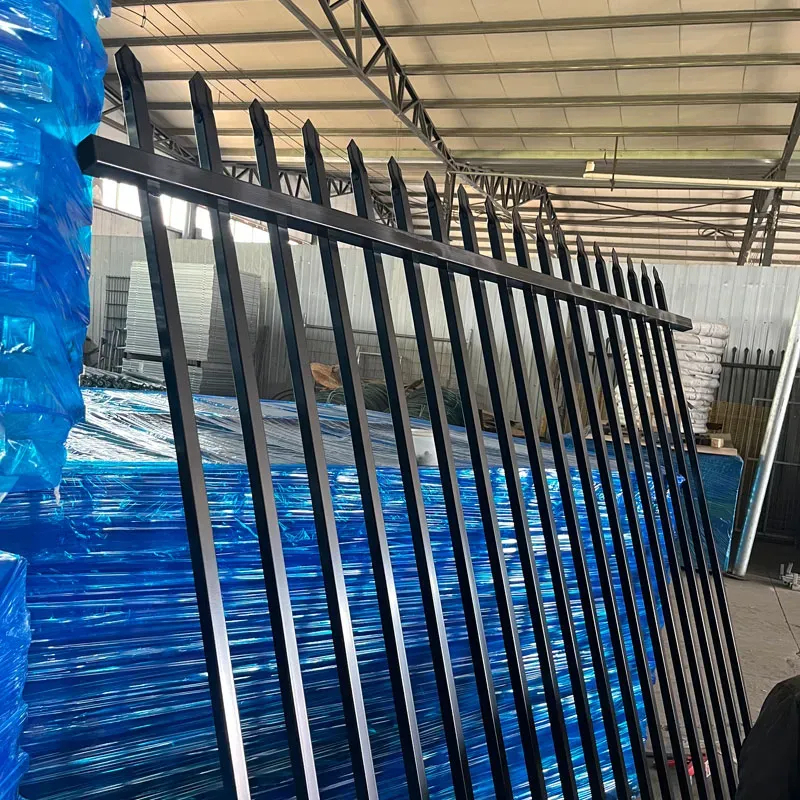
Tubular Steel Matting Fence is specified when projects need a rigid, repeatable fence line that looks clean but performs under real site pressure—handling, impact, wind load, and daily traffic. Under the POLYMETAL range, this system is positioned for commercial, industrial, and public-facing perimeters that demand consistent fabrication, predictable panel alignment, and reliable supply for long runs and staged rollouts.
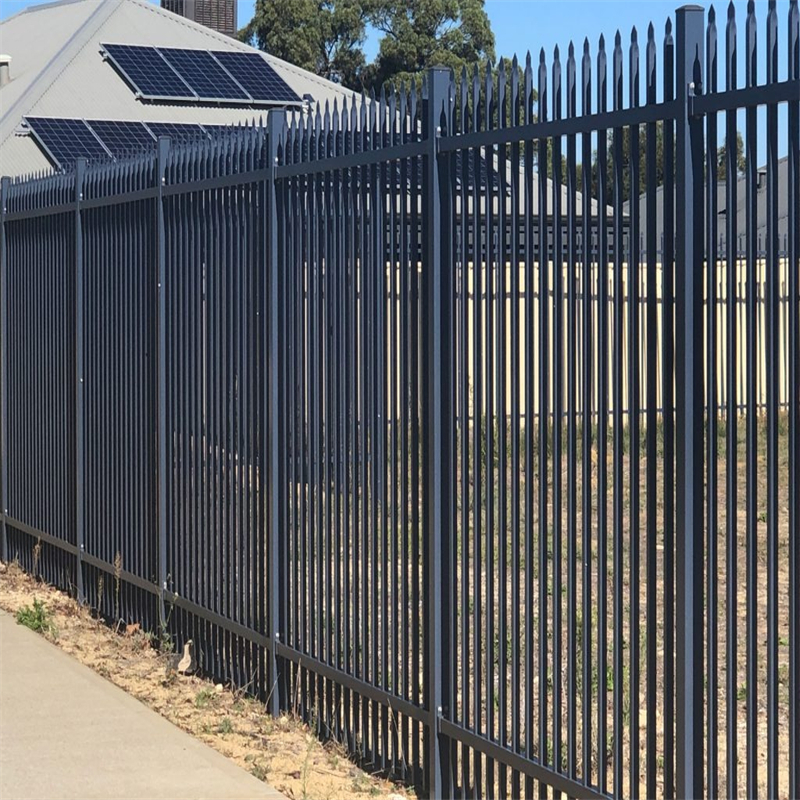
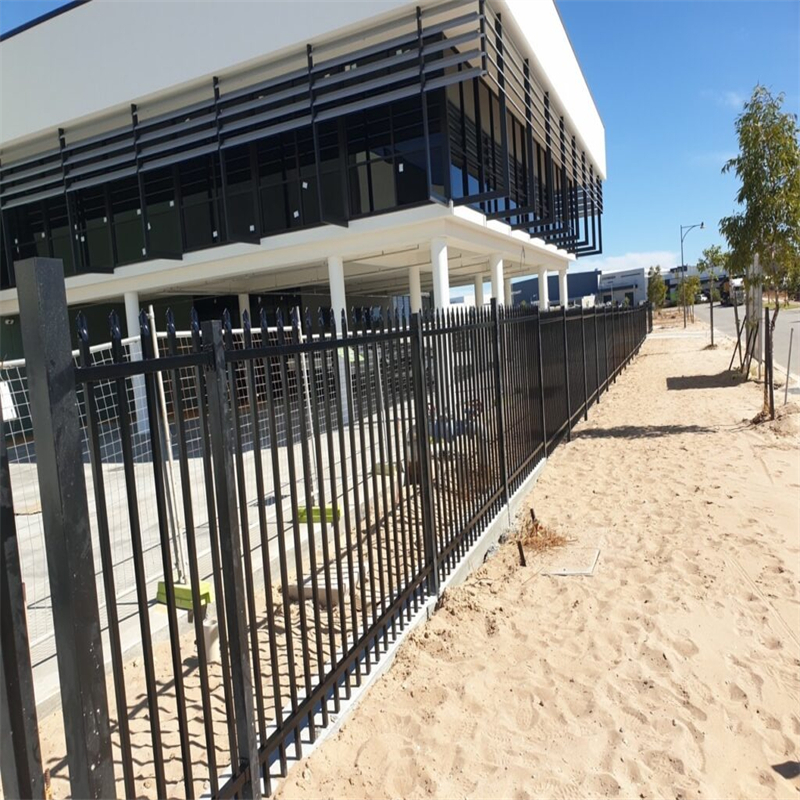
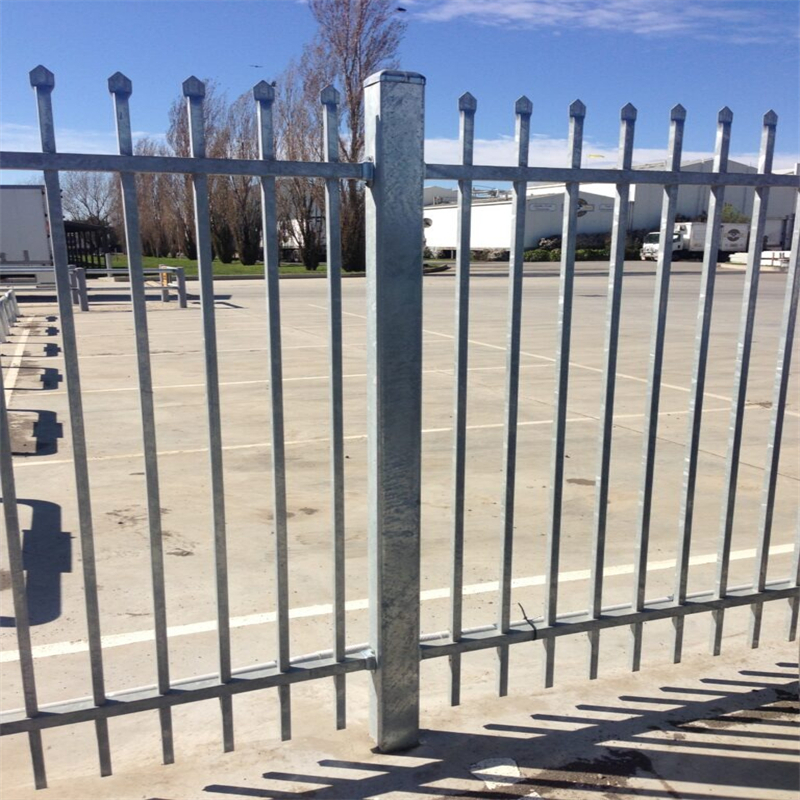
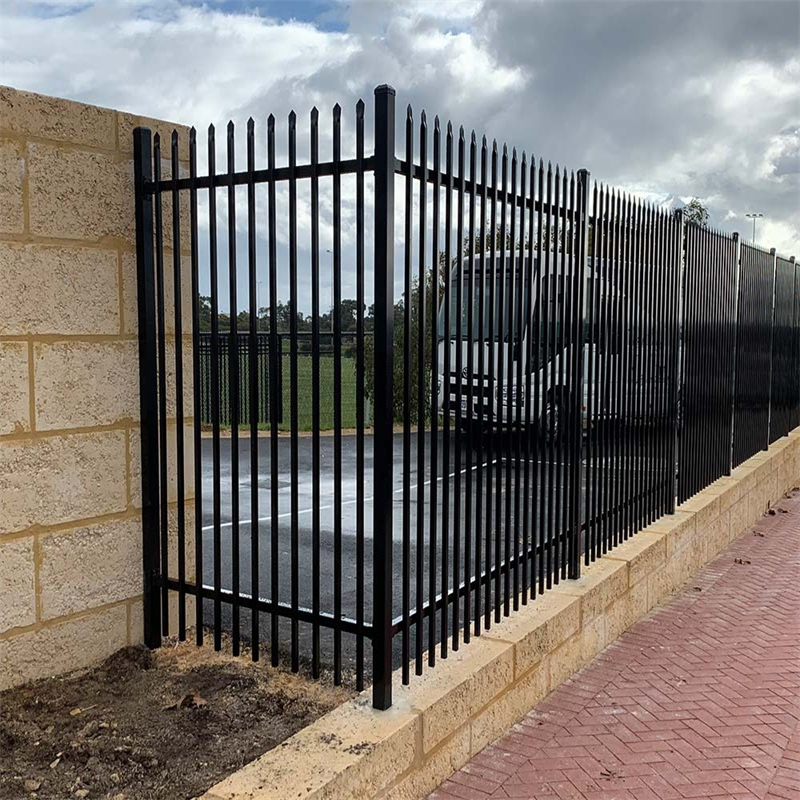
What a Tubular Steel Matting Fence Is Built to Solve
A well-designed Tubular Steel Matting Fence reduces the common failure points found in light-duty fencing: frame flex, uneven sightlines, loose fixings, and posts that move over time. By matching fence height, rail frame size, rail thickness, upright size, upright spacing, and post wall thickness, the fence line stays straight, stable, and visually consistent—especially at corners, gates, and high-wind exposures.
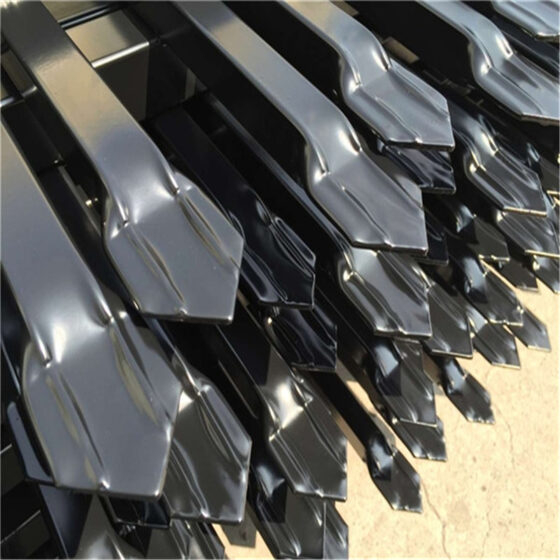
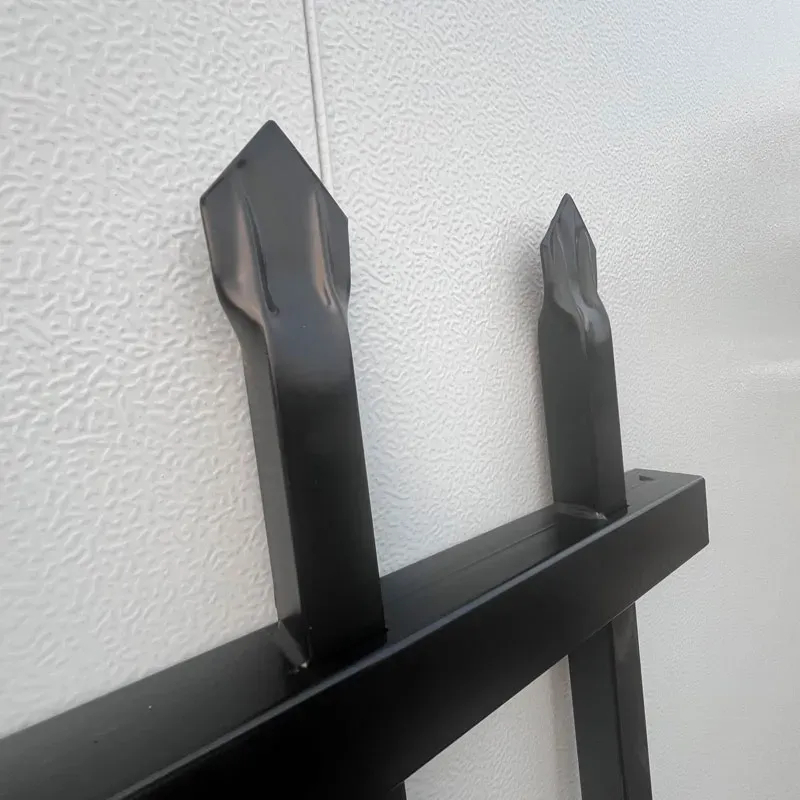
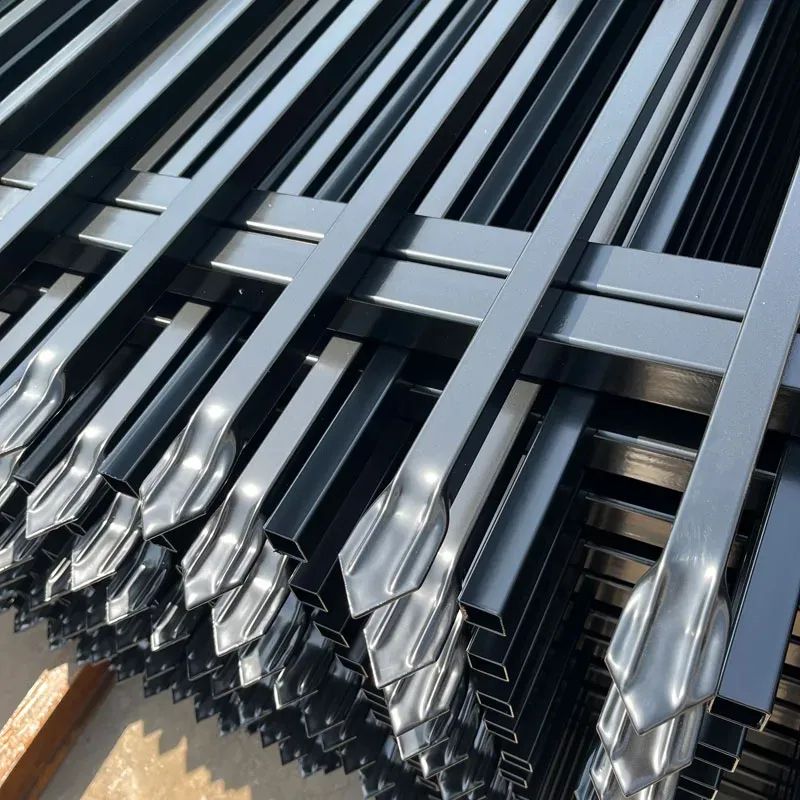
POLYMETAL Tubular Steel Matting Fence panels are engineered around a framed rail structure with tubular uprights that deliver stiffness without a cluttered look. The rail frame options (40×40, 45×45, and 50×50) allow the fence to scale from controlled environments to higher-risk perimeters, while upright options (25×25, 30×30, and 16×16) let designers tune the balance between appearance, deterrence, and cost. For long-term reliability, the system is typically specified with post heights set at least 600mm higher than the fence panel height, supporting embedment depth and reducing movement that leads to call-backs and rework.
How to Read the Specifications Without Getting Burned
The “best” fence is the one that matches the threat, traffic, and environment. Rail thickness drives frame stiffness. Upright thickness affects dent resistance and long-run straightness. Upright number and spacing control the visual rhythm and anti-climb feel. Post size and post wall thickness decide whether the fence line stays planted or slowly loosens across months of use. If you want a related reference for high-strength mesh applications used in demanding access zones, you can also review helipad X-tend mesh for sale. The five tables below provide structured build sets using your required dimensions and rules.
Tubular Steel Matting Fence: 11 Brutal Traps That Cause Real Loss
Trap 1: Choosing fence height first, but ignoring the real threat level
Sites pick height because it “looks right,” then discover the perimeter is either too easy to challenge or too expensive in the wrong areas. Height must match exposure, traffic, and access points—otherwise the fence becomes the project’s weak link.
Trap 2: Treating 2400mm and 2450mm widths as interchangeable
Mixing 2400mm and 2450mm without a set-out plan creates bad post centres, forced panel alignment, and corners that never line up cleanly—leading to ugly runs and avoidable rework.
Trap 3: Under-sizing the rail frame and getting a fence that feels “soft”
If you use 40×40 when the perimeter needs 45×45 or 50×50, the fence can flex under wind and handling. That movement becomes noise, loosening, and long-term instability.
Trap 4: Picking thin rail thickness and paying later in distortion
Choosing 1.60mm rails where the site needs 2.00–3.00mm invites twisting during transport, dished frames, and panels that never sit straight again.
Trap 5: Using the wrong upright size and losing the deterrent feel
Upright choice (25×25, 30×30, 16×16) changes rigidity and the “security feel.” If uprights are too light, they dent faster and visually signal weakness.
Trap 6: Ignoring upright thickness and letting panels dent from normal site abuse
If 0.80mm is used where 1.20mm or 2.00mm is required, you get wavy uprights, bent pickets, and a fence line that looks damaged while the job is still active.
Trap 7: Mixing upright counts and destroying straight-line consistency
Switching between 16 pcs (115mm), 17 pcs (108mm), and 18 pcs (100mm) across the same perimeter creates misaligned rhythms and join problems—especially obvious on long commercial runs and public-facing boundaries. For pricing context and budgeting signals that often drive these mixed-spec mistakes, you can reference the cost of garrison fence.
Trap 8: Getting upright spacing wrong and accidentally building “easy-climb” geometry
Spacing controls grip opportunities and overall security perception. If spacing drifts wider than intended or varies run-to-run, the fence becomes easier to challenge and harder to defend operationally.
Trap 9: Under-specifying post size and watching the fence “walk” over time
Posts are the backbone. Using 60×60 when the job needs 65×65, 75×75, 80×80, or 100×100 increases sway and accelerates loosening at brackets and joins.
Trap 10: Forgetting post wall thickness and approving a weak post on paper
A 100×100 post at 1.6mm wall can perform completely differently from a 2.0mm or 2.5mm wall post. If wall thickness is not locked, stiffness disappears and failures arrive later—when replacement is expensive.
Trap 11: Violating the +600mm post height rule and creating hidden structural failure
If post height is not at least 600mm taller than the fence panel height, embedment depth and structural reserve are compromised. The fence line starts moving, leaning, and cracking around footings—then the perimeter becomes a liability.
Specifications for Tubular Steel Matting Fence
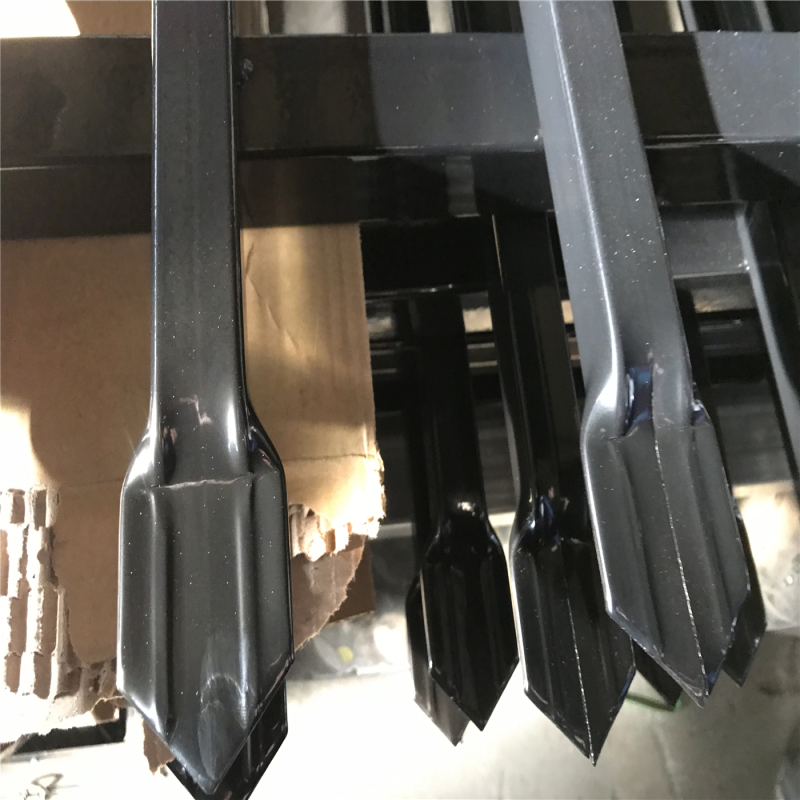
Table 1: Standard Builds Tubular Steel Matting Fence
| Spec | Fence Height (mm) | Fence Width (mm) | Rail Frame | Rails Thickness (mm) | Upright | Upright Thickness (mm) | Upright No. | Upright Spacing (mm) | Post Option | Post Wall (mm) | Post Height (mm) |
|---|---|---|---|---|---|---|---|---|---|---|---|
| S1 | 1200 | 2400 | 40×40 | 1.60 | 25×25 | 1.00 | 18 pcs | 100 | 60×60 | 1.60 | 1800 |
| S2 | 1200 | 2450 | 45×45 | 2.00 | 25×25 | 1.20 | 17 pcs | 108 | 65×65 | 2.00 | 1800 |
| S3 | 1500 | 2400 | 40×40 | 2.00 | 30×30 | 1.00 | 18 pcs | 100 | 65×65 | 1.60 | 2100 |
| S4 | 1500 | 2450 | 45×45 | 2.50 | 25×25 | 1.20 | 17 pcs | 108 | 75×75 | 2.00 | 2100 |
| S5 | 1800 | 2400 | 45×45 | 2.50 | 25×25 | 1.20 | 18 pcs | 100 | 75×75 | 2.00 | 2400 |
| S6 | 1800 | 2450 | 40×40 | 3.00 | 30×30 | 2.00 | 16 pcs | 115 | 80×80 | 2.00 | 2400 |
| S7 | 2100 | 2400 | 50×50 | 2.50 | 25×25 | 1.20 | 18 pcs | 100 | 80×80 | 2.50 | 2700 |
| S8 | 2100 | 2450 | 45×45 | 3.00 | 30×30 | 2.00 | 17 pcs | 108 | 100×100 | 2.50 | 2700 |
| S9 | 2400 | 2400 | 50×50 | 3.00 | 25×25 | 2.00 | 18 pcs | 100 | 100×100 | 2.50 | 3000 |
| S10 | 2400 | 2450 | 45×45 | 2.50 | 30×30 | 1.20 | 16 pcs | 115 | 80×80 | 2.00 | 3000 |
Table 2: High-Impact / High-Wind Builds Tubular Steel Matting Fence
| Spec | Fence Height (mm) | Fence Width (mm) | Rail Frame | Rails Thickness (mm) | Upright | Upright Thickness (mm) | Upright No. | Upright Spacing (mm) | Post Option | Post Wall (mm) | Post Height (mm) |
|---|---|---|---|---|---|---|---|---|---|---|---|
| H1 | 1200 | 2400 | 50×50 | 3.00 | 30×30 | 2.00 | 18 pcs | 100 | 75×75 | 2.50 | 1800 |
| H2 | 1200 | 2450 | 45×45 | 2.50 | 30×30 | 2.00 | 17 pcs | 108 | 80×80 | 2.50 | 1800 |
| H3 | 1500 | 2400 | 50×50 | 3.00 | 25×25 | 2.00 | 18 pcs | 100 | 80×80 | 2.50 | 2100 |
| H4 | 1500 | 2450 | 50×50 | 3.00 | 30×30 | 2.00 | 16 pcs | 115 | 100×100 | 2.50 | 2100 |
| H5 | 1800 | 2400 | 50×50 | 3.00 | 25×25 | 2.00 | 18 pcs | 100 | 100×100 | 2.50 | 2400 |
| H6 | 1800 | 2450 | 45×45 | 3.00 | 30×30 | 2.00 | 17 pcs | 108 | 80×80 | 2.50 | 2400 |
| H7 | 2100 | 2400 | 50×50 | 3.00 | 25×25 | 2.00 | 18 pcs | 100 | 100×100 | 2.50 | 2700 |
| H8 | 2100 | 2450 | 50×50 | 2.50 | 30×30 | 2.00 | 16 pcs | 115 | 80×80 | 2.50 | 2700 |
| H9 | 2400 | 2400 | 50×50 | 3.00 | 30×30 | 2.00 | 18 pcs | 100 | 100×100 | 2.50 | 3000 |
| H10 | 2400 | 2450 | 50×50 | 3.00 | 25×25 | 2.00 | 17 pcs | 108 | 80×80 | 2.50 | 3000 |
Table 3: Value-Optimised Builds Tubular Steel Matting Fence
| Spec | Fence Height (mm) | Fence Width (mm) | Rail Frame | Rails Thickness (mm) | Upright | Upright Thickness (mm) | Upright No. | Upright Spacing (mm) | Post Option | Post Wall (mm) | Post Height (mm) |
|---|---|---|---|---|---|---|---|---|---|---|---|
| V1 | 1200 | 2400 | 40×40 | 1.60 | 25×25 | 0.80 | 16 pcs | 115 | 60×60 | 1.60 | 1800 |
| V2 | 1200 | 2450 | 45×45 | 1.60 | 16×16 | 1.00 | 17 pcs | 108 | 65×65 | 1.60 | 1800 |
| V3 | 1500 | 2400 | 40×40 | 2.00 | 25×25 | 1.00 | 17 pcs | 108 | 65×65 | 2.00 | 2100 |
| V4 | 1500 | 2450 | 45×45 | 2.00 | 16×16 | 1.20 | 18 pcs | 100 | 75×75 | 2.00 | 2100 |
| V5 | 1800 | 2400 | 40×40 | 2.50 | 25×25 | 1.20 | 18 pcs | 100 | 75×75 | 2.00 | 2400 |
| V6 | 1800 | 2450 | 45×45 | 2.00 | 30×30 | 1.20 | 16 pcs | 115 | 80×80 | 2.00 | 2400 |
| V7 | 2100 | 2400 | 45×45 | 2.50 | 25×25 | 1.20 | 17 pcs | 108 | 80×80 | 2.00 | 2700 |
| V8 | 2100 | 2450 | 50×50 | 2.50 | 30×30 | 1.20 | 18 pcs | 100 | 100×100 | 2.50 | 2700 |
| V9 | 2400 | 2400 | 45×45 | 2.50 | 25×25 | 2.00 | 18 pcs | 100 | 100×100 | 2.50 | 3000 |
| V10 | 2400 | 2450 | 50×50 | 2.50 | 16×16 | 1.20 | 17 pcs | 108 | 80×80 | 2.00 | 3000 |
Table 4: Clean-Line / Tight-Visual Builds Tubular Steel Matting Fence
| Spec | Fence Height (mm) | Fence Width (mm) | Rail Frame | Rails Thickness (mm) | Upright | Upright Thickness (mm) | Upright No. | Upright Spacing (mm) | Post Option | Post Wall (mm) | Post Height (mm) |
|---|---|---|---|---|---|---|---|---|---|---|---|
| A1 | 1200 | 2400 | 40×40 | 2.00 | 16×16 | 0.80 | 18 pcs | 100 | 60×60 | 1.60 | 1800 |
| A2 | 1200 | 2450 | 45×45 | 2.00 | 16×16 | 1.00 | 17 pcs | 108 | 65×65 | 2.00 | 1800 |
| A3 | 1500 | 2400 | 40×40 | 2.50 | 16×16 | 1.00 | 18 pcs | 100 | 65×65 | 1.60 | 2100 |
| A4 | 1500 | 2450 | 50×50 | 2.50 | 25×25 | 1.20 | 17 pcs | 108 | 75×75 | 2.00 | 2100 |
| A5 | 1800 | 2400 | 45×45 | 2.50 | 16×16 | 1.20 | 18 pcs | 100 | 75×75 | 2.00 | 2400 |
| A6 | 1800 | 2450 | 40×40 | 3.00 | 30×30 | 2.00 | 16 pcs | 115 | 80×80 | 2.50 | 2400 |
| A7 | 2100 | 2400 | 50×50 | 2.50 | 16×16 | 1.20 | 18 pcs | 100 | 80×80 | 2.00 | 2700 |
| A8 | 2100 | 2450 | 45×45 | 3.00 | 25×25 | 1.20 | 17 pcs | 108 | 100×100 | 2.50 | 2700 |
| A9 | 2400 | 2400 | 50×50 | 3.00 | 16×16 | 2.00 | 18 pcs | 100 | 100×100 | 2.50 | 3000 |
| A10 | 2400 | 2450 | 45×45 | 2.50 | 30×30 | 1.20 | 16 pcs | 115 | 80×80 | 2.00 | 3000 |
Table 5: Heavy Post Options (Maximum Stiffness + Long-Run Stability)
| Spec | Fence Height (mm) | Fence Width (mm) | Rail Frame | Rails Thickness (mm) | Upright | Upright Thickness (mm) | Upright No. | Upright Spacing (mm) | Post Option | Post Wall (mm) | Post Height (mm) |
|---|---|---|---|---|---|---|---|---|---|---|---|
| P1 | 1200 | 2400 | 40×40 | 2.50 | 25×25 | 1.20 | 18 pcs | 100 | 80×80 | 2.50 | 1800 |
| P2 | 1200 | 2450 | 45×45 | 2.50 | 30×30 | 2.00 | 17 pcs | 108 | 100×100 | 2.50 | 1800 |
| P3 | 1500 | 2400 | 45×45 | 3.00 | 25×25 | 2.00 | 18 pcs | 100 | 80×80 | 2.50 | 2100 |
| P4 | 1500 | 2450 | 50×50 | 3.00 | 30×30 | 2.00 | 16 pcs | 115 | 100×100 | 2.50 | 2100 |
| P5 | 1800 | 2400 | 50×50 | 3.00 | 25×25 | 2.00 | 18 pcs | 100 | 100×100 | 2.50 | 2400 |
| P6 | 1800 | 2450 | 45×45 | 3.00 | 30×30 | 2.00 | 17 pcs | 108 | 80×80 | 2.50 | 2400 |
| P7 | 2100 | 2400 | 50×50 | 3.00 | 25×25 | 2.00 | 18 pcs | 100 | 100×100 | 2.50 | 2700 |
| P8 | 2100 | 2450 | 50×50 | 2.50 | 30×30 | 2.00 | 16 pcs | 115 | 80×80 | 2.50 | 2700 |
| P9 | 2400 | 2400 | 50×50 | 3.00 | 30×30 | 2.00 | 18 pcs | 100 | 100×100 | 2.50 | 3000 |
| P10 | 2400 | 2450 | 50×50 | 3.00 | 25×25 | 2.00 | 17 pcs | 108 | 100×100 | 2.50 | 3000 |