Your One-Stop Wire Mesh Fence Supplier | POLYMETAL
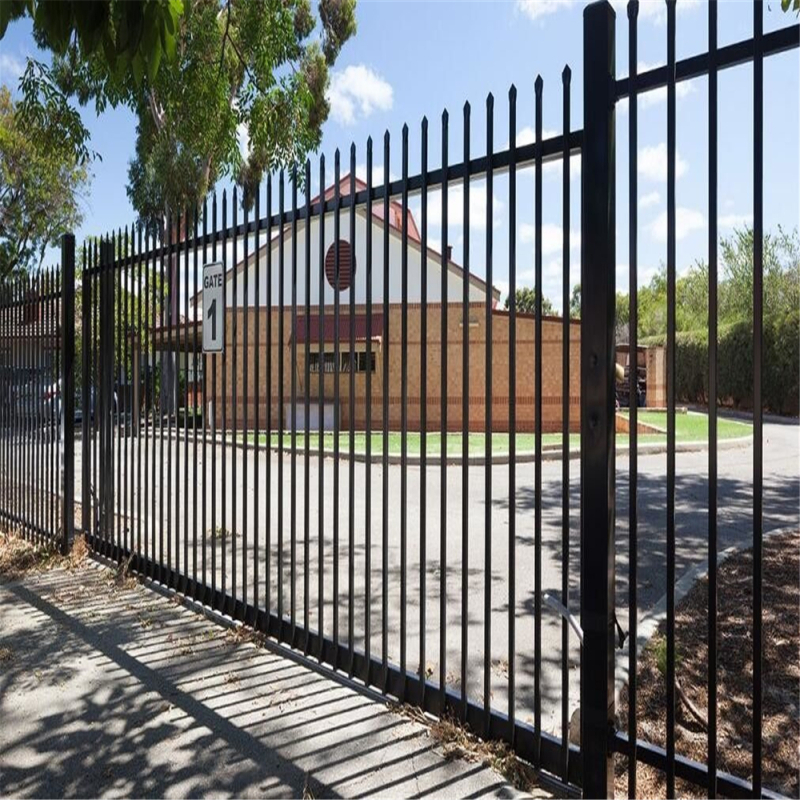
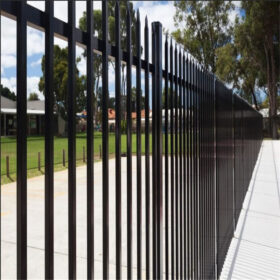
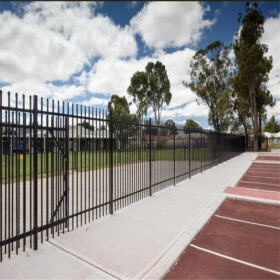
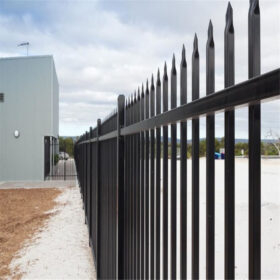
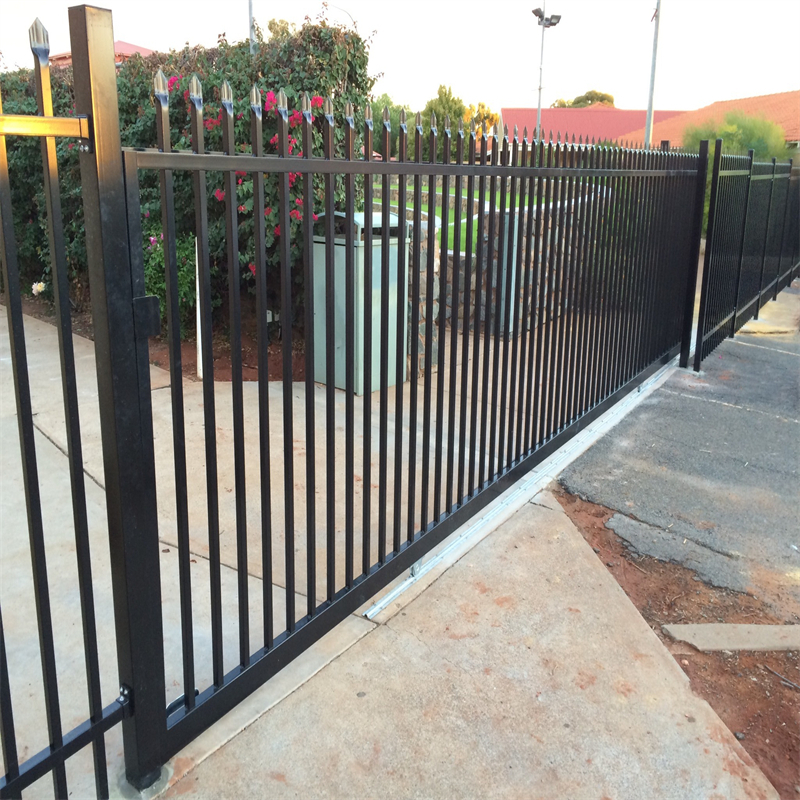
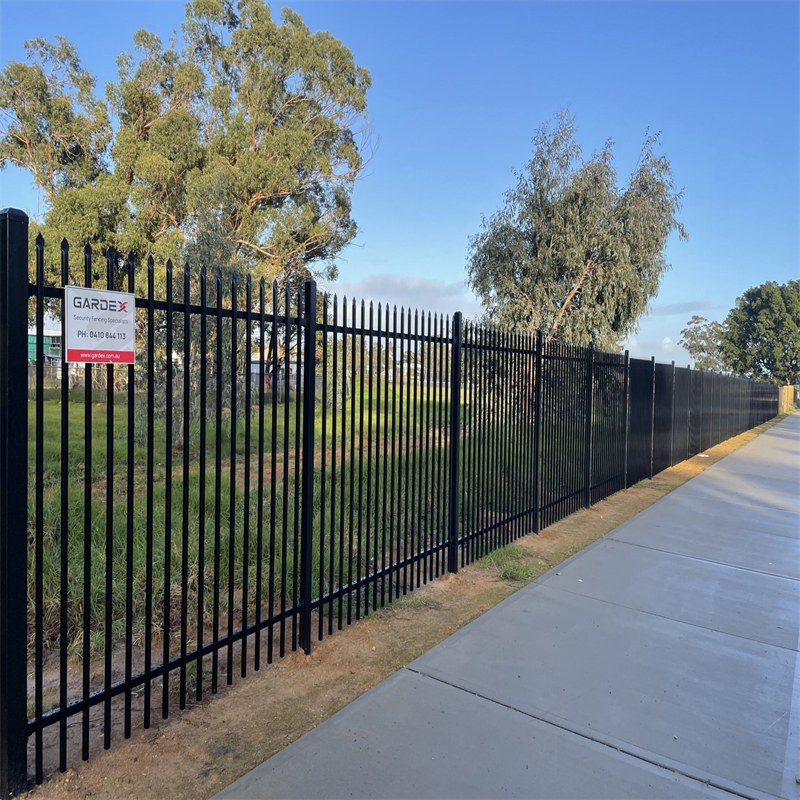
Tubular steel security fences are pre-fabricated panel systems designed to secure residential, commercial, and industrial properties where both strength and appearance matter. Unlike improvised barriers, a tubular steel fence relies on controlled geometry—rail frame size, upright spacing, post embedment, and coating discipline—to keep the fence line straight and stable after transport, installation, wind exposure, vibration, and long-term use.
In real projects, failure rarely comes from a dramatic impact. It starts quietly: rails flex slightly, pickets loosen, posts lean after storms, and corrosion appears first at stressed joints.
POLYMETAL manufactures tubular steel security fences as repeatable modules so every panel, post, and fixing works together as a system rather than as isolated components—while for projects that prefer a lighter, corrosion-friendly frontage style, you can also match the perimeter look with spear top aluminum fencing to keep security performance and appearance consistent across the site.
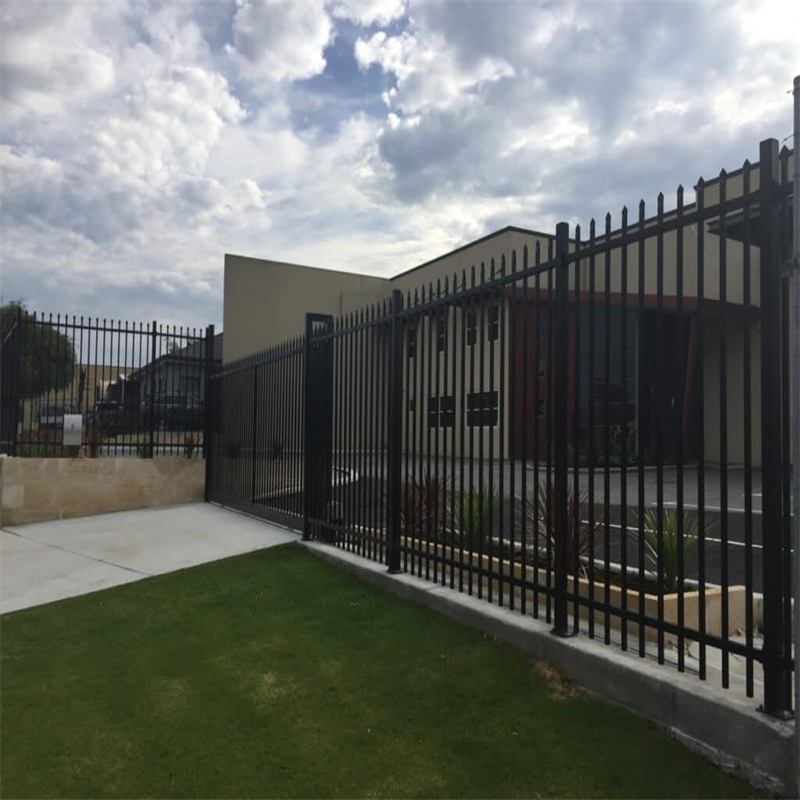
Why Buyers Choose Tubular Steel Security Fences

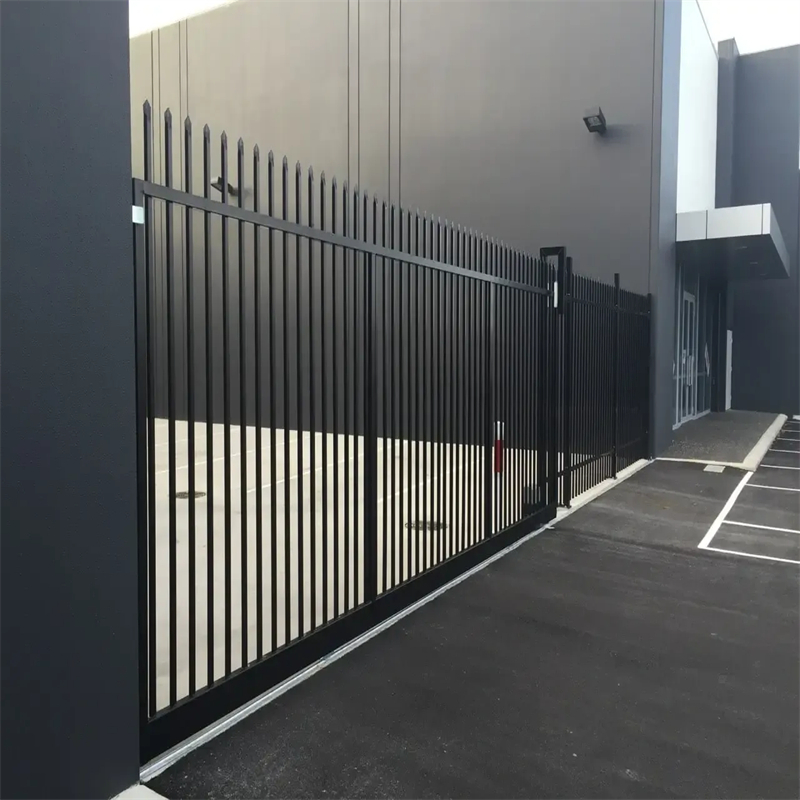
Reliable perimeter protection
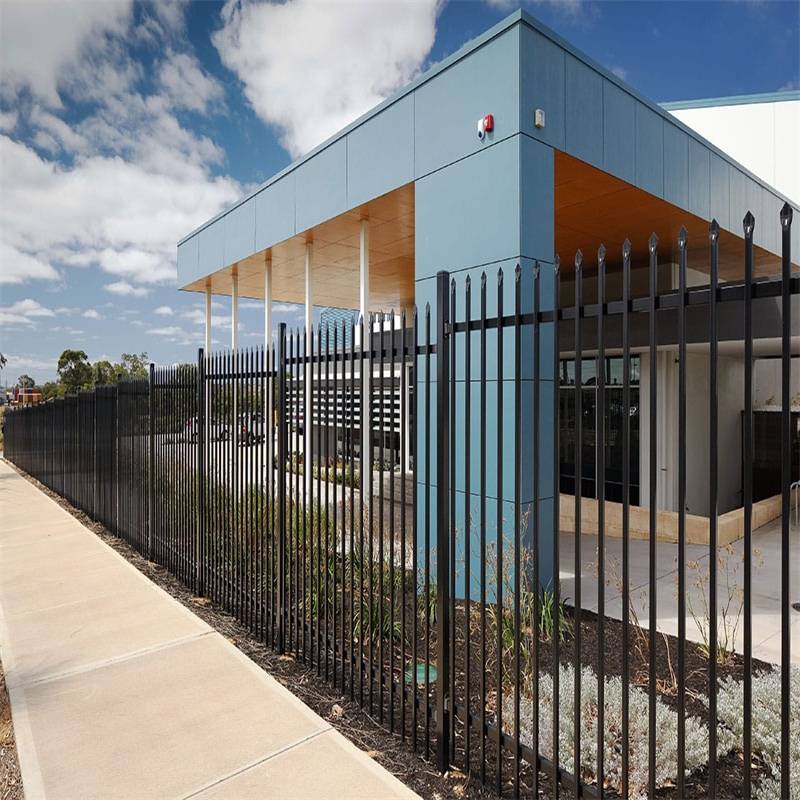
A tubular steel security fence creates a physical and visual barrier that discourages intrusion while maintaining visibility for supervision. The rigid structure resists pushing, climbing, and vibration far better than light mesh or temporary barriers.
Security confidence for families and assets
For homes in thinly settled areas and for factories storing equipment or stock, a straight, solid fence line delivers peace of mind because the boundary looks controlled and remains dependable under daily conditions.
Property value and professional appearance
Steel security fencing enhances resale value and site presentation. A clean, aligned fence line signals permanence and investment, making properties more attractive than comparable sites without defined security boundaries.
Containment for children and pets
Controlled picket spacing and rigid rails make tubular steel security fences effective for keeping children and pets safely within property lines and away from roads or hazardous areas.
Top 10 High‑Risk Traps for Tubular Steel Security Fences Orders
Each issue below may look minor on a quotation, but becomes expensive once posts are set and schedules are locked. Pay special attention to #7, because that is where most long‑term losses occur.
Trap #1: Ordering tubular steel security fences without locking rail frame size
If 40×40mm, 45×45mm, or 50×50mm rail frames are not specified, lighter rails may be substituted. Under wind and vibration, these rails flex and create visible wave‑lines across long runs.
Trap #2: Selecting rail thickness for price instead of stiffness
Rails are the spine of the panel. Choosing 1.6mm thickness where 2.0–2.5mm is needed leads to oil‑canning, loosening fixings, and progressive alignment loss.
Trap #3: Ignoring upright size and thickness control
Uprights sized 16×16mm, 25×25mm, and 30×30mm behave very differently. Thin uprights bend first during stacking, transport, and minor impacts, instantly making the fence look damaged.
Trap #4: Treating upright spacing as “approximate”
Security and appearance depend on disciplined spacing. If upright count and spacing (16pcs/115mm, 17pcs/108mm, 18pcs/100mm) are not locked, panels arrive inconsistent and easier to climb or reach through.
Trap #5: Forgetting the post height rule
A fence becomes a lever when posts are too short. The correct rule is simple: post height must exceed fence panel height by 600mm to allow sufficient embedment for long‑term stability.
Trap #6: Choosing post size by appearance rather than load
Higher fences generate higher overturning forces. If post sizes (60×60 to 100×100mm) or wall thicknesses (1.6–2.5mm) are underspecified, posts will rotate or lean after weather events.
Trap #7: Weak corrosion protection at stressed joints
This is the biggest loss point. Rust starts at welds, cut ends, drill holes, and high‑stress areas. Once corrosion spreads beneath the coating, panels become replacement items—especially costly when posts are already installed.
Trap #8: Choosing welded or component panels without considering terrain
Welded panels offer maximum rigidity, while component panels follow uneven ground more easily. Selecting the wrong construction type results in forced alignment, stepped runs, and early loosening.
Trap #9: Underspecifying gates and corner bays
Corners and gates experience the highest loads. Using the same posts and brackets as mid‑run panels often leads to rotation, sagging gates, and visible misalignment first at access points.
Trap #10: Poor packing and transport protection
Without separation protection and correct banding, panels arrive with rub marks, dents, and bent uprights. Coating damage during transport accelerates corrosion before installation even begins.
Product Description: POLYMETAL Tubular Steel Security Fences
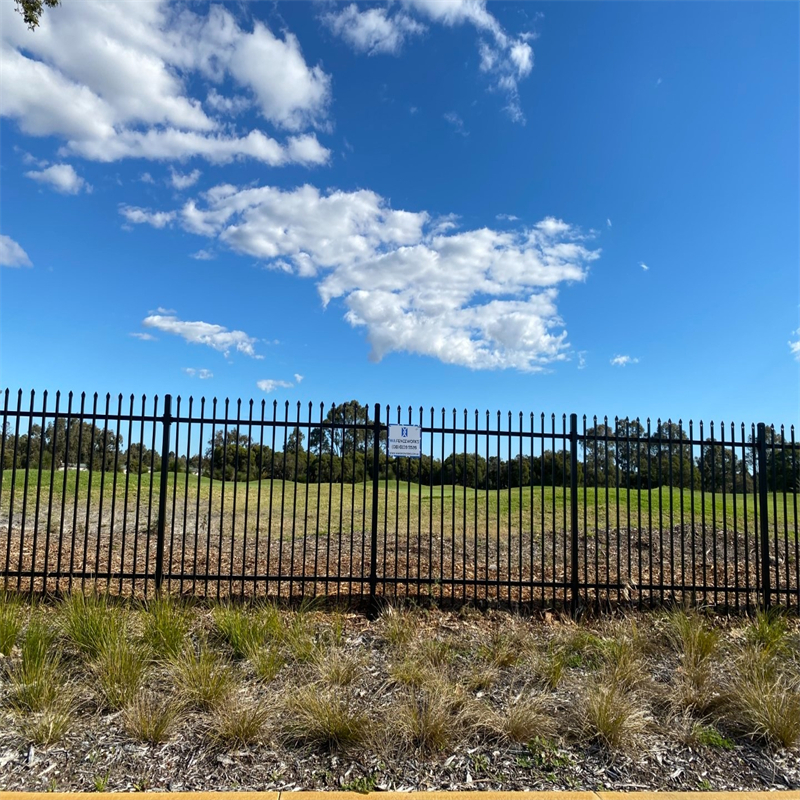
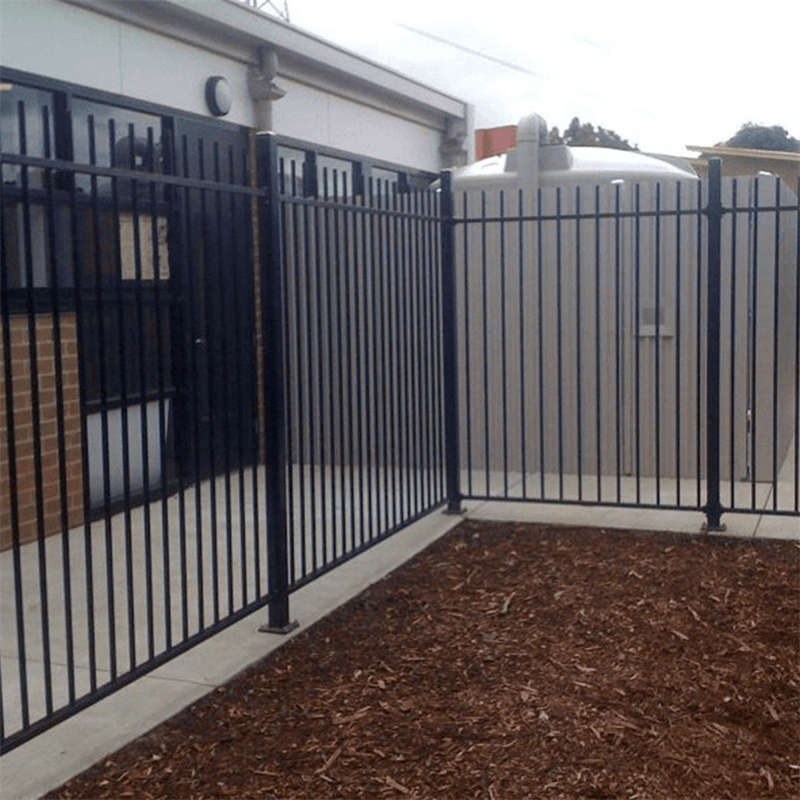
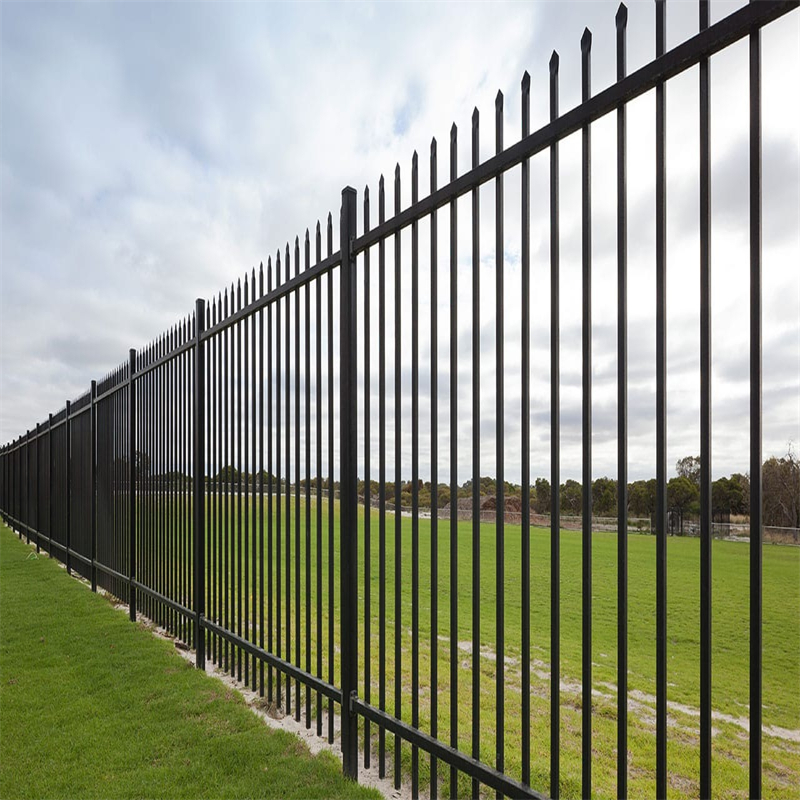
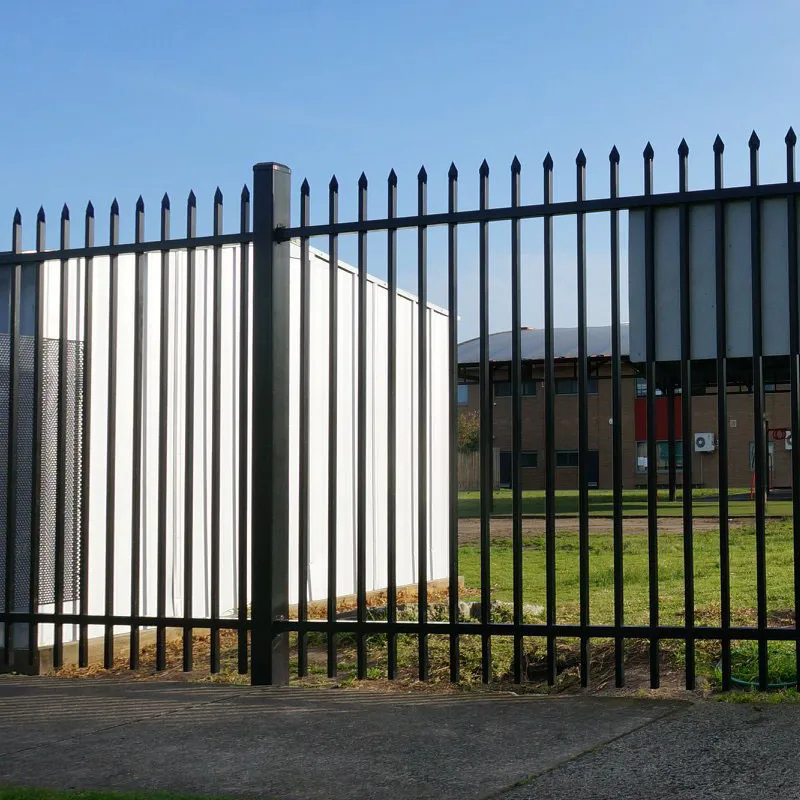
POLYMETAL tubular steel security fences are engineered as modular panel systems for high-security boundaries where straightness, durability, and repeatable installation are essential.
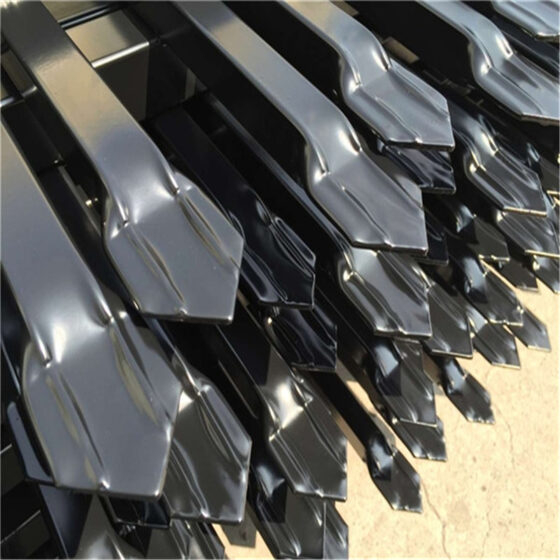
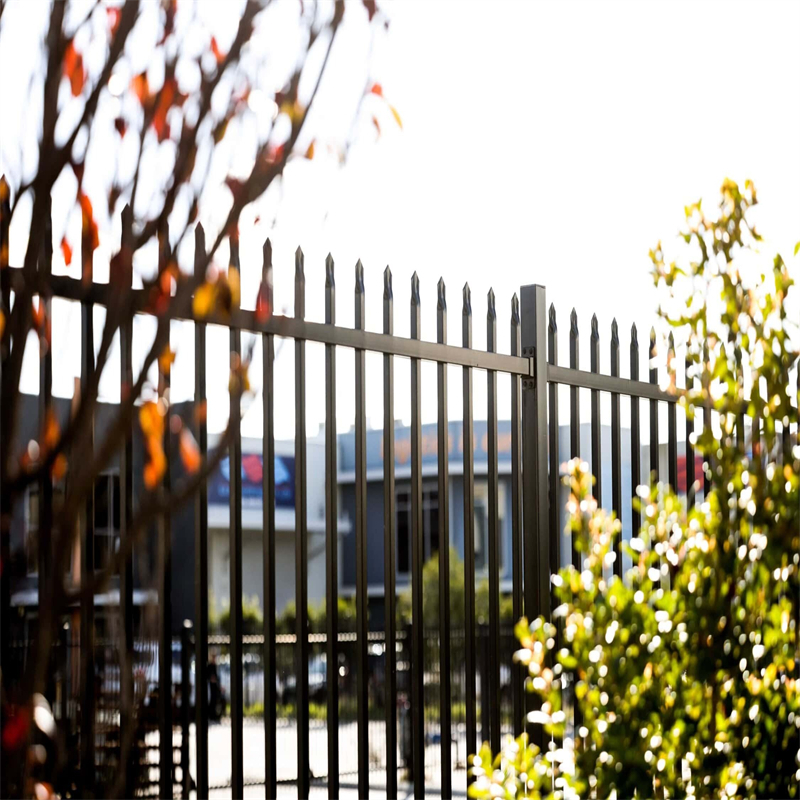
Panels are constructed with tubular horizontal rails and tubular vertical uprights, manufactured to controlled spacing and thickness to resist bending during handling and service.
Rail frame options of 40×40mm, 45×45mm, and 50×50mm allow stiffness tuning to suit fence height and exposure, while upright options of 16×16mm, 25×25mm, and 30×30mm provide balanced security and appearance.
Hot-dip galvanizing combined with powder coating delivers long-term corrosion resistance and a professional finish under real operating conditions—especially when your procurement plan benchmarks reliable market suppliers (see garrison fencing top 20 company) and validates budget expectations early using a realistic garrison fencing cost per metre complete guide.
Specifications
Specification Notes
Fence widths: 2400mm and 2450mm.
Upright spacing options: 16pcs (115mm), 17pcs (108mm), 18pcs (100mm).
Rail thickness options: 1.60mm / 2.00mm / 2.50mm / 3.00mm.
Upright thickness options: 0.80mm / 1.00mm / 1.20mm / 2.00mm.

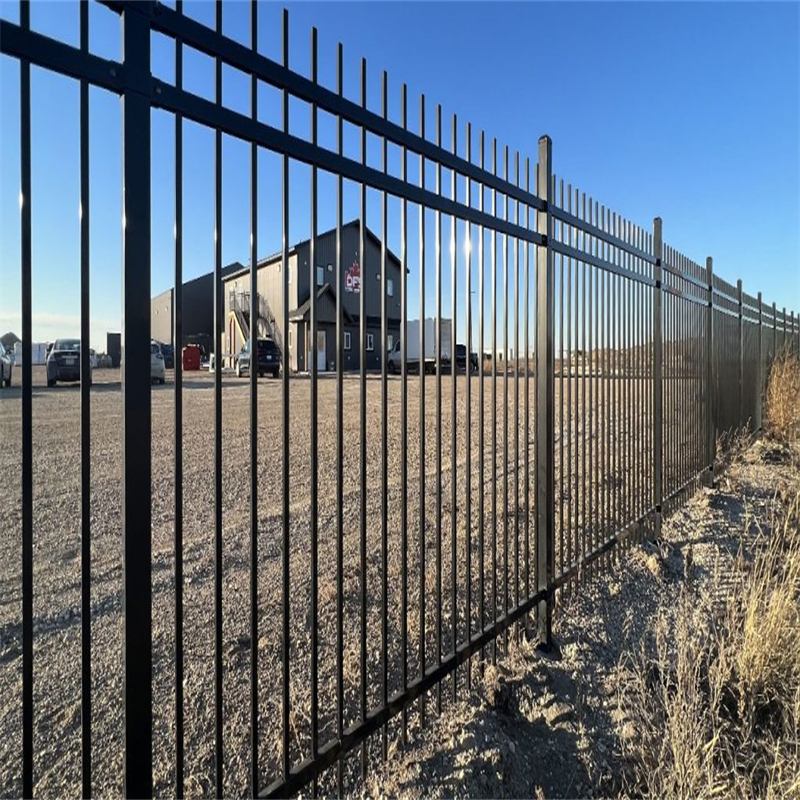
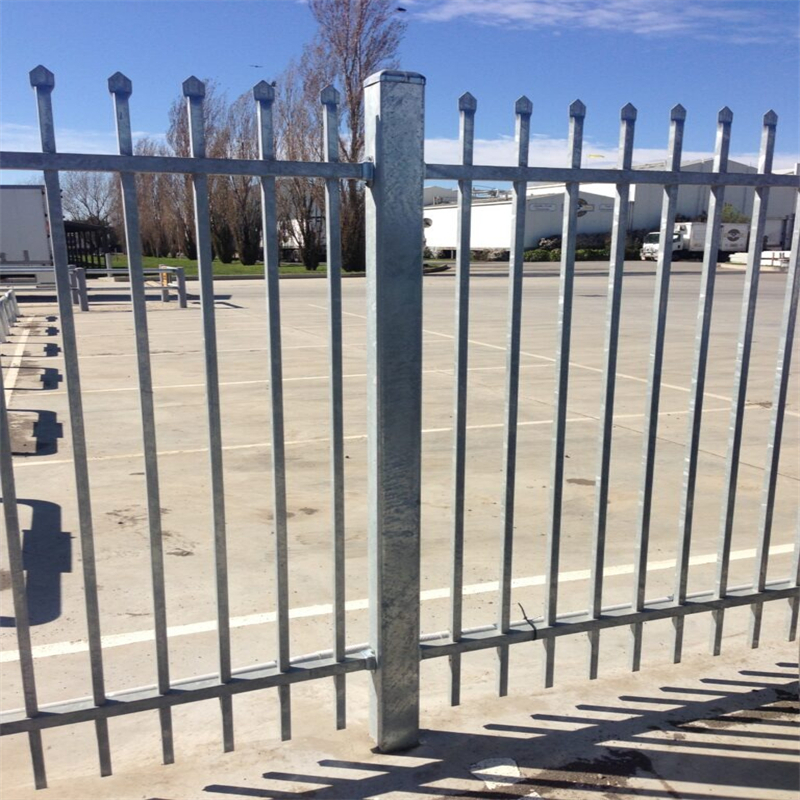
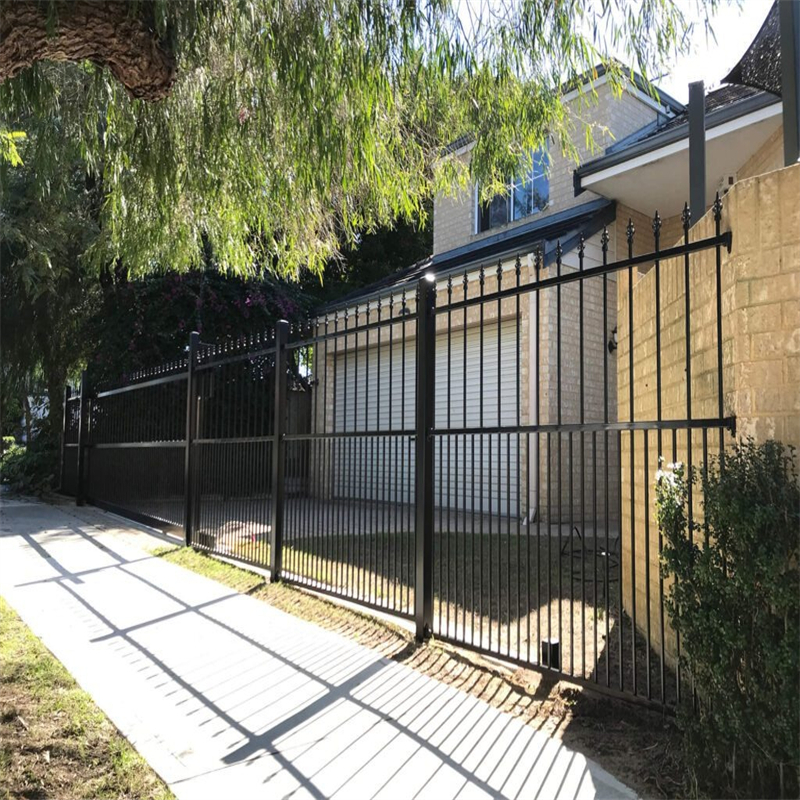
Table 1: Standard Commercial Duty
| Fence Height (mm) | Fence Width (mm) | Rail Frame | Rail Thick. | Upright | Upright Thick. | Spacing | Post Option | Post Height |
|---|---|---|---|---|---|---|---|---|
| 1200 | 2400 | 40×40 | 1.6 | 16×16 | 0.80 | 18 pcs / 100mm | 60×60×1.6 | 1800 |
| 1500 | 2450 | 45×45 | 2.0 | 25×25 | 1.00 | 17 pcs / 108mm | 65×65×2.0 | 2100 |
| 1800 | 2400 | 45×45 | 2.0 | 25×25 | 1.20 | 18 pcs / 100mm | 75×75×2.0 | 2400 |
| 2100 | 2450 | 50×50 | 2.5 | 30×30 | 1.20 | 17 pcs / 108mm | 80×80×2.0 | 2700 |
| 2400 | 2400 | 50×50 | 3.0 | 30×30 | 2.00 | 18 pcs / 100mm | 100×100×2.5 | 3000 |
Applications
Tubular steel security fences are widely used for residential estates, commercial properties, factories, warehouses, schools, hospitals, sports facilities, parking lots, utilities, and industrial sites where a durable and professional security boundary is required.
Benefits
Structural strength with long service life
Rigid rail frames and controlled upright spacing keep panels aligned and resistant to impact and vibration.
Excellent corrosion resistance
Hot‑dip galvanizing and powder coating protect steel from rust when combined with proper handling and packing.
Clean architectural appearance
Straight lines and uniform spacing deliver a modern security look suitable for public‑facing environments.
Fast installation and low maintenance
Panelized systems install quickly without special tools, and damaged sections can be replaced without rebuilding entire fence runs.
Packing
POLYMETAL packs tubular steel security fences in counted bundles with separation protection to reduce coating scuffs and deformation. Panels are palletized and labeled by height, width, rail frame, upright size, and spacing. Posts are packed separately by size and wall thickness, and accessories are supplied in counted cartons for fast site verification.
Standards and FAQs
Standards
A proper tubular steel security fence specification must define fence height and width, rail frame size and thickness, upright size, thickness and spacing, post size and wall thickness, post height rule, corrosion protection system, and packing method.
FAQs
Q: Which upright spacing provides the highest security?
A: 18 uprights per panel with 100mm spacing offers the tightest pattern and strongest security appearance.
Q: Why must post height exceed panel height by 600mm?
A: The additional length allows proper embedment depth to resist wind load and leverage over time.
Q: What is the most common hidden failure?
A: Corrosion at stressed joints (#7). Once rust begins under the coating, replacement becomes unavoidable.