Your One-Stop Wire Mesh Fence Supplier | POLYMETAL
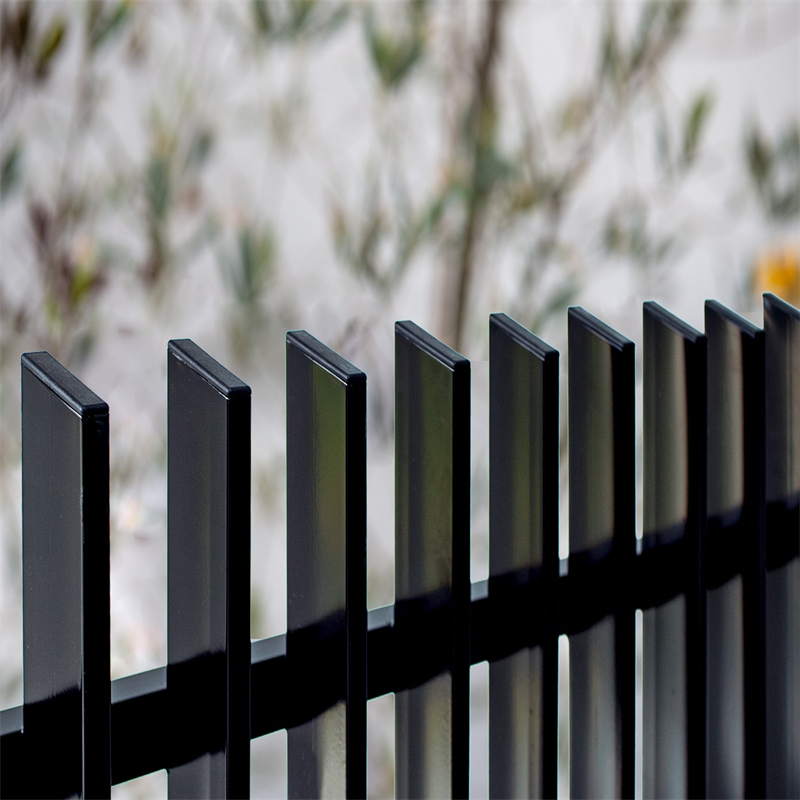
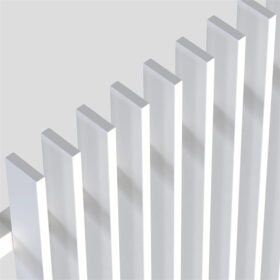
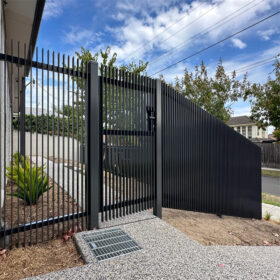

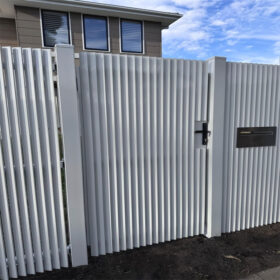
Most buyers search Vertical Blade Fence expecting a clean modern look, fast install, and a simple per-panel price. The costly reality is that a Vertical Blade Fence is a controlled system: the rails must stay straight, the blades must stay consistent, the powder coat must survive handling, and the post-and-bracket geometry must hold alignment bay-by-bay. A single “silent downgrade” in rail wall thickness, blade wall thickness, coating preparation, or bracket fit can convert a premium architectural line into a wavy run that installers fight on site.
POLYMETAL treats Vertical Blade Fence panels as repeatable production modules built around measurable inputs. When your purchase order locks panel width, blade size, rail size, blade pitch discipline, coating process, post options, and fixing method, you prevent hidden variation and protect the final site appearance.
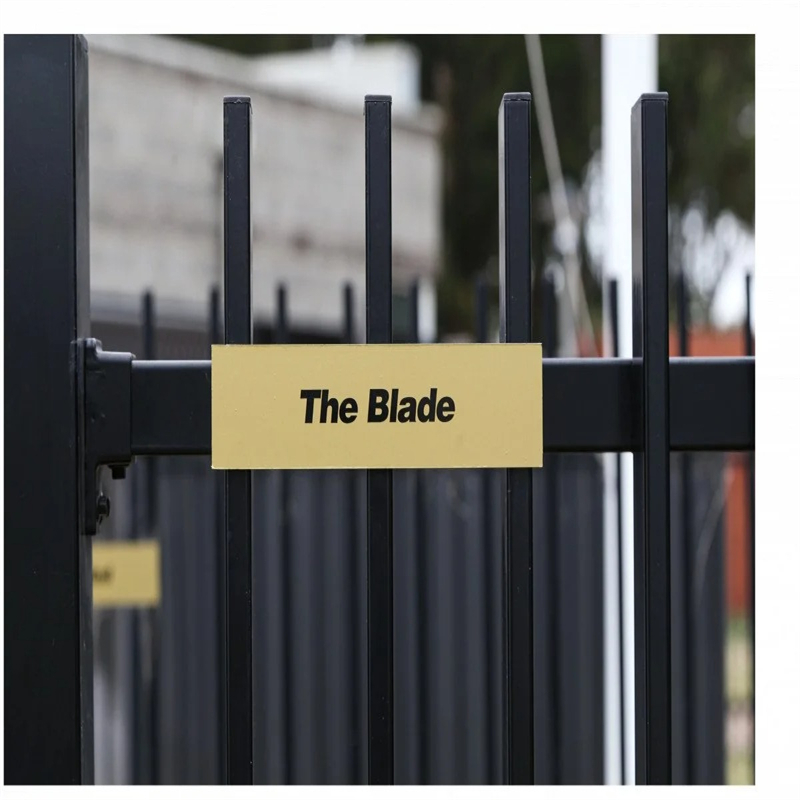
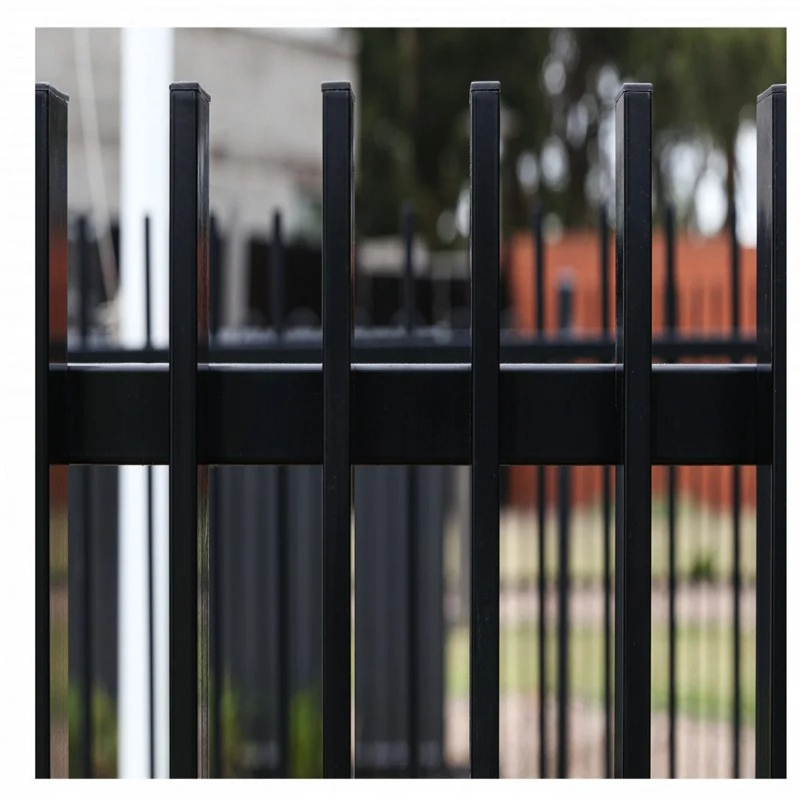
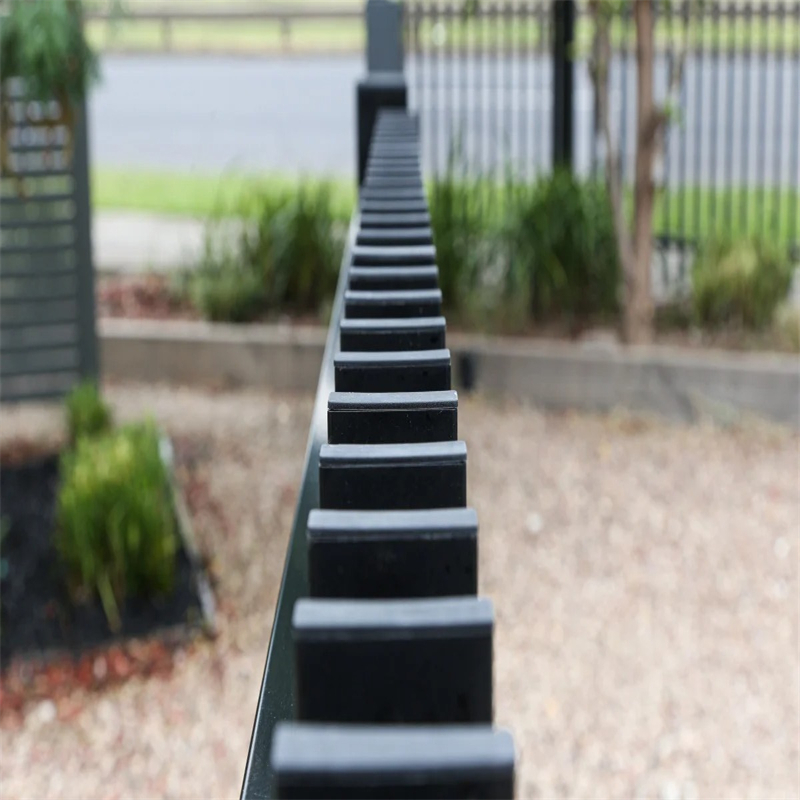
What “Vertical Blade Fence” really means in practice
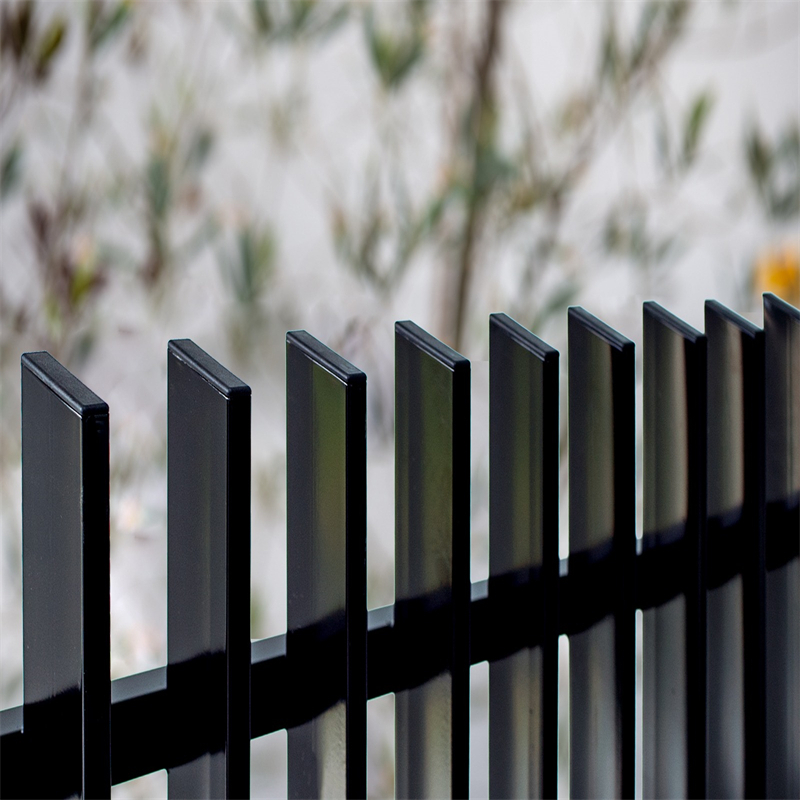
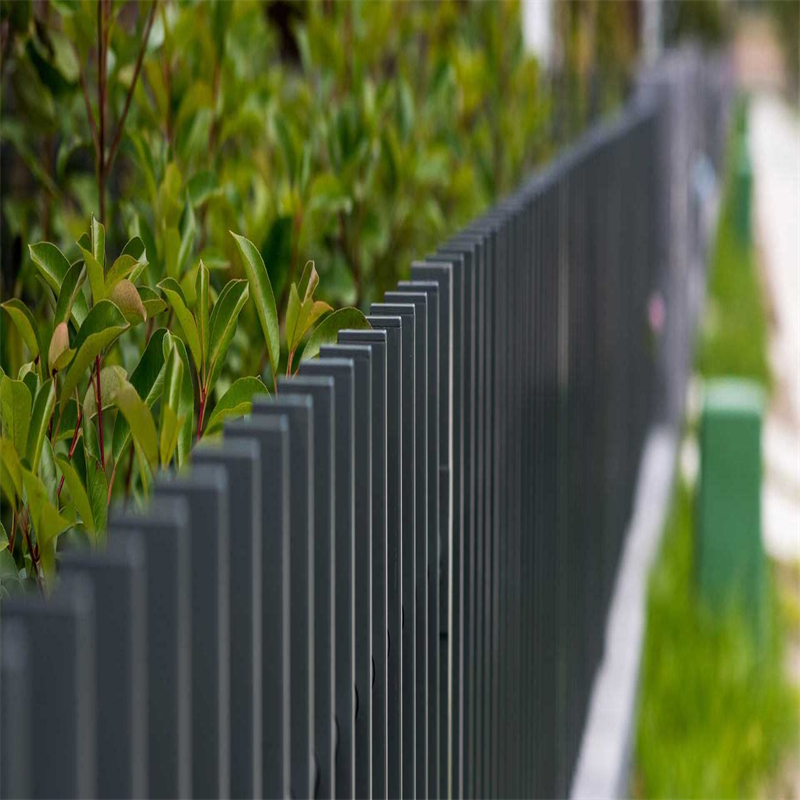
In the market, Vertical Blade Fence usually refers to powder coated aluminium fence panels that use rectangular “blade” uprights for a modern shadow-line look. The performance feel is not controlled by the photo; it is controlled by the load path and the tolerances. Rails distribute force, blades control visual line quality and privacy rhythm, and posts control the installed stability against push load and wind load. If any element is under-specified, you get movement, rattle, and drift even if the panels look fine on a pallet. For projects that need a transparent, high-strength infill alternative for balustrades or safety enclosures, you can also reference our stainless steel ferrule rope mesh as a structural benchmark for tension-controlled systems.
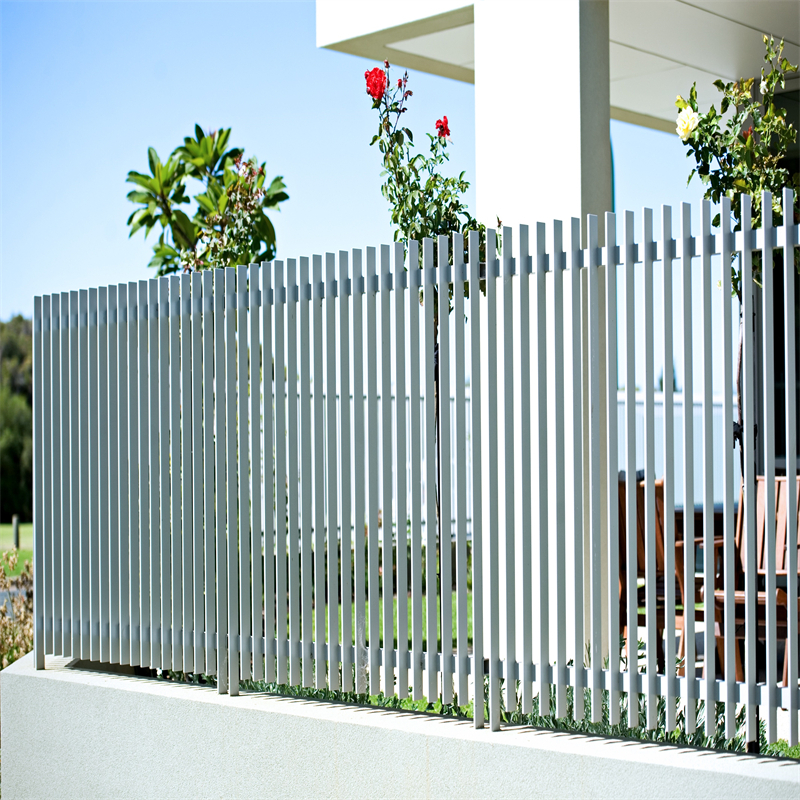
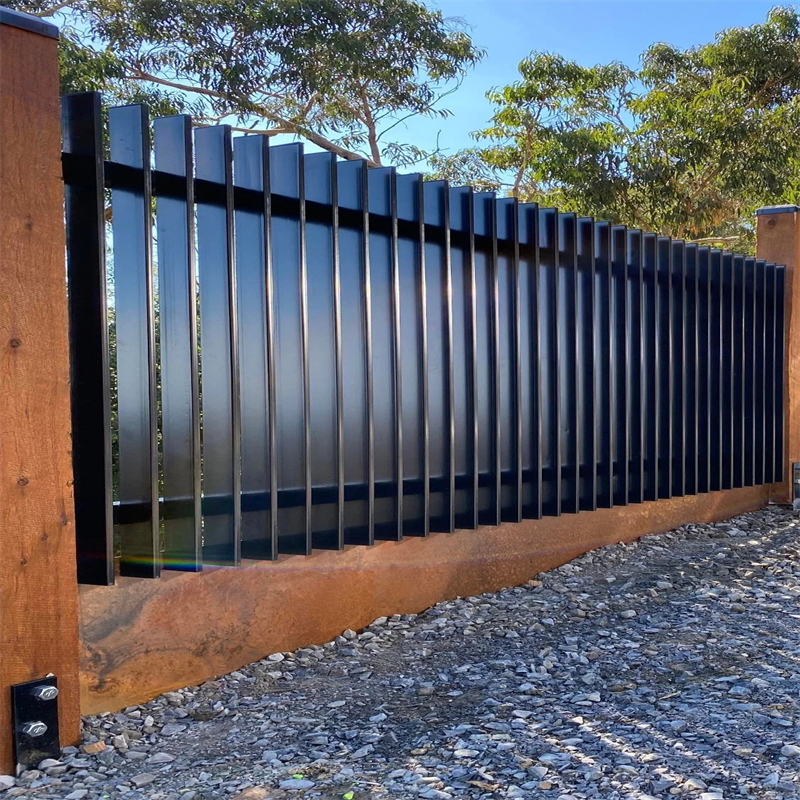
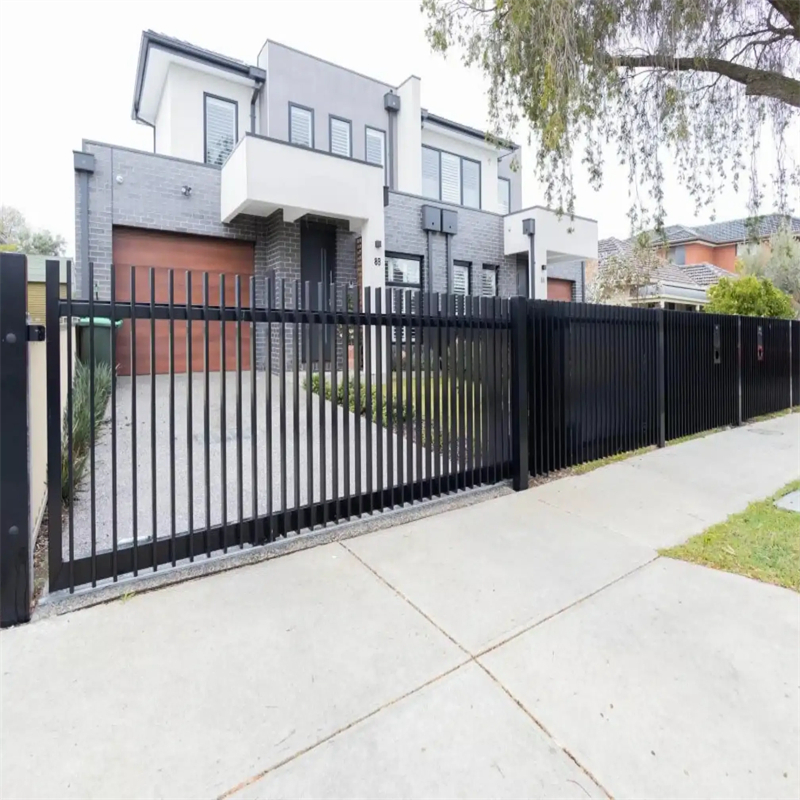
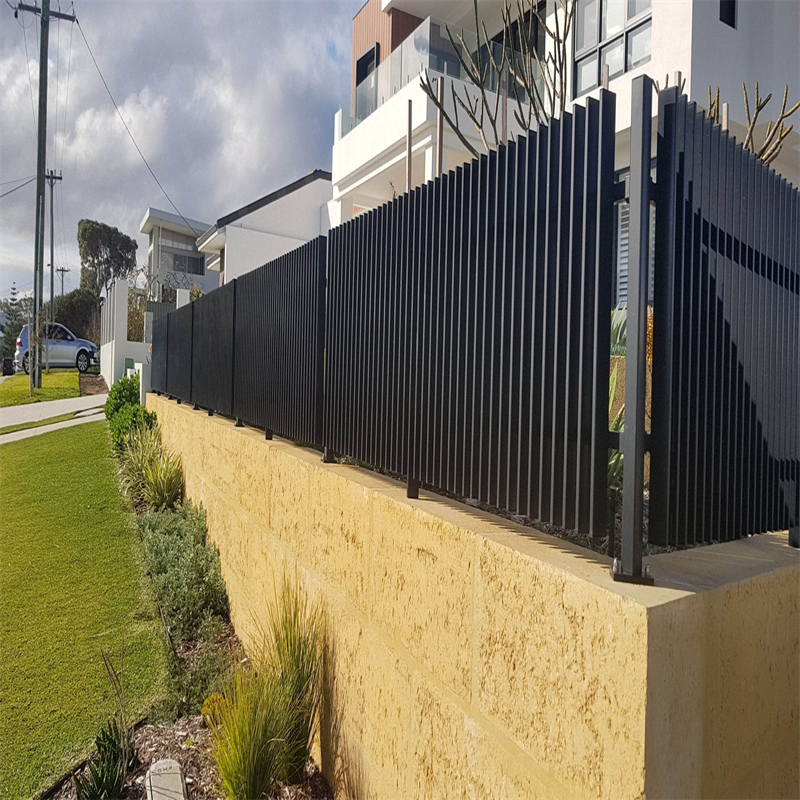
POLYMETAL Vertical Blade Fence product description
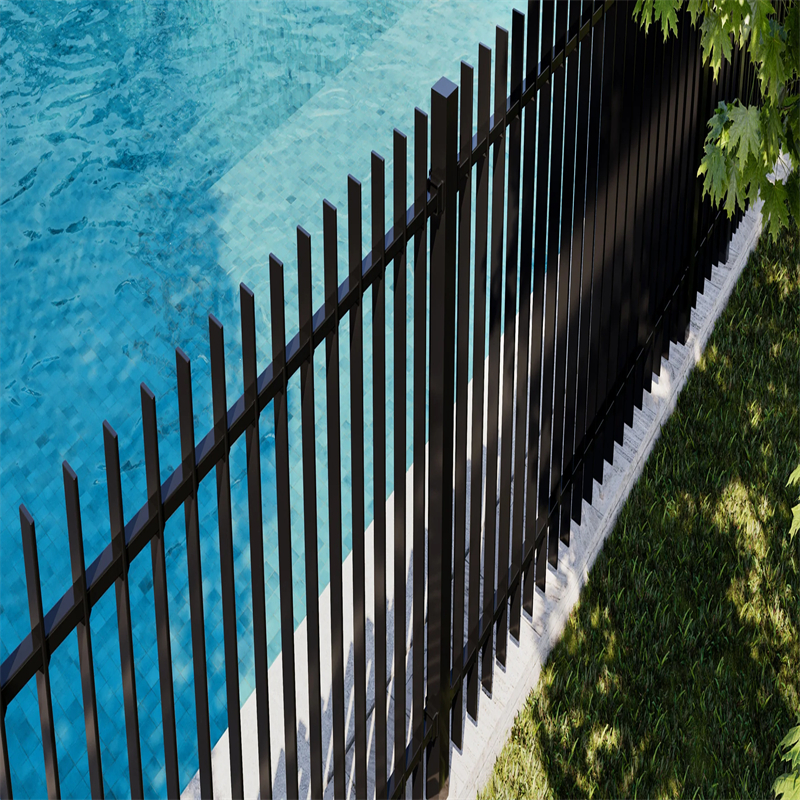
POLYMETAL Vertical Blade Fence panels are modern blade-style aluminium fence modules built for fast perimeter construction where appearance matters as much as durability. The system is selected when a project needs a contemporary boundary with consistent straightness across long runs, predictable rigidity during handling and installation, and a durable powder coated finish that stays presentable after transport shock and site work. Panel stability is primarily controlled by rail section and rail wall thickness, while the clean “blade line” and visual rhythm are controlled by blade section, blade wall thickness, blade pitch discipline, and end spacing control. Post selection and fixing geometry are matched to panel height and site exposure so the installed fence resists lean, rotation, and bay-to-bay drift.
Vertical Blade Fence specifications (POLYMETAL typical 2364mm wide schedule)
| Panel Height (mm) | Panel Width (mm) | Rail Section (mm) | Rail Wall (mm) | Blade Section (mm) | Blade Wall (mm) | Blade Pitch (mm) | End Offset (mm) | Cap | Material | Finish |
|---|---|---|---|---|---|---|---|---|---|---|
| 600 | 2364 | 40×40 | 1.5 | 65×16 | 1.2 | 85 | 69 | 65×16 plastic cap | 6063-T5 (marine-grade alloy option) | Powder Coated (Satin Black / Black) |
| 900 | 2364 | 40×40 | 1.5 | 65×16 | 1.2 | 85 | 69 | 65×16 plastic cap | 6063-T5 (marine-grade alloy option) | Powder Coated (Satin Black / Black) |
| 1200 | 2364 | 40×40 | 1.5 | 65×16 | 1.2 | 85 | 69 | 65×16 plastic cap | 6063-T5 (marine-grade alloy option) | Powder Coated (Satin Black / Black) |
| 1500 | 2364 | 40×40 | 1.5 | 65×16 | 1.2 | 85 | 69 | 65×16 plastic cap | 6063-T5 (marine-grade alloy option) | Powder Coated (Satin Black / Black) |
| 1800 | 2364 | 40×40 | 1.5 | 65×16 | 1.2 | 85 | 69 | 65×16 plastic cap | 6063-T5 (marine-grade alloy option) | Powder Coated (Satin Black / Black) |
Accessories and post options (common install modules)
| Category | Options | Notes |
|---|---|---|
| Flanged Posts | 76×76×1300 / 76×76×1900 / 100×100×1300 / 100×100×1900 | For slab mounting where core drilling or base fixing is preferred |
| In-ground Posts | 76×76×1800 / 76×76×2400 / 100×100×1800 / 100×100×2400 | For embedment installs where rotation resistance is critical |
| Caps | 76×76 cap / 100×100 cap | Seals the post top and improves finish presentation |
| Brackets & Fixings | Rail brackets (40×40) / Tek screws (12–14×20) / Connectors | Bracket fit and screw grade decide rattle resistance and long-run alignment |
Materials and finish options for Vertical Blade Fence (what actually controls service life)
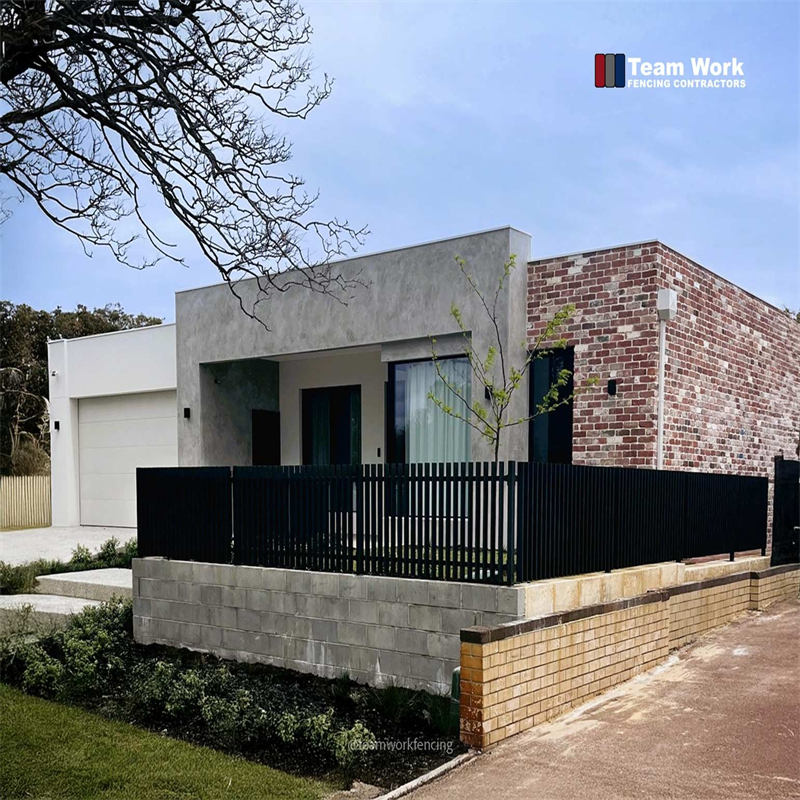
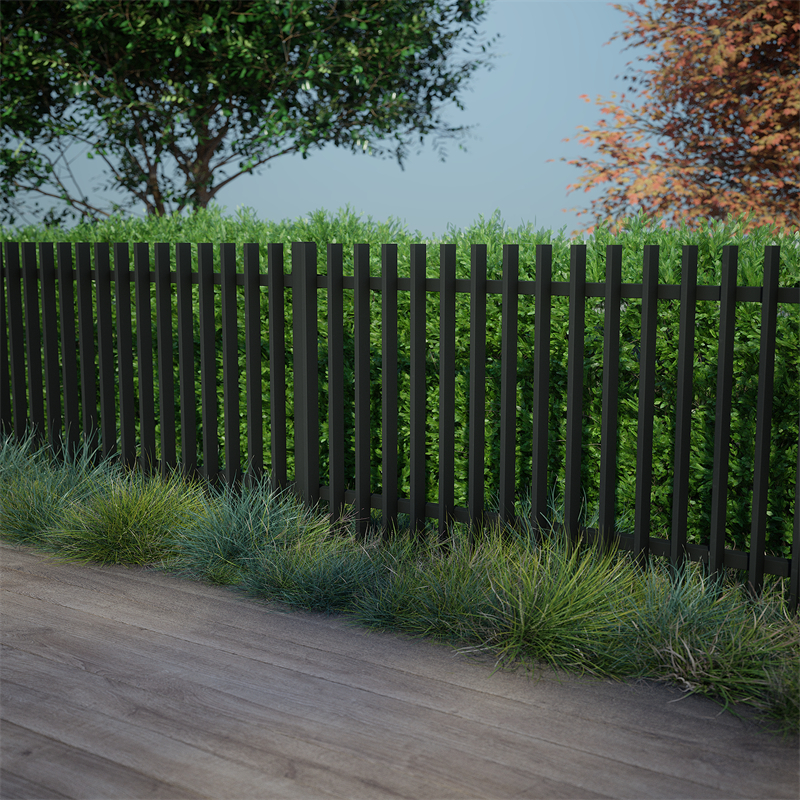
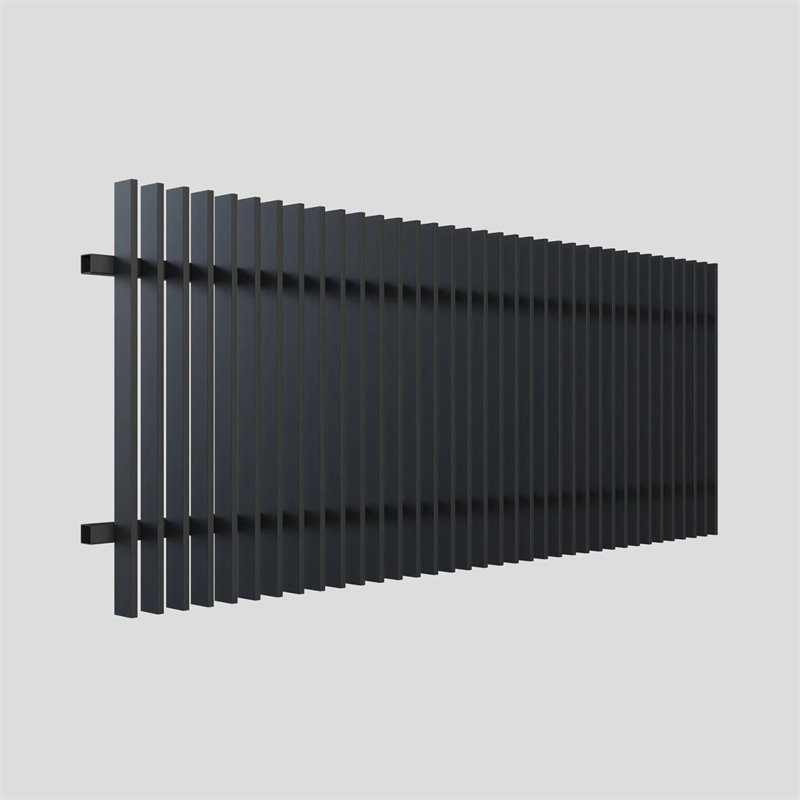
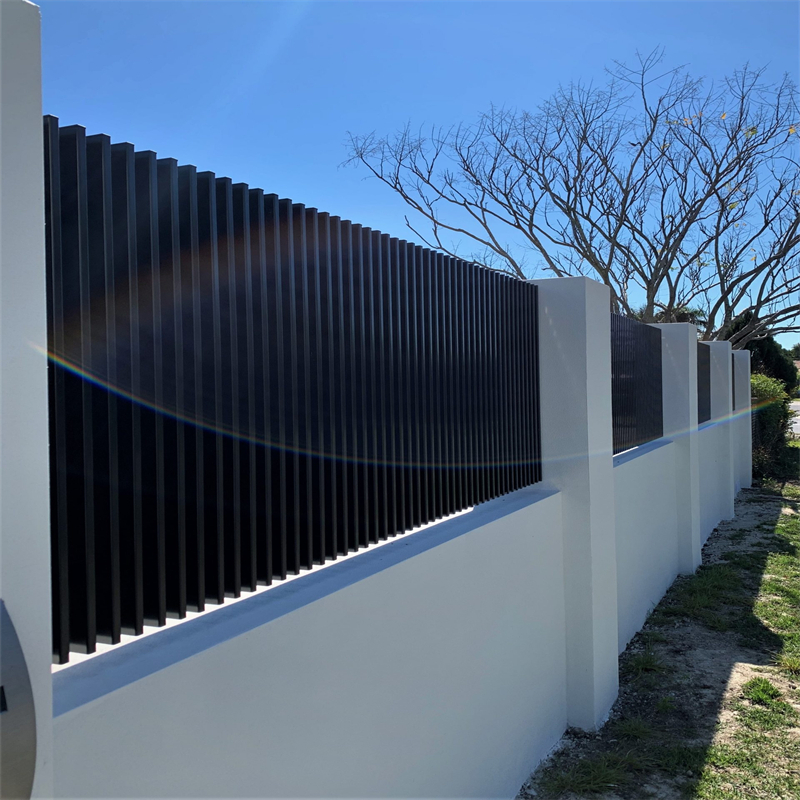
Many Vertical Blade Fence problems are not “bad luck”; they are predictable outcomes of weak specification. Aluminium consistency controls straightness and assembly tolerance. Rail wall thickness controls rigidity and reduces panel breathing during handling. Blade wall thickness controls dent resistance and keeps the shadow-line uniform. Finish control protects edges, contact points, and fixing interfaces where scuffing and early chalking typically start. If the quote only says “powder coated black” without controlling preparation, film build, and cure discipline, you are buying a colour, not a controlled finish.
Vertical Blade Fence panels are commonly supplied in powder coated black / satin black for a contemporary look. The correct coating system depends on exposure severity, handling intensity, and long-term appearance expectations, especially in coastal or high-UV environments where cheap coating choices can fade and chalk early.
Top 13 brutal procurement traps for Vertical Blade Fence (Especially #7)
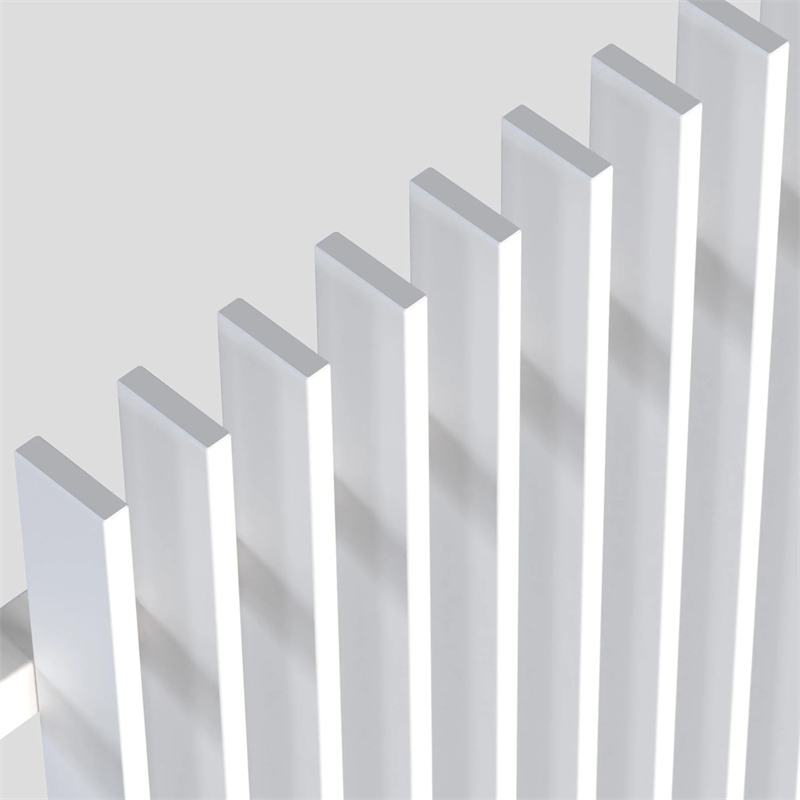

Trap #1: Buying Vertical Blade Fence as a photo, not a measurable system
If your order does not lock blade size, rail size, blade pitch, end offsets, and bracket method, the supplier can “fill the gap” with convenient substitutions. The fence still looks like a Vertical Blade Fence in a listing photo, but it installs uneven and reads cheap in real life.
Trap #2: Choosing blade wall thickness too light for handling reality
Vertical Blade Fence panels get carried, stacked, and tightened to posts. If blades are too thin, dents and waves appear quickly, the shadow-line becomes inconsistent, and the finish looks damaged even when the installer did nothing wrong.
Trap #3: Ignoring rail wall thickness until the panel starts “breathing”
A Vertical Blade Fence can look rigid on the pallet but feel soft at install if the rails are under-built. Soft rails amplify movement during fixing, create waviness across long runs, and increase rattle risk in wind.
Trap #4: Allowing blade pitch drift that ruins the “architectural rhythm”
The premium feel of a Vertical Blade Fence comes from consistent blade rhythm. Pitch drift is visually obvious: one bay looks tight, the next looks loose, and the full line reads uneven from the street.
Trap #5: Treating powder coating as paint, not a controlled process
Powder coat performance depends on pretreatment, clean surfaces, consistent film build, and correct cure. If any step is weak, chalking, fading, or edge wear shows up early—especially on frequently touched areas and at fixing interfaces.
Trap #6: Using low-quality end caps that loosen, crack, or discolour
Vertical Blade Fence caps are small, but they protect edges and control presentation. Poor caps can loosen during vibration, crack under sun, or discolour faster than the powder coat, creating a cheap “two-tone” look over time.
Trap #7 (Especially dangerous): Mismatching posts, brackets, and rail geometry
This is the trap that creates instant installation pain. If brackets do not seat cleanly to the rail section, if post faces do not align consistently, or if the fixing method is not matched to panel height, you get rattle, twist, and bay-to-bay drift. The result is a Vertical Blade Fence line that looks crooked even when measured and installed carefully, because the geometry is fighting the crew.
Trap #8: Skipping tolerance control on panel width and hole position
Vertical Blade Fence installs quickly only when panel widths and fixing positions are consistent. If tolerances float, installers start re-drilling, forcing panels, or shifting centres, which creates visible gaps and slow installation.
Trap #9: Ignoring galvanic-corrosion risk at mixed-metal fixings
Vertical Blade Fence systems often touch multiple metals: aluminium panels, steel fasteners, different bracket materials. If material pairing and coating at interfaces are ignored, you can trigger staining, seized screws, and ugly corrosion marks around fixings.
Trap #10: Assuming “marine grade” means every part is marine-ready
Even when the aluminium alloy is suitable, the real weak points are brackets, screws, and cut/ drilled edges. If those parts are not controlled, a Vertical Blade Fence can develop ugly interface issues long before the panel body degrades.
Trap #11: Under-specifying packing protection and then calling it “shipping damage”
Powder coated Vertical Blade Fence panels scratch when they rub. If packing does not control separators, corner protection, and strap pressure, panels arrive with scuffing that becomes an instant defect argument and a real project delay.
Trap #12: Choosing “satin black” without locking colour batch discipline
Colour mismatch across batches can be obvious on long runs. If the order is split across productions without colour batch control, you can end up with panels that are all “black” but not the same black in sunlight.
Trap #13: Comparing quotes by panel price only
Vertical Blade Fence is not cheap when it fails. Price without measurable controls is an illusion because your true cost includes rework time, replacements, complaints, and lost reputation. Controlled specification is what protects the budget.
Applications of Vertical Blade Fence
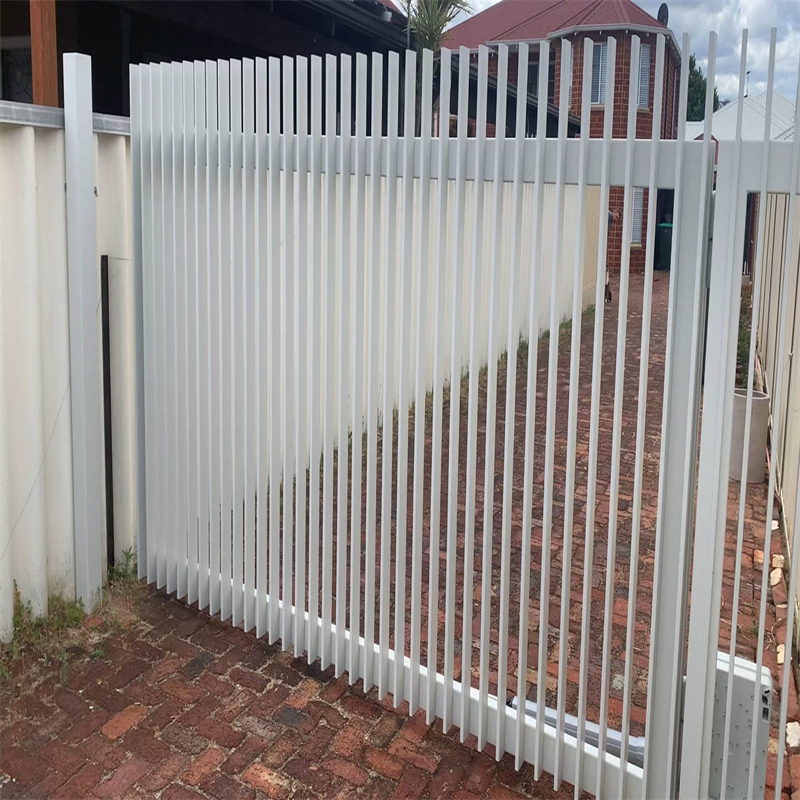
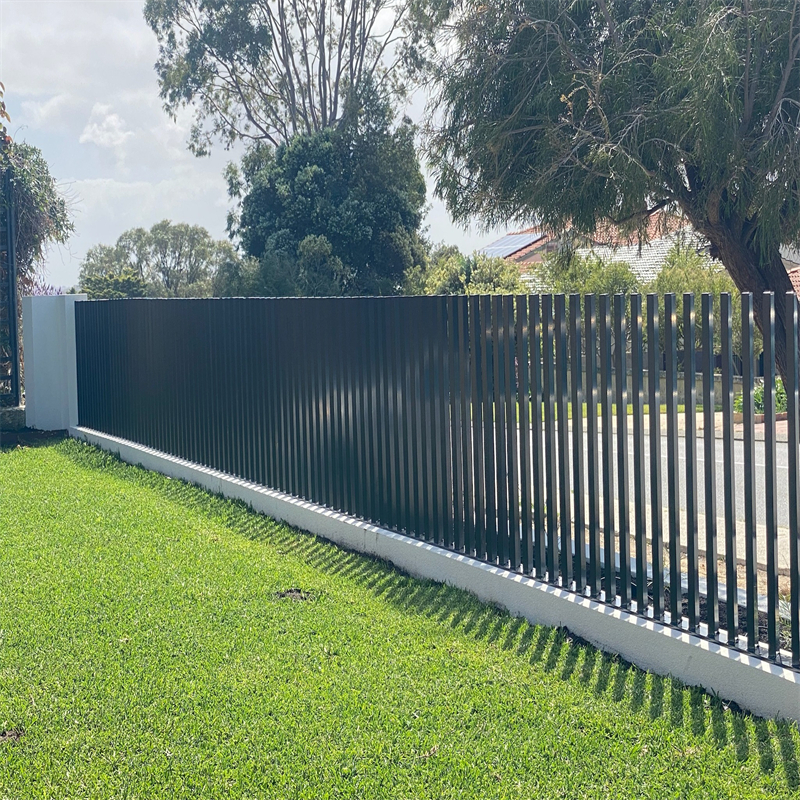
Vertical Blade Fence is widely used for residential boundaries, front-yard architectural fencing, townhouse developments, commercial frontages, streetscape upgrades, low-to-medium security perimeters where a modern look matters, landscaped public edges, and projects that want a clean shadow-line finish without heavy visual clutter. Vertical Blade Fence is especially popular where “premium presentation” is part of the design brief.
Benefits of POLYMETAL Vertical Blade Fence
The main advantage of POLYMETAL Vertical Blade Fence is controlled consistency across the shipment so every bay aligns without constant correction. Another benefit is predictable rigidity from rail selection, which reduces movement and installation frustration. A further edge is finish discipline that keeps powder coat presentable after handling and transport, which reduces touch-up labour and complaint risk. The payoff is faster installs, lower rework, and a cleaner final line that looks premium from day one.

Packing for Vertical Blade Fence (how to prevent scuffing and waste)
Vertical Blade Fence panels should be packed to prevent rubbing, strap pressure marks, and corner impact. A controlled export packing method uses foam or cardboard separators between panels, corner guards, protective film where required, and stable pallets or stillages to keep stacks square. Straps should be applied with edge protectors so the powder coat is not cut during transport vibration. Posts and brackets should be bundled separately, and small accessories should be boxed and labelled to prevent site loss and to speed up installation.
Standard, quality control, and warranty expectations
Vertical Blade Fence projects typically require consistent dimensions, straight rails, stable blade pitch, controlled powder coating quality, and reliable fixing interfaces. For long-term confidence, many buyers choose warranty-backed systems; a common market expectation for aluminium structure and powder coating is a long warranty period when used under normal residential conditions. The practical rule is simple: the specification must control what matters—geometry, wall thickness, coating discipline, and interface hardware—so performance is repeatable across the full order.
Vertical Blade Fence FAQs
Q1: What is the fastest way to avoid Vertical Blade Fence quality downgrade?
A: Lock blade size and wall thickness, rail size and wall thickness, blade pitch discipline, end offsets, coating process expectation, and the post/bracket/fixing method in the purchase order.
Q2: Why does a Vertical Blade Fence look “wavy” after installation?
A: The most common causes are soft rails, blade pitch drift, and post/bracket mismatch that forces twist bay-by-bay.
Q3: What makes powder coated Vertical Blade Fence fail early?
A: Weak surface preparation, inconsistent cure, thin film build at edges, and rubbing damage from poor packing all accelerate chalking and visible wear.
Q4: How do I choose posts for Vertical Blade Fence?
A: Match post section and fixing method to panel height and site exposure so the post resists rotation and keeps long runs aligned.
Q5: Can Vertical Blade Fence work in coastal areas?
A: Yes, when alloy choice, coating quality, and fixing hardware are controlled for corrosive exposure and when mixed-metal interfaces are managed correctly.
Summary: Vertical Blade Fence becomes a premium perimeter only when you buy it as a controlled system. If you chase the lowest quote without locking measurable inputs, you invite traps—scuffed powder coat, drifted blade rhythm, soft rails, and especially the post/bracket mismatch that creates install pain. A controlled POLYMETAL Vertical Blade Fence schedule protects appearance, installation speed, and long-term value.