Your One-Stop Wire Mesh Fence Supplier | POLYMETAL


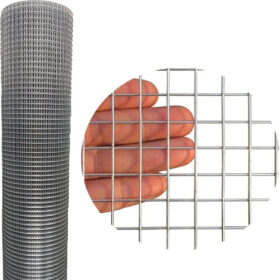
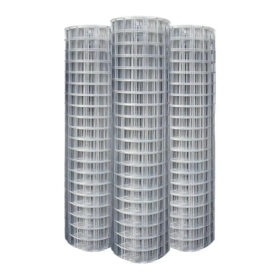


weld wire mesh for zoo wire mesh solution in addition to chain link fence.It is manufactured from hot dipped galvanized carbon steel wire, PVC coated wire or stainless steel wire, and can be produced in a wide range of mesh openings, wire diameters,roll sizes and panel sizes according to different animal species and exhibit designs.The square or rectangular apertures of weld wire mesh provide secure containment,
excellent visibility and good ventilation, making it ideal for bird aviaries, primate enclosures, small mammal cages, perimeter fencing and back-of-house facilities in modern zoos.
1. Types of weld Wire Mesh for Zoo Use
1.1 Hot dipped galvanized weld mesh
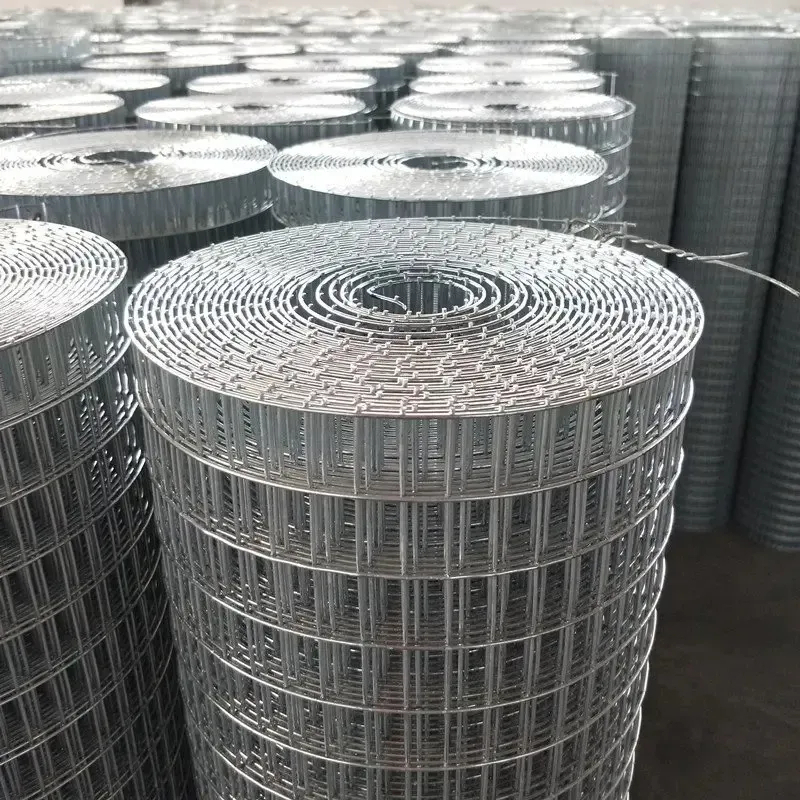
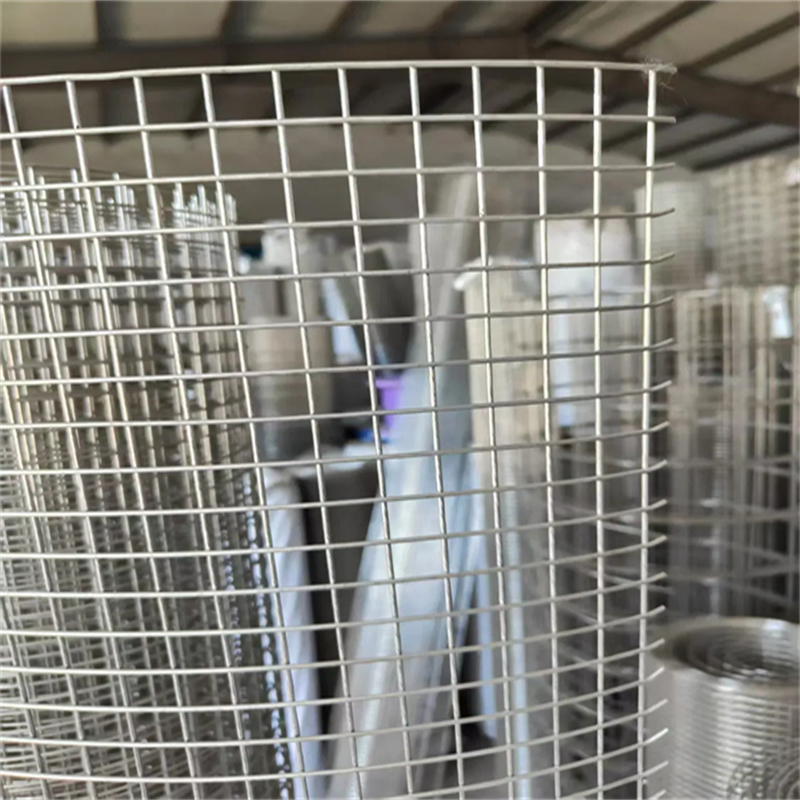
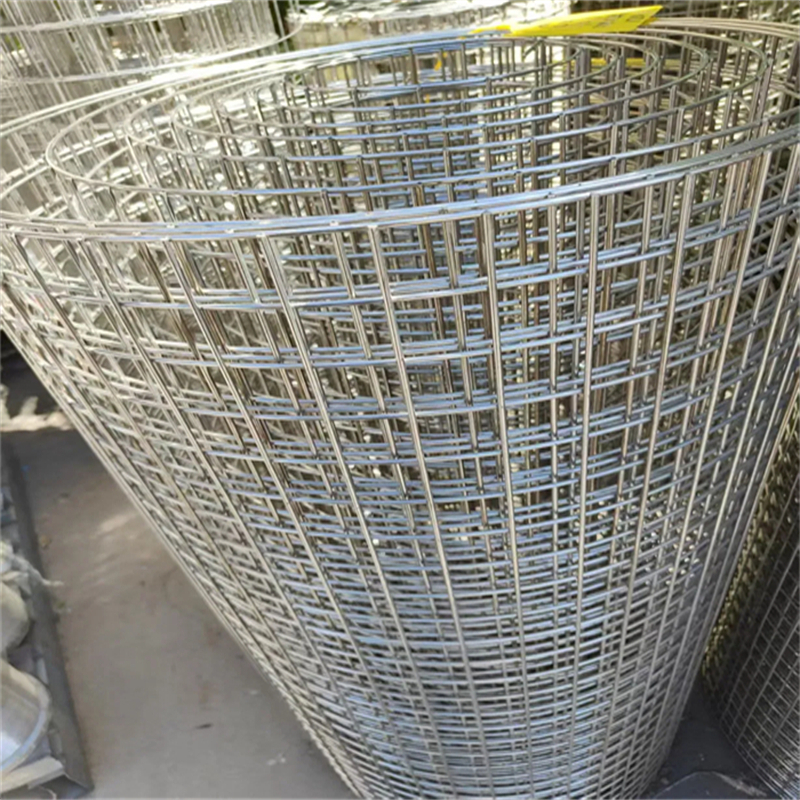
Hot dipped galvanized weld mesh goes through a full hot zinc covering process after welding.This continuous zinc layer protects the wire from rust and corrosion in outdoor zoo environments.Its square or rectangular opening makes it excellent for housing birds and animals, especially in general exhibits, perimeter fencing and service areas where long-term durability and cost-effectiveness are important.
1.2 PVC coated weld mesh
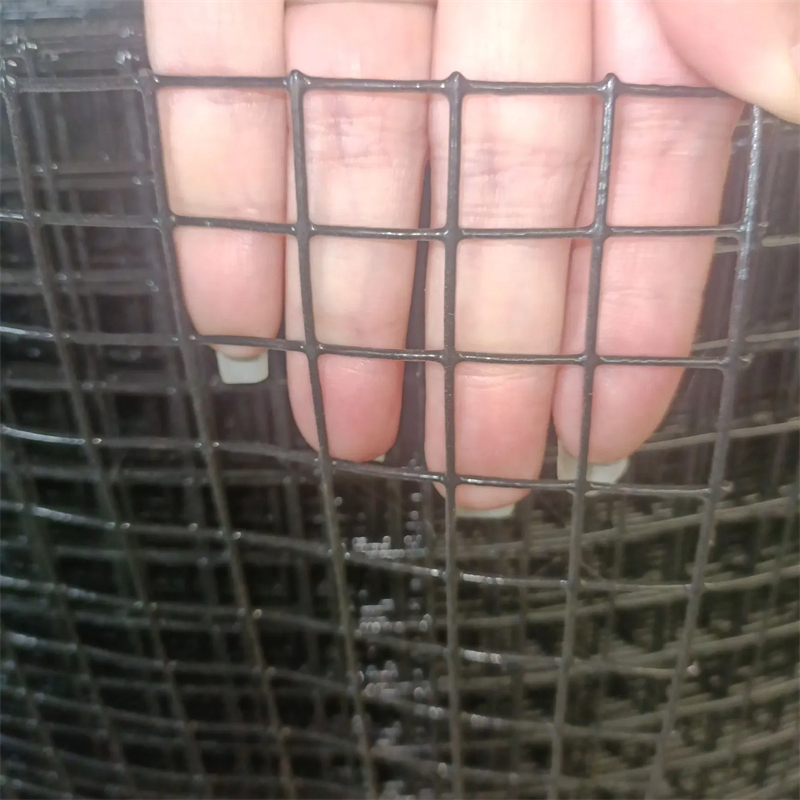
PVC coated weld mesh starts with galvanized wire, then adds an extra protective PVC layer.The smooth PVC coating significantly enhances corrosion resistance and gives a softer, more attractive surface. Common colours are black and green, which blend naturally with vegetation and landscaping. PVC coated weld mesh is widely used for bird aviaries, small mammal enclosures and decorative zoo fencing.
1.3 Stainless steel weld mesh
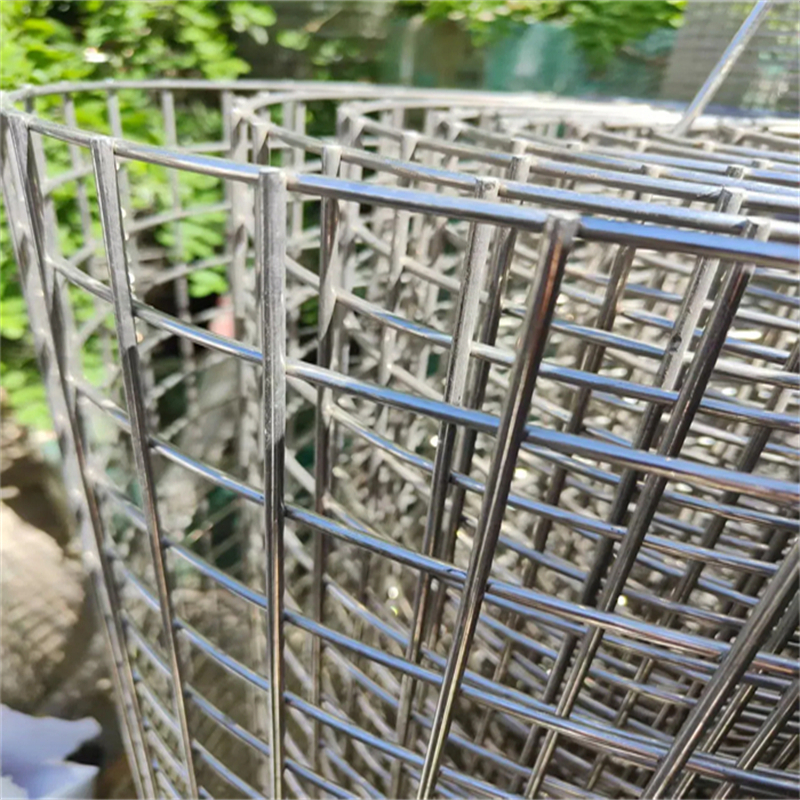
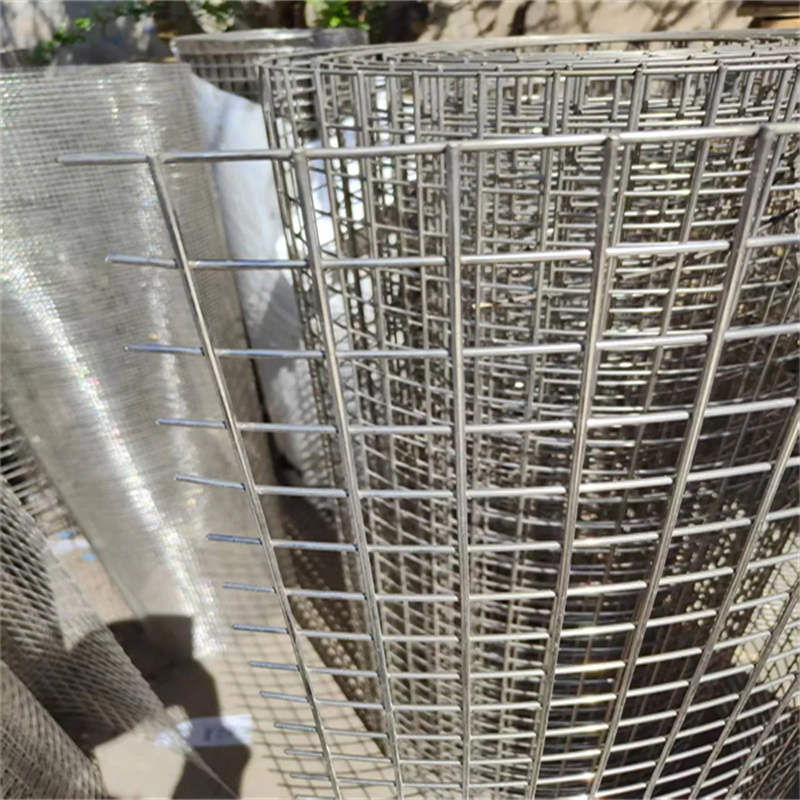
Stainless steel weld mesh offers the highest strength and integrity of all weld mesh types.With excellent corrosion resistance, it is ideal for harsh or coastal climates, indoor houses with frequent washing, and high-value animals. In addition to zoos, stainless steel weld mesh is widely used in transportation, mining and entertainment projects where both safety and durability are critical.
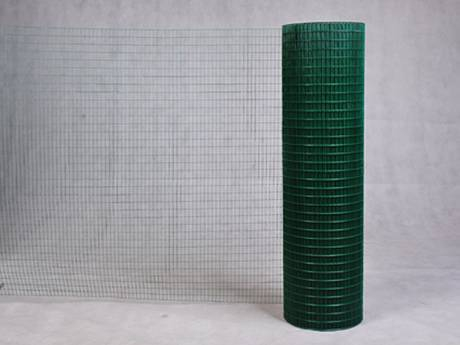
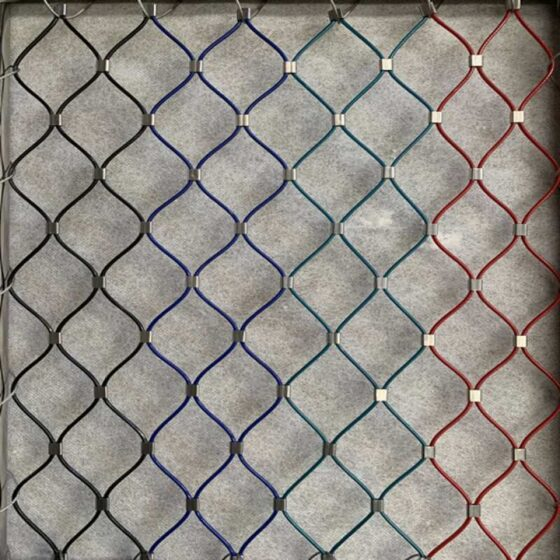
WWM-2: PVC coating protects weld wire mesh from rain, snow and other corrosive elements.

WWM-3: Stainless steel weld mesh maintains excellent anti-corrosion properties even when scratched.
2. Applications of weld Wire Mesh in Zoos
2.1 Bird aviaries and walk-through exhibits
weld wire mesh is one of the most common materials for bird aviaries and walk-through aviary exhibits. Small apertures such as 1/2″ × 1/2″ (about 12.7 × 12.7 mm) and 1/2″ × 1″ are used for finches, budgies and other small birds, while larger openings can be chosen for parrots, cockatoos, pheasants and other medium or large birds.
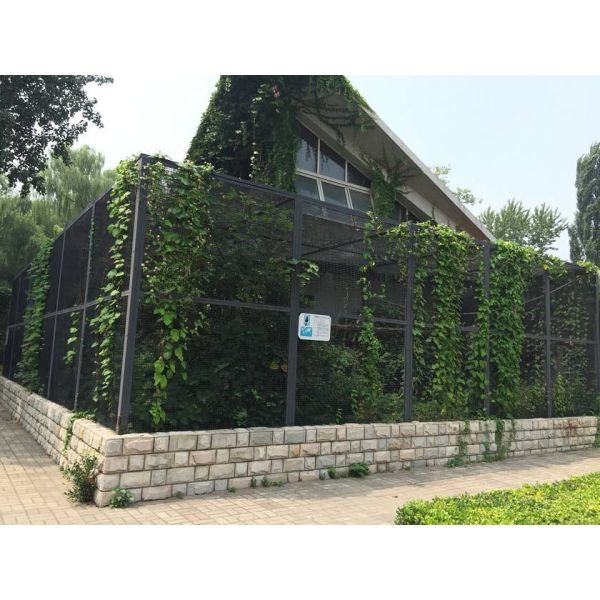
WWM-4: weld mesh aviary for large birds.
2.2 Small mammal and primate enclosures
weld wire mesh panels form secure cages and climbing structures for lemurs, small monkeys,meerkats and other small mammals. Correct mesh opening and wire diameter prevent animals from escaping or getting their paws or heads stuck, while still allowing them to climb and explore.
2.3 Predator and large animal fencing
Heavy weld mesh panels are used as inner barriers for big cats, bears and other powerful animals, often combined with viewing glass or solid walls in visitor zones. When properly engineered, weld mesh provides strong impact resistance and long-term safety.
2.4 Quarantine pens, night dens and holding cages
In back-of-house areas, galvanized or stainless steel weld mesh is used for quarantine pens, night dens and temporary holding cages. The rigid, non-absorbent surface is easy to clean and disinfect, supporting high hygiene standards.
2.5 Garden, perimeter and service-area fencing
Outside of the main animal exhibits, weld mesh fencing protects gardens and plantings from animal damage, secures service yards and storage areas, and forms part of the zoo’s perimeter security system.
3. Why Choose weld Wire Mesh as Zoo Mesh?
- Available to cut to any size for custom enclosures and retrofit projects.
- Easy installation using common hardware such as clips, screws, clamps and ties.
- Humane design that does not hurt people or animals when correctly installed and finished.
- Galvanized and PVC coated mesh are economical choices for general zoo applications.
- Stainless steel weld mesh serves much longer in harsh or high-wash environments.
- weld joints create a rigid, load-bearing mesh that resists impacts and deformation.
- Mesh openings provide excellent ventilation and visibility for both animals and visitors.
- Metal surfaces do not absorb moisture or odours, making cleaning and disinfection easy.
- Wide range of mesh sizes, wire gauges and finishes allows precise matching to each species.
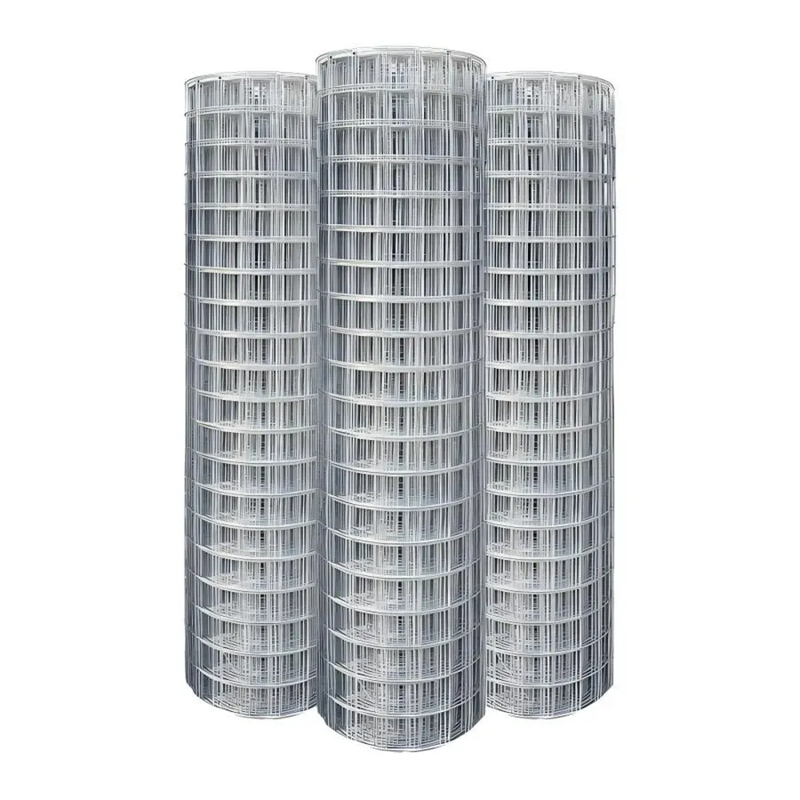

4. Typical Standards and Specifications weld Wire Mesh for Zoo
4.1 Materials and finishes weld Wire Mesh for Zoo
- Hot dipped galvanized carbon steel weld wire mesh.
- PVC coated weld wire mesh (on galvanized wire), commonly in black or green.
- Stainless steel weld wire mesh in 304 or 316 grades for maximum corrosion resistance.
4.2 Common mesh apertures for zoo use
- Small birds (finches, budgies, small parrots): 1/2″ × 1/2″ or 1/2″ × 1″ apertures.
- Medium birds and small mammals: mesh around 19–25 mm square or rectangular.
- Larger animals and security fencing: 25–50 mm mesh with heavier wire for strength.
4.3 Typical wire diameters weld Wire Mesh for Zoo
- Light aviary mesh: around 0.8–1.6 mm wire.
- General zoo panels and fencing: approximately 2.0–3.15 mm wire.
- Heavy-duty construction or high-impact areas: up to 6 mm wire or more.
4.4 Roll and panel sizes
- weld mesh rolls:
5 m, 10 m, 30 m or other custom length; typical widths from 0.5 m to 1.8 m or custom sizes. - weld mesh panels:
standard sizes such as 1800 mm × 3000 mm or larger panels, with custom dimensions available
for specific zoo designs.
4.5 Transport and packing standard
- Rolls packed with moisture-proof paper, then strapped and palletised.
- Panels stacked in flat bundles, with protective layers between and fixed on pallets.
- Each bundle or pallet clearly labelled with specification and quantity.
4.6 Hot specifications ordered by customers (examples)
- 316 stainless steel weld mesh, rectangular hole 72 mm × 12 mm, wire thickness 2.5 mm.
- weld mesh 25 mm × 25 mm for budgies and finches, used to cover a large aviary at a hotel
where strength is important. - Many zoo birds need 1″ × 1/2″ aperture, 36″ wide coated weld wire or hardware cloth.
- One roll of 30 m of 1/2″ × 1/2″ weld wire with green PVC coating and 15 m width.
- weld wire mesh for a new factory and construction use: opening 15 × 15 mm, wire diameter
6 mm, panel size 2.2 m × 5.8 m, each panel about 37 kg. - Sturdy weld wire to build an outdoor aviary for an exotic bird sanctuary,
3 pieces 50′ length × 14′ high. - weld PVC coated wire mesh for parakeet and cockatiel aviary,
1/2″ aperture, 48″ height × 50′ length. - Wire diameter 0.8 mm:
- Roll, mesh 25 mm, height 30 cm, length 50 m.
- Roll, mesh 25 mm, height 50 cm, length 50 m.
- Roll, mesh 51 mm, height 1 m, length 50 m.
- Roll, mesh 51 mm, height 1.5 m, length 50 m.
5. FAQs About weld Wire Mesh for Zoos
Q1: Why choose weld wire mesh instead of chain link fence for zoo enclosures?
weld wire mesh provides a rigid, flat surface with precise openings, which is ideal fordoors, gates and vertical walls. It is easier to keep tight and straight, offers excellent visibility, and is simple to clean. Chain link is more flexible and suited to large fences, while weld wire mesh gives a more refined, secure finish for many animal exhibits.
Q2: Is weld Wire Mesh for Zoo safe for birds and primates?
Yes, when the correct mesh size and wire diameter are used and all cut edges are properly finished. Smooth weld joints reduce the risk of cuts, and PVC-coated or stainless steel surfaces help prevent rust. It is important to avoid openings that allow animals to get their heads or limbs trapped.
Q3: What mesh size should be used for small birds?
For finches, budgies and similar small birds, 1/2″ × 1/2″ or 1/2″ × 1″ weld mesh is often recommended. The opening must be small enough to prevent escape and keep out predators, but large enough to allow light and air to move freely.
Q4: How do we choose between galvanized, PVC coated and stainless steel weld Wire Mesh for Zoo ?
Galvanized weld mesh is a good economical choice for most outdoor applications. PVC coated weld mesh offers improved corrosion resistance and a more attractive, softer surface. Stainless steel weld mesh is the best option for high-humidity areas, coastal sites and long-life exhibits, as it provides the highest resistance to corrosion and wear.
Q5: Can weld wire mesh be cut and shaped on site?
Yes. weld wire mesh can be cut to any size using bolt cutters, tin snips or an angle grinder, depending on wire thickness. After cutting galvanized mesh, exposed ends should be treated with a zinc-rich paint or similar protection; stainless mesh usually only needs to be deburred.
Q6: How is weld wire mesh fixed to frames?
weld mesh panels are typically attached to steel frames using clips, clamps, bolts or welding.Rolls can be tensioned and secured using U-clips, C-rings, wire ties or screws with washers. All fixings must be strong, tamper-resistant and checked regularly for safety.
Q7: How do we clean and maintain weld wire mesh in zoo environments?
weld mesh is easy to hose down or pressure-wash. Disinfectants can be applied according to the zoo’s hygiene protocols. Regular inspections should be carried out to check for damaged welds, broken wires, corrosion or loose fixings, and any defects should be repaired immediately.
Q8: Does weld Wire Mesh for Zoo meet modern animal welfare standards?
When correctly specified and installed, weld wire mesh can fully meet modern zoo and animal welfare standards. It provides secure containment, allows animals to see out and interact with their surroundings, and can be integrated with perches, climbing structures and enrichment features to support natural behaviour.
Q9: Can weld wire mesh be combined with other materials in one exhibit?
Yes. Many modern zoos use weld wire mesh together with glass viewing panels, solid walls,rope mesh roofs and natural features such as rockwork and planting. This combination can improve both animal welfare and visitor experience while maintaining safety.
Q10: Are custom weld wire mesh specifications available for zoo projects?
Custom specifications are very common in zoo work. Mesh opening, wire gauge, panel size,frame integration and surface finish can all be tailored to each species and layout. Working with an experienced weld mesh supplier helps ensure that every enclosure meets safety, welfare and aesthetic requirements.