Your One-Stop Wire Mesh Fence Supplier | POLYMETAL
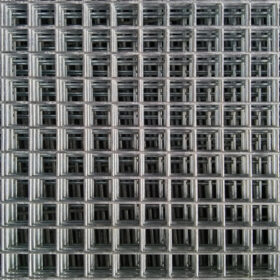


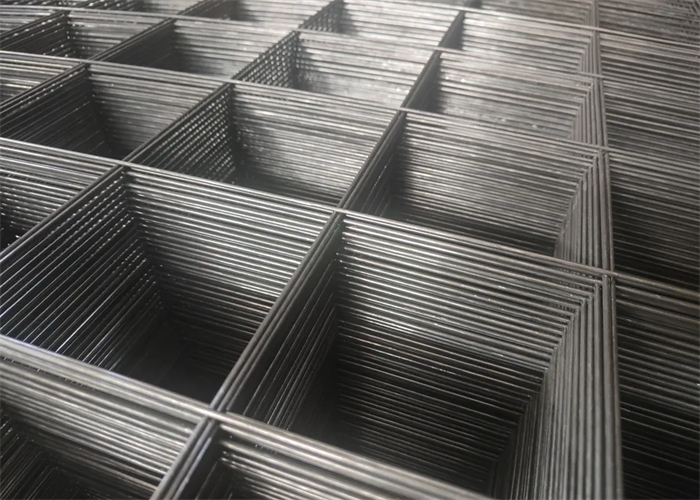
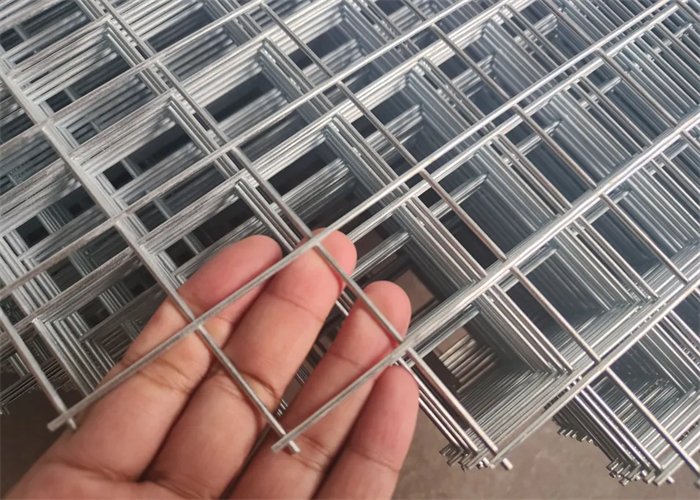
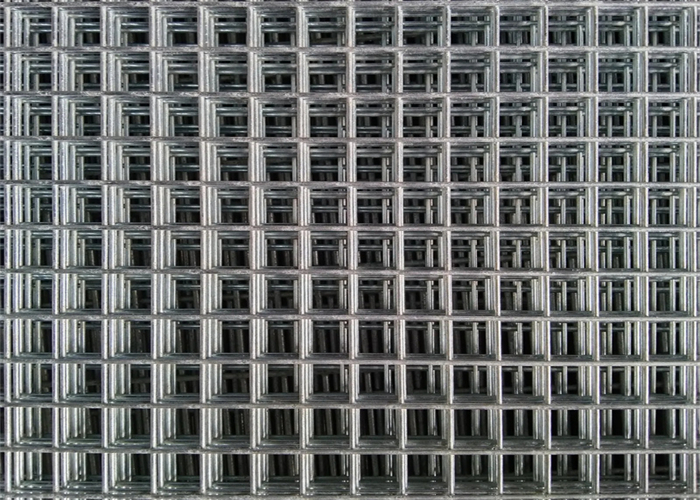
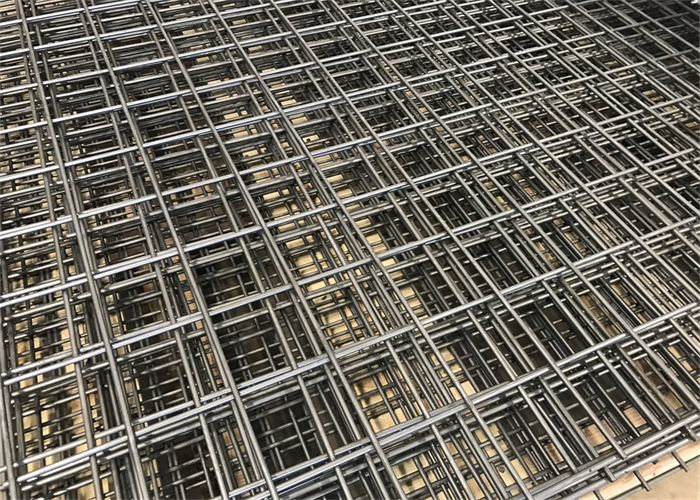
Welded wire mesh for bird aviary is a rigid mesh made by welding horizontal and vertical steel wires together at every intersection. It is widely used to build safe, durable and easy-to-clean aviaries for finches, parrots, softbills and other birds, both in private homes and in professional facilities such as zoos and breeding farms.
This article gives a complete overview of applications, benefits, typical specifications (with table), packing and standards for welded wire mesh for bird aviary.
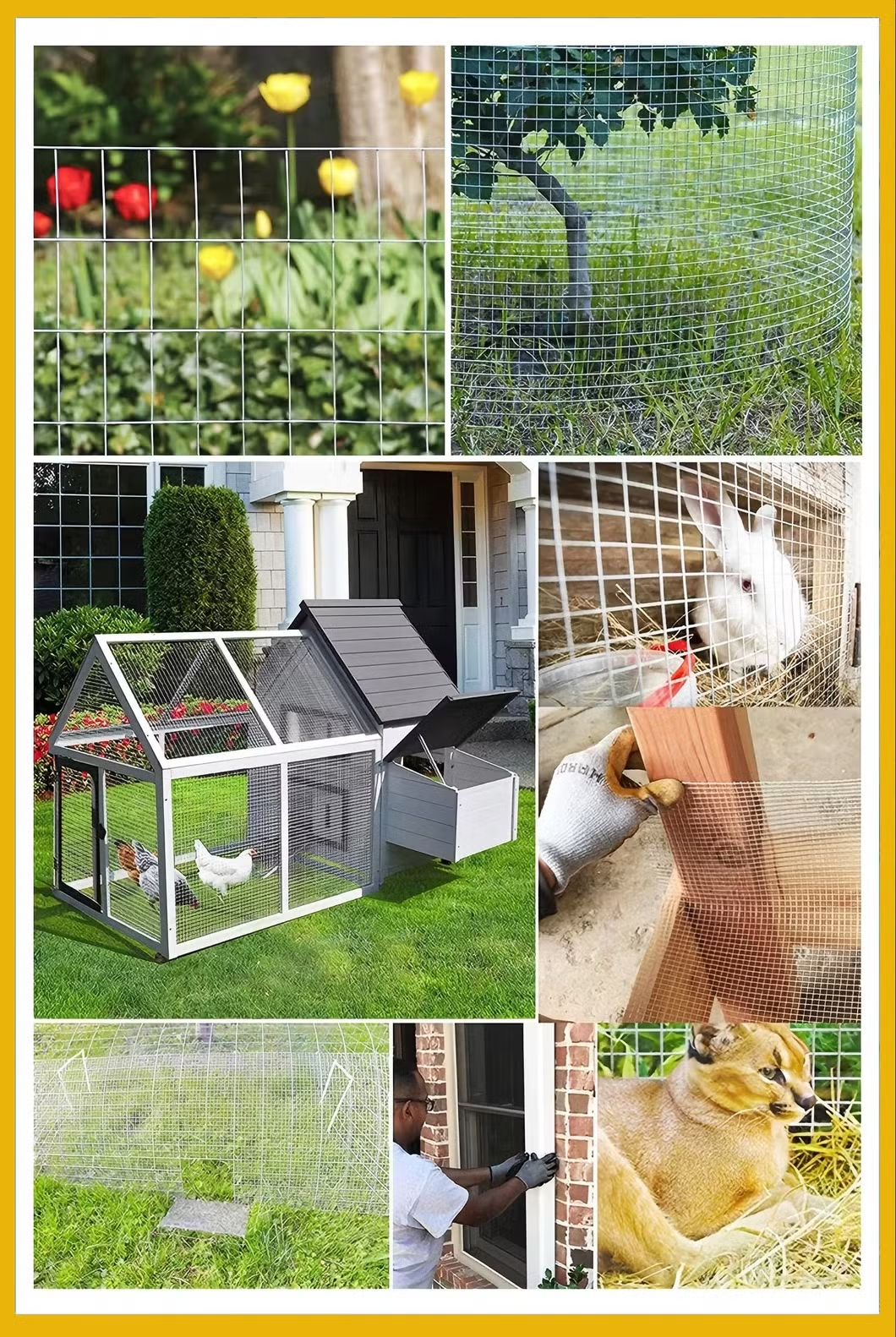
1. Applications of Welded Wire Mesh for Bird Aviary
1.1 Home & Backyard Aviaries
Walk-in aviaries for budgies, cockatiels, conures, lovebirds and other small to medium parrots.
Garden aviaries for finches, canaries and softbills.
Balcony or patio aviaries where space is limited but strong, secure housing is needed.
1.2 Professional Breeding & Hobby Setups
Breeder cages and suspended flights for parrots and small birds.
Flight aviaries for exercise and conditioning before sale or release.
Partition walls inside bird rooms and sheds.
1.3 Zoos, Bird Parks & Rescue Centres
Display aviaries for parrots, toucans, owls and mixed-species exhibits.
Holding, nursery and quarantine cages behind the scenes.
Safety barriers to separate birds from visitors and other animals.
1.4 Multi-Purpose Animal Enclosures
Chicken coops, pigeon lofts and quail pens that require finer mesh than standard farm fencing.
Small mammal and reptile cages where a 1/2″ or 1″ aperture is appropriate.
2. Benefits of Welded Wire Mesh for Bird Aviary
2.1 High Strength & Security
Welded intersections create a rigid panel that resists sagging and deformation.
Medium and heavy wire diameters withstand climbing, wing beating and chewing from parrots.
Correctly framed mesh provides a reliable barrier against escapes and predators.
2.2 Long-Term Corrosion Resistance
Galvanized mesh is protected by a zinc coating against rust and weather.
When galvanized after welding, the zinc layer covers the entire surface, including the welds.
Optional PVC coating forms a second protective shell and improves appearance.
Stainless steel mesh (304 or 316) offers maximum corrosion resistance and very long service life.
2.3 Bird Safety
Properly selected aperture prevents birds from squeezing through or getting heads, wings or feet stuck.
Smooth welded intersections reduce sharp points and edges.
Stainless steel is recommended for species that chew heavily on the mesh or for very sensitive birds.
2.4 Excellent Visibility & Ventilation
Square and rectangular apertures provide clear views into the aviary and good airflow.
Birds enjoy natural light and fresh air, while keepers can observe them easily.
2.5 Hygiene & Easy Cleaning
Metal surfaces are easy to wash and disinfect.
The mesh can be cleaned with a hose, brush or pressure washer without deforming.
Good hygiene helps control parasites, bacteria and viruses in high-density aviaries.
2.6 Flexible Design & Installation
Supplied in rolls and panels, welded mesh can be cut, bent and framed to suit almost any design.
Suitable for straight walls, sloping roofs, internal partitions and safety porches.
Can be combined with timber, steel or aluminium frames.
2.7 Cost-Effective Solution
Standard galvanized welded mesh rolls provide a durable aviary material at an economical price.
Different wire diameters and apertures allow you to balance cost and performance.
3. Specifications of Welded Wire Mesh for Bird Aviary
3.1 General Technical Data
Material options
Low-carbon steel wire, galvanized before or after welding
Stainless steel (usually grade 304L or 316)
Common wire diameters
0.8–1.0 mm for small finches and canaries
1.0–1.25 mm for general small-to-medium aviaries
1.25–1.6 mm for stronger parrots and higher security
Heavier wires available for large parrots or special applications
Typical apertures (opening size)
6.25–6.5 mm (about 1/4″) for very small birds or high predator risk
12–12.7 mm (about 1/2″) for finches, budgies and small parrots
12.5 × 25 mm (about 1/2″ × 1″) for many small and medium parrots
25 × 25 mm (1″ × 1″) for larger birds and mixed aviaries
Standard roll sizes
Heights: approx. 900 mm, 1200 mm, 1800 mm
Lengths: commonly 10 m, 20 m or 30 m per roll
3.2 Example Specification Table (Same Size Layout)
You can adjust the item numbers to match your product line. The table below uses a common structure: item number, wire diameter, aperture, height, length in metric and imperial units.
| Item No. | Wire Diameter (mm) | Aperture (mm) | Aperture (inch) | Height (mm) | Height (inch)* | Length (m) | Length (ft.) |
|---|---|---|---|---|---|---|---|
| BAW9012-08 | 0.80 | 12.5 × 12.5 | 1/2 × 1/2 | 900 | 36 | 30 | 98 |
| BAW1212-10 | 1.00 | 12.7 × 12.7 | 1/2 × 1/2 | 1200 | 48 | 30 | 98 |
| BAW1225-124 | 1.24 | 12.5 × 25 | 1/2 × 1 | 1200 | 48 | 30 | 98 |
| BAW1825-125 | 1.25 | 25 × 25 | 1 × 1 | 1800 | 71 (approx.) | 30 | 98 |
| BAW9025-16 | 1.60 | 13 × 25 | 1/2 × 1 | 900 | 36 | 30 | 98 |
*Heights in inches are rounded from metric values.



4. Packing of Welded Wire Mesh for Bird Aviary
4.1 Roll Packing
Rolls are tightly wound to keep their shape.
Each roll is wrapped in waterproof paper or plastic film to protect against moisture.
Rolls are strapped with steel or plastic bands to prevent loosening.
For larger orders, several rolls may be stacked on wooden pallets for easy loading and unloading.
4.2 Panel Packing
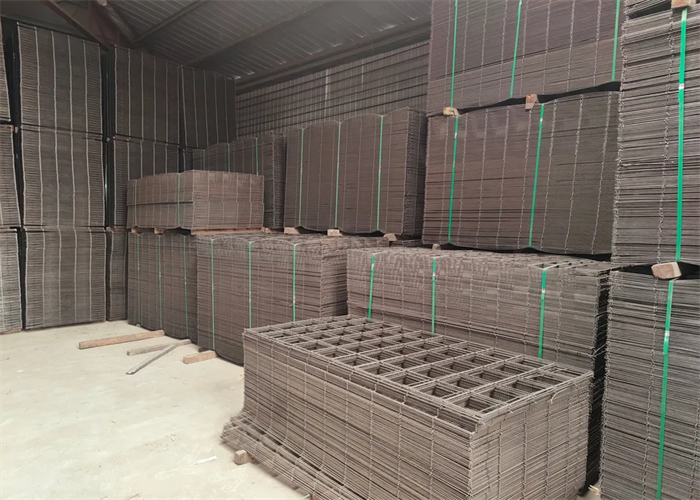
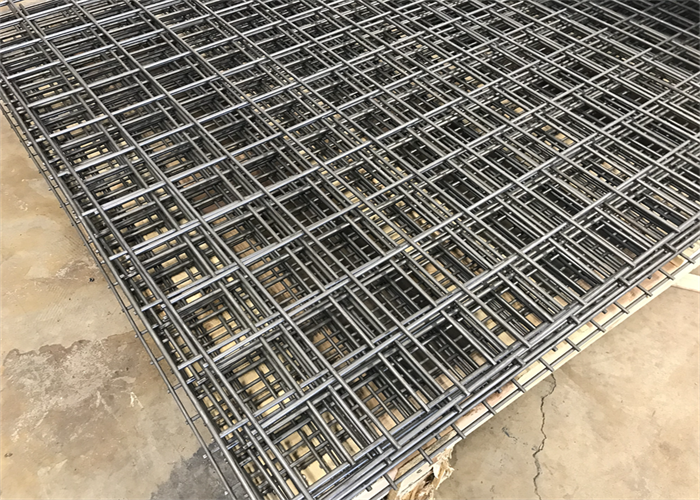
Flat welded panels are stacked on strong wooden pallets.
Edges are protected with cardboard or plastic corner guards.
The entire pallet is wrapped with stretch film and banded with steel or PET straps.
4.3 Labelling
Each roll or pallet is usually labelled with:
Product / item number
Wire diameter
Aperture size
Height × length (or panel size)
Material and surface finish (galvanized, PVC coated, stainless)
Batch number and net weight
Clear labelling makes it easy to identify the correct mesh during storage, transport and installation.
5. Standards and Quality Requirements
There is no single global standard only for “bird aviary mesh”, but welded wire mesh for bird aviaries is generally manufactured according to recognised steel and coating standards and strict internal quality controls.
5.1 Material & Coating
Low-carbon steel wire produced to appropriate mechanical standards for strength and ductility.
Galvanized coatings produced according to hot-dip galvanizing or zinc-coating specifications to ensure adequate coating thickness and adhesion.
Stainless steel mesh made from standard grades (such as 304 or 316) for corrosion resistance.
5.2 Mesh & Weld Quality
Regular checks of wire diameter and aperture size to maintain consistent openings.
Weld strength tests to ensure solid fusion at every wire intersection.
Coating thickness measurements for galvanized and PVC-coated products.
Visual inspection to remove any mesh with broken welds, sharp projections or visible defects.
5.3 Bird-Safety Best Practice
Aperture is chosen according to the smallest bird in the aviary to prevent escapes and entrapment.
Wire diameter is selected to match the chewing strength of the species (stronger parrots require heavier wire).
For high-value or sensitive birds, stainless steel welded mesh is often preferred to minimise corrosion and metal ingestion risks.