Your One-Stop Wire Mesh Fence Supplier | POLYMETAL
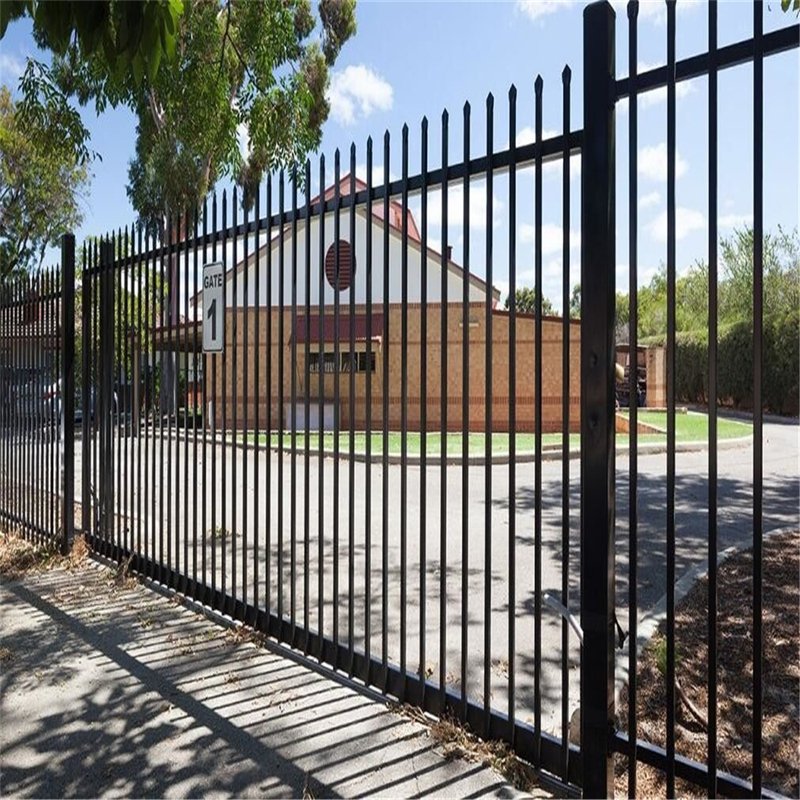
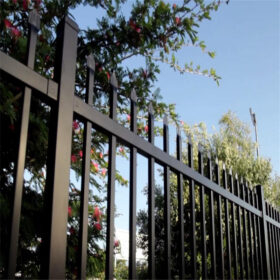
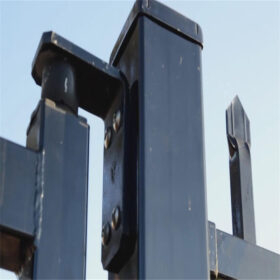
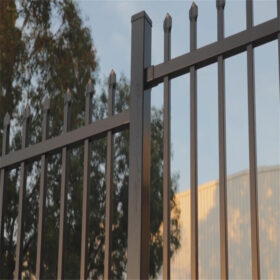
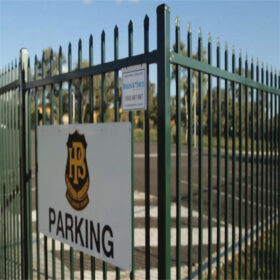
Most buyers search Wholesale Steel fence expecting a simple commodity: a panel, a post, a finish, and a unit price.
The costly reality is that Wholesale Steel fence behaves like a controlled structural system. Stiffness depends on rail frame size and rail thickness, straightness depends on weld discipline and tube quality, and long-run alignment depends on post section choice and consistent post height.
A single “silent downgrade” in wall thickness, upright count, or coating build can convert a clean architectural line into a wavy run that installers fight bay-by-bay.
POLYMETAL treats Wholesale Steel fence as a repeatable module built around measurable inputs.
When your purchase order locks the schedule—panel height, panel width, rail frame, upright size, upright thickness, spacing, post size, and finish control—you prevent hidden variation and you protect the final site appearance.
If your project needs higher-security climb deterrence, you can also reference our anti climb prison fence specification as a benchmark for tighter spacing discipline and stronger system control. This guide is written to expose the real procurement risks and the practical rules that stop losses before production starts.
What “Wholesale Steel fence” really means in practice
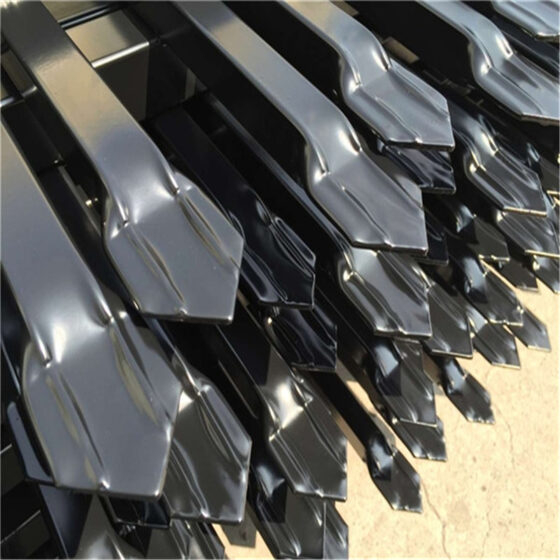
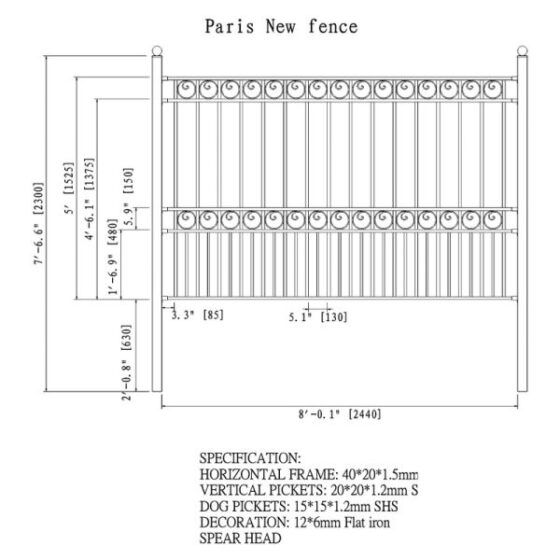
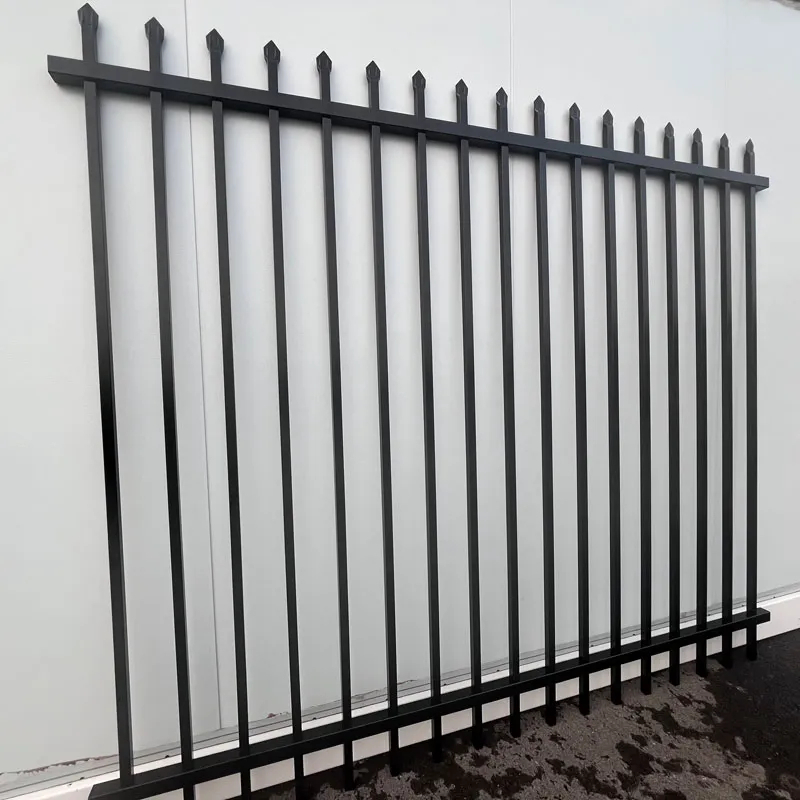
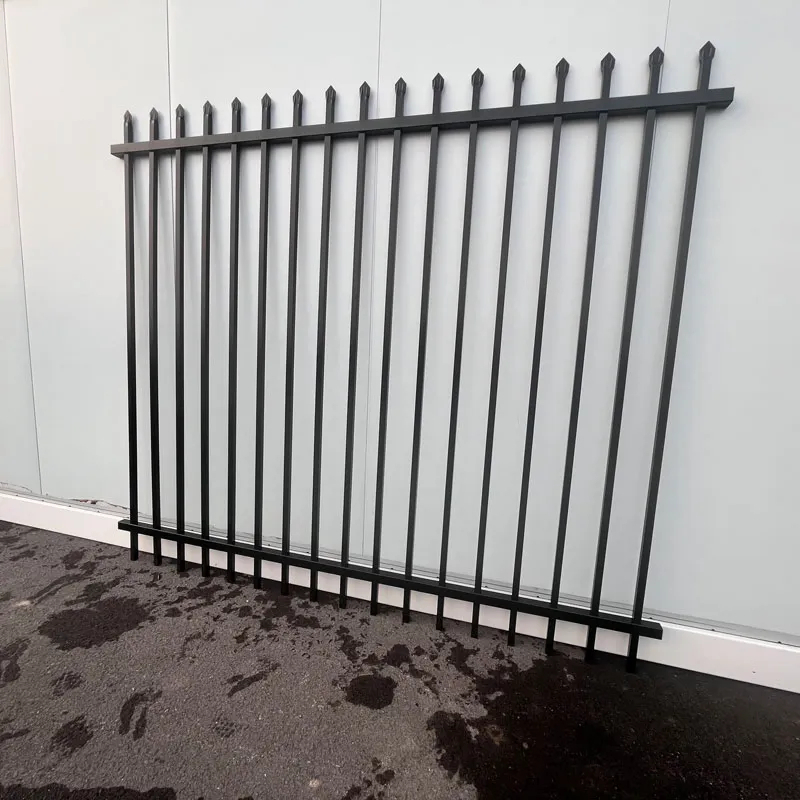
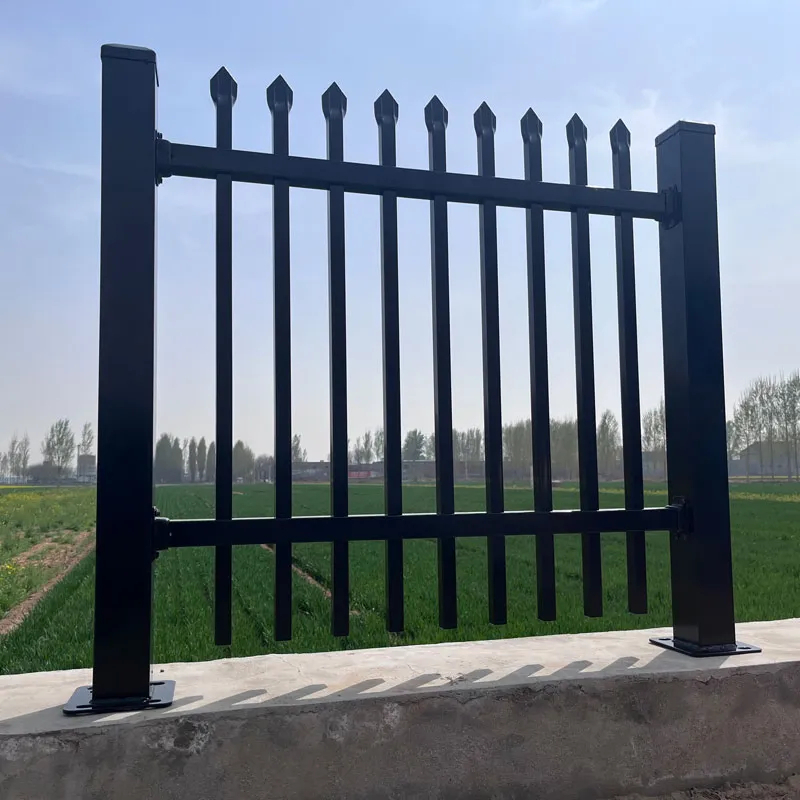
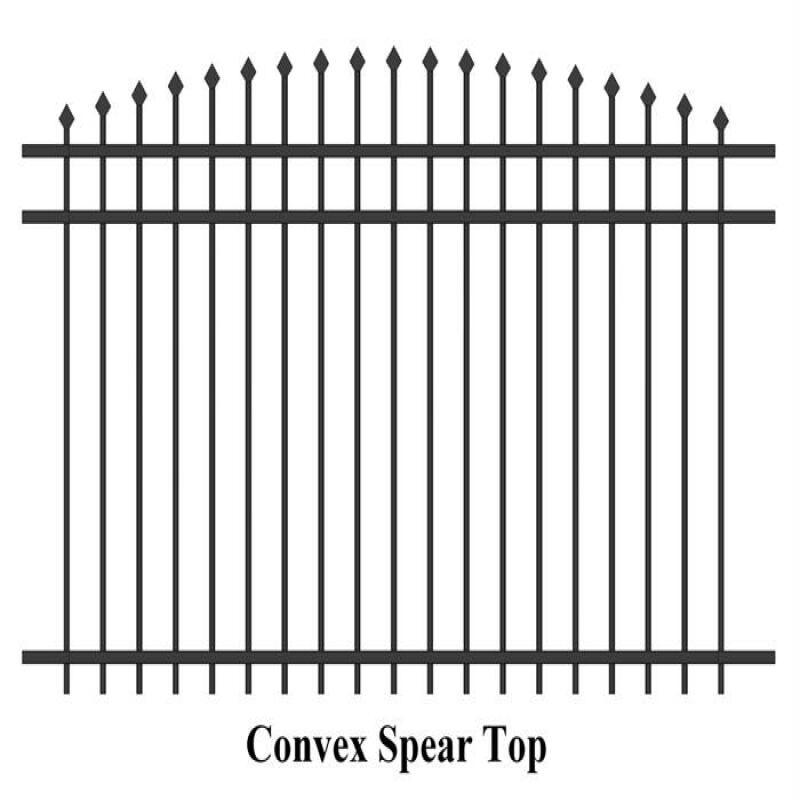
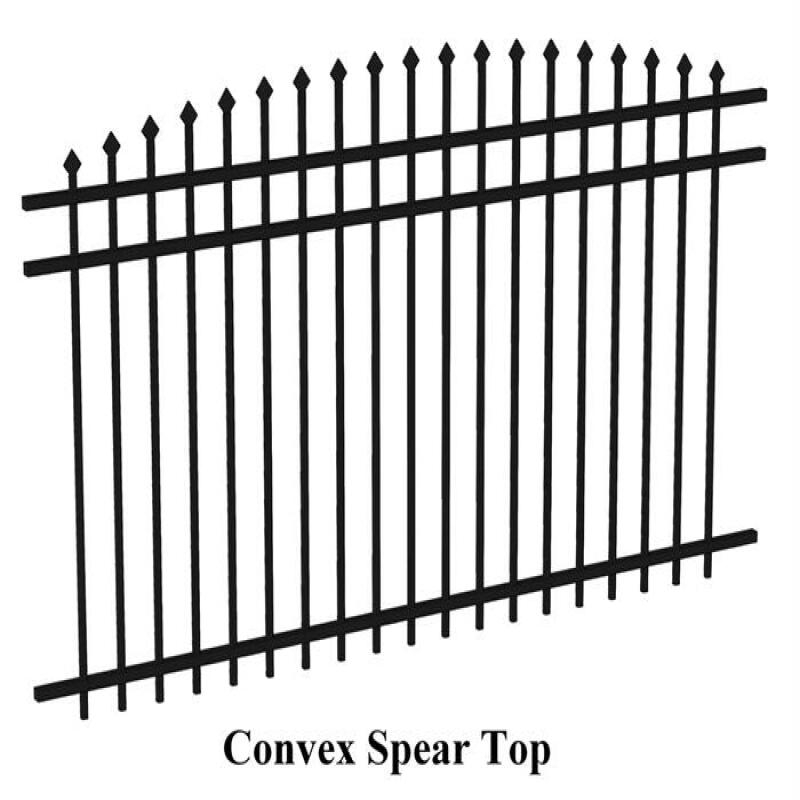
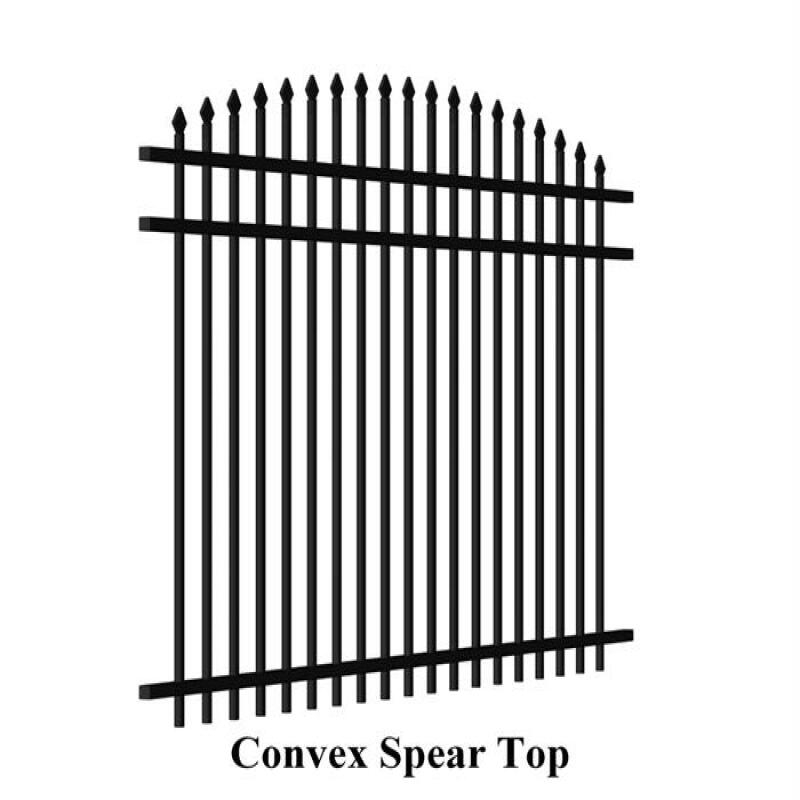
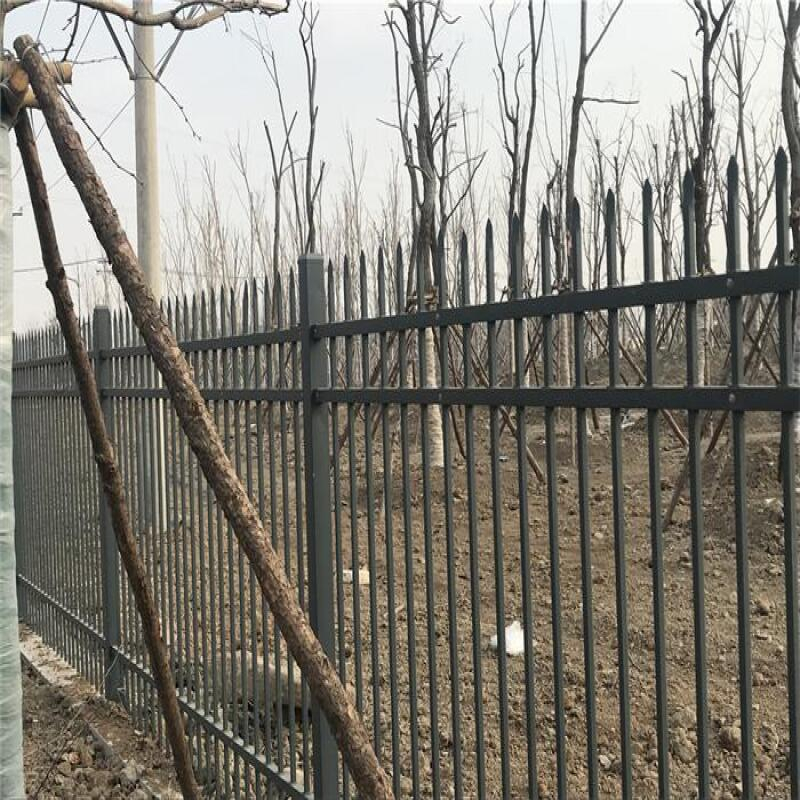
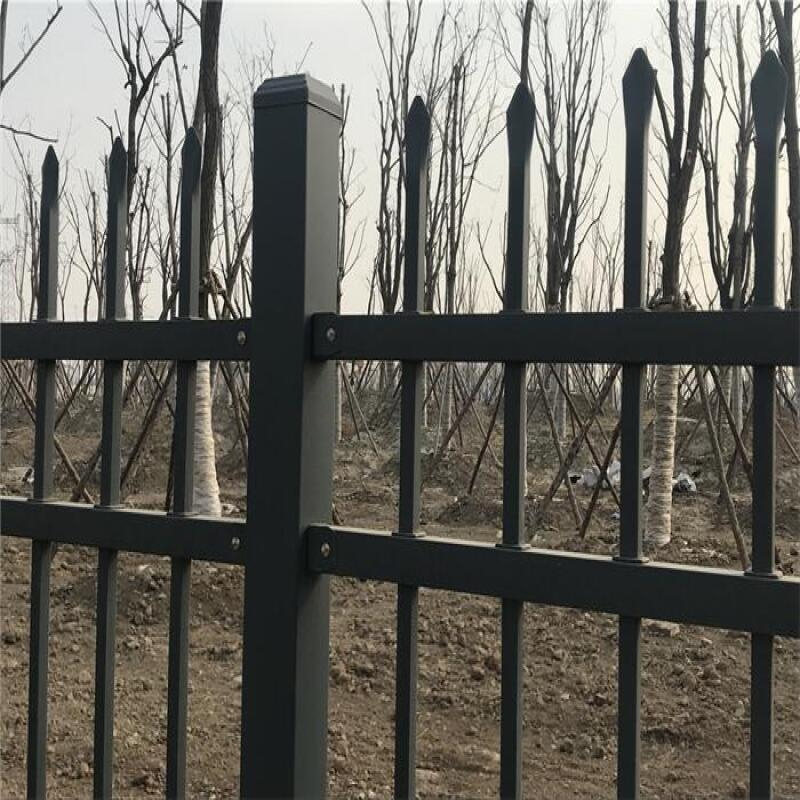
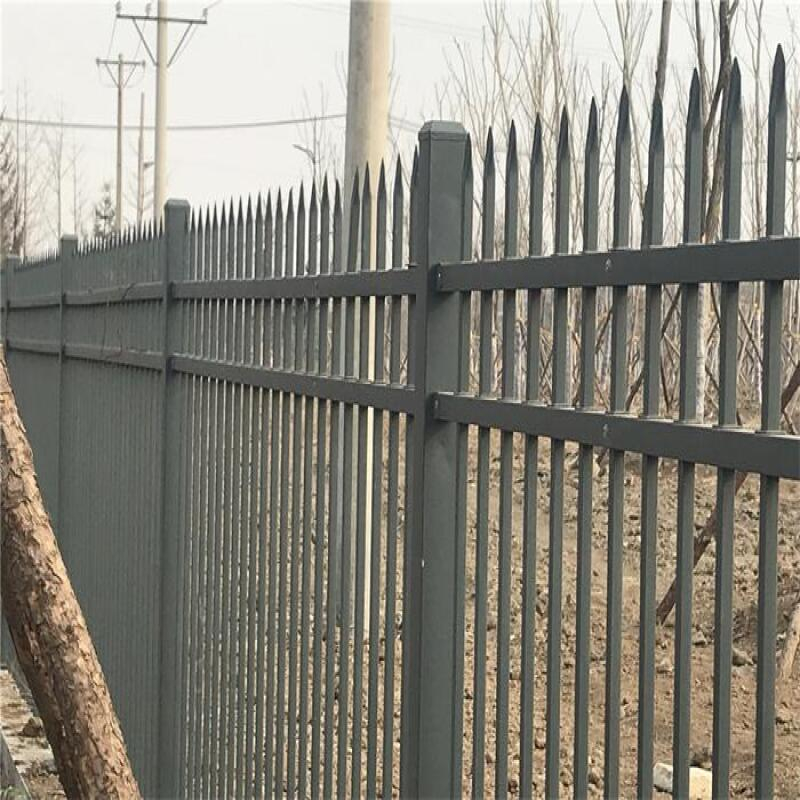
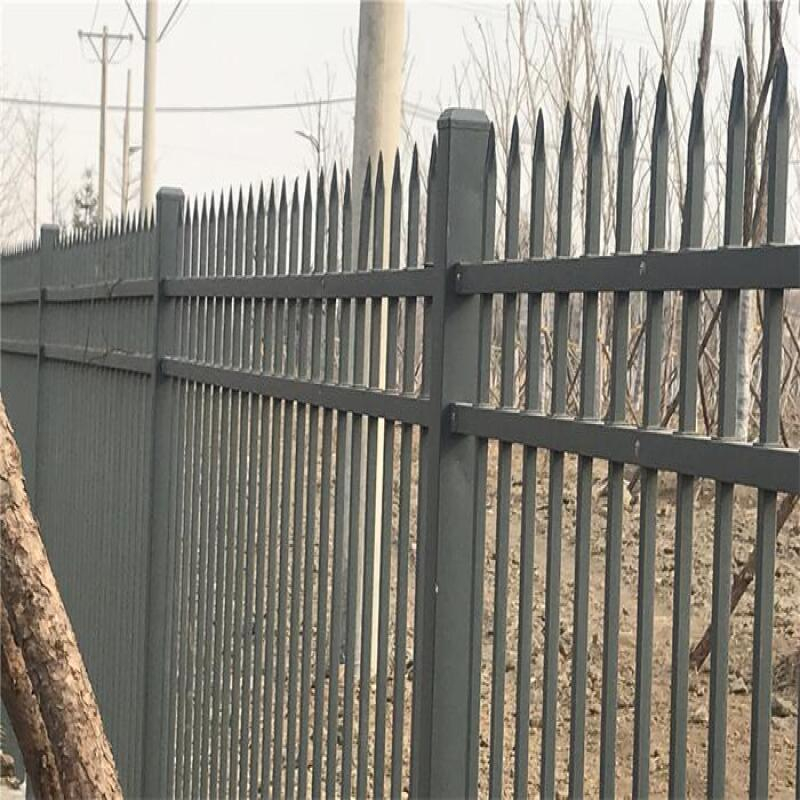
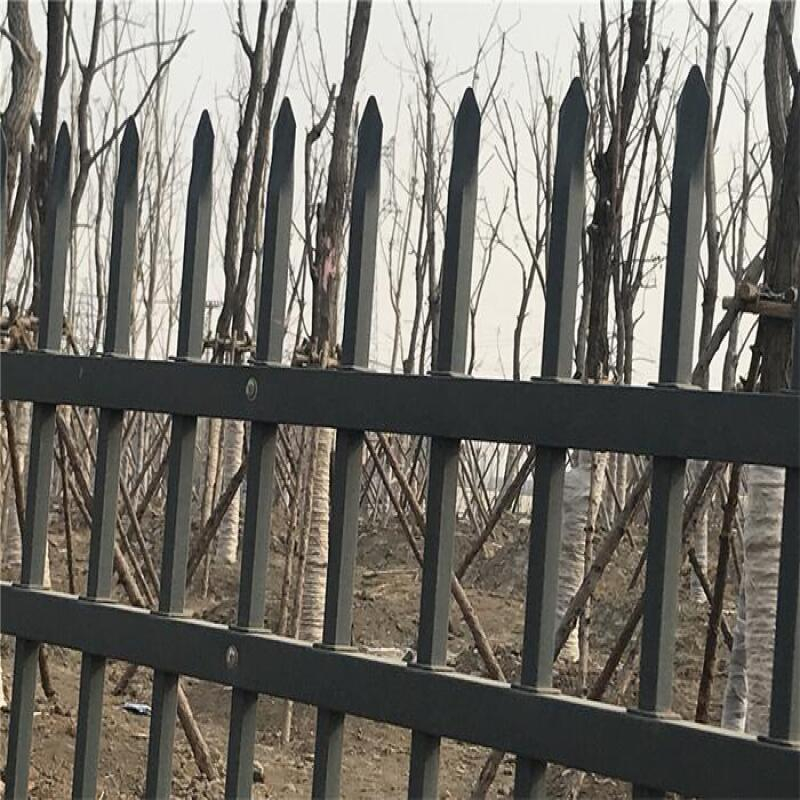
In the market, Wholesale Steel fence often refers to welded steel fence panels made from square-tube rails (top and bottom rails, sometimes side rails) and a set of vertical uprights (pickets).
The performance “feel” of Wholesale Steel fence is not controlled by the photo; it is controlled by the load path. Rails carry bending and distribute force into uprights;
uprights control infill straightness, anti-climb behavior, and visual line quality; posts control the final installed stability against push load and wind load. If any element is under-specified, you get movement, rattle, and drift, even if the fence looks fine in a warehouse.
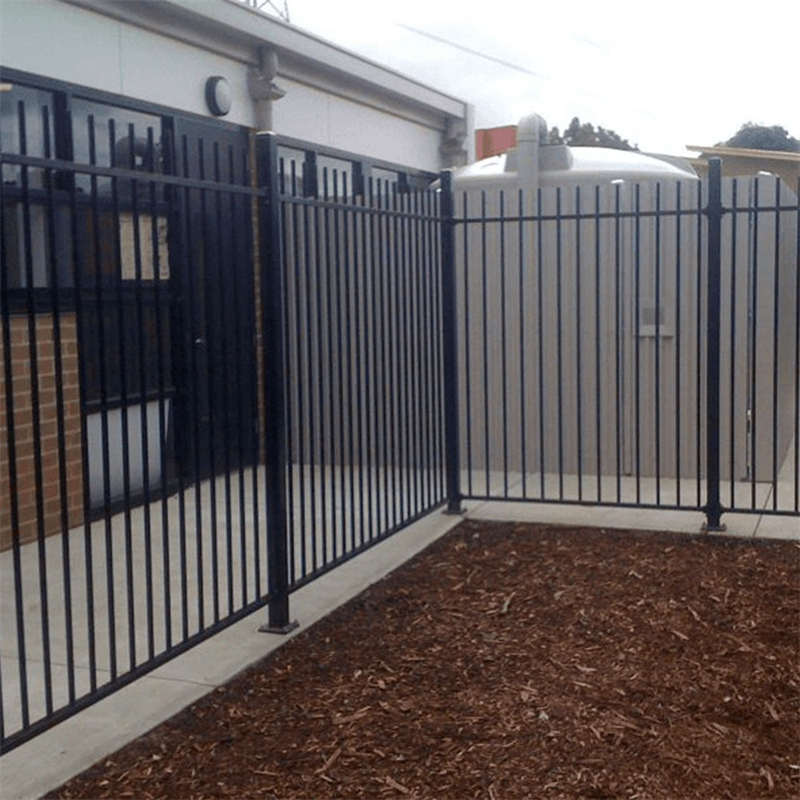
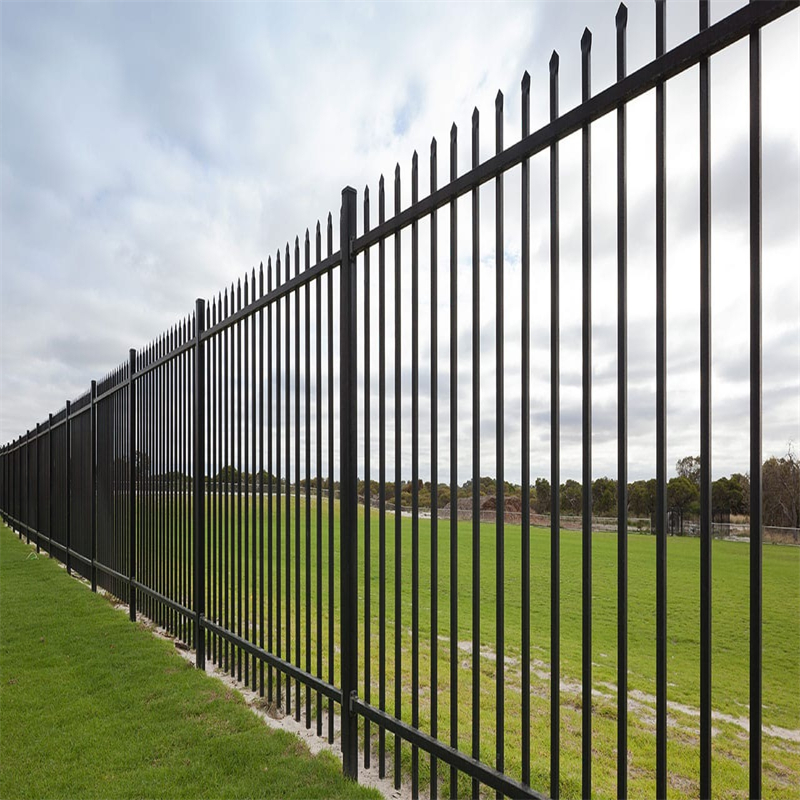
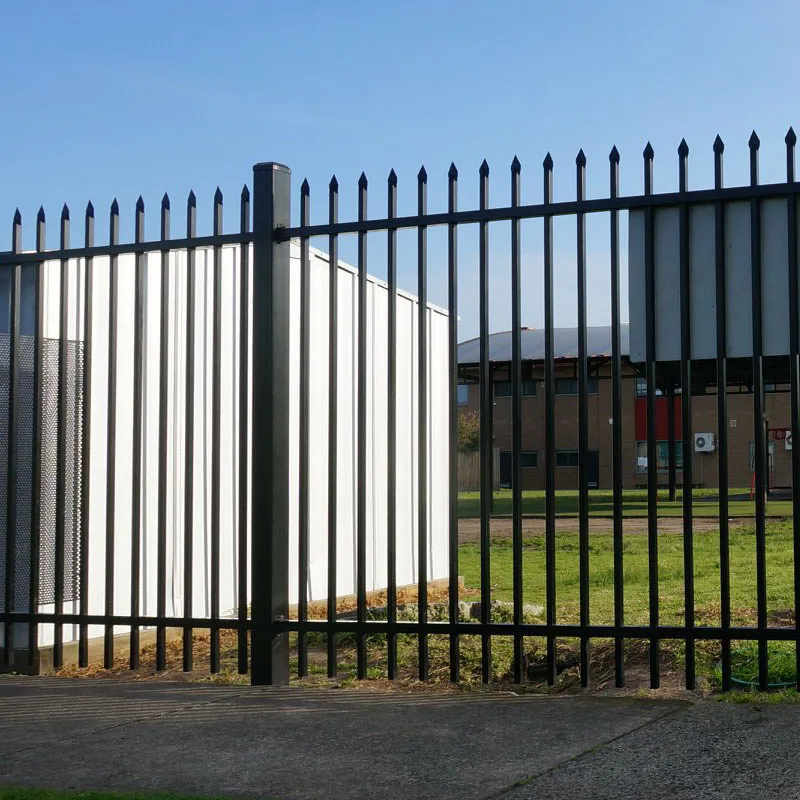
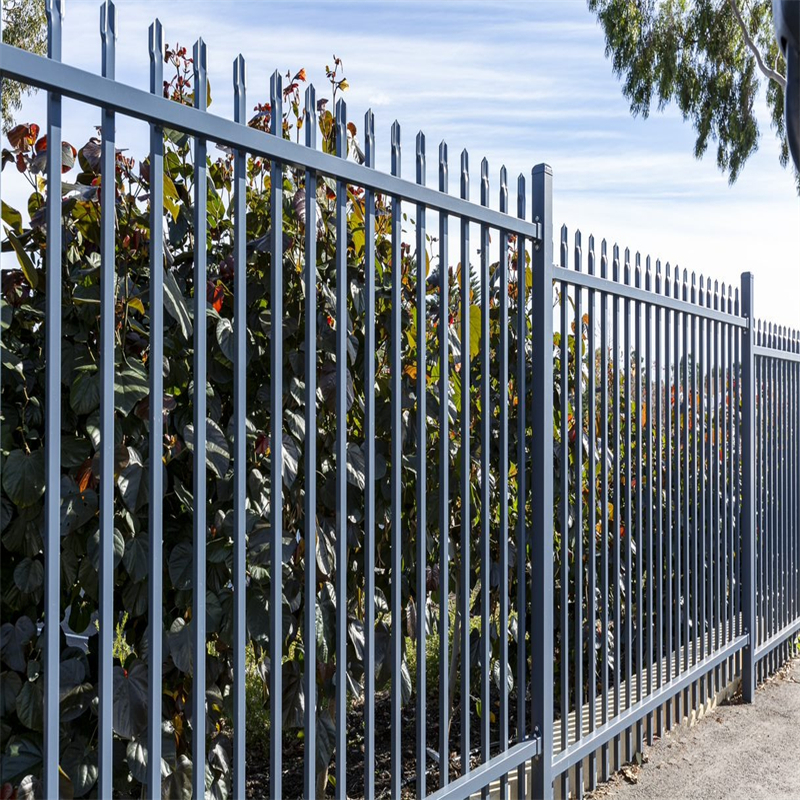
POLYMETAL Wholesale Steel fence product description
POLYMETAL Wholesale Steel fence panels are welded steel fence modules built from square rail frames and steel uprights, supplied with matching post options for fast perimeter construction.
The system is selected when a project needs a clean architectural boundary with consistent straightness across long runs, predictable rigidity during handling and installation, and a durable finish that stays presentable after transport shock and site work.
Panel stiffness is primarily controlled by rail frame size and rail thickness, while the clean “picket line” and anti-climb feel are controlled by upright size, upright thickness, upright count, and spacing discipline.
For a practical reference of a common Australian schedule, you can also see garrison fencing panels 2.1m × 2.4m with 40×40 rails, then align your Wholesale Steel fence purchase order to the same measurable controls. Post selection is matched to panel height and exposure so the installed fence resists lean, rotation, and bay-to-bay drift.
Wholesale Steel fence specifications (POLYMETAL typical schedule)
| Fence Panel Height (mm) | Fence Panel Width (mm) | Rail Frame Options (mm) | Rails Thickness Options (mm) | Upright Options (mm) | Upright Thickness Options (mm) | Upright Spacing Options (mm) | Upright Number Options (pcs) | Fence Post Height (mm) | Post Size Options (mm) | Post Wall Thickness Options (mm) |
|---|---|---|---|---|---|---|---|---|---|---|
| 1200 | 2400 / 2450 | 40×40 / 45×45 / 50×50 | 1.60 / 2.00 / 2.50 / 3.00 | 16×16 / 25×25 / 30×30 | 0.80 / 1.00 / 1.20 / 2.00 | 100 (18 pcs) / 108 (17 pcs) / 115 (16 pcs) | 16 (115mm) / 17 (108mm) / 18 (100mm) | 1800 | 60×60 / 65×65 / 75×75 / 80×80 / 100×100 | 1.60 / 2.00 / 2.50 |
| 1500 | 2400 / 2450 | 40×40 / 45×45 / 50×50 | 1.60 / 2.00 / 2.50 / 3.00 | 16×16 / 25×25 / 30×30 | 0.80 / 1.00 / 1.20 / 2.00 | 100 (18 pcs) / 108 (17 pcs) / 115 (16 pcs) | 16 (115mm) / 17 (108mm) / 18 (100mm) | 2100 | 60×60 / 65×65 / 75×75 / 80×80 / 100×100 | 1.60 / 2.00 / 2.50 |
| 1800 | 2400 / 2450 | 40×40 / 45×45 / 50×50 | 1.60 / 2.00 / 2.50 / 3.00 | 16×16 / 25×25 / 30×30 | 0.80 / 1.00 / 1.20 / 2.00 | 100 (18 pcs) / 108 (17 pcs) / 115 (16 pcs) | 16 (115mm) / 17 (108mm) / 18 (100mm) | 2400 | 60×60 / 65×65 / 75×75 / 80×80 / 100×100 | 1.60 / 2.00 / 2.50 |
| 2100 | 2400 / 2450 | 40×40 / 45×45 / 50×50 | 1.60 / 2.00 / 2.50 / 3.00 | 16×16 / 25×25 / 30×30 | 0.80 / 1.00 / 1.20 / 2.00 | 100 (18 pcs) / 108 (17 pcs) / 115 (16 pcs) | 16 (115mm) / 17 (108mm) / 18 (100mm) | 2700 | 60×60 / 65×65 / 75×75 / 80×80 / 100×100 | 1.60 / 2.00 / 2.50 |
| 2400 | 2400 / 2450 | 40×40 / 45×45 / 50×50 | 1.60 / 2.00 / 2.50 / 3.00 | 16×16 / 25×25 / 30×30 | 0.80 / 1.00 / 1.20 / 2.00 | 100 (18 pcs) / 108 (17 pcs) / 115 (16 pcs) | 16 (115mm) / 17 (108mm) / 18 (100mm) | 3000 | 60×60 / 65×65 / 75×75 / 80×80 / 100×100 | 1.60 / 2.00 / 2.50 |
Materials and finish options for Wholesale Steel fence (what actually controls service life)
Many Wholesale Steel fence problems are not “bad luck”; they are predictable outcomes of weak specification. Steel tube consistency controls straightness and welding stability. Rail thickness controls stiffness. Upright thickness controls dent resistance and line quality after handling. Finish control protects weld seams and cut points where corrosion begins first. If the quote only says “galvanized” or “powder coated” without measurable coating expectations, you are buying a photo, not a controlled product.
POLYMETAL Wholesale Steel fence is commonly supplied as hot dip galvanized, or galvanized plus powder coating for higher appearance expectations. The correct option depends on exposure severity, handling intensity, and how much long-term presentation matters on the site. The key rule is simple: the finish must be controlled at the interfaces—welds, edges, drain holes, and fixing points—because that is where early rust signals appear.
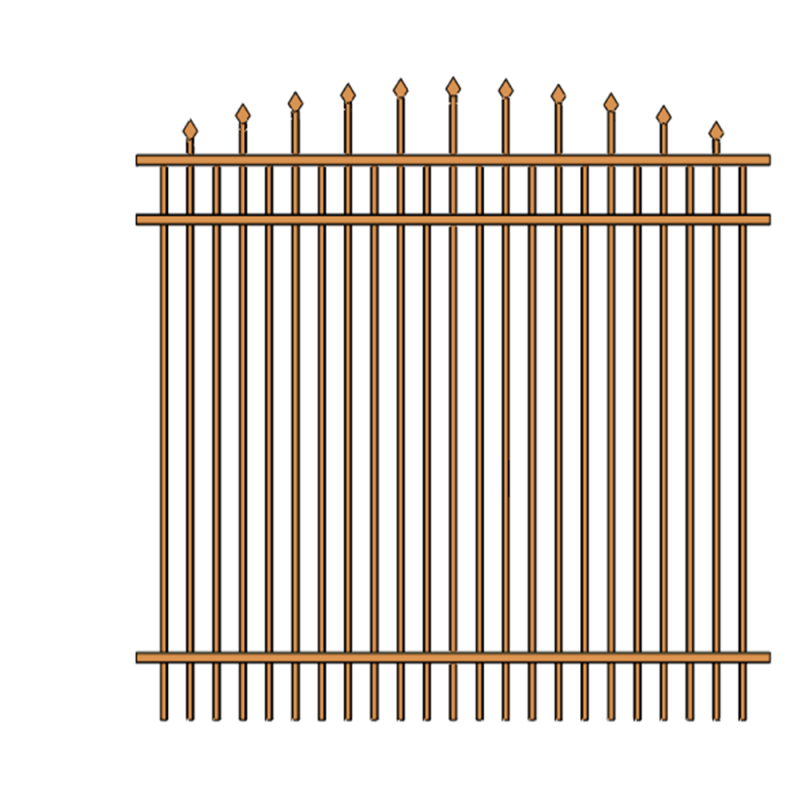
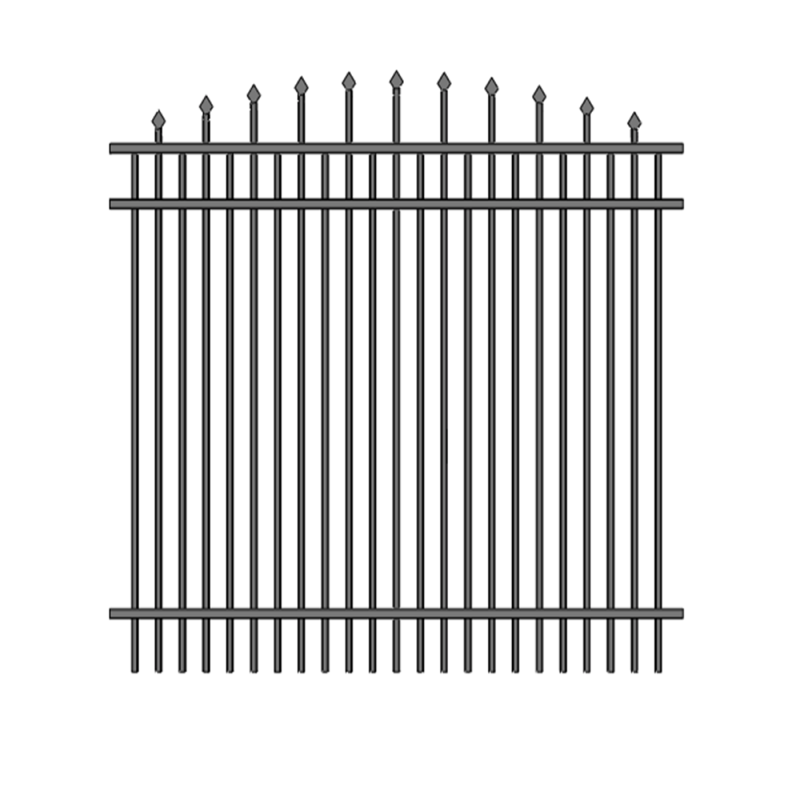
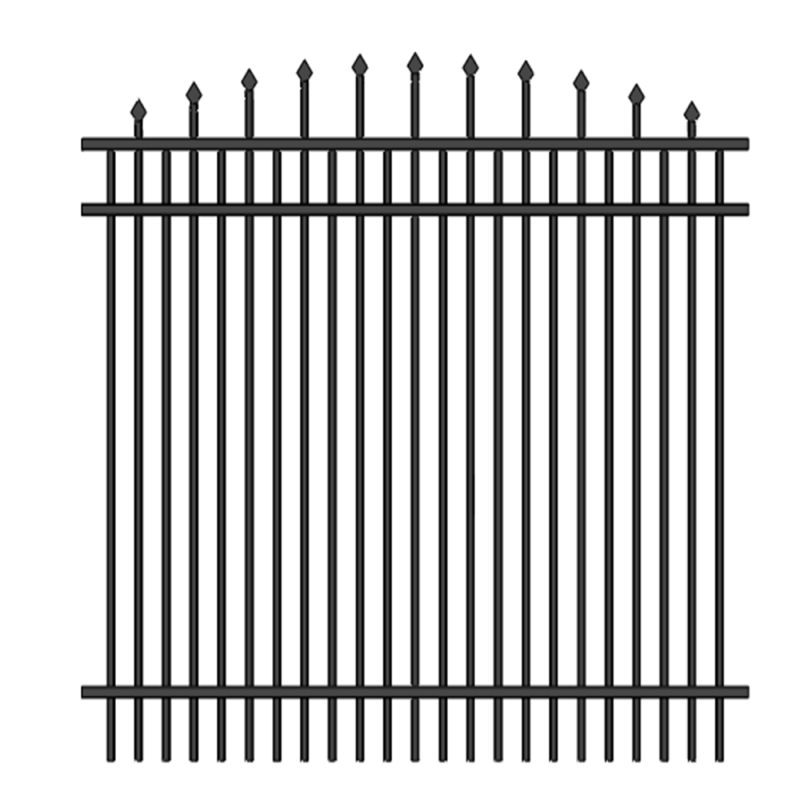
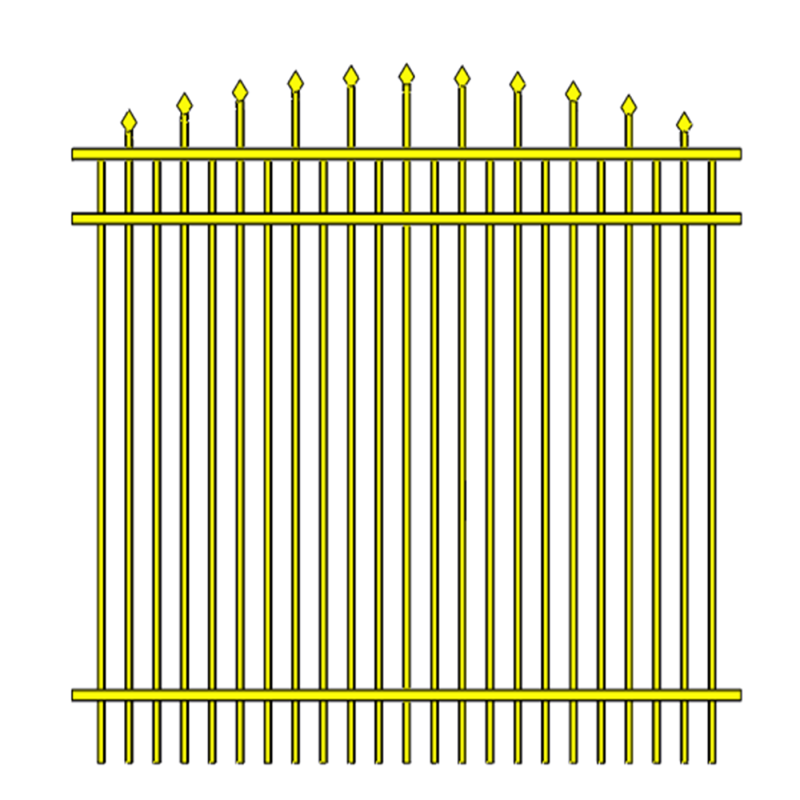
Top 17 brutal procurement traps for Wholesale Steel fence (Especially #11)
Trap #1: Treating Wholesale Steel fence as a keyword instead of a schedule
If your order does not lock fence panel height, fence panel width, rail frame, upright size, spacing, and post size, the supplier can legally “fill the gap” with whatever is easiest to source. That is how one container arrives stiff and clean while the next container arrives soft and wavy. A Wholesale Steel fence line is only as straight as the dimensional discipline across the entire batch.
Trap #2: Choosing rail frame size by habit instead of load path
A 40×40 rail can be suitable in many environments, but taller Wholesale Steel fence panels often need 45×45 or 50×50 to keep the panel from breathing during handling and installation. When the rail frame is under-sized for the height, installers feel movement at every lift point, and long runs show drift.
Trap #3: Ignoring rails thickness until panels start twisting
Rails thickness is a hidden lever. A Wholesale Steel fence with thin rails may pass visual inspection on the pallet, yet twist under transport vibration and handling shock. Once rails twist, the upright line becomes visually uneven, and you pay the cost in rework time and constant site adjustment.
Trap #4: Allowing upright count changes that silently change spacing
Wholesale Steel fence aesthetics and anti-climb feel are controlled by upright spacing discipline. If a supplier changes upright number, spacing shifts and the fence line looks inconsistent. This is a common oversight because many quotes list a spacing target but do not lock upright count as a hard input.
Trap #5: Using an upright size that looks right but dents easily
Upright size is not just decoration; it controls impact resistance and long-term line quality. If the upright is too light for the handling environment, you get dents, waves, and bent pickets. In Wholesale Steel fence projects, those dents become a public-facing flaw and a warranty headache.
Trap #6: Buying upright thickness by “lowest price” instead of by site risk
Upright thickness is where suppliers hide cost. A small downgrade can look identical in photos but behave differently in reality. Wholesale Steel fence panels are moved, stacked, and installed under pressure; thin uprights amplify damage, and you see the loss in replacements and site disputes.
Trap #7: Not controlling welding heat and weld consistency
Weld discipline is the invisible backbone of Wholesale Steel fence. Over-heated welds can warp rails and create long-run waviness. Under-welded joints can crack or loosen under stress. Without a controlled welding process, your “same spec” fence behaves differently from batch to batch.
Trap #8: Skipping straightness control on tubes and frames
Tube straightness variation becomes a visual defect after installation. Wholesale Steel fence is judged by the eye: top lines, picket lines, and bay alignment. If you do not lock straightness expectation, you will receive panels that require constant correction, which is pure waste.
Trap #9: Treating “galvanized” as a finish, not a system
Galvanizing quality varies widely. If zinc build is thin or coverage at welds and cut points is weak, corrosion starts early. Wholesale Steel fence often fails first where the buyer never looks during quoting: weld seams, drain points, and fixing interfaces.
Trap #10: Not controlling powder coating preparation and cure
Powder coating failure is rarely random. It typically follows poor pretreatment, contaminated surfaces, or unstable cure control. When powder chips at welds or edges, the fence looks damaged quickly, and the buyer absorbs the cost in touch-up labor and complaints.
Trap #11 (Especially dangerous): Choosing posts by “section size” only, ignoring wall thickness and stability
This is the brutal trap that turns Wholesale Steel fence into a crisis. Buyers often select a post size like 60×60 or 75×75 and assume stability is solved. But post behavior depends heavily on wall thickness and the post’s resistance to rotation under load. A large-looking post with thin wall can still lean and twist, creating post drift that ruins the entire line.
When posts drift, every panel becomes a problem: gaps open, rails misalign, and the fence looks like it was installed carelessly even when the crew did everything right. This is why POLYMETAL treats post selection as a controlled schedule tied to panel height, exposure, and expected push loads, not as a decoration item on a quote.
Trap #12: Mixing post sizes in one project without controlling centers and fixings
Some buyers mix posts to save money, then discover fixing holes, bracket geometry, and centers do not align consistently. Wholesale Steel fence becomes an on-site improvisation job. The cost is slow installation, wrong hardware, and visible misalignment.
Trap #13: Ignoring transport and stacking protection, then blaming “shipping damage”
Wholesale Steel fence is heavy and repetitive. If panels are stacked without controlled separators, corner protection, and banding discipline, the finish will rub and dent. Those marks become a defect argument after arrival. Proper packing is not optional; it is a controlled part of product quality.
Trap #14: Accepting “tolerance” without defining what tolerance means
Many disputes happen because tolerance is not defined. If the supplier can interpret tolerance loosely, your Wholesale Steel fence arrives with width variation, height variation, and hole position drift. The result is installation pain and visible line gaps.
Trap #15: Not locking inspection checkpoints before mass production
Sampling is not enough. A single sample can be perfect while mass production drifts. Wholesale Steel fence needs checkpoint inspection for tube thickness, upright count, spacing, weld consistency, and finish build. Without checkpoints, you discover defects only after the container lands.
Trap #16: Forgetting hardware compatibility and site installation reality
Wholesale Steel fence is installed with posts, fixings, and site tools. If the fixing method is not aligned with post section and panel geometry, installers must modify parts or drill new holes. That becomes a hidden cost and a long-term weakness point in the system.
Trap #17: Buying the lowest quote without locking a controlled spec sheet
The final trap is the most common: comparing Wholesale Steel fence suppliers by unit price only. Price without a controlled schedule is an illusion. You do not save money if your fence arrives soft, chipped, or drifting. You simply shift cost into rework, replacement, and reputation damage.
Applications of Wholesale Steel fence
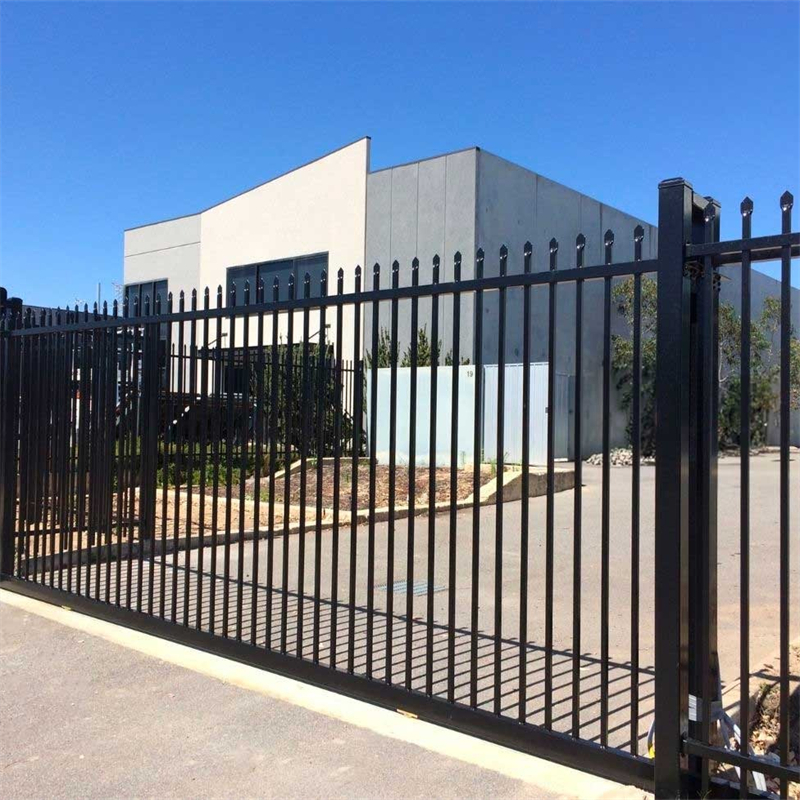
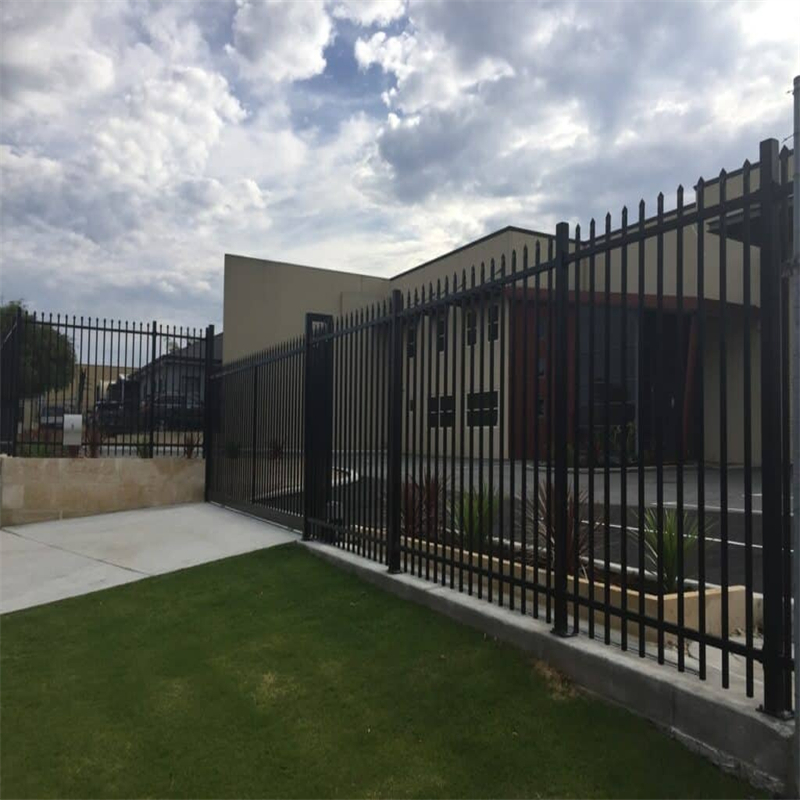
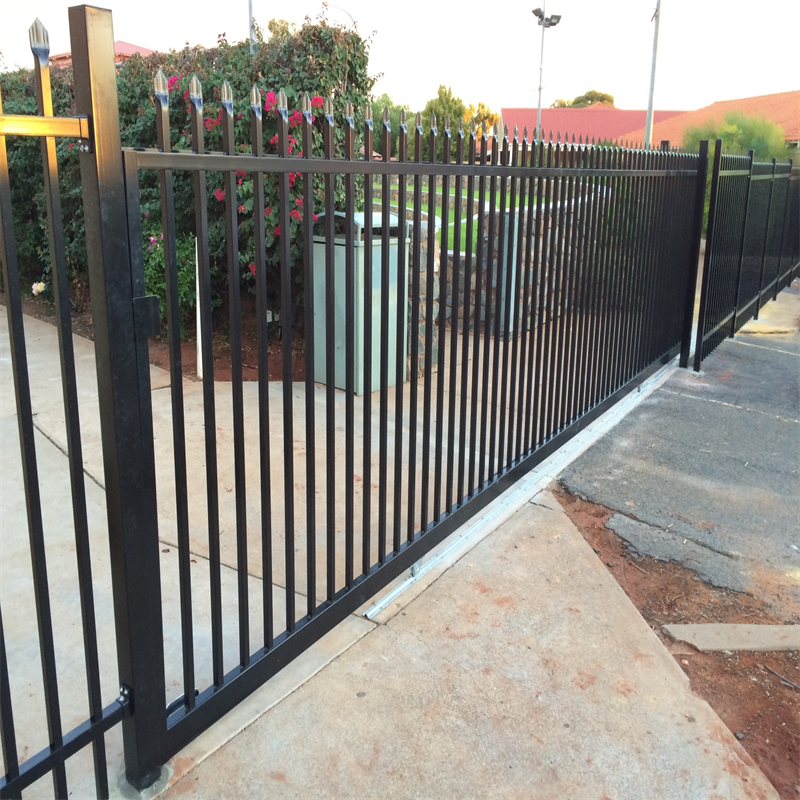
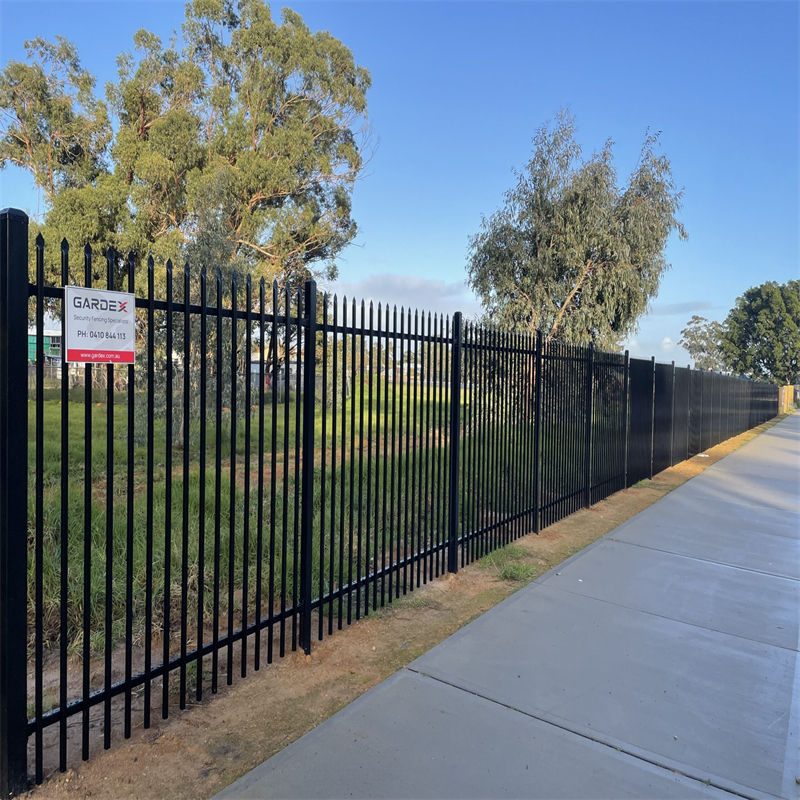
Wholesale Steel fence is widely used for residential estates, schools and public facilities, commercial boundaries, light industrial frontage, warehouses, logistics yards, car parks, parks and recreation perimeters, infrastructure corridors, temporary project boundaries upgraded into permanent lines, and any site that needs a clean architectural look with repeatable installation. POLYMETAL Wholesale Steel fence is commonly chosen where visual straightness, rigidity, and finish presentation matter as much as basic boundary control.
Benefits of POLYMETAL Wholesale Steel fence
The main benefit of POLYMETAL Wholesale Steel fence is controlled consistency across the shipment, so every bay aligns without constant correction. Another advantage is predictable rigidity from rail frame and rail thickness choices, which reduces wobble and installer fatigue. A further gain is better finish performance when coating is controlled at weld seams and edges, so the fence stays presentable longer. The practical payoff is faster installation, lower rework risk, fewer defect disputes, and a more professional final appearance that protects project reputation.
Packing and loading for Wholesale Steel fence (how to prevent damage and waste)
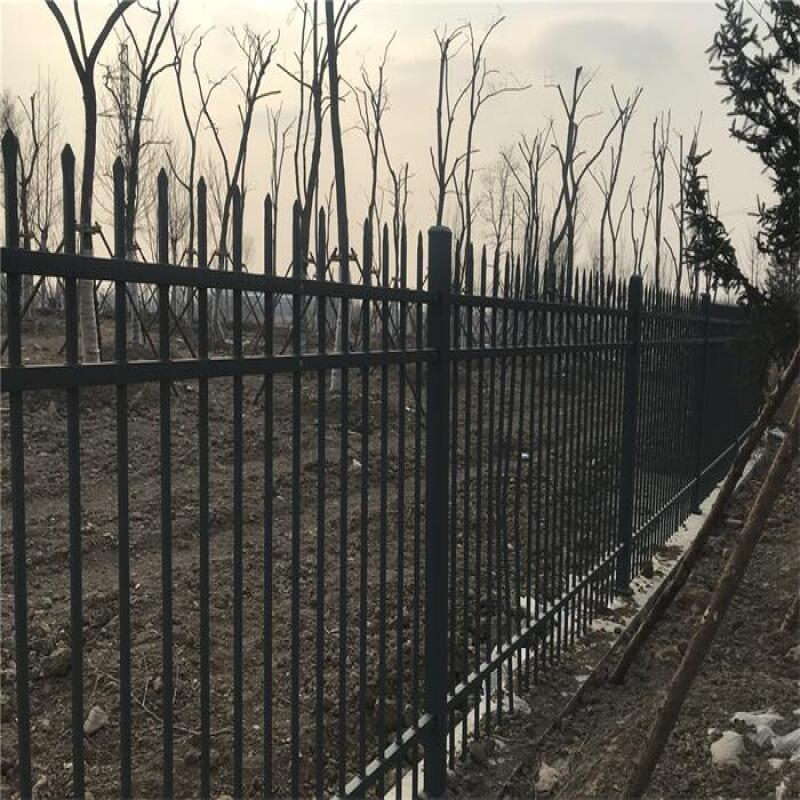
Wholesale Steel fence is most often packed to prevent rubbing, stacking dents, and coating scratches. Panels are typically stacked with protective separators, corner guards, and controlled banding tension to avoid pressure marks. Posts are bundled separately to reduce impact damage and to keep the container loading stable. Fixings and small parts are packed in labeled cartons so site crews do not lose hardware during unloading. POLYMETAL packing focuses on keeping weld points and coated surfaces protected, because those are the first places where damage signals appear.
For container loading, consistent stacking geometry improves space efficiency and reduces movement during transit. A controlled loading plan also prevents panels from “walking” and rubbing, which is a common cause of finish flaws on arrival in Wholesale Steel fence imports.
Standards and quality controls for Wholesale Steel fence
Wholesale Steel fence projects often reference recognized coating and fabrication standards to lock performance expectations. Common references include hot dip galvanizing standards (such as ISO 1461 or ASTM A123 for fabricated articles) and coating system practices aligned with corrosion protection principles (often guided by ISO 12944 exposure thinking). The most important practical control is not the label; it is the measurable build: consistent tube thickness, controlled upright count and spacing, stable welding, and finish coverage at welds and cut points. POLYMETAL supports production control with documented checks that keep the delivered batch consistent with the approved schedule.

Wholesale Steel fence FAQs
Q1: What is the fastest way to stop quality downgrade in Wholesale Steel fence?
A: Lock the schedule in writing: panel height, panel width, rail frame, rail thickness, upright size, upright thickness, upright count, spacing, post size, post wall thickness, and finish system. A controlled schedule eliminates loopholes.
Q2: Which rail frame is “best” for Wholesale Steel fence?
A: The best rail frame is the one that matches height and load risk. Taller panels and higher push-load areas typically benefit from stronger frames like 45×45 or 50×50, because stiffness improves and line drift reduces.
Q3: Why do two Wholesale Steel fence batches look different even with the same photo?
A: Because photos do not show thickness, weld discipline, straightness control, or coating build. Small variation in these inputs changes real behavior and final appearance.
Q4: What causes early rust signals on Wholesale Steel fence?
A: Early rust typically starts at weld seams, cut edges, drain points, and fixing interfaces when finish coverage is weak or surface prep is inconsistent. Controlling these points is more important than marketing labels.
Q5: What is the #1 installation pain point in Wholesale Steel fence imports?
A: Post drift and alignment inconsistency. When posts rotate or lean, every panel becomes harder to align. This is why post wall thickness and stability control matter as much as post size.
Q6: Can I reduce cost without creating a failure risk?
A: Yes, by optimizing the schedule rather than guessing. For example, keep upright spacing consistent, choose a rail thickness that matches height, and select a post section that prevents drift. Controlled optimization saves money; uncontrolled downgrade creates waste.
Q7: What should I send to POLYMETAL for a fast Wholesale Steel fence quote?
A: Send panel height, panel width (2400 or 2450), rail frame choice, rail thickness target, upright size and thickness, upright count/spacing preference, post size and wall thickness preference, finish requirement, and your destination port or delivery term. With these inputs, the quote becomes accurate and comparable.
Summary
Wholesale Steel fence becomes a reliable perimeter only when you buy it as a controlled system. If you treat Wholesale Steel fence as a keyword and chase the lowest quote, you invite traps: soft rails, dent-prone uprights, thin coating, and the especially dangerous post drift problem. If you lock the schedule and build around measurable controls, POLYMETAL Wholesale Steel fence delivers consistent straightness, faster installation, lower rework risk, and a clean boundary line that stays presentable.