Your One-Stop Wire Mesh Fence Supplier | POLYMETAL


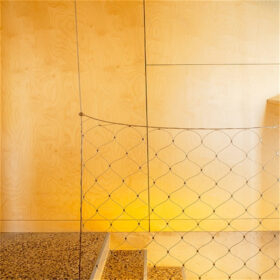


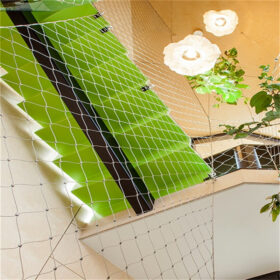


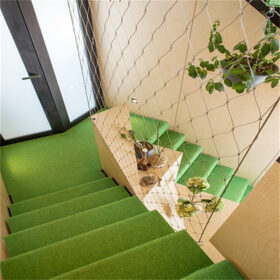
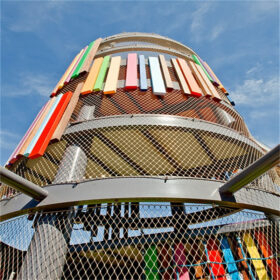
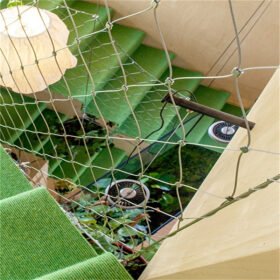
An x tend metal mesh panel looks effortless on a drawing: light, transparent, elegant, and “strong enough.” Real losses show up later—when installers tension the net, edges don’t match the structure, nodes drift, and the net behaves differently than the submittal promised. To reduce site rework, it helps to lock every connection detail early—especially edge terminations, tensioning hardware, and fixing parts—so you may also reference our steel fence accessories complete guides for a practical hardware checklist. This POLYMETAL guide is written as a field-driven checklist for architects, façade contractors, zoos, stadiums, railing fabricators, and procurement teams who need x tend metal mesh to perform exactly as specified.


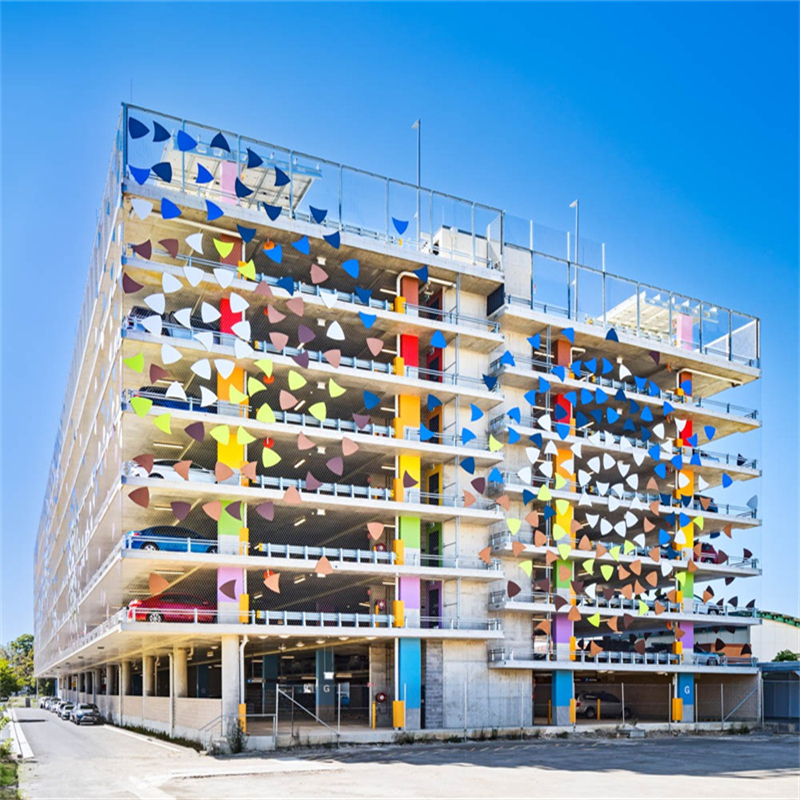
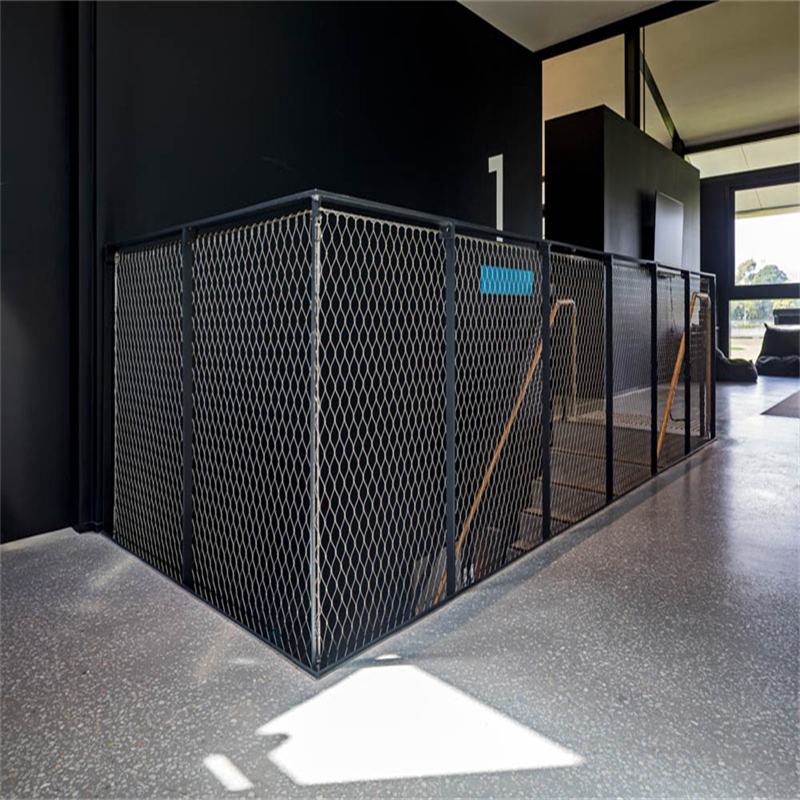
What “x tend metal mesh” actually means in practice
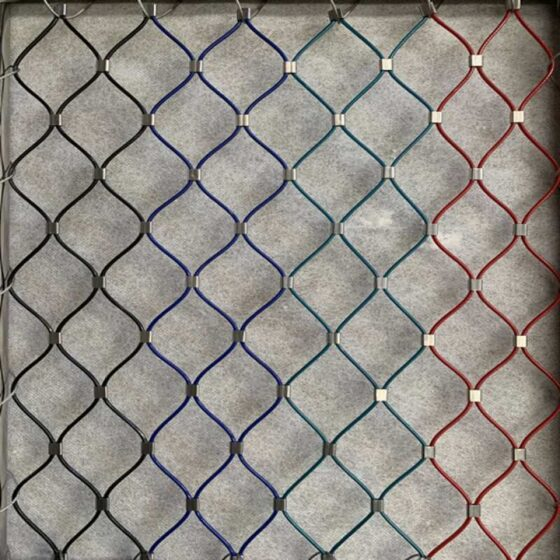
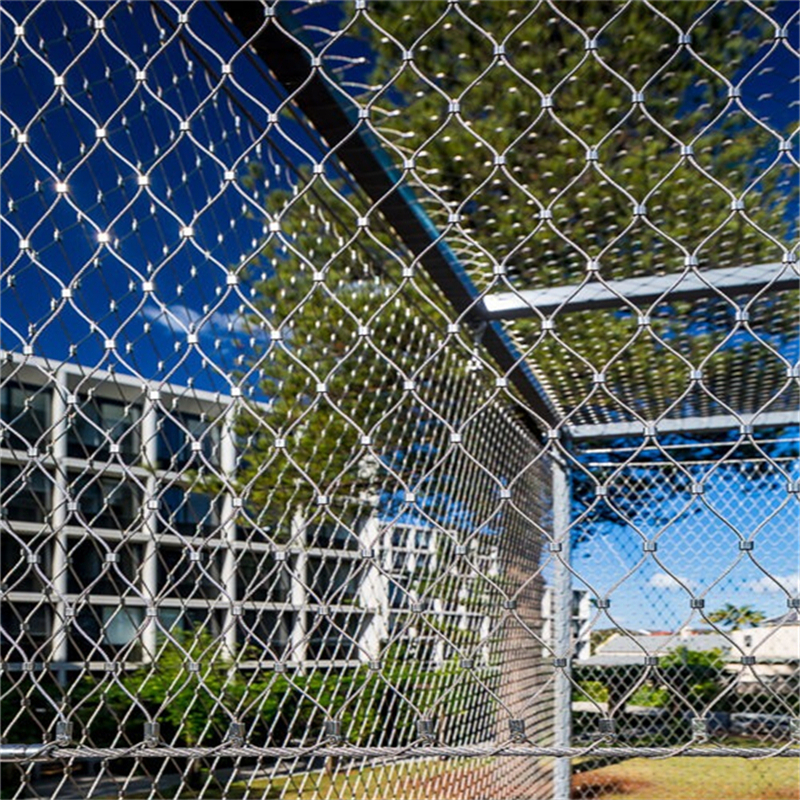
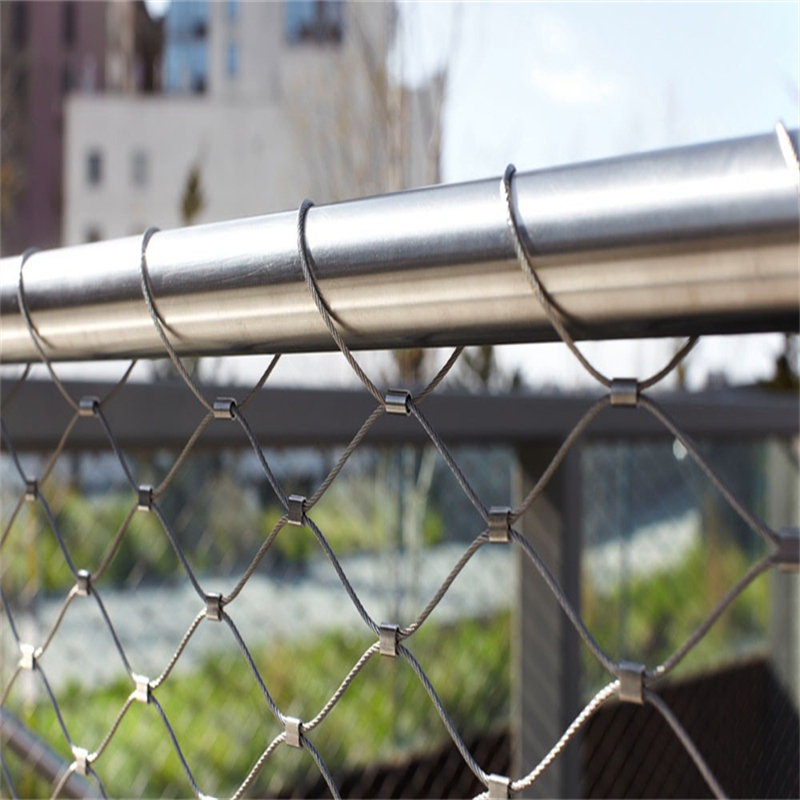
In the market, x tend metal mesh usually refers to stainless steel wire rope cable mesh (often called Webnet-style rope mesh): a flexible net made from stainless wire rope formed into a diamond mesh geometry, joined either by ferrules/sleeves (ferruled type) or by weaving/knotted intersections (sleeveless type). Its strength, transparency, and geometry are controlled by rope diameter, rope construction (such as 7×7 or 7×19), mesh aperture, orientation, and—most importantly—edge termination design that transfers load into the primary structure.
Why x tend metal mesh is judged after tensioning, not in a brochure
On railings and stairways, x tend metal mesh must feel supportive and safe without rattle or “soft spots.” On façades, it must accept plant loads and wind while staying visually clean. In large interior spaces, it must separate areas without turning into a heavy visual wall. In zoo enclosures, it must create open sightlines without compromising containment. These outcomes depend on controlled geometry, certified material, and correct edge detailing—not just “it looks like a net.”

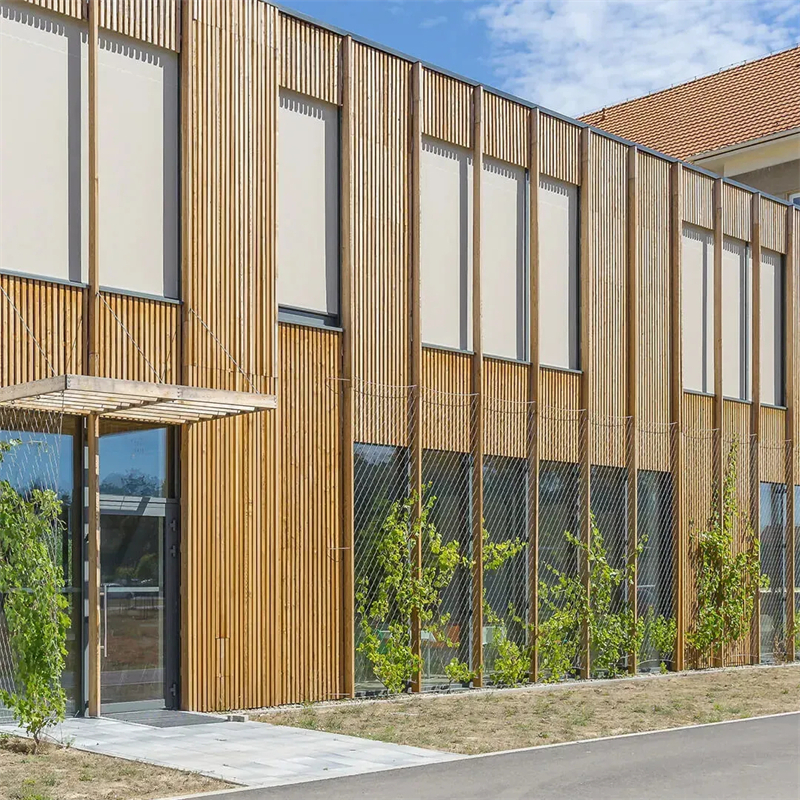

Top 10 “you didn’t know” buyer losses for x tend metal mesh
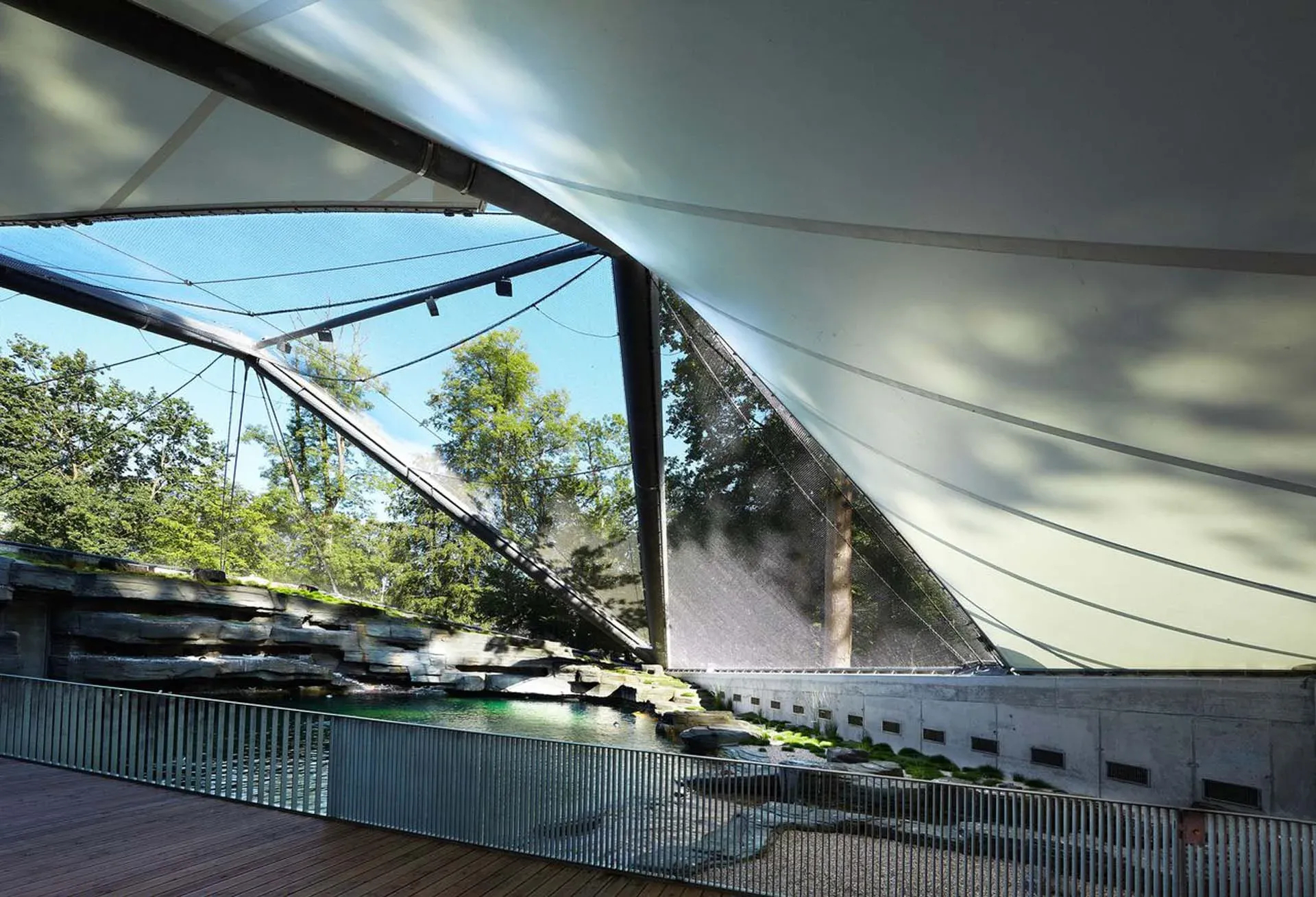
Trap #1: Buying “x tend metal mesh” as a keyword, not a controlled system
Many sellers quote x tend metal mesh as a general product, but do not lock the rope construction, node connection method, mesh aperture tolerance, or edge termination. The net might look correct on the floor, then change shape under tension and fail to align with the structure. Your purchase order must define the full build, not just a name.
Problem #2: Treating AISI 316/316L and AISI 304 as “the same stainless”
In outdoor, coastal, zoo, or humid environments, the cost of choosing the wrong stainless grade can show up as premature corrosion, staining, and reputation damage. x tend metal mesh is chosen to look “invisible” and premium—grade mistakes make it visibly old long before the project’s expected life.
Oversight #3: Specifying rope diameter without matching mesh aperture and load path
Rope diameter alone does not guarantee performance. If the mesh aperture is too large for the expected load and deflection limit, the net can feel soft, climbable, or visually inconsistent when tensioned. If the aperture is too small for the application, cost and weight increase without proportional benefit. For x tend metal mesh, rope diameter, aperture, and design loads must be selected together.
Risk #4: Ignoring rope construction (7×7 vs 7×19) and flexibility expectations
Rope construction changes how the net drapes, how it handles dynamic loads, and how it responds during installation. A net that is too stiff can be difficult to tension evenly; a net that is too flexible can deflect more than expected. x tend metal mesh must match the project’s geometry and the installer’s tensioning method.
Warning #5: Picking mesh direction (H/V) for appearance only
Horizontal vs vertical mesh orientation changes how forces flow into the edge, how the net “reads” visually, and how climbability behaves. Rotating the mesh angle can change density and the look of transparency. In x tend metal mesh projects, direction must follow architectural intent and engineering logic—both matter.
Pitfall #6: Ordering “nets” before locking edge termination and perimeter type
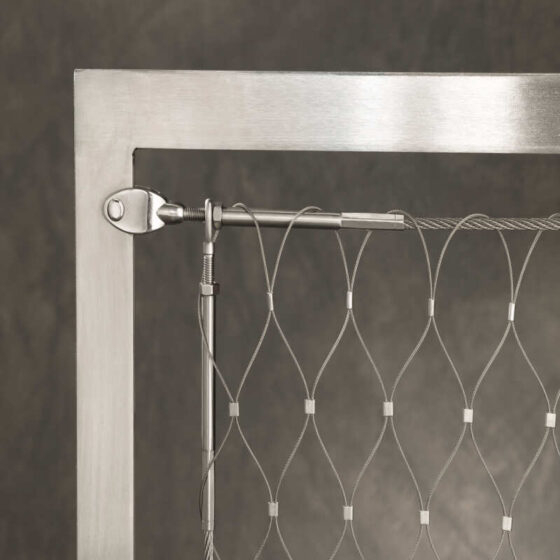
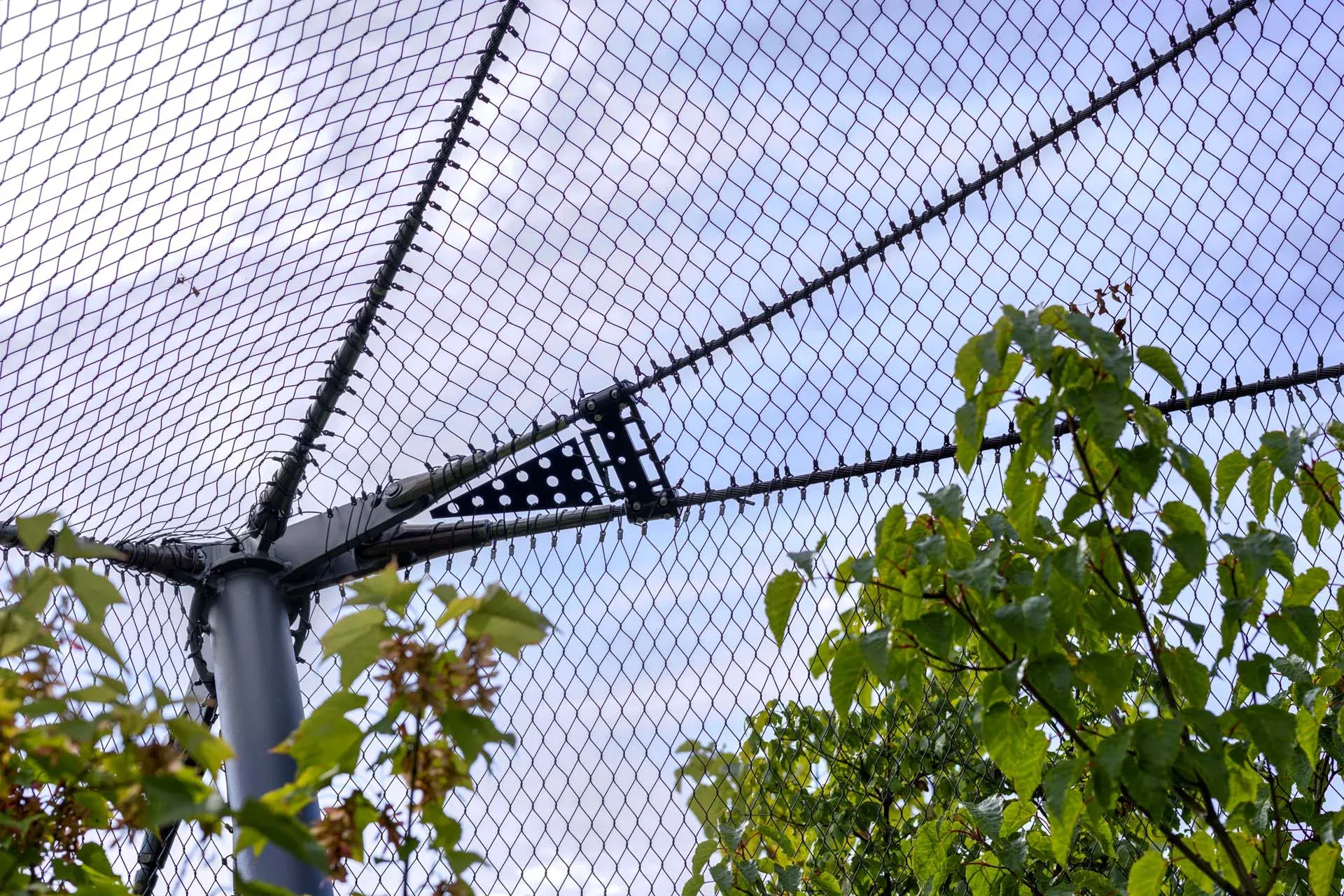
The edge is not decoration; it is the structural interface. If perimeter type, tie-in rope, sleeves/ferrules, and boundary detailing are not fixed early, the result is site cutting, improvised clamps, uneven tension, and ugly edges that ruin the premium look of x tend metal mesh.
Loss #7: Treating approvals and fall-protection intent as “someone else’s job”
This is the silent budget killer. When x tend metal mesh is used as a fall-protection or safety barrier system, the project is judged against real performance—load transfer, deflection, and system integrity. If the design load case, anchoring details, and documentation package are not locked at quotation stage, you pay later in redesign, re-fabrication, site delays, and liability exposure. If you only remember one line: #7 is where “a beautiful mesh” becomes a money leak.
Defect #8: Assuming “off-site made to size” means “zero site adjustment”
Even a perfectly fabricated x tend metal mesh net can require on-site tuning if the primary structure deviates, anchor points shift, or installation sequence is wrong. The solution is not last-minute cutting; it is correct measurement protocol, tolerance planning, and a clear installation method statement.
Damage #9: Forgetting transport and handling logic for a premium stainless surface
Coils, panels, and edges can be scratched or kinked in transit if packing is treated as an afterthought. Once the surface is marked, the mesh stops being “invisible architecture” and starts looking like a cheap fence. x tend metal mesh must be packed to protect edges, ferrules, and surface finish.
Checklist #10: Not writing a submittal-grade specification into the PO
The fastest way to create disputes is a vague order. x tend metal mesh should be purchased with a measurable checklist: material grade, rope construction, rope diameter, mesh aperture, direction, perimeter type, net dimensions, edge terminations, and documentation. A clean PO produces a clean install.
Product Description
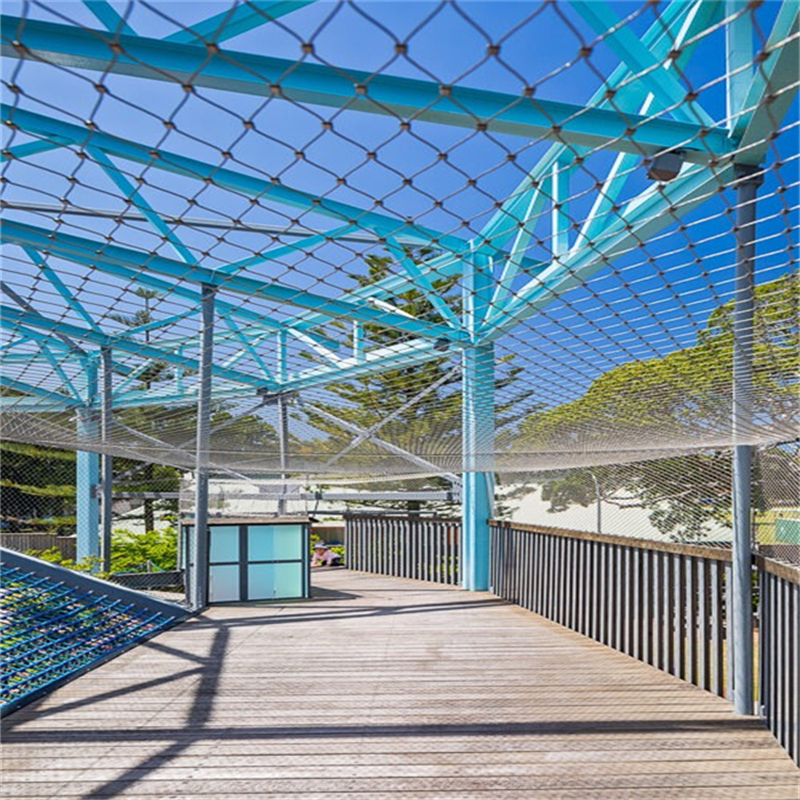
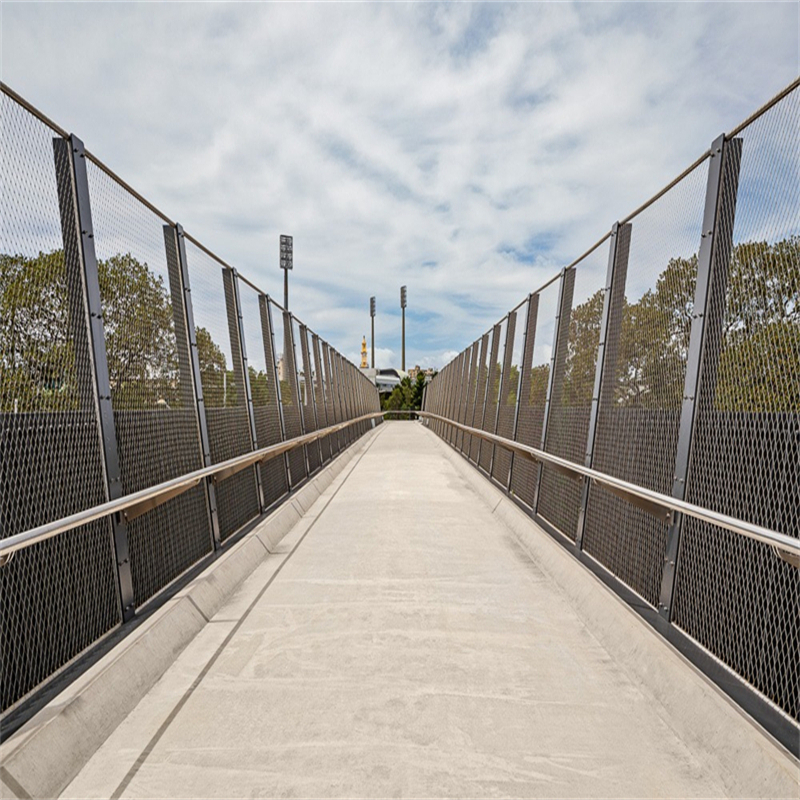
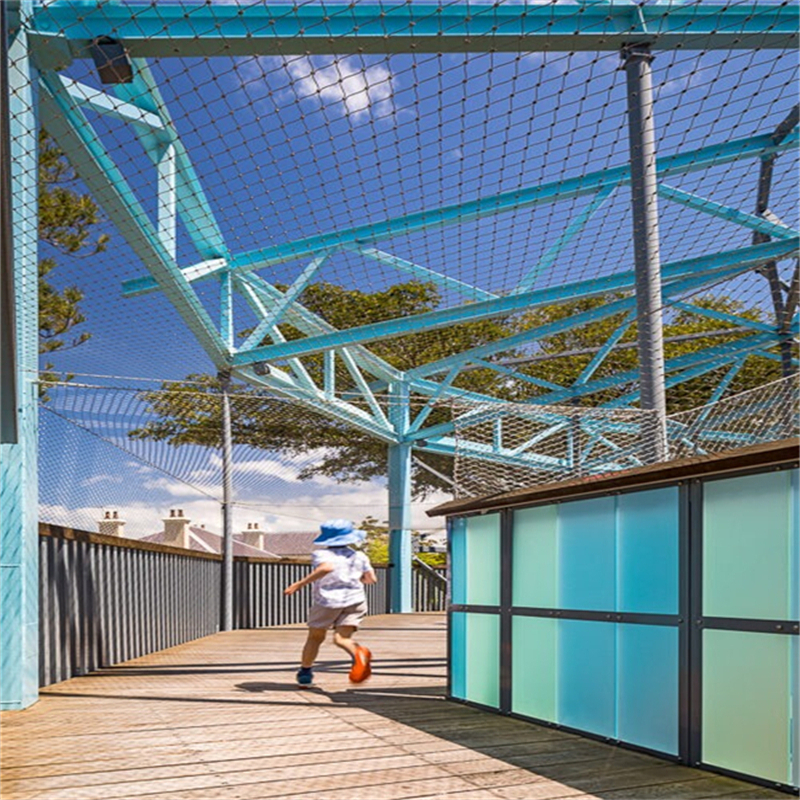
The POLYMETAL x tend metal mesh is a stainless steel wire rope cable mesh engineered for safety, transparency, and architectural flexibility. Designed for railings, stairway infill, façade greening support, interior partitions, zoo enclosures, and protective structures, this x tend metal mesh solution combines high corrosion resistance with a net geometry that can be produced to precise project dimensions. Load capacity and visual openness are tuned by selecting rope diameter, rope construction, and mesh aperture, while the final performance is delivered through controlled edge terminations that transfer forces into the supporting structure. The result is an x tend metal mesh system that stays elegant under tension, maintains consistent diamond geometry, and delivers long-term durability with minimal maintenance requirements.
Specifications
Table 1 — Materials, Construction, and System Options (POLYMETAL x tend metal mesh)
| Spec Item | Options / Values |
|---|---|
| Keyword Product | x tend metal mesh (stainless wire rope cable mesh / Webnet-style) |
| Material Grade | AISI 316 / 316L (EN 1.4401 / 1.4404) |
| Rope Diameter Range | 1.0 mm / 1.5 mm / 2.0 mm / 3.0 mm / 4.0 mm / 5.0 mm (select by load + deflection) |
| Rope Construction | 7×7, 7×19 (select by flexibility + handling) |
| Node Type | Ferruled (with sleeves) / Sleeveless woven-knotted / Pattern variants (ID / Evo styles) |
| Mesh Geometry | Standard diamond geometry; typical opening angle ~60° (varies with tension/orientation) |
| Mesh Direction | Horizontal (H) or Vertical (V) orientation (selected by design + force flow + climbability) |
| Edge / Perimeter Types | Multiple perimeter types available; rectangular standard or special shapes with cutting surcharge |
| Finish | Natural stainless; optional surface finishing per architectural requirement |
| Maintenance | Virtually maintenance-free in most environments; routine cleaning as needed |
Table 2 — Popular x tend metal mesh selections (Sleeveless AISI 316 examples, mesh angle ~60°)
| Rope Ø (mm) | Mesh Dimension (MW × ML, mm) | Weight (kg/m²) | Max Production Length (m) | Light Transmission (%) | Where it fits best |
|---|---|---|---|---|---|
| 1.5 | 25 × 44.61 | 1.07 | 20 | 86.6 | Railing infill, tighter feel, higher containment |
| 1.5 | 50 × 89.74 | 0.48 | 40 | 93.6 | Façade greening support, general architectural mesh |
| 2.0 | 80 × 139.57 | 0.57 | 50 | 94.3 | Large areas where openness + strength balance is needed |
| 2.0 | 120 × 207.52 | 0.38 | 60 | 96.2 | Big façade fields, partitions, sightline-first projects |
| 3.0 | 40 × 72.42 | 2.34 | 30 | 83.4 | High-demand safety zones, stronger net feel |
| 3.0 | 70 × 43.31 | 1.43 | 50 | 90.3 | Containment emphasis with refined appearance |
Table 3 — Webnet Micro delivered as rolls (typical supply format)
| Roll Size (H × L, mm) | Number of Meshes | Possible Installation Height (mm) | Weight (kg) | Use Case |
|---|---|---|---|---|
| 800 × 20000 | 20 × 265 | 770 – 900 | 13.60 | Fast railing runs, repeatable bays |
| 800 × 50000 | 20 × 664 | 770 – 900 | 34.00 | Long runs, high efficiency installation |
| 900 × 20000 | 22 × 266 | 870 – 1000 | 15.30 | Higher handrail zones, public buildings |
| 900 × 50000 | 22 × 665 | 870 – 1000 | 38.25 | Large projects needing stable quality at scale |
Applications of POLYMETAL x tend metal mesh
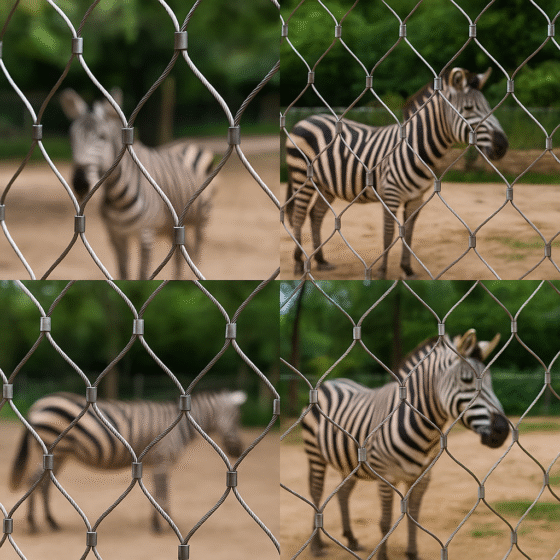
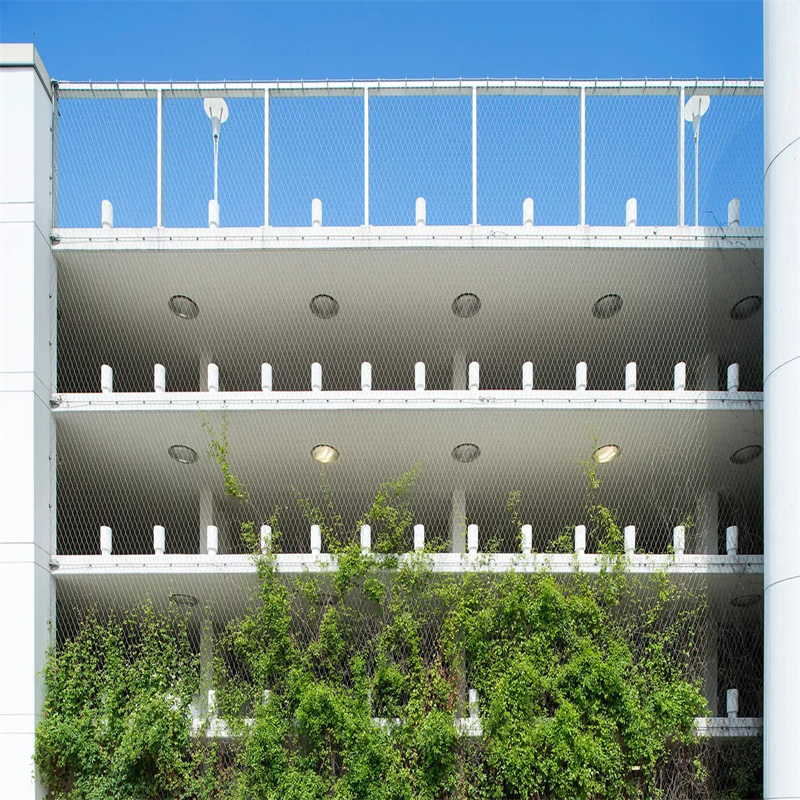
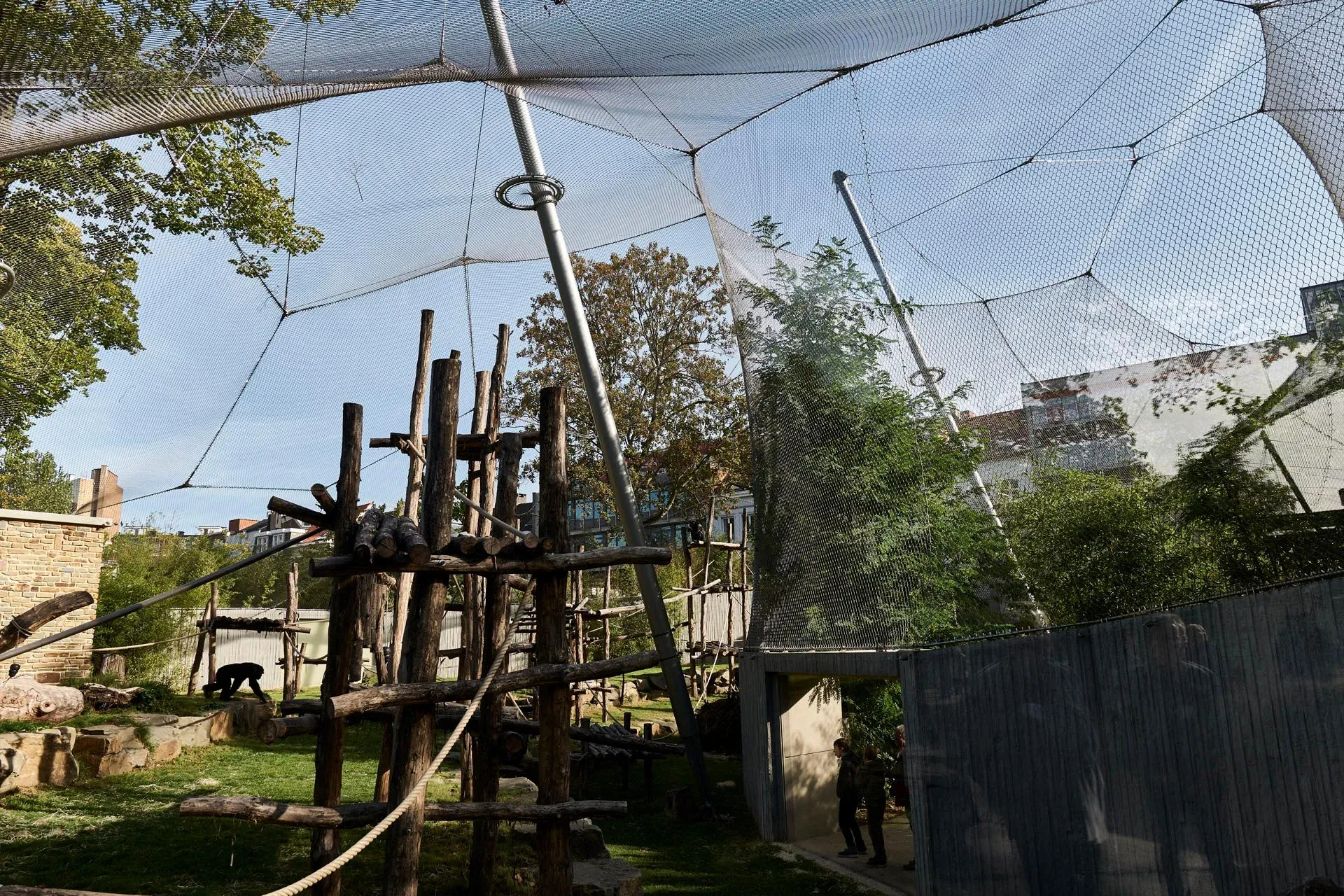
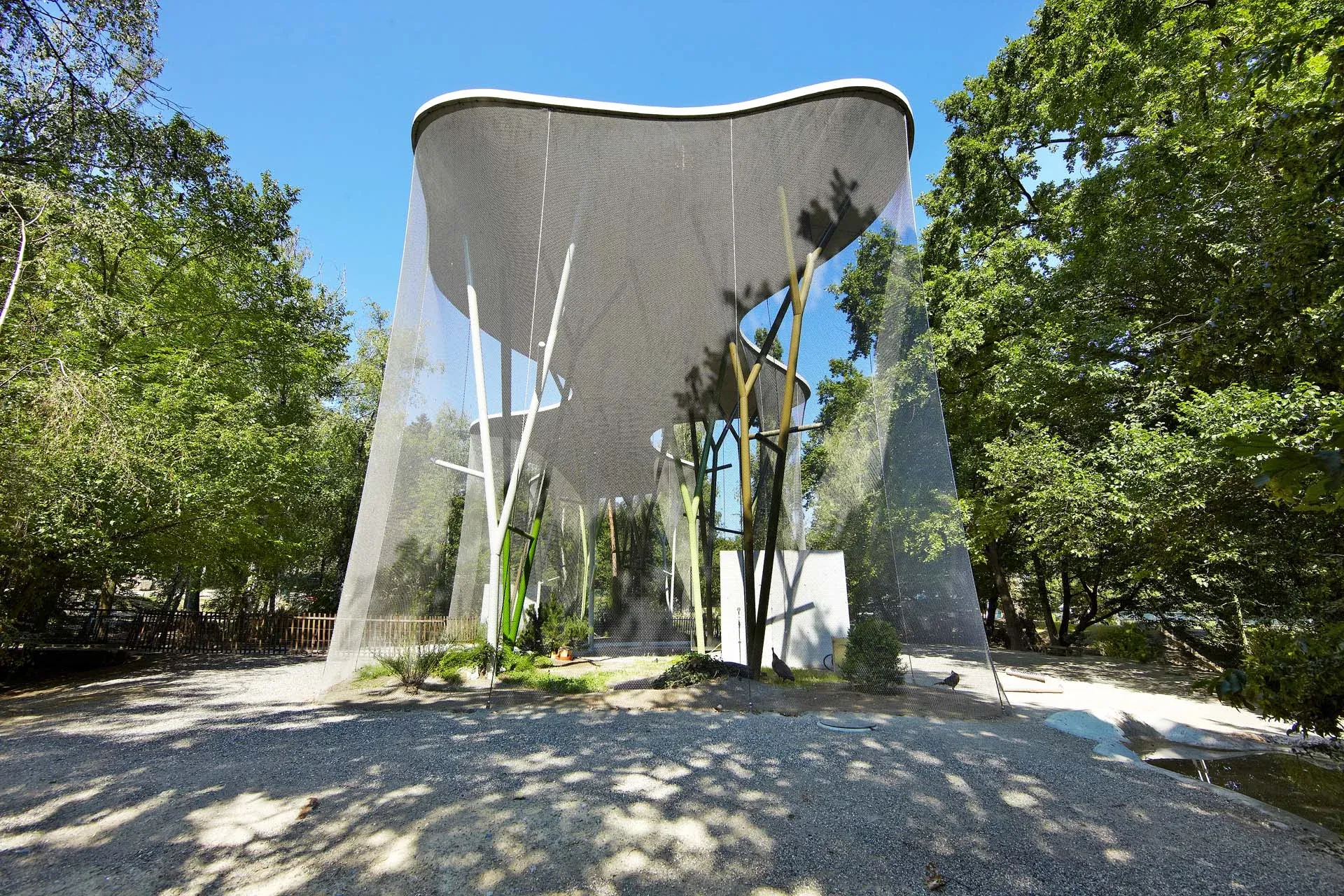
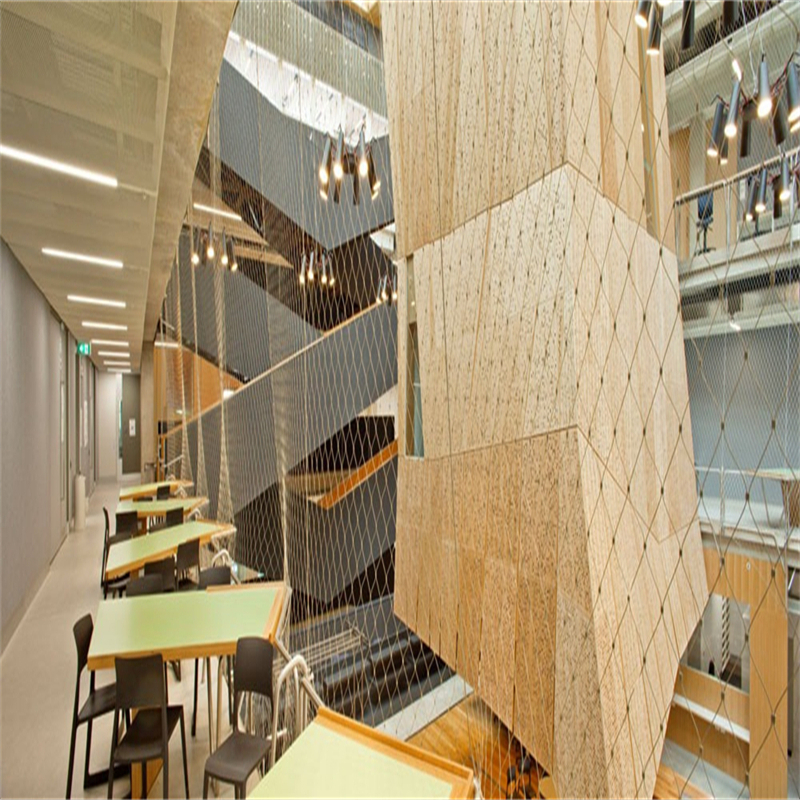
For railing and stairway infill, x tend metal mesh provides safety with a clean, nearly invisible appearance, suitable for homes, schools, museums, and public buildings. In safety applications such as viewing platforms, stadiums, and multi-level interiors, x tend metal mesh offers reliable containment while blending into the architectural language. For greening, it acts as a climbing aid for plants and enables elegant green façades that can cover full buildings or selective zones. In sports facilities, it works as discreet fencing or ceiling protection with low maintenance needs. For zoo enclosures, x tend metal mesh helps designers create open, natural-looking habitats that preserve sightlines and reduce the “cage” feeling.
Benefits of POLYMETAL x tend metal mesh
The main advantage of x tend metal mesh is high strength at low visual impact, supported by excellent corrosion resistance when using AISI 316/316L. Its flexibility allows spatial free forms, curved geometry, and large spans that are difficult to achieve with rigid panels. By selecting rope diameter and mesh aperture, designers control both load capacity and transparency. When manufactured off-site to exact dimensions and termination details, x tend metal mesh reduces on-site adjustment, improves installation speed, and delivers a consistent architectural finish.
Packing
POLYMETAL packs x tend metal mesh to protect surface quality, edges, and connection points. Typical packing includes inner plastic film protection with outer cartons for small quantities, and reinforced wooden cases or waterproof woven bags for larger quantities. For projects with premium architectural requirements, packing is designed to prevent rubbing, kinks, and ferrule damage so the net arrives ready for clean tensioning and a professional final appearance.


Standards and Quality Control
x tend metal mesh projects succeed when procurement matches engineering intent. POLYMETAL supports submittal control through drawing confirmation, geometry definition, and inspection checkpoints on rope diameter, mesh aperture, node consistency, and perimeter detailing. For safety or fall-protection intent, the project should define design loads, deflection targets, anchoring logic, and documentation so the system is evaluated as a complete assembly, not a loose “net.” If your scope includes drop prevention or containment solutions, you can also review this related guide on stainless steel mesh bags for drop-safe nets to align selection and documentation.
x tend metal mesh projects succeed when procurement matches engineering intent. POLYMETAL supports submittal control through drawing confirmation, geometry definition, and inspection checkpoints on rope diameter, mesh aperture, node consistency, and perimeter detailing. For safety or fall-protection intent, the project should define design loads, deflection targets, anchoring logic, and documentation so the system is evaluated as a complete assembly, not a loose “net.”https://ropemesh.com.au/ols/products/drop-safe-nets-a-guide-to-stainless-steel-mesh-bags/
FAQs
FAQ: Is x tend metal mesh the same as welded wire mesh?
No. x tend metal mesh is a wire rope cable mesh that behaves flexibly under tension and transfers loads through rope and perimeter detailing, while welded wire mesh is a rigid grid panel. They solve different architectural and safety problems, and they require different specification logic.
FAQ: How do I choose rope diameter for x tend metal mesh?
Start with the application: railing infill, façade, zoo enclosure, or fall protection. Then define design loads and acceptable deflection. Rope diameter and mesh aperture must be selected together so the net stays tight, stable, and visually consistent after tensioning.
FAQ: What mesh aperture should I pick if I want maximum transparency?
Larger apertures increase openness and light transmission, but may increase deflection and change the “feel” of containment. For x tend metal mesh, the best choice is the one that meets the structural requirement while maintaining the intended visual effect.
FAQ: What is the difference between ferruled (with sleeves) and sleeveless x tend metal mesh?
Ferruled x tend metal mesh uses sleeves/ferrules at intersections, which is versatile and economical for smaller rope diameters. Sleeveless variants can offer higher transparency and a cleaner look, depending on the project’s design goals and strength requirements.
FAQ: Can x tend metal mesh be made into special shapes?
Yes. x tend metal mesh can be produced in custom shapes and free forms. Special shapes require defined perimeter types and accurate dimensioning so the net fits the edge structure without costly on-site rework.
FAQ: What is the fastest way to lose money on an x tend metal mesh project?
Ignoring system intent is the quickest path to loss. If a project treats x tend metal mesh as “just a net” and does not lock loads, anchoring, perimeter detailing, and documentation at the quotation stage, the real cost shows up later in redesign, delays, and replacement—this is exactly why #7 matters.