Your One-Stop Wire Mesh Fence Supplier | POLYMETAL
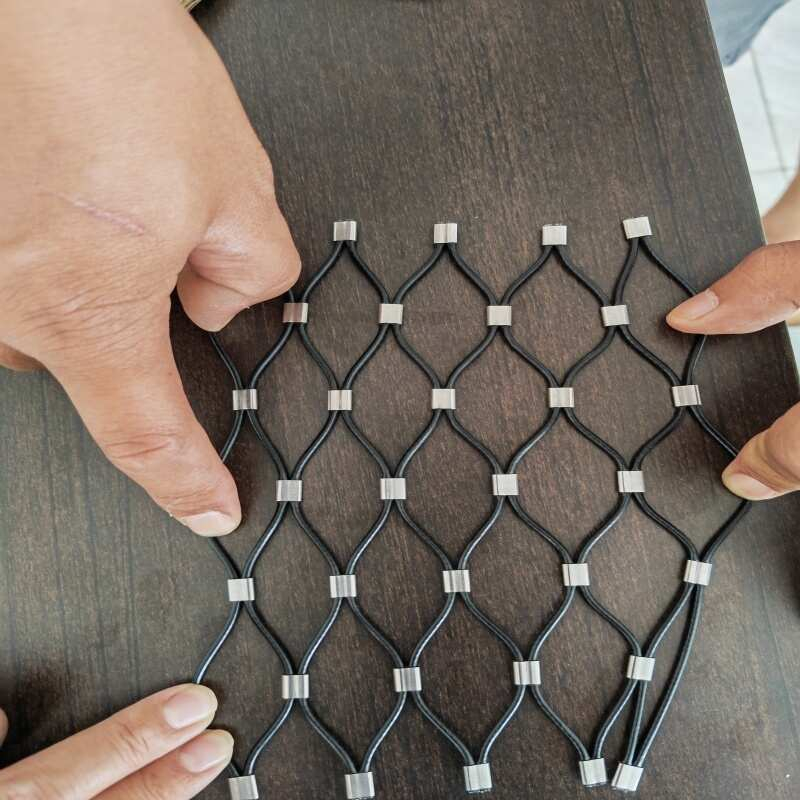
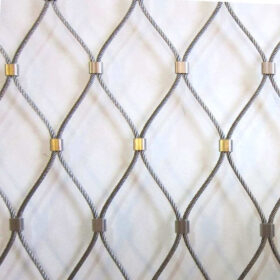
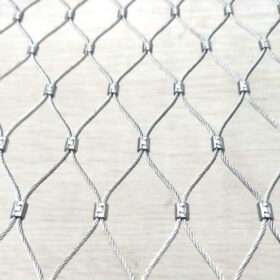
x tend stainless steel mesh looks refined and minimal, but in real projects it is never just decorative. Every cable, aperture and fixing point is carrying energy, impact and long-term corrosion stress. If you treat x tend stainless steel mesh like generic wire netting, you open the door to hidden danger, structural mistakes and painful rework that eats your profit. The following guide exposes nine key points about x tend stainless steel mesh that serious buyers must grasp, especially point 9 – ignore it and the damage to safety and budget can be brutal.
What x tend stainless steel mesh really is
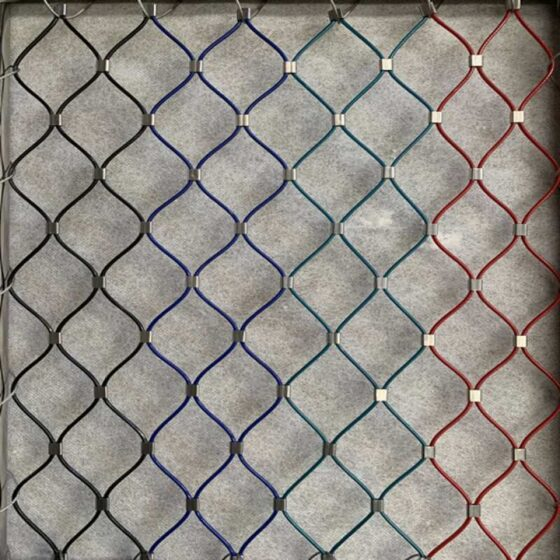
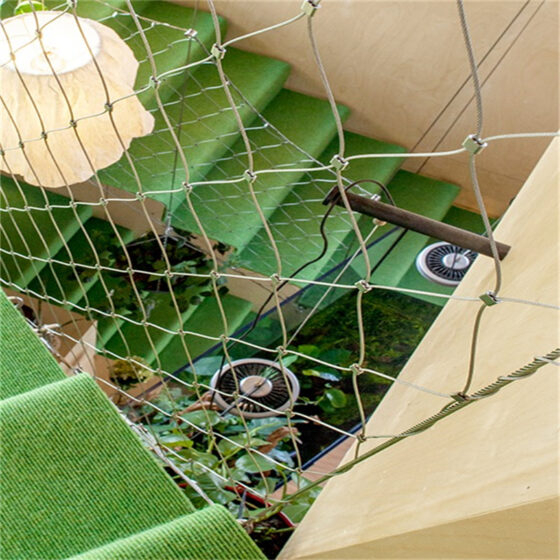
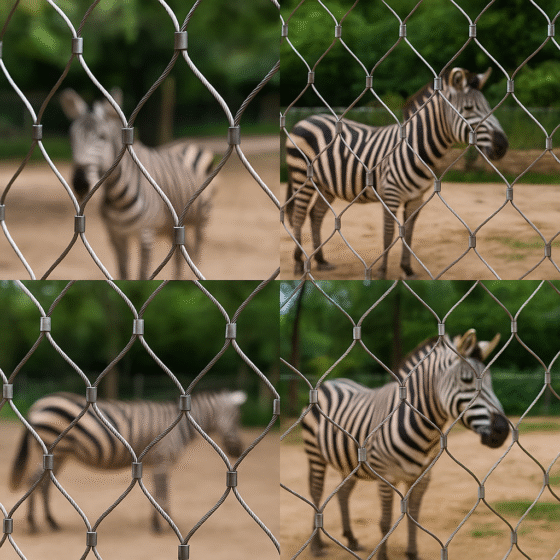
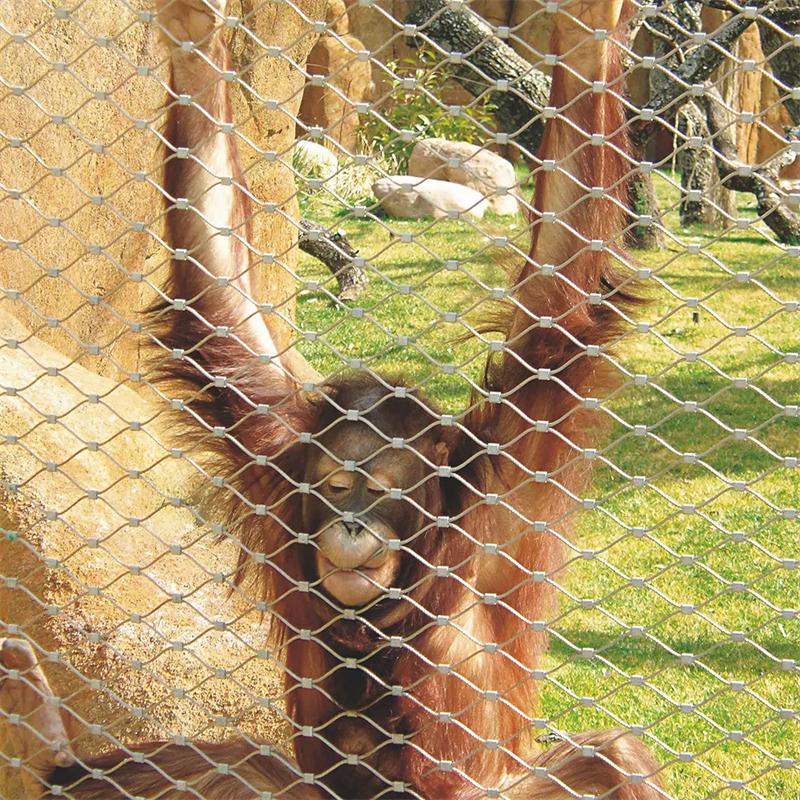
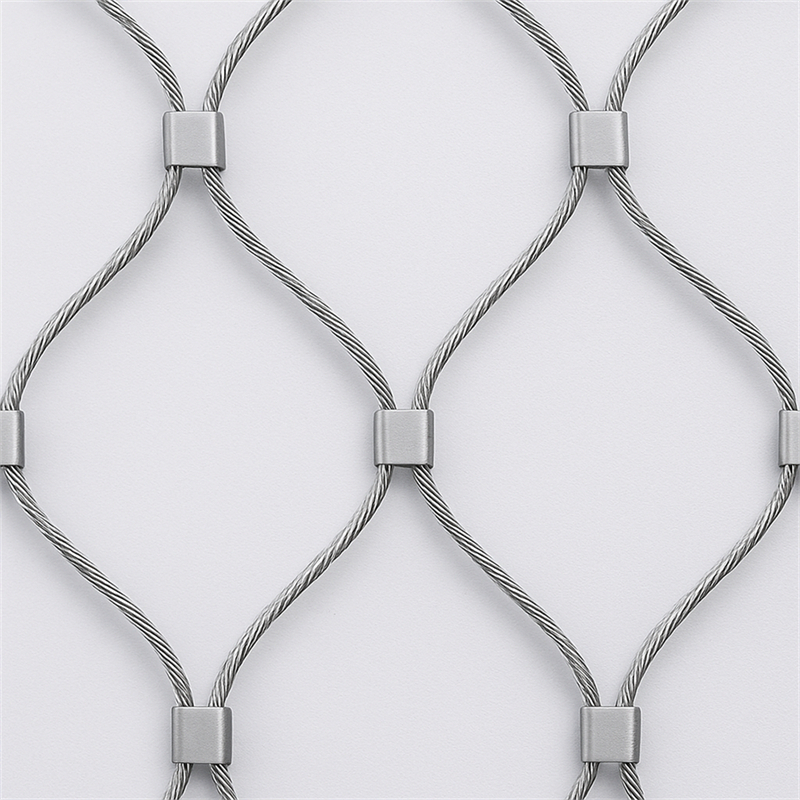
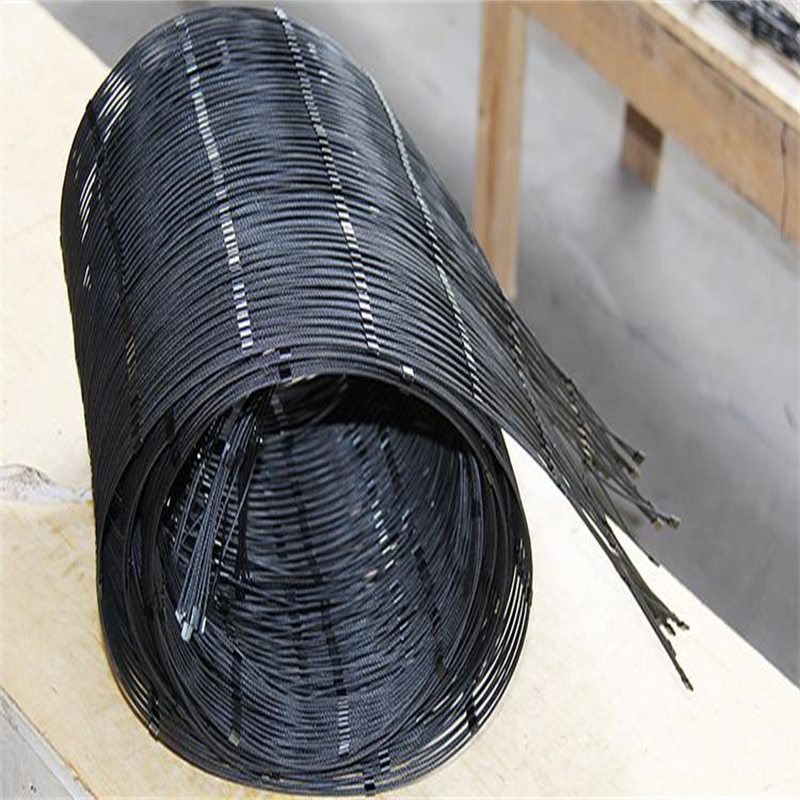
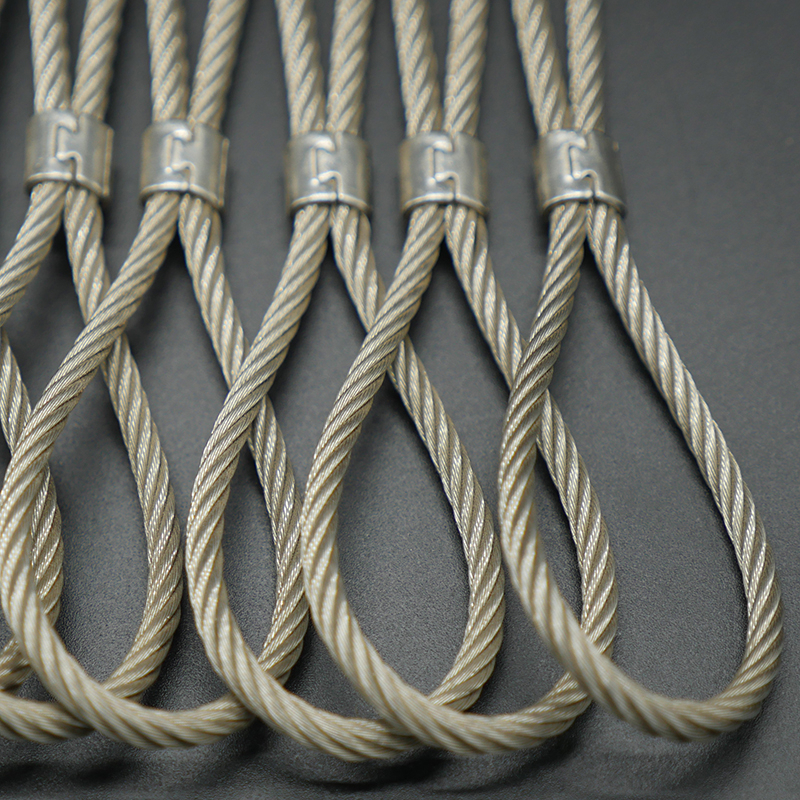
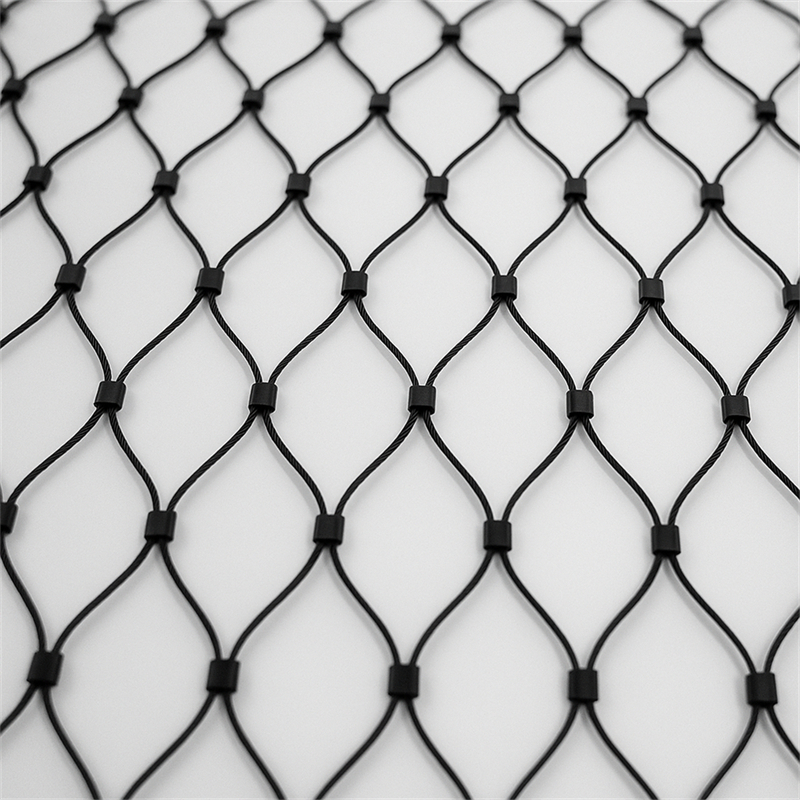
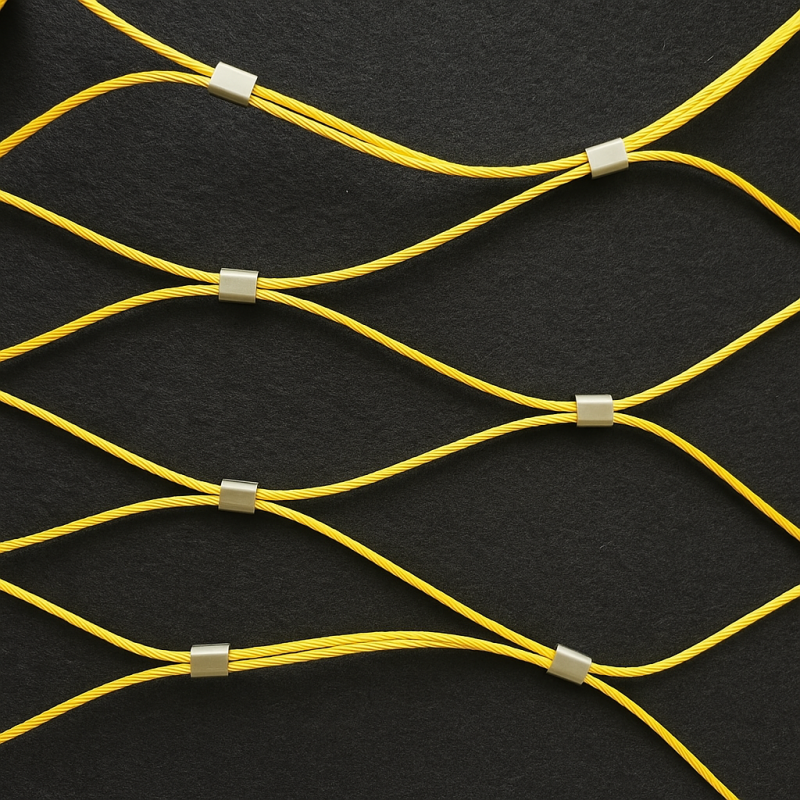
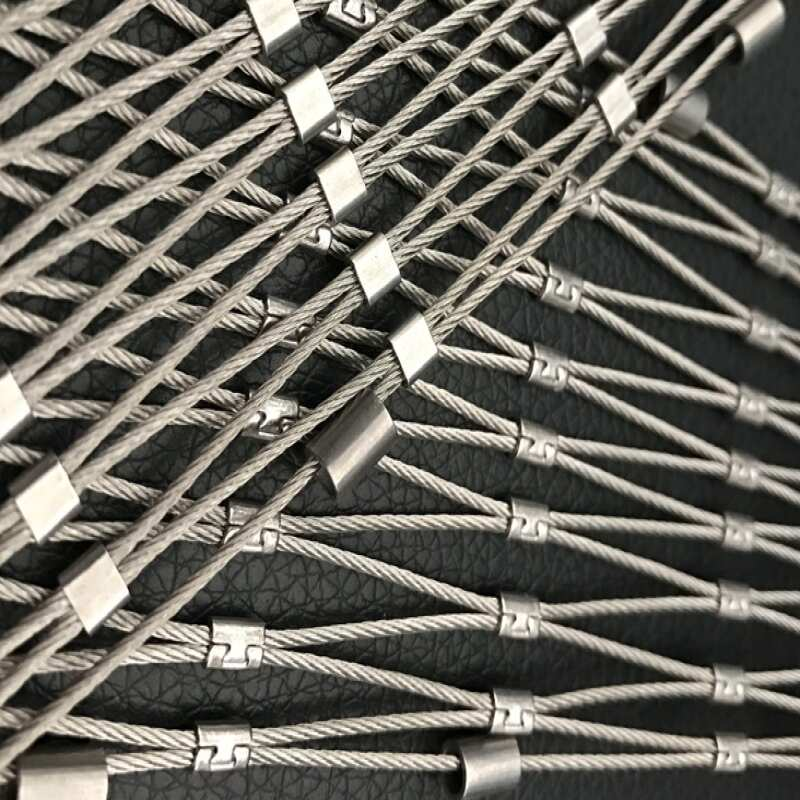
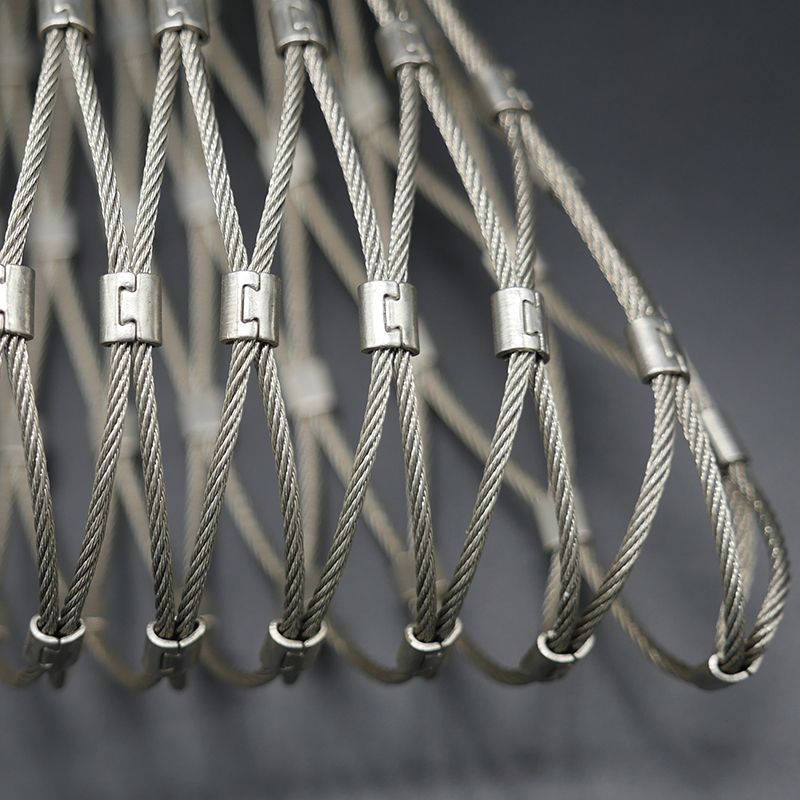
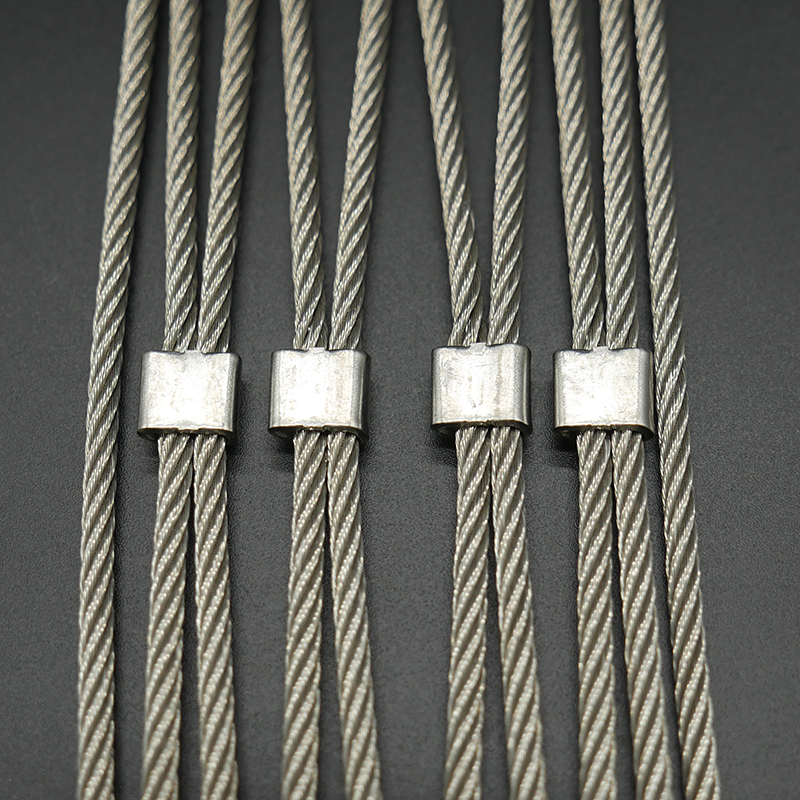
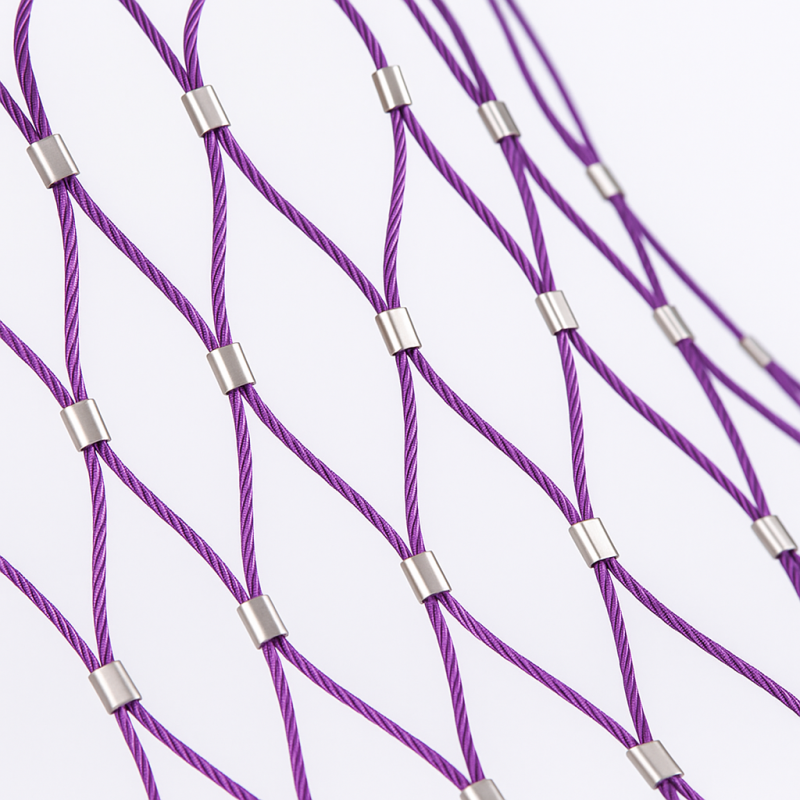
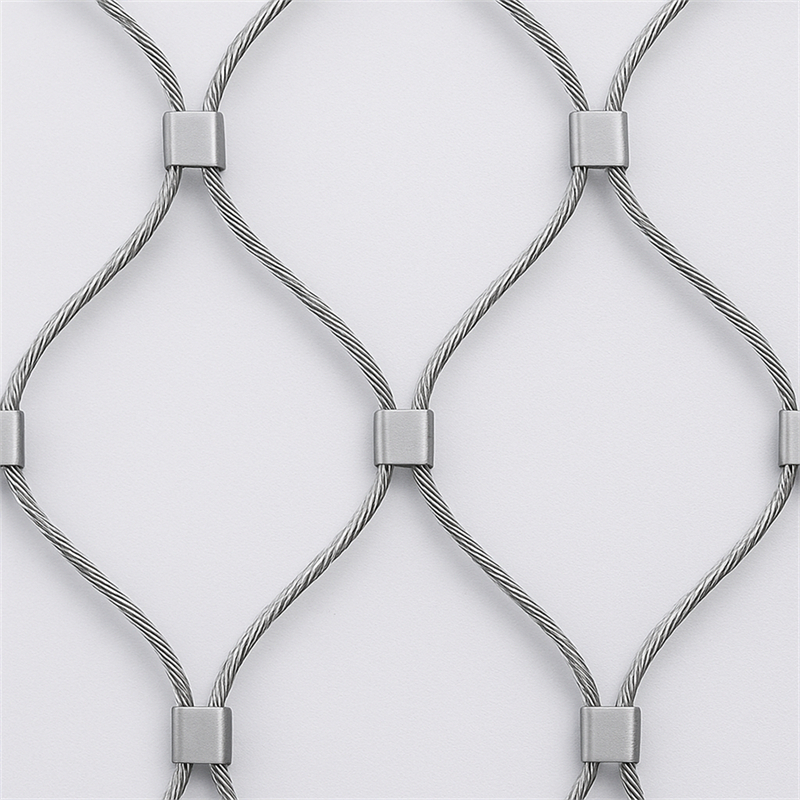
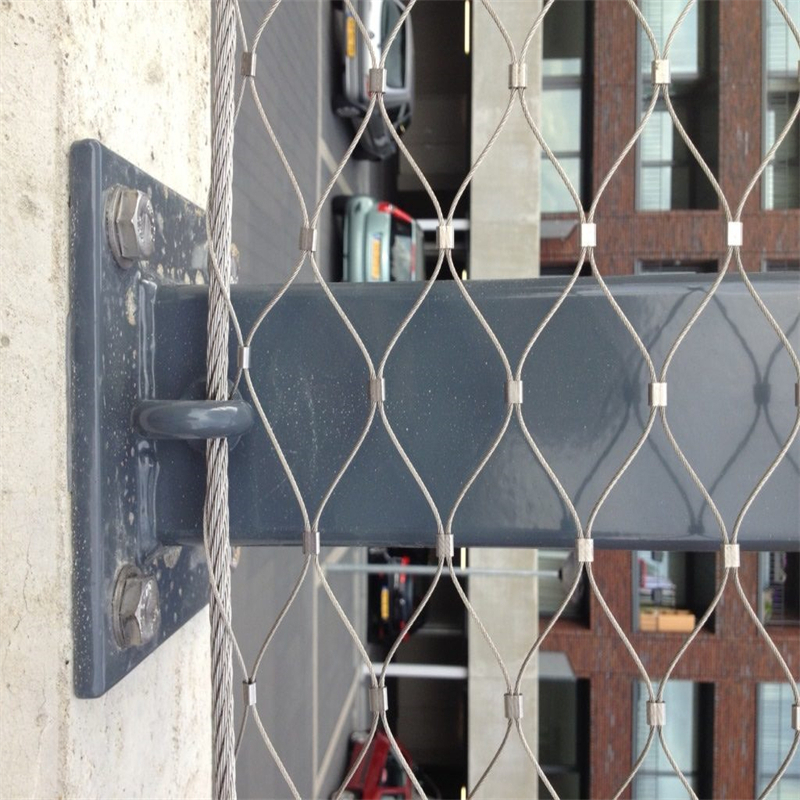
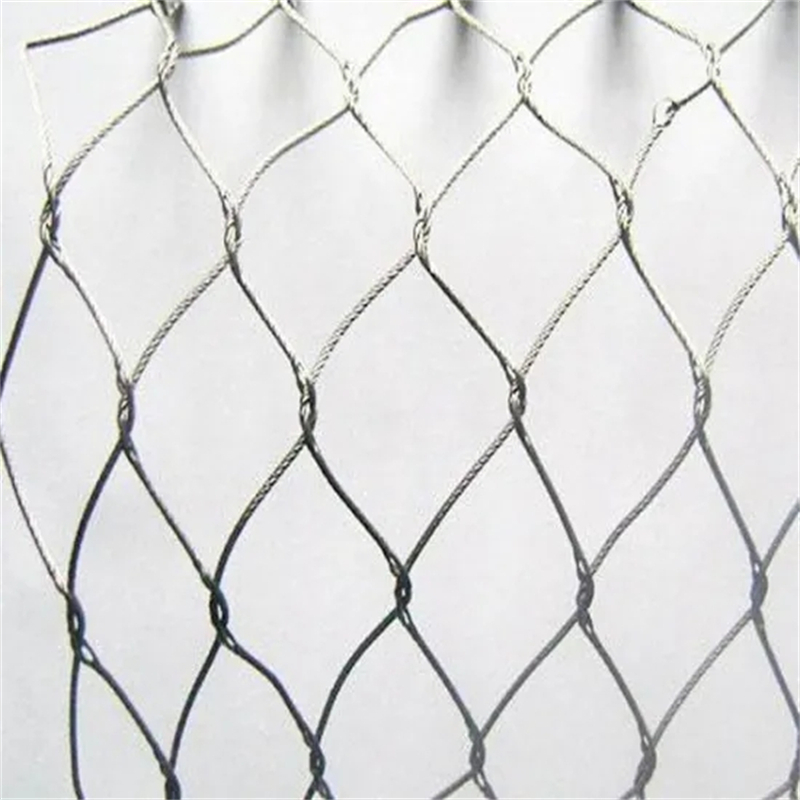
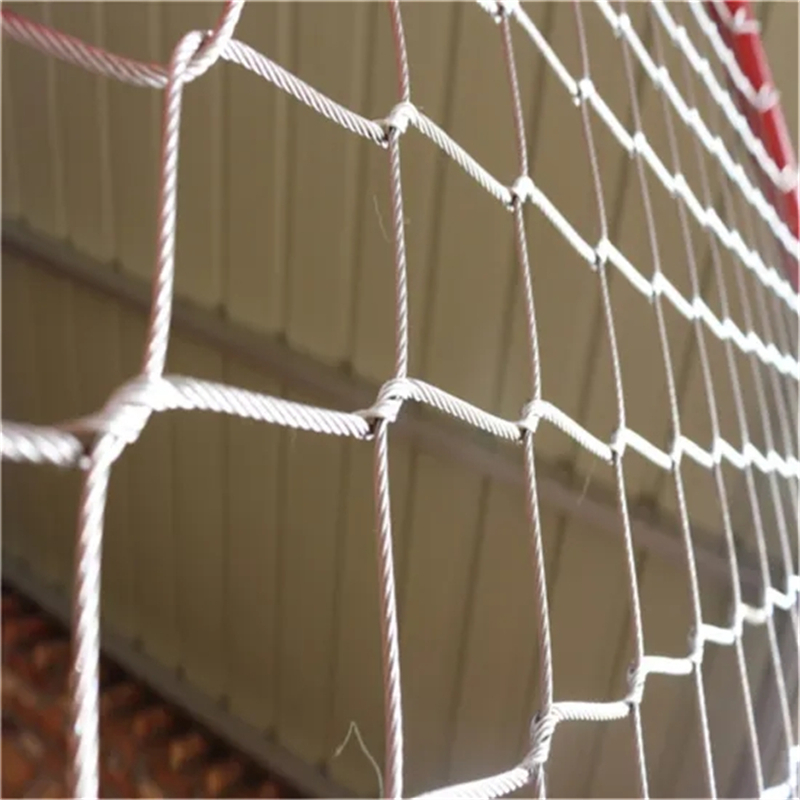
x tend stainless steel mesh is a flexible architectural cable mesh woven or ferruled from high-tensile stainless steel wire ropes. The cables are formed into a diamond or square pattern to create a lightweight, strong and transparent barrier. It is widely used for balustrades, bridge railings, fall protection, zoo enclosures, aviaries, façades, green walls and safety nets where both strength and visual openness are essential. Every parameter of x tend stainless steel mesh – wire rope diameter, mesh aperture, angle degrees, material grade and rope structure – directly determines safety, appearance and long-term performance.
x tend stainless steel mesh fact #1 – The basic pattern hides a powerful structural principle
Behind every elegant x tend stainless steel mesh panel is a precise structural principle: loads are distributed diagonally through the diamond pattern into the edge cables. When you understand this fact and specify the right rope diameter, aperture and angle, you gain a strong structural edge over generic rigid infill panels.
Core performance parameters that control safety and cost
Engineers who work with x tend stainless steel mesh always begin with a small group of decisive parameters. These are the levers that decide whether a project will pass inspection comfortably or sit on a permanent edge of risk.
Wire rope diameter and mesh aperture
Wire rope diameter determines the tensile capacity and stiffness of each cable. Mesh aperture defines the clear opening size between cables and therefore controls both safety (anti-fall, anti-climb, animal containment) and transparency. Typical x tend stainless steel mesh systems use cable diameters from 1.2 mm up to 3.0 mm and apertures from 20 mm to 200 mm depending on application and load.
x tend stainless steel mesh warning #2 – The wrong aperture and diameter combination is a costly design error
When the aperture is too large for the chosen wire rope diameter, deflection grows, safety margins collapse and the mesh can feel weak under hand load. When the aperture is too small for a heavy cable, you pay for unnecessary steel, heavier frames and a closed-in appearance. This single specification error has triggered more re-design and extra cost than almost any other detail in x tend stainless steel mesh projects.
Angle degrees and the structural angle of view
X tend stainless steel mesh can be installed at different angle degrees, most commonly around 60° for a classic diamond pattern. That angle controls how forces travel through the mesh and how stiff the panel feels under load. Even when mesh aperture stays constant, changing angle degrees changes the structural behaviour and visual rhythm.
x tend stainless steel mesh trap #3 – Ignoring angle degrees turns your drawings into a hidden flaw
Treating the diamond angle as “just a visual choice” is a dangerous trap. A mesh panel designed and calculated at 60° but installed closer to 90° no longer behaves according to the original calculations. Deflections increase, edge loads shift and the panel may fail the most basic deflection checks. This hidden flaw only appears during testing or, worse, during real use.
Light transmittance, transparency and user comfort
One of the biggest reasons designers choose x tend stainless steel mesh is its exceptional light transmittance. The fine stainless steel cables allow high percentages of natural light to pass while still providing reliable protection. For façades and green walls, this transparency supports plant growth and helps keep interiors bright; for bridges and balconies, it keeps views open and users comfortable instead of feeling boxed in.
x tend stainless steel mesh drawback #4 – Overbuilt mesh can create a claustrophobic downside
Over-specifying with very small apertures and heavy cables may look “extra safe” on paper, but the real-life downside is a visually heavy, cage-like appearance. Sightlines are blocked, daylight is reduced and users feel trapped instead of protected. This is a classic case where a well-meant safety decision turns into a long-term comfort and aesthetics problem.
Materials and rope structures – where corrosion resistance is won or lost
X tend stainless steel mesh typically uses high-quality stainless steels such as AISI 304, 304L, 316 and 316L. The choice of grade decides how the mesh will stand up against coastal air, industrial pollution and cleaning chemicals. Inside each cable, the rope structure (for example 7×7 or 7×19) defines flexibility, touch and fatigue resistance under repeated loading.
x tend stainless steel mesh risk #5 – Choosing the wrong stainless grade is a long-term hazard
Selecting a lower corrosion-resistant grade for a coastal or exposed site is not a minor optimisation; it is a direct hazard. Tea-staining, pitting and crevice corrosion can slowly eat through the cable cross-section, reducing breaking load and creating visible damage. Once this happens, the system’s apparent elegance turns into a permanent reminder of that original material mistake.
x tend stainless steel mesh benefit #6 – A correct rope structure is a powerful performance boost
When you pair the right rope structure (for example 7×19 for high flexibility) with the right diameter and aperture, you gain a tangible performance boost. The mesh becomes easier to tension, lays smooth over complex geometries and absorbs impact without localised kinking. This mechanical advantage translates into faster installation, cleaner lines and fewer complaints in service.
Edge detailing, framing and installation patterns
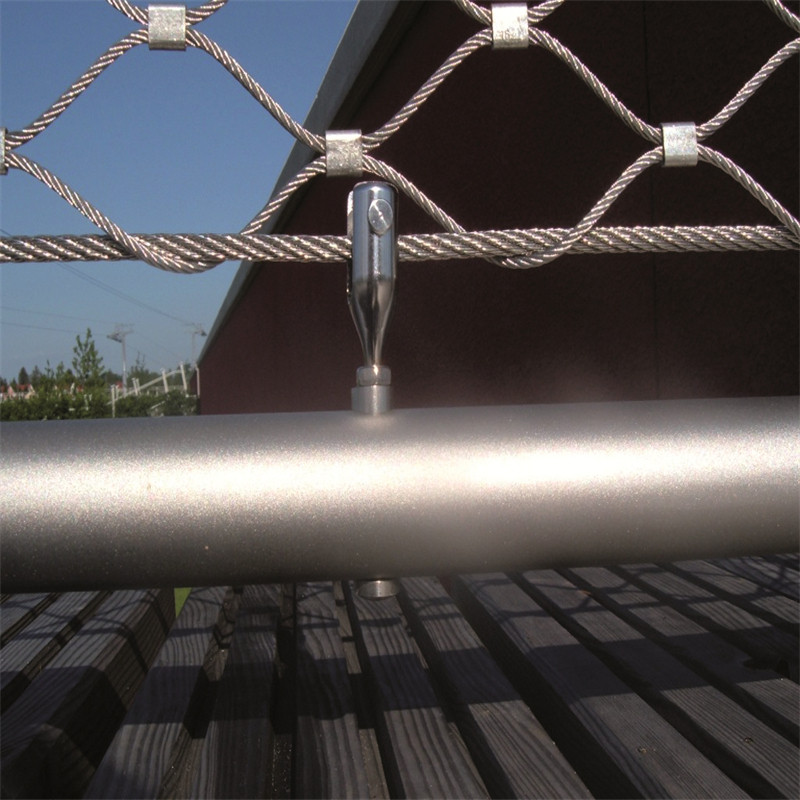
X tend stainless steel mesh panels only perform to their full potential when they are correctly fixed to edge cables or rigid frames. Border cables, lacing ropes, terminal hardware and supporting steel all work together as a system. Precise tensioning and a consistent installation pattern keep the mesh tight and stable over time.
x tend stainless steel mesh danger #7 – Weak edge fixings create a serious failure pattern
Under-sized edge fixings or poorly designed terminal layouts generate a dangerous failure pattern. A sudden overload from a crowd surge, animal impact or falling object concentrates at one weak fixing and can unzip the entire edge in seconds. In contrast, a properly engineered edge system spreads impact and keeps the mesh working as a controlled safety net.
Cost, lifetime value and the real economic picture
At first glance, x tend stainless steel mesh may seem more expensive than basic bars or plate infill. However, when you factor in reduced structural steel weight, faster installation, minimal maintenance and long service life, the lifetime value often turns strongly in its favour. Well-specified x tend stainless steel mesh can stay in service for decades with only routine cleaning.
x tend stainless steel mesh insight #8 – Short-term savings can trigger long-term loss
Cutting cost by reducing cable diameter, using a weaker stainless grade or omitting proper tensioning hardware often looks like a clever saving in the tender stage. In reality, this misstep can trigger years of remedial work, coating repairs, replacements and reputation loss. The apparent saving turns into a guaranteed long-term loss.
Technical specification tables for x tend stainless steel mesh
Below are three wide specification tables for typical x tend stainless steel mesh configurations. They cover balustrades and railings, zoo and animal enclosures, and façades or green walls. Each specification combines wire rope diameter, mesh aperture, angle degrees, light transmittance, material, nominal breaking load and rope structure into practical, ready-to-use options.
x tend stainless steel mesh for balustrades and railings
| Model | Wire Rope Diameter (mm) | Mesh Aperture (mm) | Angle Degrees (°) | Light Transmittance (%) | Material | Nominal Breaking Load (lbs) | Wire Rope Structures |
|---|---|---|---|---|---|---|---|
| BR-01 | 1.5 | 50 × 50 | 60 | 78 | AISI 316 | 380 | 7×7 |
| BR-02 | 1.5 | 60 × 60 | 60 | 82 | AISI 316 | 380 | 7×7 |
| BR-03 | 1.5 | 70 × 70 | 60 | 85 | AISI 304 | 380 | 7×7 |
| BR-04 | 1.5 | 80 × 80 | 60 | 87 | AISI 316L | 380 | 7×7 |
| BR-05 | 2.0 | 50 × 50 | 60 | 75 | AISI 316 | 720 | 7×19 |
| BR-06 | 2.0 | 60 × 60 | 60 | 80 | AISI 316 | 720 | 7×19 |
| BR-07 | 2.0 | 70 × 70 | 60 | 83 | AISI 304 | 720 | 7×19 |
| BR-08 | 2.0 | 80 × 80 | 60 | 86 | AISI 316L | 720 | 7×19 |
| BR-09 | 2.0 | 90 × 90 | 60 | 88 | AISI 316 | 720 | 7×7 |
| BR-10 | 2.0 | 100 × 100 | 60 | 90 | AISI 316 | 720 | 7×19 |
| BR-11 | 1.5 | 50 × 80 | 60 | 81 | AISI 304 | 380 | 7×7 |
| BR-12 | 1.5 | 60 × 90 | 60 | 84 | AISI 316L | 380 | 7×7 |
| BR-13 | 2.0 | 70 × 100 | 60 | 88 | AISI 316 | 720 | 7×19 |
| BR-14 | 2.0 | 80 × 120 | 60 | 90 | AISI 316 | 720 | 7×19 |
| BR-15 | 2.0 | 90 × 120 | 60 | 91 | AISI 316 | 720 | 7×7 |
These x tend stainless steel mesh balustrade models provide safe opening sizes for people while maintaining a bright, open visual field on stairs, balconies and bridges.
x tend stainless steel mesh for zoo and animal enclosures
| Model | Wire Rope Diameter (mm) | Mesh Aperture (mm) | Angle Degrees (°) | Light Transmittance (%) | Material | Nominal Breaking Load (lbs) | Wire Rope Structures |
|---|---|---|---|---|---|---|---|
| ZO-01 | 2.0 | 40 × 40 | 60 | 70 | AISI 316 | 720 | 7×19 |
| ZO-02 | 2.0 | 50 × 50 | 60 | 74 | AISI 316 | 720 | 7×19 |
| ZO-03 | 2.4 | 50 × 50 | 60 | 72 | AISI 316 | 980 | 7×19 |
| ZO-04 | 2.4 | 60 × 60 | 60 | 76 | AISI 316 | 980 | 7×19 |
| ZO-05 | 2.4 | 70 × 70 | 60 | 80 | AISI 316L | 980 | 7×19 |
| ZO-06 | 3.0 | 60 × 60 | 60 | 74 | AISI 316 | 1650 | 7×19 |
| ZO-07 | 3.0 | 70 × 70 | 60 | 78 | AISI 316 | 1650 | 7×19 |
| ZO-08 | 3.0 | 80 × 80 | 60 | 81 | AISI 316 | 1650 | 7×19 |
| ZO-09 | 3.0 | 90 × 90 | 60 | 84 | AISI 316L | 1650 | 7×7 |
| ZO-10 | 3.0 | 100 × 100 | 60 | 86 | AISI 316 | 1650 | 7×19 |
| ZO-11 | 2.0 | 30 × 30 | 60 | 65 | AISI 316 | 720 | 7×7 |
| ZO-12 | 2.4 | 40 × 70 | 60 | 77 | AISI 316 | 980 | 7×19 |
| ZO-13 | 3.0 | 60 × 90 | 60 | 82 | AISI 316 | 1650 | 7×19 |
| ZO-14 | 3.0 | 70 × 100 | 60 | 84 | AISI 316 | 1650 | 7×19 |
| ZO-15 | 3.0 | 80 × 120 | 60 | 87 | AISI 316 | 1650 | 7×19 |
These x tend stainless steel mesh zoo and enclosure specifications combine high breaking load with enough flexibility to protect animals from injury while keeping views open for visitors.
x tend stainless steel mesh for façades, green walls and safety nets
| Model | Wire Rope Diameter (mm) | Mesh Aperture (mm) | Angle Degrees (°) | Light Transmittance (%) | Material | Nominal Breaking Load (lbs) | Wire Rope Structures |
|---|---|---|---|---|---|---|---|
| FA-01 | 1.2 | 60 × 60 | 60 | 88 | AISI 304 | 320 | 7×7 |
| FA-02 | 1.2 | 80 × 80 | 60 | 90 | AISI 316 | 320 | 7×7 |
| FA-03 | 1.5 | 80 × 80 | 60 | 88 | AISI 316 | 380 | 7×7 |
| FA-04 | 1.5 | 100 × 100 | 60 | 91 | AISI 316L | 380 | 7×7 |
| FA-05 | 1.5 | 120 × 120 | 60 | 93 | AISI 316 | 380 | 7×7 |
| FA-06 | 2.0 | 80 × 80 | 60 | 86 | AISI 316 | 720 | 7×19 |
| FA-07 | 2.0 | 100 × 100 | 60 | 89 | AISI 316 | 720 | 7×19 |
| FA-08 | 2.0 | 120 × 120 | 60 | 92 | AISI 316 | 720 | 7×19 |
| FA-09 | 2.0 | 150 × 150 | 60 | 94 | AISI 316 | 720 | 7×19 |
| FA-10 | 2.4 | 120 × 120 | 60 | 90 | AISI 316 | 980 | 7×19 |
| FA-11 | 2.4 | 150 × 150 | 60 | 92 | AISI 316L | 980 | 7×19 |
| FA-12 | 2.4 | 180 × 180 | 60 | 94 | AISI 316 | 980 | 7×19 |
| FA-13 | 2.4 | 200 × 200 | 60 | 95 | AISI 316 | 980 | 7×19 |
| FA-14 | 2.0 | 150 × 200 | 60 | 95 | AISI 316 | 720 | 7×19 |
| FA-15 | 1.5 | 120 × 180 | 60 | 93 | AISI 316 | 380 | 7×7 |
These façade and green-wall x tend stainless steel mesh options deliver extremely high light transmittance while providing secure fall protection, plant support and a refined architectural profile.
x tend stainless steel mesh lesson #9 – This final payoff separates safe projects from expensive failures
The final and most dangerous point many buyers miss is the overall system view. X tend stainless steel mesh is not just a list of dimensions; it is an integrated system of cable diameter, aperture, angle, material, rope structure, edge detailing and tensioning. When all of these elements follow a clear design rule and are applied consistently, the payoff is huge: leaner structures, long service life, outstanding visual quality and a strong safety record. When you skip this lesson and treat x tend stainless steel mesh as a commodity, you invite preventable defects, costly retrofits and serious loss that can damage both the project and your reputation.
Final view – understand every critical point or accept real risk
X tend stainless steel mesh can be one of the most powerful, profitable and visually impressive solutions in modern architecture, but only when each specification and installation decision is under control. The nine facts, warnings, traps, risks, benefits, dangers, insights and lessons above are not theory; they reflect patterns seen again and again in real projects. Read and apply each one – especially lesson 9 – and x tend stainless steel mesh becomes a reliable advantage and a lasting reward. Ignore them, and you are choosing to stand on the edge of avoidable crisis, damage and loss.