Your One-Stop Wire Mesh Fence Supplier | POLYMETAL
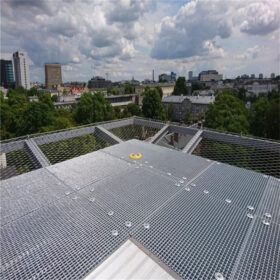
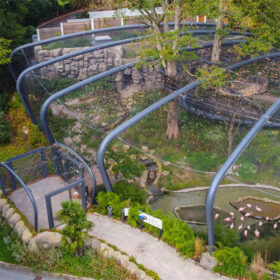
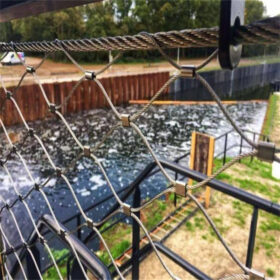
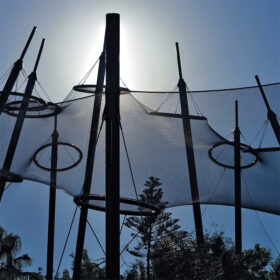
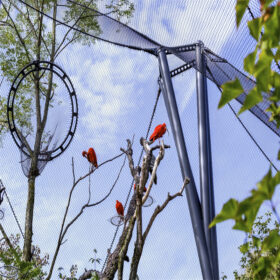
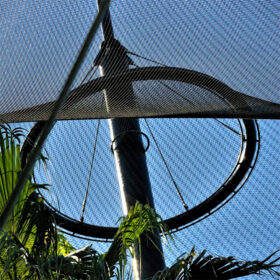
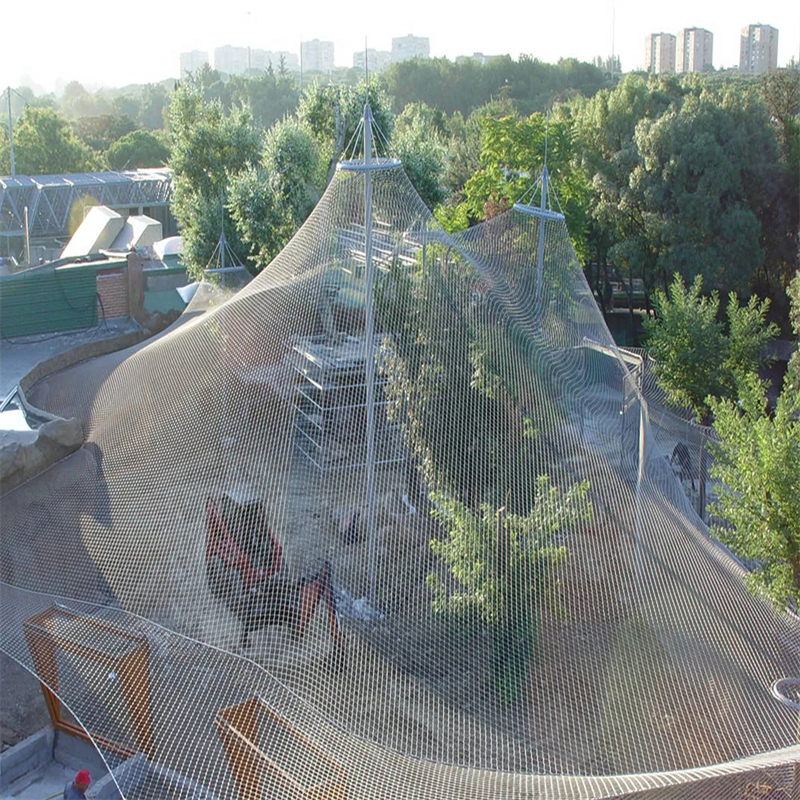
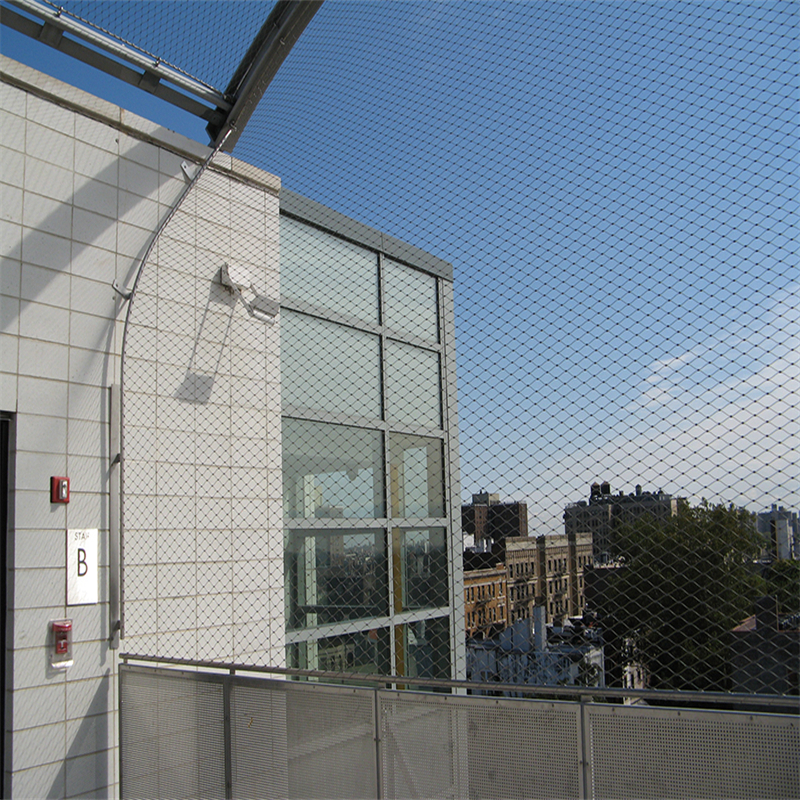
x-tend wire mesh is a flexible, high-performance stainless steel cable net system engineered for demanding architectural and safety applications. Using marine-grade stainless steel wire rope and precision-pressed ferrules, x-tend wire mesh delivers low weight, very high strength and outstanding transparency. It is widely used on façades, balustrades, bridges, helidecks, zoo enclosures, stairways, stadiums and safety barriers where designers need a clean, elegant appearance without compromising protection. In public buildings, offshore platforms, transport hubs and zoological parks, the x-tend wire mesh infill is often the last barrier between a minor incident and a major accident. Correctly specified x-tend wire mesh works quietly for decades, protecting people, animals and assets. But if you ignore a few critical design and installation warnings, you can create dangerous weak points and suffer unexpected financial loss.
What Is x-tend wire mesh?
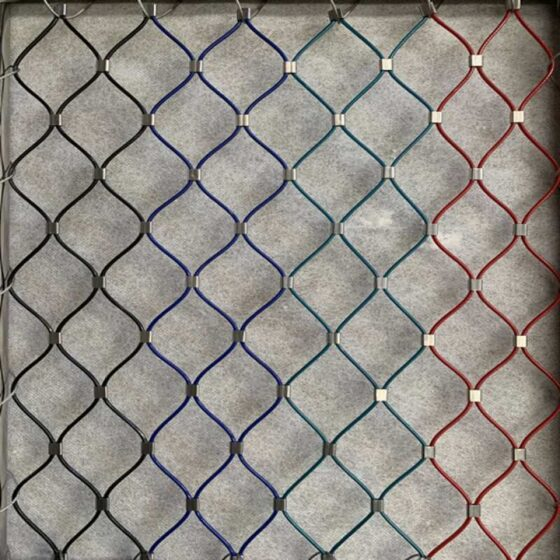
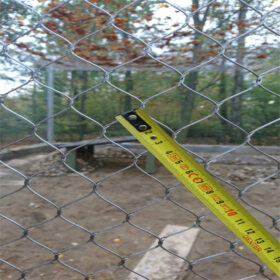
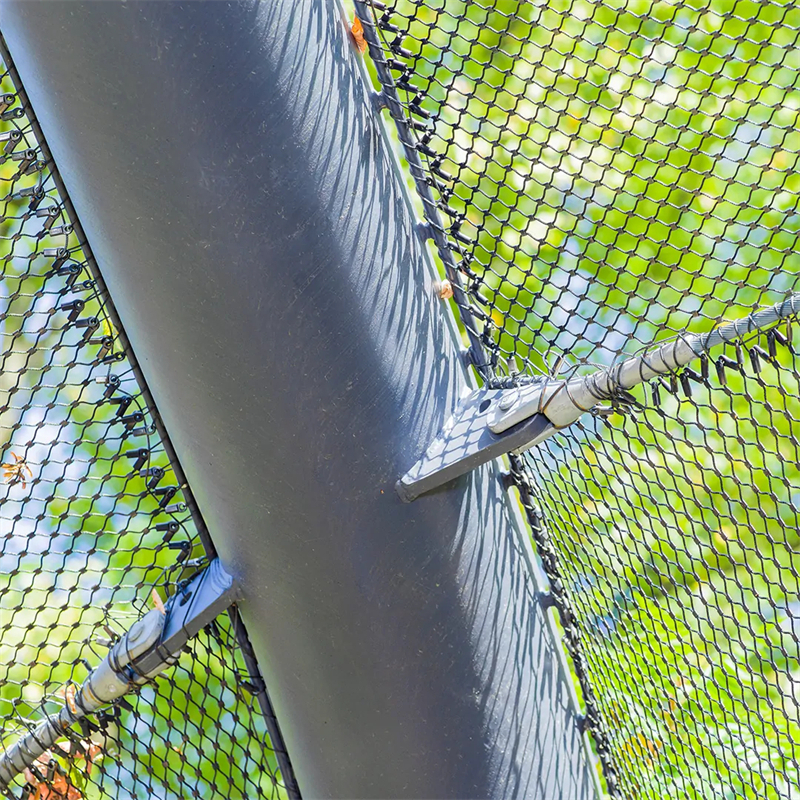
x-tend wire mesh is composed of high-tensile stainless steel wire rope woven or ferrule-pressed into a net with diamond or square apertures. The mesh deforms elastically under load, distributing forces through the cable network and back into edge frames, posts and tension rings. This gives x-tend wire mesh the rare combination of high energy absorption, long spans and a very light visual footprint compared with bars, plates or heavy welded infill. Typical x-tend wire mesh construction details include: stainless steel wire rope diameters from 1.2–4.0 mm, mesh apertures from 20 × 20 mm up to 300 × 300 mm, rope structures of 7 × 7 and 7 × 19 for optimal flexibility and strength, and material grades from AISI 304 / 304L for inland applications to AISI 316 / 316L for coastal and marine environments.
Insight #1 – Load path insight that controls real x-tend wire mesh safety
The first crucial insight is that mesh aperture, wire rope diameter, mesh angle and support spacing together define the real load path of x-tend wire mesh. If the aperture is too large for the selected wire diameter, or if support spacing is too wide, the mesh can deflect excessively under impact, crowd loading or wind. This creates dangerously large openings exactly when you need the barrier most. Balancing these parameters correctly gives controlled deflection, high energy absorption and reliable containment of people, tools and animals.
Materials, Rope Structures and Corrosion Resistance
x-tend wire mesh is produced from cold-drawn stainless steel wire stranded into cables before weaving or ferrule pressing. Two rope structures dominate: 7 × 7, compact and relatively stiff, ideal for fine apertures, balustrades and façades; and 7 × 19, highly flexible, ideal for larger spans, helidecks, zoo roofs and three-dimensional geometry. AISI 304 / 304L is suitable for interior and mild exterior climates, while AISI 316 / 316L with molybdenum provides superior resistance to pitting and crevice corrosion in coastal, marine and industrial atmospheres.
Detail #2 – Material selection detail that blocks hidden corrosion damage
A decisive detail for x-tend wire mesh is the choice between AISI 304 and AISI 316. In salty air, industrial pollution or chlorinated water zones, underspecifying the grade allows hidden corrosion to start inside ferrules, at clamps and in shaded, wet areas. Over time this weakens individual wires and can create sharp points that damage clothing, equipment or skin. Specifying AISI 316 / 316L wherever exposure is aggressive shuts down this hidden corrosion pathway and keeps the full breaking load of the mesh intact for decades.
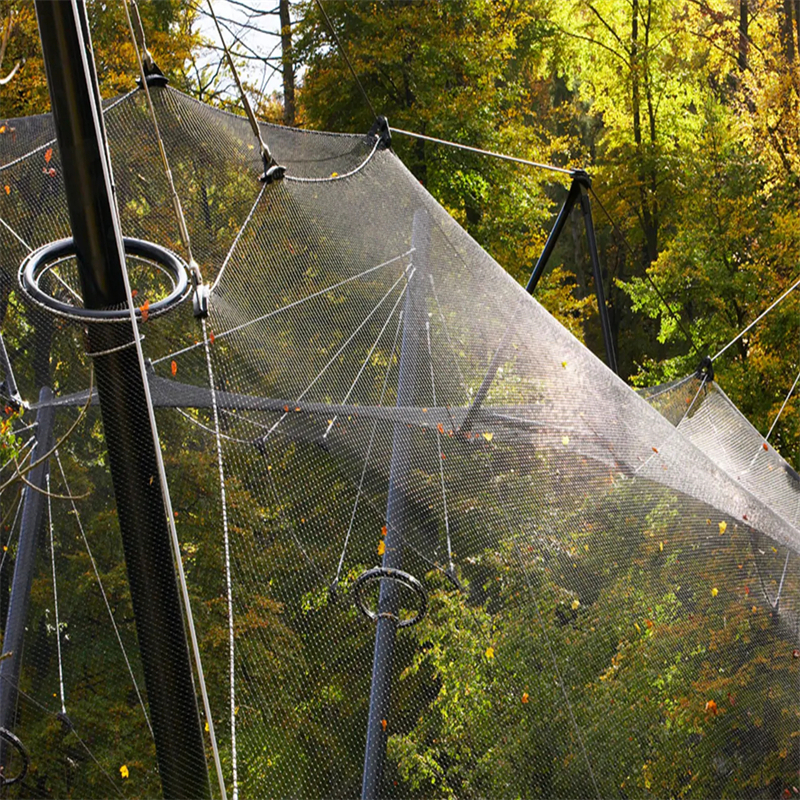
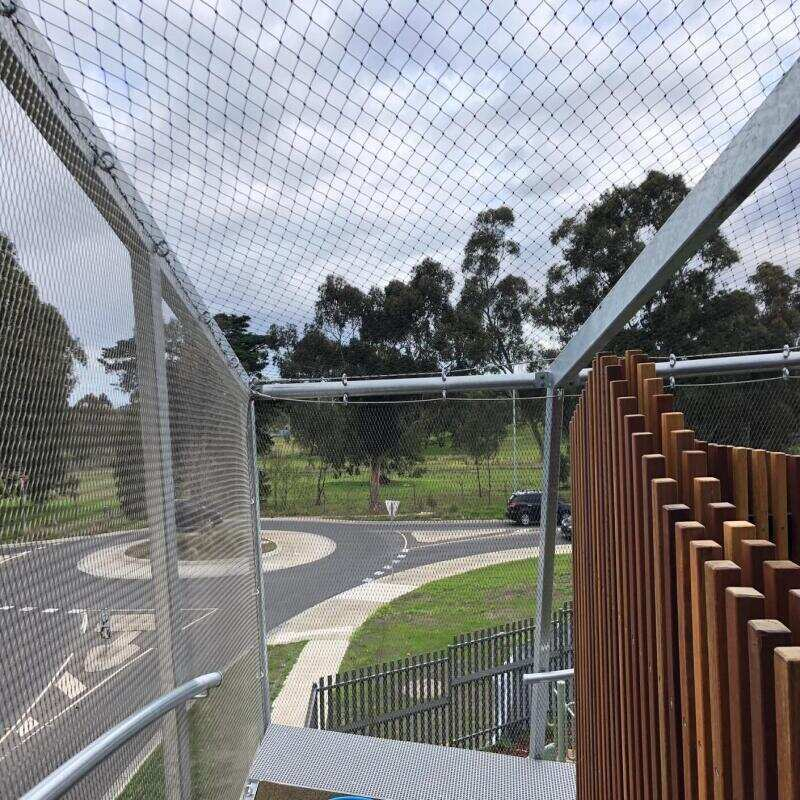
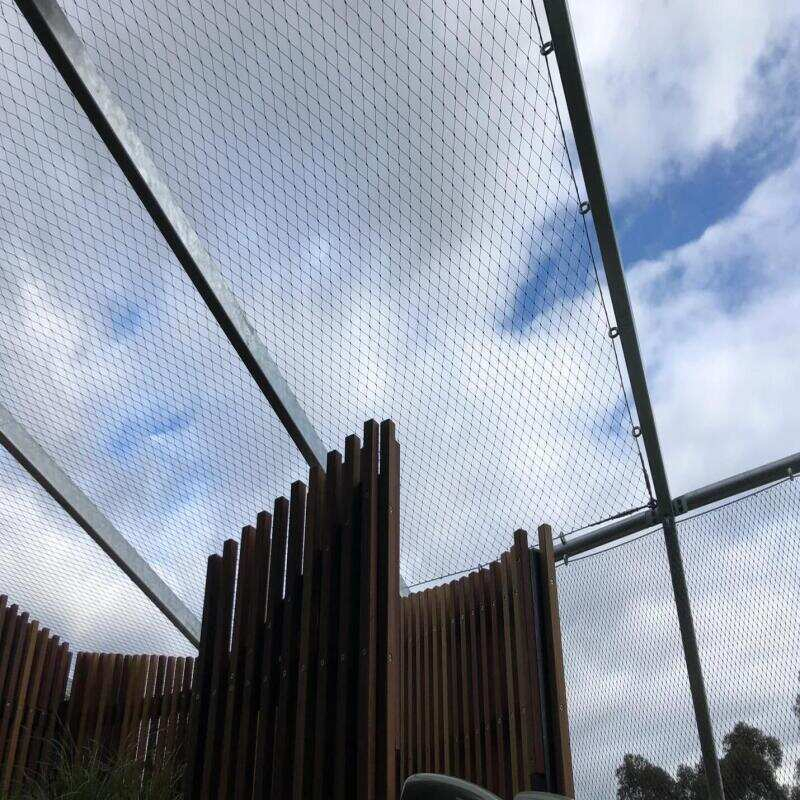
x-tend wire mesh for Façades and Balustrades
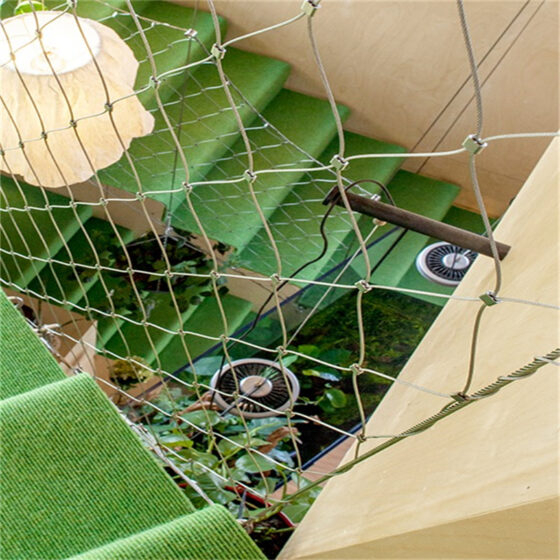
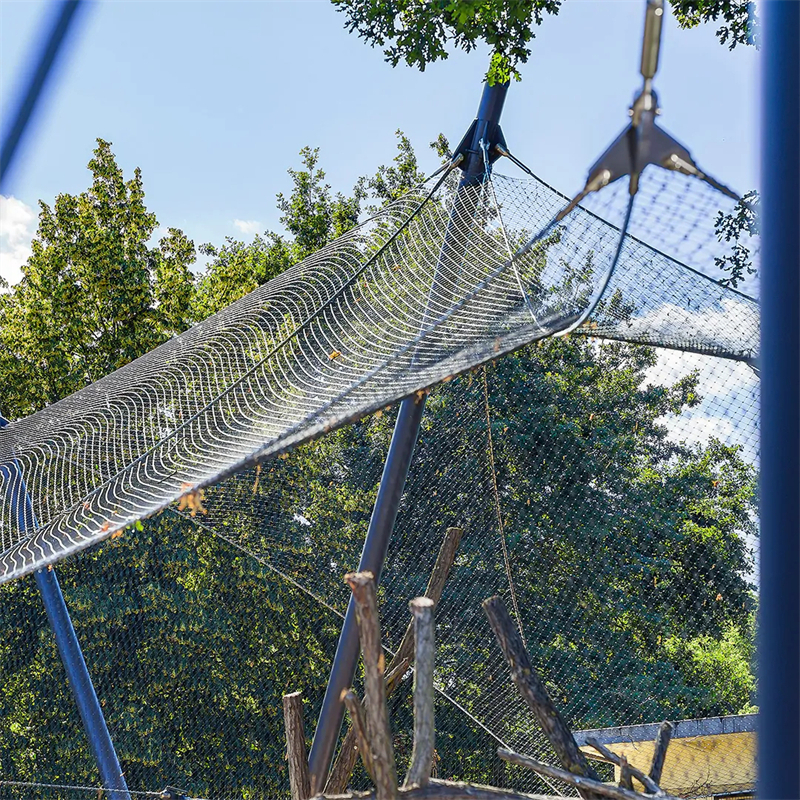
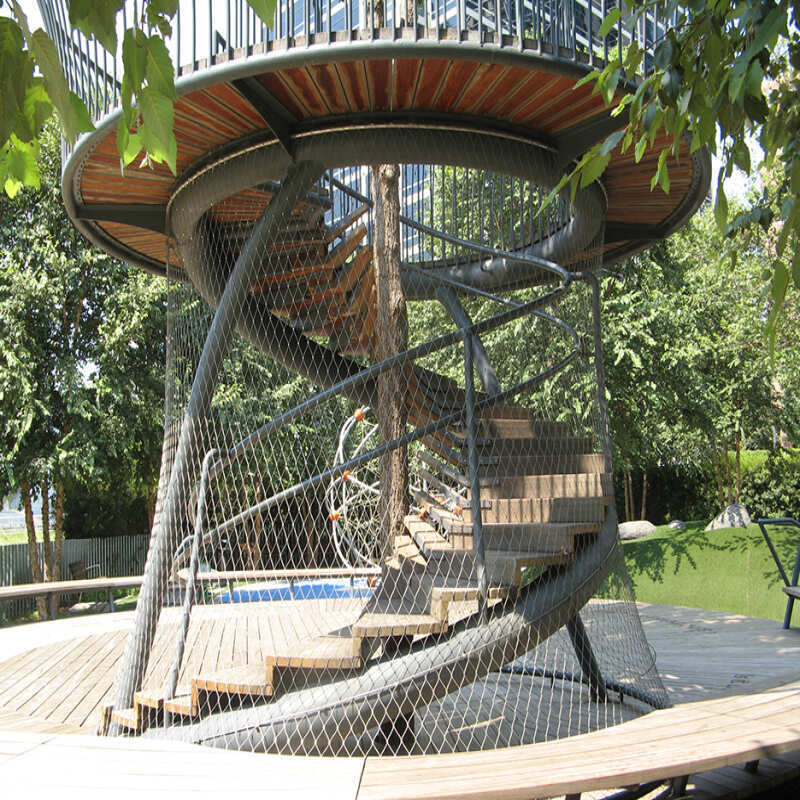
For façades, stair balustrades, atriums and bridge rails, x-tend wire mesh delivers transparent safety with minimal visual clutter. It maintains clear sightlines, supports climbing plants and allows natural light to penetrate deep into buildings while still meeting fall protection requirements.
Specification Table 1 – Façade and Balustrade x-tend wire mesh
| WIRE ROPE DIAMETER | MESH APERTURE | Angle degrees: | Light Transmittance (%) | Material | Nominal Breaking Load (lbs) | WIRE ROPE STRUCTURES |
| 1.2 mm | 30 × 50 mm | 60° | 80% | AISI 316 | 800 | 7 × 7 |
| 1.5 mm | 35 × 60 mm | 60° | 82% | AISI 316 | 1,150 | 7 × 7 |
| 1.5 mm | 40 × 70 mm | 60° | 84% | AISI 316 | 1,150 | 7 × 7 |
| 1.6 mm | 40 × 80 mm | 60° | 85% | AISI 316 | 1,250 | 7 × 7 |
| 1.6 mm | 50 × 80 mm | 60° | 86% | AISI 316 | 1,250 | 7 × 7 |
| 1.6 mm | 50 × 90 mm | 70° | 87% | AISI 316 | 1,250 | 7 × 7 |
| 2.0 mm | 60 × 100 mm | 70° | 88% | AISI 316 | 2,000 | 7 × 7 |
| 2.0 mm | 60 × 120 mm | 70° | 89% | AISI 316 | 2,000 | 7 × 7 |
| 2.0 mm | 70 × 130 mm | 75° | 90% | AISI 316 | 2,000 | 7 × 7 |
| 2.4 mm | 80 × 140 mm | 75° | 91% | AISI 316 | 3,100 | 7 × 7 |
| 2.4 mm | 90 × 160 mm | 75° | 92% | AISI 316 | 3,100 | 7 × 7 |
| 2.4 mm | 100 × 180 mm | 80° | 93% | AISI 316 | 3,100 | 7 × 7 |
| 3.0 mm | 100 × 200 mm | 80° | 94% | AISI 316 | 4,600 | 7 × 19 |
| 3.0 mm | 120 × 220 mm | 80° | 95% | AISI 316 | 4,600 | 7 × 19 |
| 3.2 mm | 120 × 240 mm | 85° | 96% | AISI 316 | 5,100 | 7 × 19 |
Risk #3 – Balustrade risk that exposes people to falls
When x-tend wire mesh is used in stairways, balconies and bridge balustrades, a major risk is leaving openings near floors, posts or handrails that exceed local code limits. This often happens when aperture selection is driven by appearance only or when corners are detailed in a hurry. Closing this risk means choosing apertures aligned with regulations and detailing every termination so x-tend wire mesh pulls tight to the structure with no climbable gaps.
x-tend wire mesh for Zoo Enclosures and Aviaries
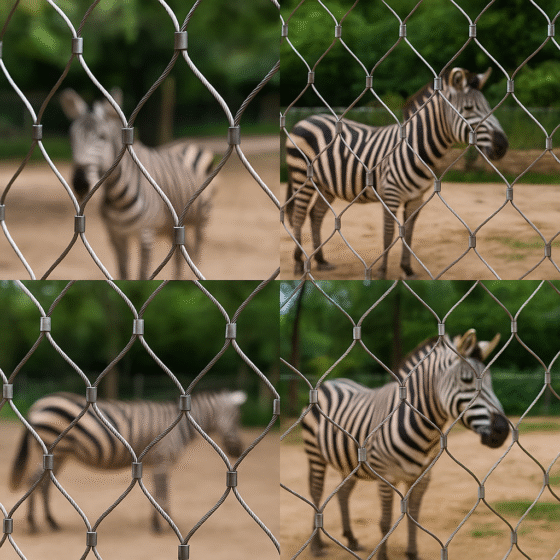
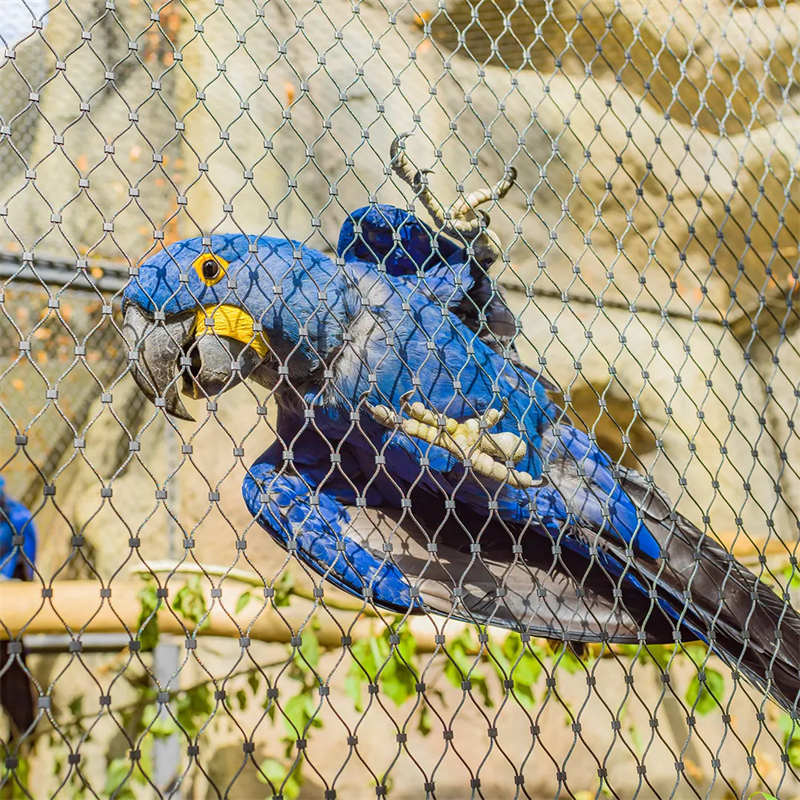
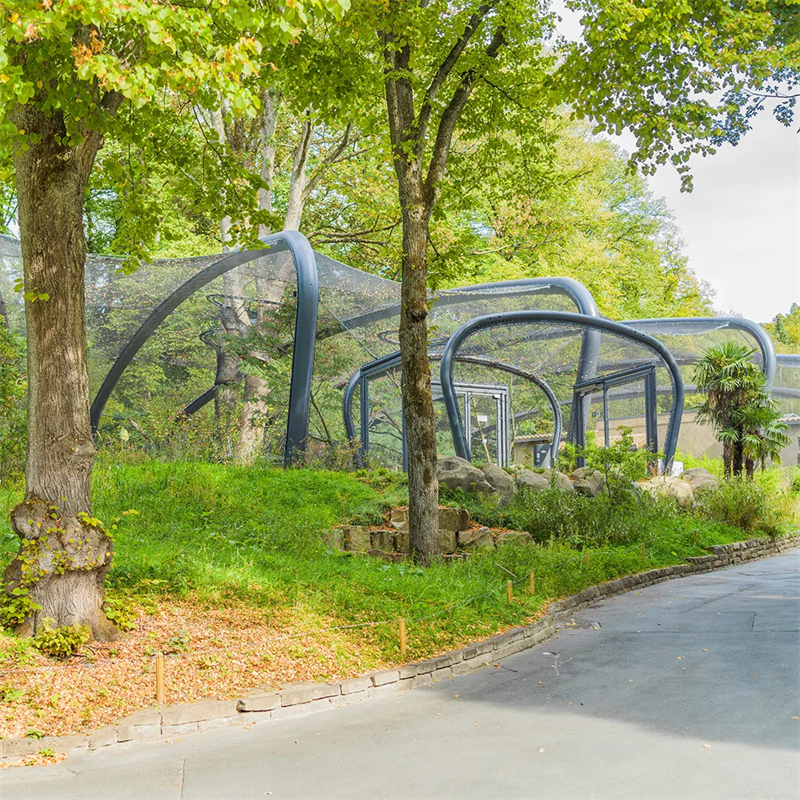
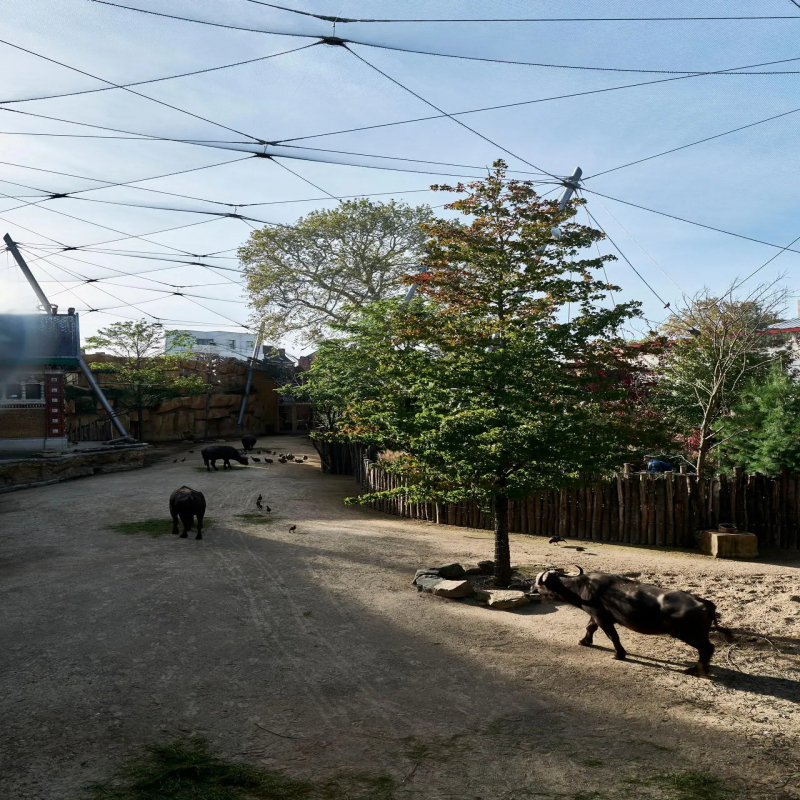
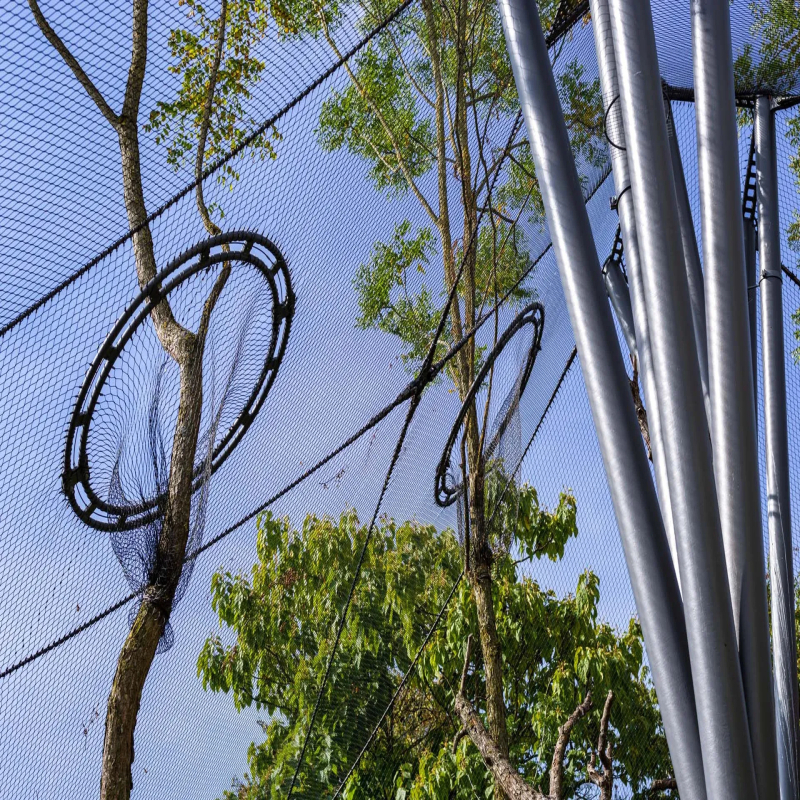
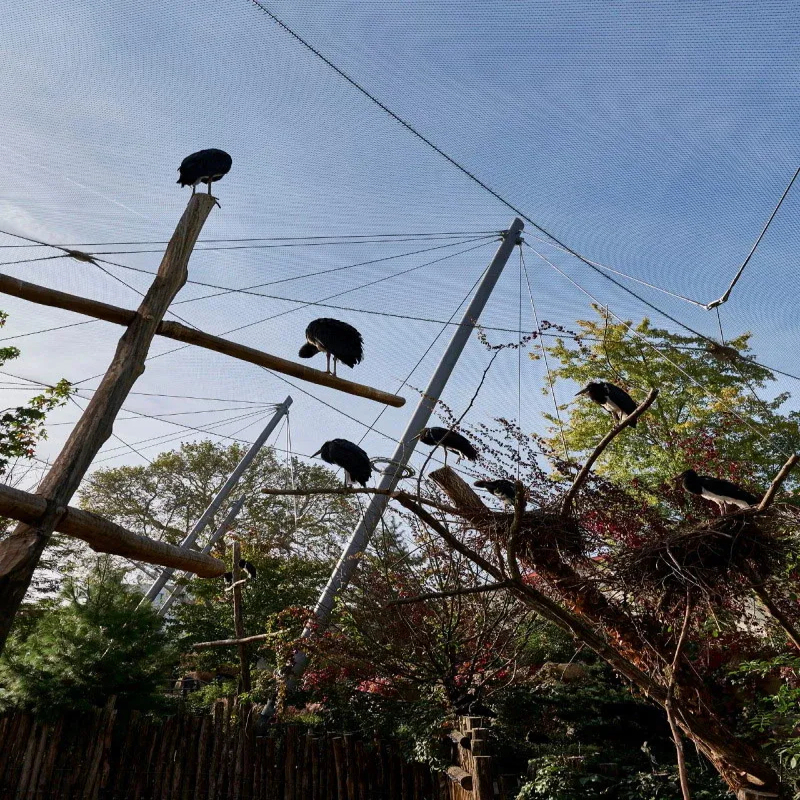
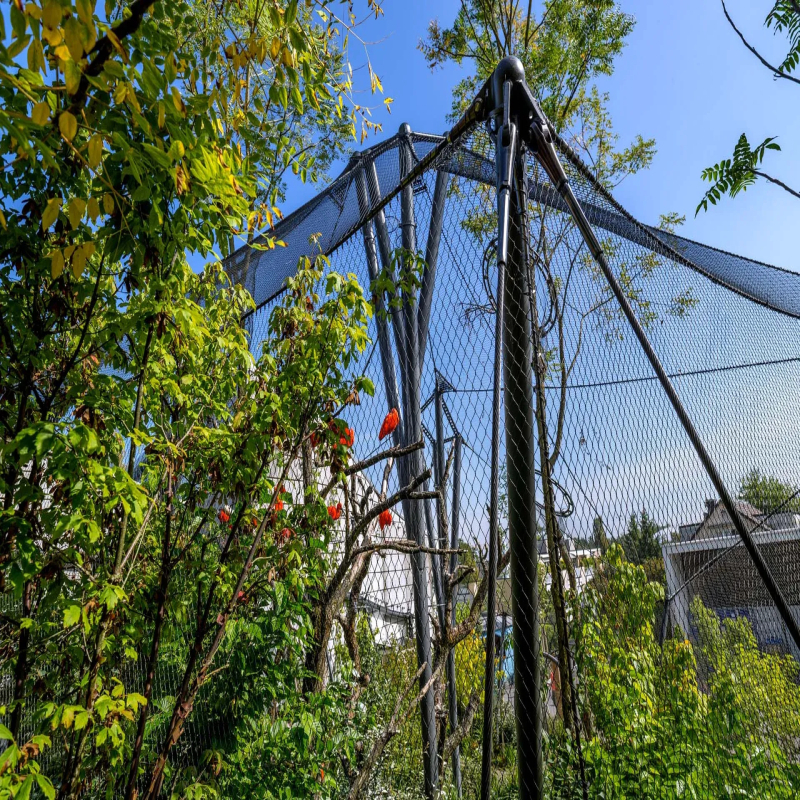
Zoos, aviaries and wildlife parks use x-tend wire mesh to create light, natural-looking enclosures for birds, primates and big cats. The minimal visual obstruction and high strength allow immersive habitats, overhead tunnels and walk-through exhibits that feel open while remaining secure.
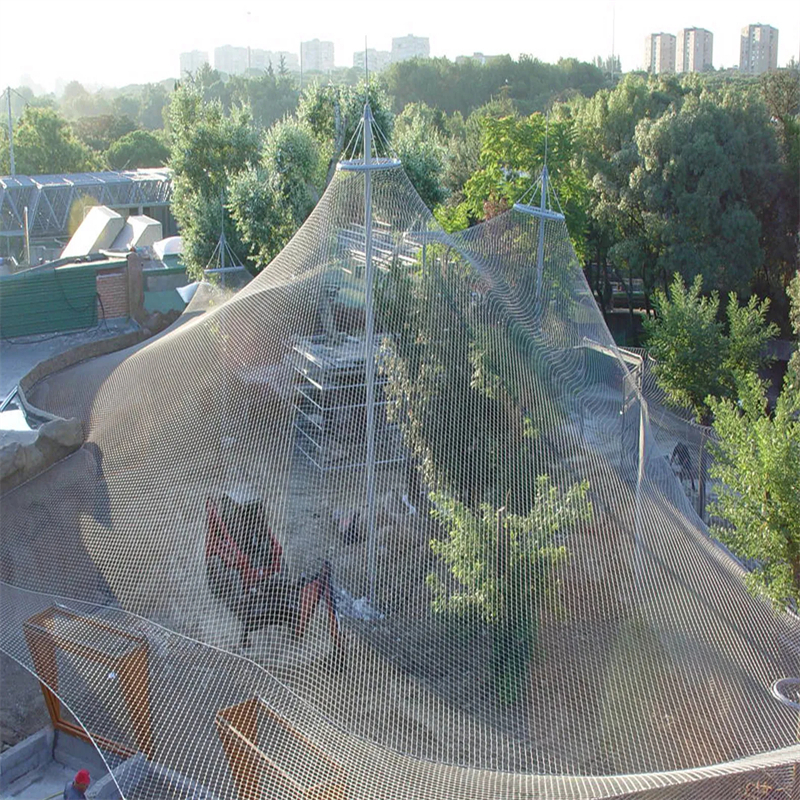
Specification Table 2 – Zoo and Aviary x-tend wire mesh
| WIRE ROPE DIAMETER | MESH APERTURE | Angle degrees: | Light Transmittance (%) | Material | Nominal Breaking Load (lbs) | WIRE ROPE STRUCTURES |
| 1.2 mm | 20 × 20 mm | 60° | 70% | AISI 304 | 800 | 7 × 7 |
| 1.2 mm | 25 × 25 mm | 60° | 72% | AISI 304 | 800 | 7 × 7 |
| 1.5 mm | 30 × 30 mm | 60° | 75% | AISI 304 | 1,150 | 7 × 7 |
| 1.5 mm | 35 × 35 mm | 60° | 77% | AISI 304 | 1,150 | 7 × 7 |
| 1.6 mm | 40 × 40 mm | 70° | 80% | AISI 304 | 1,250 | 7 × 7 |
| 1.6 mm | 50 × 50 mm | 70° | 82% | AISI 304 | 1,250 | 7 × 7 |
| 2.0 mm | 50 × 60 mm | 70° | 84% | AISI 316 | 2,000 | 7 × 7 |
| 2.0 mm | 60 × 80 mm | 70° | 86% | AISI 316 | 2,000 | 7 × 7 |
| 2.0 mm | 70 × 100 mm | 70° | 88% | AISI 316 | 2,000 | 7 × 7 |
| 2.4 mm | 80 × 120 mm | 75° | 90% | AISI 316 | 3,100 | 7 × 7 |
| 2.4 mm | 100 × 150 mm | 75° | 92% | AISI 316 | 3,100 | 7 × 7 |
| 3.0 mm | 120 × 180 mm | 80° | 93% | AISI 316 | 4,600 | 7 × 19 |
| 3.0 mm | 150 × 200 mm | 80° | 94% | AISI 316 | 4,600 | 7 × 19 |
| 3.2 mm | 180 × 220 mm | 80° | 95% | AISI 316 | 5,100 | 7 × 19 |
| 3.2 mm | 200 × 250 mm | 85° | 96% | AISI 316 | 5,100 | 7 × 19 |
Warning #4 – Animal welfare warning inside enclosures
In zoo and aviary projects, a serious warning is animal interaction with x-tend wire mesh. If aperture and wire diameter are mismatched to the species, claws, beaks, horns or tails can become caught, causing injury and stress. Selecting apertures that match the smallest body parts and using smooth ferrules in high-contact zones eliminates this welfare warning while keeping visitor views wide open and photogenic.
x-tend wire mesh for Helidecks and High-Risk Platforms
On helidecks, offshore platforms and high-rise roofs, x-tend wire mesh is used as perimeter netting, stair infill and dropped-object protection. The mesh must resist rotor wash, wind gusts and emergency landings while stopping people, wheels and tools from crossing the edge.
Specification Table 3 – Helideck and High-Fall x-tend wire mesh
| WIRE ROPE DIAMETER | MESH APERTURE | Angle degrees: | Light Transmittance (%) | Material | Nominal Breaking Load (lbs) | WIRE ROPE STRUCTURES |
| 2.0 mm | 60 × 60 mm | 60° | 88% | AISI 316 | 2,000 | 7 × 7 |
| 2.0 mm | 70 × 70 mm | 70° | 89% | AISI 316 | 2,000 | 7 × 7 |
| 2.4 mm | 80 × 80 mm | 70° | 90% | AISI 316 | 3,100 | 7 × 7 |
| 2.4 mm | 90 × 90 mm | 70° | 91% | AISI 316 | 3,100 | 7 × 7 |
| 3.0 mm | 100 × 100 mm | 75° | 92% | AISI 316 | 4,600 | 7 × 19 |
| 3.0 mm | 120 × 120 mm | 75° | 93% | AISI 316 | 4,600 | 7 × 19 |
| 3.2 mm | 130 × 130 mm | 75° | 94% | AISI 316 | 5,100 | 7 × 19 |
| 3.2 mm | 150 × 150 mm | 80° | 95% | AISI 316 | 5,100 | 7 × 19 |
| 4.0 mm | 150 × 200 mm | 80° | 95% | AISI 316 | 7,900 | 7 × 19 |
| 4.0 mm | 150 × 260 mm | 80° | 95% | AISI 316 | 7,900 | 7 × 19 |
| 4.0 mm | 180 × 300 mm | 80° | 96% | AISI 316 | 7,900 | 7 × 19 |
| 4.0 mm | 200 × 300 mm | 85° | 96% | AISI 316 | 7,900 | 7 × 19 |
| 3.2 mm | 180 × 220 mm | 80° | 95% | AISI 316 | 5,100 | 7 × 19 |
| 3.2 mm | 180 × 250 mm | 80° | 95% | AISI 316 | 5,100 | 7 × 19 |
| 3.2 mm | 200 × 280 mm | 85° | 96% | AISI 316 | 5,100 | 7 × 19 |
Trap #5 – Aperture trap that lets tools and PPE fall through
On helidecks and high-level platforms, a dangerous trap appears when x-tend wire mesh apertures are treated as purely decorative. If openings are large enough for helmets, radios, tools or PPE to slip through, dropped objects can fall multiple decks or overboard. Selecting heavy-duty combinations of mesh aperture and wire diameter, as in the table above, blocks these objects while still allowing airflow and drainage.
x-tend wire mesh for Stairs, Walkways and Public Areas
In stadiums, transit hubs and public buildings, x-tend wire mesh is widely used on stair cores, escalator guards and elevated walkways. Here the mesh must resist crowd loading, accidental impacts and everyday wear while preserving openness and light.
Cost #6 – Lifecycle cost pattern that punishes cheap substitutes
An easily overlooked cost pattern emerges when comparing x-tend wire mesh with painted steel bars or chain-link infill. Cheaper alternatives demand regular repainting, rust treatment and early replacement. Over 10–20 years these recurring costs far exceed the original saving. x-tend wire mesh made from AISI 316 holds its finish and structural performance with minimal cleaning only, turning the lifecycle cost equation decisively in your favour.
Benefit #7 – Transparency benefit that boosts architecture and safety
The transparency of x-tend wire mesh delivers a double benefit: it elevates the architectural expression and reinforces safety. Light, open stair cores promote passive supervision and natural wayfinding, while unobstructed views reduce the feeling of confinement. This visual clarity makes it easier for staff and CCTV systems to monitor crowds and detect incidents early.
Flaw #8 – Design flaw at corners that creates dangerous gaps
A common design flaw is leaving small unprotected gaps between x-tend wire mesh and adjacent steelwork, especially at corners, stair starts and end posts. These gaps can become routes for tools, debris or even feet to slip through. Detailing every junction so the mesh overlaps or closes tight to the structure removes this flaw and keeps the safety envelope continuous around the entire perimeter.
Threat #9 – Installation threat you cannot ignore
Payoff #10 – Long-term payoff that rewards correct x-tend wire mesh design
When you specify x-tend wire mesh correctly – matching wire diameter, aperture, angle, material grade, rope structure, support spacing and installation details to your real site conditions – the payoff is powerful and long-term. You gain a clean, modern and highly transparent safety system that protects people, animals and structures year after year, cuts maintenance down to simple cleaning and inspections, and gives you a clear safety and image boost while avoiding the devastating losses caused by overlooked design, corrosion and installation mistakes.