Your One-Stop Wire Mesh Fence Supplier | POLYMETAL
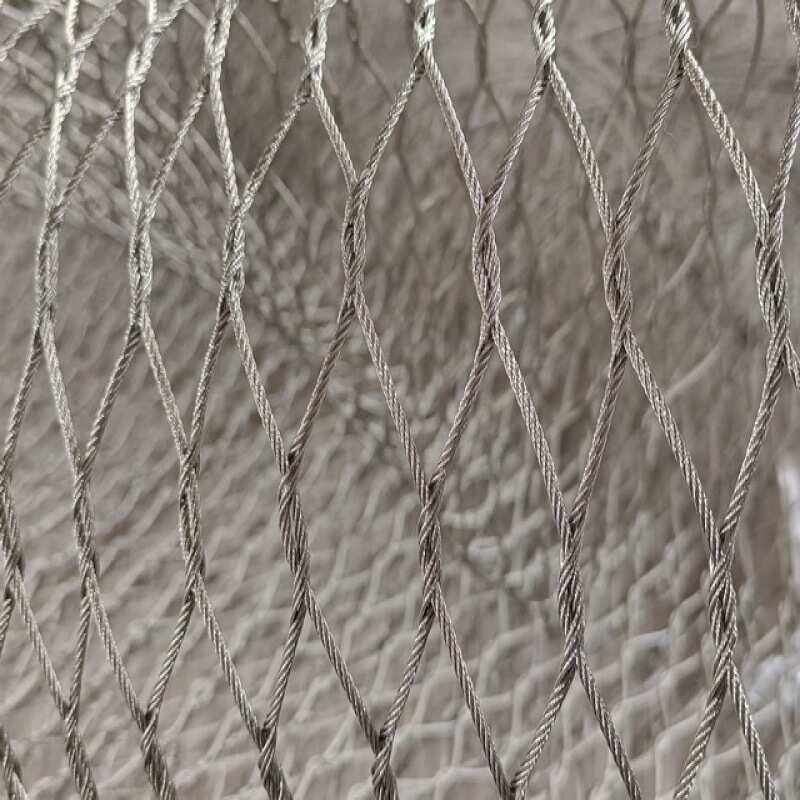
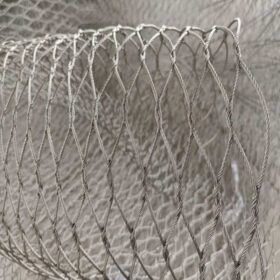
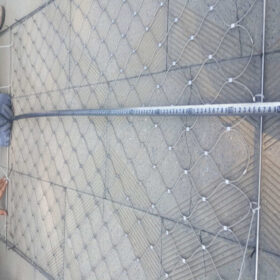
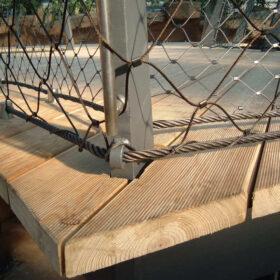
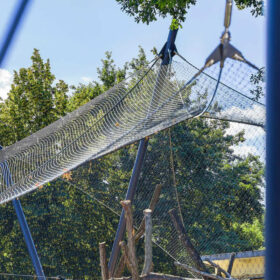
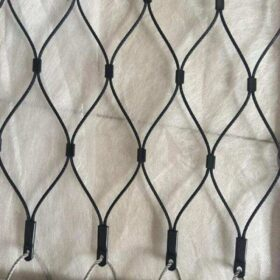

x tend wire mesh is chosen because “lightweight” and “high strength” can exist in the same system—when the build is controlled. The expensive surprise is that cheap x tend wire mesh does not fail on day one. It fails later: uneven tension opens the aperture profile, ferrules loosen under vibration, edges pull out at fixing points, and a clean architectural surface turns into a maintenance problem in public view.
POLYMETAL builds x tend wire mesh as a repeatable, measurable product: controlled rope structure, disciplined rope diameter, consistent mesh aperture, stable edge terminations, and export-ready packing that prevents distortion. The goal is simple—deliver a mesh that performs like a system, not like a guess. For projects that also need a rigid perimeter solution with disciplined hardware and site-ready installation, reference garrison fencing details to align fence geometry, fixings, and finish quality with the same “spec-first” approach.

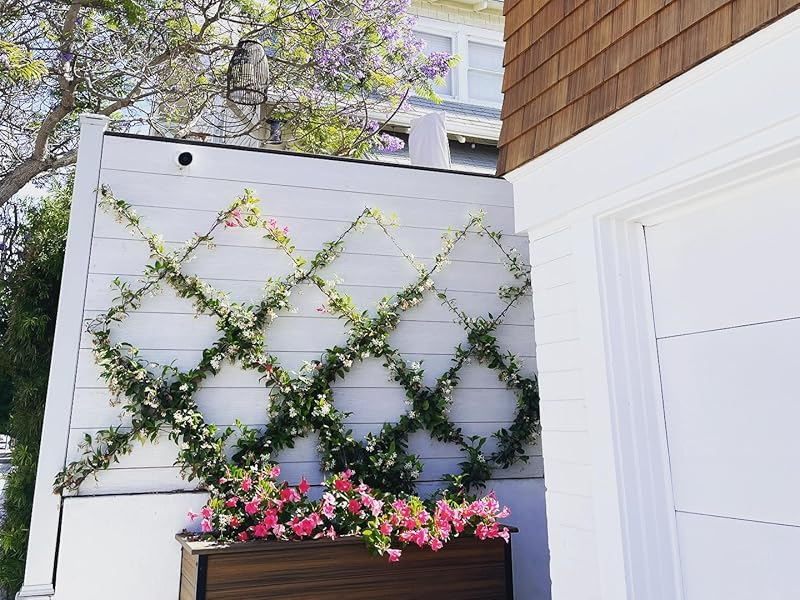
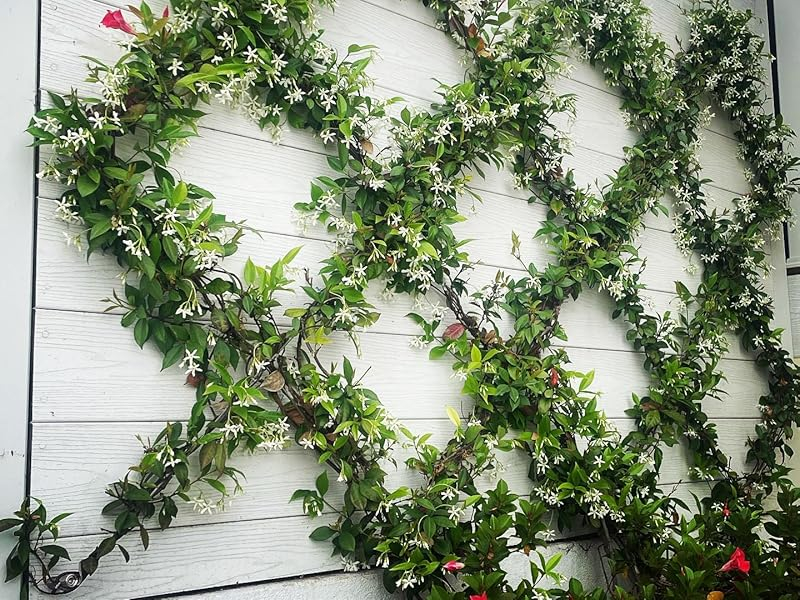
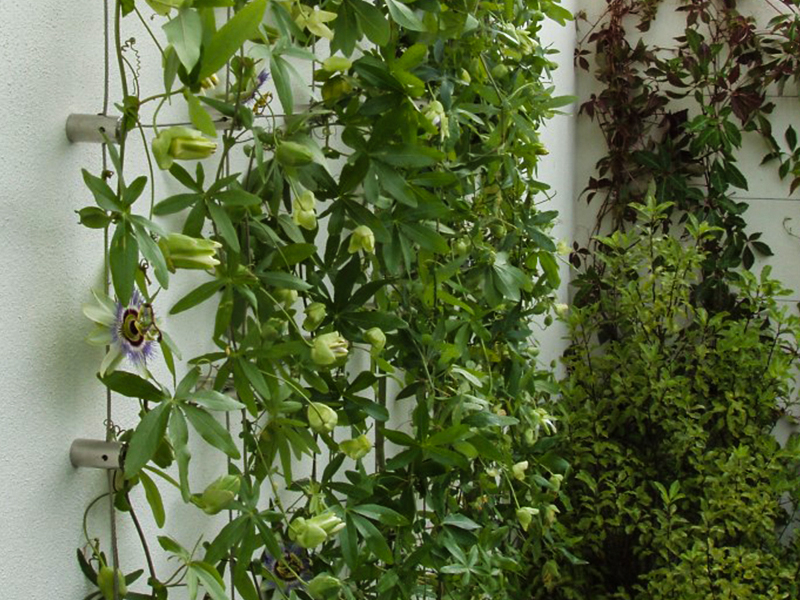
What x tend wire mesh Really Is
x tend wire mesh is a stainless steel wire rope mesh system used for global decoration and protection. It is lightweight, high strength, corrosion resistant, soft and flexible, fatigue resistant, impact resistant, and designed for durable long-life service that can exceed 30 years in many environments. In practical projects, x tend wire mesh is selected because it spans large areas with minimal visual blockage while still delivering containment, barrier, or façade functions that remain stable over time.
Product Description (POLYMETAL x tend wire mesh)
POLYMETAL x tend wire mesh is engineered as a modern architectural and protective material for outdoor and high-visibility applications. The stainless steel wire rope net is close to nature, green, and protects birds feather and animal skin by providing a flexible surface that reduces injury risk while also preventing rodents and other animals from biting through. For architectural projects, the same x tend wire mesh provides a modern soft-structure safety solution for façades, balustrade infill, green walls, and large-span protection zones without the heavy appearance of rigid welded panels.
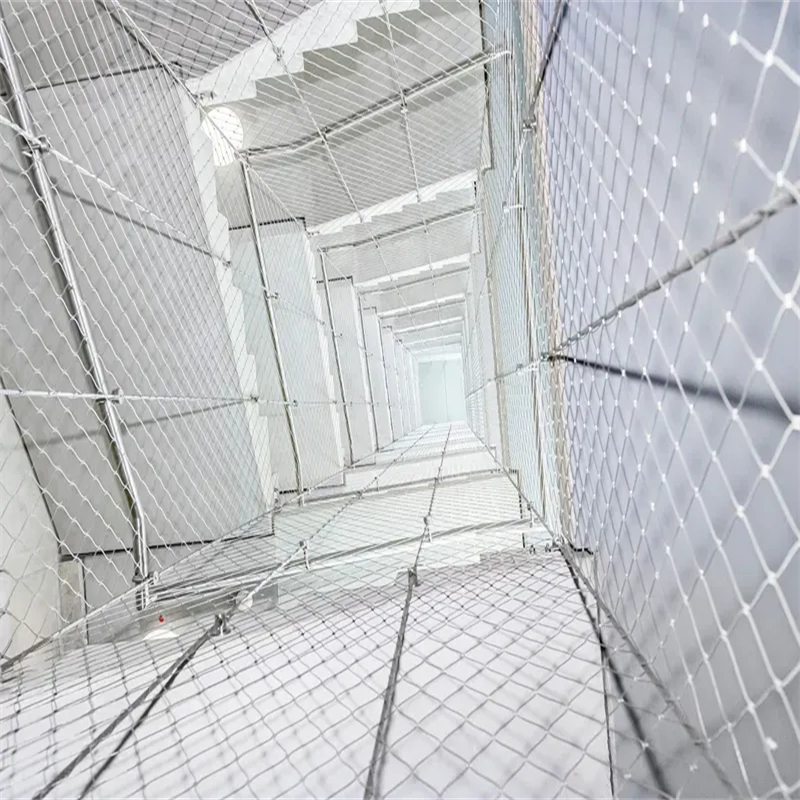
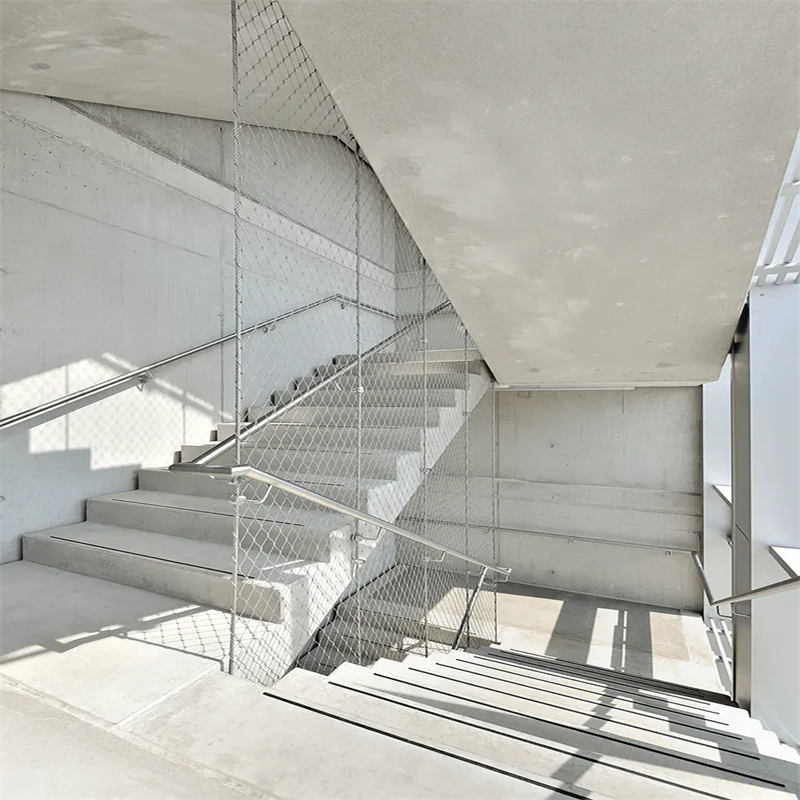
Build Options
Cable Structure Options (Controlled by Rope Diameter)
Cable structure for x tend wire mesh depends on cable thickness. A common rule is 7×7 rope construction for 1.0mm–3.0mm and 7×19 rope construction for 3.0mm–6.0mm where higher flexibility and fatigue resistance are needed under repeated movement and handling.
Woven Rope Mesh vs Ferrule Rope Mesh
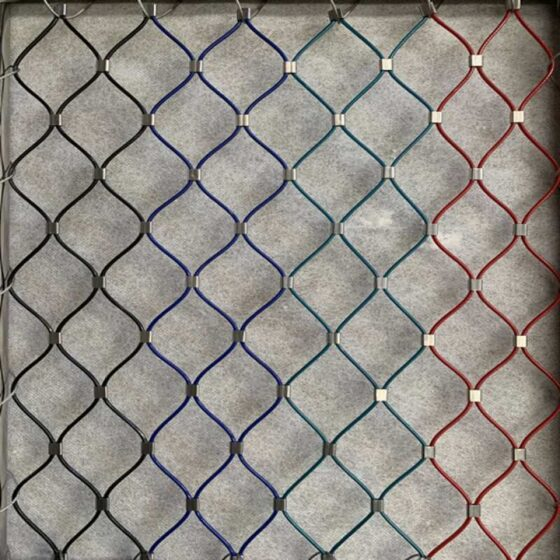
Woven rope mesh forms a continuous interwoven pattern that distributes load smoothly across the surface. Ferrule rope mesh uses metal ferrules (buckles) to connect cables into a consistent aperture grid. For ferrule x tend wire mesh, POLYMETAL supports eye buckles, edge buckles, open buckles, and close buckles. Open buckles are the usual option for production efficiency and field handling, while other buckle types can be manufactured for special edge, frame, or aesthetic requirements. With stainless steel ferrule rope mesh, POLYMETAL can also supply frames for faster installation and cleaner tension control.
Detailed Images
All photos below are kept in the page to avoid any loss of product images.
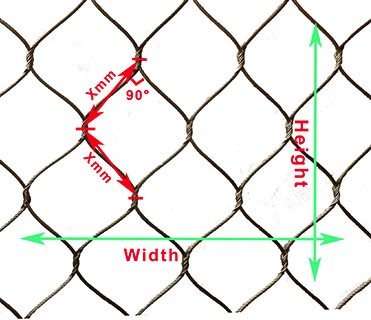

Specifications (Data-First Control for Procurement)
x tend wire mesh performance is controlled by specification, not promises. Lock the rope structure, rope diameter, mesh aperture, edge termination plan, and any frame requirement—then you control strength feel, visual consistency, and long-term stability.




Table 1 — Core Specification Controls (Snapshot)
| Specification Item | POLYMETAL Options | Why It Matters (Outcome Control) |
|---|---|---|
| Mesh type | Woven rope mesh / Ferrule rope mesh | Controls pattern stability, installation method, and edge behavior |
| Rope structure | 7×7 (1.0–3.0mm) / 7×19 (3.0–6.0mm) | Controls flexibility, fatigue resistance, and impact behavior |
| Rope diameter (mm) | 1.0 / 1.2 / 1.5 / 1.6 / 2.0 / 2.4 / 3.0 / 3.2 / 3.5 / 4.0 / 5.0 / 6.0 (custom) | Controls strength, deformation resistance, and aperture drift risk |
| Mesh aperture (mm) | 20×38 to 180×313 and beyond (custom) | Controls containment level, appearance, and handhold/climb behavior |
| Buckle / ferrule options | Eye buckles / Edge buckles / Open buckles / Close buckles | Controls joint integrity, vibration resistance, and edge load transfer |
| Frame option | Frame available for ferrule mesh | Controls installation speed, perimeter alignment, and tension consistency |
| Manufacturing method | Handmade mesh forming | Controls accuracy and repeatability across the full panel area |
Table 2 — Standard Model Examples (Rope Structure / Diameter / Aperture)
| Model | Rope Structure | Rope Diameter (mm) | Rope Diameter (inch) | Mesh Aperture (mm) |
|---|---|---|---|---|
| BNF10020 | 7×7 | 1.0 | 1/25 | 20×38 |
| BNF10040 | 7×7 | 1.0 | 1/25 | 40×70 |
| BNF10150 | 7×7 | 1.0 | 1/25 | 150×300 |
| BNF12050 | 7×7 | 1.2 | 3/64 | 50×87 |
| BNF12060 | 7×7 | 1.2 | 3/64 | 60×104 |
| BNF12070 | 7×7 | 1.2 | 3/64 | 70×121 |
| BNF12080 | 7×7 | 1.2 | 3/64 | 80×139 |
| BNF15030 | 7×7 | 1.5 | 1/17 | 30×50 |
| BNF15040 | 7×7 | 1.5 | 1/17 | 40×75 |
| BNF15100 | 7×7 | 1.5 | 1/17 | 100×175 |
| BNF15180 | 7×7 | 1.5 | 1/17 | 180×313 |
| BNF16050 | 7×7 | 1.6 | 1/16 | 50×87 |
| BNF16060 | 7×7 | 1.6 | 1/16 | 60×104 |
| BNF16080 | 7×7 | 1.6 | 1/16 | 80×139 |
| BNF20030 | 7×7 | 2.0 | 5/64 | 30×40 |
| BNF20060 | 7×7 | 2.0 | 5/64 | 60×106 |
| BNF20100 | 7×7 | 2.0 | 5/64 | 100×173 |
| BNF24070 | 7×7 | 2.4 | 3/32 | 70×121 |
| BNF24090 | 7×7 | 2.4 | 3/32 | 90×156 |
| BNF30050 | 7×19 | 3.0 | 3/25 | 50×90 |
| BNF30080 | 7×19 | 3.0 | 3/25 | 80×140 |
| BNF32090 | 7×19 | 3.2 | 1/8 | 90×156 |
| BNF32120 | 7×19 | 3.2 | 1/8 | 120×208 |
| BNF35050 | 7×19 | 3.5 | 7/51 | 50×90 |
| BNF35100 | 7×19 | 3.5 | 7/51 | 100×300 |
| Note: All specifications for x tend wire mesh can be customized. | ||||
Top 10 Procurement Traps for x tend wire mesh (Especially #7)
The fastest way to lose money is to buy x tend wire mesh by photos only. The following Top 10 traps are practical failure patterns that trigger damage, waste, and project loss.
Trap #1 — Risk: Treating “stainless” as one grade and ignoring corrosion exposure
x tend wire mesh lives outdoors. If grade selection is wrong for coastal air or industrial environments, staining risk rises and the project pays for cleaning and replacement.
Trap #2 — Problem: Choosing rope diameter by price instead of load path
If the mesh is carrying safety loads or resisting impact, thin rope deforms and the aperture drifts. Match rope diameter to the real containment and spanning requirement.
Trap #3 — Warning: Ordering mesh aperture without locking rope structure
A mesh aperture means little if 7×7 vs 7×19 is undefined. Rope structure controls flexibility and fatigue resistance—two key performance factors for x tend wire mesh.
Trap #4 — Pitfall: Ignoring edge termination (where most failures start)
If edge buckles, border rope, or frame strategy is missing, the edge can “walk,” loosen, or pull out at fixing points. Edge control is a core stability rule.
Trap #5 — Defect: Assuming ferrules are “standard” without integrity control
Ferrule crimp quality decides whether the grid holds geometry. Weak crimp behavior becomes a long-term maintenance cost under vibration and handling.
Trap #6 — Damage: Skipping panel squareness and aperture tolerance control
A panel can look acceptable while being dimensionally inconsistent. That triggers ugly joints, uneven tension, and site adjustment work that burns labour.
Trap #7 — Crisis: Not writing measurable acceptance rules into the PO
This is where buyers get hit. If the PO does not lock measurable acceptance rules—rope structure, rope diameter, mesh aperture, buckle type, edge termination plan, and inspection checkpoints—x tend wire mesh can arrive “close enough” but shift over time. That creates sag, misalignment, and repeated tightening—turning a premium mesh into ongoing loss and repair cost.
Trap #8 — Oversight: Buying mesh only and forgetting the frame strategy
Many x tend wire mesh projects need a frame to control tension, alignment, and installation speed. Without a frame plan, the site improvises and quality becomes inconsistent.
Trap #9 — Mistake: Skipping receiving inspection before installation
Check rope diameter, aperture, ferrule integrity, and finish condition on arrival. Fixing issues after installation is always more expensive.
Trap #10 — Loss: Treating packing as “logistics” instead of geometry protection
If packing allows bending or crushing, the mesh arrives distorted. x tend wire mesh performance depends on stable geometry, so export packing is a performance control point.
Applications
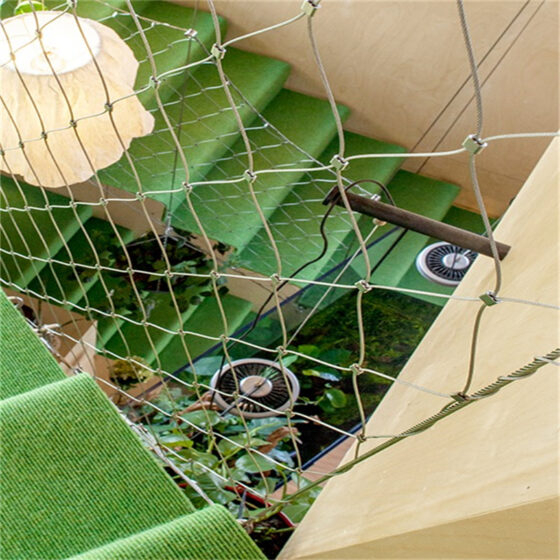
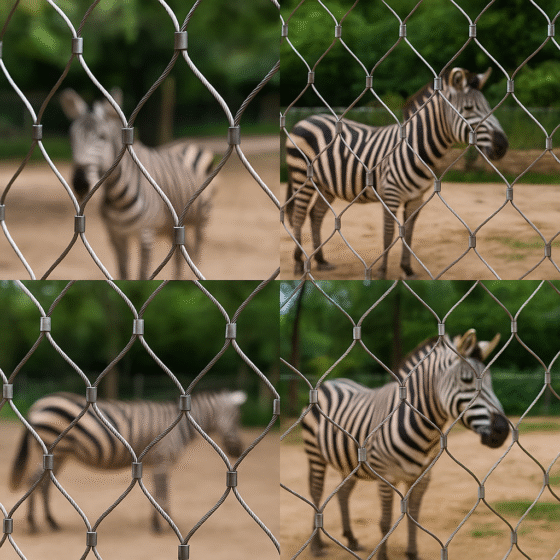
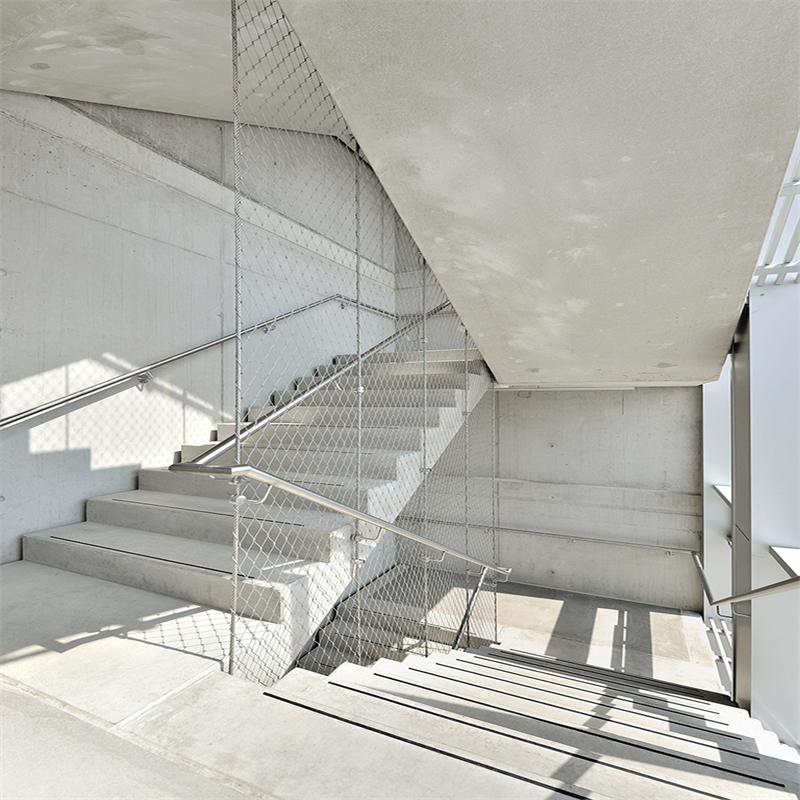
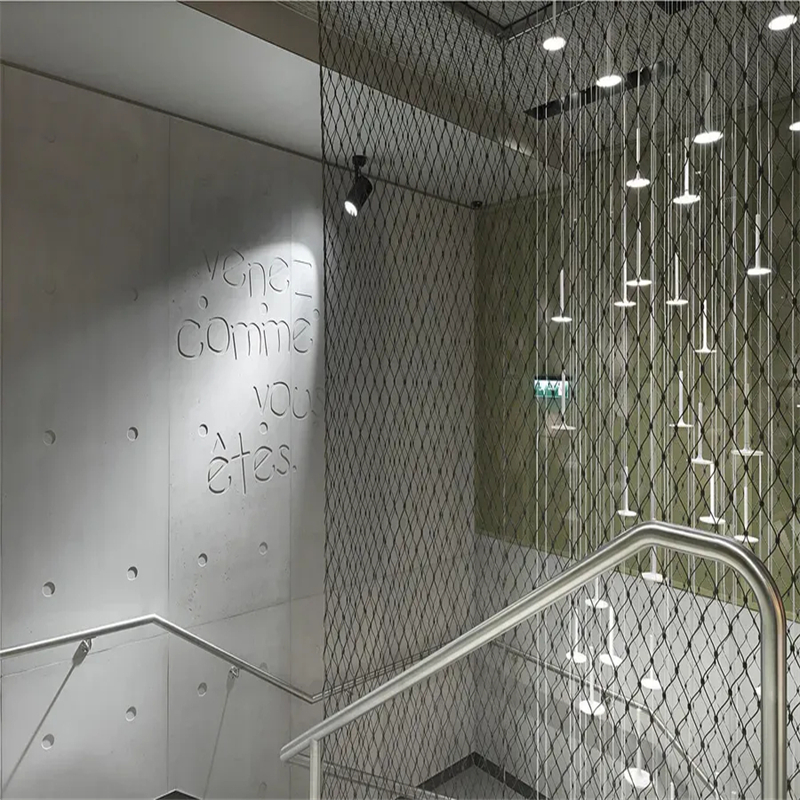
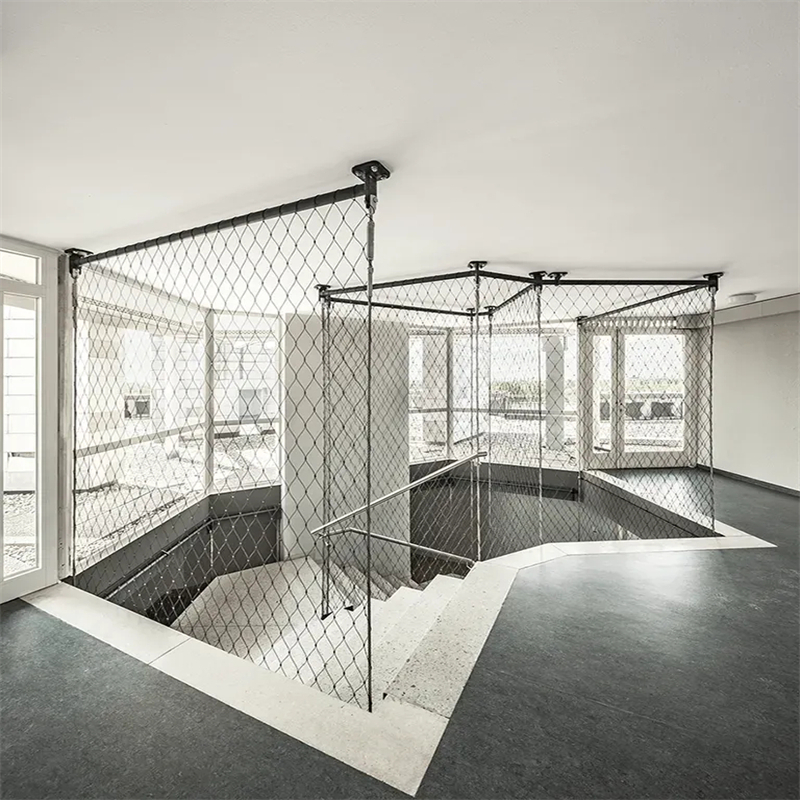
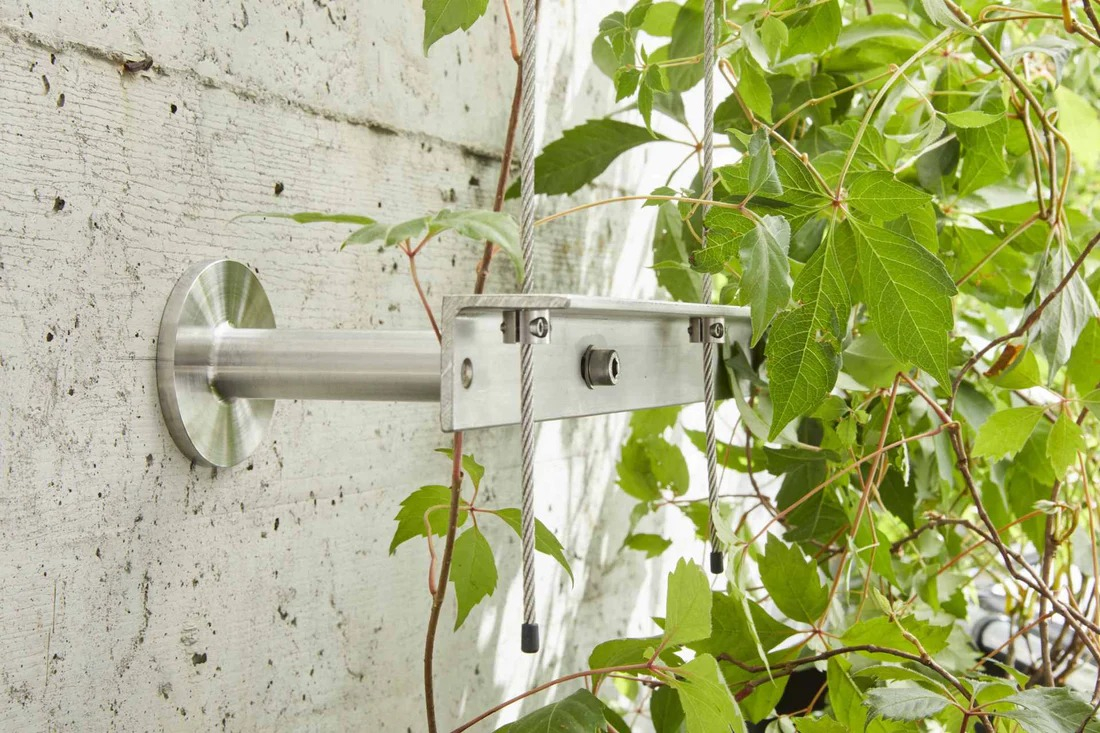
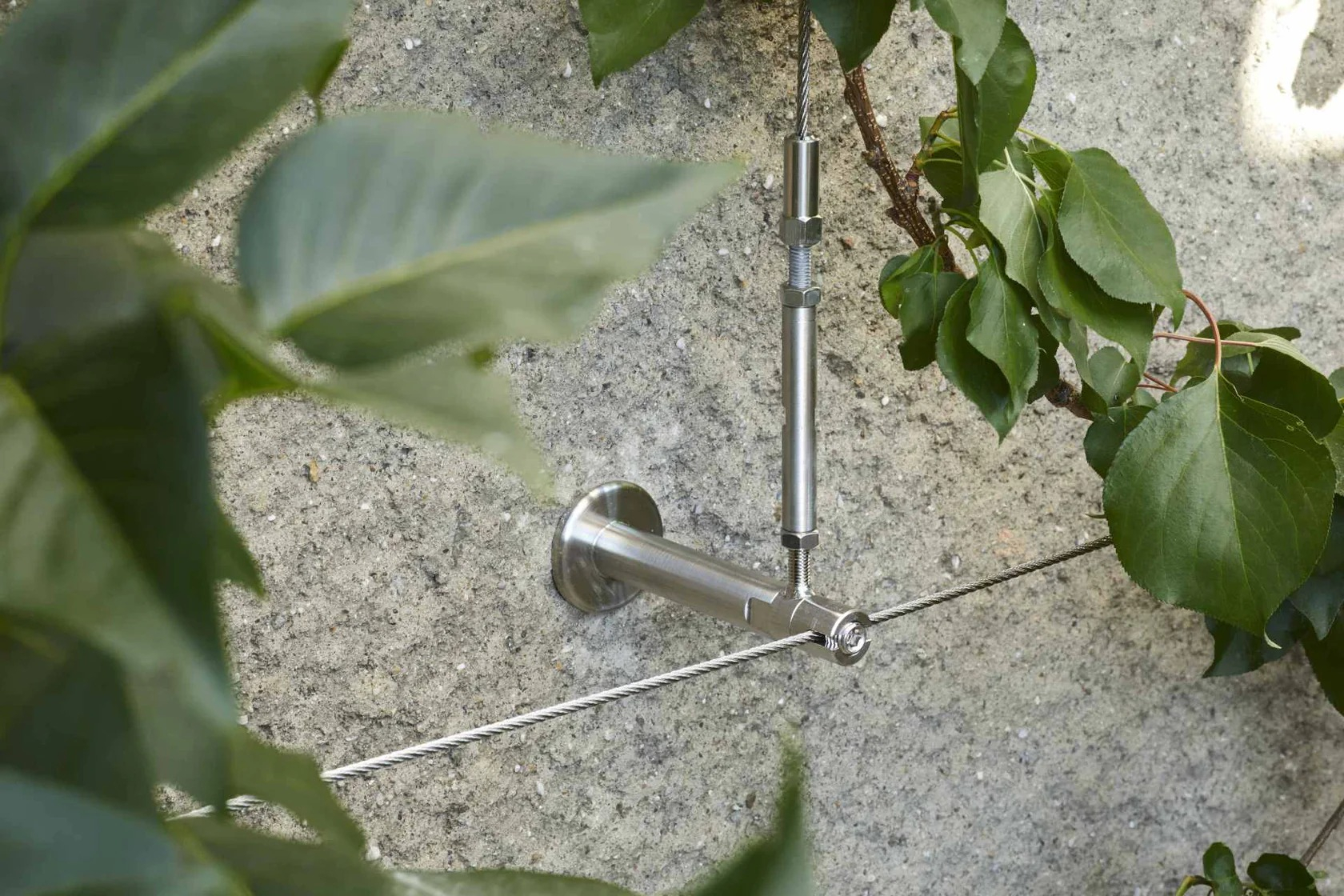
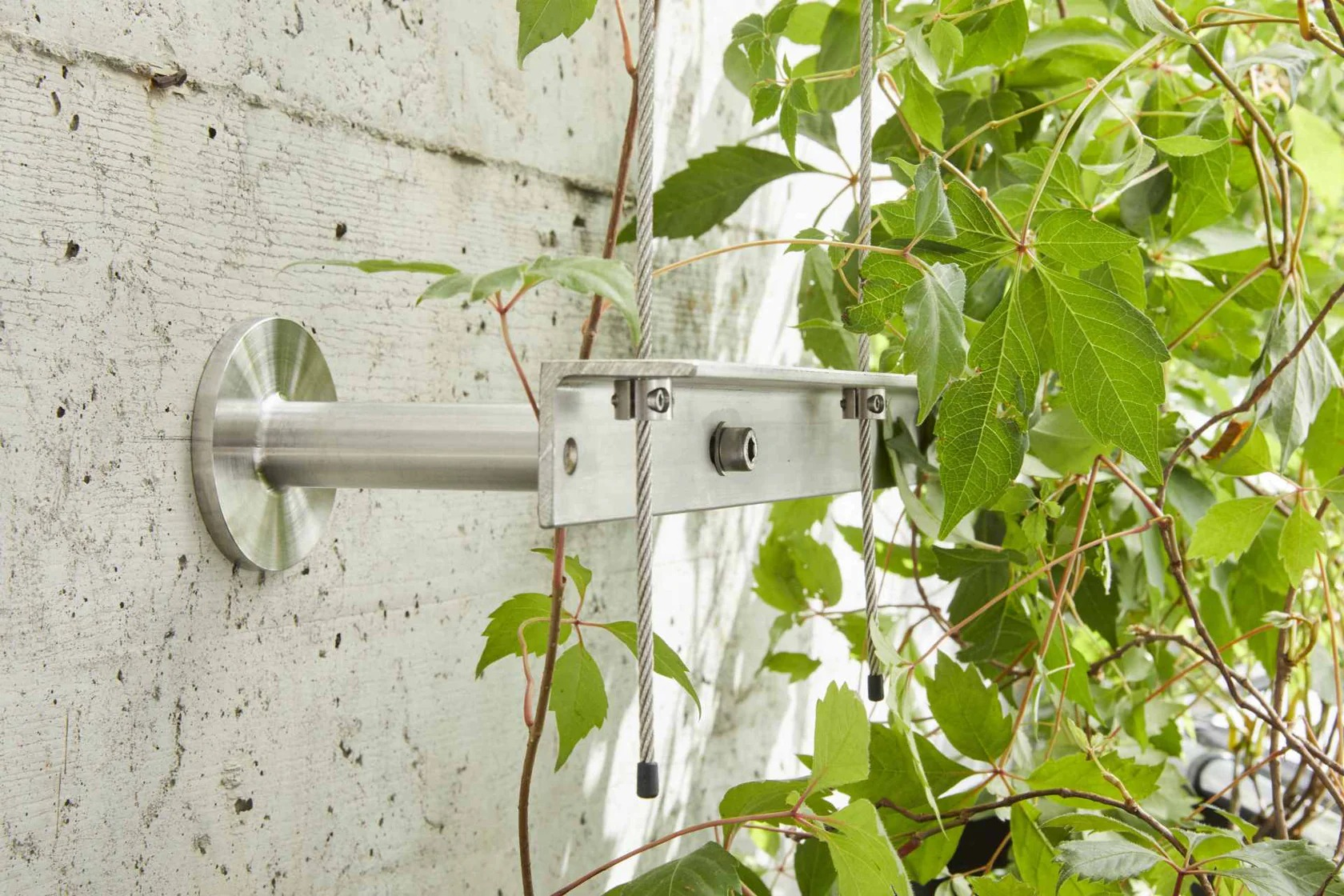
x tend wire mesh is widely used in zoo, wildlife parks, garden decoration, and similar environments including zoo cages, zoo fence, liger and tiger fence, leopard fence, lion fence, monkey fence, bird aviaries, and forest networks. In architecture, x tend wire mesh is used for balustrade infill, façade protection, atrium safety, stair void protection, green walls, and large-span protective zones that require open visibility with reliable containment.
Benefits
The core benefit of x tend wire mesh is controlled real-world behavior: high strength with lightweight appearance, corrosion resistance, flexibility that reduces injury risk in animal environments, and fatigue resistance for repeated movement. When x tend wire mesh is specified correctly, it maintains a clean pattern, stable structure, and durable long-life performance that supports premium projects.
Packing
POLYMETAL packs x tend wire mesh to survive real logistics: wrapped with plastic film, then put in a wooden box. Packaging can be customized based on size, frame option, and handling risk to prevent distortion and surface damage during transport.
Standards
x tend wire mesh procurement commonly references material grade control, corrosion resistance expectations, and measurable acceptance rules such as rope diameter tolerance, aperture tolerance, edge termination method, and finish consistency. For professional purchasing, project compliance rules should be written directly into the purchase order as measurable acceptance checkpoints. If the same project also needs fast site control for people flow, work-zone separation, or event queue management, add crowd control barriers as a compatible perimeter support system.
FAQs
What information is required for a fast quotation?
Rope diameter, mesh aperture (X×Y), finished width, finished height, and quantity. These five inputs allow correct pricing and correct production planning for x tend wire mesh.
What is the typical production and shipping time?
Custom sample time is typically 5–7 days. Mass production time is commonly 10–15 days depending on quantity. Stock items can be ready in 2–3 days after payment. Express delivery is commonly 3–7 days and air shipping is commonly 3–10 days.
How do I choose between 7×7 and 7×19 rope structure?
7×7 is commonly used in the 1.0–3.0mm range, while 7×19 is commonly used in the 3.0–6.0mm range where higher flexibility and fatigue resistance are preferred for x tend wire mesh.
Can you supply frames and different buckle types?
Yes. POLYMETAL supports eye buckles, edge buckles, open buckles, and close buckles for ferrule mesh, and frames can be manufactured to match the project’s edge and installation requirements.
Why do some x tend wire mesh projects become maintenance problems?
The most common causes are measurable: rope diameter too thin, rope structure not locked, edge termination not engineered, ferrule integrity not controlled, and no acceptance rules in the PO—leading to sag, drift, and repeated tightening over time.