Your One-Stop Wire Mesh Fence Supplier | POLYMETAL


 |  |
Heavy chain or welded wire mesh, used as an alternative where rope mesh is not required but a strong, climb-resistant barrier is needed.Compared with ordinary farm fencing or chicken wire, zebra enclosure mesh offers much higher tensile strength, better impact resistance and cleaner sightlines for visitors

2. Why Zebras Need Special Fencing
Zebras are powerful, fast and can kick with considerable force, so their fencing has to meet stricter standards than typical livestock paddocks:
- Husbandry guidelines for plains zebra recommend fence heights around 2 m, with chain mesh no more than 5 cm wide so hooves cannot become trapped.
- Regulatory guidance also stresses that wire mesh openings must be small enough that the zebra’s head or legs cannot be caught and that fencing around catch-up areas must be especially strong.
- Modern zoo enclosure standards require barriers to minimise risk of injury, support natural behaviour and prevent direct visitor contact, often using an additional stand-off barrier in front of the mesh.
Because of these demands, zebra enclosure mesh is usually custom-specified, not “one size fits all”.

3. Main Types of Zebra Enclosure Mesh
3.1 Stainless steel rope mesh
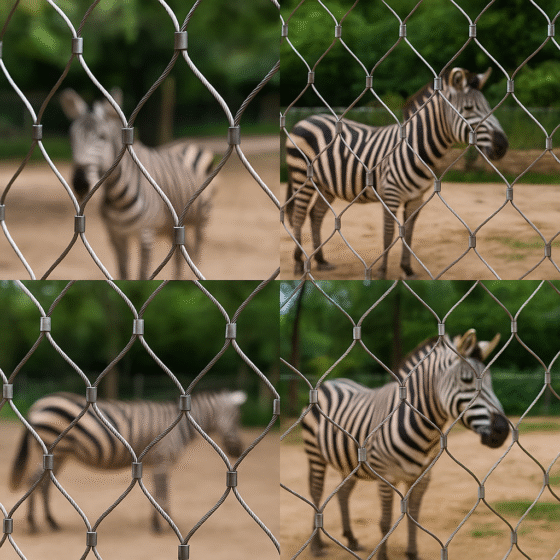
Stainless steel wire rope mesh is now one of the most popular options for zebra paddocks:
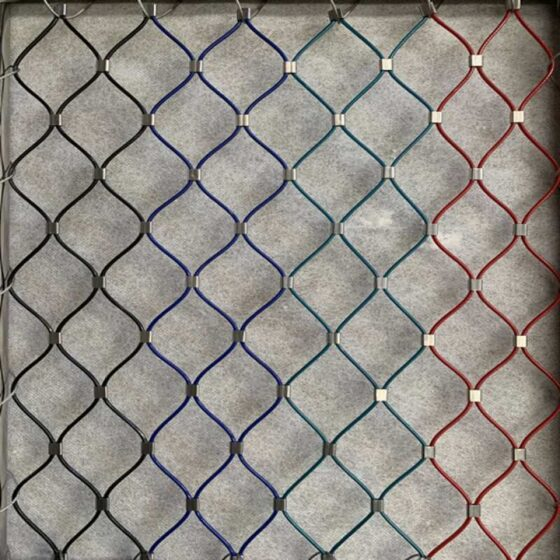
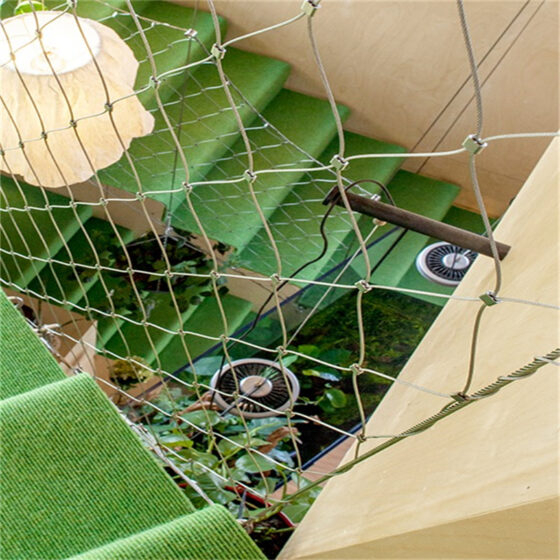
- Made from 304L or 316 stainless steel cables woven or clamped into diamond-shaped openings.
- Typical zebra projects use 2.0–2.4 mm cable with apertures around 50–90 mm, balancing safety, visibility and cost.
- A common example is a zebra paddock fence using 316 stainless ferrule cable mesh, 2.4 mm cable and a 50 × 87 mm aperture for a clean, open look.
Benefits include very high tensile strength, long service life, and a light, unobtrusive appearance that works well with modern zoo architecture.
3.2 Chain or welded wire mesh
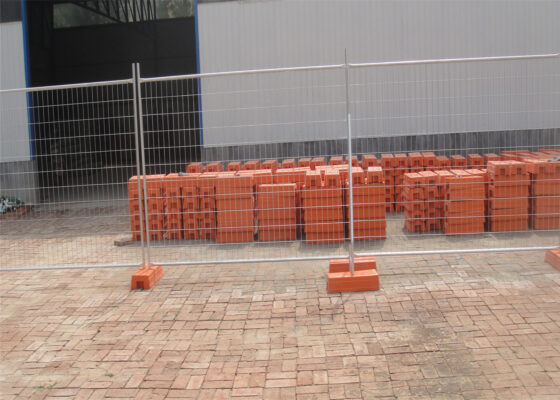
In some facilities, robust chain wire or welded mesh is used instead of rope mesh:
- Husbandry guidance mentions 2 m high fences using chain wire with openings no wider than 50 mm to prevent hoof entrapment.
- National guidance for keeping zebras also recommends mesh fences at least 1.9–2.0 m high, built as strong, substantial structures, especially in corners and catch pens where zebras may impact the fence.
This style is common where budgets are tighter or where a more traditional paddock look is desired.
3.3 Hybrid and barrier systems
Many zoos combine zebra enclosure mesh with other barrier elements, for example:
- Mesh fences backed by a low wall or concrete curb.
- Mesh plus hotwire in high-stress areas.
- Mesh barriers with a separate stand-off barrier to keep visitors from touching the main fence.

4. Applications of Zebra Enclosure Mesh
Zebra enclosure mesh is used across many habitat types:
- Open paddocks and savanna exhibits – large grass paddocks shared with species like gnus, gazelles or ponies, separated with stainless steel rope mesh to keep groups safe while preserving a wide view.
- Drive-through or safari parks – long runs of mesh fencing define track edges and buffer zones while withstanding frequent vehicle movement and animal contact.
- Holding yards, raceways and crush areas – heavier mesh and posts are used in small, high-impact spaces where zebras may kick or collide with the barrier.
- Decorative zebra cages or displays – rope mesh can also be used as a more aesthetic alternative to traditional steel bar cages, especially in smaller educational or off-exhibit spaces.
5. Key Benefits of Zebra Enclosure Mesh
5.1 Strength and impact resistance
- Stainless steel rope mesh and heavy chain mesh are designed to handle strong impacts and repeated kicking without breaking or deforming.
- When correctly tensioned and framed, the mesh spreads impact forces across multiple cables or wires, reducing the chance of a single failure.
5.2 Safety for animals and visitors
- Recommended aperture sizes around 50 mm (2″) reduce the risk of zebras putting hooves or lower legs through the mesh.
- Modern zoo standards require barriers that minimise injuries caused by enclosure materials; smooth cable intersections and round wires help meet these requirements.
5.3 Visibility and aesthetics
- Wire rope zebra mesh is often described as simple and visually light, giving visitors an unobstructed view while still clearly defining the enclosure boundary.
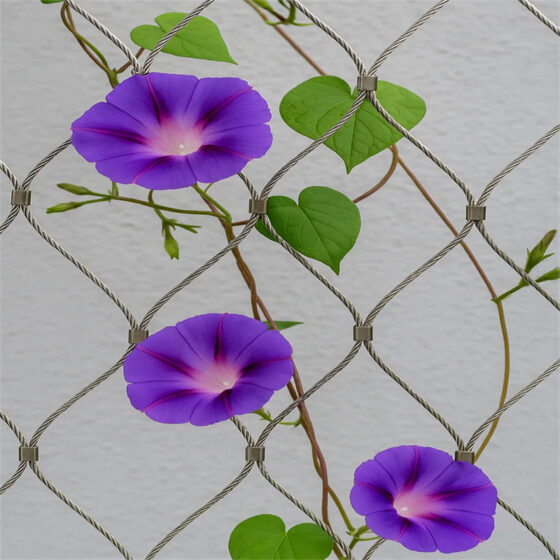
- The diamond rope pattern can visually “disappear” against foliage and sky, helping exhibits feel more open and natural.
5.4 Durability and low maintenance
- 304/316 stainless steel mesh is highly resistant to rust, UV and cleaning chemicals, and natural stainless finishes are frequently specified for long life.
- Unlike timber rails, mesh cannot be chewed through and does not need regular painting, reducing long-term maintenance workload.
5.5 Customisation and flexibility
- Zebra enclosure mesh systems are usually supplied with custom cable diameters, apertures and panel sizes to match each paddock and species mix.
- Rope mesh can curve around corners and contours, making it easier to adapt to complex terrain or detailed theming.
6. Typical Specifications (Example Ranges)
Exact specs must follow local regulations and your zoo’s design standards, but common zebra enclosure mesh parameters include:
Material
- Primary exhibits: stainless steel 304 or 316 wire rope mesh.
- Perimeter or service areas: heavy galvanised chain or wire mesh where rope mesh is not required.
Mesh aperture (opening)
- Around 50 mm (2″) for most adult zebras to prevent hoof penetration.
- Some rope mesh systems use apertures of 51 mm, 76 mm or 102 mm depending on risk assessment, species mix and position in the paddock.
Cable or wire diameter
- Rope mesh examples: 2.0–2.4 mm stainless steel cable for paddock fences.
- Heavy welded or chain mesh: larger wire gauges where high impact is expected.
Fence height
- Many husbandry guidelines suggest minimum 2 m fence height, with up to 2.5 m for males or where additional security is needed.
Support structure
- Steel posts or rail systems spaced to keep mesh tensioned, often mounted on a low concrete plinth to prevent digging and to protect the mesh bottom edge.
Table 1 – Stainless Steel Wire Rope Mesh for Zebra Enclosures
| Item No. | Mesh Type | Wire Rope Diameter (mm) | Rope Structure | Material Grade | Typical Aperture (mm) | Typical Fence Height (m) | Main Application / Notes |
|---|---|---|---|---|---|---|---|
| ZRM-01 | Stainless steel wire rope zoo mesh | 2.0 | 7×7 or 7×19 | AISI 304 or AISI 316 stainless | 50 × 50 to 60 × 60 | 2.0–2.5 | Light mesh for upper zones or low-impact areas, good visibility and basic containment |
| ZRM-02 | Stainless steel wire rope zebra mesh | 2.4 | 7×7 or 7×19 | AISI 304 or AISI 316 stainless | 50 × 60 to 60 × 76 | 2.0–2.5 | Standard zebra enclosure mesh for main paddock walls, balance of safety and open view |
| ZRM-03 | Heavy stainless steel rope zebra mesh | 3.0 | 7×7 or 7×19 | AISI 304 or AISI 316 stainless | 50 × 50 to 60 × 76 | 2.0–2.5 | High-impact zones such as corners, raceways and holding yards |
| ZRM-04 | Extra heavy rope zoo mesh | 4.0 | 7×7 or 7×19 | AISI 304 or AISI 316 stainless | 60 × 76 to 76 × 76 | 2.0–2.5 | Very strong mesh for lower bands, stall fronts and critical safety areas |
| ZRM-05 | Border and frame wire rope | 4.0 | 7×7 or 7×19 | AISI 304 or AISI 316 stainless | Used with 50–76 mm mesh | 2.0–2.5 | Top, bottom and side border cables for tensioning zebra mesh panels |
| ZRM-06 | Main structural wire rope | 5.0 | 7×7 or 7×19 | AISI 304 or AISI 316 stainless | Used with 50–76 mm mesh | 2.0–3.0 | Main structural tension cables for long spans and mixed-species savanna exhibits |
| ZRM-07 | Heavy structural wire rope | 6.0 | 7×7 or 7×19 | AISI 304 or AISI 316 stainless | Used with 50–100 mm mesh | 2.0–3.0 | Extra heavy support cable for very large paddocks, tall fences and high-load locations |
Table 2 – Chain / Welded Mesh Options for Zebra Fences
| Item No. | Mesh Type | Wire Diameter (mm) | Material | Surface Finish | Aperture (mm) | Typical Fence Height (m) | Main Application / Notes |
|---|---|---|---|---|---|---|---|
| ZWM-01 | Welded wire mesh panel | 2.5 | Low-carbon steel | Hot-dip galvanized | 50 × 50 | 2.0–2.4 | Standard welded mesh for zebra holding pens, service yards and internal barriers |
| ZWM-02 | Heavy welded wire mesh panel | 3.0 | Low-carbon steel | Heavy galvanized or powder-coated | 50 × 50 | 2.0–2.4 | Heavy-duty welded mesh for stronger paddock walls and impact areas |
| ZWM-03 | Extra heavy welded wire mesh | 4.0 | Low-carbon steel | Heavy galvanized or powder-coated | 50 × 50 | 2.0–2.5 | Very robust zones, such as loading chutes, crush races and corners |
| ZCM-01 | Chain-link mesh (chain-wire) | 2.5 | Galvanized steel wire | Hot-dip galvanized | 50 × 50 (2″ diamond) | 2.0–2.4 | Economic zebra fence where budget is important and animal pressure is moderate |
| ZCM-02 | Heavy chain-link zoo mesh | 3.15 | Galvanized steel wire | Heavy galvanized or PVC-coated | 50 × 50 (2″ diamond) | 2.0–2.5 | Robust perimeter fence for paddocks and back-of-house zebra holding areas |
| ZCM-03 | Extra heavy chain-link zoo mesh | 3.5–4.0 | Galvanized steel wire | Heavy galvanized | 50 × 50 (2″ diamond) | 2.0–3.0 | High-security or high-impact lines, often combined with hotwire or a visitor stand-off barrier |
1. How strong is a zebra?
You don’t need an exact lab number – you just need a reasonable design basis.
1.1 Body weight and basic load
A typical adult plains zebra:
- Weight (adult): about 250–400 kg
- A common design value: ~340 kg
Static vertical force from body weight:
340 kg × 9.81 m/s² ≈ 3.3 kN
If a zebra leans, falls or pushes hard into the mesh, the horizontal force on the fence can easily reach several kilonewtons.
1.2 Kicking / impact
Zebra kicks are often compared to horse kicks and are estimated around:
Up to ≈ 3000 lb of force ≈ 13 kN (very short-duration impact)
You don’t design every single cable to resist a full 13 kN by itself, but this tells you:
- A zebra is much stronger than typical farm animals.
- The mesh system needs real impact capacity, not just “light animal” levels.
2. How to choose wire rope breaking load
The idea is: Estimate the possible impact → apply a safety factor → make sure the whole system (mesh + border cables + posts) can cope.
2.1 Simple design logic
- Design horizontal impact
- Take 2–3 × body weight as a rough “extreme” impact:
- 3.3 kN × 2–3 ≈ 6–10 kN acting on a small part of the fence.
- Safety factor
- In wire rope practice, a typical working load is about 1/4 to 1/5 of the minimum breaking load (MBL).
- That means:
- If you want a 2 kN safe working load, you would like MBL ≈ 8–10 kN.
- Load distribution in the mesh
- One cable does not take the whole impact.
- The force is spread through:
- Several mesh cables around the impact point
- The border cables
- The posts and foundations
- So you can use thinner cable inside the mesh and thicker cable on the borders.
2.2 Typical breaking loads versus diameter (approximate)
For stainless steel wire rope (7×7 or 7×19, typical values):
- 2.0 mm → MBL around 2–2.5 kN
- 2.5 mm → MBL around 3.5–4 kN
- 3.0 mm → MBL around 5–6 kN
- 4.0 mm → MBL around 9–10 kN
- 5.0 mm → MBL around 15–16 kN
- 6.0 mm → MBL around 20–22 kN
(Exact numbers depend on the rope standard and manufacturer, but this is the right order of magnitude.)
2.3 Practical selection from that
- Mesh (inner cables)
- Recommended: 2.4–3.0 mm stainless steel cable
- MBL per cable: roughly 4–6 kN
- Several cables share the load, so this is enough when the system is well supported.
- Border / frame cables (top, bottom, sides)
- Recommended: 4.0–6.0 mm stainless steel cable
- MBL per cable: roughly 9–22 kN
- These take the main tension and transfer loads to the posts.
This combination gives you:
- A light, transparent mesh (good visibility)
- Strong edges that can safely carry the global loads to the structure.
3. How to choose mesh opening (aperture)
Mesh opening must consider two things:
- Safety – no hooves or legs trapped.
- Stress – large openings mean larger spans and higher stress in each cable.
3.1 Safety for hooves and legs
Many zebra husbandry and zoo guidelines say:
- For chain or welded mesh, opening ≤ 50 mm is recommended,
so hooves cannot go partly through and get stuck or twisted.
For stainless steel rope mesh, the material is flexible, so the mesh can be slightly larger, but most zebra projects still stay in the range:
- 50–90 mm diamond-shaped openings.
Good practice:
- If there are foals or strict welfare requirements:
- Use around 50 × 50 mm or 50 × 60–70 mm openings at the lower part.
- For adult zebras only and a high fence:
- Lower section: ≤ 60–76 mm openings
- Upper section: can increase to 76–100 mm for better visibility and lower cost.
3.2 Effect of opening size on load
- Larger openings = longer span per cable = higher stress in each cable for the same impact.
- Smaller openings = more cables sharing the force, so each cable sees less load.
So if you want a more robust system without dramatically increasing cable diameter:
Slightly reduce the mesh opening in the main impact zone (bottom 1.5–2 m).
4. Example “design spec” you can use
Here’s a practical package that matches typical zebra strength and modern zoo practice.
4.1 Material
- Stainless steel wire rope mesh, grade AISI 304 or 316
- Use 316 in coastal or very harsh environments.
4.2 Wire rope diameters and breaking load
- Main mesh (inner cables)
- Diameter: 2.4–3.0 mm
- Approx. MBL: 4–6 kN per cable
- Construction: 7×7 or 7×19
- High-impact zones (corners, chutes, holding pens)
- Diameter: 3.0–4.0 mm for the mesh
- Approx. MBL: 5–10 kN per cable
- Border / frame cables
- Diameter: 4.0–6.0 mm
- Approx. MBL: 9–22 kN per cable
- Used along top, bottom and vertical edges, connected to steel posts.
4.3 Mesh aperture (opening)
- Recommended overall range: 50–76 mm (most of the fence)
- Possible layout:
- Ground to 1.5 m:
- Aperture: 50 × 50 mm or 50 × 60–70 mm
- Focus on hoof and leg safety.
- 1.5–2.2 m:
- Aperture: 60–76 mm
- Above 2.2 m (if fence is higher):
- Aperture: 76–100 mm (optional, for more openness and lower cost).
- Ground to 1.5 m:
5. One sentence you can reuse in specs
You can summarise it like this for your datasheet or website:
“For zebra enclosures, we recommend stainless steel wire rope mesh with 2.4–3.0 mm cables and 50–76 mm openings in the main impact zone, combined with 4–6 mm border cables. This configuration is matched to the strength and impact of adult zebras while preventing hoof and leg entrapment and providing a high safety margin on breaking load.”
7. FAQs About Zebra Enclosure Mesh
Q1. Why choose rope mesh instead of standard farm fencing for zebras?
Rope mesh has higher tensile strength, better resistance to repeated impacts and a more flexible structure than typical farm wire. It also offers much clearer visibility and can be customised in aperture and panel size specifically for zebra behaviour and welfare.
Q2. What mesh size is safest for zebra hooves and legs?
Guidelines for chain mesh fencing suggest openings ≤ 50 mm (about 2″) to prevent hooves getting stuck. Many zebra rope mesh projects use apertures around 50–87 mm depending on risk assessment and location in the paddock.
Q3. How high should a zebra enclosure fence be?
Documents on zebra husbandry and the keeping of dangerous wild animals generally recommend fences in the 2–2.5 m range, with higher barriers for males or in high-risk areas. Local zoo regulations and national standards must always be checked, as legal requirements vary by country.
Q4. Can zebra enclosure mesh be used in mixed-species savanna paddocks?
Yes. Stainless steel rope mesh is frequently used in mixed hoofstock exhibits (zebras with gnus, ponies, antelopes, etc.), with cable diameter and aperture chosen to suit the largest and most powerful species in the group.
Q5. How is zebra enclosure mesh installed and tensioned?
Rope mesh panels are typically fixed to steel frames or rails using stainless steel clamps, lacing cables or specialised hardware. Chain or welded mesh is tied or clipped to tensioned line wires and intermediate posts. Proper tensioning and smooth termination of all ends are essential to meet welfare standards and prevent injuries.
Q6. What maintenance does zebra enclosure mesh require?
Stainless steel rope mesh needs minimal maintenance beyond routine inspection, cleaning and occasional tightening of fixings. Galvanized chain or welded mesh should be checked for rust, broken wires or loose ties and repaired promptly. Regular inspections are required under most zoo standards to ensure barriers remain safe and effective.