Your One-Stop Wire Mesh Fence Supplier | POLYMETAL
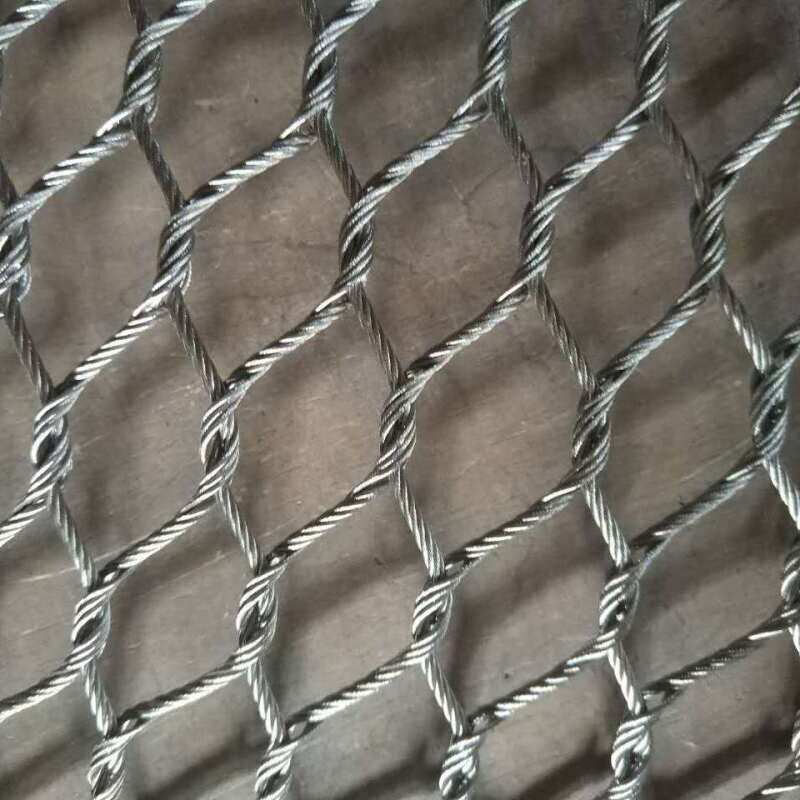
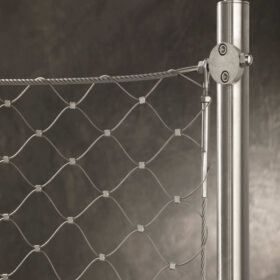
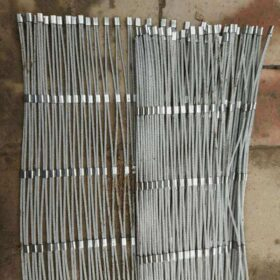
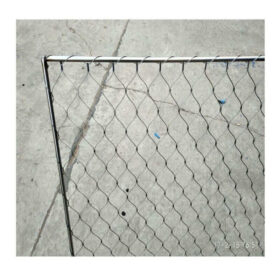
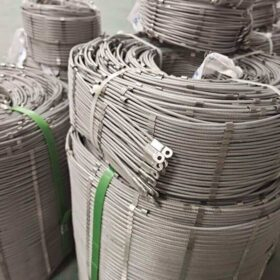
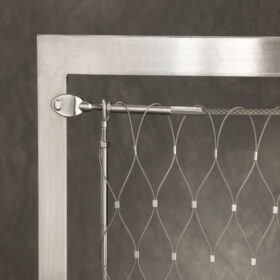
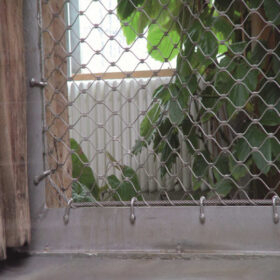
On real projects, zoo mesh netting is judged after tensioning, impact, cleaning cycles, and exposure—not on day-one photos. The biggest losses come from invisible gaps: wrong rope structure, inconsistent ferrule compression, sloppy edge finishing, and aperture drift that ruins visual alignment and enclosure reliability. When a supplier sells “zoo mesh netting” as a look instead of a controlled system, installation becomes slow, expensive, and full of rework.
POLYMETAL manufactures zoo mesh netting as repeatable modules for animal protection and architectural openness: lightweight, high strength, corrosion resistance, controlled softness, fatigue resistance, impact resistance, strong breaking force, and long service life (often 30+ years in suitable environments). For aviary and zoo applications, the soft contact and smooth geometry reduce the chance of feather and skin damage, while the net structure helps reduce bite and snag risks in active habitats; for buyers benchmarking knotted construction options, the stainless steel knotted rope mesh configuration is a useful reference when locking rope structure, edge terminations, and aperture stability requirements.
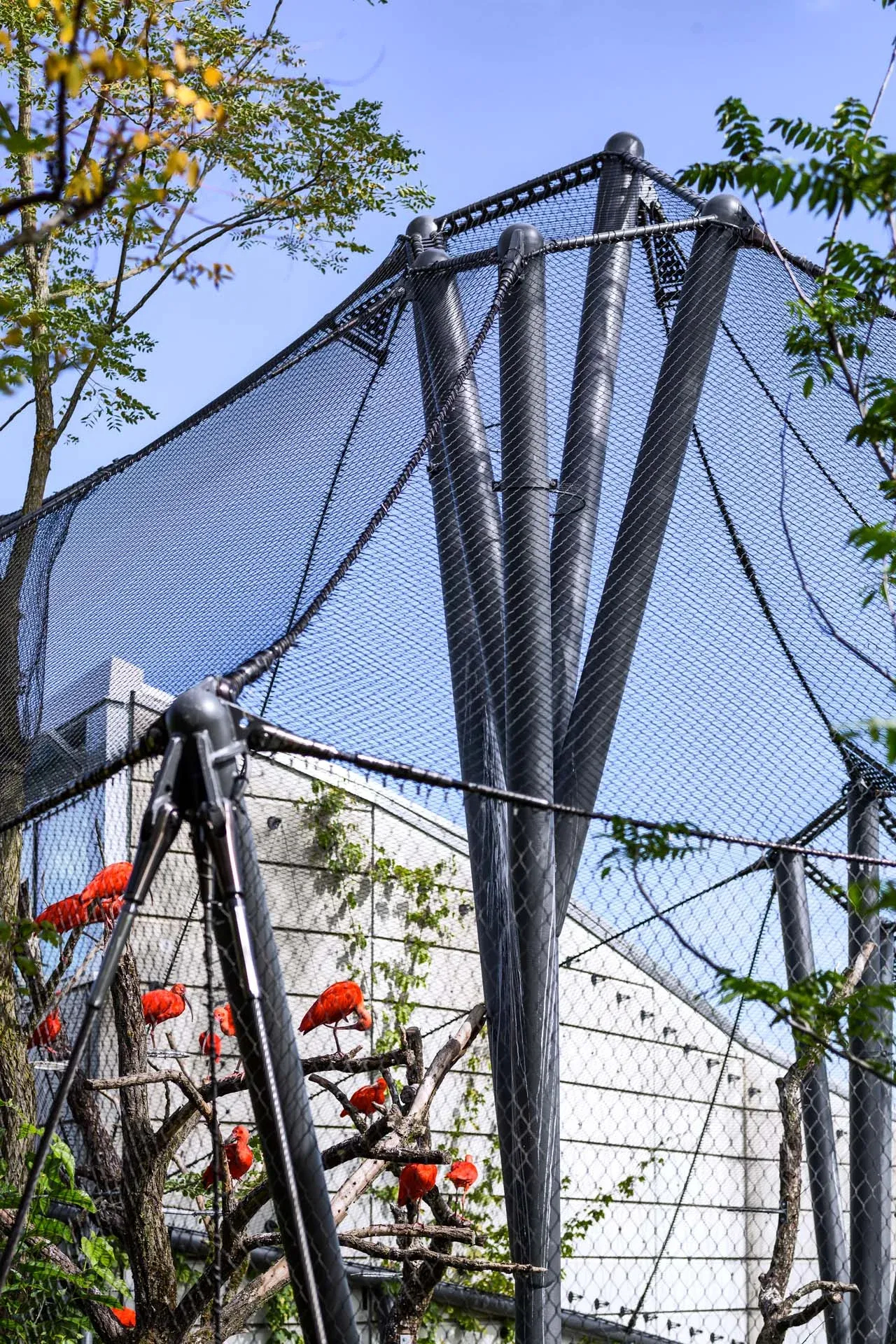
Product description: POLYMETAL zoo mesh netting (ferrule rope mesh)
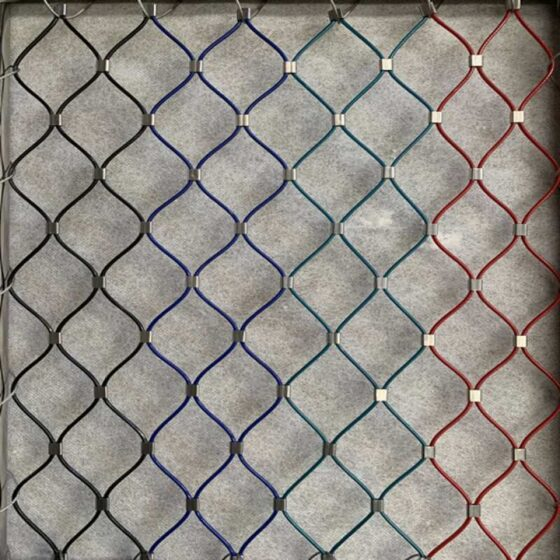
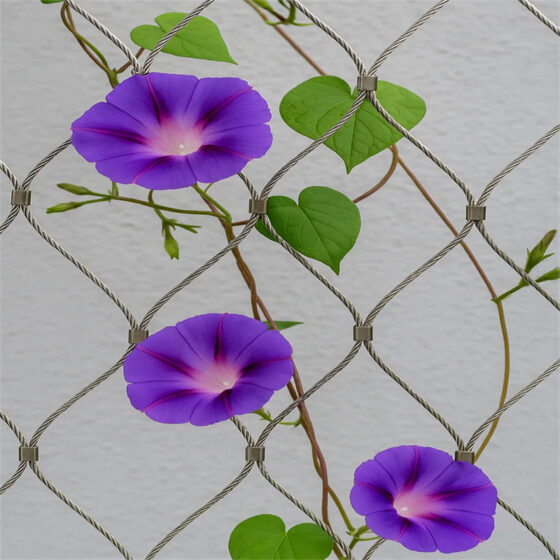
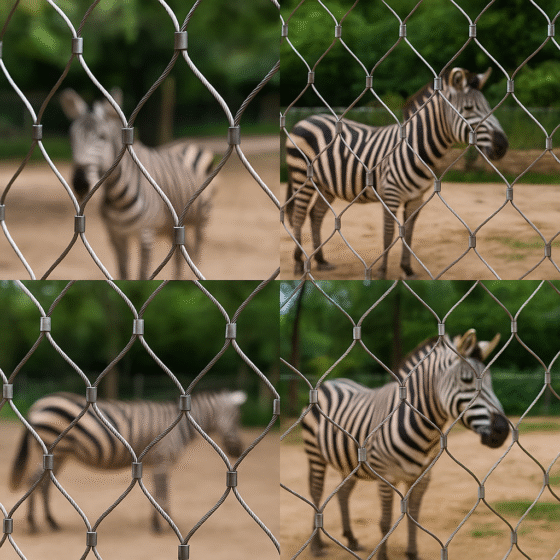
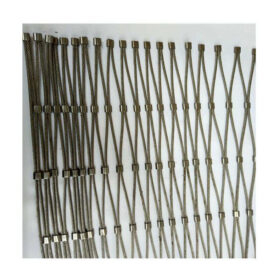
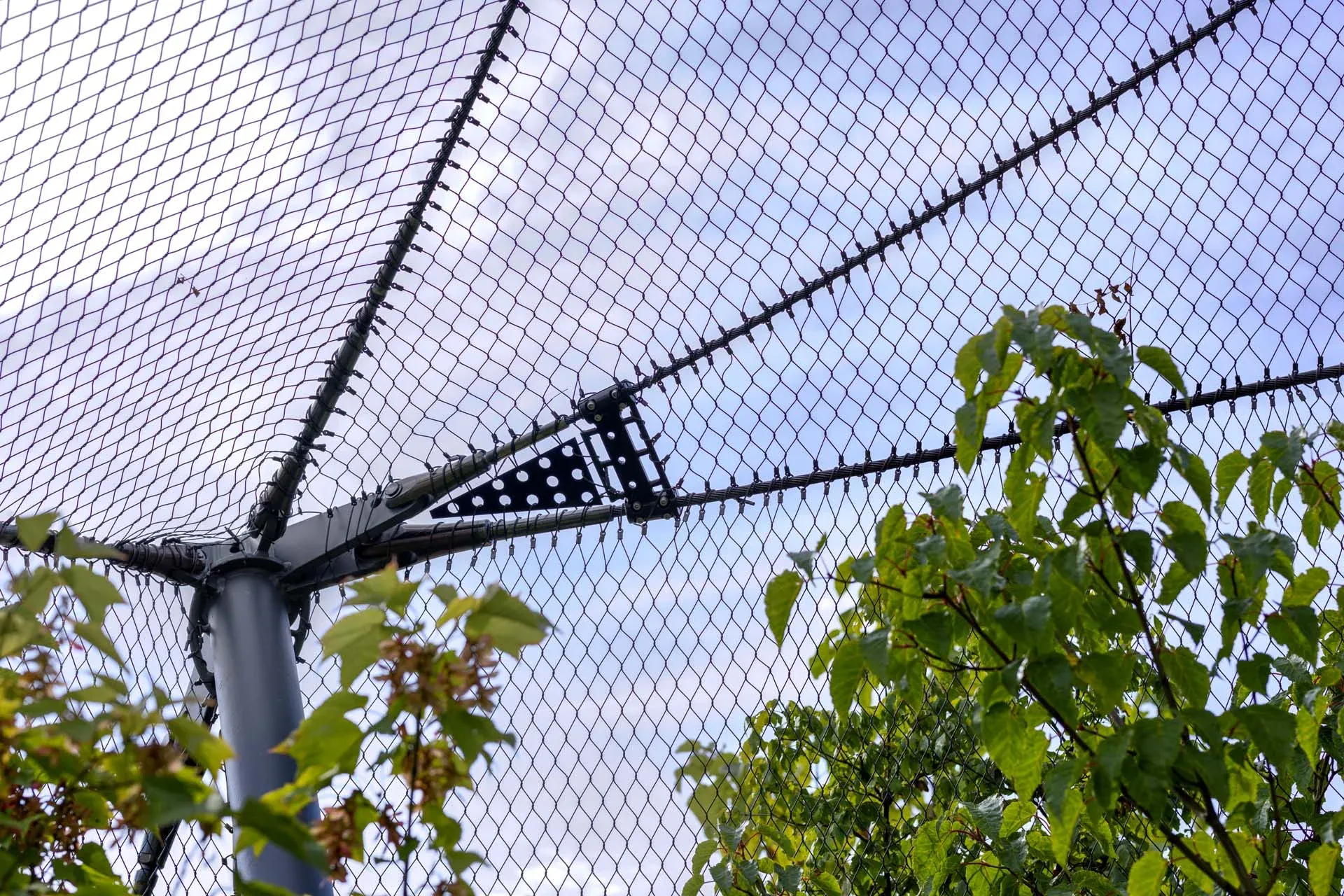
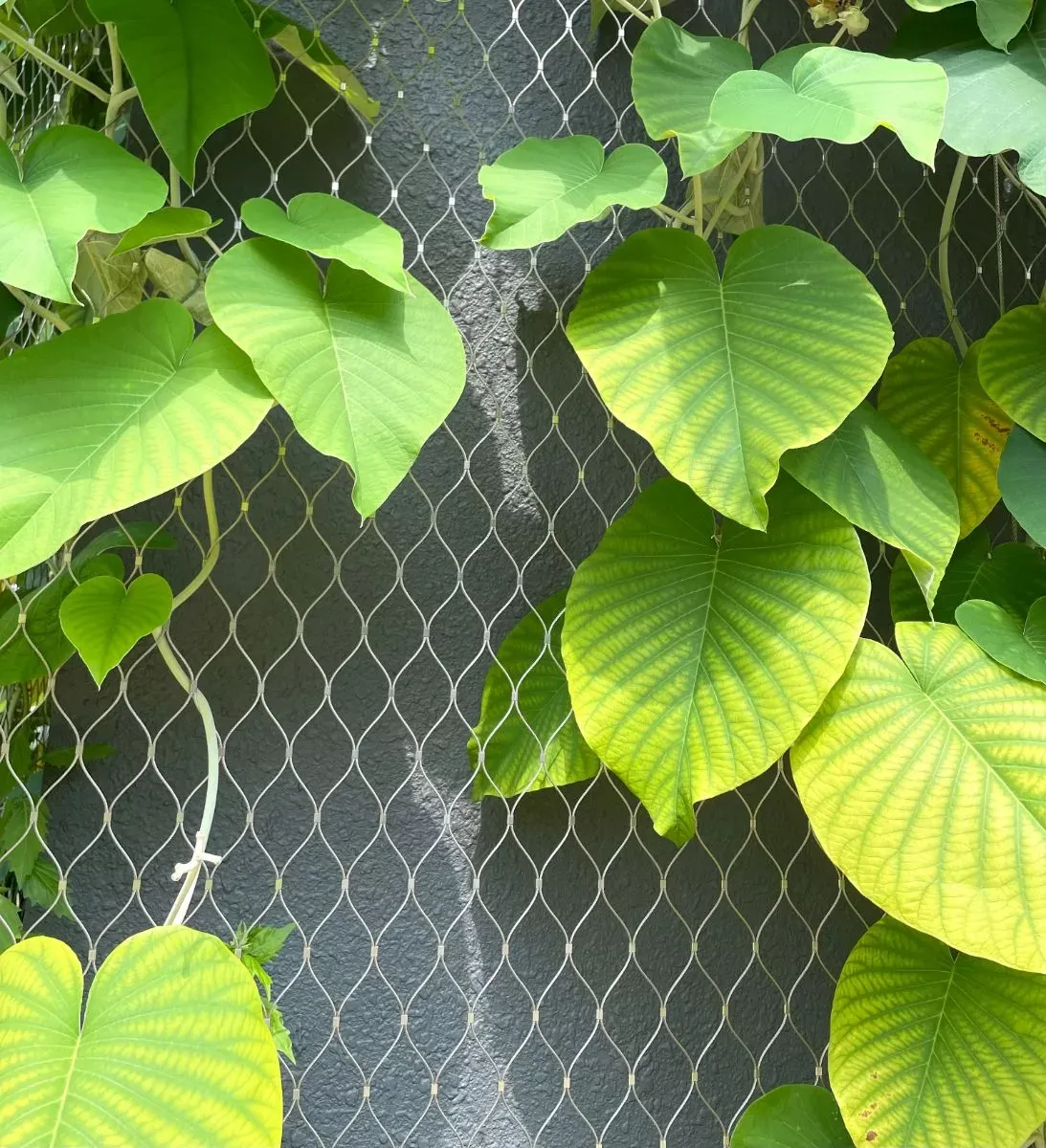
POLYMETAL zoo mesh netting is a stainless steel wire rope net assembled into a diamond pattern using ferrules (buckles). This format is selected when you need strength with controlled flexibility: it forms clean curves, absorbs impact energy, and maintains shape under tension across large spans. Unlike decorative netting, a controlled zoo mesh netting system is defined by measurable build items: rope construction (7×7 / 7×19), rope diameter, mesh aperture (X × Y), ferrule type, edge and frame method, and production tolerance.
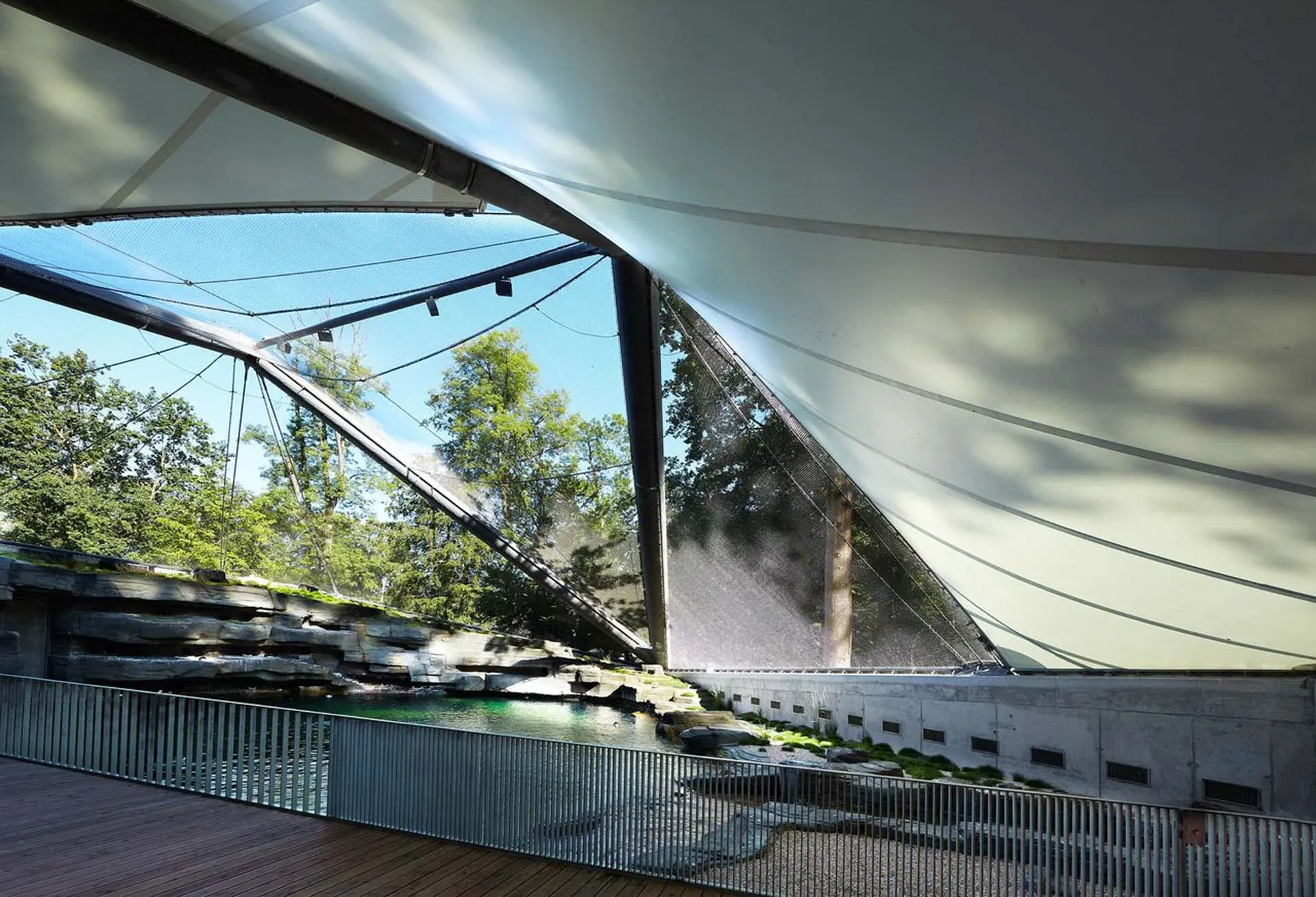
Top 10 procurement traps for zoo mesh netting buyers
Trap #1: Buying zoo mesh netting as a photo instead of a controlled build
If the quote does not lock rope structure, rope diameter, mesh aperture (X × Y), ferrule type, edge method, and stainless grade, you are not buying zoo mesh netting—you are buying uncertainty. That uncertainty becomes cost when the mesh does not tension evenly, does not align visually, or arrives with dimensional drift that your frame cannot accept.
Risk #2: Choosing the wrong stainless grade for real habitat conditions
A “stainless” label is not enough for zoo mesh netting. Coastal air, chlorine cleaning regimes, fertilizer drift, salt mist, and urban fallout can cause staining and discoloration that clients interpret as failure. Grade selection must match exposure and maintenance reality so the enclosure stays clean-looking and safe long term.
Problem #3: Treating rope structure (7×7 vs 7×19) as the same performance
7×7 and 7×19 behave differently in zoo mesh netting. The wrong choice changes softness, bending feel, and how the net behaves on curves and corners. If your project needs smoother curvature and higher flexibility, structure choice matters as much as diameter; a mismatch triggers slow installation and shape instability at edges.
Oversight #4: Letting mesh aperture drift beyond tolerance and calling it “acceptable”
Aperture drift looks small on a single panel but becomes obvious across a large aviary: diamonds look uneven, seam lines look wavy, and the finished surface reads cheap. For zoo mesh netting, aperture tolerance is not cosmetic—it controls fit into frames, alignment across seams, and predictable load distribution under movement and impact.
Warning #5: Ignoring ferrule material and compression consistency
Ferrules are load-transfer points in zoo mesh netting. If ferrule material is mismatched or compression is inconsistent, you get weak joints, uneven geometry, and loosening under vibration and repeated tension cycles. A controlled process locks ferrule positioning, compression consistency, and finish so the net remains stable over time.
Damage #6: Under-specifying edge finishing and then paying for field corrections
Most failures start at edges in zoo mesh netting: sharp tails, messy sleeves, and weak terminations that don’t match frame hardware. Bad edges create snagging risk, handling problems, and rework. A proper package defines edge type (eye buckle, edge buckle, open buckle, close buckle), edge cable options, and frame interface points.
Illusion #7: The “looks identical” lie that creates the biggest loss
This is the expensive illusion: two zoo mesh netting nets can look identical in a listing photo while hiding critical flaws—lighter rope diameter, wrong structure, inconsistent ferrules, aperture drift, and weak edges. The result is brutal: the net won’t tension cleanly, panels won’t align, frame holes don’t match, and installers start cutting, re-lacing, and re-terminating on site. The cost is not only labor; it is delays, claims, and an enclosure finish that screams low control. The fix is non-negotiable: lock measurable specs plus tolerance and acceptance checks before production.
Cost #8: Skipping a real fit-to-frame check before mass production
If zoo mesh netting is built without a frame interface check, your first day on site becomes a test lab. A controlled order verifies edge hardware spacing, corner behavior, diagonal measurement, and how the mesh seats under target tension; one missed interface detail multiplies into repeated field corrections across the whole enclosure.
Pitfall #9: Confusing handmade with uncontrolled
Hand assembly can be excellent for zoo mesh netting—if jigs, measuring routines, and inspection checkpoints exist. If handmade means no repeatable process, you get inconsistent diamonds, inconsistent ferrules, and inconsistent dimensions. The production method must include repeatable measuring and inspection, not only manual labor.
Checklist #10: Weak packing design that causes rub, kinks, and connector damage
zoo mesh netting is strong, but bad packing causes ferrule rub, rope kinks, and surface marking during transport and unloading, leading to receiving disputes and touch-up cost. A controlled delivery uses protective wrap, carton/wooden box options, separation layers, and protection matched to your unloading method.
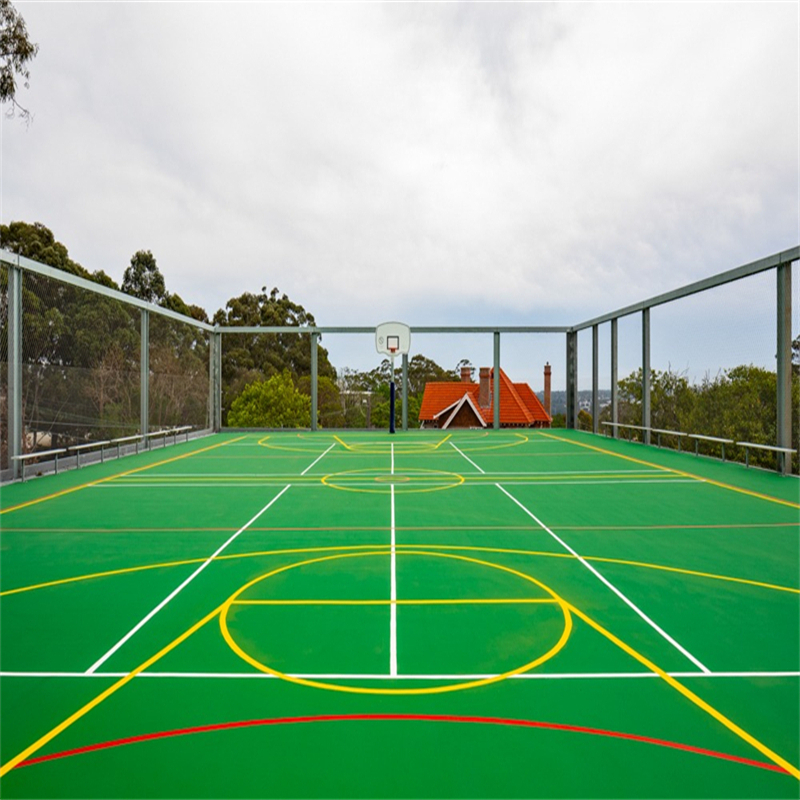
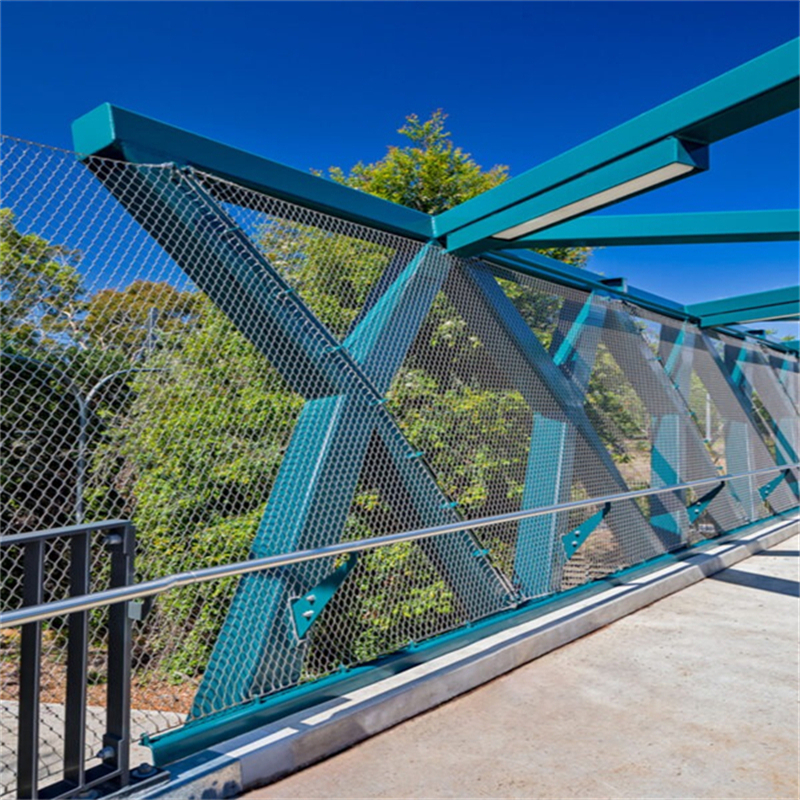
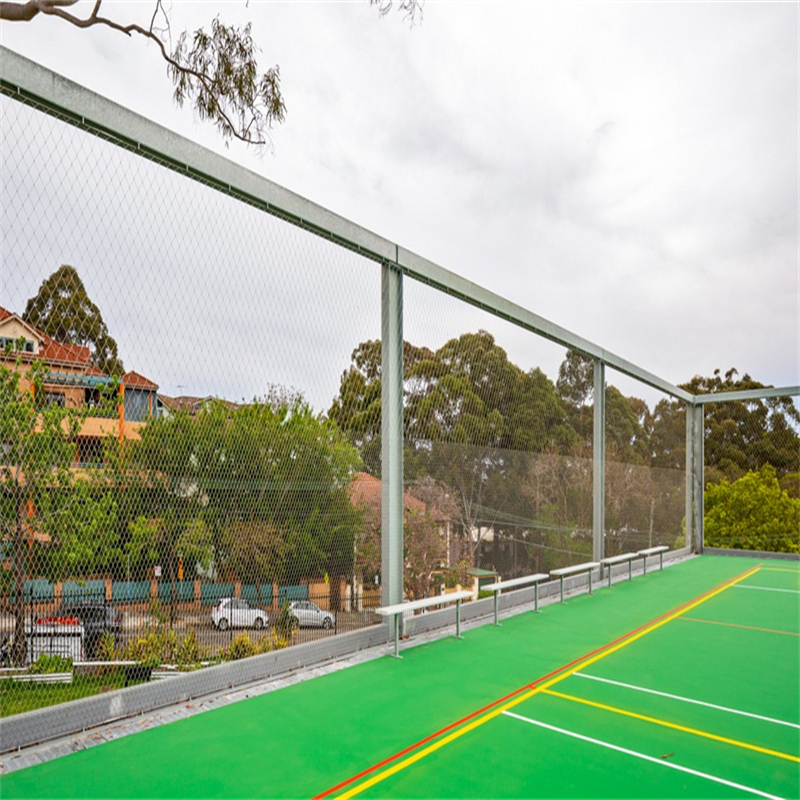
Quick RFQ guide for zoo mesh netting (quote-ready)
| If you want the quotation, please provide the following info: | |
| 1 | Rope diameter? |
| 2 | Mesh aperture? (X = ? / Y = ?) |
| 3 | Width? |
| 4 | Height? |
| 5 | Quantity? |
Specifications: POLYMETAL zoo mesh netting (stainless ferrule rope mesh)
| Model | Rope structure | Rope diameter (mm) | Rope diameter (inch) | Mesh aperture (mm) |
|---|---|---|---|---|
| BNF10020 | 7×7 | 1.0 | 1/25 | 20×38 |
| BNF10040 | 7×7 | 1.0 | 1/25 | 40×70 |
| BNF12050 | 7×7 | 1.2 | 3/64 | 50×87 |
| BNF12080 | 7×7 | 1.2 | 3/64 | 80×139 |
| BNF15040 | 7×7 | 1.5 | 1/17 | 40×75 |
| BNF15100 | 7×7 | 1.5 | 1/17 | 100×175 |
| BNF16060 | 7×7 | 1.6 | 1/16 | 60×104 |
| BNF20060 | 7×7 | 2.0 | 5/64 | 60×106 |
| BNF30080 | 7×19 | 3.0 | 3/25 | 80×140 |
| BNF35100 | 7×19 | 3.5 | 7/51 | 100×300 |
| Note | All specifications can be customized for your zoo mesh netting project. | |||
Support steelwork options for zoo mesh netting frames (powder-coated steel)
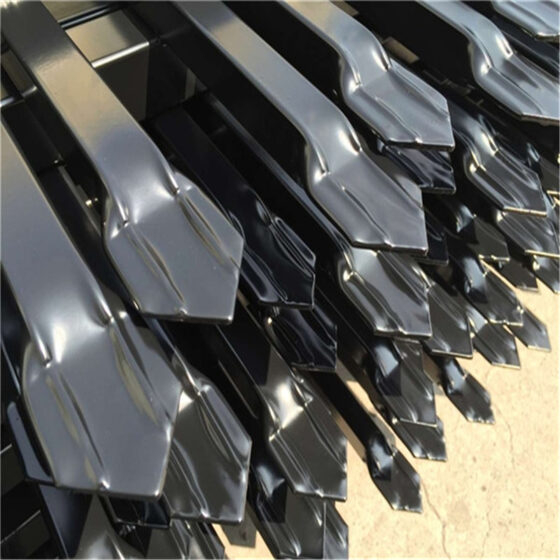
zoo mesh netting performance also depends on the steel frame and posts that hold tension. POLYMETAL can fabricate steel pipe frames and posts, assembled by hand to fit your geometry, then powder coated into different colors; for long service life, steelwork can use multi-layer anti-corrosion processing to reduce rust and maintenance cost.
| System | Pickets / Infill Steel | Rails | Posts |
|---|---|---|---|
| Residential Lite | 5/8”Sq. x 19ga. (16×16×1.0mm) | 1-3/8”Sq. x 18ga. (35×35×1.2mm) | 2”Sq. x 16ga. (50×50×1.5mm) up to 1829mm tall |
| Industrial Lite | 1”Sq. x 16ga. (25×25×1.5mm) | 1-3/4”Sq. x 14ga. (45×45×2.0mm) | 3”Sq. x 12ga. (75×75×2.5mm) 1829mm to 3048mm tall |
| Commercial Plus | 3/4”Sq. x 16ga. (19×19×1.5mm) | 1-1/2”Sq. x 14ga. (38×38×2.0mm) | 2.5”Sq. x 12ga. (63.5×63.5×2.5mm) up to 2438mm tall |
| Industrial Plus | 1”Sq. x 14ga. (25×25×2.0mm) | 1-3/4”Sq. x 14ga. (45×45×2.0mm) | 3”Sq. x 12ga. (75×75×2.5mm) 1829mm to 3048mm tall |
| High Security Plus (45° & 90° curve) | 1”Sq. x 14ga. (25×25×2.0mm) | 1-3/4”Sq. x 14ga. (45×45×2.0mm) | 3”Sq. x 12ga. (75×75×2.5mm) 1829mm to 3048mm tall |
Applications: zoo mesh netting
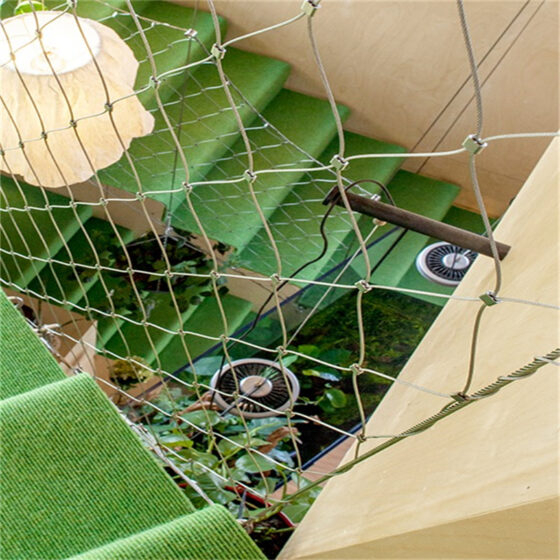
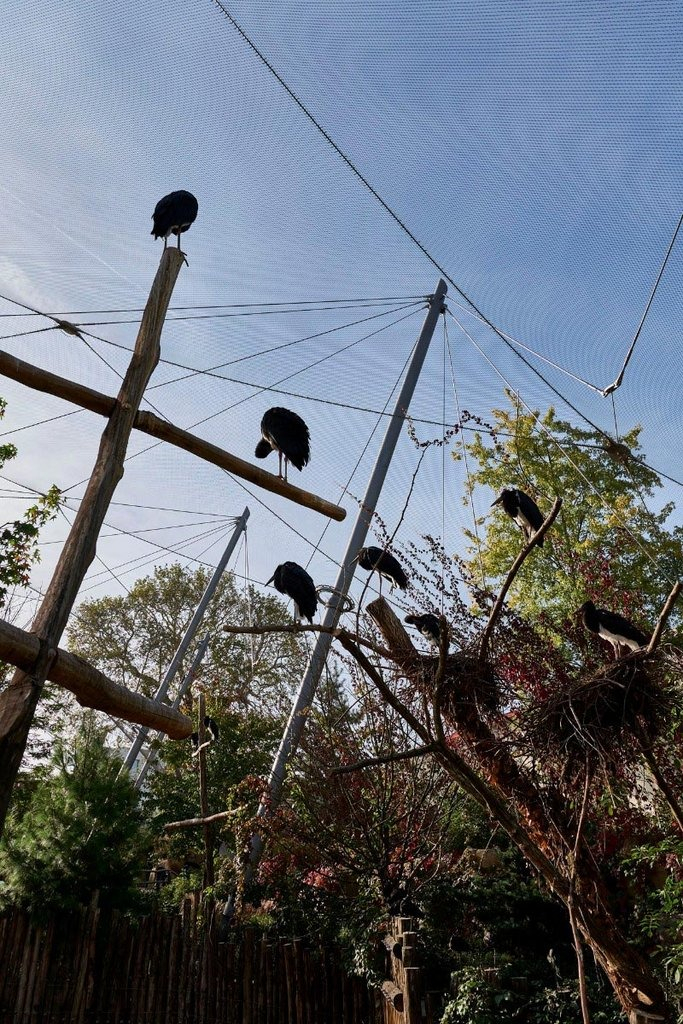
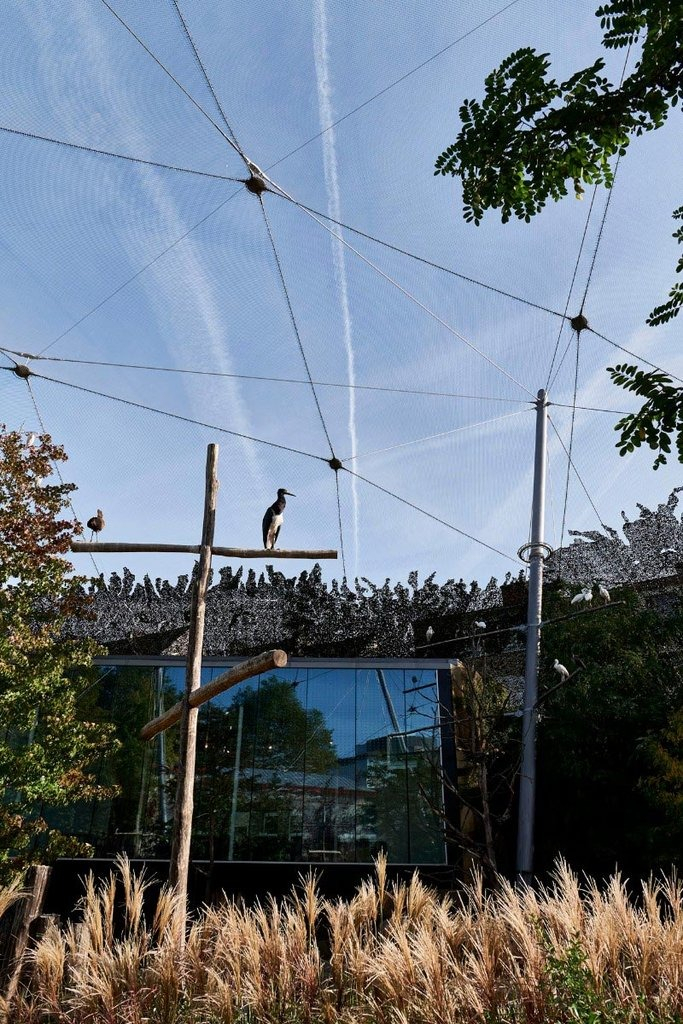
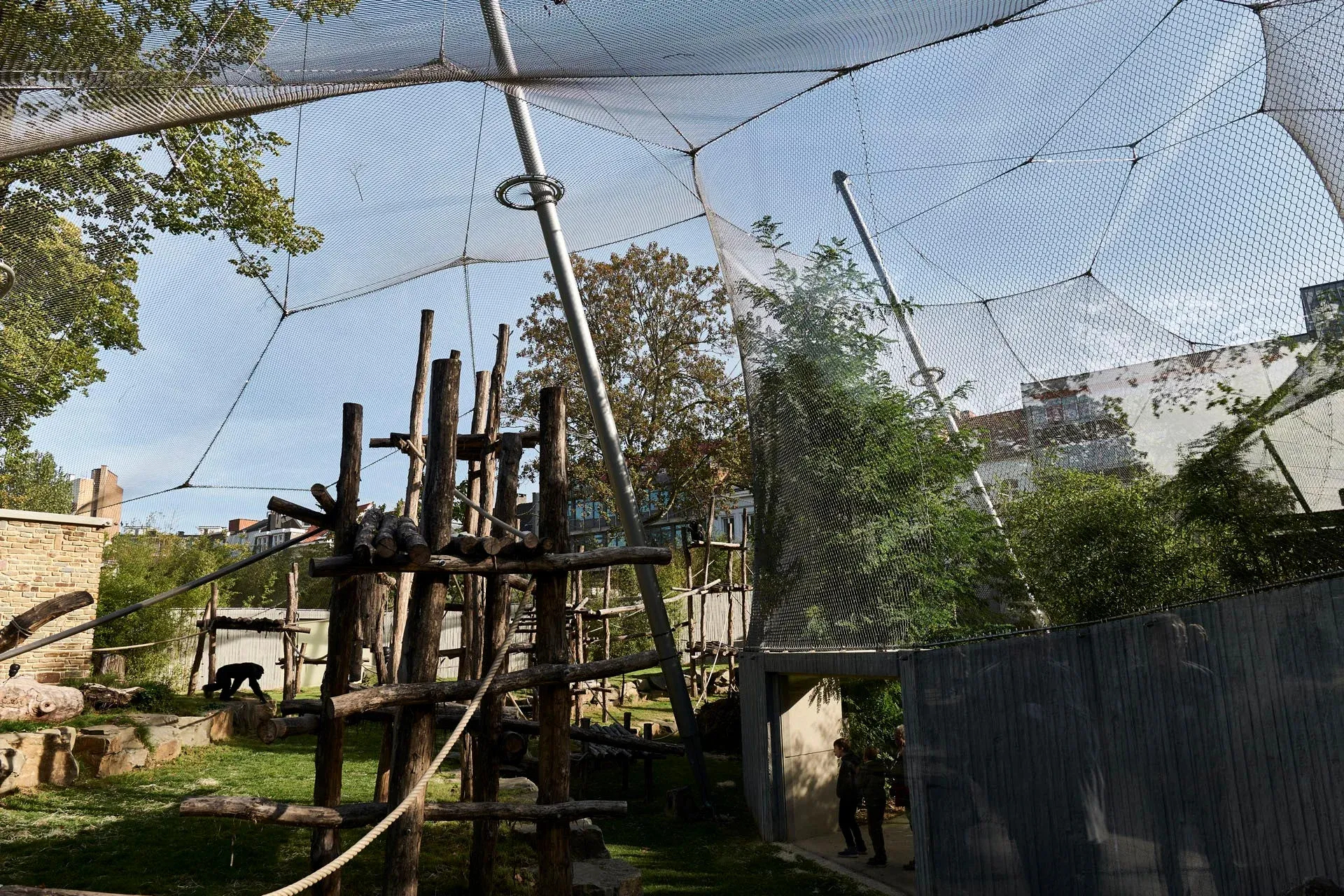
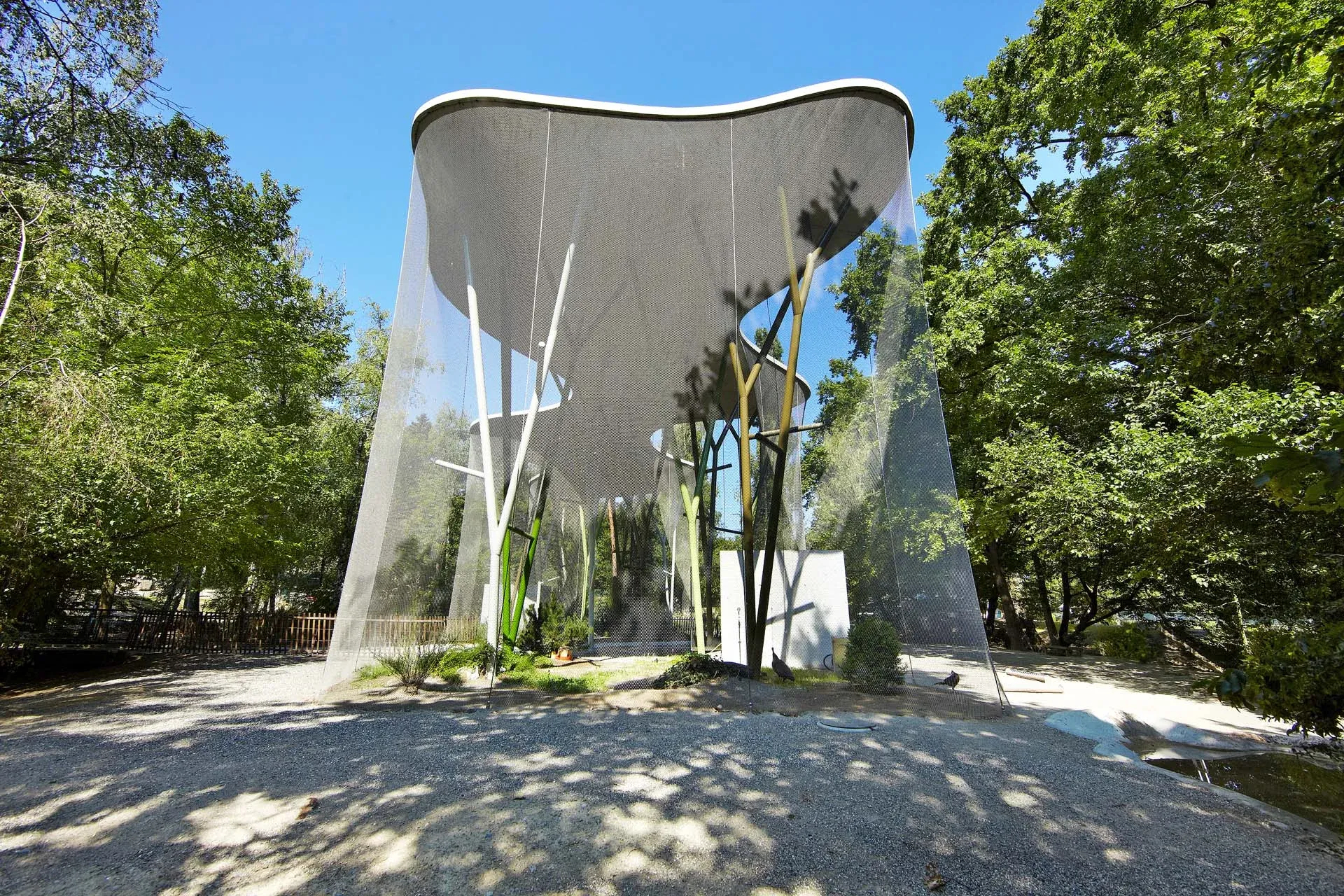
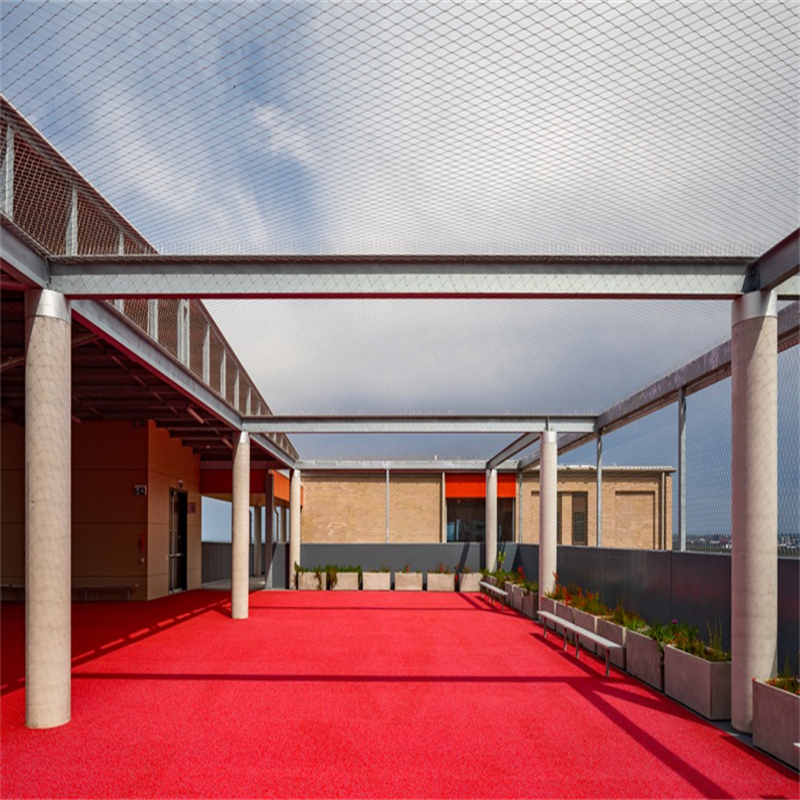
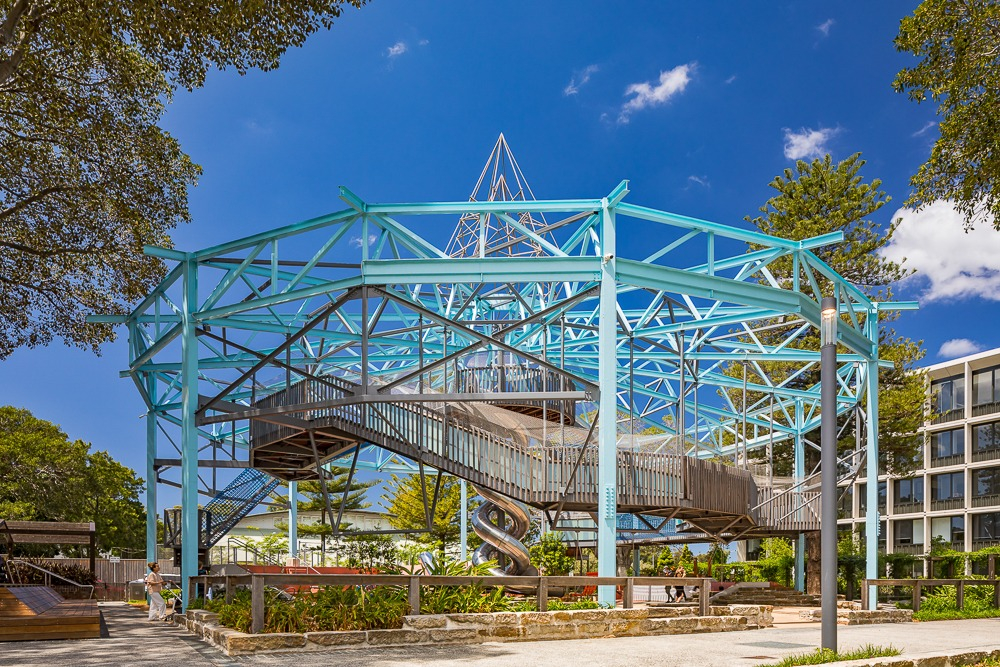
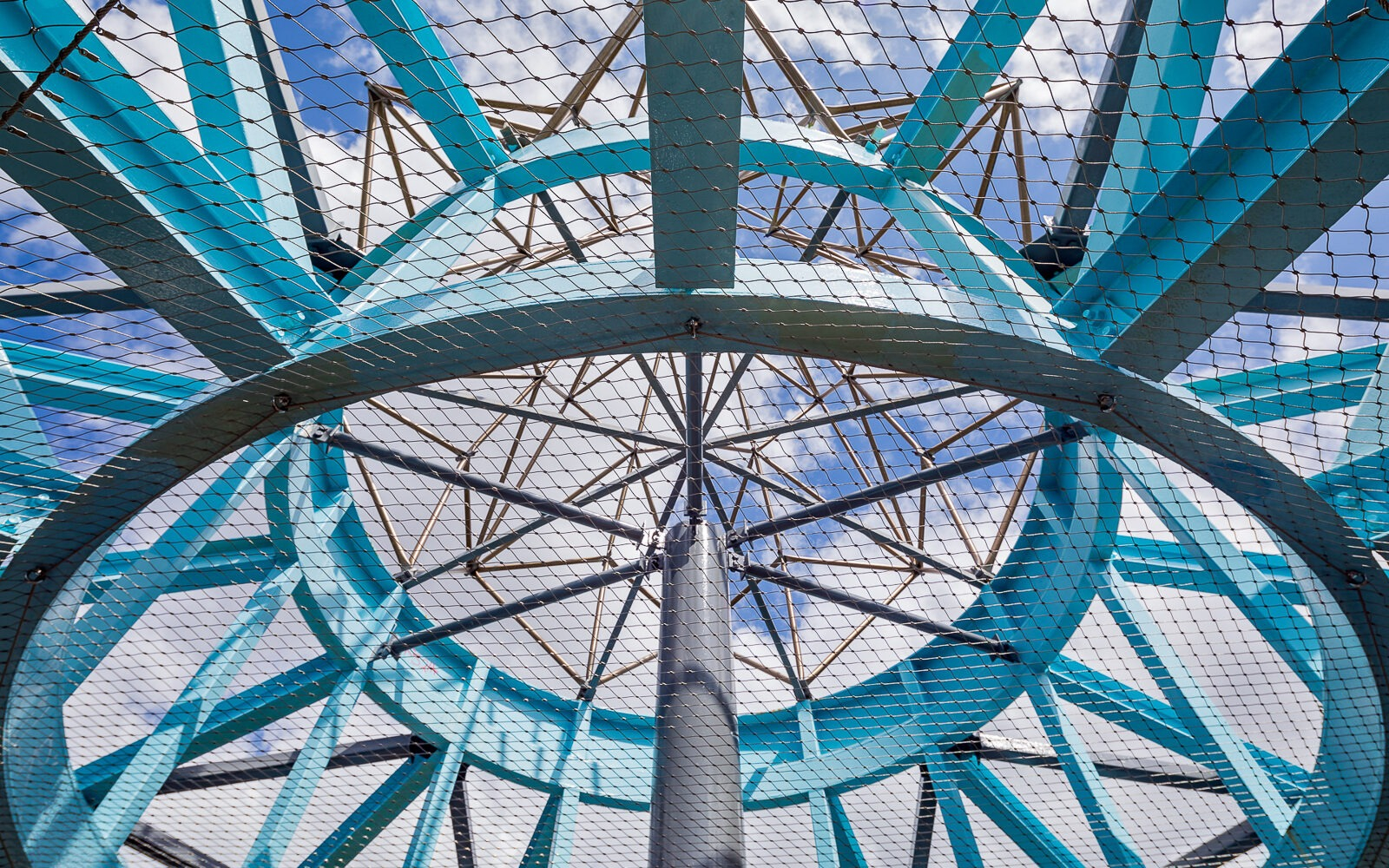
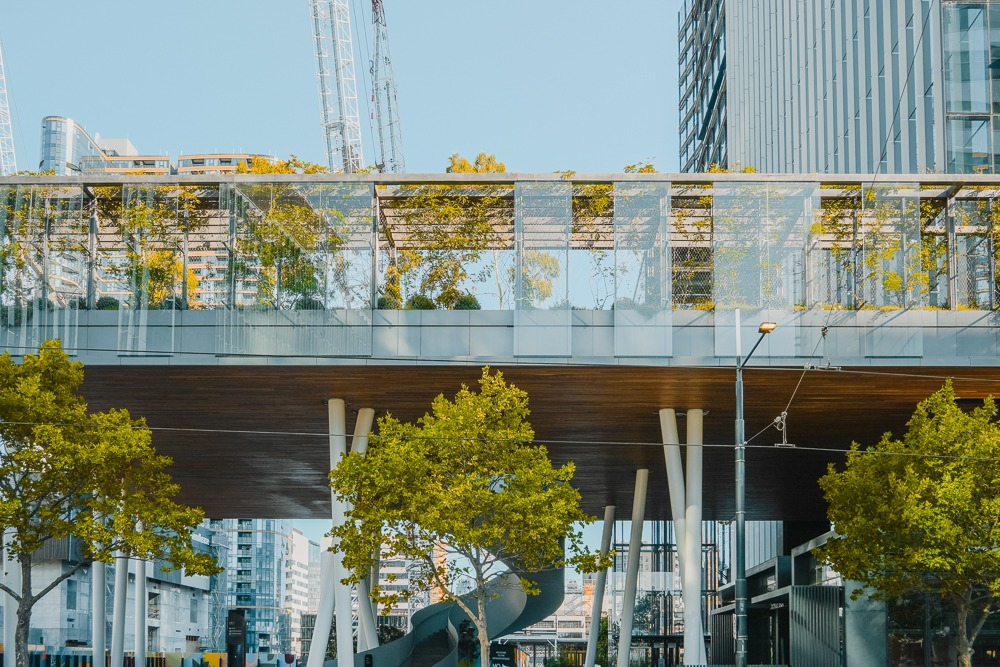
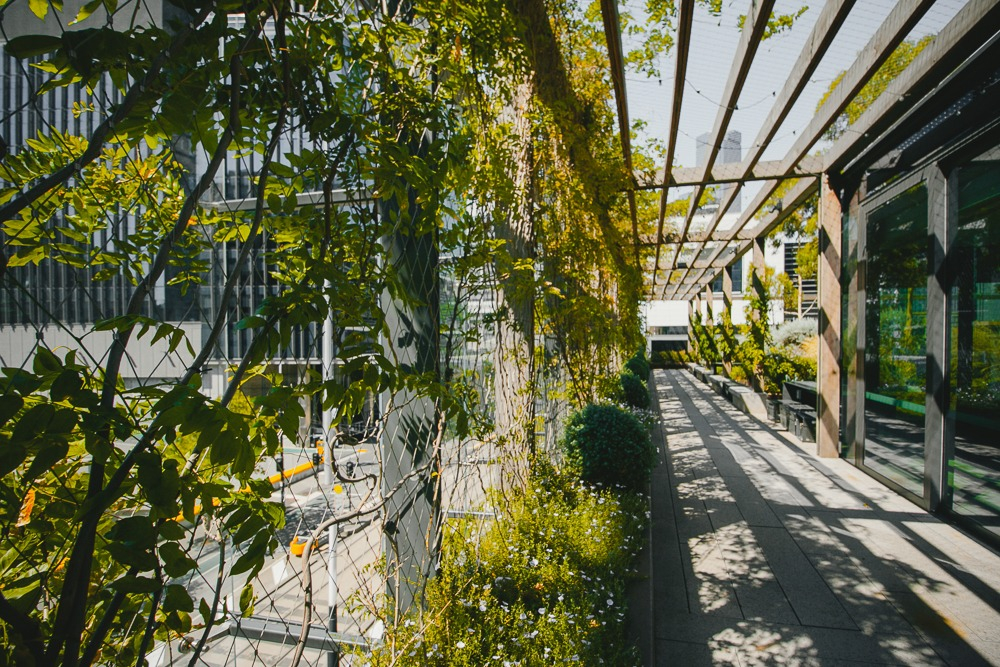
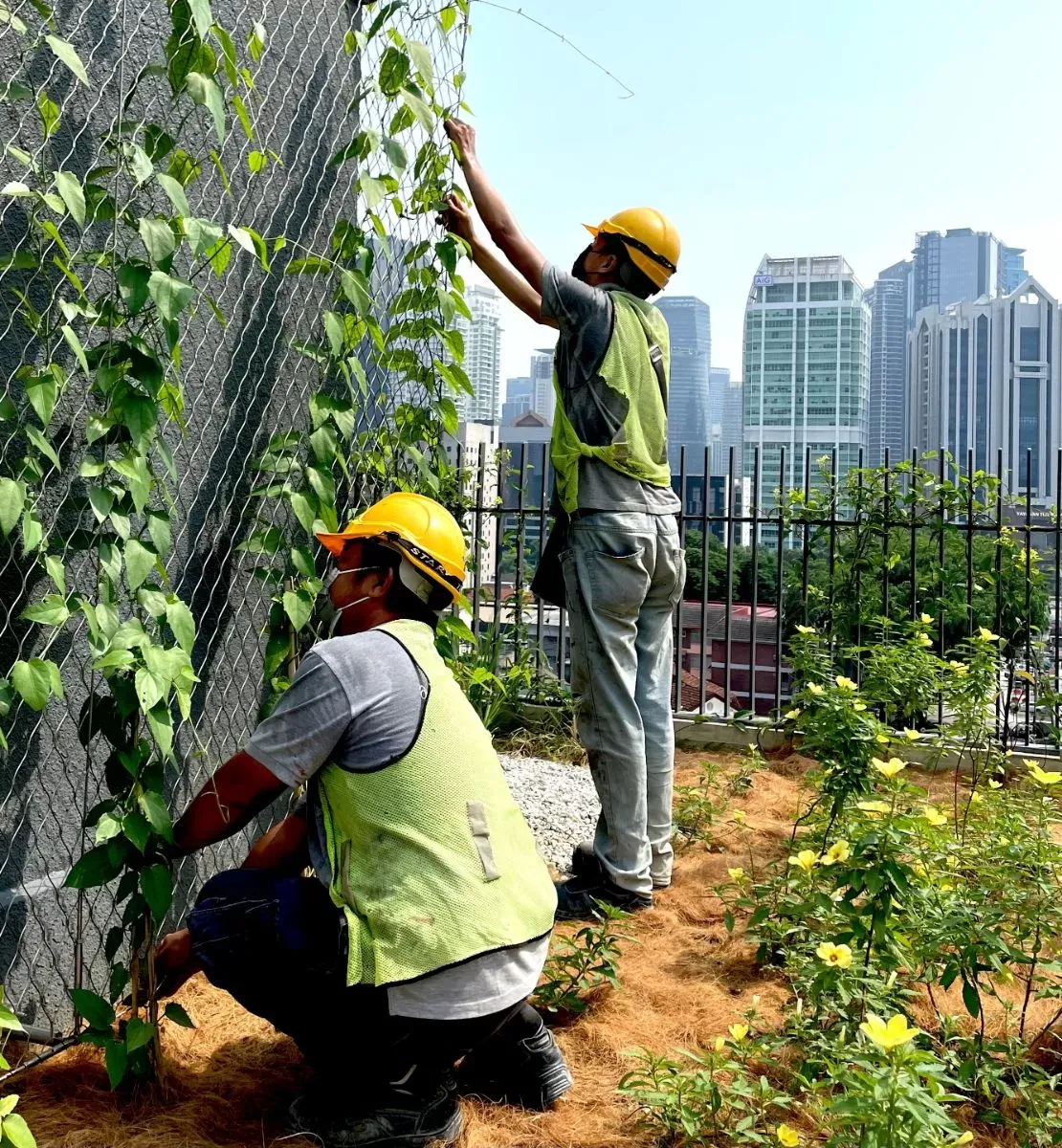
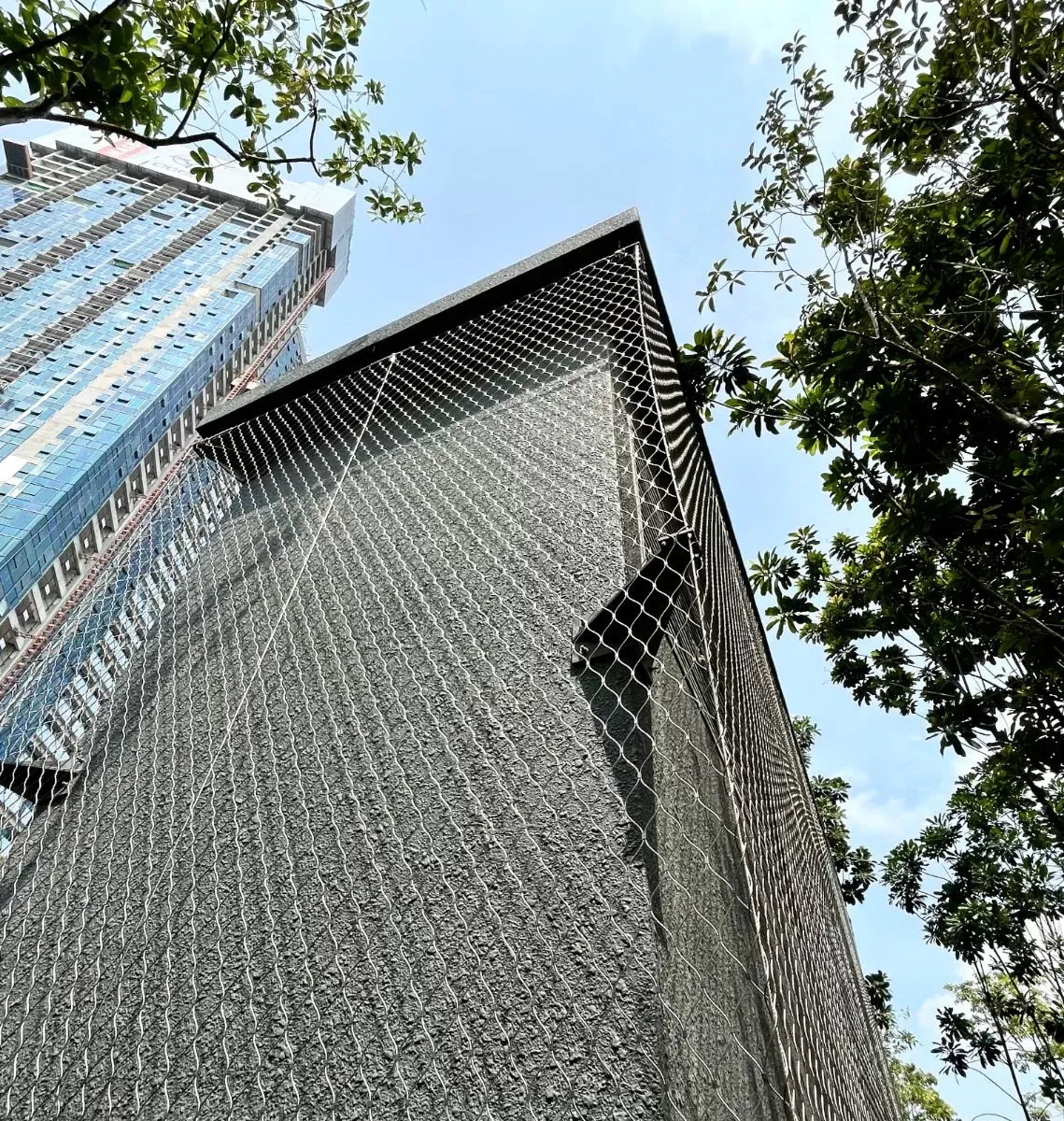
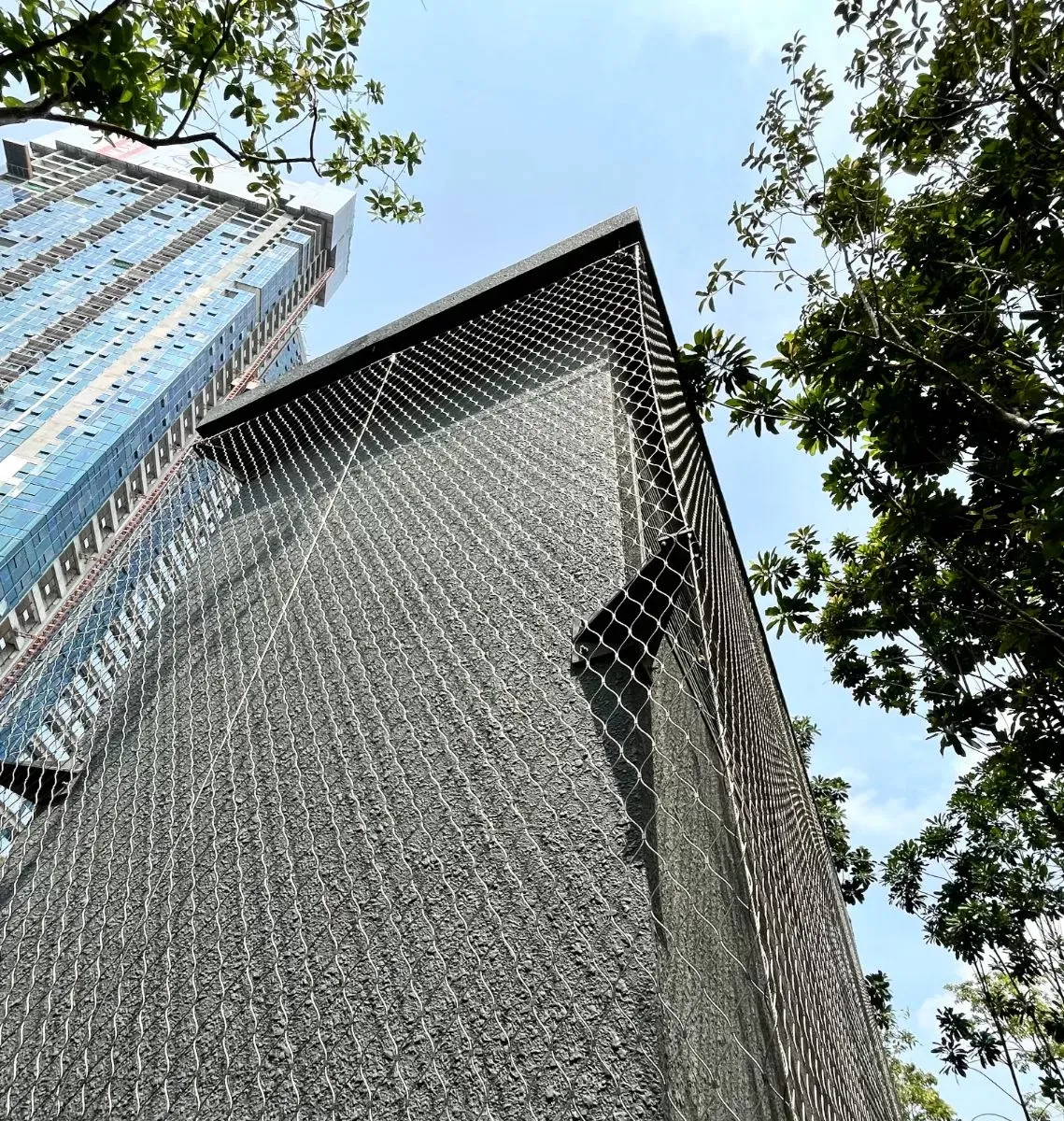
zoo mesh netting is widely used for bird aviaries, walk-through aviaries, zoo animal enclosures, habitat partitions, tunnel corridors, canopy enclosures, climbing zone barriers, and perimeter containment where visual openness is required. It is also selected for architectural safety infill, bridge and atrium fall protection, stairwell guarding, green façade protection, and visitor separation zones when designers want “open air” visibility without sacrificing safety.
Benefits: zoo mesh netting
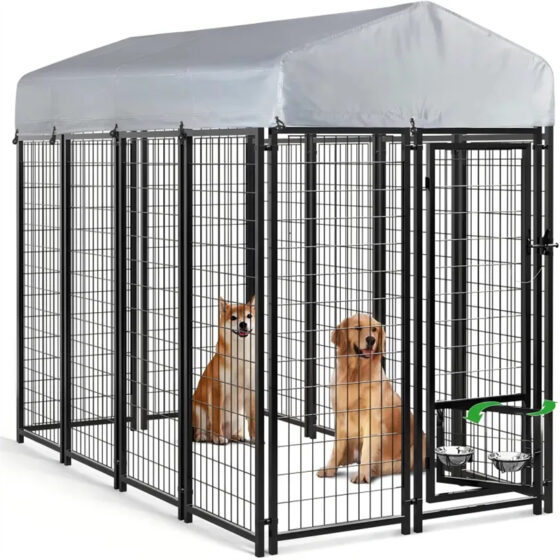
A correctly specified zoo mesh netting delivers high strength without heavy visual blockage, impact absorption without brittle failure, and clean geometry that remains consistent across large surfaces. Because the system uses stainless wire rope with controlled ferrule connections, it performs through long service cycles with low maintenance; in active animal zones, the controlled softness reduces injury risk compared with rigid welded mesh while maintaining reliable containment strength. When the design calls for a stiffer secondary infill at gates, partitions, or keeper corridors, pairing the rope system with welded wire mesh for zoo as a matching specification helps you align aperture, wire size, and finishing so the entire enclosure reads consistent and stays maintenance-friendly.
Packing: zoo mesh netting
Packing is a performance step for zoo mesh netting because poor packing causes ferrule rub, rope kinks, and surface marking that leads to receiving disputes and onsite delays. A controlled packing method protects the net geometry and finish so installation can start immediately after unloading.
Standard packing and loading method: a layer of bubble wrap at the bottom of the pallet protects the last layer; a small piece of carton paper between each two items prevents rubbing; carton paper under the packing belt reduces strap marks; finally all goods are wrapped by several layers of plastic film, and custom packing can be made as clients’ request.
Standards and acceptance controls for zoo mesh netting
For zoo mesh netting procurement, the practical standard is measurable acceptance: stainless grade declaration, rope construction confirmation, rope diameter checks, aperture checks, ferrule consistency checks, edge termination verification, finished width/height checks, and packing confirmation that matches unloading method. For support steelwork, anti-corrosion processing can include hot-dip galvanizing for electrochemical protection, zinc phosphate to enhance coating adhesion, and epoxy zinc-rich powder coating for impact resistance and long-term anti-corrosion performance.
POLYMETAL follows ISO quality system control logic in production, and can provide drawings, material declarations, inspection photos, and packing records for submittals on your zoo mesh netting project.
FAQs: zoo mesh netting
How do I choose rope diameter for zoo mesh netting? Choose rope diameter based on animal type, span, tension requirement, and impact expectation; higher diameter increases strength and stiffness, while smaller diameter improves softness and visual lightness, so the correct choice meets safety and appearance targets without waste.
What does mesh aperture (X × Y) control in zoo mesh netting? Aperture controls visual density, containment behavior, and frame fit; tighter aperture increases barrier control and reduces snag risk, while larger aperture reduces weight and improves openness, and the aperture must be specified in writing to prevent substitution.
Ferrule type: open buckles or closed buckles? Open buckles are commonly selected for efficiency and clean appearance, while closed buckles and special edge systems are used when frame design, corner layout, or tension pattern requires different termination behavior; POLYMETAL can manufacture zoo mesh netting to your edge and frame requirements.
Can you supply frames together with zoo mesh netting? Yes, POLYMETAL can supply the mesh and matched frames as a complete set to reduce installation guesswork and accelerate site work.
How do I avoid the biggest loss trap (#7)? Lock measurable specs (grade, rope structure, rope diameter, aperture, ferrule type, edge method), define tolerance and acceptance checks, and confirm packing method, because this stops “looks identical” substitutions and keeps zoo mesh netting predictable at installation.
Quick buyer checklist: zoo mesh netting
If you want zoo mesh netting delivered without hidden loss, ensure the order locks stainless grade, rope structure (7×7 / 7×19), rope diameter, mesh aperture (X × Y), finished width/height, ferrule type, edge termination method, frame/interface detail, tolerance expectations, inspection routine, and packing method; when these items are locked, the mesh becomes predictable, installable, and visually consistent across the entire enclosure.