Your One-Stop Wire Mesh Fence Supplier | POLYMETAL

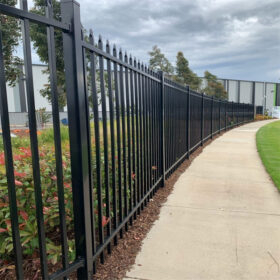
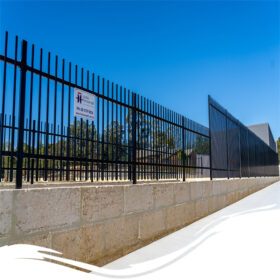
Aluminum Tubular Picket Fence Panels are often chosen for clean architectural lines, corrosion resistance, and low-maintenance presentation. The risk is that many panels look identical in photos, yet arrive with the wrong rail thickness, the wrong picket wall, poor weld consistency (or weak mechanical joining), and powder coating that scratches or chalks under real handling. One wrong specification can turn a straight perimeter into a wavy, noisy run that triggers complaints, rework, and delayed handover.
Brand Overview: POLYMETAL Aluminum Tubular Picket Fence Panels
POLYMETAL supplies Aluminum Tubular Picket Fence Panels as a matched perimeter system—panel geometry, rail frame, picket profile, picket spacing, post pairing, and finish performance are controlled as one package. This “system-first” approach prevents the most common on-site failure pattern: panels that technically fit, but never align cleanly, never stay quiet at joints, and never hold a straight-line presentation across long runs.
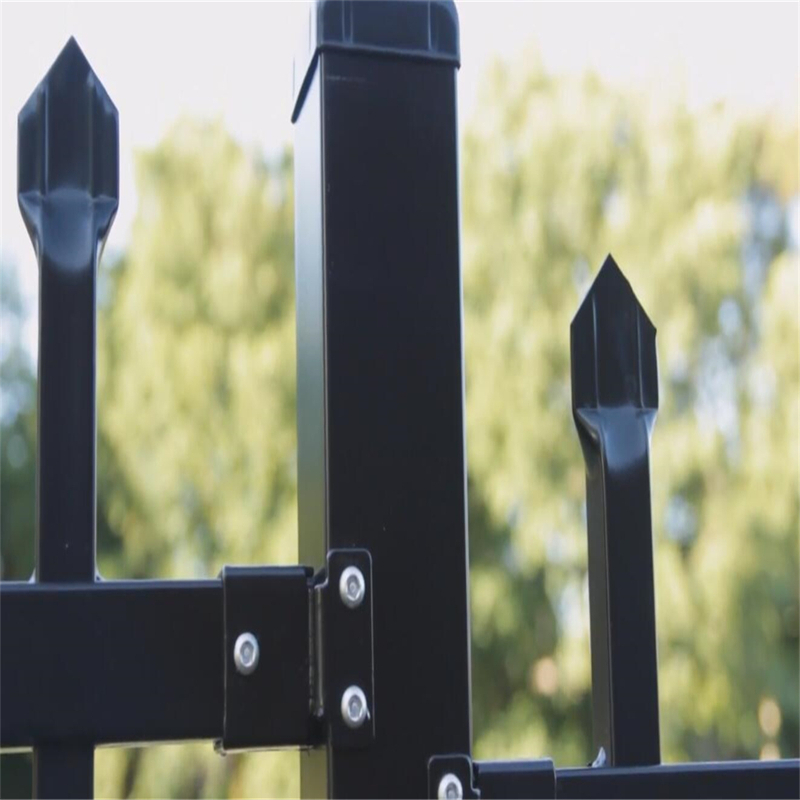
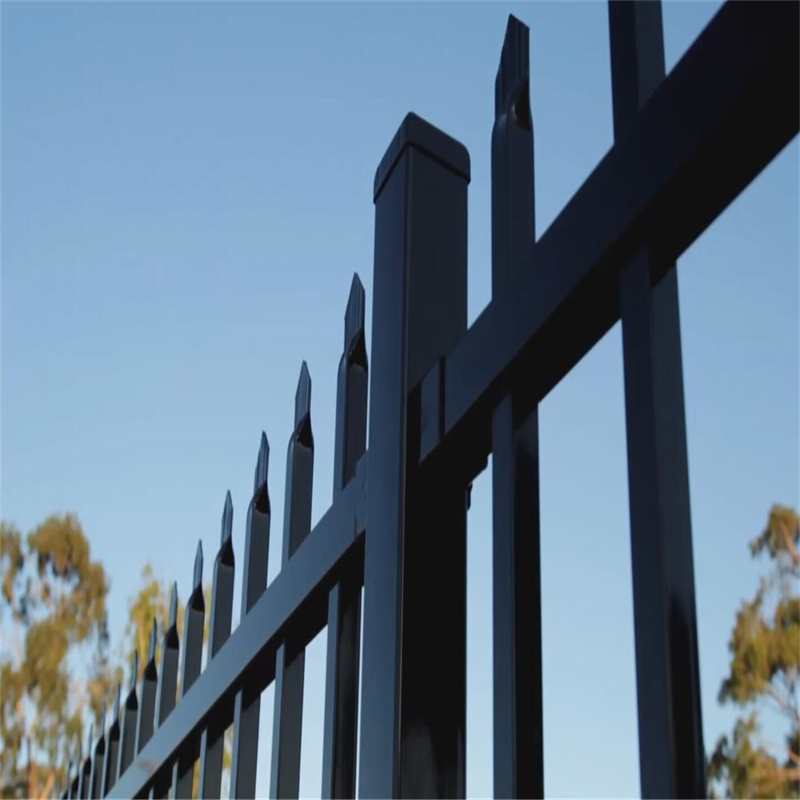
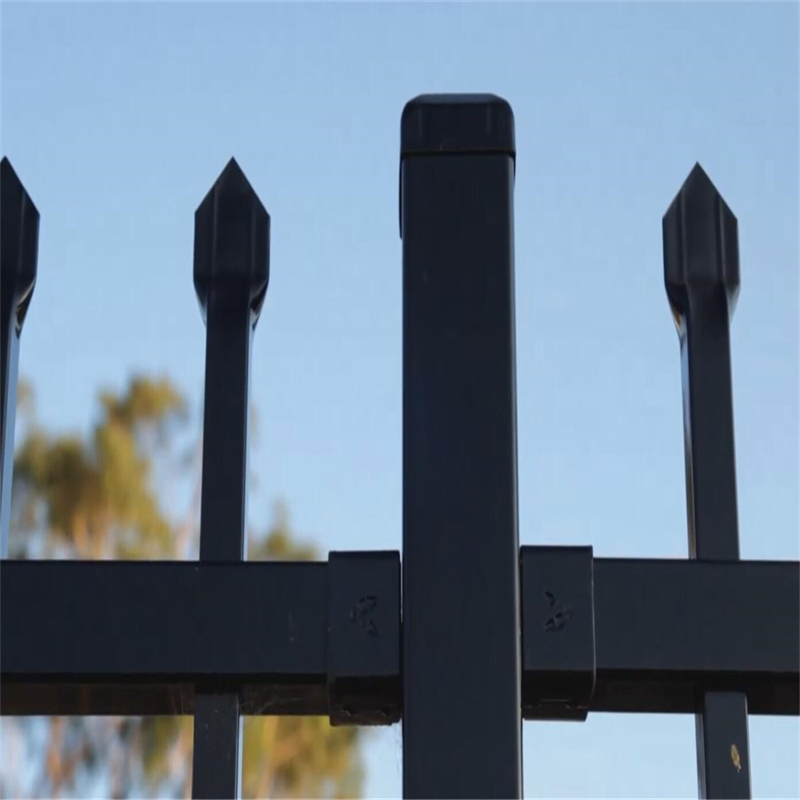
Visual Reference: Aluminum Tubular Picket Fence Panels
| Photo | Caption |
|---|---|
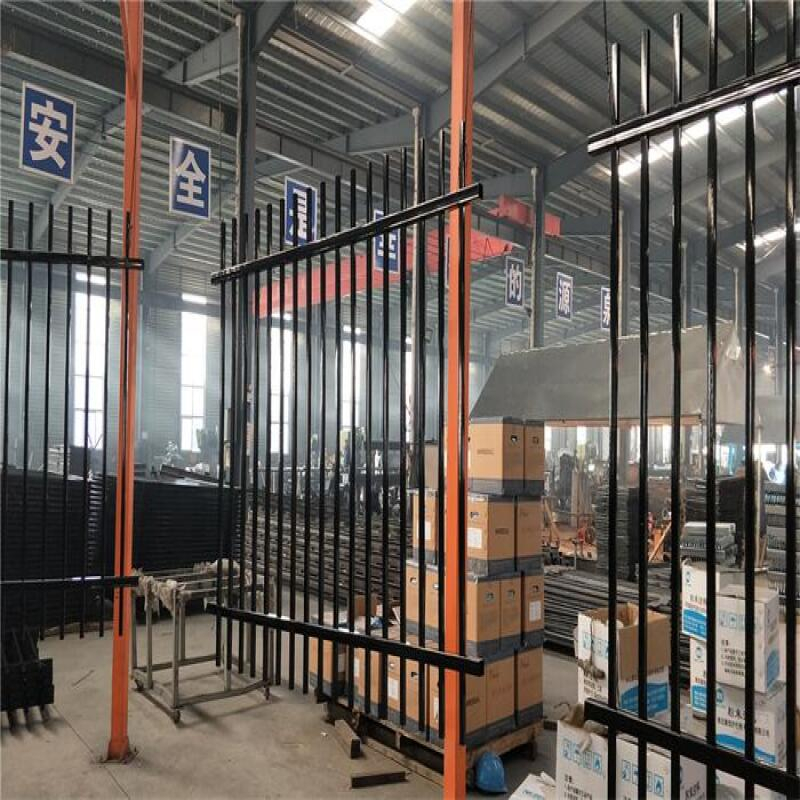
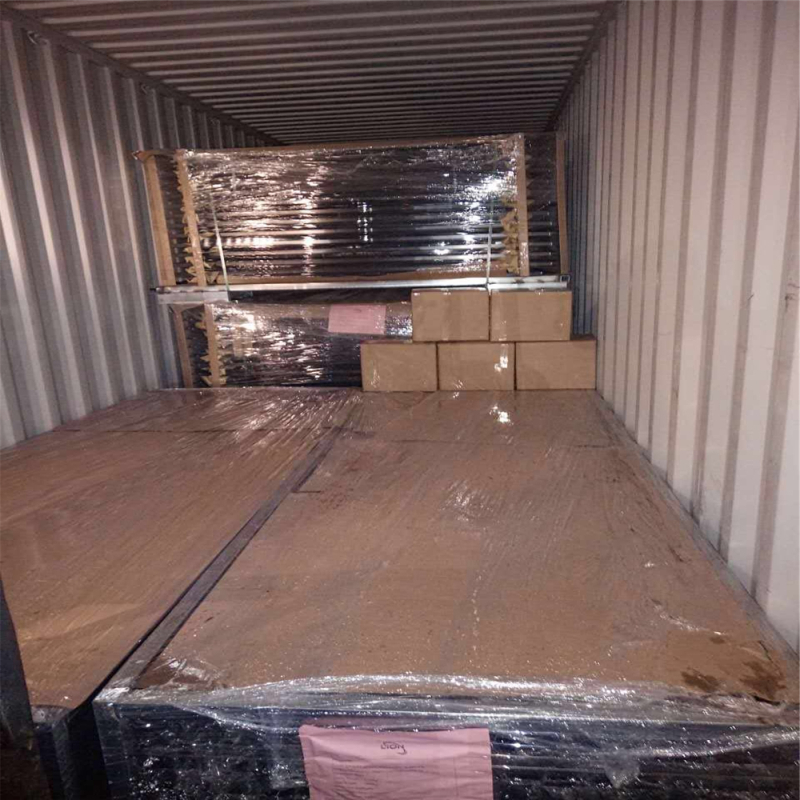
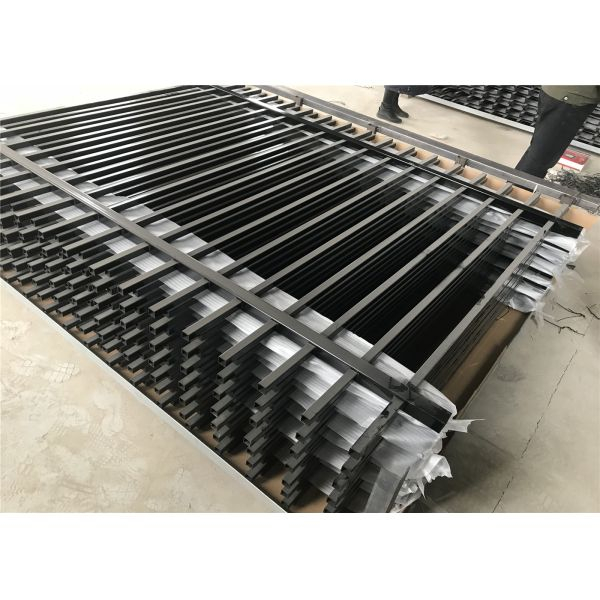 | Panel packing reference: foam wrap and grouped protection to reduce rub marks and coating damage. |
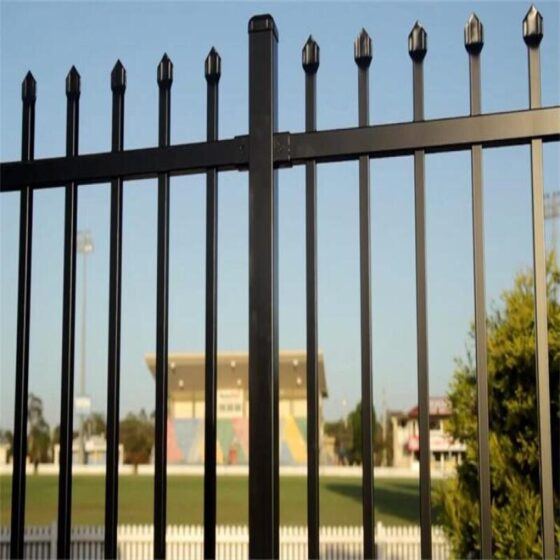
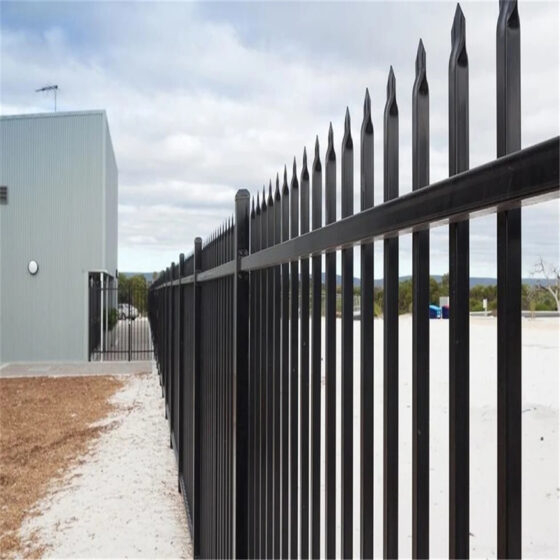
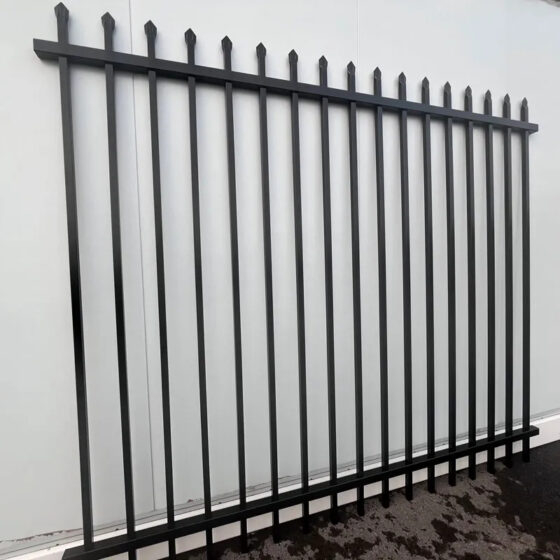
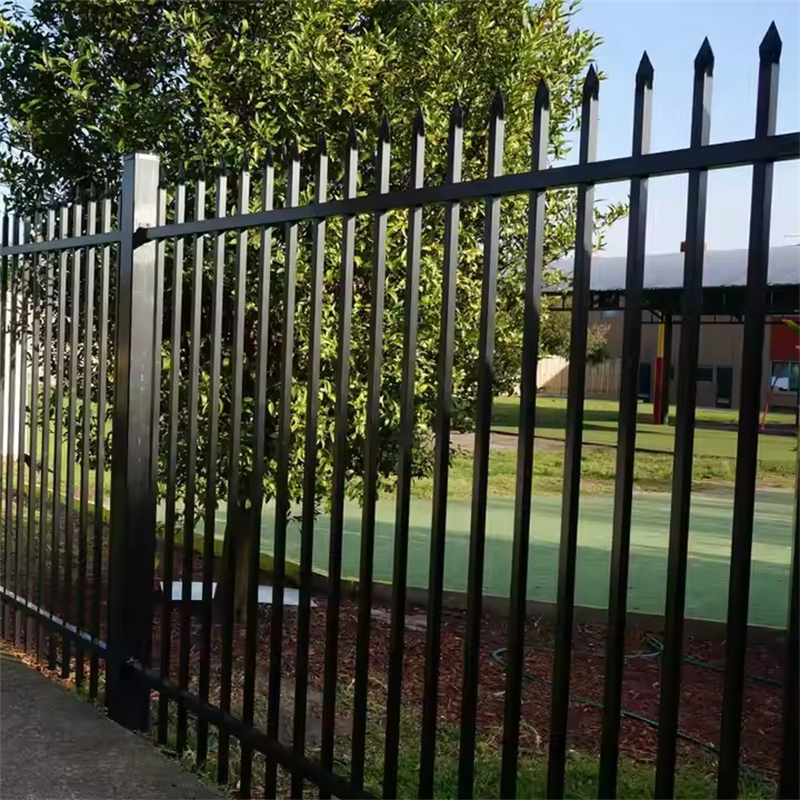
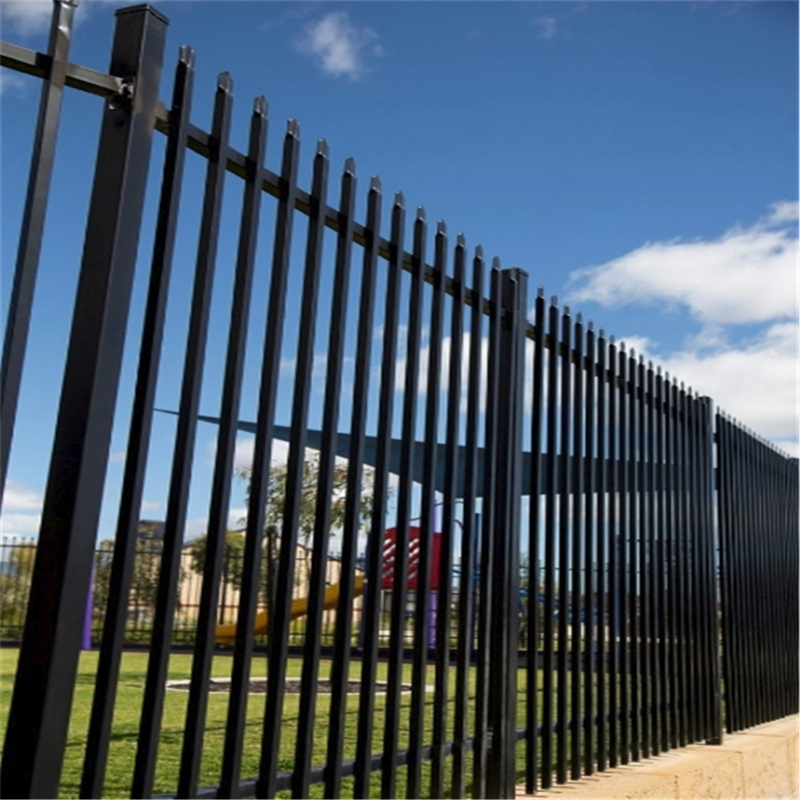
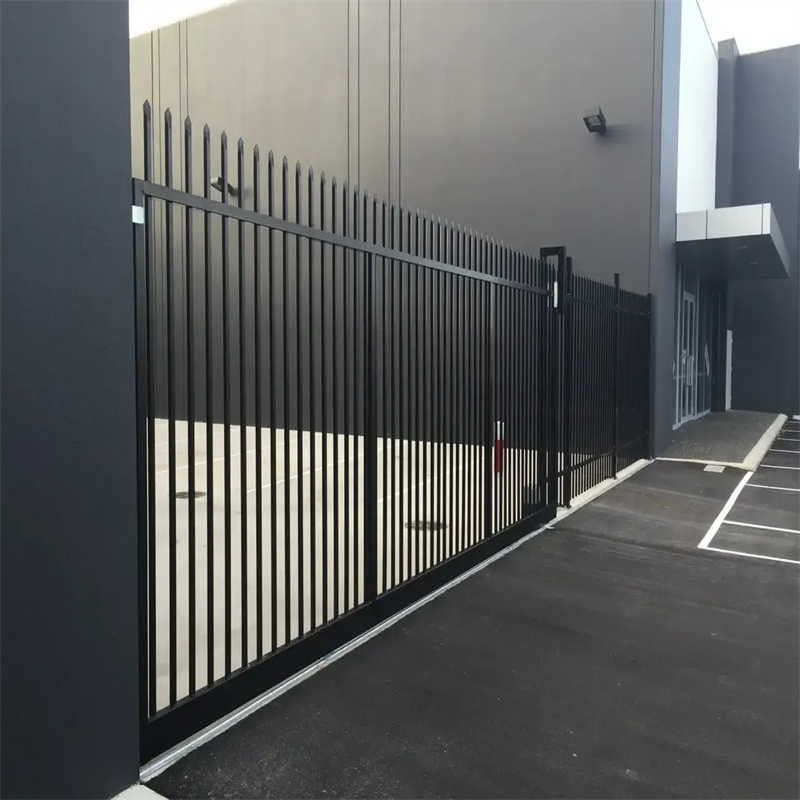
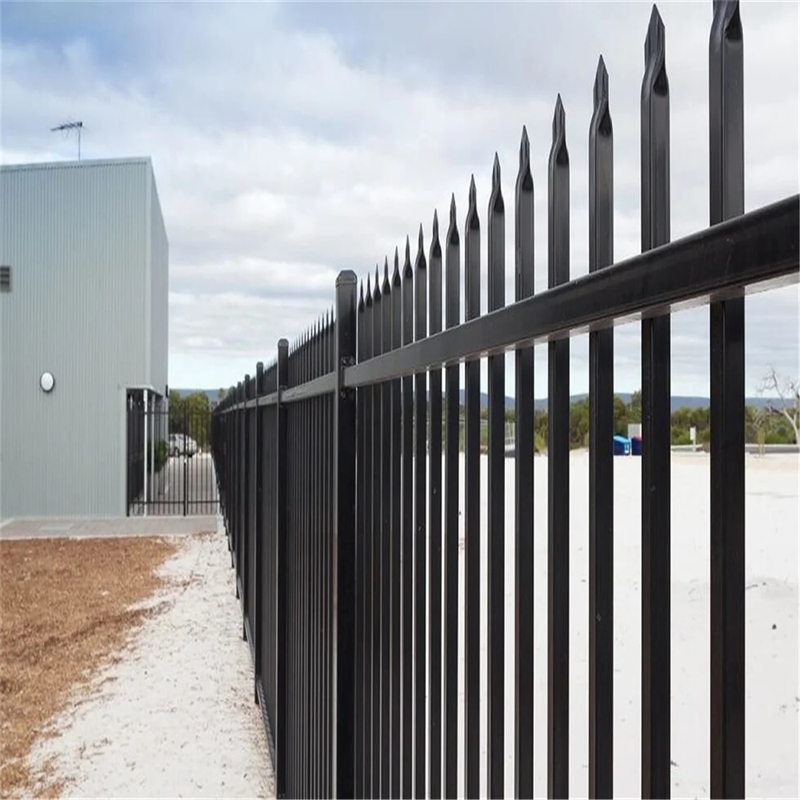
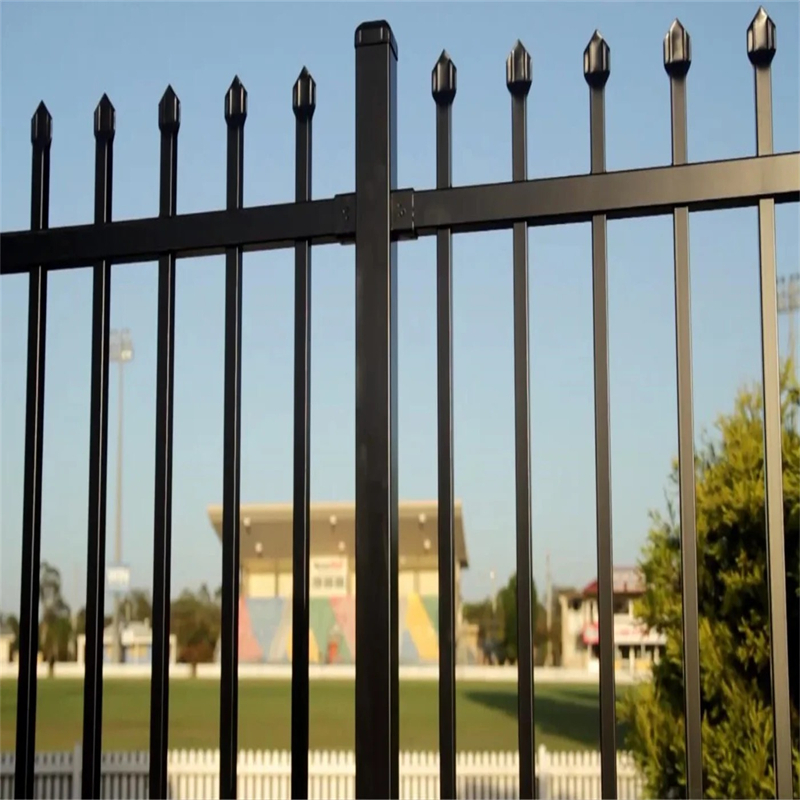
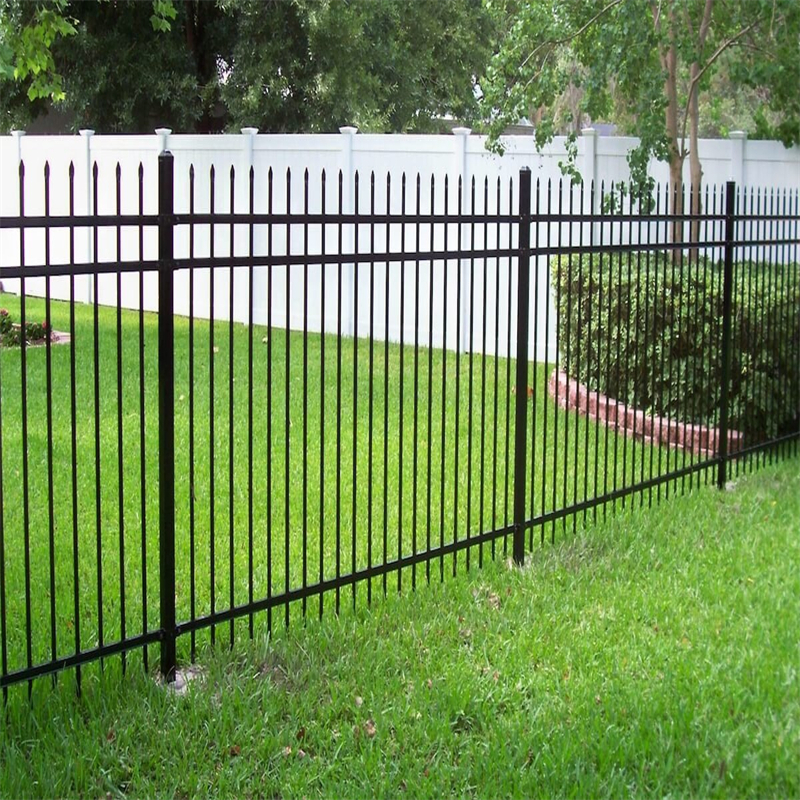
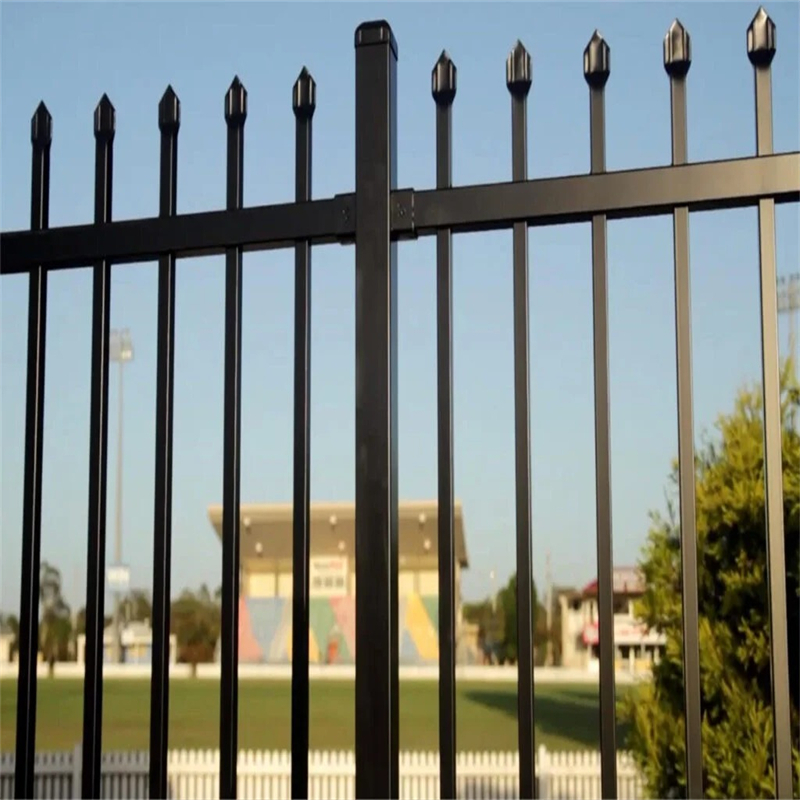
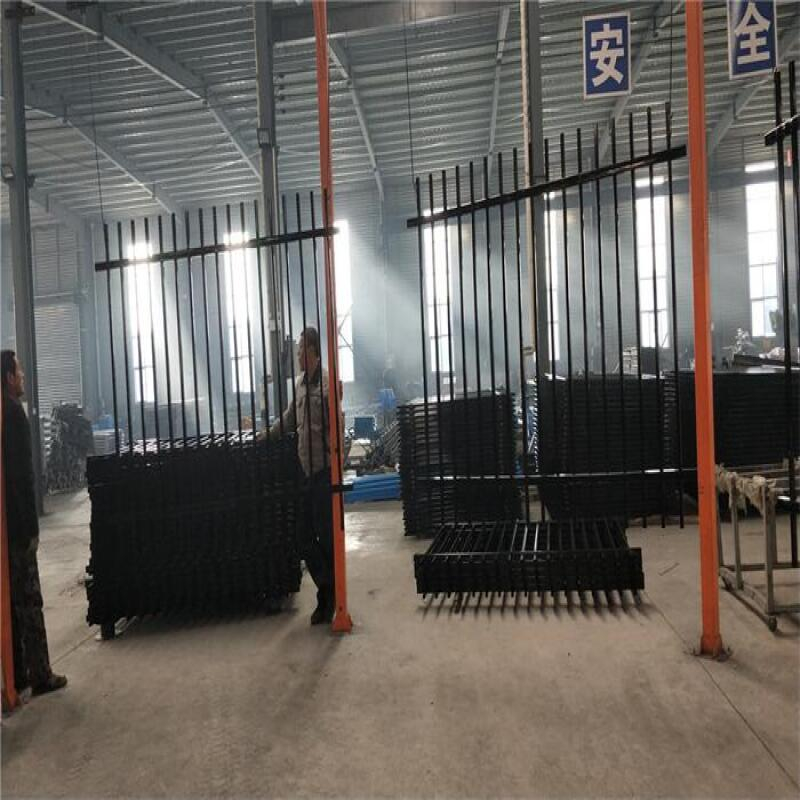
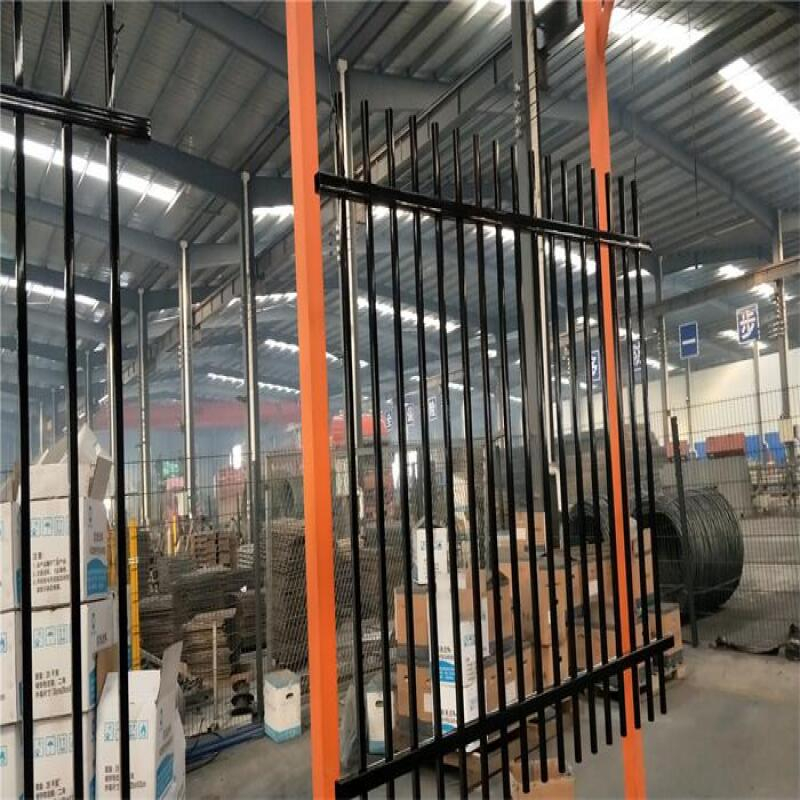
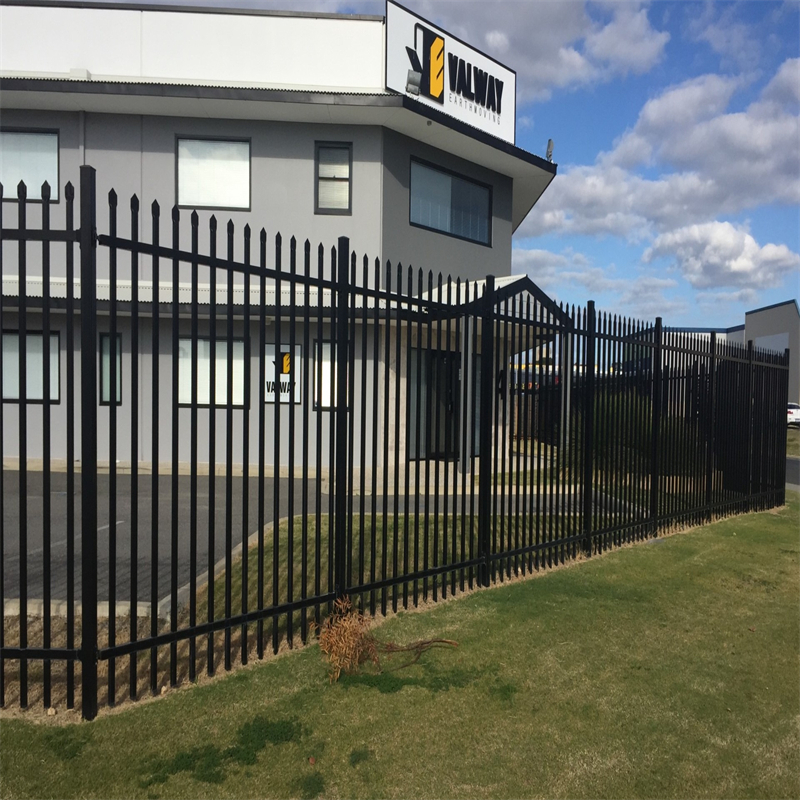
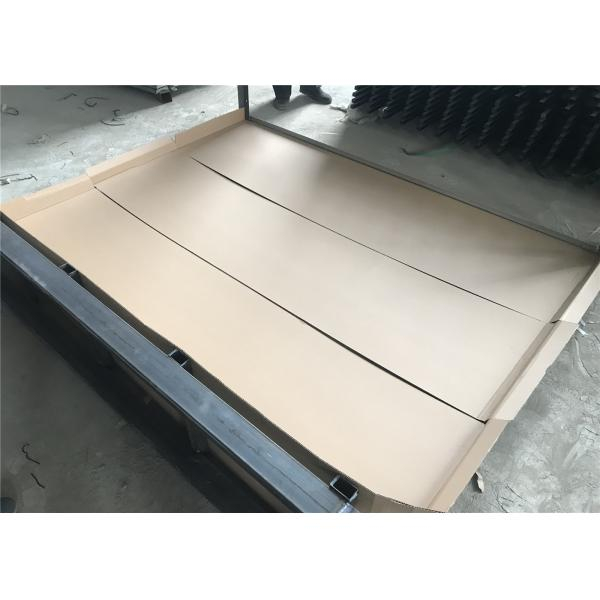 | Finished appearance reference: clean tubular lines and consistent picket alignment across a panel face. |
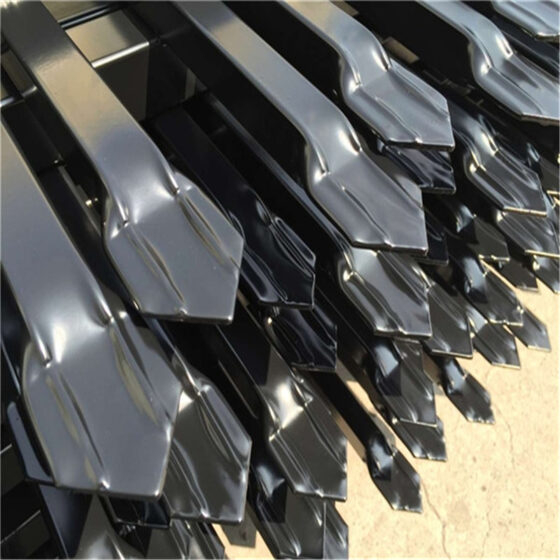
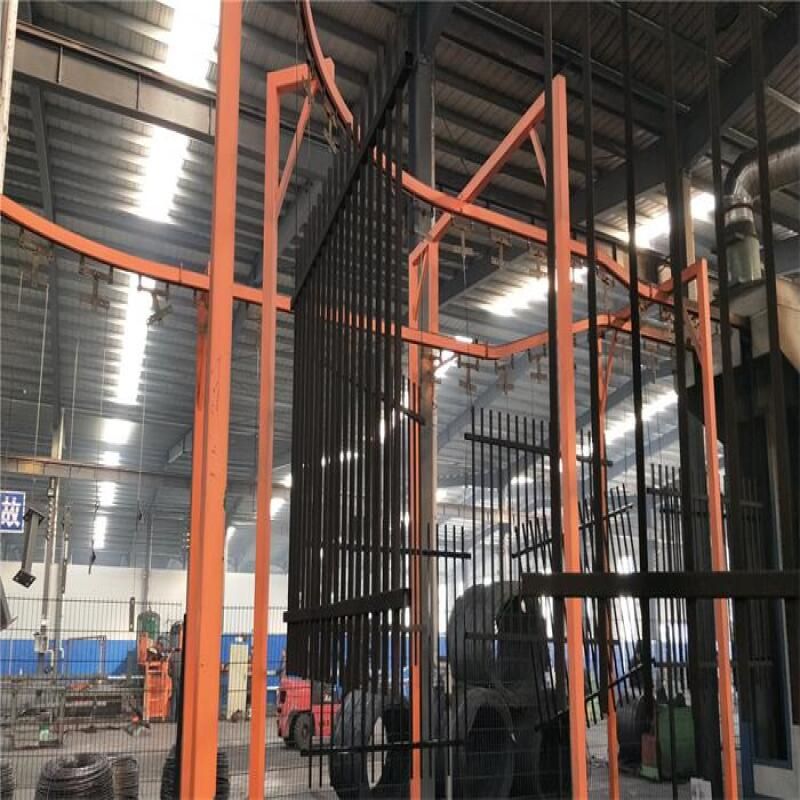
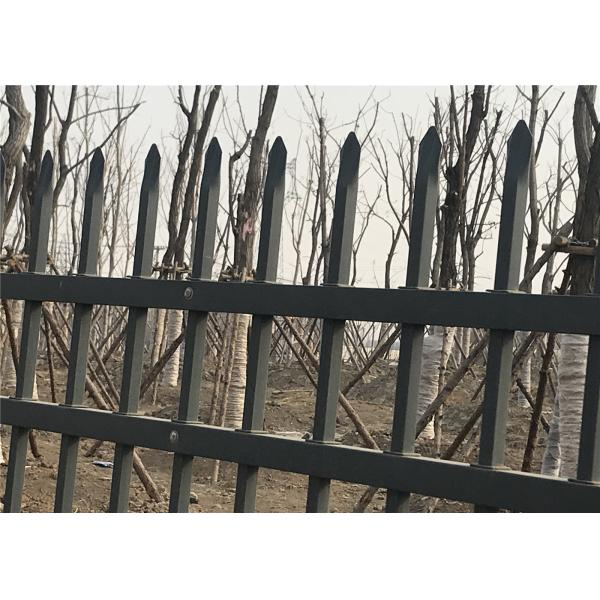 | Color and profile reference: architectural powder-coated finish options for public-facing perimeters. |
Product Description: POLYMETAL Aluminum Tubular Picket Fence Panels
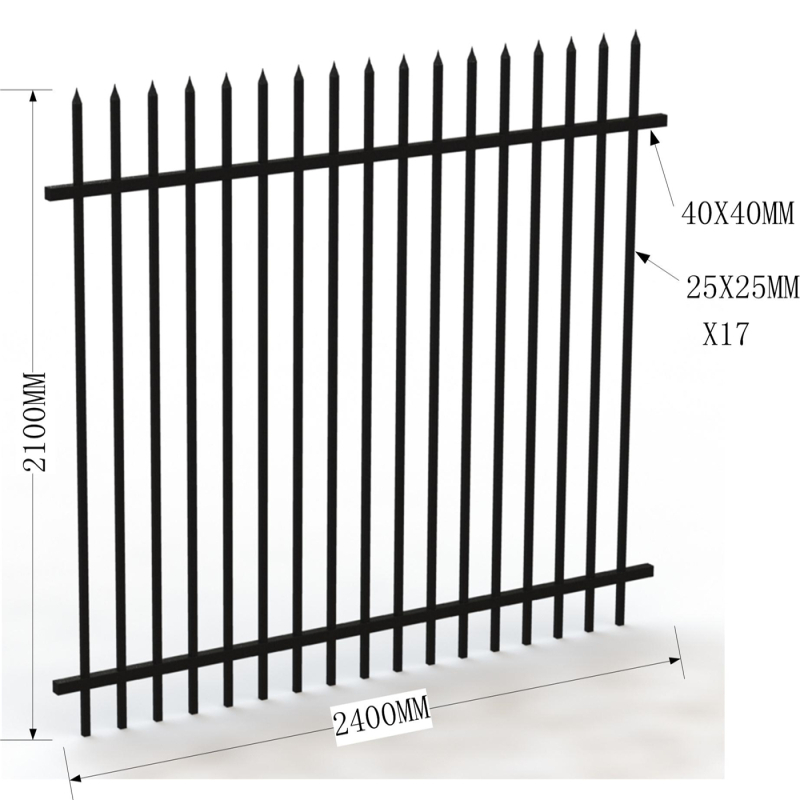
POLYMETAL Aluminum Tubular Picket Fence Panels are designed for villas, swim centers, gardens, schools, warehouses, and industrial properties where a stronger “security feel” must still look friendly and professional. Panels are commonly produced from aluminum alloy (6063-T5 / 6063-T6) for corrosion resistance and clean appearance, with optional galvanized steel versions for projects that prioritize impact resistance. Typical panel widths are 2400mm or 2450mm, and common heights include 1200mm, 1500mm, 1800mm, 2100mm, and 2400mm to match boundary risk and site presentation needs.
Rail frame options are typically specified as 40×40mm, 45×45mm, or 50×50mm to control stiffness. Picket profiles can be 16×16mm, 25×25mm, or 30×30mm, and the “quiet fence line” outcome is achieved by controlling picket density and spacing so panels do not rattle at joints or drift out of alignment after repeated handling. Common picket counts are 16 pcs (about 115mm gap), 17 pcs (about 108mm gap), and 18 pcs (about 100mm gap) depending on appearance and gap discipline targets. Finishing is typically powder coated, with common colors including natural aluminum, black, white, grey, and green for architectural integration.

Specifications: Aluminum Tubular Picket Fence Panels
Table 1: Core Panel Builds (2400mm / 2450mm) — Standard System Configurations
| Fence Height | Fence Width | Rail Frame | Rail Thickness | Upright (Picket) | Upright Thickness | Upright Qty | Upright Spacing Target | Post Option | Post Wall | Post Height (Panel+600) |
|---|---|---|---|---|---|---|---|---|---|---|
| 1200mm | 2400mm | 40×40mm | 1.60mm | 16×16mm | 0.80mm | 16 pcs (~115mm) | 100mm | 60×60mm | 1.6mm | 1800mm |
| 1200mm | 2450mm | 45×45mm | 2.00mm | 25×25mm | 1.00mm | 17 pcs (~108mm) | 100mm | 65×65mm | 2.0mm | 1800mm |
| 1500mm | 2400mm | 40×40mm | 2.00mm | 25×25mm | 1.00mm | 18 pcs (~100mm) | 100mm | 65×65mm | 2.0mm | 2100mm |
| 1500mm | 2450mm | 45×45mm | 2.50mm | 25×25mm | 1.20mm | 18 pcs (~100mm) | 100mm | 75×75mm | 2.0mm | 2100mm |
| 1800mm | 2400mm | 40×40mm | 2.00mm | 25×25mm | 1.20mm | 17 pcs (~108mm) | 100mm | 75×75mm | 2.0mm | 2400mm |
| 1800mm | 2450mm | 45×45mm | 2.00mm | 25×25mm | 1.20mm | 18 pcs (~100mm) | 100mm | 80×80mm | 2.0mm | 2400mm |
| 1800mm | 2450mm | 50×50mm | 2.50mm | 30×30mm | 2.00mm | 18 pcs (~100mm) | 100mm | 80×80mm | 2.5mm | 2400mm |
| 2100mm | 2400mm | 45×45mm | 2.50mm | 25×25mm | 1.20mm | 18 pcs (~100mm) | 100mm | 80×80mm | 2.0mm | 2700mm |
| 2100mm | 2450mm | 50×50mm | 2.50mm | 30×30mm | 2.00mm | 18 pcs (~100mm) | 100mm | 100×100mm | 2.0mm | 2700mm |
| 2400mm | 2450mm | 50×50mm | 3.00mm | 30×30mm | 2.00mm | 18 pcs (~100mm) | 100mm | 100×100mm | 2.5mm | 3000mm |
Table 2: Rail Frame & Thickness Map (Preventing Flex, Rattle, and Long-Run “Wave Lines”)
| Fence Height | Fence Width | Rail Frame | Rail Thickness | Upright (Picket) | Upright Thickness | Upright Qty | Upright Spacing Target | Post Option | Post Wall | Post Height (Panel+600) |
|---|---|---|---|---|---|---|---|---|---|---|
| 1200mm | 2400mm | 40×40mm | 1.60mm | 16×16mm | 1.00mm | 18 pcs (~100mm) | 100mm | 60×60mm | 1.6mm | 1800mm |
| 1200mm | 2450mm | 45×45mm | 2.00mm | 25×25mm | 1.00mm | 18 pcs (~100mm) | 100mm | 65×65mm | 2.0mm | 1800mm |
| 1500mm | 2400mm | 40×40mm | 2.00mm | 25×25mm | 1.20mm | 17 pcs (~108mm) | 100mm | 65×65mm | 2.0mm | 2100mm |
| 1500mm | 2450mm | 45×45mm | 2.50mm | 25×25mm | 1.20mm | 17 pcs (~108mm) | 100mm | 75×75mm | 2.0mm | 2100mm |
| 1800mm | 2400mm | 45×45mm | 2.00mm | 25×25mm | 1.20mm | 16 pcs (~115mm) | 100mm | 75×75mm | 2.0mm | 2400mm |
| 1800mm | 2450mm | 45×45mm | 2.50mm | 25×25mm | 1.20mm | 18 pcs (~100mm) | 100mm | 80×80mm | 2.0mm | 2400mm |
| 1800mm | 2450mm | 50×50mm | 2.50mm | 30×30mm | 2.00mm | 18 pcs (~100mm) | 100mm | 80×80mm | 2.5mm | 2400mm |
| 2100mm | 2400mm | 50×50mm | 2.50mm | 30×30mm | 2.00mm | 18 pcs (~100mm) | 100mm | 100×100mm | 2.0mm | 2700mm |
| 2100mm | 2450mm | 50×50mm | 3.00mm | 30×30mm | 2.00mm | 18 pcs (~100mm) | 100mm | 100×100mm | 2.5mm | 2700mm |
| 2400mm | 2450mm | 50×50mm | 3.00mm | 30×30mm | 2.00mm | 18 pcs (~100mm) | 100mm | 100×100mm | 2.5mm | 3000mm |
Table 3: Picket Profile + Density Control (16 / 17 / 18) — Appearance, Gap Discipline, and Quiet Joints
| Fence Height | Fence Width | Rail Frame | Rails Thickness | Picket Profile | Picket Thickness | Picket Qty | Approx. Gap | Spacing Target | Post Option | Post Height (Panel+600) |
|---|---|---|---|---|---|---|---|---|---|---|
| 1200mm | 2400mm | 40×40mm | 1.60mm | 16×16mm | 0.80mm | 16 pcs | ~115mm | 100mm | 60×60mm | 1800mm |
| 1200mm | 2450mm | 45×45mm | 2.00mm | 16×16mm | 1.00mm | 17 pcs | ~108mm | 100mm | 65×65mm | 1800mm |
| 1200mm | 2450mm | 45×45mm | 2.00mm | 25×25mm | 1.00mm | 18 pcs | ~100mm | 100mm | 65×65mm | 1800mm |
| 1500mm | 2400mm | 40×40mm | 2.00mm | 25×25mm | 1.00mm | 16 pcs | ~115mm | 100mm | 65×65mm | 2100mm |
| 1500mm | 2450mm | 45×45mm | 2.50mm | 25×25mm | 1.20mm | 17 pcs | ~108mm | 100mm | 75×75mm | 2100mm |
| 1500mm | 2450mm | 45×45mm | 2.50mm | 25×25mm | 1.20mm | 18 pcs | ~100mm | 100mm | 80×80mm | 2100mm |
| 1800mm | 2400mm | 45×45mm | 2.00mm | 25×25mm | 1.20mm | 16 pcs | ~115mm | 100mm | 75×75mm | 2400mm |
| 1800mm | 2450mm | 45×45mm | 2.00mm | 25×25mm | 1.20mm | 17 pcs | ~108mm | 100mm | 80×80mm | 2400mm |
| 1800mm | 2450mm | 50×50mm | 2.50mm | 30×30mm | 2.00mm | 18 pcs | ~100mm | 100mm | 80×80mm | 2400mm |
| 2100mm | 2450mm | 50×50mm | 2.50mm | 30×30mm | 2.00mm | 18 pcs | ~100mm | 100mm | 100×100mm | 2700mm |
Table 4: Post Pairing Map (Stopping Leaning, Rattle, and Fence-Line Drift)
| Fence Height | Fence Width | Rail Frame | Rail Thickness | Upright | Upright Thickness | Upright Qty | Post Option | Post Wall | Post Height (Panel+600) | Stability Target |
|---|---|---|---|---|---|---|---|---|---|---|
| 1200mm | 2400mm | 40×40mm | 1.60mm | 16×16mm | 0.80mm | 16 pcs | 60×60mm | 1.6mm | 1800mm | Entry-level clean run |
| 1200mm | 2450mm | 45×45mm | 2.00mm | 25×25mm | 1.00mm | 17 pcs | 65×65mm | 2.0mm | 1800mm | Lower rattle risk |
| 1500mm | 2400mm | 40×40mm | 2.00mm | 25×25mm | 1.00mm | 18 pcs | 65×65mm | 2.0mm | 2100mm | Balanced stiffness |
| 1500mm | 2450mm | 45×45mm | 2.50mm | 25×25mm | 1.20mm | 18 pcs | 75×75mm | 2.0mm | 2100mm | Higher traffic edges |
| 1800mm | 2400mm | 45×45mm | 2.00mm | 25×25mm | 1.20mm | 17 pcs | 75×75mm | 2.0mm | 2400mm | Long-run control |
| 1800mm | 2450mm | 45×45mm | 2.50mm | 25×25mm | 1.20mm | 18 pcs | 80×80mm | 2.0mm | 2400mm | Reduced fence drift |
| 1800mm | 2450mm | 50×50mm | 2.50mm | 30×30mm | 2.00mm | 18 pcs | 80×80mm | 2.5mm | 2400mm | Heavy-duty line |
| 2100mm | 2400mm | 45×45mm | 2.50mm | 25×25mm | 1.20mm | 18 pcs | 80×80mm | 2.0mm | 2700mm | High deterrence |
| 2100mm | 2450mm | 50×50mm | 2.50mm | 30×30mm | 2.00mm | 18 pcs | 100×100mm | 2.0mm | 2700mm | Maximum straightness |
| 2400mm | 2450mm | 50×50mm | 3.00mm | 30×30mm | 2.00mm | 18 pcs | 100×100mm | 2.5mm | 3000mm | High-height stability |
Table 5: Finish, Color, Packing, and Delivery Controls (Keeping Appearance “Acceptance-Ready”)
| Fence Height | Fence Width | Rail Frame | Upright | Material Option | Surface Finish | Common Colors | Packing Method | Post Height (Panel+600) | Typical Site Fit | Damage Risk Controlled |
|---|---|---|---|---|---|---|---|---|---|---|
| 1200mm | 2400mm | 40×40mm | 16×16mm | 6063-T5/T6 Aluminum | Powder Coated | Natural / Black | Foam + group bag | 1800mm | Gardens | Transport rub marks |
| 1200mm | 2450mm | 45×45mm | 25×25mm | 6063-T5/T6 Aluminum | Powder Coated | White / Grey | Foam + group bag | 1800mm | Villas | Corner scuffing |
| 1500mm | 2400mm | 40×40mm | 25×25mm | 6063-T6 Aluminum | Powder Coated | Black | Foam + group bag | 2100mm | Schools | Installation scratches |
| 1500mm | 2450mm | 45×45mm | 25×25mm | 6063-T6 Aluminum | Powder Coated | Green | Foam + group bag | 2100mm | Parks | Early chalking |
| 1800mm | 2400mm | 45×45mm | 25×25mm | 6063-T6 Aluminum | Powder Coated | Black / Grey | Foam + group bag | 2400mm | Warehouses | Loose joints |
| 1800mm | 2450mm | 45×45mm | 25×25mm | 6063-T6 Aluminum | Powder Coated | RAL colors | Foam + group bag | 2400mm | Industrial | Panel vibration |
| 1800mm | 2450mm | 50×50mm | 30×30mm | 6063-T6 Aluminum | Powder Coated | Black | Foam + group bag | 2400mm | Commercial | Fence-line drift |
| 2100mm | 2400mm | 45×45mm | 25×25mm | Aluminum or Galv Steel | Powder Coated | Black | Foam + group bag | 2700mm | High-density edges | Leaning |
| 2100mm | 2450mm | 50×50mm | 30×30mm | Aluminum or Galv Steel | Powder Coated | RAL colors | Foam + group bag | 2700mm | Public-facing | Rejection risk |
| 2400mm | 2450mm | 50×50mm | 30×30mm | Aluminum or Galv Steel | Powder Coated | Black / Grey | Foam + group bag | 3000mm | Perimeter control | Wave-line defect |
Applications Aluminum Tubular Picket Fence Panels
POLYMETAL Aluminum Tubular Picket Fence Panels are commonly specified for villas, swim centers, gardens, schools, warehouses, industrial properties, commercial boundaries, and public-facing assets that require clean presentation with reliable access control. The tubular picket format is widely selected where projects want architectural appearance without the heavy maintenance and corrosion risk of traditional wrought iron aesthetics.

Benefits Aluminum Tubular Picket Fence Panels
A properly specified aluminum tubular picket system delivers strong straight-line presentation with low maintenance. Correct rail frame sizing reduces flex and joint rattle, controlled picket density improves “security feel” while maintaining friendly openness, and correct post pairing prevents long-run leaning and visible wave lines. Powder coating supports consistent appearance retention and reduces corrosion risk, helping the fence remain acceptance-ready over time rather than aging into a scratched, chalked, patchy boundary that triggers complaints.
Packing Aluminum Tubular Picket Fence Panels
POLYMETAL packing is designed to protect finish quality and prevent transport damage that silently destroys fence appearance before installation. A common method is foam wrapping for each panel, then grouping multiple panels together inside a protective plastic bag to reduce rubbing, corner scuffing, and coating scratches. Posts are separated and wrapped to reduce scuff marks, and accessories are packed as complete sets so installers do not lose time improvising missing parts on site. The same “surface-protection mindset” is also common in other mesh-based products where abrasion can quickly ruin usability—see this practical reference on wire mesh for bird cage for a comparable handling-and-finish perspective.

Standard and Documents
POLYMETAL controls system geometry and finish performance through consistent panel sizing, repeatable picket spacing, stable rail thickness, and protected packing. After shipment, the supplier can provide export documents including packing list, commercial invoice, and bill of lading copy/draft (including telex release workflow where required). For Australia deliveries, PKD (Packing Declaration 2016) and Certificate of Origin can be provided within 7 days after vessel departure. For buyers benchmarking budget planning before placing an order, this Australia-focused reference on installed cost ranges is a useful context point to review alongside your specification: Garrison fencing prices 2025 (installed cost guide, Australia).
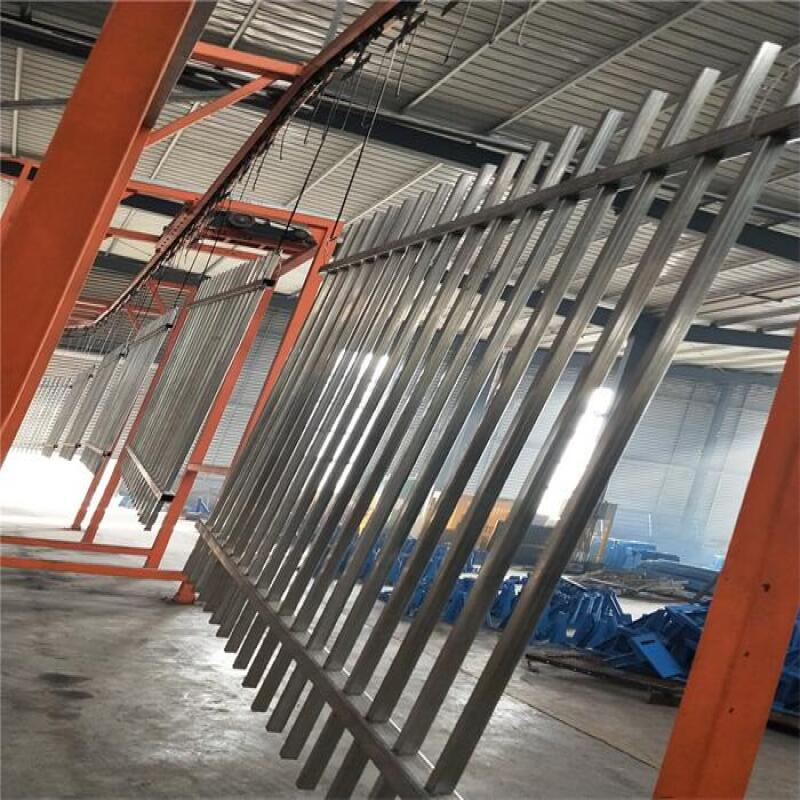
Top 28 Pitfalls for Aluminum Tubular Picket Fence Panels (Especially #21)
PITFALL #1: Buying by “looks” and ignoring rail thickness
Thin rails flex, joints rattle, and long runs become wavy after normal handling.
PITFALL #2: Choosing 40×40 rails where 45×45 or 50×50 is required
Under-sized frames create vibration and noisy fence lines on busy sites.
PITFALL #3: Treating rail thickness as a small detail
1.60mm vs 3.00mm is not a minor change—it’s the difference between stable and flimsy.
PITFALL #4: Using the wrong alloy temper (weak aluminum)
Wrong temper dents easier, loses straightness faster, and looks “tired” early.
PITFALL #5: Under-specifying picket wall thickness
Thin pickets bend in transport and never look straight again.
PITFALL #6: Mixing picket sizes across one project
16×16 and 25×25 do not present the same—visual inconsistency triggers rejection.
PITFALL #7: Calling it “100mm spacing” without locking picket count
Factories build by jig positions; your “100mm” can arrive as a different gap pattern.
PITFALL #8: Ignoring picket density as a security lever
16 vs 18 pickets changes both appearance and gap discipline.
PITFALL #9: Buying posts as an afterthought
Weak posts create leaning and drift even when panels are strong.
PITFALL #10: Using small posts on taller panels
At 1800mm–2400mm heights, under-sized posts amplify movement and wave lines.
PITFALL #11: Skipping post wall thickness control
Thin walls twist at fixings, loosen joints, and create long-run misalignment.
PITFALL #12: Ignoring the post height rule (Panel + 600mm)
Short posts reduce embedment depth and cause slow leaning that forces rework later.
PITFALL #13: Using mismatched widths (2400 vs 2450) without a set-out plan
Wrong widths create ugly filler bays and weak transition points.
PITFALL #14: Assuming assembly hardware is “standard”
Bad fixings cause rattles at joints and long-run drift under vibration.
PITFALL #15: Allowing poor panel squareness
Out-of-square panels cannot form a clean straight line across long runs.
PITFALL #16: Overlooking corner and end-post reinforcement
Movement starts at corners and spreads down the line.
PITFALL #17: Choosing powder coating without controlling abrasion resistance
Cheap coating scratches during install and instantly looks “old.”
PITFALL #18: Ignoring pretreatment quality before powder coating
Poor adhesion leads to peeling, edge lift, and visual patching.
PITFALL #19: Not controlling color batch consistency
Even “black” varies—mixed batches make a perimeter look patched and rejected.
PITFALL #20: Packaging that allows rubbing and corner impacts
Transport damage becomes immediate complaints before the first install day ends.
PITFALL #21: The painful LOSS—when the finish chalks, scratches, and gets rejected on public-facing assets
This is the budget killer. The fence can look perfect on delivery, then chalk, scuff, or show rub marks across visible runs after basic handling. The result is rework, repainting, replacement panels, delayed handover, and reputational damage. Lock the finish system, packing method, and handling protection as strictly as you lock the panel size.
PITFALL #22: Building a “panel-only” purchase instead of a complete system
Panels without posts, fixings, and set-out control create improvisation and weak points.
PITFALL #23: Not matching panel stiffness to site abuse
Industrial edges need heavier frames and posts than garden boundaries.
PITFALL #24: Accepting uneven picket alignment
Small picket line errors become highly visible over long frontages.
PITFALL #25: Ordering no spare parts
Missing fixings stop work and force unsafe shortcuts.
PITFALL #26: Under-building gates and access points
Access points become the first failure zone if not matched to panel system strength.
PITFALL #27: Ignoring installation tolerance and ground variation planning
Without proper planning, installers “force fit” panels and damage the finish.
PITFALL #28: Chasing the cheapest quote and paying the highest cost-per-year
Lifecycle cost is driven by straightness, finish retention, and reduced rework—not the cheapest line item.
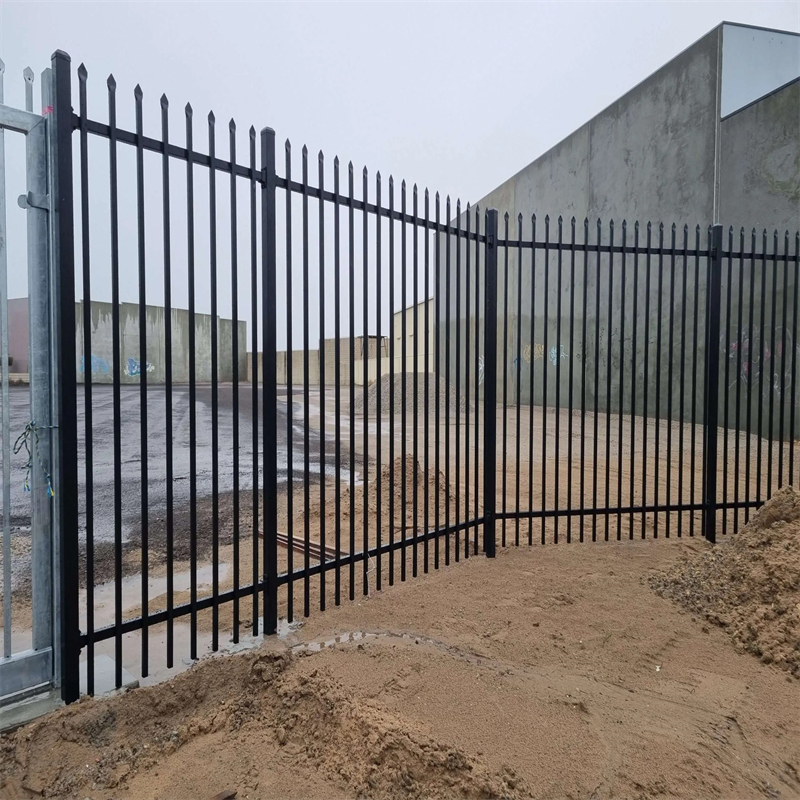
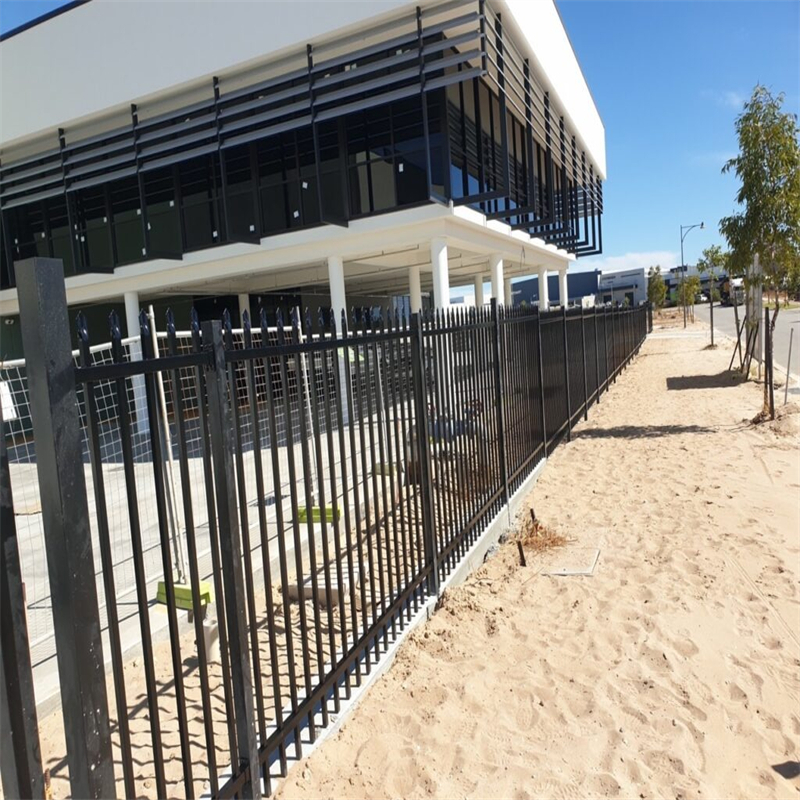
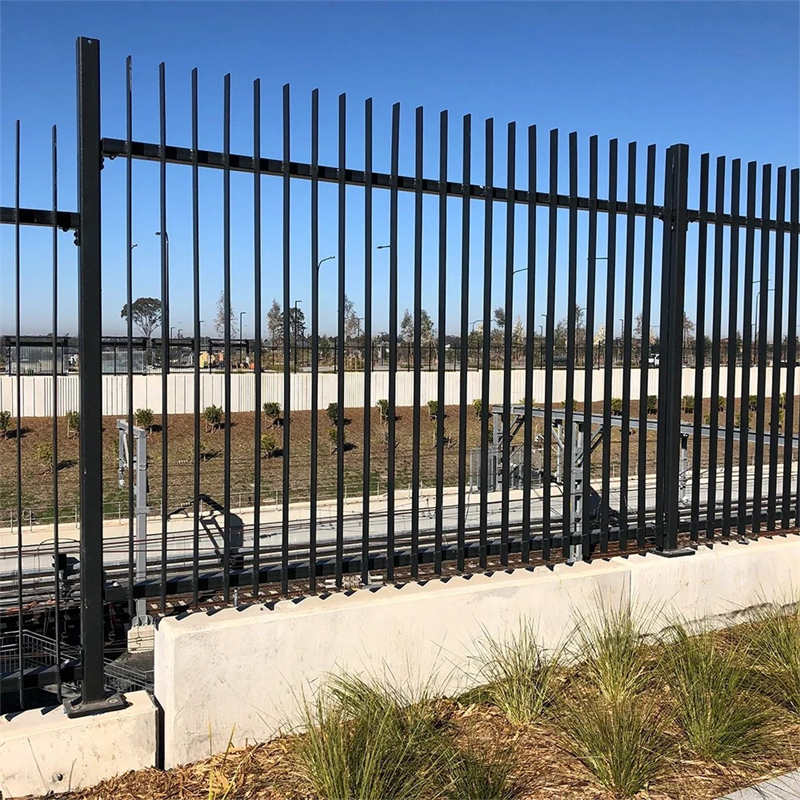
FAQs Aluminum Tubular Picket Fence Panels
What sizes are common for Aluminum Tubular Picket Fence Panels?
Common heights include 1200mm, 1500mm, 1800mm, 2100mm, and 2400mm, with typical widths of 2400mm or 2450mm depending on site set-out.
What rail frames are typically used?
40×40mm, 45×45mm, and 50×50mm are commonly specified. Larger frames reduce flex and help keep long runs straight.
What picket profiles and spacing are common?
16×16mm, 25×25mm, and 30×30mm are common profiles. Picket counts often follow 16 pcs (~115mm gap), 17 pcs (~108mm gap), or 18 pcs (~100mm gap) depending on appearance and gap discipline needs.
What is the post height rule shown in the tables?
Post height is set as panel height + 600mm to support embedment and reduce leaning risk over time.
What is the most common finish and color option?
Powder coating is common, with natural aluminum, black, white, grey, and green as frequent choices. Other colors can be supplied when specified for architectural matching.
How is packing typically handled to protect finish?
A practical method is foam wrapping each panel, grouping multiple panels together, and using protective plastic bags to reduce rubbing and scuffing during transport.