Your One-Stop Wire Mesh Fence Supplier | POLYMETAL
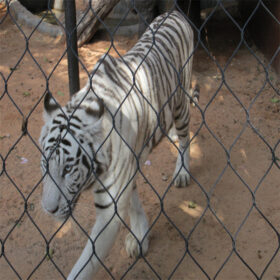
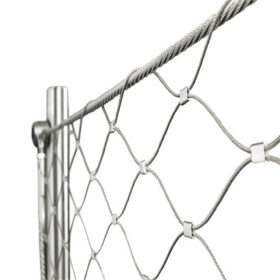
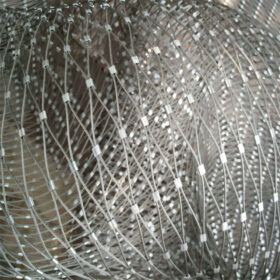
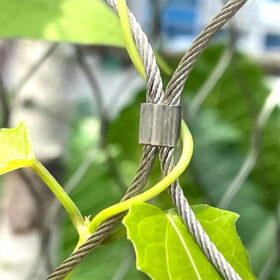
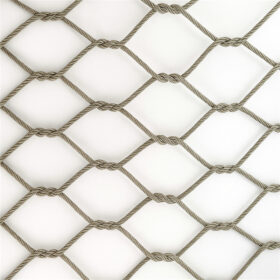
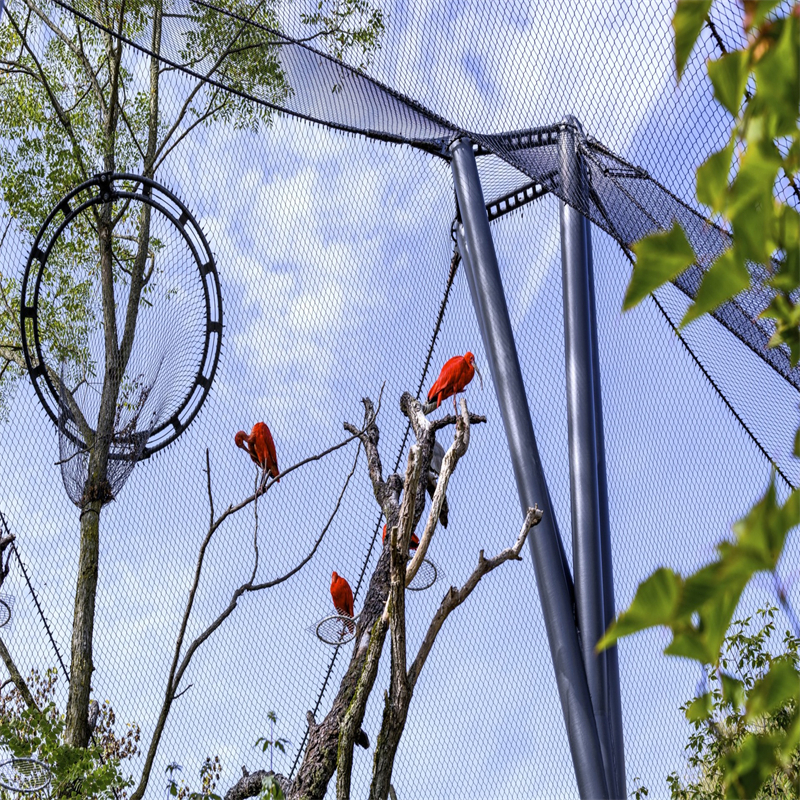
wire mesh for bird cage solutions are no longer just cheap welded panels that rust and bend. Modern bird-keeping, both for private aviaries and professional zoological parks, is moving to stainless steel cable wire mesh for bird cage designs that are safer, cleaner and far more durable. By combining slender stainless steel cables, precision ferrules and carefully chosen apertures, you get cages and aviaries that look almost invisible while still delivering very high mechanical strength and long service life. When you specify wire mesh for bird cage correctly, your birds enjoy light, air and space; when you ignore a few key safety rules, you quietly build escape routes, injury risks and costly maintenance into every enclosure.
What is wire mesh for bird cage?
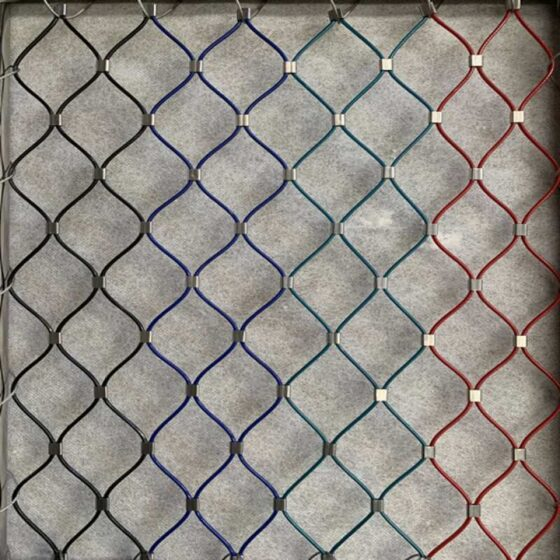
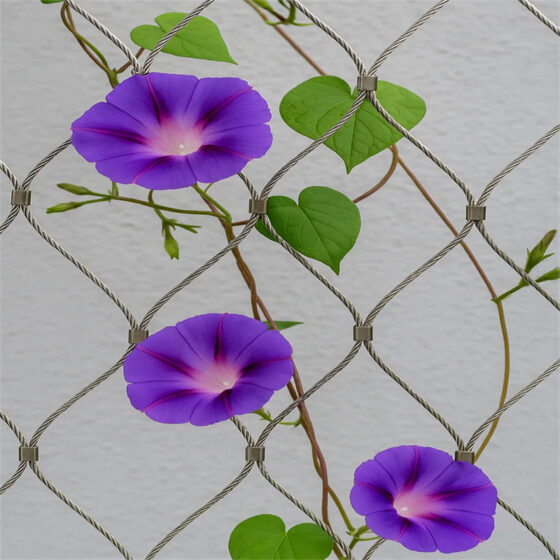
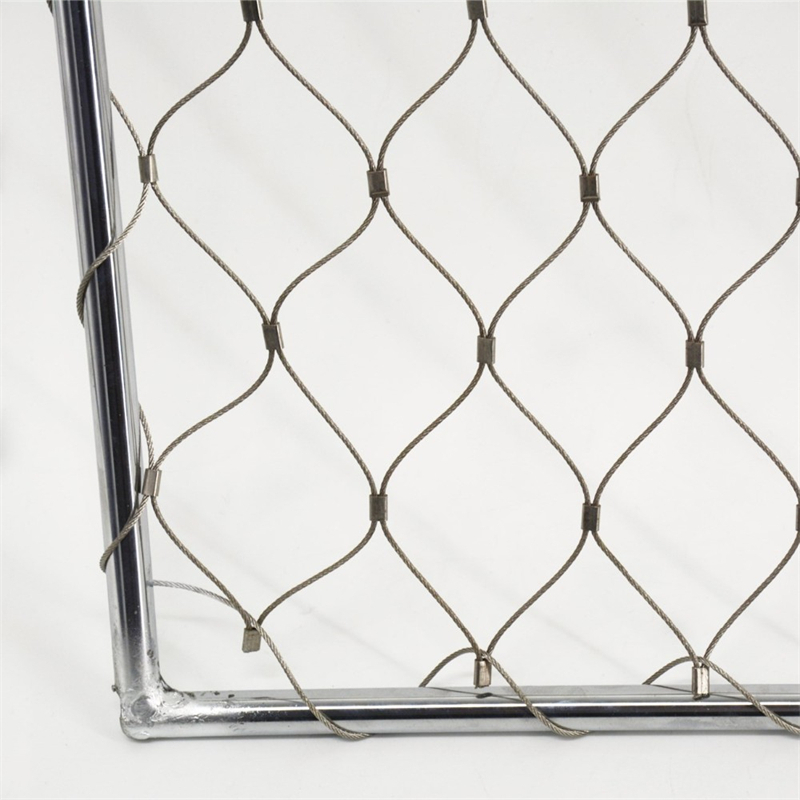
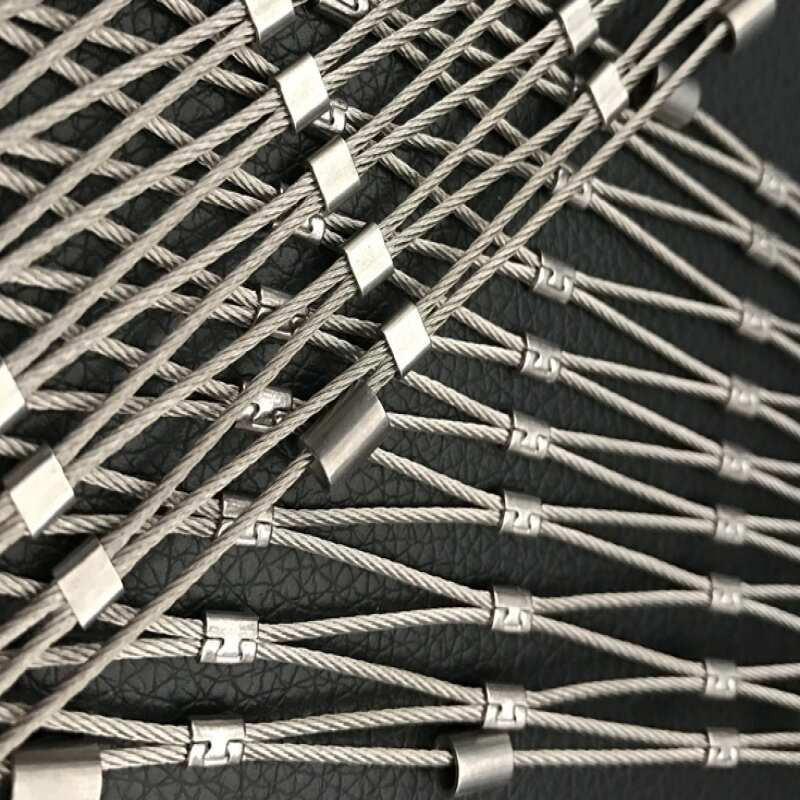
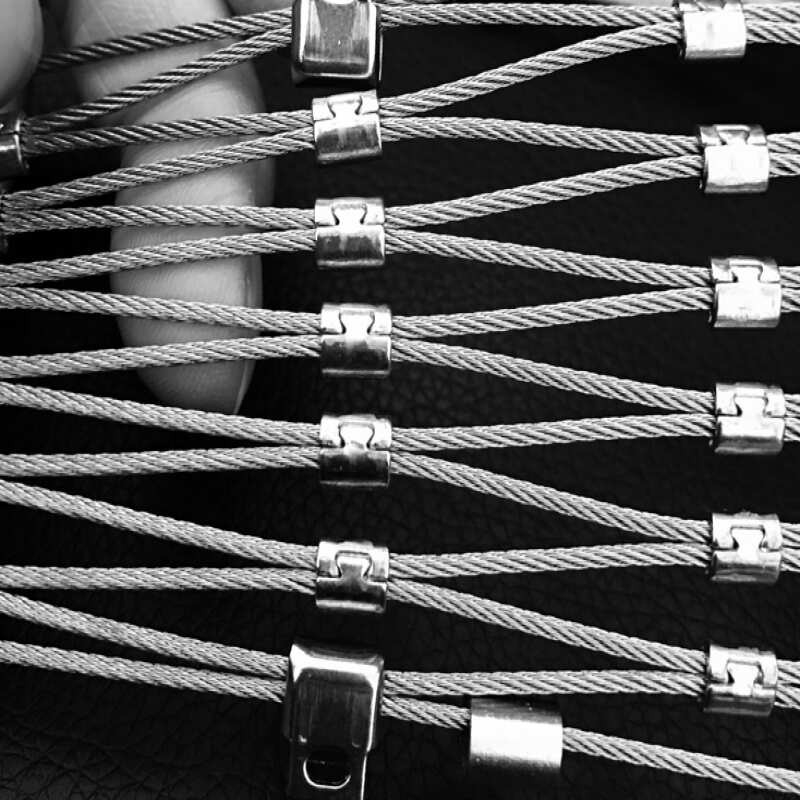
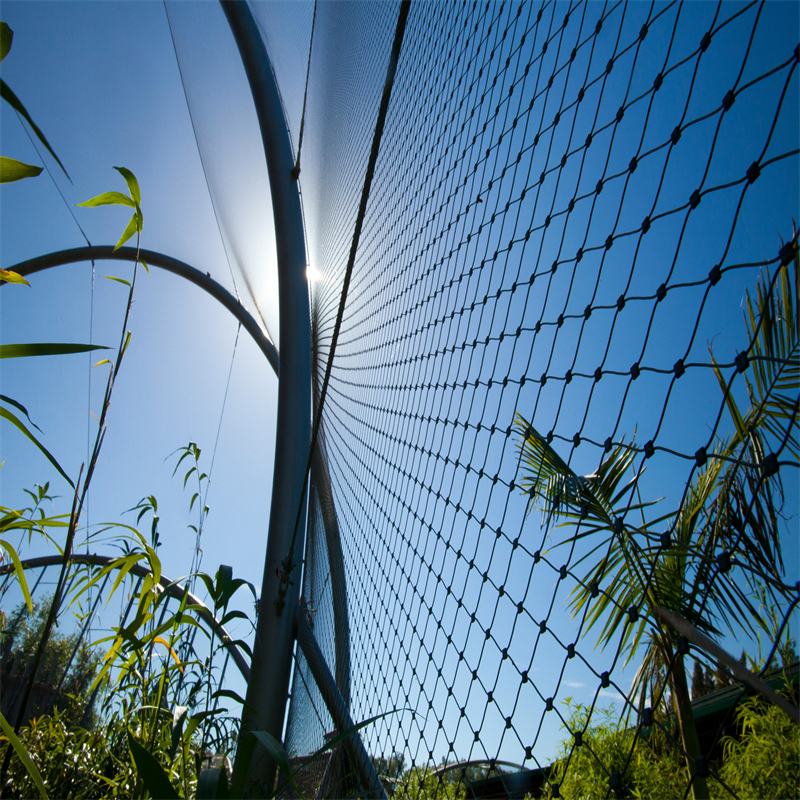
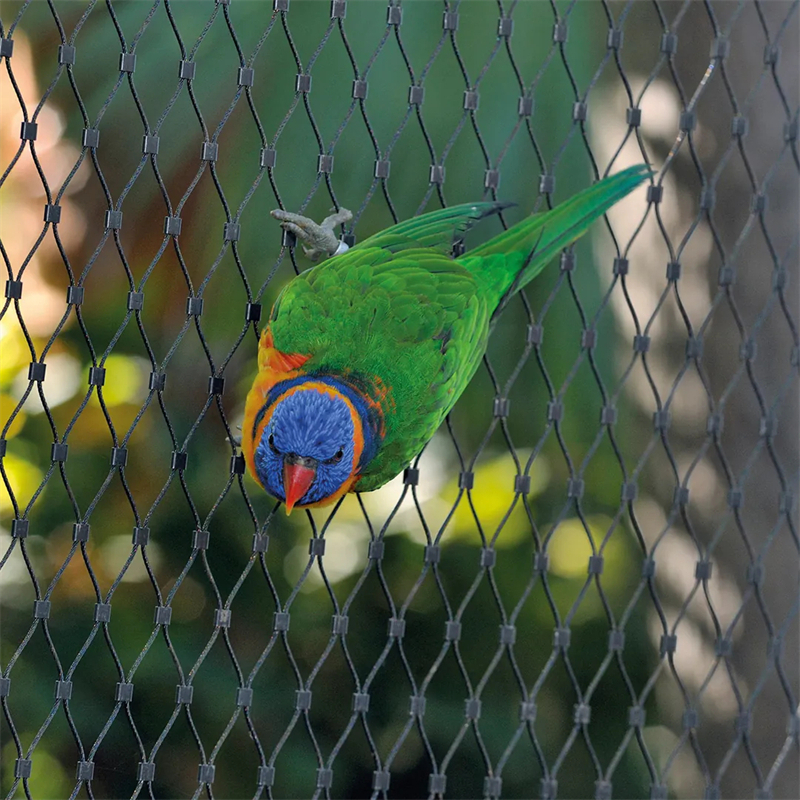
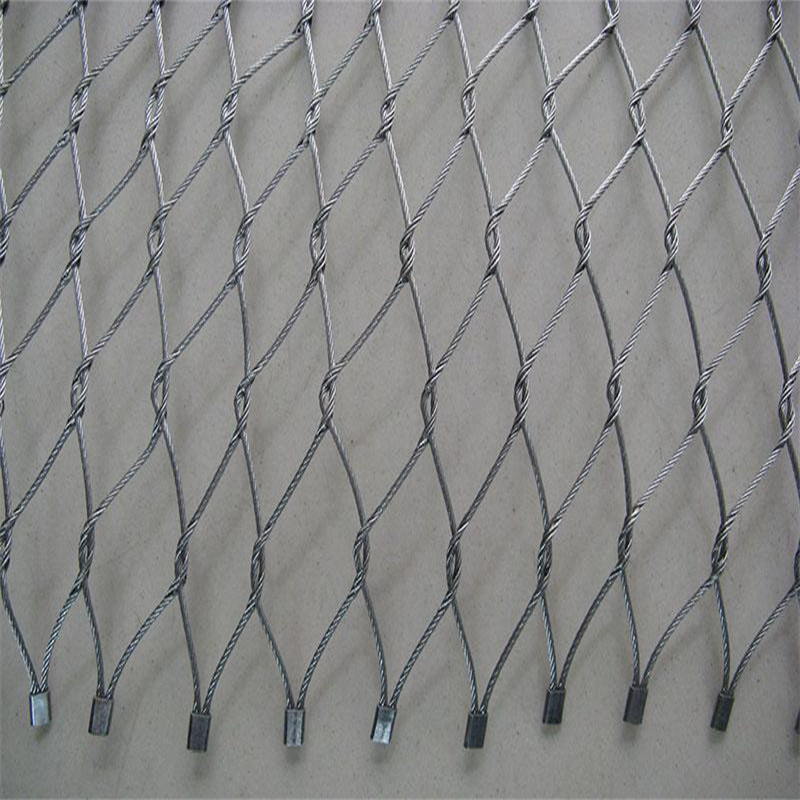
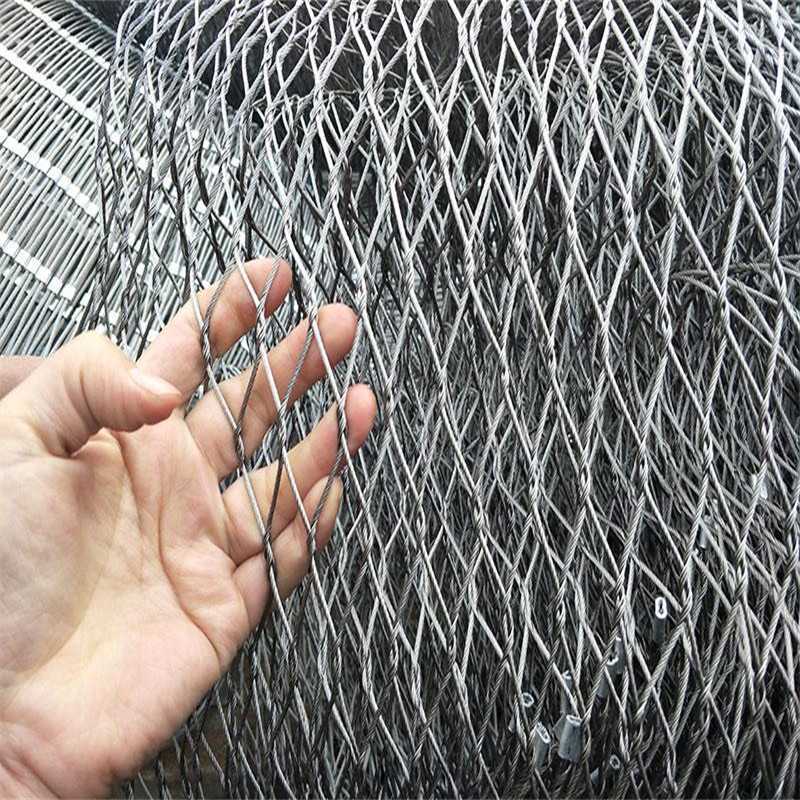
wire mesh for bird cage in this context refers to flexible stainless steel wire rope mesh manufactured from cold-drawn stainless steel strands. The individual wires are twisted into cables (typically 7 × 7 or 7 × 19), then woven or ferrule-pressed to create a diamond or square mesh pattern. The resulting cable net can be stretched over frames, domes and tunnels to form bird-safe walls and roofs that are strong yet visually light. Typical design parameters for high-quality bird cage wire mesh include: wire rope diameters from 1.0–2.4 mm for small and medium birds, up to 3.2–4.0 mm for large parrots and mixed-species flights; mesh apertures from 10 × 10 mm for finches and small passerines up to 80 × 80 mm or more for macaws, hornbills or mixed walkthrough aviaries; rope structures of 7 × 7 (compact) and 7 × 19 (flexible) to balance stiffness and formability; and stainless steel grades AISI 304 / 304L for indoor or mild climates and AISI 316 / 316L for coastal and high-humidity environments.
Fact #1 – Aperture fact that controls real bird safety
The first critical fact is that aperture size is never just a visual choice. The distance between cable crossings must be smaller than the smallest head, wing joint or body part you want to keep inside. If you choose wire mesh for bird cage solutions with apertures 25 × 25 mm for finches or canaries, heads and necks can push through and twist, leading to panic, injuries or death. Correctly matching aperture to species and life stage keeps heads, wings and tails safely inside the aviary without making the enclosure feel “caged” to the eye.
Materials, rope structures and corrosion resistance
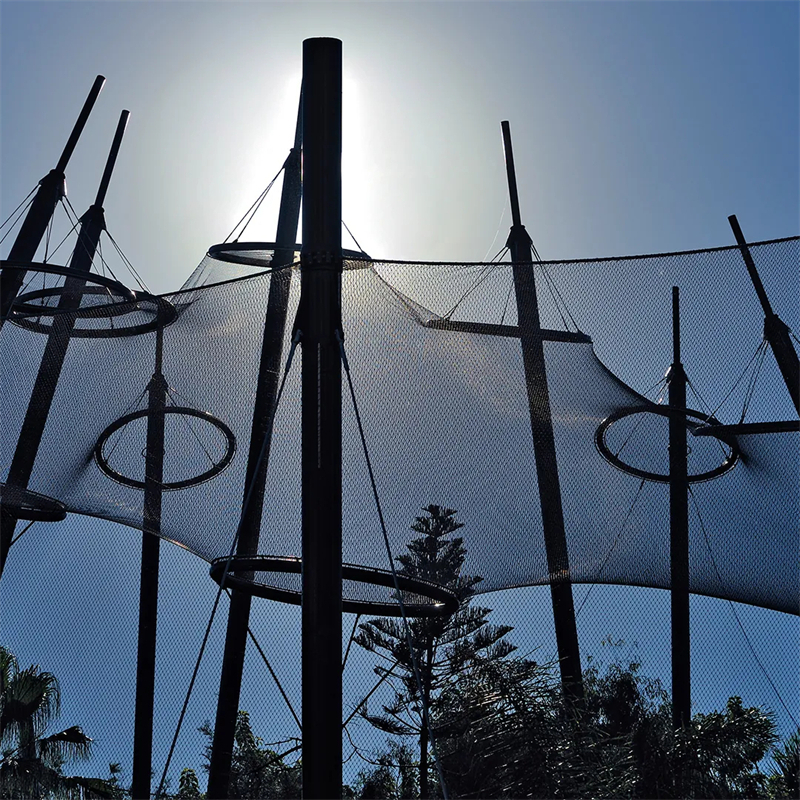
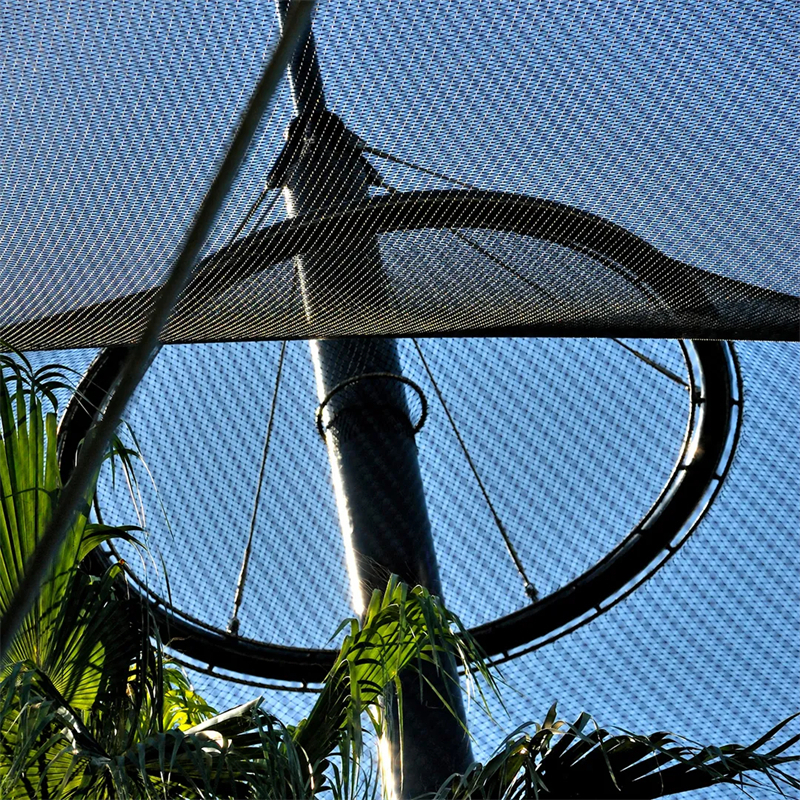
Stainless steel is the backbone of premium wire mesh for bird cage systems. AISI 304 / 304L stainless steel performs well in dry interior rooms, hobby bird rooms and mild outdoor climates. In coastal gardens, rooftop aviaries, commercial zoos or any environment with de-icing salts, chlorine or acid rain, AISI 316 / 316L is the professional choice because the added molybdenum resists pitting and crevice corrosion around joints, perches and spray zones. Rope structure matters too: 7 × 7 cables are slightly stiffer and hold crisp shapes for flat cage panels; 7 × 19 cables are more flexible and ideal for domes, curved roofs and large walkthrough aviaries where the mesh must drape elegantly over tension rings.
Detail #2 – Material detail that blocks hidden rust and contamination
A decisive detail is avoiding galvanised or painted mild steel when specifying wire mesh for bird cage. Zinc flakes, rust particles and peeling paint can be ingested by birds or contaminate food and water. They also stain perches and walls, making cleaning a constant battle. Switching to full stainless steel cable and hardware removes this contamination path, keeps surfaces smooth and hygienic and protects both bird health and the visual quality of your enclosure.
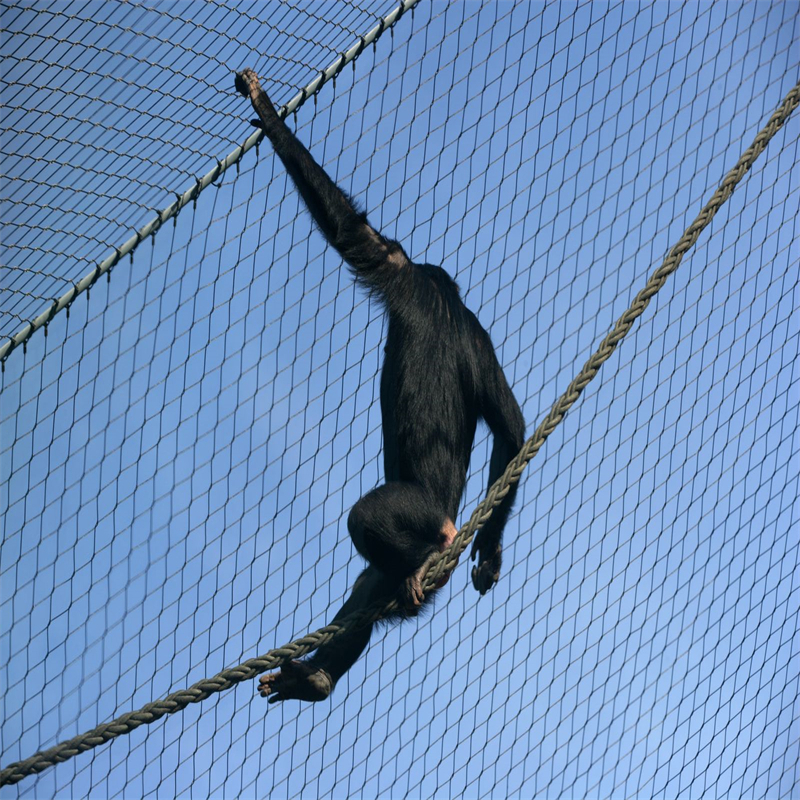
Specification Table 1 – Small Cage wire mesh for bird cage (Finches, Canaries, Budgies)
This table shows typical stainless steel wire mesh configurations used for small indoor cages and compact wall panels in bird rooms.
| WIRE ROPE DIAMETER | MESH APERTURE | Angle degrees: | Light Transmittance (%) | Material | Nominal Breaking Load (lbs) | WIRE ROPE STRUCTURES |
| 1.0 mm | 10 × 10 mm | 60° | 65% | AISI 304 | 600 | 7 × 7 |
| 1.0 mm | 12 × 12 mm | 60° | 67% | AISI 304 | 600 | 7 × 7 |
| 1.0 mm | 12 × 16 mm | 60° | 68% | AISI 304 | 600 | 7 × 7 |
| 1.2 mm | 12 × 18 mm | 60° | 69% | AISI 304 | 800 | 7 × 7 |
| 1.2 mm | 15 × 15 mm | 60° | 70% | AISI 304 | 800 | 7 × 7 |
| 1.2 mm | 15 × 20 mm | 60° | 72% | AISI 304 | 800 | 7 × 7 |
| 1.5 mm | 16 × 20 mm | 60° | 73% | AISI 304 | 1,150 | 7 × 7 |
| 1.5 mm | 18 × 22 mm | 60° | 74% | AISI 304 | 1,150 | 7 × 7 |
| 1.5 mm | 20 × 20 mm | 60° | 75% | AISI 304 | 1,150 | 7 × 7 |
| 1.5 mm | 20 × 25 mm | 60° | 76% | AISI 304 | 1,150 | 7 × 7 |
| 1.6 mm | 20 × 25 mm | 70° | 77% | AISI 316 | 1,250 | 7 × 7 |
| 1.6 mm | 22 × 25 mm | 70° | 78% | AISI 316 | 1,250 | 7 × 7 |
| 1.6 mm | 25 × 25 mm | 70° | 80% | AISI 316 | 1,250 | 7 × 7 |
| 2.0 mm | 25 × 30 mm | 70° | 82% | AISI 316 | 2,000 | 7 × 7 |
| 2.0 mm | 30 × 30 mm | 70° | 84% | AISI 316 | 2,000 | 7 × 7 |
Risk #3 – Escape risk at doors, corners and feeders
Even when the main panels of wire mesh for bird cage are correctly specified, doors, feed hatches and cage corners can become escape routes. If small infill pieces are cut too large, or if sliding doors leave a triangular gap when open, determined birds will find and exploit these routes. Designing every opening with the same mesh aperture and overlap rules as the main cage panels eliminates this escape risk and keeps your flock exactly where it belongs.
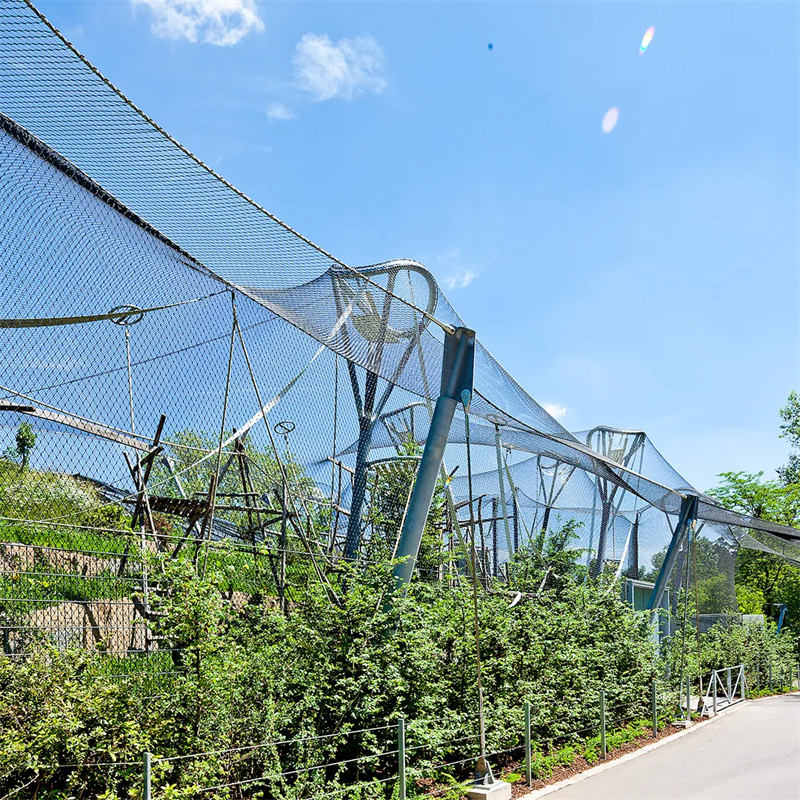
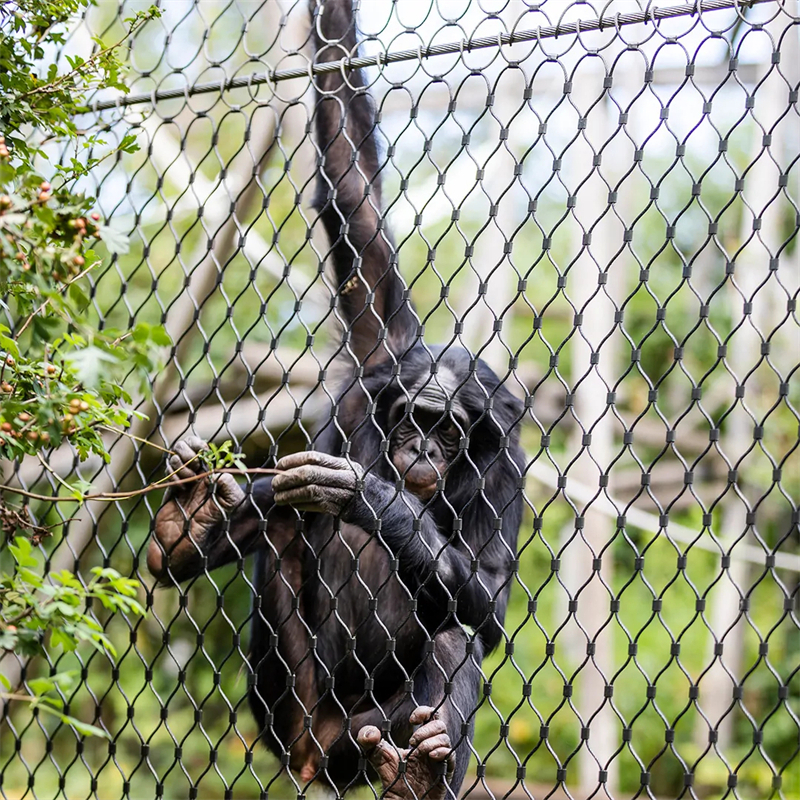
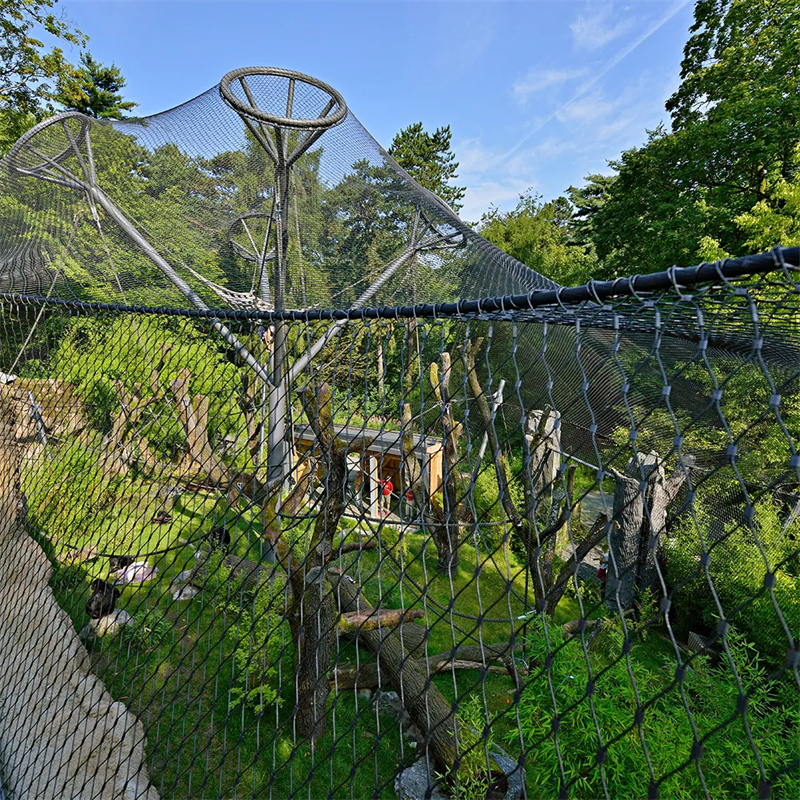
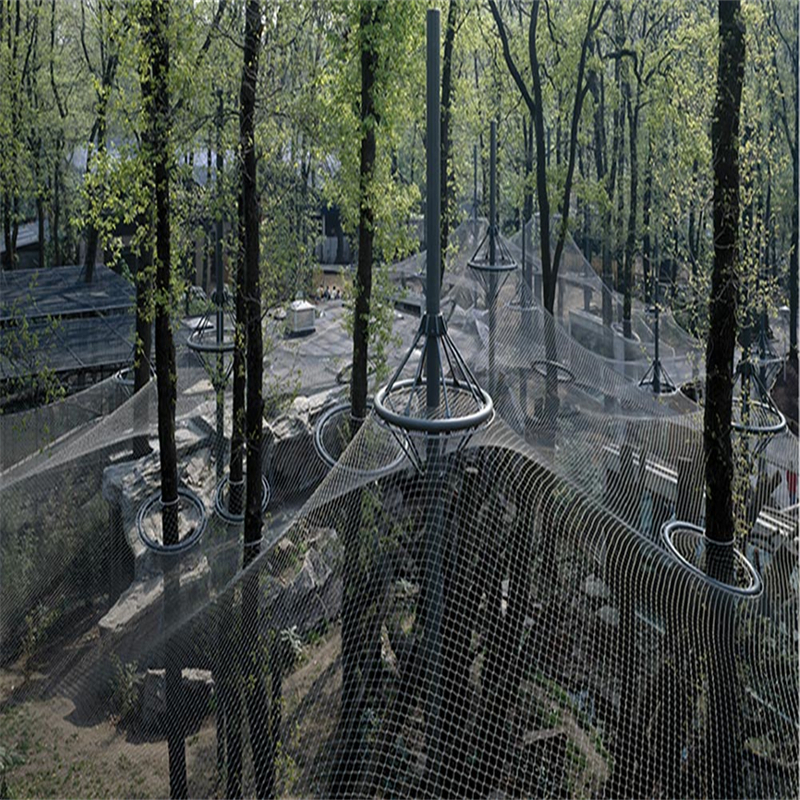
Medium aviaries and outdoor runs using wire mesh for bird cage
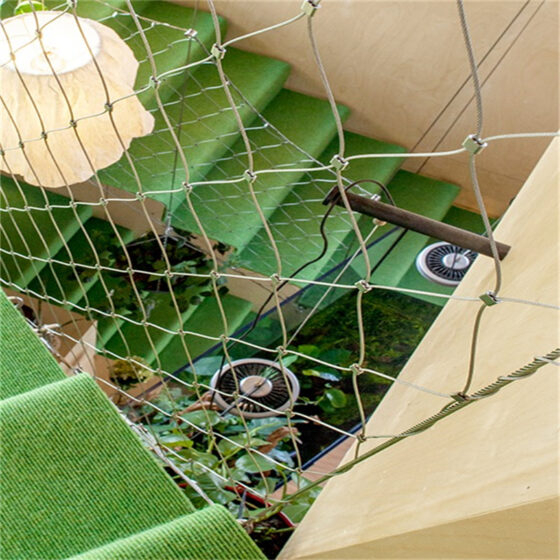
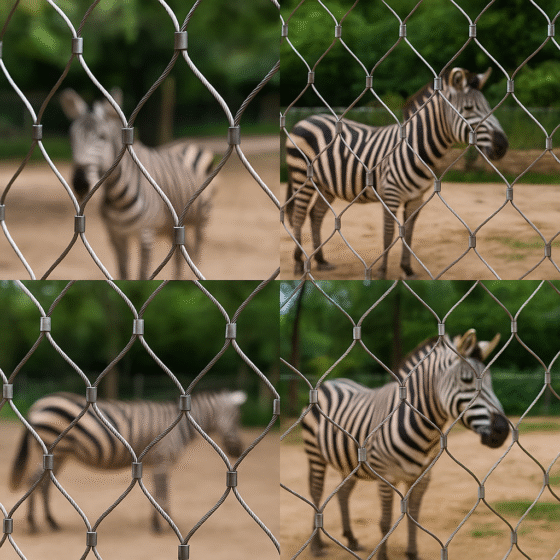
For cockatiels, conures, lovebirds and mixed-species songbird flights, aviaries are often larger, with higher ceilings and more complex shapes. wire mesh for bird cage in these settings must span longer distances, follow curved roofs and withstand modest wind, rain and snow loads. Stainless steel cable mesh adapts easily to these demands: tensioned between perimeter frames, it forms smooth, climbable surfaces that birds can land on without injuring feet or damaging feathers, unlike sharp-edged weldmesh or rusted chicken wire.
Specification Table 2 – Medium Aviary wire mesh for bird cage (Cockatiels, Conures, Small Parrots)
| WIRE ROPE DIAMETER | MESH APERTURE | Angle degrees: | Light Transmittance (%) | Material | Nominal Breaking Load (lbs) | WIRE ROPE STRUCTURES |
| 1.2 mm | 20 × 30 mm | 60° | 74% | AISI 304 | 800 | 7 × 7 |
| 1.5 mm | 25 × 35 mm | 60° | 76% | AISI 304 | 1,150 | 7 × 7 |
| 1.5 mm | 25 × 40 mm | 60° | 77% | AISI 304 | 1,150 | 7 × 7 |
| 1.6 mm | 30 × 40 mm | 70° | 79% | AISI 316 | 1,250 | 7 × 7 |
| 1.6 mm | 30 × 45 mm | 70° | 80% | AISI 316 | 1,250 | 7 × 7 |
| 1.6 mm | 35 × 45 mm | 70° | 81% | AISI 316 | 1,250 | 7 × 7 |
| 2.0 mm | 35 × 50 mm | 70° | 83% | AISI 316 | 2,000 | 7 × 7 |
| 2.0 mm | 40 × 50 mm | 70° | 84% | AISI 316 | 2,000 | 7 × 7 |
| 2.0 mm | 40 × 60 mm | 70° | 85% | AISI 316 | 2,000 | 7 × 7 |
| 2.0 mm | 45 × 60 mm | 75° | 86% | AISI 316 | 2,000 | 7 × 7 |
| 2.4 mm | 45 × 70 mm | 75° | 87% | AISI 316 | 3,100 | 7 × 7 |
| 2.4 mm | 50 × 70 mm | 75° | 88% | AISI 316 | 3,100 | 7 × 7 |
| 2.4 mm | 50 × 80 mm | 75° | 89% | AISI 316 | 3,100 | 7 × 7 |
| 2.4 mm | 60 × 80 mm | 75° | 90% | AISI 316 | 3,100 | 7 × 7 |
| 3.0 mm | 60 × 90 mm | 80° | 91% | AISI 316 | 4,600 | 7 × 19 |
Warning #4 – Cleaning warning that can poison birds
Bird keepers sometimes use harsh chemicals or pressure washers to clean cages. On cheap welded mesh this strips coatings and leaves jagged rust; on quality wire mesh for bird cage, it can still drive dirt and detergent residues into joints if drainage and access are poor. Birds then chew or preen on contaminated wires. Designing your aviary so every mesh surface is reachable for gentle scrubbing or low-pressure rinsing, and relying on stainless steel instead of paint, removes this cleaning warning and protects delicate respiratory systems.
Trap #5 – Cheap-coating trap that peels and injures
Powder-coated or PVC-coated mesh can look attractive when new, but for active parrots and hookbills it becomes a trap. Beaks strip the coating, exposing sharp edges and ingestible fragments. Once coating starts to peel, the only safe option is total replacement. Upgrading to bare stainless steel wire mesh for bird cage installations avoids this trap entirely: there is nothing to peel, nothing to ingest and no hidden rust under flaking layers.
Large outdoor flights and mixed-species exhibits
Larger macaws, cockatoos, toucans and mixed walkthrough aviaries introduce higher loads: birds hang from the mesh, climb vigorously and interact with visitors and furniture underneath. wire mesh for bird cage in these scenarios must withstand stronger mechanical forces and occasional climbing by keepers for maintenance. That is where higher-diameter cables and larger apertures are selected to balance strength, visibility and cost.
Specification Table 3 – Large Flight wire mesh for bird cage (Macaws, Cockatoos, Mixed Aviaries)
| WIRE ROPE DIAMETER | MESH APERTURE | Angle degrees: | Light Transmittance (%) | Material | Nominal Breaking Load (lbs) | WIRE ROPE STRUCTURES |
| 2.0 mm | 50 × 80 mm | 70° | 86% | AISI 316 | 2,000 | 7 × 7 |
| 2.0 mm | 60 × 90 mm | 75° | 87% | AISI 316 | 2,000 | 7 × 7 |
| 2.0 mm | 70 × 100 mm | 75° | 88% | AISI 316 | 2,000 | 7 × 7 |
| 2.4 mm | 60 × 100 mm | 75° | 89% | AISI 316 | 3,100 | 7 × 7 |
| 2.4 mm | 70 × 110 mm | 75° | 90% | AISI 316 | 3,100 | 7 × 7 |
| 2.4 mm | 80 × 120 mm | 80° | 91% | AISI 316 | 3,100 | 7 × 7 |
| 3.0 mm | 80 × 120 mm | 80° | 92% | AISI 316 | 4,600 | 7 × 19 |
| 3.0 mm | 90 × 130 mm | 80° | 93% | AISI 316 | 4,600 | 7 × 19 |
| 3.0 mm | 100 × 150 mm | 80° | 94% | AISI 316 | 4,600 | 7 × 19 |
| 3.2 mm | 100 × 150 mm | 80° | 95% | AISI 316 | 5,100 | 7 × 19 |
| 3.2 mm | 120 × 160 mm | 85° | 95% | AISI 316 | 5,100 | 7 × 19 |
| 3.2 mm | 120 × 180 mm | 85° | 96% | AISI 316 | 5,100 | 7 × 19 |
| 4.0 mm | 150 × 200 mm | 85° | 96% | AISI 316 | 7,900 | 7 × 19 |
| 4.0 mm | 150 × 220 mm | 85° | 96% | AISI 316 | 7,900 | 7 × 19 |
| 4.0 mm | 180 × 250 mm | 85° | 97% | AISI 316 | 7,900 | 7 × 19 |
Cost #6 – Lifecycle cost pattern that punishes low-grade mesh
At first glance, stainless steel weld mesh or cheap imported panels look cheaper than stainless wire rope mesh for bird cage systems. But the pattern over time is brutal: coatings crack, welds break, panels bow out and rust stains appear on concrete and decor. Repainting, repairing and eventually replacing these meshes again and again costs far more than a one-time investment in stainless cable mesh. Over 10–20 years, stainless wire mesh for bird cage installations consistently deliver lower total cost and far less downtime.
Lesson #7 – Installation lesson that stabilises large aviaries
Even the best mesh fails if it is hung like loose fabric. Large aviaries require proper tensioned perimeter cables, solid corner posts and correctly spaced intermediate supports. When installers follow a clear pattern – tensioning from one side to the other, clamping cables with rated hardware and trimming excess without damaging strands – wire mesh for bird cage surfaces stay tight, quiet in the wind and safe for keepers to lean against during maintenance.
Weakness #8 – Frame weakness that creates dangerous gaps
A common weakness is under-designed frames built from light-angle or timber that twists over time. As posts bow and beams sag, gaps open between frame and mesh, especially at corners and roof junctions. Birds quickly probe these weak spots with beaks and claws. Starting with a strong, well-braced frame that can carry the full tension of wire mesh for bird cage nets prevents these gaps and ensures that the mesh remains securely anchored for the life of the aviary.
Hazard #9 – Predation hazard you cannot afford to ignore
The most dangerous hazard – and the one many bird keepers underestimate – is predator access. If wire mesh for bird cage is thin, loosely fixed or combined with large vents or drains, rats, snakes, cats or raptors can reach inside, bite through or pry panels open. Especially Hazard #9 is the one you cannot ignore: if you do not design your mesh thickness, aperture and fixing details against predators as well as birds, you risk night-time attacks, dead or traumatised birds and a severe reputational and financial loss that no saving on mesh cost can offset.
Payoff #10 – Long-term payoff that rewards correct wire mesh for bird cage design
When you specify wire mesh for bird cage correctly – matching wire diameter, mesh aperture, enclosure size, stainless grade, rope structure and installation details to your real species and site conditions – the payoff is powerful and long-lasting. You gain bright, open and almost invisible cages and aviaries that truly protect your birds, resist rust and chewing, reduce maintenance to simple rinsing and occasional checks, and give your facility a strong safety and image boost while shielding you from the heavy losses caused by overlooked design, cleaning and installation mistakes.