Your One-Stop Wire Mesh Fence Supplier | POLYMETAL
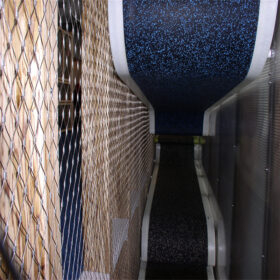
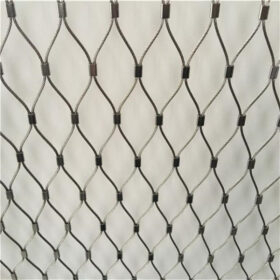
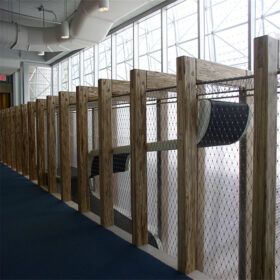
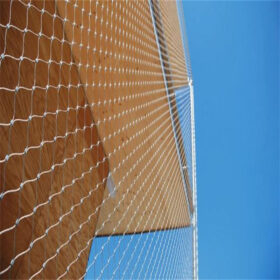
Aviary mesh looks simple from the outside: stainless steel cables, clean diamonds and elegant curves, but every project hides powerful technical decisions that either protect your wildlife and budget for years or open the door to escapes, sudden damage and expensive emergency repairs. Most buyers only focus on basic numbers like mesh aperture and wire rope diameter, yet the real danger is buried in invisible details such as panel angle, light transmittance, material grade, wire rope structures and the quality of installation and maintenance. This comprehensive guide exposes 10 shocking danger details inside aviary mesh so you can stop hidden problems before they appear, and if you read nothing else, do not skip danger detail #9 later in this article, because ignoring that one point is exactly how a “good-looking” aviary suddenly causes direct financial loss.
Understanding Aviary Mesh Basics Before You Commit
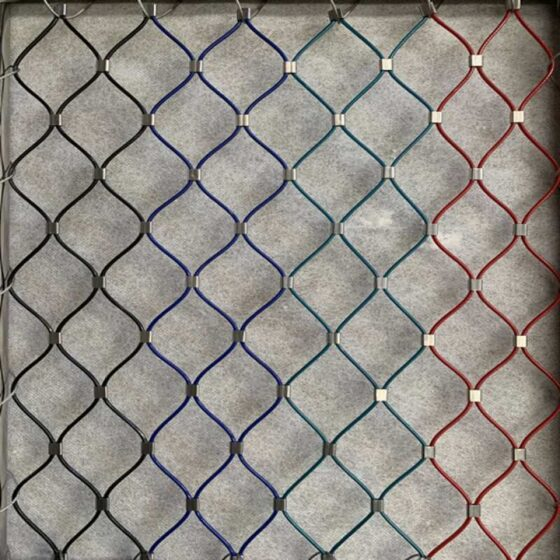
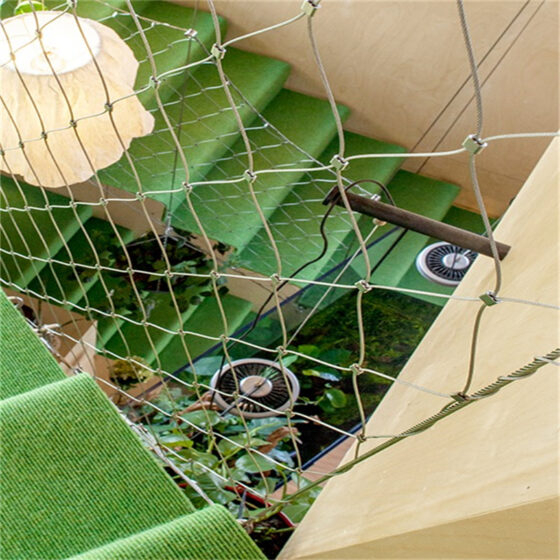
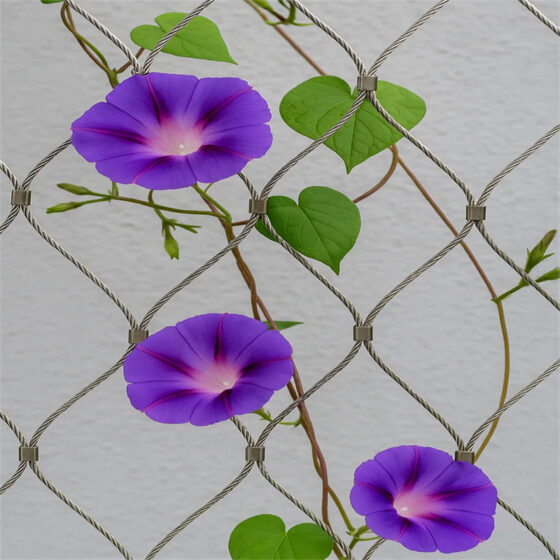
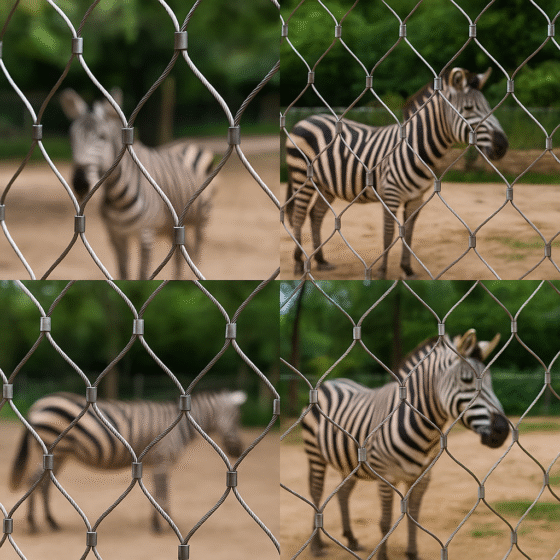
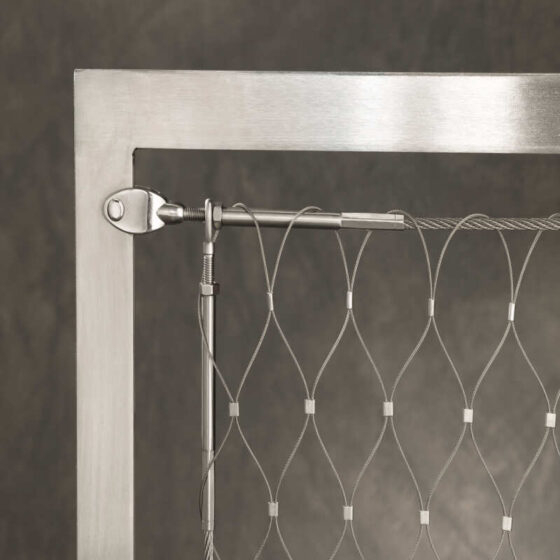
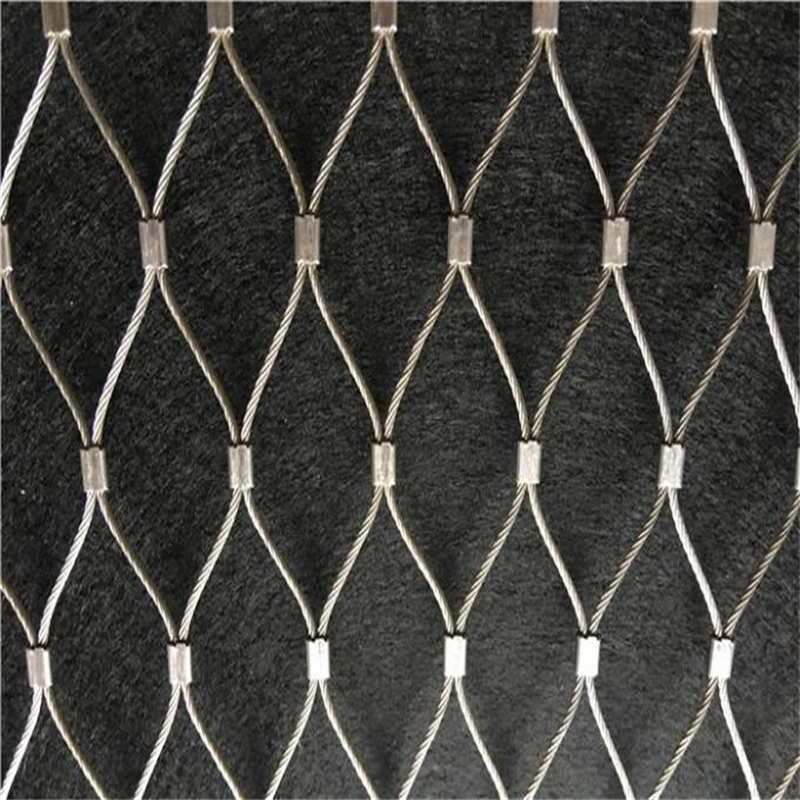
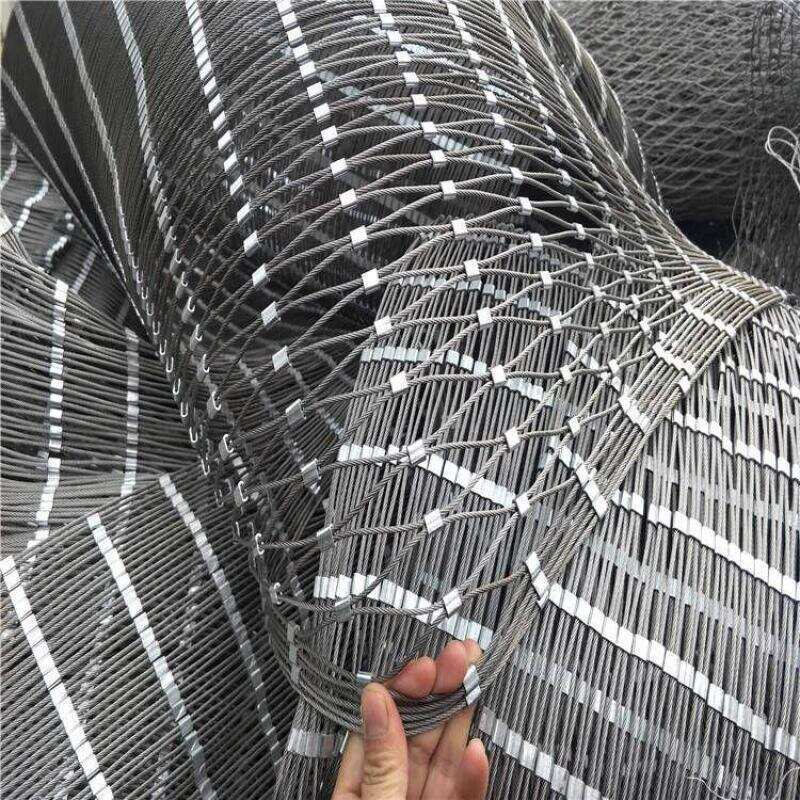
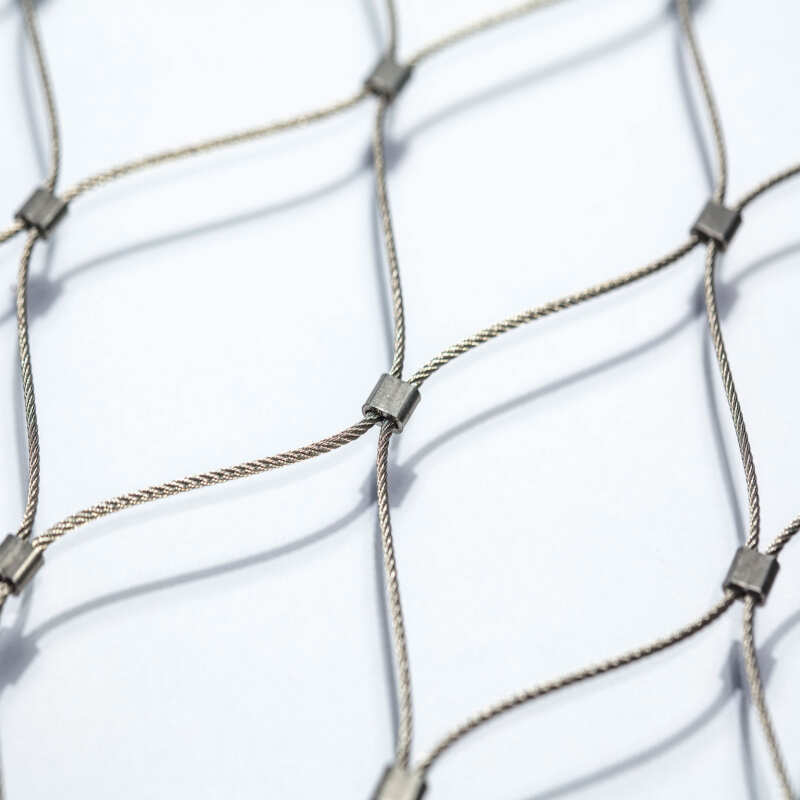
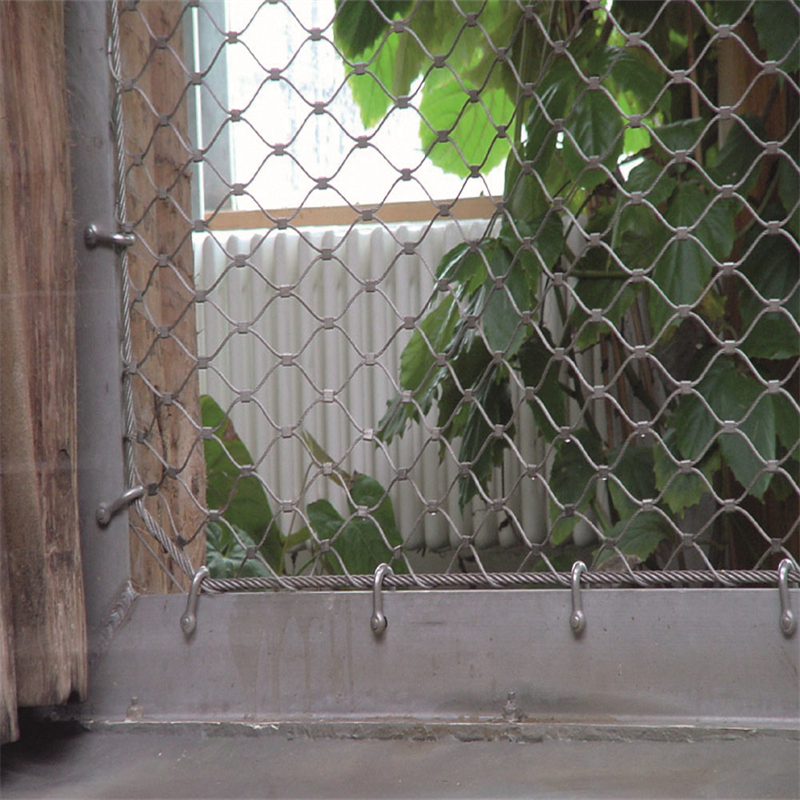
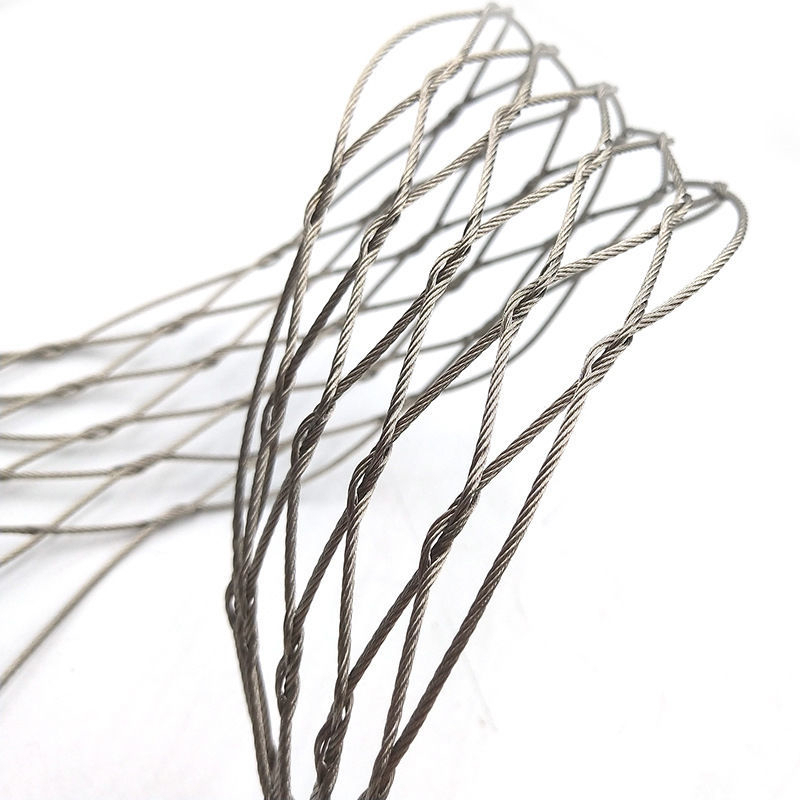
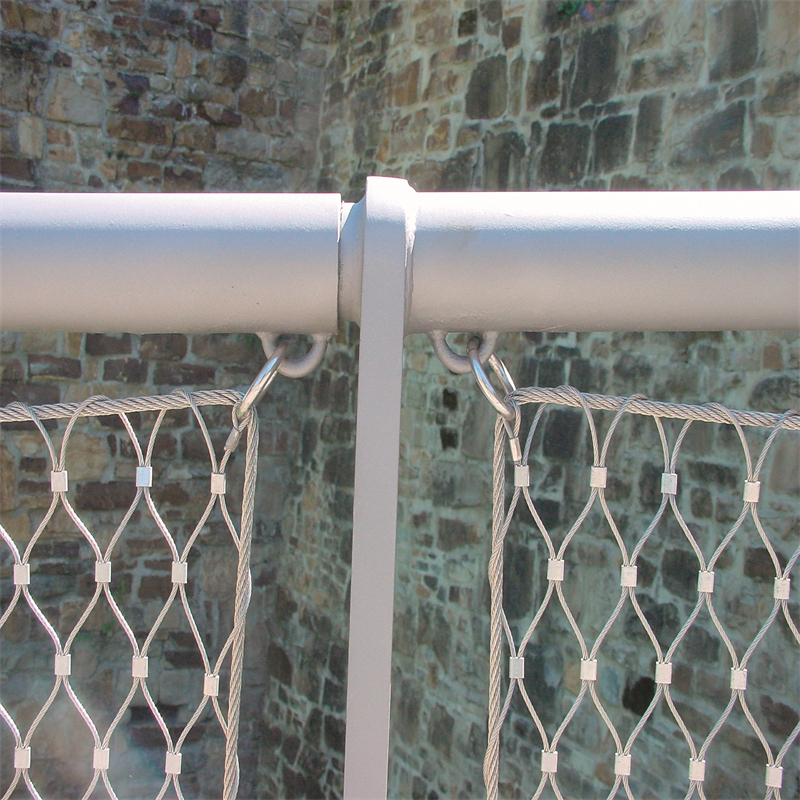
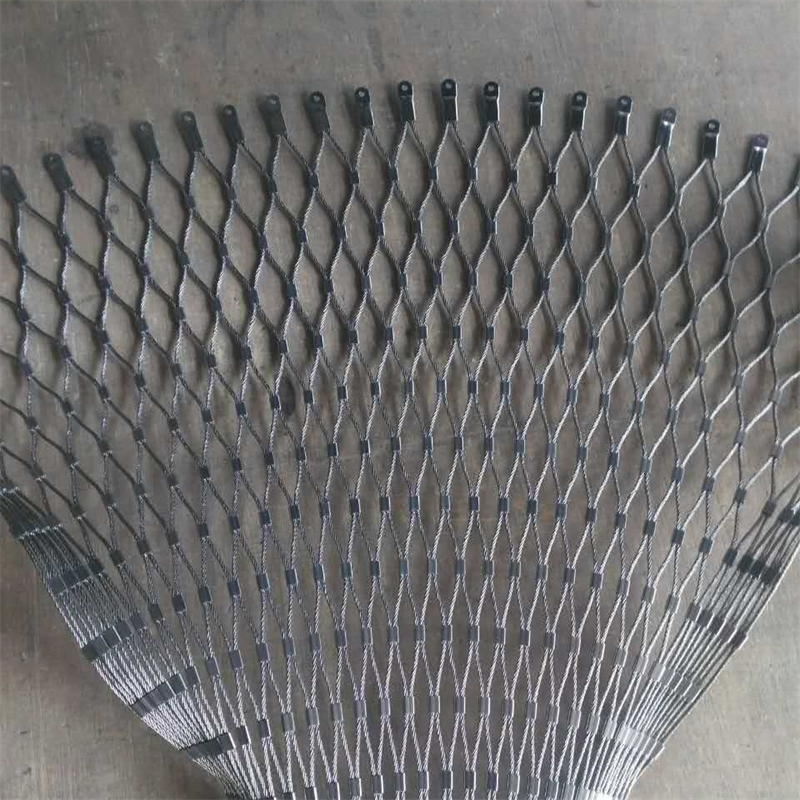
Aviary mesh is a flexible stainless steel cable net designed to provide a safe, transparent barrier for birds, small animals and even architectural facades, and a truly reliable system always balances several key elements: wire rope diameter, mesh aperture, angle degrees of each panel, light transmittance, material grade, nominal breaking load and the internal wire rope structures. When any one of these factors is chosen blindly, the overall system becomes weaker than it appears on drawings, even if the numbers look strong at first glance.
Danger Detail #1 – Wire Rope Diameter Fact That Silently Reduces Safety
One critical fact that many people overlook is how wire rope diameter quietly controls the real safety margin of your aviary mesh, because choosing diameter only from a simple table ignores the combined stress from bird behavior, staff operations, wind and occasional impact. Too thin and the mesh gradually deforms, stretching apertures and creating subtle escape routes over time; too thick and the barrier becomes visually heavy, reducing the open and premium feeling visitors expect from a modern exhibit. For small and medium birds, 1.2–1.6 mm wire rope offers reliable containment and a light appearance, while strong parrots and small raptors usually demand 1.6–2.0 mm to deliver a truly secure and durable system.
Danger Detail #2 – Mesh Aperture Pattern That Creates Invisible Escape Gaps
Another dangerous detail is the relationship between mesh aperture and species behavior, because agile and juvenile birds can twist and compress through openings that look safe on paper, especially where tension is not perfectly balanced. Apertures that are too generous, combined with panels that are not correctly tensioned, can create invisible escape gaps at corners, door frames and transitions where the mesh stretches more than expected. Correct aperture selection must always consider wingspan, shoulder width, beak size and typical behavior of each species, not just one approximate body dimension, otherwise you end up paying for escapes and emergency repairs instead of enjoying stable operation.
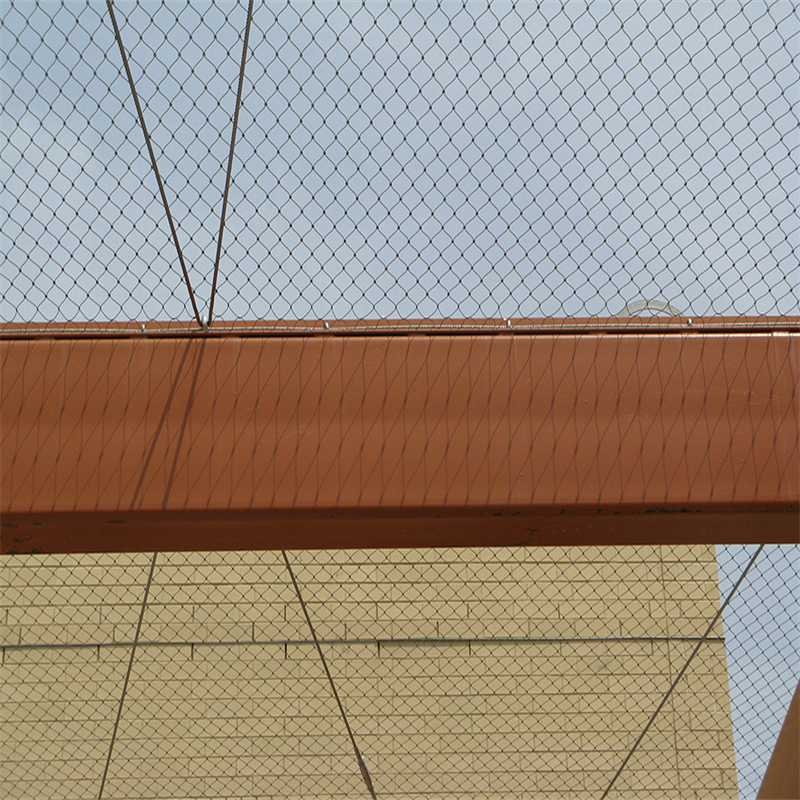
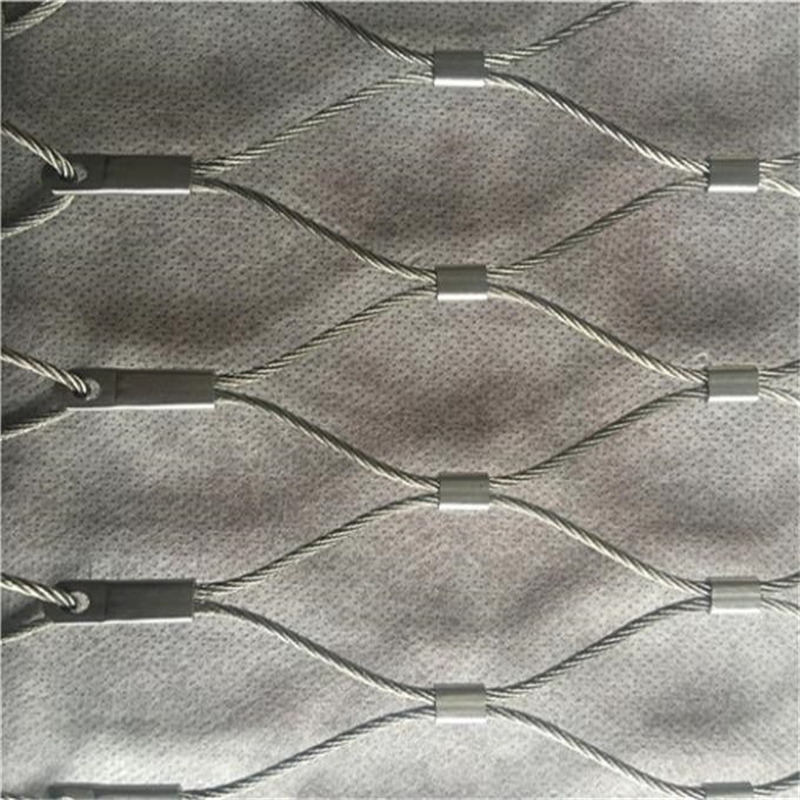
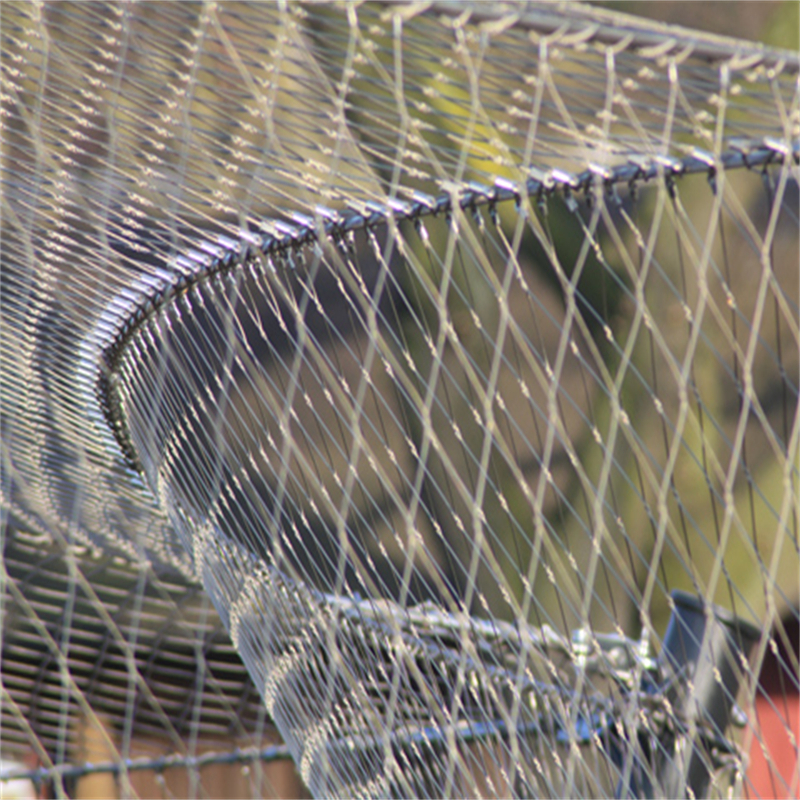
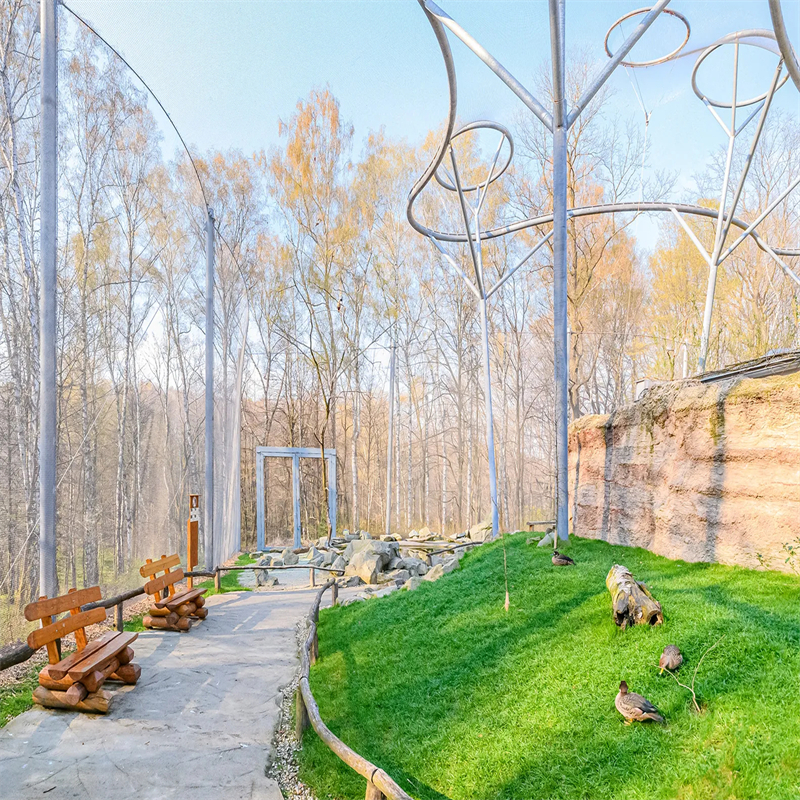
Table 1 – Standard Aviary Mesh Specifications for Small and Medium Birds
| WIRE ROPE DIAMETER (mm) | MESH APERTURE (mm) | Angle degrees | Light Transmittance (%) | Material | Nominal Breaking Load (lbs) | WIRE ROPE STRUCTURES |
|---|---|---|---|---|---|---|
| 1.2 | 20 × 20 | 90 | 88 | AISI 316 stainless | 420 | 7×7 |
| 1.2 | 25 × 25 | 60 | 90 | AISI 316 stainless | 420 | 7×7 |
| 1.2 | 30 × 30 | 60 | 92 | AISI 316 stainless | 420 | 7×7 |
| 1.5 | 25 × 25 | 90 | 86 | AISI 316 stainless | 650 | 7×7 |
| 1.5 | 30 × 30 | 90 | 88 | AISI 316 stainless | 650 | 7×7 |
| 1.5 | 35 × 35 | 60 | 90 | AISI 316 stainless | 650 | 7×7 |
| 1.6 | 25 × 25 | 90 | 85 | AISI 304 stainless | 700 | 7×19 |
| 1.6 | 30 × 30 | 60 | 87 | AISI 304 stainless | 700 | 7×19 |
| 1.6 | 35 × 35 | 60 | 89 | AISI 304 stainless | 700 | 7×19 |
| 2.0 | 30 × 30 | 90 | 84 | AISI 316 stainless | 1,150 | 7×7 |
| 2.0 | 35 × 35 | 60 | 86 | AISI 316 stainless | 1,150 | 7×7 |
| 2.0 | 40 × 40 | 90 | 88 | AISI 316 stainless | 1,150 | 7×7 |
| 2.0 | 50 × 50 | 60 | 90 | AISI 316 stainless | 1,150 | 7×7 |
| 2.4 | 40 × 40 | 90 | 82 | AISI 316 stainless | 1,650 | 7×19 |
| 2.4 | 50 × 50 | 60 | 84 | AISI 316 stainless | 1,650 | 7×19 |
Structural Angles, Loads and Light Performance
Angle degrees and light performance are not just aesthetic choices; they are structural and behavioral parameters that directly affect safety, comfort and long-term cost. Most aviary mesh panels are installed either close to 90 degrees for vertical walls or around 60 degrees for sloped roofs and tunnel sections, and the wrong configuration can overload the frame or disturb bird behavior even when the raw strength of the mesh seems adequate.
Danger Detail #3 – Panel Angle Rule That Multiplies Frame Stress at 60° and 90°
There is a powerful rule about panel angles that many projects quietly break: when the panel slides away from a clean 90-degree vertical wall into a 60-degree roof or slope, the force components in your frame change dramatically and hidden stress grows rapidly in anchors and corner fittings. At 90 degrees, loads flow cleanly into vertical supports and the structure behaves in a predictable way, but at 60 degrees the horizontal components increase and joints, bolts and welds carry much higher combined forces than many quick calculations assume. If you ignore this angle rule and simply copy a drawing, you risk cracked joints, pulled anchors and sudden frame damage in the first serious wind or storm.
Danger Detail #4 – Light Transmittance Trend That Changes Bird Behavior
Another dangerous trend arises when light transmittance is ignored or guessed instead of engineered, because birds read light patterns directly and change their behavior according to what they see through the mesh. If the mesh blocks too much light or creates strong glare, sensitive species become nervous, crash more easily into the barrier and avoid the front viewing area, while visitors complain that they cannot see the animals clearly. High-performance aviary mesh normally aims for light transmittance above 80% in main viewing zones, and the right combination of diameter and aperture delivers a clean, soft outline instead of a hard, glittering cage.
Danger Detail #5 – Visitor Experience Aspect That Protects Reputation
There is also a subtle aspect of aviary mesh that directly protects your reputation: visitor experience and perceived quality. When the mesh throws hard shadows, shines excessively in direct sun or blocks the view at popular photo points, people feel that the exhibit is cheap or badly designed, and that feeling shows up in reviews, repeat visits and overall income. A well-balanced mesh that combines 60-degree roof planes with 90-degree vertical walls, high light transmittance and carefully chosen apertures creates a premium architectural look that supports your brand instead of damaging it.
Table 2 – Reinforced Aviary Mesh Specifications for Large Parrots and Raptors
| WIRE ROPE DIAMETER (mm) | MESH APERTURE (mm) | Angle degrees | Light Transmittance (%) | Material | Nominal Breaking Load (lbs) | WIRE ROPE STRUCTURES |
|---|---|---|---|---|---|---|
| 1.6 | 30 × 30 | 90 | 84 | AISI 316 stainless | 720 | 7×19 |
| 1.6 | 35 × 35 | 60 | 86 | AISI 316 stainless | 720 | 7×19 |
| 1.8 | 30 × 30 | 90 | 82 | AISI 316 stainless | 920 | 7×7 |
| 1.8 | 35 × 35 | 90 | 84 | AISI 316 stainless | 920 | 7×7 |
| 1.8 | 40 × 40 | 60 | 86 | AISI 316 stainless | 920 | 7×7 |
| 2.0 | 35 × 35 | 90 | 81 | AISI 316 stainless | 1,150 | 7×7 |
| 2.0 | 40 × 40 | 60 | 83 | AISI 316 stainless | 1,150 | 7×7 |
| 2.0 | 45 × 45 | 60 | 85 | AISI 316 stainless | 1,150 | 7×7 |
| 2.0 | 50 × 50 | 90 | 87 | AISI 316 stainless | 1,150 | 7×7 |
| 2.2 | 40 × 40 | 90 | 80 | AISI 316 stainless | 1,420 | 7×19 |
| 2.2 | 50 × 50 | 60 | 82 | AISI 316 stainless | 1,420 | 7×19 |
| 2.2 | 60 × 60 | 60 | 84 | AISI 316 stainless | 1,420 | 7×19 |
| 2.5 | 50 × 50 | 90 | 78 | AISI 316 stainless | 1,820 | 7×19 |
| 2.5 | 60 × 60 | 60 | 80 | AISI 316 stainless | 1,820 | 7×19 |
| 2.5 | 70 × 70 | 60 | 82 | AISI 316 stainless | 1,820 | 7×19 |
Material Grade, Wire Rope Structures and Breaking Loads
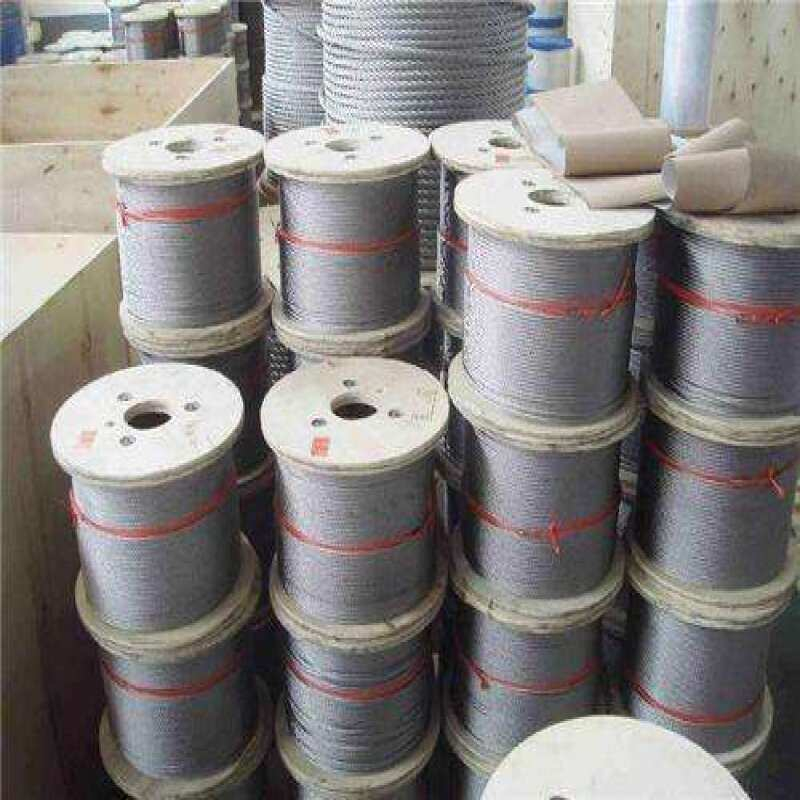
Beyond dimensions, material grade and internal wire rope structure decide real-world durability, corrosion resistance and fatigue life, and they directly control whether your breaking load stays reliable for years or slowly erodes until a sudden failure occurs. Selecting these elements with full knowledge transforms aviary mesh from a basic commodity into a long-term structural asset.
Danger Detail #6 – Material Grade Oversight That Accelerates Corrosion
A serious oversight happens when people assume that all stainless steel behaves the same and choose the cheapest grade for every project, because in real outdoor conditions chemical resistance is crucial. AISI 304 stainless steel can be suitable for mild inland environments, but in coastal, humid or highly polluted locations aggressive corrosion attacks welds, clamps and rope surfaces much faster, leaving visible staining and gradually reducing strength. Using AISI 316 stainless steel for demanding aviary mesh is a strong protective decision that keeps the surface clean, maintains breaking load and reassures inspectors and visitors that the structure is safe and well engineered.
Danger Detail #7 – Wire Rope Structure Pattern That Hides Fatigue Problems
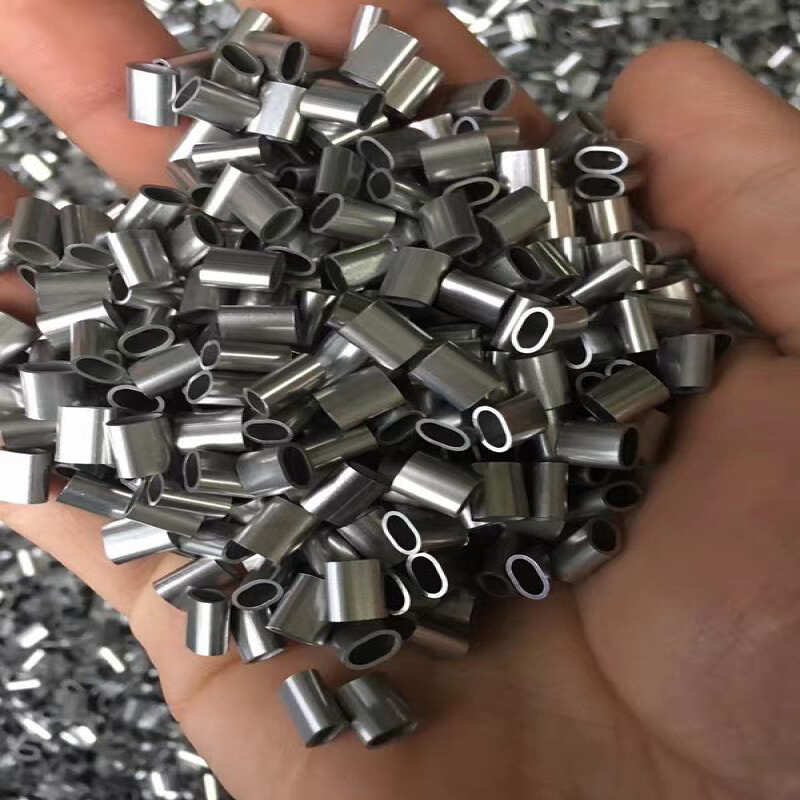
Wire rope structure is another dangerous pattern when it is treated as a small technical detail instead of a design decision, because strand configuration controls flexibility, bending performance and fatigue resistance. A 7×7 structure provides a firm profile with high strength for most standard panels and flat walls, while 7×19 delivers extra flexibility that is ideal for curved roofs and complex frames at 60 and 90 degrees. If the rope is too stiff for the chosen layout, bending stresses concentrate at ferrules, clamps and frame contact points, creating micro-cracks that can suddenly grow into visible defects during one strong impact or storm.
Danger Detail #8 – Misreading Nominal Breaking Load Data
The next dangerous data issue appears when nominal breaking load is read as an absolute guarantee instead of a design value that must be combined with real safety factors. Public aviaries and zoo exhibits need generous safety margins to cover dynamic loads such as birds landing, climbing and flocking on one section, as well as snow, wind and occasional impact from maintenance equipment. When these effects are not included and you only trust the nominal number on a sheet, the system looks strong but remains closer to failure than you think, and that gap often shows itself at the worst possible moment.

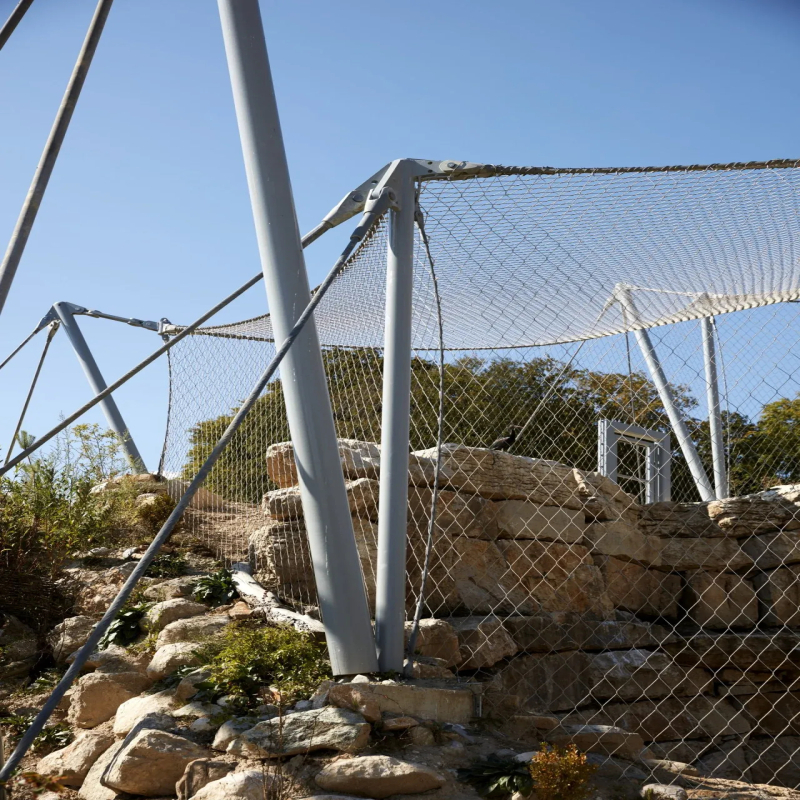
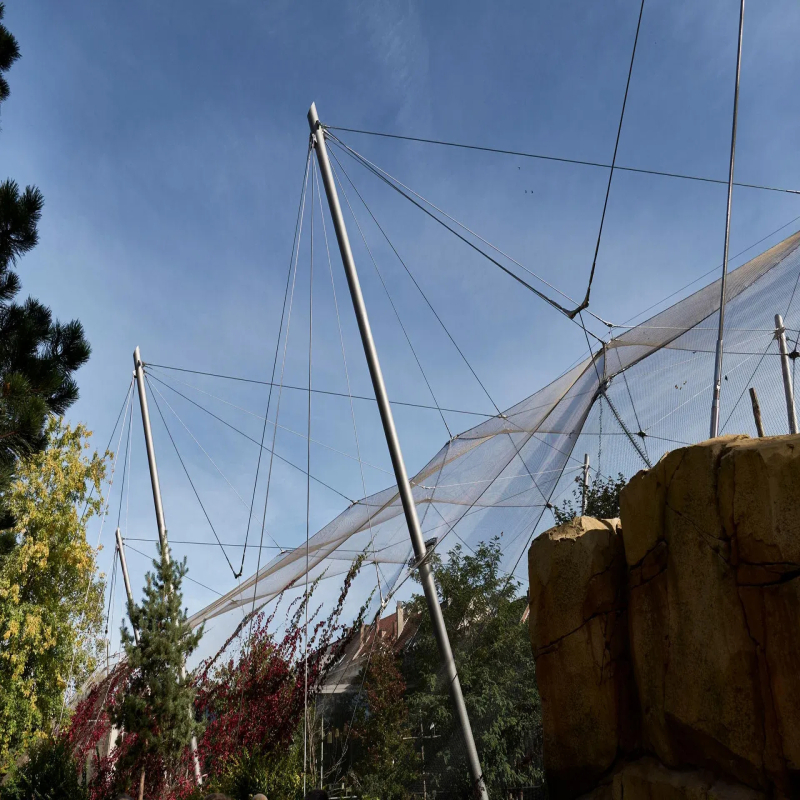
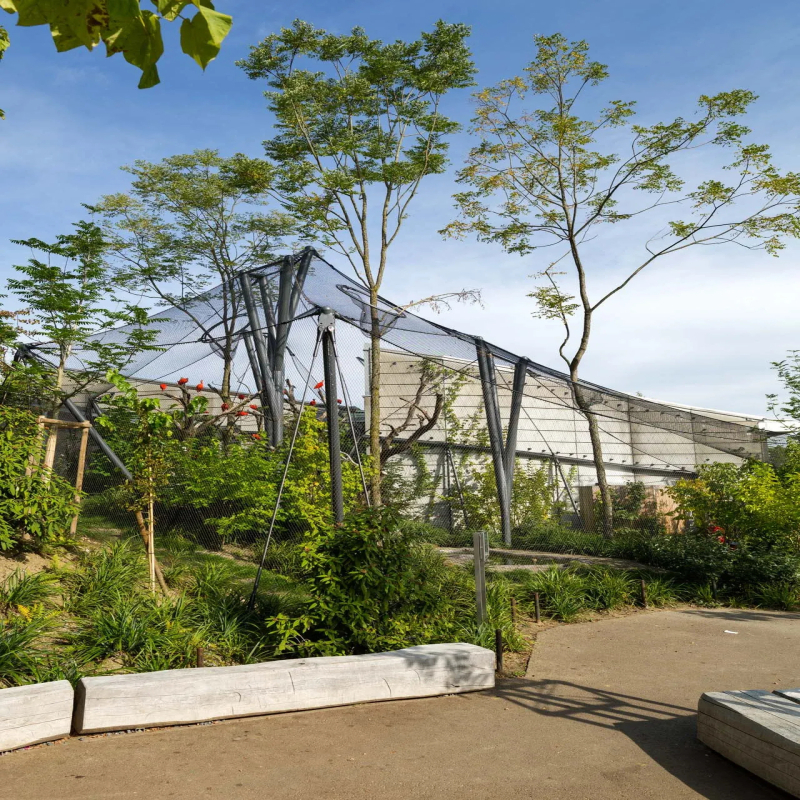
Table 3 – Architectural and Large-Span Aviary Mesh Specifications
| WIRE ROPE DIAMETER (mm) | MESH APERTURE (mm) | Angle degrees | Light Transmittance (%) | Material | Nominal Breaking Load (lbs) | WIRE ROPE STRUCTURES |
|---|---|---|---|---|---|---|
| 1.5 | 50 × 50 | 90 | 88 | AISI 316 stainless | 650 | 7×7 |
| 1.5 | 60 × 60 | 60 | 90 | AISI 316 stainless | 650 | 7×7 |
| 1.5 | 70 × 70 | 60 | 91 | AISI 316 stainless | 650 | 7×7 |
| 1.8 | 50 × 50 | 90 | 86 | AISI 316 stainless | 920 | 7×7 |
| 1.8 | 60 × 60 | 60 | 88 | AISI 316 stainless | 920 | 7×7 |
| 1.8 | 70 × 70 | 60 | 90 | AISI 316 stainless | 920 | 7×7 |
| 2.0 | 60 × 60 | 90 | 84 | AISI 316 stainless | 1,150 | 7×7 |
| 2.0 | 70 × 70 | 60 | 86 | AISI 316 stainless | 1,150 | 7×7 |
| 2.0 | 80 × 80 | 60 | 88 | AISI 316 stainless | 1,150 | 7×7 |
| 2.0 | 90 × 90 | 90 | 89 | AISI 316 stainless | 1,150 | 7×7 |
| 2.4 | 80 × 80 | 90 | 82 | AISI 316 stainless | 1,650 | 7×19 |
| 2.4 | 90 × 90 | 60 | 84 | AISI 316 stainless | 1,650 | 7×19 |
| 2.4 | 100 × 100 | 60 | 86 | AISI 316 stainless | 1,650 | 7×19 |
| 3.0 | 100 × 100 | 90 | 80 | AISI 316 stainless | 2,600 | 7×19 |
| 3.0 | 120 × 120 | 60 | 82 | AISI 316 stainless | 2,600 | 7×19 |
Installation, Maintenance and Lifetime Cost
Even the best-specified aviary mesh can become a dangerous problem if installation and maintenance are treated as afterthoughts, because this is where small mistakes grow into real structural defects and financial loss. Panels at 60 and 90 degrees must be tensioned evenly, fixed with compatible hardware and supported by frames that are truly designed for the loads they will carry over many years of public use.
Danger Detail #9 – Installation Misstep That Opens a Costly Loophole
This is the crisis risk you absolutely cannot ignore: uneven tension, poor frame preparation or mixing metals during installation creates a hidden loophole in your flexible cable mesh , and if you do not understand this point clearly, you will almost certainly pay for it later. When panels at 60 or 90 degrees are pulled harder on one side, clamps are not aligned or carbon steel fittings are used with stainless mesh, local overstress and galvanic corrosion attack the system exactly where it is most vulnerable. That is how tiny gaps and weakened joints appear at doors, corners and service zones, and if you skip danger detail #9, you risk escapes, predator entry, emergency shutdowns and direct financial loss that could have been prevented with correct installation rules from day one.
Danger Detail #10 – Maintenance Checklist Item That Protects Profit or Causes Loss
The final checklist danger is assuming that aviary mesh is “install and forget”, because without a simple but disciplined maintenance routine, small defects quietly grow until they trigger a visible failure or an official complaint. Regular inspections of panels, terminations and frames at 60 and 90 degrees catch issues such as cuts from tools, broken strands, loose clamps and early corrosion on fittings long before they threaten safety. If you apply this danger detail as a strict rule, you protect your birds, your visitors and your profits with a stable, predictable system; if you ignore it, you allow minor oversights to accumulate until one day they combine into a serious incident that costs you time, money and reputation all at once.
Conclusion: Turn Aviary Mesh from Hidden Threat into Strong Advantage
Aviary mesh is far more than wire and holes; it is a complete safety and performance system that can quietly threaten your operation or powerfully protect it, depending on how you handle the 10 danger details revealed in this guide. By controlling wire rope diameter, mesh aperture, panel angles at 60 and 90 degrees, light transmittance, material grade, wire rope structures, breaking load, installation quality and maintenance discipline, you transform aviary mesh from a hidden risk into a confident long-term advantage that supports your animals, your visitors and your financial results.