Your One-Stop Wire Mesh Fence Supplier | POLYMETAL
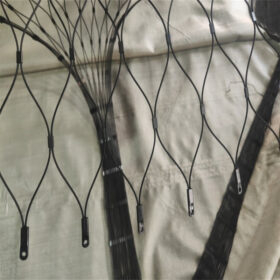
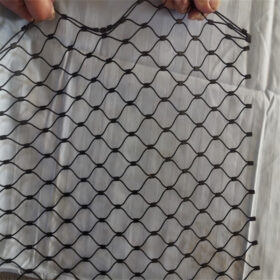
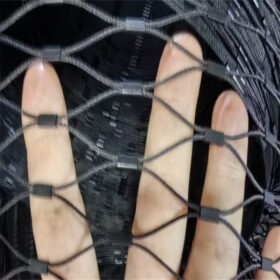
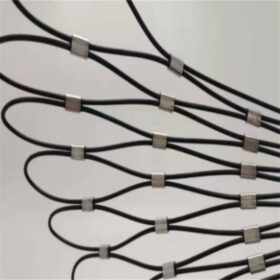
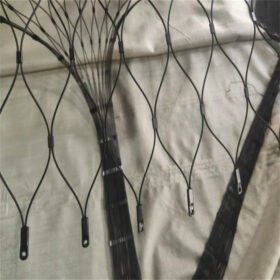
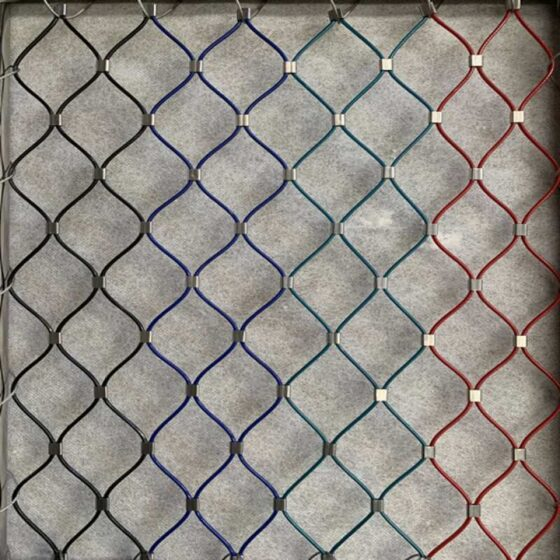
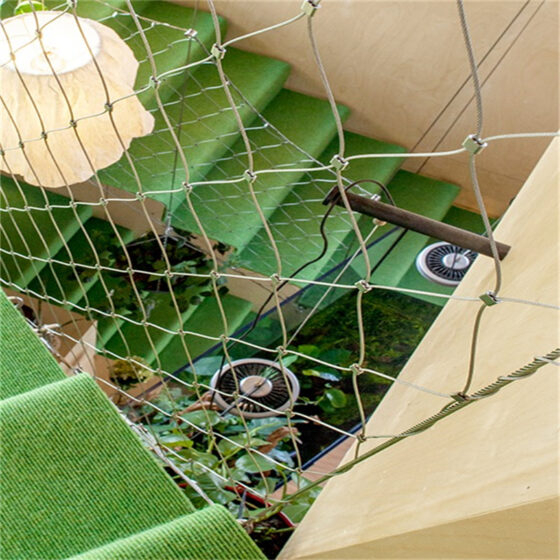
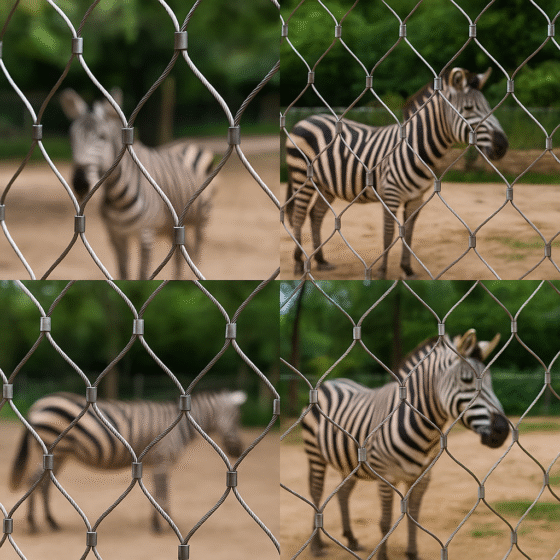
black oxide zoo mesh is a flexible, high-performance stainless steel cable net system with a deep black oxide finish that makes the mesh visually “disappear” behind animals and landscaping. Using marine-grade stainless steel wire rope and precision ferrules, black oxide zoo mesh combines low weight, very high strength, outstanding transparency and a low-glare black surface that keeps reflections away from sensitive species and camera lenses. It is widely used for bird aviaries, primate islands, big cat enclosures, walk-through exhibits, overhead tunnels and perimeter safety zones in modern zoos and wildlife parks.
When you specify black oxide zoo mesh correctly, it protects animals, visitors and staff quietly for decades while making your habitats look immersive and natural. When you ignore a few critical warnings, black oxide zoo mesh can become a hidden weak point that turns a minor mistake into serious loss, injury or reputation damage.
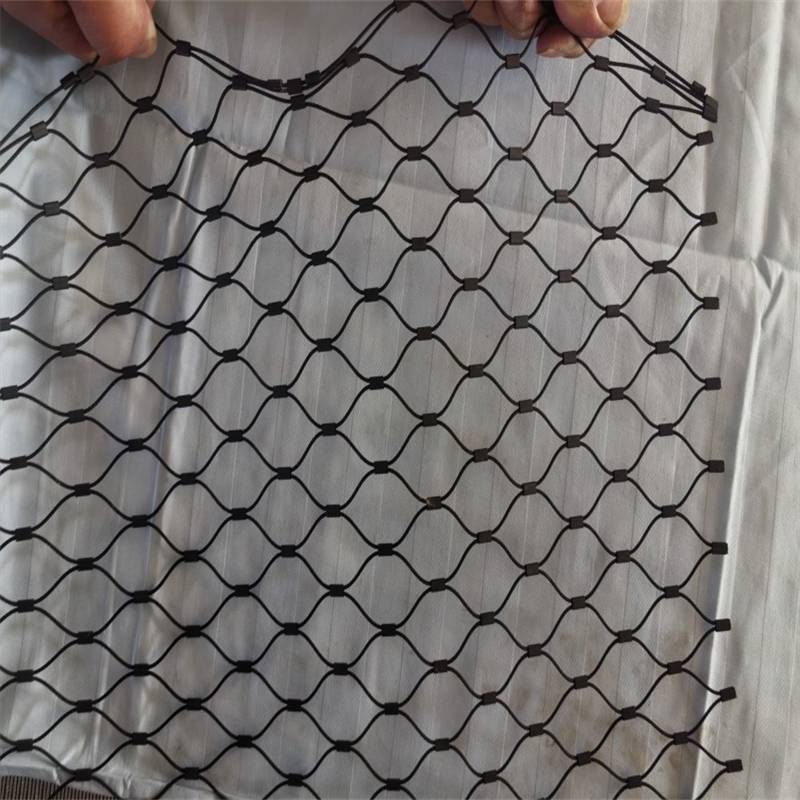
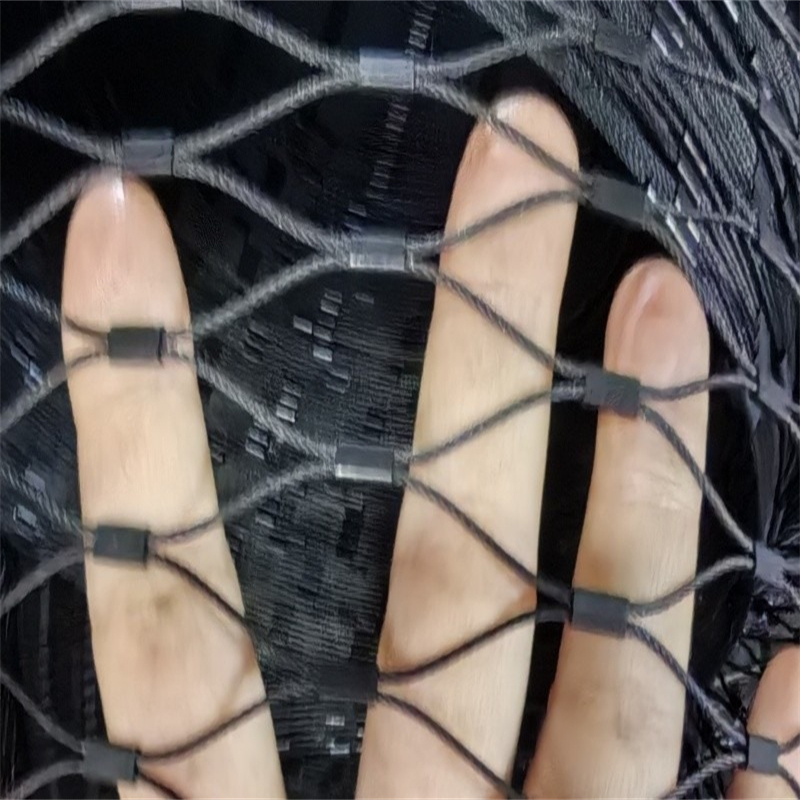
What Is black oxide zoo mesh?
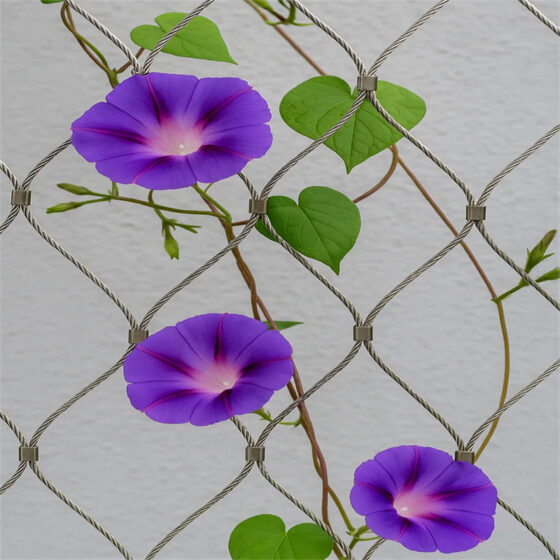
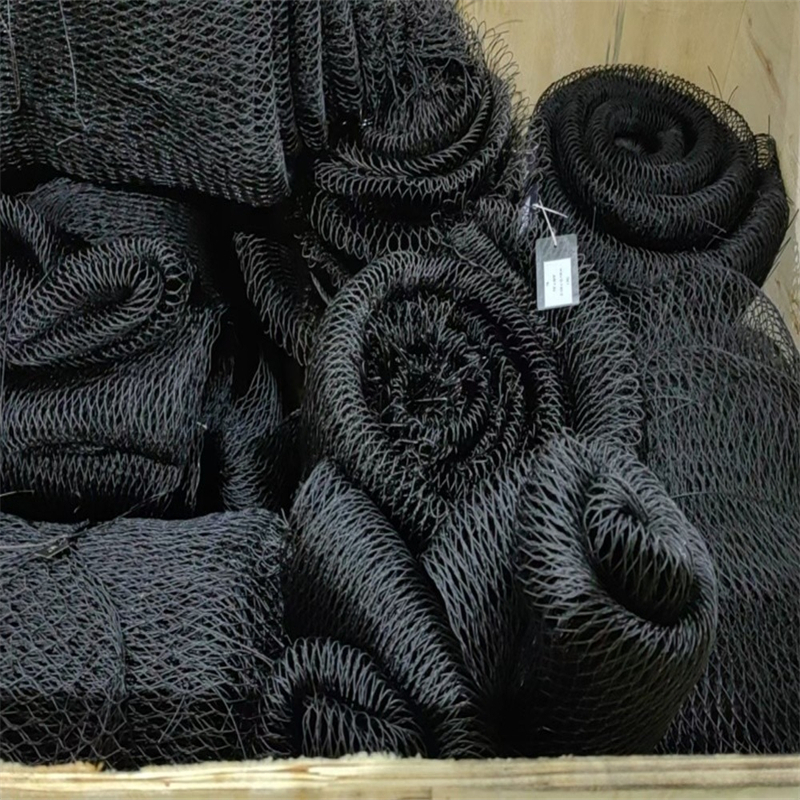
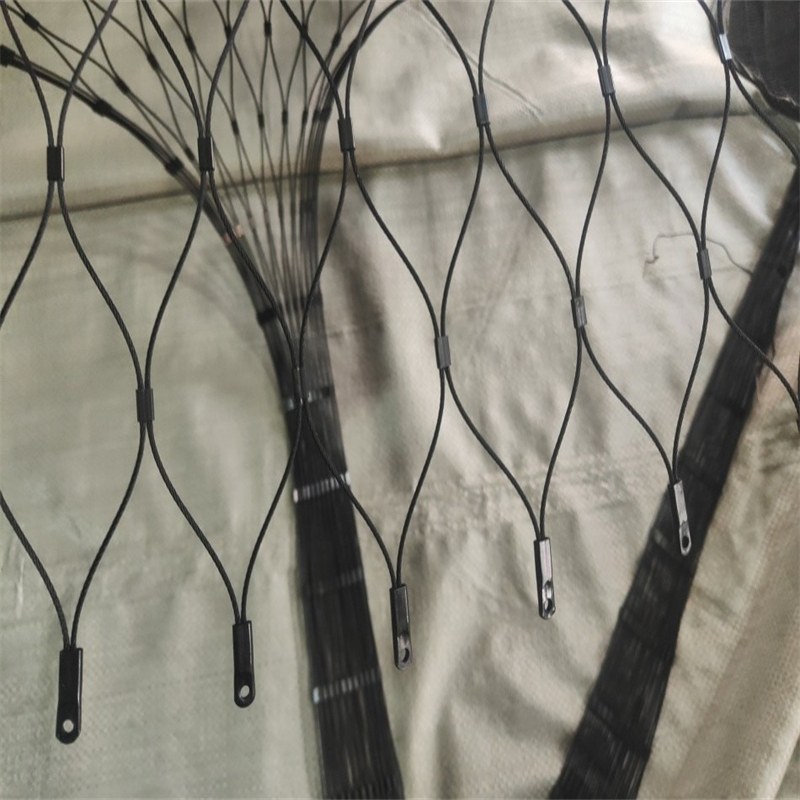
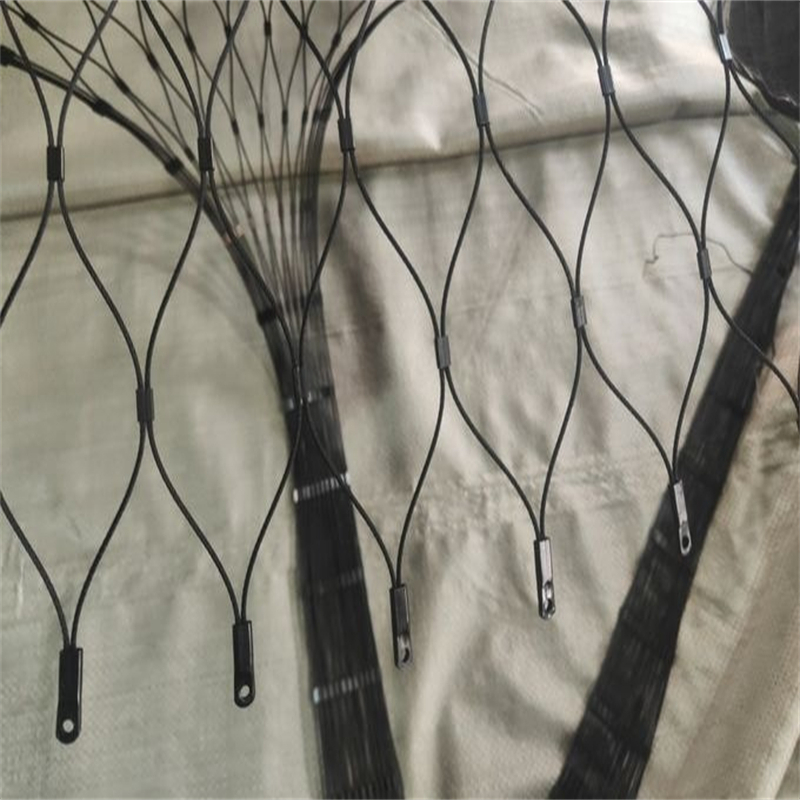
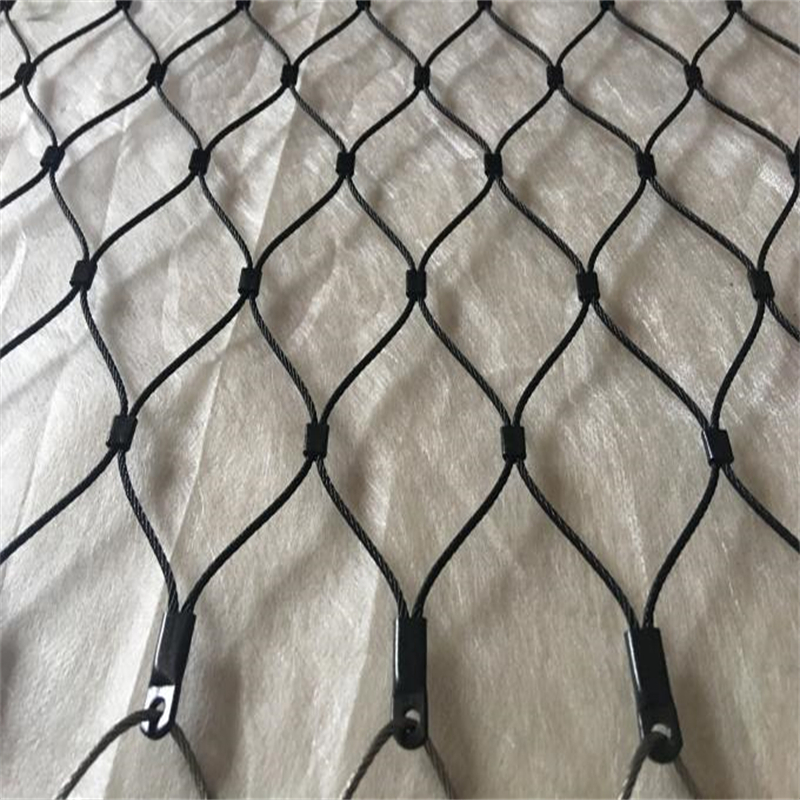
black oxide zoo mesh is made from high-tensile stainless steel wire rope woven or ferrule-pressed into a flexible cable net, then treated with a black oxide or blackened surface system. The mesh forms diamond or square apertures that deform elastically under load, spreading forces through the rope network and back into perimeter cables, posts and structural rings.
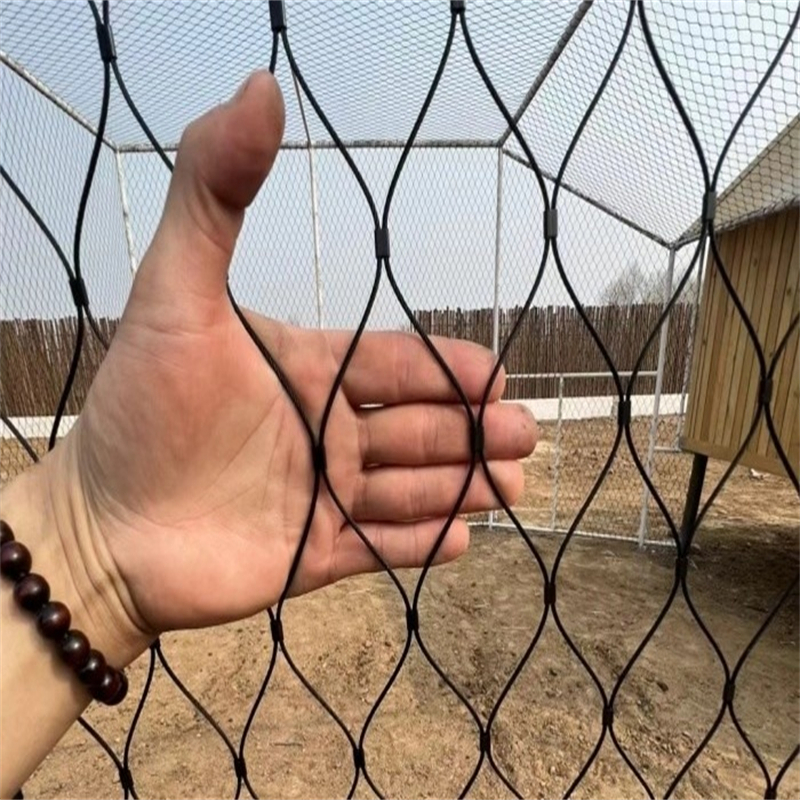
The black surface dramatically reduces reflections and makes the net visually recess into the background, giving visitors a clear, photo-friendly view while still delivering strong physical containment. Typical parameters for black oxide zoo mesh include:
* Wire rope diameter: 1.2–4.0 mm
* Mesh aperture: 20 × 20 mm up to 300 × 300 mm
* Rope constructions: 7 × 7 and 7 × 19 stainless steel wire rope
* Material grades: AISI 304 / 304L for sheltered enclosures and AISI 316 / 316L for coastal, marine and highly corrosive sites
* Finish: integrated black oxide / blackened treatment for the complete cable and ferrule surface
The same technology used for stainless steel zoo mesh is refined here with a black finish to create black oxide zoo mesh that is especially suited to visual and photographic exhibits.
Truth #1 – Coating truth that controls real black oxide zoo mesh durability
The first crucial truth is that the black finish is not just cosmetic paint. The black oxide system must be fully bonded to the stainless steel rope and ferrules. If a soft or superficial coating is used, it can chip, fade or peel under animal contact, cleaning and UV exposure. That exposes bright metal patches that distract visitors and invite corrosion. Choosing a properly engineered black oxide finish on every strand and ferrule locks in long-term colour stability and structural safety.
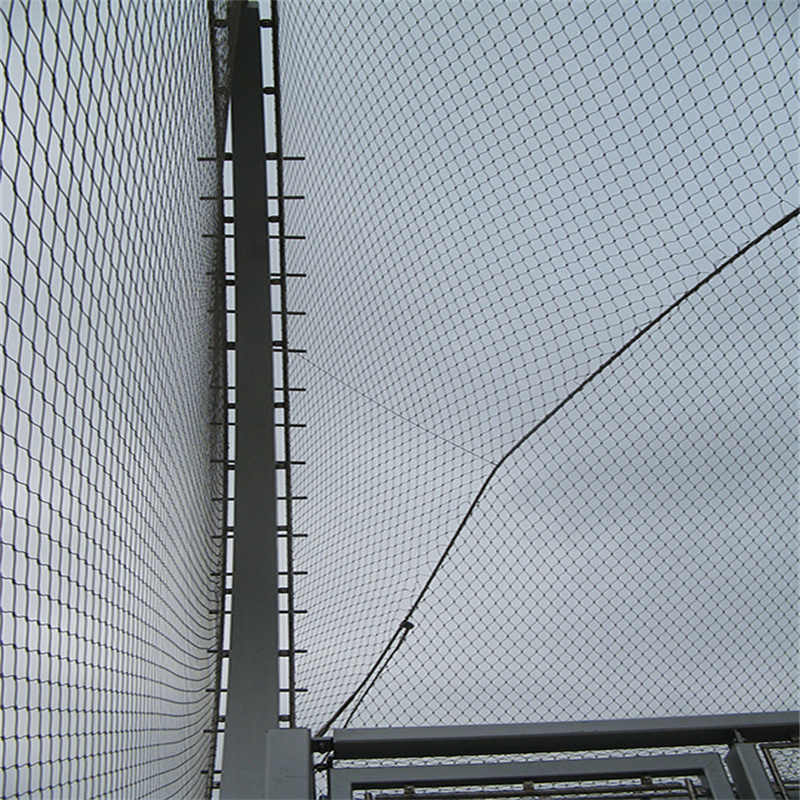
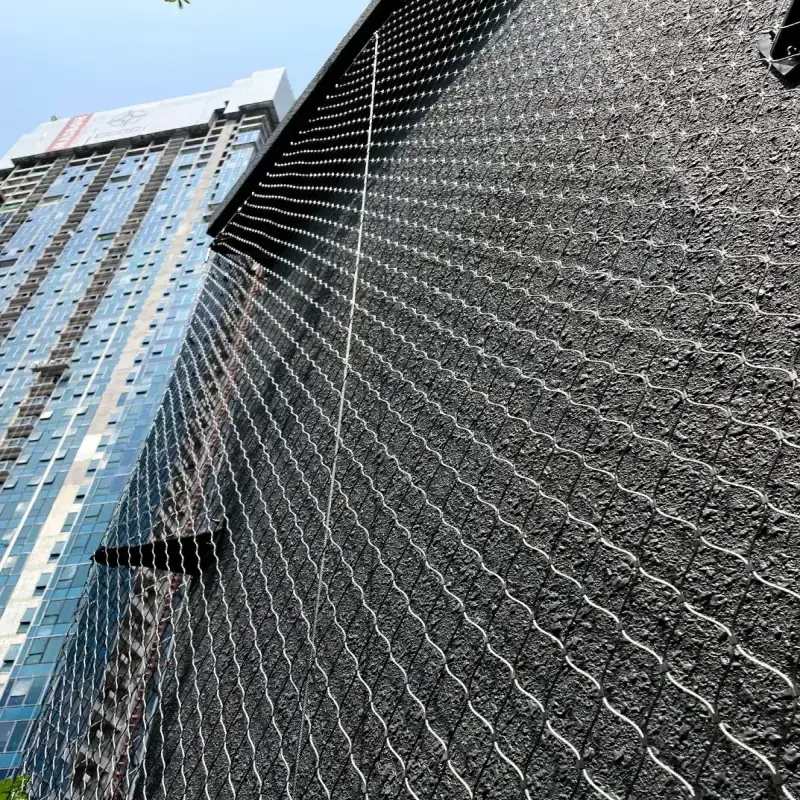
Materials, Rope Structures and Black Oxide Performance
black oxide zoo mesh starts with cold-drawn stainless steel wire, stranded into cables and then woven or ferrule-pressed wire rope mesh into mesh. Two rope structures are used:
* **7 × 7** – compact and relatively stiff, ideal for small apertures and flat or slightly curved enclosures
* **7 × 19** – highly flexible, ideal for large spans, domes, tunnels and irregular rockwork
For most zoo and aviary projects, AISI 316 / 316L stainless steel is preferred, because black oxide zoo mesh must endure constant washing, droppings, feed residues and exposure to misting systems and cleaning chemicals.
Detail #2 – Material detail that blocks hidden corrosion under the black finish
A critical detail is that the black oxide finish will only protect as long as the underlying stainless steel grade is appropriate for the environment. Using AISI 304 under black oxide in coastal or chemically aggressive areas allows hidden corrosion to start under the dark surface, especially inside ferrules and at cable crossings where moisture lingers. This erosion is invisible until wires weaken. Specifying AISI 316 / 316L for exposed black oxide zoo mesh closes this corrosion path and keeps the full breaking load of every cable for the life of the exhibit.
Specification Table 1 – Small Bird and Aviary black oxide zoo mesh
These specifications are typically used for finches, small parrots and mixed aviaries where fine apertures and high visibility are critical.
| WIRE ROPE DIAMETER | MESH APERTURE | Angle degrees: | Light Transmittance (%) | Material | Nominal Breaking Load (lbs) | WIRE ROPE STRUCTURES |
| 1.2 mm | 20 × 20 mm | 60° | 70% | AISI 316 black oxide | 800 | 7 × 7 |
| 1.2 mm | 25 × 25 mm | 60° | 72% | AISI 316 black oxide | 800 | 7 × 7 |
| 1.5 mm | 25 × 30 mm | 60° | 74% | AISI 316 black oxide | 1,150 | 7 × 7 |
| 1.5 mm | 30 × 30 mm | 60° | 76% | AISI 316 black oxide | 1,150 | 7 × 7 |
| 1.5 mm | 30 × 35 mm | 60° | 77% | AISI 316 black oxide | 1,150 | 7 × 7 |
| 1.6 mm | 30 × 40 mm | 70° | 78% | AISI 316 black oxide | 1,250 | 7 × 7 |
| 1.6 mm | 35 × 40 mm | 70° | 80% | AISI 316 black oxide | 1,250 | 7 × 7 |
| 1.6 mm | 35 × 45 mm | 70° | 81% | AISI 316 black oxide | 1,250 | 7 × 7 |
| 2.0 mm | 40 × 50 mm | 70° | 83% | AISI 316 black oxide | 2,000 | 7 × 7 |
| 2.0 mm | 40 × 60 mm | 70° | 84% | AISI 316 black oxide | 2,000 | 7 × 7 |
| 2.0 mm | 45 × 65 mm | 70° | 85% | AISI 316 black oxide | 2,000 | 7 × 7 |
| 2.0 mm | 50 × 70 mm | 75° | 86% | AISI 316 black oxide | 2,000 | 7 × 7 |
| 2.4 mm | 50 × 80 mm | 75° | 88% | AISI 316 black oxide | 3,100 | 7 × 7 |
| 2.4 mm | 60 × 90 mm | 75° | 89% | AISI 316 black oxide | 3,100 | 7 × 7 |
| 2.4 mm | 60 × 100 mm | 75° | 90% | AISI 316 black oxide | 3,100 | 7 × 7 |
Risk #3 – Aperture risk that exposes small birds and bats
One of the most dangerous risks in black oxide zoo mesh design is mismatching aperture size to the smallest species or life stage. If apertures are chosen purely for appearance, small birds, bats or juveniles can slip heads, wings or bodies through the mesh, becoming trapped or escaping. Correctly matching aperture to species – and to future breeding programmes – eliminates this aperture risk and prevents injuries that damage both animal welfare and your zoo’s reputation.
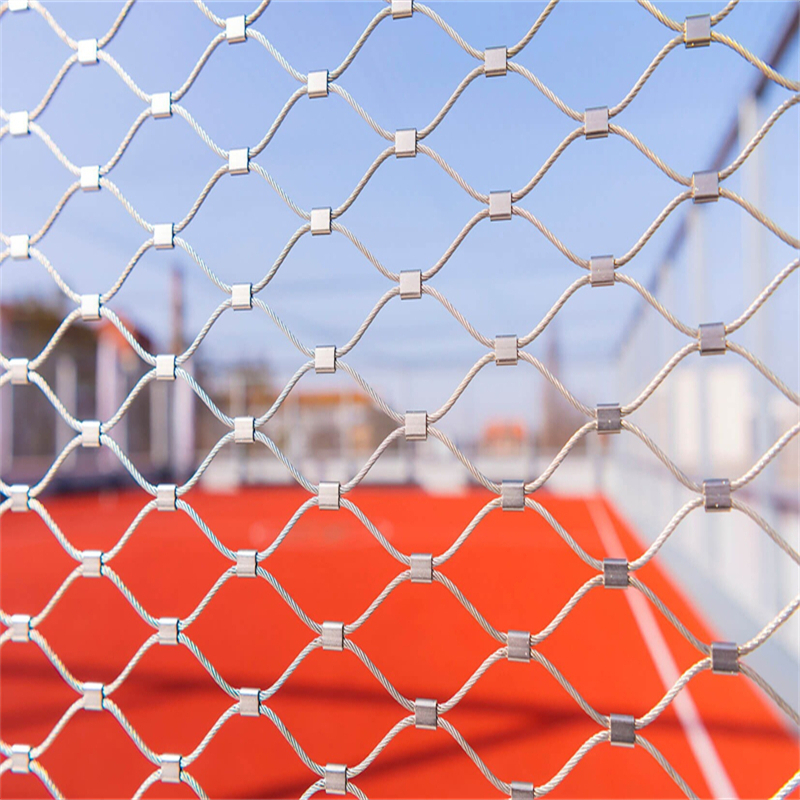

black oxide zoo mesh for Primates, Small Mammals and Mixed Habitats
For primates, small carnivores and mixed exhibits, black oxide zoo mesh must resist higher loads from climbing, swinging and chewing while still remaining soft to touch and visually discreet. The low-glare black surface helps reduce visual stress for sensitive species and provides excellent viewing and photography conditions for visitors.
Specification Table 2 – Primate and Small Mammal black oxide zoo mesh
| WIRE ROPE DIAMETER | MESH APERTURE | Angle degrees: | Light Transmittance (%) | Material | Nominal Breaking Load (lbs) | WIRE ROPE STRUCTURES |
| 1.5 mm | 30 × 40 mm | 60° | 78% | AISI 316 black oxide | 1,150 | 7 × 7 |
| 1.6 mm | 35 × 45 mm | 70° | 80% | AISI 316 black oxide | 1,250 | 7 × 7 |
| 1.6 mm | 40 × 50 mm | 70° | 82% | AISI 316 black oxide | 1,250 | 7 × 7 |
| 2.0 mm | 40 × 60 mm | 70° | 84% | AISI 316 black oxide | 2,000 | 7 × 7 |
| 2.0 mm | 45 × 65 mm | 70° | 85% | AISI 316 black oxide | 2,000 | 7 × 7 |
| 2.0 mm | 50 × 70 mm | 75° | 86% | AISI 316 black oxide | 2,000 | 7 × 7 |
| 2.4 mm | 50 × 80 mm | 75° | 88% | AISI 316 black oxide | 3,100 | 7 × 7 |
| 2.4 mm | 60 × 90 mm | 75° | 89% | AISI 316 black oxide | 3,100 | 7 × 7 |
| 2.4 mm | 70 × 100 mm | 75° | 90% | AISI 316 black oxide | 3,100 | 7 × 7 |
| 3.0 mm | 70 × 110 mm | 80° | 91% | AISI 316 black oxide | 4,600 | 7 × 19 |
| 3.0 mm | 80 × 120 mm | 80° | 92% | AISI 316 black oxide | 4,600 | 7 × 19 |
| 3.0 mm | 90 × 130 mm | 80° | 93% | AISI 316 black oxide | 4,600 | 7 × 19 |
| 3.2 mm | 90 × 140 mm | 80° | 94% | AISI 316 black oxide | 5,100 | 7 × 19 |
| 3.2 mm | 100 × 150 mm | 85° | 95% | AISI 316 black oxide | 5,100 | 7 × 19 |
| 3.2 mm | 120 × 180 mm | 85° | 96% | AISI 316 black oxide | 5,100 | 7 × 19 |
Warning #4 – Animal behaviour warning that you must design for
Primates and small carnivores do not treat black oxide zoo mesh as a simple boundary. They climb it, lean on it, bounce off it and sometimes chew or pick at it. If support spacing and rope diameter are not set for this behaviour, the mesh can stretch too far, reducing roof height or bringing animals within reach of neighbouring structures. Designing for real behaviour – not just static loads – removes this warning and keeps animals safely inside their three-dimensional space.
Trap #5 – Support trap that creates dangerous gaps at rocks and buildings
A frequent trap is letting black oxide zoo mesh run directly onto rockwork, buildings or timber without proper edge cables and plates. Over time, movement of structures and ground settlement pull the mesh away, leaving small but critical gaps where animals can push through or become trapped. Detailing continuous perimeter cables and properly fixed edge brackets prevents this trap and maintains a tight, escape-proof envelope.
Cost #6 – Lifecycle cost pattern that punishes painted black nets
Many projects try to save money by using painted or plastic-coated black nets instead of true black oxide zoo mesh. The pattern is always the same: UV and cleaning strip the colour, coatings crack, and fibres degrade, forcing frequent replacement. With genuine black oxide zoo mesh on stainless steel rope, the black surface and structural strength remain stable for decades. The initial investment quickly pays off in reduced repainting, replacement and exhibit downtime.
Benefit #7 – Visibility benefit that boosts visitor experience and donations
One of the strongest benefits of black oxide zoo mesh is the almost invisible barrier it creates. Visitors see animals, not fencing; photographers capture natural-looking images without bright reflections; and night lighting remains soft and immersive. This visibility benefit increases visitor satisfaction, dwell time and photo sharing – all of which help support revenues and donations for conservation programmes.
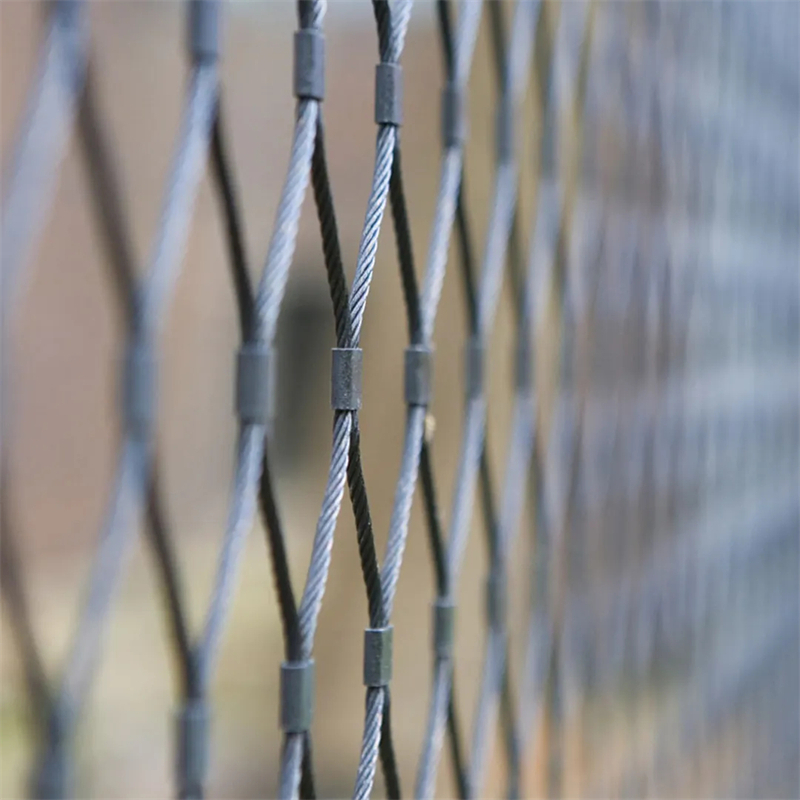
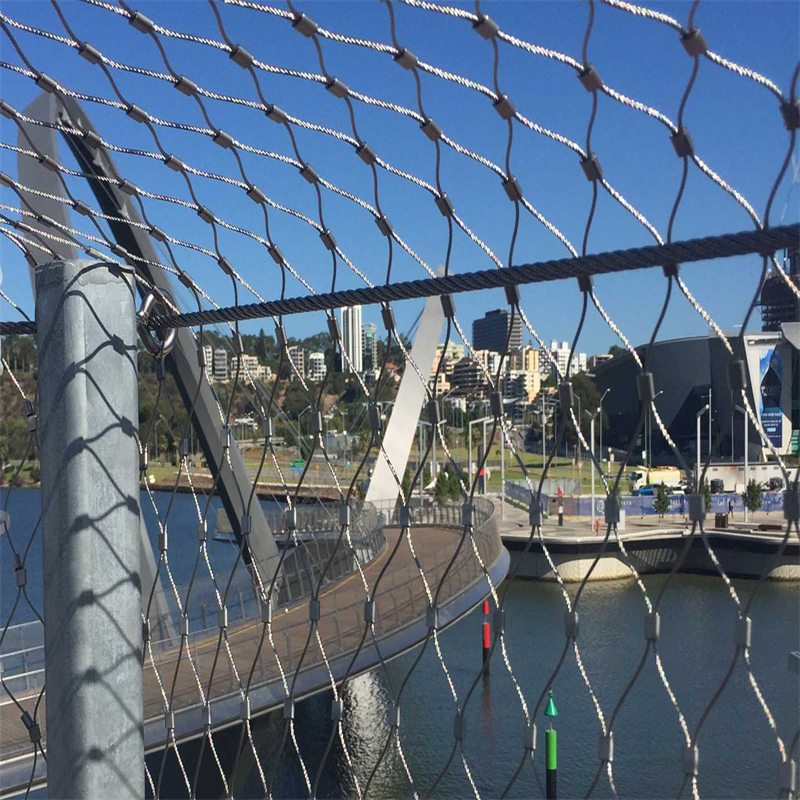
black oxide zoo mesh for Big Cats and High-Energy Species
For lions, tigers, leopards and other large carnivores, black oxide zoo mesh must deliver very high breaking loads and controlled deflection under impact. Roofs and walls often combine mesh panels with heavy perimeter steel to form three-dimensional habitats that feel open but remain absolutely secure.
Specification Table 3 – Big Cat and High-Energy black oxide zoo mesh
| WIRE ROPE DIAMETER | MESH APERTURE | Angle degrees: | Light Transmittance (%) | Material | Nominal Breaking Load (lbs) | WIRE ROPE STRUCTURES |
| 2.4 mm | 80 × 80 mm | 70° | 90% | AISI 316 black oxide | 3,100 | 7 × 7 |
| 2.4 mm | 90 × 90 mm | 70° | 91% | AISI 316 black oxide | 3,100 | 7 × 7 |
| 3.0 mm | 100 × 100 mm | 75° | 92% | AISI 316 black oxide | 4,600 | 7 × 19 |
| 3.0 mm | 120 × 120 mm | 75° | 93% | AISI 316 black oxide | 4,600 | 7 × 19 |
| 3.2 mm | 120 × 150 mm | 80° | 94% | AISI 316 black oxide | 5,100 | 7 × 19 |
| 3.2 mm | 130 × 150 mm | 80° | 95% | AISI 316 black oxide | 5,100 | 7 × 19 |
| 3.2 mm | 150 × 180 mm | 80° | 95% | AISI 316 black oxide | 5,100 | 7 × 19 |
| 4.0 mm | 150 × 200 mm | 80° | 95% | AISI 316 black oxide | 7,900 | 7 × 19 |
| 4.0 mm | 150 × 220 mm | 80° | 96% | AISI 316 black oxide | 7,900 | 7 × 19 |
| 4.0 mm | 180 × 220 mm | 80° | 96% | AISI 316 black oxide | 7,900 | 7 × 19 |
| 4.0 mm | 180 × 250 mm | 85° | 96% | AISI 316 black oxide | 7,900 | 7 × 19 |
| 4.0 mm | 200 × 250 mm | 85° | 97% | AISI 316 black oxide | 7,900 | 7 × 19 |
| 4.0 mm | 200 × 300 mm | 85° | 97% | AISI 316 black oxide | 7,900 | 7 × 19 |
| 3.2 mm | 180 × 200 mm | 80° | 95% | AISI 316 black oxide | 5,100 | 7 × 19 |
| 3.2 mm | 180 × 230 mm | 85° | 96% | AISI 316 black oxide | 5,100 | 7 × 19 |
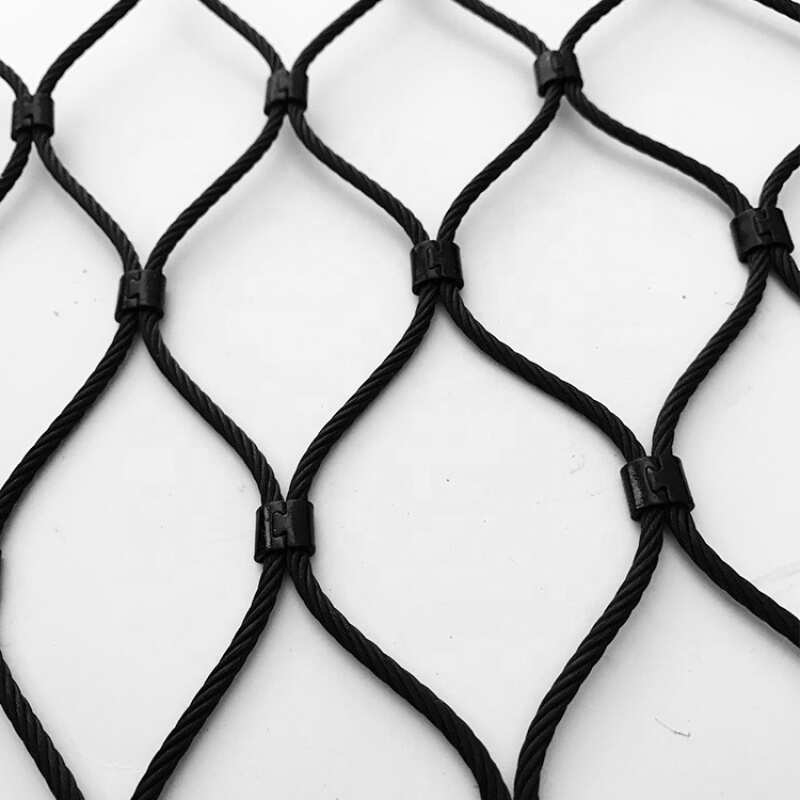
Threat #8 – Structural threat at posts and ring beams
For big cats and other high-energy species, the weakest link is often not the black oxide zoo mesh itself but the posts and ring beams. If these supports are under-designed, impacts and climbing loads can bend or crack them, loosening the mesh and creating dangerous zones. Ensuring that steelwork and foundations are sized to match the full breaking loads of the mesh removes this structural threat and keeps the enclosure secure even under extreme behaviour.
Hazard #9 – Inspection hazard that you must not skip
The most serious hazard with black oxide zoo mesh is failing to inspect it regularly. Over time, misaligned clamps, accidental cuts from tools, or hidden corrosion at hardware points can develop into real weaknesses. If you skip systematic visual checks of cables, ferrules, edge clamps and support points, the first sign of trouble may be a partial failure during an impact or storm. Especially Hazard #9 is the one you cannot afford to ignore: if you do not read it and act on it with a regular inspection pattern, you risk animal escapes, visitor injuries and heavy financial loss.
Payoff #10 – Long-term payoff and safety reward of black oxide zoo mesh
When you specify black oxide zoo mesh correctly – matching geometry, cable diameter, aperture, black oxide coating system, structural supports and installation method to your real species, climate and visitor flows – the payoff is powerful and long-lasting. You gain safe, transparent and beautiful enclosures that work day after day, integrate perfectly with modern zoo architecture, reduce maintenance to simple cleaning and scheduled inspections, and give your park a clear safety and image boost while protecting you from the severe losses that come from overlooked design, detailing and installation mistakes.