Your One-Stop Wire Mesh Fence Supplier | POLYMETAL
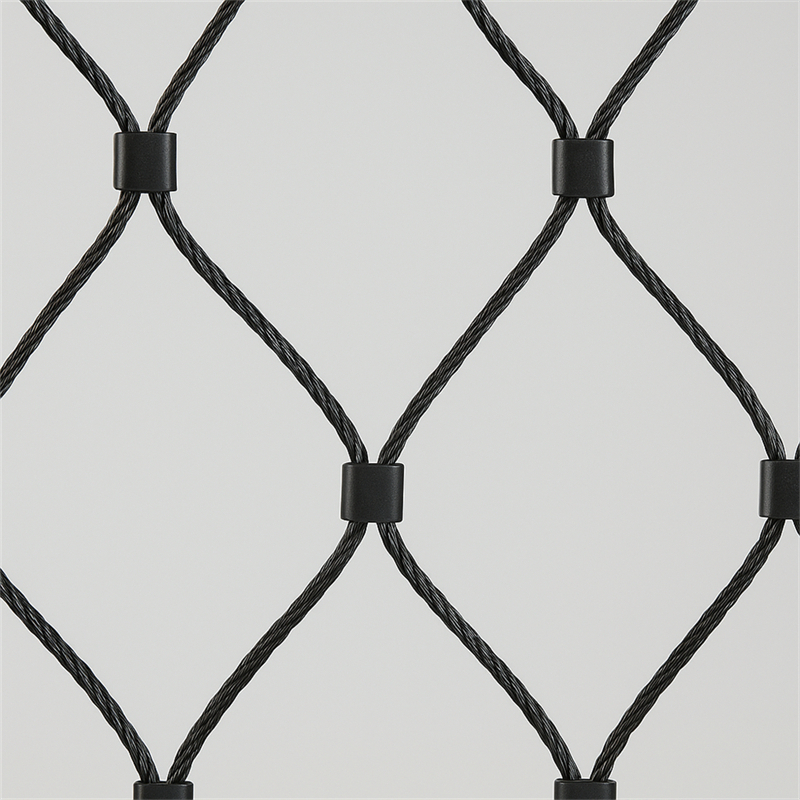

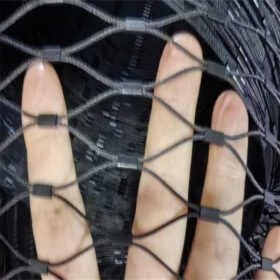
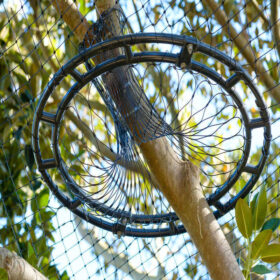

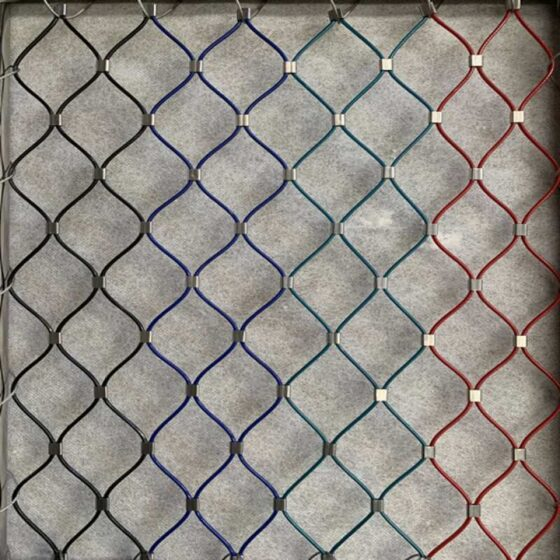
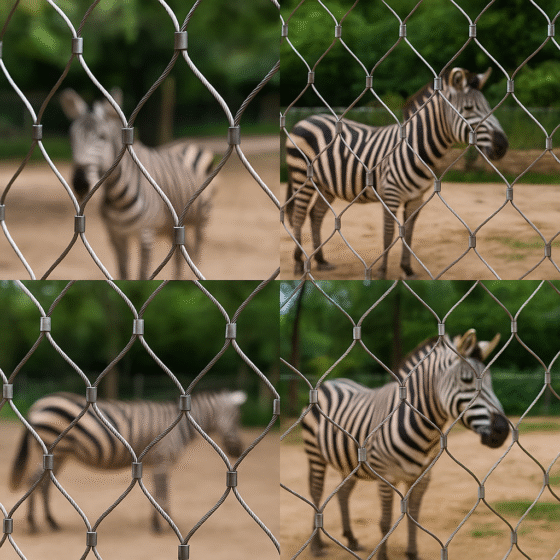
Black zoo mesh is a flexible, high-strength stainless steel cable net system with a black surface finish, engineered specifically for modern zoological parks, aviaries and wildlife exhibits. By combining marine-grade stainless steel wire rope with black oxidation or black PVC coating, Black zoo mesh delivers low reflectivity, excellent transparency and long-term corrosion resistance. It almost disappears to the human eye, giving visitors a clear view of animals while still providing a robust safety barrier.
From small songbird aviaries and walk-through lorikeet enclosures to big cat habitats, primate islands and perimeter protection, Black zoo mesh is often the last physical barrier between a minor incident and a major accident. When Black zoo mesh is specified and installed correctly, it works quietly for decades, protecting animals, keepers and visitors. But if you ignore a few critical design and installation warnings, you can create hidden weak points, welfare problems and unexpected financial loss.


What Is Black zoo mesh?
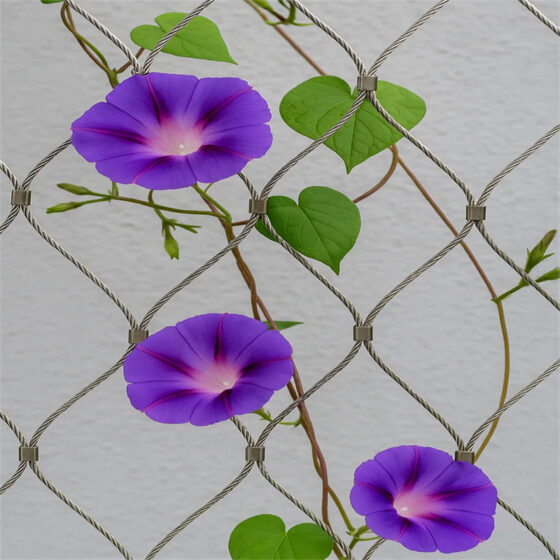
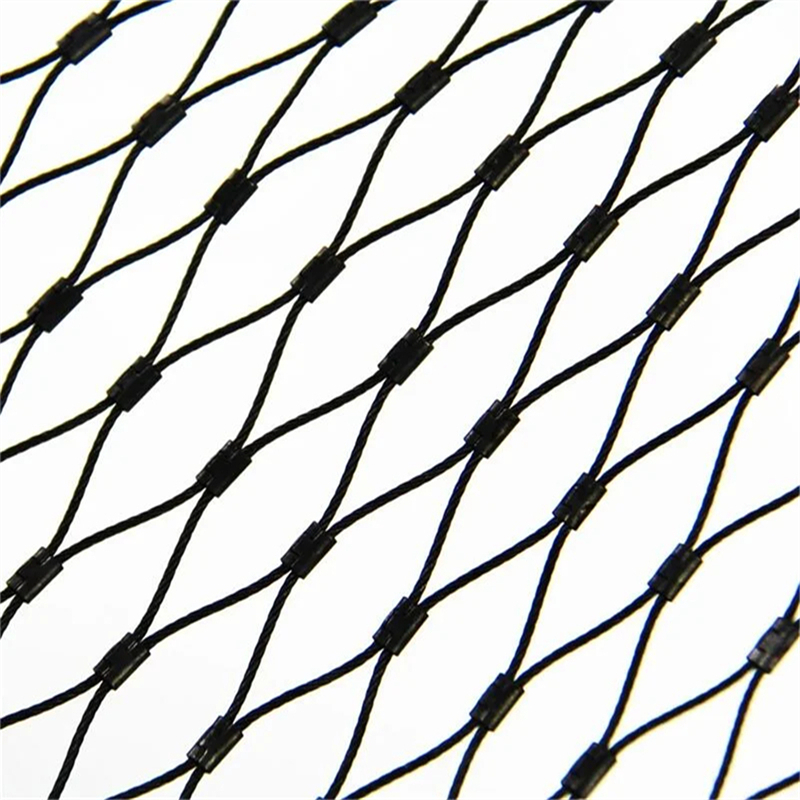
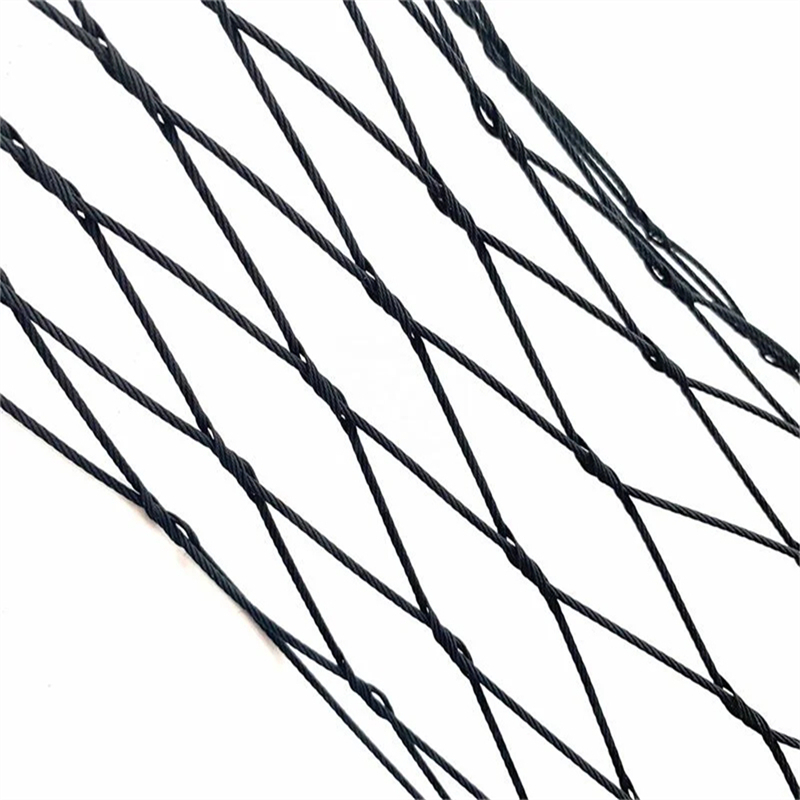
Black zoo mesh is a form of stainless steel cable mesh in which the wire rope is treated with a black oxide or pvd and pvdf finish to reduce glare and visual contrast. The mesh is made from high-tensile stainless steel wire rope, either woven or ferrule-pressed into diamond or square apertures. Under load, the mesh deforms elastically, distributing forces through the cable network and back into edge frames, posts and tension rings.
Because the surface is black, reflections are minimised; the human eye naturally focuses on the animals behind the mesh rather than on the mesh itself. This makes Black zoo mesh ideal for immersive exhibits, photo-friendly viewing windows and overhead mesh tunnels.
Typical Black zoo mesh construction details include: stainless steel wire rope diameters from 1.2–4.0 mm, mesh apertures from 20 × 20 mm up to 300 × 300 mm, rope constructions of 7 × 7 and 7 × 19, and material grades from AISI 304 / 304L for inland zoos to AISI 316 / 316L for coastal and marine environments.
Insight #1 – Load path insight that controls real Black zoo mesh safety
The first essential insight is that mesh aperture, wire rope diameter, mesh angle and support spacing together define the real load path of Black zoo mesh. If apertures are too large for the chosen wire diameter, or support spacing is pushed too far, the mesh can deflect excessively when animals climb, jump or impact the enclosure. This can create dangerous openings at exactly the moment you need the barrier to hold. Balancing these parameters correctly gives controlled deflection, high energy absorption and reliable containment of birds, primates and big cats.


Materials, Black Coating and Corrosion Resistance
Black zoo mesh starts with cold-drawn stainless steel wire stranded into cables, then woven or ferrule-pressed to form the mesh. The black finish is applied by black oxide treatment or by bonding a black polymer layer that is UV-stable and animal-safe.
Two rope structures dominate:
* 7 × 7 – compact and relatively stiff, ideal for small apertures and fine aviary work
* 7 × 19 – highly flexible, ideal for larger spans, domes, tunnels and dynamic big-cat or primate enclosures
Stainless steel grades:
* AISI 304 / 304L – suitable for interior and mild exterior climates
* AISI 316 / 316L – with molybdenum, ideal for marine, coastal and chemically aggressive atmospheres
Detail #2 – Material detail that protects against hidden corrosion under black coating
A critical detail is the combination of stainless grade and black coating system. If you pair low-grade stainless steel with a black finish, corrosion can start unseen under the dark surface, especially near ferrules and clamps where moisture lingers. Over time, this undermines wire strength and can create sharp edges that harm animals and staff. Specifying AISI 316 / 316L for exposed Black zoo mesh and using proven black finishes eliminates this hidden corrosion route and protects the true breaking load for the entire service life.
Specification Table 1 – Small Bird and Light Aviary Black zoo mesh
The following Black zoo mesh configurations are often used for finches, small parrots and mixed-species bird gardens where delicate feet and beaks require tight apertures and smooth surfaces.
| WIRE ROPE DIAMETER | MESH APERTURE | Angle degrees: | Light Transmittance (%) | Material | Nominal Breaking Load (lbs) | WIRE ROPE STRUCTURES |
| 1.2 mm | 20 × 20 mm | 60° | 70% | AISI 304, black coated | 800 | 7 × 7 |
| 1.2 mm | 25 × 25 mm | 60° | 72% | AISI 304, black coated | 800 | 7 × 7 |
| 1.5 mm | 25 × 30 mm | 60° | 74% | AISI 304, black coated | 1,150 | 7 × 7 |
| 1.5 mm | 30 × 30 mm | 60° | 75% | AISI 304, black coated | 1,150 | 7 × 7 |
| 1.5 mm | 30 × 35 mm | 60° | 76% | AISI 304, black coated | 1,150 | 7 × 7 |
| 1.6 mm | 35 × 35 mm | 70° | 78% | AISI 304, black coated | 1,250 | 7 × 7 |
| 1.6 mm | 35 × 40 mm | 70° | 79% | AISI 304, black coated | 1,250 | 7 × 7 |
| 1.6 mm | 40 × 40 mm | 70° | 80% | AISI 304, black coated | 1,250 | 7 × 7 |
| 2.0 mm | 40 × 50 mm | 70° | 82% | AISI 316, black coated | 2,000 | 7 × 7 |
| 2.0 mm | 40 × 60 mm | 70° | 83% | AISI 316, black coated | 2,000 | 7 × 7 |
| 2.0 mm | 50 × 60 mm | 75° | 84% | AISI 316, black coated | 2,000 | 7 × 7 |
| 2.0 mm | 50 × 70 mm | 75° | 86% | AISI 316, black coated | 2,000 | 7 × 7 |
| 2.0 mm | 60 × 80 mm | 75° | 87% | AISI 316, black coated | 2,000 | 7 × 7 |
| 2.0 mm | 60 × 90 mm | 75° | 88% | AISI 316, black coated | 2,000 | 7 × 7 |
| 2.0 mm | 70 × 100 mm | 75° | 89% | AISI 316, black coated | 2,000 | 7 × 7 |
Risk #3 – Aperture risk that injures delicate species
For small birds and sensitive species, oversizing the Black zoo mesh aperture creates a real risk: heads, wings or feet can partly pass through the net and become trapped. This often happens in corners and near perches where animals launch and land. Matching aperture and wire diameter to the smallest species in the enclosure removes this risk and gives you a safe, cruelty-free Black zoo mesh design.
Black zoo mesh for Medium Birds, Lemurs and Small Primates
Medium-sized birds, lemurs and small primates need a balance between strength, flexibility and visual openness. Black zoo mesh in this range supports climbing behaviour and occasional jumping while maintaining excellent visibility for visitors and keepers.
Specification Table 2 – Medium Animal Black zoo mesh
| WIRE ROPE DIAMETER | MESH APERTURE | Angle degrees: | Light Transmittance (%) | Material | Nominal Breaking Load (lbs) | WIRE ROPE STRUCTURES |
| 1.6 mm | 40 × 40 mm | 70° | 80% | AISI 316, black coated | 1,250 | 7 × 7 |
| 1.6 mm | 50 × 50 mm | 70° | 82% | AISI 316, black coated | 1,250 | 7 × 7 |
| 2.0 mm | 50 × 60 mm | 70° | 84% | AISI 316, black coated | 2,000 | 7 × 7 |
| 2.0 mm | 60 × 80 mm | 70° | 86% | AISI 316, black coated | 2,000 | 7 × 7 |
| 2.0 mm | 70 × 90 mm | 75° | 87% | AISI 316, black coated | 2,000 | 7 × 7 |
| 2.0 mm | 70 × 100 mm | 75° | 88% | AISI 316, black coated | 2,000 | 7 × 7 |
| 2.4 mm | 70 × 110 mm | 75° | 89% | AISI 316, black coated | 3,100 | 7 × 7 |
| 2.4 mm | 80 × 120 mm | 75° | 90% | AISI 316, black coated | 3,100 | 7 × 7 |
| 2.4 mm | 90 × 130 mm | 75° | 91% | AISI 316, black coated | 3,100 | 7 × 7 |
| 2.4 mm | 100 × 140 mm | 80° | 92% | AISI 316, black coated | 3,100 | 7 × 7 |
| 3.0 mm | 100 × 150 mm | 80° | 93% | AISI 316, black coated | 4,600 | 7 × 19 |
| 3.0 mm | 120 × 160 mm | 80° | 94% | AISI 316, black coated | 4,600 | 7 × 19 |
| 3.0 mm | 120 × 180 mm | 80° | 94% | AISI 316, black coated | 4,600 | 7 × 19 |
| 3.2 mm | 130 × 180 mm | 80° | 95% | AISI 316, black coated | 5,100 | 7 × 19 |
| 3.2 mm | 150 × 200 mm | 85° | 95% | AISI 316, black coated | 5,100 | 7 × 19 |
Aspect #4 – Visibility aspect that boosts visitor experience
One powerful aspect of Black zoo mesh is its visual performance. Because the mesh is black and slender, it almost disappears in photographs and to the naked eye, especially against shaded backgrounds. Visitors focus on the animals, not on the barrier, and keepers retain clear lines of sight across enclosures. This visibility aspect improves guest satisfaction and makes your exhibits look more natural in person and on social media.
Black zoo mesh for Big Cats, Apes and Perimeter Safety
Big cats, gorillas, orangutans and large perimeter runs require Black zoo mesh with higher breaking loads and carefully managed geometry. Animals can climb, jump and hang from the mesh, so the system must distribute forces safely back into the structure.
Specification Table 3 – Heavy-Duty Black zoo mesh for Large Species
| WIRE ROPE DIAMETER | MESH APERTURE | Angle degrees: | Light Transmittance (%) | Material | Nominal Breaking Load (lbs) | WIRE ROPE STRUCTURES |
| 2.4 mm | 80 × 120 mm | 75° | 90% | AISI 316, black coated | 3,100 | 7 × 7 |
| 2.4 mm | 90 × 130 mm | 75° | 91% | AISI 316, black coated | 3,100 | 7 × 7 |
| 2.4 mm | 100 × 150 mm | 75° | 92% | AISI 316, black coated | 3,100 | 7 × 7 |
| 3.0 mm | 100 × 160 mm | 80° | 93% | AISI 316, black coated | 4,600 | 7 × 19 |
| 3.0 mm | 120 × 180 mm | 80° | 94% | AISI 316, black coated | 4,600 | 7 × 19 |
| 3.0 mm | 120 × 200 mm | 80° | 94% | AISI 316, black coated | 4,600 | 7 × 19 |
| 3.2 mm | 130 × 200 mm | 80° | 95% | AISI 316, black coated | 5,100 | 7 × 19 |
| 3.2 mm | 150 × 200 mm | 80° | 95% | AISI 316, black coated | 5,100 | 7 × 19 |
| 3.2 mm | 150 × 220 mm | 85° | 96% | AISI 316, black coated | 5,100 | 7 × 19 |
| 3.2 mm | 180 × 220 mm | 85° | 96% | AISI 316, black coated | 5,100 | 7 × 19 |
| 3.2 mm | 180 × 240 mm | 85° | 96% | AISI 316, black coated | 5,100 | 7 × 19 |
| 4.0 mm | 180 × 260 mm | 85° | 96% | AISI 316, black coated | 7,900 | 7 × 19 |
| 4.0 mm | 200 × 260 mm | 85° | 96% | AISI 316, black coated | 7,900 | 7 × 19 |
| 4.0 mm | 200 × 280 mm | 85° | 97% | AISI 316, black coated | 7,900 | 7 × 19 |
| 4.0 mm | 220 × 300 mm | 85° | 97% | AISI 316, black coated | 7,900 | 7 × 19 |
Warning #5 – Climb-out warning for powerful climbers
For big cats and primates, one critical warning is the risk of climb-out or escape if Black zoo mesh geometry and edge detailing are too generous. Shallow overhangs, low perimeter heights or poorly tensioned upper edges can give animals just enough leverage to test and defeat the barrier. Designing sufficient overhang, wrapping the mesh around structural members and maintaining proper tension removes this climb-out warning and keeps even agile species securely inside.
Framing, Edge Details and Doors
Black zoo mesh performance depends strongly on how it connects to steelwork, portals and doors. Edge cables, clamps and plates must be designed as part of the structure, not as afterthoughts. Every interface around keeper doors, feeding hatches, viewing windows and service walkways needs careful detailing so that Black zoo mesh wraps, overlaps or closes tight, without leaving narrow unprotected slots.
Lesson #6 – Detailing lesson at corners and door frames
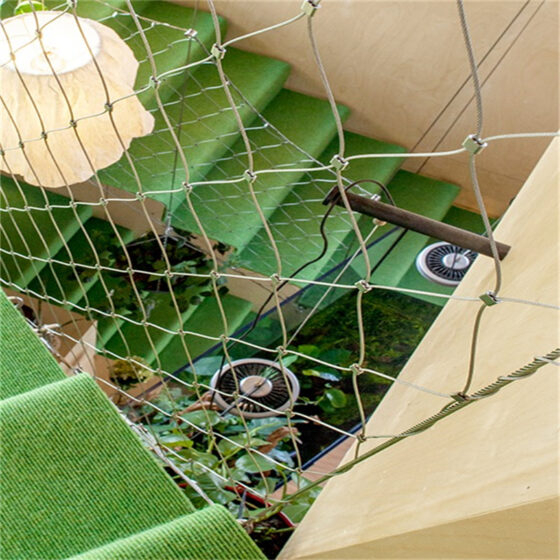
A vital lesson from real zoo projects is to treat corners, stair starts, door frames and changes in direction as special details. If Black zoo mesh stops short and relies on ad-hoc infill, small triangular gaps appear which tools, enrichment items or even small animals can exploit. Designing proper edge plates, overlapping panels and continuous lacing cables closes these gaps and keeps the safety envelope truly continuous.
Cleaning, Maintenance and Daily Operation
Black zoo mesh is low maintenance. The black surface hides minor soiling and blends with planting and rockwork, while the stainless core resists rust and UV degradation. Routine maintenance usually consists of washing with water, checking clamps and anchors, and trimming plants that grow onto the mesh. The dark finish also reduces glare for keepers and animals, helping calm behaviour in sensitive species.
Cost #7 – Lifecycle cost pattern that punishes painted alternatives
At first glance, painted bar systems or powder-coated welded mesh may look cheaper than Black zoo mesh. But they create a harsh lifecycle cost pattern: frequent repainting, rust removal, patch repairs and early replacement as coatings chip and steel corrodes. Over 10–20 years these recurring costs often exceed the initial saving. Black zoo mesh with stainless steel core and durable dark finish avoids repainting, meaning your investment earns back its cost through reduced maintenance and fewer unplanned shutdowns.
Inspection and Structural Monitoring
Because Black zoo mesh is exposed to weather and animal activity every day, regular inspection must be part of the safety plan. Keepers and maintenance teams should visually check mesh panels, ferrules, clamps and anchors during routine rounds, and engineers should perform periodic structural reviews on critical exhibits and perimeter lines.
Lesson #8 – Inspection lesson that reveals early warning signs
An important lesson is how powerful simple inspections can be. Looking for broken wires, deformed apertures, loose edge cables or rust stains around anchors will reveal early warning signs long before failure. Acting on these inspection findings prevents sudden enclosure failures, unplanned exhibit closures and the emergency costs that follow.


Installation Quality and Contractor Choice
Even the best Black zoo mesh design can be undermined by poor installation. Cable tensions, clamp torque, ferrule pressing and isolation between different metals must all follow clear procedures. Exposed mesh aviary roofs, cliff-face cat exhibits and perimeter runs are particularly unforgiving of shortcuts.
Threat #9 – Installation threat that can cause crisis and loss if you ignore it
The most serious threat for Black zoo mesh systems is poor installation. Under-tensioned panels, incorrectly crimped ferrules, mixed metals without isolation or low-grade clamps create hidden weak points that only reveal themselves under impact, animal testing or storm conditions. This is especially true for exposed large Black zoo mesh aviaries where wind and dynamic loads are constant. Especially Threat #9 is the one you cannot afford to ignore: if you skip proper tensioning, clamp control and hardware selection, you invite sudden mesh loosening, tearing and real loss in the form of animal escape, injury, enclosure damage and financial crisis – long after the installer has left the site.
Overall Performance, Sustainability and Payoff
With the right combination of mesh aperture, wire diameter, angle, material grade and black surface treatment, Black zoo mesh delivers long-term, low-maintenance performance. It is fully recyclable, visually light and structurally robust, giving zoos the freedom to design immersive, natural exhibits that still meet demanding safety and welfare standards.
Payoff #10 – Long-term payoff that rewards the right Black zoo mesh specification
When you specify Black zoo mesh correctly – matching geometry, cable size, black coating system, structural support and installation method to your real site and species – the payoff is powerful and long-lasting. You gain safe, transparent and beautiful enclosures that work day after day, reduce maintenance to simple cleaning and inspection, and give your zoo a clear safety and image boost, while keeping your overall zoo mesh price competitive and protecting you from the heavy losses that come from overlooked design, detailing and installation mistakes.