Your One-Stop Wire Mesh Fence Supplier | POLYMETAL
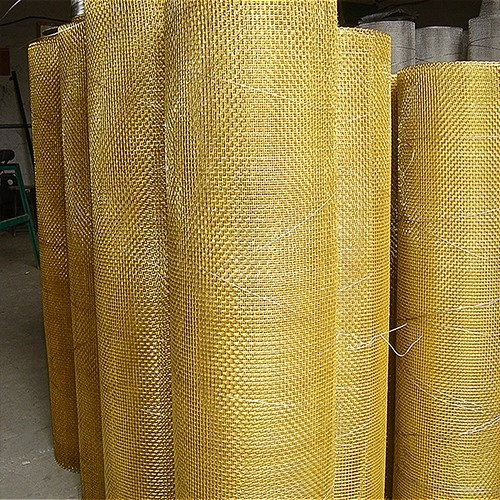
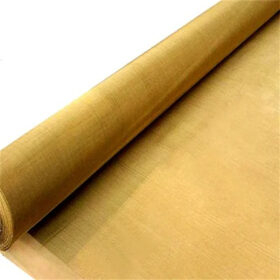
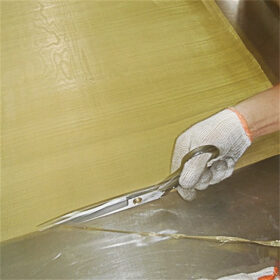
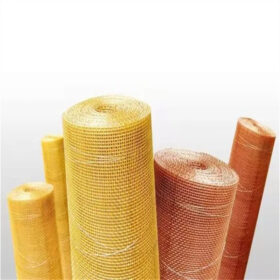
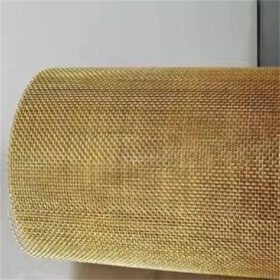
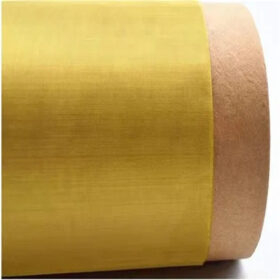
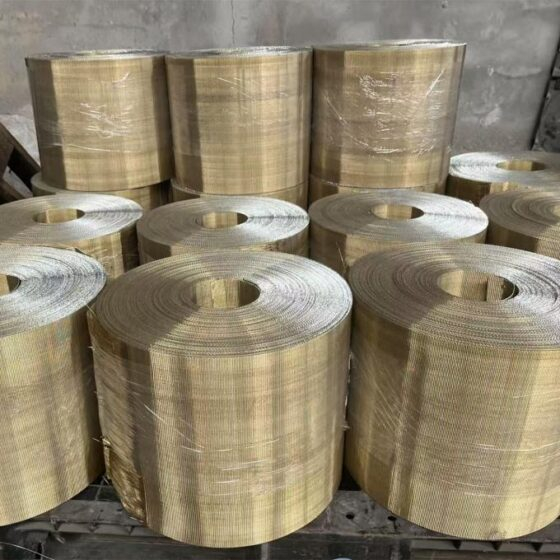
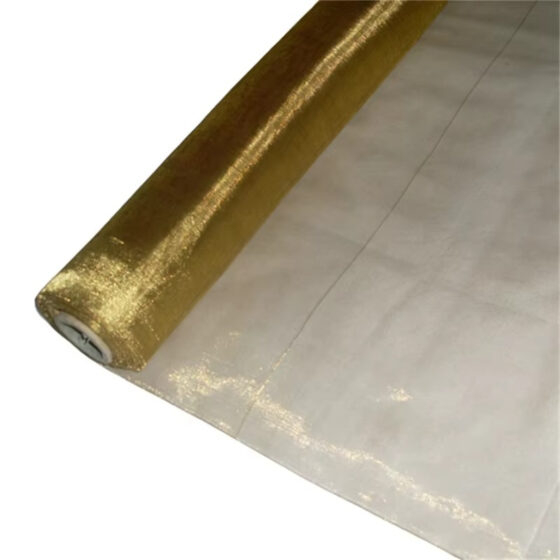
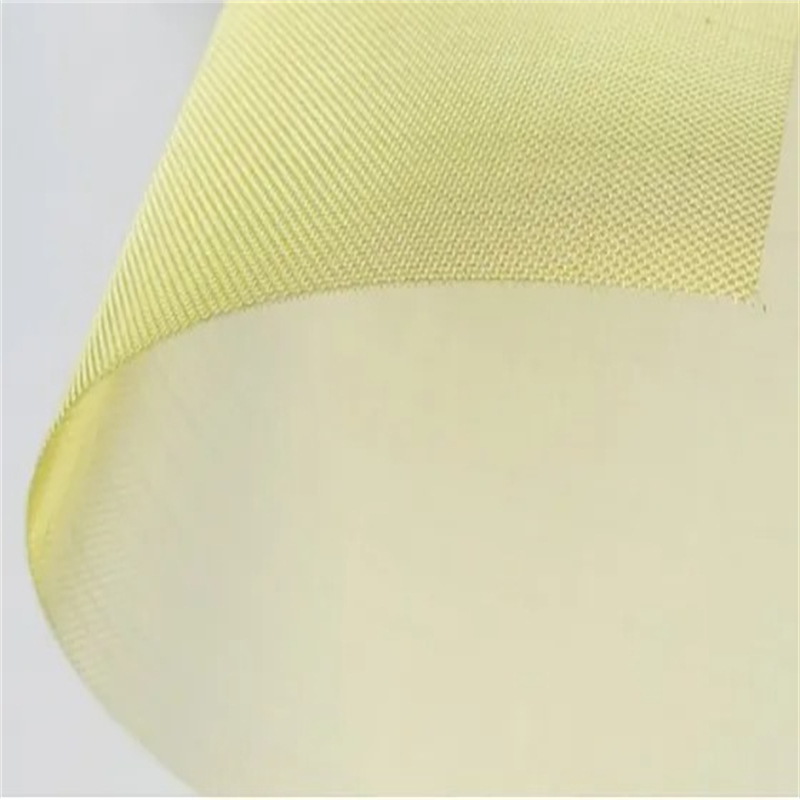
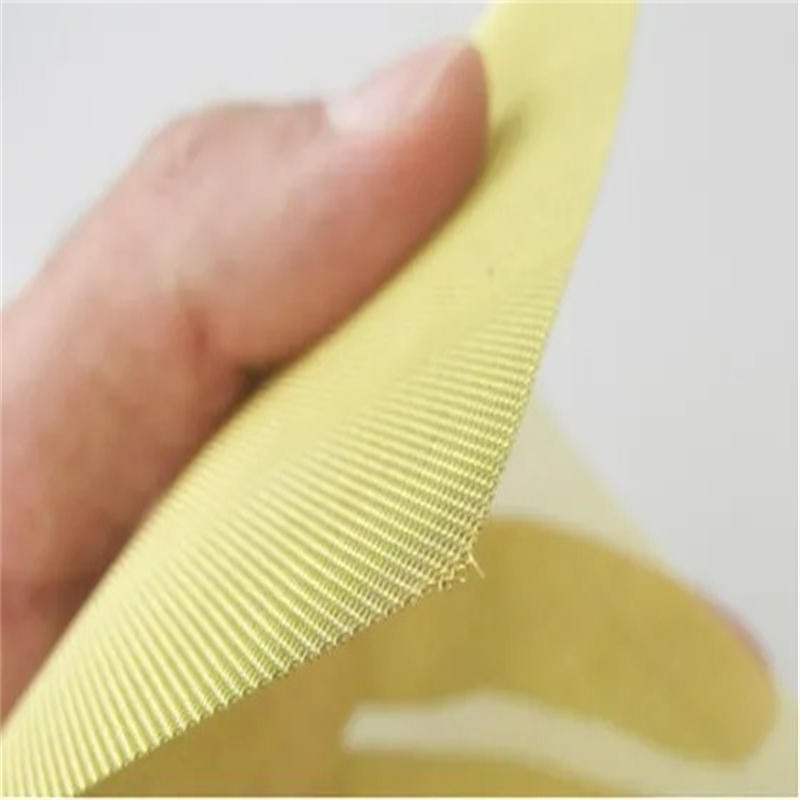
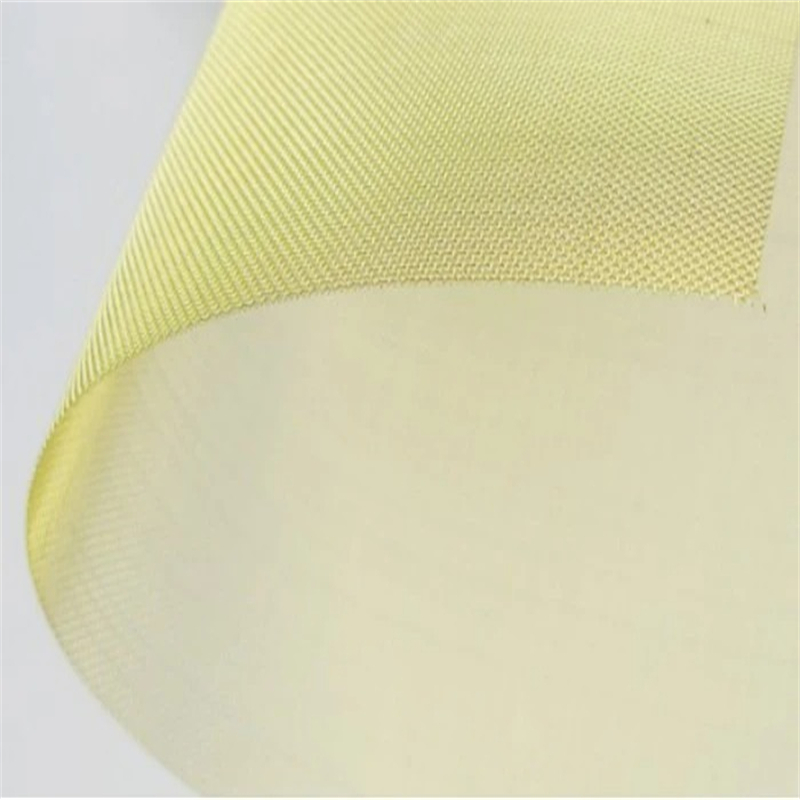
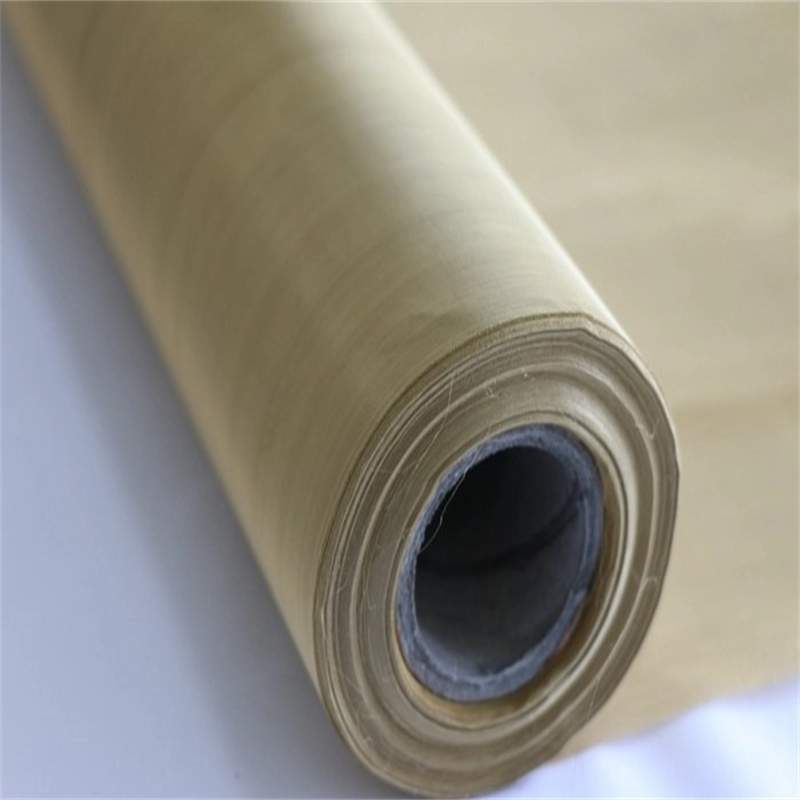
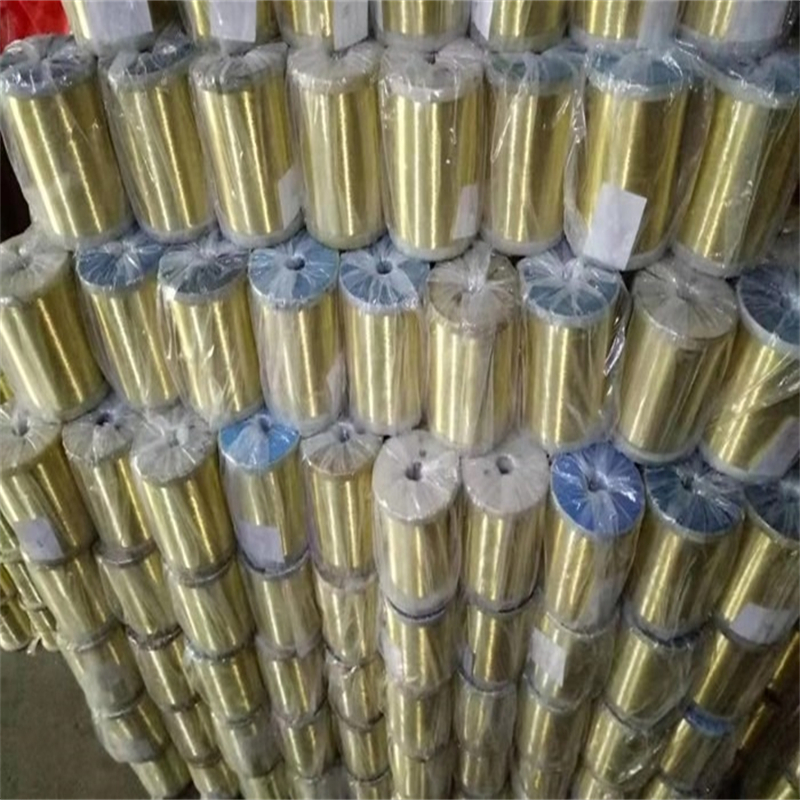
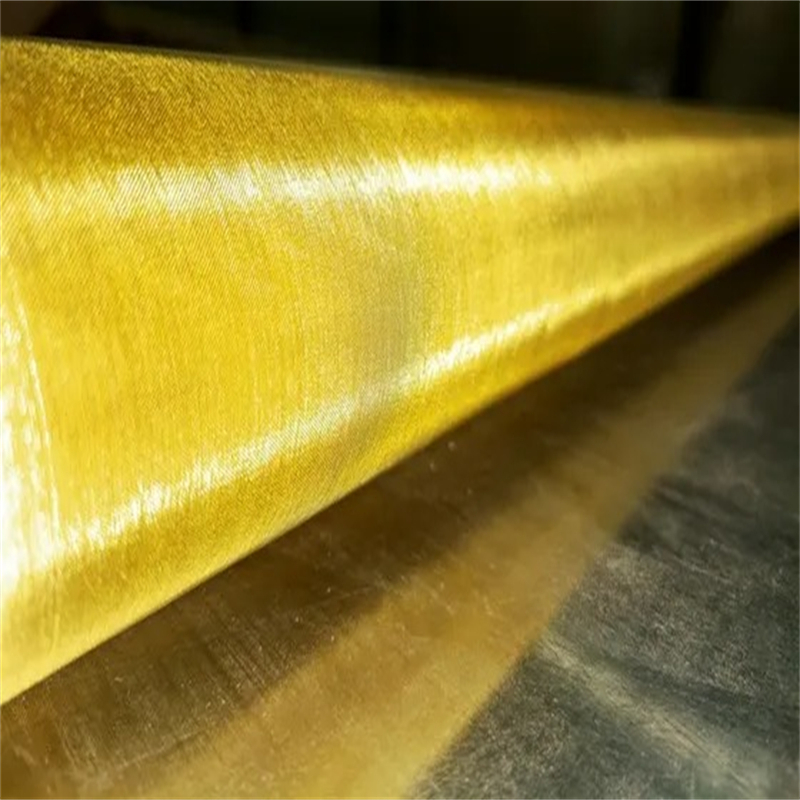
Brass wire mesh is a woven metal mesh with a golden-yellow appearance, produced from brass wire.Brass is a copper–zinc alloy that combines good strength with excellent electrical and thermal conductivity.
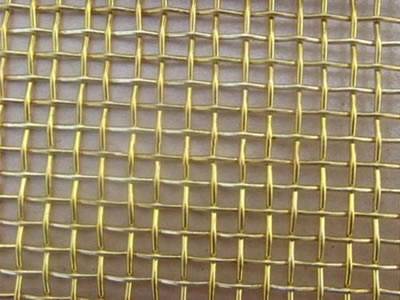
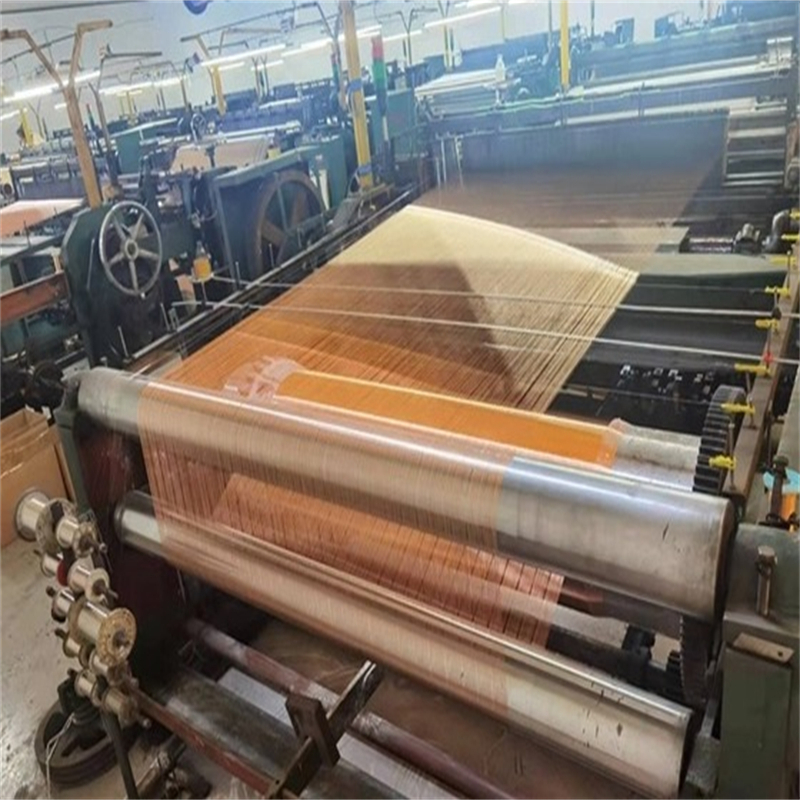
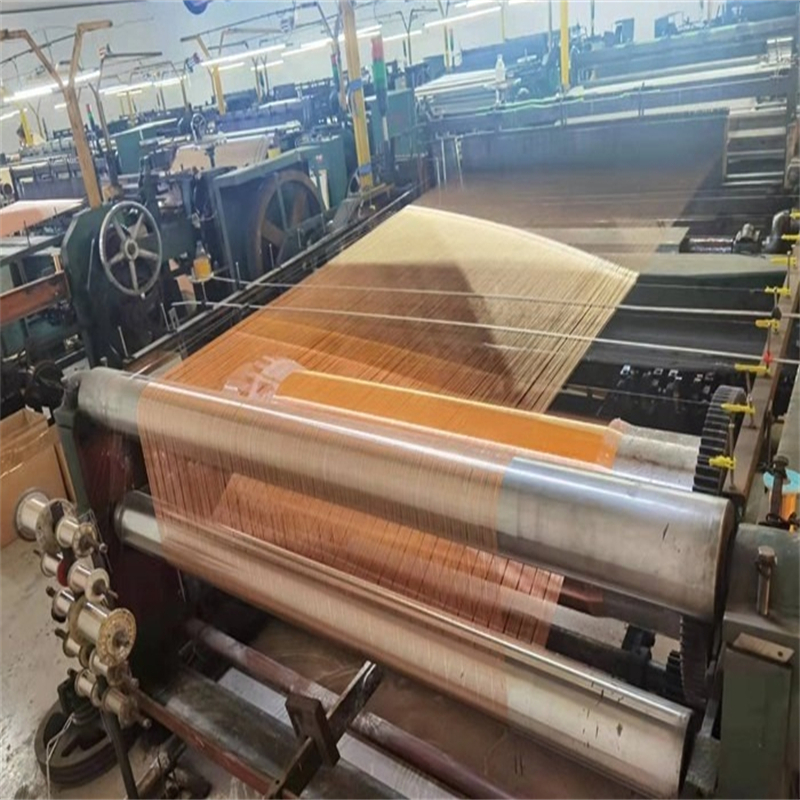
The zinc content in brass wire improves abrasion resistance and overall durability, making brass wire mesh suitable for filtration, screening, shielding and decorative applications.The most common grades for brass woven wire mesh are 65Cu and 70Cu, with typical compositions of approximately 65% copper / 35% zinc and 70% copper / 30% zinc. The most widely used weaving style for brass wire mesh is plain weave, offering a stable structure and uniform openings.Our brass woven mesh is produced to tight tolerances and inspected meter by meter to ensure consistent quality.
Chemical Composition of Brass Wire Mesh (Typical)
| Element | Symbol | Typical Content (wt%) | Remarks |
|---|---|---|---|
| Copper | Cu | 65–70% | Main component of brass wire mesh (65Cu / 70Cu grades) |
| Zinc | Zn | 30–35% | Improves strength and abrasion resistance |
| Lead (max) | Pb | ≤ 0.10% | Improves machinability (may be present in trace amounts) |
| Iron (max) | Fe | ≤ 0.05% | Typical impurity |
| Others (Sn, etc.) | – | ≤ 0.10% | Minor elements, usually controlled as impurities |
Physical Properties of Brass Wire Mesh (Typical)
| Property | Unit | Typical Value | Remarks |
|---|---|---|---|
| Density | g/cm³ | ≈ 8.4 – 8.7 | Depends slightly on exact Cu/Zn ratio |
| Melting Point (solidus–liquidus) | °C | ≈ 900 – 940 | Typical for yellow brass used in wire mesh |
| Tensile Strength | MPa | ≈ 300 – 600 | Lower for annealed mesh, higher for hard-drawn wire |
| Yield Strength | MPa | ≈ 150 – 450 | Varies with temper and mesh specification |
| Elongation | % | ≈ 5 – 40 | Higher elongation for soft/annealed brass wire mesh |
| Elastic Modulus (Young’s) | GPa | ≈ 100 – 110 | Typical for Cu–Zn brass alloys |
| Electrical Conductivity | % IACS | ≈ 25 – 30 | Lower than pure copper, sufficient for shielding mesh |
| Thermal Conductivity | W/m·K | ≈ 100 – 120 | Good heat conduction for screening and industrial use |
| Hardness | HV | ≈ 80 – 150 | Depends on wire temper (soft to hard) |
| Color | – | Golden yellow | Typical appearance of brass wire mesh |
Brass Wire Mesh Material & Specifications
Material: Brass wire (also known as yellow copper)
Brass wire mesh has:
- Good electrical and thermal conductivity
- Excellent plasticity – easy to form by hot and cold working
- Good corrosion resistance and wear resistance
- Stable square mesh openings, woven from different warp and weft wire sizes
Brass wire mesh range: 1 mesh – 200 mesh
Red copper mesh range: 1 mesh – 80 mesh
Phosphor bronze mesh range: 1 mesh – 400 mesh
The Brass Wire Mesh count (number of warp threads per inch) determines the aperture size.In general, the higher the mesh count, the smaller the opening and the finer the filtration performance.
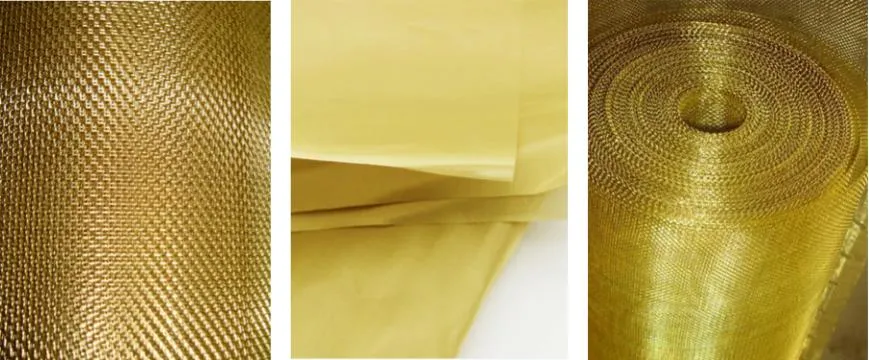
Micron Brass Woven Wire Mesh – Technical Details
| Product Name | Micron Brass Woven Wire Mesh |
| Certificate | SGS |
| Technique | Woven mesh (plain weave) |
| Material | Copper, brass, phosphor bronze (on request) |
| Mesh Opening | 0.05 mm – 22.4 mm |
| Size | Customized rolls or cut-to-size pieces |
Micron Brass Wire Mesh Features
- Anti-aging and anti-corrosion performance for long service life
- Cold and heat resistance, suitable for various environments
- High bearing and pressure capacity with good tensile strength
- Not easily deformed after loading, good dimensional stability
- Moisture-proof, cushioning and noise absorption properties
- Good insulation for certain electrical shielding applications
- Beautiful, attractive surface with unique yellow metallic luster
- Non-magnetic material
- Excellent electrical conductivity
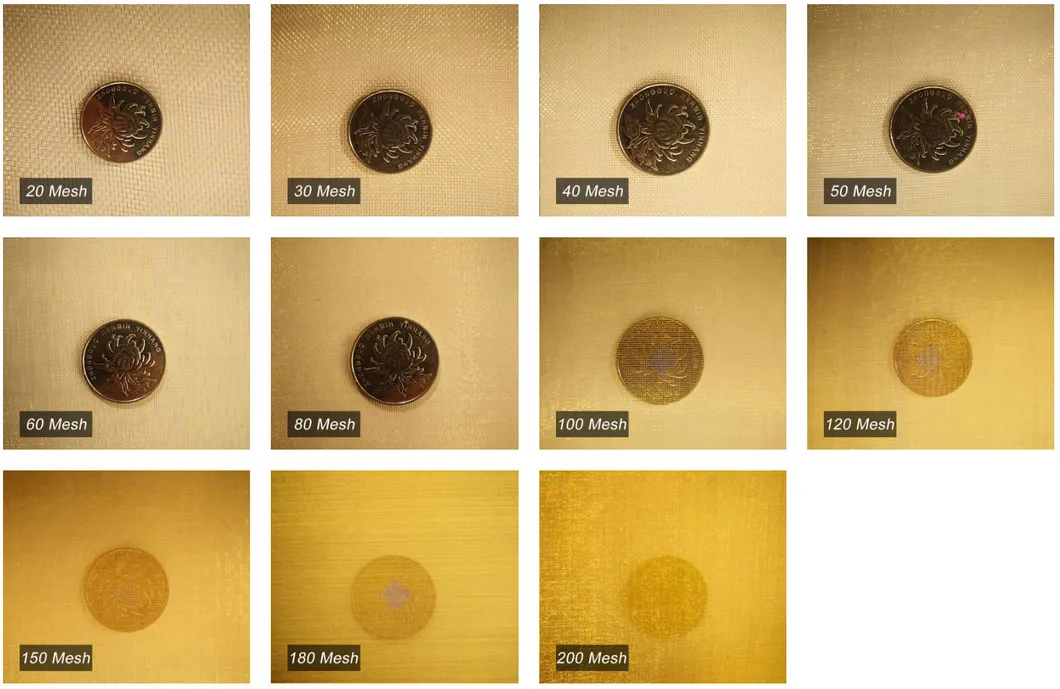
Brass Wire Mesh Applications
Brass wire mesh is widely used for:
- Screening and grading of particles, powders and porcelain clay
- Glass and porcelain printing
- Filtration of liquids and gases
- Newsprint and printing paper: 60–70 mesh copper mesh
- Typing paper: 90–100 mesh copper mesh
- Insect screens and window screens
- Decorative wire mesh for interiors and architecture
- Fireplace screens and lamp shades
- Battery current collectors, fuel cells and electrolyzers
- Test sieves and laboratory screens
- Wall cladding and interior decoration
- RFI / EMI / EMC shielding mesh and Faraday cages
Standard Brass Woven Mesh Sizes
| Brass Woven Mesh | ||||
| Mesh / linear inch | Wire diameter | Aperture | ||
| inch | mm | inch | mm | |
| 6×6 | 0.028 | 0.71 | 0.139 | 3.52 |
| 8×8 | 0.024 | 0.61 | 0.1 | 2.565 |
| 10×10 | 0.02 | 0.508 | 0.08 | 2.032 |
| 12×12 | 0.018 | 0.457 | 0.0656 | 1.66 |
| 14×14 | 0.016 | 0.417 | 0.055 | 1.397 |
| 16×16 | 0.014 | 0.345 | 0.049 | 1.243 |
| 18×18 | 0.012 | 0.315 | 0.043 | 1.096 |
| 20×20 | 0.012 | 0.315 | 0.0376 | 0.955 |
| 20×20 | 0.012 | 0.315 | 0.033 | 0.84 |
| 24×24 | 0.012 | 0.315 | 0.0293 | 0.743 |
| 26×26 | 0.0116 | 0.295 | 0.0269 | 0.682 |
| 28×28 | 0.0116 | 0.295 | 0.024 | 0.612 |
| 30×30 | 0.011 | 0.247 | 0.0226 | 0.573 |
| 32×32 | 0.01 | 0.254 | 0.0213 | 0.54 |
| 34×34 | 0.0092 | 0.234 | 0.0202 | 0.513 |
| 36×36 | 0.0092 | 0.234 | 0.0186 | 0.472 |
| 38×38 | 0.0084 | 0.213 | 0.0179 | 0.455 |
| 40×40 | 0.0076 | 0.193 | 0.0174 | 0.442 |
| 50×50 | 0.0068 | 0.173 | 0.0132 | 0.335 |
| 60×60 | 0.0068 | 0.173 | 0.0098 | 0.25 |
| 80×80 | 0.0048 | 0.122 | 0.0077 | 0.196 |
| 90×90 | 0.0044 | 0.112 | 0.0067 | 0.17 |
| 100×100 | 0.00393 | 0.1 | 0.006 | 0.154 |
| 120×120 | 0.0032 | 0.081 | 0.0052 | 0.131 |
| 150×150 | 0.0024 | 0.061 | 0.0043 | 0.108 |
| 160×160 | 0.0024 | 0.061 | 0.0039 | 0.098 |
| 180×180 | 0.002 | 0.051 | 0.0035 | 0.09 |
| 200×200 | 0.002 | 0.051 | 0.003 | 0.076 |
Conclusion
In summary, brass wire mesh combines attractive golden appearance, reliable mechanical strengthand excellent electrical and thermal conductivity, making it an ideal choice for filtration, screening,
shielding and decorative applications. With customizable mesh counts, wire diameters, sizes and surfacetreatments, our brass wire mesh can be tailored to meet precise technical and aesthetic requirements.Whether you need industrial-grade media for separation and protection or a refined material for architecturaldesign, our high-quality brass wire mesh offers a durable, versatile and cost-effective solution.