Your One-Stop Wire Mesh Fence Supplier | POLYMETAL
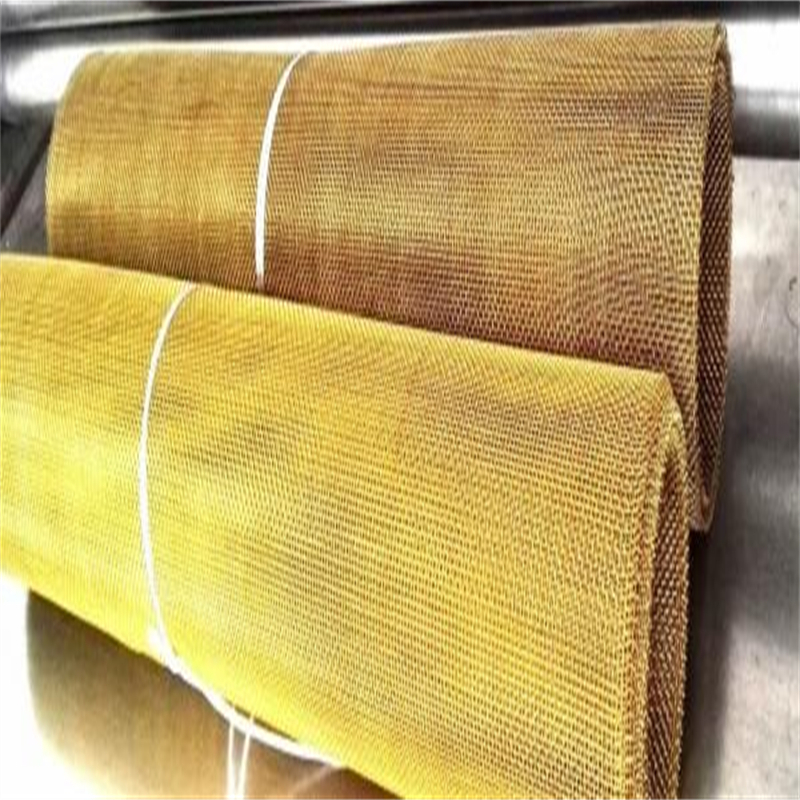


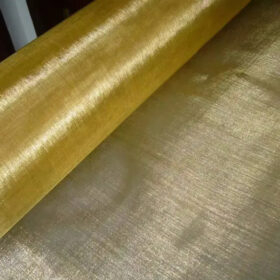
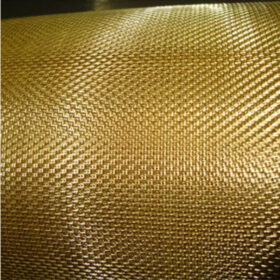
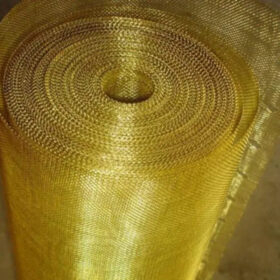
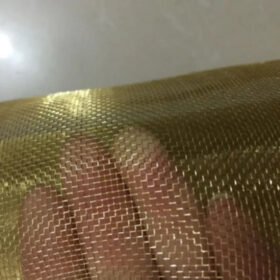
and lower electrical conductivity, which makes it ideal for separation, filtration and decorative applications.Brass wire mesh, copper wire mesh and phosphor bronze wire mesh are extensively used for sieving diversified pellets and powders,porcelain clay and glass, chinaware printing, and filtering liquid and gas in various industrial and laboratory processes.
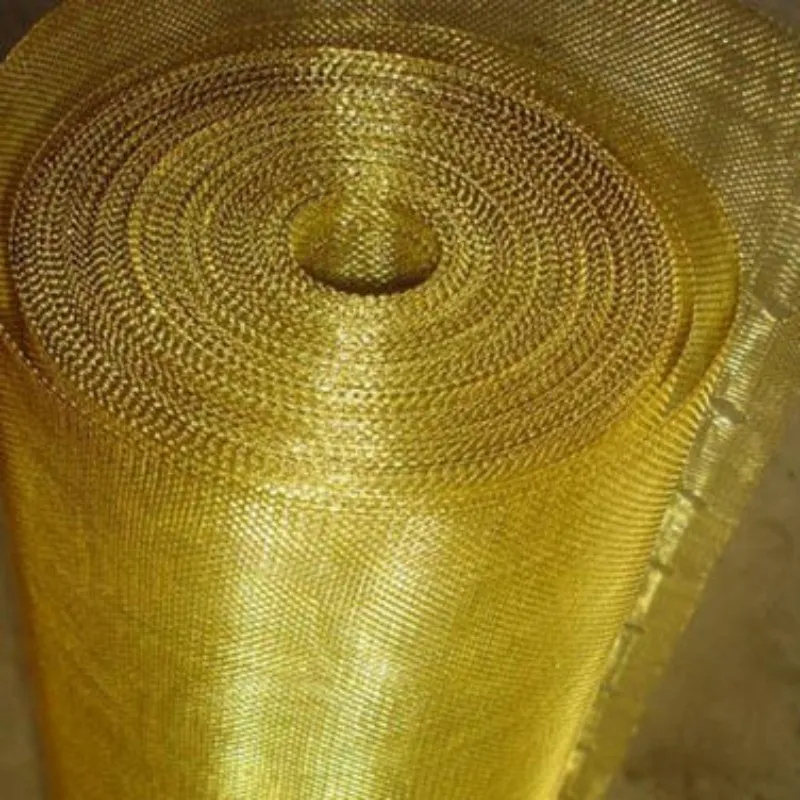
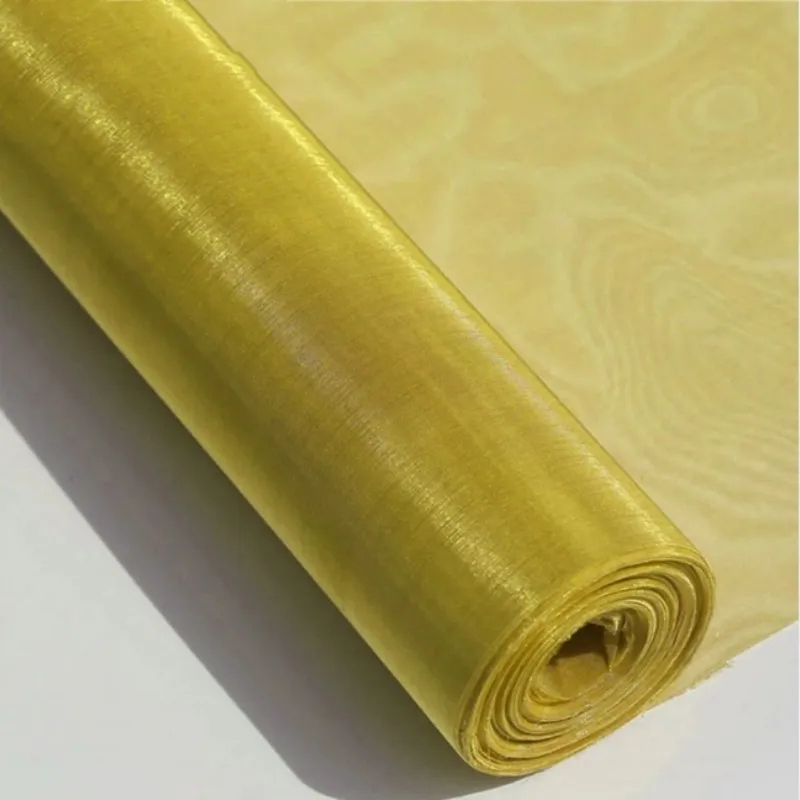
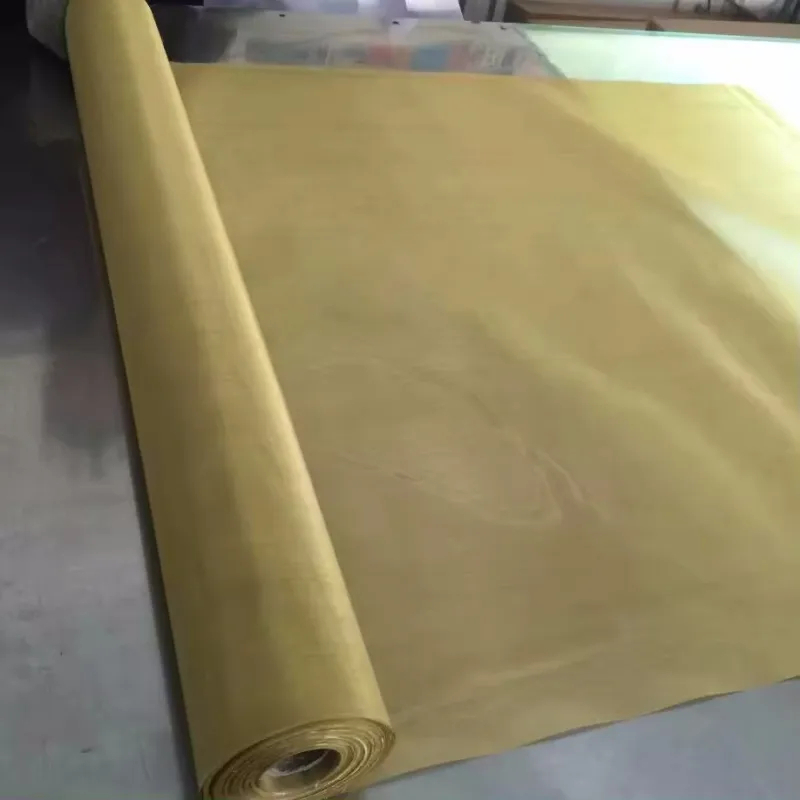
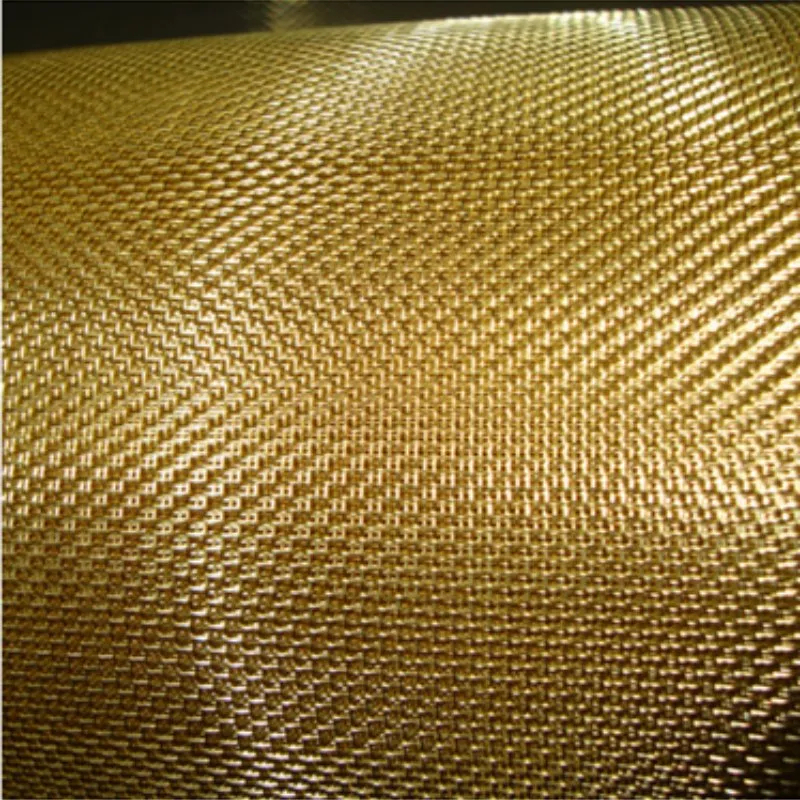
Material
- Brass wire (copper–zinc alloy)
- Phosphor bronze wire
- Copper wire
Key Features
- Good mechanical strength and better abrasion resistance than copper mesh
- Good corrosion resistance in normal and mildly aggressive atmospheres
- Lower electrical conductivity than pure copper, suitable for light EMI control and grounding
- Stable, uniform openings with accurate mesh count for reliable sieving and filtration
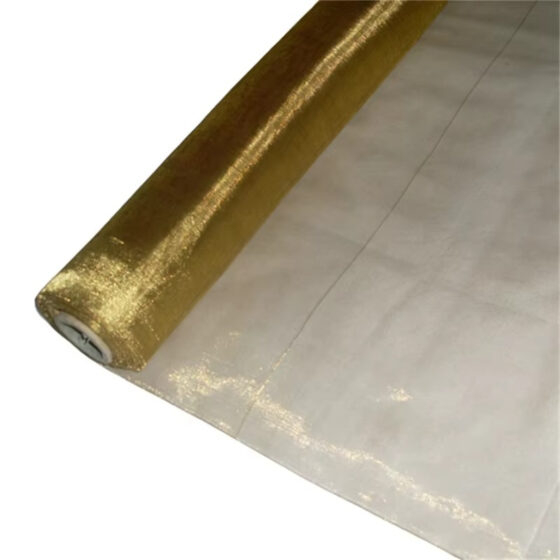
- Attractive golden metallic appearance, suitable for visible and decorative applications
Applications
- Sieving and grading various pellets and powders
- Separation and sifting of grain and other agricultural products
- Screening porcelain clay (porcelain earth) and glass particles
- Chinaware and ceramic printing screens
- Filtering liquids in chemical, petroleum, food and water treatment processes
- Filtering gases and air in ventilation and industrial systems
- Test sieves and laboratory analysis screens
- Insect screens for doors, windows and ventilation openings
- Protective screens for machinery and equipment (light to medium duty)
- Decorative panels for cabinets, radiator covers, bar fronts and furniture
- Architectural meshes for partitions, ceilings, wall cladding and balustrade infill
Specifications
- Brass wire cloth: 1 mesh/inch – 200 mesh/inch
- Copper wire cloth: 1 mesh/inch – 80 mesh/inch
- Phosphor bronze wire cloth: 1 mesh/inch – 400 mesh/inch
- Standard width: 0.914 m, 1.0 m, 1.5 m (other widths on request)
- Length per roll: 30 m or 100 ft
- Weaving methods: Plain weave, twill weave or Dutch weave
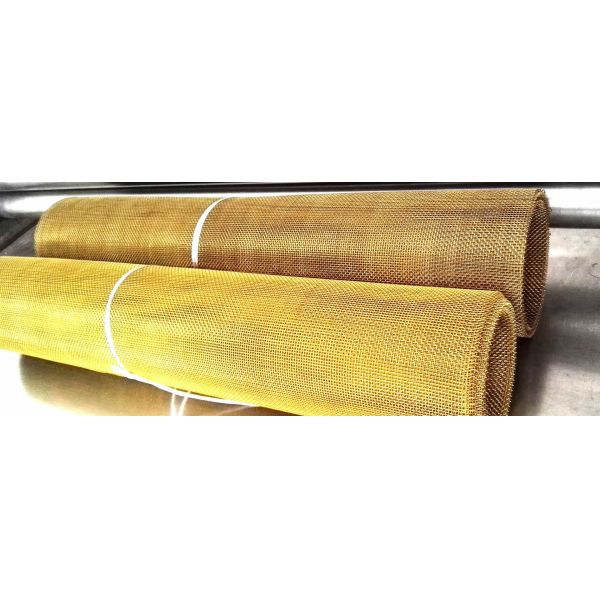
Specification
| Specification List of Brass Wire Mesh | |||||||||
| Mesh/Inch | Wire Dia (mm) | Opening (mm) | Open Area (%) | Weight (Kgs/m2) | Mesh/Inch | Wire Dia (mm) | Opening (mm) | Open Area (%) | Weight (Kgs/m2) |
| 4 | 1.60 | 4.75 | 56% | 5.47 | 60 | 0.15 | 0.273 | 41% | 0.72 |
| 4 | 1.00 | 5.35 | 71% | 2.14 | 70 | 0.13 | 0.232 | 41% | 0.63 |
| 6 | 0.80 | 3.43 | 65% | 2.07 | 80 | 0.12 | 0.197 | 39% | 0.61 |
| 8 | 0.70 | 2.47 | 61% | 2.09 | 90 | 0.11 | 0.172 | 37% | 0.58 |
| 10 | 0.50 | 2.04 | 65% | 1.33 | 100 | 0.10 | 0.154 | 37% | 0.53 |
| 12 | 0.40 | 1.71 | 66% | 1.02 | 110 | 0.09 | 0.141 | 37% | 0.47 |
| 14 | 0.40 | 1.41 | 61% | 1.19 | 120 | 0.08 | 0.132 | 39% | 0.41 |
| 16 | 0.30 | 1.28 | 66% | 0.77 | 130 | 0.07 | 0.125 | 41% | 0.34 |
| 18 | 0.30 | 1.11 | 62% | 0.86 | 140 | 0.07 | 0.111 | 38% | 0.36 |
| 20 | 0.28 | 0.99 | 61% | 0.83 | 150 | 0.06 | 0.109 | 42% | 0.28 |
| 20 | 0.25 | 1.02 | 65% | 0.66 | 160 | 0.06 | 0.098 | 38% | 0.30 |
| 30 | 0.27 | 0.57 | 46% | 1.17 | 180 | 0.05 | 0.091 | 42% | 0.24 |
| 40 | 0.20 | 0.43 | 47% | 0.85 | 200 | 0.05 | 0.077 | 37% | 0.26 |
| 50 | 0.15 | 0.35 | 50% | 0.60 | 220 | 0.04 | 0.075 | 42% | 0.18 |
| (Roll width): 0.60 m – 2.9 m | |||||||||
Packing & Supply
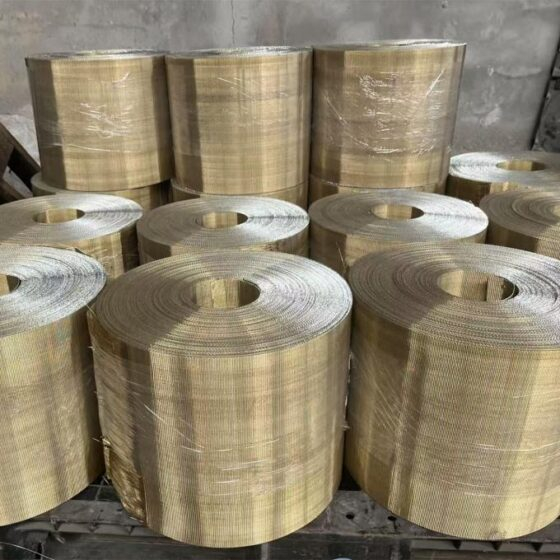
- Supplied in rolls or cut-to-size sheets
- Standard roll length: 30 m or 100 ft
- Rolls wrapped with moisture-proof paper or plastic film, then packed in wooden cases or pallets
- Custom dimensions and fabrication (cutting, forming, framing) available on request


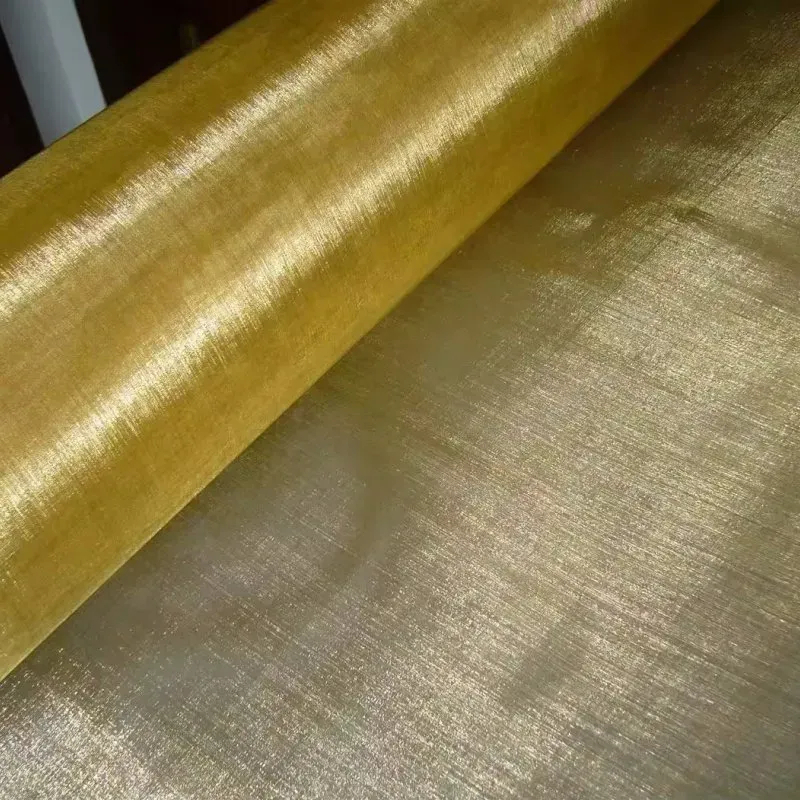
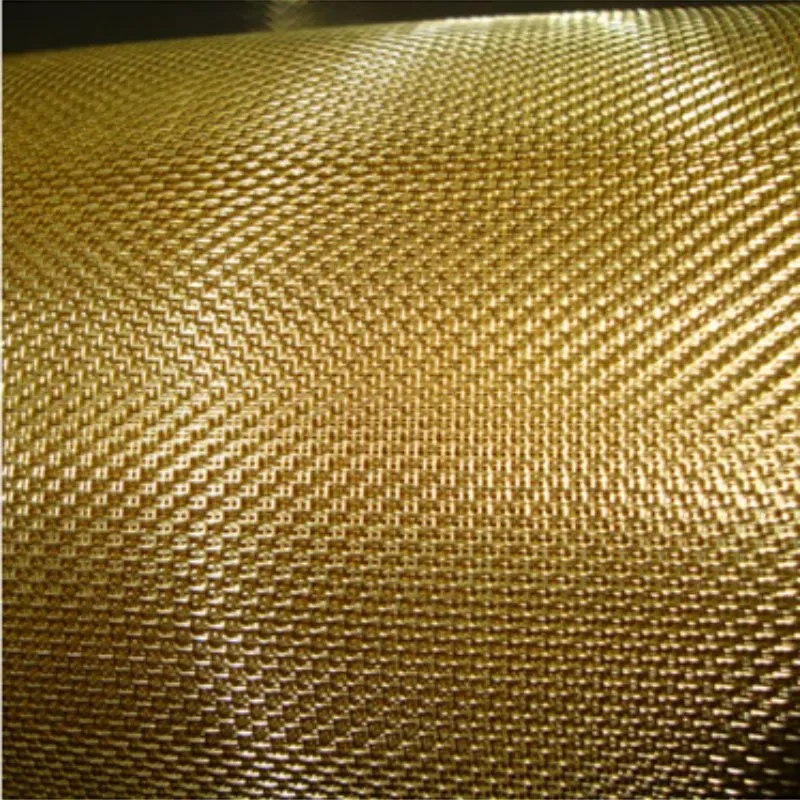
difference between brass wire mesh and copper wire mesh
Material Composition
Brass wire mesh is made from an alloy of copper and zinc. The zinc content makes the material harder and stronger than pure copper.
Copper wire mesh is made from almost pure copper, with a very high copper content and no significant alloying elements like zinc or tin.
Because of this, brass behaves like a stronger structural metal, while copper behaves more like a highly conductive but softer metal.
Colour and Appearance
Brass wire mesh has a bright golden-yellow colour. It looks similar to gold and is very popular for visible, decorative applications such as cabinet inserts, radiator covers, bar fronts and architectural panels.
Copper wire mesh has a reddish-orange colour when new. Over time it darkens to brown and can develop a green patina in outdoor or humid environments. This aged copper look is often used when designers want a natural or antique metal effect.
Strength and Wear Resistance
Brass wire mesh is generally stronger and more wear-resistant than copper wire mesh. It withstands rubbing, vibration and repeated sieving of pellets or powders better, and it keeps its shape more under mechanical load.
Copper wire mesh is softer and easier to deform. It is excellent for forming and shaping, but it is not ideal where there is heavy mechanical wear, tension or impact.
Electrical and Thermal Conductivity
Copper wire mesh has much higher electrical and thermal conductivity than brass. That is why copper mesh is usually chosen for EMI/RFI shielding, Faraday cages, grounding, static discharge and other applications where low resistance and strong shielding are important.
Brass wire mesh still conducts electricity and heat, but at a lower level. It is suitable for light shielding or grounding where conductivity is helpful but not the main design requirement, and where strength or appearance is more important.
Corrosion Behaviour
In normal indoor conditions and mild outdoor environments, both brass and copper wire mesh perform well.
Copper tends to change colour faster, forming a darker oxide layer and possibly a green patina. This usually does not harm performance but strongly affects the appearance.
Brass has good corrosion resistance in many neutral or mildly corrosive atmospheres and is more resistant to wear. In very aggressive, acidic or marine environments, both materials can be attacked, and phosphor bronze or stainless steel mesh is often a better choice.
Typical Applications of Brass Wire Mesh
Brass wire mesh is commonly used for sieving pellets and powders, grain separation, screening porcelain clay and glass, filtering liquids and gases in non-aggressive environments, printing on chinaware, insect screens, speaker grilles and many decorative or architectural meshes where the golden colour is a key selling point.
Typical Applications of Copper Wire Mesh
Copper wire mesh is mainly used where electrical properties are critical. Typical uses include Faraday cages, shielded rooms and enclosures, secure communication facilities, grounding screens, transformer and generator shielding, high-frequency scientific and medical equipment, and light-duty technical screening in clean, controlled environments.
Simple Selection Guide
If your priority is strong conductivity and shielding, copper wire mesh is usually the better choice.
If your priority is better mechanical strength, wear resistance and a golden decorative look, brass wire mesh is usually the better choice.
Brass Wire Mesh FAQs
What is it ?
Brass wire mesh is a woven wire cloth made from brass wire, which is an alloy of copper and zinc.The wires are woven into a stable grid to create precise openings for sieving, screening, filtration and decorative applications.
What is brass wire mesh made of?
Brass wire mesh is typically composed of around 60–70% copper and 30–40% zinc.This composition gives the mesh a golden colour, good strength, better abrasion resistance than pure copper, and reliable corrosion resistance in many environments.
What is brass wire mesh used for?
Brass wire mesh is widely used for sieving pellets and powders, filtering liquid and gas,printing on porcelain and chinaware, screening porcelain clay and glass, insect screening,and decorative panels in architecture and interior design.
What are the advantages of brass wire mesh compared with copper mesh?
Compared with copper mesh, brass wire mesh offers better abrasion resistance, higher strength and improved wear performance, while still providing good corrosion resistance and conductivity.It is also less expensive than many high-performance alloys and has a more rigid feel for mechanical sieving.
Is brass wire mesh corrosion resistant?
Yes. Brass wire mesh has good corrosion resistance in normal indoor and mild outdoor environments,fresh water and many neutral media. In very aggressive, marine or strongly acidic conditions,stainless steel or phosphor bronze may be a better choice for long service life.
Is brass wire mesh suitable for outdoor use?
Brass mesh can be used outdoors in mild conditions. Over time, the surface will gradually darken and may develop a patina, which some designers prefer. For harsh marine or industrial atmospheres,a more corrosion-resistant alloy is recommended.
Is brass wire mesh magnetic?
No. Brass is a non-ferrous, non-magnetic metal, so brass wire mesh is generally non-magnetic.This makes it suitable around sensitive instruments and applications where magnetic interference must be avoided.
What mesh sizes are available in brass wire mesh?
Brass wire mesh is commonly available from coarse meshes such as 2–4 mesh per inch up to fine meshes around 200 mesh per inch. Coarse meshes are used for architectural and guard screens, while finer meshes are used for filtration and precision sieving.
How do I choose the right mesh count for my application?
Mesh count is the number of openings per inch. Lower mesh counts with larger openings are suitable for coarse separation and decorative use. Higher mesh counts with smaller openings are used for fine screening, filtration and printing. When selecting a mesh,consider particle size, required flow rate, strength requirements and the type of media being processed.
How is brass wire mesh supplied?
Brass wire mesh is usually supplied in rolls and cut-to-size sheets.Typical roll widths range from about 0.5 m to 2.0 m or more, with standard roll lengths such as 10–30 m or 100 ft. Custom sizes and fabricated pieces
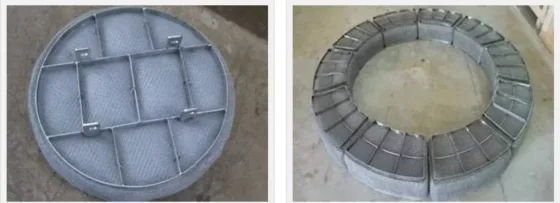
(discs, frames, screens) can also be supplied on request.
Can brass wire mesh be cut, bent and formed?
Yes. Brass is softer than stainless steel, so brass wire mesh can be cut, bent and formed relatively easily using hand tools or standard metalworking equipment. For very fine meshes, careful handling is recommended to avoid distortion of the openings.
Can brass wire mesh be soldered or welded?
Brass mesh can be joined by soft soldering, brazing or resistance spot weldingwith suitable equipment and filler materials. Soldering is commonly used to attach mesh to frames, rings and fittings for filters and screens.
How do I clean and maintain brass wire mesh?
For routine cleaning, use a soft brush or cloth with mild detergent and warm water,then rinse and dry thoroughly. Avoid highly acidic or alkaline cleaners that may attack the brass. If a natural patina is desired, the mesh can be left to age without polishing.
Will brass wire mesh change colour over time?
Yes. Like most copper-based alloys, brass will gradually oxidize, changing from bright yellow-gold to a darker, more muted tone and sometimes developing a greenish patina in certain environments. This visual change does not usually affect the mesh’s basic mechanical or filtration performance.
What weaving patterns are available for brass wire mesh?
Brass wire mesh is most commonly woven in plain weave, but twill weave, Dutch weave and other special patterns are also available. These weaves are used to adjust strength, filtration performance and surface appearance for different applications.