Your One-Stop Wire Mesh Fence Supplier | POLYMETAL
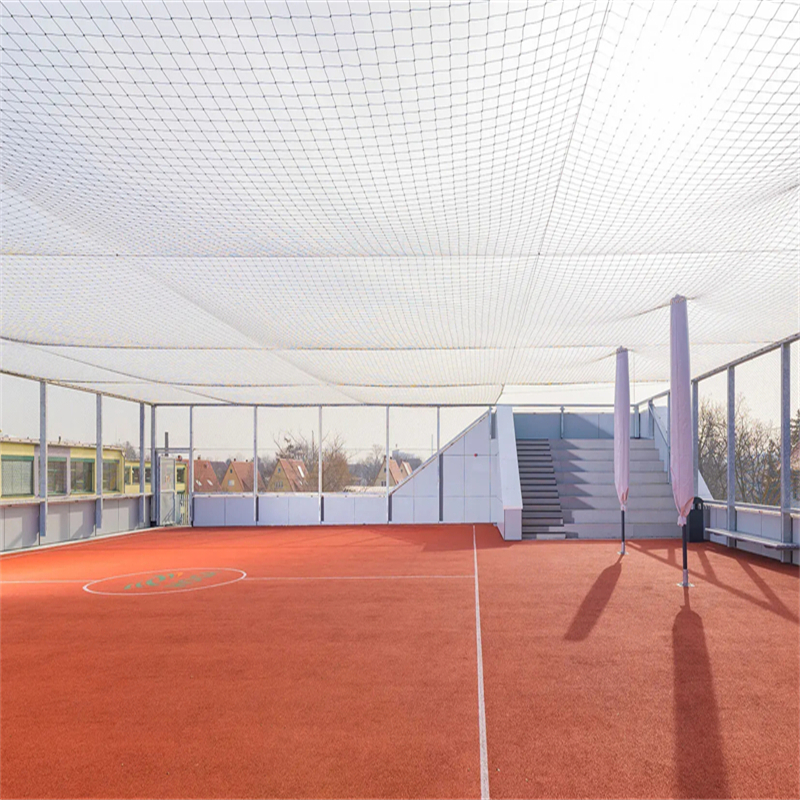

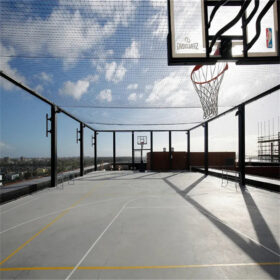
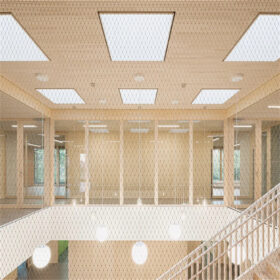
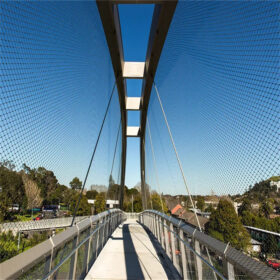

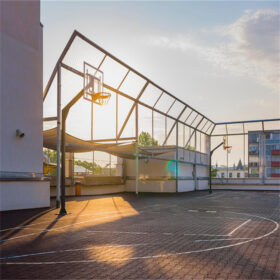
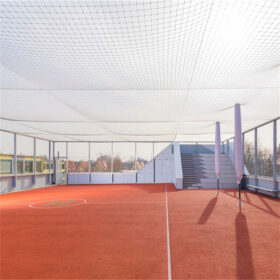
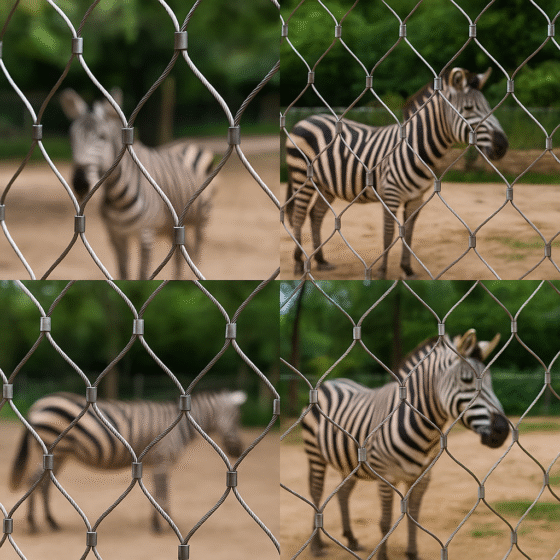
A stainless steel rope mesh ceiling fall protection safety mesh is a flexible, high-strength cable net system installed at or below ceiling level to prevent people, tools and objects from falling through roof structures, atriums or overhead openings. Unlike textile nets or welded wire panels, stainless steel rope mesh combines excellent strength, long service life and a very open, lightweight appearance, making it suitable for architectural, industrial and public buildings.
This type of mesh is often used beneath glass roofs, skylights, atriums, overhead walkways, bridge decks and indoor sports roofs as a permanent fall-protection and anti-drop barrier that remains discreet in daily use.
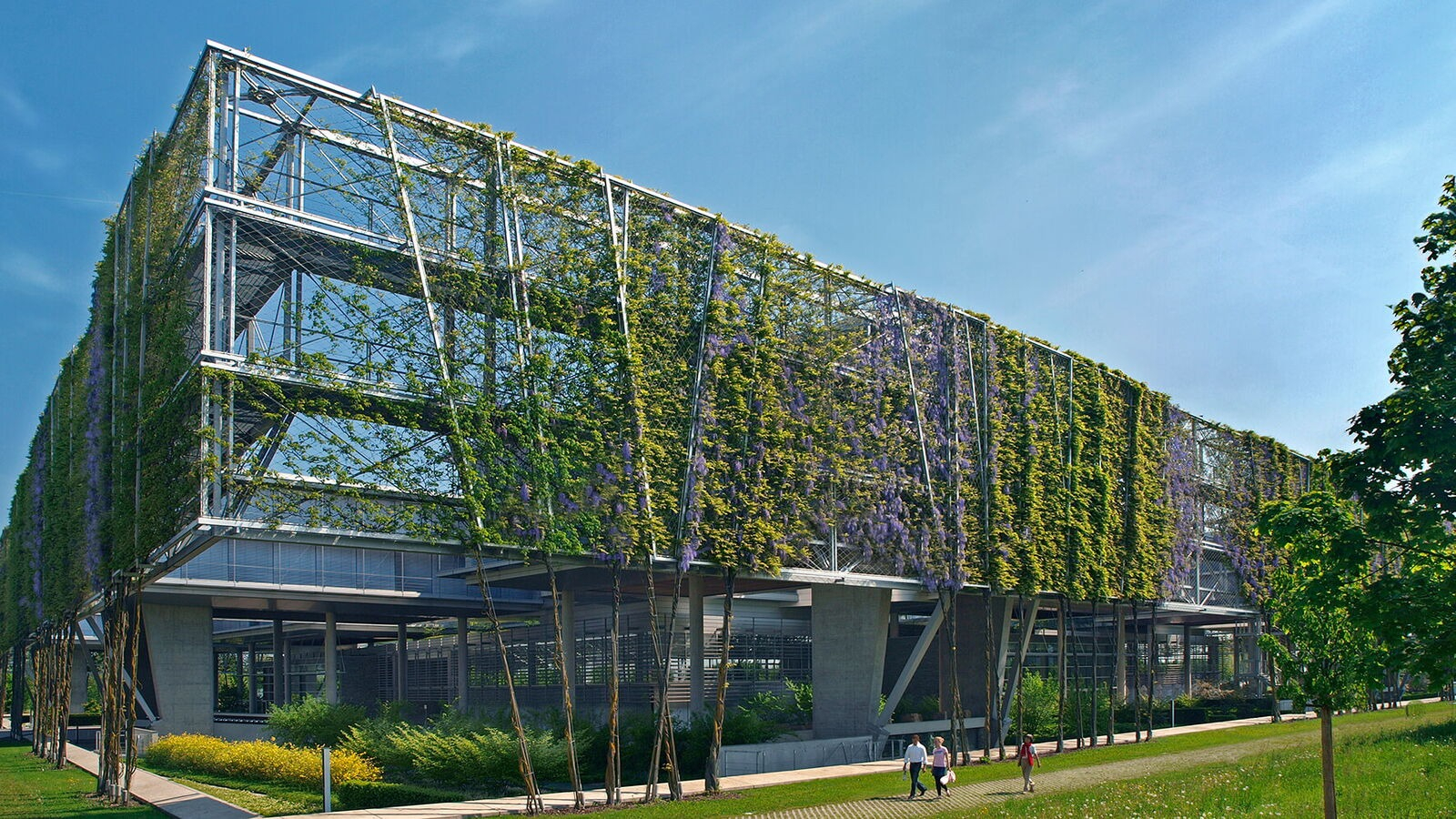
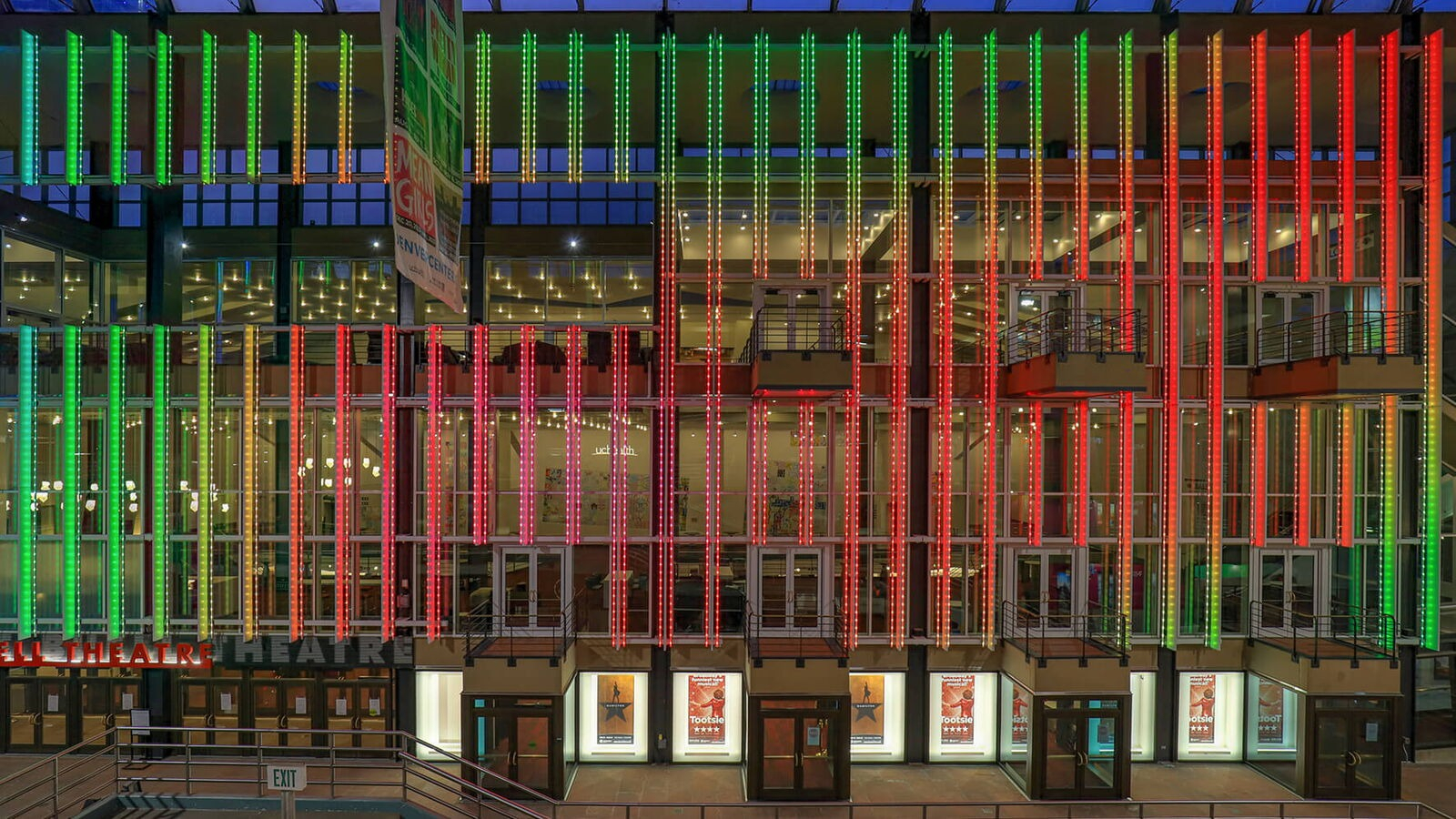
Materials and Rope Construction ceiling fall protection safety mesh
Ceiling fall protection rope mesh is produced from austenitic stainless steel wire ropes, commonly in grades:
- AISI 304 / 304L for indoor environments and mild outdoor conditions.
- AISI 316 / 316L for coastal, industrial or highly exposed locations where higher corrosion resistance is needed.
The mesh is formed from multi-strand wire ropes, usually in 7×7 or 7×19 constructions. These give a good balance of flexibility and tensile strength. Typical wire diameters for ceiling safety applications range from about 1.5 to 3.2 mm:
- 1.5–2.0 mm for general overhead protection and object fall prevention.
- 2.0–2.4 mm where combined fall protection and architectural use are required.
- 3.0–3.2 mm in heavy-duty or long-span zones and where higher impact loads must be absorbed.
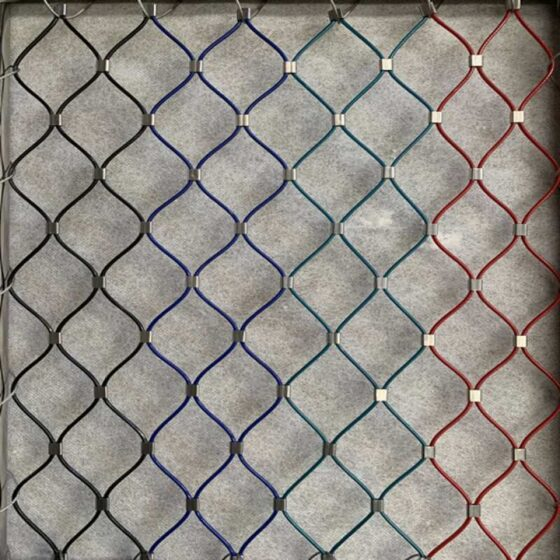
Ropes intersect at regular intervals and are connected either by hand-woven knots or by pressed stainless steel ferrules. Ferrule-type rope mesh is especially popular for architectural ceilings because it creates clean, regular diamond openings and is easy to fabricate in precise panel sizes.
Mesh Geometry and Typical Specifications
For ceiling fall protection, stainless steel rope mesh is usually supplied in a diamond pattern. The mesh aperture (opening size) and rope diameter are chosen according to:
- The required fall height and impact energy.
- Whether the main function is to stop people, tools or general debris.
- Any local code requirements on maximum opening size.
Common aperture ranges for overhead rope mesh include:
- Approximately 40 × 70 mm for higher safety and reduced climbability.
- Around 60 × 104 mm or 70 × 120 mm for mixed fall and object protection.
- Larger diamonds such as 80 × 140 mm or 100 × 173 mm where the focus is on preventing falls or large object drops and maintaining high transparency.
Panels are typically custom-made to fit the ceiling or roof bay, with border cables and edge details designed to anchor to beams, trusses or perimeter framing. Because the system works in tension, it can span relatively large distances with minimal additional steelwork when properly engineered.
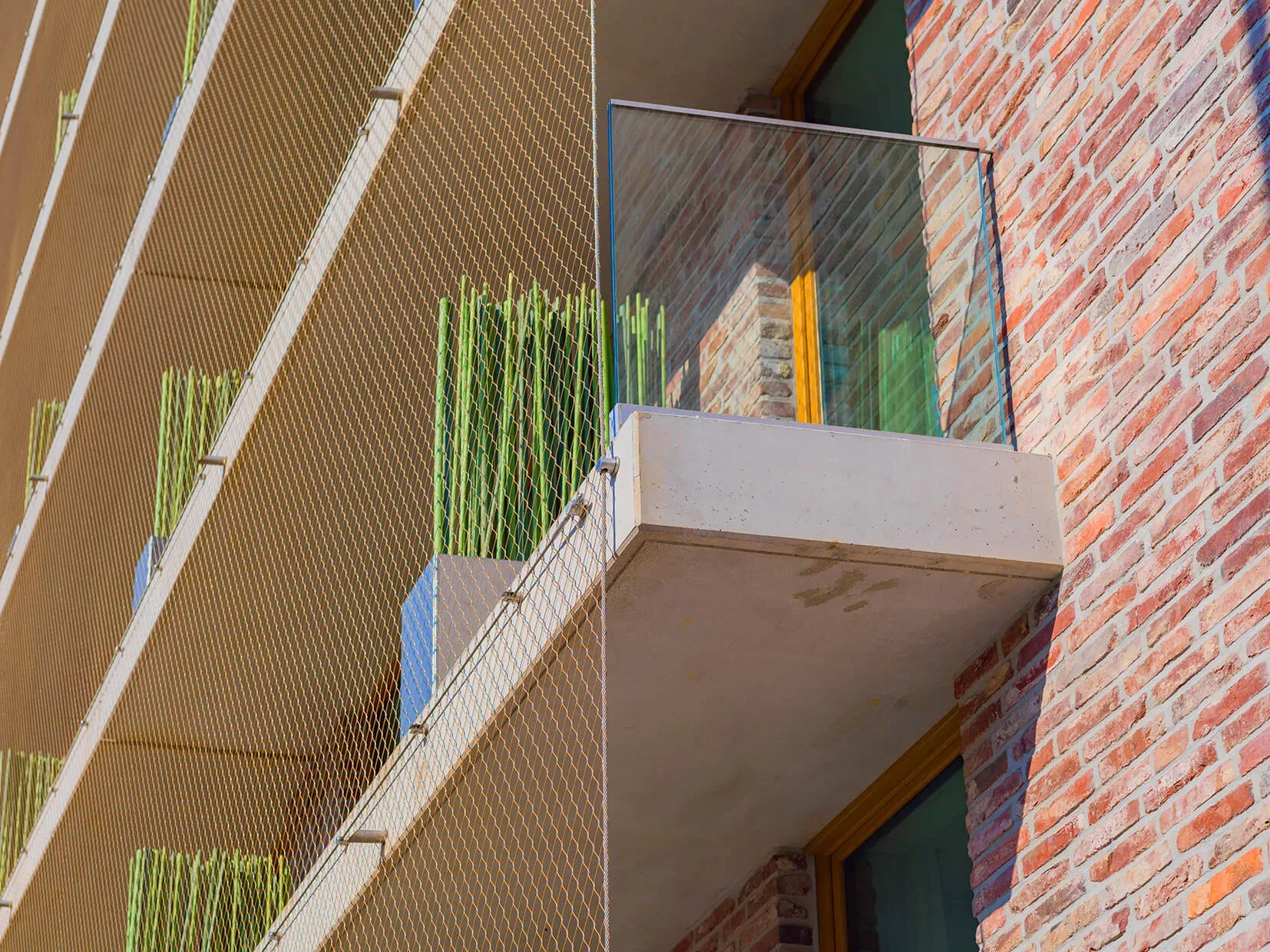
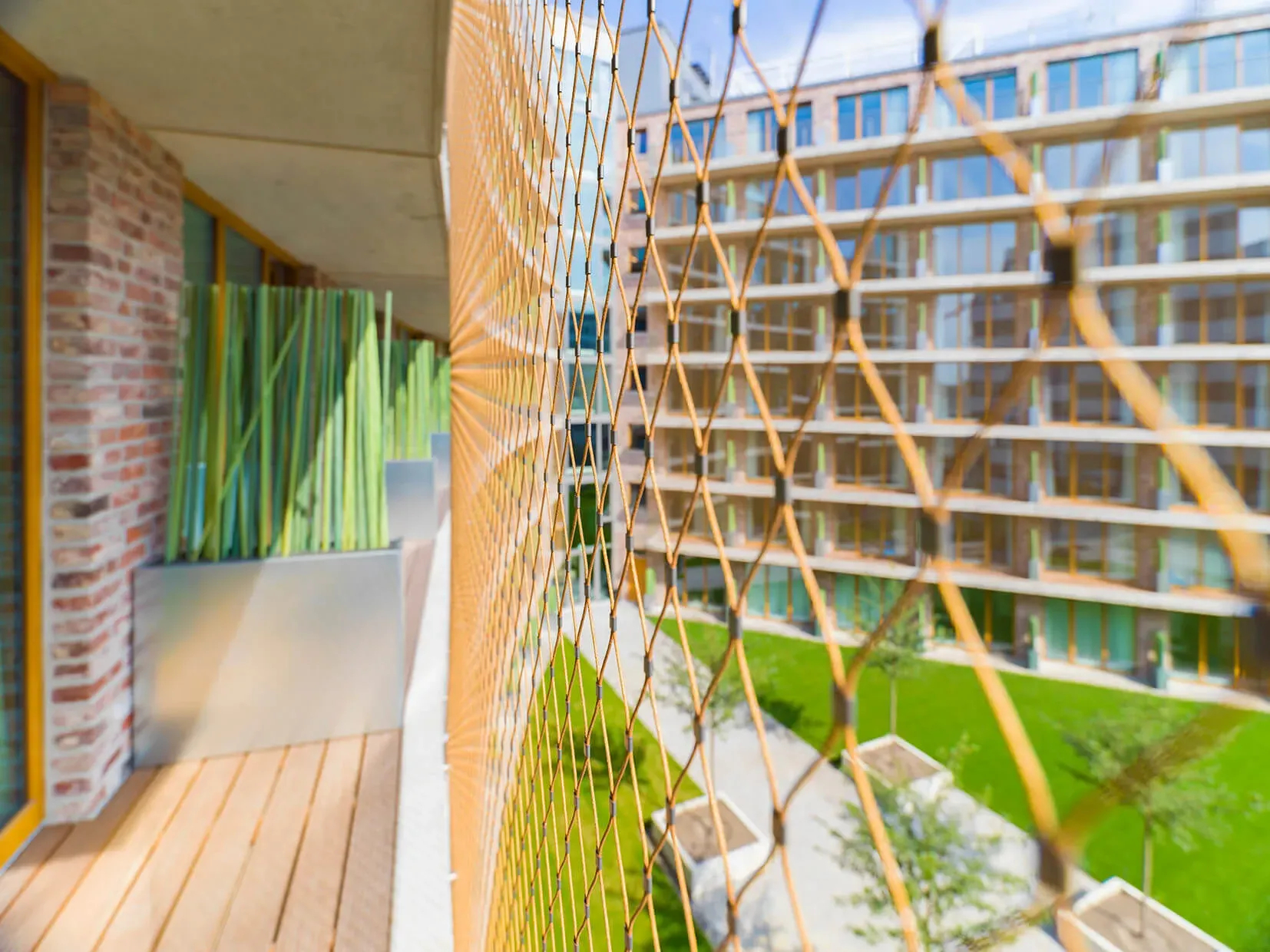
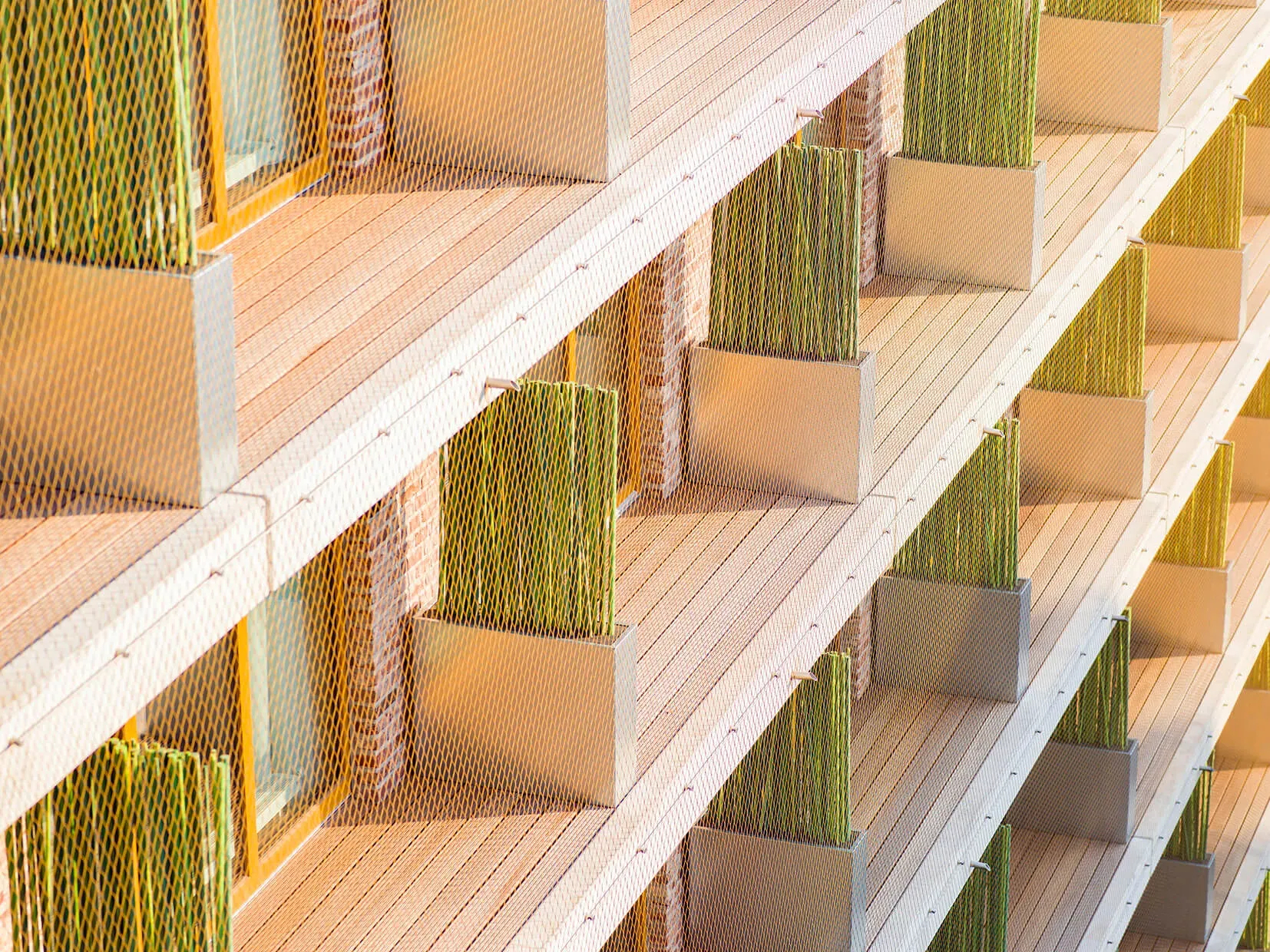
Stainless Steel Rope Mesh –ceiling fall protection safety mesh Specifications
| No. | Mesh aperture (OW × OH, mm) | Wire rope diameter (mm) | Wire structure | Material (wire / ferrule) | Approx. min. breaking load* |
|---|---|---|---|---|---|
| 1 | 40 × 70 | 1.5 | 7 × 7 | AISI 304 / 316 | ≈ 1.6 kN per cable |
| 2 | 50 × 90 | 1.5 | 7 × 7 | AISI 304 / 316 | ≈ 1.6 kN per cable |
| 3 | 60 × 105 | 2.0 | 7 × 7 | AISI 304 / 316 | ≈ 2.8 kN per cable |
| 4 | 70 × 120 | 2.0 | 7 × 7 | AISI 304 / 316 | ≈ 2.8 kN per cable |
| 5 | 80 × 140 | 2.0 | 7 × 7 | AISI 304 / 316 | ≈ 2.8 kN per cable |
| 6 | 80 × 140 | 2.4 | 7 × 7 | AISI 316 / 316L | ≈ 4.2 kN per cable |
| 7 | 100 × 175 | 2.4 | 7 × 7 | AISI 316 / 316L | ≈ 4.2 kN per cable |
| 8 | 120 × 210 | 3.0 | 7 × 19 | AISI 316 / 316L | ≈ 6.9 kN per cable |
| 9 | 160 × 280 | 3.0 | 7 × 19 | AISI 316 / 316L | ≈ 6.9 kN per cable |
| 10 | 200 × 350 | 3.2 | 7 × 19 | AISI 316 / 316L | ≈ 7.4 kN per cable |
*Breaking load values are typical minimum breaking loads of the wire rope itself. Final design must apply safety factors according to local codes and project requirements.
Main Ceiling and Overhead Applications ceiling fall protection safety mesh
Within the stainless steel rope mesh family, ceiling fall protection safety mesh is used in several key scenarios:
- Under glass roofs and skylights
Rope mesh is installed beneath glass or polycarbonate panels so that if a panel fails or a person steps onto a fragile section, the mesh provides a secondary catch layer. - Atriums and internal voids
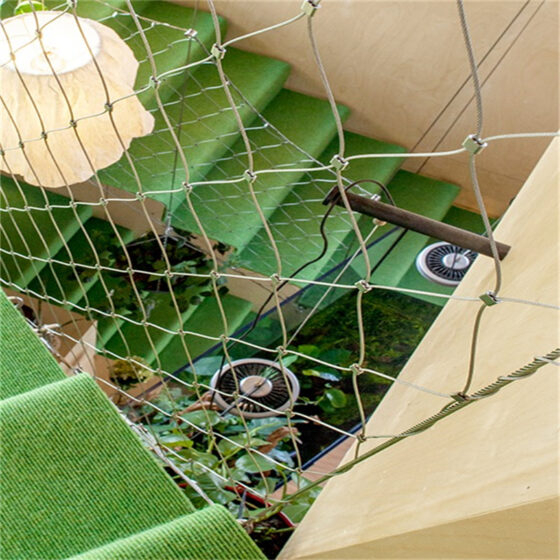
In shopping centres, office buildings and hotel atriums, mesh ceilings or sloping overhead nets protect people below from falling objects and can be designed to arrest a fall from maintenance walkways or upper levels. - Under overhead walkways and bridges
Stainless steel rope mesh installed beneath catwalks, service platforms or internal bridges stops tools and components from dropping onto areas below and can be designed as a fall-arrest layer for maintenance personnel. - Sports halls and multi-use halls
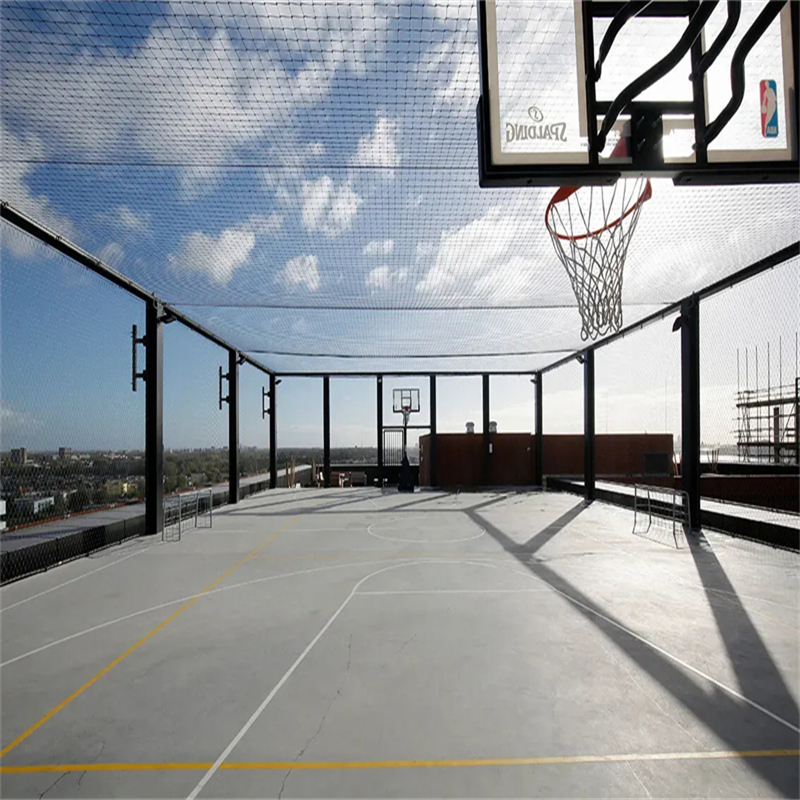
In indoor sports buildings, overhead rope mesh can combine fall protection for maintenance access with ball-stop and object-catch functions, without blocking light or visibility. - Industrial roofs and plant decks
Under structural steel trusses or plant platforms, rope mesh forms a permanent protective ceiling that reduces the risk of injuries from falling equipment, fasteners and components.
Key Benefits of Stainless Steel Rope Mesh for Ceiling Fall Protection
Focusing only on stainless steel rope mesh, the main advantages for ceiling fall protection safety mesh are:
High strength and reliable performance
Stainless steel rope mesh has very high tensile capacity relative to its weight. When correctly specified and tensioned, it can absorb impact energy from falls and falling objects, transmitting loads into the supporting structure with controlled deflection.
Durability and corrosion resistance
Unlike textile nets, stainless steel rope mesh does not suffer from UV degradation, creep or embrittlement. In grades 304 and especially 316, it withstands moisture, temperature changes and cleaning cycles over many years, making it suitable for permanent installation.
Fire and heat resistance
All-metal construction means the system maintains integrity at temperatures that would damage synthetic materials. This is important in public and industrial buildings where fire performance is part of the overall safety concept.
High transparency and lightweight appearance
The combination of slender cables and open diamonds produces a ceiling that is visually light. From normal viewing distances, the mesh almost disappears, preserving the architecture, lighting design and sense of openness while still providing full protection.
Design flexibility
Stainless steel rope mesh can follow curved ceilings, sloping roofs and irregular steelwork. It can be tensioned in different geometries, combined with lighting features or used as a substrate for decorative or acoustic panels. This flexibility allows safety and design to be solved with one integrated system.
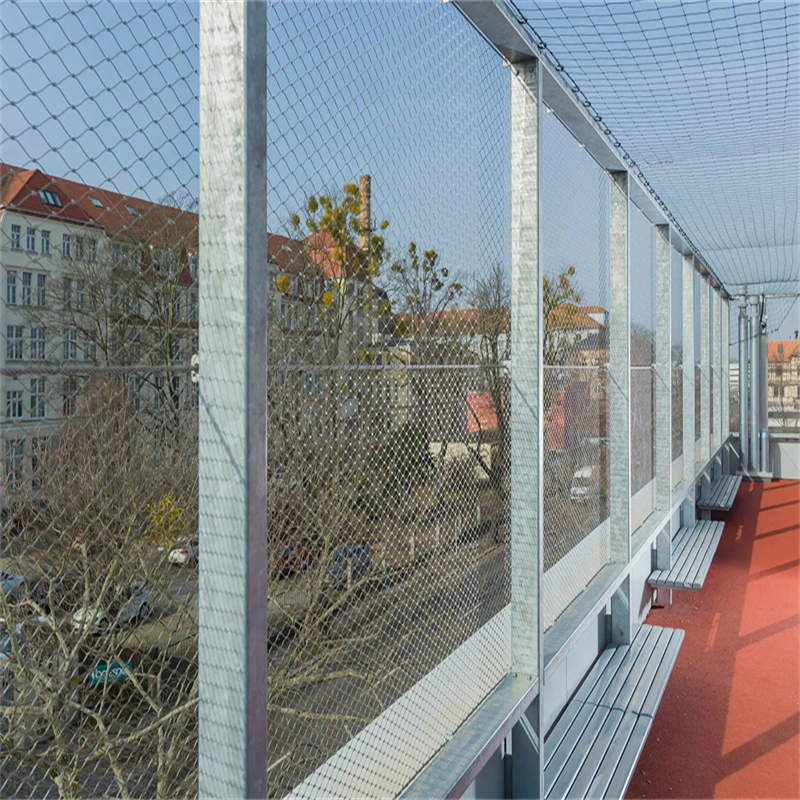
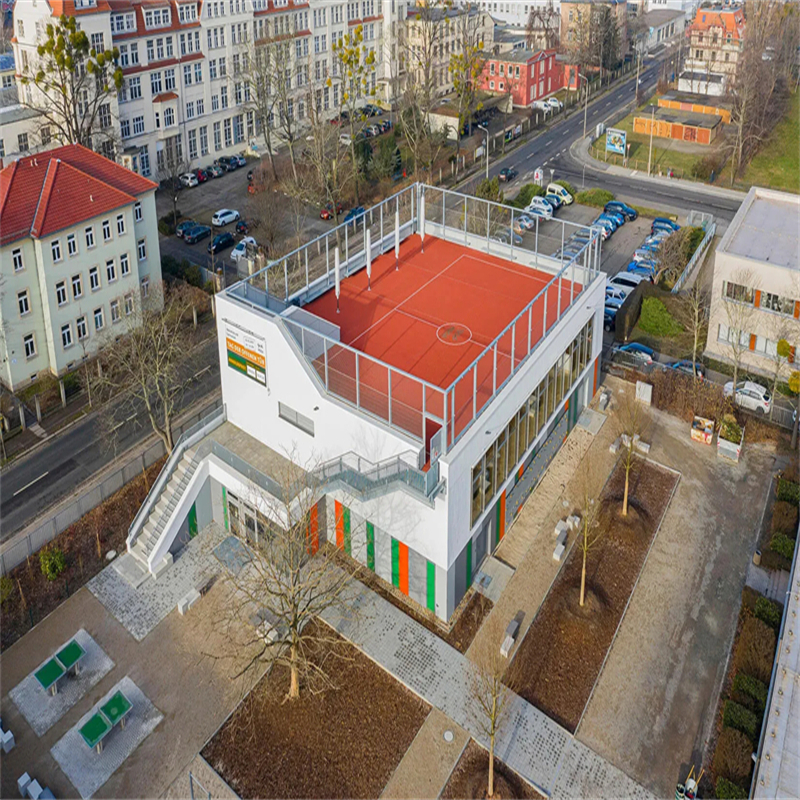
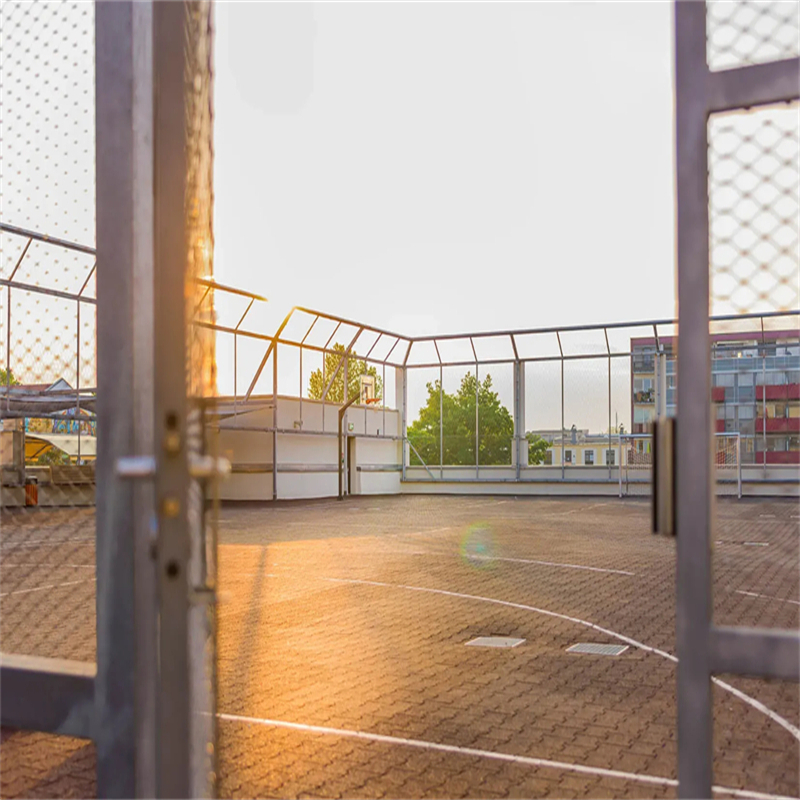
Design and Installation Considerations
When using stainless steel rope mesh as ceiling fall protection safety mesh, designers and installers usually consider:
- The design load cases: whether the mesh must catch a person, stop tools or both, and from what fall height.
- The support grid: spacing and stiffness of beams or frames that will carry mesh tension and impact loads.
- Mesh aperture and rope diameter: balancing safety requirements, transparency and cost.
- Edge detailing: border cables, clamps and fixings that ensure continuous, secure anchorage around the perimeter and at intermediate supports.
- Access for inspection: routes for maintenance staff to visually check connections, border cables and fixings over the life of the building.
Installation generally follows a sequence of installing anchor points and frames, fixing and tensioning border cables, then lifting and connecting pre-fabricated mesh panels, followed by final tensioning and inspection.
Conclusion ceiling fall protection safety mesh
Within the stainless steel rope mesh product family, ceiling fall protection safety mesh is a specialised application that uses the same flexible, high-strength cable net technology to create a discreet but robust protective layer at or below ceiling level. By combining stainless steel wire ropes, engineered diamond-pattern mesh and a suitable support structure, it provides long-term fall and object protection without compromising light, space or architectural quality.
For architects, engineers and building owners who already use stainless steel rope mesh on façades, balconies or stairways, extending the system to ceilings and overhead zones creates a coherent safety concept that is visually consistent and technically reliable throughout the whole building.