Your One-Stop Wire Mesh Fence Supplier | POLYMETAL
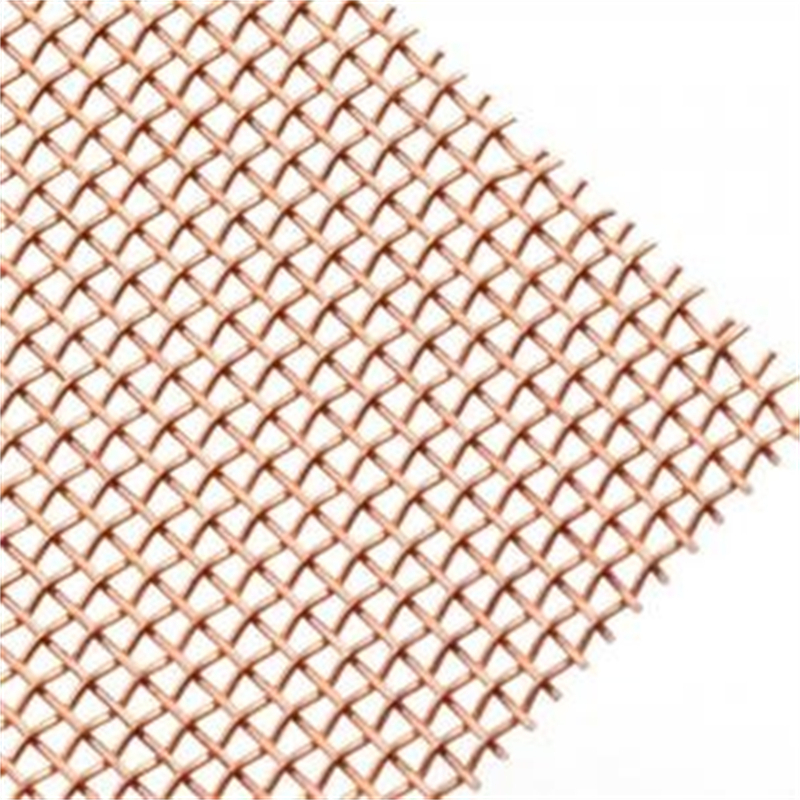
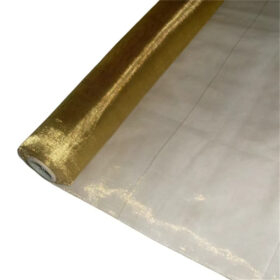
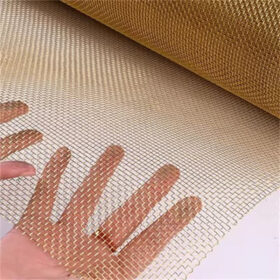

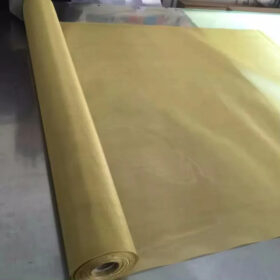
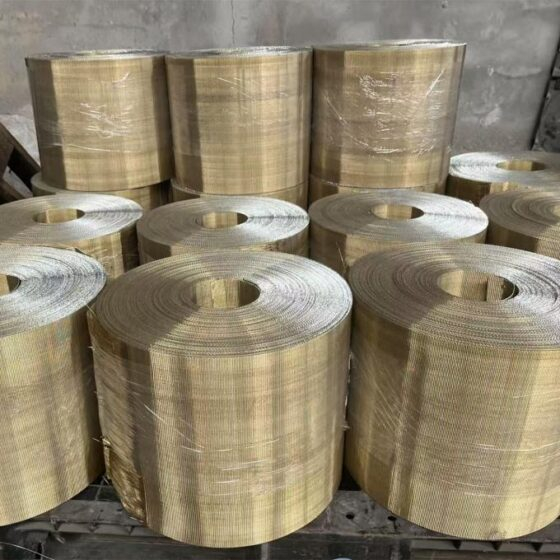
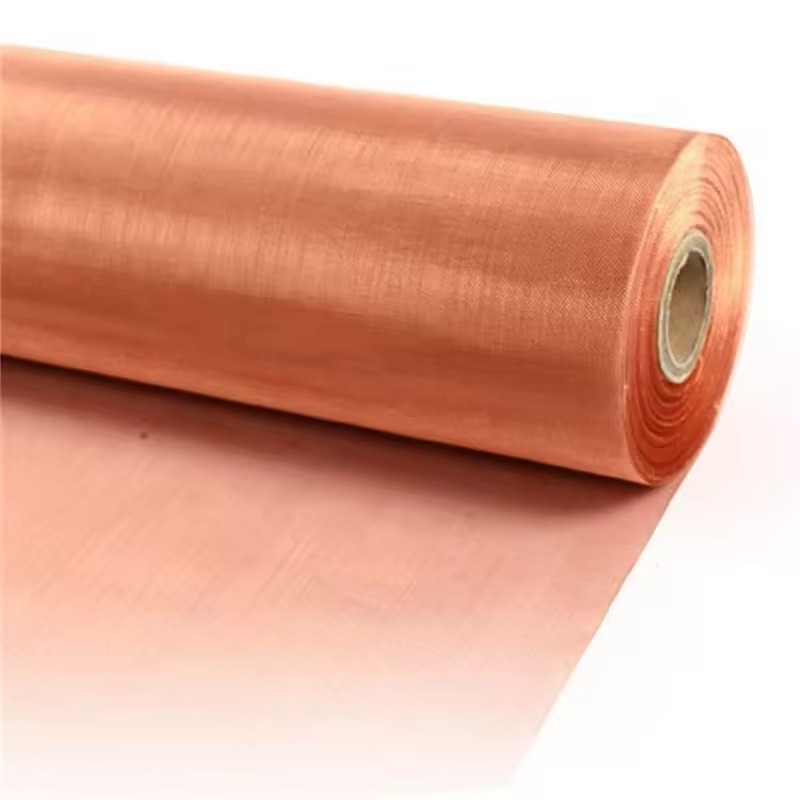
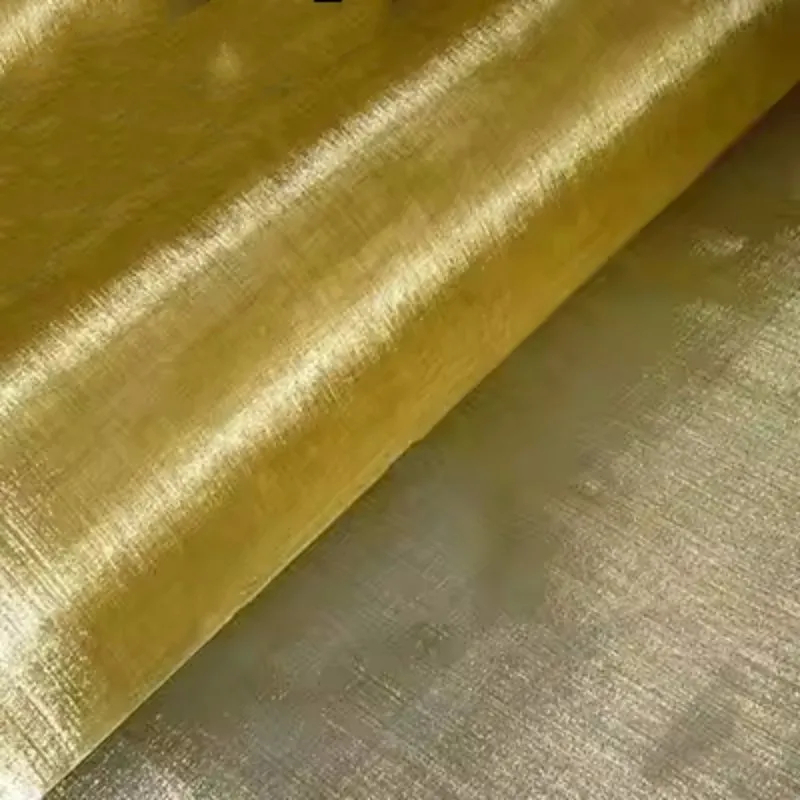
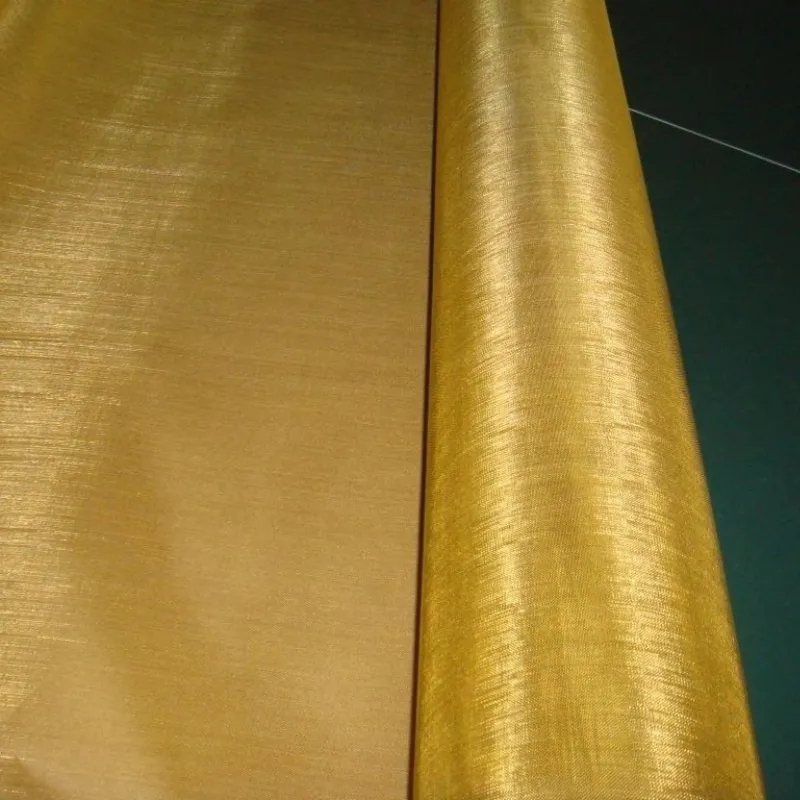
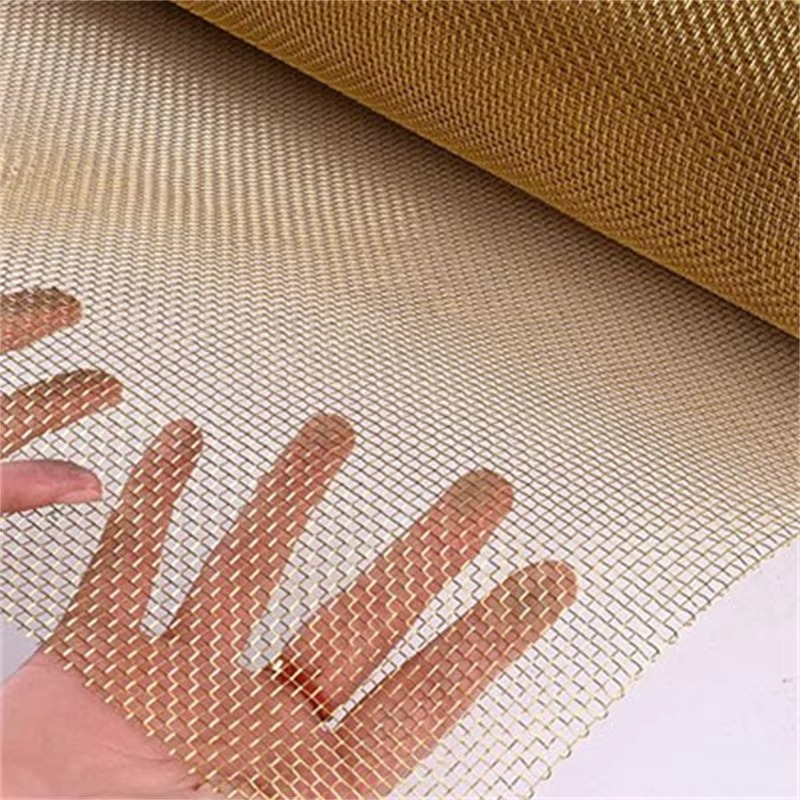
Copper wire mesh is a woven metal fabric made from high-purity industrial copper wire. We supply copper mesh from 4 mesh to 200 mesh, offering a wide range of opening sizes for electronic shielding, laboratory use and precision industrial screening. Copper mesh has excellent electrical and thermal conductivity and good ductility, but it is limited by relatively low tensile strength and poor resistance to abrasion and common acids, so it is mainly recommended for technical shielding and light-duty screening applications.

What Is Copper Wire Mesh?
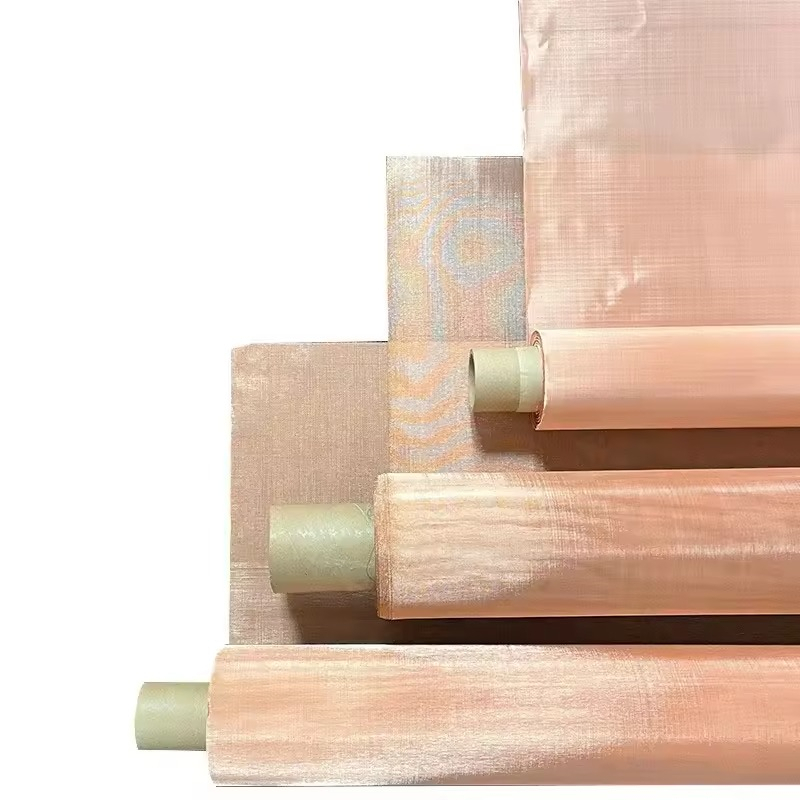
Copper wire mesh is produced on looms by weaving individual copper wires into a stable, uniform grid. The mesh count (4–200 mesh) describes the number of openings per linear inch and directly determines the opening size, open area and weight. Lower mesh counts use thicker wire and have larger openings, while higher mesh counts use finer wire and create very small openings for fine shielding or filtration.
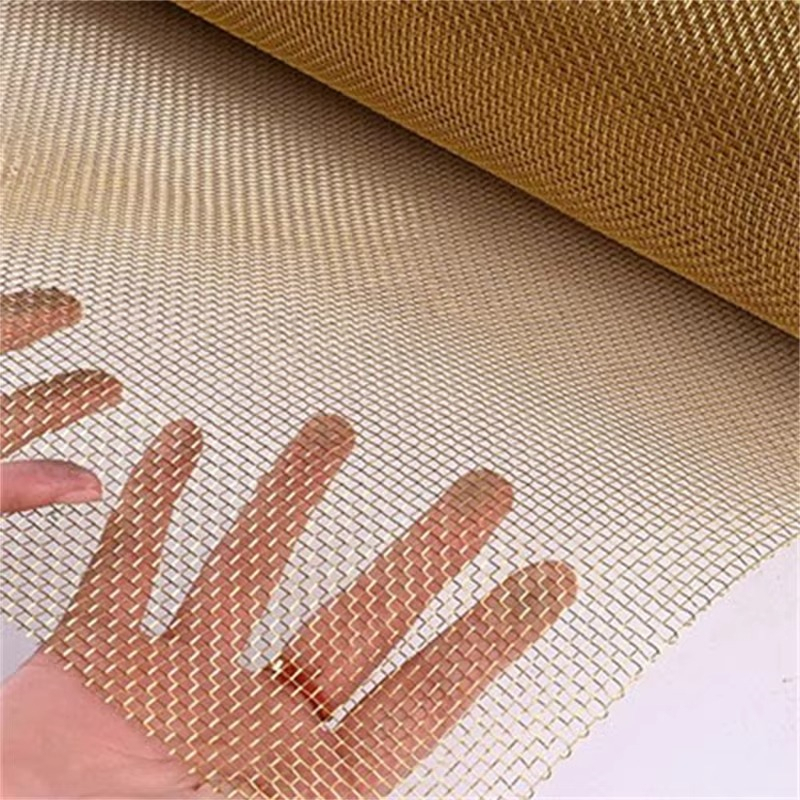
Material
Material: industrial copper wire with high copper content and a melting point of about 1083℃, providing excellent electrical and thermal performance.
Characteristics
- Copper wire has excellent electric conductivity, making it ideal for EMI/RFI shielding and grounding.
- It has very good thermal conductivity, so it can also be used where heat dissipation is important.
- Copper offers good ductility and malleability, allowing the mesh to be cut, bent, formed and deep-drawn into complex shapes.
- It has basic corrosion resistance in normal atmospheres, but only limited resistance to strong acids and abrasion, so it is best used in controlled environments.
Weaving Methods
- Plain weave: each warp wire passes alternately over and under each weft wire; the most common and economical structure.
- Twill weave: wires pass over two and under two, allowing slightly thicker wire in finer meshes and giving higher strength where required.
Key Benefits of Copper Wire Mesh
- High shielding performance: pure copper mesh provides excellent shielding against electromagnetic interference (EMI) and radio-frequency interference (RFI), helping to protect sensitive electronic systems.
- Superior conductivity: high electrical and thermal conductivity make copper mesh very effective for grounding, static discharge and heat-transfer screens.
- Easy forming and fabrication: copper is softer than stainless steel, so the mesh is easy to cut, fold, laser-cut, punch, solder and shape into gaskets, panels and enclosures.
- Stable and uniform openings: precision weaving ensures accurate mesh counts and consistent openings across the roll, important for reliable shielding and screening.
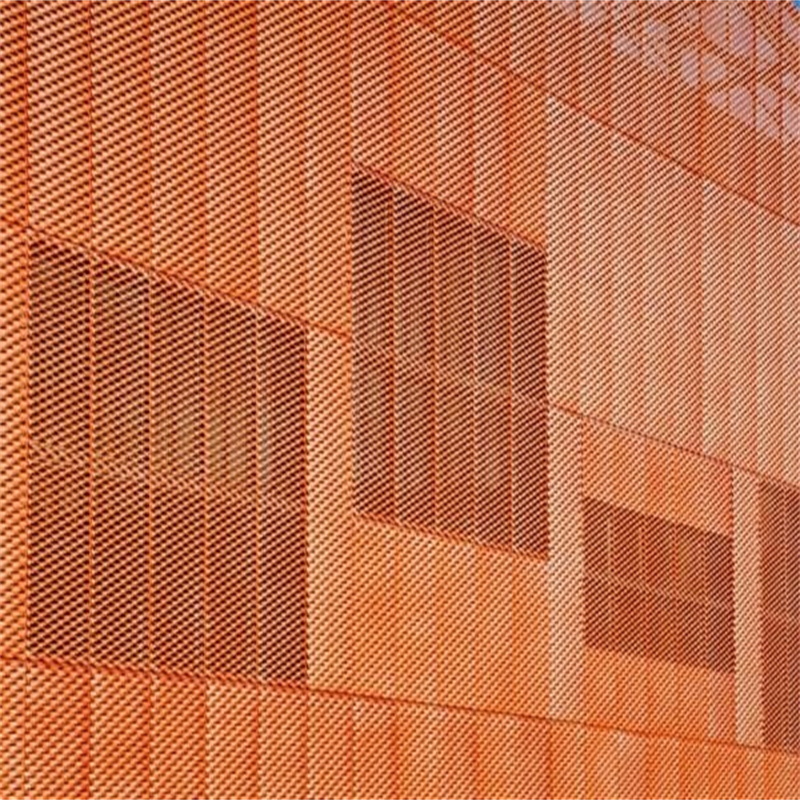
- Attractive metallic appearance: the natural reddish tone of copper can be used decoratively; it will gradually form a darker patina over time, which many designers appreciate.
Limitations
- Low tensile strength: compared with stainless steel or high-tensile alloys, copper mesh is relatively soft and not suitable for heavy structural loads or high-tension fences.
- Poor abrasion resistance: under strong mechanical wear or rubbing, copper mesh can deform or wear faster than harder metals.
- Limited chemical resistance: common acids and aggressive chemicals can attack copper; in such environments, stainless steel or special alloys are recommended instead.
Applications of Copper Wire Mesh
Copper wire mesh is mainly used for shielding electronic equipment against electromagnetic interference and for technical screening in clean and controlled conditions. Typical applications include:
- Electronic security and information protection: Faraday cages, shielded rooms, secure communication facilities and data centres.
- Aviation and aerospace: shielding for aircraft electronics, avionics bays and outer space exploration and research equipment.
- Power generation and electrical systems: grounding screens, transformer shielding, generator housings and high-voltage testing rooms.
- High-frequency scientific and medical equipment: MRI/medical diagnostic rooms, RF testing areas, measuring and testing devices.
- Government and military secrecy devices: secure meeting rooms, command centres and classified communication systems where EMI shielding is critical.
- General industrial filtration and screening: fine screening of powders and liquids, where mechanical loads are not heavy and copper’s conductivity is helpful.
- Decorative and architectural uses: where the warm copper colour and woven texture are desired, such as cabinet inserts or feature panels in low-stress locations.
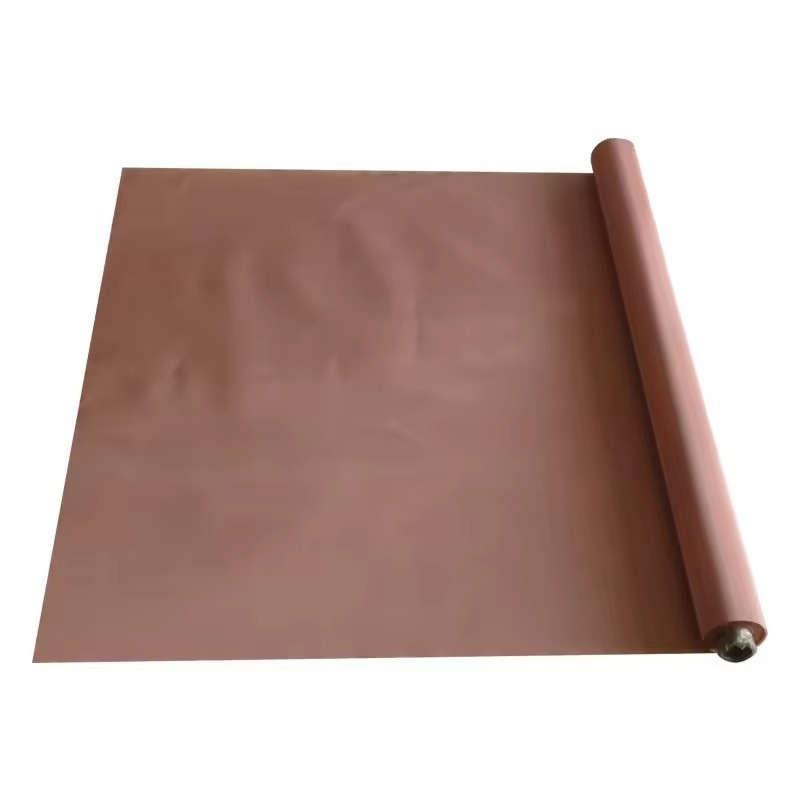

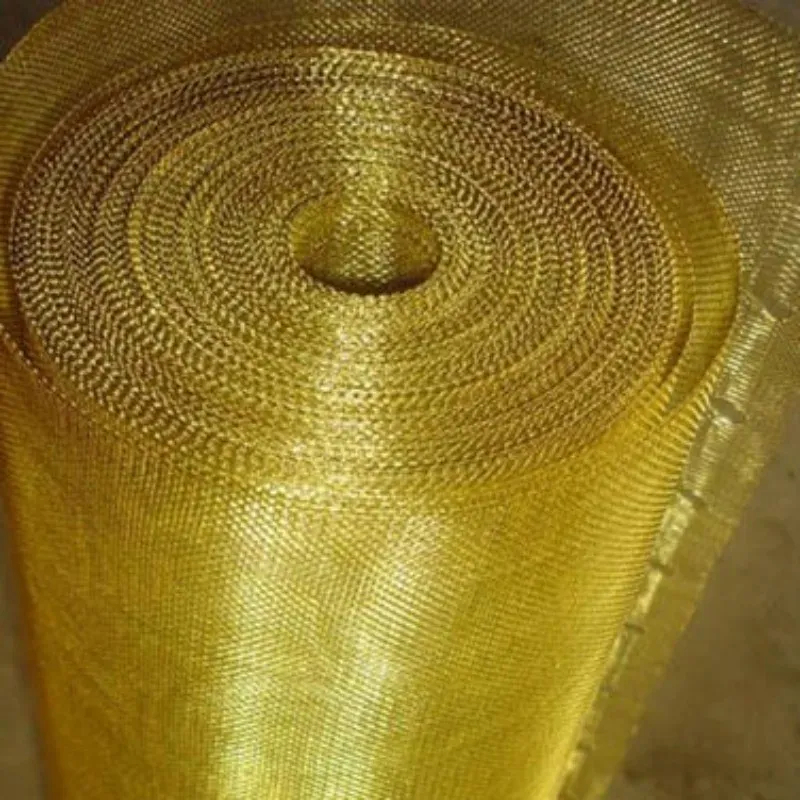

Specifications of Copper Wire Mesh
We produce copper wire mesh from 4 mesh to 200 mesh. The following table lists typical specifications, including mesh count, wire diameter, opening size, open area and weight per square metre.
| Specification List of Copper Wire Mesh | |||||||||
|---|---|---|---|---|---|---|---|---|---|
| Mesh | Wire Dia (mm) | Mesh Opening (mm) | Opening Area (%) | Weight (kg/m²) | Mesh | Wire Dia (mm) | Mesh Opening (mm) | Opening Area (%) | Weight (kg/m²) |
| 4 | 1.20 | 5.15 | 65% | 3.22 | 60 | 0.15 | 0.273 | 41% | 0.75 |
| 5 | 1.00 | 4.08 | 65% | 2.50 | 70 | 0.13 | 0.232 | 41% | 0.66 |
| 6 | 0.71 | 3.52 | 69% | 1.69 | 80 | 0.12 | 0.197 | 39% | 0.64 |
| 8 | 0.70 | 2.47 | 61% | 2.19 | 90 | 0.11 | 0.172 | 37% | 0.60 |
| 10 | 0.50 | 2.04 | 65% | 1.40 | 100 | 0.10 | 0.154 | 37% | 0.56 |
| 12 | 0.45 | 1.66 | 62% | 1.36 | 110 | 0.09 | 0.141 | 37% | 0.49 |
| 14 | 0.40 | 1.41 | 61% | 1.25 | 120 | 0.08 | 0.132 | 39% | 0.43 |
| 16 | 0.30 | 1.28 | 66% | 0.80 | 130 | 0.07 | 0.125 | 41% | 0.35 |
| 18 | 0.25 | 1.16 | 68% | 0.63 | 140 | 0.07 | 0.111 | 38% | 0.38 |
| 20 | 0.25 | 1.02 | 65% | 0.70 | 150 | 0.06 | 0.109 | 42% | 0.30 |
| 20 | 0.28 | 0.99 | 61% | 0.87 | 160 | 0.06 | 0.098 | 38% | 0.32 |
| 30 | 0.20 | 0.65 | 58% | 0.67 | 180 | 0.05 | 0.091 | 42% | 0.25 |
| 32 | 0.26 | 0.53 | 45% | 1.13 | 200 | 0.05 | 0.077 | 37% | 0.28 |
| 40 | 0.19 | 0.45 | 49% | 0.80 | 250 | 0.04 | 0.062 | 37% | 0.22 |
| 50 | 0.15 | 0.358 | 50% | 0.63 | 300 | 0.03 | 0.054 | 41% | 0.10 |
Frequently Asked Questions (FAQ) About Copper Wire Mesh
Q1: What does “mesh count” mean in copper wire mesh?
The mesh count is the number of openings per linear inch in the mesh. For example, 20 mesh means there are 20 openings in one inch. A higher mesh count has smaller openings and usually uses finer wire, giving tighter shielding or filtration.
Q2: How do I choose the right mesh size for EMI shielding?
For most EMI and RFI shielding applications, mesh counts between about 40 and 100 mesh provide an excellent balance between shielding performance and airflow/visibility. The specific choice depends on the frequency range, required attenuation and mechanical design of the enclosure.
Q3: Can copper wire mesh be used outdoors?
Copper mesh can be used outdoors in mild conditions, but it will gradually darken and may develop a green patina. In harsh marine, acidic or highly abrasive environments, service life will be shorter and stainless steel or phosphor bronze mesh is usually a better choice.
Q4: Is copper wire mesh magnetic?
No. Copper is a non-ferrous, non-magnetic metal, so copper wire mesh does not interfere with magnetic fields and is suitable around sensitive instruments and magnetic equipment.
Q5: Can I solder or weld copper wire mesh?
Yes. One of the advantages of copper is that it is easy to solder using standard soldering techniques. This makes it convenient to connect mesh panels to frames, grounding straps or other copper components. Spot welding is also possible with appropriate equipment and settings.
Q6: What are the main limitations of copper wire mesh?
Copper mesh has relatively low tensile strength compared with stainless or high-tensile alloy meshes, so it is not suitable for high-tension or load-bearing structures. It also has poor resistance to strong abrasion and many common acids, so it should not be used where heavy mechanical wear or aggressive chemicals are present.
Q7: Is copper wire mesh suitable for Faraday cages?
Yes. Copper’s high electrical conductivity makes it an excellent material for Faraday cages and shielded rooms. By properly overlapping and grounding the mesh panels, you can build effective enclosures to block electromagnetic fields over a wide frequency range.
Q8: Can copper mesh be used for insect or rodent screens?
Yes, coarse copper meshes such as 8–20 mesh can be used for insect screens or rodent-proofing where high mechanical strength is not required. The additional benefit is that copper can also provide some EMI shielding if the screen is grounded.
Q9: Will copper wire mesh change colour over time?
In air, bare copper gradually oxidizes and changes from bright red to a darker brown and eventually to a greenish patina. This colour change does not usually affect shielding performance but should be considered in decorative applications. A clear protective coating can be applied if you wish to keep the bright copper colour.
Q10: What forms and sizes of copper wire mesh do you supply?
We supply copper mesh from 4 mesh to 200 mesh in rolls, cut-to-size sheets and processed parts according to customer drawings. Standard roll width and length can be customized within practical limits, and special packaging is available for high-precision or cleanroom projects.
Q11: What is the difference between plain weave and twill weave for copper mesh?
In plain weave, each wire alternately passes over and under the next, giving a simple, stable and economical mesh suitable for most applications. In twill weave, each wire passes over two and under two, allowing thicker wire to be used in fine meshes. Twill weave provides higher strength and better load distribution where very fine meshes are required.
Q12: How should copper wire mesh be stored?
To keep copper mesh in good condition, store it in a dry, clean, well-ventilated area, preferably in its original packaging. Avoid direct contact with acids, alkalis or strongly corrosive chemicals. For long-term storage, sealed plastic wrapping with desiccant can slow down oxidation and colour change.
Conclusion
Copper wire mesh is a specialised material that combines excellent electrical and thermal conductivity with stable, accurately woven openings. Our 4–200 mesh range is designed primarily for EMI/RFI shielding, high-frequency scientific and medical equipment, and other technical applications where conductivity and precision are more important than mechanical strength. By understanding its benefits and limitations and selecting the right mesh count and weave, you can use copper wire mesh to build effective shielding systems, precise screens and reliable industrial components.