Your One-Stop Wire Mesh Fence Supplier | POLYMETAL
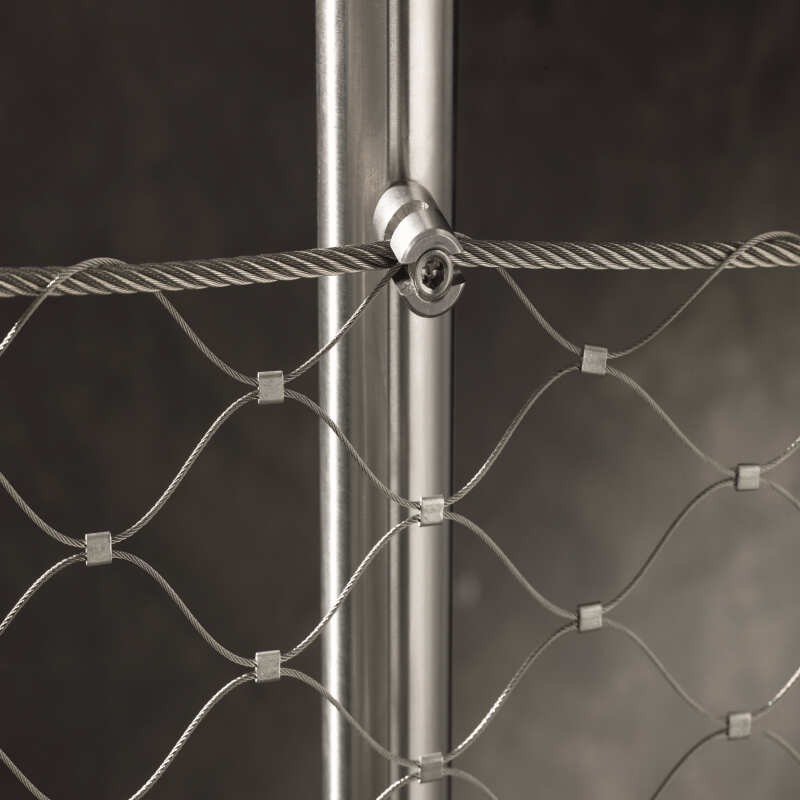
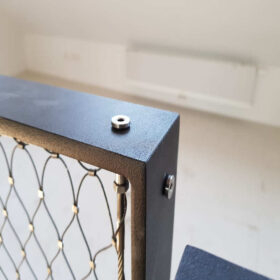
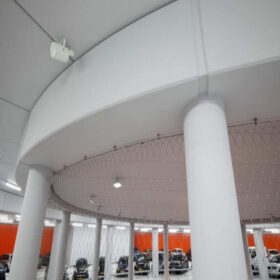
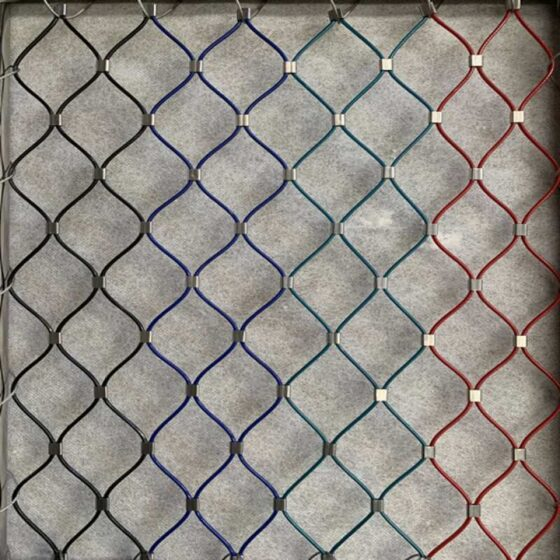
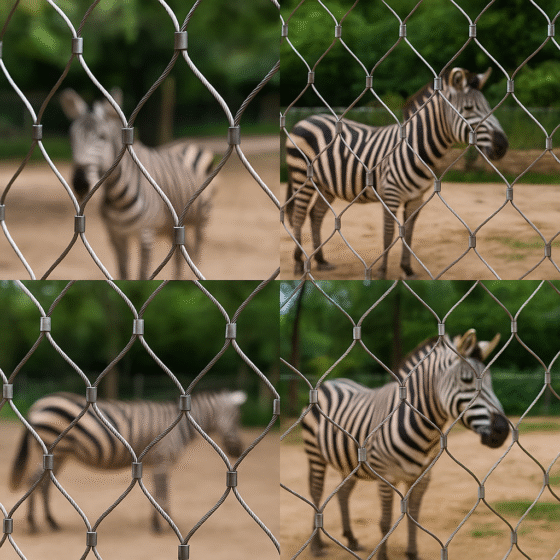
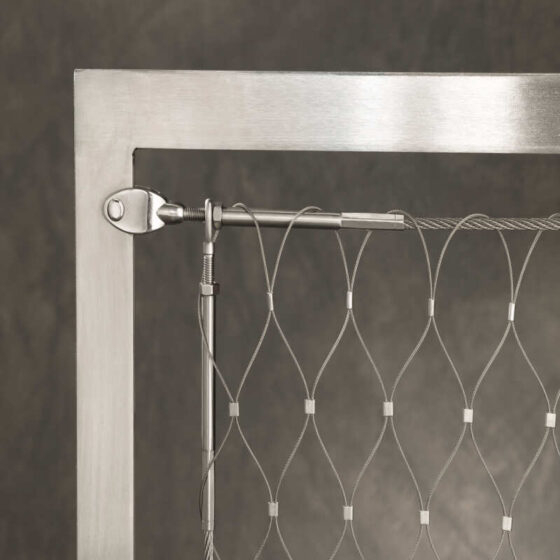
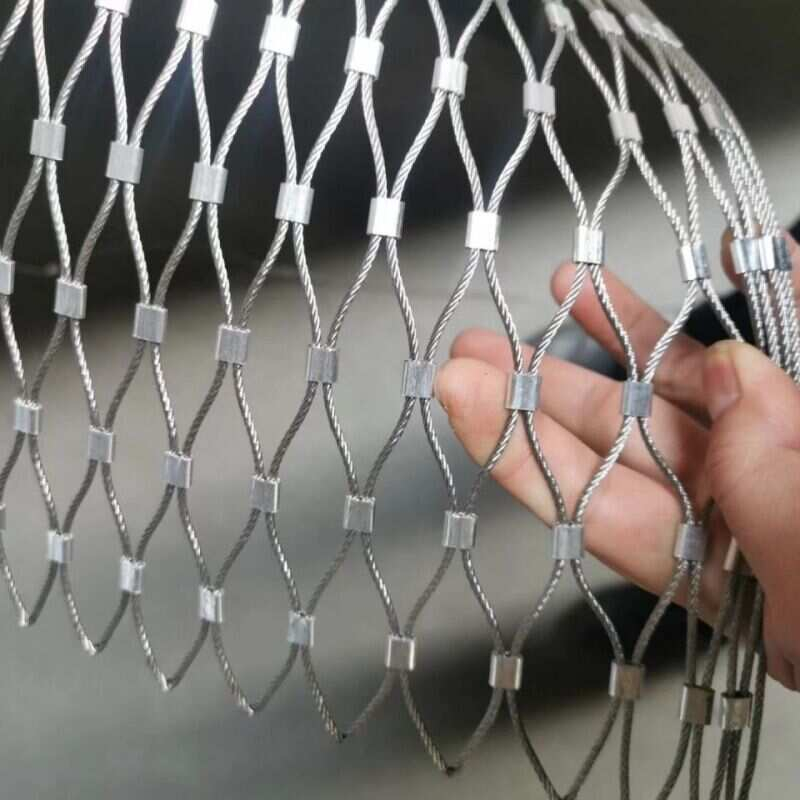
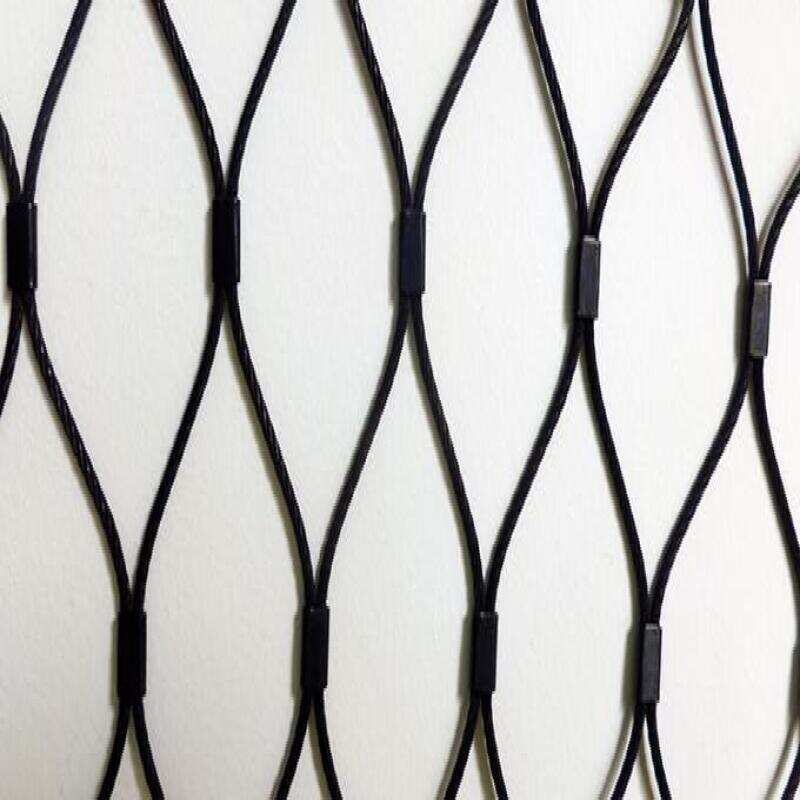
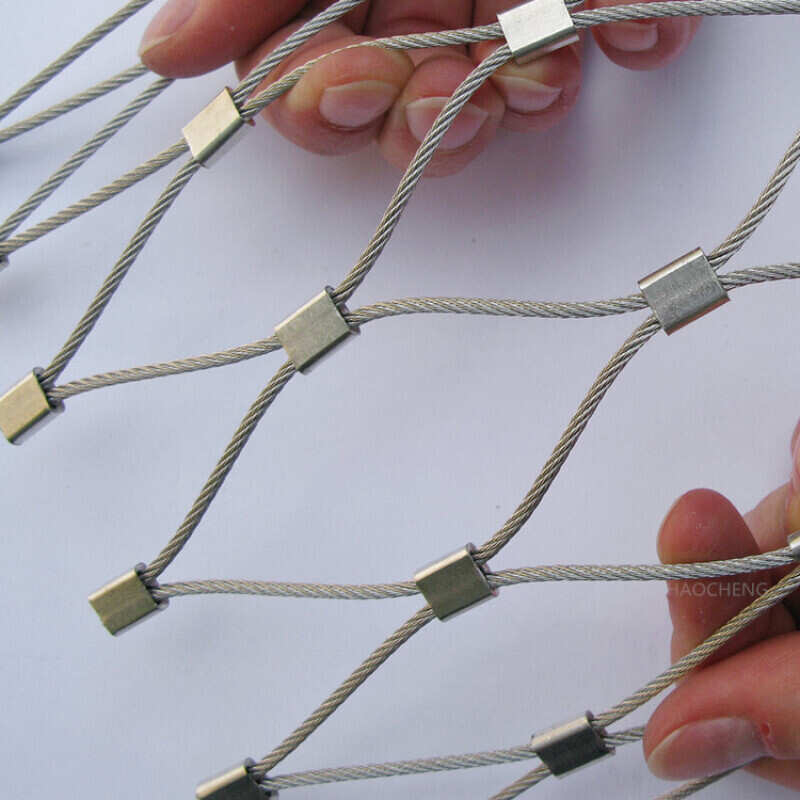
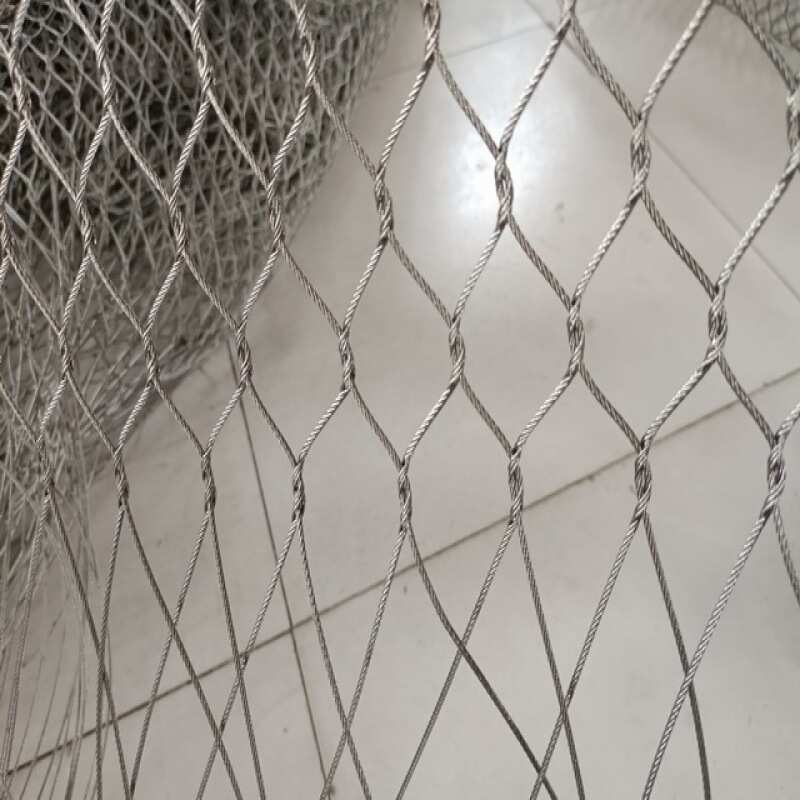
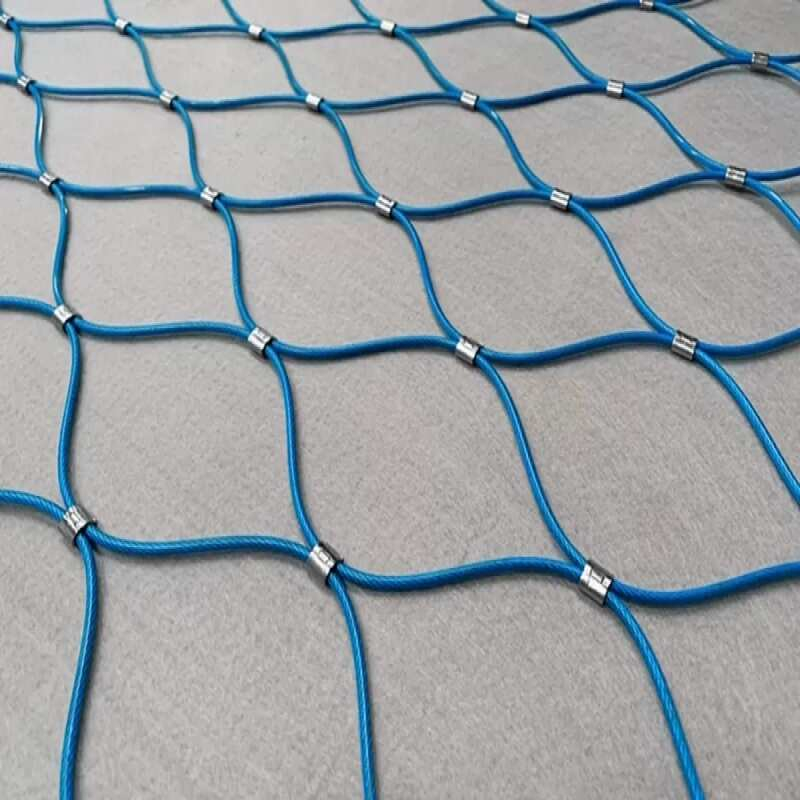
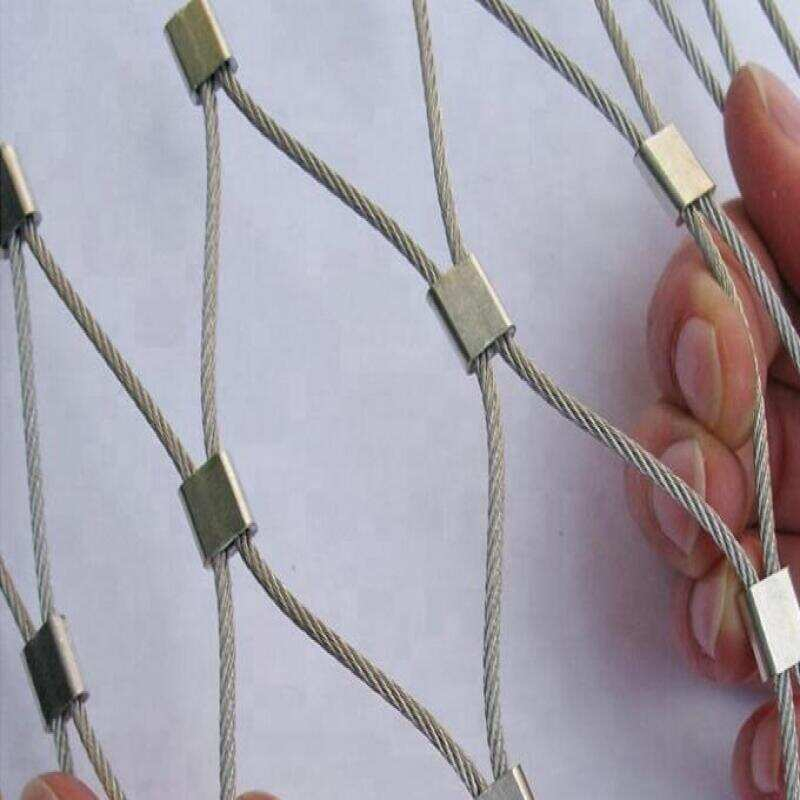
Ferruled stainless steel wire rope net (often called ferruled stainless steel cable mesh, X-TEND type mesh or ferruled zoo mesh) is a flexible architectural and safety mesh made by threading stainless steel ferrules onto multi-strand stainless steel cables and pressing them to lock the cables together at each intersection. The result is a durable, elastic, diamond-shaped net that can be tensioned over frames, posts or cables to create transparent yet strong barriers for animals, people and objects.
Because the cables are thin and the mesh openings relatively large, ferruled stainless steel wire net looks light and almost invisible from a distance, while still providing high tensile strength, impact resistance and long service life in harsh outdoor environments.
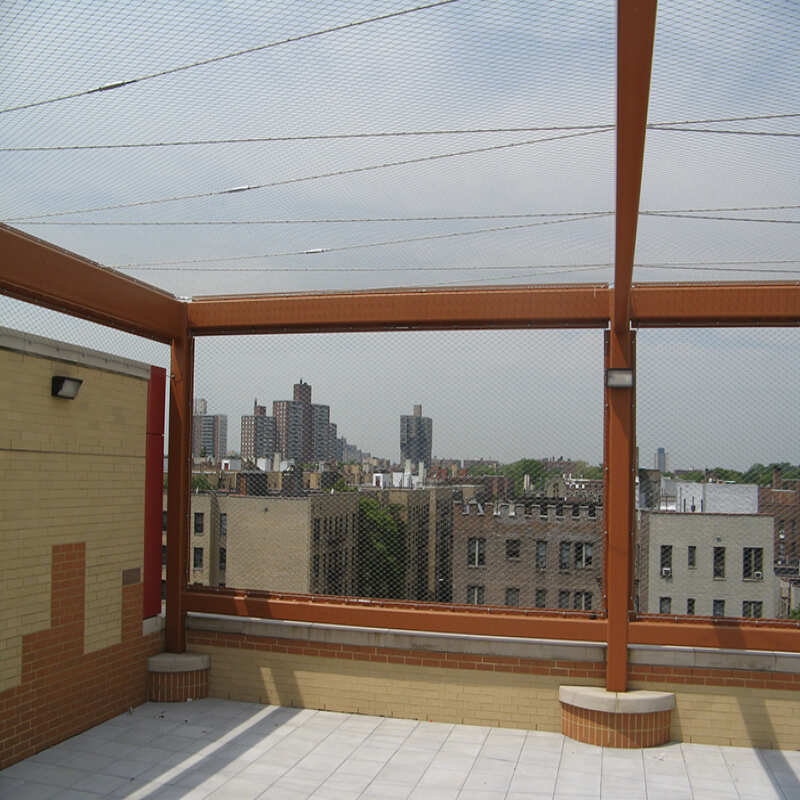
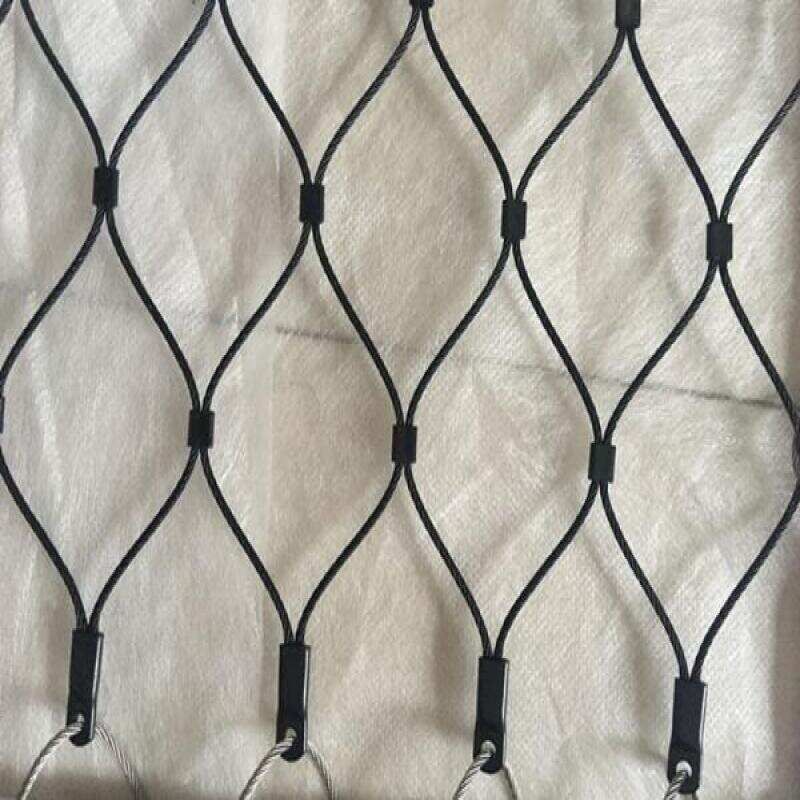
1. Structure and Materials
A typical ferruled stainless steel wire rope net consists of:
Wire rope: Multi-strand stainless steel cable, usually in 7×7 or 7×19 construction, with diameters commonly between 1.2 mm and 4.0 mm depending on the load and span.
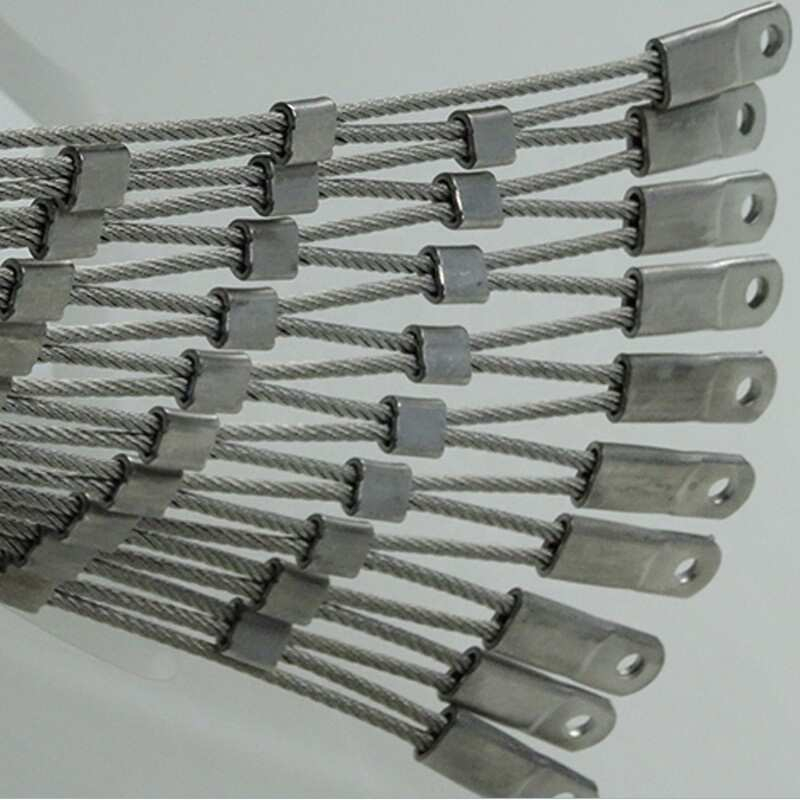
Ferrules: Short stainless steel sleeves that clamp two crossing cables together. They are threaded onto the cables in a precise pattern and then mechanically pressed to form permanent, slip-resistant joints.
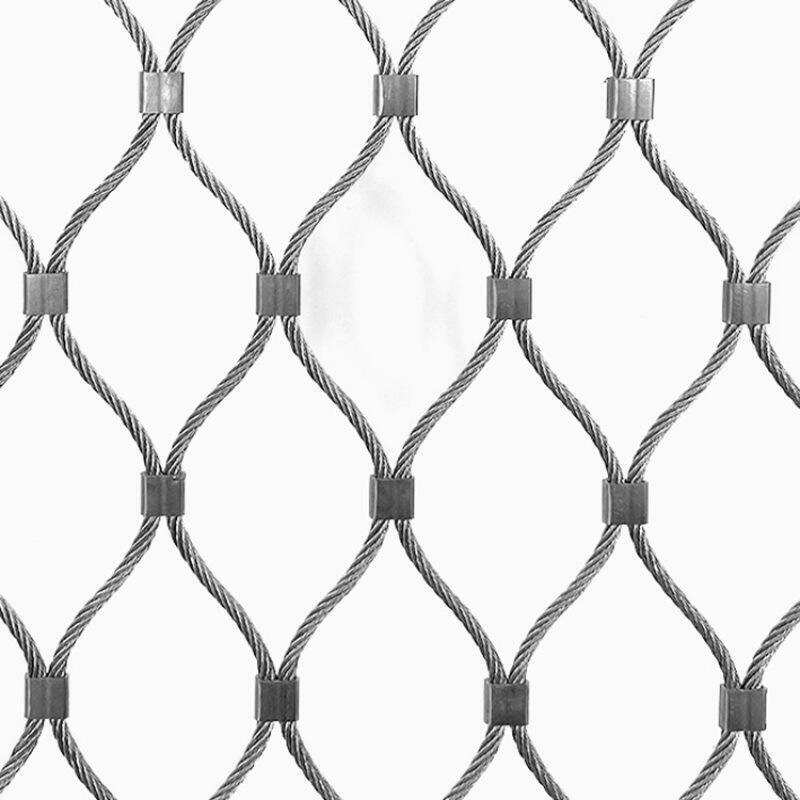
Mesh geometry: The cables run in two directions, crossing at a fixed angle (usually 60°) to produce a diamond-shaped opening. When the net is tensioned, this diamond geometry gives the mesh its combination of flexibility and strength.
Stainless steel grades
Most high-quality ferruled wire nets use austenitic stainless steels:
AISI 304 / 304L – widely used for interior applications and general outdoor conditions.
AISI 316 / 316L (marine grade) – preferred for coastal, offshore, poolside and industrial atmospheres thanks to its superior resistance to pitting and crevice corrosion.
Both the cables and ferrules are normally made from the same grade of stainless steel to avoid galvanic corrosion and ensure consistent appearance over time.
2. Mesh Geometry and Typical Sizes
Ferruled stainless steel wire rope net is usually supplied in a diamond pattern. Important geometric parameters are:
- Mesh aperture (OW × OH): Opening width and opening height of the diamond when the mesh is tensioned at 60°.
- Cable diameter (d): Thickness of the stainless steel wire rope.
- Mesh angle (θ): The standard included angle of the diamond, typically 60°.
Common aperture ranges for architectural and zoo applications include approximately:
- 25 × 43 mm for small animals or anti-throw screens.
- 40 × 69 mm, 50 × 90 mm, 60 × 104 mm, 70 × 121 mm for general fall protection and many zoo enclosures.
- 80 × 139 mm, 90 × 156 mm, 100 × 173 mm and larger where high transparency is desired or spans are very large.
Panels are custom-fabricated to suit each project’s width and height. Because the mesh works primarily in tension and is very light, large panels can often be used without heavy supporting steelwork.
3. Manufacturing Process of Ferruled Wire Net
The basic production steps are:
- Cable preparation: Stainless steel wire ropes are cut to precise lengths according to the required panel size and mesh aperture.
- Ferrule threading: Ferrules are placed onto the cables in the correct sequence so that, when assembled, the intersections occur at the designed positions.
- Mesh layout: Cables are laid out in two directions (often at 60° to each other) and the ferrules are positioned at each cable crossing.
- Pressing: Special hydraulic or mechanical presses compress the ferrules, permanently locking the cables together.
- Trimming and finishing: The finished panel is checked, excess cable ends are trimmed, and border cables or edge fittings are added if required.
This process ensures consistent opening size, high joint strength and an attractive, regular pattern.
4. Technical Characteristics
While every manufacturer has its own ranges, ferruled stainless steel wire rope net usually shares these characteristics:
Cable diameter range: About 1.2–4.0 mm.
Mesh apertures: From very tight (around 20–30 mm) up to more open patterns above 200 mm, chosen according to animal size, safety criteria and visual goals.
Rope constructions:
7×7 for most architectural and zoo applications (good balance of flexibility and strength).
7×19 for very flexible nets and larger diameters or where tighter curvatures are needed.
Orientation: Can be installed with the diamonds “standing” (vertical orientation) or “lying” (horizontal orientation) depending on design preference and structural layout.
Custom panel shapes: Rectangular, trapezoidal and irregular shapes are all possible, enabling the mesh to follow curved edges, roofs and complex frames.
5. Benefits of Ferruled Stainless Steel Wire Rope Net
5.1 High Strength and Safety
- Multi-strand stainless steel cable and pressed ferrules offer very high tensile capacity and excellent resistance to impact and fatigue.
- When correctly tensioned, the mesh distributes loads across many cables and ferrules, allowing it to absorb the energy of impacts from people, animals or objects without local failure.
5.2 Flexibility and 3D Adaptability
- The net behaves like a “soft” surface in bending but is very strong in tension.
- It can wrap around curves, follow ramps and stairs, form cylinders or enclose free-form zoo exhibits while remaining continuous and secure.
5.3 Corrosion Resistance and Durability
- AISI 316 / 316L mesh is suitable for marine and industrial atmospheres, resisting rust and environmental attack for many years without recoating.
- The mesh does not suffer from UV degradation, splintering or embrittlement like some plastics or coated fabrics.
5.4 Transparency and Lightness
- Slim cables and large diamond openings give very high open area, often above 90%, so views, daylight and airflow are barely affected.
- From typical viewing distances, ferruled stainless steel wire rope net almost disappears, emphasizing animals, landscapes or architecture rather than the barrier itself.
5.5 Low Maintenance and Long Service Life
- Routine visual inspections and occasional cleaning with water are usually enough; no repainting is required.
- Well-designed systems can remain in service for decades, providing excellent life-cycle cost performance.
6. Main Applications
Ferruled stainless steel wire rope net is widely used in:
- Zoo and animal enclosures: Big cat habitats, primate islands, aviaries, marine bird enclosures and mixed-species exhibits where secure containment and clear visibility are essential.
- Bird aviaries and bird protection: Large overhead roofs and side walls that prevent escape and protect birds from predators while minimizing collision risk.
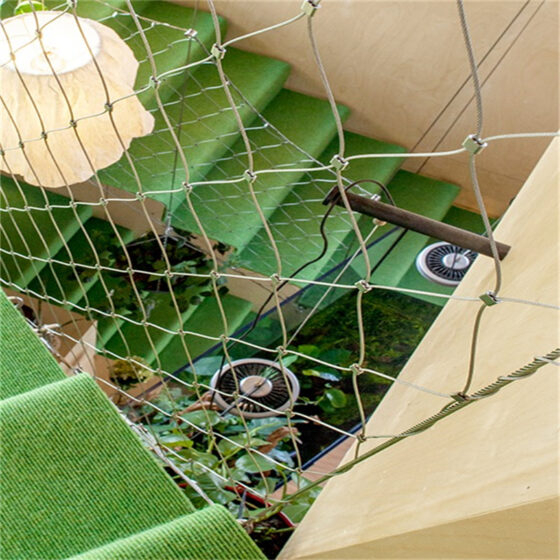
- Balustrades and stair infill panels: Interior and exterior staircases, galleries and balconies in public buildings, where the mesh serves as a contemporary, safe infill panel.
- Bridges and walkways: Pedestrian bridges, skywalks and viewing platforms where high fall-protection performance is needed without blocking views.
- Facade screens and second skins: Architectural facades where the mesh acts as a lightweight cladding, sunshade or protective layer, sometimes combined with glass or perforated metal.
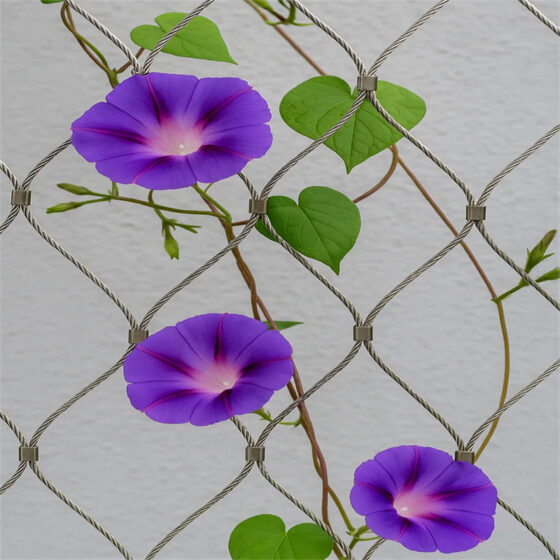
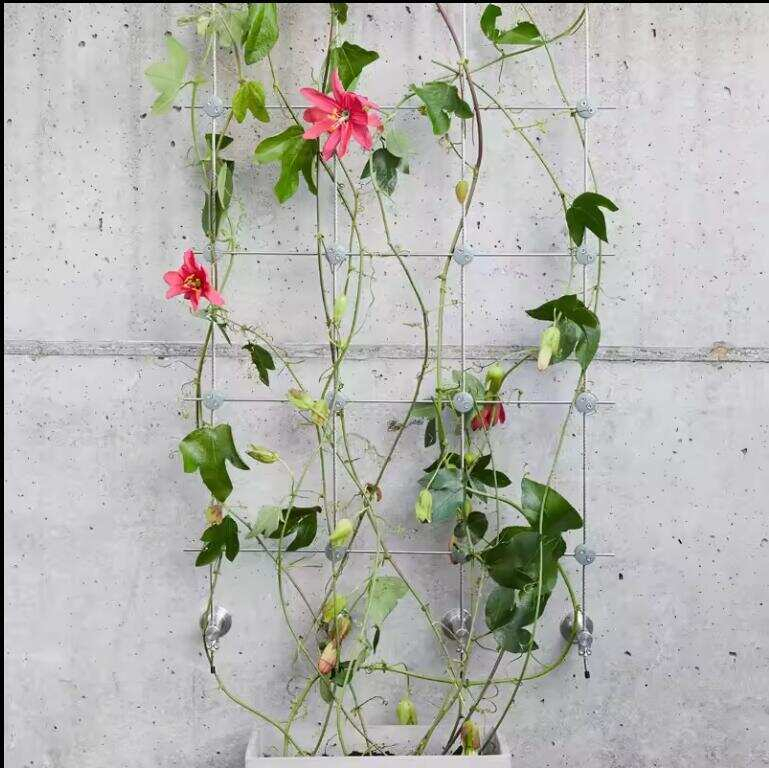
- Green wall and trellis systems: Support for climbing plants on building facades, courtyard walls and parking structures, creating living vertical gardens.
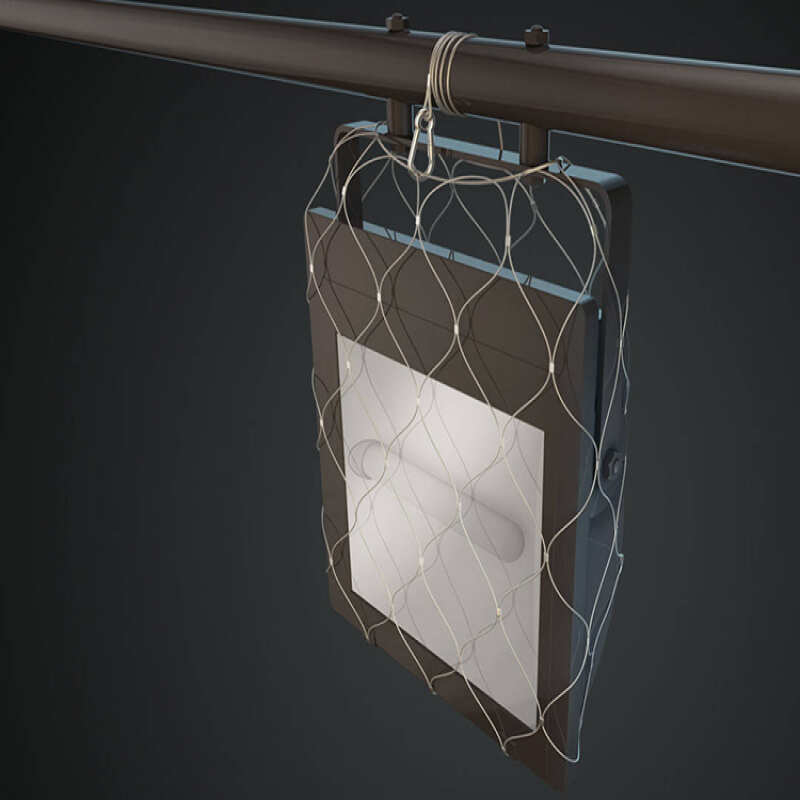
- Safety nets and fall protection: Perimeter protection on roofs, helipads, industrial platforms and stadiums where a robust but transparent barrier is required.
7. Example Specification Table (Illustrative)
Below is an example set of ferruled stainless steel wire rope net specifications; actual values must be selected and verified for each project.
| No. | Model | Cable diameter (mm) | Rope structure | Mesh aperture OW × OH (mm) | Approx. open area (%) | Typical use |
|---|---|---|---|---|---|---|
| 1 | FR-12035 | 1.2 | 7×7 | 20 × 35 | ~88 | Small bird aviaries, anti-throw screens |
| 2 | FR-12125 | 1.2 | 7×7 | 25 × 42 | ~90 | Small mammal enclosures |
| 3 | FR-1630 | 1.6 | 7×7 | 30 × 52 | ~91 | Zoo mesh for light species |
| 4 | FR-1640 | 1.6 | 7×7 | 40 × 69 | ~93 | Bird protection, stair infill |
| 5 | FR-2050 | 2.0 | 7×7 | 50 × 86 | ~94 | General zoo enclosures, railings |
| 6 | FR-2060 | 2.0 | 7×7 | 60 × 104 | ~95 | Balustrades, bridges, viewing decks |
| 7 | FR-2070 | 2.0 | 7×7 | 70 × 120 | ~95 | Large bird aviaries, facade screens |
| 8 | FR-2080 | 2.0 | 7×7 | 80 × 138 | ~96 | Green walls, decorative facades |
| 9 | FR-24100 | 2.4 | 7×7 | 100 × 173 | ~96 | Large animal enclosures, stadiums |
| 10 | FR-2438 | 2.4 | 7×7 | 38 × 66 | ~92 | High-security or anti-climb zones |
| 11 | FR-3050 | 3.0 | 7×19 | 50 × 86 | ~90 | Heavy-duty zoo mesh, impact-prone areas |
| 12 | FR-3060 | 3.0 | 7×19 | 60 × 104 | ~91 | Fall-arrest / high-load balustrades |
These values are consistent with typical market ranges but should always be checked against the chosen supplier’s data and relevant codes.
8. Design Considerations
When specifying a ferruled stainless steel wire rope net system, designers should consider:
- Function: Containment only, fall protection, animal safety, anti-throw, or a combination.
- Opening size vs. user or animal: Smaller apertures for small animals and anti-climb requirements; larger apertures for facade screens and green walls.
- Load and span: Higher loads and longer spans require thicker cables, reinforced edges and properly engineered support structures.
- Environment: Selection of 304 vs. 316 stainless steel, and whether additional surface treatments (e.g., black oxide or PVD color) are needed in aggressive or design-sensitive environments.
- Aesthetics: Diamond orientation, panel layout, edge detailing and how the mesh interacts with light, background materials and vegetation.
Close collaboration between architect, structural engineer and mesh supplier is essential to achieve both safety and visual goals.
9. Installation and Maintenance
Installation steps typically include:
- Installing posts, frames or tension cables capable of taking the mesh loads.
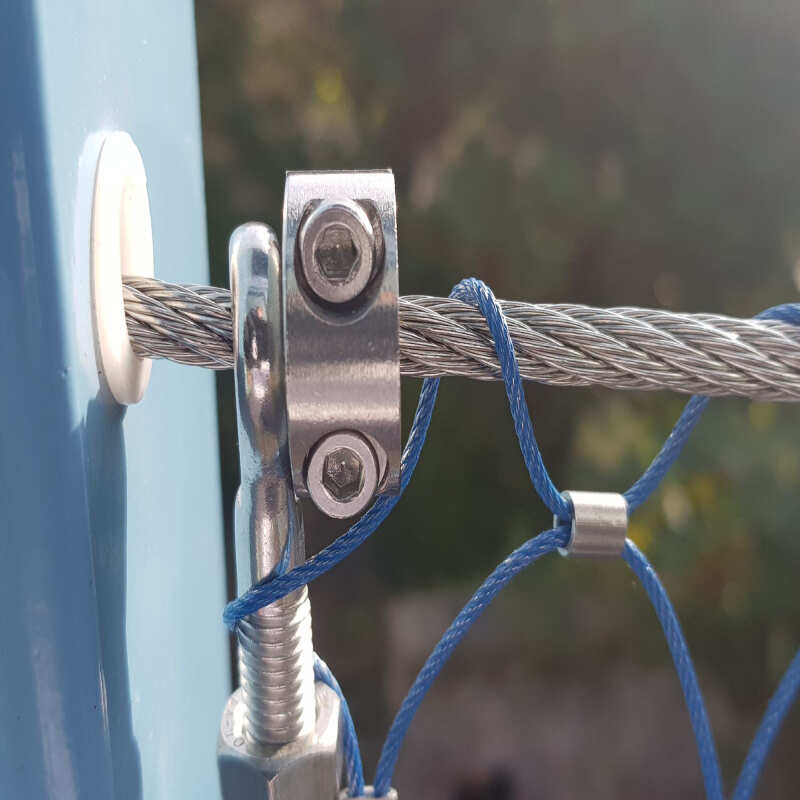
- Fixing the ferruled panels to the structure using clamps, lacing or shackles at the edges.
- Tensioning the mesh evenly using turnbuckles or integrated tensioners until the diamonds are uniform and deflections are within design limits.
Maintenance is generally minimal:
- Regular visual checks of cables, ferrules and fixings, especially after storms or impact events.
- Cleaning with water or mild detergent when required to remove dirt, pollution or salt residues.
- Occasional retensioning or replacement of localized damaged sections if necessary.
With correct material choice and detailing, ferruled stainless steel wire rope net provides a long-lasting, low-maintenance solution for safety, enclosure and architectural design in demanding environments.