Your One-Stop Wire Mesh Fence Supplier | POLYMETAL
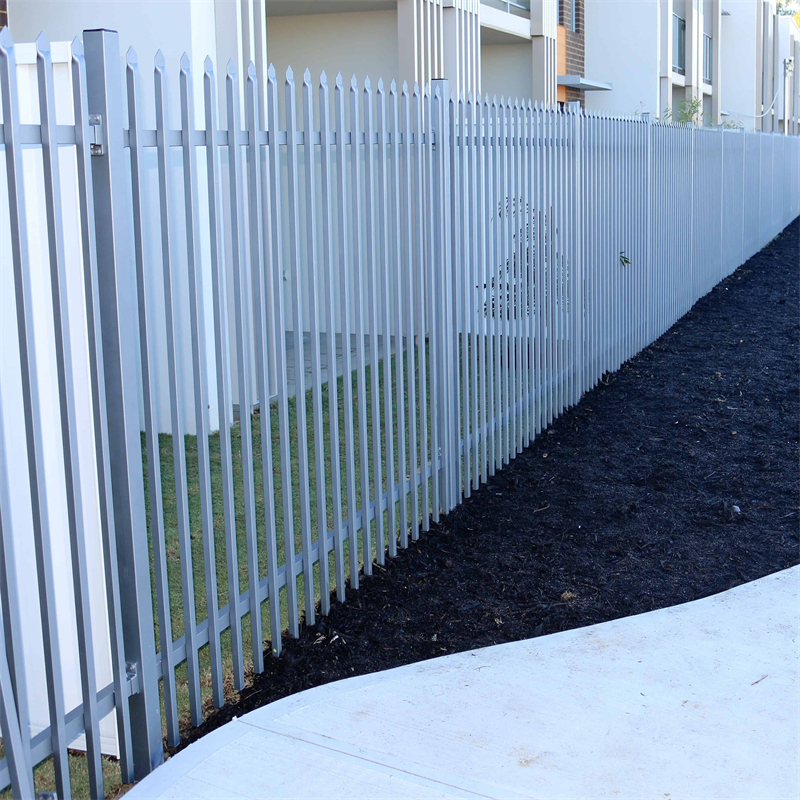
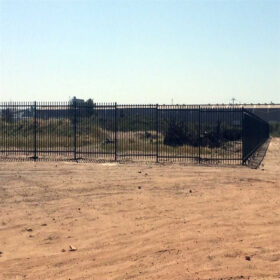
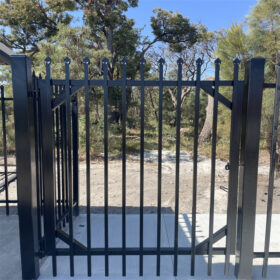

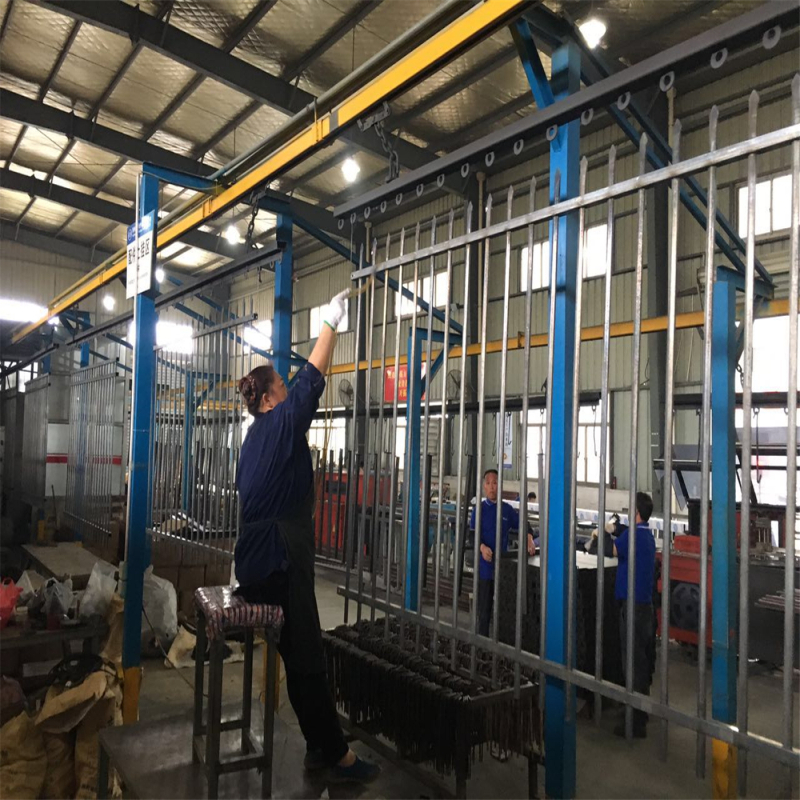
Galvanised steel fencing panels are often purchased as “simple panels” that should arrive straight, install fast, and resist corrosion for years, but the hidden danger is that many panels look the same in photos and quotes while behaving completely differently once forklifts, wind loads, concrete tolerances, and daily handling start punishing the perimeter, and a fence line is judged after delivery, not at quotation stage, which is why POLYMETAL builds galvanised steel fencing panels as a repeatable system—panel geometry, upright discipline, post matching, and coating control—and if your project also specifies a colour topcoat or needs extra abrasion resistance during handling, you should align the finish choice with a proven powder coatings process so the coating system matches real site punishment, not brochure conditions, so your site doesn’t become a rework project.
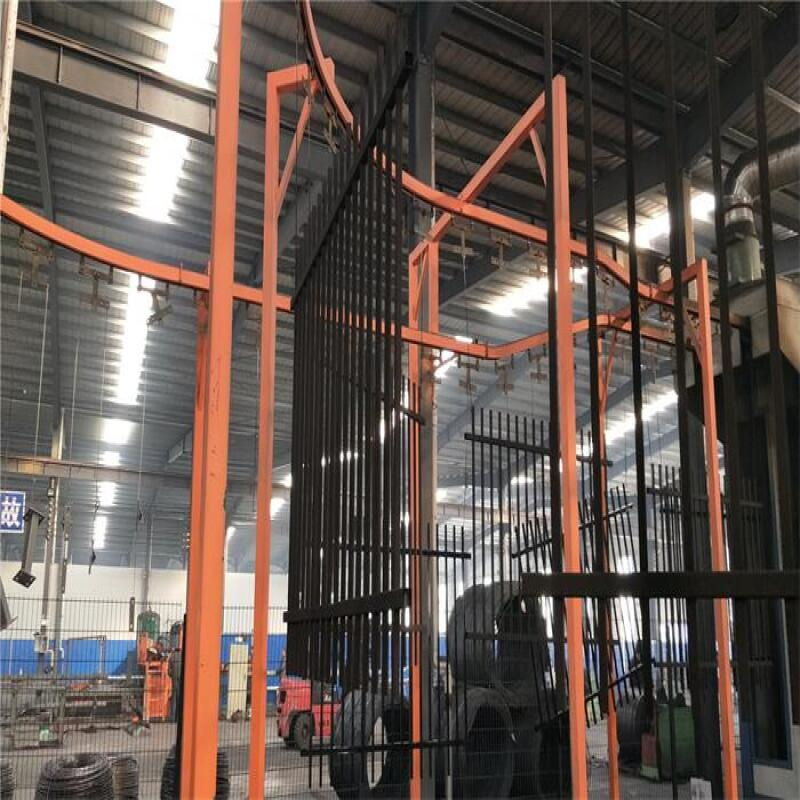
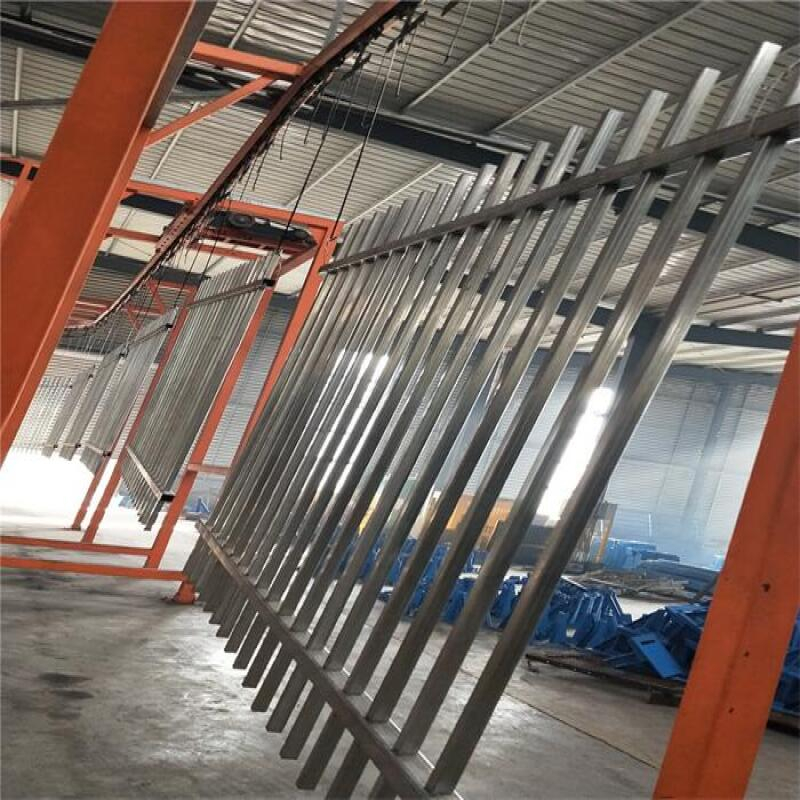


Product Description (POLYMETAL)
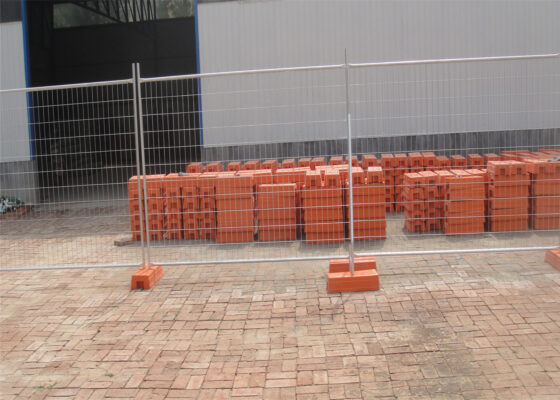
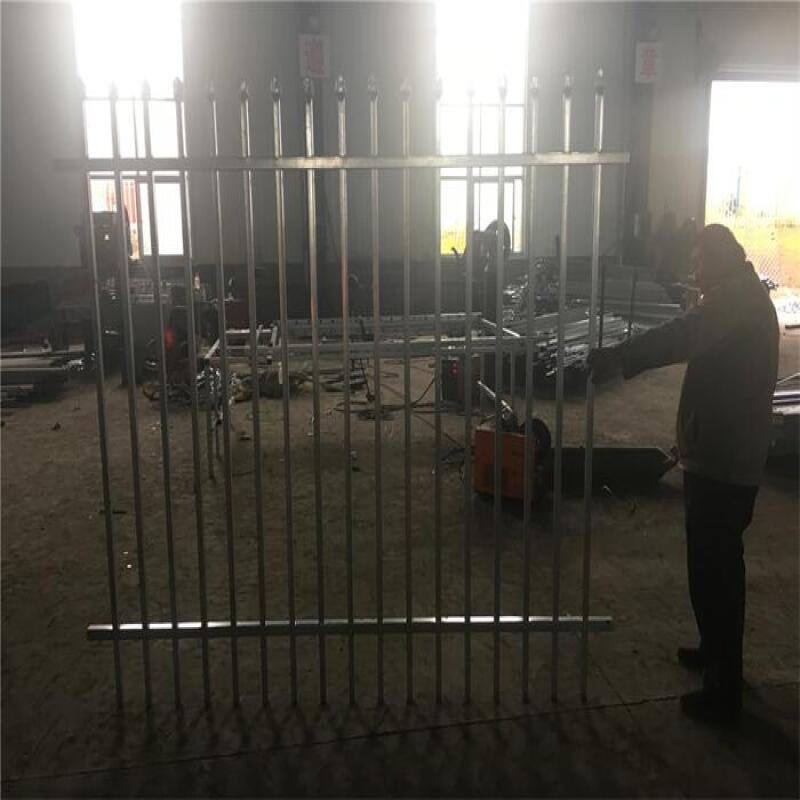
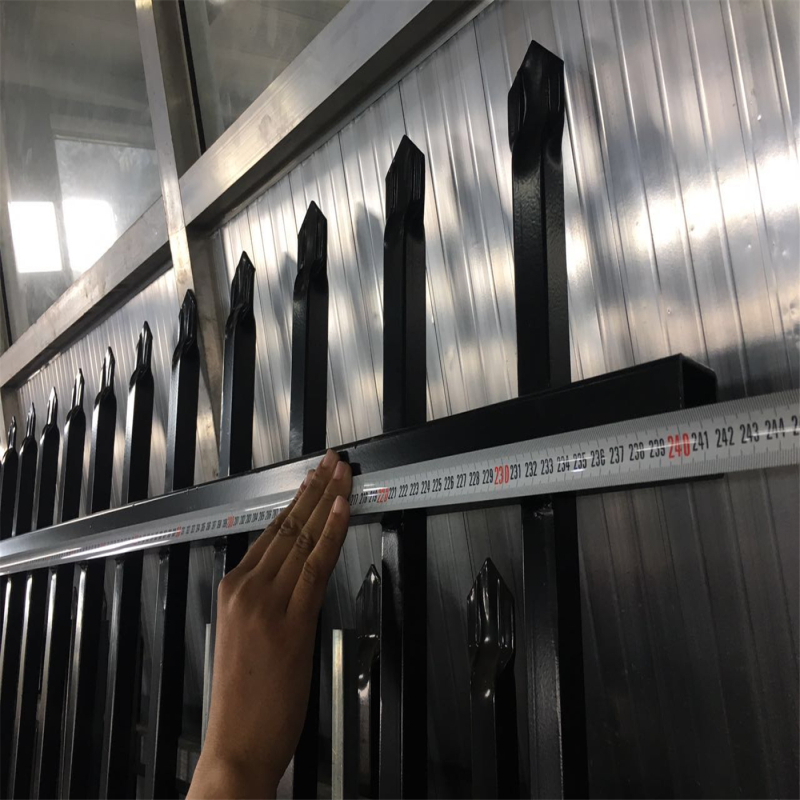
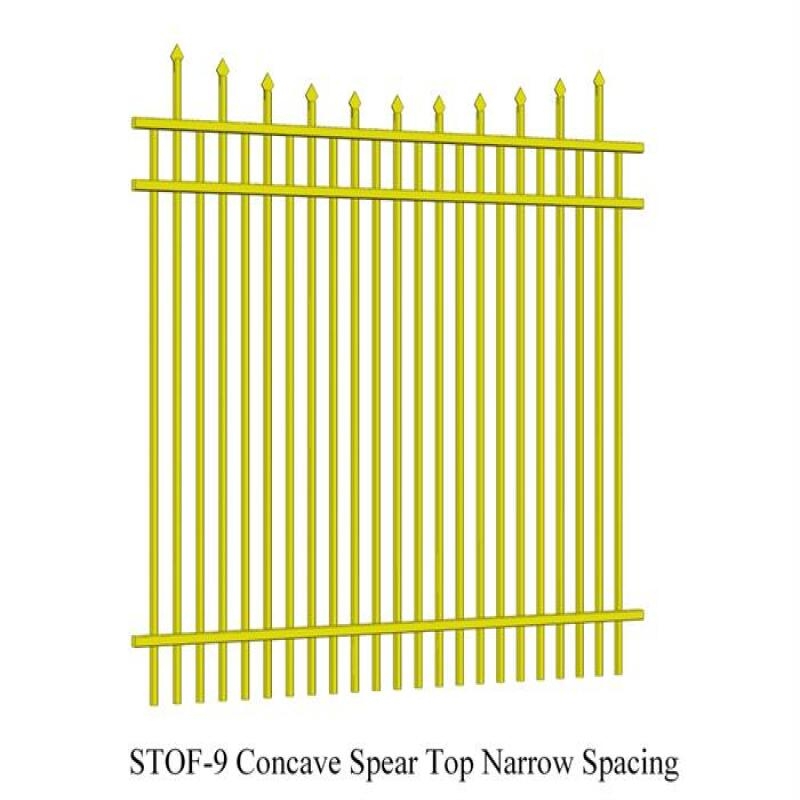
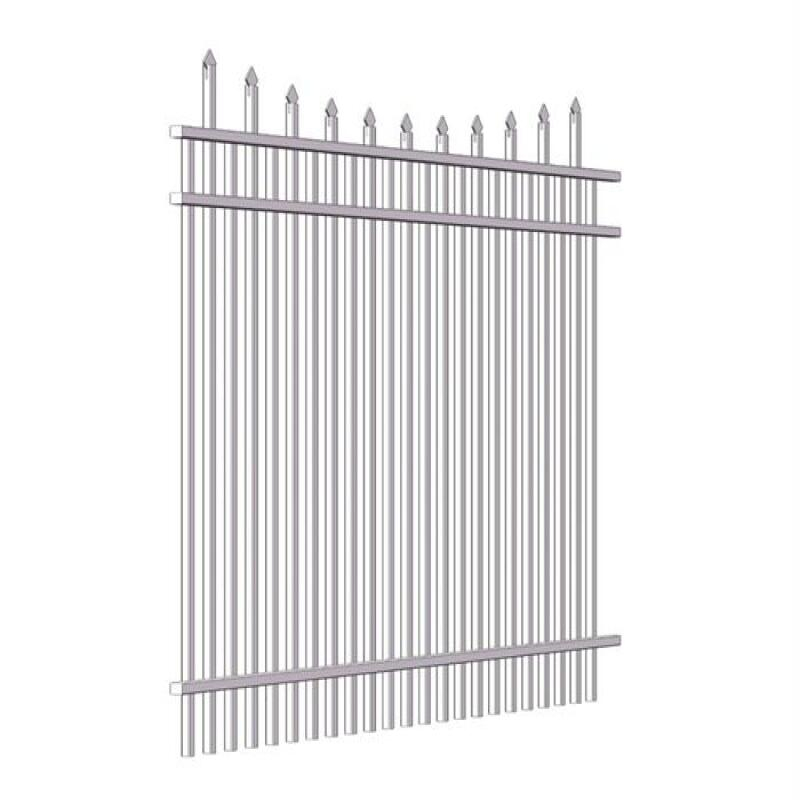
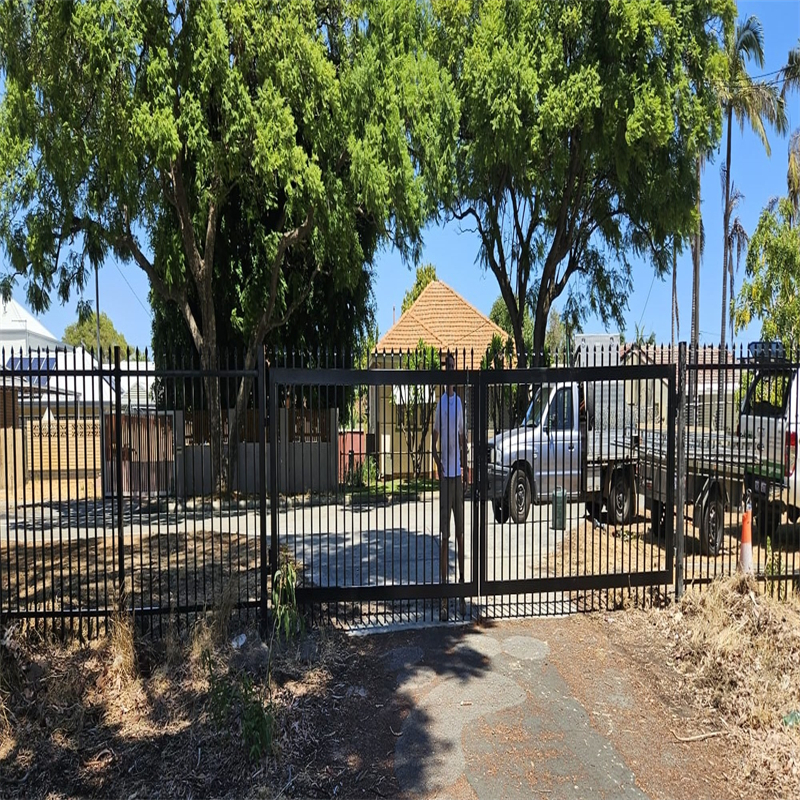
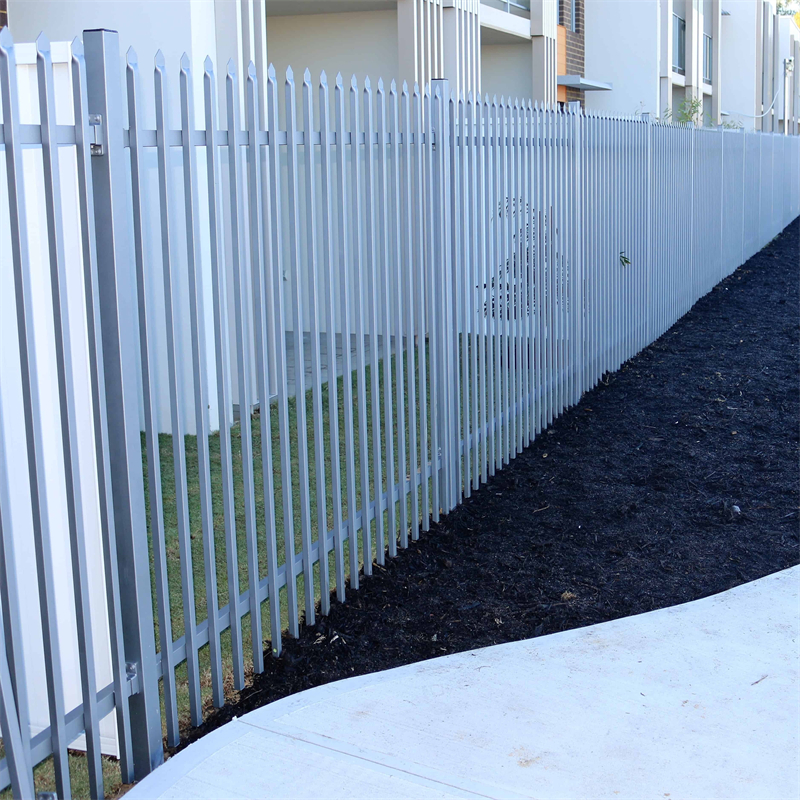
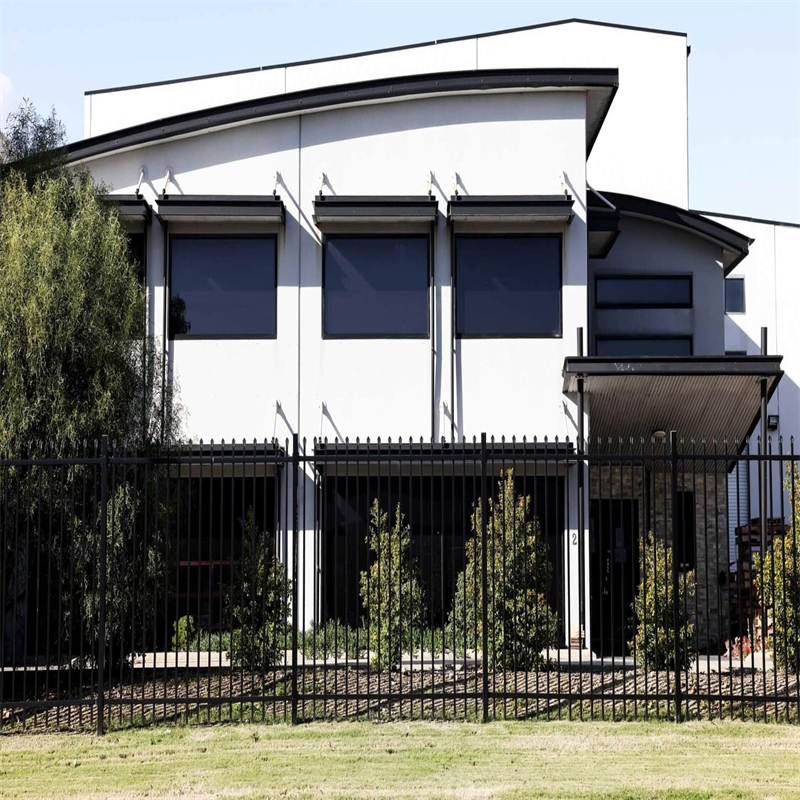
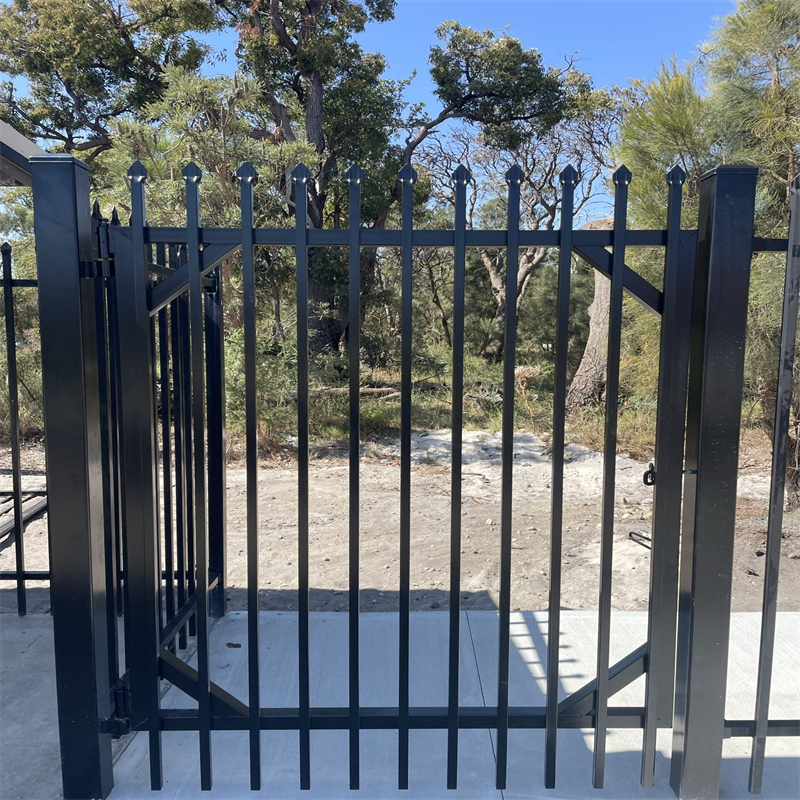
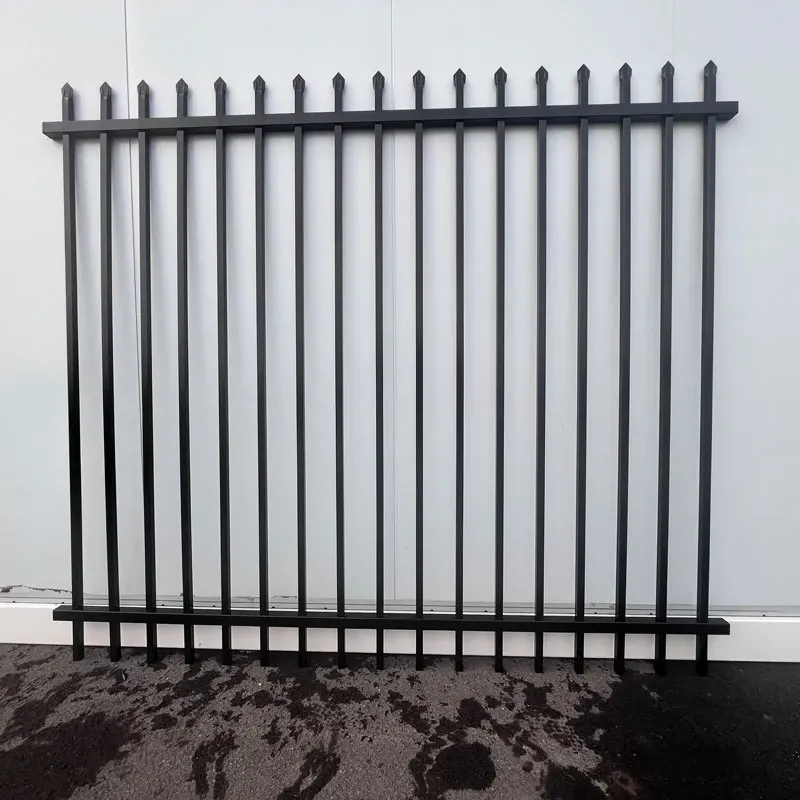
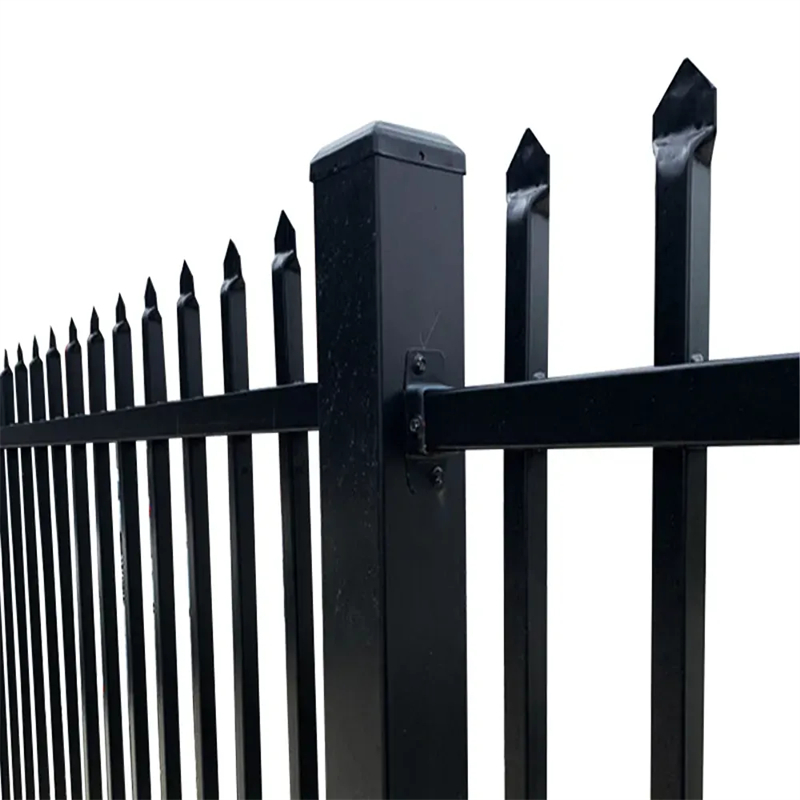
POLYMETAL galvanised steel fencing panels are welded steel fence modules engineered for repeatable straightness, consistent upright spacing, and reliable corrosion resistance in real site conditions, built around rigid rail frames with disciplined upright geometry to reduce installation correction time and prevent common failures that appear after stacking, transport, and daily handling, while the system pairs panel geometry with post options and thickness selection so foundations, brackets, and load paths work together as one perimeter solution.
Specifications
Panel Configuration Table (Heights, Width, Frames, Uprights, Spacing, Posts)
| Fence Height (Panel) | Fence Width (Panel) | Rail Frame Options | Rails Thickness Options | Upright Options | Upright Thickness Options | Upright Spacing Options | Upright Quantity Options | Fence Post Height | Post Options (Square) | Post Wall Thickness Options |
|---|---|---|---|---|---|---|---|---|---|---|
| 1200 mm | 2400 mm | 40×40 mm / 45×45 mm / 50×50 mm | 1.60 mm / 2.00 mm / 2.50 mm / 3.00 mm | 16×16 mm / 25×25 mm / 30×30 mm | 0.80 mm / 1.00 mm / 1.20 mm / 2.00 mm | 100 mm / 108 mm / 115 mm | 18 pcs (100 mm) / 17 pcs (108 mm) / 16 pcs (115 mm) | 1800 mm | 60×60 / 65×65 / 75×75 / 80×80 / 100×100 mm | 1.60 mm / 2.00 mm / 2.50 mm |
| 1500 mm | 2400 mm | 40×40 mm / 45×45 mm / 50×50 mm | 1.60 mm / 2.00 mm / 2.50 mm / 3.00 mm | 16×16 mm / 25×25 mm / 30×30 mm | 0.80 mm / 1.00 mm / 1.20 mm / 2.00 mm | 100 mm / 108 mm / 115 mm | 18 pcs (100 mm) / 17 pcs (108 mm) / 16 pcs (115 mm) | 2100 mm | 60×60 / 65×65 / 75×75 / 80×80 / 100×100 mm | 1.60 mm / 2.00 mm / 2.50 mm |
| 1800 mm | 2400 mm | 40×40 mm / 45×45 mm / 50×50 mm | 1.60 mm / 2.00 mm / 2.50 mm / 3.00 mm | 16×16 mm / 25×25 mm / 30×30 mm | 0.80 mm / 1.00 mm / 1.20 mm / 2.00 mm | 100 mm / 108 mm / 115 mm | 18 pcs (100 mm) / 17 pcs (108 mm) / 16 pcs (115 mm) | 2400 mm / 2450 mm | 60×60 / 65×65 / 75×75 / 80×80 / 100×100 mm | 1.60 mm / 2.00 mm / 2.50 mm |
| 2100 mm | 2400 mm | 40×40 mm / 45×45 mm / 50×50 mm | 1.60 mm / 2.00 mm / 2.50 mm / 3.00 mm | 16×16 mm / 25×25 mm / 30×30 mm | 0.80 mm / 1.00 mm / 1.20 mm / 2.00 mm | 100 mm / 108 mm / 115 mm | 18 pcs (100 mm) / 17 pcs (108 mm) / 16 pcs (115 mm) | 2700 mm | 60×60 / 65×65 / 75×75 / 80×80 / 100×100 mm | 1.60 mm / 2.00 mm / 2.50 mm |
| 2400 mm | 2400 mm | 40×40 mm / 45×45 mm / 50×50 mm | 1.60 mm / 2.00 mm / 2.50 mm / 3.00 mm | 16×16 mm / 25×25 mm / 30×30 mm | 0.80 mm / 1.00 mm / 1.20 mm / 2.00 mm | 100 mm / 108 mm / 115 mm | 18 pcs (100 mm) / 17 pcs (108 mm) / 16 pcs (115 mm) | 3000 mm | 60×60 / 65×65 / 75×75 / 80×80 / 100×100 mm | 1.60 mm / 2.00 mm / 2.50 mm |
Applications
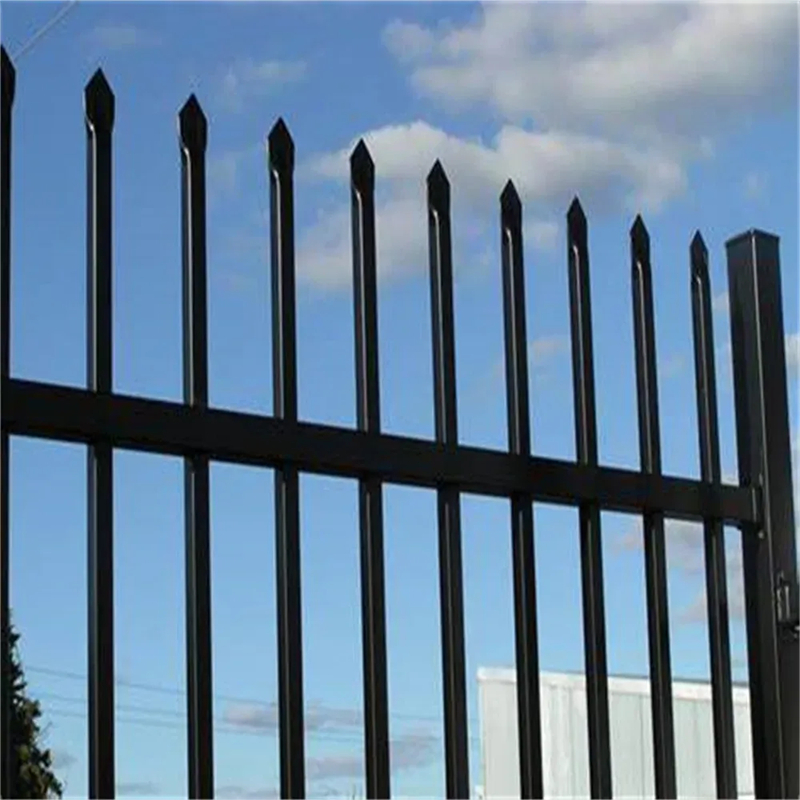
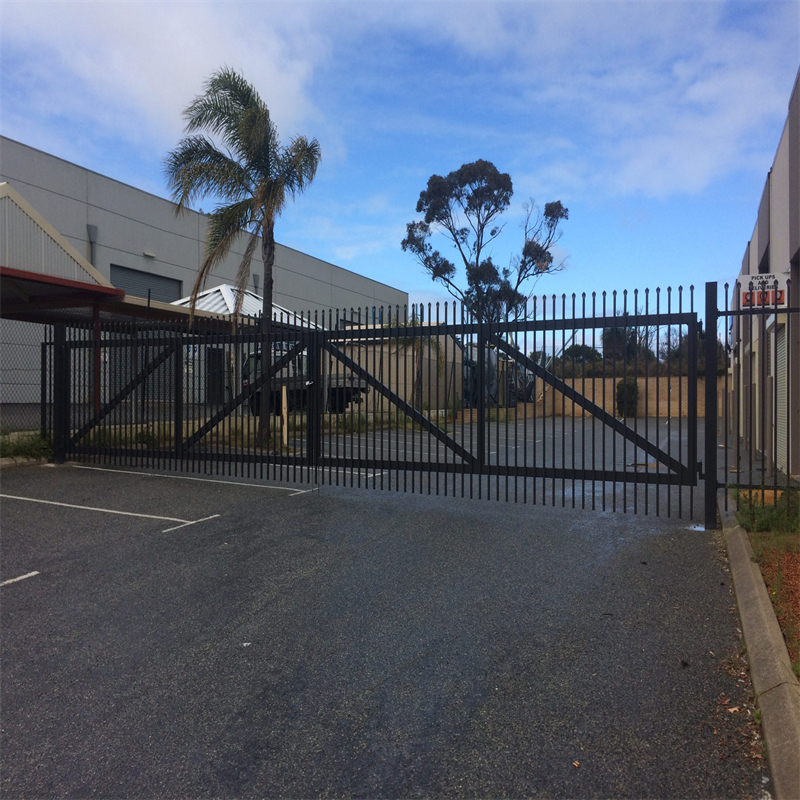
Galvanised steel fencing panels are specified when projects need a clean, straight architectural boundary that still communicates security and durability, commonly used for commercial compounds, warehouses, logistics yards, public infrastructure, schools, councils, industrial facilities, rail corridors, and sites where long runs must stay aligned under wind and vibration.
Benefits
POLYMETAL galvanised steel fencing panels deliver repeatable installation performance because panels arrive straight, uprights remain aligned, and post options can be matched to height and exposure so the fence line holds rigidity after installation, while galvanised protection reduces maintenance pressure and disciplined spacing keeps the perimeter consistent, professional, and secure in appearance.
Packing
Packing is specified to protect coating and geometry during loading, sea freight, unloading, and site staging, using abrasion control between contact points to reduce zinc scuffing and bundling discipline to maintain squareness, while posts, brackets, and fasteners are separated and labeled to reduce missing-hardware losses and speed up receiving and counting.


Standard
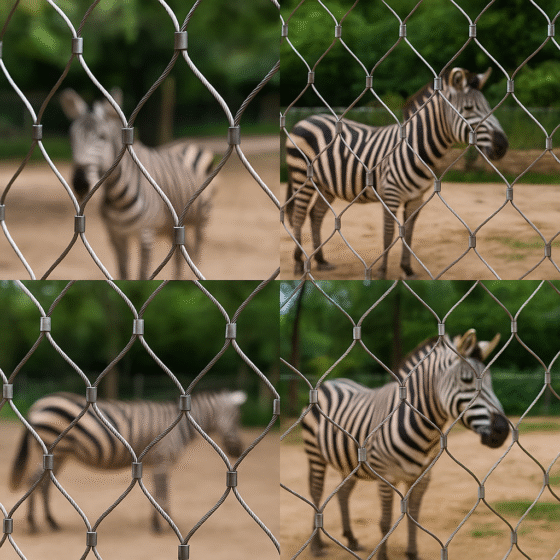
Depending on project location and requirements, galvanising and steelwork may be aligned to common references such as ISO 1461 for hot-dip galvanizing on fabricated iron and steel articles, AS/NZS 4680 for hot-dip galvanized coatings, ASTM A123/A153 for zinc coatings, and relevant steel tube standards for structural sections, and if your perimeter package includes architectural infill or you are pairing galvanised steel fencing panels with facade safety elements, you can reference a compatible stainless steel cable mesh option for design-driven applications, and the governing project standard and inspection criteria should always be stated in the purchase order to avoid disputes at receiving.
FAQs
FAQ 1: What is the most common reason galvanised steel fencing panels get rejected on site?
Rejections most often come from inconsistent geometry such as twist or bow, hardware mismatch, and coating damage at welds or cut points caused by vague specifications or poor packing discipline, which turns installation into correction work and invites complaints during handover.
FAQ 2: Is thicker always better for rails and posts?
Thicker typically increases stiffness and impact resistance, but the best choice is thickness matched to height, wind exposure, handling intensity, and bracket design, because overspecifying wastes cost while underspecifying triggers rework, movement at posts, and early corrosion at stressed points.
FAQ 3: Which upright spacing should I choose: 100 mm, 108 mm, or 115 mm?
Spacing depends on security expectation and appearance density, because tighter spacing increases perceived security and reduces reach-through opportunity, while wider spacing can reduce steel usage, and the critical requirement is locking spacing and upright quantity together so delivered panels match approved layouts.
FAQ 4: How do I protect galvanised panels after drilling or cutting on site?
Any exposed steel should be repaired using an approved zinc-rich protection method aligned to the project specification, and the best strategy is avoiding site cutting by specifying the correct panel and post system upfront and using disciplined installation practices to prevent damage.
FAQ 5: What should I include in my purchase order to avoid hidden losses?
Lock the panel height and width, rail frame size and thickness, upright size and thickness, upright spacing and quantity, post size and wall thickness, galvanising method, hardware set, and packing protection, because the more measurable the specification, the less expensive your fence line becomes over its life.