Your One-Stop Wire Mesh Fence Supplier | POLYMETAL
1. What Is Green Cable Mesh?
Fact 1 – Not understanding “green” (coating vs planting) leads to the wrong product
“Green cable mesh” can mean green-coated cables, or a stainless cable net that becomes green because of climbing plants. If you mix these up, you may buy a coated fence when you actually need a structural plant support, or specify a bare stainless net where colour integration with the landscape is critical. If you do not define what “green” means for your project at the beginning, you risk choosing a product that simply cannot deliver the performance or appearance your client expects.
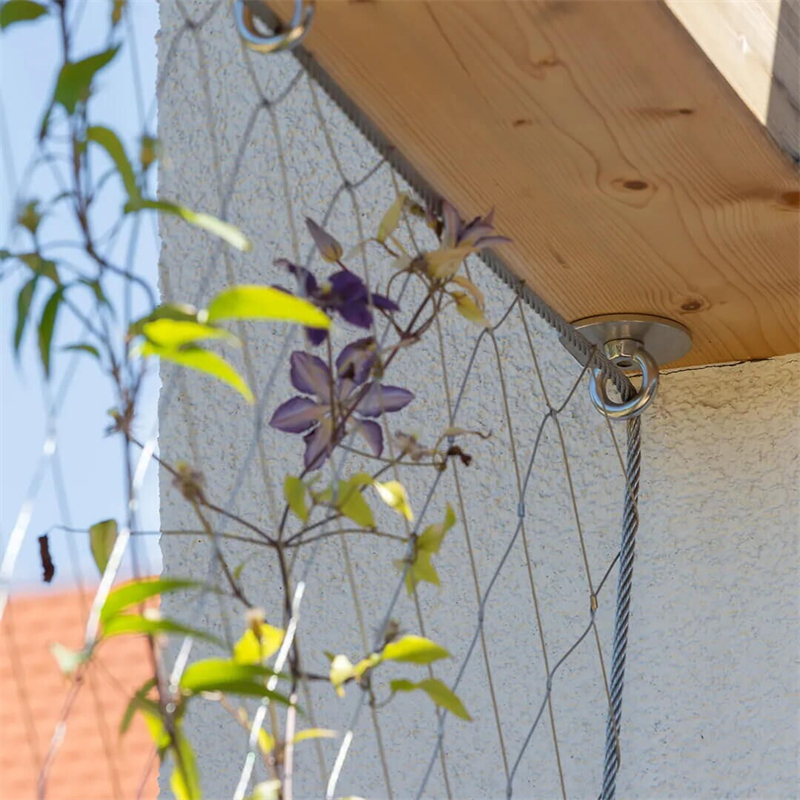
Green cable mesh is a flexible net made from multi-strand wire ropes (cables), usually stainless steel or galvanized steel, arranged in diamond or rectangular openings and coated or combined with greenery.
Depending on how it’s designed, green cable mesh can mean:
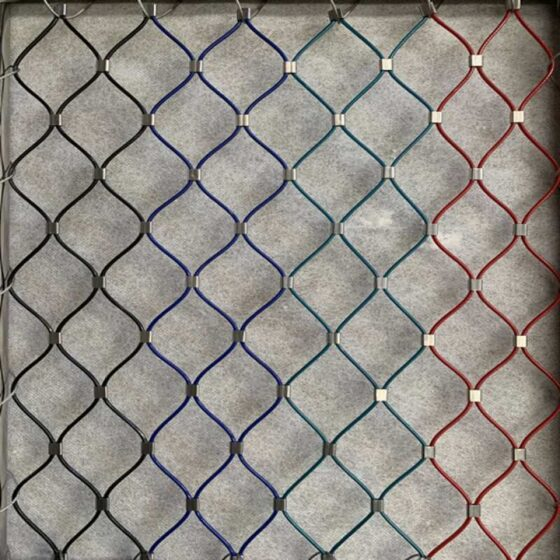
- Green-coated cable mesh – stainless steel or galvanized cables coated in green PVDF or PVD to blend with landscaping and vegetation.
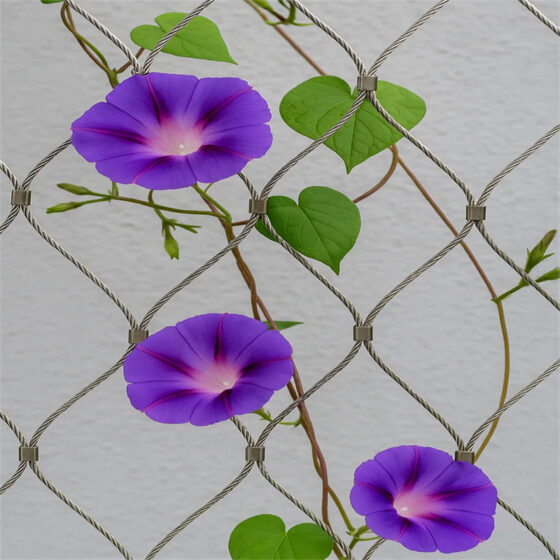
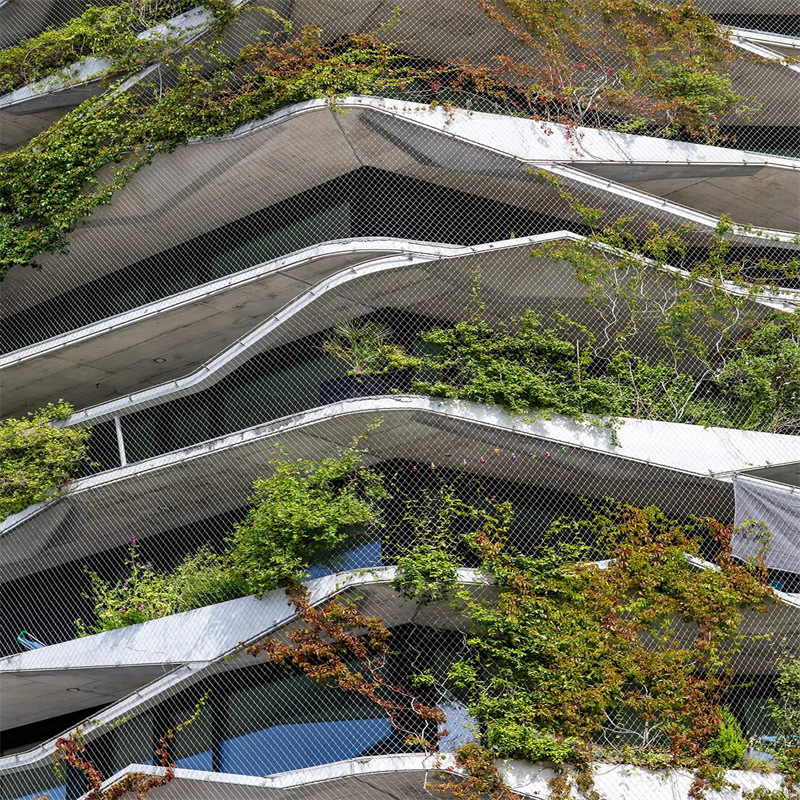
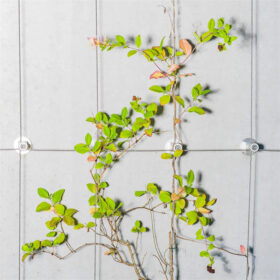
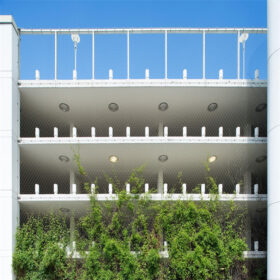
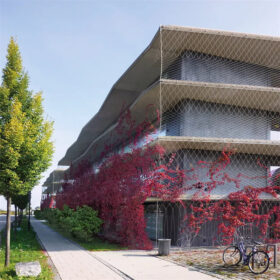
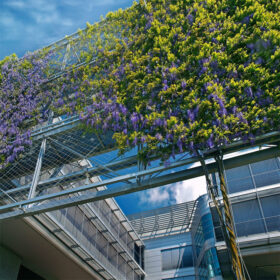
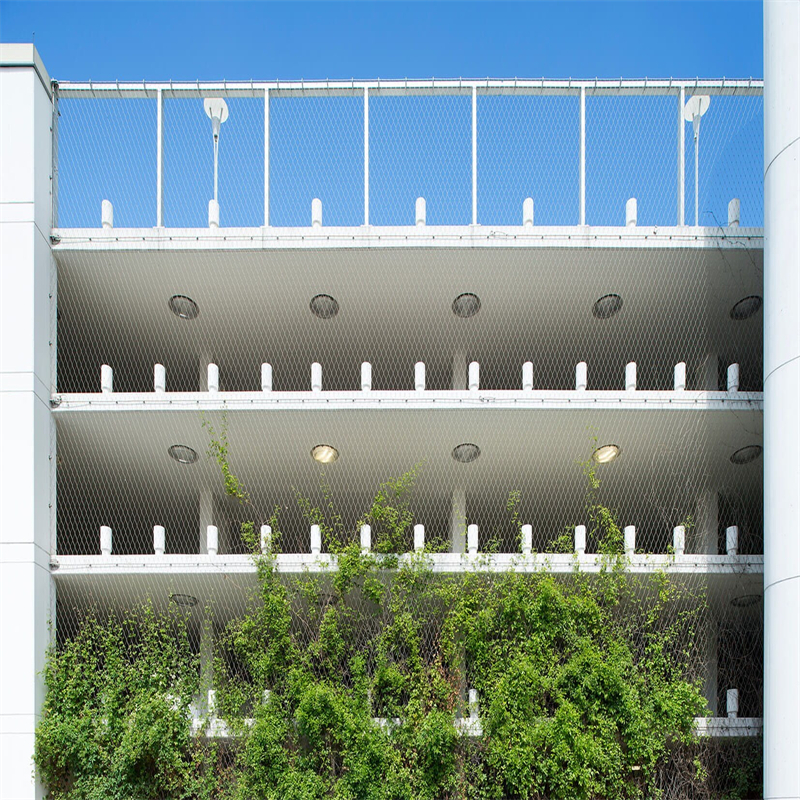
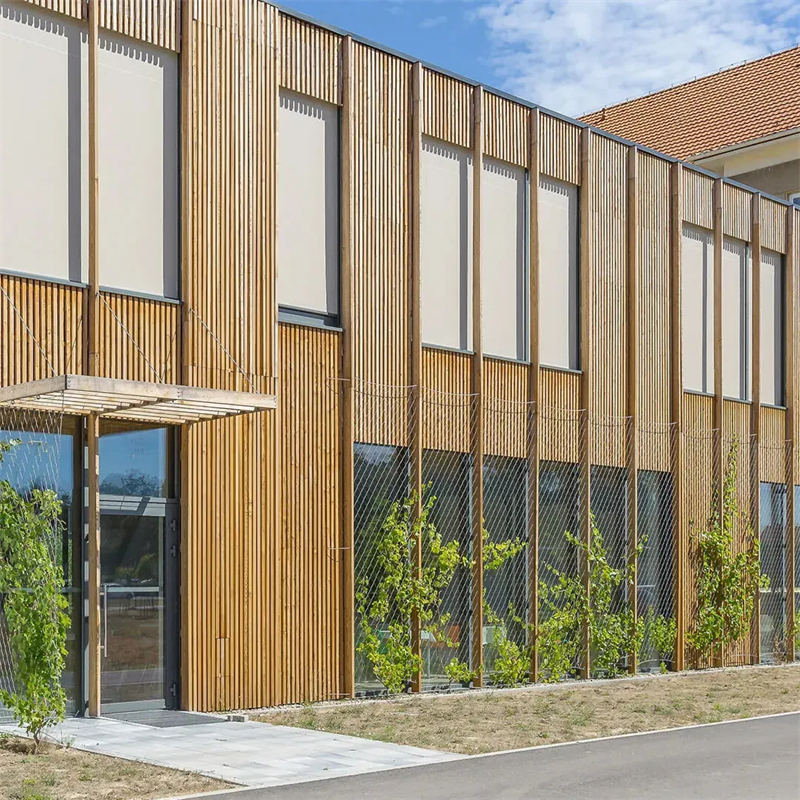
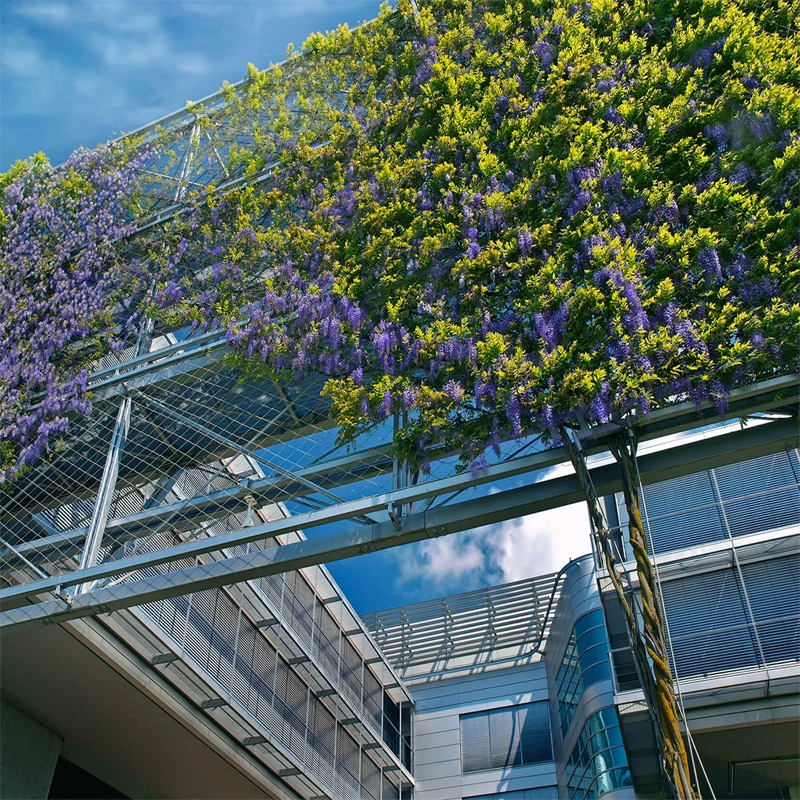
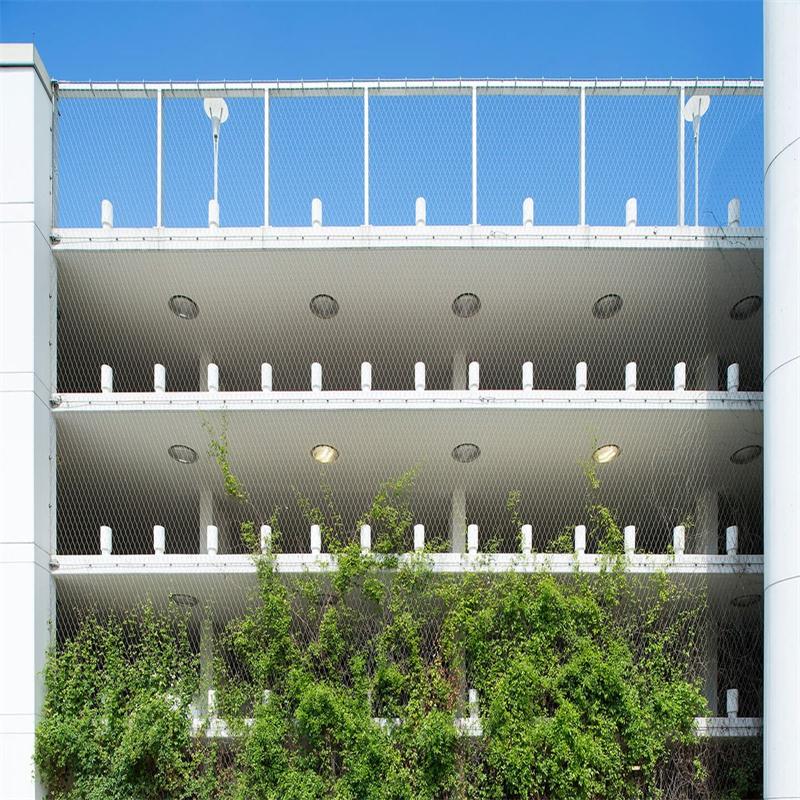
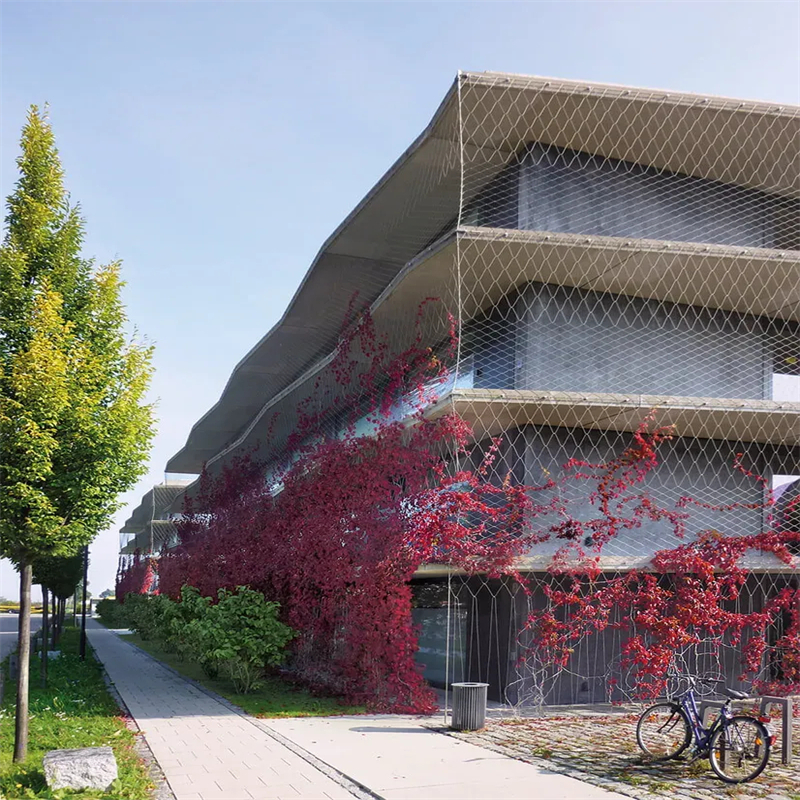
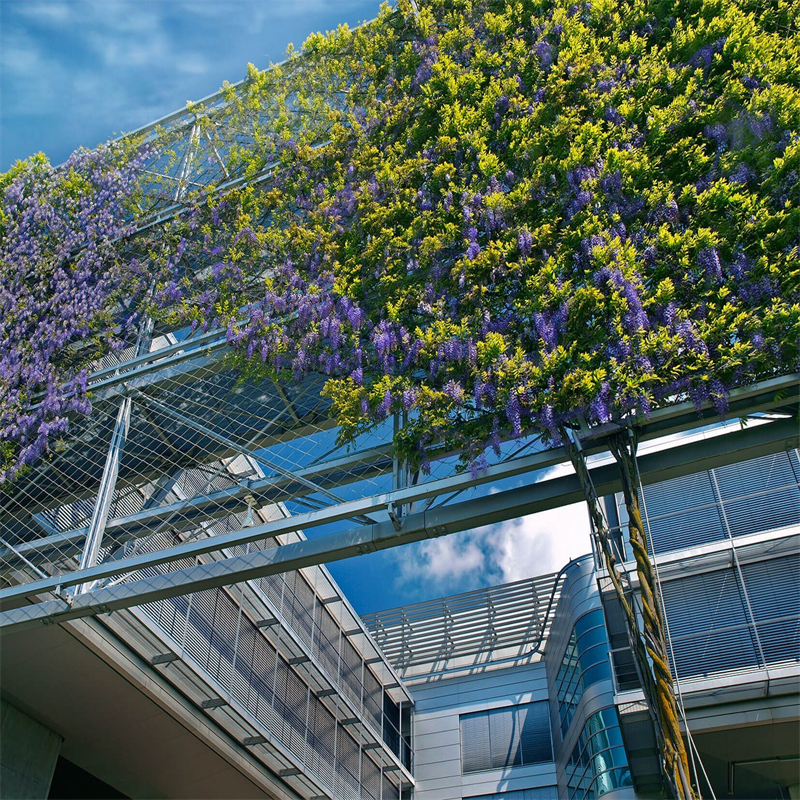
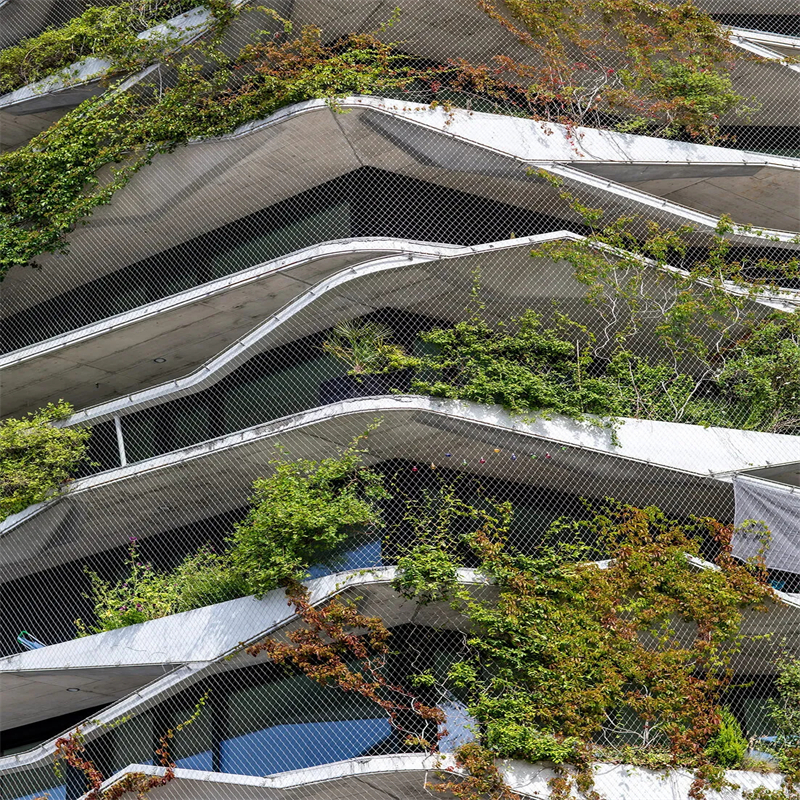
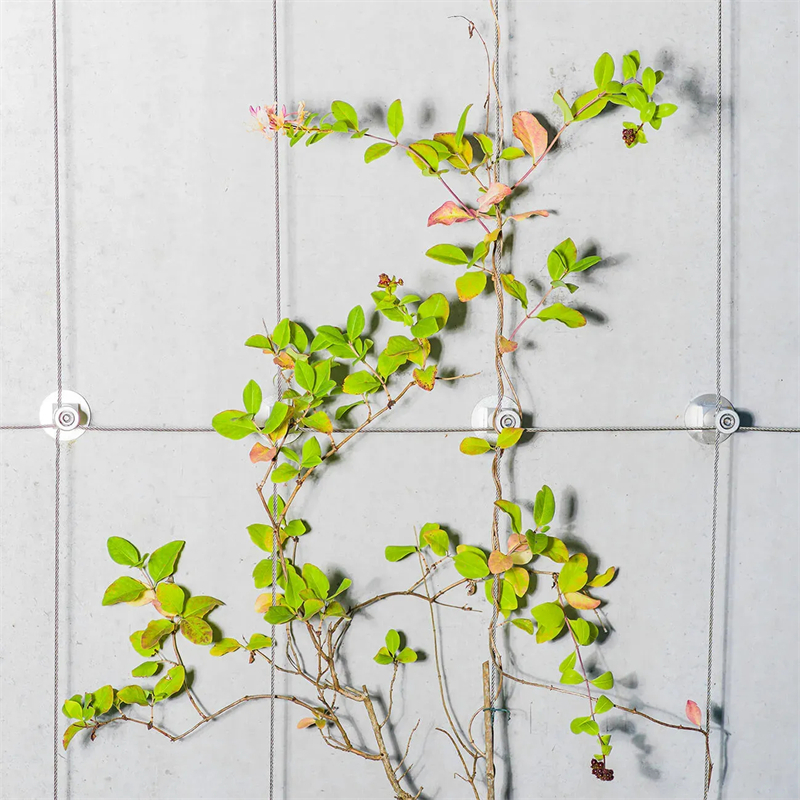
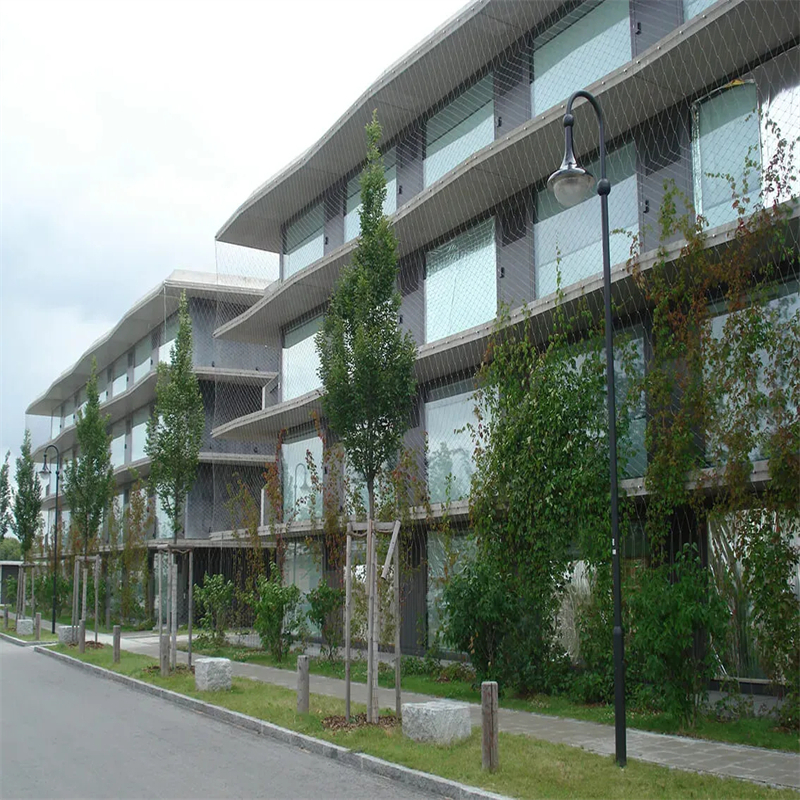
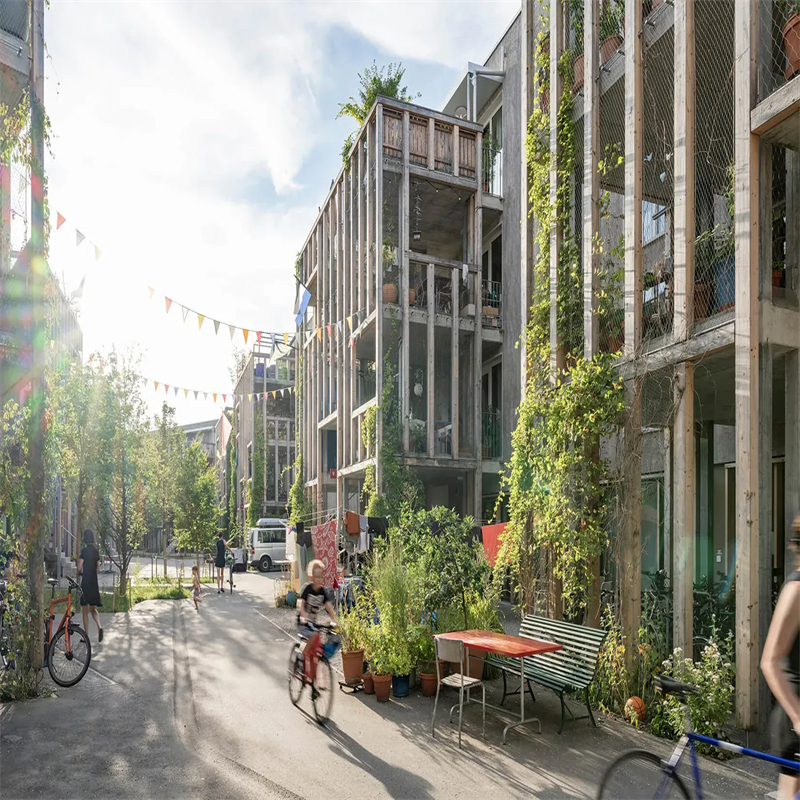
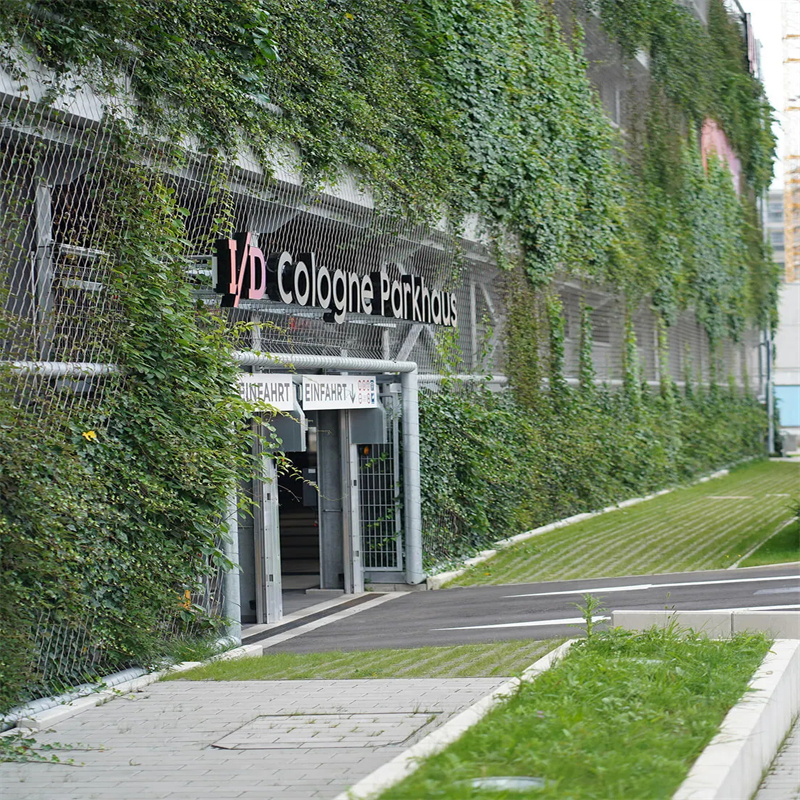
- Green wall cable mesh – stainless steel wire rope mesh used as a plant climbing support to form vertical gardens and eco-friendly façades.
In both cases, the goal is the same: a durable, low-maintenance green cable mesh system that supports safety while visually integrating with plants and outdoor environments.
Typical structure:
- Wire rope (for example 7×7 or 7×19 construction)
- Connections at each intersection:
- Hand-woven knots, or
- Pressed ferrules (stainless steel or copper)
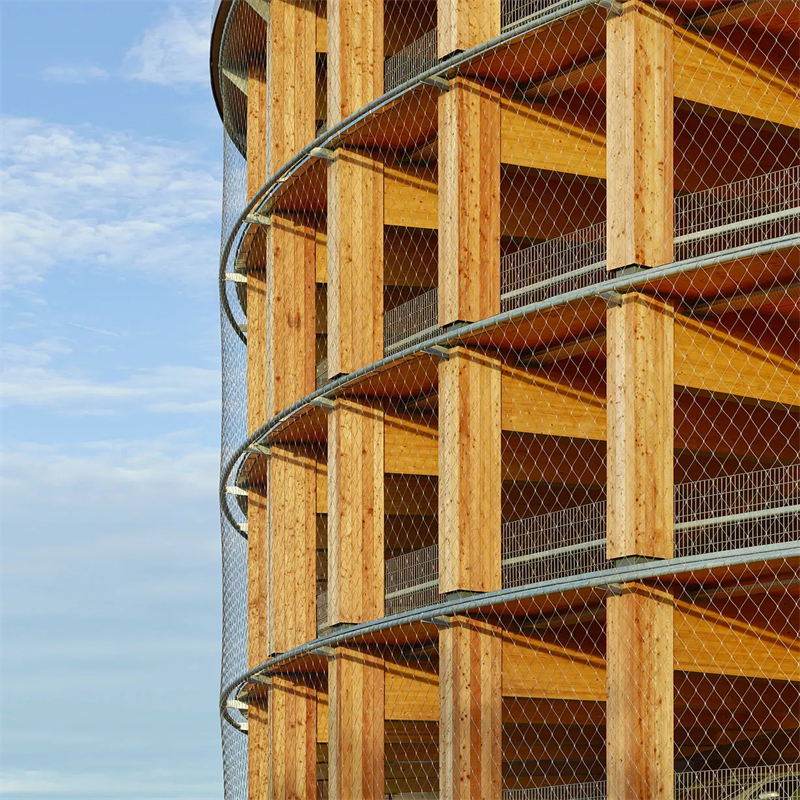
- Mesh pattern: diamond or rectangular apertures
- Green appearance:
- Green PVC / PE coating over the steel cable, or
- Natural green from climbing plants growing through the mesh
The result is a lightweight but strong “net-like” green cable mesh system that can span long distances, resist wind and weather, and visually merge with surrounding landscape or architecture.
2. Main Materials and Coating Options
Fact 2 – Choosing the wrong base material invites early corrosion and failures
Using the wrong steel grade for your green cable mesh is one of the fastest ways to create future problems. Coastal façades, bridges and exposed green walls usually need stainless steel (304 or 316), while ordinary galvanized steel is only suitable for milder environments. If you ignore material selection, you risk rust streaks on the façade, weakened cables and expensive replacement years earlier than expected.
2.1 Base materials
Green cable mesh is usually manufactured from:
- Stainless Steel Wire Rope
- Common grades: AISI 304 / 304L, 316 / 316L
- Best for long-term outdoor use, coastal areas, façades, bridges and green walls
- Excellent corrosion resistance and high strength
- Galvanized Steel Wire Rope
- Hot-dip galvanized for basic corrosion protection
- Lower cost than stainless steel
- Often used when budget is tight and environment is not extremely aggressive
2.2 Coating types (for green colour)
To achieve the characteristic colour and appearance of green cable mesh, several coating technologies are used:
- PVC (Polyvinyl Chloride) Coated Wire Rope
- A plastic jacket extruded over the steel cable
- Smooth surface, good UV resistance (with proper formulation)
- Common colours: RAL 6005 (moss green), RAL 6009 (fir green), dark green, custom colours
- PE / HDPE Coating
- Polyethylene sheath with good chemical resistance
- Often used in outdoor and marine settings
- Powder Coating (for frames / rigid panels)
- Applied to steel frames, tension rods or welded mesh panels
- Creates a hard, coloured layer – often used in green security fences and landscape elements
For green wall cable mesh in high-end projects, many designers keep the mesh natural stainless steel and rely on plants to provide the “green” appearance, while frames or tension rods may be powder-coated green.
3. Types of Green Cable Mesh
Fact 3 – Mesh aperture and cable diameter control real-world safety, not just appearance
The combination of mesh aperture and cable diameter determines what the mesh can safely contain: children, animals, balls, tools or falling debris. If apertures are too large or cables too thin, people and objects can pass through, or the system can deflect dangerously under load. Ignoring this fact leads directly to fall hazards, escaped animals and project non-compliance.
3.1 Stainless steel wire rope mesh (green façade / zoo / safety)
- Structure: multi-strand stainless steel cables (7×7 or 7×19)
- Mesh type:
- Woven/knotted cable mesh – cables twisted around each other
- Ferruled cable mesh – cables joined with pressed ferrules
- Finish: natural stainless colour or PVC-coated in green
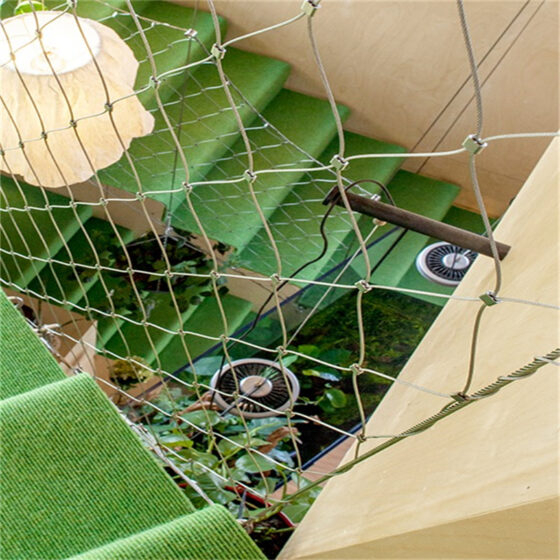
- Use: green façades, plant climbing nets, bridge safety nets, zoo enclosures, anti-fall barriers
3.2 PVC-coated cable fencing mesh
- Base: galvanized steel or stainless steel cables
- Coating: green PVC / PE
- Use: perimeter fencing, highway barriers, school and park fences where a soft, landscape-friendly colour is desired
3.3 Hybrid systems
- Cable mesh + green-coated frames
- Cable mesh + tensioned wire trellis system
- Cable mesh + welded mesh or perforated plates in high-security or multi-functional façades
4. Advantages of Green Cable Mesh
Fact 4 – Open area and wind load can quietly destroy under-designed structures
High open area gives great transparency, but it still catches wind – especially once plants grow and the mesh becomes a “green sail”. If you design only for the weight of the cables and forget wind and plant loads, posts can bend, anchors can pull out and façades can distort. You must treat green cable mesh as a structural membrane, not just a decorative net.
4.1 Aesthetic and environmental benefits
- Blends with trees, lawns and planting, not as harsh as plain grey steel
- Ideal for green walls and eco-facades, helping to reduce heat island effect and improve microclimate
- Supports climbing plants (ivy, wisteria, bougainvillea, creepers) with minimal structural steel
4.2 Safety and strength
- Wire ropes provide high tensile strength and excellent impact resistance
- When correctly tensioned, the green cable mesh acts as a continuous safety membrane, spreading loads over many nodes
- Can be used as:
- Fall-prevention infill
- Anti-throw / anti-climb barrier
- Protection against falling rocks or debris (with appropriate engineering)
4.3 Durability and low maintenance
- Stainless steel or galvanized + high-quality coating = long life in outdoor conditions
- Resistant to corrosion, UV, rain, frost and temperature changes
- Requires only basic cleaning and periodic inspection, unlike painted steel that needs regular repainting
4.4 Flexibility and light weight
- Green cable mesh can wrap around curved façades, inclined surfaces and complex geometries
- Lightweight system reduces load on building structure and foundations
- High open area keeps wind loads and visual blocking low
5. Typical Applications of Green Cable Mesh
Fact 5 – Ignoring coating quality and UV resistance triggers cracking, rust and claims
Cheap green coatings may look fine at handover but crack, fade and peel within a few seasons. Once the plastic layer fails, corrosion accelerates and clients see an ugly, patchy fence or façade. Choosing high-quality PVC / PE or powder-coating systems with proven UV resistance is essential. Saving a little on coating now can lead to full replacement or repainting later – plus complaints and claims.
5.1 Green façades and plant climbing nets
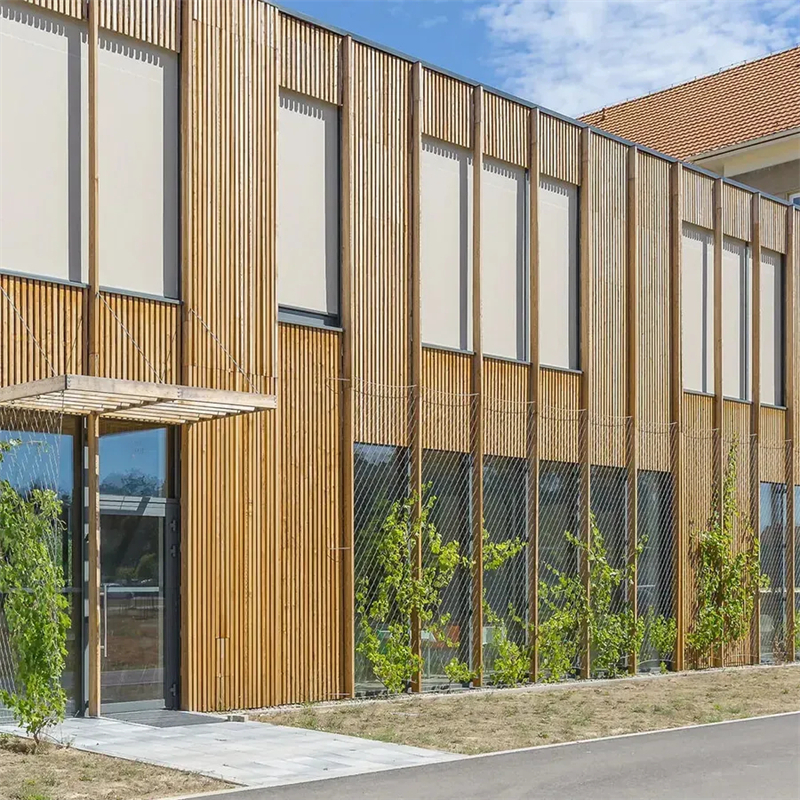
- Vertical or inclined green walls on buildings, parking structures, bridges and noise barriers
- Cable mesh fixed between floors or frames as plant supports
- Provides shading, improves thermal comfort, enhances building appearance
5.2 Perimeter and boundary fences
- Park, garden, school, factory and residential fences
- Green colour helps the fence disappear into background vegetation
- Can be combined with 358 security mesh, railing posts or brick walls
5.3 Bridges, walkways and balconies
- Side protection on pedestrian bridges, skywalks and footbridges
- Bridge parapet infill with green cable mesh to match landscape
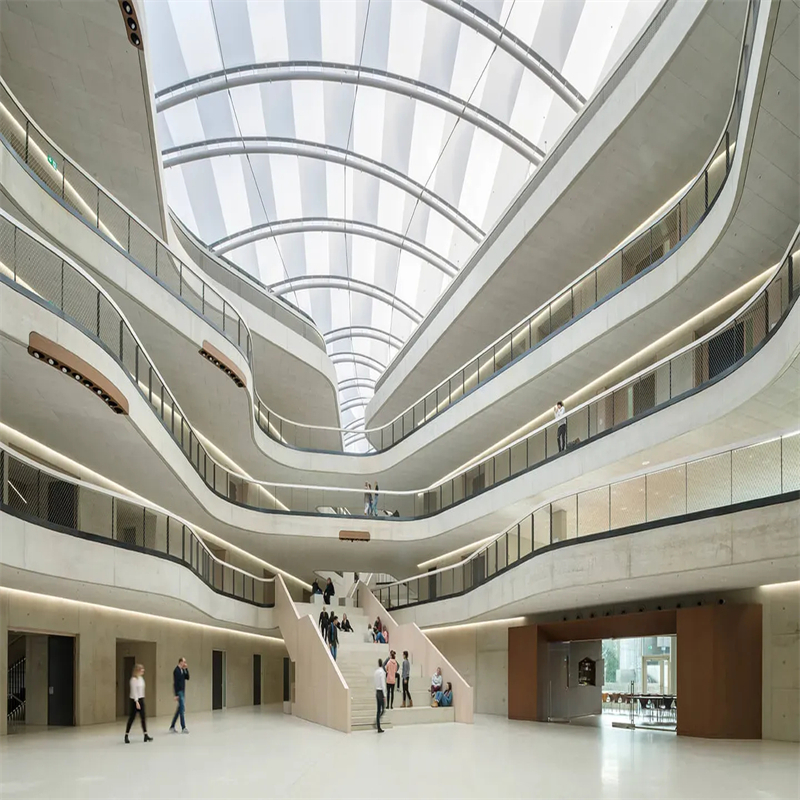
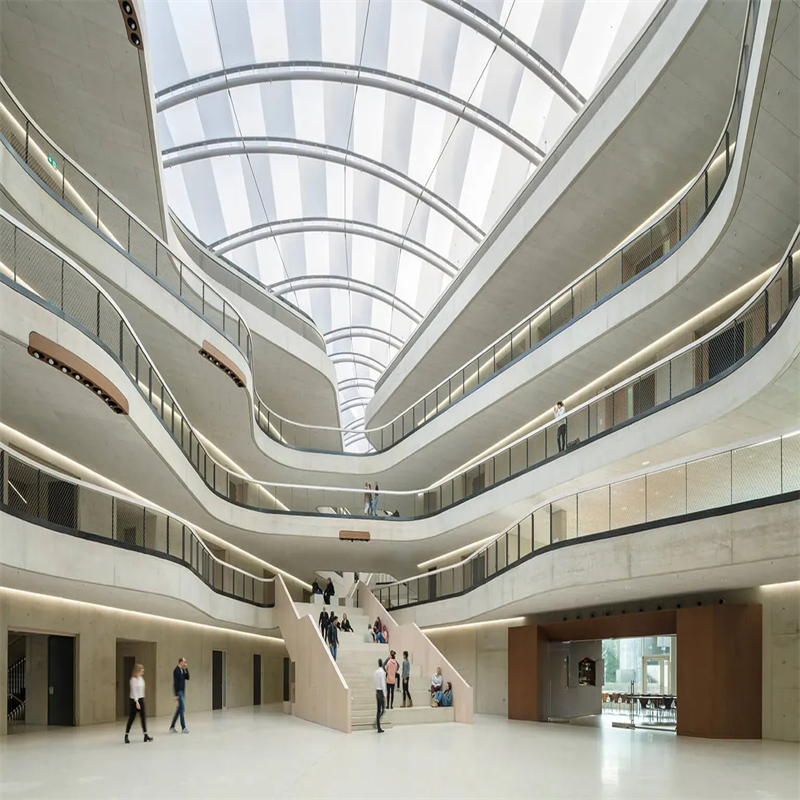
- Balcony infill panels that are safe but still visually light
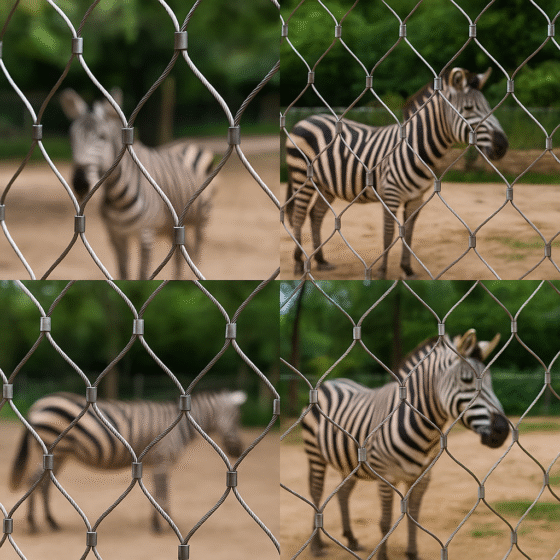
5.4 Zoo enclosures and aviaries
- Enclosures for birds, monkeys, big cats and other animals
- Green mesh is visually softer for visitors and integrates better with planted habitats
- Stainless cable mesh allows large spans for more natural spaces
5.5 Sports and recreation
- Sports field fences and ball stop nets in parks and stadiums
- Climbing plant fences around playing areas to create green privacy screens
- Protective barriers for playgrounds, jogging paths and outdoor gyms
6. Key Design Parameters for Green Cable Mesh
Fact 6 – Fixings and edges are the weak links that often fail first
Even the strongest cable mesh can be defeated by poor fixings: sharp-edged clamps that cut into the jacket, undersized bolts, or boundary cables that are too small. Corners and edges carry concentrated forces and are the first place where tearing, slipping or breakage occurs. If you treat hardware as an afterthought, your green cable mesh may fail exactly where it should be strongest.
When designing or ordering green cable mesh, you should define:
- Application and safety level
- Green façade? Perimeter fence? Zoo enclosure? Bridge protection?
- Required load capacity and deflection limits
- Mesh aperture (opening size)
- Small: 30–60 mm – for small animals, bird netting, child safety
- Medium: 60–120 mm – typical for balustrades, green walls, general enclosures
- Large: 120–250+ mm – façades, shading meshes where fall risk is low
- Cable diameter
- 1.0–1.5 mm – light duty, decorative mesh, small spans
- 2.0–3.0 mm – standard green façade and safety applications
- 4.0 mm+ – heavy duty, high loads, long spans and rockfall/slope protection
- Coating / finish
- Green PVC / PE coating on cable
- Natural stainless steel mesh with green powder-coated frames
- Colour tone (standard RAL greens or custom)
- Mesh type
- Knotted (woven) or ferruled cable mesh
- Orientation of diamonds (standing vs lying)
- Panel size and fixing
- Clear width and height of each panel
- Fixing style: boundary cables, flat bars, clamp plates, eye bolts, etc.
7. Example Specification Tables for Green Cable Mesh
Fact 7 – Bad installation and tensioning create dangerous gaps and sagging
Untensioned or unevenly tensioned green cable mesh sags, wrinkles and opens larger gaps than designed. Children, animals or balls can slip through spaces that were supposed to be safe on paper. Correct step-by-step tensioning, with suitable turnbuckles and boundary cables, is not just about aesthetics – it is about eliminating hidden hazards before the site opens.
Below is an example summary table (you can adapt product codes and values to your own catalogue):
| Product No. | Cable Ø (mm) | Cable Construction | Mesh Aperture W × H (mm) | Material | Finish / Colour | Open Area (%) | Typical Application |
|---|---|---|---|---|---|---|---|
| GCM-001 | 1.5 | 7×7 | 30 × 52 | SS304 | Green PVC coated | ≈ 88 | Small plant climbing net, balcony infill |
| GCM-002 | 1.5 | 7×7 | 40 × 70 | SS304 | Green PVC coated | ≈ 92 | Residential façade greening |
| GCM-003 | 2.0 | 7×7 | 40 × 70 | SS316 | Green PVC coated | ≈ 90 | Coastal green wall support |
| GCM-004 | 2.0 | 7×7 | 50 × 90 | SS316 | Natural SS, green frame | ≈ 93 | Bridge / overpass façade mesh |
| GCM-005 | 2.0 | 7×19 | 60 × 105 | SS316 | Green PVC coated | ≈ 94 | Medium-size green façade, office buildings |
| GCM-006 | 2.0 | 7×19 | 80 × 140 | SS316L | Natural SS, green posts | ≈ 96 | Zoo plant-covered enclosure |
| GCM-007 | 3.0 | 7×19 | 80 × 140 | SS316 | Green PVC coated | ≈ 94 | Strong plant support on tall façades |
| GCM-008 | 3.0 | 7×19 | 100 × 175 | SS316 | Green PVC coated | ≈ 95 | Public walkway / bridge side net |
| GCM-009 | 3.0 | 7×19 | 120 × 210 | SS316L | Natural SS, green frame | ≈ 96 | Large-span green curtain wall |
| GCM-010 | 3.0 | 7×19 | 150 × 260 | Galv. steel | Green PVC coated | ≈ 96 | Perimeter fencing with climbing plants |
| GCM-011 | 4.0 | 7×19 | 150 × 260 | SS316 | Green PVC coated | ≈ 95 | Heavy-duty green safety net for bridges |
| GCM-012 | 4.0 | 7×19 | 180 × 310 | SS316 | Natural SS, green posts | ≈ 96 | High façade with mixed shading and greening |
| GCM-013 | 1.5 | 7×7 | 25 × 43 | SS304 | Green PVC coated | ≈ 85 | Small balcony greening / child-safe infill |
| GCM-014 | 2.5 | 7×19 | 60 × 105 | Galv. steel | Green PVC coated | ≈ 92 | Economy green fence for parks |
| GCM-015 | 2.5 | 7×19 | 80 × 140 | Galv. steel | Green PVC coated | ≈ 94 | Residential boundary green cable mesh |
| GCM-016 | 2.0 | 7×7 | 50 × 90 | SS316 | Green PVC coated | ≈ 92 | Hotel / commercial green façade |
| GCM-017 | 3.0 | 7×19 | 100 × 175 | SS316L | Natural SS, green coated frame | ≈ 95 | Zoo enclosures with planted background |
| GCM-018 | 4.0 | 7×19 | 200 × 345 | SS316 | Green PVC coated | ≈ 97 | Large-span green wall / shading mesh |
8. Installation Guidelines for Green Cable Mesh
Fact 8 – Plants add extra load and can hide serious damage
On green façades, plants significantly increase the weight and wind resistance of the system. Wet foliage after rain is very heavy, and dense growth can create high wind suction in storms. If you design and install the mesh and supports only for bare cables, you may be underestimating loads by a big margin. Plants also hide broken clips, corroded fixings or damaged cables, making regular inspection even more important.
Good material can still fail if installation is poor. Key points for green cable mesh are:
- Support structure
- Design posts, frames and anchor points to take tension plus wind and plant loads
- Use corrosion-resistant materials (stainless or galvanized + coating)
- Panel orientation and layout
- Check which edge is top/bottom (for diamond mesh)
- Plan overlaps or connections between panels in advance
- Tensioning
- Use turnbuckles, tension rods or boundary cables
- Tension gradually from the centre outwards to avoid distortion
- Aim for regular, neat mesh diamonds with no sagging areas
- Fixings
- Use stainless or coated clamps, U-clips or continuous flat bars
- Avoid sharp edges that could cut the coating or cables
- For plant climbing nets, ensure enough stand-off from the wall for growth and air circulation
- Plant integration (for green walls)
- Select plant species suitable for your climate and orientation
- Ensure proper irrigation and drainage
- Leave access for pruning and maintenance
9. Maintenance and Life-Cycle Performance
Fact 9 – Skipping inspection and cleaning turns minor defects into expensive failures
Green cable mesh is low-maintenance, but not zero-maintenance. Small cracks in coating, slightly loose bolts or local cable damage are cheap and easy to fix when found early. Ignored for years, they can grow into system-wide failures, façade safety problems and downtime for urgent repairs. A simple annual inspection and basic cleaning program is far cheaper than emergency replacement and legal disputes.
Even though green cable mesh is low-maintenance, some care is still necessary:
- Regular inspection (at least once a year):
- Check cables and ferrules for damage or corrosion
- Check tension of boundary cables and tightness of bolts
- Inspect coated areas for cracking or UV ageing
- Cleaning:
- Rinse with fresh water to remove dust, salt and pollutants
- Mild neutral detergent can be used; avoid harsh chemicals and abrasives
- Plant care (for green façades):
- Prune plants to prevent overloading
- Make sure stems are guided correctly so they don’t damage fixings
Because stainless steel and high-quality coatings have long service lives, replacement intervals are much longer than for ordinary painted mesh, and the total life-cycle cost is usually lower.
10. How to Specify Green Cable Mesh to Your Supplier
Fact 10 – Focusing only on lowest price can destroy long-term value
Cheapest mesh, cheapest coating, cheapest fixings and rushed installation almost always cost more in the long run. Premature corrosion, plant collapse, failed safety inspections and client complaints all turn “low cost” into an expensive mistake. A properly designed, engineered and installed green cable mesh may cost a little more at the start, but it protects your reputation, your budget and the people using the space for many years.
When asking a manufacturer or exporter for a quote on green cable mesh, try to provide:
- Project type: (green façade wire rope mesh, fence, zoo, bridge, sports, etc.)
- Location and environment: (coastal / inland, urban / industrial)
- Material: stainless steel grade (304 / 316) or galvanized steel
- Mesh type: knotted or ferruled cable mesh
- Mesh aperture: e.g. 60 × 105 mm
- Cable diameter: e.g. 2.0 mm
- Finish / colour: green PVC coating, natural stainless with green frames, etc.
- Panel sizes and quantities: width × height of each panel, number of panels
- Accessories: boundary cables, turnbuckles, clamps, posts, foundations if needed
The clearer your specification, the easier it is for the supplier to propose a safe, economical and beautiful green cable mesh system that matches your project exactly – and the more you reduce the risk of dangerous failures and costly mistakes.