Your One-Stop Wire Mesh Fence Supplier | POLYMETAL
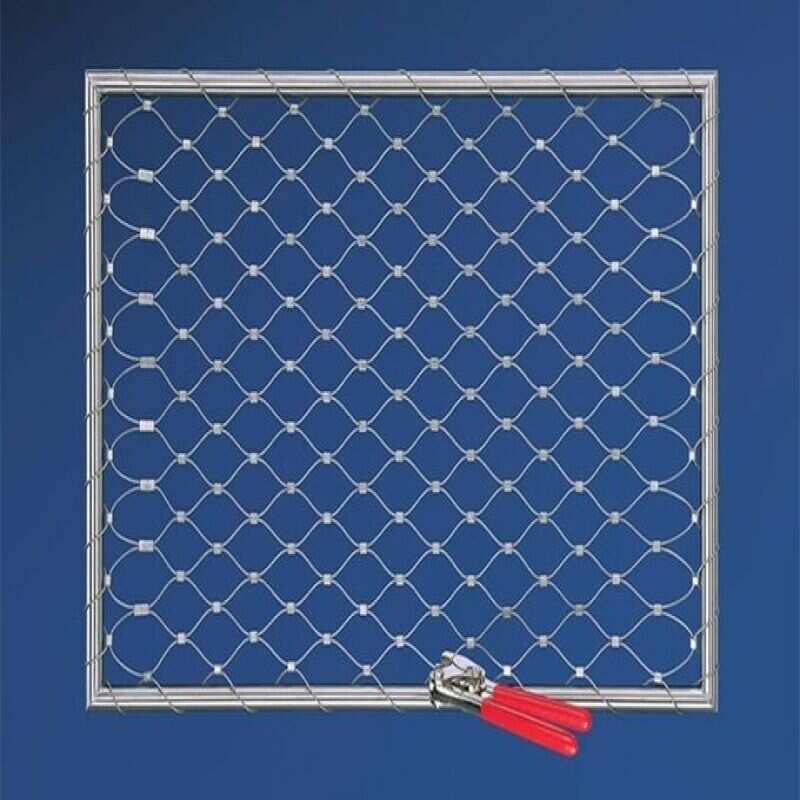
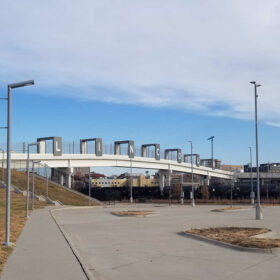
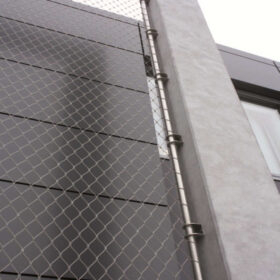
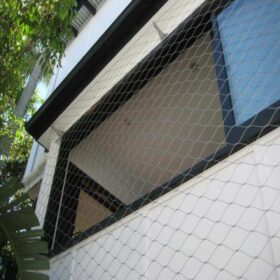
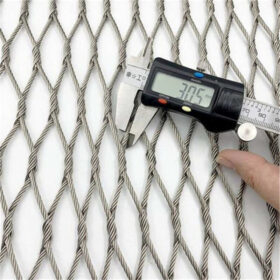
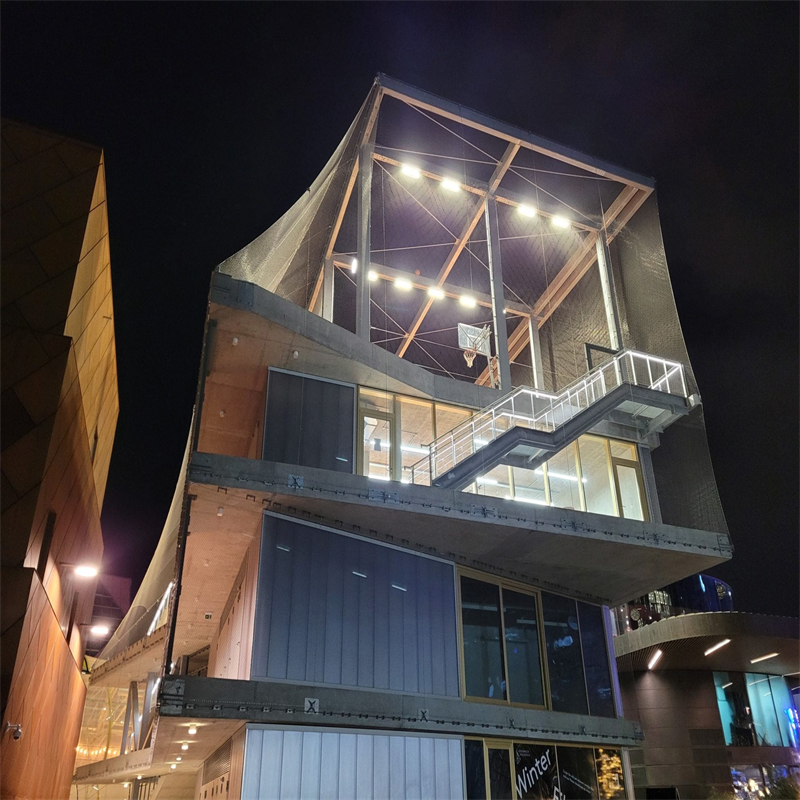
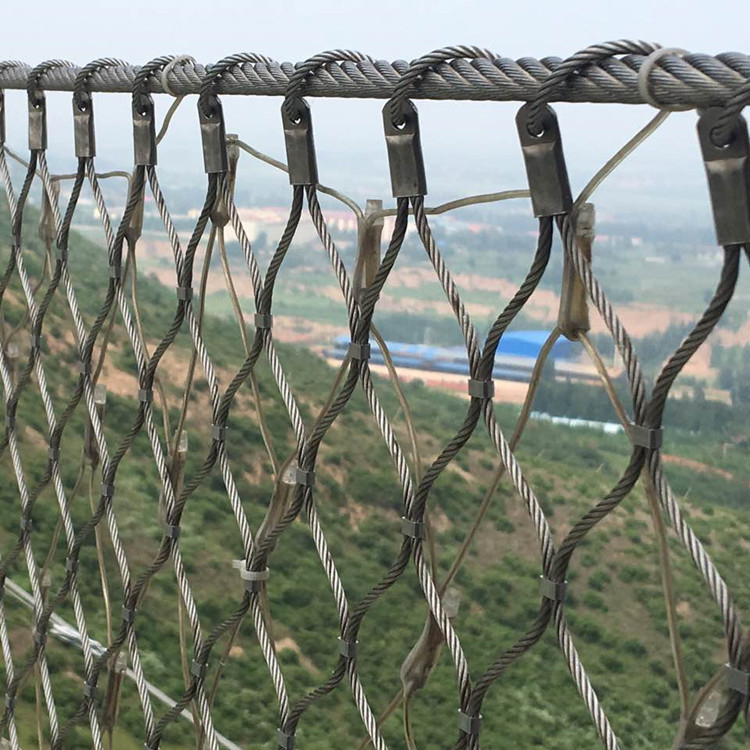
Inbox netting is a trade nickname many buyers now use for **stainless steel cable netting / inox netting**—a modern tensile mesh system that replaces rigid bars, bulky frames and heavy panels with a light, transparent stainless steel rope net. The mesh is tensioned between frames, posts or edge cables so it behaves like a continuous safety net: strong enough to resist falls, impacts, wind and snow, yet open enough to preserve views, daylight and the overall design of façades, balustrades, green walls and animal enclosures.
Because stainless steel zoo mesh has very low visual density, from most viewing angles the cables almost disappear and the eye reads the architecture, plants or landscape rather than the barrier. That is why you now see inbox netting in airports, zoos, stadiums, bridges, hotels and high-end residential projects worldwide.
Secret 1 – The “inbox” name hides how strong (or weak) the net really is
Many people treat inbox netting as a cute marketing term and assume any “inbox net” is good enough. In reality, performance depends on cable grade, rope structure, mesh aperture, frame stiffness and pretension. Two products both called “inbox netting” can behave completely differently under real loads.
1. What Is Inbox Netting (Stainless Steel Cable Netting)?
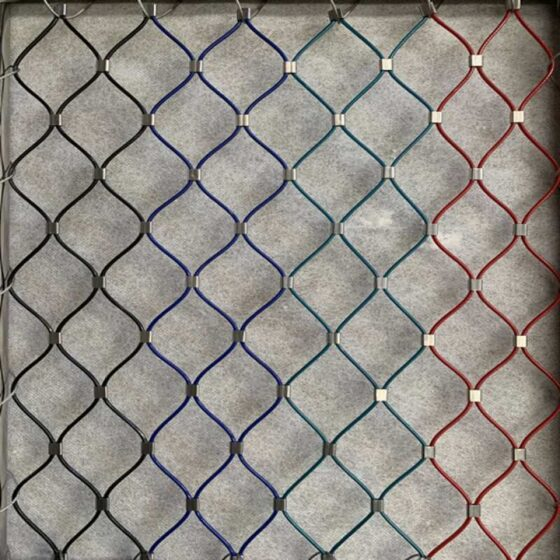
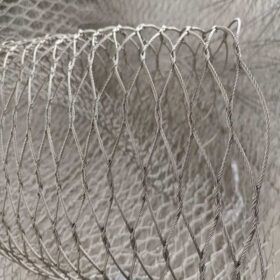
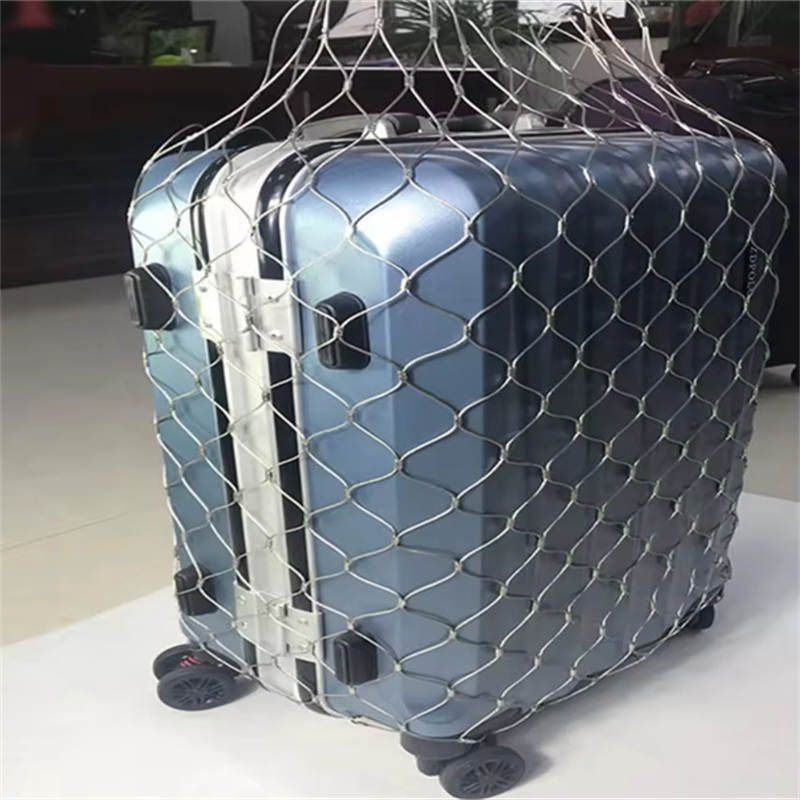
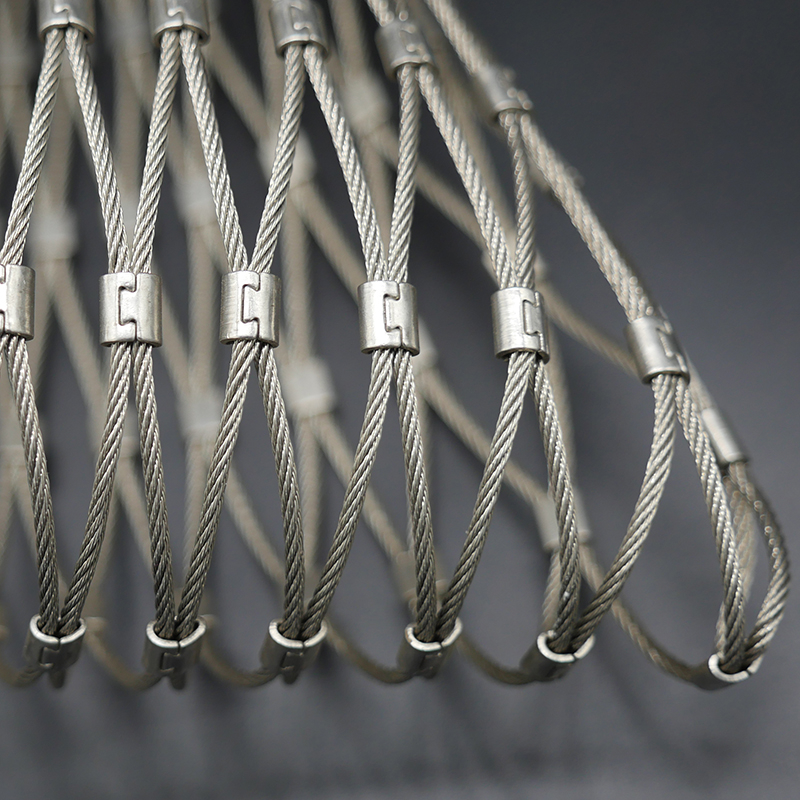
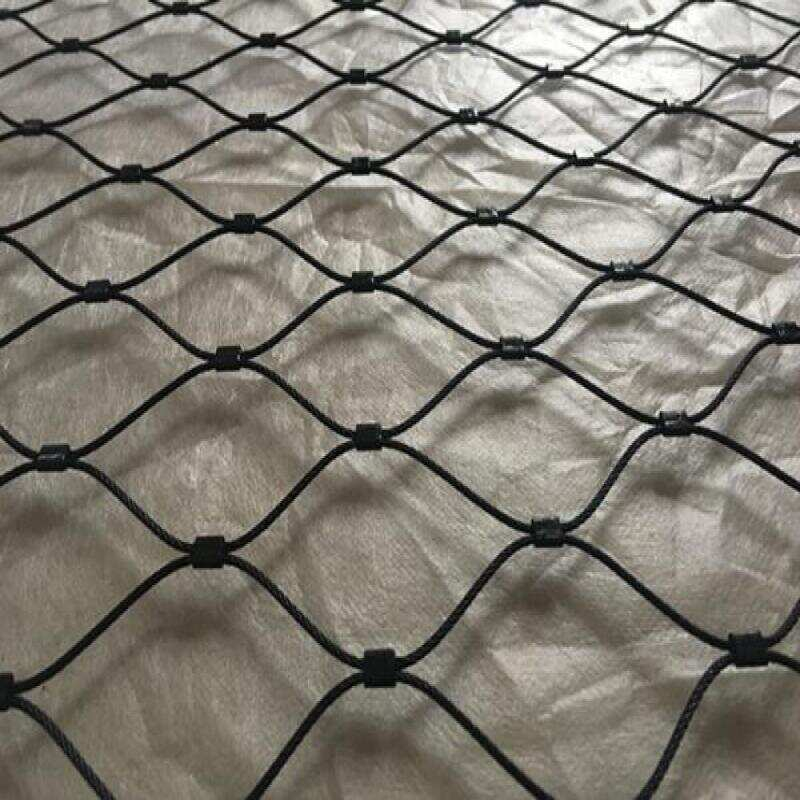
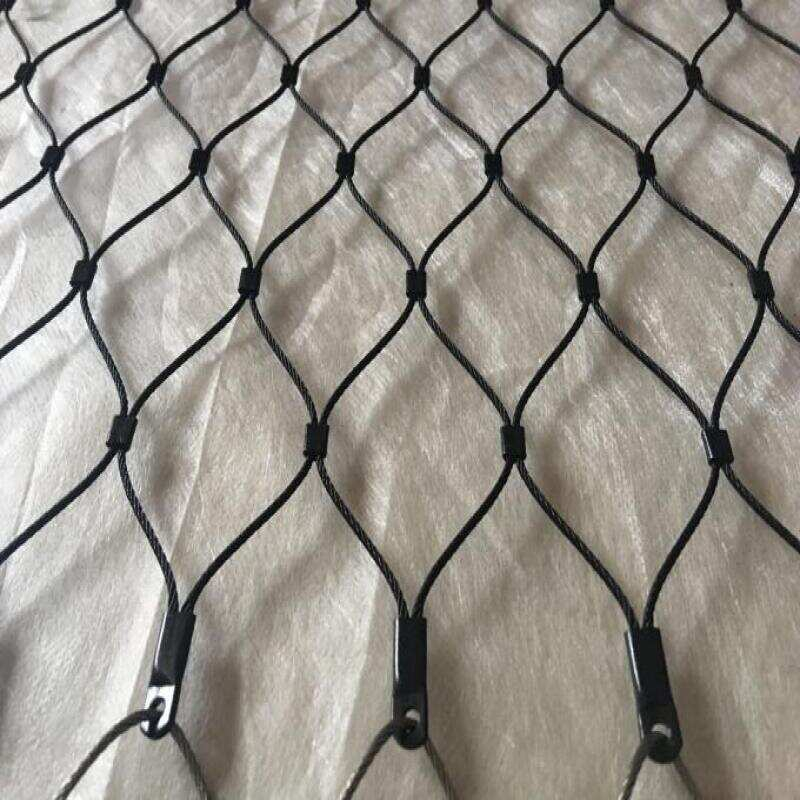
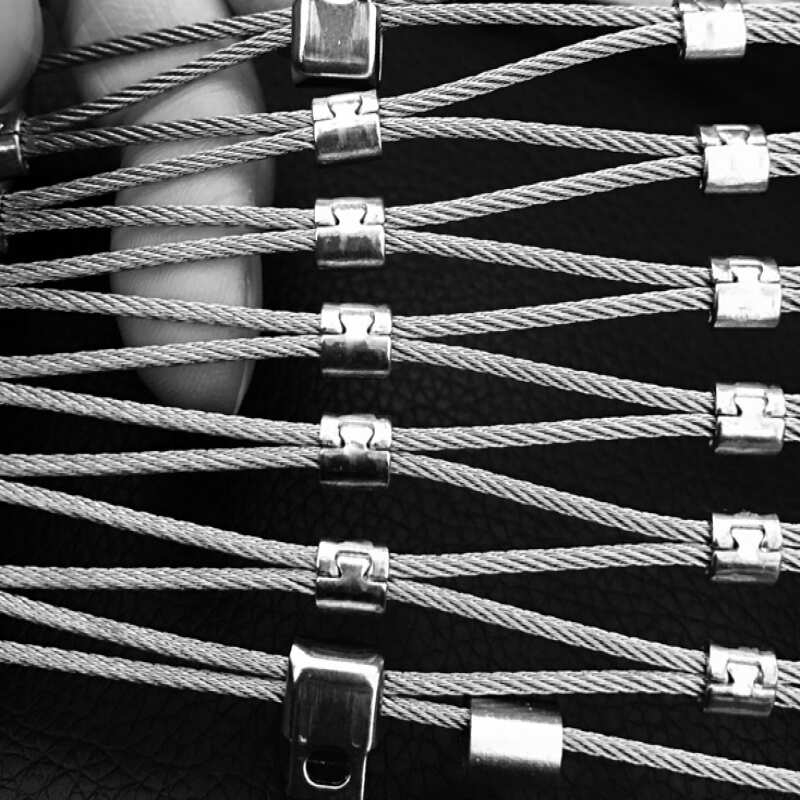
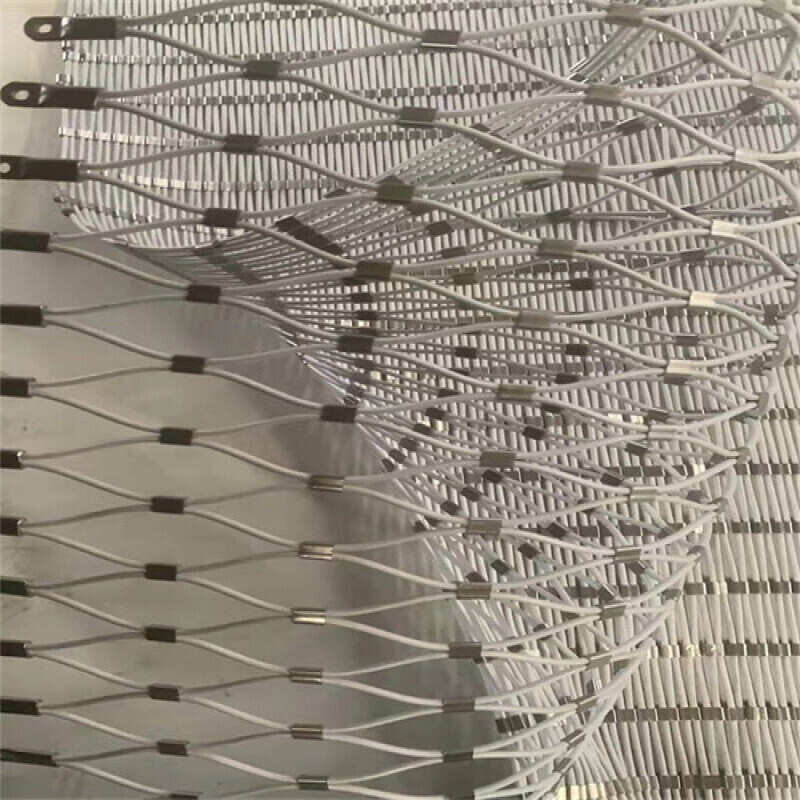
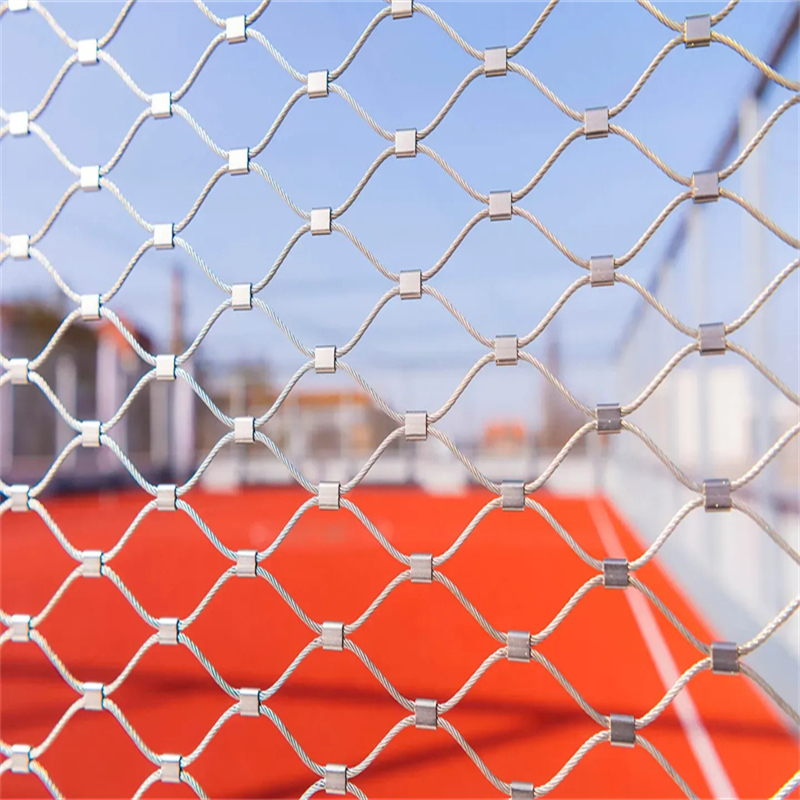
Inbox netting (also called stainless steel cable netting, rope mesh or inox netting) is woven or ferrule-pressed from multi-strand stainless steel wire rope, typically in **7×7** or **7×19** constructions. Individual cables are arranged in diamond-shaped openings; at each intersection the cables are either hand-woven or fixed with stainless steel ferrules so the geometry cannot unravel.
The finished panel is fixed to a rigid perimeter using flat bars, angle frames or boundary cables and then tensioned so the diamond mesh becomes regular and works structurally in tension. Under load, forces are carried by **tension**, not bending, and are shared by many cables and anchors.
Typical ranges for inbox netting:
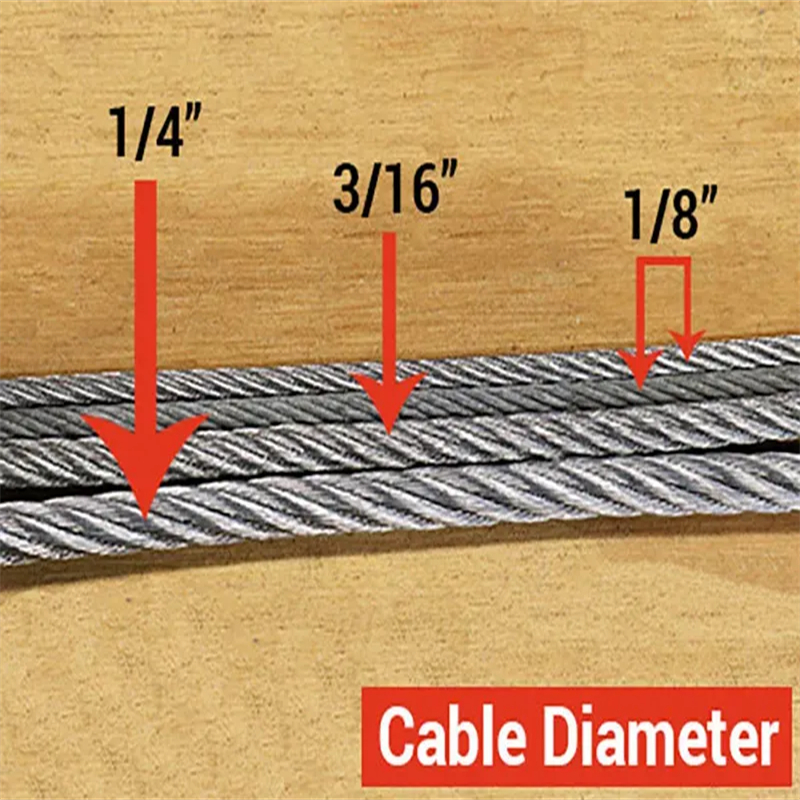
* Wire rope diameter: approx. **1.2–4.0 mm**
* Mesh aperture: from about **20×20 mm** to **250×400 mm** and beyond
* Wire rope structure: **7×7** for smaller diameters, **7×19** for higher flexibility and strength
* Material grades: **AISI 304 / 304L / 316 / 316L**
Secret 2 – Mixing cable and ferrule grades quietly plants future rust stains
Low-cost inbox netting sometimes uses 316 cable with cheaper 304 ferrules or fittings. On drawings it still reads “stainless steel inbox netting”, but outdoors the weaker parts corrode first and leave brown streaks on stone and glass. Always confirm that cable, ferrules and main fittings are the **same grade** for exterior projects.
2. Material Grades, Corrosion And Real Exposure
Most inbox netting systems are offered in:
* **AISI 304 / 304L** – suited to dry, clean interior environments with low chloride and pollution levels.
* **AISI 316 / 316L** – preferred for exterior, coastal, poolside and industrial atmospheres where chlorides, salt spray or pollutants are present.
Responsible suppliers of inbox netting will ask:
* Is the project interior, semi-exposed or fully exterior?
* How close is it to the sea, a pool, cooling towers or busy roads?
* Are aggressive cleaners, de-icing salts or chemicals expected?
* What design lifetime and maintenance regime do you want?
Secret 3 – “Looks like indoor” inbox netting can still corrode like outdoor
Semi-open car parks, seafront atria, airport concourses and pool halls **look** like interior spaces, but humidity and airborne chlorides behave like exterior exposure. If inbox netting is specified as 304 “because it’s inside”, you may see tea staining and pitting far earlier than expected—and arguing about responsibility after handover is costly.
3. Structural Behaviour: Why Frame Stiffness Matters As Much As Cable Strength
Inbox netting behaves as a **tensioned membrane**, not as a rigid bar panel.
Key points:
* Under horizontal or impact load the diamond cells deform slightly and the cables go into tension.
* Loads are distributed across many cables and ferrules, then transferred into the perimeter frame.
* With correct pretension and a stiff frame, deflection is controlled and the barrier feels firm.
* If posts, edge beams or anchors are too flexible, the mesh can pull the frame inwards even when the cables themselves are very strong.
Secret 4 – Overspec cable cannot rescue an under-designed inbox netting frame
It is common to choose a very strong inbox netting cable (for example 3.2 mm 7×19) and then mount it on thin posts or light angle frames. During testing the mesh drags the frame inwards and the handrail moves too much. Inspectors do not care that the cable is “very strong” if the **whole system** fails deflection limits.
4. Main Applications Of Inbox Netting
Inbox netting appears in many project types because it combines safety with transparency and design freedom.
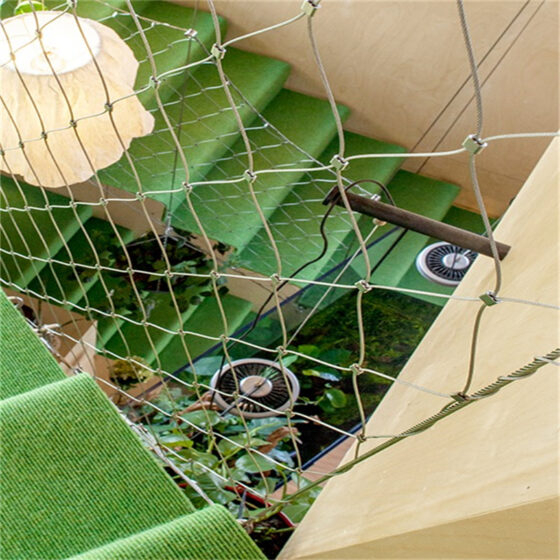
4.1 Balustrades, Stairs And Bridges
Inbox netting is used for:
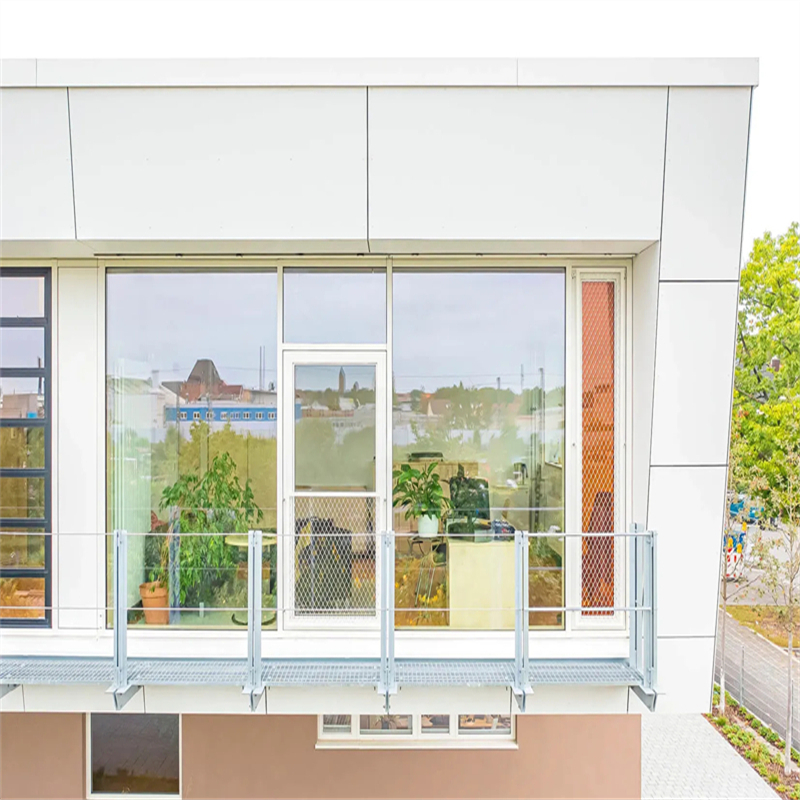
* Balcony guards in high-end apartments and hotels
* Stair balustrades in offices, galleries and public buildings
* Bridge and overpass safety barriers, anti-throw screens
* Atrium edges and void protection where views must be preserved
Correct mesh aperture and wire diameter allow compliance with child-safety rules, anti-climb requirements and falling-object protection without making the edge visually heavy.
Secret 5 – Open degree of inbox netting changes how safe or scary the edge feels
Two inbox netting patterns can both pass code, but one may feel “too open” for people with a fear of heights. If open degree and light transmittance are pushed too high, occupants can feel exposed even when technically safe, leading to complaints and pressure for costly retrofits like extra rails or glass.
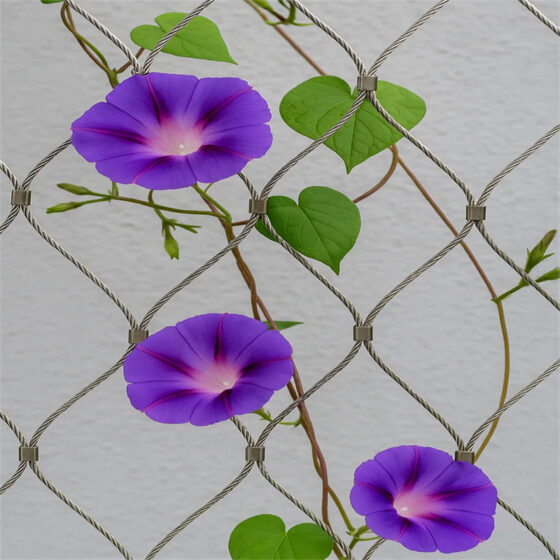
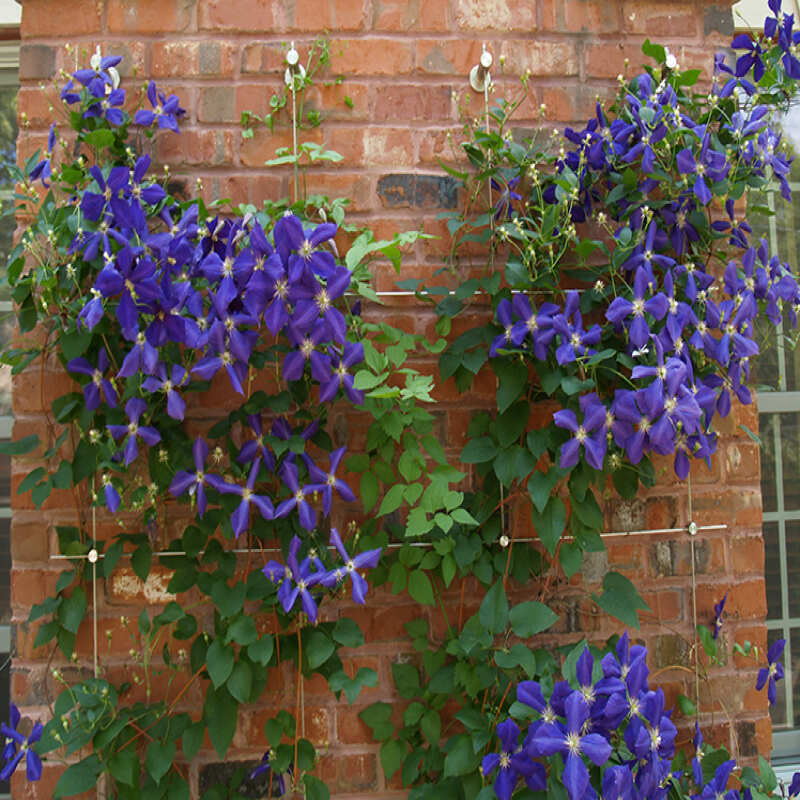
4.2 Green Walls And Plant Climbing Nets
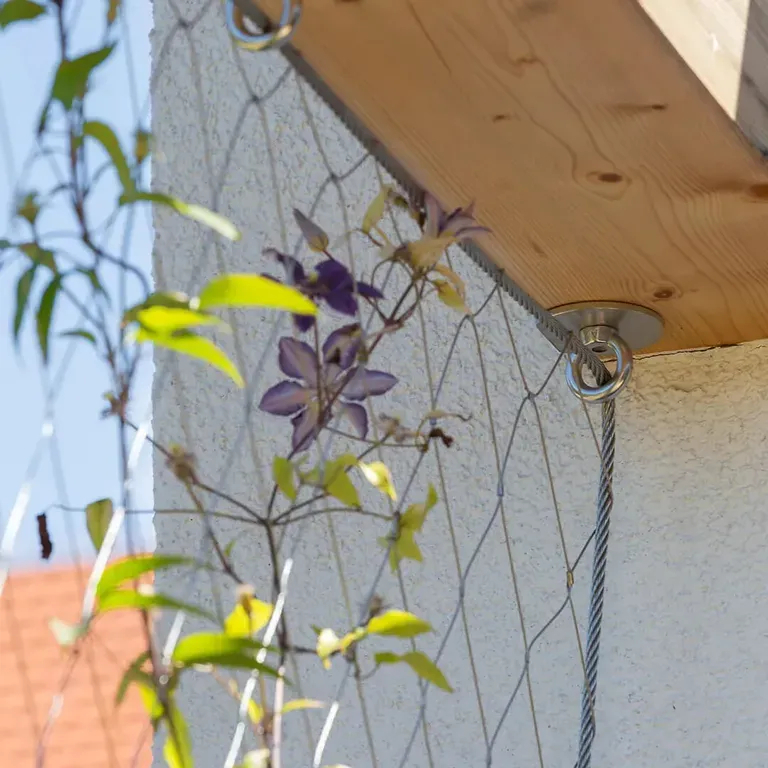
As a plant-support system, inbox netting offers:
* Long service life with minimal maintenance
* Resistance to wind, frost, rain and snow
* Good air circulation around foliage
* Strong yet visually light support for vines and climbers
On façades and courtyard walls it helps create living green screens that improve microclimate and visual comfort.
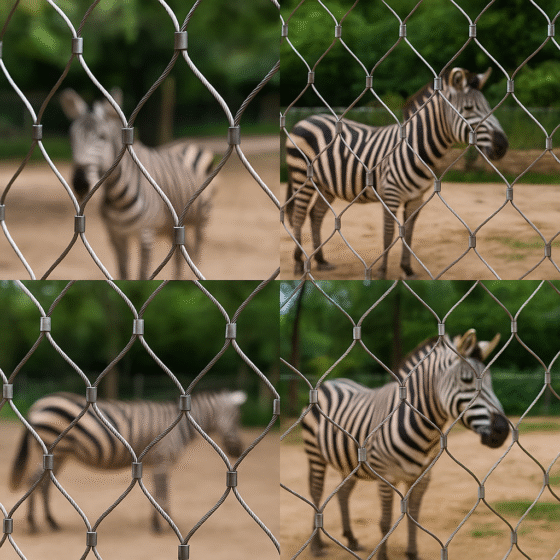
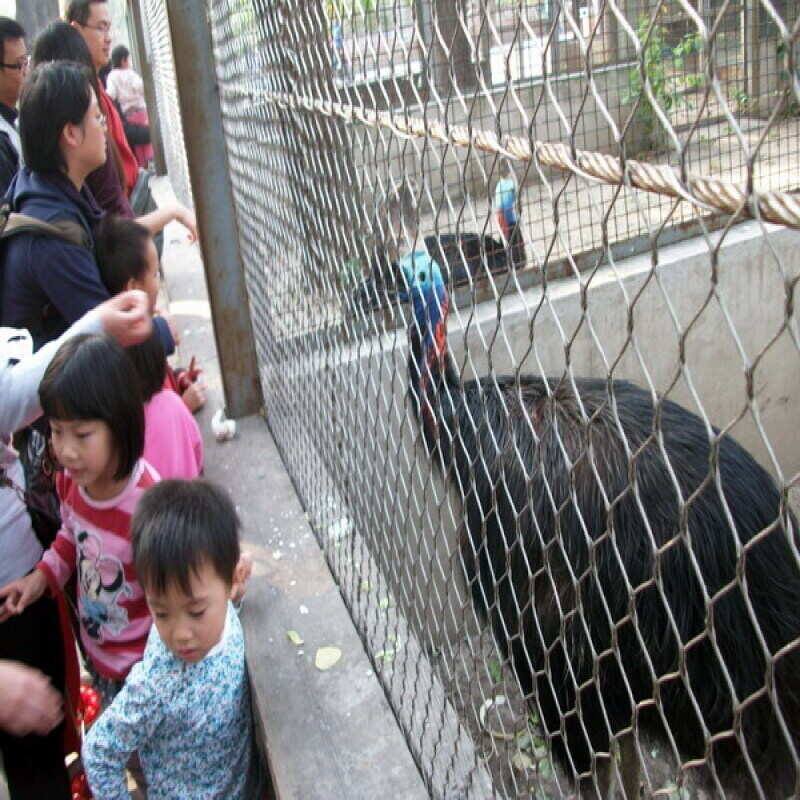
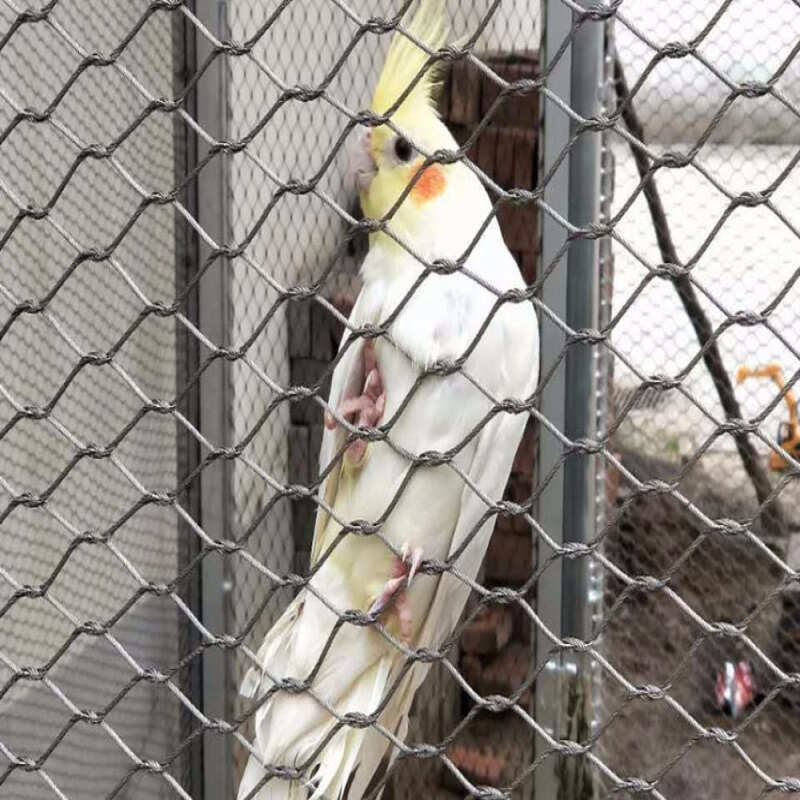
4.3 Zoos, Aviaries And Animal Habitats
Zoos and wildlife parks use inbox netting for:
* Aviaries and large bird exhibits
* Big-cat and primate enclosures
* Mixed-species habitats and walk-through experiences
The mesh is strong, chew-resistant and visually unobtrusive, giving visitors clear views while keeping animals safely contained.
Secret 6 – Ignoring species behaviour can wreck a “perfect on paper” inbox net
Meeting strength and aperture numbers is not enough. Parrots chew, monkeys pull and big cats climb. Choosing inbox netting only from a generic table, without asking which species you’re containing, can force you into urgent local reinforcements shortly after opening.
5. Inbox Netting Specifications
Exact values depend on project requirements, but most inbox netting falls into a familiar range of wire diameters and apertures. The following tables give indicative configurations for different uses. All values are for reference only and must be checked against local codes and structural design.
5.1 Table 1 – General Inbox Netting Sizes
| Model | Wire rope diameter (mm) | Mesh aperture (mm) | Open degree (%) | Light transmittance (%) | Material | Nominal breaking load (lbs) | Wire rope structure |
|---|---|---|---|---|---|---|---|
| INB-GEN01 | 1.2 | 20 × 20 | 45 | 43 | AISI 316 | 270 | 7×7 |
| INB-GEN02 | 1.2 | 25 × 25 | 50 | 48 | AISI 304 | 270 | 7×7 |
| INB-GEN03 | 1.5 | 30 × 30 | 53 | 51 | AISI 316 | 480 | 7×7 |
| INB-GEN04 | 1.5 | 30 × 50 | 56 | 54 | AISI 316 | 480 | 7×7 |
| INB-GEN05 | 1.6 | 38 × 38 | 58 | 56 | AISI 304 | 520 | 7×7 |
| INB-GEN06 | 1.6 | 40 × 40 | 60 | 58 | AISI 316 | 520 | 7×7 |
| INB-GEN07 | 2.0 | 40 × 60 | 63 | 61 | AISI 316 | 676 | 7×19 |
| INB-GEN08 | 2.0 | 50 × 50 | 65 | 63 | AISI 316 | 676 | 7×19 |
| INB-GEN09 | 2.0 | 50 × 70 | 68 | 66 | AISI 316 | 676 | 7×19 |
| INB-GEN10 | 2.4 | 60 × 80 | 72 | 70 | AISI 316 | 920 | 7×19 |
| INB-GEN11 | 2.4 | 60 × 100 | 74 | 72 | AISI 316 | 920 | 7×19 |
| INB-GEN12 | 3.0 | 76 × 76 | 75 | 73 | AISI 316 | 1600 | 7×19 |
| INB-GEN13 | 3.0 | 80 × 120 | 78 | 76 | AISI 316 | 1600 | 7×19 |
| INB-GEN14 | 3.2 | 100 × 100 | 80 | 78 | AISI 316 | 1800 | 7×19 |
| INB-GEN15 | 3.2 | 102 × 152 | 82 | 80 | AISI 316 | 1800 | 7×19 |
Secret 7 – Copying “standard” inbox netting sizes can leave a hidden risk gap
Choosing inbox netting only by copying a standard size from a catalogue ignores fall height, user type, species, impact level and local rules. A pattern that is safe on one project can be under-designed on another, leaving a dangerous gap between real risk and actual protection.
5.2 Table 2 – Inbox Netting For Green Walls And Façades
| Model | Wire rope diameter (mm) | Mesh aperture (mm) | Open degree (%) | Light transmittance (%) | Material | Nominal breaking load (lbs) | Wire rope structure |
|---|---|---|---|---|---|---|---|
| INB-GW01 | 1.2 | 20 × 20 | 45 | 43 | AISI 316 | 270 | 7×7 |
| INB-GW02 | 1.2 | 25 × 25 | 50 | 48 | AISI 304 | 270 | 7×7 |
| INB-GW03 | 1.5 | 30 × 50 | 56 | 54 | AISI 316 | 480 | 7×7 |
| INB-GW04 | 1.5 | 40 × 40 | 60 | 58 | AISI 316 | 480 | 7×7 |
| INB-GW05 | 1.5 | 50 × 50 | 64 | 62 | AISI 316 | 480 | 7×7 |
| INB-GW06 | 1.6 | 50 × 80 | 67 | 65 | AISI 316 | 520 | 7×7 |
| INB-GW07 | 2.0 | 60 × 60 | 69 | 67 | AISI 316 | 676 | 7×19 |
| INB-GW08 | 2.0 | 60 × 100 | 73 | 71 | AISI 316 | 676 | 7×19 |
| INB-GW09 | 2.0 | 76 × 76 | 75 | 73 | AISI 316 | 676 | 7×19 |
| INB-GW10 | 2.4 | 80 × 120 | 78 | 76 | AISI 316 | 920 | 7×19 |
| INB-GW11 | 2.4 | 100 × 150 | 80 | 78 | AISI 316 | 920 | 7×19 |
| INB-GW12 | 3.0 | 120 × 200 | 83 | 81 | AISI 316 | 1600 | 7×19 |
| INB-GW13 | 3.0 | 150 × 260 | 85 | 83 | AISI 316 | 1600 | 7×19 |
| INB-GW14 | 3.0 | 200 × 300 | 86 | 84 | AISI 316 | 1600 | 7×19 |
| INB-GW15 | 3.2 | 250 × 400 | 88 | 86 | AISI 316 | 1800 | 7×19 |
Secret 8 – Pushing transparency of inbox netting too far can backfire
Very high open degree and light transmittance look impressive in renderings, but in real façades they can cause glare, overheating behind glass and uneven plant growth. Choosing inbox netting apertures together with your façade or landscape consultant avoids later costs for extra shading or replanting.
5.3 Table 3 – Inbox Netting For Balustrades And Safety Barriers
| Model | Wire rope diameter (mm) | Mesh aperture (mm) | Open degree (%) | Light transmittance (%) | Material | Nominal breaking load (lbs) | Wire rope structure |
|---|---|---|---|---|---|---|---|
| INB-SB01 | 1.5 | 40 × 70 | 60 | 58 | AISI 304 | 480 | 7×7 |
| INB-SB02 | 1.5 | 50 × 80 | 64 | 62 | AISI 304 | 480 | 7×7 |
| INB-SB03 | 1.6 | 50 × 90 | 66 | 64 | AISI 304 | 520 | 7×7 |
| INB-SB04 | 1.6 | 60 × 100 | 68 | 66 | AISI 304 | 520 | 7×19 |
| INB-SB05 | 1.6 | 60 × 120 | 70 | 68 | AISI 316 | 520 | 7×19 |
| INB-SB06 | 2.0 | 60 × 100 | 65 | 63 | AISI 316 | 676 | 7×7 |
| INB-SB07 | 2.0 | 60 × 120 | 69 | 67 | AISI 316 | 676 | 7×7 |
| INB-SB08 | 2.0 | 70 × 120 | 71 | 69 | AISI 316 | 676 | 7×19 |
| INB-SB09 | 2.0 | 70 × 140 | 73 | 71 | AISI 316 | 676 | 7×19 |
| INB-SB10 | 2.0 | 80 × 140 | 75 | 73 | AISI 316 | 676 | 7×19 |
| INB-SB11 | 2.5 | 80 × 160 | 76 | 74 | AISI 316 | 980 | 7×7 |
| INB-SB12 | 2.5 | 90 × 160 | 78 | 76 | AISI 316 | 980 | 7×7 |
| INB-SB13 | 2.5 | 90 × 180 | 80 | 78 | AISI 316 | 980 | 7×19 |
| INB-SB14 | 2.5 | 100 × 180 | 81 | 79 | AISI 316 | 980 | 7×19 |
| INB-SB15 | 2.5 | 100 × 200 | 83 | 81 | AISI 316 | 980 | 7×19 |
Secret 9 – Public-area rules for inbox netting are much tougher than many expect
Stairs, balconies and bridges in public buildings must satisfy strict line loads, point loads and deflection limits. Reusing an inbox netting pattern that works on a private balcony for a stadium or transport hub can cause failed tests, redesign under time pressure and serious delay claims.
6. Quality Control, Testing And Documentation For Inbox Netting
A dependable inbox netting supplier should provide:
* Mill certificates for wire rope and ferrules
* Internal QC records on mesh geometry and ferrule pressing
* Load test reports or third-party certifications when required
* Batch numbers linked to each panel and shipment
* Clear labelling that matches shop drawings and layout plans
Secret 10 – Weak paperwork can block inbox netting handover even if the steel is fine
Inspectors and insurers judge your inbox netting system not only by appearance but also by certificates and traceability. Missing or inconsistent material certificates, test reports or declarations can legally stop completion or insurance cover. Fixing paperwork at the last minute is usually slower and more expensive than fixing hardware.
7. Installation, Maintenance And Service Life Of Inbox Netting
Good performance depends on good installation:
* Frames, posts and edge beams must be rigid and accurately set out before unpacking the inbox netting.
* Turnbuckles or tension devices should be accessible for adjustment and future re-tensioning.
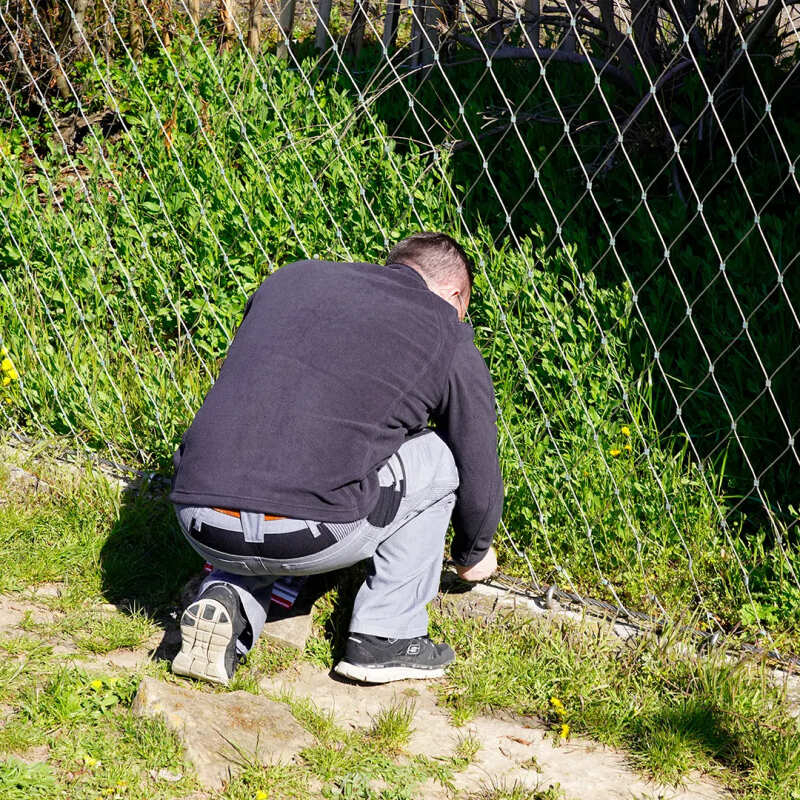
* One edge of each panel is fixed first; the opposite edge is then gradually tensioned while keeping diamonds regular.
* Corners and junctions must be fully closed and cut cable ends capped or hidden to avoid injuries.
Maintenance is straightforward:
* Routine cleaning: rinse with clean water; use mild neutral detergent for stubborn dirt.
* Avoid abrasive pads, carbon steel brushes and strong acids that damage the passive layer.
* In coastal or industrial areas, wash more frequently to remove salt and pollutants.
* Inspect clamps, ferrules, turnbuckles and anchors periodically; slack areas can often be corrected simply by re-tensioning.
Secret 11 – “Maintenance-free inbox netting” is a marketing phrase, not engineering reality
Inbox netting is low-maintenance, not zero-maintenance. Assuming that “stainless” means you never need to inspect or re-tension is a hidden safety risk. A loosened anchor or cracked ferrule, ignored for years, can fail at the worst moment—during crowd loading or extreme wind.
8. Ordering Inbox Netting: HS Code, Pricing And Trade Basics
In international trade, inbox netting is usually treated as stainless steel wire mesh or cable netting:
* **HS code (typical):** falls under stainless steel wire cloth / netting categories (exact code must be confirmed with your customs broker according to local regulations).
* **Typical price basis:** quoted **per square metre** or **per panel**, varying with wire diameter, aperture, grade and quantity.
* **MOQ:** often from **50–100 m²**, but many factories accept smaller trial orders with slightly higher unit price.
* **Standard production time:** about **10–25 days** after deposit, depending on complexity and volume.
* **Common payment terms:** T/T with 30% deposit and 70% before shipment; L/C is possible on large orders.
* **Packing:** inbox netting panels or rolls are usually wrapped in plastic film, protected with edge boards and packed on pallets or in wooden crates, with labels for project name, model and panel ID.
* **Guarantee:** many suppliers offer **5–10 year** corrosion and workmanship warranties for normal environments when correct grade is chosen.
Secret 12 – One wrong HS code or poor packing can destroy your inbox netting profit
If your supplier declares inbox netting under the wrong customs code or under-values the shipment, you can face inspections, fines and delays at the port. Weak packing causes bent ferrules, kinked cables and emergency re-fabrication. All your project margin can disappear **before installation even starts**.
9. How To Choose The Right Inbox Netting Supplier
When comparing suppliers, don’t just compare unit price. Check:
* Do they ask about environment, spans, loads and codes, or only price and quantity?
* Can they show references for similar inbox netting projects (balustrades, bridges, zoos, façades)?
* Will they help you select wire diameter, mesh aperture, open degree and grade instead of pushing one standard model?
* Can they provide CE/SGS reports, mill certificates and load test data when needed?
* Do they offer clear drawings, sample panels and on-site installation guidance?
Secret 13 – Treat inbox netting as a commodity and you inherit all the risk
Buying inbox netting purely on lowest price, without demanding technical support and documentation, quietly transfers all risk to you: corrosion complaints, failed tests, redesign costs and even safety incidents will land on your desk, not the factory’s.
10. Conclusion
Inbox netting—our practical name for stainless steel cable netting or inox netting—has become a mainstream solution because it combines safety, transparency, durability and design freedom. Those benefits only really show up on site when the hidden details are under control. By applying the 13 secrets in this article—especially around material grade matching, frame stiffness, open degree, species behaviour, documentation, public load rules and trade handling—you can turn inbox netting and balustrade rope mesh fencing from a potential hidden risk into a long-term, reliable asset for your façades, balustrades, green walls and enclosures. Ignore these points and the inbox netting that looked light and elegant on drawings can quickly become the cause of corrosion stains, failed inspections, rework costs, schedule penalties and even serious safety claims