Your One-Stop Wire Mesh Fence Supplier | POLYMETAL

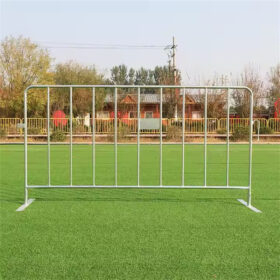

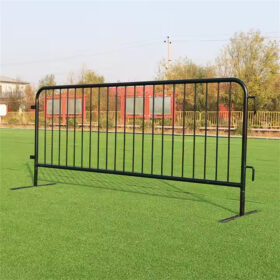
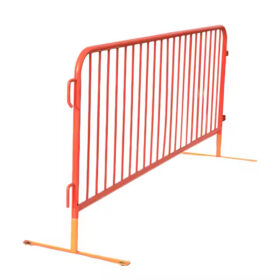
Melbourne Crowd Control Barriers from POLYMETAL are designed for city events, stadiums, construction sites, festivals and any public area where people, vehicles and hazards must be kept safely apart. A good barrier line provides a strong physical and visual guide that prevents crowd surges, protects equipment and keeps pedestrian traffic flowing smoothly, while a poor barrier system quietly introduces danger, risk and potential financial loss through accidents, claims and interruptions.
At the same time, not every project stops at temporary barriers. When your design steps up to long-term façades, high-corrosion coastal zones or premium architectural screening, you move into a different material class entirely – in these cases, many engineers turn to high-grade stainless infill such as our stainless steel mesh 316L, which can be combined with POLYMETAL systems to deliver both crowd safety and durable, visually refined protection.
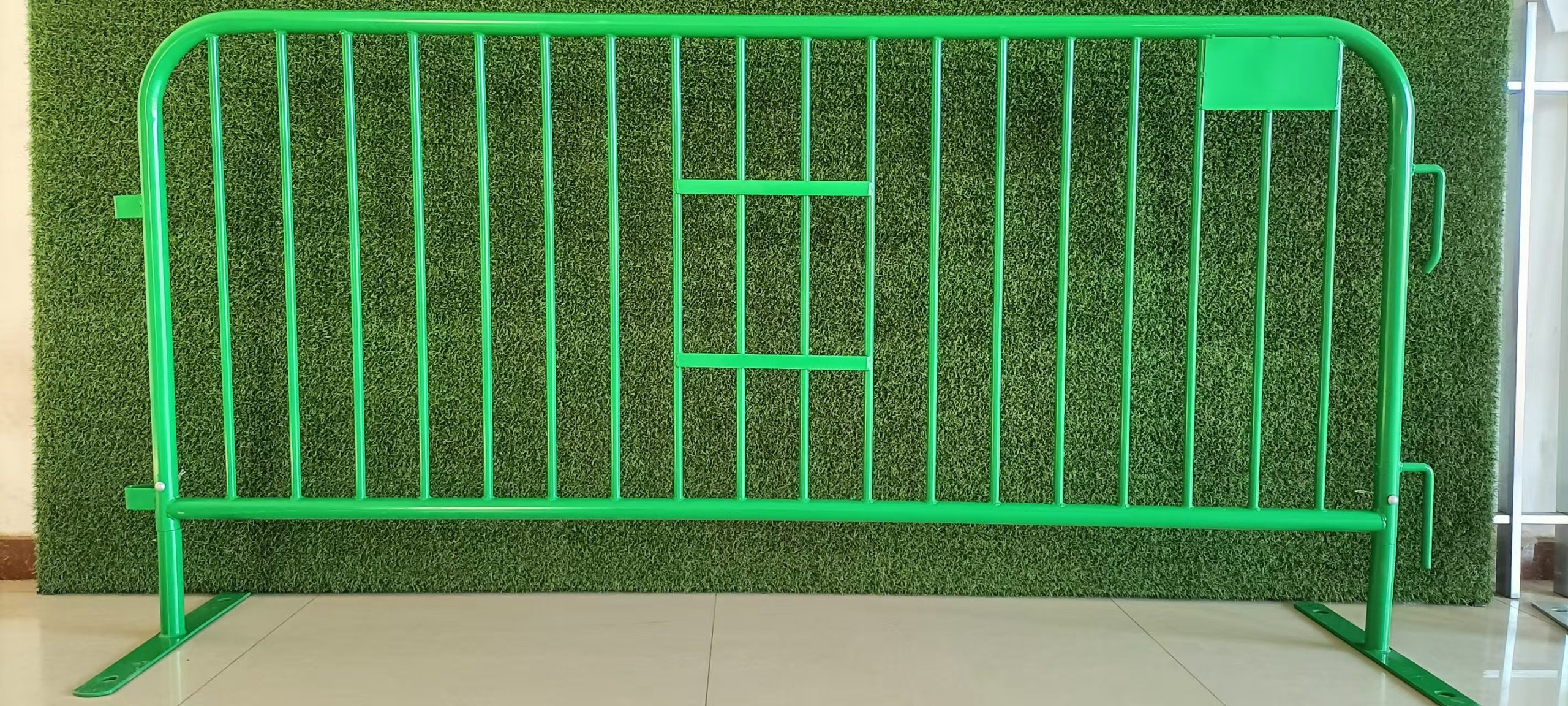
POLYMETAL Melbourne Crowd Control Barriers Product Description
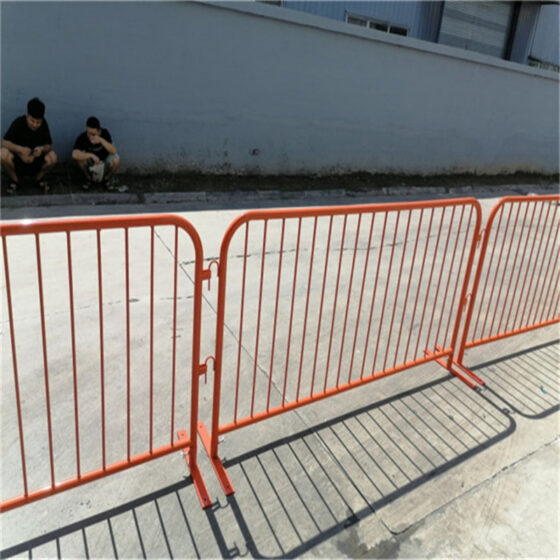
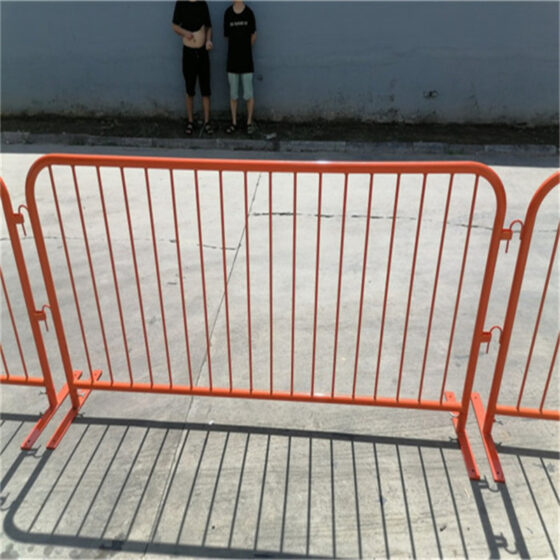
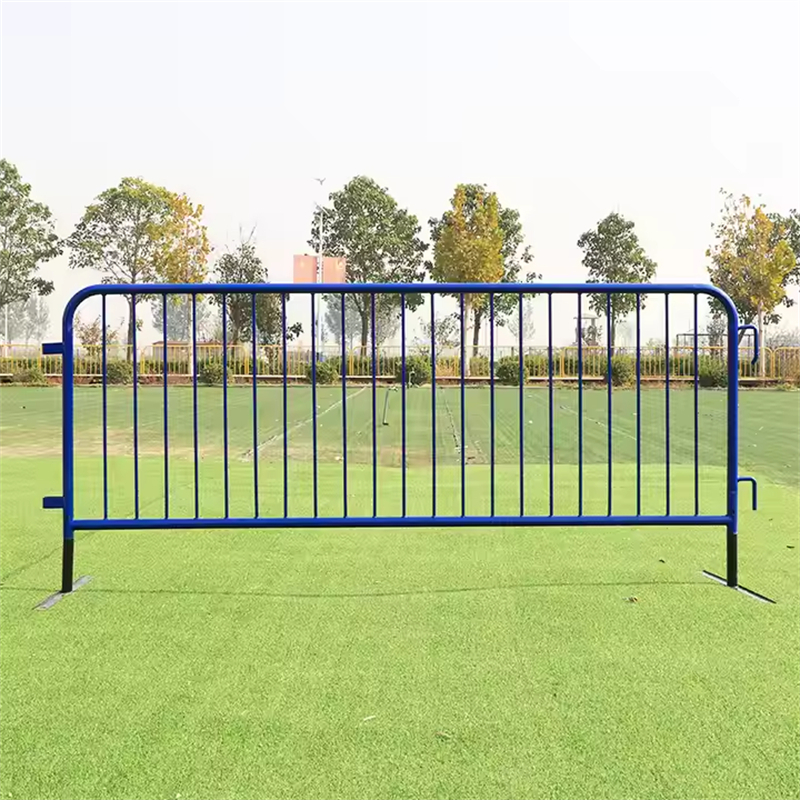
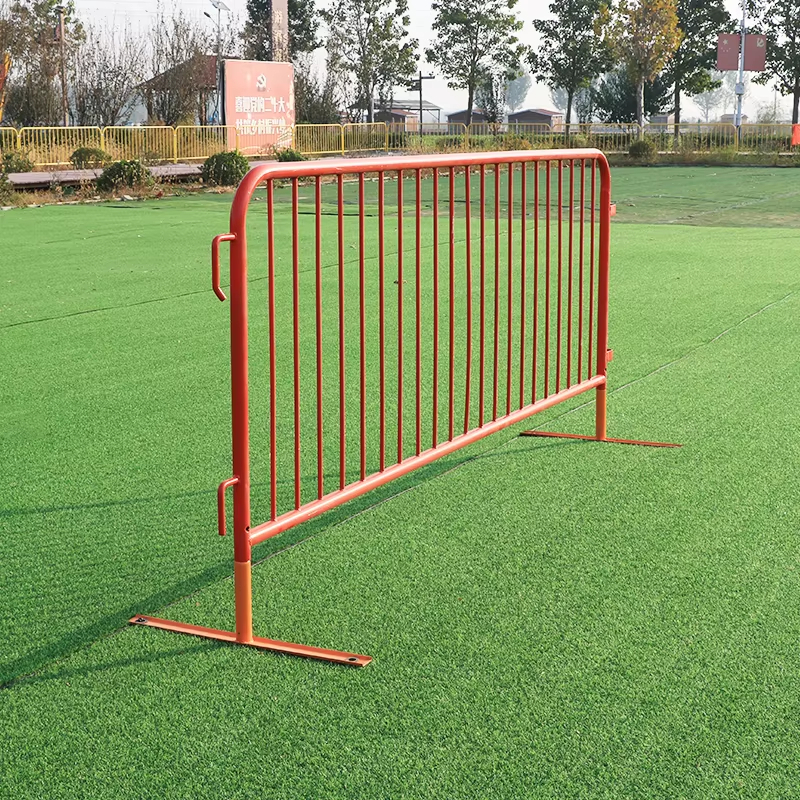
The POLYMETAL Melbourne Crowd Control Barrier is a fully welded, modular barrier system created for organisers and asset owners who cannot afford crowd control failure. Each barrier panel is built around a circular steel frame tube available in 25 mm, 32 mm, 35 mm and 38 mm outside diameters, with wall thickness options of 1.5 mm, 1.6 mm and 2.0 mm. These frame dimensions are carefully chosen to balance strength, stiffness and handling weight so that staff can move and install the barriers quickly while still achieving a robust perimeter line.
Within the frame, vertical uprights in 12 mm, 16 mm or 19 mm outside diameter are welded into place. Upright wall thickness can be 0.7 mm, 0.8 mm, 1.0 mm or 1.2 mm, and spacing options include 90 mm, 100 mm, 150 mm and 200 mm. This combination of tube size, thickness and spacing gives you control over how tightly the barrier needs to close off gaps to stop children, pets or objects passing through, while still offering a clear view for security teams and CCTV systems.
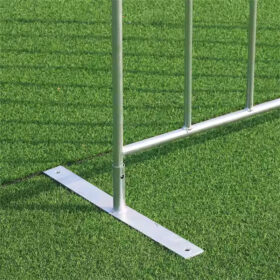
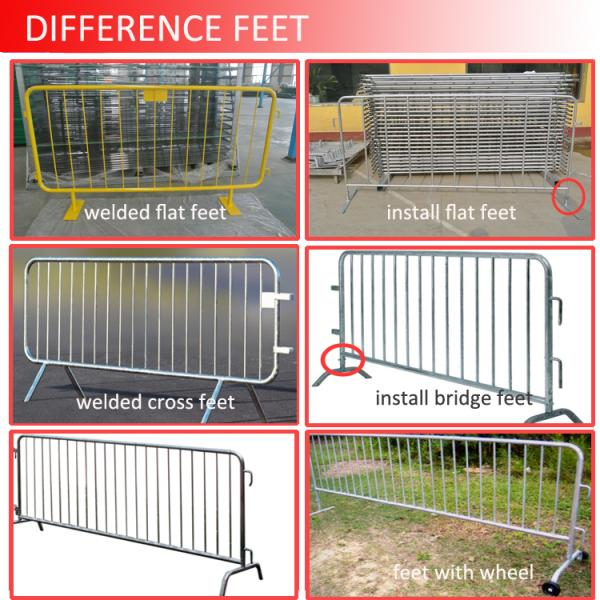
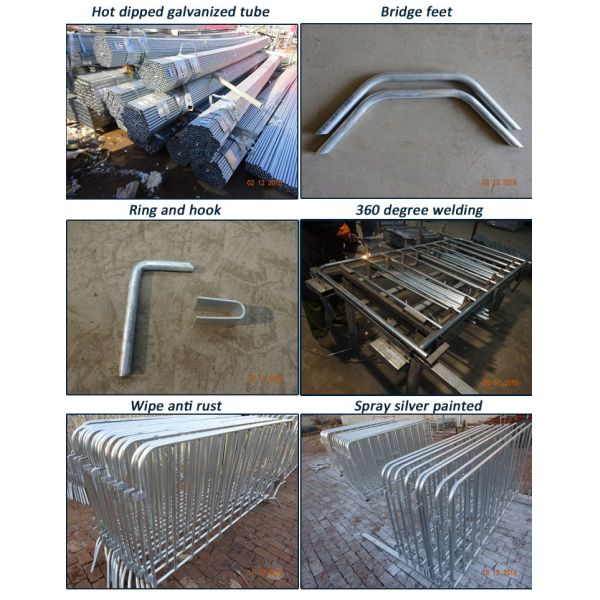
At the base, POLYMETAL Melbourne Crowd Control Barriers use heavy-duty feet designed for typical Melbourne pavements, roads and event surfaces. Options include bridge-style feet with 500 mm, 600 mm or 750 mm spans for maximum stability, as well as compact flat-steel feet in a 580 × 50 × 10 mm profile that stack neatly and minimise trip hazards in tight areas. All frames, uprights and feet are hot-dip galvanized to provide a durable protective coating that resists rust and surface damage, ensuring the barriers maintain their appearance and strength across many seasons of use.


Melbourne Crowd Control Barriers – Top 15 Facts, Risks and Lessons You Must Know
This section reveals 15 powerful facts, risks, warnings and insights about Melbourne Crowd Control Barriers. Understanding each point protects you from hidden pitfalls and gives you a real advantage when you specify and purchase POLYMETAL barriers.
Fact 1 – Frame tube size sets the real strength profile
The first key fact is that frame tube diameter controls much of the barrier’s structural strength. Selecting a 25 mm frame with thin walls for high-pressure venues creates a hidden weakness, while moving up to 32 mm, 35 mm or 38 mm with thicker walls gives you a clear strength boost and a more reliable safety margin.
Danger 2 – Upright spacing is a silent safety hazard
When upright spacing drifts from 90 mm or 100 mm out to 150 mm or 200 mm in the wrong location, small children can slip through or get trapped and thrown objects can pass the barrier. This design detail quickly changes from a simple feature into a serious safety hazard.
Trap 3 – Mixing upright diameters creates a structural gap
Using a mixture of 12 mm, 16 mm and 19 mm uprights without a clear design rule leads to uneven resistance along the barrier. Thinner tubes buckle first, turning a local misstep in design into a visible defect when a crowd pushes against the line.
Warning 4 – Under-rated wall thickness leads to bending and failure
Choosing 1.5 mm wall thickness Melbourne Crowd Control Barriers where 1.6 mm or 2.0 mm is required may look like a small cost saving, but repeated loading and impacts will bend the frame over time. This weakness shows up as warped barriers and unexpected failure just when you depend on them most.
Risk 5 – Wrong feet type triggers a dangerous pattern of falls
Using short bridge feet where you really need a 600 mm or 750 mm span produces an unstable base, especially on sloped or uneven Melbourne streets. Once one barrier goes, the whole line can follow, turning a minor flaw into a full barrier collapse.
Problem 6 – Poor welds turn a solid barrier into scrap metal
If the weld between the frame tube and upright is inconsistent or shallow, the barrier can crack at these joints after only a few events. This mistake converts a valuable asset into waste and increases the risk of barrier pieces breaking loose during a crowd surge.
Insight 7 – Barrier height and width affect crowd behaviour and cost
The overall height and width are not just numbers on a data sheet; they influence how crowds view and use the barrier. Too low and people lean and climb; too wide and handling becomes difficult, increasing labour cost and damage. The right profile is a powerful insight that balances safety, leverage and long-term profit.
Lesson 8 – Coating quality is the difference between gain and loss
Hot-dip galvanizing done correctly creates a durable protective layer that blocks rust and surface damage. If this process is rushed or the zinc layer is too thin, you face a steady pattern of corrosion, appearance loss and early replacement that silently drains your budget.

Aspect 9 – Foot design shapes trip risks and user comfort
Bridge feet with long spans provide stability but must be placed thoughtfully to avoid trip hazards, while flat-steel feet in a 580 × 50 × 10 mm outline are compact and comfortable for tight spaces. Treating foot selection as a small side note is a common oversight that can lead to claims and complaints.
Truth 10 – No ID marking opens a theft loophole
Unmarked barriers are easy to “borrow” between sites. Without a clear brand profile and model data on the frame, units quietly disappear over multiple events, turning a simple defect in tracking into a recurring financial loss.
Warning 11 – Bad stacking and lifting is a crisis waiting to happen
Stacking barriers too high or ignoring a safe manual or stacking guide is extremely dangerous. A shifting stack on a forklift or truck bed can fall, causing damage, injury and operational crisis in a matter of seconds.
Point 12 – Mismatched components create a hidden flaw in the line
Combining POLYMETAL frames with non-matching feet or joiners may seem like a harmless shortcut, but these misfits create small gaps, looseness and instability. Under real loads, that flaw becomes a serious problem that can trigger partial barrier failure.

Rule 13 – Skipping inspections is a costly mistake
Without a simple inspection checklist and routine, minor cracks, bends and coating breaks are missed. Over time this oversight grows into a pattern of failures, leading to emergency repairs, last-minute hires and damage to your event’s reputation.
View 14 – Different Melbourne events demand different barrier profiles
A relaxed community market, a marathon route and a packed stadium gate all have completely different loading patterns. Treating them as one generic use case is a bias that leads to under-spec barriers, increased risk and a higher chance of failure when conditions change suddenly.
Benefit 15 – Correctly specified POLYMETAL barriers deliver a real payoff
When you use POLYMETAL Melbourne Crowd Control Barriers with the right frame tube, upright spacing, wall thickness and feet type, you gain a strong advantage in durability, safety and image. Reduced damage, fewer replacements and smoother crowd management combine into a long-term profit boost for every project and event.
Technical Specifications of POLYMETAL Melbourne Crowd Control Barriers
The following tables provide a detailed overview of typical POLYMETAL Melbourne Crowd Control Barriers configurations, including height, width, frame tube, upright tube, spacing and feet types, and these profiles are designed as a practical guide when you select the most suitable barrier for your application. At the point where you start thinking about colour, durability and finish, you can also refer to this powder coatings crowd control barriers to help you match performance with appearance.


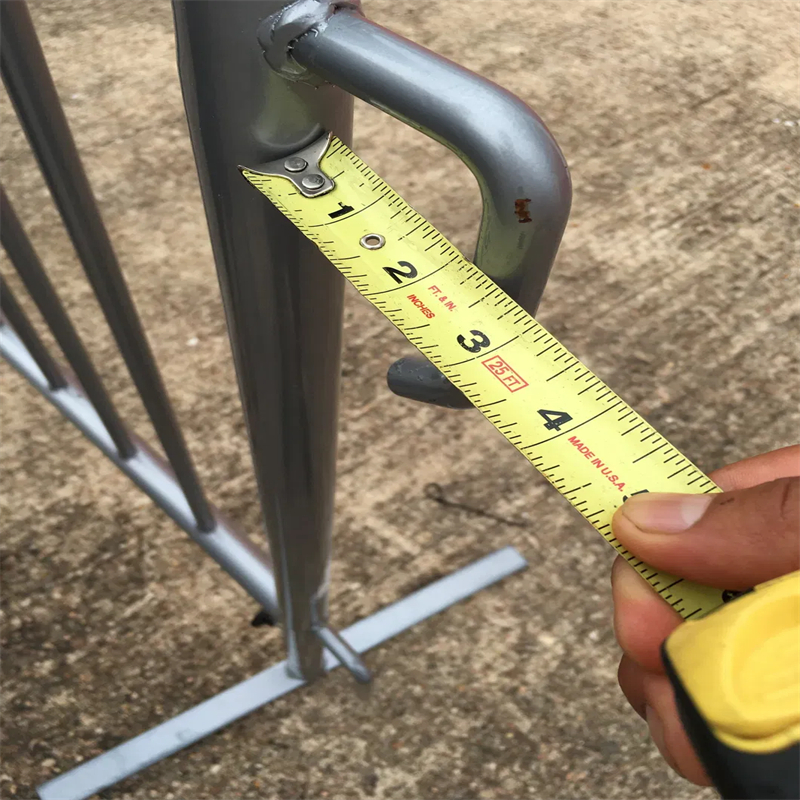
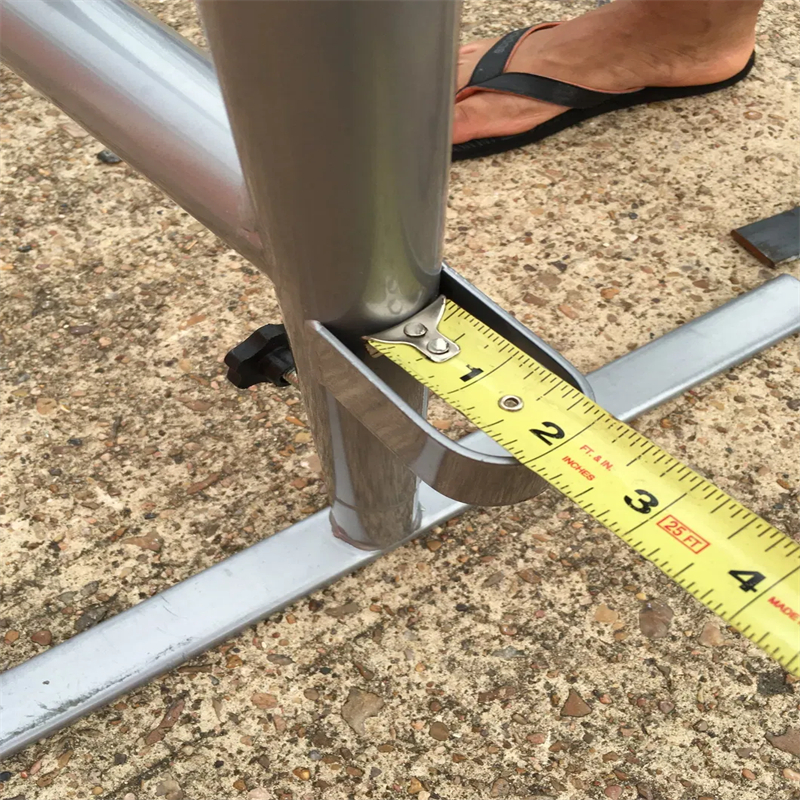
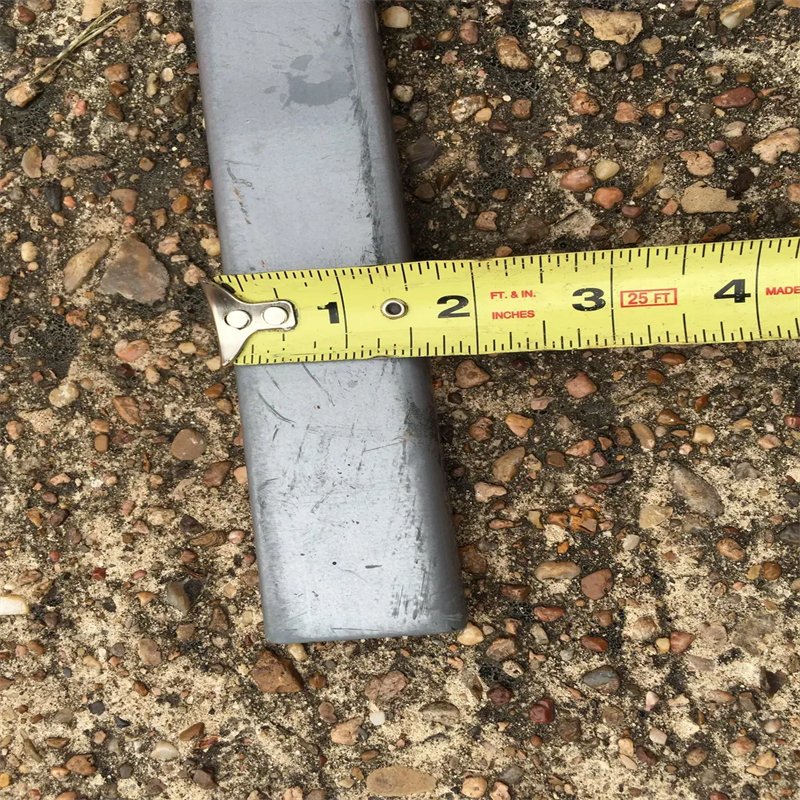
Table 1 –Melbourne Crowd Control Barriers 25 mm Frame Series
| Model | Brand | Height (mm) | Width (mm) | Frame Tube OD (mm) | Frame Wall Thickness (mm) | Upright Tube OD (mm) | Upright Wall Thickness (mm) | Upright Spacing (mm) | Feet Type |
|---|---|---|---|---|---|---|---|---|---|
| MEL-CCB-25-11-90-500-A | POLYMETAL | 1100 | 2200 | 25 | 1.5 | 12 | 0.7 | 90 | Bridge foot 500 mm span |
| MEL-CCB-25-11-100-500-B | POLYMETAL | 1100 | 2300 | 25 | 1.5 | 12 | 0.8 | 100 | Bridge foot 500 mm span |
| MEL-CCB-25-11-150-500-C | POLYMETAL | 1100 | 2400 | 25 | 1.6 | 16 | 0.8 | 150 | Bridge foot 500 mm span |
| MEL-CCB-25-11-200-600-D | POLYMETAL | 1100 | 2500 | 25 | 1.6 | 16 | 1.0 | 200 | Bridge foot 600 mm span |
| MEL-CCB-25-12-90-600-E | POLYMETAL | 1200 | 2200 | 25 | 1.5 | 12 | 0.7 | 90 | Bridge foot 600 mm span |
| MEL-CCB-25-12-100-600-F | POLYMETAL | 1200 | 2300 | 25 | 1.6 | 16 | 0.8 | 100 | Bridge foot 600 mm span |
| MEL-CCB-25-12-150-600-G | POLYMETAL | 1200 | 2400 | 25 | 1.6 | 16 | 1.0 | 150 | Bridge foot 600 mm span |
| MEL-CCB-25-12-200-FS-H | POLYMETAL | 1200 | 2500 | 25 | 2.0 | 19 | 1.0 | 200 | Flat steel 580 × 50 × 10 mm |
| MEL-CCB-25-11-90-FS-J | POLYMETAL | 1100 | 2200 | 25 | 2.0 | 19 | 1.2 | 90 | Flat steel 580 × 50 × 10 mm |
| MEL-CCB-25-11-150-FS-K | POLYMETAL | 1100 | 2400 | 25 | 1.5 | 16 | 1.0 | 150 | Flat steel 580 × 50 × 10 mm |
Table 2 –Melbourne Crowd Control Barriers 32 mm Frame Series
| Model | Brand | Height (mm) | Width (mm) | Frame Tube OD (mm) | Frame Wall Thickness (mm) | Upright Tube OD (mm) | Upright Wall Thickness (mm) | Upright Spacing (mm) | Feet Type |
|---|---|---|---|---|---|---|---|---|---|
| MEL-CCB-32-12-90-500-A | POLYMETAL | 1200 | 2200 | 32 | 1.5 | 12 | 0.8 | 90 | Bridge foot 500 mm span |
| MEL-CCB-32-12-100-500-B | POLYMETAL | 1200 | 2300 | 32 | 1.6 | 16 | 0.8 | 100 | Bridge foot 500 mm span |
| MEL-CCB-32-12-150-500-C | POLYMETAL | 1200 | 2400 | 32 | 1.6 | 16 | 1.0 | 150 | Bridge foot 500 mm span |
| MEL-CCB-32-12-200-600-D | POLYMETAL | 1200 | 2500 | 32 | 1.6 | 19 | 1.0 | 200 | Bridge foot 600 mm span |
| MEL-CCB-32-13-90-600-E | POLYMETAL | 1300 | 2200 | 32 | 1.5 | 12 | 0.8 | 90 | Bridge foot 600 mm span |
| MEL-CCB-32-13-100-600-F | POLYMETAL | 1300 | 2300 | 32 | 1.6 | 16 | 1.0 | 100 | Bridge foot 600 mm span |
| MEL-CCB-32-13-150-600-G | POLYMETAL | 1300 | 2400 | 32 | 2.0 | 19 | 1.0 | 150 | Bridge foot 600 mm span |
| MEL-CCB-32-13-200-750-H | POLYMETAL | 1300 | 2500 | 32 | 2.0 | 19 | 1.2 | 200 | Bridge foot 750 mm span |
| MEL-CCB-32-12-90-FS-J | POLYMETAL | 1200 | 2200 | 32 | 1.5 | 12 | 0.8 | 90 | Flat steel 580 × 50 × 10 mm |
| MEL-CCB-32-13-150-FS-K | POLYMETAL | 1300 | 2400 | 32 | 1.6 | 16 | 1.0 | 150 | Flat steel 580 × 50 × 10 mm |
Table 3 –Melbourne Crowd Control Barriers 35 mm Frame Series
| Model | Brand | Height (mm) | Width (mm) | Frame Tube OD (mm) | Frame Wall Thickness (mm) | Upright Tube OD (mm) | Upright Wall Thickness (mm) | Upright Spacing (mm) | Feet Type |
|---|---|---|---|---|---|---|---|---|---|
| MEL-CCB-35-12-90-600-A | POLYMETAL | 1200 | 2300 | 35 | 1.5 | 16 | 0.8 | 90 | Bridge foot 600 mm span |
| MEL-CCB-35-12-100-600-B | POLYMETAL | 1200 | 2400 | 35 | 1.6 | 16 | 1.0 | 100 | Bridge foot 600 mm span |
| MEL-CCB-35-12-150-600-C | POLYMETAL | 1200 | 2500 | 35 | 1.6 | 19 | 1.0 | 150 | Bridge foot 600 mm span |
| MEL-CCB-35-13-90-750-D | POLYMETAL | 1300 | 2300 | 35 | 1.6 | 16 | 1.0 | 90 | Bridge foot 750 mm span |
| MEL-CCB-35-13-100-750-E | POLYMETAL | 1300 | 2400 | 35 | 2.0 | 19 | 1.0 | 100 | Bridge foot 750 mm span |
| MEL-CCB-35-13-150-750-F | POLYMETAL | 1300 | 2500 | 35 | 2.0 | 19 | 1.2 | 150 | Bridge foot 750 mm span |
| MEL-CCB-35-12-200-FS-G | POLYMETAL | 1200 | 2400 | 35 | 1.6 | 16 | 1.0 | 200 | Flat steel 580 × 50 × 10 mm |
| MEL-CCB-35-13-150-FS-H | POLYMETAL | 1300 | 2400 | 35 | 1.6 | 19 | 1.0 | 150 | Flat steel 580 × 50 × 10 mm |
| MEL-CCB-35-13-100-FS-J | POLYMETAL | 1300 | 2300 | 35 | 1.5 | 16 | 0.8 | 100 | Flat steel 580 × 50 × 10 mm |
| MEL-CCB-35-12-90-FS-K | POLYMETAL | 1200 | 2200 | 35 | 1.5 | 12 | 0.8 | 90 | Flat steel 580 × 50 × 10 mm |
Table 4 –Melbourne Crowd Control Barriers 38 mm Frame Series and Typical Applications
| Model | Brand | Height (mm) | Width (mm) | Frame Tube OD (mm) | Frame Wall Thickness (mm) | Upright Tube OD (mm) | Upright Wall Thickness (mm) | Upright Spacing (mm) | Feet Type | Typical Application |
|---|---|---|---|---|---|---|---|---|---|---|
| MEL-CCB-38-12-90-600-A1 | POLYMETAL | 1200 | 2300 | 38 | 1.6 | 16 | 0.8 | 90 | Bridge foot 600 mm span | Stadium entries and exits |
| MEL-CCB-38-12-100-600-A2 | POLYMETAL | 1200 | 2400 | 38 | 1.6 | 19 | 1.0 | 100 | Bridge foot 600 mm span | Concert crowd lanes |
| MEL-CCB-38-12-150-600-A3 | POLYMETAL | 1200 | 2500 | 38 | 2.0 | 19 | 1.0 | 150 | Bridge foot 600 mm span | Construction site perimeters |
| MEL-CCB-38-13-90-750-A4 | POLYMETAL | 1300 | 2300 | 38 | 1.6 | 16 | 1.0 | 90 | Bridge foot 750 mm span | High-pressure CBD events |
| MEL-CCB-38-13-100-750-A5 | POLYMETAL | 1300 | 2400 | 38 | 2.0 | 19 | 1.2 | 100 | Bridge foot 750 mm span | Parades and processions |
| MEL-CCB-38-13-150-750-A6 | POLYMETAL | 1300 | 2500 | 38 | 2.0 | 19 | 1.2 | 150 | Bridge foot 750 mm span | Race barriers and finish lines |
| MEL-CCB-38-12-200-FS-A7 | POLYMETAL | 1200 | 2400 | 38 | 1.6 | 16 | 1.0 | 200 | Flat steel 580 × 50 × 10 mm | Indoor venues and halls |
| MEL-CCB-38-13-150-FS-A8 | POLYMETAL | 1300 | 2400 | 38 | 1.6 | 19 | 1.0 | 150 | Flat steel 580 × 50 × 10 mm | Exhibitions and trade shows |
| MEL-CCB-38-13-100-FS-A9 | POLYMETAL | 1300 | 2300 | 38 | 1.5 | 16 | 0.8 | 100 | Flat steel 580 × 50 × 10 mm | Queue control at venues |
| MEL-CCB-38-12-90-FS-A10 | POLYMETAL | 1200 | 2200 | 38 | 1.5 | 12 | 0.8 | 90 | Flat steel 580 × 50 × 10 mm | Retail and shopping centre lines |
Applications – Melbourne Crowd Control Barriers (POLYMETAL)
- Construction sites – isolate hazards, tools, machinery and exclusion zones
- Roadworks & traffic diversions – create safe pedestrian paths and work areas
- Stadiums & arenas – entry queues, ticket lines, VIP lanes, emergency routes
- Concerts & festivals – front-of-stage lines, crowd channelling, back-of-house protection
- Marathons, races & parades – route edging, start/finish funnels, media zones
- City events & community markets – perimeter control and stall separation
- Airports, stations & terminals – temporary queuing and lane separation
- School, campus and sports grounds – game-day crowd lanes and temporary closures
- Shopping centres & retail – Black Friday / holiday queues, promotion zones
- Industrial sites & depots – loading-bay segregation and visitor walkways
Key Benefits – POLYMETAL Melbourne Crowd Control Barriers
- Higher safety margin: Correct frame tube, upright spacing and feet type reduce collapse and trip risks
- Durable investment: Hot-dip galvanized and fully welded for long service life over many hires/events
- Stable under load: Bridge and flat-steel feet options give strong stability on streets, grass and hardstand
- Fast to deploy: Modular design with integrated hooks/loops allows rapid setup and change of layout
- Flexible configurations: Multiple heights, widths and tube sizes to match light-duty to high-pressure venues
- Better crowd behaviour: Consistent line, height and visibility guide people naturally and reduce surges
- Low maintenance: Corrosion-resistant finish cuts repainting, repair and replacement costs
- Professional appearance: Clean, uniform barrier lines improve event image and sponsor perception
- Easy storage & transport: Stackable frames and separate feet optimise truck space and yard storage
- Compatible systems: Can integrate with gates, signage boards and stainless infill (e.g. 316L mesh) for higher-security or premium projects
Summary and Checklist for Choosing Melbourne Crowd Control Barriers
Melbourne Crowd Control Barriers are more than simple metal frames; they are safety devices whose details, traits and elements directly influence crowd behaviour, risk levels and long-term cost. By understanding the 15 facts, dangers, traps and benefits outlined above, you gain a clear view of how frame tube size, wall thickness, upright spacing and foot type work together as a complete system.
When you choose POLYMETAL, you are not just buying barriers; you are applying a practical guide and checklist based on real-world data and experience. Matching your barrier model to the event profile, venue layout and expected loads helps you avoid mistakes, losses and damage, while delivering a visible safety boost and a strong payoff in reliability and reputation for every Melbourne project you manage.