Your One-Stop Wire Mesh Fence Supplier | POLYMETAL
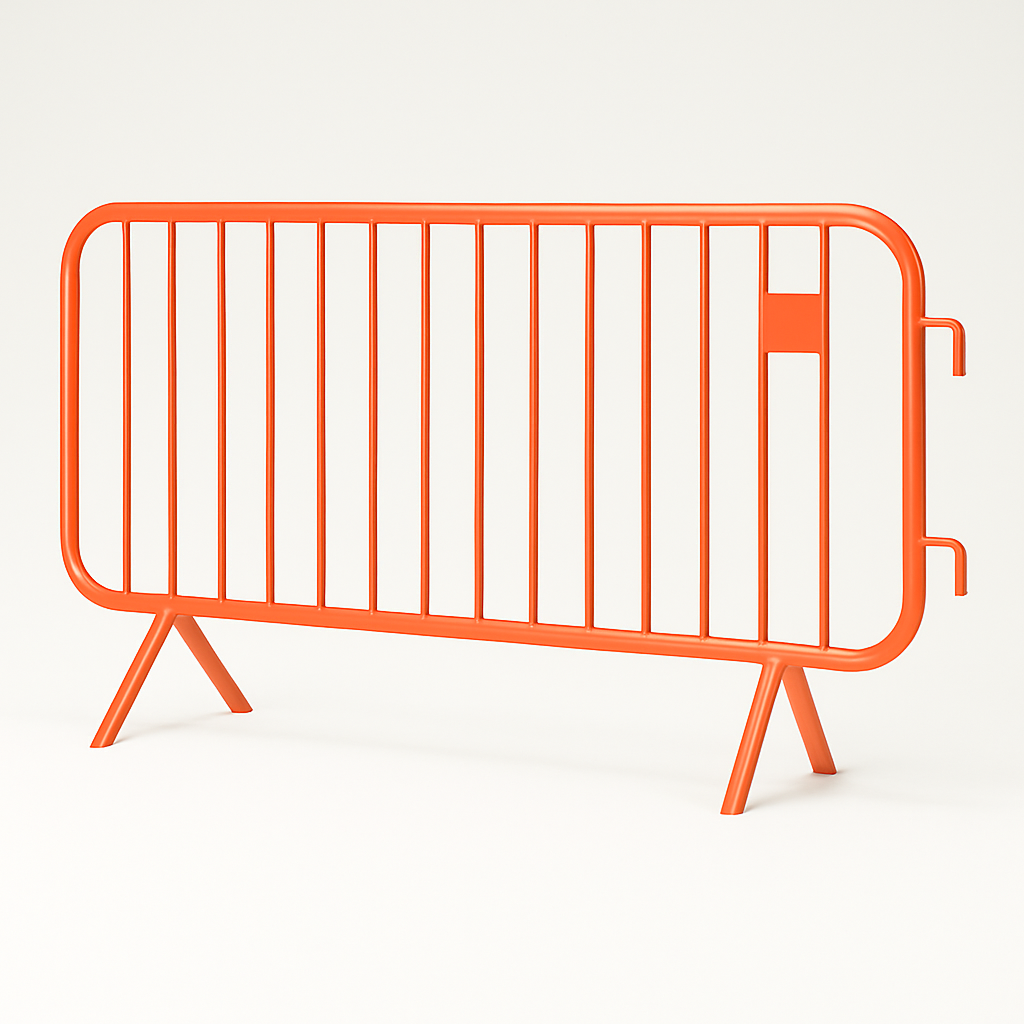
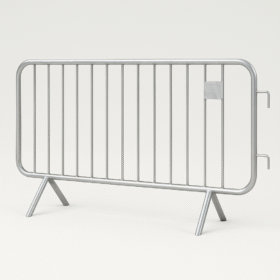
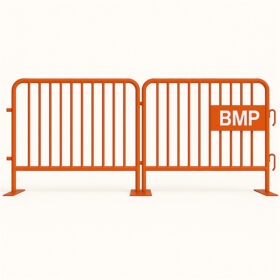
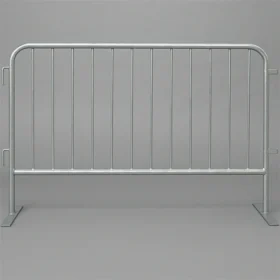
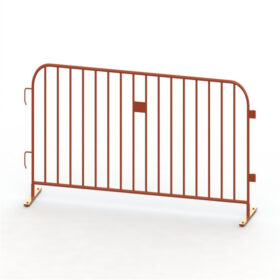
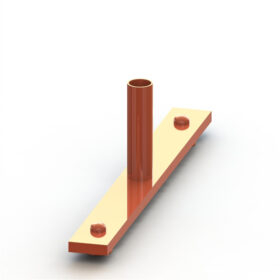
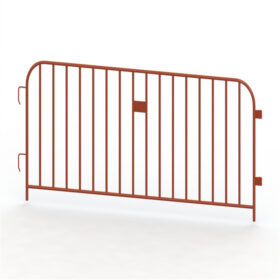
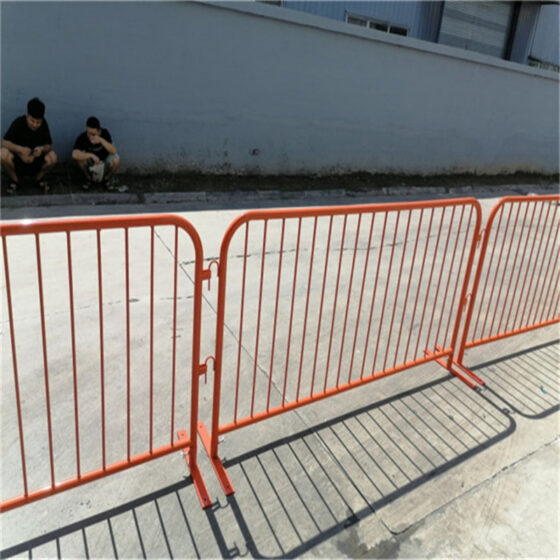
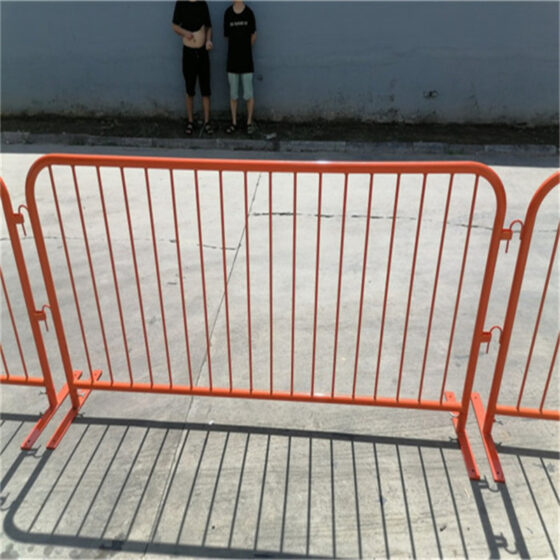
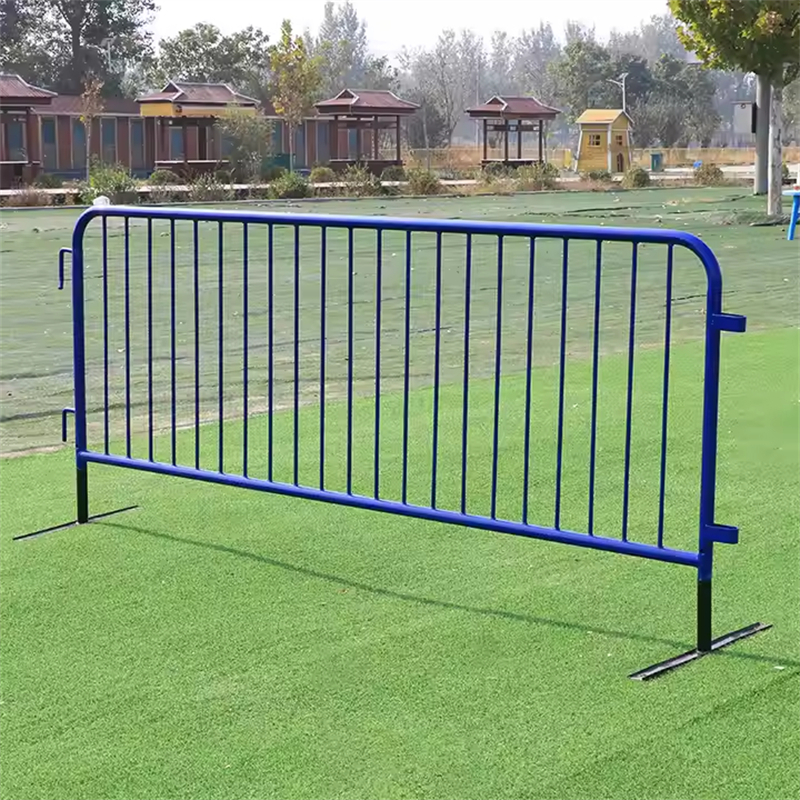
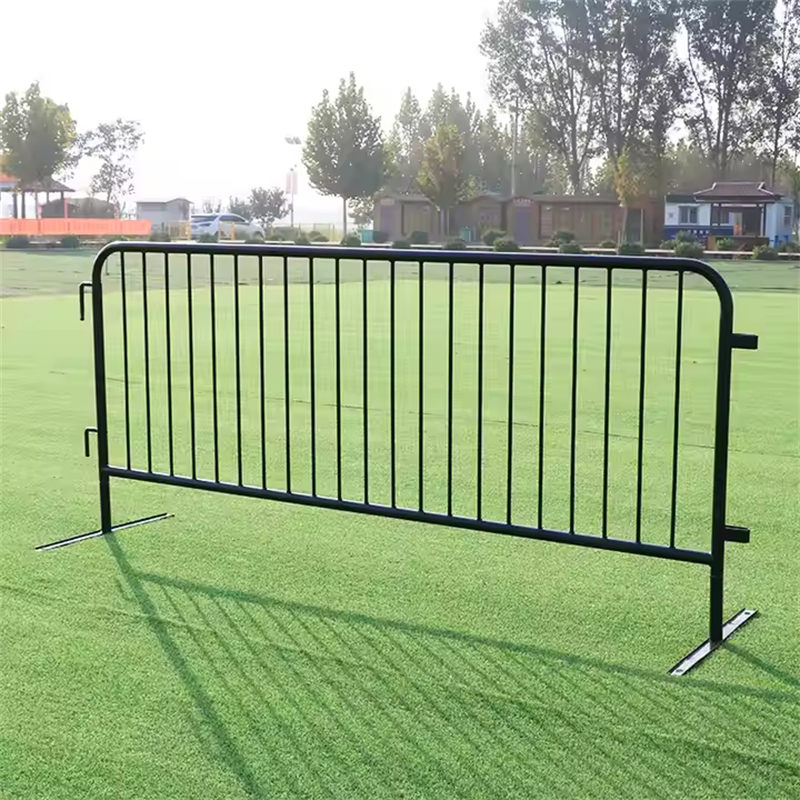
Crowd control fencing panels from POLYMETAL are designed to look simple and practical on the surface, while quietly taking on the heavy responsibility of keeping people, vehicles and assets separated and safe. Each panel is built from welded tubular steel frames and upright rails, matched with stable bridge feet or flat steel feet, then hot-dip galvanized and optionally powder coated for long service life in harsh event and construction environments. When correctly specified, crowd control fencing panels form an organised, predictable barrier system; when they are under-specified, they can collapse at the worst possible moment and turn into a safety crisis. For outer boundaries and permanent perimeters, you can also combine them with tubular steel fencing to build a stronger layered protection system.
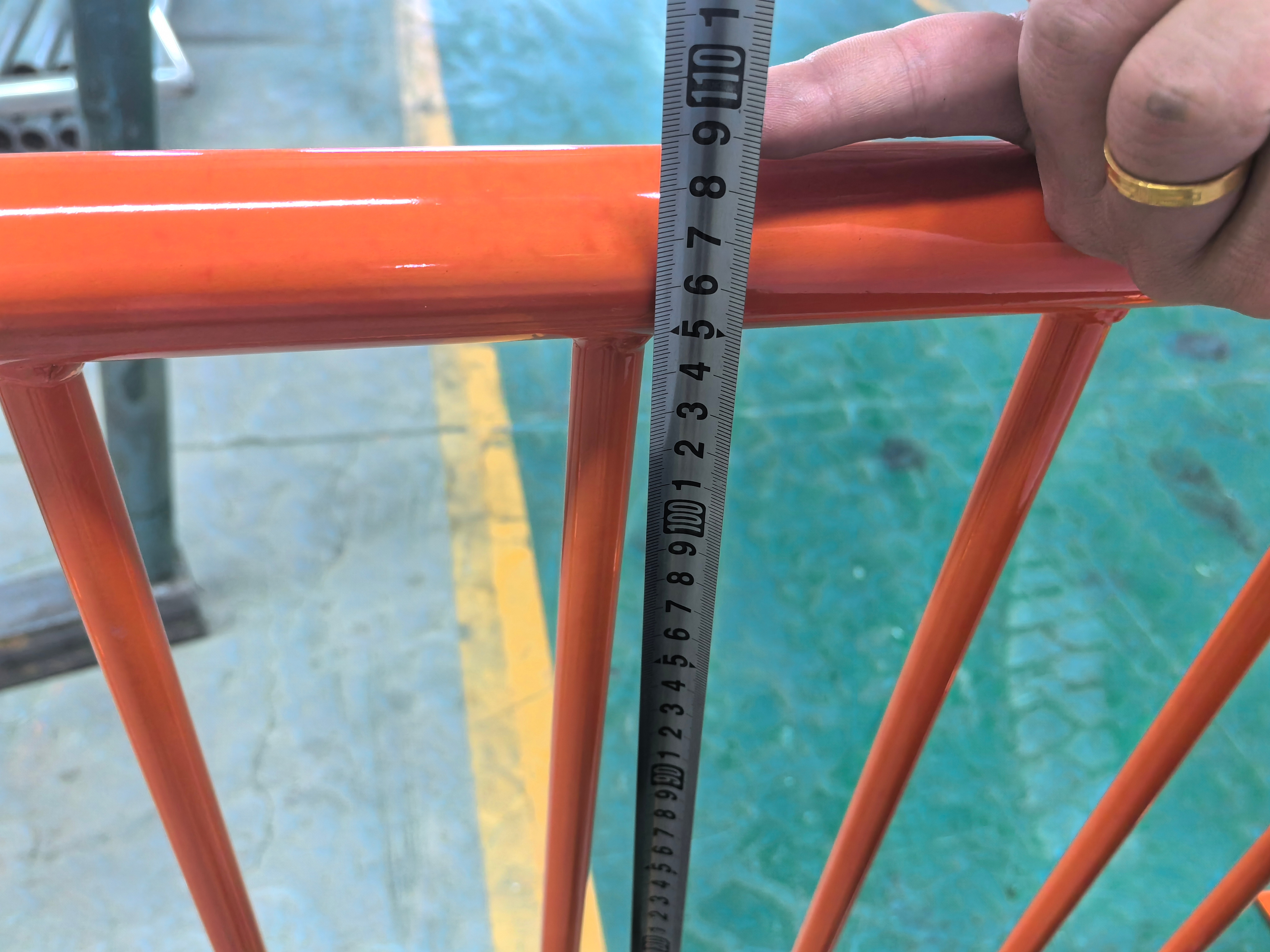
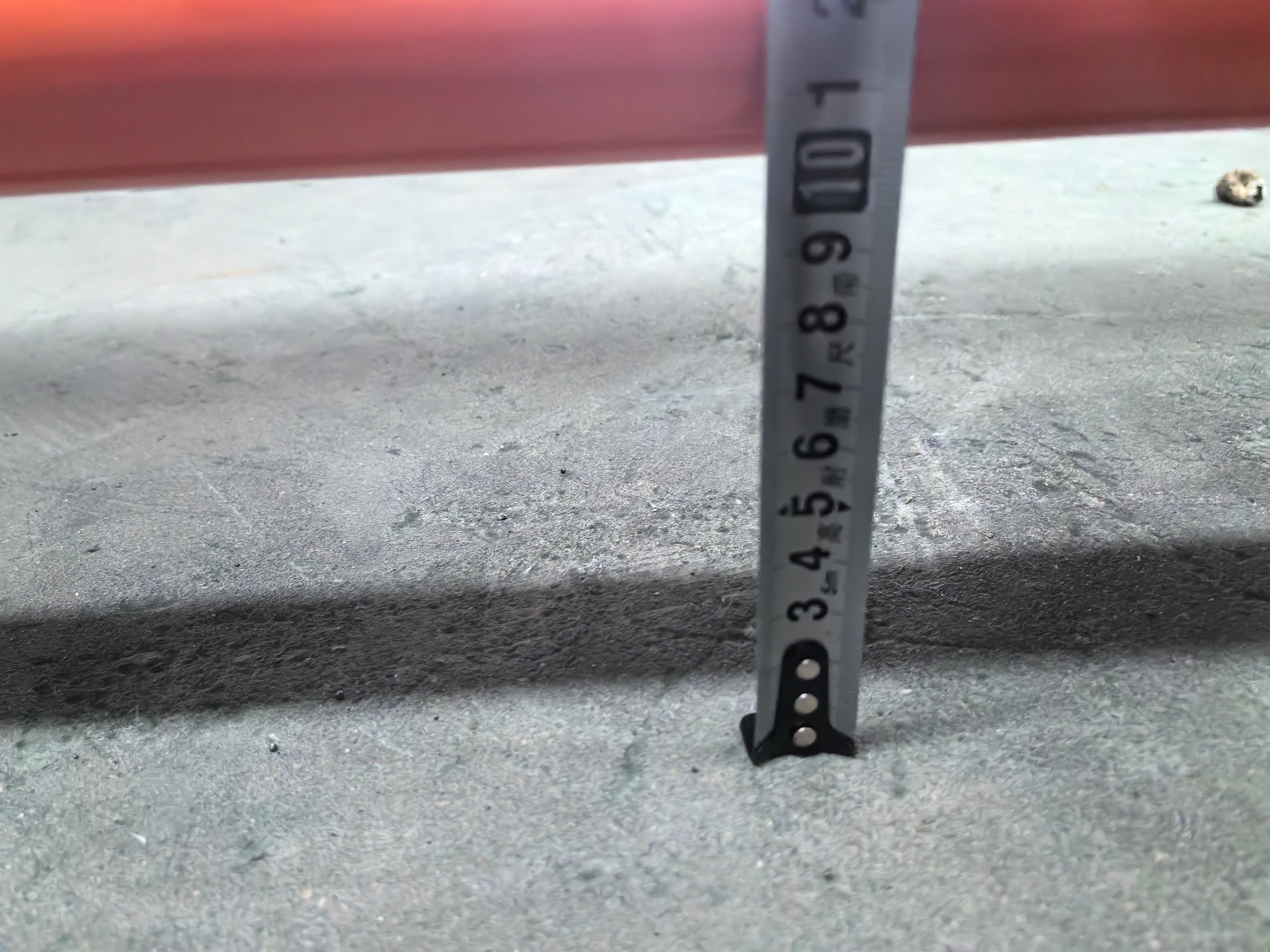
POLYMETAL crowd control fencing panels are typically manufactured in heights between 900 mm and 1200 mm and widths around 2000–2500 mm, using frame tubes in 25 mm, 32 mm, 35 mm and 38 mm diameters with wall thickness from 1.5 mm to 2.0 mm. Upright tubes in 12 mm, 16 mm and 19 mm diameters, with wall thickness between 0.7 mm and 1.2 mm, are arranged in spacings such as 90 mm, 100 mm, 150 mm or 200 mm to balance safety, visibility and weight. The following insights, product profile, detailed specifications, production process, packing and standards overview explain how these details translate into real-world performance on busy sites.
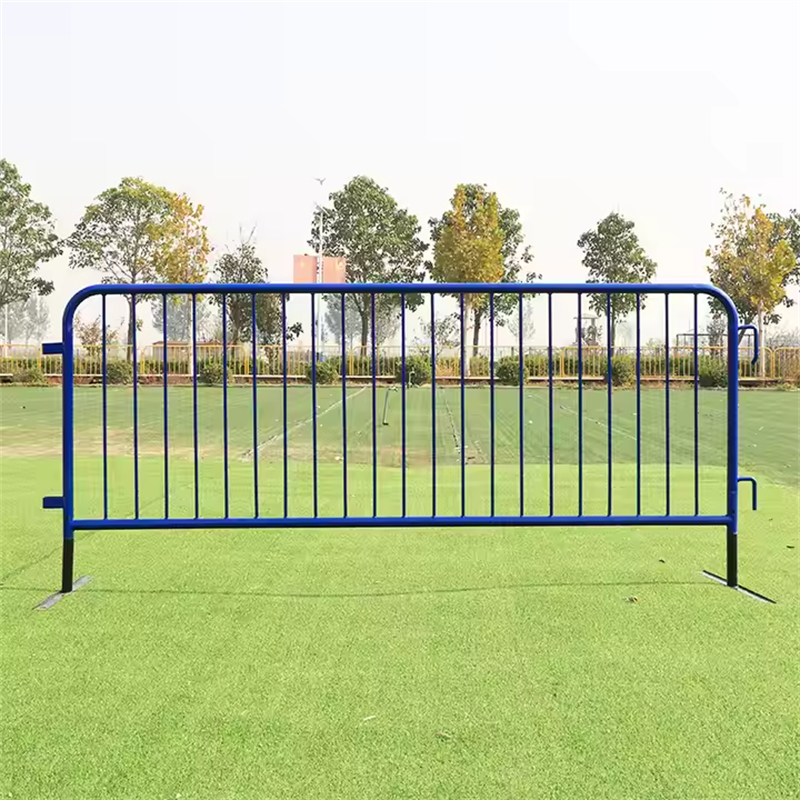
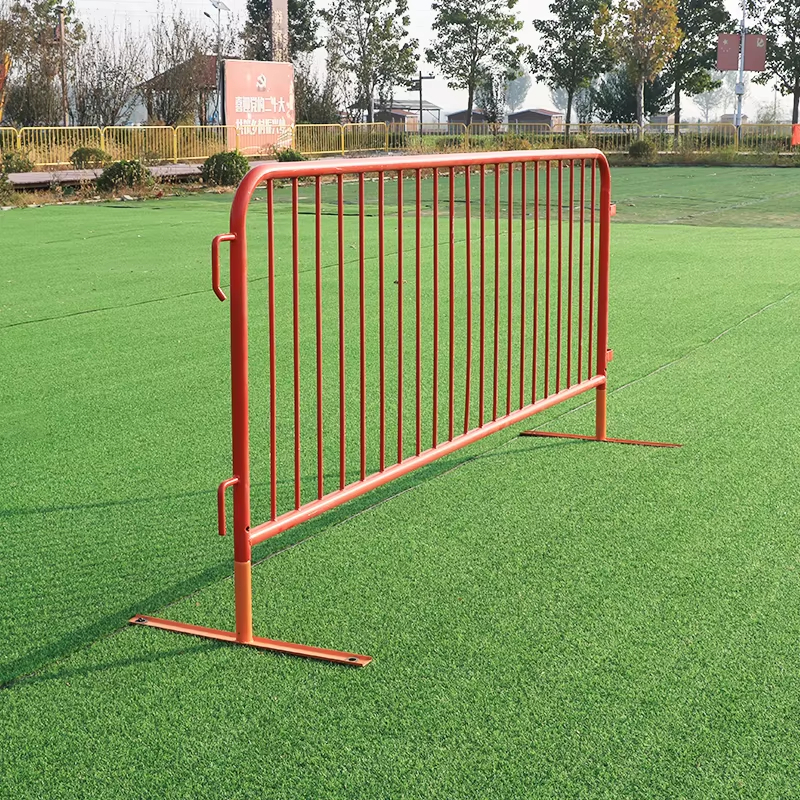
16 Critical Insights About Crowd Control Fencing Panels You Must Understand
1. First detail – frame tube diameter as your hidden strength line
The frame tube diameter of 25 mm, 32 mm, 35 mm or 38 mm is the first critical detail in any crowd control fencing panel. Light 25 mm frames are suitable only for low-density events; for construction sites, stadium queues or parade routes, under-sized frames can twist and bow, turning the barrier into a wobbling line that fails when the crowd leans.
2. Second fact – wall thickness and impact resistance
Wall thicknesses of 1.5 mm, 1.6 mm and 2.0 mm are not cosmetic numbers; they are a structural fact that decides how many hits your crowd control fencing panels can survive. Thinner walls may dent or crease when struck by trolleys, bikes or equipment, creating weak spots that gradually spread along the run.
3. Third truth – upright tube diameter and people pressure
The truth is that 12 mm uprights do not carry crowd pressure the same way as 16 mm or 19 mm uprights. At busy events, people push forward against the panels; narrow uprights with thin walls can bend or permanently deform, leaving the fence looking collapsed and unsafe long before the event is finished.
4. Fourth point – upright wall thickness and fatigue
Upright wall thickness from 0.7 mm to 1.2 mm may seem like a small point, but it decides how quickly your crowd control fencing panels develop fatigue. At 0.7 mm, one hard impact may be all it takes to create permanent kinks; with 1.0–1.2 mm uprights, the system better absorbs repetitive crowd loading and transport shocks.
5. Fifth note – spacing as a safety and liability decision
The spacing between uprights – 90 mm, 100 mm, 150 mm or 200 mm – is a critical safety note, not just a visual choice. Gaps that are too wide can allow small children to slip through or get stuck, creating severe liability and reputational damage. Tight 90–100 mm spacings offer much better control in family zones and near roads.
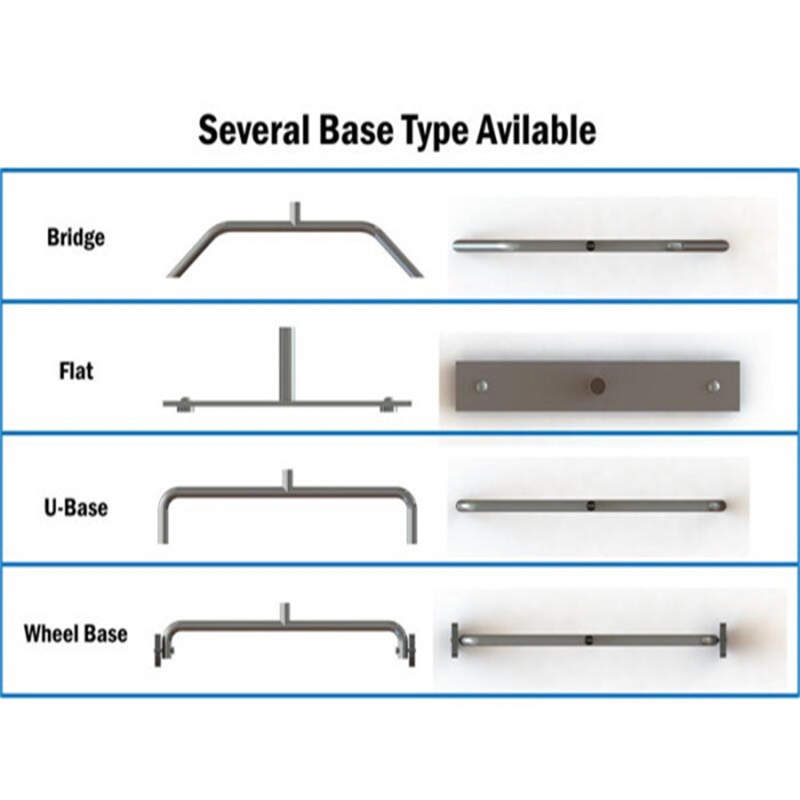
6. Sixth tip – bridge feet versus flat steel feet stability
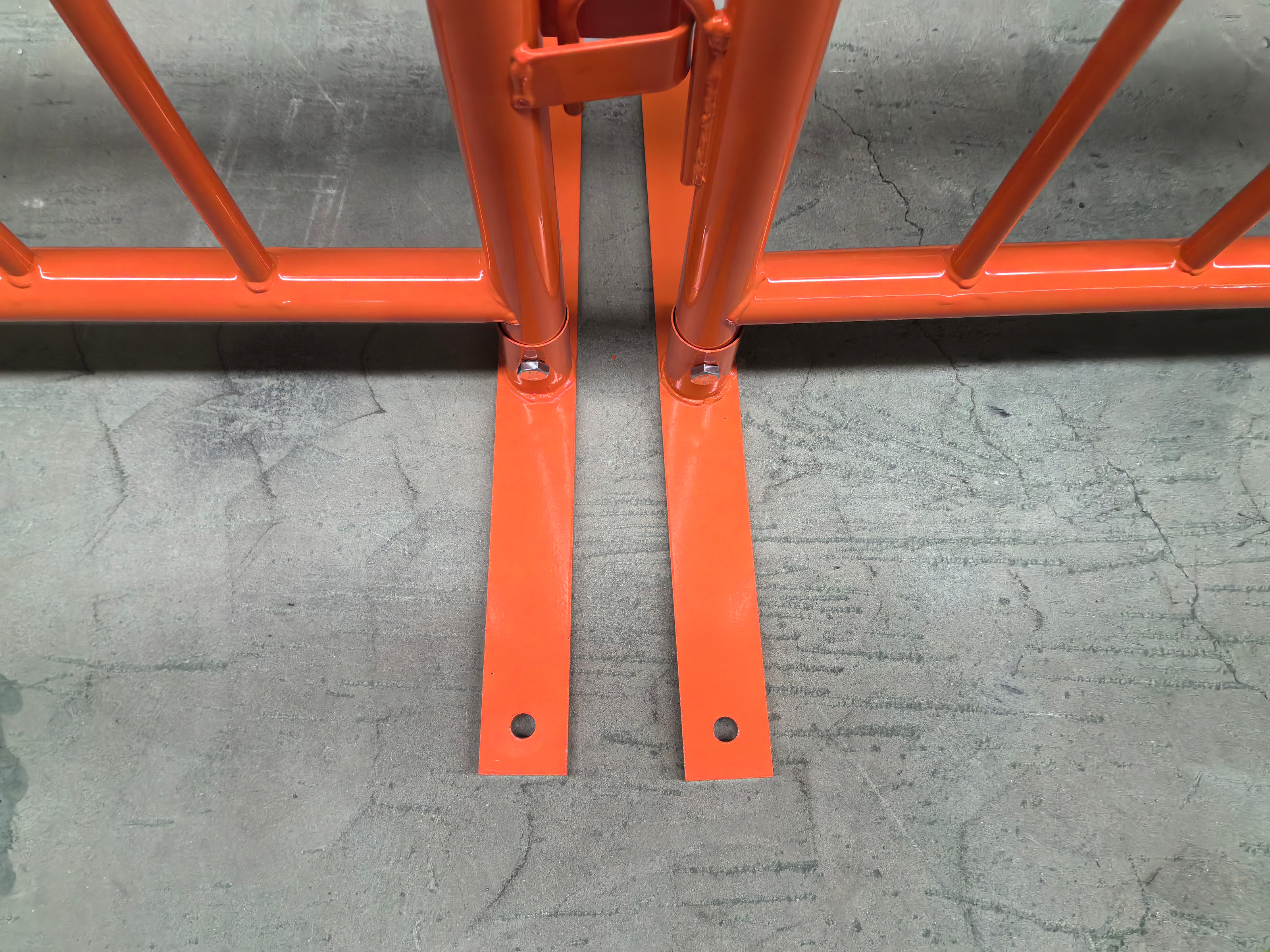
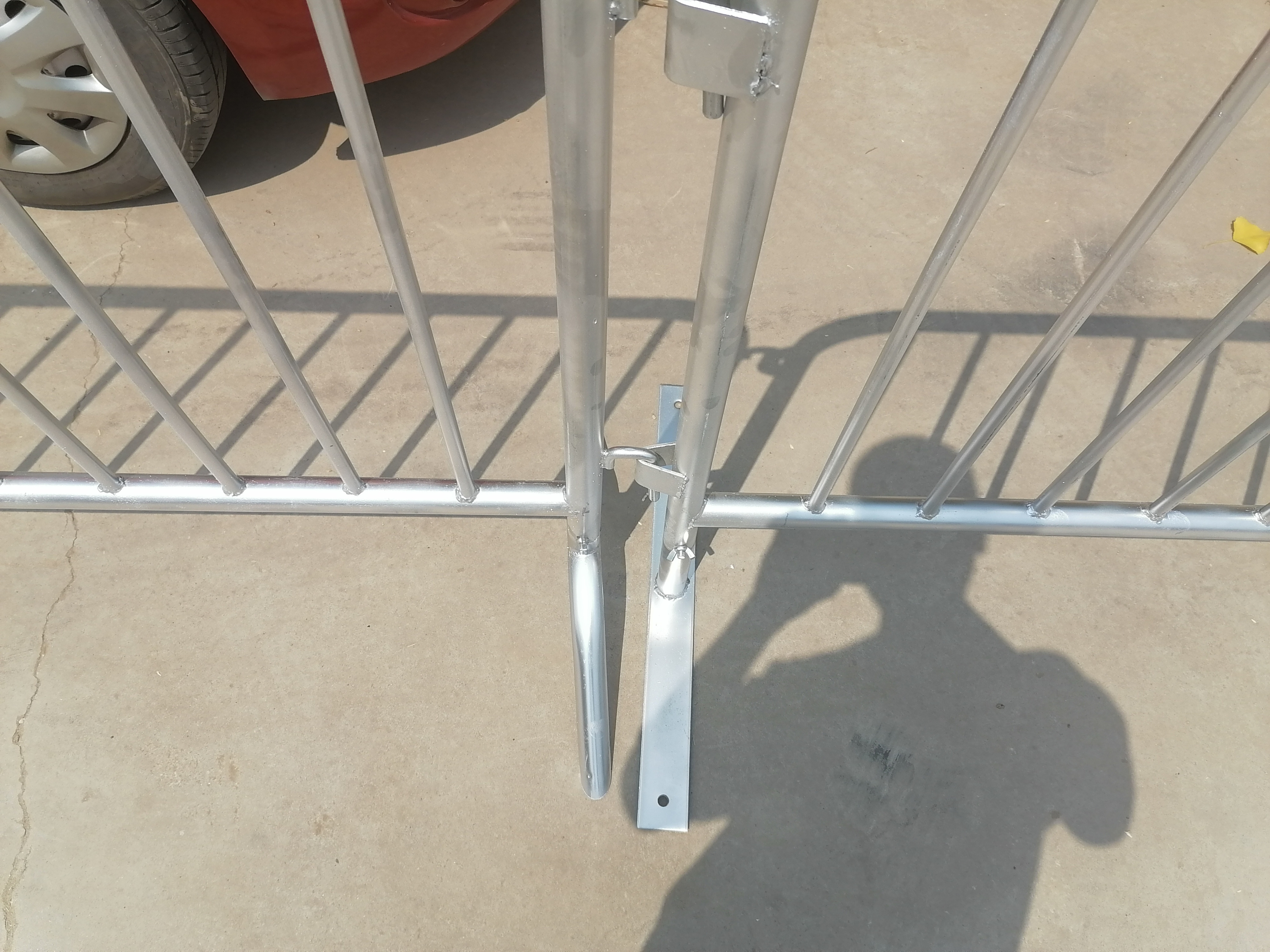
Bridge feet provide a smart tip for stability on uneven or soft ground, spreading load and reducing the chance of panels tipping when pushed. Flat steel feet are convenient in tighter spaces and on smooth concrete. Using the wrong feet type in the wrong place creates a subtle instability that only appears under real crowd pressure.
7. Seventh hint – interlocking system and trip hazard control
The way POLYMETAL crowd control fencing panels hook or clamp together is a critical hint about their overall design quality. Poorly designed hooks can disconnect under sideways load, creating sudden gaps and trip hazards. A tight interlock system keeps the line straight and reduces the chance of panic-inducing collapses.
8. Eighth idea – height selection and perceived authority
Heights such as 900 mm, 1000 mm and 1100–1200 mm change the idea people have about how serious the boundary is. Too low, and people feel invited to step over or lean heavily; high enough, and the panels communicate authority without feeling oppressive. Getting this ratio wrong encourages misbehaviour and accidental breaches.
9. Ninth angle – panel width and manual handling risk
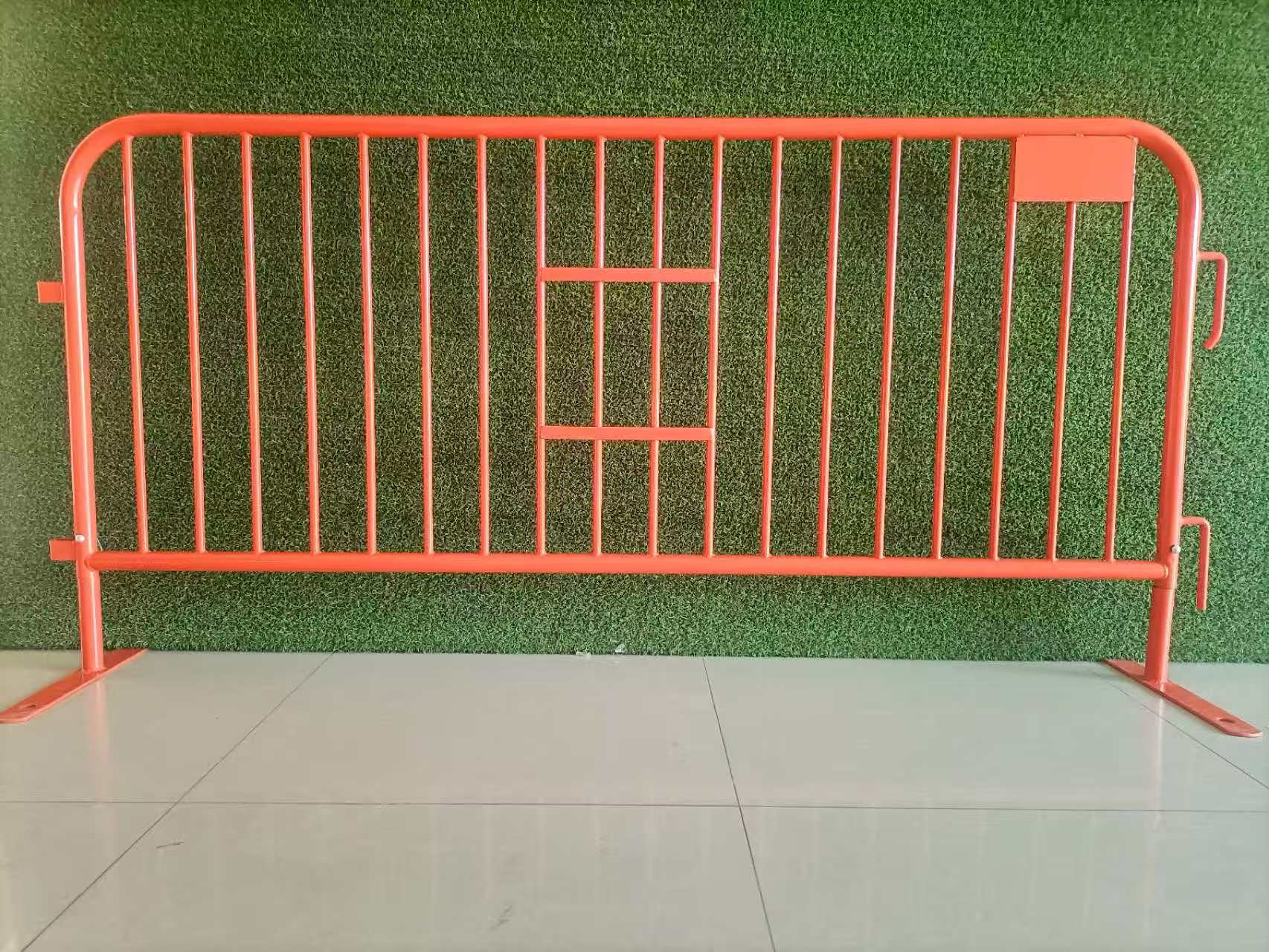
From the angle of handling, widths around 2000–2500 mm affect both labour cost and safety. Very wide panels reduce part count but become awkward for one or two workers to carry, increasing the risk of dropped panels, smashed toes and damaged coatings. A balanced width and weight profile protects workers as well as budgets.
10. Tenth aspect – galvanising, powder coating and long-term damage
The aspect of surface treatment is central to life-cycle performance. Hot-dip galvanising followed by quality powder coating slows rust and cosmetic damage. Cheap or thin coatings create a pattern of early rust spots at welds and corners, silently moving your crowd control fencing panels towards structural failure and visual downgrade.
11. Eleventh element – weld quality as the real failure point
In almost every failure investigation, the key element is weld quality. Poor welds between frame and uprights crack under repeated loading and transport, even when tube sizes look correct on paper. Clean, continuous welds with good penetration are the difference between a robust barrier and a line of panels slowly falling apart.
12. Twelfth feature – stacking and storage efficiency
Stacking design is a feature many buyers ignore. POLYMETAL crowd control fencing panels are shaped to nest efficiently in stillages or on pallets. Poorly designed frames waste space, increase transport costs and encourage unsafe stacking that can topple in the yard, causing damage and injury before panels ever reach the site.
13. Thirteenth trait – weight balance for fast deployment
The trait of a good panel is even weight distribution: not so heavy that crews struggle, not so light that the structure feels flimsy. A balanced specification lets two workers move, set and lock panels rapidly, reducing set-up time and labour cost while keeping enough mass to resist casual shifts from bumps and wind.
14. Fourteenth view – compliance with event and site guidelines
From a compliance view, crowd control fencing panels must align with typical event, council and construction guidelines about height, gap size and stability. Non-compliant barriers can trigger penalties, forced changes mid-event and even site shutdowns. A properly designed POLYMETAL system reduces this hazard before inspectors arrive.
15. Fifteenth insight – damage trend during transport and hire cycles
An important insight from real hire fleets is that most damage occurs during loading, unloading and transport. Sharp corners, weak welds and poor stacking geometry create a recurring damage trend: bent frames, twisted uprights and chipped coating. Robust design and proper stillage use dramatically slow this pattern of loss and waste.
16. Sixteenth lesson – total payoff of higher quality panels
The final lesson is that higher quality crowd control fencing panels offer a clear payoff in reduced repairs, fewer panel losses and safer events. A cheap-looking barrier line sends the wrong signal to both crowds and regulators; a solid, aligned POLYMETAL system projects control, reduces incidents and protects your profit on every job.
Product Description – Crowd Control Fencing Panels (POLYMETAL)
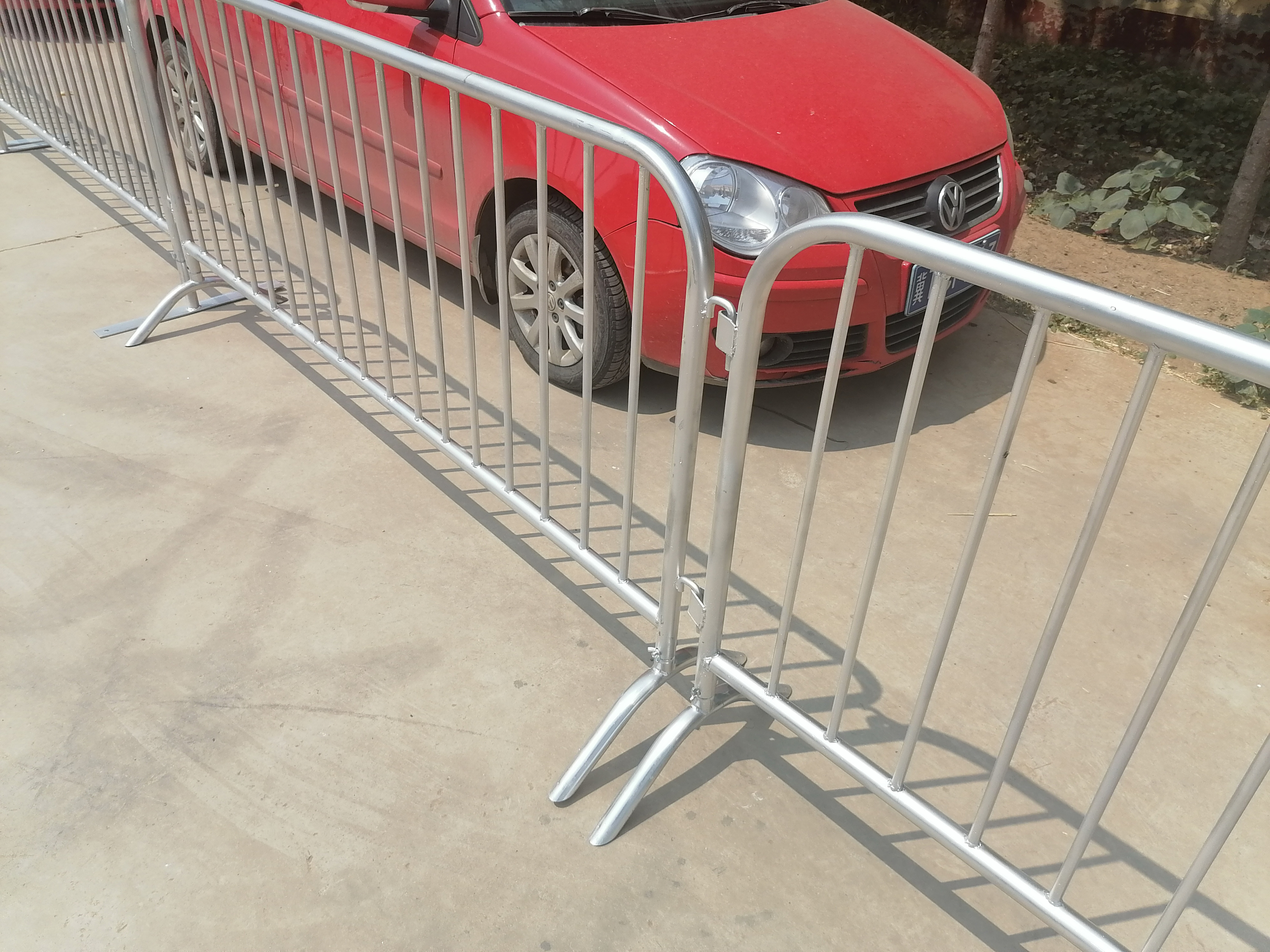
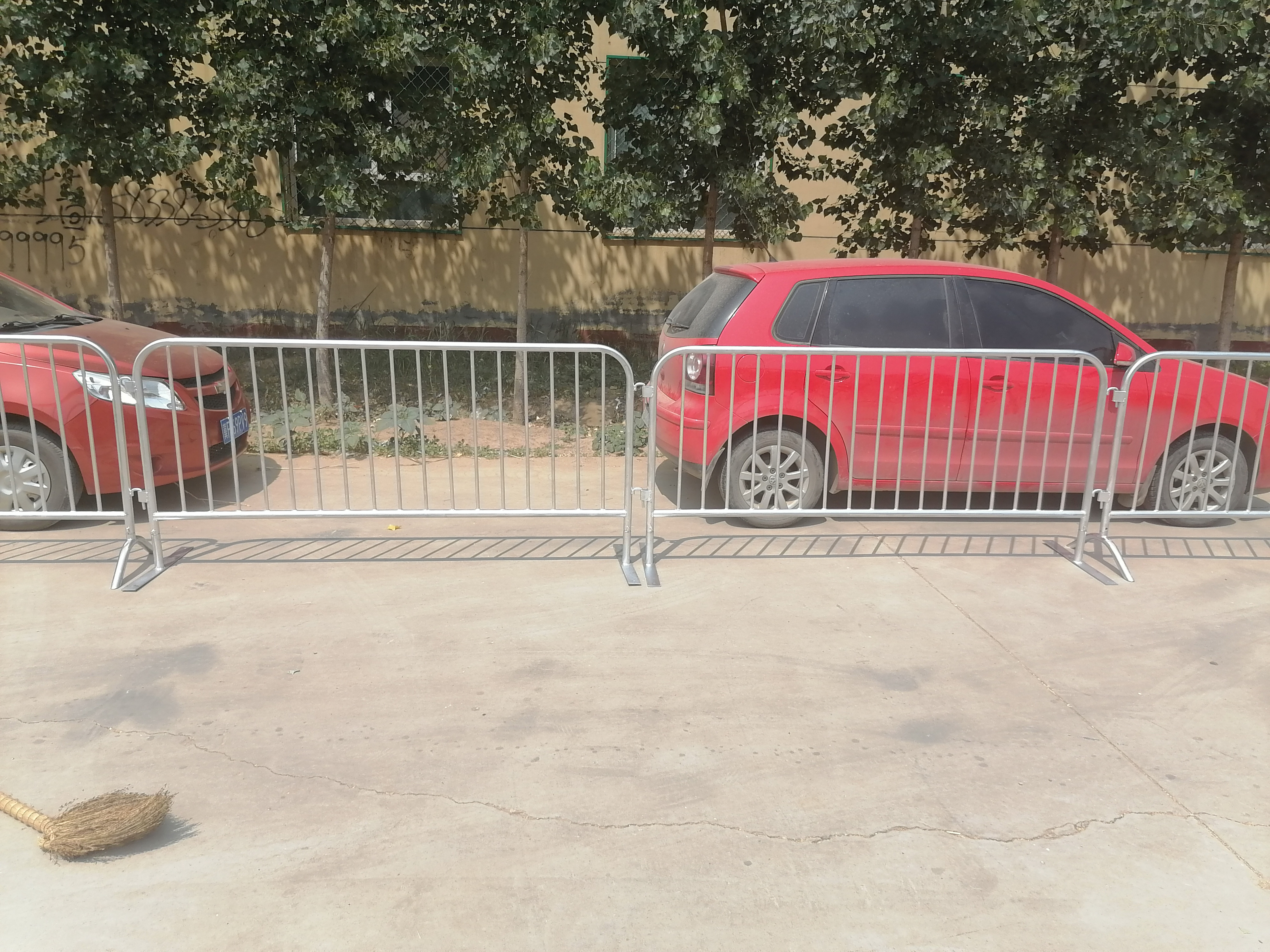
POLYMETAL crowd control fencing panels are modular, free-standing barriers designed to manage the flow and separation of people, vehicles and work zones at events and construction sites. Each panel is built from round tubular steel frames in diameters such as 25 mm, 32 mm, 35 mm and 38 mm with wall thickness typically between 1.5 mm and 2.0 mm. Inside the frame, upright tubes in 12 mm, 16 mm or 19 mm diameters are welded to form a rigid infill at spacings around 90 mm, 100 mm, 150 mm or 200 mm, depending on the risk level and visibility required. The panels connect to matching bridge feet or flat steel feet, creating a stable barrier line that can be rapidly deployed and reconfigured as site needs change.
The steel structure is hot-dip galvanised and can be supplied with an additional powder coated finish in high-visibility or corporate colours. This combination protects the underlying steel from corrosion, abrasion and impact while preserving a clean, professional appearance. POLYMETAL crowd control fencing panels are widely used for concerts, festivals, parades, marathons, building sites, car parks and public infrastructure works where controlled access and clear separation between crowds and hazards are essential.
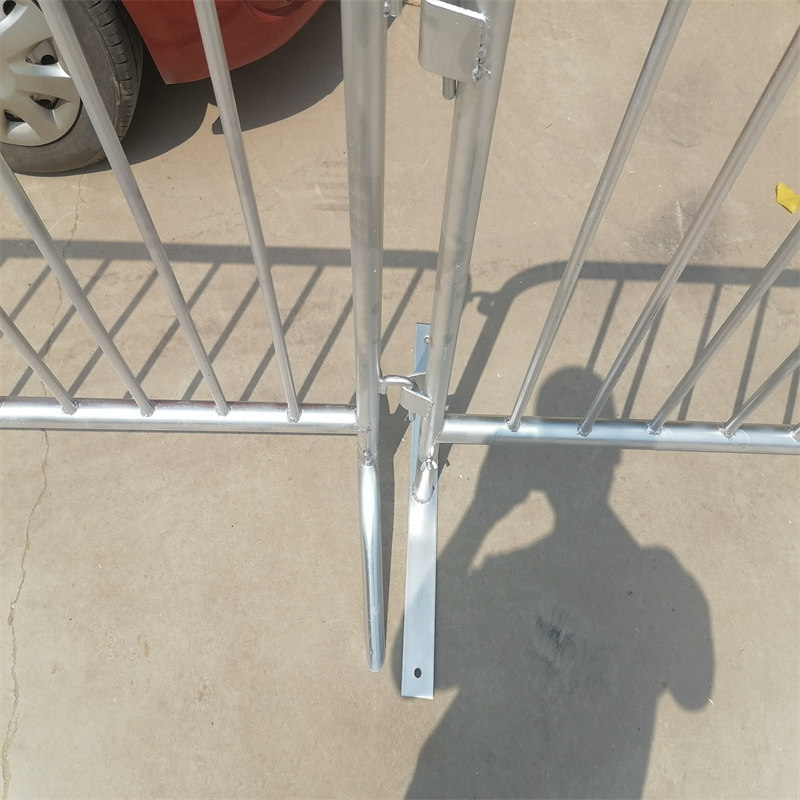
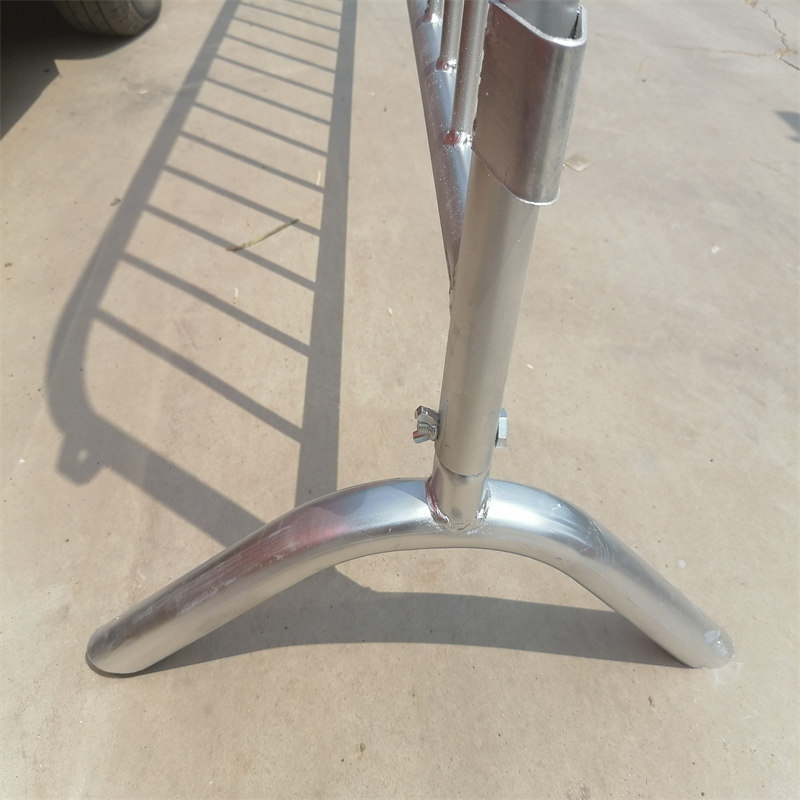
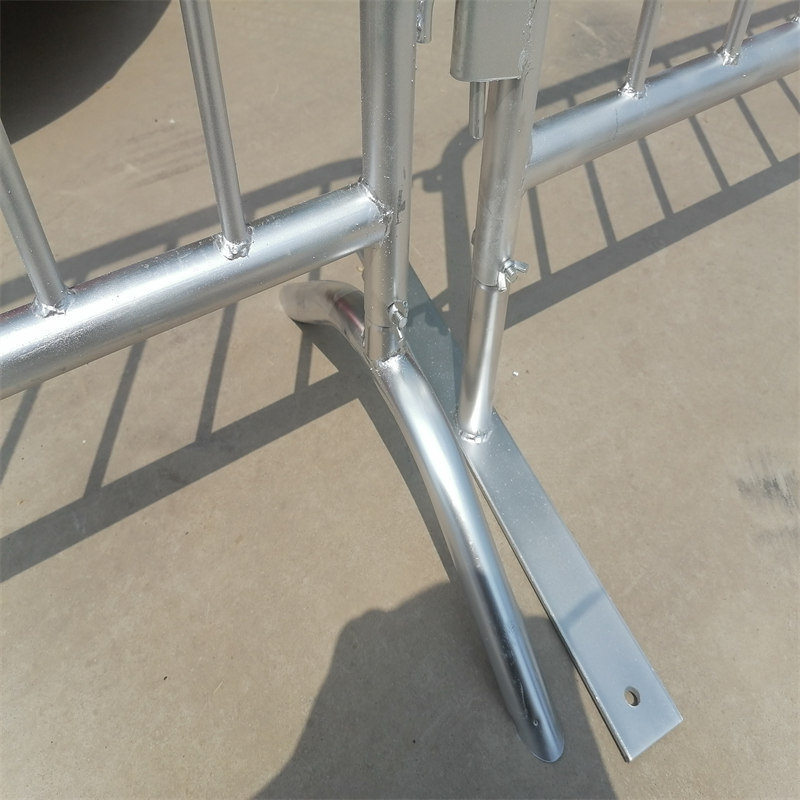
POLYMETAL Crowd Control Fencing Panels Specifications – Quick Profile
Table 1 – Light Duty Event Crowd Control Fencing Panels (25 mm Frame)
| Model | Panel Height (mm) | Panel Width (mm) | Frame Tube (mm) | Frame Wall (mm) | Upright Tube (mm) | Upright Wall (mm) | Upright Spacing (mm) | Feet Type | Finish |
|---|---|---|---|---|---|---|---|---|---|
| PM-CC-25-0900-2000 | 900 | 2000 | Ø25 | 1.5 | Ø12 | 0.7 | 200 | Bridge | HDG |
| PM-CC-25-0900-2200 | 900 | 2200 | Ø25 | 1.5 | Ø12 | 0.8 | 200 | Bridge | HDG |
| PM-CC-25-1000-2000 | 1000 | 2000 | Ø25 | 1.5 | Ø16 | 0.8 | 150 | Bridge | HDG |
| PM-CC-25-1000-2200 | 1000 | 2200 | Ø25 | 1.6 | Ø16 | 0.8 | 150 | Bridge | HDG + Powder |
| PM-CC-25-1000-2300 | 1000 | 2300 | Ø25 | 1.6 | Ø12 | 1.0 | 200 | Flat steel | HDG |
| PM-CC-25-1100-2000 | 1100 | 2000 | Ø25 | 1.6 | Ø16 | 1.0 | 150 | Flat steel | HDG + Powder |
| PM-CC-25-1100-2200 | 1100 | 2200 | Ø25 | 1.6 | Ø12 | 1.0 | 200 | Bridge | HDG |
| PM-CC-25-1100-2400 | 1100 | 2400 | Ø25 | 1.6 | Ø16 | 1.2 | 200 | Bridge | HDG + Powder |
| PM-CC-25-1200-2200 | 1200 | 2200 | Ø25 | 1.6 | Ø19 | 1.0 | 150 | Flat steel | HDG |
| PM-CC-25-1200-2400 | 1200 | 2400 | Ø25 | 1.6 | Ø16 | 1.2 | 150 | Bridge | HDG + Powder |
Table 2 – Standard Crowd Control Fencing Panels (32 mm Frame)
| Model | Panel Height (mm) | Panel Width (mm) | Frame Tube (mm) | Frame Wall (mm) | Upright Tube (mm) | Upright Wall (mm) | Upright Spacing (mm) | Feet Type | Finish |
|---|---|---|---|---|---|---|---|---|---|
| PM-CC-32-1000-2200 | 1000 | 2200 | Ø32 | 1.5 | Ø16 | 0.8 | 150 | Bridge | HDG |
| PM-CC-32-1000-2300 | 1000 | 2300 | Ø32 | 1.5 | Ø19 | 0.8 | 150 | Flat steel | HDG |
| PM-CC-32-1100-2200 | 1100 | 2200 | Ø32 | 1.5 | Ø16 | 1.0 | 100 | Bridge | HDG + Powder |
| PM-CC-32-1100-2400 | 1100 | 2400 | Ø32 | 1.6 | Ø19 | 1.0 | 150 | Bridge | HDG |
| PM-CC-32-1100-2500 | 1100 | 2500 | Ø32 | 1.6 | Ø16 | 1.0 | 150 | Flat steel | HDG + Powder |
| PM-CC-32-1150-2200 | 1150 | 2200 | Ø32 | 1.6 | Ø19 | 1.0 | 100 | Bridge | HDG |
| PM-CC-32-1150-2400 | 1150 | 2400 | Ø32 | 1.6 | Ø19 | 1.2 | 150 | Bridge | HDG + Powder |
| PM-CC-32-1200-2200 | 1200 | 2200 | Ø32 | 1.6 | Ø16 | 1.2 | 100 | Flat steel | HDG |
| PM-CC-32-1200-2400 | 1200 | 2400 | Ø32 | 1.6 | Ø19 | 1.2 | 150 | Bridge | HDG + Powder |
| PM-CC-32-1200-2500 | 1200 | 2500 | Ø32 | 1.6 | Ø16 | 1.2 | 200 | Flat steel | HDG |
Table 3 – Heavy-Duty Construction Crowd Control Fencing Panels (35 mm Frame)
| Model | Panel Height (mm) | Panel Width (mm) | Frame Tube (mm) | Frame Wall (mm) | Upright Tube (mm) | Upright Wall (mm) | Upright Spacing (mm) | Feet Type | Finish |
|---|---|---|---|---|---|---|---|---|---|
| PM-CC-35-1100-2200 | 1100 | 2200 | Ø35 | 1.6 | Ø19 | 1.0 | 100 | Bridge | HDG |
| PM-CC-35-1100-2400 | 1100 | 2400 | Ø35 | 1.6 | Ø16 | 1.0 | 90 | Bridge | HDG + Powder |
| PM-CC-35-1150-2200 | 1150 | 2200 | Ø35 | 1.6 | Ø19 | 1.2 | 100 | Flat steel | HDG |
| PM-CC-35-1150-2400 | 1150 | 2400 | Ø35 | 1.6 | Ø19 | 1.2 | 90 | Bridge | HDG + Powder |
| PM-CC-35-1150-2500 | 1150 | 2500 | Ø35 | 1.6 | Ø16 | 1.2 | 100 | Bridge | HDG |
| PM-CC-35-1200-2200 | 1200 | 2200 | Ø35 | 2.0 | Ø19 | 1.2 | 90 | Bridge | HDG |
| PM-CC-35-1200-2300 | 1200 | 2300 | Ø35 | 2.0 | Ø16 | 1.2 | 100 | Flat steel | HDG + Powder |
| PM-CC-35-1200-2400 | 1200 | 2400 | Ø35 | 2.0 | Ø19 | 1.2 | 90 | Bridge | HDG |
| PM-CC-35-1200-2500 | 1200 | 2500 | Ø35 | 2.0 | Ø19 | 1.2 | 100 | Bridge | HDG + Powder |
| PM-CC-35-1200-2500-H | 1200 | 2500 | Ø35 | 2.0 | Ø19 | 1.2 | 90 | Flat steel | HDG + Powder |
Table 4 – Premium High-Security Crowd Control Fencing Panels (38 mm Frame)
| Model | Panel Height (mm) | Panel Width (mm) | Frame Tube (mm) | Frame Wall (mm) | Upright Tube (mm) | Upright Wall (mm) | Upright Spacing (mm) | Feet Type | Finish |
|---|---|---|---|---|---|---|---|---|---|
| PM-CC-38-1100-2200 | 1100 | 2200 | Ø38 | 1.6 | Ø19 | 1.0 | 100 | Bridge | HDG |
| PM-CC-38-1100-2400 | 1100 | 2400 | Ø38 | 1.6 | Ø19 | 1.0 | 90 | Bridge | HDG + Powder |
| PM-CC-38-1150-2300 | 1150 | 2300 | Ø38 | 1.6 | Ø19 | 1.2 | 90 | Flat steel | HDG |
| PM-CC-38-1150-2400 | 1150 | 2400 | Ø38 | 2.0 | Ø19 | 1.2 | 90 | Bridge | HDG + Powder |
| PM-CC-38-1150-2500 | 1150 | 2500 | Ø38 | 2.0 | Ø19 | 1.2 | 100 | Bridge | HDG |
| PM-CC-38-1200-2200 | 1200 | 2200 | Ø38 | 2.0 | Ø19 | 1.2 | 90 | Flat steel | HDG + Powder |
| PM-CC-38-1200-2300 | 1200 | 2300 | Ø38 | 2.0 | Ø19 | 1.2 | 90 | Bridge | HDG |
| PM-CC-38-1200-2400 | 1200 | 2400 | Ø38 | 2.0 | Ø19 | 1.2 | 90 | Bridge | HDG + Powder |
| PM-CC-38-1200-2500 | 1200 | 2500 | Ø38 | 2.0 | Ø19 | 1.2 | 100 | Flat steel | HDG + Powder |
| PM-CC-38-1200-2500-HS | 1200 | 2500 | Ø38 | 2.0 | Ø19 | 1.2 | 90 | Bridge | HDG + Powder (Hi-vis) |
Application of POLYMETAL Crowd Control Fencing Panels
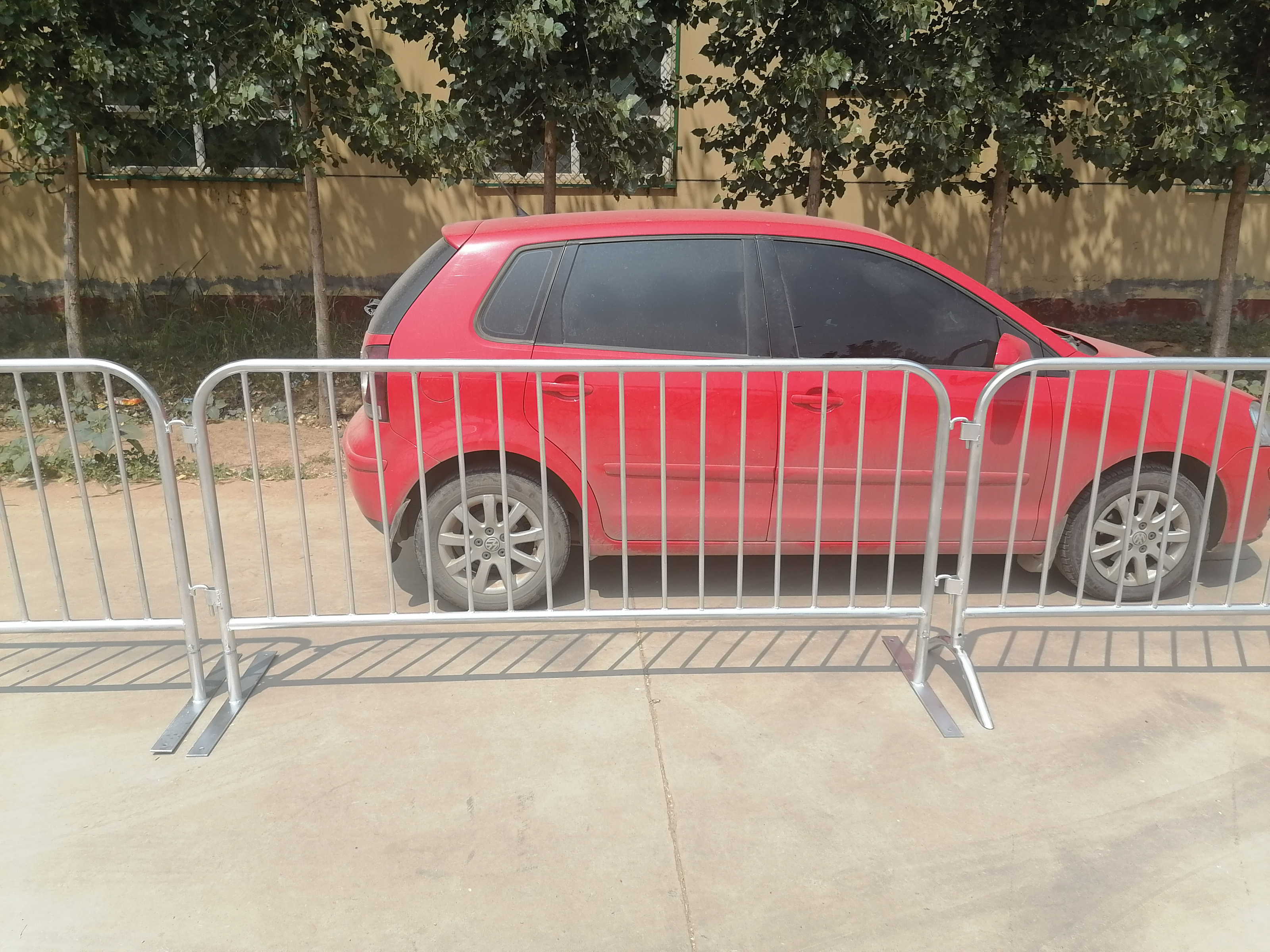
POLYMETAL crowd control fencing panels are used wherever people and vehicles must be guided, separated or restrained in a predictable way. They are common at concerts, festivals, sports events, parades and marathons, where they shape queues, create safe walkways and define VIP or restricted zones. On construction sites, they protect pedestrians from machinery and debris while marking clear exclusion areas around excavations, cranes and traffic interfaces. Councils and traffic managers deploy them for roadworks, detours and public infrastructure maintenance, using high-visibility finishes to communicate danger and keep people away from live lanes and work areas.
Key Features of POLYMETAL Crowd Control Fencing Panels
Each POLYMETAL panel is designed as a fully welded frame, with uprights tied into the top and bottom rails to create a single, rigid unit that resists twisting and racking. The tubular frame and uprights are carefully proportioned to offer a balance between weight and strength, ensuring that the panels are light enough for fast manual handling but strong enough to resist crowd pressure, accidental impacts and stacking loads. Removable bridge or flat steel feet allow flexible layouts and compact storage. Hot-dip galvanising and optional powder coating provide long-lasting corrosion protection and a clean, professional finish that suits both event branding and construction requirements.
Production Process
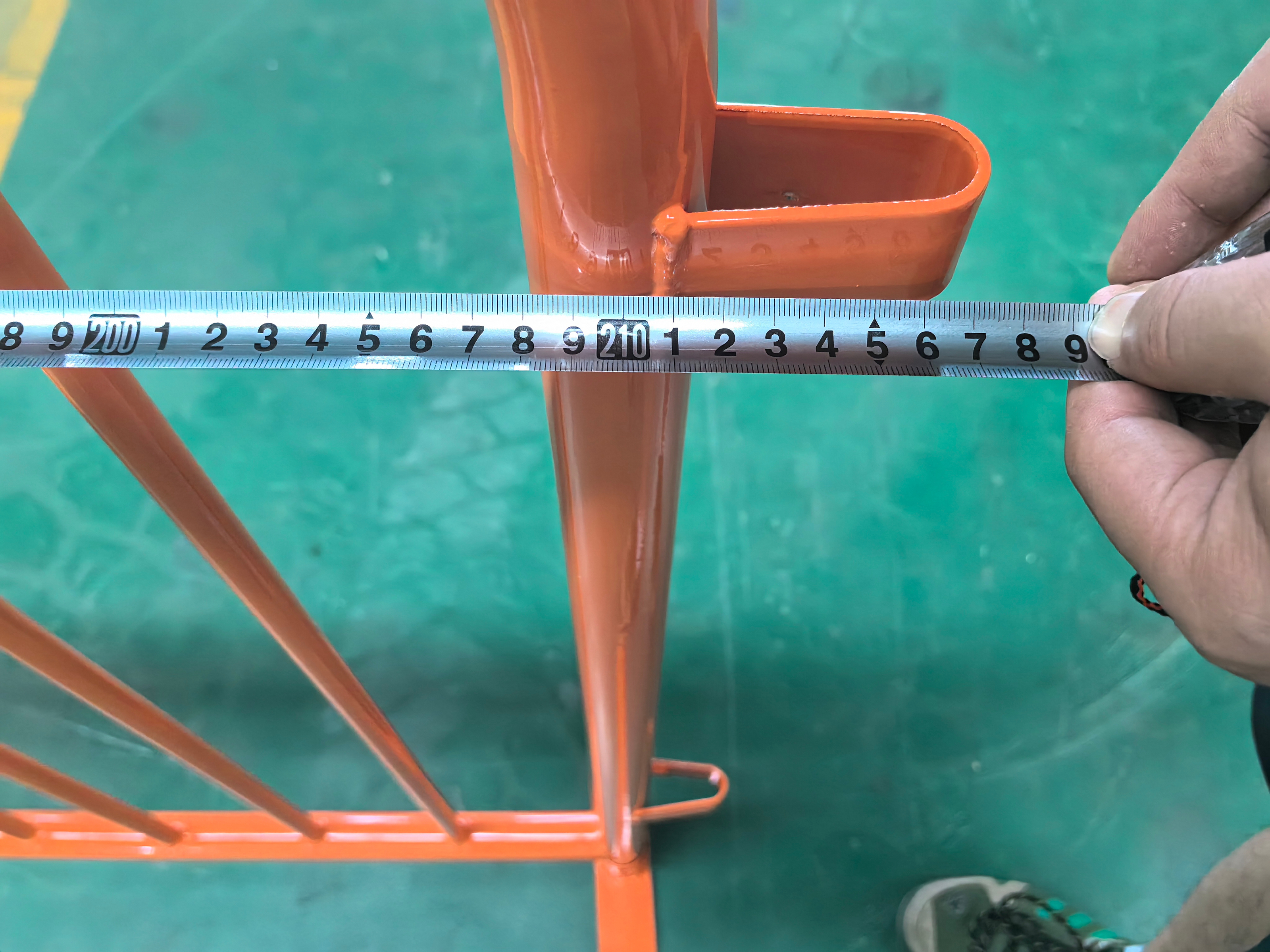
POLYMETAL applies a structured, controlled production process to crowd control fencing panels to minimise flaws, missteps and hidden weaknesses. Steel tube in the specified frame and upright diameters is first inspected and cut to length. Frames are assembled in jigs and welded along all corners and connection points to maintain squareness and consistency. Upright tubes are then placed at the required spacing of 90 mm, 100 mm, 150 mm or 200 mm and welded to the top and bottom rails. After welding, each panel is cleaned, de-burred and prepared for surface treatment.
Panels and feet are then hot-dip galvanised or pre-galvanised and powder coated, with coating thickness checked at key points to ensure full coverage, particularly at welds and corners. Bridge and flat feet are formed and drilled to accept frame ends and locking pins or clamps. Throughout production, dimensional checks, weld inspections and coating tests are carried out following an internal guide and checklist so that every batch of POLYMETAL crowd control fencing panels meets the same structural and visual standard.
Packing
To protect crowd control fencing panels during transport and storage, POLYMETAL uses dense, stable packing arrangements. Panels are stacked in uniform bundles and placed on steel or wooden pallets, with spacers between layers to prevent abrasion and coating damage. Bundles are secured with steel or heavy-duty plastic strapping and may be wrapped in stretch film for additional protection. Bridge and flat steel feet are stacked separately in cages, stillages or strapped bundles to keep them stable and easy to count. Clamps, pins and connecting accessories are packed in labelled carton boxes, ensuring that installation crews receive a complete set of components with each shipment and reducing the risk of delays caused by missing parts.
Standards and Quality Approach
POLYMETAL treats crowd control fencing panels as a safety-critical system rather than a disposable accessory. Panel dimensions, frame and upright sizes, spacing, feet type and locking methods are selected to align with typical expectations of event organisers, local authorities and construction safety guidelines regarding stability, gap size, durability and manual handling. Internal quality rules cover weld strength, coating thickness, straightness, squareness and stacking geometry, helping to prevent defects that could show up under load or after repeated hire cycles. By paying attention to the details, data and lessons outlined above, you can use POLYMETAL crowd control fencing panels to build barrier lines that look professional, handle real-world crowd pressure and provide a reliable, long-term safety edge on every project, in the same way that premium systems such as MOJO BARRIERS are trusted at major events.