Your One-Stop Wire Mesh Fence Supplier | POLYMETAL
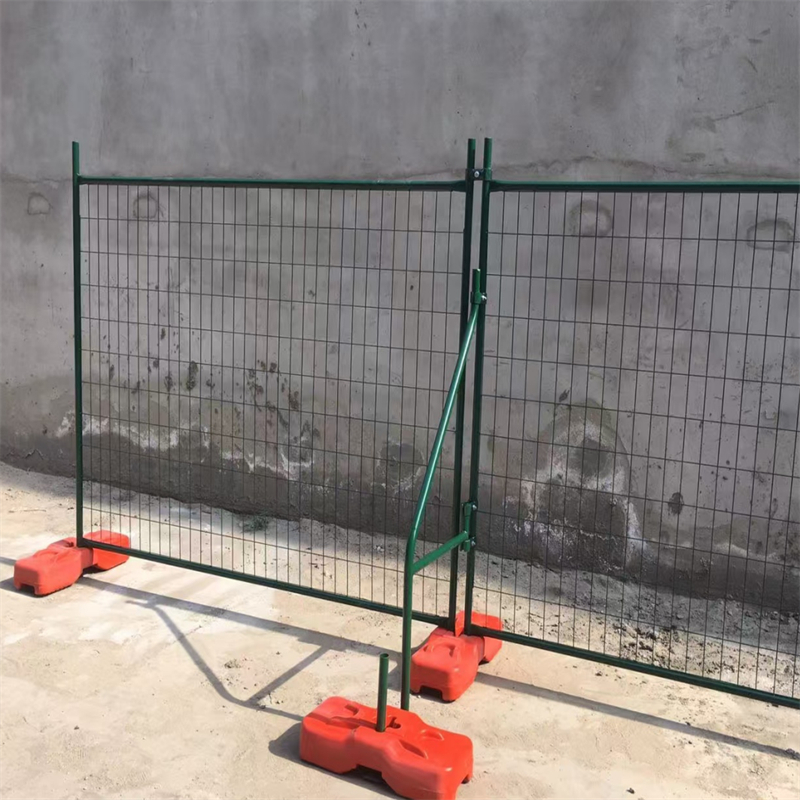

Most buyers treat Melbourne Temporary Fencing Panels as a simple line item, a metal barrier that ticks a safety box and keeps inspectors happy. The truth is far more dangerous. A poorly specified panel system becomes a silent hazard that threatens worker safety, public security, brand reputation and project profit all at once.
POLYMETAL Melbourne Temporary Fencing Panels are engineered to turn that risk into a powerful advantage, but only when you understand the hard facts behind the mesh. Once you see each panel as a complete safety system instead of a generic commodity, every detail turns into data, every connection becomes a sign, and every small flaw can be read as a warning signal instead of a nasty surprise.
This article is your fear-proof guide, checklist and manual in one. It exposes 7 terrifying facts, each one a different angle on how temporary fencing can protect you or destroy your margin. Especially fact number seven, which, if ignored, can trigger crisis, loss and long-term damage long after the last panel has been removed from site.
Product Overview of POLYMETAL Melbourne Temporary Fencing Panels
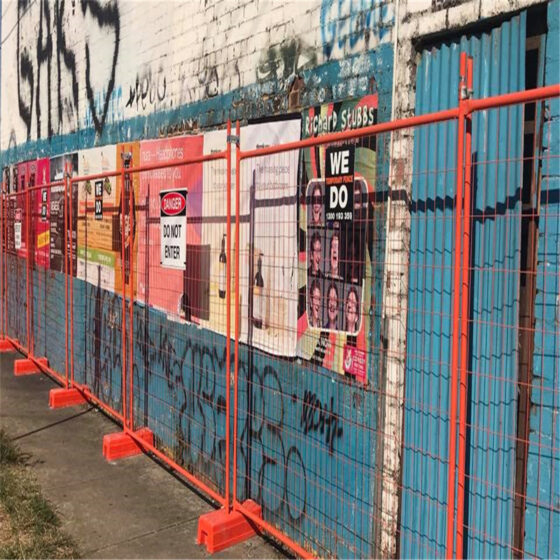
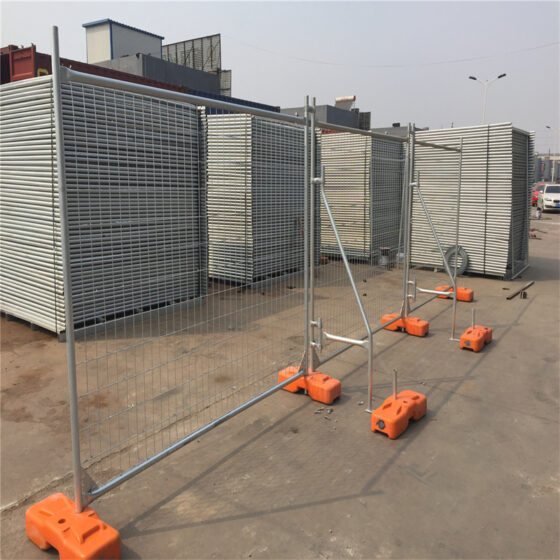
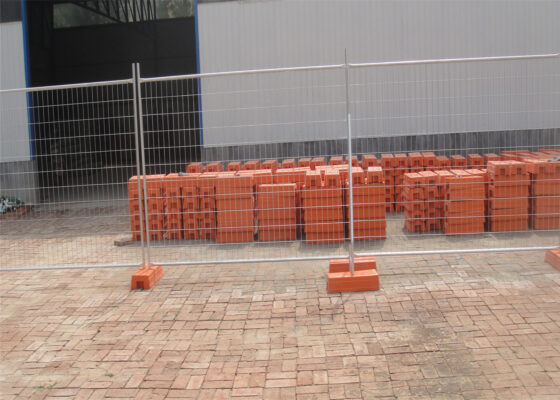
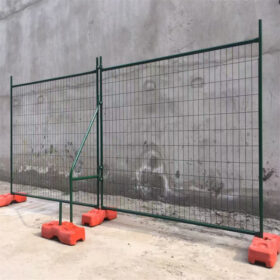
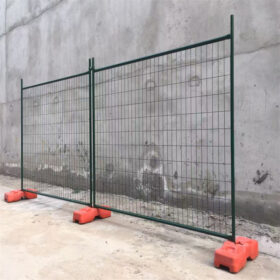
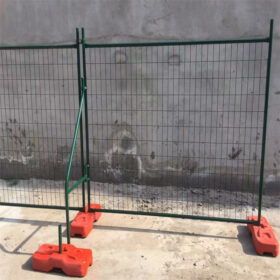
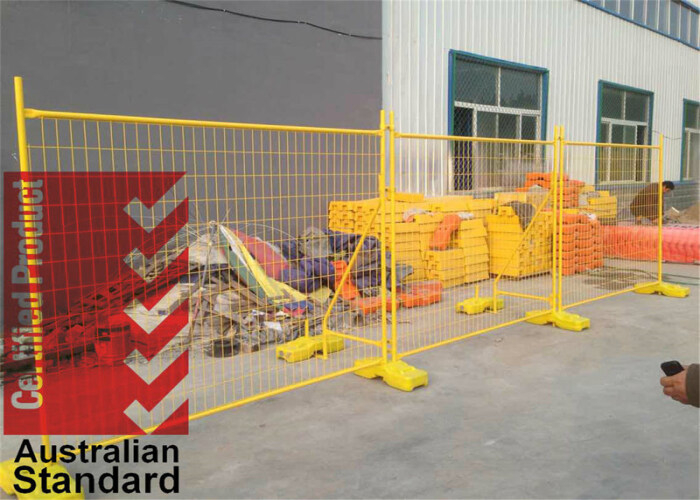
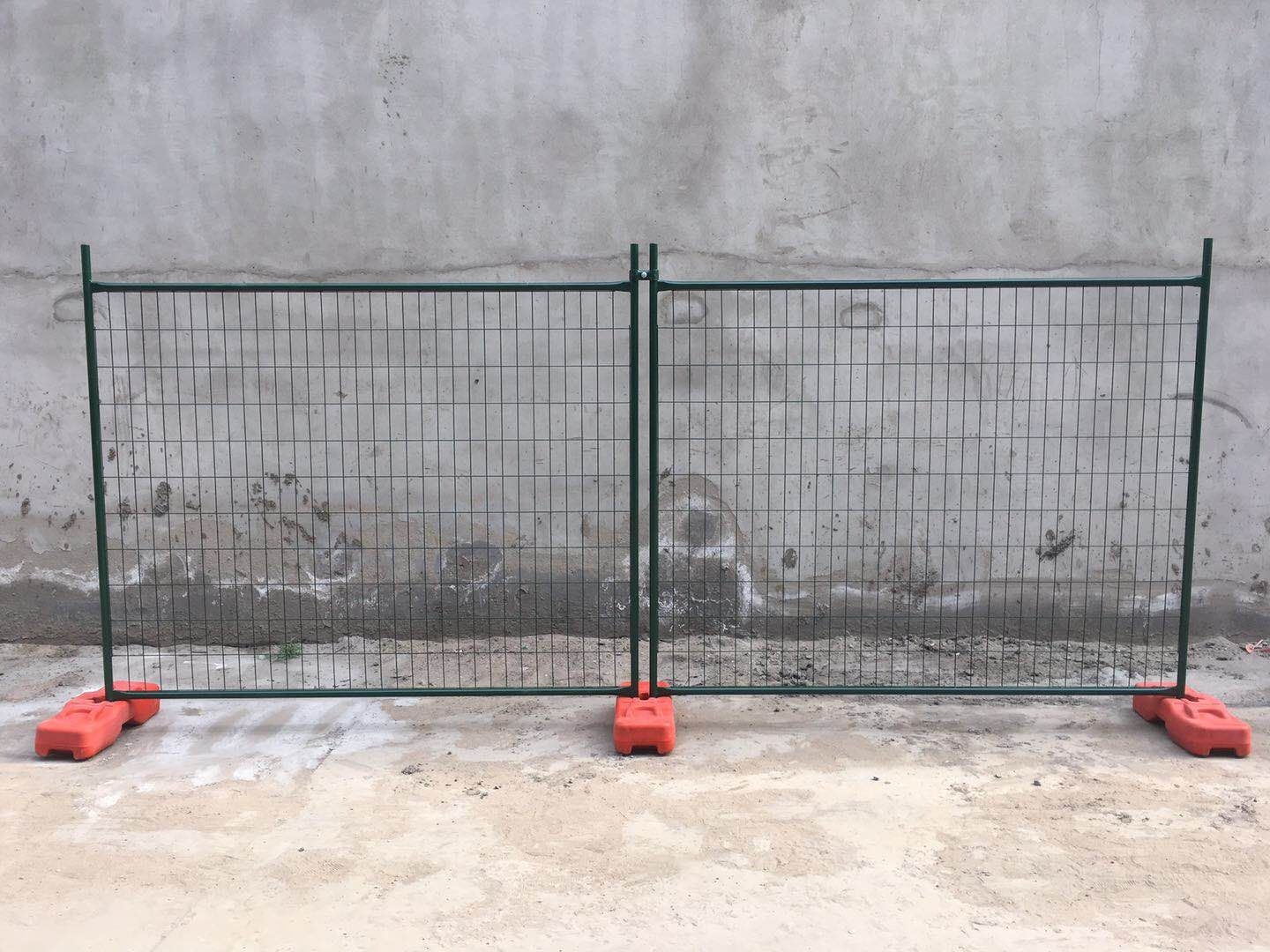
POLYMETAL Melbourne Temporary Fencing Panels are designed specifically around the Australian jobsite reality: high winds, tight urban footprints, strict WHS enforcement and constant public traffic. Each panel stands 2100 mm high and 2400 mm wide, using anti-climb weld mesh with a 60 mm x 150 mm opening that matches common Melbourne temporary fencing practice and Australian Standard expectations for secure, anti-climb barriers.
The frame is built from round steel tubes in four powerful profiles: 32 mm, 38 mm, 40 mm and 41 mm outside diameter, similar to the robust specifications used in Australian temporary pool fencing systems. Frame wall thickness is precisely controlled at 1.0 mm, 1.2 mm, 1.4 mm, 1.5 mm or 2.0 mm depending on the duty level and wind loading class you choose. Infill mesh wires are available in 2.70 mm, 3.00 mm and heavy 4.00 mm diameters to match light, standard and extreme conditions. Each choice of thickness and wire diameter is a design element that changes the strength profile, weight, handling effort and service life of the panel.
All POLYMETAL Melbourne Temporary Fencing Panels are hot-dip galvanized to one of three controlled coating thicknesses: 14 microns, 42 microns or 100 microns. These levels mirror the typical zinc thickness ranges used for compliant Australian temporary fencing panels that must survive harsh, coastal and high-traffic environments.
The result is not just a generic barrier, but a carefully engineered system where frame tube diameter, wall thickness, mesh aperture, wire diameter and zinc coating work together as a single protective pattern. Every POLYMETAL panel has a clear profile, outline and snapshot of its performance, and that is exactly where the 7 terrifying facts begin.


Specifications Tables for POLYMETAL Melbourne Temporary Fencing Panels
Table 1: Economy and Econo-Plus POLYMETAL Melbourne Temporary Fencing Panels
| Model Code | Panel Size (H × W, mm) | Frame Tube OD (mm) | Frame Wall Thickness (mm) | Mesh Opening (mm) | Wire Diameter (mm) | Zinc Finish | Panel Weight (kg) | Application Profile |
|---|---|---|---|---|---|---|---|---|
| MT-2100E01 | 2100 × 2400 | 32 | 1.0 | 60 × 150 | 2.70 | 14 μm HDG | 13.0 | Short-term light-duty sites |
| MT-2100E02 | 2100 × 2400 | 32 | 1.2 | 60 × 150 | 2.70 | 14 μm HDG | 13.8 | General residential works |
| MT-2100E03 | 2100 × 2400 | 32 | 1.4 | 60 × 150 | 2.70 | 14 μm HDG | 14.5 | Longer light-duty hire |
| MT-2100E04 | 2100 × 2400 | 32 | 1.0 | 60 × 150 | 3.00 | 14 μm HDG | 13.6 | Events and festivals |
| MT-2100E05 | 2100 × 2400 | 32 | 1.2 | 60 × 150 | 3.00 | 14 μm HDG | 14.3 | Small commercial jobs |
| MT-2100E06 | 2100 × 2400 | 32 | 1.4 | 60 × 150 | 3.00 | 14 μm HDG | 15.1 | Multi-use hire fleets |
| MT-2100E07 | 2100 × 2400 | 38 | 1.0 | 60 × 150 | 2.70 | 14 μm HDG | 14.0 | Extra-stable econo panel |
| MT-2100E08 | 2100 × 2400 | 38 | 1.2 | 60 × 150 | 2.70 | 14 μm HDG | 14.9 | Windier residential zones |
| MT-2100E09 | 2100 × 2400 | 38 | 1.0 | 60 × 150 | 3.00 | 14 μm HDG | 14.7 | Light commercial perimeter |
| MT-2100E10 | 2100 × 2400 | 38 | 1.2 | 60 × 150 | 3.00 | 14 μm HDG | 15.5 | Rental fleets, short to mid term |
Table 2: Standard Duty POLYMETAL Melbourne Temporary Fencing Panels
| Model Code | Panel Size (H × W, mm) | Frame Tube OD (mm) | Frame Wall Thickness (mm) | Mesh Opening (mm) | Wire Diameter (mm) | Zinc Finish | Panel Weight (kg) | Application Profile |
|---|---|---|---|---|---|---|---|---|
| MT-2100S01 | 2100 × 2400 | 32 | 1.4 | 60 × 150 | 3.00 | 42 μm HDG | 16.0 | General construction in Melbourne |
| MT-2100S02 | 2100 × 2400 | 32 | 1.5 | 60 × 150 | 3.00 | 42 μm HDG | 16.5 | Medium-duty civil works |
| MT-2100S03 | 2100 × 2400 | 32 | 2.0 | 60 × 150 | 3.00 | 42 μm HDG | 17.6 | Long-term site security |
| MT-2100S04 | 2100 × 2400 | 38 | 1.4 | 60 × 150 | 3.00 | 42 μm HDG | 17.2 | High-traffic event sites |
| MT-2100S05 | 2100 × 2400 | 38 | 1.5 | 60 × 150 | 3.00 | 42 μm HDG | 17.9 | Commercial redevelopment |
| MT-2100S06 | 2100 × 2400 | 38 | 2.0 | 60 × 150 | 3.00 | 42 μm HDG | 19.0 | Industrial perimeters |
| MT-2100S07 | 2100 × 2400 | 40 | 1.4 | 60 × 150 | 3.00 | 42 μm HDG | 18.1 | Windier suburban blocks |
| MT-2100S08 | 2100 × 2400 | 40 | 1.5 | 60 × 150 | 3.00 | 42 μm HDG | 18.7 | Highway works and upgrades |
| MT-2100S09 | 2100 × 2400 | 40 | 2.0 | 60 × 150 | 3.00 | 42 μm HDG | 19.8 | Heavy-duty hire fleets |
| MT-2100S10 | 2100 × 2400 | 41 | 1.5 | 60 × 150 | 3.00 | 42 μm HDG | 19.2 | City-centre secure compounds |
Table 3: Heavy Duty POLYMETAL Melbourne Temporary Fencing Panels
| Model Code | Panel Size (H × W, mm) | Frame Tube OD (mm) | Frame Wall Thickness (mm) | Mesh Opening (mm) | Wire Diameter (mm) | Zinc Finish | Panel Weight (kg) | Application Profile |
|---|---|---|---|---|---|---|---|---|
| MT-2100H01 | 2100 × 2400 | 38 | 1.5 | 60 × 150 | 4.00 | 42 μm HDG | 20.4 | High wind construction zones |
| MT-2100H02 | 2100 × 2400 | 38 | 2.0 | 60 × 150 | 4.00 | 42 μm HDG | 21.6 | Long-term industrial security |
| MT-2100H03 | 2100 × 2400 | 40 | 1.5 | 60 × 150 | 4.00 | 42 μm HDG | 21.0 | Stadium and venue perimeters |
| MT-2100H04 | 2100 × 2400 | 40 | 2.0 | 60 × 150 | 4.00 | 42 μm HDG | 22.3 | Major infrastructure projects |
| MT-2100H05 | 2100 × 2400 | 41 | 1.5 | 60 × 150 | 4.00 | 42 μm HDG | 21.5 | Heavy public crowd control |
| MT-2100H06 | 2100 × 2400 | 41 | 2.0 | 60 × 150 | 4.00 | 42 μm HDG | 22.8 | Long-span wind-exposed runs |
| MT-2100H07 | 2100 × 2400 | 38 | 1.5 | 60 × 150 | 4.00 | 100 μm HDG | 21.2 | Coastal Melbourne sites |
| MT-2100H08 | 2100 × 2400 | 38 | 2.0 | 60 × 150 | 4.00 | 100 μm HDG | 22.5 | Extreme corrosion environments |
| MT-2100H09 | 2100 × 2400 | 40 | 1.5 | 60 × 150 | 4.00 | 100 μm HDG | 22.0 | Long-cycle hire and rental |
| MT-2100H10 | 2100 × 2400 | 41 | 2.0 | 60 × 150 | 4.00 | 100 μm HDG | 23.4 | Mining and heavy industry |
Table 4: Premium and Extreme Duty POLYMETAL Melbourne Temporary Fencing Panels
| Model Code | Panel Size (H × W, mm) | Frame Tube OD (mm) | Frame Wall Thickness (mm) | Mesh Opening (mm) | Wire Diameter (mm) | Zinc Finish | Panel Weight (kg) | Application Profile |
|---|---|---|---|---|---|---|---|---|
| MT-2100P01 | 2100 × 2400 | 40 | 1.5 | 60 × 150 | 3.00 | 100 μm HDG | 20.2 | Premium long-life hire fleets |
| MT-2100P02 | 2100 × 2400 | 40 | 2.0 | 60 × 150 | 3.00 | 100 μm HDG | 21.3 | City infrastructure defence |
| MT-2100P03 | 2100 × 2400 | 41 | 1.5 | 60 × 150 | 3.00 | 100 μm HDG | 20.8 | VIP event and venue security |
| MT-2100P04 | 2100 × 2400 | 41 | 2.0 | 60 × 150 | 3.00 | 100 μm HDG | 22.0 | High-risk industrial zones |
| MT-2100P05 | 2100 × 2400 | 40 | 1.5 | 60 × 150 | 4.00 | 100 μm HDG | 21.7 | Extreme wind and storm sites |
| MT-2100P06 | 2100 × 2400 | 40 | 2.0 | 60 × 150 | 4.00 | 100 μm HDG | 22.9 | Long-term coastal projects |
| MT-2100P07 | 2100 × 2400 | 41 | 1.5 | 60 × 150 | 4.00 | 100 μm HDG | 22.2 | Maximum security compounds |
| MT-2100P08 | 2100 × 2400 | 41 | 2.0 | 60 × 150 | 4.00 | 100 μm HDG | 23.6 | Major rail and road corridors |
| MT-2100P09 | 2100 × 2400 | 38 | 2.0 | 60 × 150 | 4.00 | 100 μm HDG | 22.1 | Permanent-style temporary fence |
| MT-2100P10 | 2100 × 2400 | 32 | 2.0 | 60 × 150 | 4.00 | 100 μm HDG | 21.0 | High-value asset protection |
By treating each POLYMETAL Melbourne Temporary Fencing Panel as a complete safety system rather than a generic fence, you turn risk, danger, problem, trap, cost, pitfall and weakness into benefit, advantage, gain, bonus, profit, reward, leverage and long-term boost. That is the hard truth, the critical insight and the real payoff behind choosing the right Melbourne Temporary Fencing Panels from the beginning.
Fact #1: The Size Detail That Quietly Creates Dangerous Gaps
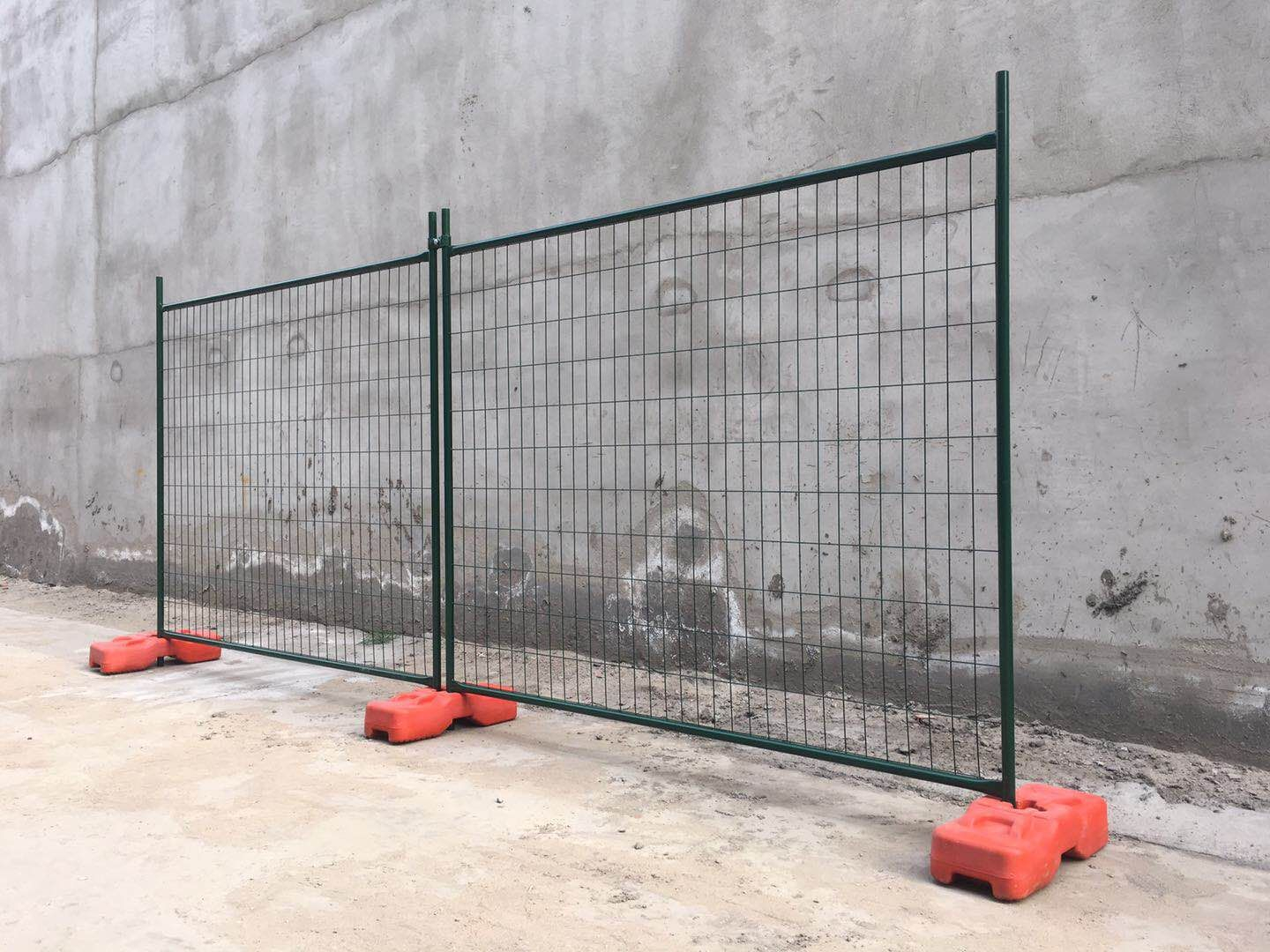
The first frightening truth is how often panel size is treated as a rough note instead of a strict rule. The genuine POLYMETAL Melbourne Temporary Fencing Panel is always 2100 mm high and 2400 mm wide, giving you predictable coverage and a precise stability pattern. Deviations from this profile create subtle but serious risks.
A panel that is just a little shorter reduces the apparent barrier height and makes it easier for people to climb. A panel that is slightly narrower than 2400 mm forces you to add extra panels and extra joints to surround the same area, multiplying connection points and increasing the chance of a gap, fault or misfit at the joins.
The lesson is simple but powerful: the exact dimension is not a suggestion; it is a safety principle. Treat it as hard data, not flexible info.
Fact #2: Frame Thickness – The Hidden Element That Makes or Breaks the Fence
Many buyers glance at the frame diameter and stop there, assuming that a 40 mm or 41 mm tube must be strong. This view is an illusion. The real strength is in the wall thickness, the overlooked aspect that decides whether a panel bends under stress or stays rigid year after year.
POLYMETAL frames use thicknesses from 1.0 mm up to 2.0 mm, and this range is not cosmetic. Panels with 2.0 mm walls resist wind load, impact and constant handling. Panels with thin walls used in the wrong wind zone create a classic trap: they look tough, they feel solid at first, but under storm conditions they can buckle, twist and fail, turning your site boundary into a chaotic hazard.
Here the crucial rule is straightforward: never treat wall thickness as a minor detail. It is a core structural feature that separates a professional safety system from a cheap, high-risk imitation.
Fact #3: Mesh Wire Diameter and Aperture – Where Anti-Climb Becomes a Myth
Mesh aperture and wire diameter are often sold as small technicalities, a line or two of spec info. In reality they are the front line of your security. POLYMETAL Melbourne Temporary Fencing Panels use a consistent 60 mm x 150 mm weld mesh opening combined with 2.70 mm, 3.00 mm or heavy 4.00 mm wire.
If the wire is too thin or the welds are weak, the mesh can deform, and the anti-climb trait collapses into a dangerous myth. Heavier wire and the correct aperture pattern create a powerful anti-climb feature that resists cutting, bending and prying.
The discovery many buyers make too late is that mesh is not just “the middle bit”; it is a critical structural and security element. Under-spec mesh is a defect, not a saving.
Fact #4: Zinc Coating Thickness – The Corrosion Pattern That Predicts Future Failure
Zinc coating is where temporary fencing either quietly protects you for years or silently prepares a disaster. POLYMETAL panels are offered with 14 microns, 42 microns and 100 microns hot-dip galvanizing, each level aligned to a different environment and service life.
Thin zinc at 14 microns suits short-term, low-corrosion conditions. The widely-used 42 micron level matches the robust galvanizing seen on serious Australian Standard temporary fence systems. The massive 100 micron coating is chosen for coastal projects, long rental cycles and high-abrasion jobs where harsh handling is the norm.
When the coating is under-specified, rust follows a clear pattern: tiny bubbles, rough patches, then wide areas of damage. Each spot of corrosion is a sign and signal of structural loss. Treat coating thickness as a hard standard, not a decorative option.
Packing & Loading
Fact #5: Standards and Compliance – The Legal Truth Behind Every Clamp
In Australia, temporary fencing systems must comply with AS 4687 for design, stability, anti-climb properties and installation. POLYMETAL Melbourne Temporary Fencing Panels are manufactured in strict accordance with this standard, including panel size, mesh design, frame performance and accessory compatibility.
The dangerous misbelief is that “all temporary fences are basically the same” and that any cheap panel will satisfy inspectors. This bias is a flaw that leads directly to oversights and missteps on site. When incidents occur, investigators look at real test data, real engineering info and real compliance documents. They do not accept fantasy claims or vague marketing lines.
That is why standard compliance is not just a formal rule; it is your legal shield. Using certified panels and proper bracing is the difference between a defended position and a serious liability.
Fact #6: Packing and Handling – The Overlooked Side That Destroys Good Panels
A perfectly made panel can leave the factory in ideal condition and still arrive as a problem. Poor packing and rough handling create hidden cracks, bent frames and chipped coating before the panels ever reach a Melbourne jobsite.
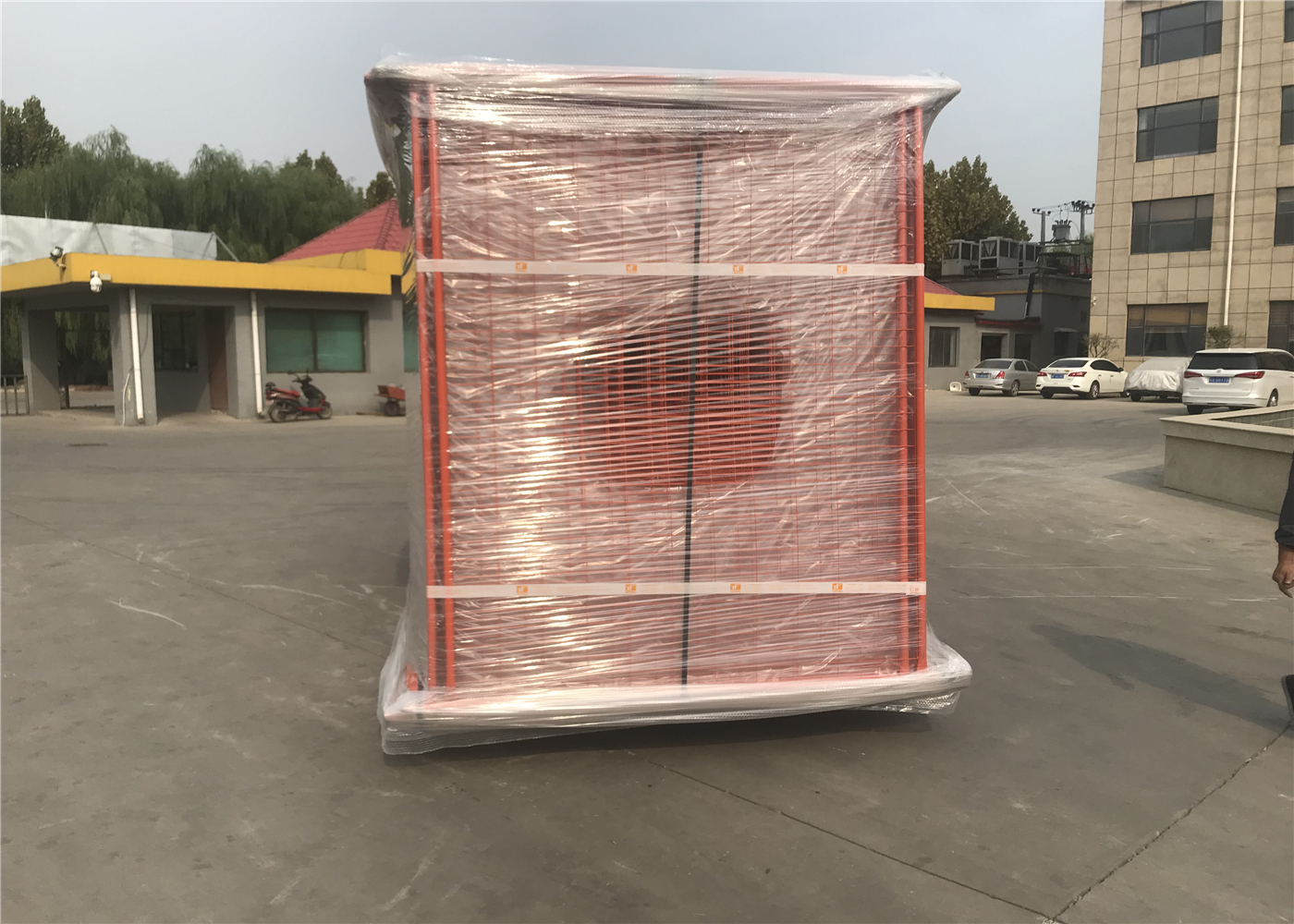
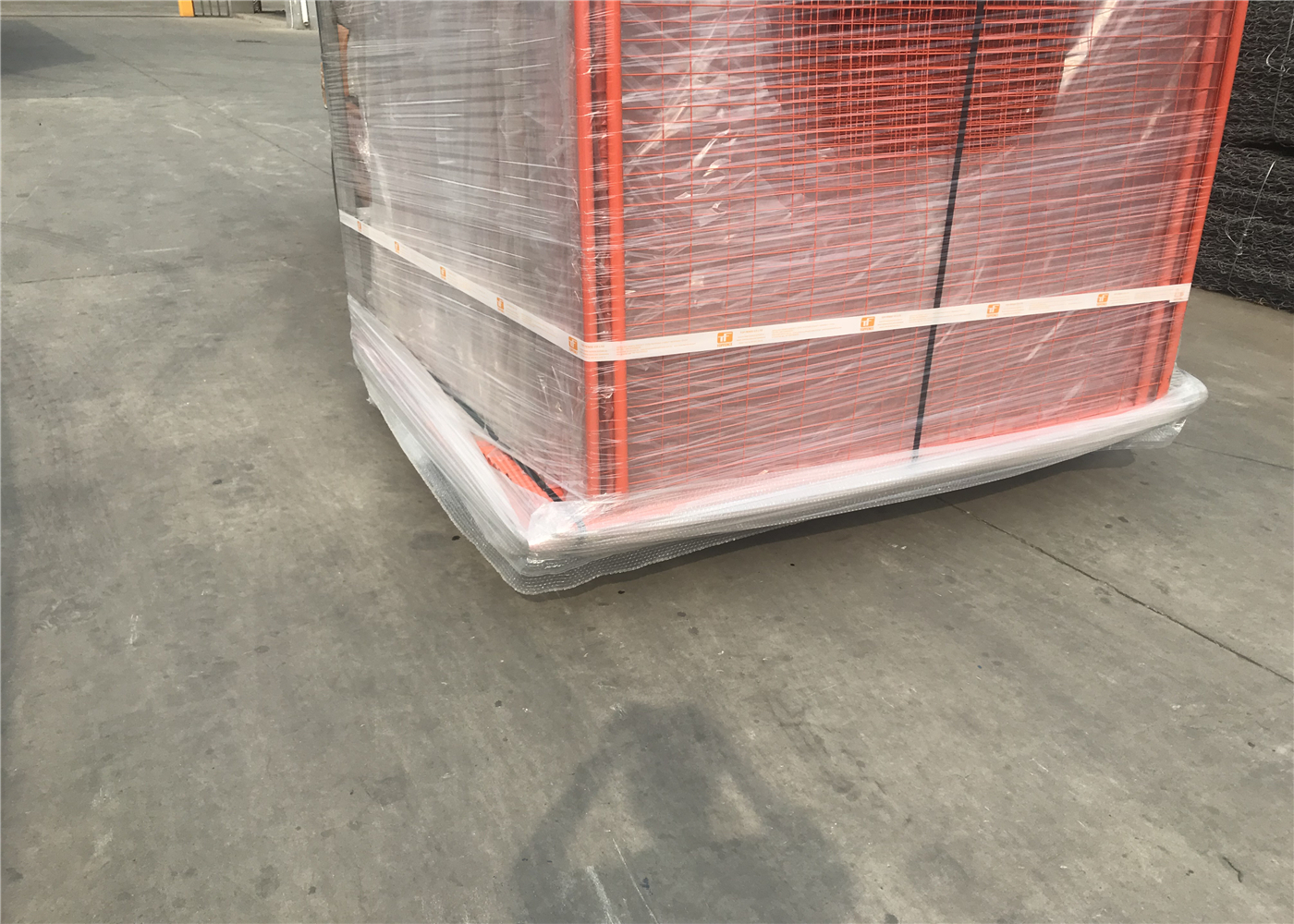
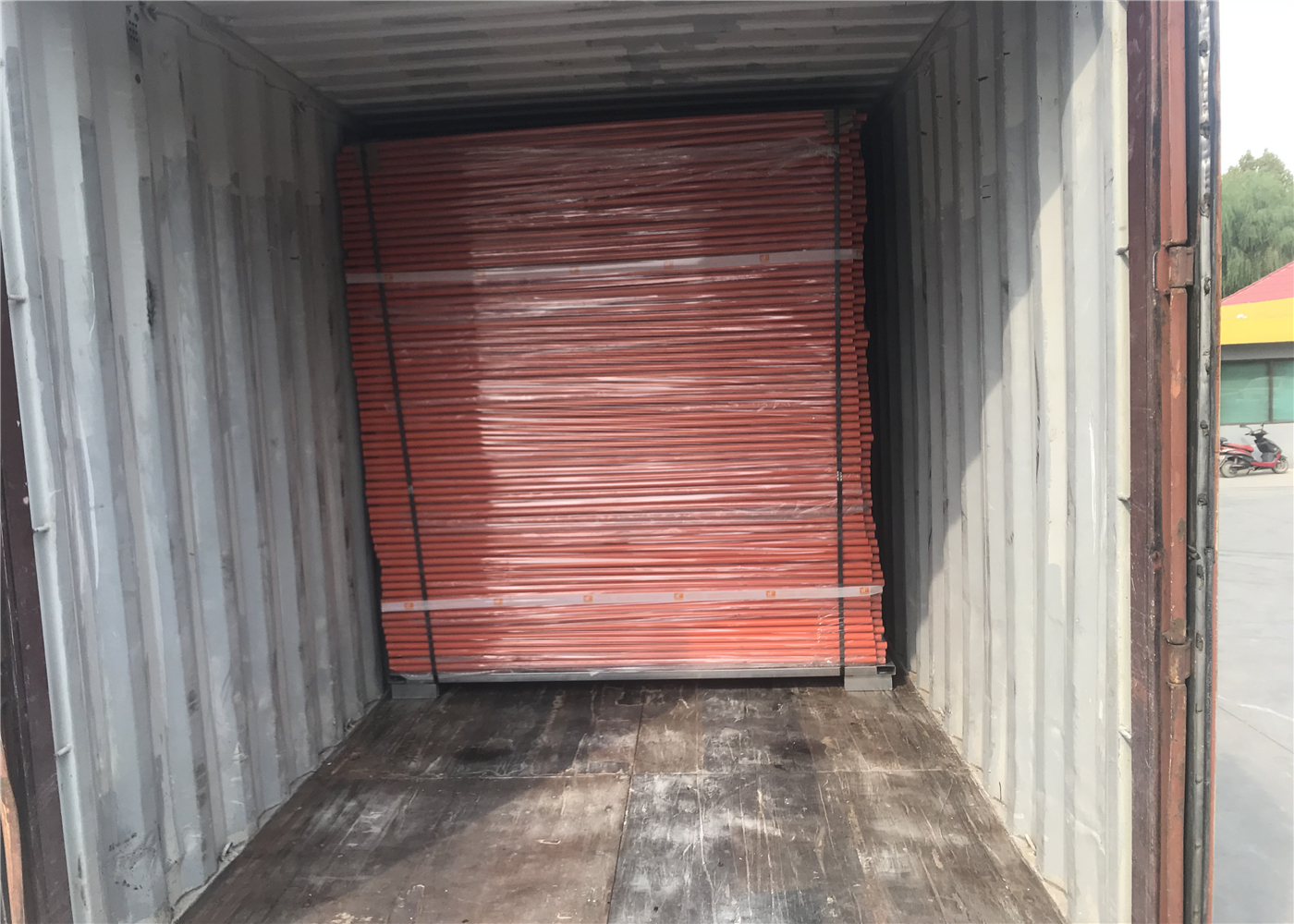
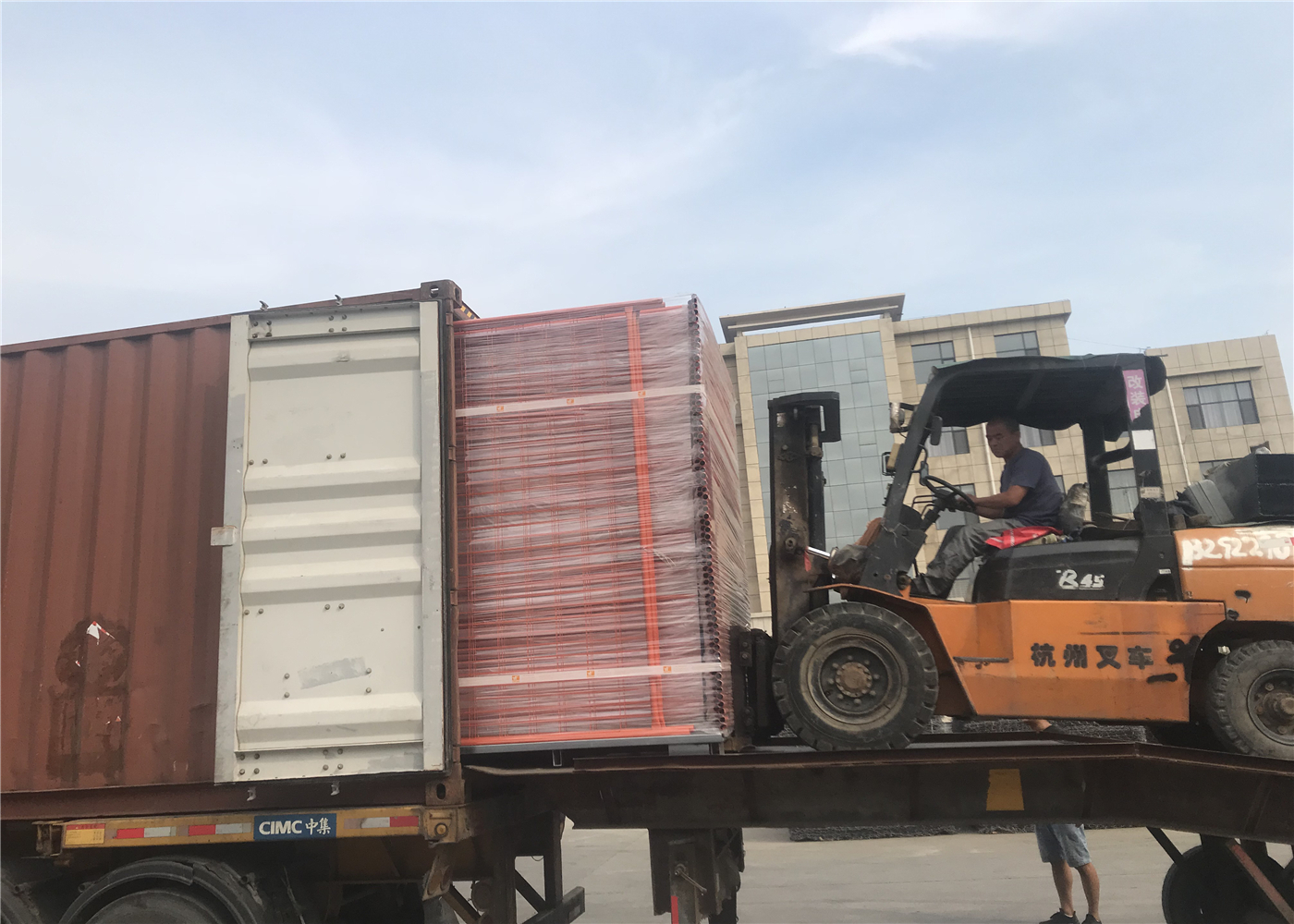
POLYMETAL panels are packed in tight, engineered stillages. Each stack of Melbourne Temporary Fencing Panels is interlocked, strapped and separated by steel or rubber spacers so that mesh and tubes do not rub against each other in transit. The stack height is controlled, and the base frame is designed for forklift tines, avoiding the common error of piercing or twisting the bottom panels.
This is not a cosmetic benefit; it is a practical advantage. Correct packing protects the zinc layer, prevents transport damage, reduces waste and preserves the long-term payoff of the investment.
Fact #7: Production Process – The Critical Checklist That Prevents Hidden Defects
The most frightening fact is that many fence failures are born in the production line long before the panels are sold. Welding shortcuts, poor jig control, inconsistent galvanizing and rushed inspection create invisible bugs that only show up under real-world stress.
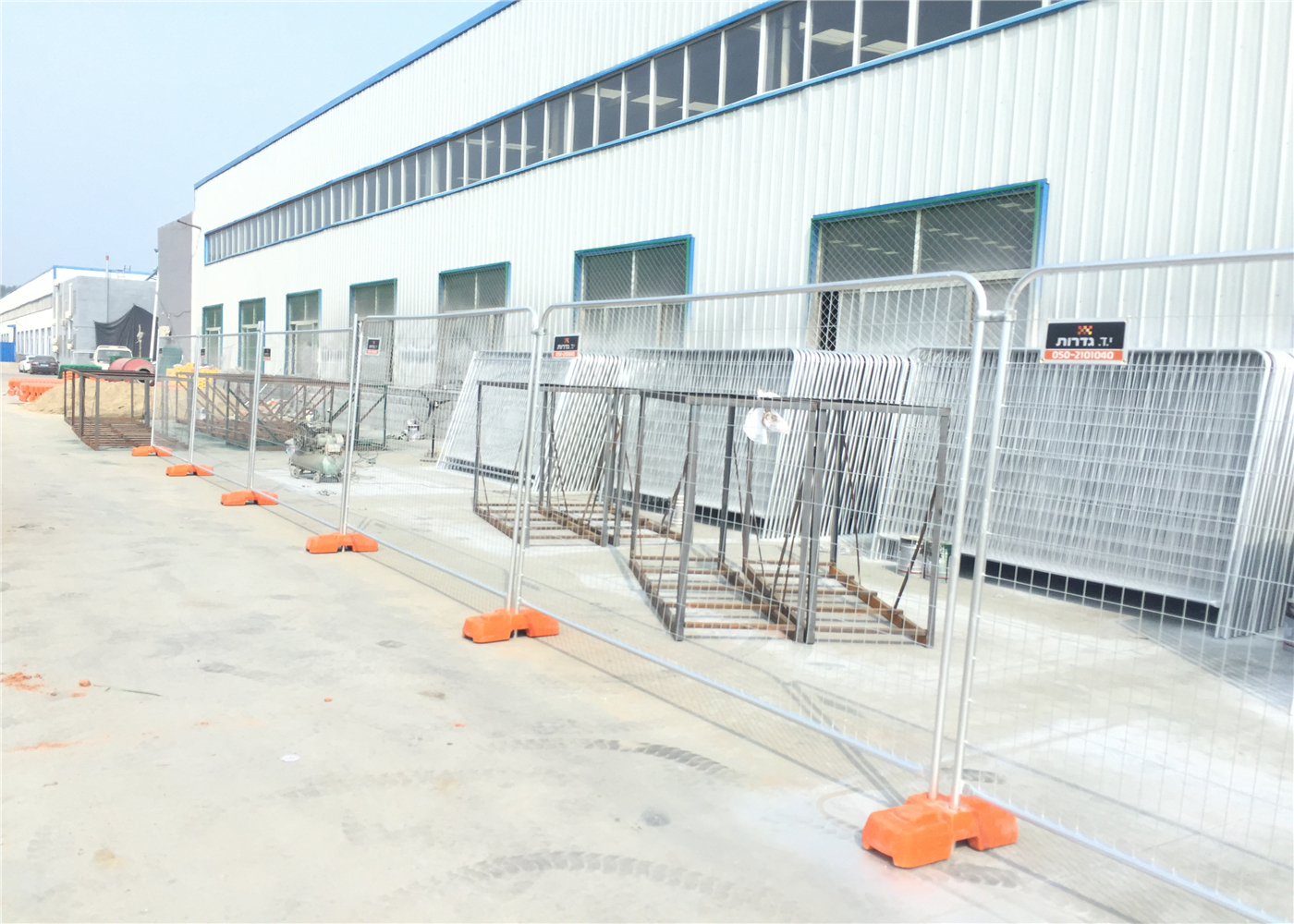
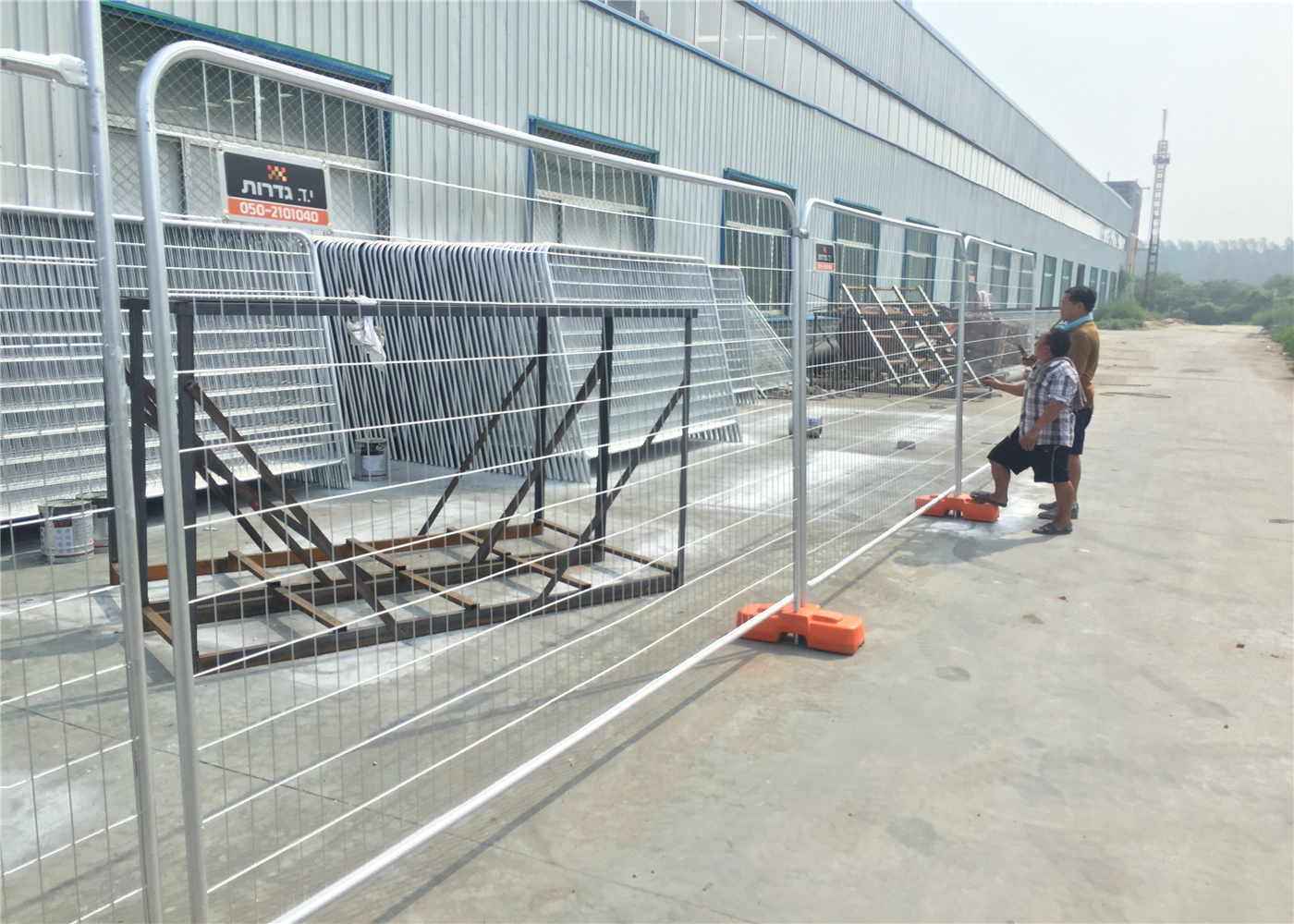
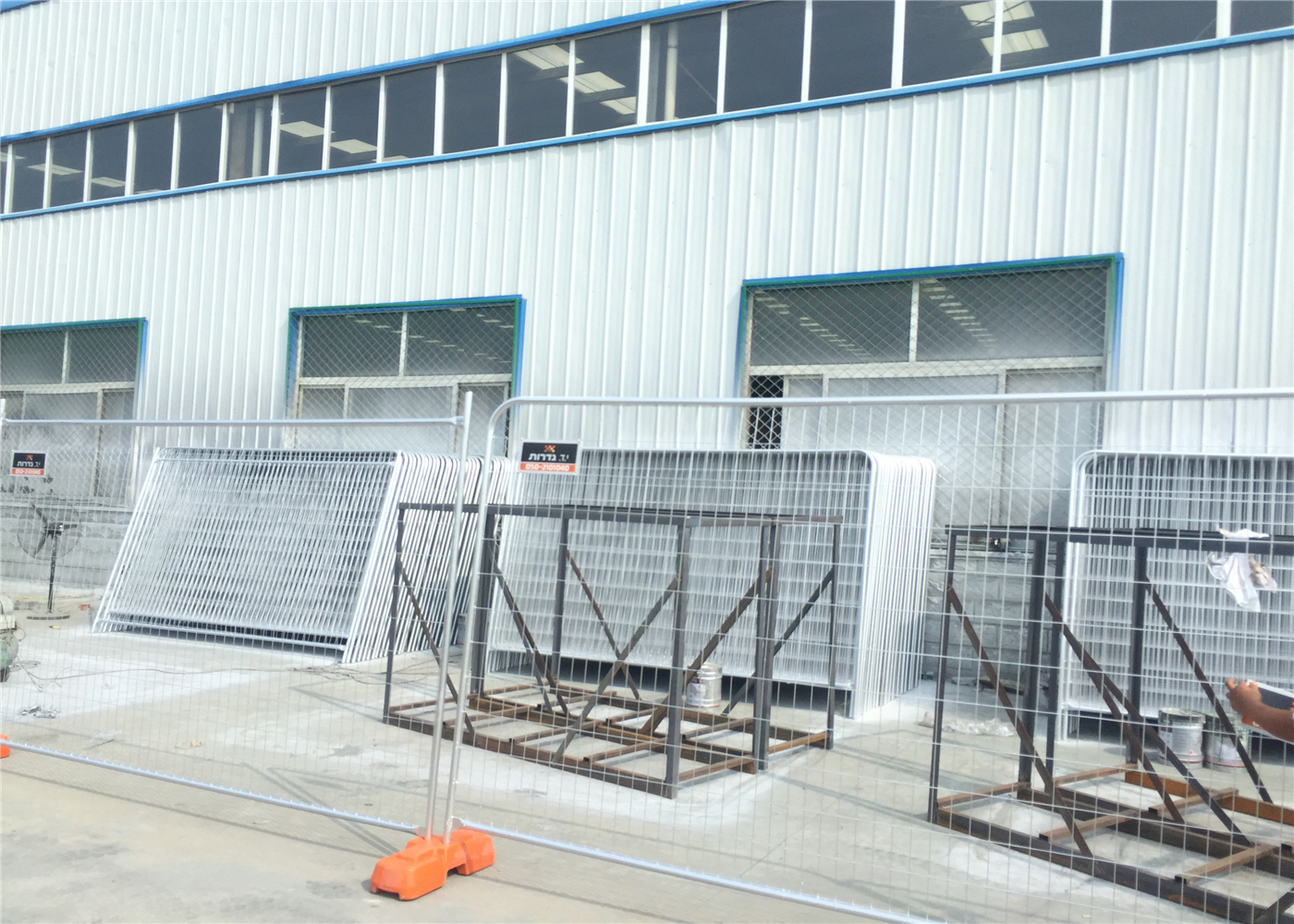
The POLYMETAL production process for Melbourne Temporary Fencing Panels follows a strict checklist. Steel is cut to length with CNC saws, frames are assembled in precision jigs, and mesh is welded with controlled current and timing for full-strength joints. Every weld intersection is checked for penetration and continuity, and the frame–mesh interface is fully welded around the perimeter to eliminate gaps and loopholes.
After welding, panels are cleaned and dipped in molten zinc to the specified 14, 42 or 100 micron layer, then cooled in a controlled pattern to avoid distortion. Random panels from each batch are tested for weld strength, coating thickness and dimensional accuracy. This manual of steps blocks hidden defects and transforms production from a risk into a powerful quality boost.
Packing of POLYMETAL Melbourne Temporary Fencing Panels
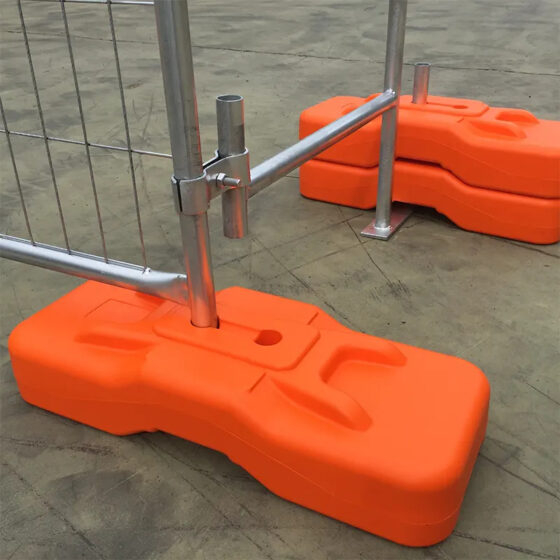
For Melbourne projects, POLYMETAL supplies panels, feet and clamps as complete, ready-to-install systems. Panels are stacked in bundles of twenty or thirty units on heavy steel pallets. The bottom layer is supported by full-length runners so weight is evenly distributed and the frame tubes do not deform.
Between layers, protective spacers keep the mesh faces from grinding against one another during truck movement. The entire bundle is wrapped in stretch film to keep dust, salt mist and surface moisture off the zinc and to prevent small particles from scratching the coating. Corner protectors shield the outer tubes, and clear labels indicate product code, specification data, panel weight and lifting points.
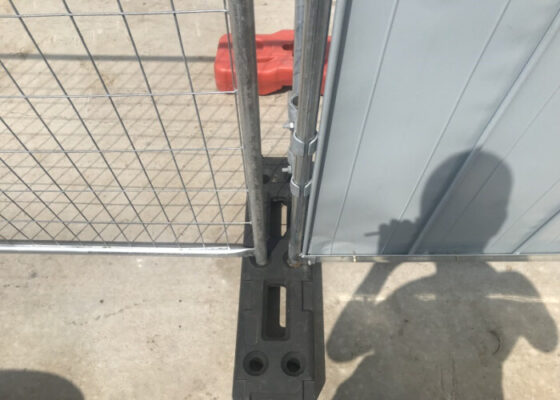
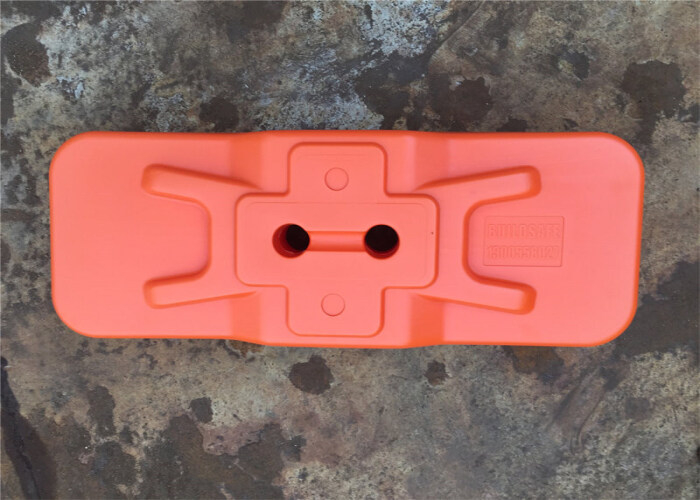
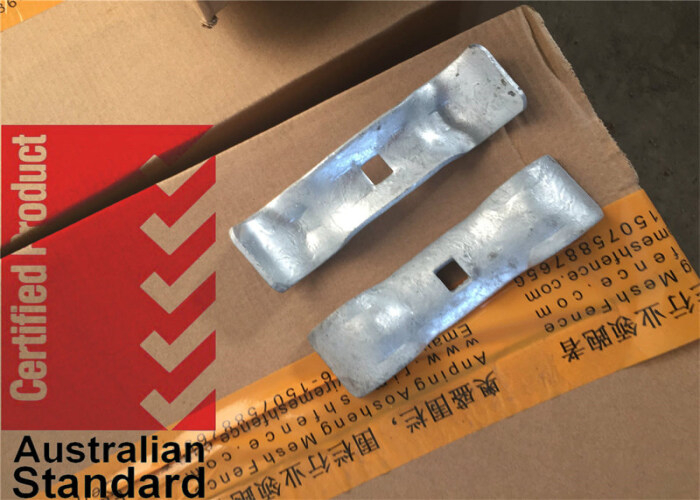
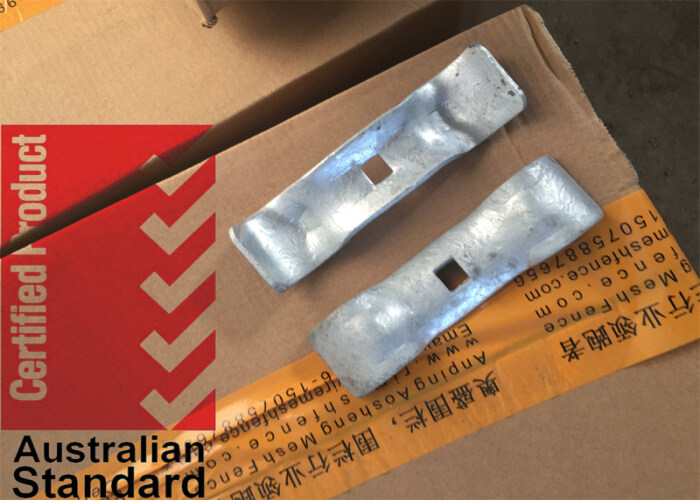
Concrete or blow-moulded plastic feet and hot-dip galvanized clamps are packed separately but dimensioned to nest efficiently alongside the panels. The complete packing approach reduces damage, minimises waste and keeps every shipment in a ready-to-use snapshot the moment it reaches the yard.
Production Process in Detail
The POLYMETAL production process for Melbourne Temporary Fencing Panels, including OD40 mm configurations like OD40mm temp fence, follows a disciplined sequence that turns raw steel into a fully traceable safety product. Material selection begins with certified Q235 low-carbon steel tube and low-relaxation zinc-coat wire. Each coil and tube length is checked against incoming inspection data before cutting.
Frame tubes are cut and mitred, then loaded into calibrated welding jigs that lock the 2100 mm x 2400 mm rectangle precisely in place. Mesh panels with 60 mm x 150 mm aperture and specified wire diameter are spot-positioned inside the frame, then welded along every contact line. This creates a rigid feature where frame and mesh act as one element, not two loosely linked components.
After welding, panels pass through shot-cleaning or pickling depending on the specified coating level. They are then immersed in molten zinc to achieve 14, 42 or 100 micron hot-dip galvanizing, measured by coating-thickness gauges. Excess zinc is drained to avoid drips and runs, and panels cool on straight reference supports so the final profile remains perfectly flat.
The last stages include dimensional inspection, weld checking, coating quality review and panel weight verification. Non-conforming pieces are rejected, and passed panels receive printed tags with batch, date and specification info. This structured production pattern removes random error and ensures each POLYMETAL panel delivers the expected strength, life and appearance on site.
Standards and Compliance for Melbourne Temporary Fencing Panels
POLYMETAL Melbourne Temporary Fencing Panels are manufactured and tested in full compliance with Australian Standard AS 4687 for temporary fencing and hoardings, including the latest updates relating to design, strength, stability and anti-climb performance。
The standard defines performance criteria for wind loading, impact resistance, mesh design, footing arrangements and connection strength. POLYMETAL panels, feet and clamps are engineered as a complete system to meet these requirements, not as unrelated parts. Panel size, frame thickness, mesh wire diameter and coating thickness are chosen to achieve the required safety margin rather than the absolute minimum cost.
On Melbourne construction sites and event venues, this standard is more than a rule; it is a protective barrier against legal threat and operational crisis. A fully compliant POLYMETAL system gives you a clear edge during audits, incident investigations and insurance reviews, turning what could have been a liability into a documented advantage.