Your One-Stop Wire Mesh Fence Supplier | POLYMETAL
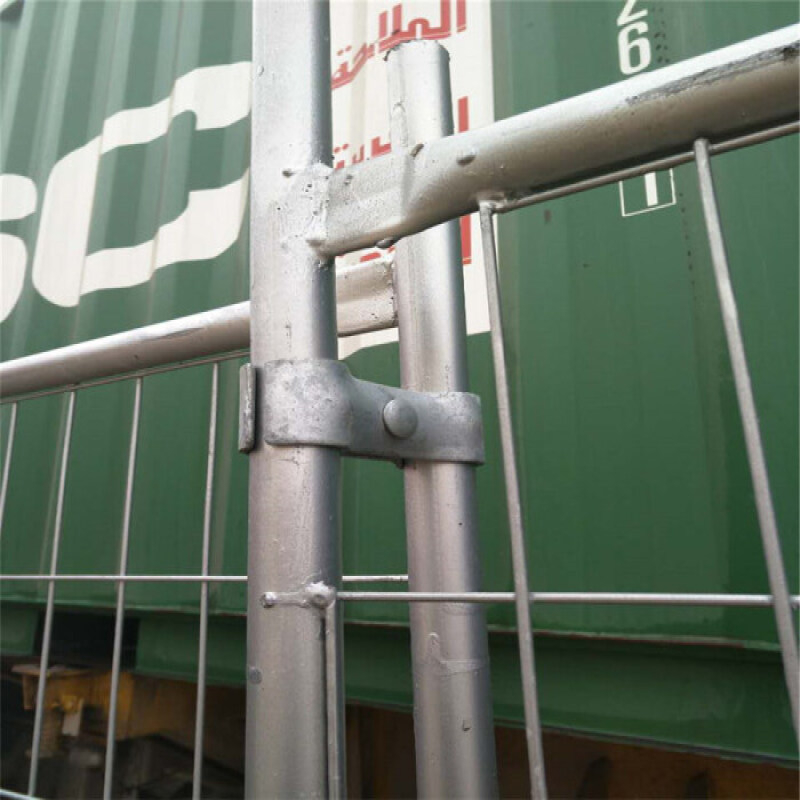
Most buyers initially treat Temporary Construction Fence Panels as simple metal products – a few welded mesh sheets, a light frame, some plastic feet and one more line in the construction budget. In reality, the truth is far more dangerous. A poorly specified temporary construction fence panel becomes a silent hazard that opens gaps, loopholes and weaknesses around your site, turning “safety” into an expensive illusion. One unnoticed defect, oversight or installation misstep is enough to trigger real risk, danger, damage, loss and long-term waste for your project and your brand.
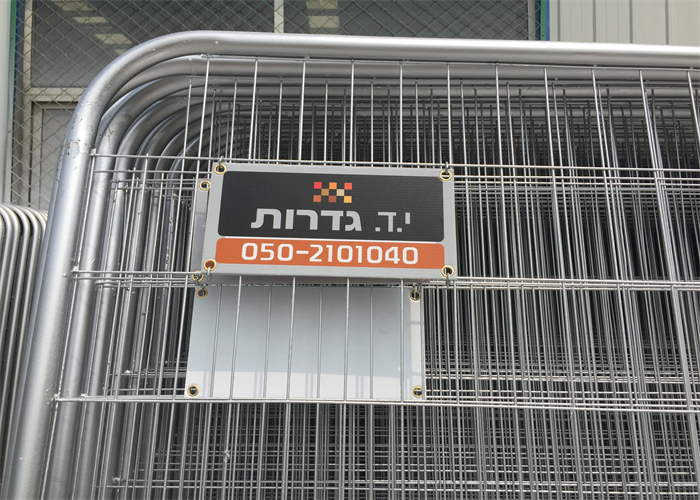
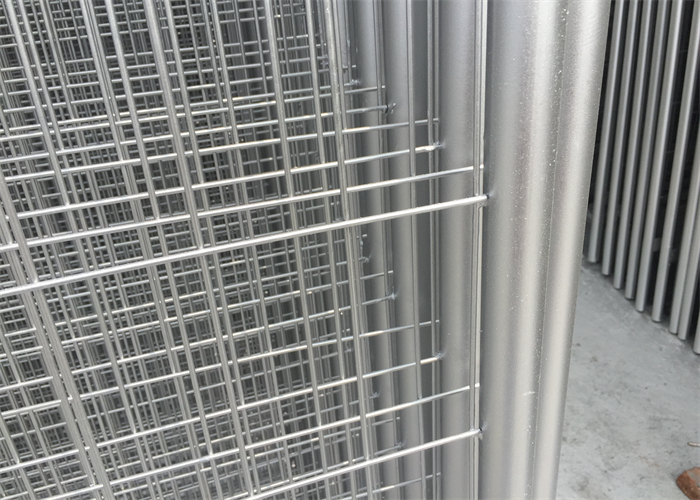
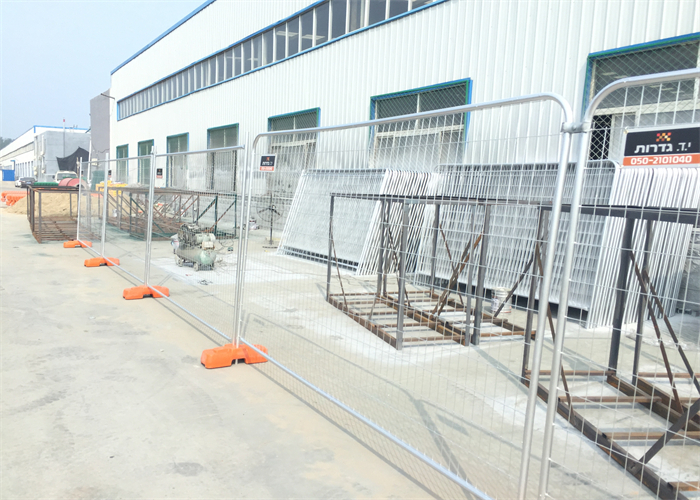
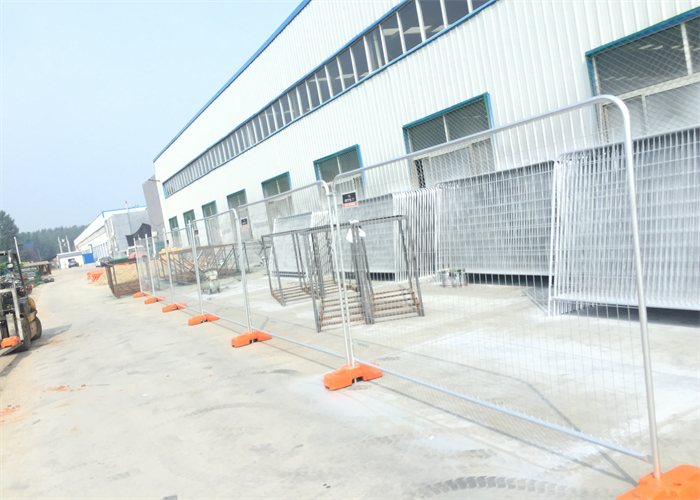
Product Overview of POLYMETAL Temporary Construction Fence Panels
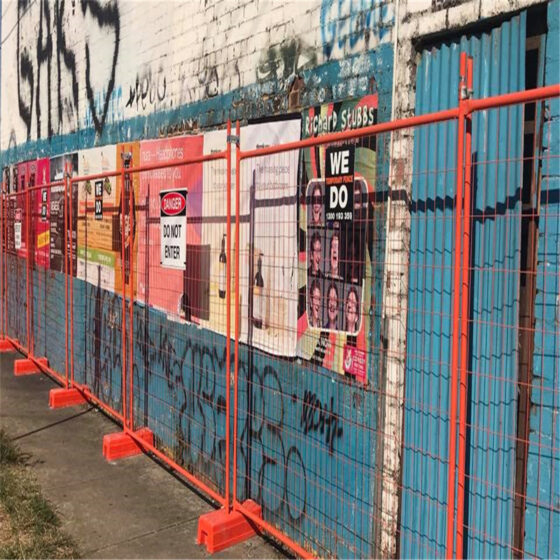
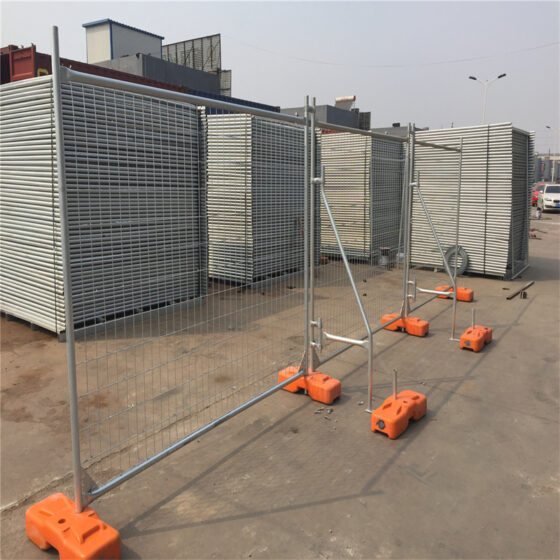
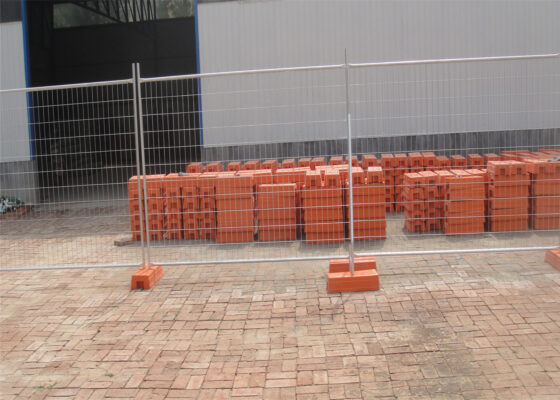
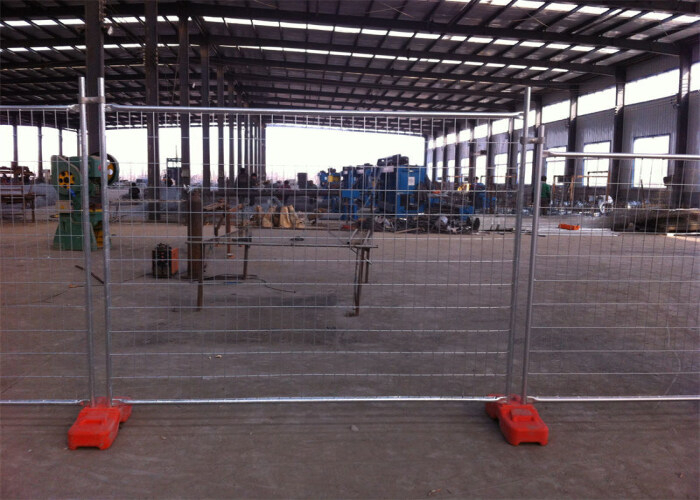
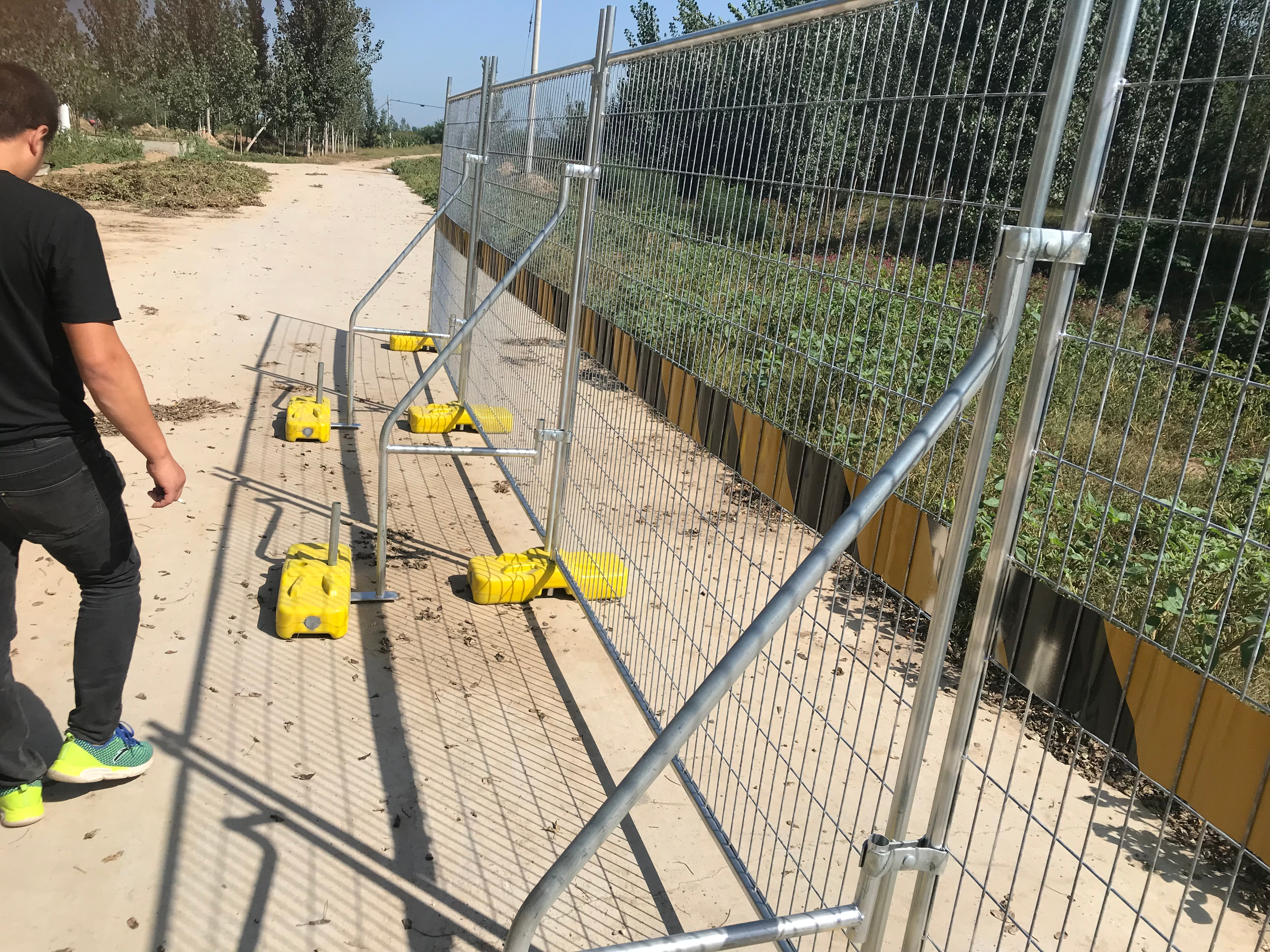
POLYMETAL Temporary Construction Fence Panels are heavy-duty, relocatable perimeter barriers designed for building sites, infrastructure projects, events, demolition works, roadworks and public-area upgrades where uncontrolled access, falling debris or wandering pedestrians are an everyday threat. A standard panel profile is 2100 mm in height and 2400 mm in width, creating a tall, rigid outline that sends a clear sign and signal: this line is the limit – do not cross.
The frame is fabricated from round tube in several outside diameters – OD 32 mm, OD 38 mm, OD 40 mm and OD 41 mm – forming a strong rectangular outline around the mesh infill. Frame tube wall thickness ranges from 1.0 mm through 1.2 mm, 1.4 mm and 1.5 mm up to 2.0 mm, ensuring that the structural trait of the panel can be tuned to the demands of light, standard or heavy-duty applications. Inside the frame sits a welded mesh with a typical opening of 60 × 150 mm, produced from wire in 2.70 mm, 3.00 mm or 4.00 mm diameter, balancing impact resistance, visibility and overall panel weight.
Surface protection is delivered through carefully controlled galvanizing. Options include approximately 14 microns HDG for economical short-term use, 42 microns hot-dipped galvanized coating for mainstream construction work, and 100 microns hot-dipped galvanized for long-life, high-risk or coastal projects. These finish levels provide a clear pattern and trend between initial cost, corrosion resistance and expected service life, turning abstract coating data into practical info for specifiers and buyers.
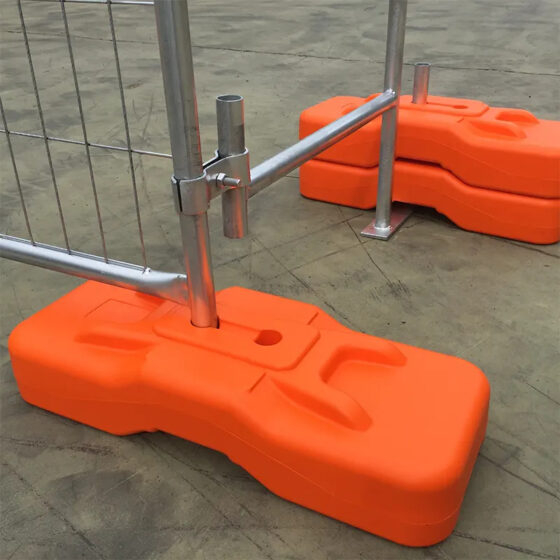
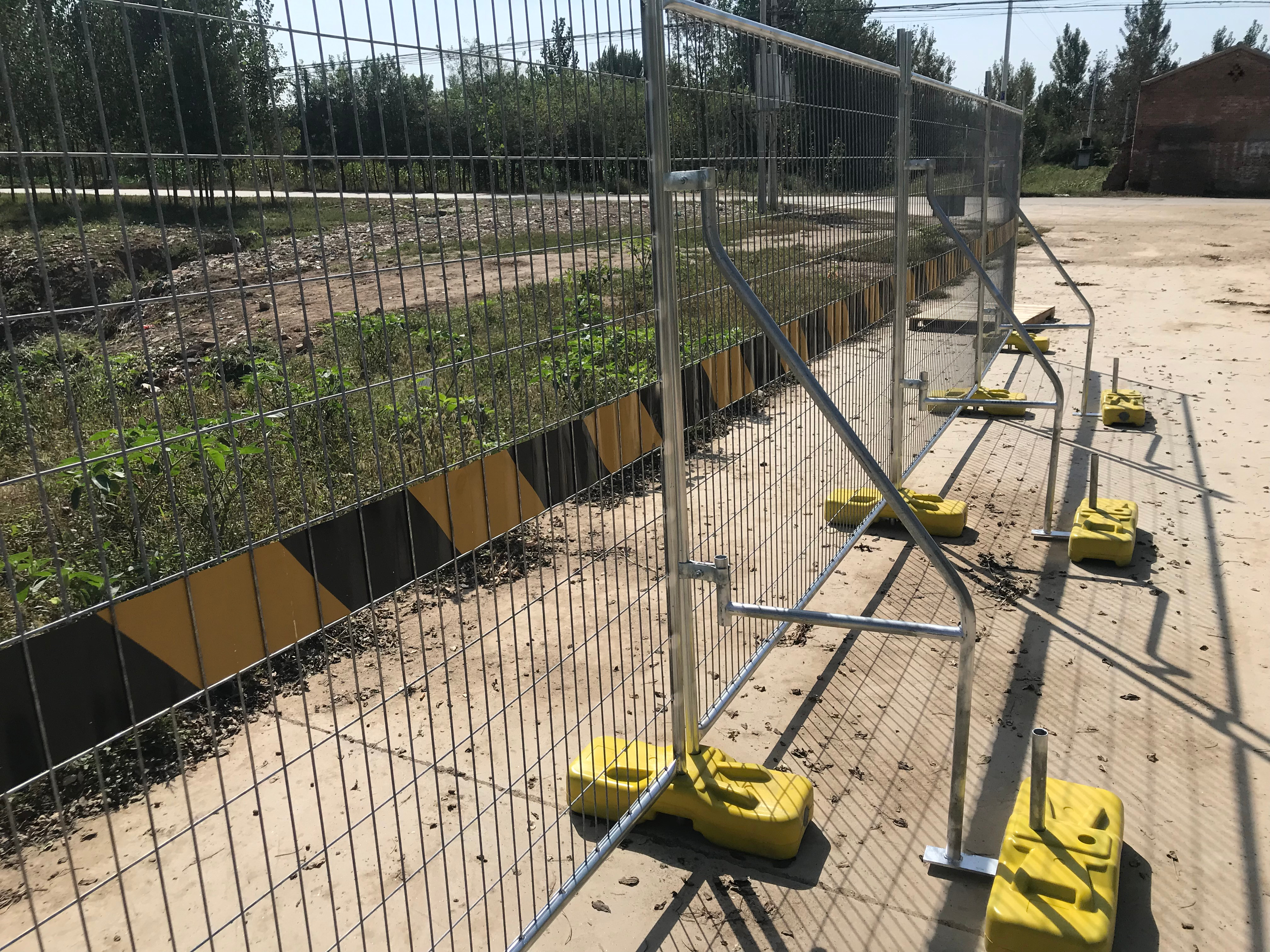
POLYMETAL Temporary Construction Fence Panels integrate smoothly with compatible temporary fence feet, clamps, bracing stays and gates modules, allowing each site to build a tailored safety profile rather than a random patchwork of misfit components. The result is a system that offers not just a product, but a complete edge, gain and security boost for professional contractors who treat temporary fencing as a serious risk-control element rather than a disposable accessory.
Specification Tables for POLYMETAL Temporary Construction Fence Panels
Table 1: Light-Duty POLYMETAL Temporary Construction Fence Panels
| Model Code | Panel Height (mm) | Panel Width (mm) | Frame Tube OD (mm) | Frame Thickness (mm) | Mesh Opening (mm) | Wire Diameter (mm) | Zinc Coating / Finish |
|---|---|---|---|---|---|---|---|
| TCFP-LD01 | 2100 | 2400 | 32 | 1.0 | 60 × 150 | 2.70 | 14 microns HDG |
| TCFP-LD02 | 2100 | 2400 | 32 | 1.2 | 60 × 150 | 2.70 | 14 microns HDG |
| TCFP-LD03 | 2100 | 2400 | 32 | 1.4 | 60 × 150 | 3.00 | 14 microns HDG |
| TCFP-LD04 | 2100 | 2400 | 38 | 1.0 | 60 × 150 | 2.70 | 14 microns HDG |
| TCFP-LD05 | 2100 | 2400 | 38 | 1.2 | 60 × 150 | 2.70 | 14 microns HDG |
| TCFP-LD06 | 2100 | 2400 | 38 | 1.4 | 60 × 150 | 3.00 | 14 microns HDG |
| TCFP-LD07 | 2100 | 2400 | 40 | 1.0 | 60 × 150 | 2.70 | 14 microns HDG |
| TCFP-LD08 | 2100 | 2400 | 40 | 1.2 | 60 × 150 | 2.70 | 14 microns HDG |
| TCFP-LD09 | 2100 | 2400 | 40 | 1.4 | 60 × 150 | 3.00 | 14 microns HDG |
| TCFP-LD10 | 2100 | 2400 | 32 | 1.5 | 60 × 150 | 3.00 | 14 microns HDG |
Table 2: Standard-Duty POLYMETAL Temporary Construction Fence Panels
| Model Code | Panel Height (mm) | Panel Width (mm) | Frame Tube OD (mm) | Frame Thickness (mm) | Mesh Opening (mm) | Wire Diameter (mm) | Zinc Coating / Finish |
|---|---|---|---|---|---|---|---|
| TCFP-SD01 | 2100 | 2400 | 32 | 1.2 | 60 × 150 | 3.00 | 42 microns hot dipped galvanized |
| TCFP-SD02 | 2100 | 2400 | 32 | 1.4 | 60 × 150 | 3.00 | 42 microns hot dipped galvanized |
| TCFP-SD03 | 2100 | 2400 | 38 | 1.2 | 60 × 150 | 3.00 | 42 microns hot dipped galvanized |
| TCFP-SD04 | 2100 | 2400 | 38 | 1.4 | 60 × 150 | 3.00 | 42 microns hot dipped galvanized |
| TCFP-SD05 | 2100 | 2400 | 38 | 1.5 | 60 × 150 | 3.00 | 42 microns hot dipped galvanized |
| TCFP-SD06 | 2100 | 2400 | 40 | 1.2 | 60 × 150 | 3.00 | 42 microns hot dipped galvanized |
| TCFP-SD07 | 2100 | 2400 | 40 | 1.4 | 60 × 150 | 3.00 | 42 microns hot dipped galvanized |
| TCFP-SD08 | 2100 | 2400 | 40 | 1.5 | 60 × 150 | 3.00 | 42 microns hot dipped galvanized |
| TCFP-SD09 | 2100 | 2400 | 41 | 1.2 | 60 × 150 | 3.00 | 42 microns hot dipped galvanized |
| TCFP-SD10 | 2100 | 2400 | 41 | 1.4 | 60 × 150 | 3.00 | 42 microns hot dipped galvanized |
Table 3: Heavy-Duty POLYMETAL Temporary Construction Fence Panels
| Model Code | Panel Height (mm) | Panel Width (mm) | Frame Tube OD (mm) | Frame Thickness (mm) | Mesh Opening (mm) | Wire Diameter (mm) | Zinc Coating / Finish |
|---|---|---|---|---|---|---|---|
| TCFP-HD01 | 2100 | 2400 | 38 | 1.4 | 60 × 150 | 4.00 | 42 microns hot dipped galvanized |
| TCFP-HD02 | 2100 | 2400 | 38 | 1.5 | 60 × 150 | 4.00 | 42 microns hot dipped galvanized |
| TCFP-HD03 | 2100 | 2400 | 40 | 1.4 | 60 × 150 | 4.00 | 42 microns hot dipped galvanized |
| TCFP-HD04 | 2100 | 2400 | 40 | 1.5 | 60 × 150 | 4.00 | 42 microns hot dipped galvanized |
| TCFP-HD05 | 2100 | 2400 | 40 | 2.0 | 60 × 150 | 4.00 | 42 microns hot dipped galvanized |
| TCFP-HD06 | 2100 | 2400 | 41 | 1.5 | 60 × 150 | 4.00 | 42 microns hot dipped galvanized |
| TCFP-HD07 | 2100 | 2400 | 41 | 2.0 | 60 × 150 | 4.00 | 42 microns hot dipped galvanized |
| TCFP-HD08 | 2100 | 2400 | 38 | 2.0 | 60 × 150 | 4.00 | 42 microns hot dipped galvanized |
| TCFP-HD09 | 2100 | 2400 | 32 | 2.0 | 60 × 150 | 4.00 | 42 microns hot dipped galvanized |
| TCFP-HD10 | 2100 | 2400 | 41 | 1.4 | 60 × 150 | 4.00 | 42 microns hot dipped galvanized |
Table 4: Long-Life POLYMETAL Temporary Construction Fence Panels
| Model Code | Panel Height (mm) | Panel Width (mm) | Frame Tube OD (mm) | Frame Thickness (mm) | Mesh Opening (mm) | Wire Diameter (mm) | Zinc Coating / Finish |
|---|---|---|---|---|---|---|---|
| TCFP-LL01 | 2100 | 2400 | 38 | 1.5 | 60 × 150 | 4.00 | 100 microns hot dipped galvanized |
| TCFP-LL02 | 2100 | 2400 | 40 | 1.5 | 60 × 150 | 4.00 | 100 microns hot dipped galvanized |
| TCFP-LL03 | 2100 | 2400 | 40 | 2.0 | 60 × 150 | 4.00 | 100 microns hot dipped galvanized |
| TCFP-LL04 | 2100 | 2400 | 41 | 1.5 | 60 × 150 | 4.00 | 100 microns hot dipped galvanized |
| TCFP-LL05 | 2100 | 2400 | 41 | 2.0 | 60 × 150 | 4.00 | 100 microns hot dipped galvanized |
| TCFP-LL06 | 2100 | 2400 | 38 | 2.0 | 60 × 150 | 4.00 | 100 microns hot dipped galvanized |
| TCFP-LL07 | 2100 | 2400 | 32 | 2.0 | 60 × 150 | 4.00 | 100 microns hot dipped galvanized |
| TCFP-LL08 | 2100 | 2400 | 40 | 1.4 | 60 × 150 | 4.00 | 100 microns hot dipped galvanized |
| TCFP-LL09 | 2100 | 2400 | 41 | 1.4 | 60 × 150 | 4.00 | 100 microns hot dipped galvanized |
| TCFP-LL10 | 2100 | 2400 | 38 | 1.4 | 60 × 150 | 4.00 | 100 microns hot dipped galvanized |
Seven Dangerous Facts About Temporary Construction Fence Panels
Truth 1: Dimensional Detail – The Small Height and Width Gap That Becomes a Big Risk
The first dangerous fact is that most Temporary Construction Fence Panels do not fail because the steel is weak, but because the basic dimensions are wrong. If your panel is even a little lower than the specified 2100 mm working height once it is sitting in the feet, the apparent barrier becomes easier to climb and easier to step over with ladders or materials. If the nominal 2400 mm width is cut short without recalculating foot spacing, small but critical gaps appear between panels. These gaps are not harmless details; they are defects, loopholes and entry points in your security outline.
The rule is simple: panel height and width must be treated as hard principles, not flexible hints. Correct dimensions create a predictable pattern, a clean line and fewer joints to worry about. Every dimensional shortcut is a sign, signal and snapshot of bias towards saving cost rather than protecting people – a classic example of how a small mistake can trigger a large failure.
Danger 2: Frame Tube Weakness – When the Main Structural Element Turns into a Flaw
The second danger hides inside the round frame tube. A Temporary Construction Fence Panel with OD 32 mm tube and only 1.0 mm thickness may look fine on paper but twist under crowd pressure and wind loading. When frames are under-specified, the structure bends, the mesh rattles, and feet start to rock. This is not just a cosmetic downside; it is a structural flaw, fault and weakness that turns your fence into a moving hazard instead of a stable barrier.
Upgrading to OD 38 mm, OD 40 mm or OD 41 mm with 1.4–2.0 mm wall thickness changes the whole mechanical profile. Stiffer frames hold geometry, keep mesh tensioned and survive repeated handling. That is why POLYMETAL treats frame size not as a fantasy marketing note but as critical safety data and a real advantage in the field.
Trap 3: Mesh Opening and Wire Diameter – When Visibility Hides a Ladder
The third critical fact is hidden in the mesh pattern. A 60 × 150 mm mesh opening manufactured from wire that is too light becomes a flexible ladder, not a security panel. If diameter drops below 2.70 mm in real production, or if the weld quality is inconsistent, the mesh can deform under load. Hands and boots find footholds, tools pull wires apart, and suddenly the barrier fails at its most visible element.
POLYMETAL uses wire diameters of 2.70 mm, 3.00 mm and 4.00 mm with a consistent weld pattern to keep the anti-climb trait intact. Relax this standard and you create an invisible gap between how your fence looks and how it behaves. That gap is a trap, a problem and a long-term pitfall that can turn a busy construction site into a dangerous illusion of safety.
Risk 4: Coating System – Corrosion as a Slow, Silent Hazard
The fourth risk is corrosion, the slow bug that quietly eats your investment. A Temporary Construction Fence Panel with only a thin 14 microns HDG layer might survive a short interior project, but on exposed coastal or industrial sites this coating can fail quickly. Rust first appears as tiny orange spots – a small sign, a subtle warning – but those marks are real data about metal loss and structural damage.
By specifying 42 microns or even 100 microns hot dipped galvanized coating, POLYMETAL turns the coating from a decorative feature into a serious protective element. The thicker zinc layer acts as a sacrificial barrier, absorbing environmental attack so the steel frame and mesh remain intact. This is not a myth or marketing fantasy; it is a proven principle and a practical lesson in lifecycle cost, profit and payoff.
Pitfall 5: Footing and Stability – The Base That Fails First
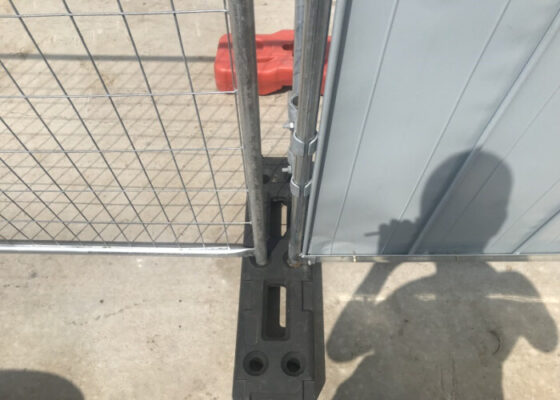
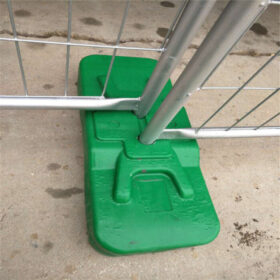
The fifth pitfall appears at ground level. Even the best Temporary Construction Fence Panels become a hazard if the base layout is a structural misfit. Feet placed too far apart, not weighted correctly or set on uneven surfaces create a dangerous pattern: panels lean, joints loosen and the whole run can topple in strong winds. One falling panel can cause injury, property damage and immediate crisis on site.
Correct feet selection, ballast and bracing are not minor notes; they are essential elements of the system. Treating them as an afterthought is an error, a misstep and a classic oversight that turns temporary fencing into a threat instead of a protective edge.
Warning 6: Installation Mistakes – Human Missteps That Create Loopholes
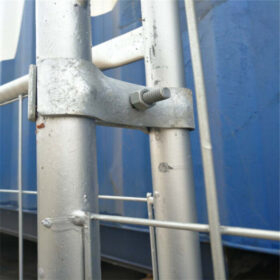
The sixth warning is about people. Poor installation introduces bugs and mistakes that no factory QA can fix: clamps not tightened, panels not fully seated in feet, brace stays missing, or damaged components reused to “save cost”. Each misstep creates a loophole and a weakness in your perimeter. The overall outline may look tidy, but the underlying reality is failure waiting to happen.
POLYMETAL supports contractors with clear installation checklists, guides and manuals so crews follow a repeatable pattern instead of improvising. When the rule set is respected, the system behaves like a continuous safety wall. When it is ignored, you build an illusion of security – a dangerous fantasy that collapses at the first major incident.
Crisis 7: Compliance Myth – The Legal Threat Behind a “Good-Looking” Fence
The seventh fact is the most dangerous because it deals with law, liability and insurance, not just steel and mesh. Many Temporary Construction Fence Panels look impressive but do not actually match local safety codes, site OH&S requirements or client specifications. Panel height, mesh aperture, strength, coating and stability have to meet real standards – not internal myths, lies or convenient misbeliefs.
When an accident occurs, investigators and insurers are not interested in glossy brochures. They ask hard questions, request test reports, demand weld data, coating certificates, design info and installation records. If your fencing system cannot produce this evidence, you stand exposed to claims, penalties and reputational damage. POLYMETAL designs Temporary Construction Fence Panels so they align with serious industry principles and patterns, converting compliance from a tick-box illusion into a documented benefit, advantage and real legal shield.
Packing of POLYMETAL Temporary Construction Fence Panels
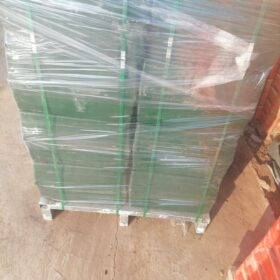
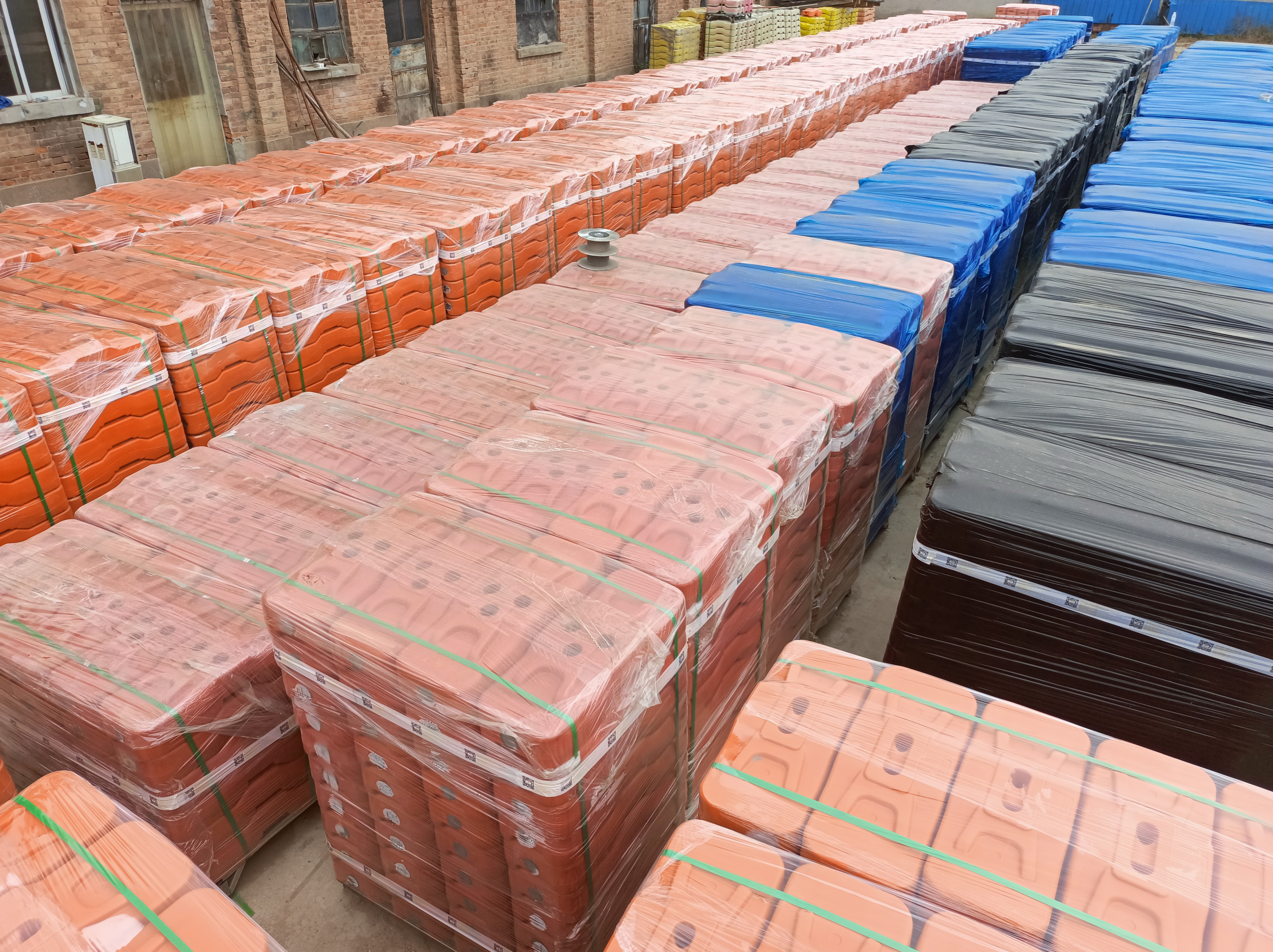
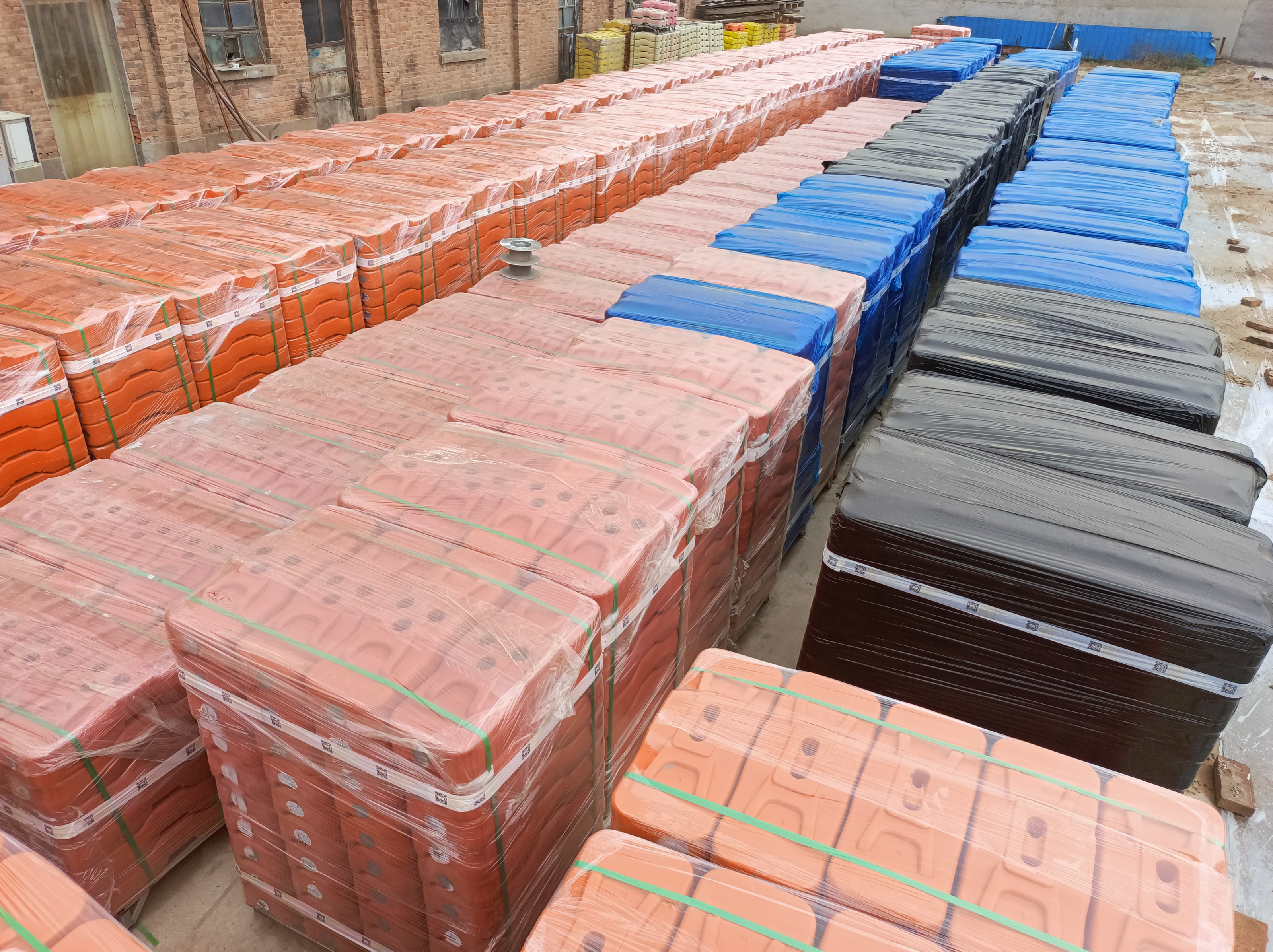
POLYMETAL treats packing as a critical side of the safety equation, not a logistical afterthought. Finished Temporary Construction Fence Panels are stacked in controlled bundles on heavy-duty steel or wooden pallets. Frame tubes rest on structural bearers so that weight transfers through the OD 32–41 mm frames rather than the mesh intersections, avoiding hidden damage, bending or distortion during transport.
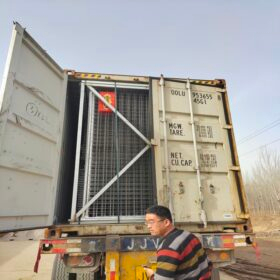
Between each layer, protective spacers keep the 60 × 150 mm mesh and frame tubes separated, reducing the risk of coating damage, abrasion and impact marks. Bundles are wrapped in plastic film and tightly strapped with steel or composite banding to create a clean, stable outline that can be moved by forklift or crane without shifting. Matching accessories such as feet, clamps and bracing stays are packed in labelled cartons or crates, grouped by type and clearly identified so site teams can find the correct components without delay. This disciplined packing pattern reduces waste, prevents loss and turns unloading into a fast, controlled operation instead of a risky, chaotic moment on the project timeline.
Production Process of POLYMETAL Temporary Construction Fence Panels
The production of POLYMETAL Temporary Construction Fence Panels begins with certified Q235 or equivalent mild steel, selected for consistent strength and weldability. Round tubes in OD 32 mm, 38 mm, 40 mm and 41 mm are cut to tight tolerances for the 2100 × 2400 mm frame, using frame thicknesses from 1.0 mm up to 2.0 mm according to the model profile. Wire rod is drawn to 2.70 mm, 3.00 mm or 4.00 mm diameter and straightened before welding into the 60 × 150 mm mesh pattern that defines the panel’s safety trait.
Frames and mesh sheets are positioned in dedicated jigs that control geometry, clamp every joint and lock the overall outline. Automated welding equipment follows programmed parameters to deliver consistent weld size and penetration at every contact point, avoiding undercut, porosity and weak spots. Welds are inspected visually and on a sample basis destructively tested to confirm performance, turning abstract quality talk into measurable data.
After welding, panels pass through surface preparation steps including degreasing, rinsing and, where required, light abrasive cleaning to remove scale and contamination. Panels destined for 14 microns HDG are processed through controlled galvanizing lines, while those specified at 42 or 100 microns hot dipped galvanized receive a thicker, fully immersed zinc coating that penetrates weld roots and internal corners. Coating thickness is checked with calibrated instruments, and panels that do not meet the rule set are rejected, not repaired on the side.
Finished panels undergo final inspection for dimensions, mesh aperture, flatness and coating quality before being assigned to their packing batch. This systematic production process turns each panel into a documented profile rather than an anonymous piece of mesh, closing the gap between design intent and on-site reality.
Standards and Compliance for POLYMETAL Temporary Construction Fence Panels
POLYMETAL Temporary Construction Fence Panels are designed around the principles of recognised construction safety, crowd-control and site-securement standards in demanding markets. In high-risk building sites and infrastructure projects, they perform in the same league as premium Australia temporary fencing systems, ensuring that the perimeter behaves like a genuine safety barrier rather than a visual token. Panel height, opening size, frame strength and stability are chosen to meet the underlying rules, not just to fit a price list. The system is developed so that each element – from OD 32–41 mm frames and 60 × 150 mm mesh to 14, 42 and 100 microns hot dipped galvanized finishes – contributes to a coherent safety pattern rather than a random collection of parts.
Internal quality systems cover design review, material selection, welding procedures, galvanizing control, inspection, traceability and documentation. This means that every batch of Temporary Construction Fence Panels carries a clear outline of how it was made, creating a reliable information trail for audits, approvals and insurance reviews. Instead of relying on bias, illusion or marketing fantasy, POLYMETAL builds compliance into the product profile itself.
By treating standards as essential truths instead of optional suggestions, POLYMETAL transforms Temporary Construction Fence Panels from a possible weakness into a documented security boost. The payoff is simple but powerful: reduced site risk, less damage and waste, fewer crises and a stronger edge in competitive tenders where safety, reliability and lifecycle cost are judged as closely as headline price.