Your One-Stop Wire Mesh Fence Supplier | POLYMETAL
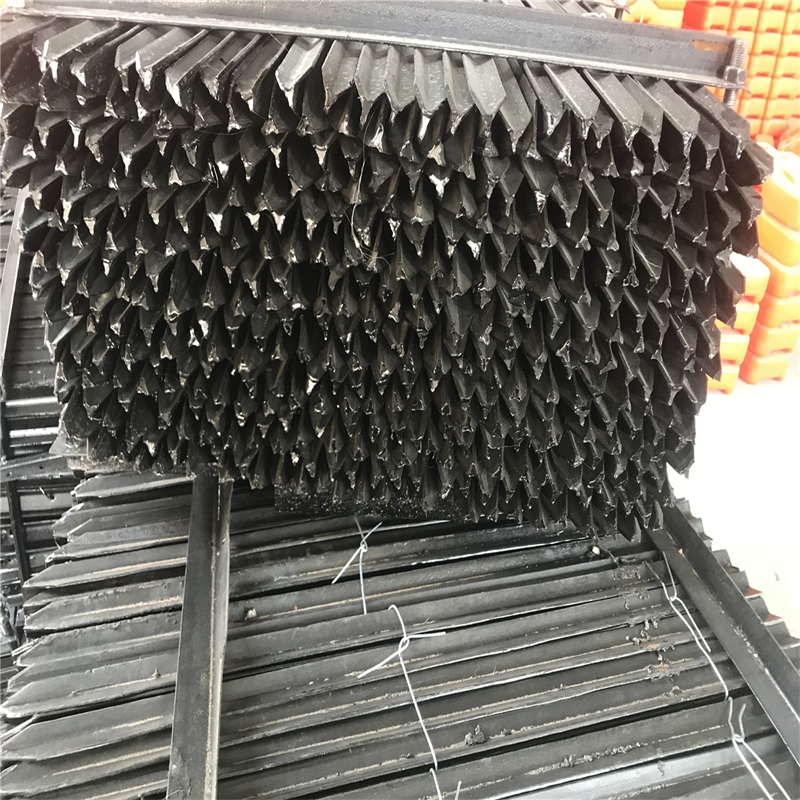
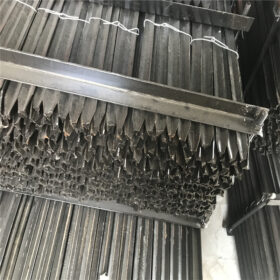
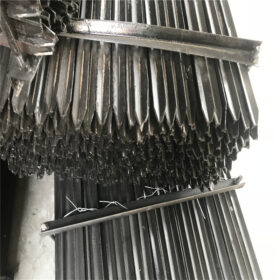
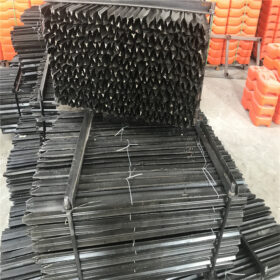
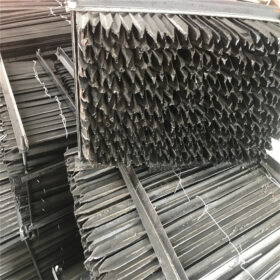
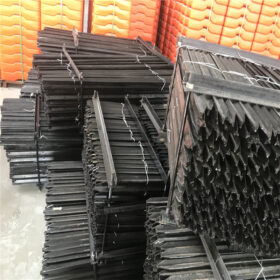
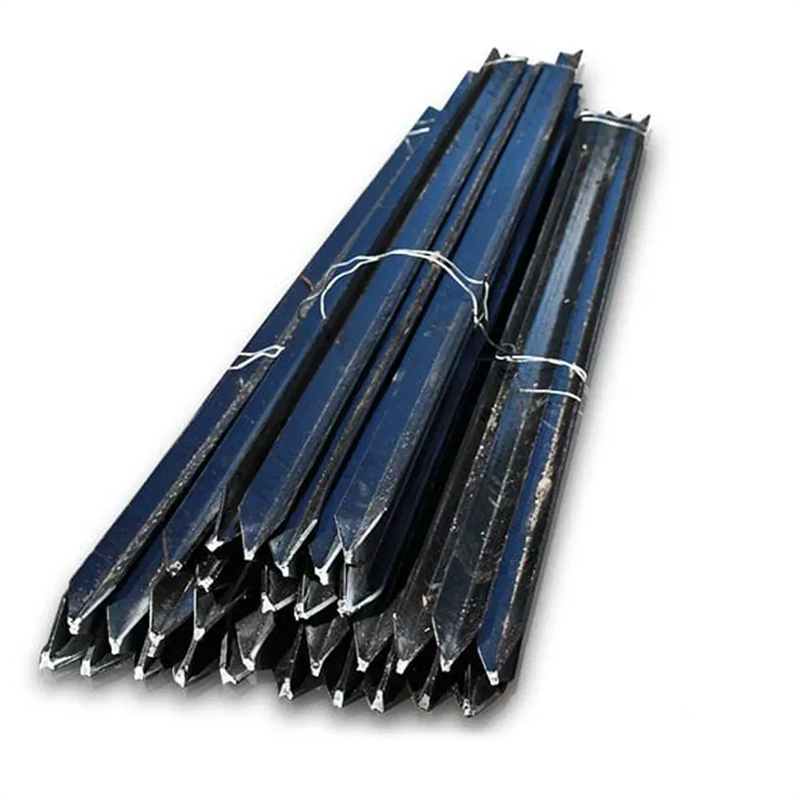
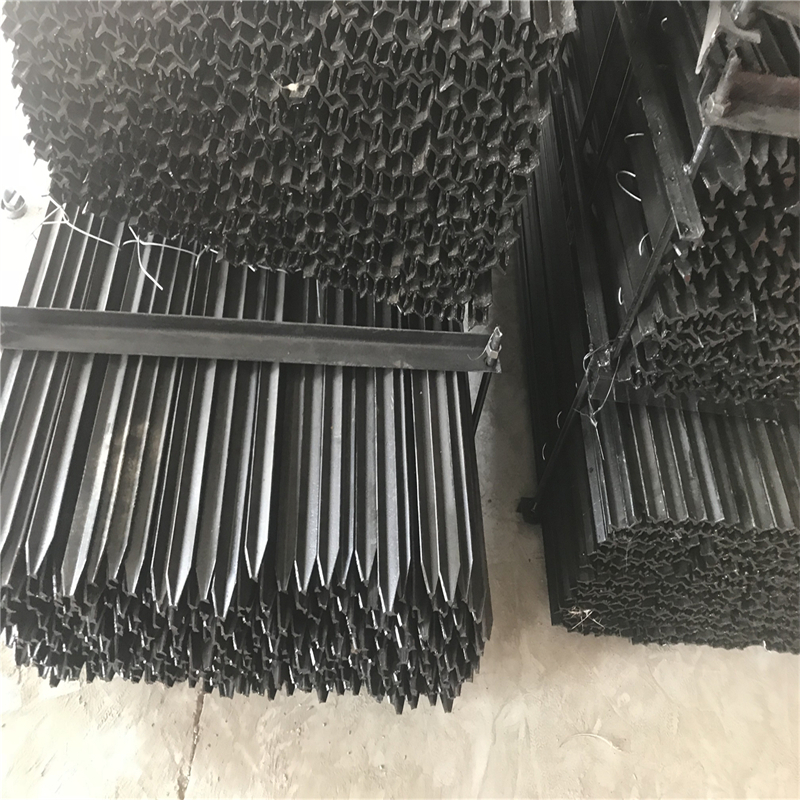
Metal star pickets—also called Y posts, Y shaped fence posts, steel Y posts, or Y pickets—are Australian/New Zealand style fence posts made to carry wire or mesh under tension in farms, roadsides, gardens, and security boundaries. The problem is that many metal star pickets appear the same at first glance, but long-term performance is decided by weight-per-meter, steel grade, hole pattern, coating choice, and correct length selection for embedment. Get one of these wrong and a fence that looks straight on install day can drift, lean, and demand repeat driving and re-straining.
POLYMETAL Metal Star Pickets Product Description
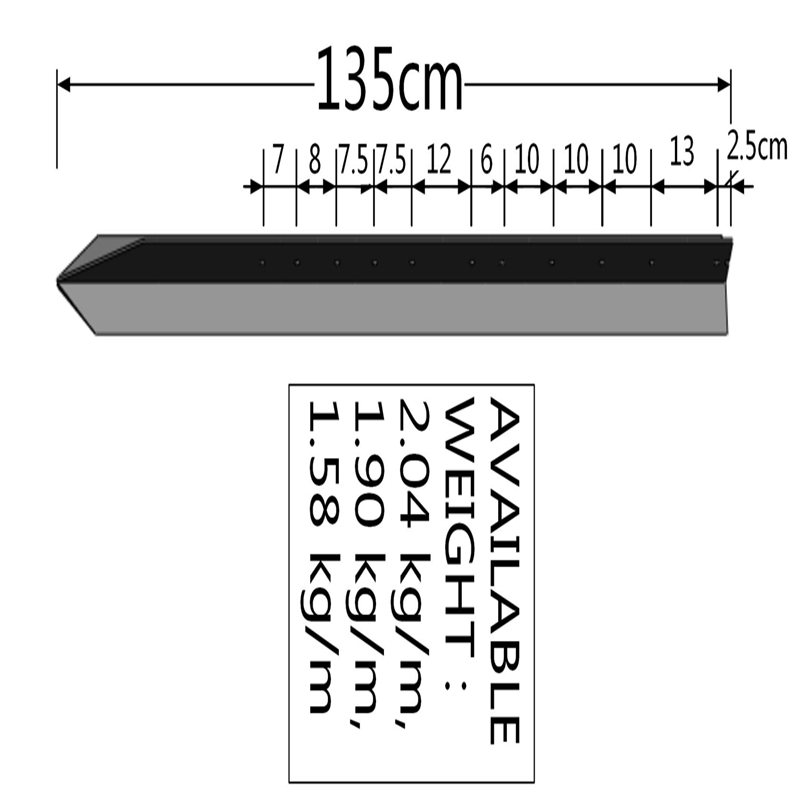
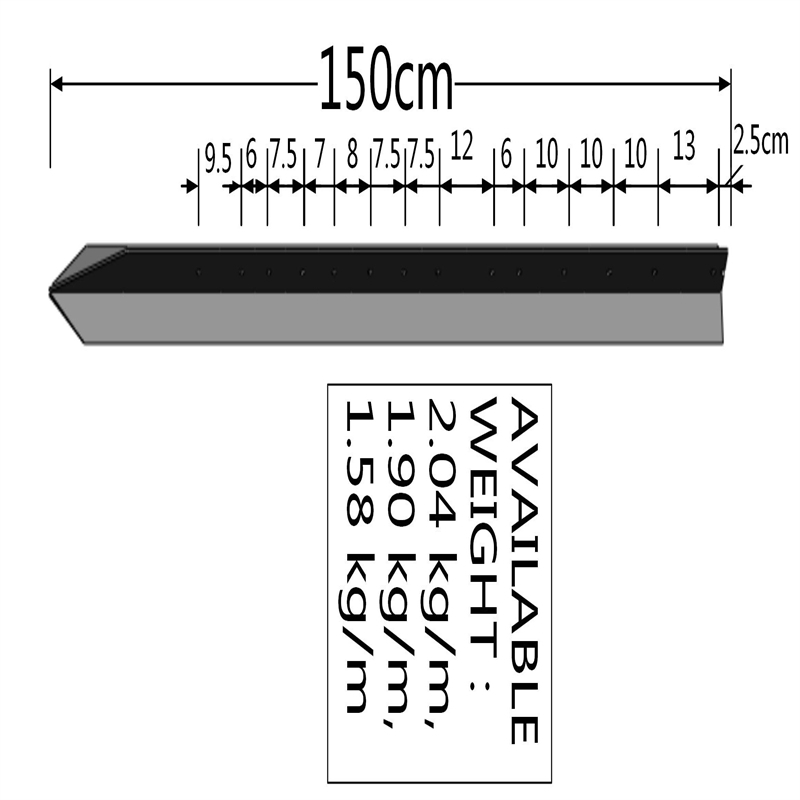
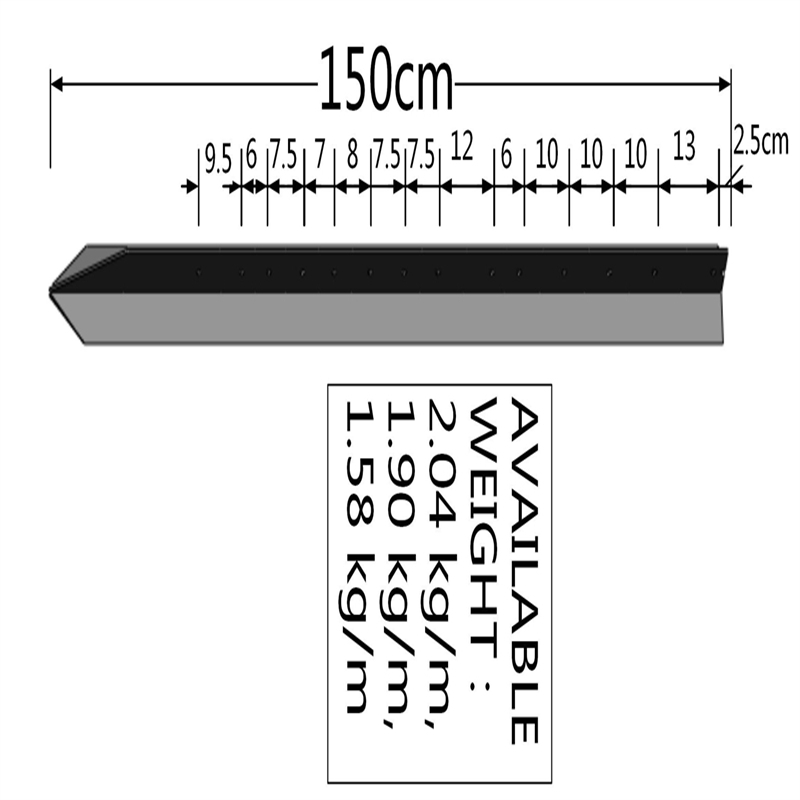
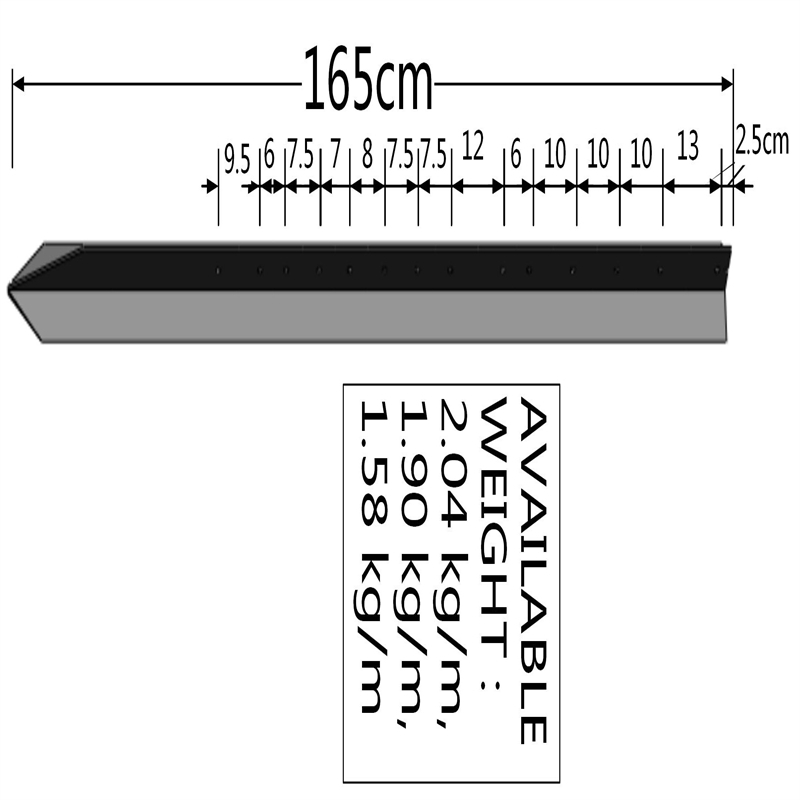
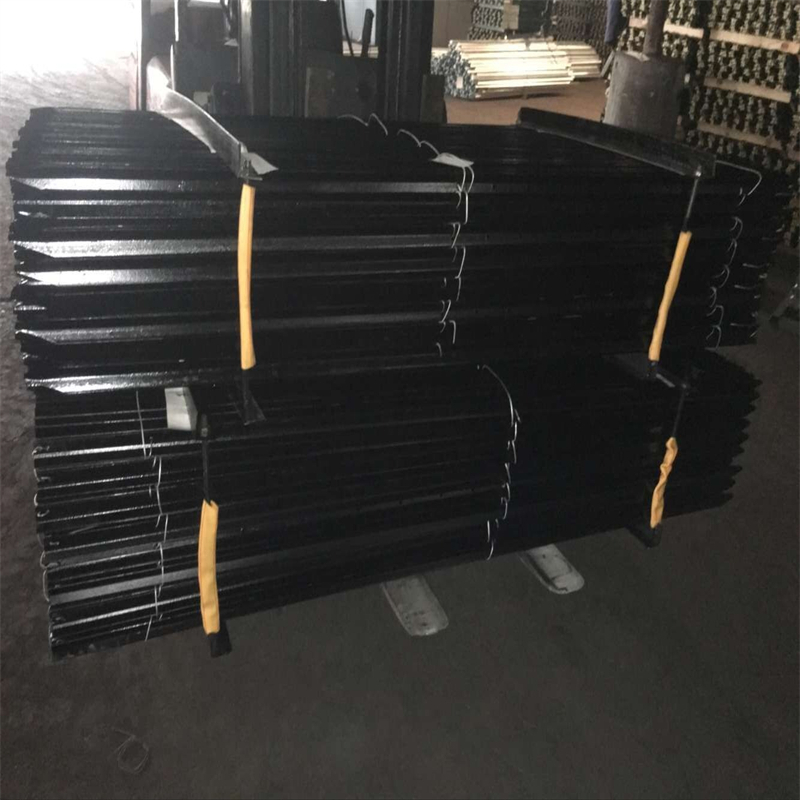
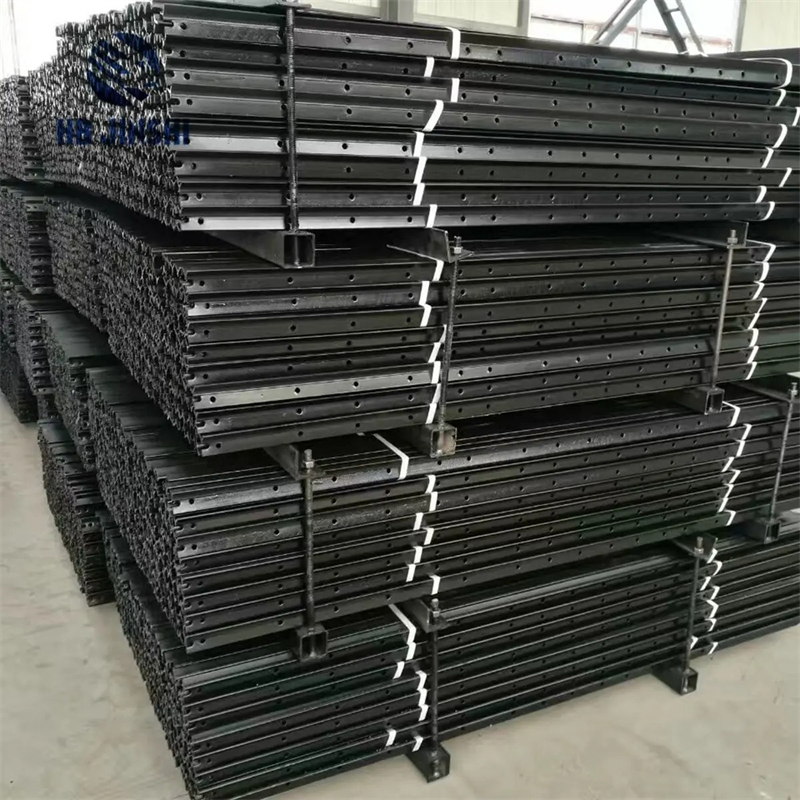
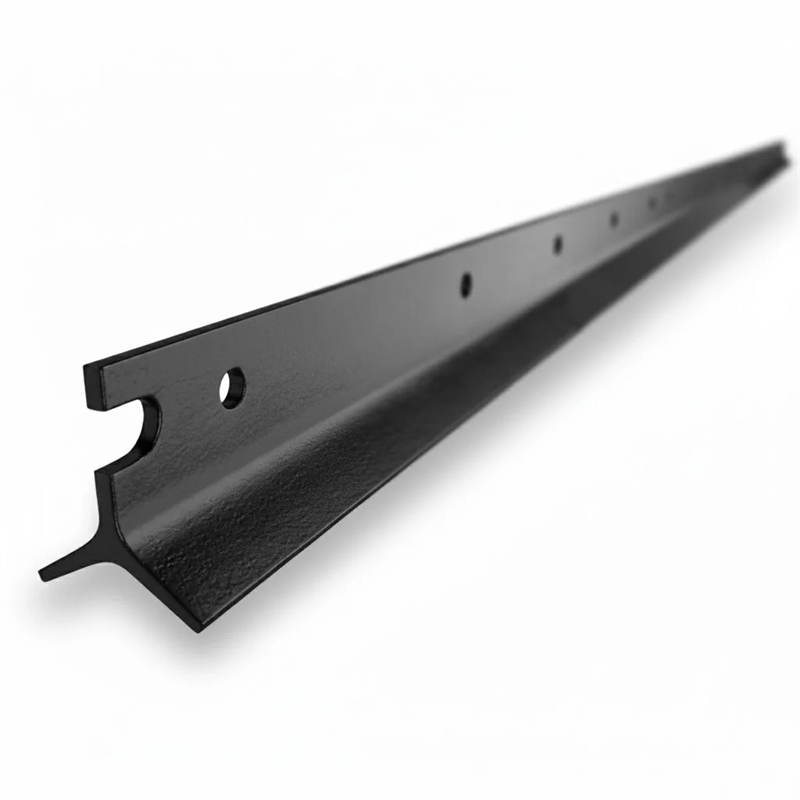
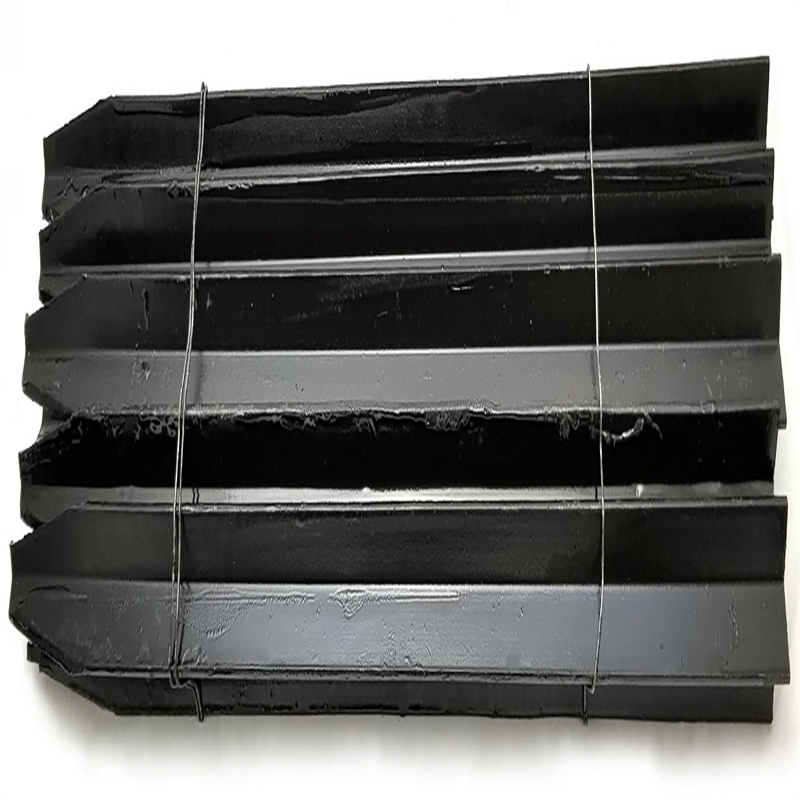
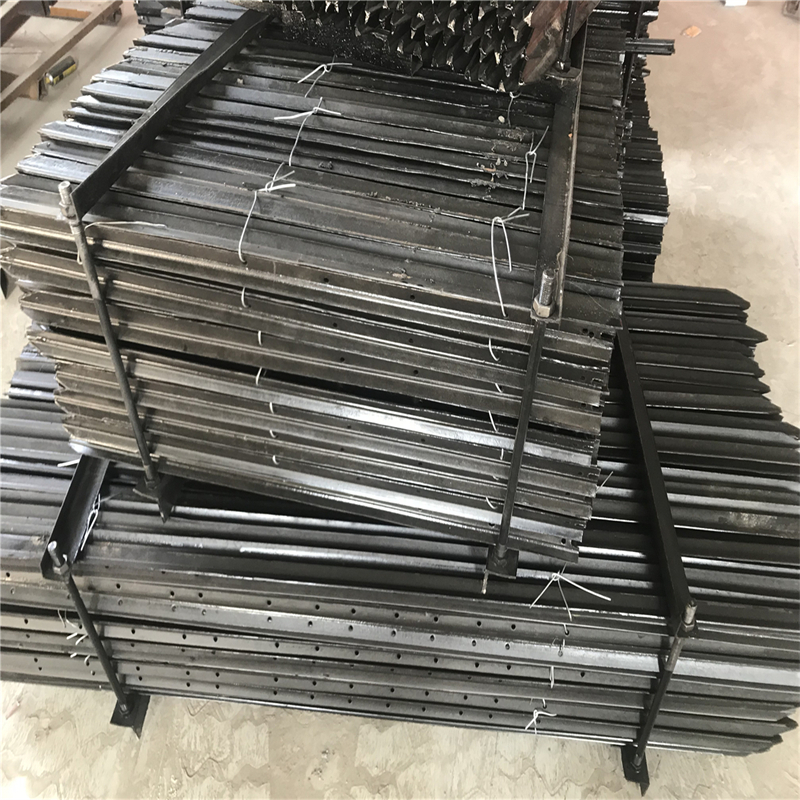
POLYMETAL metal star pickets are manufactured for practical fence tension work, using Q235 carbon steel or re-rolled rail steel to deliver strong driving stability and reliable resistance to bending. The range covers common lengths from 0.45 m to 3.0 m and mainstream weight classes such as 1.58 kg/m, 1.86 kg/m, 1.90 kg/m, and 2.04 kg/m, with 2.4 kg/m also available for projects that demand extra rigidity. Surface options include non-painted steel, black bitumen coating, hot-dipped galvanizing, and electric galvanizing, so the post can be matched to corrosion exposure, handling intensity, and service-life expectations—and if you’re deciding between coating routes for long-life performance, this pre-galvanized explains the key differences clearly. Hole patterns are available for Australia and New Zealand preferences, helping you keep wire heights consistent and tensioning work fast across long runs—especially important when you are building farm boundaries, roadside lines, or security fence corridors where rework is expensive.
Typical Uses for Metal Star Pickets
Metal star pickets are widely used for protective wire mesh fencing along express highways and rail lines, security fencing for beach farming, fish farming, and salt farm perimeters, forestry and source protection lines, isolation fencing for husbandry areas, and general fencing posts for gardens, roads, and houses where a straight, tight line must stay stable over time.
Why Y Posts Win on Cost-to-Strength
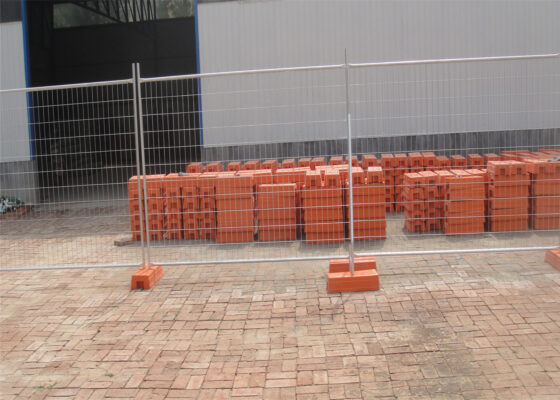
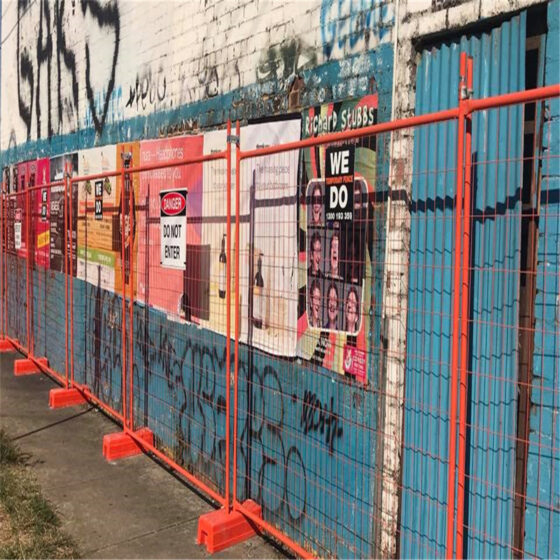
A properly specified Y post can deliver a strong mechanical and physical performance advantage compared with some common posts of similar section size, while keeping installation simple and cost-efficient. When the length, weight class, and coating are matched to soil and fence tension, service life becomes predictable and maintenance stays low—and if your site also needs fast, stable temporary setups, choosing the right support base matters too, so this guide on 3 types of temporary fence feet is a useful reference.
Australia Standard Example
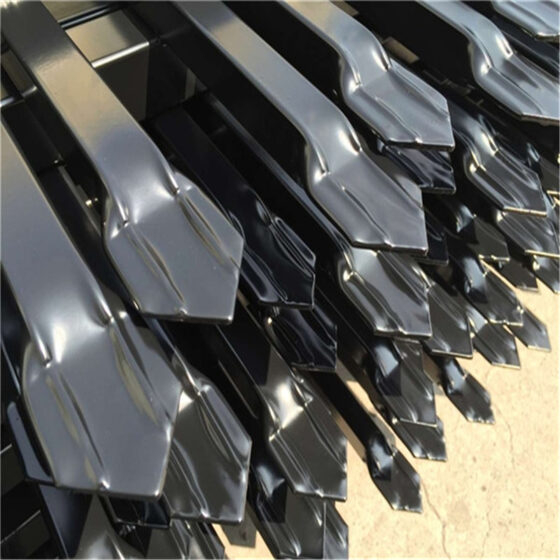
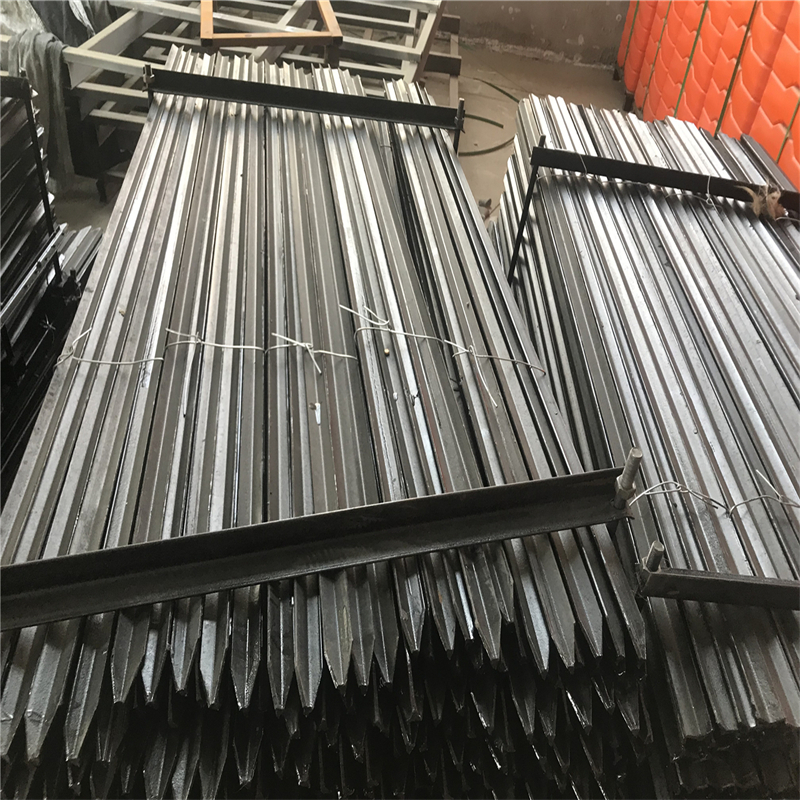
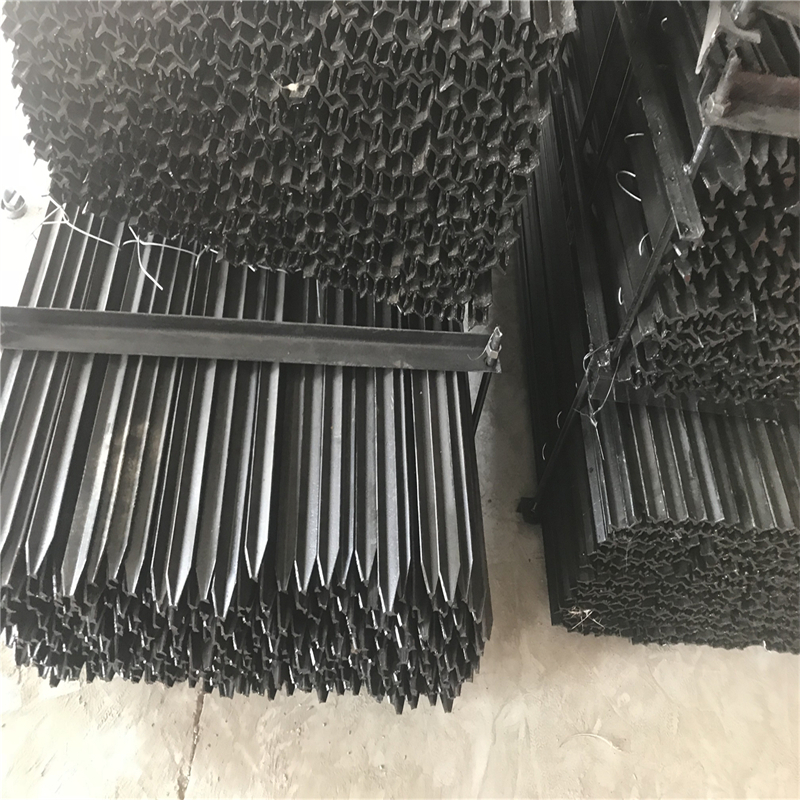
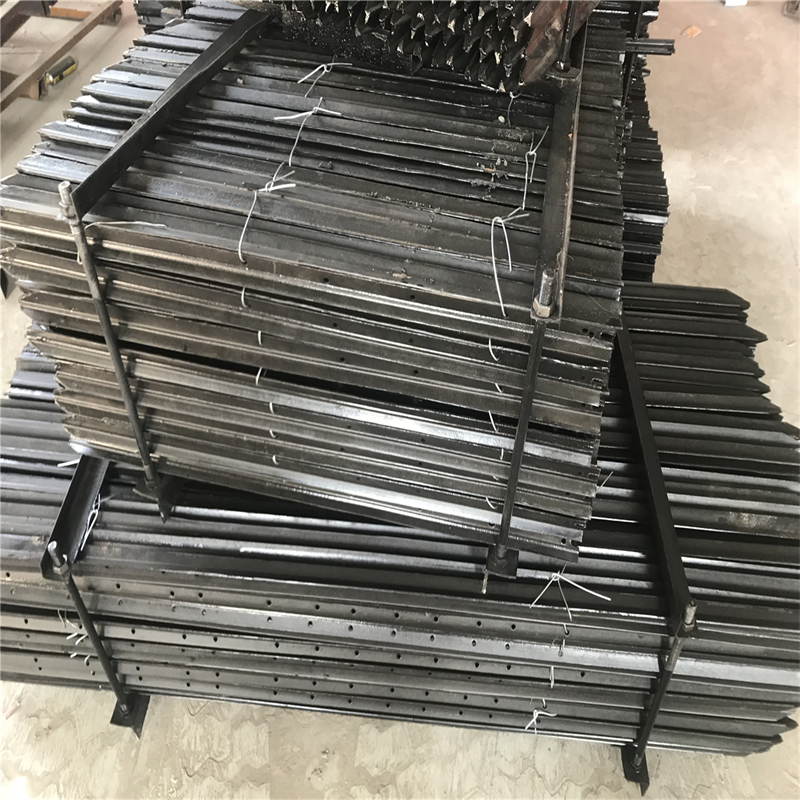
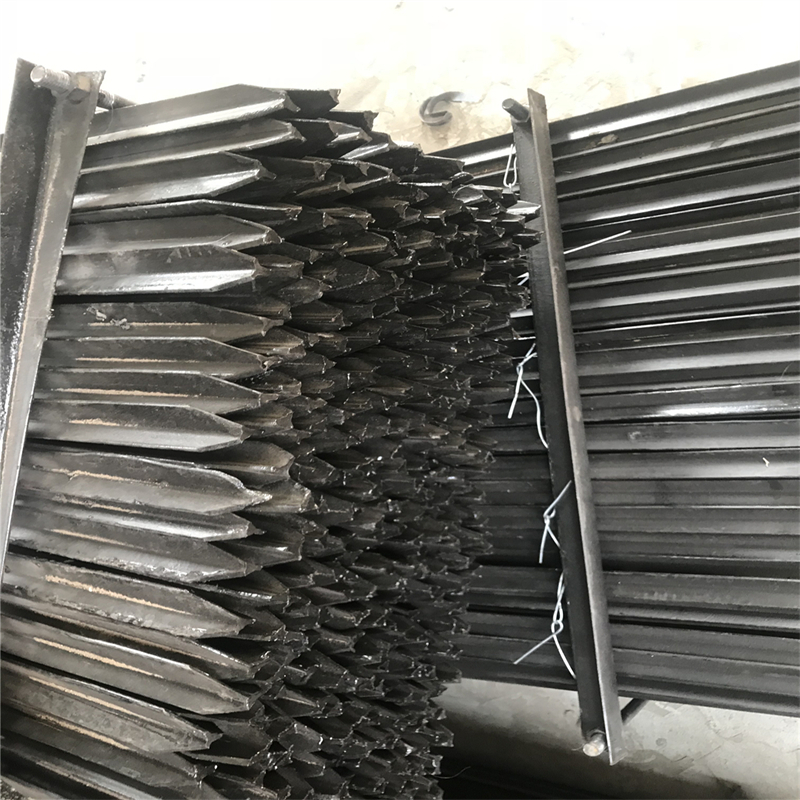
Australia Standard Y Shape Metal Star Pickets (600mm, 1.86kg/m Option)
This common format is often specified for fast boundary runs and lighter fencing layouts where the post must drive cleanly, hold wire height positions, and resist early surface corrosion through a galvanized or bitumen-coated finish—depending on the exposure and handling intensity.
Specifications
Table 1: POLYMETAL Metal Star Pickets – General Specification
| Product name | Steel star picket, steel post, fence picket, Y fence post |
| Length | 0.45M, 0.6M, 0.9M, 1.35M, 1.5M, 1.65M, 1.8M, 2.1M, 2.4M, 3.0M |
| Usual weight | 1.58kg/m, 1.86kg/m, 1.9kg/m, 2.04kg/m, 2.4kg/m |
| Material | Q235 carbon steel, used rail material |
| Surface treatment | Non-painted, black bitumen painted, hot-dipped galvanized, electric galvanized |
Table 2: POLYMETAL Metal Star Pickets – PCS/MT by Weight & Length + Hole Pattern
| Measurement | Y fence post (Australia & New Zealand) Length | ||||||||
| 0.45M | 0.60M | 0.90M | 1.35M | 1.50M | 1.65M | 1.80M | 2.10M | 2.40M | |
| 2.04kg/M (PCS/MT) | 1089 | 816 | 544 | 363 | 326 | 297 | 272 | 233 | 204 |
| 1.90kg/M (PCS/MT) | 1169 | 877 | 584 | 389 | 350 | 319 | 292 | 250 | 219 |
| 1.86kg/M (PCS/MT) | 1194 | 896 | 597 | 398 | 358 | 325 | 298 | 256 | 224 |
| 1.58kg/M (PCS/MT) | 1406 | 1054 | 703 | 468 | 422 | 383 | 351 | 301 | 263 |
| Hole quantities (Australia / New Zealand) | |||||||||
| Length (M) | 0.45 | 0.60 | 0.90 | 1.35 | 1.50 | 1.65 | 1.80 | 2.10 | 2.40 |
| Holes (Australia) | 2 | 3 | 5 | 11 | 14 | 14 | 14 | 7 | 7 |
| Holes (New Zealand) | 7 | 7 | 7 | 8 | |||||
Table 3: POLYMETAL Metal Star Pickets – Fast Selection Map (10 Practical Specs)
| Spec | Typical Use | Recommended Length | Weight Class | Finish Choice | Hole Preference | Key Benefit |
|---|---|---|---|---|---|---|
| MSP-01 | Garden runs | 0.60–0.90m | 1.58kg/m | EG / Bitumen | AU | Low cost + fast install |
| MSP-02 | Light farm lines | 1.35m | 1.58kg/m | HDG / Bitumen | AU/NZ | Common, easy to stock |
| MSP-03 | General boundary | 1.35–1.65m | 1.86kg/m | HDG | AU/NZ | Balanced stiffness |
| MSP-04 | Higher tension wire | 1.50–1.80m | 1.90kg/m | HDG | AU/NZ | Lower bending risk |
| MSP-05 | Soft soil control | 2.10m | 2.04kg/m | HDG | AU | More embedment stability |
| MSP-06 | Windy corridors | 2.40m | 2.04kg/m | HDG | AU | Better line alignment |
| MSP-07 | Coastal handling | 1.80–2.40m | 1.90–2.04kg/m | HDG | AU/NZ | Stronger corrosion margin |
| MSP-08 | Forestry protection | 1.65–2.10m | 1.86–1.90kg/m | HDG | AU/NZ | Stable long runs |
| MSP-09 | Road/rail mesh | 1.80–2.40m | 1.90–2.04kg/m | HDG | AU | Resists vibration drift |
| MSP-10 | Max stability lines | 2.40–3.00m | 2.04–2.4kg/m | HDG | AU | Lowest rework risk |
The Top 17 Buying Traps That Decide Whether You Save Money—or Pay Twice
Trap #1 Trap: Buying by photo instead of weight-per-meter
Two posts can look identical in pictures, but the heavier post typically holds line tension better and resists bending during driving.
Trap #2 Trap: Choosing length by price, not embedment
A short post can be cheaper upfront and still become the most expensive choice after leaning starts and you re-drive the whole run.
Trap #3 Trap: Ignoring AU vs NZ hole patterns
Wrong hole layout forces awkward tie points, uneven wire heights, and inconsistent tensioning across long runs.
Trap #4 Trap: Treating “galvanized” as one finish
Coating type and thickness matter; wrong selection shows up first at impact points and along scratched areas from transport or handling.
Trap #5 Trap: Picking bitumen for the wrong environment
Bitumen can protect well in many farm conditions, but if your handling is rough or your exposure is aggressive, the wrong choice accelerates corrosion at damaged spots.
Trap #6 Trap: Using light weights in hard ground
Hard soils amplify driving stress; light posts bend first, slowing installation and creating permanent alignment issues.
Trap #7 Trap: Over-tensioning on an under-specified post
High wire tension on too-light pickets twists the post and slowly opens gaps as the line “walks” under load cycles.
Trap #8 Trap: Mixing weights in one fence line
Soft sections become failure points; once one part drifts, the entire run loses consistent tension and appearance.
Trap #9 Trap: Mixing lengths in one run without a reason
Uneven stiffness creates visible “weak zones,” especially in windy or livestock pressure areas.
Trap #10 Trap: Choosing non-painted steel for long-life work
Bare steel can be acceptable for temporary or low-life needs, but it is a fast track to corrosion in many outdoor installations.
Trap #11 Trap: Forgetting corners and ends carry the real load
Even perfect mid-run posts won’t save a fence if end/corner assemblies are underbuilt for the strain.
Trap #12 Danger: The “cheap 1.58kg/m everywhere” decision that silently destroys budgets
If you use a lower weight class (especially 1.58kg/m) across a line that faces higher wire tension, livestock pressure, wind exposure, or unstable soils, posts can lean and twist sooner—forcing re-driving, re-straining, and repeat tightening. This is the budget killer because it spreads across the whole run, not one isolated repair.
Trap #13 Trap: Not matching hole quantity to your wire plan
If your layout needs multiple strands at set heights, the wrong hole count creates delays and messy tie-offs that weaken long-run consistency.
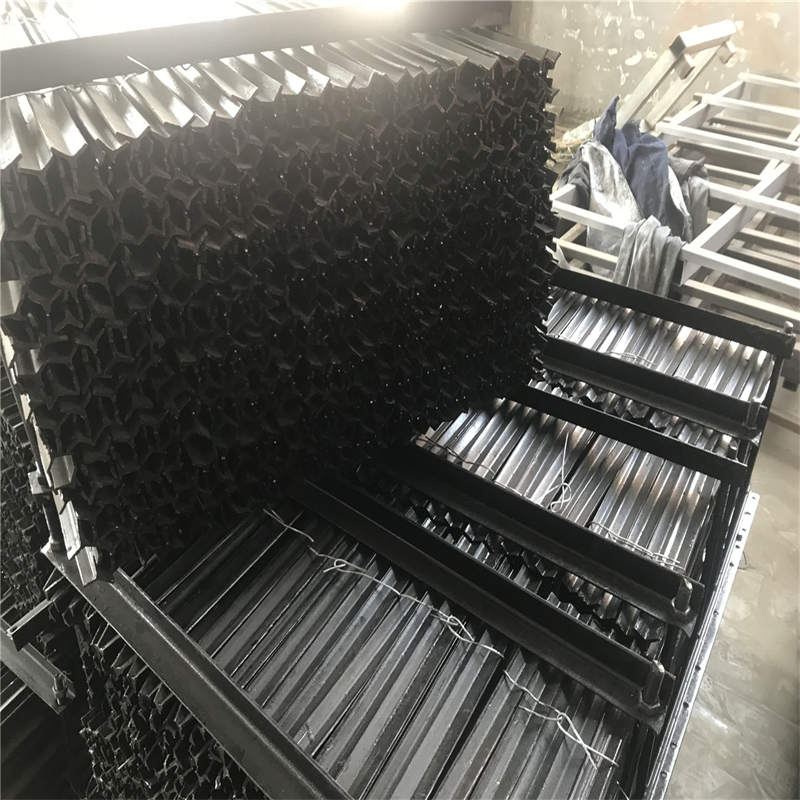
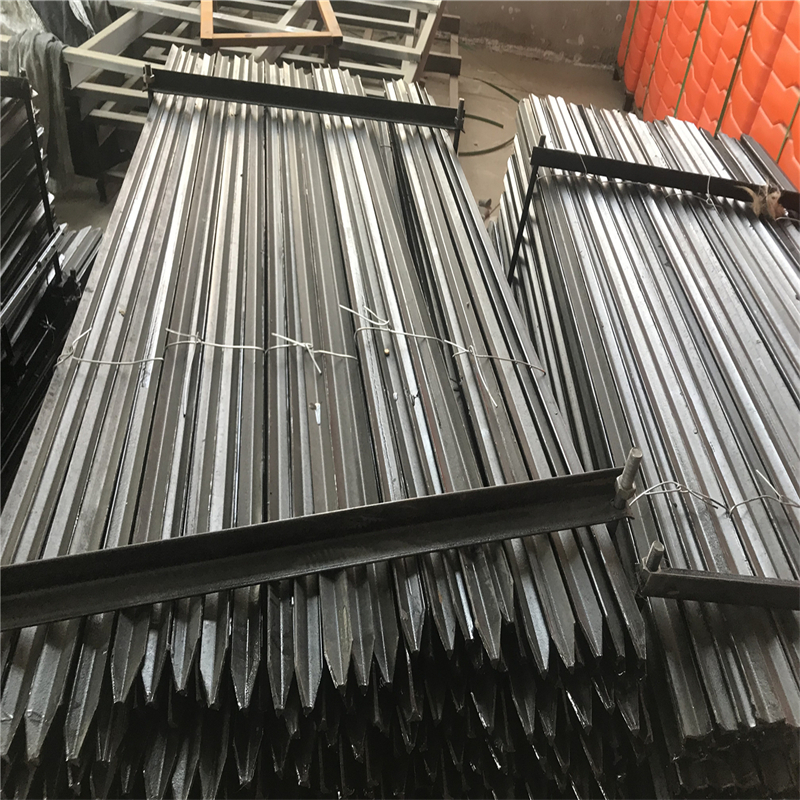
Trap #14 Trap: Ignoring transport and bundling damage
Scratches and impact points become corrosion starters; poor stacking turns “new posts” into early-life failures.
Trap #15 Trap: Buying without a consistent spec for the whole project
Too many SKUs increase installation mistakes and create uneven fence behavior under tension.
Trap #16 Trap: Assuming rail-steel origin means “all the same”
Material origin alone does not guarantee performance; weight, straightness control, and hole accuracy still decide installation and durability.
Trap #17 Trap: Chasing lowest unit price instead of lowest rework cost
The cheapest post is often the one that forces the most labor later—re-driving and re-tensioning cost more than steel.
Conclusion
POLYMETAL metal star pickets only deliver real value when the post weight class, length, hole pattern, and coating are selected as one matched decision for your soil, tension, and exposure. Avoid the Top 17 traps—especially Trap #12 Danger—and you protect fence alignment, reduce repeat labor, and keep your total fence cost under control over time.