 Your One-Stop Wire Mesh Fence Supplier | POLYMETAL
3 types of temporary fence feet – 7 Powerful Mistakes
3 types of temporary fence feet are used on most temporary fencing jobs, but choosing and using them the wrong way can lead to dangerous mistakes. Before you decide which base to use, it helps to understand the key differences between injection moulded, blow moulded and pool fence feet, and to apply a few powerful tips so your fence stays stable, safe and professional on every site. For projects exposed to strong gusts, many contractors also look at wind-resistant temporary fencing solutions to improve overall stability.
When you are setting up a temporary fence line, the stability and durability of the base are just as important as the panels themselves. The 3 types of temporary fence feet described here are designed to stop panels from tipping, reduce damage during use and give your site a professional appearance. Each style enjoys the features of being non-fading, heavy duty and cost-effective, making them suitable for construction sites, events, crowd control zones and temporary pool barriers.
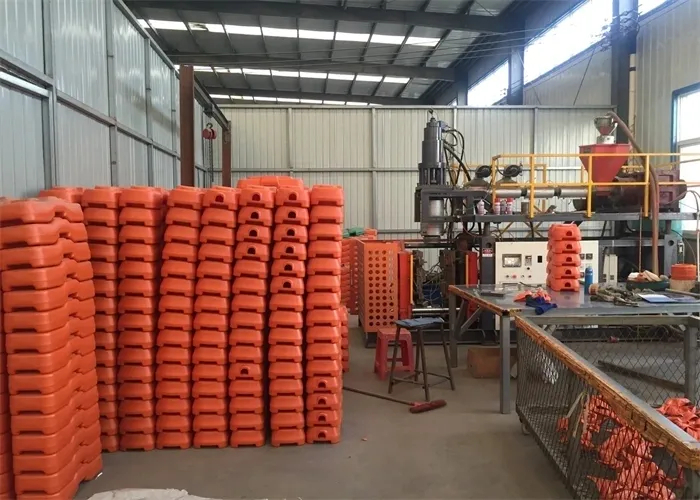
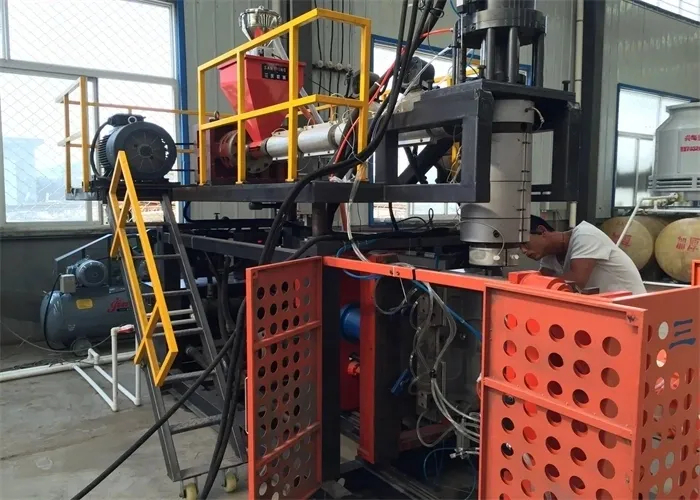
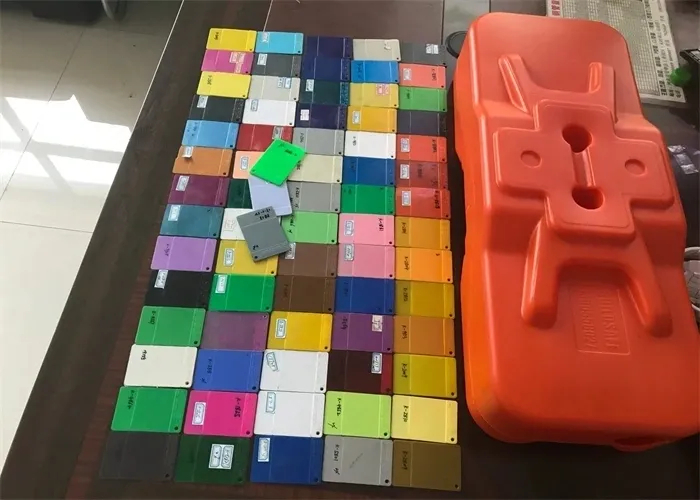
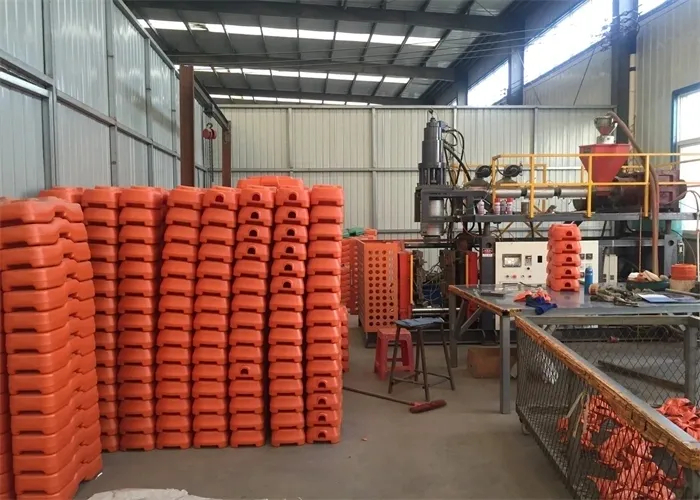
Key Features of Plastic Temporary Fence Feet
Compared with traditional concrete blocks, modern plastic fence feet offer a smarter and more flexible solution. They are lighter to transport when empty, easier to handle on site and can be filled or weighted to achieve the required stability. Our plastic fence feet offer the following benefits over standard concrete fence feet:
- Made from high-quality polypropylene plastic, engineered for structural strength and impact resistance.
- Anti-aging and UV5 additives are included specifically for outdoor use, making the products more durable and capable of lasting up to two years longer than many low-grade alternatives.
- A full range of colours is available – currently red, yellow, orange and blue – providing a far more visually appealing and professional look on site, with custom colours also possible to match your brand or safety scheme.
- Personalised nameplates displaying your company name, phone number, website and other details can be fitted, helping you promote your brand and identify your equipment in the field.
- Multiple hole sizes are available to suit different panel systems: 25mm, 32mm, 38mm, 42mm and 48mm, making these fence feet compatible with a wide range of temporary fence frames.
Because of these advantages, many hire companies and contractors now standardise on plastic feet as the foundation of their own “3 types of temporary fence feet” systems – injection moulded, blow moulded and pool fence feet.
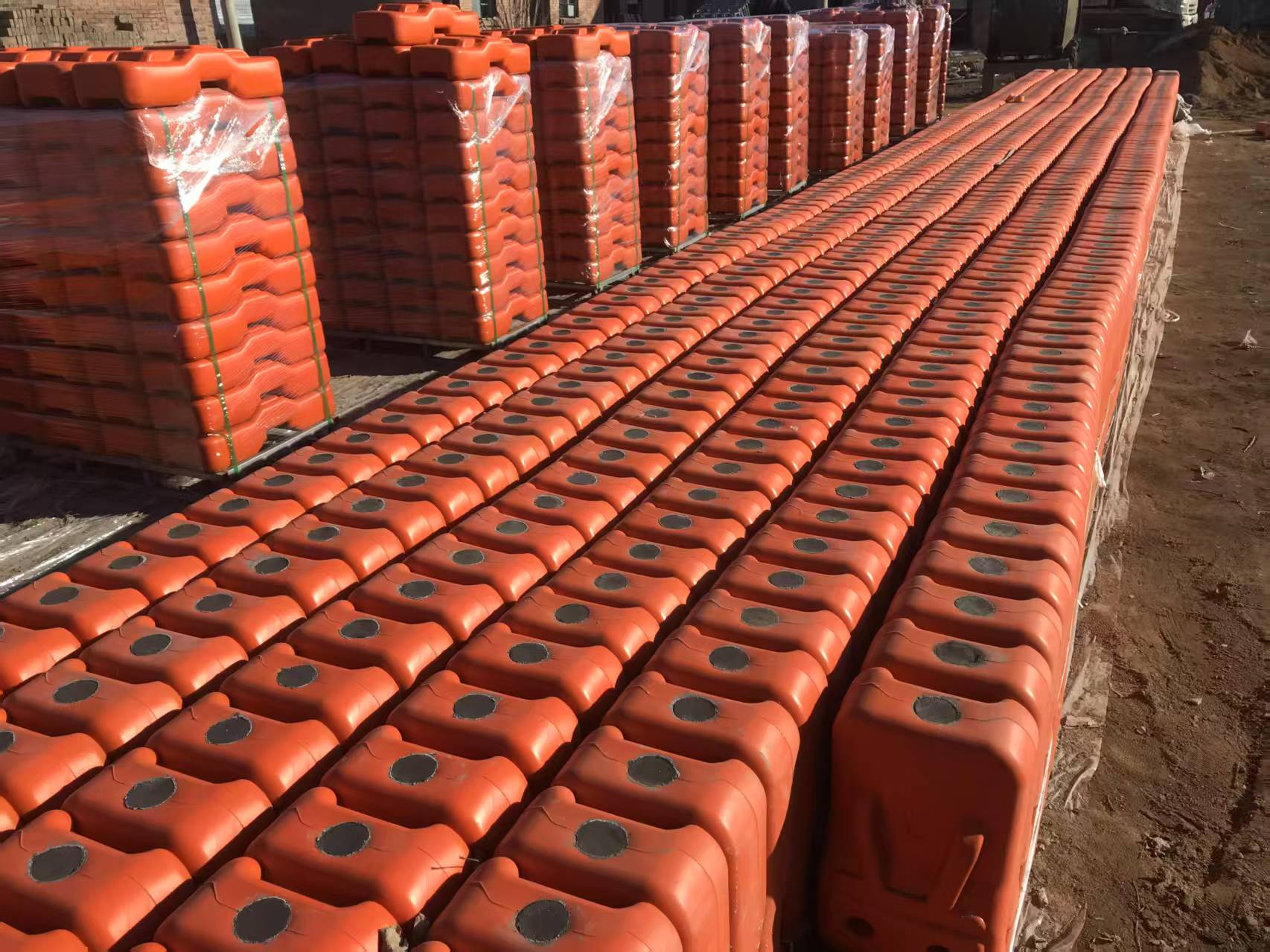
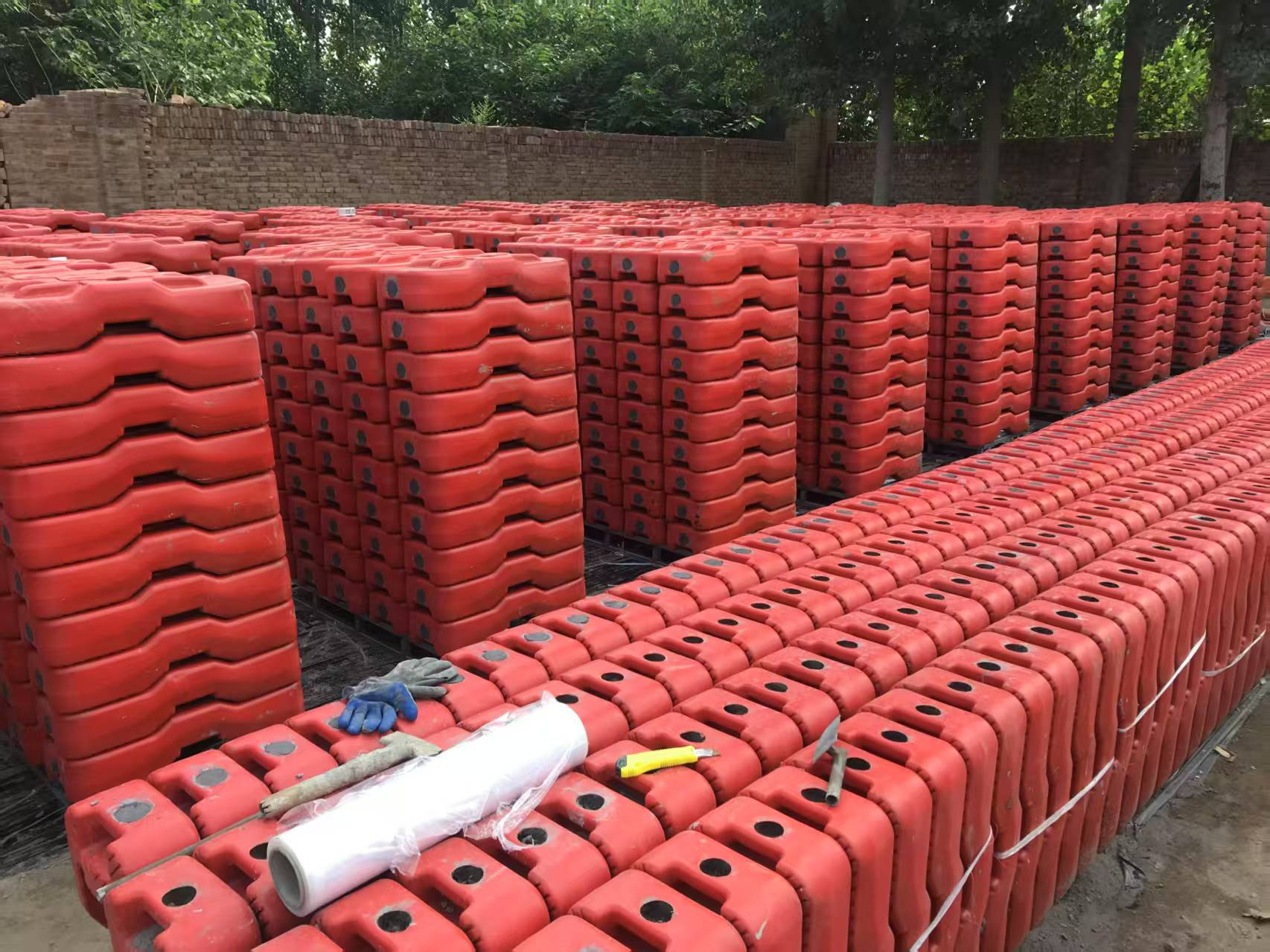
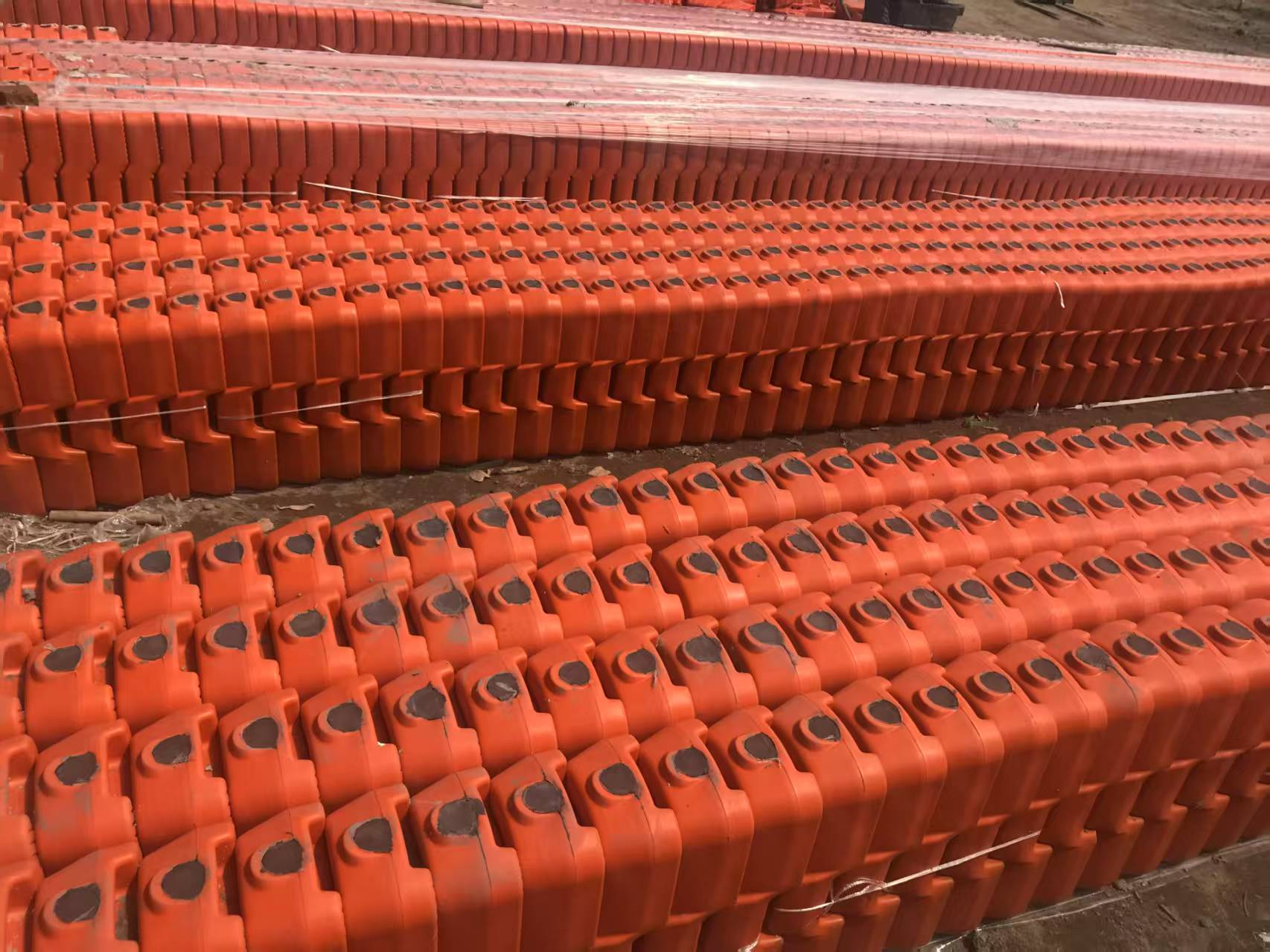
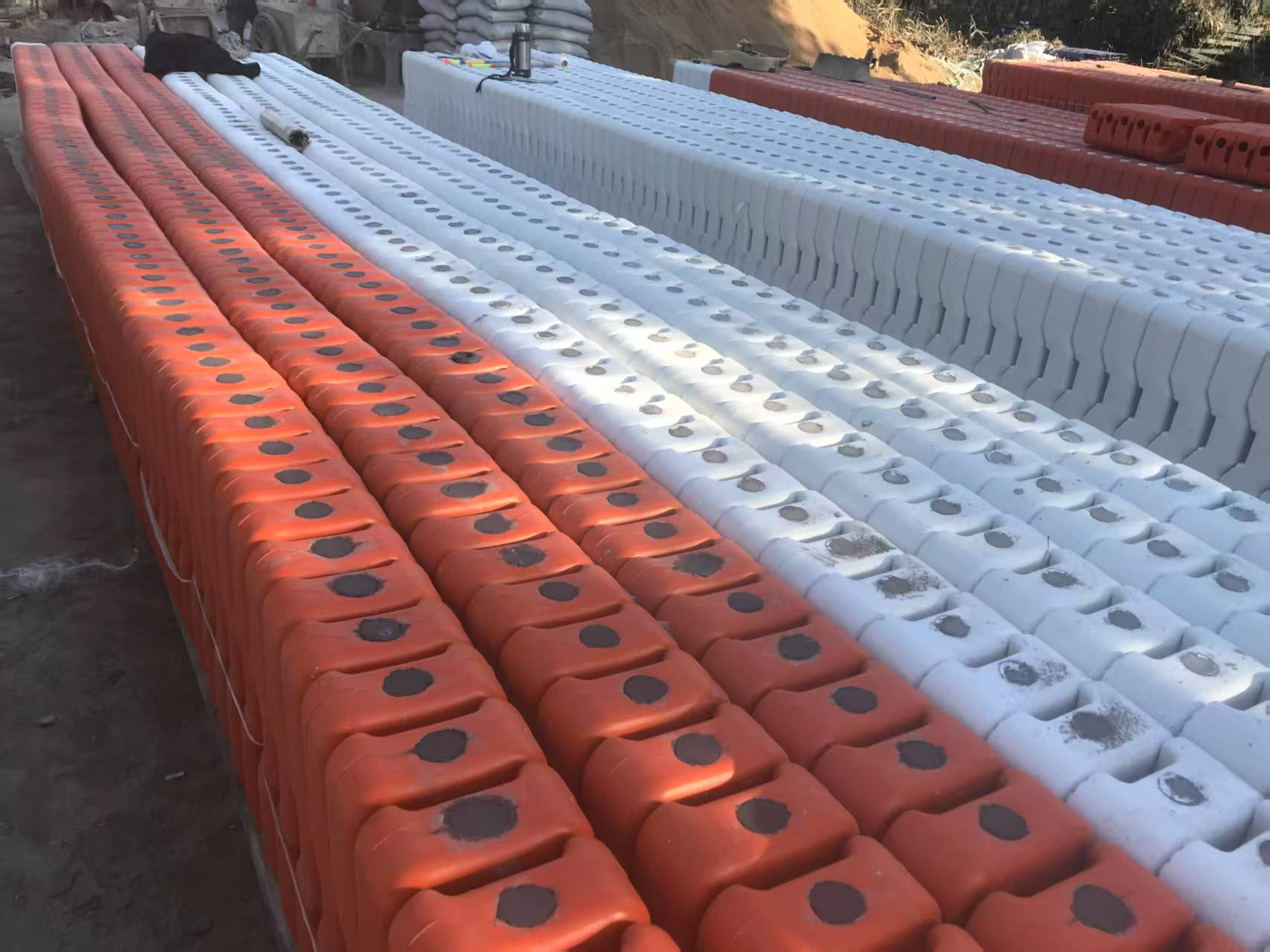
7 Dangerous Mistakes and Powerful Tips You Must Know
Dangerous mistake 1 – Using the wrong foot type for the site
Choosing light pool feet for a high-wind construction site or heavy injection moulded feet for a small backyard is a common error that makes the fence line unstable or unnecessarily hard to handle.
Powerful tip: Use injection moulded feet for long-term, wind-exposed projects, blow moulded feet for general construction and events, and pool fence feet for residential and pool safety layouts.
Dangerous mistake 2 – Ignoring tube and hole size compatibility
Dropping 32mm or 40mm frame tubes into the wrong hole size leaves panels loose, leaning and vulnerable to movement under load.
Powerful tip: Always match the post or panel tube diameter to the correct hole size on the base (25mm, 32mm, 38mm, 42mm or 48mm) so the 3 types of temporary fence feet grip firmly and keep lines straight.
Dangerous mistake 3 – Underestimating wind load and crowd pressure
Treating a coastal, high-wind or crowd-control site like a sheltered backyard can lead to panels rocking or even blowing over.
Powerful tip: On exposed or busy sites, shorten panel runs if needed, choose heavier feet (such as 33kg injection moulded blocks) and add extra braces at corners, ends and gate openings.
Dangerous mistake 4 – Placing feet on soft, uneven or sloping ground
Bases sitting in mud, rubble or on steep slopes tilt over time, opening gaps and creating trip hazards.
Powerful tip: Level the ground wherever possible and use timber pads or similar supports so all three types of temporary fence feet sit flat, with panels plumb and properly aligned.
Dangerous mistake 5 – Overloading crews with unnecessary lifting weight
Using only the heaviest bases everywhere slows installation and increases the risk of manual-handling injuries.
Powerful tip: Reserve heavier injection moulded feet for critical runs and use blow moulded or pool feet where loads are lower, so crews work faster and safer without sacrificing stability.
Dangerous mistake 6 – Neglecting inspection, damage and UV wear
Cracked, deformed or UV-bleached feet slowly lose strength and can fail just when the fence is under maximum stress.
Powerful tip: Inspect the 3 types of temporary fence feet every time they return from site; remove damaged units from service and rotate stock so ageing bases are replaced before they become a problem.
Dangerous mistake 7 – Forgetting visibility, branding and equipment loss
Plain, unbranded bases are easy to lose on busy sites and hard to identify if they are mixed with other fleets.
Powerful tip: Use high-visibility colours and personalised nameplates on your plastic feet to promote your brand, reduce loss and help crews quickly spot and organise your equipment on large projects.
3 Types of Temporary Fence Feet and Their Typical Uses
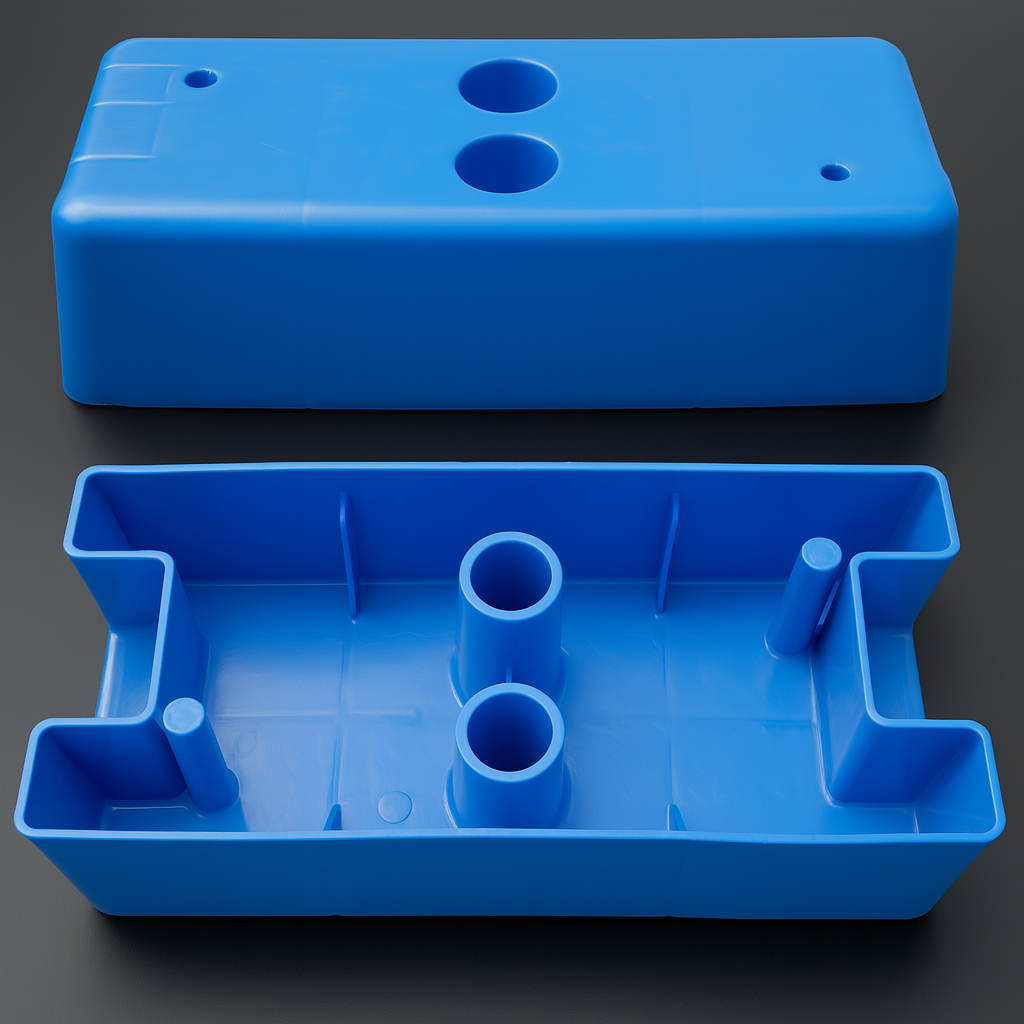
1. Injection Moulded Temporary Fence Feet
The first of the 3 types of temporary fence feet is the injection moulded temporary fence foot, designed for heavy duty use on demanding sites. Injection moulding creates a dense, solid body with excellent impact resistance and dimensional accuracy.
Size: 560 x 245 x 130mm
Weight: 33kg
This style is ideal for:
- Long-term construction sites where panels are frequently moved, bumped or reconfigured.
- Wind-exposed areas that demand a heavier base for stability.
- Hire fleets where durability and long service life are critical cost factors.
The additional weight of the injection moulded temporary fence feet helps anchor the line without requiring as many extra braces, reducing labour and accessories while still maintaining safety and stability.
Injection molding temporary fence feet
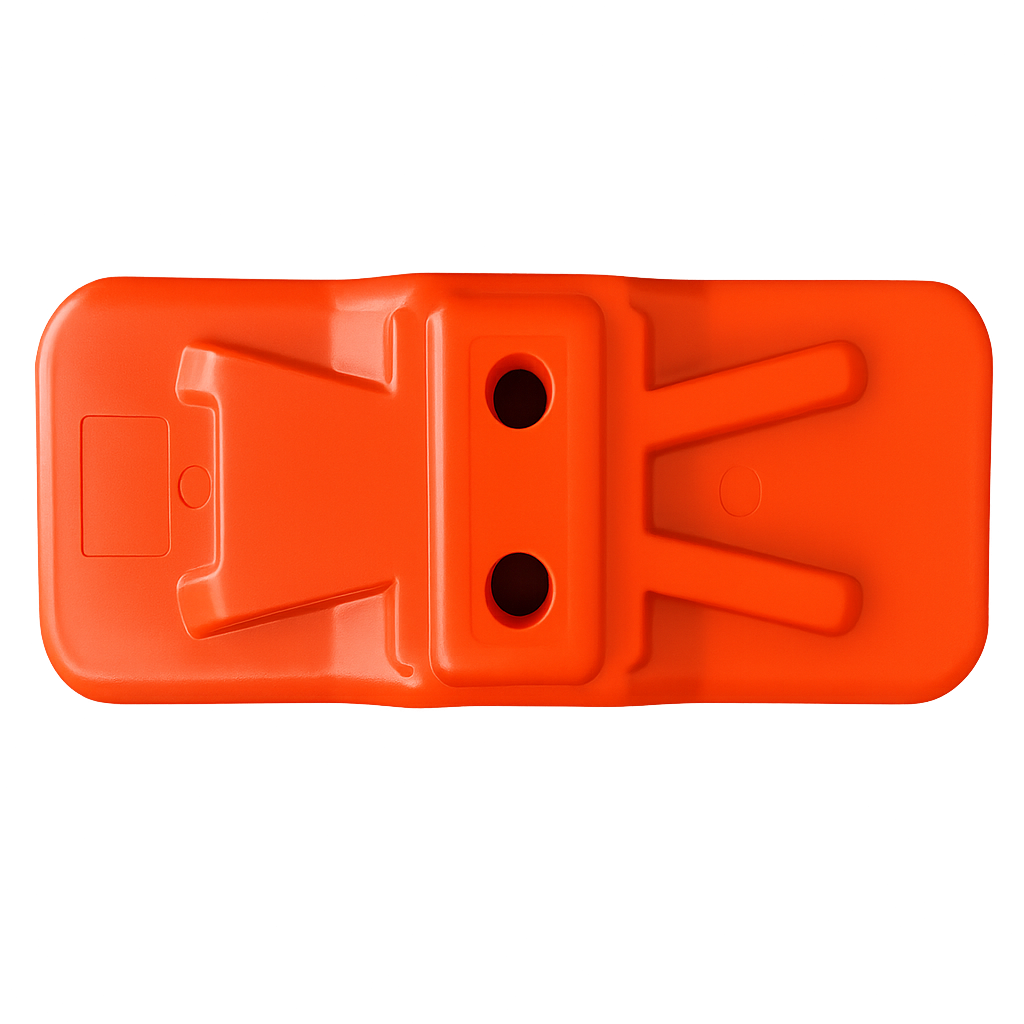
2. Style 2 – Blow Moulded Temporary Fence Feet
The second of the 3 types of temporary fence feet is the blow moulded temporary fence foot. Blow moulding creates a hollow body that can be left empty for lighter handling or filled with sand, concrete or other ballast for extra stability.
Size: 600 x 220 x 150mm
Weight: 29kg
This style is often chosen for:
- General construction and civil projects where panels are frequently moved between jobs.
- Event sites that require fast setup and take-down but still need a tidy, professional appearance.
- Situations where you want a lighter base during transport but the option to increase weight on site.
The slightly longer 600mm length offers a stable footprint, while the lower initial weight makes manual handling easier for crews working with large numbers of panels each day.
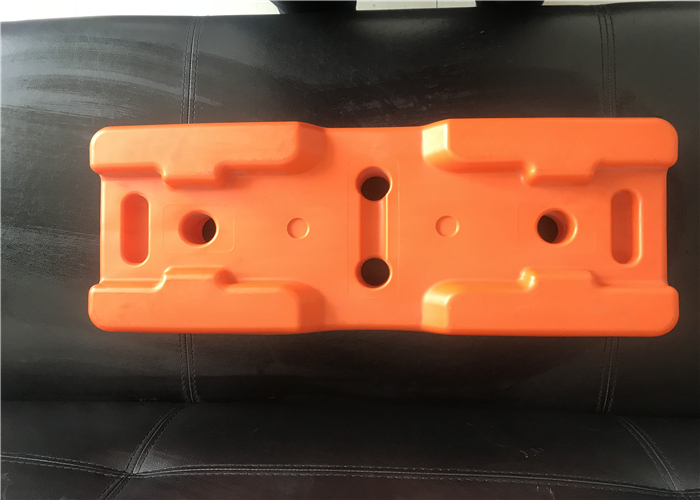
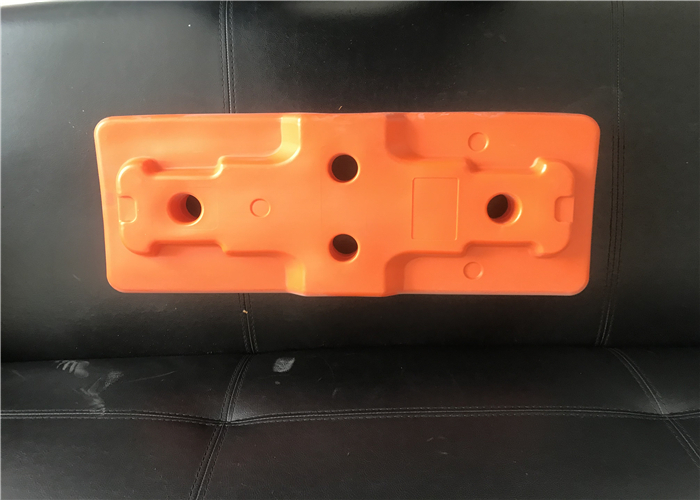
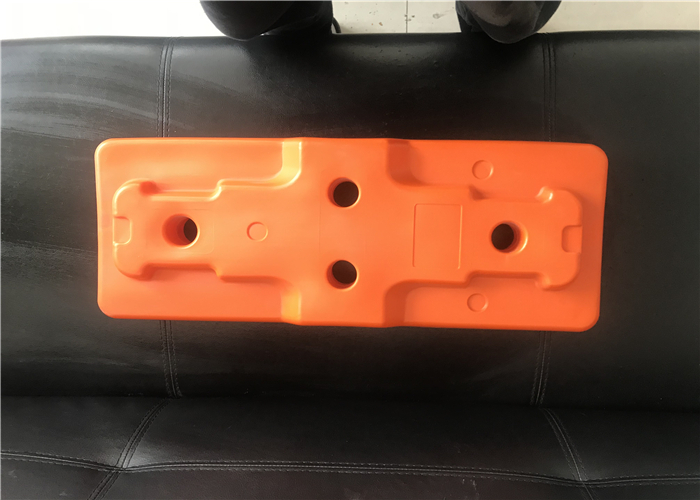
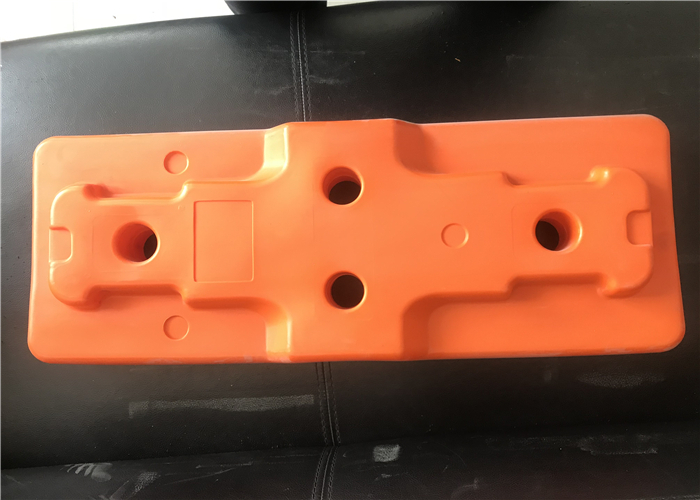
3. Style 3 – Blow Moulded Temporary Pool Fence Feet (Combined Type)
The third type in the 3 types of temporary fence feet range is the blow moulded temporary pool fence foot (combined type). This design is optimised for pool safety and residential environments where appearance and compliance are particularly important.
Size: 600 x 220 x 100mm
Weight: 15kg
This combined-type pool fence foot is commonly used for:
- Temporary pool fencing around new constructions or renovation projects.
- Short-term safety barriers around water features during events.
- Applications where a lower profile base is preferred to reduce trip hazards and visual bulk.
The reduced weight of 15kg makes these feet easier to handle in tight spaces such as backyards and pool surrounds, while still providing enough ballast to stabilise compliant temporary pool fencing systems.
Comparing the 3 Types of Temporary Fence Feet
Although all three styles are heavy duty and cost-effective, each one has been tuned for a slightly different balance of weight, size and application. When choosing between the 3 types of temporary fence feet, consider these key aspects:
- Weight and Stability: The 33kg injection moulded feet provide maximum stability for long runs and high-wind areas, while the 29kg blow moulded feet give a lighter handling weight with the option for extra ballast. The 15kg pool feet are optimised for smaller residential or pool layouts where extreme loads are less common.
- Height and Profile: Standard blow moulded feet are taller for maximum clearance and strength, while the pool fence feet are lower in height to reduce trip hazards and visual obstruction around patios and pool decks.
- Handling and Transport: Lighter blow moulded and pool feet are easier to load and unload by hand, making them popular with hire companies that move equipment frequently between sites.
- Site Type: Large construction projects and public works often favour injection moulded bases; events and festivals tend to choose blow moulded feet; residential and pool safety projects rely on dedicated pool fence feet to meet appearance and safety expectations.
Practical Tips for Using Temporary Fence Feet Safely
To get the best performance from any of the 3 types of temporary fence feet, it is important to follow a few practical rules:
- Always insert the correct tube size into the matching hole to avoid excessive movement or wear.
- Ensure that feet are placed on firm, level ground; on soft or uneven surfaces, additional support or bracing may be required.
- Space fence feet in accordance with your panel width and site conditions, adding extra bracing at corners, gate openings and high-wind locations.
- Check that any personalised nameplates and colour coding remain visible so that your equipment can be easily identified and returned after hire.
- Inspect feet periodically for cracks, UV damage or deformation, and remove any damaged units from service to avoid stability problems.
Summary – Choosing the Right One of the 3 Types of Temporary Fence Feet
Injection moulded, blow moulded and blow moulded pool fence feet together form a complete system that can support a wide range of temporary fencing layouts. By understanding the strengths of each type – from the heavy duty stability of 33kg injection moulded blocks to the versatile 29kg blow moulded bases and the compact 15kg pool feet – you can select the combination that gives you the best balance of safety, appearance and cost on every project. In this way, the 3 types of temporary fence feet help you build temporary barriers that are easier to install, safer to use and more professional in every environment, and you can source them quickly through our range of temporary fence feet for sale.