Your One-Stop Wire Mesh Fence Supplier | POLYMETAL
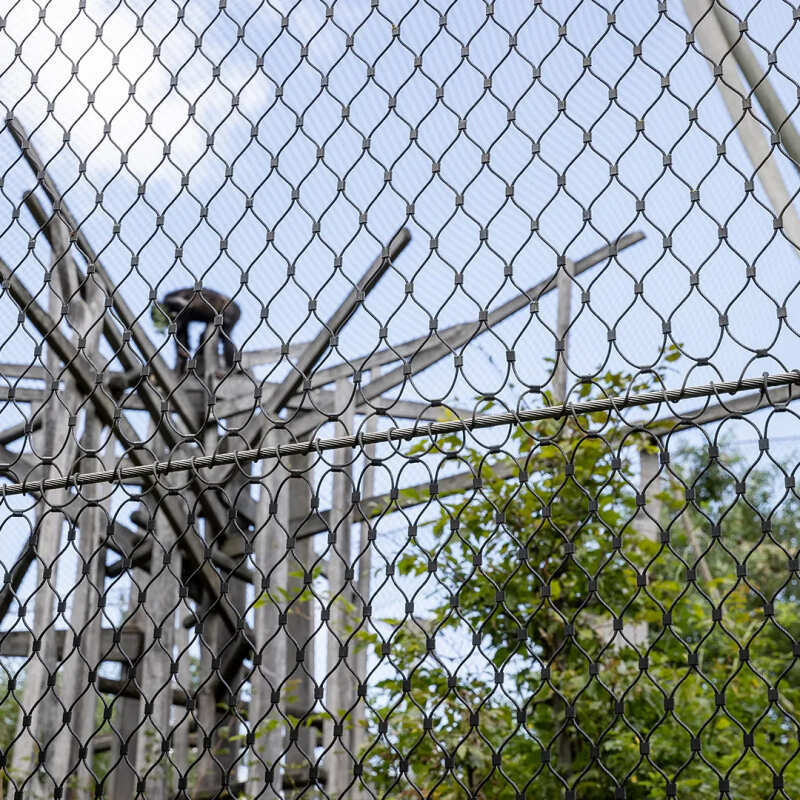
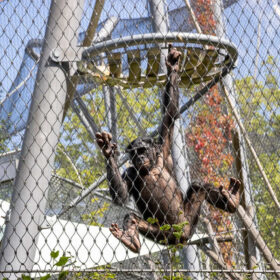
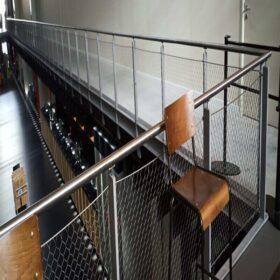
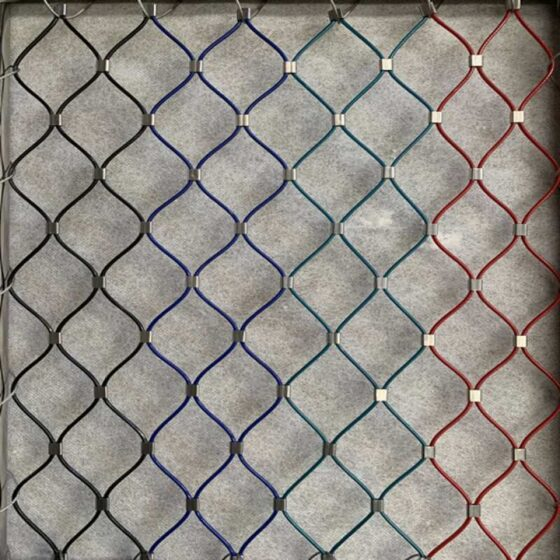
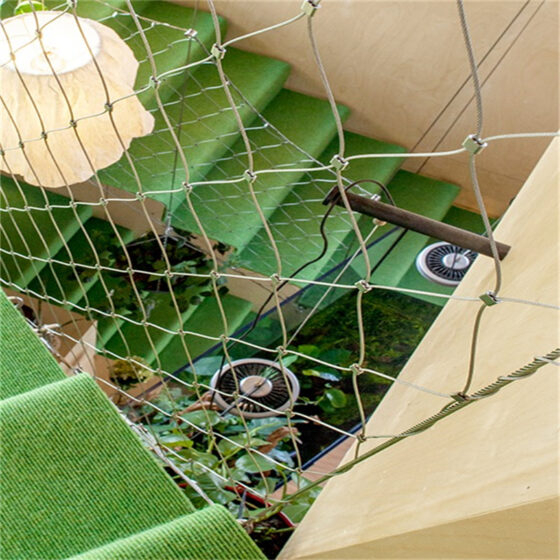
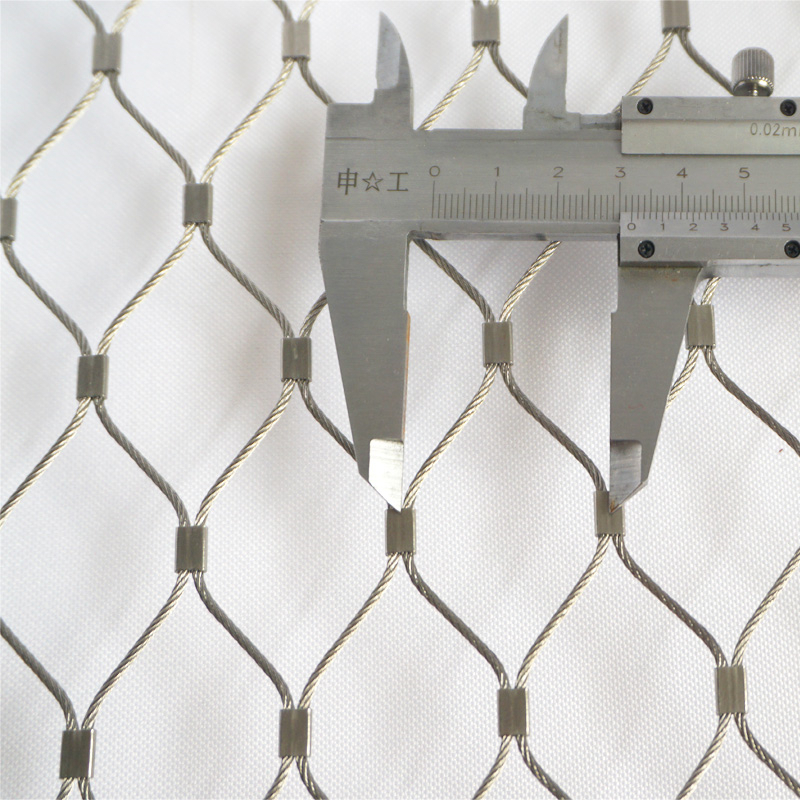
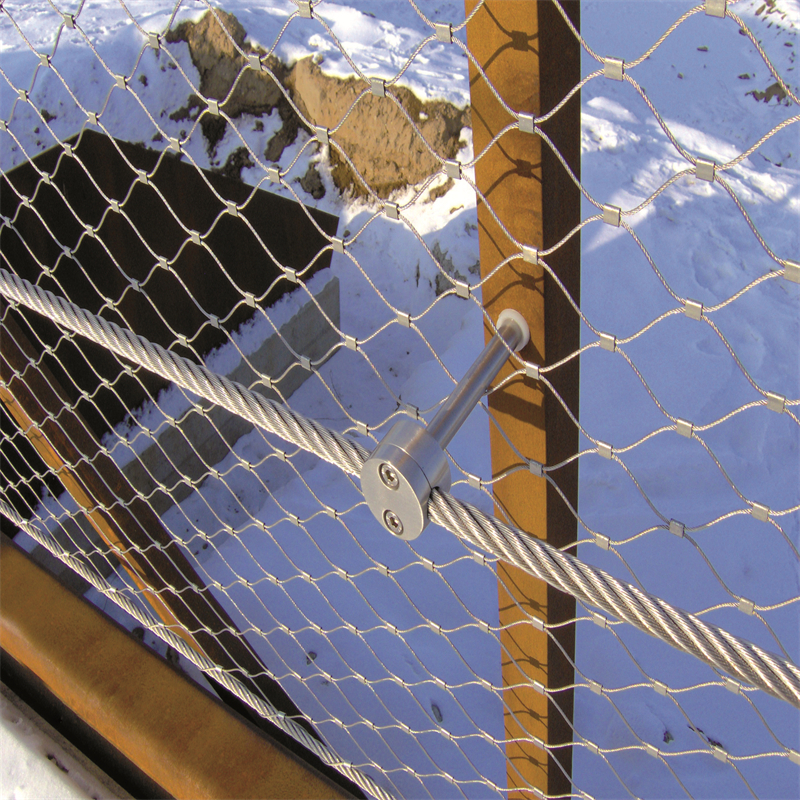
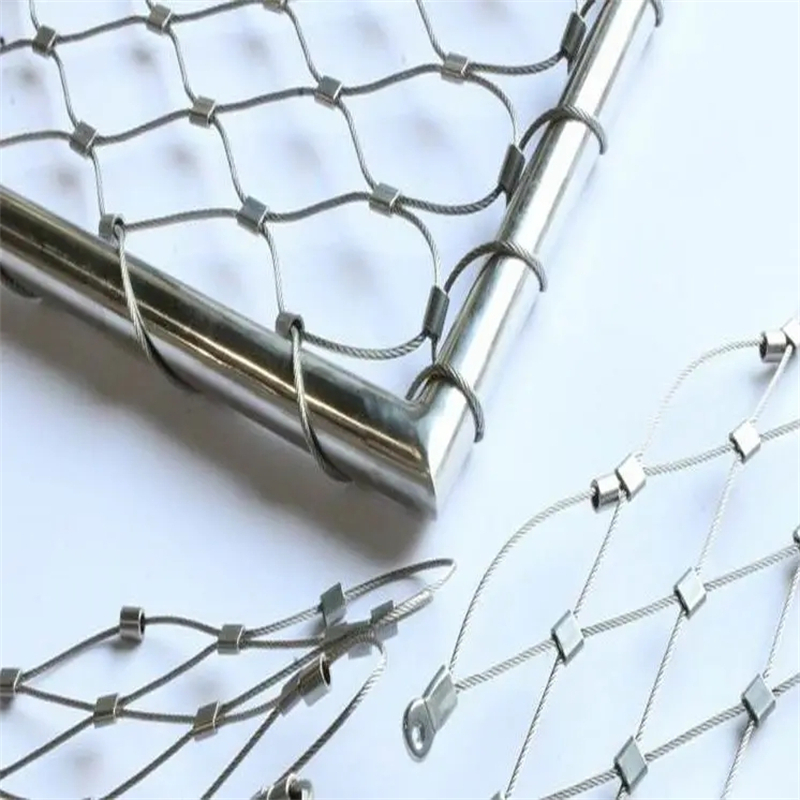
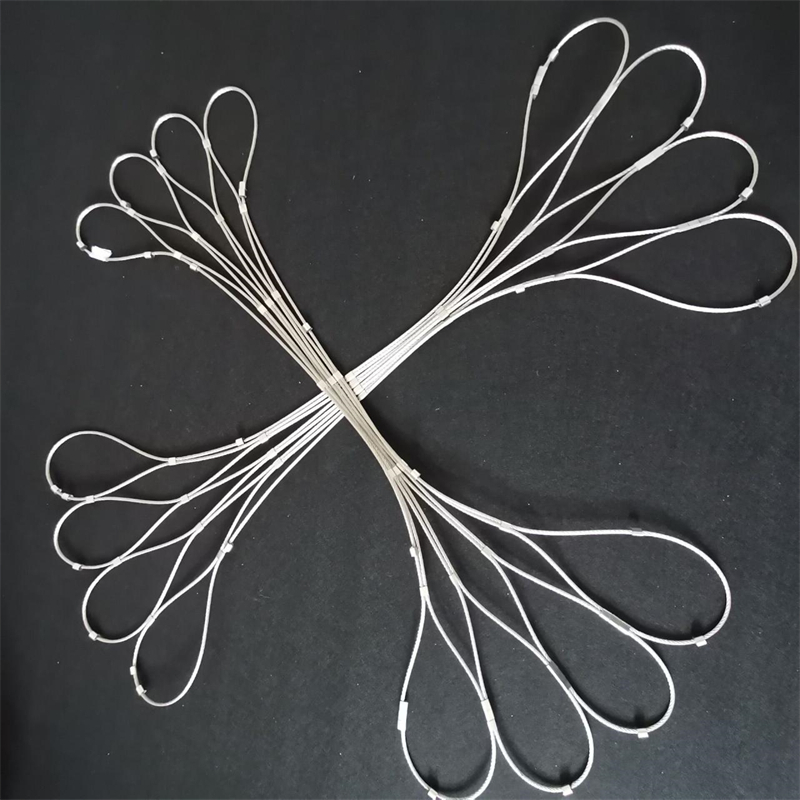
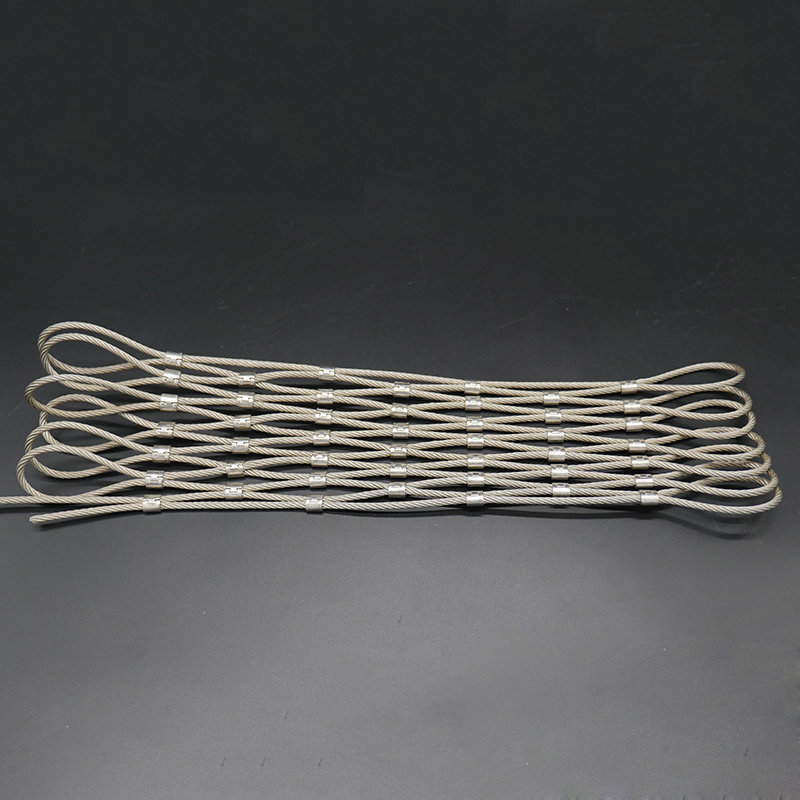
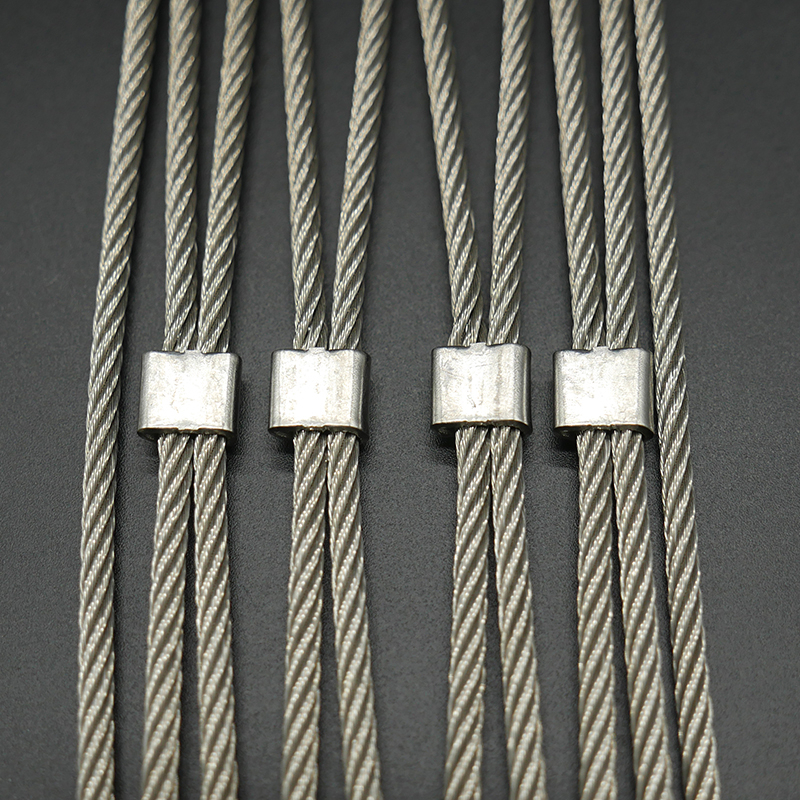
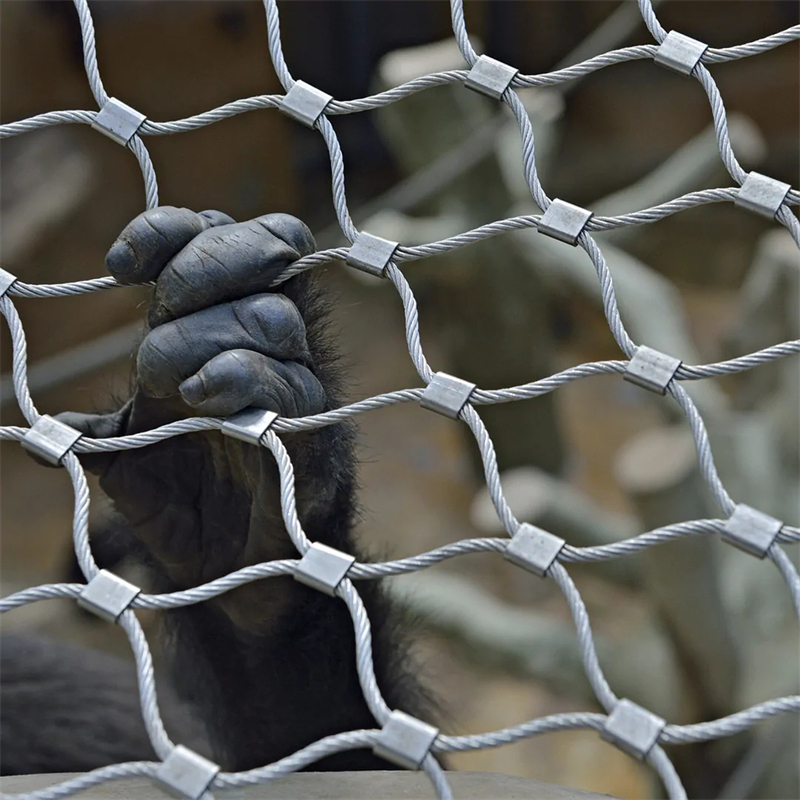
Rope diamond ferrule mesh is a stainless steel cable net system where multi-strand wire ropes are arranged in a diamond pattern and connected by stainless steel ferrules. Tensioned between posts, frames or edge cables, it behaves like a continuous tensile safety net – strong enough to resist falls, impact, wind and snow, yet open enough to preserve views, daylight and airflow.
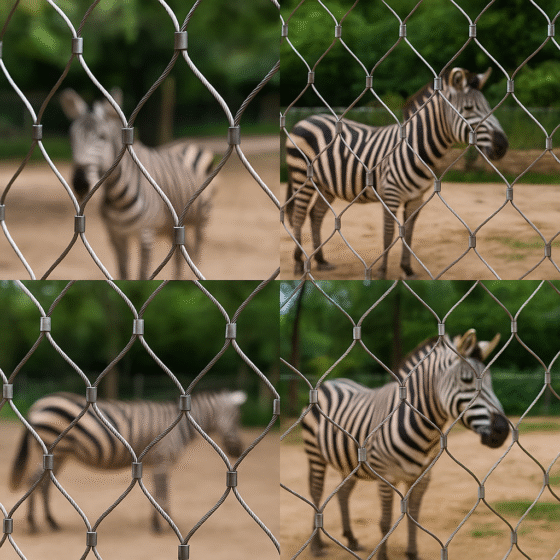
Because rope diamond ferrule mesh has very low visual density, from most angles the cables almost disappear and the eye reads the architecture, landscape or animals instead of the barrier. That is why you now see it in airports, zoos, stadiums, bridges, hotels and high-end residential projects worldwide.
Secret 1 – The “almost invisible” look can quietly hide a weak rope diamond ferrule mesh
A fence or enclosure can look light and elegant in photos but still fail deflection tests on site if cable strength, ferrule quality, frame stiffness and pretension are not correctly matched. Judging rope diamond ferrule mesh only by appearance is the fastest way to get a system that passes renderings but fails real inspections.
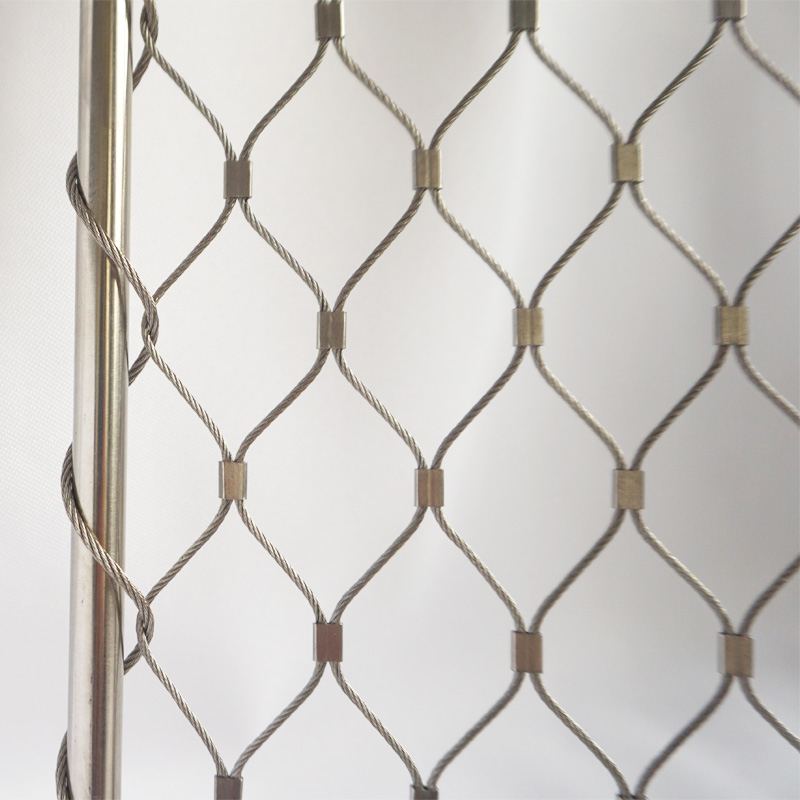
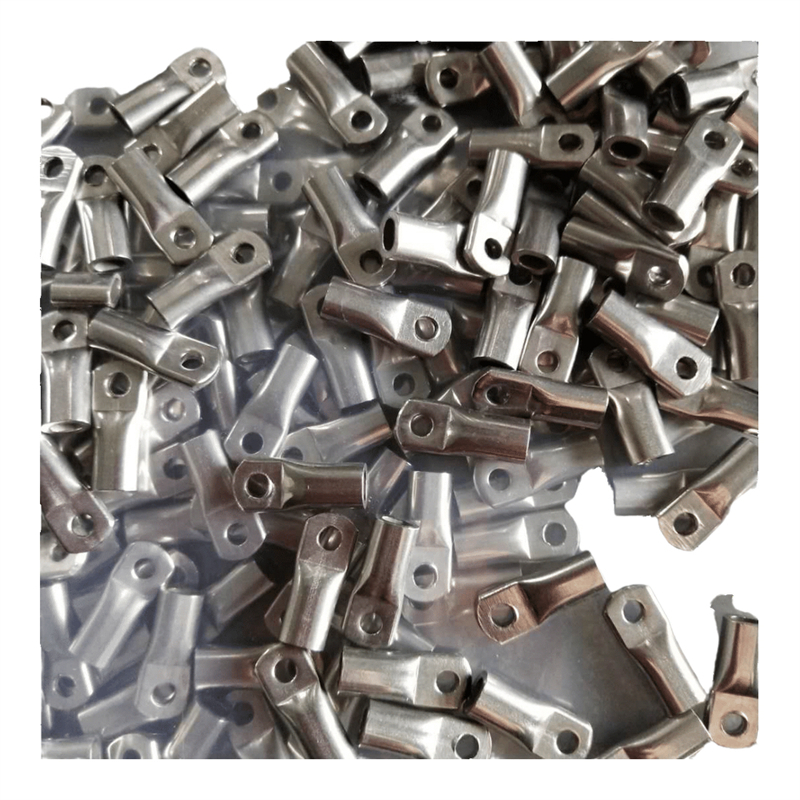
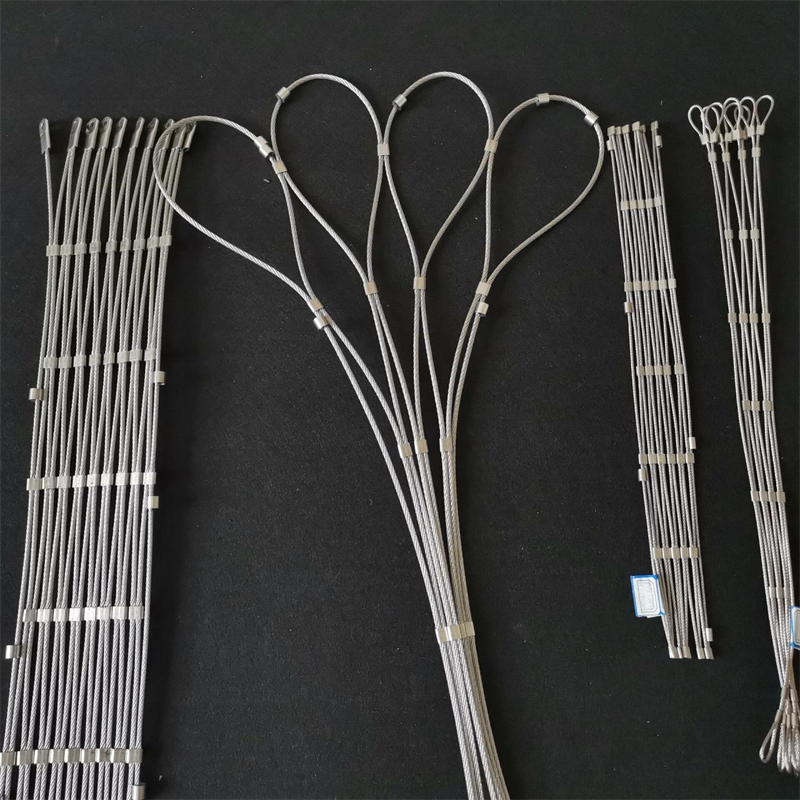
1. What Is Rope Diamond Ferrule Mesh?
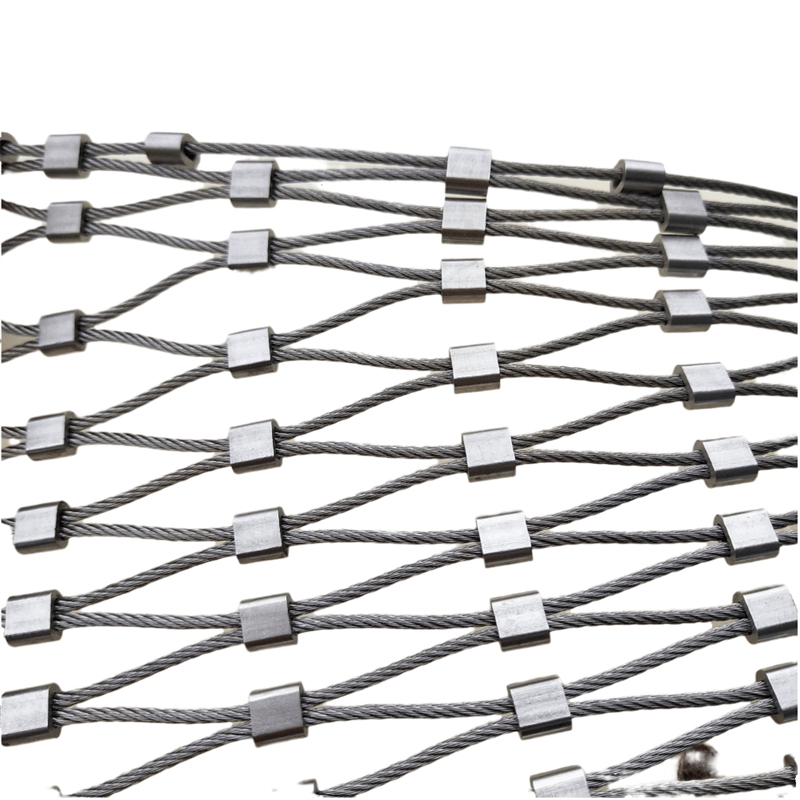
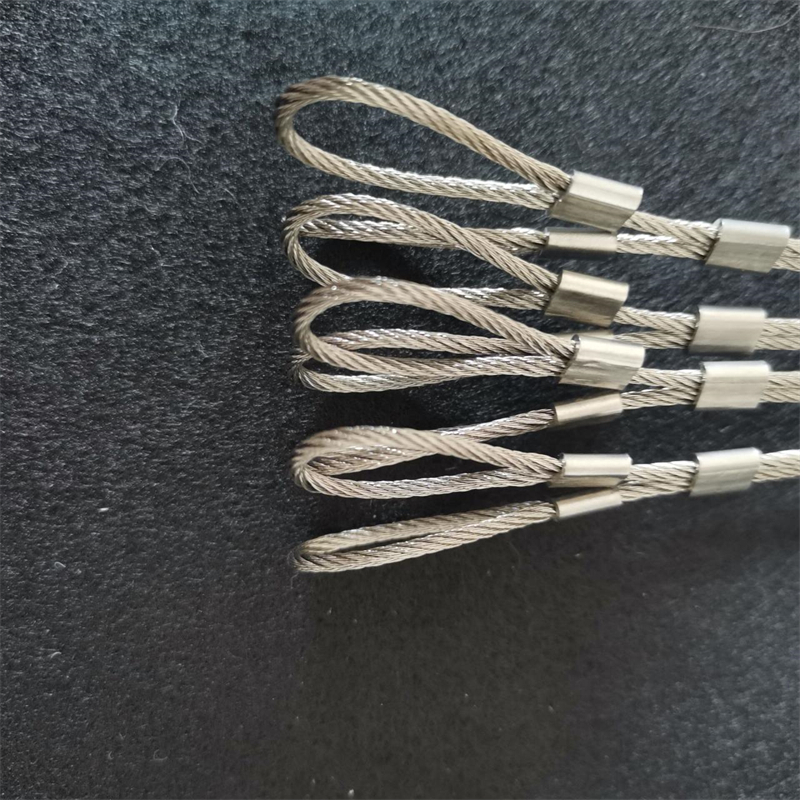
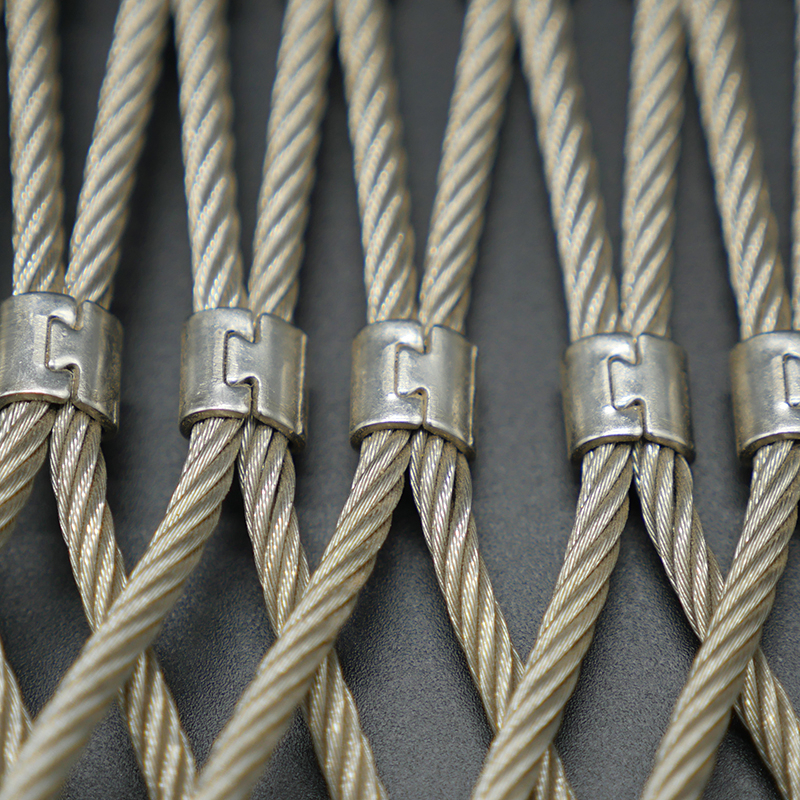
Rope diamond ferrule mesh (also called ferruled stainless steel rope mesh or diamond inox cable mesh) is made from multi-strand stainless steel wire rope, typically in 7×7 or 7×19 constructions. Cables cross to form diamond openings; at each intersection they are clamped with pressed stainless steel ferrules so the mesh cannot unravel.
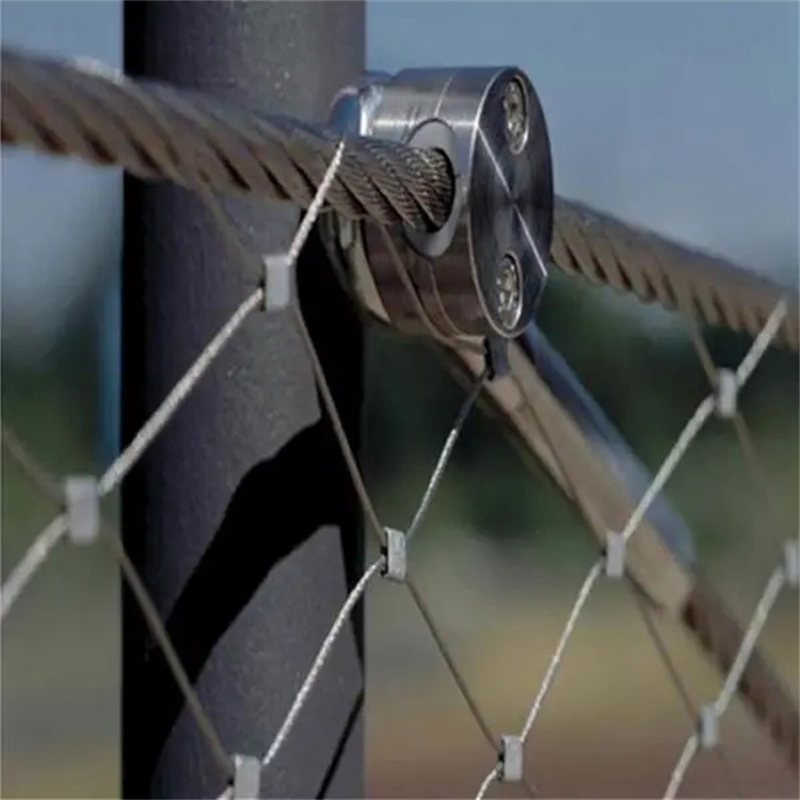
Once the panels are fixed to a rigid perimeter and tensioned, the system works mainly in tension rather than bending:
- Horizontal and impact loads are shared by many cables and ferrule nodes.
- Forces are transferred back into posts, edge beams or boundary cables.
- The whole assembly behaves like a continuous tensile membrane, not a rigid bar panel.
Typical base ranges for rope diamond ferrule mesh:
- Wire rope diameter: approx. 1.2–4.0 mm
- Mesh aperture (short diagonal W): about 20 × 20 mm to 250 × 400 mm
- Angle degrees: 60° standard diamond; 90° optional for square layouts
- Wire rope structures: 7×7 and 7×19
- Materials: AISI 304 / 304L / 316 / 316L
Secret 2 – Mixing grades inside one rope diamond ferrule mesh quietly plants rust streaks
A common cost-cutting trick is to use 316 cable but cheaper 304 ferrules, clips or brackets. On the drawings everything is still called “stainless steel rope diamond ferrule mesh”, but outdoors the lower-grade components corrode first, leaving brown stains on glass, stone and concrete. Always confirm that cable, ferrules, tensioners and main fittings are specified in the same correct grade for the environment.
2. Material Grades, Corrosion And Real Exposure
Most rope diamond ferrule mesh systems use:
- AISI 304 / 304L – for clean, dry interiors with low chloride and pollution.
- AISI 316 / 316L – for exterior, coastal, pool, zoo, industrial or traffic-polluted sites with salt, chlorides or aggressive cleaners.
A serious rope diamond ferrule mesh supplier will always ask:
- Is the project interior, semi-exposed or fully exterior?
- How close is it to the sea, pools, cooling towers or busy roads?
- Which detergents, de-icing salts or chemicals may be used in cleaning and maintenance?
- What service life and maintenance interval are you targeting (10, 20, 30 years)?
Secret 3 – Spaces that “look indoor” can attack rope diamond ferrule mesh like marine exterior
Car parks, seafront atria, airport concourses and pool halls look like indoor architecture, but humidity and airborne chlorides behave like harsh exterior exposure. Using 304 rope diamond ferrule mesh here to “save cost” is a slow disaster: tea staining and pitting arrive years earlier than your client expects, while you are still inside the warranty period.
3. Structural Behaviour: Diamonds, Angles And Frames
Rope diamond ferrule mesh behaves as a tensioned membrane. Its stiffness depends on:
- Wire diameter (thicker ropes = higher stiffness, more weight and cost)
- Mesh aperture (smaller diamonds = stiffer but less transparent)
- Angle degrees (60° diamond is the standard; 90° makes a square mesh with different load paths)
- Frame and post stiffness (weak frames move even if cables are very strong)
Secret 4 – Strong cable with a weak frame still fails the rope diamond ferrule mesh test
Many projects specify 3.2 mm 7×19 cable and think they are “safe”, but mount it on thin posts or flexible edge beams. During testing, the mesh does not break – yet the top rail moves so much that the whole rope diamond ferrule mesh fence fails deflection limits. Inspectors do not care how strong the cable is if the system is too flexible.
Secret 5 – Wrong angle degrees can make your rope diamond ferrule mesh unexpectedly soft
Most rope diamond ferrule mesh is designed around a 60° diamond. Changing to 90° “square” layout without recalculation alters stiffness and deflection dramatically. Wire diameter and aperture still look correct on paper, but the fence can move far more under the same load, creating surprise failures during on-site tests.
4. Rope Diamond Ferrule Mesh Specifications
Below are typical specification tables in the format many engineers and buyers request. Values are indicative and should be verified against local codes and structural design. All tables assume rope diamond ferrule mesh with standard 60° geometry unless otherwise noted.
4.1 Table 1 – Rope Diamond Ferrule Mesh For Perimeter Fencing
| Model | Wire rope diameter (mm) | Mesh aperture (mm) | Angle degrees | Light transmittance (%) | Material | Nominal breaking load (lbs) | Wire rope structure |
|---|---|---|---|---|---|---|---|
| RDF-P01 | 1.5 | 40 × 60 | 60° | 58 | AISI 304 | 480 | 7×7 |
| RDF-P02 | 1.5 | 50 × 80 | 60° | 62 | AISI 304 | 480 | 7×7 |
| RDF-P03 | 1.6 | 50 × 90 | 60° | 64 | AISI 304 | 520 | 7×7 |
| RDF-P04 | 1.6 | 60 × 100 | 60° | 66 | AISI 316 | 520 | 7×19 |
| RDF-P05 | 1.6 | 60 × 120 | 60° | 68 | AISI 316 | 520 | 7×19 |
| RDF-P06 | 2.0 | 50 × 80 | 60° | 60 | AISI 316 | 676 | 7×7 |
| RDF-P07 | 2.0 | 60 × 100 | 60° | 63 | AISI 316 | 676 | 7×7 |
| RDF-P08 | 2.0 | 70 × 120 | 60° | 66 | AISI 316 | 676 | 7×19 |
| RDF-P09 | 2.0 | 80 × 140 | 60° | 69 | AISI 316 | 676 | 7×19 |
| RDF-P10 | 2.5 | 80 × 160 | 60° | 72 | AISI 316 | 980 | 7×7 |
| RDF-P11 | 2.5 | 90 × 160 | 60° | 74 | AISI 316 | 980 | 7×7 |
| RDF-P12 | 2.5 | 90 × 180 | 60° | 76 | AISI 316 | 980 | 7×19 |
| RDF-P13 | 2.5 | 100 × 180 | 60° | 78 | AISI 316 | 980 | 7×19 |
| RDF-P14 | 2.5 | 100 × 200 | 60° | 80 | AISI 316 | 980 | 7×19 |
| RDF-P15 | 3.0 | 100 × 200 | 90° | 78 | AISI 316 | 1600 | 7×19 |
Secret 6 – A “too open” rope diamond ferrule mesh feels unsafe even when it passes code
Two fences can both meet the same ball-test and load requirements, but if one has extremely high light transmittance, people with a fear of heights may feel totally exposed. Complaints, added rails or glass panels can cost more than choosing a slightly denser rope diamond ferrule mesh at the start.
4.2 Table 2 – Rope Diamond Ferrule Mesh For Zoos & Animal Enclosures
| Model | Wire rope diameter (mm) | Mesh aperture (mm) | Angle degrees | Light transmittance (%) | Material | Nominal breaking load (lbs) | Wire rope structure |
|---|---|---|---|---|---|---|---|
| RDF-Z01 | 1.2 | 25 × 25 | 60° | 43 | AISI 316 | 270 | 7×7 |
| RDF-Z02 | 1.2 | 30 × 30 | 60° | 46 | AISI 316 | 270 | 7×7 |
| RDF-Z03 | 1.5 | 30 × 30 | 60° | 44 | AISI 316 | 480 | 7×7 |
| RDF-Z04 | 1.5 | 30 × 50 | 60° | 48 | AISI 316 | 480 | 7×7 |
| RDF-Z05 | 1.6 | 38 × 38 | 60° | 50 | AISI 316 | 520 | 7×7 |
| RDF-Z06 | 1.6 | 40 × 40 | 60° | 52 | AISI 316 | 520 | 7×7 |
| RDF-Z07 | 2.0 | 40 × 60 | 60° | 55 | AISI 316 | 676 | 7×19 |
| RDF-Z08 | 2.0 | 50 × 50 | 60° | 58 | AISI 316 | 676 | 7×19 |
| RDF-Z09 | 2.0 | 50 × 70 | 60° | 61 | AISI 316 | 676 | 7×19 |
| RDF-Z10 | 2.4 | 60 × 80 | 60° | 65 | AISI 316 | 920 | 7×19 |
| RDF-Z11 | 2.4 | 60 × 100 | 60° | 67 | AISI 316 | 920 | 7×19 |
| RDF-Z12 | 3.0 | 76 × 76 | 60° | 69 | AISI 316 | 1600 | 7×19 |
| RDF-Z13 | 3.0 | 80 × 120 | 60° | 72 | AISI 316 | 1600 | 7×19 |
| RDF-Z14 | 3.2 | 100 × 100 | 60° | 74 | AISI 316 | 1800 | 7×19 |
| RDF-Z15 | 3.2 | 102 × 152 | 60° | 76 | AISI 316 | 1800 | 7×19 |
Secret 7 – Choosing rope diamond ferrule mesh only by aperture ignores bite, claw and jump loads
A 50 × 50 mm opening might stop animals escaping, but will the ferrules and cables survive years of chewing, clawing and jumping? If wire diameter and rope structure are not matched to species behaviour, “perfect on paper” rope diamond ferrule mesh enclosures can deform or fail in high-stress corners and runways.
4.3 Table 3 – Rope Diamond Ferrule Mesh For Green Walls & Facade Safety
| Model | Wire rope diameter (mm) | Mesh aperture (mm) | Angle degrees | Light transmittance (%) | Material | Nominal breaking load (lbs) | Wire rope structure |
|---|---|---|---|---|---|---|---|
| RDF-GW01 | 1.2 | 40 × 40 | 60° | 58 | AISI 316 | 270 | 7×7 |
| RDF-GW02 | 1.2 | 50 × 50 | 60° | 62 | AISI 304 | 270 | 7×7 |
| RDF-GW03 | 1.5 | 50 × 80 | 60° | 66 | AISI 316 | 480 | 7×7 |
| RDF-GW04 | 1.5 | 60 × 60 | 60° | 65 | AISI 316 | 480 | 7×7 |
| RDF-GW05 | 1.6 | 60 × 80 | 60° | 68 | AISI 316 | 520 | 7×7 |
| RDF-GW06 | 1.6 | 80 × 80 | 60° | 70 | AISI 316 | 520 | 7×7 |
| RDF-GW07 | 2.0 | 80 × 100 | 60° | 72 | AISI 316 | 676 | 7×19 |
| RDF-GW08 | 2.0 | 100 × 100 | 60° | 74 | AISI 316 | 676 | 7×19 |
| RDF-GW09 | 2.0 | 100 × 150 | 60° | 77 | AISI 316 | 676 | 7×19 |
| RDF-GW10 | 2.4 | 120 × 150 | 60° | 79 | AISI 316 | 920 | 7×19 |
| RDF-GW11 | 2.4 | 150 × 200 | 60° | 82 | AISI 316 | 920 | 7×19 |
| RDF-GW12 | 3.0 | 150 × 260 | 60° | 84 | AISI 316 | 1600 | 7×19 |
| RDF-GW13 | 3.0 | 180 × 260 | 60° | 85 | AISI 316 | 1600 | 7×19 |
| RDF-GW14 | 3.0 | 200 × 300 | 60° | 86 | AISI 316 | 1600 | 7×19 |
| RDF-GW15 | 3.2 | 250 × 400 | 60° | 88 | AISI 316 | 1800 | 7×19 |
Secret 8 – Too much transparency can burn plants and overheat façades behind the mesh
Very high light transmittance looks amazing in 3D renderings, but in reality it can increase glare through glazing and create hot spots on south-facing façades. Parts of green walls may burn or fail. Often a slightly denser rope diamond ferrule mesh provides better long-term comfort and plant health than an ultra-open one.
—
4.4 Table 4 – Rope Diamond Ferrule Mesh For Bridges & High-Security Zones
| Model | Wire rope diameter (mm) | Mesh aperture (mm) | Angle degrees | Light transmittance (%) | Material | Nominal breaking load (lbs) | Wire rope structure |
|---|---|---|---|---|---|---|---|
| RDF-H01 | 3.0 | 60 × 100 | 60° | 60 | AISI 316 | 1600 | 7×19 |
| RDF-H02 | 3.0 | 70 × 120 | 60° | 63 | AISI 316 | 1600 | 7×19 |
| RDF-H03 | 3.0 | 80 × 160 | 60° | 66 | AISI 316 | 1600 | 7×19 |
| RDF-H04 | 3.5 | 80 × 160 | 60° | 68 | AISI 316 | 1900 | 7×19 |
| RDF-H05 | 3.5 | 90 × 180 | 60° | 70 | AISI 316 | 1900 | 7×19 |
| RDF-H06 | 3.5 | 100 × 200 | 60° | 72 | AISI 316 | 1900 | 7×19 |
| RDF-H07 | 4.0 | 100 × 200 | 60° | 74 | AISI 316 | 2400 | 7×19 |
| RDF-H08 | 4.0 | 120 × 220 | 60° | 76 | AISI 316 | 2400 | 7×19 |
| RDF-H09 | 4.0 | 150 × 260 | 60° | 80 | AISI 316 | 2400 | 7×19 |
| RDF-H10 | 4.0 | 160 × 280 | 60° | 81 | AISI 316 | 2400 | 7×19 |
| RDF-H11 | 4.0 | 180 × 300 | 60° | 82 | AISI 316 | 2400 | 7×19 |
| RDF-H12 | 4.0 | 180 × 320 | 60° | 83 | AISI 316 | 2400 | 7×19 |
| RDF-H13 | 4.0 | 200 × 345 | 60° | 84 | AISI 316 | 2400 | 7×19 |
| RDF-H14 | 4.0 | 220 × 380 | 60° | 85 | AISI 316 | 2400 | 7×19 |
| RDF-H15 | 4.0 | 250 × 400 | 60° | 86 | AISI 316 | 2400 | 7×19 |
Secret 9 – Public-area load rules for rope diamond ferrule mesh are far tougher than private sites
Bridges, stadiums and transport hubs must satisfy strict line loads, crowd loads and deflection limits. Copying a “nice residential” rope diamond ferrule mesh spec into these projects can lead to failed tests, urgent redesign and delay penalties that are far higher than the original mesh cost.
5. Advantages Of Rope Diamond Ferrule Mesh
- Soft but firm – absorbs impact yet remains safe and secure.
- High flexibility – follows curves, slopes and complex geometry.
- Excellent visibility – minimal obstruction for views and CCTV.
- Environmentally friendly – no toxic coatings, fully recyclable stainless steel.
- Premium appearance – modern, minimalist, high-tech look.
- Strong corrosion resistance – especially in 316 / 316L grades for harsh sites.
Secret 10 – “Maintenance free” rope diamond ferrule mesh is a dangerous sales phrase
Even with 316 stainless steel, rope diamond ferrule mesh still needs periodic inspection of anchors, clamps, ferrules and tensioners. Calling it “maintenance free” encourages owners to ignore small problems until they become major failures during storms or crowd events.
6. Application Areas Of Rope Diamond Ferrule Mesh
- Perimeter fences for residential, commercial and industrial sites
- Zoo, safari park and wildlife enclosures
- Aviaries and bird exhibits
- Pedestrian bridges and overpasses
- Stadium fall-protection and anti-throw screens
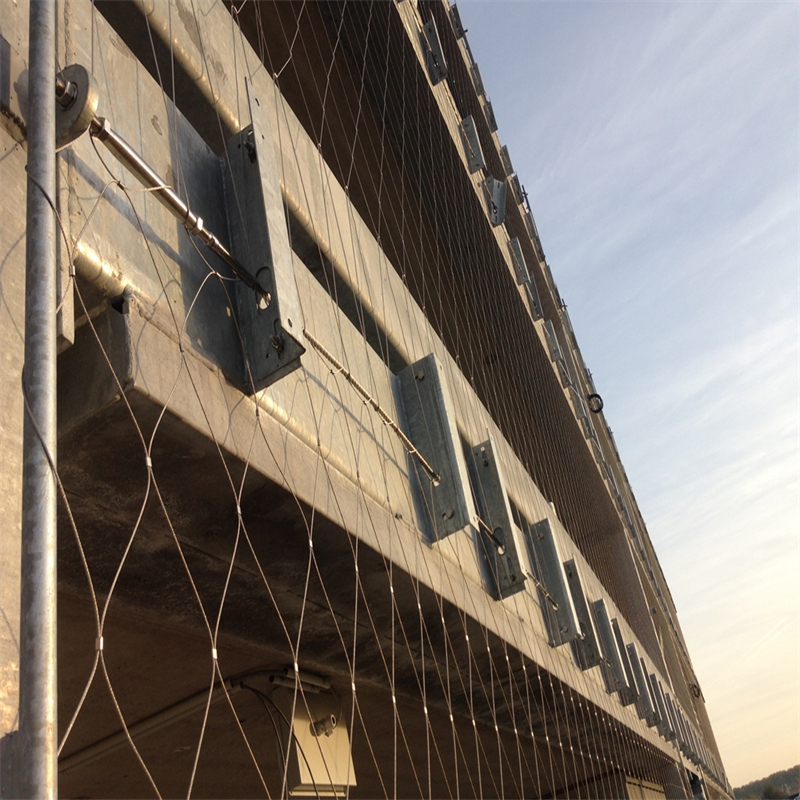
- Façade safety nets and green wall support systems
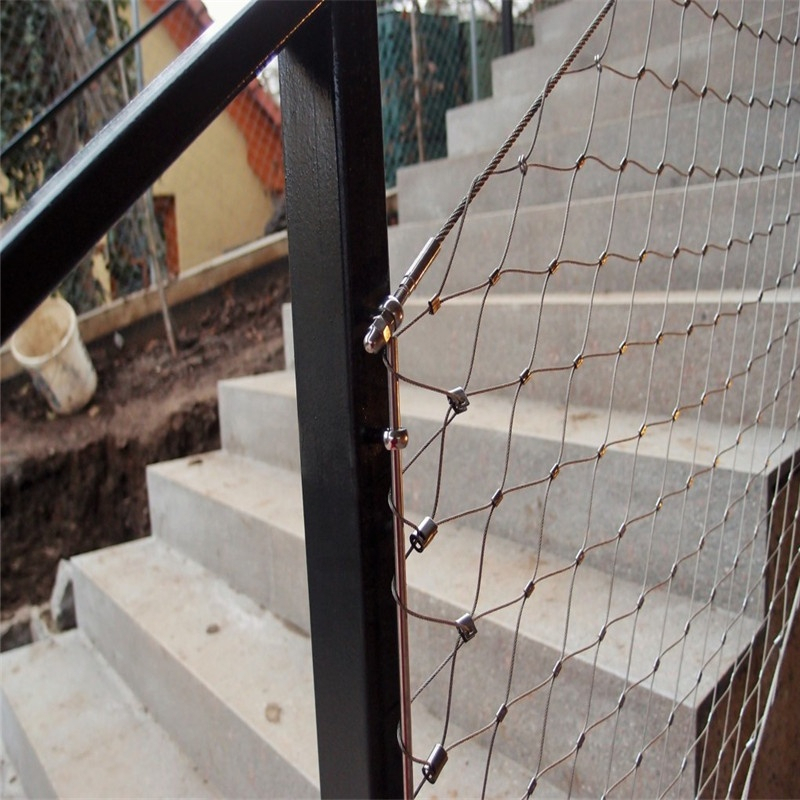
- Balcony and stair balustrades
- Security zones where climbing must be discouraged
Secret 11 – Ignoring climbability can turn your rope diamond ferrule mesh into a ladder
Some combinations of aperture, angle degrees and frame details are easy for children or intruders to climb. Meeting only height and strength rules is not enough – you must also design rope diamond ferrule mesh to resist footholds and climbing routes, especially in security or public projects.
7. Installation, Tensioning And Maintenance
Good performance depends on good installation of rope diamond ferrule mesh:
- Frames, posts and edge beams must be stiff, aligned and properly anchored.
- Boundary cables and turnbuckles must be correctly sized and located.
- Panels are fixed along one edge, then tensioned gradually from the opposite side.
- Diamond cells should remain regular; twisted or distorted cells indicate uneven load.
- All cut cable ends must be properly finished or capped to avoid injury.
Maintenance is simple but essential:
- Rinse with clean water; use mild neutral detergents for stubborn dirt.
- Avoid steel wool or carbon steel brushes that scratch the stainless passive layer.
- In coastal or industrial zones, clean more frequently to remove chlorides.
- Check tensions periodically and re-tighten where necessary.
Secret 12 – Poor tensioning can ruin a perfect rope diamond ferrule mesh design in one day
Even the best design feels unsafe if installers under-tension the mesh (sags and pockets) or over-tension it (overloads anchors and posts). Always insist on clear installation guidelines and, where possible, manufacturer training for contractors handling rope diamond ferrule mesh.
8. Trade Details: HS Code, Price, MOQ, Lead Time, Packing, Guarantee
Typical commercial parameters for rope diamond ferrule mesh:
- HS code: usually under stainless steel wire cloth / netting categories (exact code confirmed with your customs broker).
- Price: normally quoted per m² or per panel, depending on wire diameter, diamond aperture, angle degrees and material grade.
- MOQ: often 50–100 m² per specification; smaller trial orders possible at higher unit price.
- Production time: typically 10–25 days after deposit and drawing approval.
- Payment terms: T/T 30% deposit, 70% before shipment; L/C at sight for large or public projects.
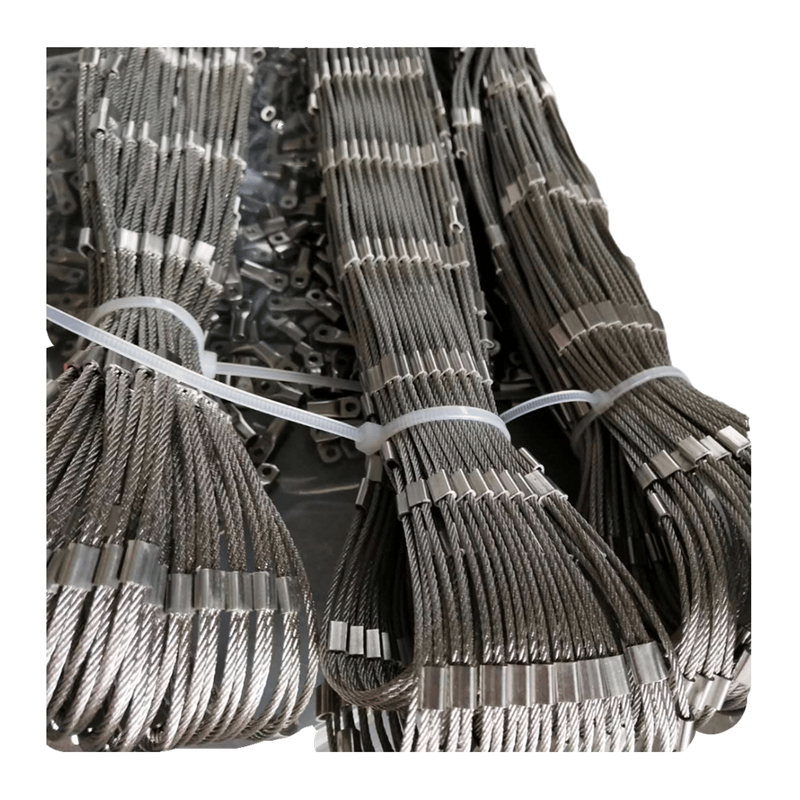
- Packing: panels or rolls wrapped in plastic film, protected with edge boards, packed in cartons or wooden cases with clear labels.
- Guarantee: many suppliers offer 5–10 years against corrosion and manufacturing defects in normal environments when the correct grade is chosen.
Secret 13 – One wrong HS code or weak packing can wipe out your rope diamond ferrule mesh profit
If the goods are declared under the wrong customs code or packed poorly, you risk customs delays, fines and damaged panels. Emergency re-fabrication and airfreight can easily cost more than your entire margin on the rope diamond ferrule mesh contract.
9. How To Choose A Reliable Rope Diamond Ferrule Mesh Supplier
- Do they ask about environment, loads, mesh angle and local codes – or only price and quantity?
- Can they provide drawings, samples and reference projects similar to yours?
- Do they offer both ferruled and knotted structures with clear, traceable specs?
- Are mill certificates, QC records and test reports available when required?
- Can they support you with installation guidance, mock-ups and on-site adjustments?
Secret 14 – Treating rope diamond ferrule mesh as a commodity dumps all risk on you
If you buy only by lowest price, without demanding technical support and documentation, all long-term risk moves to your side: corrosion complaints, failed tests, redesign costs and even safety claims will target the buyer and installer, not the cheapest factory.
Secret 15 – Wind load on large rope diamond ferrule mesh façades is often underestimated
Because the mesh looks open, designers sometimes assume wind pressure is “small”. On tall buildings and bridges, the total wind force on a large rope diamond ferrule mesh surface can still be huge. If wind load is not checked carefully, supports and foundations may be under-designed even though the mesh itself is strong enough.
Secret 16 – Accessories can quietly become the weakest link in rope diamond ferrule mesh
Using low-grade clamps, turnbuckles or boundary cables to “save money” creates hidden weak points. A rope diamond ferrule mesh system is only as strong and durable as its lowest-quality accessory.
Secret 17 – Skipping mock-ups means discovering design problems when it’s too late
A small on-site mock-up or test panel can reveal issues with angle degrees, visibility, climbability and user comfort before full production. Skipping this step pushes all surprises into the most expensive moment: after rope diamond ferrule mesh is already installed on the structure.
10. Conclusion – Turn Rope Diamond Ferrule Mesh Into A Long-Term Asset, Not A Hidden Risk
Rope diamond ferrule mesh is a powerful system: it delivers almost invisible safety, long-term durability and high-end aesthetics in one solution. But these benefits are not automatic. They depend on correct material grade, mesh aperture, angle degrees, frame stiffness, quality accessories, professional installation and proper documentation.
By understanding and applying the 17 secrets scattered through this article – especially around grade matching, structural support, mesh angle, animal and human behaviour, public-area load rules and export handling – you can turn rope diamond ferrule mesh into a reliable long-term asset for your fences, bridges, façades and enclosures.
Ignore these hidden details, and the same stainless steel cable netting that looks beautiful in renderings can quickly become the source of corrosion stains, failed inspections, redesign bills, schedule penalties and even serious safety claims.