Your One-Stop Wire Mesh Fence Supplier | POLYMETAL
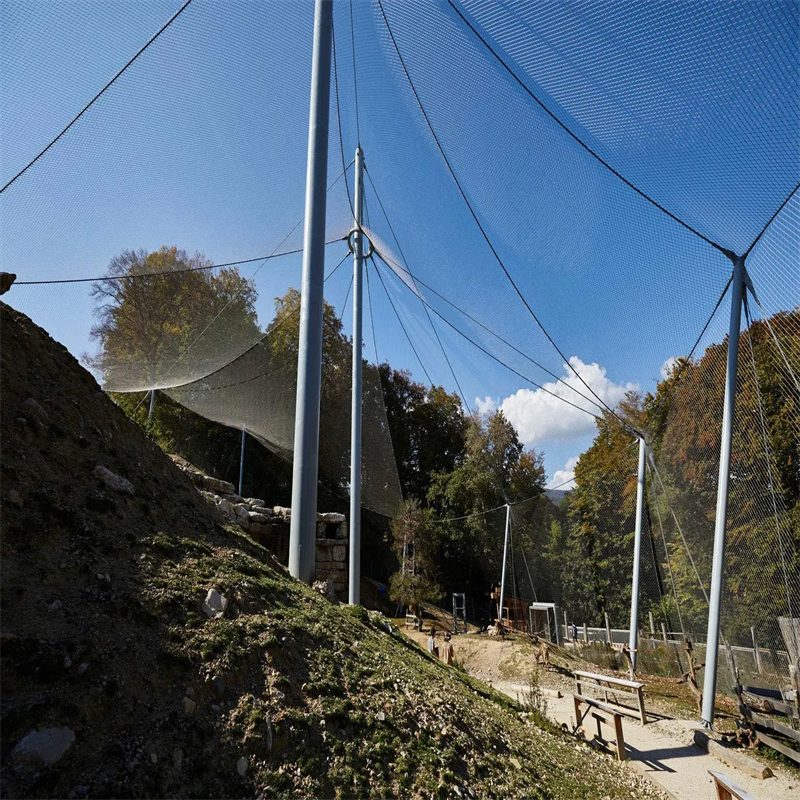

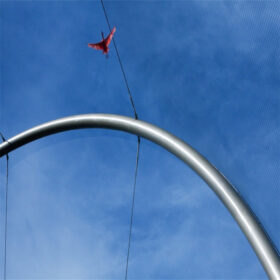
Below you’ll see exactly what stainless steel bird aviary netting is, why stainless steel matters, how to choose the right mesh – and how to avoid the 5 mistakes that quietly destroy projects.
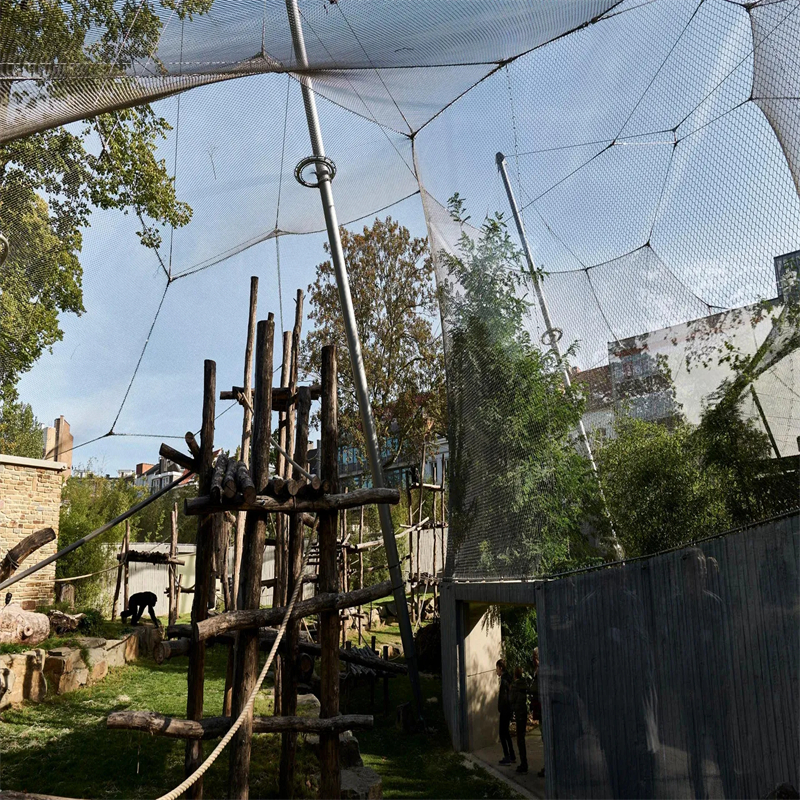
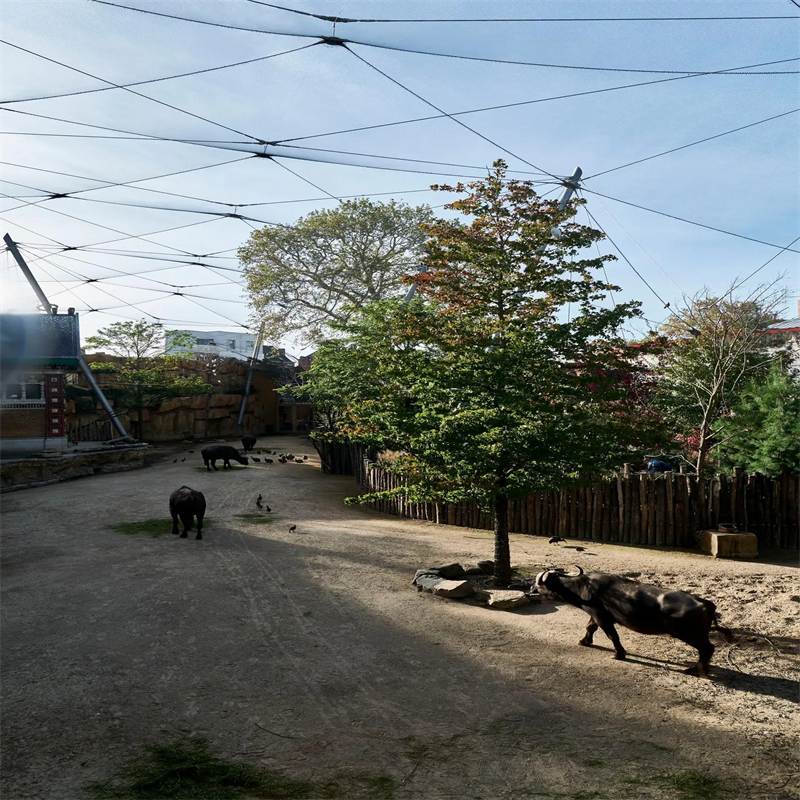
Fatal Mistake #1 – Not Really Understanding What Stainless Steel Bird Aviary Netting Is
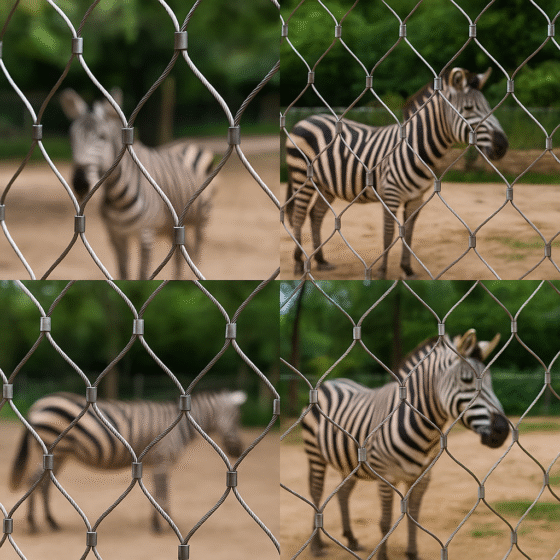
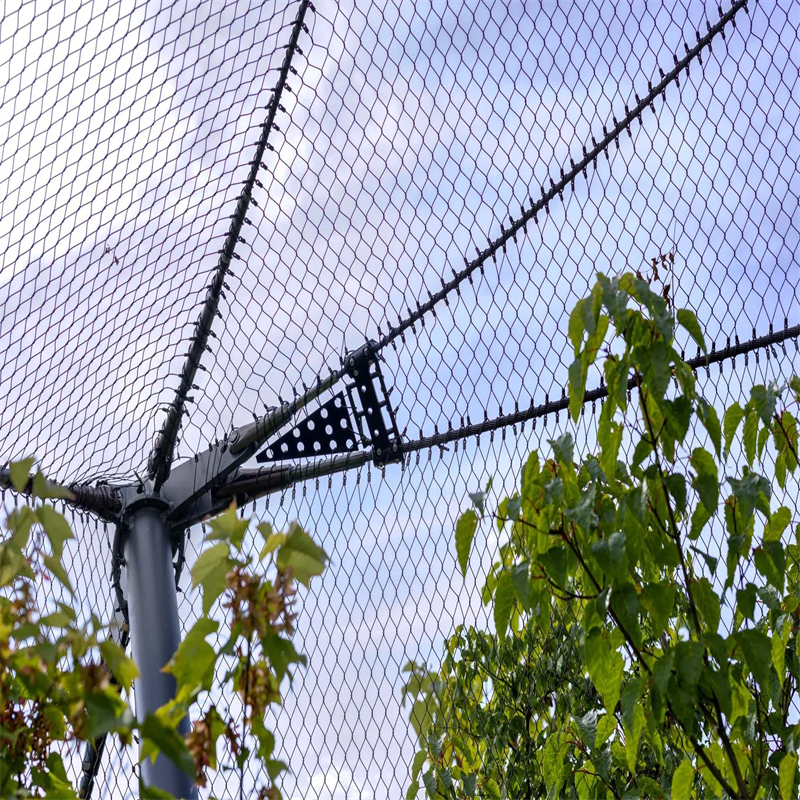
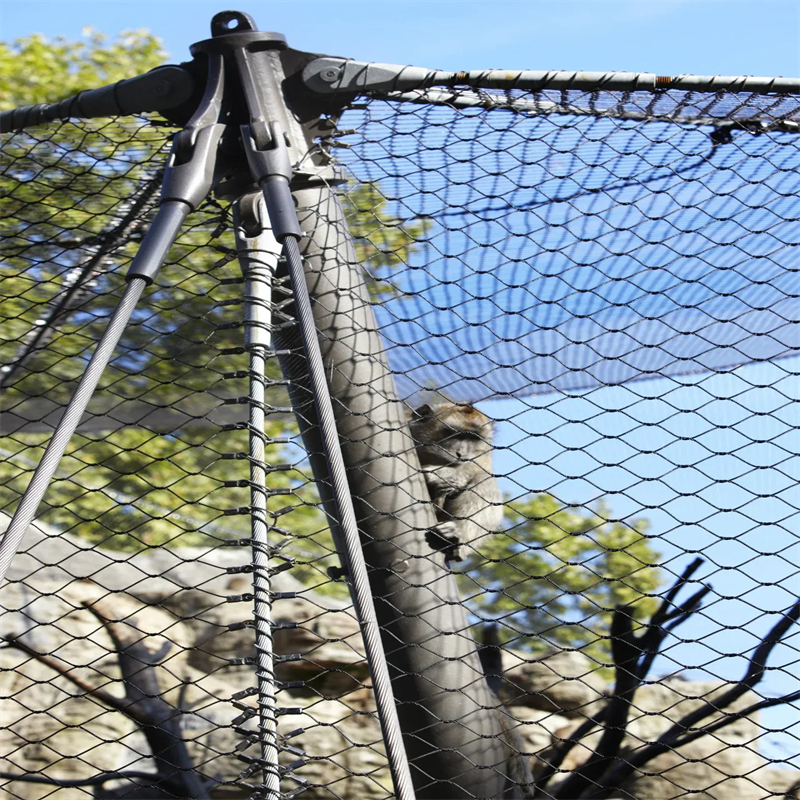
Many projects go wrong from day one because buyers think all Stainless Steel Bird Aviary Netting is just “wire fence”. In reality, it is a flexible cable mesh system made from multi-strand stainless steel wire ropes:
- Cables are typically 7×7 or 7×19 construction.
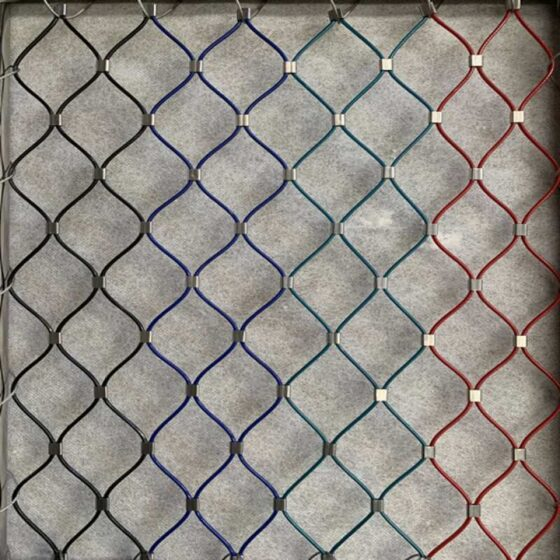
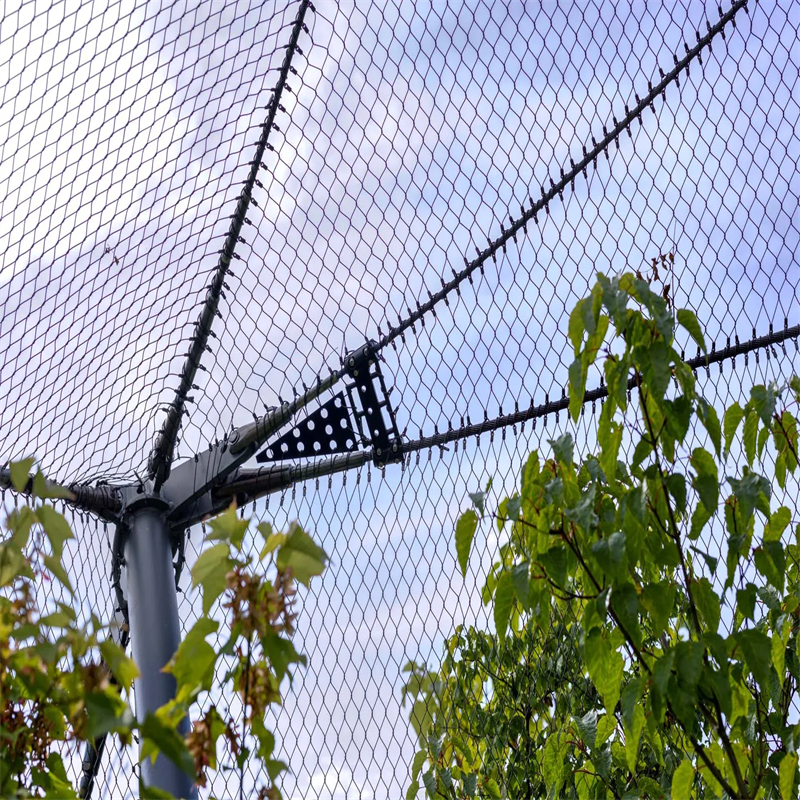
- Cables are woven or connected with pressed ferrules to form diamond-shaped openings.
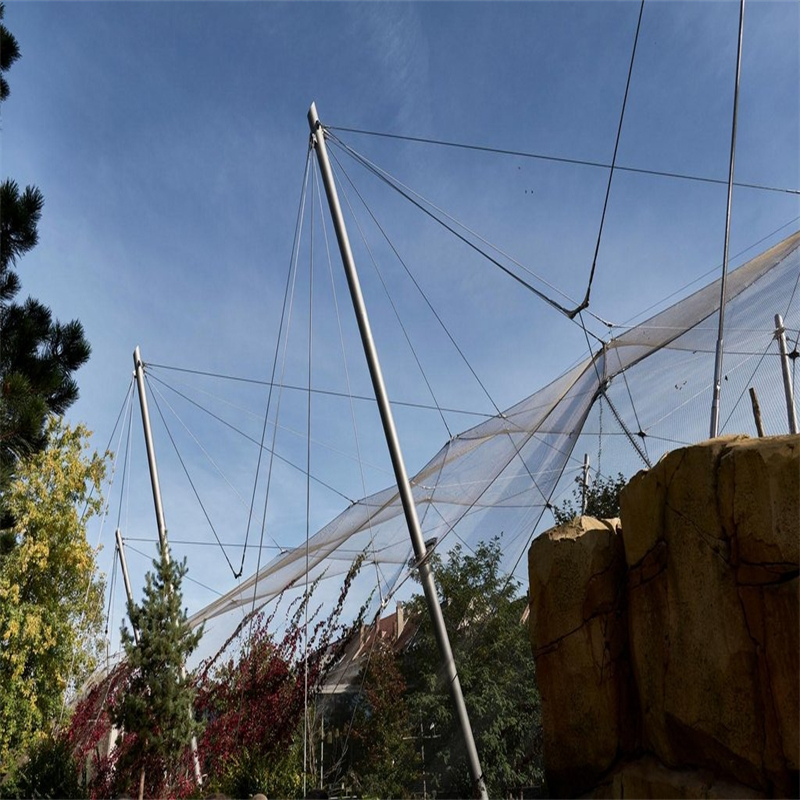
- Panels are tensioned onto frames or boundary cables to create the walls and roof of an aviary.
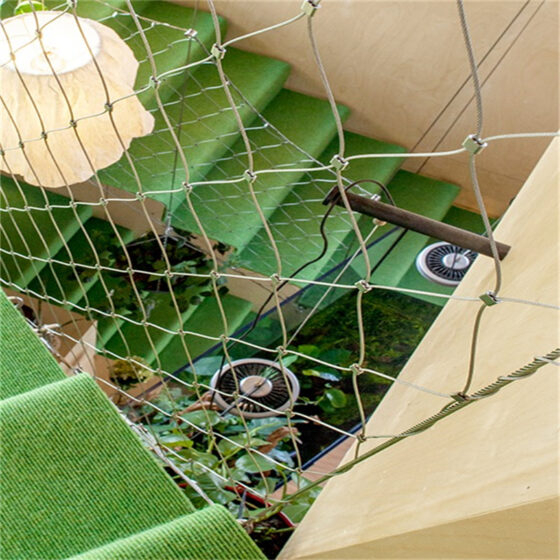
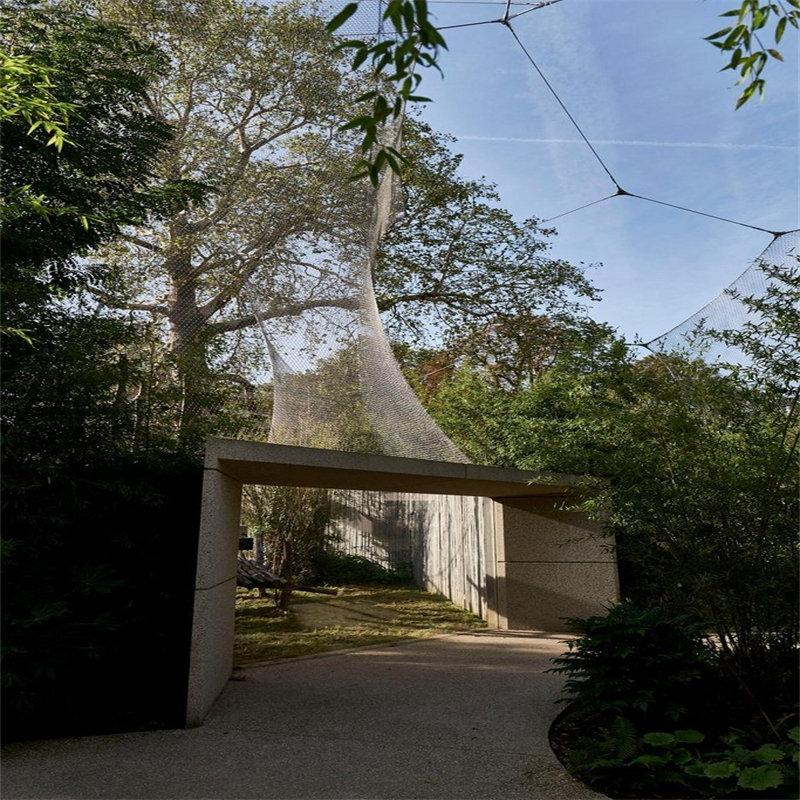
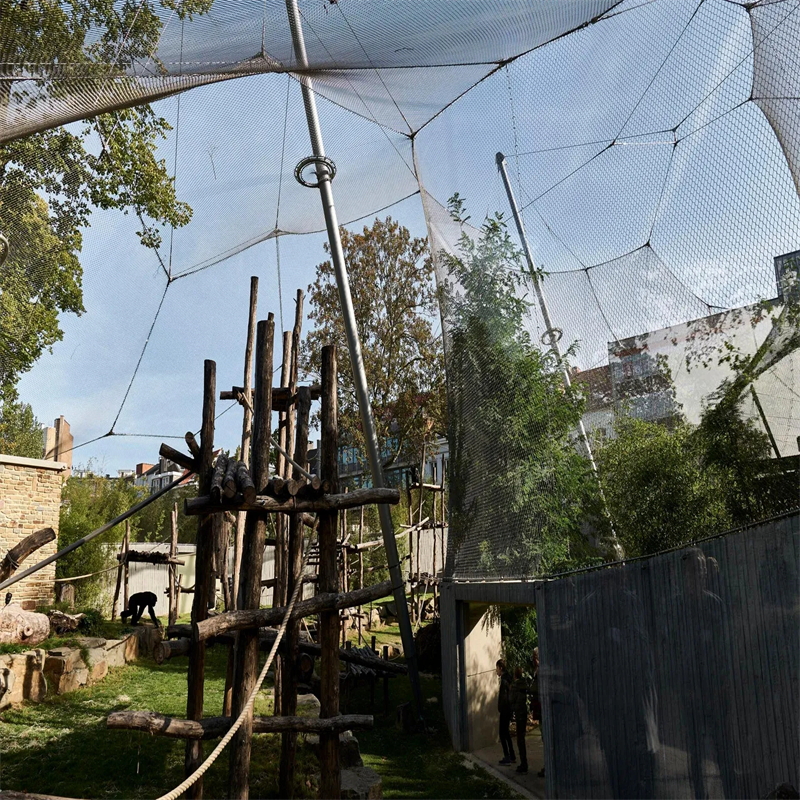
Because the mesh is flexible, one continuous piece of netting can wrap over curved roofs, follow organic shapes or span long distances with minimal structural steel. Birds see mostly open sky, not cage bars – but only if you choose and design the mesh correctly.
Typical features of Stainless Steel Bird Aviary Netting:
- Cable diameter: about 1.2–3.0 mm for most bird species.
- Mesh aperture: about 20–100 mm, depending on bird size and predator risk.
- Material: AISI 304 or 316 stainless steel, sometimes with a blackened / coloured surface for better visibility.
If you don’t fully understand that this is a structural, tensioned membrane system – not a simple fence – you risk underestimating loads, movement and escape paths right from the start.
Fatal Mistake #2 – Choosing the Wrong Wire Size and Mesh Aperture
The second hidden danger is treating wire diameter and mesh size as “just a preference”. In reality, wrong specifications are one of the most common reasons for escapes, injuries and expensive replacement of Stainless Steel Bird Aviary Netting.
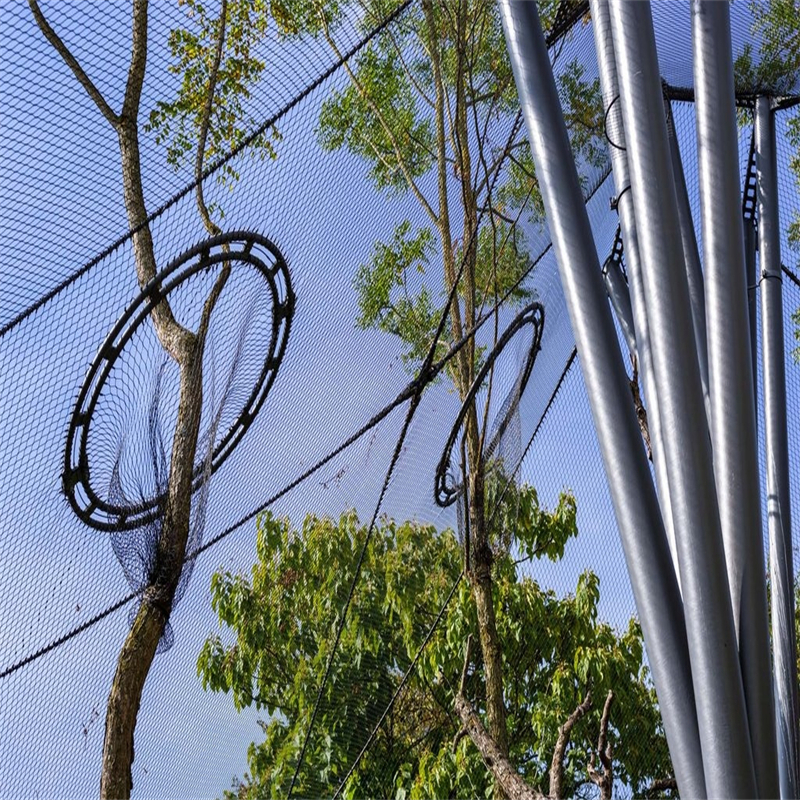

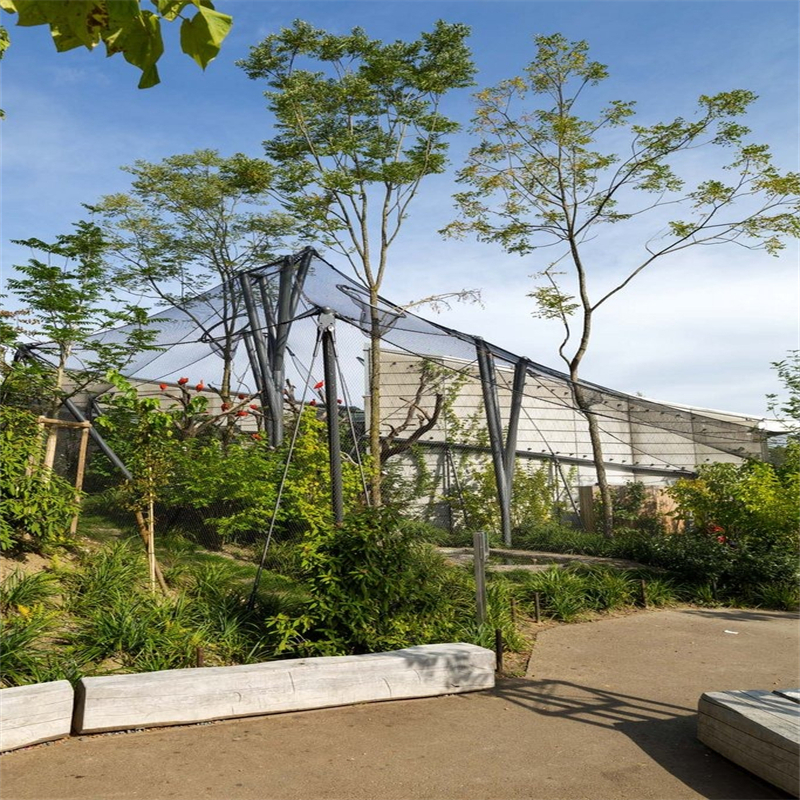
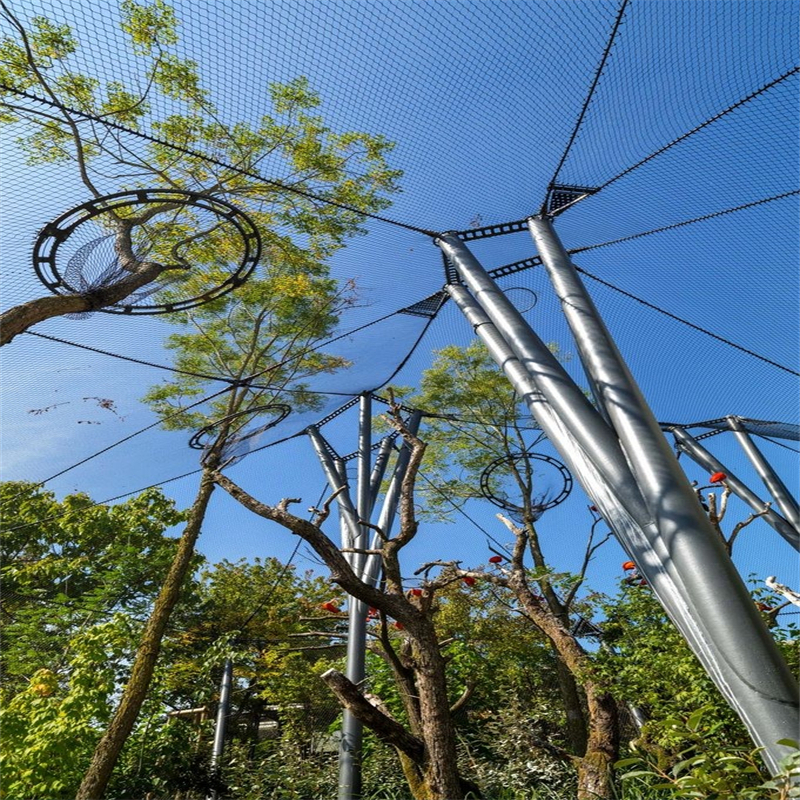
2.1 Specifications – Small Wire Stainless Steel Bird Aviary Netting (1.0–1.6 mm)
| Model | Cable Ø (mm) | Construction | Mesh Aperture (W×H mm) | Material | Recommended Use / Bird Size |
|---|---|---|---|---|---|
| SABN-S01 | 1.0 | 7×7 | 20 × 20 | SS304 | Very small finches, indoor micro-aviaries |
| SABN-S02 | 1.0 | 7×7 | 20 × 30 | SS304 | Canaries, small songbirds, low-load areas |
| SABN-S03 | 1.2 | 7×7 | 25 × 25 | SS304 | Finches, canaries, small tropical birds |
| SABN-S04 | 1.2 | 7×7 | 25 × 30 | SS304 | Small passerines, indoor bird rooms |
| SABN-S05 | 1.2 | 7×7 | 25 × 38 | SS316 | Small birds in coastal / humid climates |
| SABN-S06 | 1.5 | 7×7 | 30 × 30 | SS304 | Mixed finches & small parrots, indoor |
| SABN-S07 | 1.5 | 7×7 | 30 × 40 | SS304 | Budgies, lovebirds, small parrot species |
| SABN-S08 | 1.5 | 7×7 | 30 × 52 | SS316 | Outdoor small-bird aviaries, light snow / wind |
| SABN-S09 | 1.5 | 7×7 | 38 × 38 | SS316 | Small parrots, lorikeets, walk-through exhibits |
| SABN-S10 | 1.6 | 7×7 | 38 × 50 | SS316 | Mixed small birds, light outdoor aviaries |
| SABN-S11 | 1.6 | 7×7 | 40 × 40 | SS304 | Cockatiels, conures, small doves |
| SABN-S12 | 1.6 | 7×7 | 40 × 60 | SS316 | Outdoor small parrots, mild predator risk |
| SABN-S13 | 1.6 | 7×19 | 45 × 45 | SS316 | Curved small-bird roofs, flexible layout |
| SABN-S14 | 1.6 | 7×19 | 50 × 50 | SS316 | Songbird gardens, decorative netting |
| SABN-S15 | 1.6 | 7×19 | 50 × 60 | SS316 | Zoo small-bird walk-through tunnels |
2.2 Specifications – Medium Wire Stainless Steel Bird Aviary Netting (2.0–2.5 mm)
| Model | Cable Ø (mm) | Construction | Mesh Aperture (W×H mm) | Material | Recommended Use / Bird Size |
|---|---|---|---|---|---|
| SABN-M01 | 2.0 | 7×7 | 40 × 70 | SS304 | Parakeets, pigeons, medium indoor aviaries |
| SABN-M02 | 2.0 | 7×7 | 50 × 50 | SS304 | Medium songbirds, toucans, turacos |
| SABN-M03 | 2.0 | 7×7 | 50 × 90 | SS316 | Outdoor medium-bird exhibits in coastal areas |
| SABN-M04 | 2.0 | 7×19 | 60 × 60 | SS316 | Curved roofs for parrots and corvids |
| SABN-M05 | 2.0 | 7×19 | 60 × 105 | SS316 | Walk-through aviaries, mixed medium birds |
| SABN-M06 | 2.0 | 7×19 | 70 × 120 | SS316 | Cranes, ibis, waterbirds in mid-size enclosures |
| SABN-M07 | 2.0 | 7×19 | 80 × 80 | SS316 | Medium raptors, owl exhibits, zoo aviaries |
| SABN-M08 | 2.5 | 7×7 | 60 × 90 | SS304 | Medium parrots, amazons, cockatoos (light duty) |
| SABN-M09 | 2.5 | 7×7 | 70 × 100 | SS316 | Outdoor parrot islands, predator-safe |
| SABN-M10 | 2.5 | 7×7 | 80 × 120 | SS316 | Large mixed aviaries with guest walkways |
| SABN-M11 | 2.5 | 7×19 | 80 × 140 | SS316 | Fascia and roof netting for medium birds |
| SABN-M12 | 2.5 | 7×19 | 90 × 160 | SS316 | Large pheasants, ground birds, mixed exhibits |
| SABN-M13 | 2.5 | 7×19 | 100 × 100 | SS316 | Roof nets over ponds and flamingo lakes |
| SABN-M14 | 2.5 | 7×19 | 100 × 175 | SS316 | Free-flight aviaries with cranes & storks |
| SABN-M15 | 2.5 | 7×19 | 110 × 180 | SS316 | General-purpose zoo bird netting, medium spans |
2.3 Specifications – Big Wire Stainless Steel Bird Aviary Netting (3.0–4.0 mm)
| Model | Cable Ø (mm) | Construction | Mesh Aperture (W×H mm) | Material | Recommended Use / Bird Size |
|---|---|---|---|---|---|
| SABN-L01 | 3.0 | 7×7 | 80 × 140 | SS316 | Large raptors, eagle and vulture aviaries |
| SABN-L02 | 3.0 | 7×7 | 90 × 160 | SS316 | Snowy owls, hawks, high-impact areas |
| SABN-L03 | 3.0 | 7×19 | 100 × 175 | SS316 | Free-flight raptor domes, large spans |
| SABN-L04 | 3.0 | 7×19 | 120 × 200 | SS316 | Cranes, pelicans, herons in open lagoons |
| SABN-L05 | 3.0 | 7×19 | 120 × 210 | SS316 | Large walk-through aviaries, zoo main exhibits |
| SABN-L06 | 3.0 | 7×19 | 130 × 230 | SS316 | High roofs over mixed waterbirds & flamingos |
| SABN-L07 | 3.0 | 7×19 | 150 × 260 | SS316 | Large-span aviary roofs, strong wind zones |
| SABN-L08 | 3.5 | 7×19 | 150 × 260 | SS316 | Heavy-duty raptor enclosures, predator-prone sites |
| SABN-L09 | 3.5 | 7×19 | 160 × 280 | SS316 | Combined bird + small-mammal barriers |
| SABN-L10 | 3.5 | 7×19 | 180 × 300 | SS316 | Long-span structural nets, strong snow load |
| SABN-L11 | 4.0 | 7×19 | 180 × 310 | SS316 | Very large aviary domes, coastal storms |
| SABN-L12 | 4.0 | 7×19 | 200 × 345 | SS316 | Open-top style roofs over wetlands & lakes |
| SABN-L13 | 4.0 | 7×19 | 220 × 380 | SS316 | Decorative big-span bird screens, low escape risk |
| SABN-L14 | 4.0 | 7×19 | 250 × 400 | SS316 | Hybrid bird + fall-protection netting, high roofs |
| SABN-L15 | 4.0 | 7×19 | 300 × 500 | SS316 | Extreme large-span structures, showpiece aviaries |
2.4 Bird Species and Mesh Aperture
Different birds require different mesh opening sizes in Stainless Steel Bird Aviary Netting:
- Small finches / songbirds: 20–25 mm aperture.
- Parrots and medium birds: 30–40 mm aperture.
- Large raptors / cranes / pelicans: 50–80 mm aperture.
- Mixed-species walk-through aviaries: choose aperture based on the smallest bird you must contain.
The goal is:
- Openings small enough that birds cannot squeeze through or get stuck.
- Openings large enough to keep weight and visual obstruction low.
2.5 Cable Diameter and Construction
Cable diameter depends on span length, loads and any predator threat:
- 1.2–1.6 mm – Light duty, small birds, short spans.
- 2.0 mm – Standard for many zoo and park aviaries.
- 3.0 mm and above – Heavy-duty enclosures, large birds, climbing animals, high public safety loads.
Common constructions:
- 7×7 – Stiffer, good for smaller diameters and tight, neat mesh.
- 7×19 – More flexible, better for curved shapes and larger spans.
2.6 Example Specification Options
Here is an example list of typical stainless steel aviary mesh specs (you can adapt to your own catalogue):
- 1.2 mm, 25 × 25 mm, 7×7, AISI 304 – small finches, indoor aviaries.
- 1.6 mm, 30 × 52 mm, 7×7, AISI 304 – small parrots, songbirds.
- 2.0 mm, 40 × 70 mm, 7×7, AISI 316 – outdoor mixed aviaries in coastal areas.
- 2.0 mm, 50 × 90 mm, 7×19, AISI 316 – walk-through aviaries, cranes, ibis.
- 3.0 mm, 80 × 140 mm, 7×19, AISI 316 – large raptors, high-security public enclosures.
If you guess these values instead of designing them, you invite exactly the kind of “looks safe but fails later” situation that Stainless Steel Bird Aviary Netting is supposed to prevent.
Fatal Mistake #3 – Trying to Save Money with the Wrong Material
Cheaper bird netting options (plastic, nylon, mild steel, light galvanized wire) may look attractive at first, but they often fail under real outdoor conditions. Using the wrong material is a classic trap: the enclosure looks fine on day one, then rust, sagging and breakage start to appear just when the birds and visitors trust it most.
3.1 Corrosion Resistance
- Stainless steel resists rain, snow, UV, droppings and cleaning chemicals far better than ordinary steel.
- No flaky rust, no sharp broken wires, no orange stains running down your structure.
- Ideal for coastal zoos and outdoor aviaries exposed to salt spray or industrial pollution.
3.2 Strength and Safety
- Multi-strand cables have very high tensile strength, so panels can span wide distances without sagging.
- Netting can withstand impacts from birds in flight and occasional climbing by keepers or small mammals.
- Correctly tensioned, the mesh acts as a continuous safety membrane.
3.3 Animal Welfare and Visitor Experience
- High open area means more light, air and visibility. Birds see sky, trees and surroundings instead of feeling trapped behind bars.
- Visitors enjoy almost unobstructed views, better photography and a more natural experience.
- Smooth cable surfaces reduce the risk of feather damage.
3.4 Long Service Life and Low Maintenance
- Stainless steel netting can last decades with only simple cleaning and periodic inspection.
- No repainting cycles, no frequent replacement of rotted ropes or broken wires.
- Over the life of an aviary, stainless systems are usually cheaper than multiple replacements of cheaper materials.
Mistake #3 is believing that “cheap” materials save you money. With Stainless Steel Bird Aviary Netting, cutting the material spec is usually the most expensive way to “save”.
Fatal Mistake #4 – Ignoring Structure, Layout and Installation Details
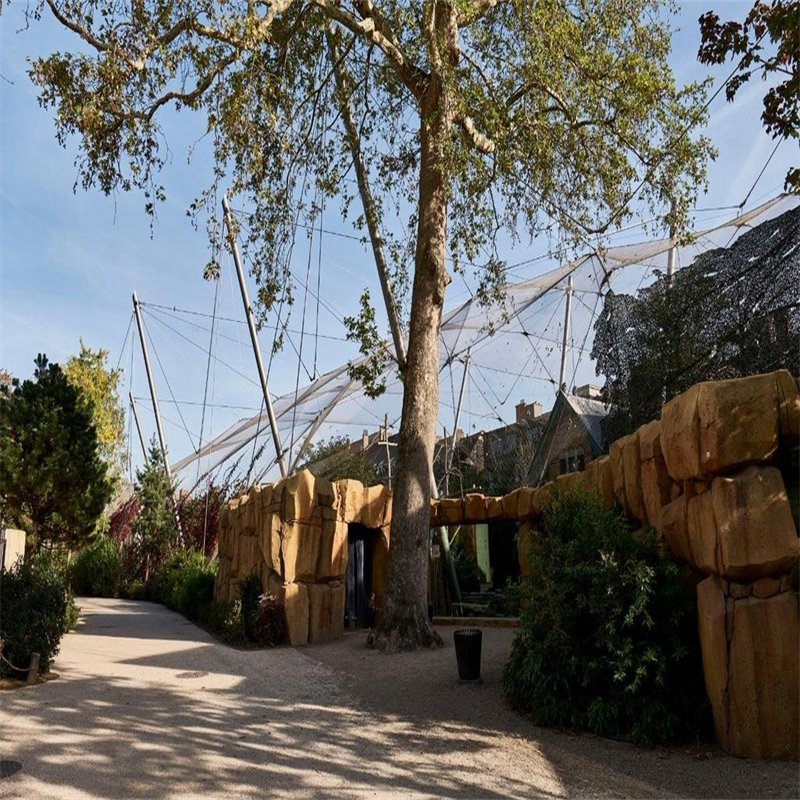
Even perfect Stainless Steel Bird Aviary Netting can fail if the structure, panel layout and installation are wrong. This mistake doesn’t show up on the quote – it appears on the site, when the net doesn’t tension properly, doors don’t close tightly or gaps open at corners.
4.1 Panel Size and Layout
Decide how the netting panels will cover the aviary:
- Single large “drape” over the entire aviary roof.
- Multiple panels joined at ridge cables or steel beams.
- Vertical wall panels + separate roof panels.
Larger panels mean fewer joints but require more careful tensioning. Smaller panels are easier to handle and replace. Ignoring this balance can lead to sagging nets, ugly folds and unexpected loads on the structure.
4.2 Frames, Boundary Cables and Fixings
Stainless Steel Bird Aviary Netting is only as strong as its edges and fixings:
- Use boundary cables or flat bars around all panel edges.
- Connect using clamp plates, C-clips or lacing with thinner cable.
- Anchors, eye bolts and brackets should be stainless or hot-dip galvanized at minimum.
- Avoid sharp edges that could cut the cables or snag feathers.
4.3 Basic Installation Guidelines
Every project is different, but some principles are universal for Stainless Steel Bird Aviary Netting:
- Design the structure first
- Steel posts, arches or frames must be sized for wind, snow and cable tension.
- Add ridge cables or beams on long spans to control deflection.
- Plan panel layout
- Decide where seams, doors and access hatches will be.
- Ensure that doors close against a frame or net overlap so birds cannot escape.
- Tension step-by-step
- Fix one edge of the panel, then gradually tension from the opposite side using turnbuckles or boundary cables.
- Aim for regular, smooth diamonds without wrinkles or large gaps.
- Check for gaps and sharp points
- At corners, door frames and joint lines, there should be no openings big enough for birds to slip through.
- Grind or cover any sharp edges before final tension.
- Integrate with other materials
- Connect netting to solid walls, glass or roof panels using clamp bars or custom brackets.
- For predator-proofing, ensure continuous protection with no “soft spots”.
If you ignore these structural and installation details, Stainless Steel Bird Aviary Netting that “looked safe” on paper can turn into a real headache on site.
Fatal Mistake #5 – Ordering Without Clear Data, Maintenance Plan or Application Thinking
Stainless Steel Bird Aviary Netting looks safe, but if you order it without clear technical data, without thinking about real applications and without any maintenance strategy, this is the mistake you really pay for.
5.1 Typical Applications You Must Define Clearly
Because of its flexibility and strength, Stainless Steel Bird Aviary Netting is used in many situations:
- Zoo and wildlife park aviaries – large free-flight spaces for parrots, toucans, hornbills, cranes, flamingos and raptors.
- Walk-through aviaries – immersive exhibits where visitors walk inside with the birds.
- Rehabilitation and rescue centres – safe flight cages for injured birds during recovery.
- Botanical gardens and hotels – decorative aviary features in courtyards or lobbies.
- Private collections and breeders – durable, good-looking enclosures that add value to the property.
- Roof gardens and balconies – fall-proof edge protection that also keeps birds safely within the space.
If you don’t clearly state the real application, suppliers may guess – and those guesses often lead to under- or over-designed Stainless Steel Bird Aviary Netting, both of which cost you money.
5.2 Maintenance and Inspection – “Low Maintenance” Is Not Zero
One appeal of stainless steel is low maintenance, but “low” does not mean zero:
- Annual inspection
- Check cables, ferrules and fixings for any signs of damage or vandalism.
- Retension where necessary, especially after storms or heavy snow.
- Cleaning
- Rinse with fresh water to remove dust, droppings and pollution.
- Use mild neutral detergent only; avoid abrasive pads and harsh chemicals.
- Vegetation control
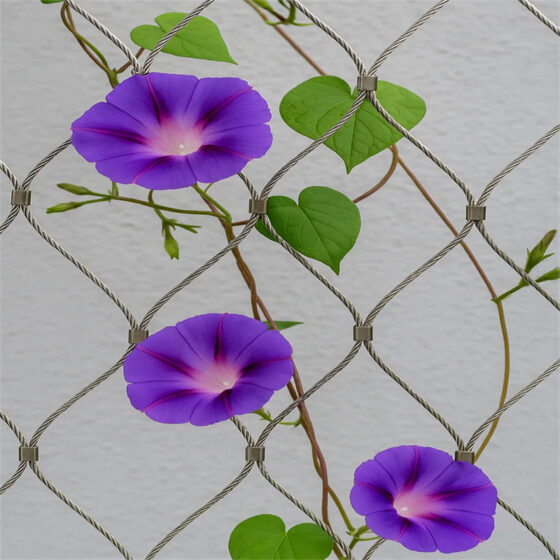
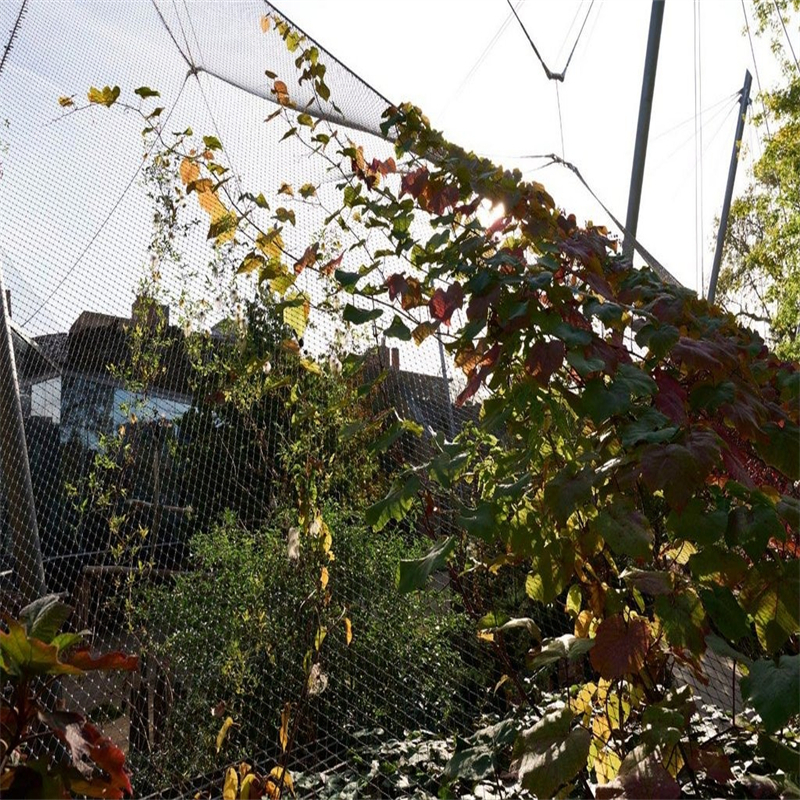
- If you allow climbing plants to grow on the aviary, ensure they do not overload the netting or hide damage.
Ignoring maintenance until something fails is exactly how “safe-looking” Stainless Steel Bird Aviary Netting suddenly becomes a safety incident and an unexpected cost.
5.3 What to Tell Your Stainless Steel Bird Aviary Netting Supplier
To get a fast, accurate quotation and avoid expensive misunderstandings, prepare these details:
- Project type (zoo exhibit, private aviary, rehabilitation centre, roof garden, etc.).
- Location and environment (indoor / outdoor, coastal / inland, typical climate).
- Bird species and minimum bird size.
- Required mesh aperture and cable diameter (or ask the supplier to recommend based on species).
- Preferred stainless steel grade (304 or 316).
- Approximate panel sizes and total quantity.
- Any special requirements: walk-through design, anti-predator roof, blackened finish, integrated doors, etc.
When buyers skip this information and ask for “just a price”, they fall straight into Mistake #5. The netting arrives, doesn’t match the real conditions, and the only solution is modification or complete replacement – which means paying for the same Stainless Steel Bird Aviary Netting twice.
5.4 Quick FAQ Before You Order
Q1: Is stainless steel bird aviary netting safe for parrots that chew?
Yes. Stainless steel is hard and non-toxic. Unlike galvanized or painted wire, there is no zinc or paint layer for birds to chew off.
Q2: Can it be used for other animals?
Yes. With adjusted cable diameter and aperture, the same mesh type is used for monkey enclosures, big cats, zoo barriers and fall-protection nets.
Q3: Is it difficult to repair?
Small local damage can often be repaired by replacing a section or adding a patch panel. For serious damage, individual panels can be removed and replaced without dismantling the whole aviary.
Understand these 5 hidden mistakes – especially the ordering and design risks in Fatal Mistake #5 – and your Stainless Steel Bird Aviary Netting project will be safer, more durable and far less likely to lose money.