Your One-Stop Wire Mesh Fence Supplier | POLYMETAL
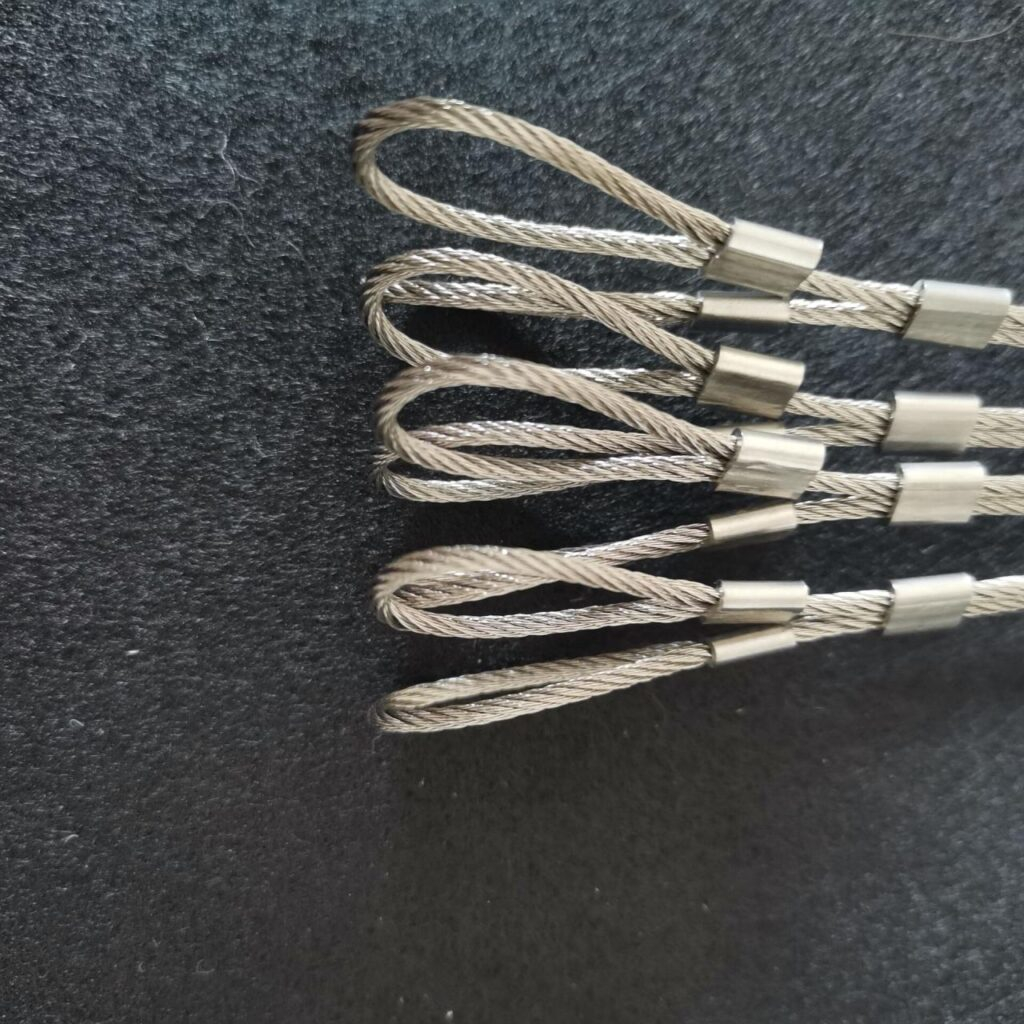


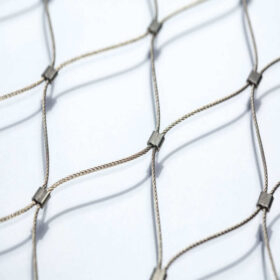

Stainless steel cable netting is a modern tensile mesh system that replaces rigid bars, bulky frames and heavy panels with a light, transparent stainless steel rope net. The mesh is tensioned between frames, posts or edge cables so it behaves like a continuous safety net: strong enough to resist falls, impacts, wind and snow, yet open enough to preserve views, daylight and the overall design of façades, balustrades, green walls and animal enclosures.
Because stainless steel cable netting has very low visual density, from most viewing angles the cables almost disappear and the eye reads the architecture, plants or landscape rather than the barrier. That is why you now see it in airports, zoos, stadiums, bridges, hotels and high-end residential projects worldwide.
Secret 1 – The “invisible net” look hides how strong (or weak) your system really is
Many owners and even some designers judge stainless steel cable netting only by its appearance. Properly tensioned, it acts like a continuous safety membrane that spreads impact across many cables and anchors. Poorly specified or loosely tensioned, it can feel soft and unsafe. The secret is not how it looks in photos, but how the cable, ferrules, frame and pretension work together under real loads.
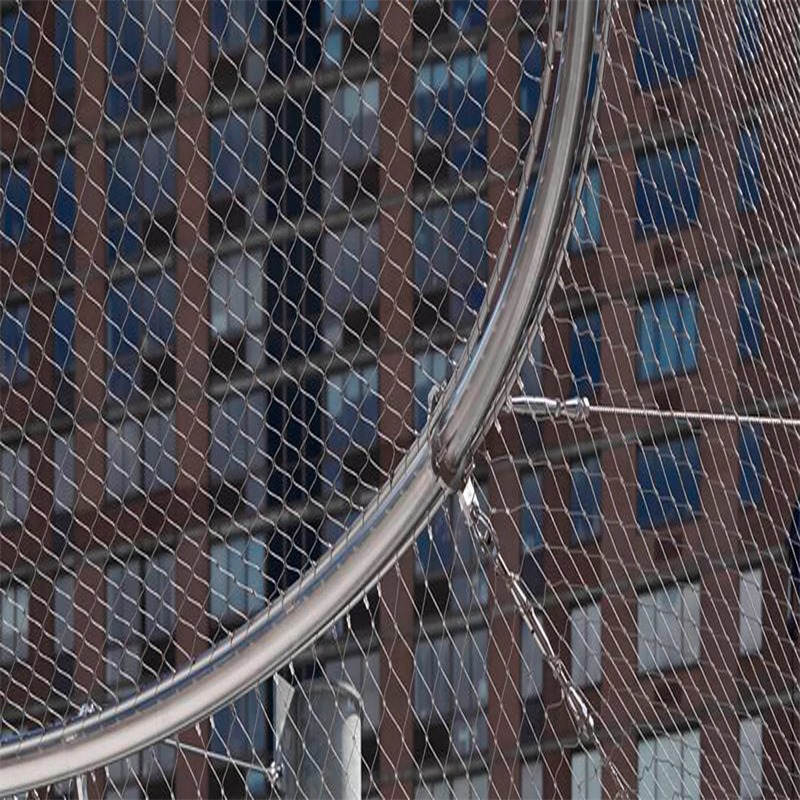

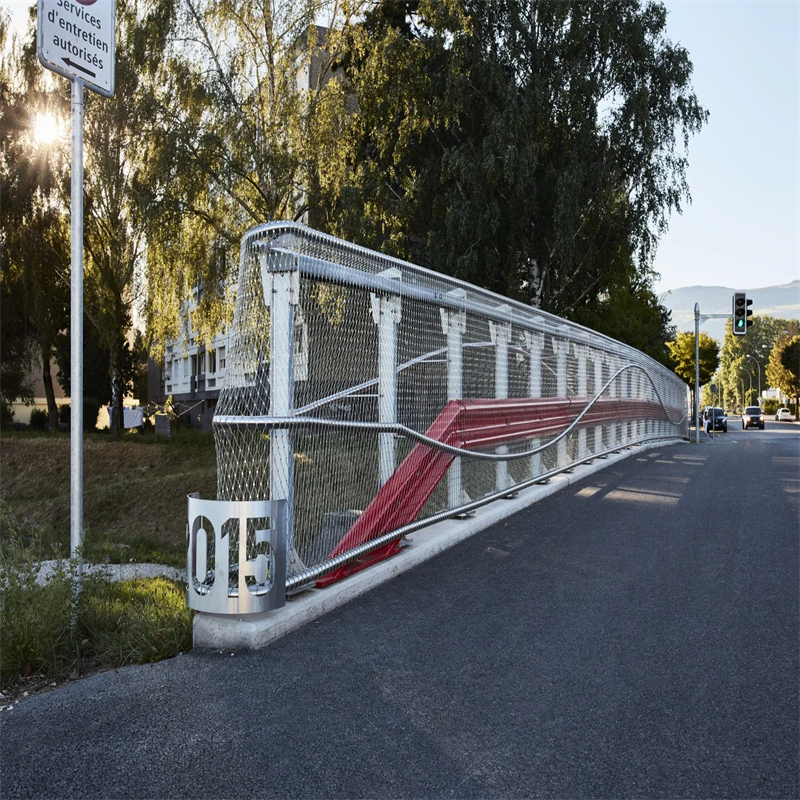

1. What Is Stainless Steel Cable Netting?
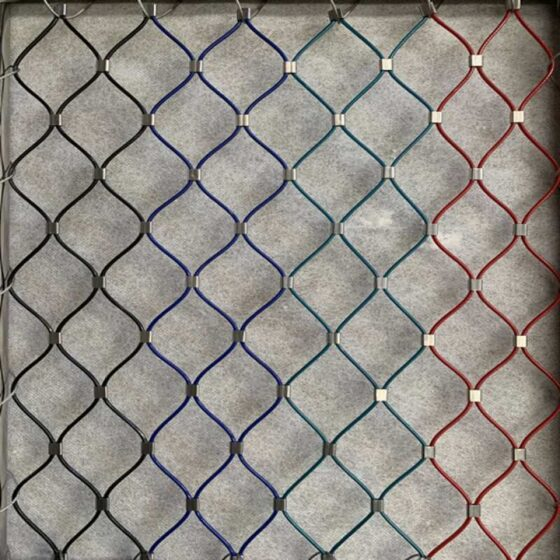
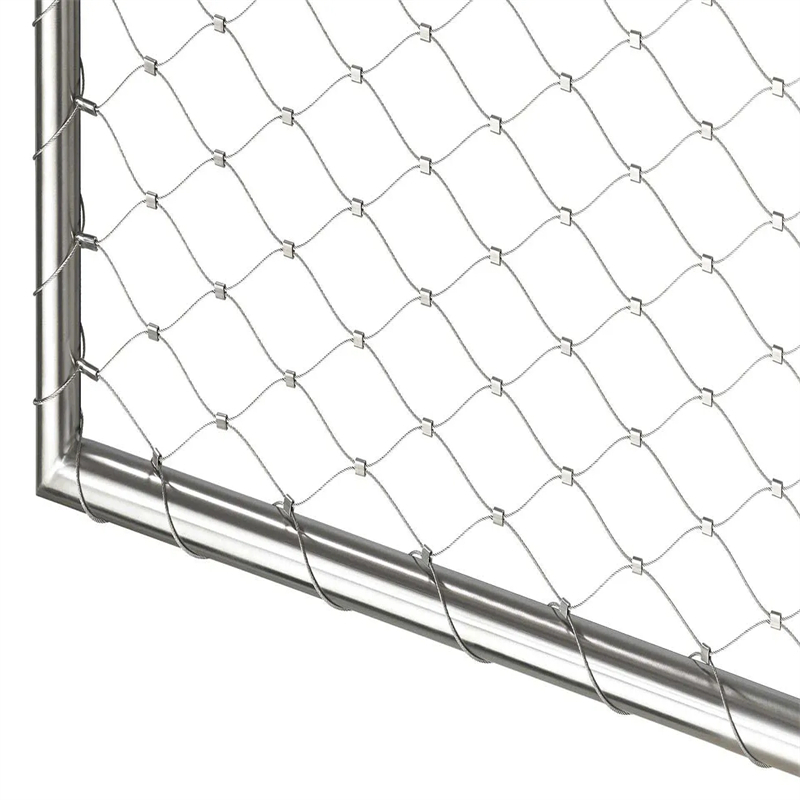
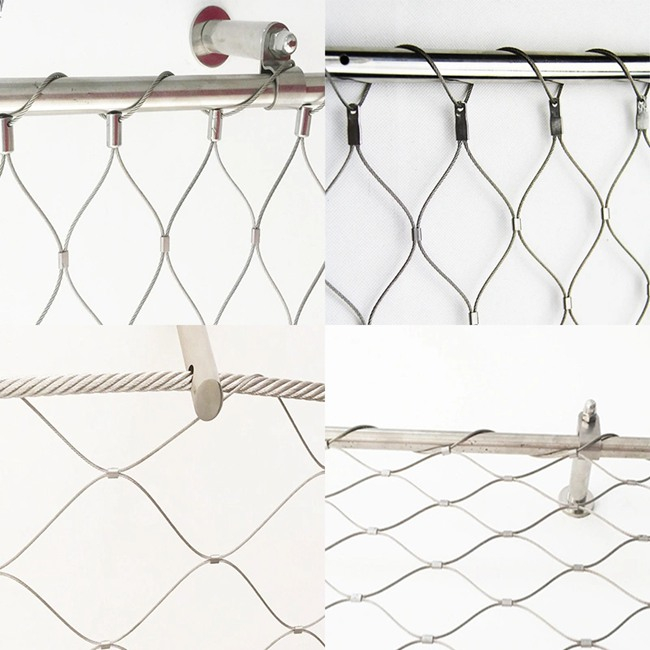
Stainless steel cable netting (also called stainless steel rope mesh or stainless steel cable mesh) is woven or ferrule-pressed from multi-strand stainless steel wire rope, typically in 7×7 or 7×19 constructions. Individual cables are arranged in diamond-shaped openings; at each intersection the cables are either hand-woven or fixed with stainless steel ferrules so the geometry cannot unravel.
The finished panel is fixed to a rigid perimeter using flat bars, angle frames or boundary cables and then tensioned so the diamond mesh becomes regular and works structurally in tension. Under load, forces are carried by tension, not bending.
Typical basic ranges for stainless steel cable netting include:
* Wire rope diameter: approx. 1.2–4.0 mm
* Mesh aperture: from about 20×20 mm to 250×400 mm and beyond
* Wire rope structure: 7×7 for smaller diameters, 7×19 for higher flexibility and strength
* Material grades: AISI 304 / 304L / 316 / 316L
Secret 2 – Mixing cable and ferrule grades is a quiet way to create future rust streaks
Some low-cost suppliers use 316 cable with cheaper 304 ferrules or fittings. On the drawing it still says “stainless steel cable netting”, but in the real world the weaker parts corrode first and leave brown stains on concrete, glass and stone. Always confirm that cable, ferrules and main fittings are the same grade, especially for exterior use.

2. Material Grades, Corrosion And Real Exposure Conditions
Most stainless steel cable netting systems are supplied in:
* AISI 304 / 304L – suitable for dry, clean interior environments with low chloride and pollution levels.
* AISI 316 / 316L – preferred for exterior, coastal, poolside and industrial atmospheres where chlorides, salt spray or pollutants are present.
A serious supplier will ask questions such as:
* Is the project interior, semi-exposed or fully exterior?
* How close is it to the sea, a pool, a cooling tower or a busy road?
* Are aggressive cleaners, de-icing salts or chemicals expected?
* What design lifetime and maintenance interval do you want?
Secret 3 – “Looks like indoor” doesn’t mean it behaves like indoor
Semi-open car parks, seafront atria, airport concourses and pool halls visually read as interior architecture, but humidity and airborne chlorides behave like exterior exposure. If stainless steel cable netting is specified as 304 “because it’s inside”, you may see tea staining and pitting long before the asset should need refurbishment, and arguing about responsibility afterwards is expensive.
3. Structural Behaviour: Why Frame Stiffness Is As Important As Cable Strength
Stainless steel cable netting behaves as a tensioned membrane, not as a rigid infill panel.
Key points:
* Under horizontal or impact load, the diamonds deform slightly and the cables take tension.
* Forces are shared by many cables and ferrules and then transferred to the perimeter frame.
* With correct pretension and a stiff frame, deflection is controlled and the barrier feels firm.
* Excessive flexibility in posts, edge beams or anchor plates can lead to large movements even when the cable itself is very strong.
Secret 4 – High breaking load cable cannot rescue a weak frame
It is common to specify a very strong stainless steel cable netting (for example, 3.2 mm 7×19) and then mount it on under-sized posts or thin edge angles. During testing, the mesh pulls the frame inwards and the handrail moves too much. Inspectors don’t care that the cable is “very strong” if the overall barrier fails deflection limits.


4. Main Applications Of Stainless Steel Cable Netting
Stainless steel cable netting appears in many project types because it combines safety with transparency and design freedom.
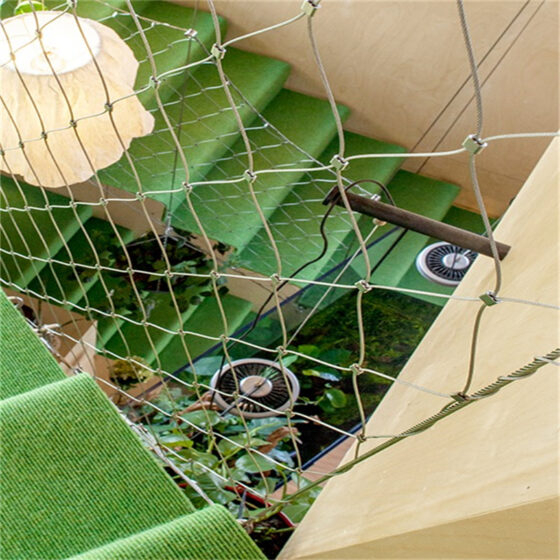
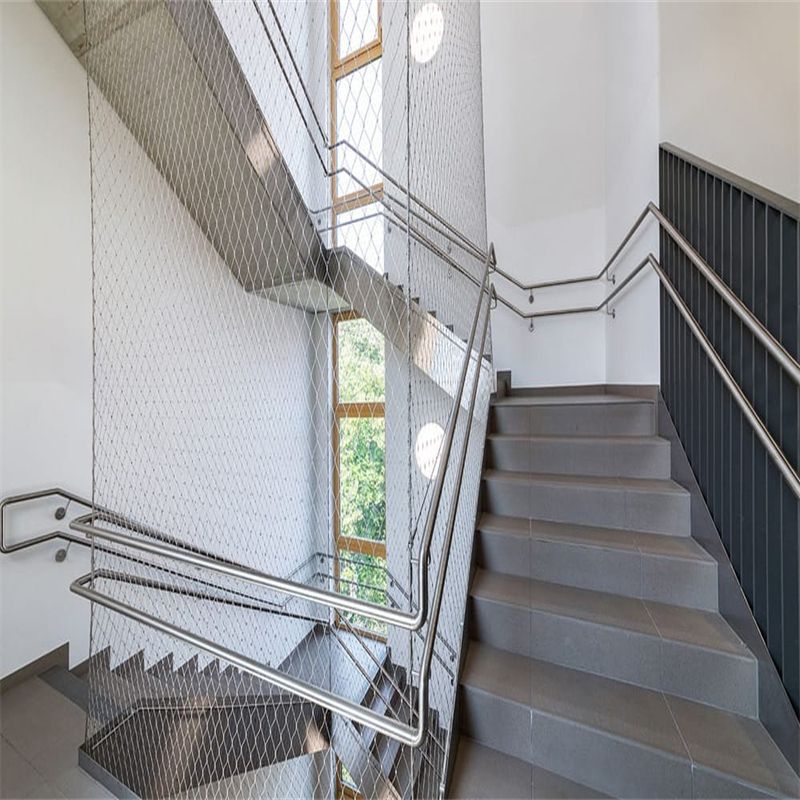
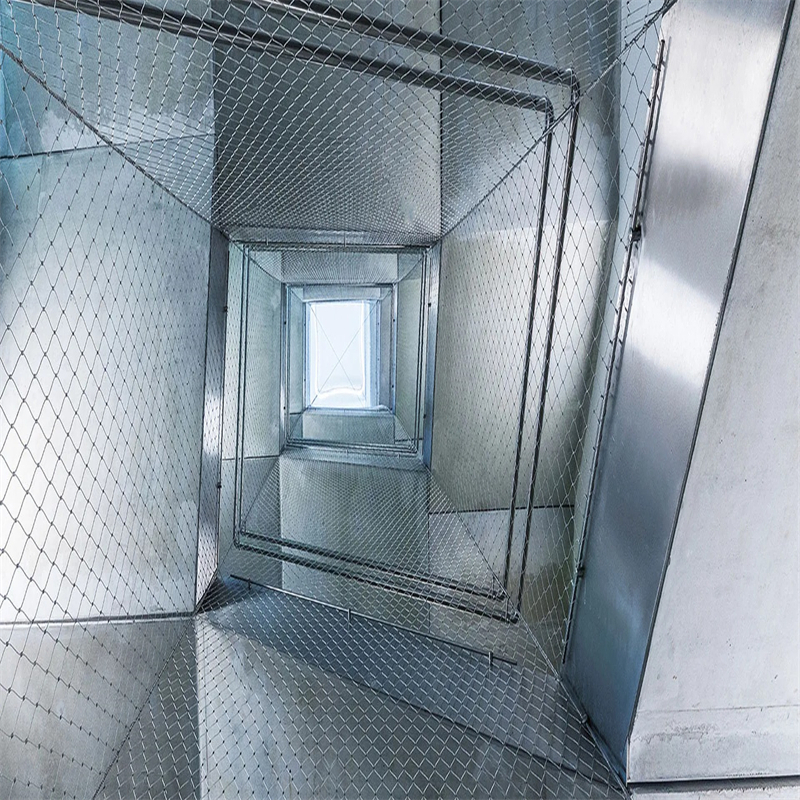
4.1 Balustrades, Stairs And Bridges
* Balcony guards in high-end apartments and hotels
* Stair balustrades in offices, galleries and public buildings
* Bridge and overpass safety barriers, anti-throw screens
* Atrium edges and void protection where views must be preserved
Properly chosen mesh aperture and wire diameter allow compliance with child-safety rules, anti-climb requirements and falling-object protection without making the edge visually heavy.
Secret 5 – Open degree changes how safe or scary the edge feels
Two stainless steel cable netting patterns can both pass code, but one may feel “too open” for users with a fear of heights. If open degree and light transmittance are pushed too high, people can feel exposed even when technically safe, leading to complaints and pressure for expensive retrofits like extra rails or glass.
4.2 Green Walls And Plant Climbing Nets
As a plant-support system, stainless steel cable netting offers:
* Long service life with minimal maintenance
* Resistance to wind, frost, rain and snow
* Good air circulation around foliage
* Strong yet visually light support for vines and climbers
On façades and courtyard walls it helps create living green screens that improve microclimate and visual comfort.
4.3 Zoos, Aviaries And Animal Habitats
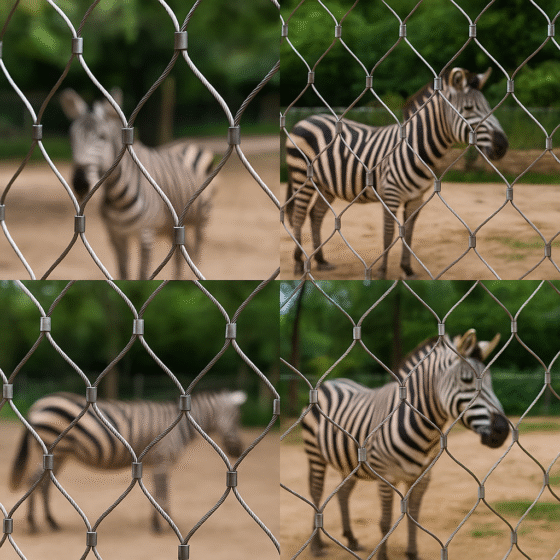
Zoos and wildlife parks use stainless steel cable netting for:
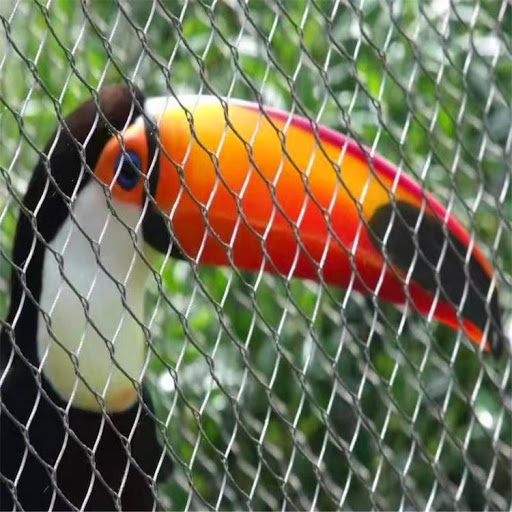
* Aviaries and large bird exhibits
* Big-cat and primate enclosures
* Mixed-species habitats and walk-through experiences
The mesh is strong, chew-resistant (around 100–110,000 PSI tensile strength for typical ropes), and visually unobtrusive, giving visitors clear views while keeping animals safe.
Factory SS 304 316 316L stainless steel cable netting, bird netting and aviary mesh are typically supplied in a rhombus ferrule type. This diamond ferrule mesh has excellent flexible performance, is virtually indestructible in normal service, offers very high impact and breaking resistance, and provides outstanding resistance to rain, snow and hurricanes compared with rigid panels.
Secret 6 – Species behaviour can destroy a “perfect on paper” design
Meeting strength and aperture numbers is not enough for animal enclosures. Parrots chew, monkeys pull and big cats climb. If you choose stainless steel cable netting based only on a generic table and ignore species-specific behaviour, you may have to reinforce or replace sections after opening, while animals and visitors are already on site.


5. Stainless Steel Cable Netting Specifications
Exact values depend on project requirements, but most stainless steel cable netting falls into a familiar range of wire diameters and apertures. The following tables give indicative configurations for different uses. All values are for reference and must be checked against local codes and structural design.
5.1 Table 1 – General Stainless Steel Cable Netting Sizes
| Model | Wire rope diameter (mm) | Mesh aperture (mm) | Open degree (%) | Light transmittance (%) | Material | Nominal breaking load (lbs) | Wire rope structure |
|---|---|---|---|---|---|---|---|
| SCN-GEN01 | 1.2 | 20 × 20 | 45 | 43 | AISI 316 | 270 | 7×7 |
| SCN-GEN02 | 1.2 | 25 × 25 | 50 | 48 | AISI 304 | 270 | 7×7 |
| SCN-GEN03 | 1.5 | 30 × 30 | 53 | 51 | AISI 316 | 480 | 7×7 |
| SCN-GEN04 | 1.5 | 30 × 50 | 56 | 54 | AISI 316 | 480 | 7×7 |
| SCN-GEN05 | 1.6 | 38 × 38 | 58 | 56 | AISI 304 | 520 | 7×7 |
| SCN-GEN06 | 1.6 | 40 × 40 | 60 | 58 | AISI 316 | 520 | 7×7 |
| SCN-GEN07 | 2.0 | 40 × 60 | 63 | 61 | AISI 316 | 676 | 7×19 |
| SCN-GEN08 | 2.0 | 50 × 50 | 65 | 63 | AISI 316 | 676 | 7×19 |
| SCN-GEN09 | 2.0 | 50 × 70 | 68 | 66 | AISI 316 | 676 | 7×19 |
| SCN-GEN10 | 2.4 | 60 × 80 | 72 | 70 | AISI 316 | 920 | 7×19 |
| SCN-GEN11 | 2.4 | 60 × 100 | 74 | 72 | AISI 316 | 920 | 7×19 |
| SCN-GEN12 | 3.0 | 76 × 76 | 75 | 73 | AISI 316 | 1600 | 7×19 |
| SCN-GEN13 | 3.0 | 80 × 120 | 78 | 76 | AISI 316 | 1600 | 7×19 |
| SCN-GEN14 | 3.2 | 100 × 100 | 80 | 78 | AISI 316 | 1800 | 7×19 |
| SCN-GEN15 | 3.2 | 102 × 152 | 82 | 80 | AISI 316 | 1800 | 7×19 |
Secret 7 – “Standard” sizes rarely match your real risk profile
Choosing a mesh only by copying a standard size from a catalogue ignores key factors: fall height, user type, animal species, expected impact and local rules. Stainless steel cable netting that is “standard” for one project can be under-designed for another, leaving a gap between real risk and actual protection.
5.2 Stainless Steel Cable Netting For Green Walls And Façades
| Model | Wire rope diameter (mm) | Mesh aperture (mm) | Open degree (%) | Light transmittance (%) | Material | Nominal breaking load (lbs) | Wire rope structure |
|---|---|---|---|---|---|---|---|
| SCN-GW01 | 1.2 | 20 × 20 | 45 | 43 | AISI 316 | 270 | 7×7 |
| SCN-GW02 | 1.2 | 25 × 25 | 50 | 48 | AISI 304 | 270 | 7×7 |
| SCN-GW03 | 1.5 | 30 × 50 | 56 | 54 | AISI 316 | 480 | 7×7 |
| SCN-GW04 | 1.5 | 40 × 40 | 60 | 58 | AISI 316 | 480 | 7×7 |
| SCN-GW05 | 1.5 | 50 × 50 | 64 | 62 | AISI 316 | 480 | 7×7 |
| SCN-GW06 | 1.6 | 50 × 80 | 67 | 65 | AISI 316 | 520 | 7×7 |
| SCN-GW07 | 2.0 | 60 × 60 | 69 | 67 | AISI 316 | 676 | 7×19 |
| SCN-GW08 | 2.0 | 60 × 100 | 73 | 71 | AISI 316 | 676 | 7×19 |
| SCN-GW09 | 2.0 | 76 × 76 | 75 | 73 | AISI 316 | 676 | 7×19 |
| SCN-GW10 | 2.4 | 80 × 120 | 78 | 76 | AISI 316 | 920 | 7×19 |
| SCN-GW11 | 2.4 | 100 × 150 | 80 | 78 | AISI 316 | 920 | 7×19 |
| SCN-GW12 | 3.0 | 120 × 200 | 83 | 81 | AISI 316 | 1600 | 7×19 |
| SCN-GW13 | 3.0 | 150 × 260 | 85 | 83 | AISI 316 | 1600 | 7×19 |
| SCN-GW14 | 3.0 | 200 × 300 | 86 | 84 | AISI 316 | 1600 | 7×19 |
| SCN-GW15 | 3.2 | 250 × 400 | 88 | 86 | AISI 316 | 1800 | 7×19 |
Secret 8 – Pushing transparency too far can create thermal and glare problems
Very high open degree and light transmittance look great on renderings, but in real buildings they can cause glare, overheating behind glass and uneven plant growth on green walls. Choosing stainless steel cable netting apertures with your façade engineer or landscape consultant avoids expensive shading or replanting later.
5.3 Stainless Steel Cable Netting For Balustrades And Safety Barriers
| Model | Wire rope diameter (mm) | Mesh aperture (mm) | Open degree (%) | Light transmittance (%) | Material | Nominal breaking load (lbs) | Wire rope structure |
|---|---|---|---|---|---|---|---|
| SCN-SB01 | 1.5 | 40 × 70 | 60 | 58 | AISI 304 | 480 | 7×7 |
| SCN-SB02 | 1.5 | 50 × 80 | 64 | 62 | AISI 304 | 480 | 7×7 |
| SCN-SB03 | 1.6 | 50 × 90 | 66 | 64 | AISI 304 | 520 | 7×7 |
| SCN-SB04 | 1.6 | 60 × 100 | 68 | 66 | AISI 304 | 520 | 7×19 |
| SCN-SB05 | 1.6 | 60 × 120 | 70 | 68 | AISI 316 | 520 | 7×19 |
| SCN-SB06 | 2.0 | 60 × 100 | 65 | 63 | AISI 316 | 676 | 7×7 |
| SCN-SB07 | 2.0 | 60 × 120 | 69 | 67 | AISI 316 | 676 | 7×7 |
| SCN-SB08 | 2.0 | 70 × 120 | 71 | 69 | AISI 316 | 676 | 7×19 |
| SCN-SB09 | 2.0 | 70 × 140 | 73 | 71 | AISI 316 | 676 | 7×19 |
| SCN-SB10 | 2.0 | 80 × 140 | 75 | 73 | AISI 316 | 676 | 7×19 |
| SCN-SB11 | 2.5 | 80 × 160 | 76 | 74 | AISI 316 | 980 | 7×7 |
| SCN-SB12 | 2.5 | 90 × 160 | 78 | 76 | AISI 316 | 980 | 7×7 |
| SCN-SB13 | 2.5 | 90 × 180 | 80 | 78 | AISI 316 | 980 | 7×19 |
| SCN-SB14 | 2.5 | 100 × 180 | 81 | 79 | AISI 316 | 980 | 7×19 |
| SCN-SB15 | 2.5 | 100 × 200 | 83 | 81 | AISI 316 | 980 | 7×19 |
Secret 9 – Public-area load rules are far tougher than many buyers realise
Stairs safety rope mesh , balconies and bridges in public buildings must satisfy stringent line loads, point loads and deflection limits. Reusing stainless steel cable netting sizes from a residential balcony on a stadium or transport hub can lead to failed tests, redesign under time pressure and serious delay claims.
6. Quality Control, Testing And Documentation
A reliable stainless steel cable netting supplier should be able to provide:
* Mill certificates for wire rope and ferrules
* Internal QC records on mesh geometry and ferrule pressing
* Load test reports or third-party certifications if required
* Batch numbers linked to each panel and shipment
* Clear labelling that matches shop drawings and layout plans
Secret 10 – Weak paperwork can stop handover even when the mesh looks perfect
Inspectors and insurers judge your stainless steel cable netting system not only by what they see on site, but also by certificates and traceability. If material certificates, test reports or declarations are missing or inconsistent, they can legally block completion or insurance coverage. At that point, fixing the paperwork is often slower and more expensive than fixing the steel.



7. Installation, Maintenance And Service Life
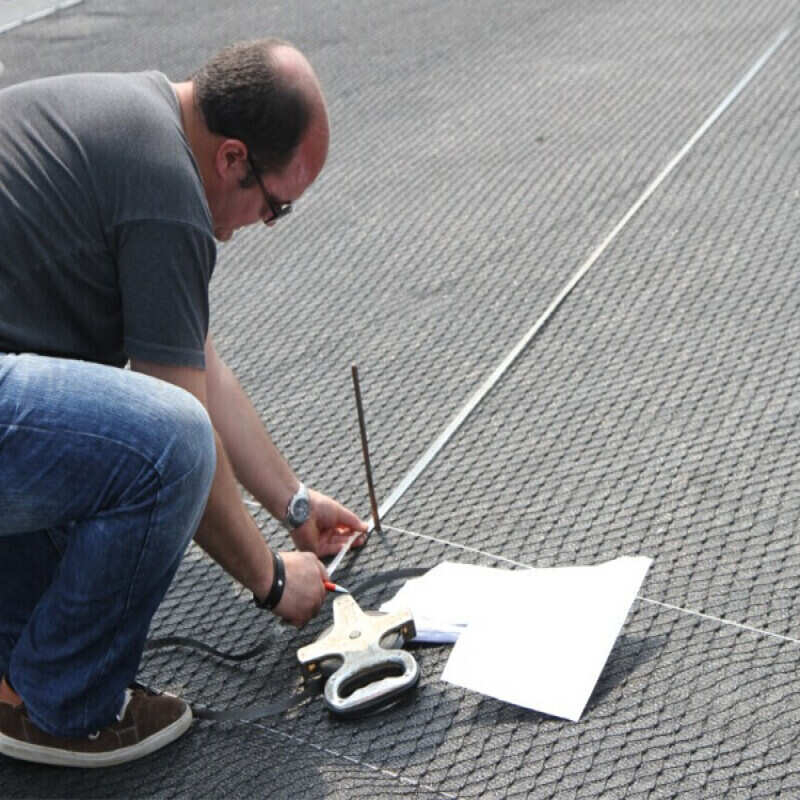
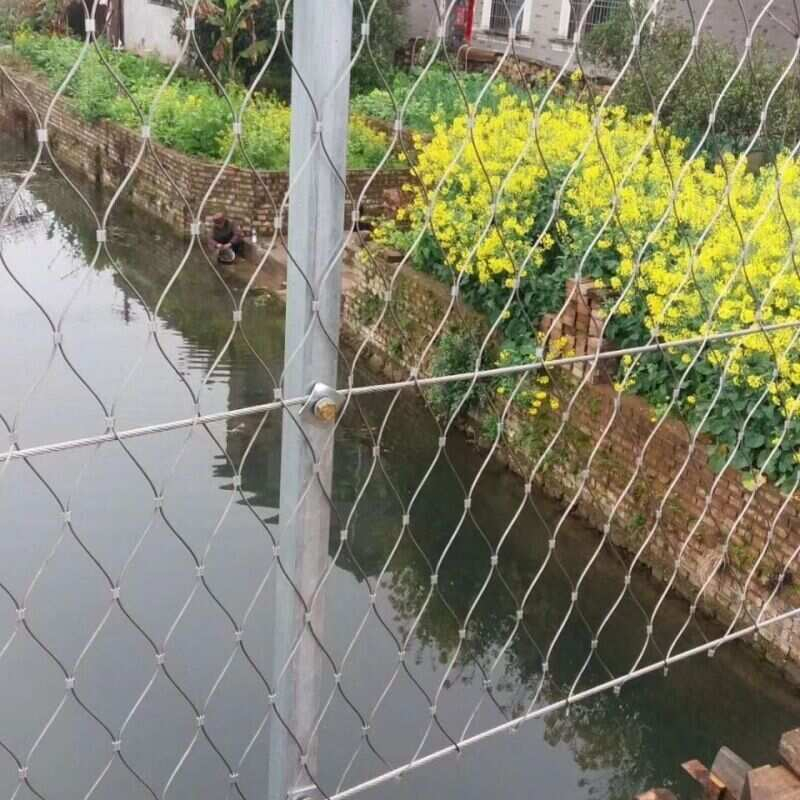
Good performance depends on good installation:
* Frames, posts and edge beams must be rigid and accurately set out before mesh unpacking.
* Turnbuckles or tension devices should be accessible for initial adjustment and future re-tensioning.
* One edge of the panel is fixed first, then the opposite edge is gradually tensioned, keeping diamonds regular.
* Corners and junctions must be fully closed and cut cable ends capped or buried to avoid injury.
Maintenance is straightforward:
* Routine cleaning: rinse with clean water; use mild neutral detergent for stubborn dirt.
* Avoid abrasive pads, carbon steel brushes and strong acids that damage the passive layer.
* In coastal or industrial areas, wash more frequently to remove salt and pollutants.
* Inspect clamps, ferrules, turnbuckles and anchors periodically; many slack areas can be corrected simply by re-tensioning.
Secret 11 – “Maintenance free” never means “no inspection for 20 years”
Stainless steel cable netting is low maintenance, not zero maintenance. Assuming that “stainless” means you never need to inspect or re-tension is a hidden safety risk. Small issues like a loosened anchor or damaged ferrule, if ignored for years, can turn into a local failure at exactly the wrong moment—for example during crowd loading or extreme wind.
With sensible design and basic care, stainless steel cable netting can perform reliably for decades while staying visually clean and bright.
8. Mounting Accessories Of Stainless Steel Cable Netting
High-quality mounting accessories are essential to make sure stainless steel cable netting performs as designed. Typical systems include boundary cables, turnbuckles, eye bolts, clamps, ferrules and special corner fittings to transfer loads safely into the supporting structure.
Mounting accessories of stainless steel cable netting
| No. | Photo | Item name | Simple introduction | Typical use |
|---|---|---|---|---|
| 1 | 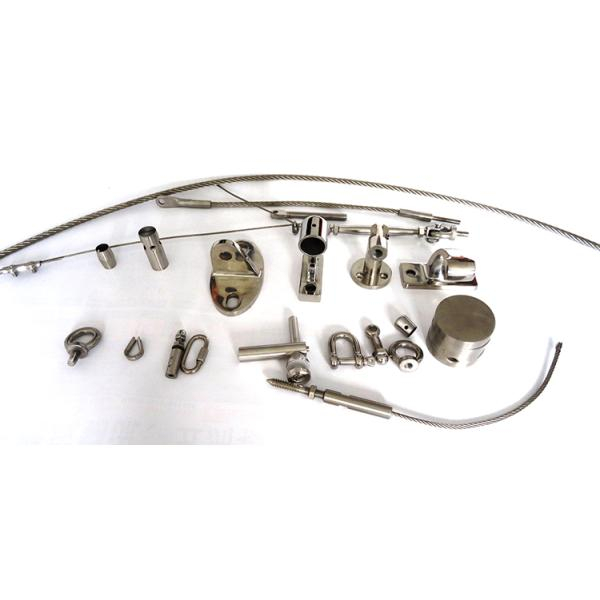 | Stainless steel eye terminal | Solid rod with a round eye at one end. The other end is swaged or threaded to fix to the wire rope. | Anchor point for cable netting; connects the cable to plates, lugs or wall brackets. |
| 2 | | Turnbuckle tensioner set | Adjustable body with left- and right-hand threads and terminal ends. | Fine-tunes the tension of stainless steel cable netting and boundary cables. |
| 3 | | Fork (jaw) terminal | Rod with U-shaped fork and pin; the opposite end is swaged or threaded for the rope. | Connects cable to lugs or plates where a hinged joint is required. |
| 4 | | Inline cable tensioner | Compact barrel with threaded stud and locking screws to grip the cable. | Used for small adjustments and for joining or terminating short cable lengths. |
| 5 | | Quick link connector | Oval ring with a threaded nut section that opens and closes by hand. | Temporary or adjustable connection between eye plates, cables and net edges. |
| 6 | | Wire rope clip (U-bolt clamp) | U-bolt with saddle and nuts that clamp two parts of the rope together. | Makes simple loops and terminations on wire rope without swaging. |
| 7 | | Stainless steel wire rope assembly | Finished cable with factory-swaged terminals at both ends. | Main boundary cable or bracing cable for stainless steel cable netting systems. |
9. Why Choose Us – Stainless Steel Cable Netting
- 1. 100% QC inspection before shipment to ensure each stainless steel cable netting panel matches your drawings.
- 2. Competitive price – we are a factory, not a pure trading company, so we can offer stable quality with a controlled cost.
- 3. Quick response – professional lines, wide supplier sourcing and fast feedback to your technical and commercial questions.
- 4. As long as you provide specifications, we can manufacture the stainless steel cable netting products you require.
- 5. If the products you receive have any confirmed quality problems, we promise to arrange returns or replacements in a timely way.
- 6. Payment – we accept T/T, Western Union and Escrow for flexible settlement options.
- 7. We can provide stainless steel cable netting samples free of charge; courier costs are borne by the customer.
10. Conclusion
Stainless steel cable netting has moved from a niche detail to a mainstream solution because it offers a rare combination of safety, transparency, durability and design freedom. But those strengths only appear on real projects when you understand and apply the key hidden details.
By paying attention to the 11 secrets scattered through this article—especially material grade matching, frame stiffness, open degree, species behaviour, documentation and public load rules—you turn stainless steel cable netting from a potential source of risk into a long-term asset for your façades, balustrades, green walls and enclosures.
Ignore them, and the system that looked light and elegant in drawings can become a source of corrosion stains, failed inspections, redesign costs and even safety incidents.