Your One-Stop Wire Mesh Fence Supplier | POLYMETAL

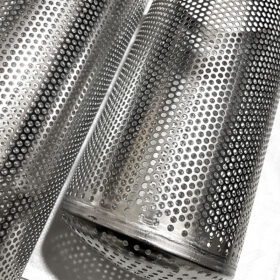
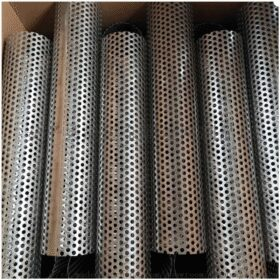
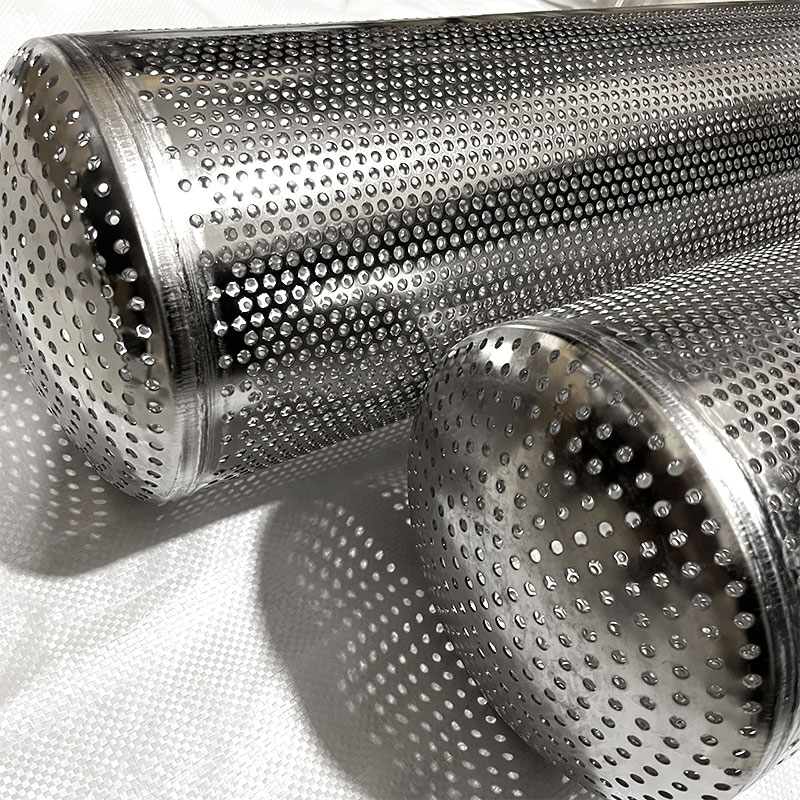
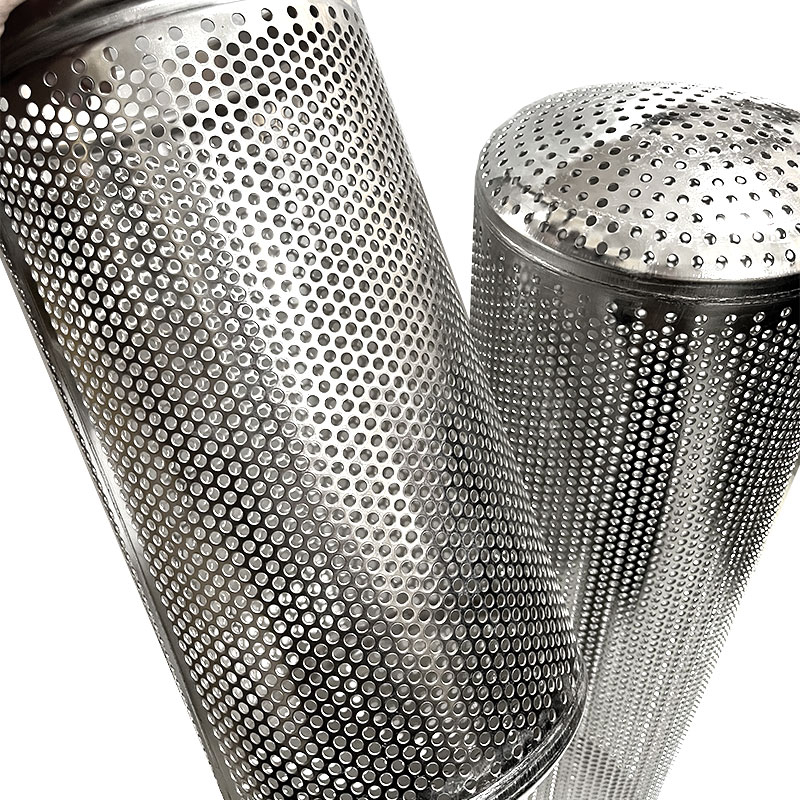
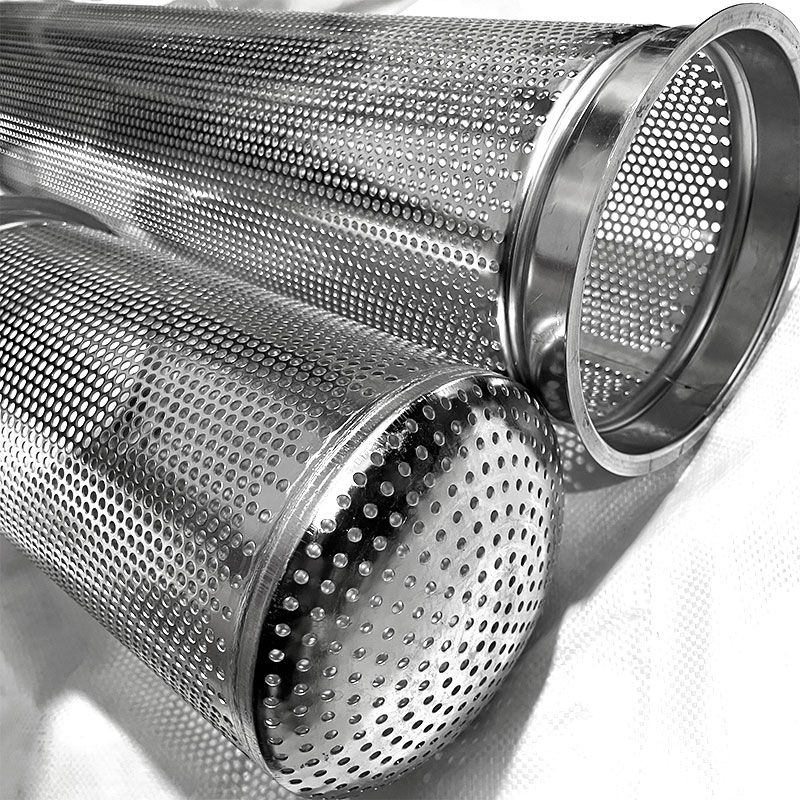
A robust, clean-looking filter element for air, liquid, and process applications. Stainless Steel Perforated Metal Mesh Filter Tubes combine a rigid perforated shell with optional mesh liners to deliver strength, flow, and stable filtration—indoors or outdoors, at ambient or elevated temperatures.
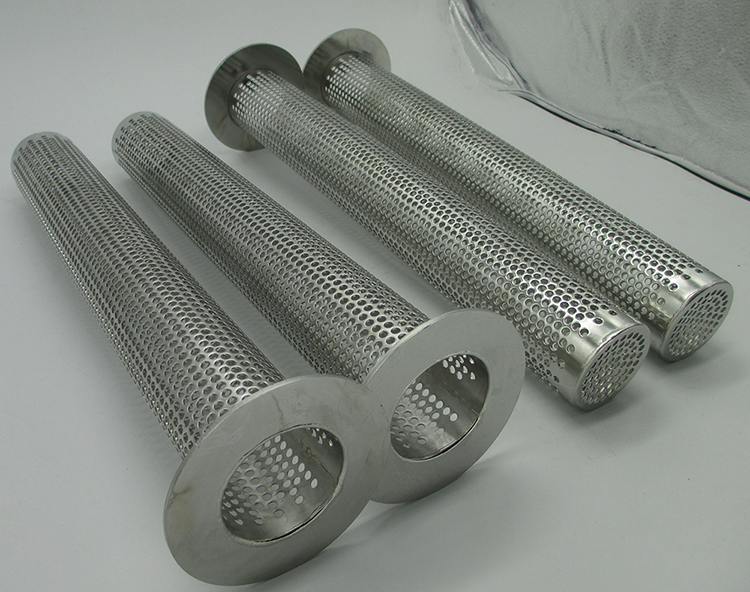
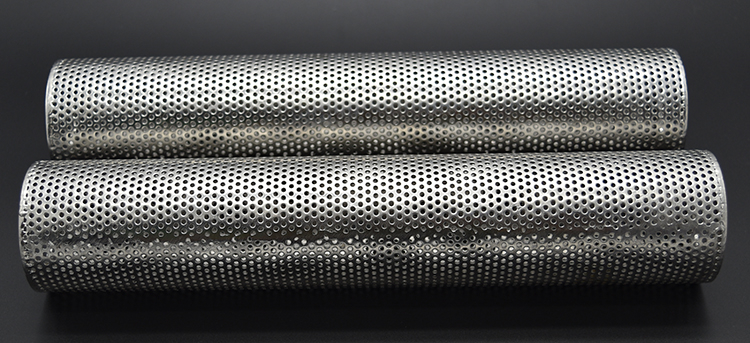
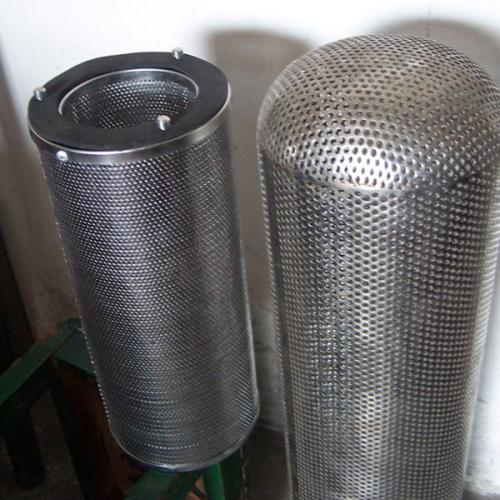
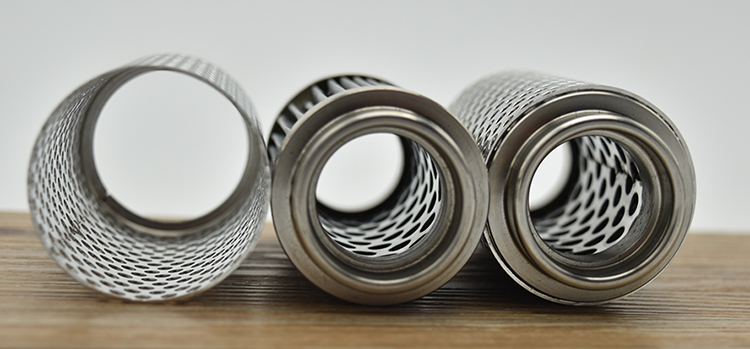
Key Features Stainless steel perforated metal mesh filter tubes
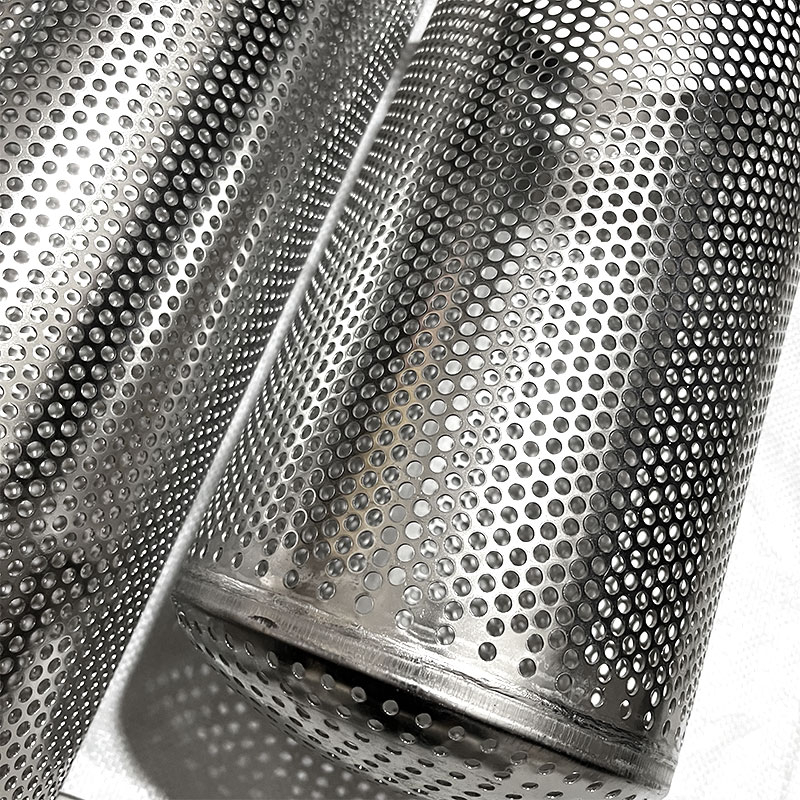
Flat, smooth surface; strong, durable weld seam (TIG/laser).
High dirt-holding capacity with low pressure drop (tuned by hole/open-area).
Anti-acid/alkali, anti-corrosion; easy to wash and reuse.
Wide hole styles (round/hex/diamond/square/slotted “fish scale”) for performance and aesthetics.
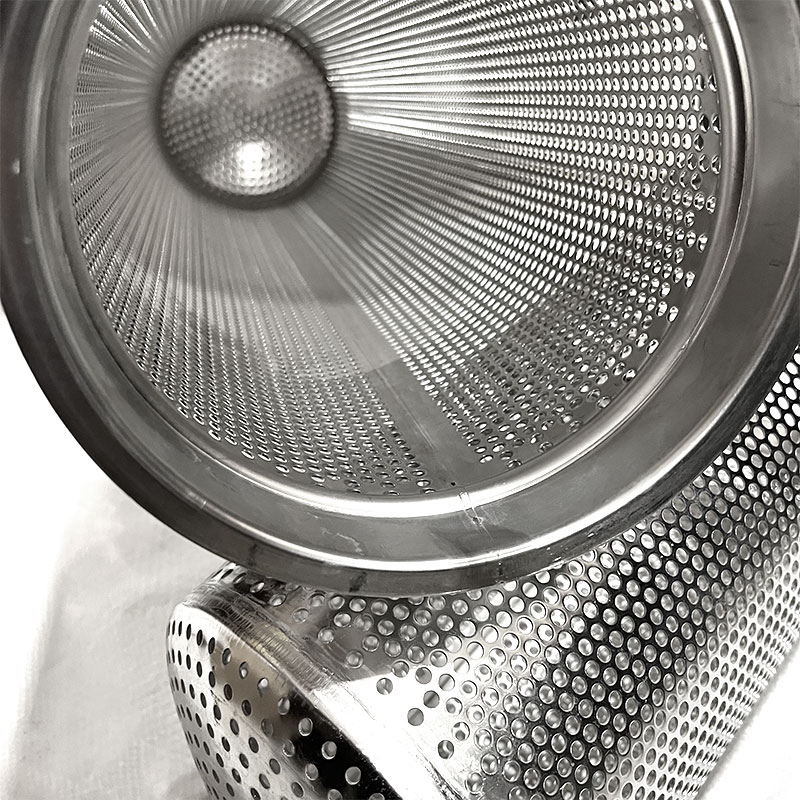
Available as single-layer perforated tubes or multi-layer with woven/welded mesh liners for finer micron ratings.
OEM/ODM welcomed: custom sizes, patterns, ends, and branding.
Materials & Construction
| Item | Options / Notes |
|---|---|
| Base materials | SS304, SS304L, SS316, SS316L (optional: SS321, SS310S, SS904L). Also available by request: aluminum, copper, carbon steel, galvanized steel, Galfan (Zn-Al), “E-metal” (electro-galvanized), black wire cloth. |
| Tube build | Perforated shell only or perforated shell + inner/outer woven mesh (plain-weave) / welded wire mesh / sintered fiber for micron control. |
| Sheet technique | Cold-rolled or hot-rolled sheet prior to perforation; pickled & passivated after fabrication. |
| Seam | Longitudinal TIG/laser welded (standard); spiral seam on request. |
| Finish | Pickled & passivated (ASTM A967), brushed, bead-blasted, electropolished (Ra ≤0.8 μm typical). |
Perforation Styles & Ranges Stainless steel perforated metal mesh filter tubes
| Parameter | Standard / Options |
|---|---|
| Hole styles | Round, hexagonal, diamond, square, slotted/oval, fish-scale. |
| Round hole Ø | 0.3–10.0 mm (other sizes on request). |
| Pitch (P) | Staggered 60° (standard), 45°, or straight row. Typical P = 1.5–2.5 × hole Ø. |
| Open area | ~15–45% depending on hole and pitch (see quick reference below). |
| Aesthetic patterns | Standard to intricate CNC-tooled patterns available. |
Open-Area Quick Reference (Round, 60° Stagger):
| Hole Ø D (mm) | Pitch P (mm) | Open Area (%) |
|---|---|---|
| 0.5 | 0.75 (1.5×D) | ~40.3 |
| 1.0 | 1.50 (1.5×D) | ~40.3 |
| 1.0 | 2.00 (2.0×D) | ~22.7 |
| 2.0 | 3.00 (1.5×D) | ~40.3 |
| 3.0 | 4.50 (1.5×D) | ~40.3 |
Higher open area lowers ΔP but reduces wall strength; balance with thickness and support.
Dimensions & Mechanical (Typical)
| Parameter | Range / Spec |
|---|---|
| Outside diameter (OD) | 12–168 mm standard (½″–6⅝″); larger on request. |
| Length | 50–6,000 mm in one piece; longer with couplers. |
| Sheet thickness (t) | 0.3–3.0 mm typical (up to 25 mm on special request/flat parts). |
| Roundness / straightness | Roundness ≤0.5% OD; straightness ≤1 mm per 1,000 mm (typical). |
| Flow direction | Outside→In (standard) or Inside→Out. |
| Working limits* | Temperature up to ~400–500 °C for 304/316; pressure rating depends on OD, t, hole/open-area, and supports. |
| *Note | Formal pressure/temperature rating issued after drawing and calculation; burst/hydro tests available. |
End Connections & Options
| End type | Details |
|---|---|
| Plain ends | Deburred, square-cut; caps available. |
| Threaded | NPT/BSP male or female. |
| Flanged / Tri-Clamp | ANSI/DIN/JIS flanges; sanitary tri-clamp ferrules. |
| Quick-connect | Camlock, groove, bayonet fittings. |
| Supports | Central support rod or perforated inner core for long/High-ΔP elements. |
| Gaskets | EPDM, NBR, Viton®, PTFE envelope, per media and temperature. |
Performance & Filtration Options
Perforated shell only for coarse protection/strainers.
Perforated + woven mesh liner (plain-weave) for nominal 5–500 μm ratings.
Perforated + sintered fiber/mesh for finer, depth-type filtration (as low as 1–50 μm).
Available as single tubes, multi-tubes in a basket, or cartridges with endcaps.
Applications
Security & guards: Machine guards, fan/vent covers, enclosures, partitions.
Process filtration: Oil & gas pre-filters, water intake strainers, polymer melt screens (as liner), chemical processing.
Sifting & separation: Food/agri, mining, aggregate, grain.
HVAC & ventilation: Air intake screens, acoustic panels (perforation doubles as sound treatment).
Architectural: Decorative panels with functional airflow/light.
Quality, Standards & Documentation
Material per ASTM A240 (sheet/plate); fabrication in line with ASTM A249/A269/A312 practices.
DPI on welds, dimensional checks (OD/ID/length), perforation audit (hole & pitch), air-under-water/leak, hydrostatic or burst tests on request.
EN 10204 3.1 mill certificates, heat-number traceability, PMI (optional).
Cleaned/degreased; ultrasonic cleaning and clean-room packing available.
Packing & Delivery Stainless steel perforated metal mesh filter tubes
Tubes: Nylon end caps → PE bag → bubble wrap → labeled export carton or wooden case.
Export upgrades: VCI anti-rust wrap + desiccants; vapor-barrier (aluminum-foil laminate); ISPM-15 pallets.
- Labels show grade, OD×L, hole/pitch, thickness, flow direction, lot, date for traceability.

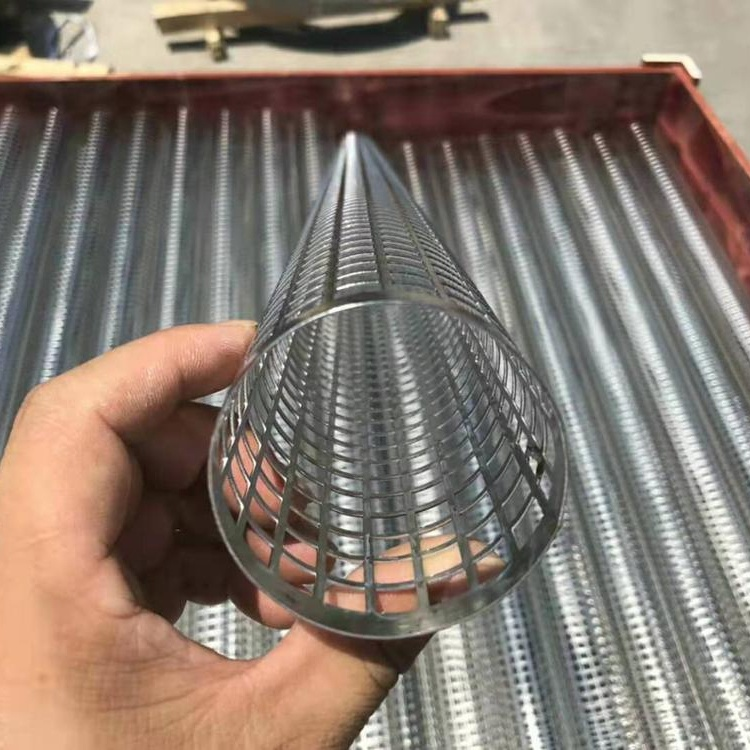

FAQS Stainless steel perforated metal mesh filter tubes
What materials and grades are commonly used?
Most tubes use 304/304L or 316/316L stainless steel; 316/316L is preferred where chlorides or harsh chemicals are present. Alternatives include aluminum, carbon steel, galvanized steel, and copper when corrosion demands are lower.
Which hole shapes are available?
Round, square, hexagonal, diamond, and slotted/oval (“fish-scale”). The choice balances flow, strength, cleanability, and appearance.
How do I choose hole size and open area?
Larger holes and tighter pitch increase open area and reduce pressure drop, but also reduce wall strength. Match hole diameter, pitch, and sheet thickness to your flow rate and mechanical requirements.
What sizes are typical for perforated filter tubes?
Common outside diameters range from about 25–152 mm (1–6 in) with lengths from a few inches to 1 m or more. Custom OD, length, and thickness are available.
How are the Stainless steel perforated metal mesh filter tubes manufactured?
Sheet is perforated, rolled, and longitudinally TIG or laser welded into a tube. Ends are deburred, and the assembly can be passivated or electropolished for cleanliness.
Can I add a fine filtration layer?
Yes. A woven wire mesh or sintered fiber/mesh liner can be added inside or outside the perforated shell to achieve specific micron ratings.
What finishes are available for corrosion and cleanliness?
Pickling and passivation are standard for stainless. Electropolishing further smooths the surface (lower Ra) and improves cleanability and corrosion resistance.
What end connections can I specify?
Plain ends, threaded (NPT/BSP), flanged, tri-clamp/sanitary, and various quick-connect options. Gasket materials (EPDM, NBR, Viton, PTFE) should match your media and temperature.
What’s the difference between perforated tubes, wire mesh tubes, and wedge wire?
Perforated tubes offer high strength with defined holes; woven mesh tubes provide finer openings but are less rigid; wedge wire has precise slots, high strength, and excellent cleanability for demanding services.
Which stainless grade should I choose for coastal or chemical environments?
Select 316/316L for chloride-rich or chemical exposure; 304/304L suits most general environments.
How do I estimate pressure drop?
Start with desired open area (hole size and pitch) and flow rate. Higher open area lowers ΔP; verify with actual viscosity, temperature, and housing geometry, and adjust thickness or add supports if needed.
Where are these Stainless steel perforated metal mesh filter tubes used?
Process straining and filtration; water intake protection; oil & gas pre-filters; HVAC air screens; machine guards and vent covers; architectural panels and webnet infill systems; and sifting/separation in food and mining.
How should they be cleaned and maintained?
Rinse or CIP with compatible cleaners; avoid chloride-heavy chemicals on 304. Regularly remove deposits and consider periodic passivation or electropolishing for long-term performance.
What information is needed for a quote?
Material/grade, OD × length × thickness, hole style/size and pitch (or target open area), liner micron rating (if any), end connection and gasket, quantity, and packing requirements.