Your One-Stop Wire Mesh Fence Supplier | POLYMETAL

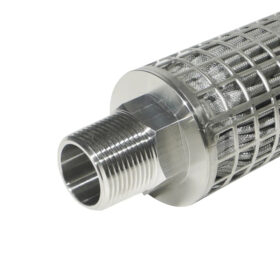


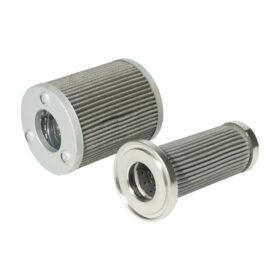


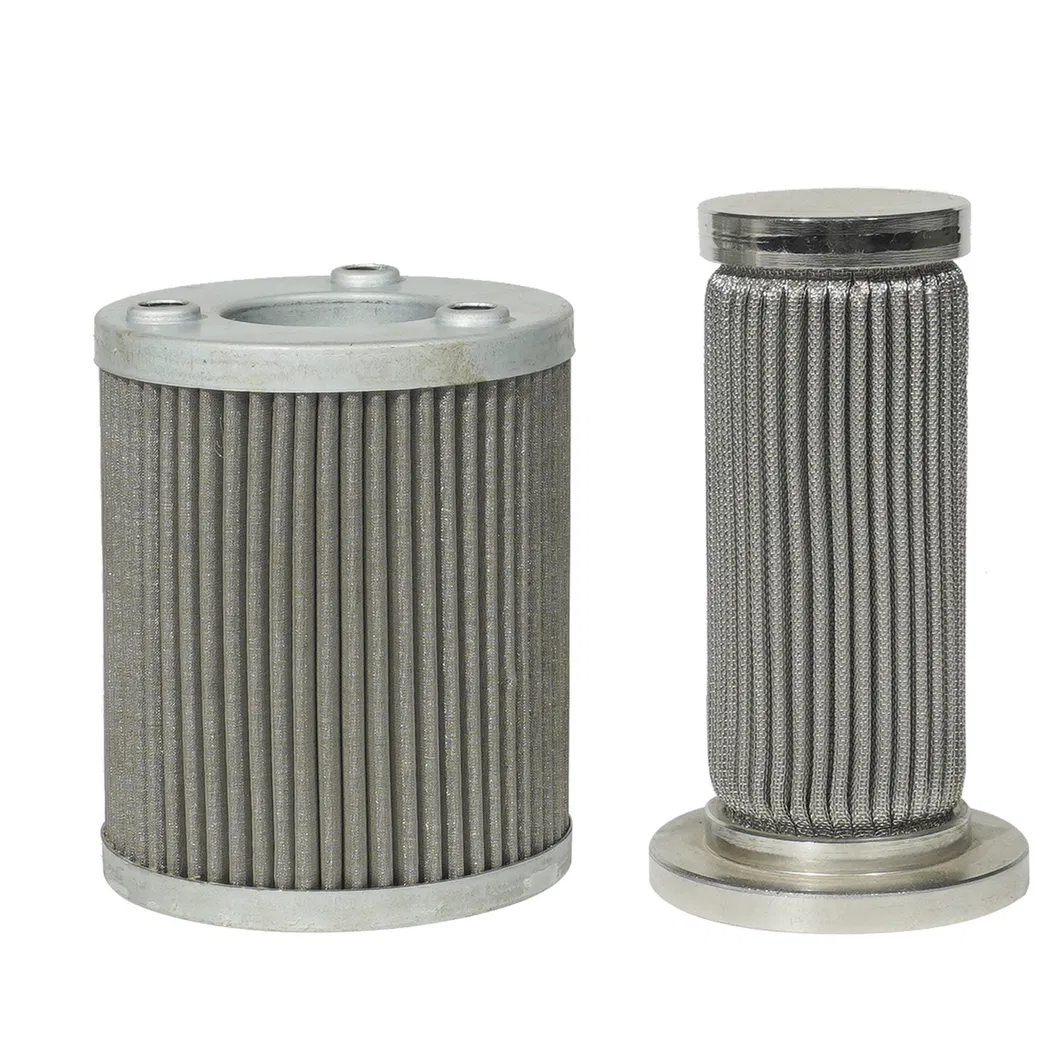
The Stainless Steel Pleated Filter Element (also called pleated metal mesh filter,folding filter or corrugated filter) is made from pleated stainless steel wire mesh or sintered mesh. Three to four layers of metal wire cloth are pleated together, with inner and outer coarse mesh used as reinforcement layers. The rated micron is determined by the core filter layer.Thanks to the pleated structure, these elements offer a very large filtration area, excellent fouling control and can fit into compact housings, achieving fine filtration without high pressure drop.Filter media and supports are available in 304, 316, 316L and other stainless steels, with optional perforated tube, punched plate or woven mesh as support layers. The elements are fully welded after pleating, giving outstanding temperature, pressure and corrosion resistance.
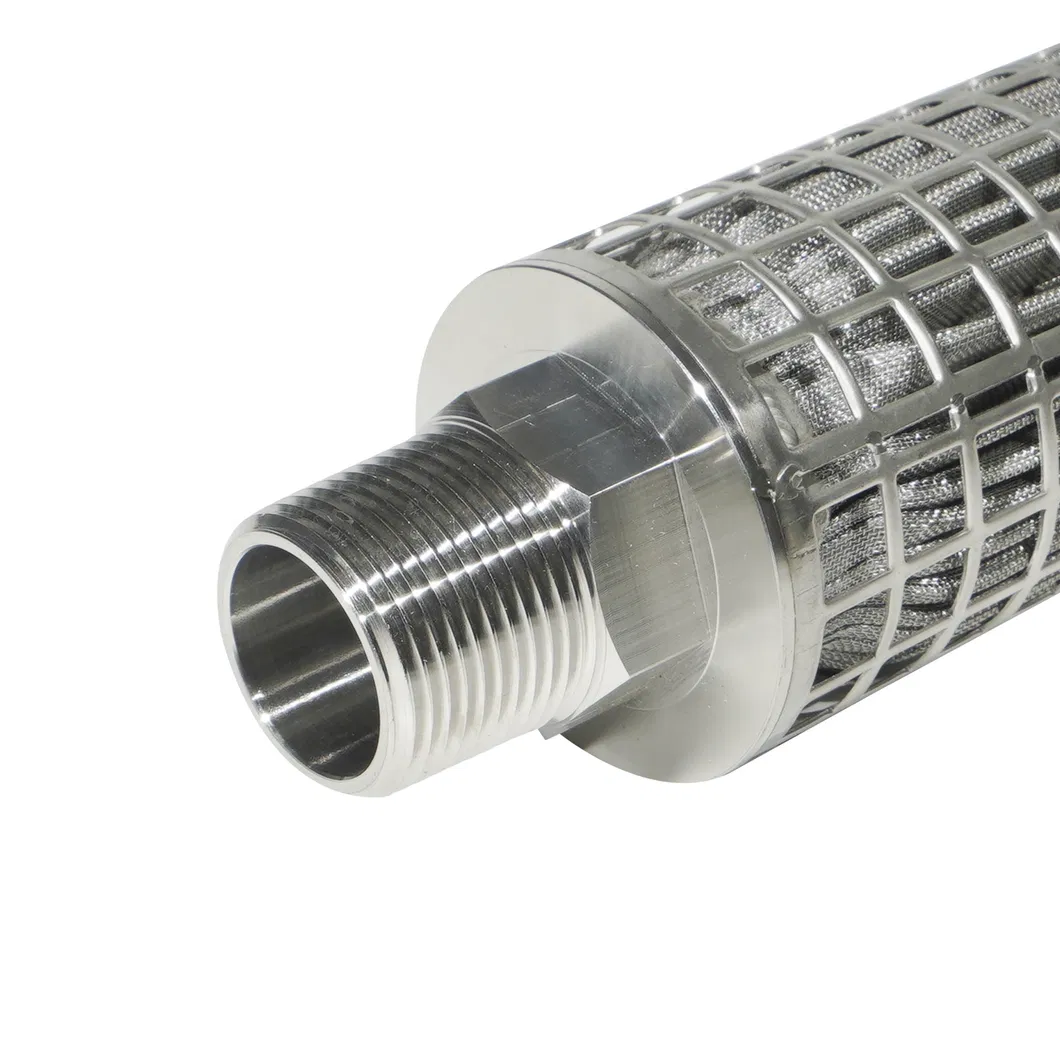
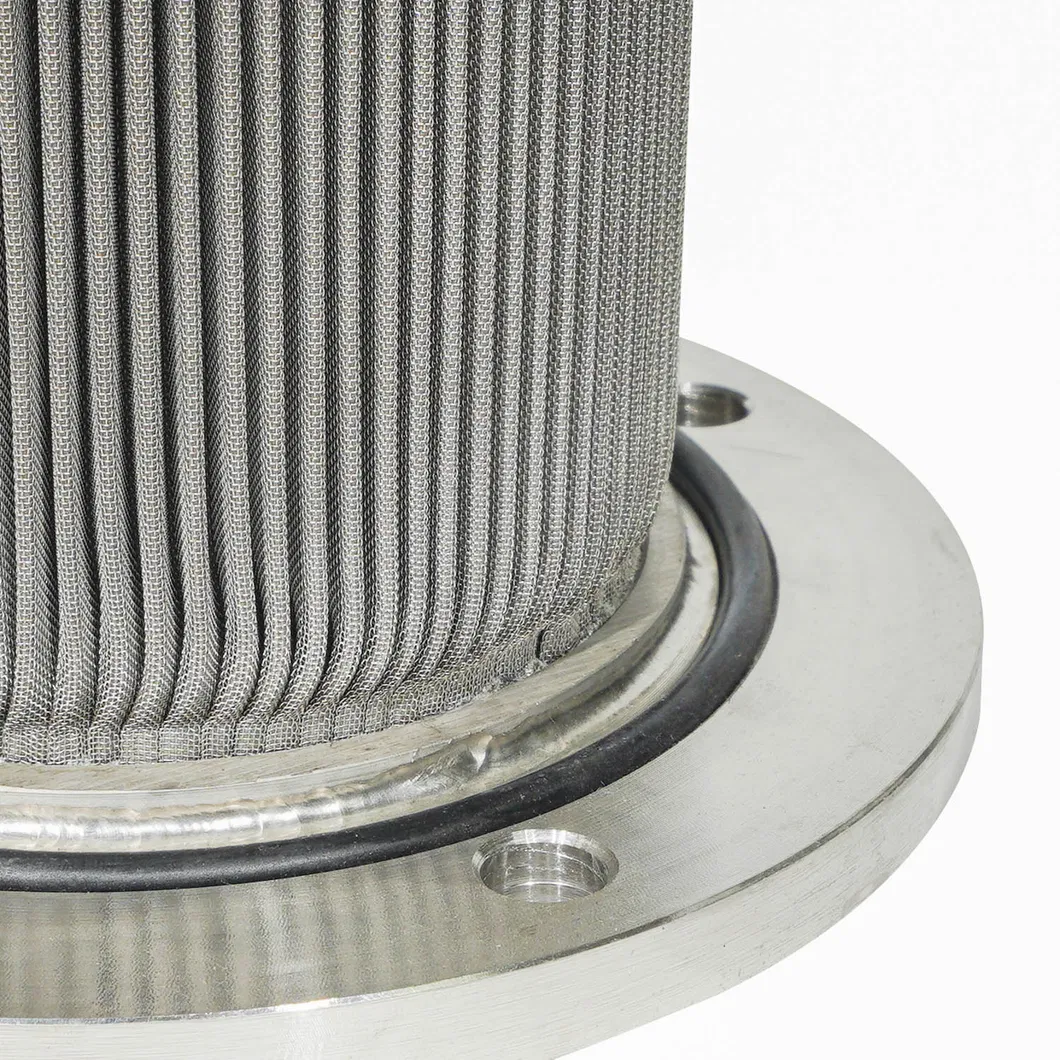
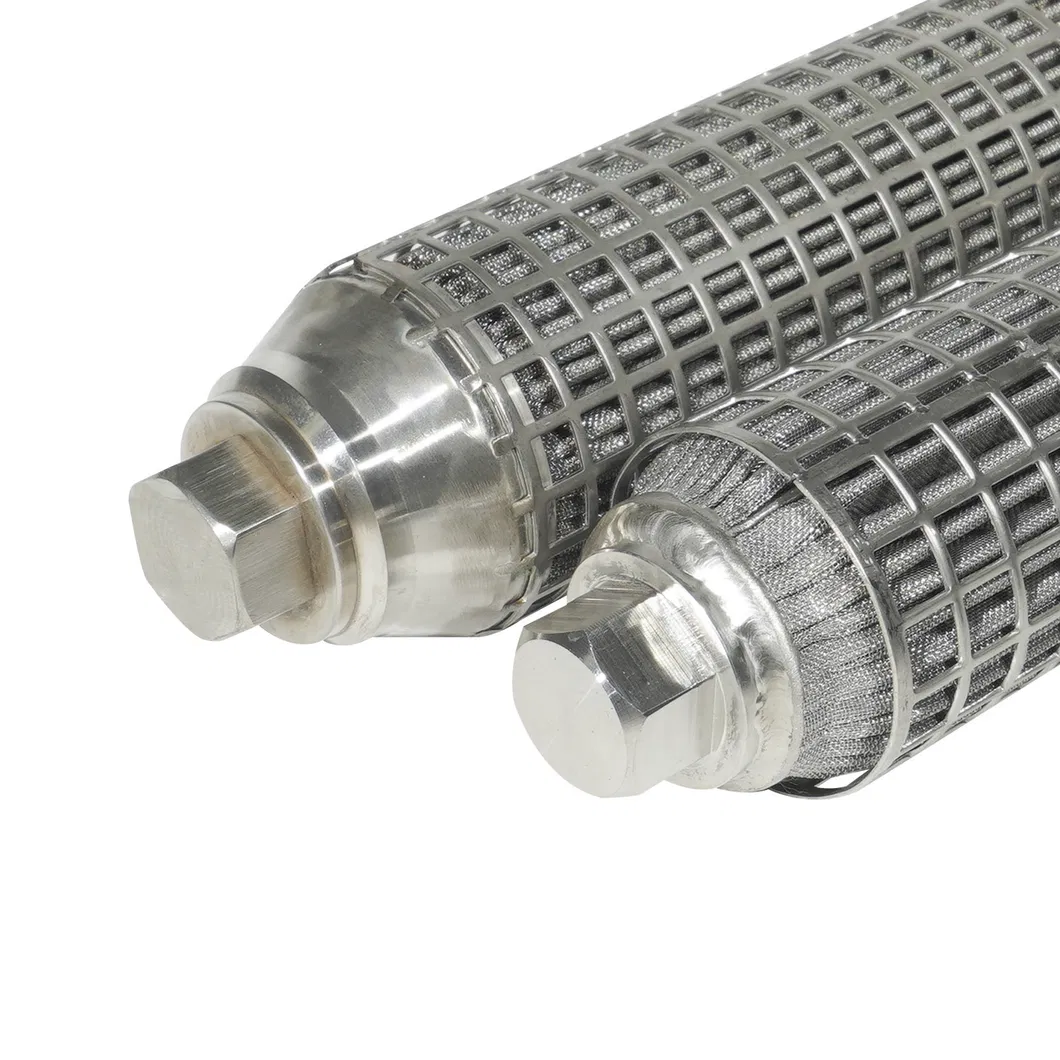
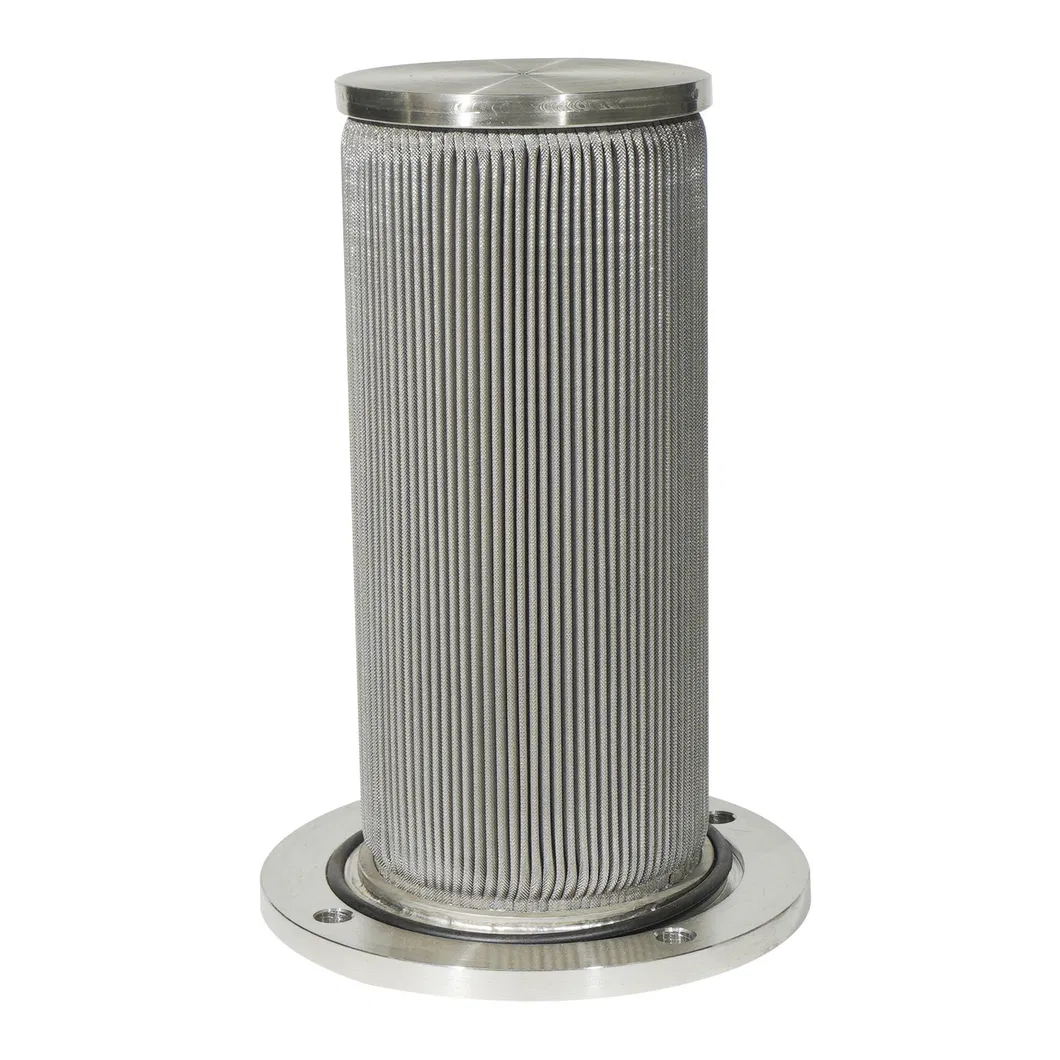
Detailed Photos of Stainless Steel Pleated Filter Element
 |  |
 |  |
Structure of Stainless Steel Pleated Filter Element
A typical Stainless Steel Pleated Filter Element consists of a locating cap,pleated filter layer, inner support tube, outer protective sleeve and adapter.The pleated layer itself is built from three parts:
- Protective layer: protects the filtration layer from mechanical damage.
- Filtration layer: stainless steel woven mesh or sintered felt, providing precise micron rating.
- Support layer: coarse mesh or perforated plate that strengthens the media and prevents collapse.
Outer protective sleeves can be added to further increase compressive strength. All-metal construction gives excellent regeneration performance – the elements can be cleaned by backwash, chemical cleaning or ultrasonic cleaning and reused many times.
 |  |  |
Technical Specifications of Stainless Steel Pleated Filter Element
| Item | Typical Data |
|---|---|
| Filter media | 304L, 306, 316, 316L stainless steel wire mesh; stainless steel sintered mesh; stainless steel punched plate. |
| Support / outer cage | Stainless steel perforated tube or coarse woven mesh; optional sheet metal shell. |
| Available materials for body | SUS 304, 316L, 321, 904L, titanium or other alloy steels. |
| Filtration accuracy (standard) | 1–200 µm for pleated metal mesh filters. |
| Filtration rating (extended) | 1–300 µm optional, including 20, 25, 50, 75, 100, 120, 125, 150, 160, 220 µm etc. |
| Maximum operating temperature | ≤ 500 °C for standard stainless steel pleated elements (higher temperature designs on request). |
| Working pressure range | 0.1 – 30 MPa (depending on size and housing design). |
| Outer diameter (typical) | 60 mm (2.4″), 70 mm (2.8″), 80 mm (3.1″), 100 mm (3.9″) or customized. |
| Inner diameter | Standard ID 28 mm; other IDs available according to request. |
| Length / element size | 5–40 inch standard: 5″, 10″, 20″, 30″, 40″; mini cylinders such as 5 mm diameter × 40 mm length also available. |
| Porosity & flow | High porosity with pleated structure, large effective area and low initial pressure drop. |
| Cleaning & reuse | Backwashing, chemical cleaning or high temperature / ultrasonic cleaning, suitable for repeated use. |
Standards & Interface Options
| Category | Standard / Options |
|---|---|
| Element length standard | 5″, 10″, 20″, 30″, 40″ pleated cartridges; special lengths can be produced according to user requirements. |
| End cap / connector standards | Double Open End (DOE); Standard plug-in types 215, 220, 222, 226; thread interfaces M20, M22, M24, M28, M36; BSPP or NPT threaded connections; quick-release ports and custom flanges. |
| Mesh weave type | Plain weave, twill weave and Dutch weave according to filtration accuracy demanded. |
| Seal materials | NBR, EPDM, FKM (Viton), PTFE, silicone or other elastomers matched to medium and temperature. |
| Design conformity | Manufactured to industrial standards for oil, chemical, polymer and general process filtration; food- and pharma-grade designs available on request. |
Key Benefits of Stainless Steel Pleated Filter Element
| Benefit | Description |
|---|---|
| Large filtration area | Pleated structure provides 5–10 times the filtration area of traditional cylindrical filters, greatly increasing dirt-holding capacity and service life. |
| High filtration efficiency | Stable pore size in the stainless steel media gives filtration efficiency of up to about 95% within the rated micron. |
| Excellent temperature and pressure resistance | All-metal structure withstands high temperature (up to 500 °C) and high differential pressure, suitable for melt filtration and high-pressure systems. |
| Corrosion and chemical resistance | Stainless steel construction offers oxidation resistance and good compatibility with acids, alkalis, solvents and many aggressive process fluids. |
| Good regeneration performance | Elements can be cleaned by backwashing, chemical or ultrasonic methods and used repeatedly, reducing operating cost. |
| Wide viscosity range | Suitable for filtration of low- to high-viscosity liquids and some gases, including polymer melts and lubricating oils. |
| Compact design | High area within a small volume allows installation in compact filter housings and retrofits of existing systems. |
| Customizable design | Micron rating, size, interface type and material can be tailored exactly to user drawings and process requirements. |
Typical Applications of Stainless Steel Pleated Filter Element
| Industry | Process / Medium | Main Function |
|---|---|---|
| Textile & Polymer | Polyester fiber, nylon fiber, film and other polymer melt filtration. | Remove gel, unmelted particles and impurities; protect spinning packs and improve product quality. |
| Pharmaceutical & Medical | Production of polymers for medical non-woven fabrics, masks and pharma intermediates. | Provide high-purity, high-temperature-resistant filtration under hygienic conditions. |
| Chemical, Oil & Gas | Lubricating oil, hydraulic oil, fuel, solvents, resins and process fluids. | Protect pumps and valves, extend fluid service life and reduce equipment wear. |
| Environmental Protection & Recycling | Plastic recycling and granulation, wastewater and process water filtration. | Capture solid particles, recover reusable materials and reduce environmental pollution. |
| Food & Beverage* | Filtration of edible oils, syrups and beverages (where stainless steel and seals meet food-contact requirements). | Provide metal-media filtration without fiber shedding, easy to clean and sterilize. |
| Process Gas & Utility | Compressed air, steam, gas purification, cooling water and high-viscosity liquids. | Remove solid impurities, protect downstream precision filters and equipment. |
| Special use – herbal rosin cylinders | Small stainless steel perforated cylinders for rosining herbal concentrate. | Cut to size, fill with herbs and press; reusable tubes that do not leach toxins or off-flavors. |
*All data above are typical values for reference only.Stainless Steel Pleated Filter Elements can be fully customized – including size, micron rating, materials, connectors and gasket types – according to your detailed drawings or specified working conditions.
Stainless Steel Pleated Filter Element – FAQ
What is a stainless steel pleated filter element?
A stainless steel pleated filter element is a reusable filter cartridge made from pleated stainless steel woven mesh or sintered metal fiber. The pleats greatly increase the filtration area while keeping the element compact, so it can handle higher flow and more dirt than a non-pleated cylinder.
How does a stainless steel pleated filter element work?
Liquid or gas passes through the pleated metal media. Particles larger than the pore size are trapped on the surface and within the depth of the mesh or felt. The pleated structure provides many parallel flow paths, which maintains good filtration efficiency with relatively low pressure drop.
What are stainless steel pleated filter elements made of?
They are usually made from 304, 304L, 316 or 316L stainless steel wire mesh or sintered fiber felt, with stainless steel perforated inner cores and outer guards. Special alloys such as 321, 904L or titanium can be used when higher corrosion resistance is needed.
What micron ratings are available?
Typical stainless steel pleated elements cover a range from about 1 µm up to 300 µm or higher. Common ratings include 3, 5, 10, 20, 25, 40, 60, 75, 100 and 150 µm, depending on the mesh or sintered media used.
What are the main advantages of stainless steel pleated filter elements?
They offer large filtration area, high dirt-holding capacity, high temperature and pressure resistance, excellent corrosion resistance, strong mechanical strength, easy cleaning and a much longer service life than disposable cartridges.
In which industries are stainless steel pleated filters commonly used?
They are widely used in chemicals, petrochemicals, polymer and textile spinning, power generation, hydraulic systems, oil and gas, water treatment, food and beverage processing and pharmaceutical production.
What is the typical maximum operating temperature?
Standard stainless steel pleated elements typically operate up to about 400–500 °C, limited mainly by the grade of stainless steel and the sealing materials. Special high-temperature designs can go higher if required.
How much pressure can a stainless steel pleated element withstand?
Because of the welded metal structure and perforated support tubes, these elements handle high differential pressures. The exact pressure rating depends on element length, diameter, wall thickness and housing design and should be confirmed by the manufacturer.
What’s the difference between pleated metal filters and non-pleated metal cylinders?
Pleated filters have folds that multiply the effective surface area, which increases flow capacity and dirt-holding while keeping overall size similar. Non-pleated cylinders are simpler but have much less area and tend to plug faster at the same flow rate.
How do stainless steel pleated filters compare to PP or paper cartridges?
Stainless steel pleated filters tolerate higher temperatures and pressures, resist chemicals better and can be cleaned and reused many times. Polypropylene or paper cartridges are cheaper initially but are usually disposable and limited to lower temperatures and less aggressive media.
What are the main applications in polymer and textile industries?
They are used for polymer melt filtration in polyester, nylon, polypropylene and film production to remove gels, unmelted particles and solid impurities before spinning or extrusion, protecting dies and improving product quality.
Are stainless steel pleated elements suitable for food and beverage filtration?
Yes. When made from food-grade stainless steel and compatible seals, they are used to filter edible oils, syrups, beverages and process water, especially where high-temperature cleaning or steam sterilization is required.
Can stainless steel pleated filters be used in pharmaceutical applications?
Yes. They are used for high-purity water, solvents, process gases and polymer production for medical non-wovens and masks, provided the design meets the relevant sanitary and validation requirements.
What are common end-connection types for these elements?
Typical connections include DOE (double open end), 222 and 226 plug-in ends, threaded ends such as BSPP and NPT, metric threads (for example M20, M24, M28, M36), quick-release connections and custom flanges to match existing housings.
Can stainless steel pleated elements be customized?
Yes. Micron rating, length, diameter, pleat design, alloy, end caps and sealing configurations can all be customized according to user drawings, working conditions and housing dimensions.
How are stainless steel pleated filter elements cleaned?
They can be backwashed with clean fluid, soaked or flushed with chemicals, treated by ultrasonic cleaning, and in some cases baked or heat-treated to remove stubborn contaminants. The best method depends on the type of fouling and the process medium.
How often should these filters be cleaned or serviced?
They should be cleaned whenever the differential pressure reaches the system’s preset limit or when the required flow can no longer be maintained. The actual interval depends on contamination level, fluid type and operating conditions.
How do I know a stainless steel pleated element is blocked and needs maintenance?
A steadily increasing pressure drop across the filter, reduced flow rate or activation of differential-pressure alarms are clear signs that the element is clogged and needs cleaning or replacement.
What information do I need to specify when ordering a stainless steel pleated filter element?
You should provide the process fluid, operating temperature and pressure, required micron rating, flow rate, desired service life between cleanings, element length and diameter, housing type, end-connection type and preferred material grade.
Can these filters handle highly viscous liquids?
Yes. Stainless steel pleated elements are suitable for viscous polymer melts, heavy oils, resins and similar media, because their strong structure and large surface area help maintain flow where conventional cartridges might collapse or plug quickly.
Do stainless steel pleated filters shed fibers or media into the product?
No. They are made from woven wire mesh or sintered metal, not paper or polymer fibers, so they do not shed fibers. With proper fabrication and surface treatment, media migration is very low.
What is the filtration efficiency of stainless steel pleated elements?
Many designs achieve efficiencies around 90–95% at the rated micron size in single-pass operation. The exact efficiency depends on the media type, micron rating and test method used.
Can stainless steel pleated filter elements be used in high-temperature gas or steam lines?
Yes. Their all-metal construction and high-temperature resistance make them suitable for hot gas, compressed air and steam filtration, as long as the seals and housing are also rated for the same conditions.
What is the difference between woven mesh and sintered fiber media in these filters?
Woven mesh provides surface filtration with very uniform openings and is easy to rinse. Sintered fiber felt offers deeper filtration, higher dirt-holding capacity and often higher mechanical strength, which is useful in very demanding services.
Are stainless steel pleated filters suitable for corrosive or aggressive chemicals?
In many cases yes, especially when made from suitable stainless steel or special alloys. They are widely used with acids, alkalis and solvents, but chemical compatibility must always be checked against the specific medium.
What sizes are available for stainless steel pleated filter elements?
Standard cartridge lengths are typically 5″, 10″, 20″, 30″ and 40″ with outer diameters around 60–100 mm, plus many special candle-, tube- and cylinder-type elements made to customer dimensions.
Can stainless steel pleated elements be used as both pre-filters and final filters?
Yes. Coarser micron ratings are often used as pre-filters to protect finer stages, while finer stainless steel pleated cartridges can act as final filters in systems that require robust metal media.
What are the main limitations of stainless steel pleated filter elements?
They have a higher initial cost than disposable cartridges, may not achieve ultra-fine sub-micron performance like membrane filters, and cleaning can be difficult if contaminants are sticky, polymerized or strongly bonded to the media.
Are stainless steel pleated filter elements environmentally friendly?
They are more environmentally friendly than many disposable options because they can be cleaned and reused many times, which reduces filter waste and overall material consumption.
Why choose stainless steel pleated filter elements over other metal filter types?
Compared with straight metal cylinders or simple screens, pleated elements offer much larger active surface area in the same volume, giving higher flow and dirt-holding capacity while still delivering the strength, temperature resistance and durability of all-metal construction.