Your One-Stop Wire Mesh Fence Supplier | POLYMETAL
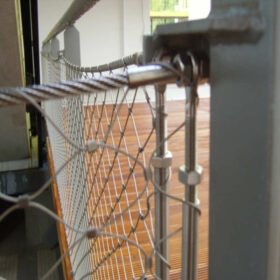
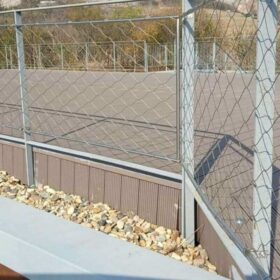
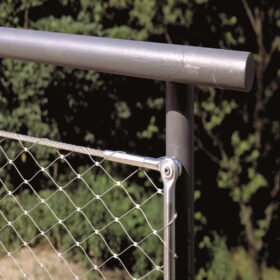
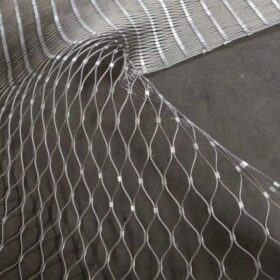
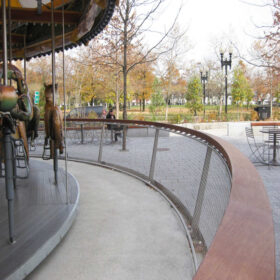
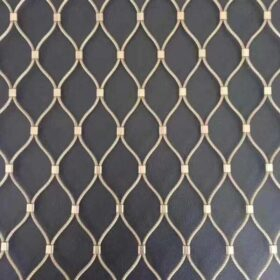
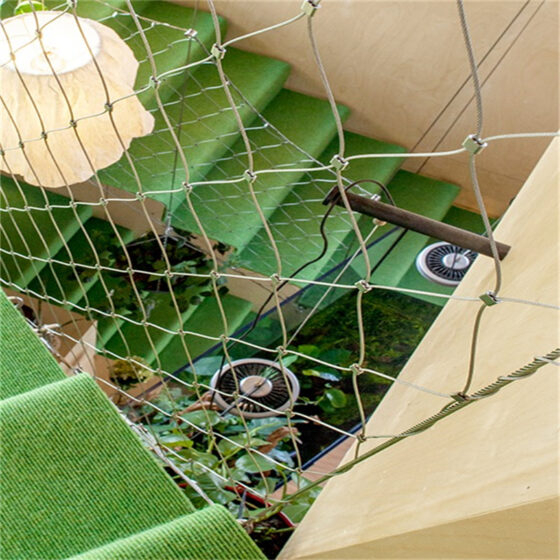
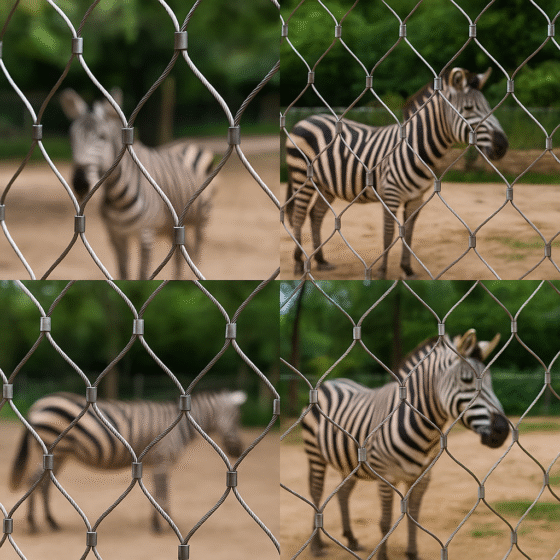
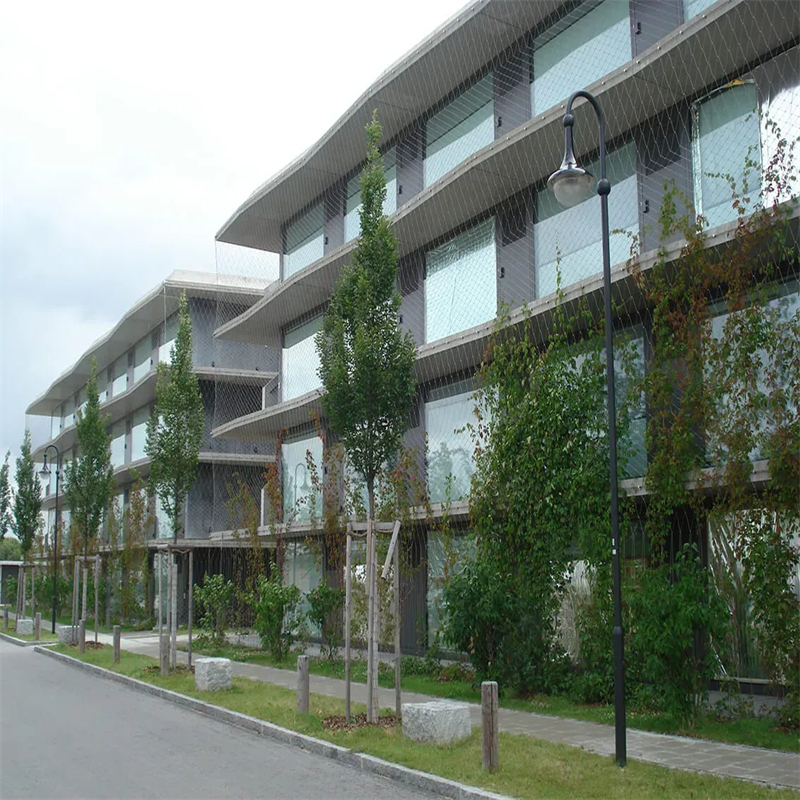
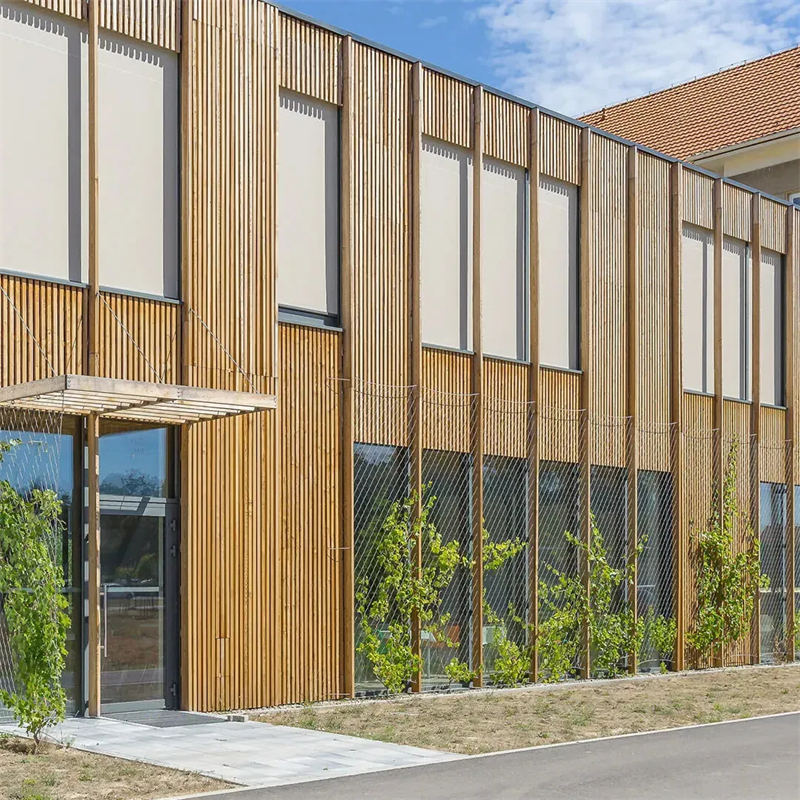
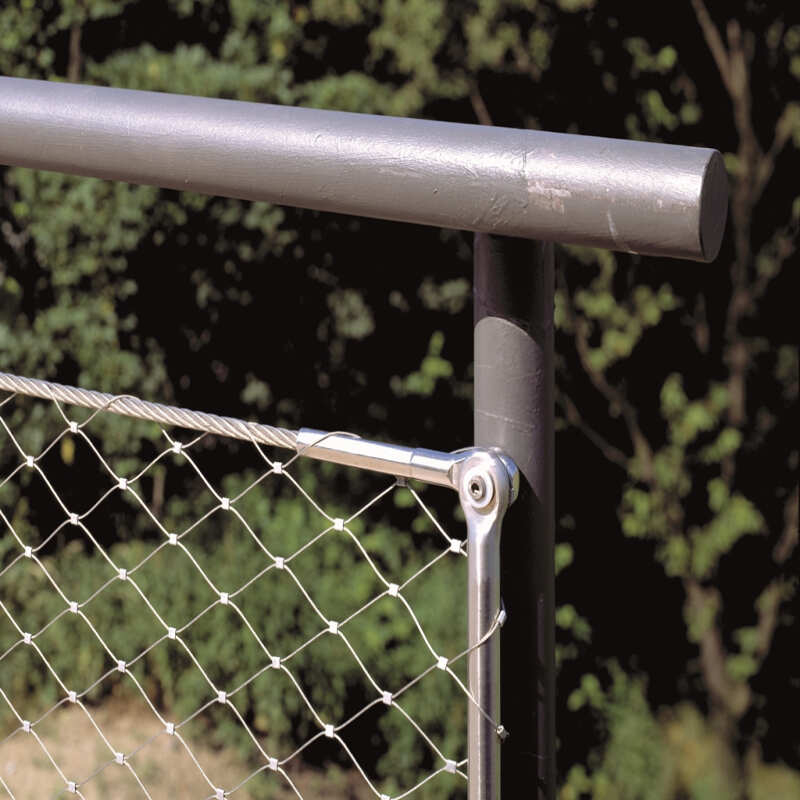
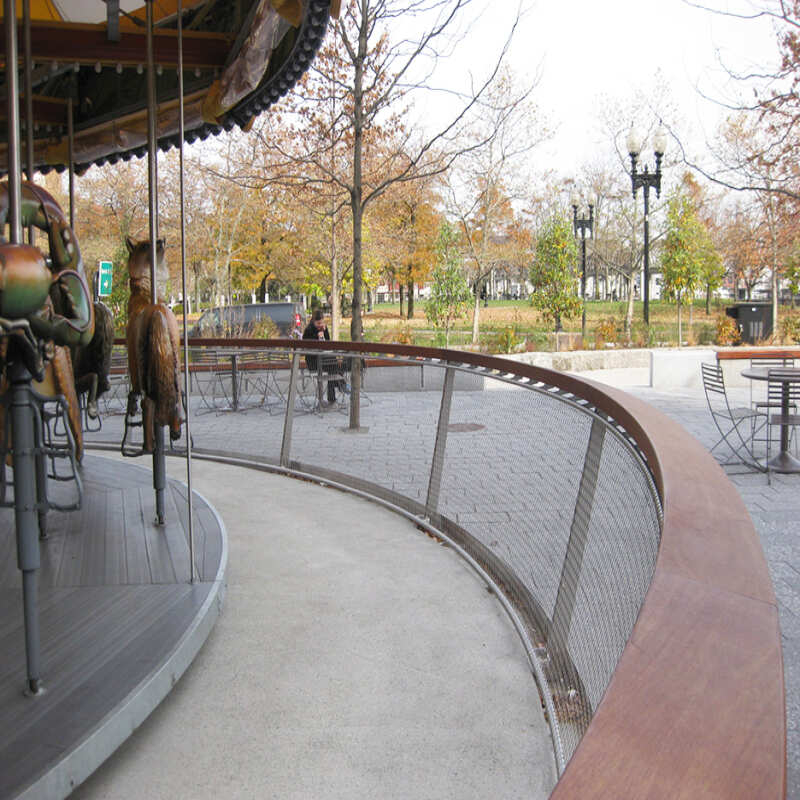
A large stainless steel wire zoo mesh for aviary draped over tall pillars is appreciated by many zoos because it provides ample flight room and creates a more natural habitat. But bird feathers are fragile and can be damaged by rigid, sharp netting, so choosing protection netting is not simple. A stainless steel wire zoo mesh built as flexible wire rope netting is often the safest solution because it forms a flat surface with minimal protrusions, reducing snag risk and helping enclosed birds avoid injury during daily flight contact—especially in mixed-use zoo zones where visitor routing may also rely on outdoor crowd control barriers.
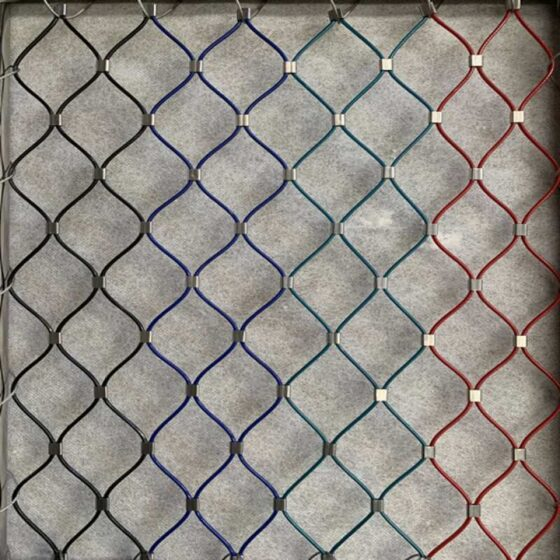
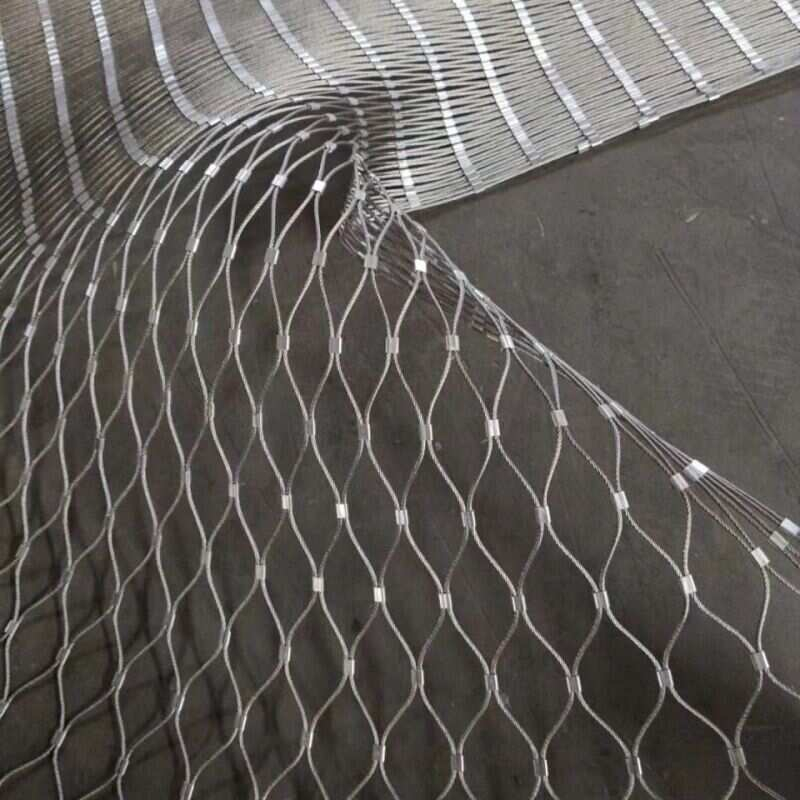
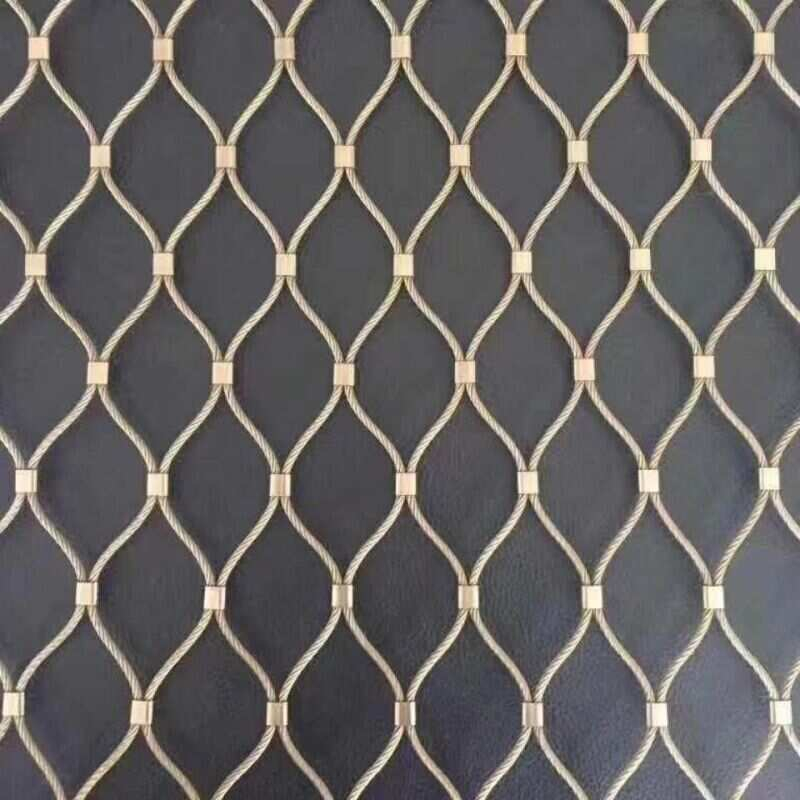
POLYMETAL stainless steel wire zoo mesh is engineered as a flexible rhombus structure with high transparency and strong load capacity. It can resist wind, rain, and snow loads while remaining lightweight and visually open for visitors. Although stainless steel wire zoo mesh costs more than plastic alternatives, it typically delivers a much longer service life—often exceeding 30 years—while reducing maintenance costs and replacement risk across long-term zoo and aviary projects.

stainless steel wire zoo mesh Top 18 Costly Traps You Must Lock Before You Buy (Especially #17)


Trap #1: The “secret” behind choosing the wrong stainless grade
stainless steel wire zoo mesh can look identical while behaving very differently in coastal air, chlorine zones, and high-humidity environments. If you do not lock AISI 304/304L versus 316/316L by exposure zone, early staining and corrosion can appear where the enclosure is most visible.
Trap #2: The “detail” about cable construction that changes flexibility and handling
7×7 and 7×19 cable constructions do not handle the same. If cable construction is not specified, stainless steel wire zoo mesh can arrive stiffer than expected or less stable than required for a large span, affecting installation quality and long-run geometry.
Trap #3: The “fact” about wire diameter that controls both safety and strength
Cable diameter is a structural decision. A 1.2mm stainless steel wire zoo mesh behaves very differently than 1.6mm, 2.0mm, 2.4mm, or 3.2mm under wind load and animal contact. If diameter is not locked, weak netting can be delivered under the same product name.
Trap #4: The “truth” about mesh opening that decides containment risk
Mesh opening size must match species behavior and enclosure design. If mesh opening is not locked (for example 20×20mm, 25×25mm, 38×38mm, 51×51mm, 60×60mm, 76×76mm), stainless steel wire zoo mesh can create reach-through, escape attempts, or entanglement risk.
Trap #5: The “point” about breaking load that buyers misread
A breaking-load number must match cable construction, node type, and edge anchoring. If your order does not lock minimum average break by SKU, stainless steel wire zoo mesh can underperform when the enclosure faces high wind or heavy dynamic movement.
Trap #6: The “note” about knotted vs ferrule mesh that changes surface behavior
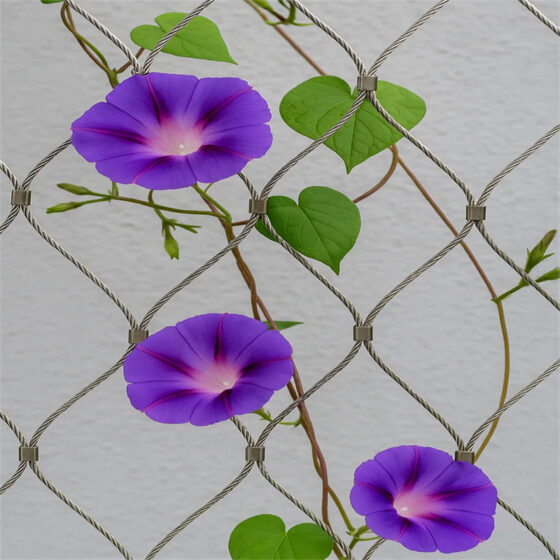
Knotted cable mesh and ferrule type cable mesh differ in node profile, stiffness, and long-term appearance. If the stainless steel wire zoo mesh style is not specified, the delivered net may not match the expected surface smoothness and cleaning plan.
Trap #7: The “tip” about ferrule material mismatch that triggers localized corrosion
Ferrule material must match cable grade. If ferrules are low-quality or mismatched, stainless steel wire zoo mesh can develop corrosion at nodes even when the cable is high grade.
Trap #8: The “hint” about edge cable design that prevents sagging and distortion
Large spans rely on edge cables and correct tension. If edge cable diameter, grade, and termination hardware are not specified, stainless steel wire zoo mesh can sag and distort the diamond pattern, reducing clearance and aesthetics.
Trap #9: The “idea” about ring spacing that controls long-run security
Cable rings and clips join the mesh to pillars, trees, and perimeter cables. If ring spacing and ring strength are not locked, stainless steel wire zoo mesh can loosen over time and create localized gaps that trigger repeated rework.
Trap #10: The “angle” about pillar anchoring that decides enclosure stability
A tall aviary is only as stable as its supports. If pillar foundation and anchoring are not engineered for span loads, stainless steel wire zoo mesh performance gets blamed even though the real failure is structural movement.
Trap #11: The “aspect” about smoothness that is lost with poor finishing
Bird safety depends on a flat surface without sharp protrusions. If finishing, cut-end control, and node smoothness checks are not specified, stainless steel wire zoo mesh can arrive with burrs that increase snag risk.
Trap #12: The “element” about transparency that hides geometry defects
High transparency is an advantage, but it can hide sag and distortion until the enclosure is already in service. If inspection criteria do not include geometry checks, defects can pass receiving and become later maintenance cost.
Trap #13: The “feature” about wind load that punishes weak edges first
Wind loads concentrate stress at edges and corners. If fixing density and edge terminations are not locked, stainless steel wire zoo mesh can flap, fatigue, and lose shape across long spans.
Trap #14: The “trait” of lightweight design that backfires without tension control
Lightweight is good for installation, but it requires correct tensioning. Without a controlled tension plan, stainless steel wire zoo mesh can drift, sag, and become visually uneven.
Trap #15: The “side” of “30+ year life” that depends on the grade and environment
Long lifespan is realistic only when grade selection matches exposure. If 304 is used where 316 is needed, stainless steel wire zoo mesh can lose its cost advantage through early staining and replacement work.
Trap #16: The “view” about mixing SKUs that creates visible mismatch
If different enclosure sections use different diameters, openings, or constructions without an engineering map, stainless steel wire zoo mesh can look patchy and behave inconsistently across the same habitat.
Trap #17: The “crisis” that triggers the biggest loss—mixed specifications in one shipment
The most expensive failure is not a scratch—it is receiving stainless steel wire zoo mesh where grade (304 vs 316), construction (7×7 vs 7×19), diameter, opening, or node style is mixed in the same delivery. That forces sorting, delays installation, triggers client complaints, and causes rework that destroys the savings plan. Lock one approved build per SKU with fixed specifications, labeling, and inspection criteria so every roll installs the same way.
Trap #18: The “lesson” about missing documentation that causes rejection
If material certificates, construction confirmation, and inspection records are missing, stainless steel wire zoo mesh can be rejected at receiving even when it looks acceptable, creating schedule loss and replacement cost under deadline pressure.
Product Description: POLYMETAL stainless steel wire zoo mesh
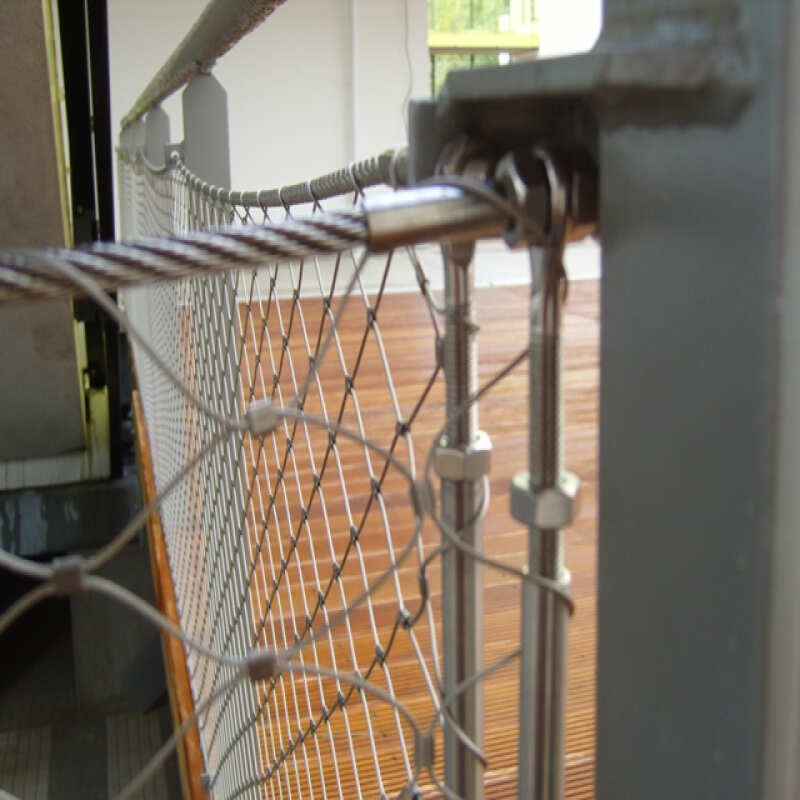
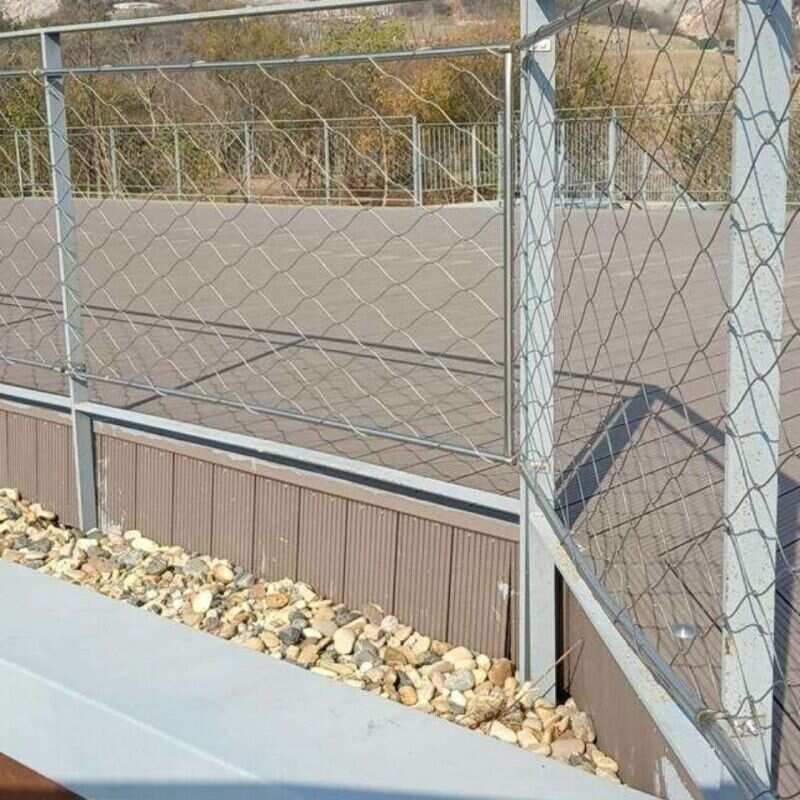
POLYMETAL stainless steel wire zoo mesh is produced as flexible rhombus wire rope netting engineered for bird and zoo enclosures that require high transparency, smooth surface behavior, and long service life. The mesh is designed to reduce snag risk through a flat surface profile, helping protect feathers and minimizing injury risk during daily contact. Stainless steel options including AISI 304, 304L, 316, and 316L support corrosion resistance under long-term outdoor exposure, while cable constructions such as 7×7 and 7×19 allow the build to be matched to flexibility and strength requirements.
By locking cable diameter, mesh opening, node type (knotted or ferrule), and minimum breaking performance, POLYMETAL stainless steel wire zoo mesh maintains stable geometry under wind, rain, and snow loads. With proper edge cable selection, ring spacing control, and disciplined inspection checkpoints, the system installs cleanly and performs consistently across repeated handling cycles, supporting long-term cost efficiency for zoo and aviary projects.
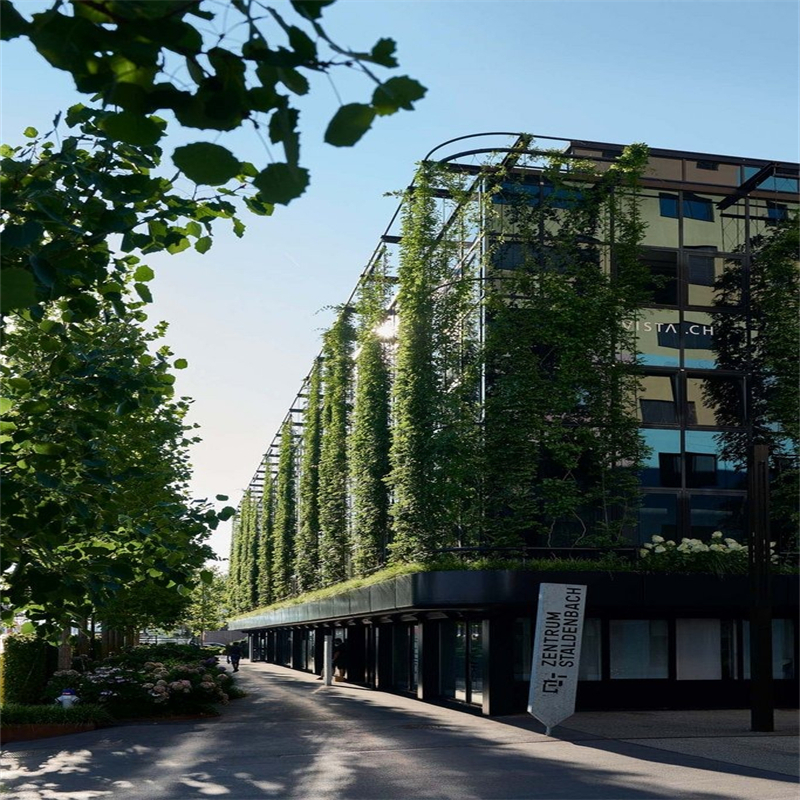


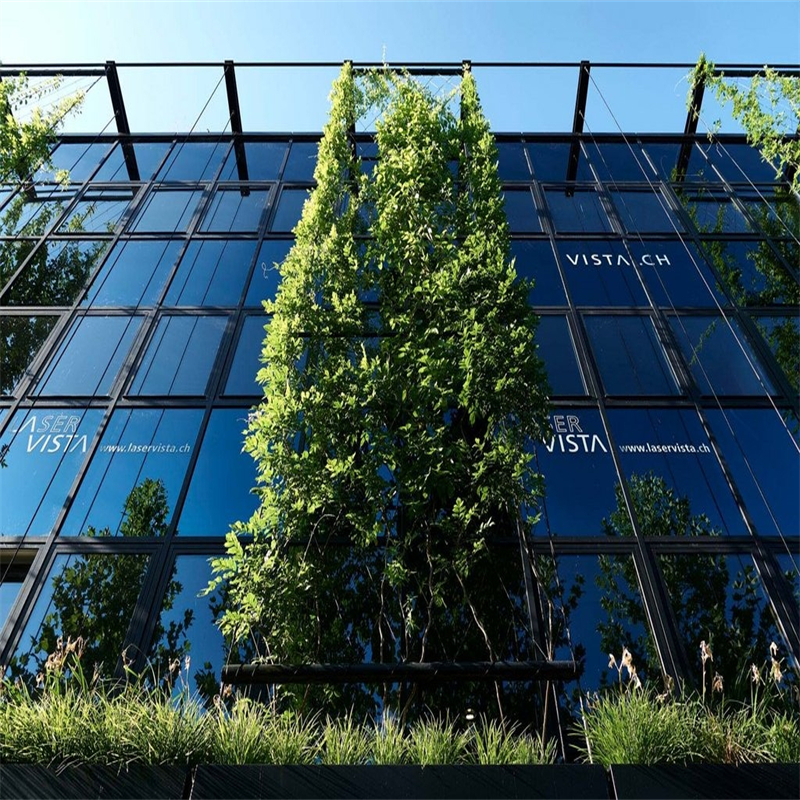
Specifications: stainless steel wire zoo mesh (3 Tables, 10+ Specs Each)
Table 1: Species-Based Selection Guide (Factory Reference)
| Bird species | Code | Wire construction | Stainless Zoo Mesh Cable | Mesh opening size | Average break (lbs) | ||
| Small birds | AM-1 | 7 × 7 | 1/16″ | 1.6 mm | 1″ × 1.” | 25 mm × 25 mm | 480 |
| AM-2 | 7 × 7 | 3/64″ | 1.2 mm | 1″ × 1.” | 25 mm × 25 mm | 270 | |
| AM-3 | 7 × 19 | 3/64″ | 1.2 mm | 0.8″ × 0.8″ | 20 mm × 20 mm | 270 | |
| Eagle | AM-4 | 7 × 7 | 3/32″ | 2.4 mm | 3″ × 3.” | 76 mm × 76 mm | 920 |
| AM-5 | 7 × 19 | 1/8″ | 3.2 mm | 3″ × 3.” | 76 mm × 76 mm | 1600 | |
| Ostrich | AM-6 | 7 × 7 | 3/32″ | 2.4 mm | 2″ × 2.” | 51 mm × 51 mm | 920 |
| AM-7 | 7 × 7 | 5/64″ | 2.4 mm | 2″ × 2.” | 51 mm × 51 mm | 920 | |
| Flamingo | AM-8 | 7 × 7 | 5/64″ | 2.0 mm | 3″ × 3.” | 76 mm × 76 mm | 676 |
| AM-9 | 7 × 7 | 5/64″ | 2.0 mm | 2.4″ × 2.4.” | 60 mm × 60 mm | 676 | |
| AM-10 | 7 × 7 | 5/64″ | 2.0 mm | 2″ × 2.” | 51 mm × 51 mm | 676 | |
| Parrot | AM-11 | 7 × 7 | 5/64″ | 2.0 mm | 2″ × 2.” | 51 mm × 51 mm | 676 |
| AM-12 | 7 × 7 | 1/16″ | 2.4 mm | 2″ × 2.” | 51 mm × 51 mm | 920 | |
| AM-13 | 7 × 7 | 1/16″ | 1.6 mm | 1.5″ × 1.5″ | 38 mm × 38 mm | 480 | |
| AM-14 | 7 × 7 | 1/16″ | 1.6 mm | 1″ × 1.” | 25 mm × 25 mm | 480 | |
| AM-15 | 7 × 7 | 3/64″ | 1.2 mm | 1″ × 1.” | 25 mm × 25 mm | 270 | |
| Crane (sample) | AM-16 | 7 × 7 | 3/32″ | 2.4 mm | 3″ × 3.” | 76 mm × 76 mm | 920 |
| AM-17 | 7 × 7 | 3/32″ | 2.4 mm | 2″ × 2.” | 51 mm × 51 mm | 920 | |
Table 2: Standard Build Matrix (10 Configurations)
| Build ID | Grade | Construction | Dia (mm) | Mesh Opening (mm) | Type | Average Break (lbs) | Average Break (kN) | Typical Application | Service Life Target |
|---|---|---|---|---|---|---|---|---|---|
| ZW-01 | 304 | 7×7 | 1.2 | 25×25 | Ferrule | 270 | 1.20 | Small birds | 20+ yrs |
| ZW-02 | 316 | 7×19 | 1.2 | 20×20 | Knotted | 270 | 1.20 | Small birds, tighter opening | 30+ yrs |
| ZW-03 | 304L | 7×7 | 1.6 | 25×25 | Ferrule | 480 | 2.14 | General aviary | 20+ yrs |
| ZW-04 | 316L | 7×7 | 1.6 | 38×38 | Knotted | 480 | 2.14 | Parrot zones | 30+ yrs |
| ZW-05 | 304 | 7×7 | 2.0 | 51×51 | Ferrule | 676 | 3.01 | Flamingo zones | 20+ yrs |
| ZW-06 | 316 | 7×7 | 2.0 | 60×60 | Ferrule | 676 | 3.01 | Coastal aviary | 30+ yrs |
| ZW-07 | 316L | 7×7 | 2.0 | 76×76 | Knotted | 676 | 3.01 | Large span canopy | 30+ yrs |
| ZW-08 | 304 | 7×7 | 2.4 | 51×51 | Ferrule | 920 | 4.09 | Ostrich/crane | 20+ yrs |
| ZW-09 | 316 | 7×7 | 2.4 | 76×76 | Ferrule | 920 | 4.09 | Eagle spans | 30+ yrs |
| ZW-10 | 316L | 7×19 | 3.2 | 76×76 | Ferrule | 1600 | 7.12 | High wind / high load | 30+ yrs |
Table 3: Installation Hardware & Edge Control (10 Configurations)
| Install ID | Support Layout | Edge Cable (mm) | Ring/Clip Material | Ring Spacing | Tension Tool | Corner Detail | Recommended Grade | Inspection Focus | Risk Control |
|---|---|---|---|---|---|---|---|---|---|
| IH-01 | Pillar canopy | 4.0 | 316 rings | 200mm | Turnbuckle | Thimble + clamp | 316L | Node + edge check | Prevent sag |
| IH-02 | Tree span | 3.2 | 316 rings | 250mm | Turnbuckle | Cable ring join | 316 | Ring spacing | No gaps |
| IH-03 | Steel frame | 3.2 | 304 rings | 300mm | Progressive tension | Corner wrap | 304L | Cut-end smoothness | Bird safety |
| IH-04 | High wind corridor | 5.0 | 316 heavy clips | 200mm | Turnbuckle + bracing | Reinforced corner | 316L | Edge tension | Flutter control |
| IH-05 | Snow region | 5.0 | 316 clips | 200mm | High tension | Corner thimbles | 316L | Diamond distortion | Load capacity |
| IH-06 | Indoor aviary | 3.2 | 304 clips | 350mm | Light tension | Corner wrap | 304 | Consistency | Cost control |
| IH-07 | Marine zone | 4.0 | 316 rings | 200mm | Turnbuckle | Electropolish option | 316 | Chloride resistance | No staining |
| IH-08 | Visitor tunnel | 3.2 | 316 rings | 250mm | Progressive tension | Smooth corners | 316 | Snag prevention | Safety |
| IH-09 | Mixed supports | 4.0 | 316 rings | 250mm | Turnbuckle | Mapped corners | 316L | SKU labeling | No mixed installs |
| IH-10 | Large canopy | 5.0 | 316 heavy clips | 200mm | Turnbuckle | Edge reinforcement | 316L | Edge cable spec | Prevent drift |
Applications of stainless steel wire zoo mesh
stainless steel wire zoo mesh is used for large-span aviaries over trees and tall pillars, walk-through bird habitats, zoo canopy enclosures, protected garden aviaries, and wildlife containment zones that require high transparency and a safer contact surface for animals. It is also used for joining net sections to pillars and reinforcing spans with cable rings to prevent escape and maintain enclosure geometry.


Benefits
POLYMETAL stainless steel wire zoo mesh reduces hidden losses by combining high transparency, durable stainless grades, and a smooth rhombus structure that supports bird safety and long service life. By locking grade, construction, diameter, opening, and breaking performance, the enclosure remains consistent under weather loads and daily animal contact while minimizing maintenance and replacement risk.
Packing
stainless steel wire zoo mesh is packed in protected rolls or flat bundles depending on the build, with separators to reduce abrasion at nodes. Each bundle is labeled by SKU, grade, construction, diameter, and mesh opening to prevent mixed installation. Edge cables and hardware are boxed separately with clear count labels to speed up receiving and installation—especially for projects that also coordinate perimeter systems such as
Hercules fencing.


Standard and inspection expectations
stainless steel wire zoo mesh can be produced to meet commercial enclosure performance expectations when the purchase order states stainless grade, wire construction, cable diameter, mesh opening, node type, minimum breaking load, edge cable specifications, hardware material, and inspection criteria. Disciplined node checks, diameter verification, and labeling control keep each shipment consistent across repeated handling cycles.
FAQs
FAQ 1: Are you a factory or trading company?
POLYMETAL is a direct manufacturer for stainless steel wire zoo mesh and stainless steel wire rope mesh systems, supporting consistent builds and export-ready packing.
FAQ 2: What stainless grades are available?
AISI 304, 304L, 316, and 316L are available, selected based on enclosure exposure and service life targets.
FAQ 3: What constructions can you supply?
Common constructions include 7×7 and 7×19, selected to balance flexibility and strength for the enclosure span and load profile.
FAQ 4: What mesh styles can you produce?
Knotted cable mesh and ferrule type cable mesh are available, selected to match surface behavior and installation preference.
FAQ 5: How do you prevent mixed specifications in one shipment?
POLYMETAL controls production by SKU routing, bundle labeling, and inspection checkpoints so grade, construction, diameter, opening, and node type remain consistent across the order.