Your One-Stop Wire Mesh Fence Supplier | POLYMETAL
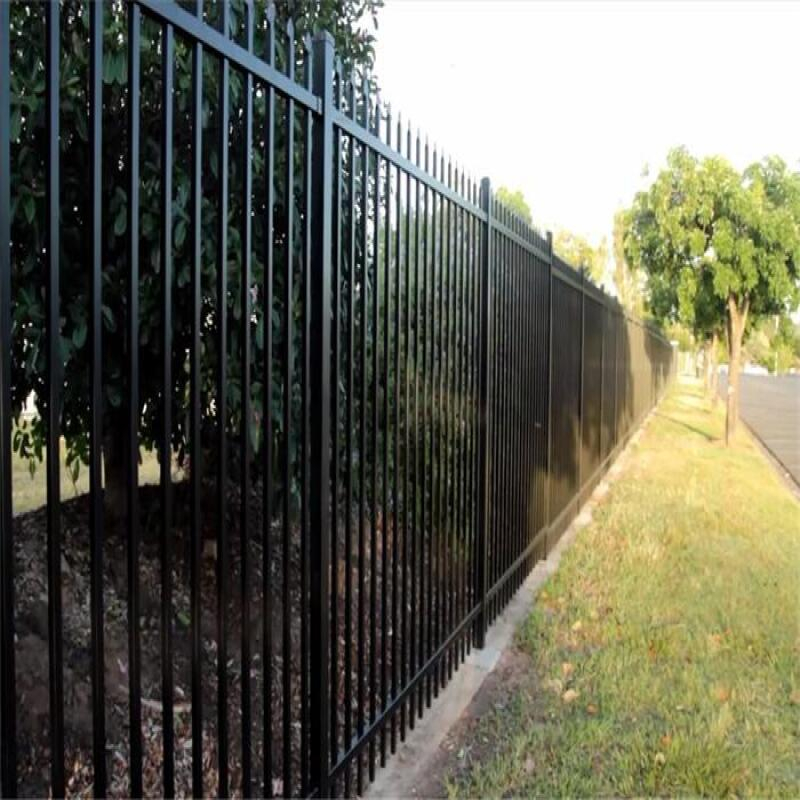
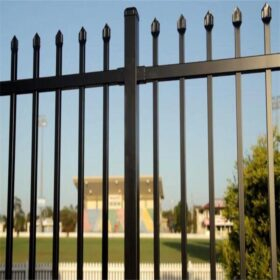
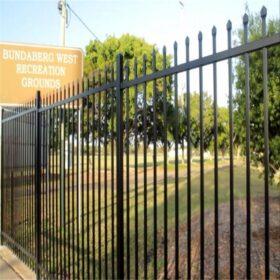
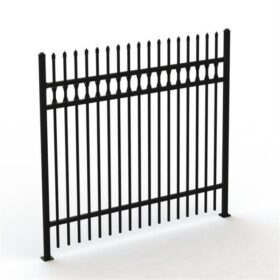
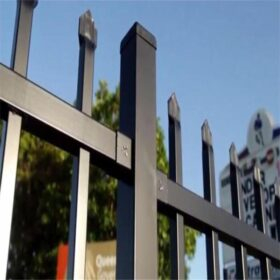
A steel panel fence is often purchased as “simple panels” that should align fast, look straight, and stay rigid under real handling and site pressure. The danger is that many steel panel fence panels look identical in photos while performing completely differently once forklift handling, transport stacking, uneven ground, repeated repositioning, and daily contact start testing the fence line. Because supervisors judge a steel panel fence after delivery rather than at quotation stage, small specification gaps can trigger rework, sorting, rejected bundles, and schedule loss.
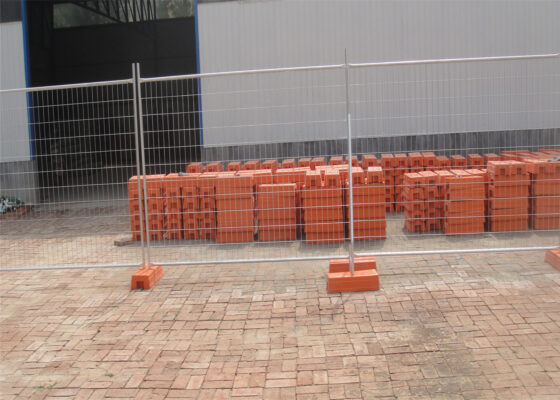
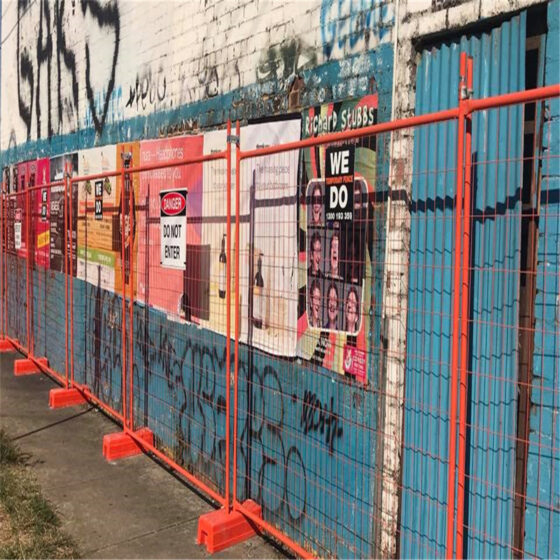
POLYMETAL produces steel panel fence systems as commercial-class welded steel assemblies with measurable, repeatable specifications. Corrosion treatment options such as hot dipped galvanized, pre-galvanized, and Interpon powder coating help ensure the steel panel fence does not become a visible rust-and-wobble problem when the site goes live, especially on projects that also require fast-deploy perimeter control products like
event crowd control barriers.
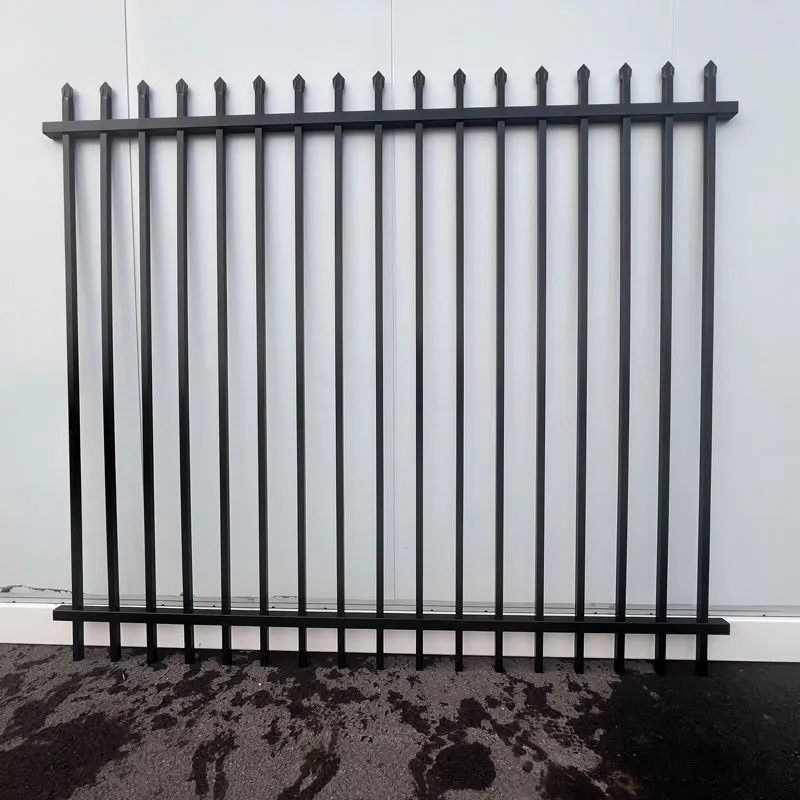
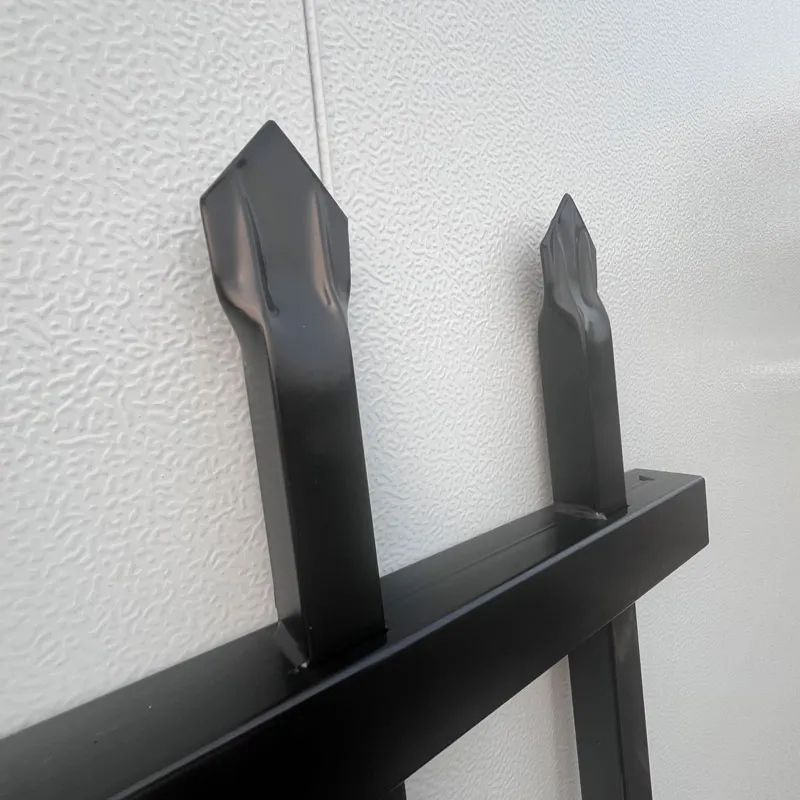

steel panel fence Top 15 Costly Traps You Must Lock Before You Buy (Especially #11)
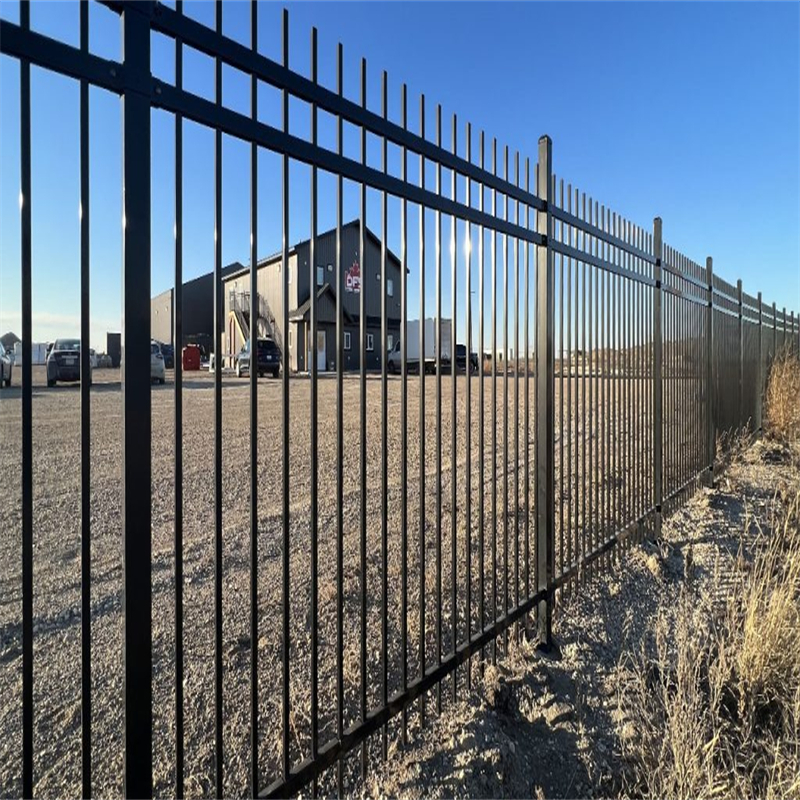
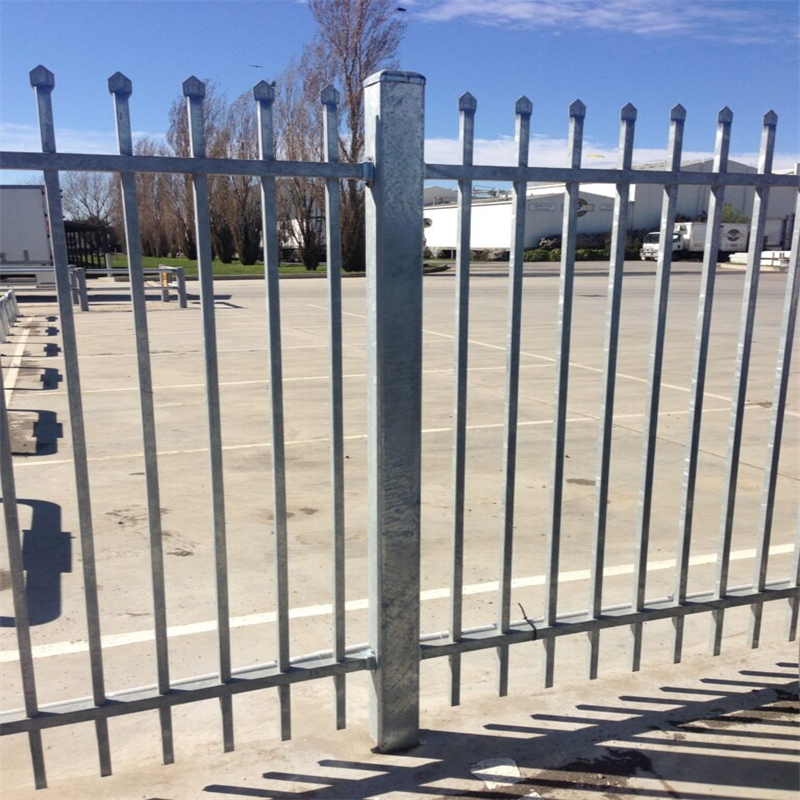
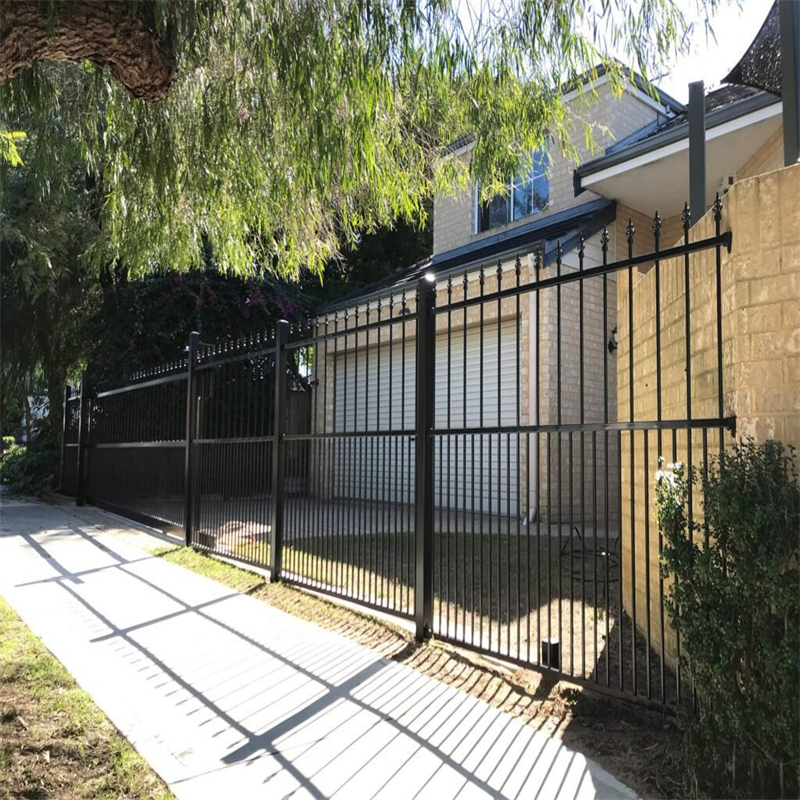

Trap #1: The “secret” that hides a weak rail frame choice
A panel system can be sold as “heavy duty” without stating the rail frame size. If your purchase order does not lock the rail frame (40×40, 45×45, 50×50) and rail thickness (1.60, 2.00, 2.50, 3.00 mm), the delivered panels may flex, rack, and lose straightness under normal handling.
Trap #2: The “detail” about rail thickness that decides stiffness
Rail thickness is the stiffness engine of the panel. A downgrade from 2.50 mm to 1.60 mm can turn a rigid panel into a wobbly panel, especially across wide bays. Lock rail thickness by SKU so every panel behaves the same on site.
Trap #3: The “fact” about upright size that controls impact survival
Upright size is not cosmetic. A panel built with uprights like 25×25, 30×30, or 16×16 behaves differently after dragging, stacking, and site bumps. If upright size is not specified, the line can bend at the verticals and look damaged even when rails still “seem fine.”
Trap #4: The “truth” about upright thickness that controls long-term straightness
Upright thickness (0.80, 1.00, 1.20, 2.00 mm) determines buckling resistance. Panels can arrive straight but deform after one rough handling cycle if upright thickness is quietly reduced in production.
Trap #5: The “point” about upright spacing that changes safety behavior
Upright spacing (100 mm, 108 mm, 115 mm) changes reach-through, perceived control, and line appearance. A line that is too open can feel “soft” in high-traffic areas; a dense line can increase weight and cost. Lock the upright spacing and the upright quantity that produces it.
Trap #6: The “note” about upright quantity that causes visual mismatch
Upright quantity and spacing must match. Common builds use 16 pcs (115 mm spacing), 17 pcs (108 mm spacing), or 18 pcs (100 mm spacing). If quantity is not locked, you can receive mixed density panels that look inconsistent in the same run.
Trap #7: The “tip” about post options that prevents a weak support line
Posts are the real backbone of a fence run. If post size options (60×60, 65×65, 75×75, 80×80, 100×100) and post wall thickness (1.6, 2.0, 2.5 mm) are not specified, panels can be “good” while the line still moves because the posts are undersized.
Trap #8: The “hint” about finish selection that triggers early corrosion
Hot dipped galvanized, pre-galvanized, and Interpon powder coating do not perform the same without process control. If surface preparation, coating requirement, and inspection criteria are not locked, corrosion can show first at weld zones and contact points—exactly where managers and clients focus.
Trap #9: The “idea” about weld discipline that decides repeatability
A fence line is judged by straightness and consistency across hundreds of panels. Inconsistent welding sequence, heat input, or jig control creates twist and wave. Lock jigs, tolerances, and straightness checks so geometry stays repeatable from the first panel to the last.
Trap #10: The “angle” about handling damage that happens before installation
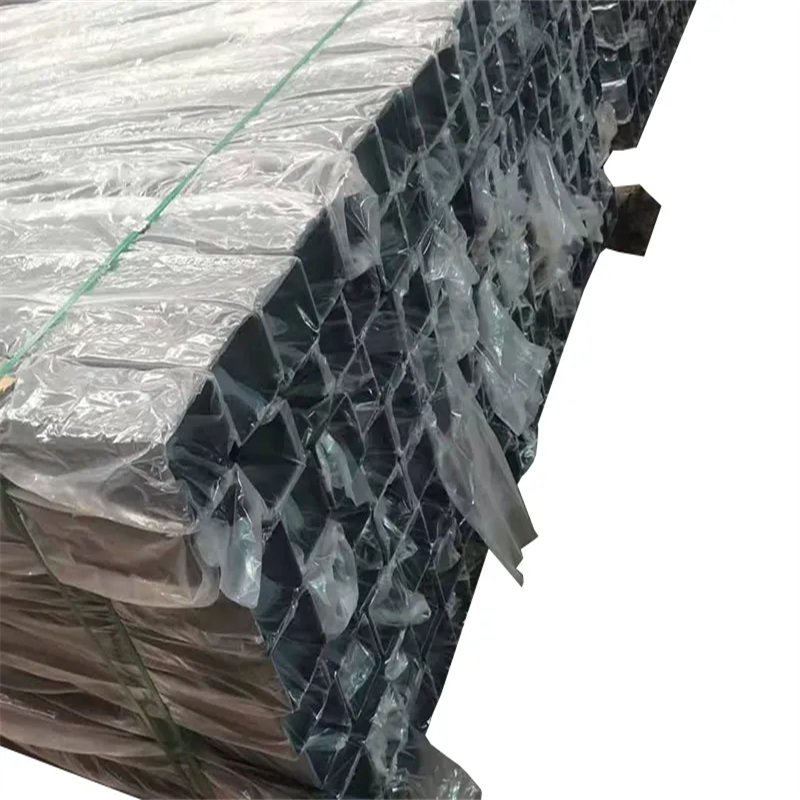
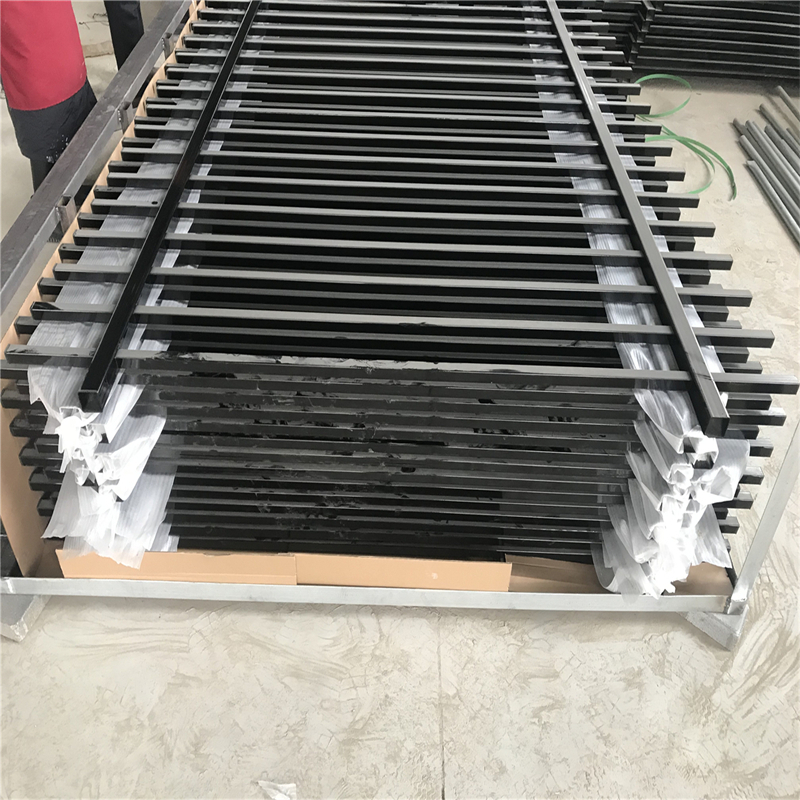
Panels can be bent before they ever reach the site if packing allows metal-to-metal abrasion and uncontrolled stacking. Rails, uprights, and corners are impact points. A disciplined packing method protects geometry through loading, sea freight, and unloading.
Trap #11: The “aspect” that causes the biggest loss—mixed specs in one shipment
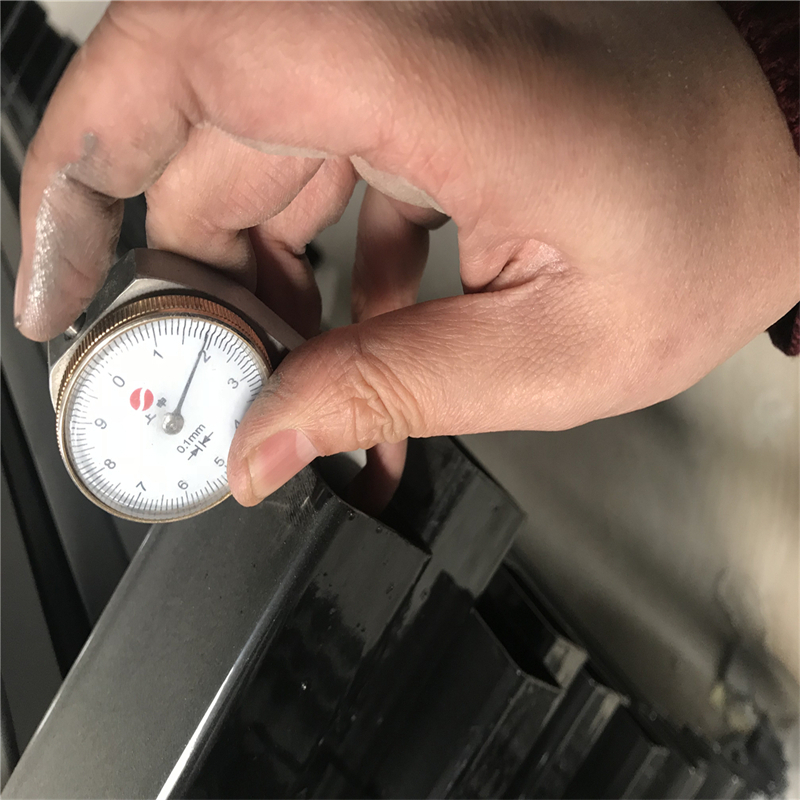
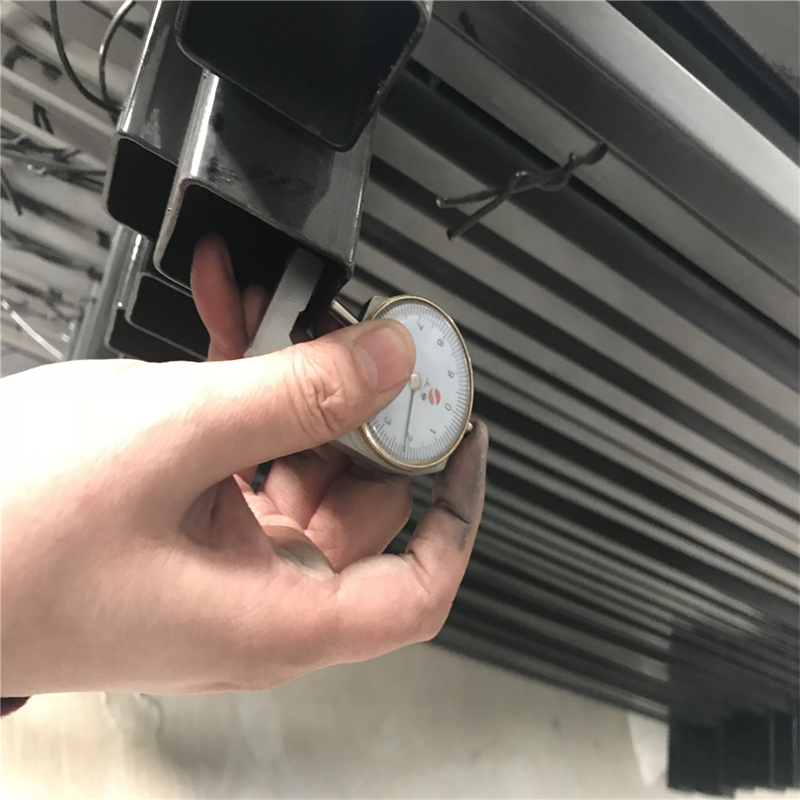
The most expensive failure is not a scratch—it is receiving mixed rail frame sizes, mixed thicknesses, mixed upright sizes, mixed spacing, and mixed posts within the same order. This triggers on-site sorting, rejected bundles, mismatched runs, safety complaints, and rework that destroys the entire savings plan. Lock one approved build per SKU with signed drawings, fixed tables, and defined inspection criteria so every panel matches the approved standard.
Trap #12: The “element” of tolerance control that decides fast installation
Installation speed depends on consistent dimensions. If panel width, rail squareness, and post fit tolerances drift, crews waste hours forcing alignment. Tolerance control is not “nice to have”—it is a direct labor cost driver.
Trap #13: The “feature” of reinforcement that separates standard from heavy-duty
Some zones experience higher push loads and repeated contact. If reinforcement at corners, rails, or post connections is omitted, predictable stress points can deform. Lock reinforcement requirements by application so the fence survives the real load profile.
Trap #14: The “trait” of uneven ground that exposes weak post selection
Uneven ground amplifies movement. Even a strong panel can look unstable if post selection and embedment planning are not matched to site conditions. Specify post sizes and wall thicknesses that keep the line visually straight and physically stable.
Trap #15: The “view” of “compliance” claims without documentation
A product can be described as meeting ASTM or AS/NZS expectations without written evidence. If material grade, rail/upright/post thickness, finish method, and inspection criteria are not written into the PO, you risk last-minute rejection at receiving—when replacement is most expensive for any steel panel fence order.
Product Description: POLYMETAL steel panel fence
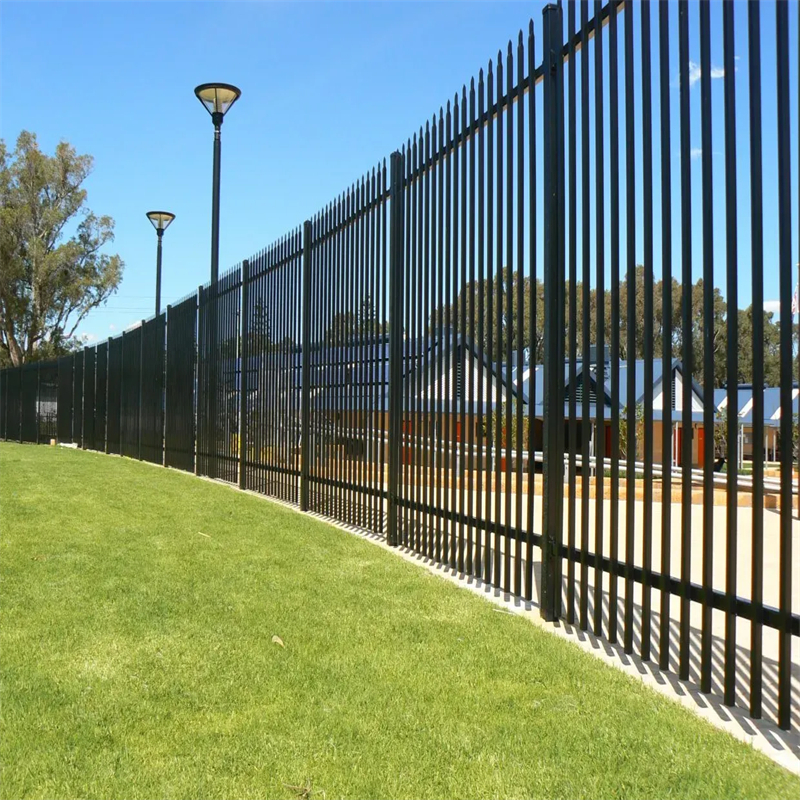
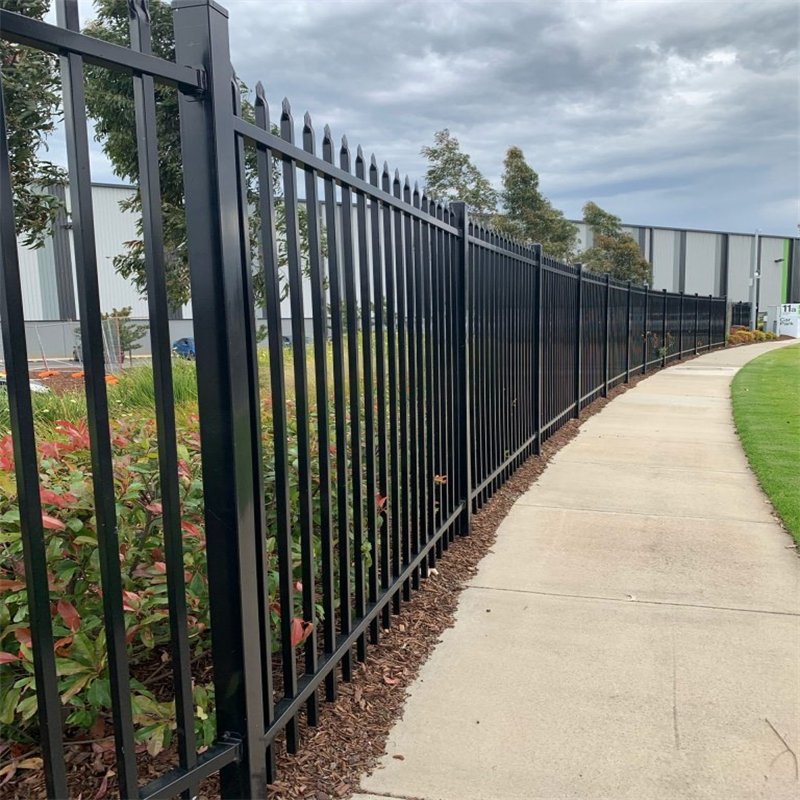
POLYMETAL steel panel fence systems are manufactured as commercial-class welded steel panel assemblies designed for repeatable straightness, stable post support, and consistent appearance across long runs. Each steel panel fence build is controlled by measurable rail frame sizes and thickness, upright tube sizes and thickness, upright quantity and spacing, and defined post options so the delivered panels align quickly and remain rigid under routine handling and site pressure. Finish options include hot dipped galvanized, pre-galvanized, and Interpon powder coating to match outdoor corrosion exposure requirements, helping your steel panel fence maintain clean appearance and reliable service life across transport cycles, unloading, staging, and installation.


Specifications: steel panel fence
Table 1: Core steel panel fence Panel Series (10 Detailed Configurations)
| Fence Panel Height (mm) | Fence Panel Width (mm) | Rail Frame (mm) | Rails Thickness (mm) | Upright (mm) | Upright Thickness (mm) | Upright Qty | Upright Spacing (mm) | Fence Post Option (mm) | Post Wall (mm) | Fence Post Height (mm) |
|---|---|---|---|---|---|---|---|---|---|---|
| 1000 | 2000 | 40×40 | 1.60 | 16×16 | 0.80 | 18 pcs | 100 | 60×60 | 1.6 | 1600 |
| 1060 | 2200 | 40×40 | 2.00 | 25×25 | 1.00 | 17 pcs | 108 | 65×65 | 2.0 | 1660 |
| 1100 | 2500 | 45×45 | 2.00 | 25×25 | 1.20 | 16 pcs | 115 | 75×75 | 2.0 | 1700 |
| 1200 | 2600 | 45×45 | 2.50 | 30×30 | 1.00 | 18 pcs | 100 | 80×80 | 2.0 | 1800 |
| 1500 | 2000 | 40×40 | 2.50 | 30×30 | 1.20 | 17 pcs | 108 | 75×75 | 2.5 | 2100 |
| 1500 | 2200 | 45×45 | 2.50 | 25×25 | 2.00 | 16 pcs | 115 | 80×80 | 2.5 | 2100 |
| 1800 | 2500 | 50×50 | 2.50 | 30×30 | 1.20 | 18 pcs | 100 | 80×80 | 2.5 | 2400 |
| 1800 | 2600 | 50×50 | 3.00 | 30×30 | 2.00 | 17 pcs | 108 | 100×100 | 2.5 | 2400 |
| 2100 | 2200 | 50×50 | 3.00 | 30×30 | 2.00 | 18 pcs | 100 | 100×100 | 2.5 | 2700 |
| 2400 | 2500 | 50×50 | 3.00 | 30×30 | 2.00 | 18 pcs | 100 | 100×100 | 2.5 | 3000 |
Table 2: Post-Matching steel panel fence Series (10 Specifications With Post Height Rule Shown)
| Fence Panel Height (mm) | Fence Panel Width (mm) | Rail Frame (mm) | Rails Thickness (mm) | Upright (mm) | Upright Thickness (mm) | Upright Qty | Upright Spacing (mm) | Fence Post Option (mm) | Post Wall (mm) | Fence Post Height (mm) |
|---|---|---|---|---|---|---|---|---|---|---|
| 1000 | 2200 | 40×40 | 1.60 | 16×16 | 0.80 | 16 pcs | 115 | 60×60 | 2.0 | 1600 |
| 1060 | 2000 | 40×40 | 2.00 | 25×25 | 1.00 | 17 pcs | 108 | 65×65 | 2.0 | 1660 |
| 1100 | 2600 | 45×45 | 2.00 | 25×25 | 1.00 | 18 pcs | 100 | 75×75 | 2.0 | 1700 |
| 1200 | 2000 | 45×45 | 2.50 | 30×30 | 1.20 | 16 pcs | 115 | 75×75 | 2.5 | 1800 |
| 1200 | 2200 | 45×45 | 2.50 | 25×25 | 1.20 | 17 pcs | 108 | 80×80 | 2.0 | 1800 |
| 1500 | 2500 | 45×45 | 2.50 | 30×30 | 1.20 | 18 pcs | 100 | 80×80 | 2.5 | 2100 |
| 1500 | 2600 | 50×50 | 2.50 | 30×30 | 2.00 | 17 pcs | 108 | 100×100 | 2.5 | 2100 |
| 1800 | 2000 | 50×50 | 3.00 | 30×30 | 1.20 | 16 pcs | 115 | 100×100 | 2.5 | 2400 |
| 1800 | 2200 | 50×50 | 3.00 | 30×30 | 2.00 | 18 pcs | 100 | 100×100 | 2.5 | 2400 |
| 2100 | 2500 | 50×50 | 3.00 | 30×30 | 2.00 | 18 pcs | 100 | 100×100 | 2.5 | 2700 |
Table 3: Heavy-Duty steel panel fence Series (10 Specifications With Upgrade Paths)
| Fence Panel Height (mm) | Fence Panel Width (mm) | Rail Frame (mm) | Rails Thickness (mm) | Upright (mm) | Upright Thickness (mm) | Upright Qty | Upright Spacing (mm) | Fence Post Option (mm) | Post Wall (mm) | Fence Post Height (mm) |
|---|---|---|---|---|---|---|---|---|---|---|
| 1000 | 2500 | 45×45 | 2.50 | 25×25 | 1.20 | 18 pcs | 100 | 75×75 | 2.5 | 1600 |
| 1060 | 2600 | 45×45 | 2.50 | 30×30 | 1.20 | 17 pcs | 108 | 80×80 | 2.5 | 1660 |
| 1100 | 2200 | 50×50 | 2.50 | 30×30 | 1.20 | 16 pcs | 115 | 80×80 | 2.5 | 1700 |
| 1200 | 2500 | 50×50 | 3.00 | 30×30 | 2.00 | 18 pcs | 100 | 100×100 | 2.5 | 1800 |
| 1500 | 2200 | 50×50 | 3.00 | 30×30 | 2.00 | 17 pcs | 108 | 100×100 | 2.5 | 2100 |
| 1500 | 2600 | 50×50 | 3.00 | 30×30 | 2.00 | 18 pcs | 100 | 100×100 | 2.5 | 2100 |
| 1800 | 2500 | 50×50 | 3.00 | 30×30 | 2.00 | 16 pcs | 115 | 100×100 | 2.5 | 2400 |
| 1800 | 2600 | 50×50 | 3.00 | 30×30 | 2.00 | 17 pcs | 108 | 100×100 | 2.5 | 2400 |
| 2100 | 2200 | 50×50 | 3.00 | 30×30 | 2.00 | 18 pcs | 100 | 100×100 | 2.5 | 2700 |
| 2400 | 2600 | 50×50 | 3.00 | 30×30 | 2.00 | 18 pcs | 100 | 100×100 | 2.5 | 3000 |
Applications of steel panel fence
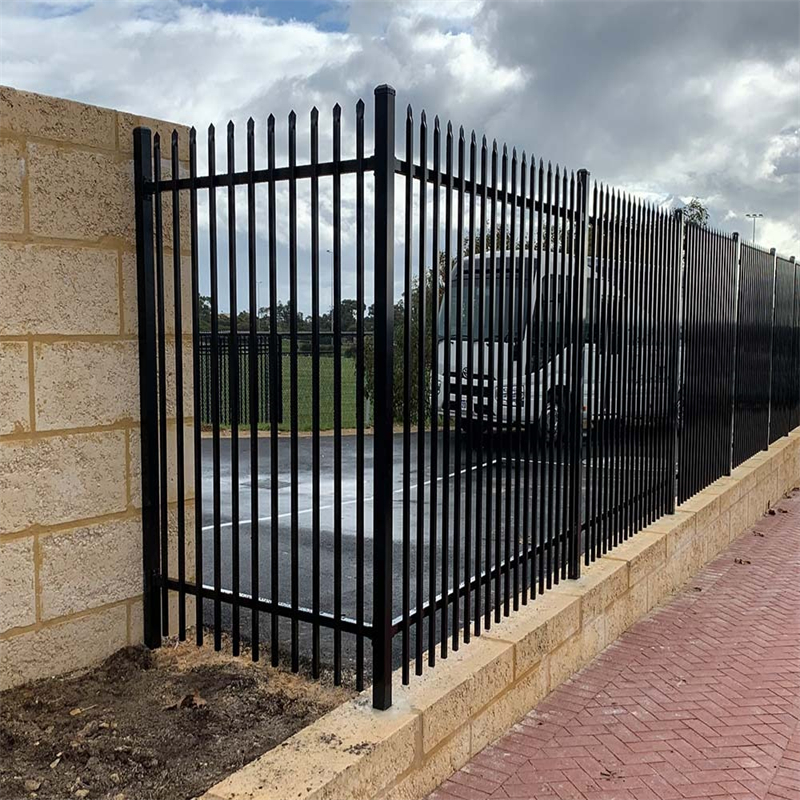
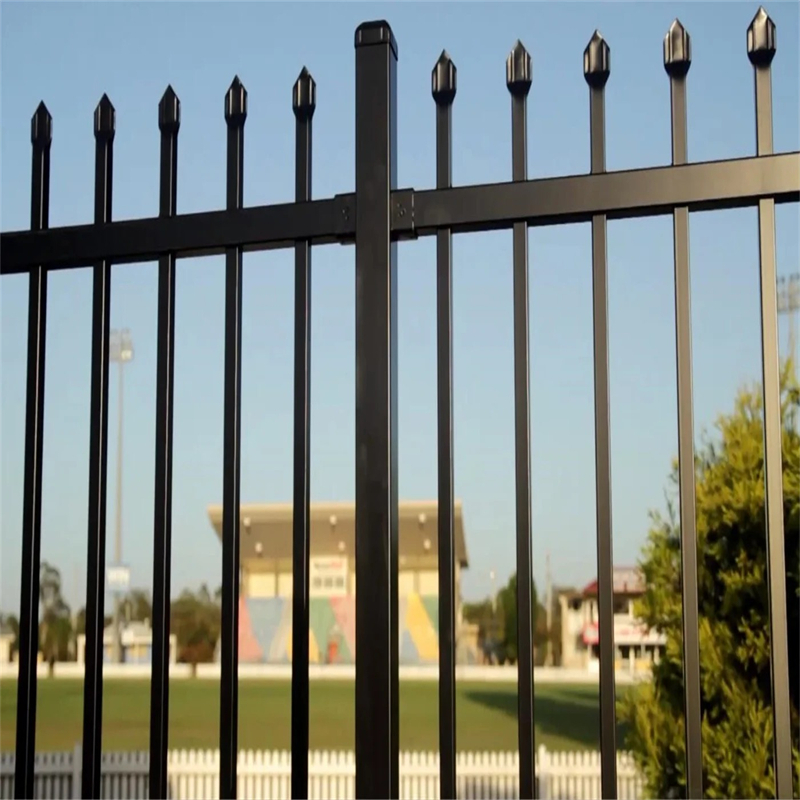
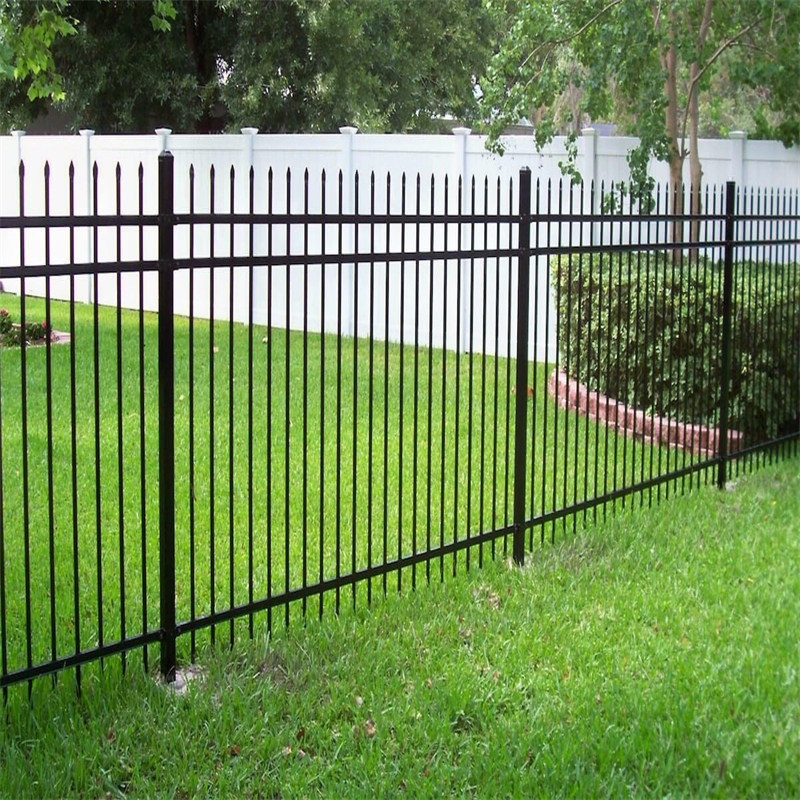
A steel panel fence is widely used for construction site boundaries, warehouse and logistics separation, pedestrian routing, public works staging, temporary perimeter control, crowd guidance zones, equipment laydown areas, utilities compounds, and any project where steel panel fence panels must remain straight, stable, and consistent across long runs and repeated handling.
Benefits of POLYMETAL steel panel fence
POLYMETAL steel panel fence systems reduce hidden losses by locking rail frame size and thickness, upright size and thickness, upright quantity and spacing, and post options that match real stability demands. This specification-driven approach improves installation speed, reduces wobble and visual wave, prevents mixed-spec disputes, protects appearance under handling cycles, and supports reliable service life with corrosion treatment options suited to outdoor exposure.
Packing for overseas delivery
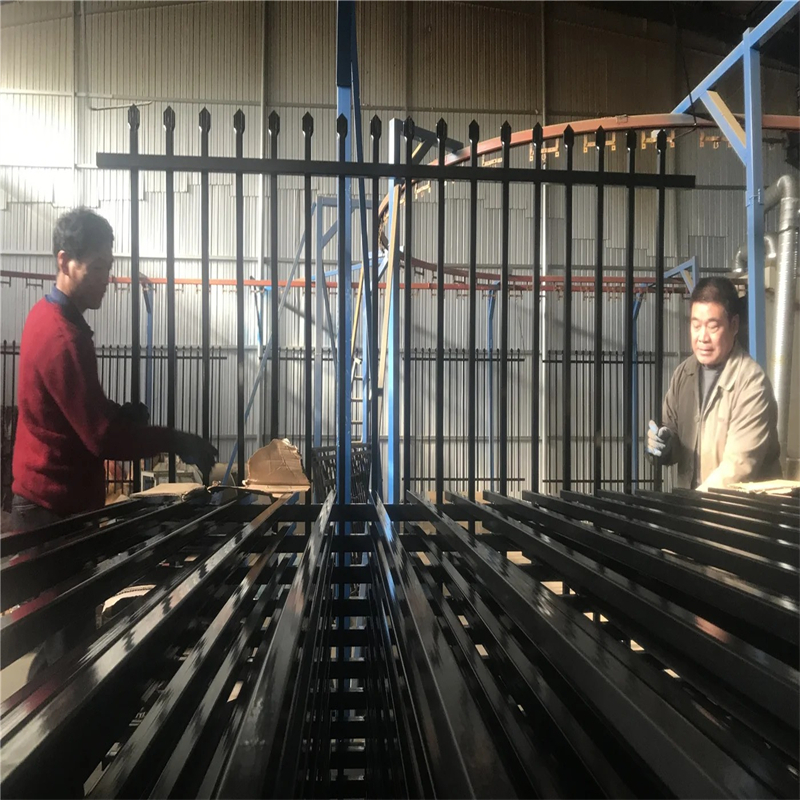
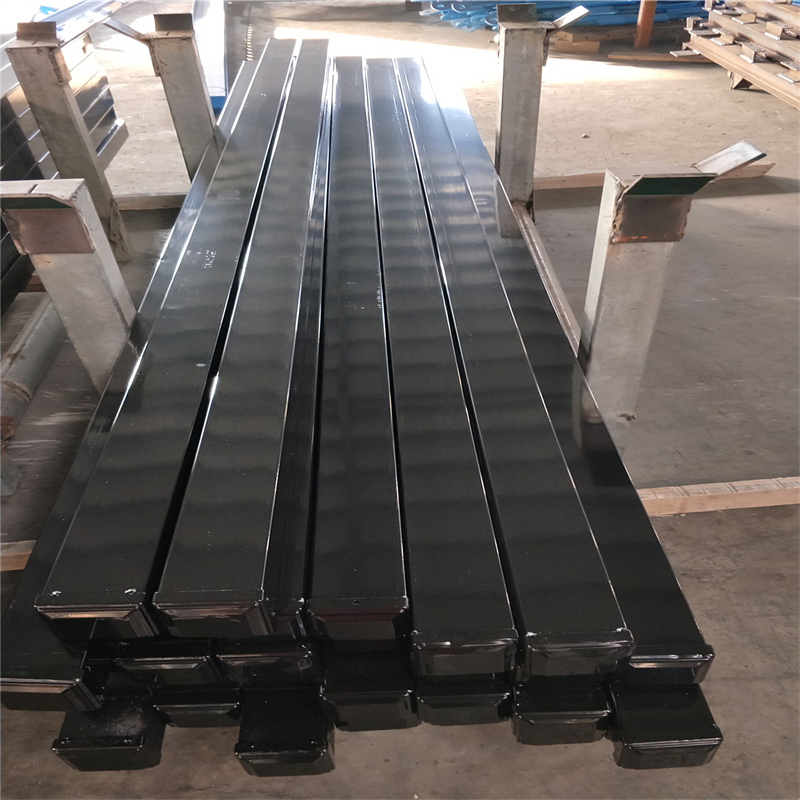
POLYMETAL steel panel fence panels are packed using controlled stacking, protective separators, and strapping to reduce metal-to-metal abrasion and impact damage. Bundles are labeled by SKU so rail frame, upright density, and post matching remain consistent at receiving. Pallet or stillage packing options help protect steel panel fence geometry through container loading, sea freight, unloading, and site staging, reducing the risk of twisted rails, bent uprights, and receiving disputes.
Standard and inspection expectations
A steel panel fence can be produced to meet ASTM and AS/NZS expectations for commercial-class steel performance and outdoor corrosion exposure when the purchase order clearly states rail frame size, rail thickness, upright size, upright thickness, upright quantity, upright spacing, post options, post wall thickness, finish method, and inspection criteria. For finishes, hot dipped galvanized, pre-galvanized, and Interpon powder coating should be controlled by documented surface preparation, coating requirements, and acceptance checks so the delivered steel panel fence matches the approved project standard—especially if your team is also tightening procurement controls across other mesh-based safety products and reviewing stainless steel mesh net mistakes.
FAQs
FAQ 1: Are you a factory or trading company?
POLYMETAL is a direct manufacturer with production lines and workshops for steel panel fence fabrication, welding, and finishing, allowing consistent specification control and flexible configuration options without middle-man markups.
FAQ 2: Can you build different steel panel fence sizes for different markets?
Yes. POLYMETAL steel panel fence systems support multiple heights, widths, rail frame sizes, upright sizes, upright densities, post options, and finishes. The key is locking one approved configuration per SKU so the shipment remains consistent.
FAQ 3: What finish options are available for steel panel fence?
Common steel panel fence finishes include hot dipped galvanized for outdoor durability, pre-galvanized for cost-efficient corrosion resistance, and Interpon powder coating for premium appearance and identification needs.
FAQ 4: How do you prevent mixed specifications in one shipment?
POLYMETAL controls steel panel fence shipments by SKU-based production routing, labeled bundling, packing discipline, and defined inspection checks so rail frame, uprights, spacing, and post matching remain consistent across the container.
FAQ 5: Can you provide drawings and inspection documentation?
Yes. POLYMETAL can provide steel panel fence drawings, specification tables, packing lists, and inspection checkpoints aligned to your receiving requirements so the delivered panels match the approved build.
FAQ 6: What is the typical lead time?
Steel panel fence production lead time depends on configuration and quantity, and can be planned in a controlled schedule to match project deadlines and shipping windows.
FAQ 7: What payment terms can you accept?
Common terms for steel panel fence orders include T/T and L/C depending on order scale, configuration complexity, and project requirements.